Rose Hip - What's The Rose Hip Fruit?

Rose hip fruit might look like tiny red berries, but these colorful gems are actually the seed pods left behind after roses finish blooming. This guide is perfect for gardeners, health enthusiasts, and anyone curious about this overlooked superfood that's been hiding in plain sight.
Many people walk past rose bushes without realizing they're looking at one of nature's richest sources of vitamin C. Rose hips pack more nutritional punch than most fruits you'll find at the grocery store, and they've been used for centuries in traditional medicine and cooking.
We'll show you how to identify and harvest rose hips safely from your garden or local area, plus explore their impressive nutritional benefits that make them a true powerhouse food. You'll also discover simple preparation methods and practical ways to use rose hips for both culinary creations and natural health support.
Understanding Rose Hip Fruit and Its Origins
.png)
Natural formation process after rose flowers fade
Rose hip fruit forms naturally when rose flowers complete their blooming cycle and begin to fade. After the delicate petals drop away, the flower's receptacle - the rounded base that held the petals - starts to swell and develop into what we know as a rose hip. This transformation happens because the rose plant shifts its energy from flower production to seed development.
The process begins when pollination occurs, triggering hormonal changes within the plant. The ovary at the base of the flower enlarges and hardens, creating a protective casing around the developing seeds inside. Over several weeks, this structure grows larger and changes color, typically progressing from green to shades of orange, red, or deep burgundy depending on the rose variety.
What is rose hip at its core? It's essentially the fruit of the rose plant, containing multiple small seeds surrounded by a fleshy, vitamin-rich exterior. The entire development process takes approximately 6-8 weeks from the time the flower petals fall until the hip reaches full maturity.
Common rose varieties that produce edible hips
Not all roses create quality hips for eating, but several varieties stand out for their exceptional fruit production. Wild roses, particularly Rosa canina (dog rose) and Rosa rugosa (beach rose), produce some of the most flavorful and nutrient-dense hips available.
Rosa rugosa deserves special mention because its hips are notably large - sometimes reaching the size of cherry tomatoes - and pack incredible flavor. These plants originated in Asia but now thrive in coastal areas across North America and Europe. The hips have a sweet-tart taste and contain exceptionally high levels of vitamin C.
Rosa canina produces smaller but equally nutritious hips that have been used in traditional European medicine for centuries. These wild roses grow abundantly in hedgerows and woodland edges, making them easily accessible for foragers.
Other excellent hip producers include:
-
Rosa gallica (French rose) - creates small, intensely flavored hips
-
Rosa villosa (apple rose) - produces large, apple-shaped hips with mild flavor
-
Rosa glauca (red-leaved rose) - offers dark red hips with rich taste
-
Rosa moyesii - develops bottle-shaped hips that are particularly striking
Hybrid tea roses and heavily bred ornamental varieties typically produce inferior hips or none at all, as breeding has focused on flower appearance rather than fruit quality.
Seasonal timing for optimal rose hip development
Timing plays a crucial role in rose hip harvesting and getting the best nutritional value from these natural treasures. The development cycle follows a predictable pattern that varies slightly based on climate and rose variety.
Most roses bloom through late spring and summer, with hip formation beginning in mid to late summer. In temperate climates, the optimal harvest window typically falls between September and November, after the first light frosts but before hard freezes set in.
Early autumn frosts actually improve hip quality by converting starches to sugars, making the fruit sweeter and more palatable. This natural process also softens the flesh slightly, though hips should still feel firm when properly ripe.
Here's the ideal timeline for rose hip benefits and harvest:
| Month | Development Stage | Action |
|---|---|---|
| July-August | Hip formation begins | Monitor growth |
| September | Hips begin changing color | Test for firmness |
| October | Peak ripeness in most climates | Primary harvest time |
| November | Late varieties ready | Final harvest before hard frost |
Properly timed hips feel firm but yield slightly to gentle pressure, similar to a ripe pear. The color should be vibrant - deep red, orange, or purple depending on variety - and the surface should appear plump and smooth rather than wrinkled or soft.
Identifying and Harvesting Rose Hips Safely

Visual Characteristics of Ripe Rose Hips
Rose hip fruit changes dramatically as it ripens, making visual identification your most reliable tool. Look for rose hips that have transformed from their initial green color to vibrant shades of red, orange, or deep burgundy, depending on the rose variety. The best rose hips feel slightly soft when gently pressed but still maintain their shape - they shouldn't be mushy or completely hard.
Size varies significantly between species, ranging from small pea-sized fruits to large cherry-sized specimens. Wild dog roses typically produce oval-shaped rose hips about half an inch long, while rugosa roses create plump, round fruits that can reach nearly an inch in diameter. The skin should appear smooth and glossy, free from dark spots, wrinkles, or obvious damage.
Timing matters when identifying ripe rose hips. The peak harvest window usually falls between late summer and early fall, after the first light frost which actually sweetens the fruit by converting starches to sugars. The sepals (small leaf-like structures) at the bottom of the fruit should still be attached and relatively fresh-looking.
Best Harvesting Techniques for Maximum Nutrition
Rose hip harvesting requires gentle handling to preserve the fruit's impressive vitamin C content and other nutrients. Use clean, sharp garden shears or scissors rather than pulling the fruits by hand, which can damage both the rose hip and the plant. Cut the stem about a quarter-inch above the fruit to avoid unnecessary plant stress.
Harvest during dry weather conditions, preferably in the morning after dew has evaporated but before the afternoon heat sets in. Wet rose hips are more prone to mold and decay during storage. Collect fruits in shallow baskets or containers to prevent crushing - never use plastic bags which can trap moisture and accelerate spoilage.
Select rose hips that yield slightly to pressure but aren't overly soft. Skip any fruits with visible damage, dark spots, or signs of insect infestation. The most nutritious rose hips come from plants that haven't been treated with pesticides or other chemicals, making wild or organically grown sources ideal.
Process your harvest within 24 hours of picking for maximum nutritional retention. Rose hip vitamin C content begins degrading immediately after harvest, so quick handling preserves these valuable compounds.
Safety Considerations When Foraging Wild Rose Hips
Wild rose hip harvesting comes with important safety considerations that every forager must understand. First, confirm you have permission to harvest from the land where you're collecting - many parks and private properties prohibit foraging activities. Always respect local regulations and obtain proper permits when required.
Plant identification skills are absolutely critical. While most rose species produce edible rose hips, you must be 100% certain you're dealing with actual rose plants. Look for the characteristic thorns, compound leaves with serrated edges, and five-petaled flowers. Never harvest from plants growing near roadsides, industrial areas, or locations where chemical treatments might have been applied.
Watch out for other hazards in rose hip harvesting areas. Dense rose thickets can hide uneven ground, holes, or other obstacles. Wear thick gloves and long sleeves to protect against thorns, and consider eye protection when working in dense brambles. Some people experience skin sensitivity to rose thorns, so clean any scratches immediately.
Check local wildlife regulations before harvesting, as some areas protect rose hips as important food sources for birds and other animals. Leave plenty of fruit on each plant to support local ecosystems.
Proper Storage Methods to Maintain Freshness
Fresh rose hip storage requires careful attention to prevent spoilage and maintain nutritional value. Remove any stems, leaves, or damaged fruits from your harvest before storage. Gently rinse the rose hips in cool water and allow them to air dry completely - excess moisture leads to rapid deterioration.
Store fresh rose hips in the refrigerator for up to one week. Place them in a breathable container like a paper bag or ventilated plastic container rather than sealed bags. Check stored fruits daily and remove any that show signs of softening or dark spots to prevent spread to healthy fruits.
For longer storage, consider these preservation methods:
-
Freezing: Wash, dry, and remove stems before placing in freezer bags. Frozen rose hips keep for up to one year
-
Dehydrating: Slice rose hips in half, remove seeds, and dry at 135°F until leathery. Store dried rose hips in airtight containers for up to two years
-
Processing immediately: Make rose hip jam, jelly, or syrup within days of harvest for best flavor and nutrition
Never store rose hips in warm, humid conditions or direct sunlight, as this accelerates vitamin degradation and promotes bacterial growth. Properly stored rose hips retain much of their nutritional value and can provide you with this superfruit's benefits long after harvest season ends.
Nutritional Powerhouse Benefits of Rose Hips

Vitamin C Content Exceeding Citrus Fruits
Rose hip fruit contains an absolutely staggering amount of vitamin C that puts oranges and lemons to shame. A single 100-gram serving of fresh rose hips delivers between 200-1,500 milligrams of vitamin C, depending on the variety and growing conditions. To put this in perspective, that's roughly 20-30 times more vitamin C than you'd find in oranges or other citrus fruits.
The Rosa rugosa variety stands out as particularly potent, containing some of the highest concentrations of vitamin C found in any natural food source. This incredible vitamin C content made rose hips a crucial survival food during World War II when citrus imports became scarce. British citizens were encouraged to forage for rose hips to prevent scurvy and maintain immune health.
The vitamin C in rose hip fruit remains remarkably stable even after processing, unlike many other fruits where heat destroys this vital nutrient. This stability makes rose hips an excellent choice for jams, syrups, and teas while preserving their nutritional punch.
Essential Antioxidants for Immune System Support
Beyond their impressive vitamin C levels, rose hip benefits extend to a rich collection of antioxidant compounds that work together to strengthen your immune system. These small fruits pack anthocyanins, flavonoids, and phenolic acids that fight harmful free radicals in your body.
The antioxidant profile includes:
-
Lycopene: The same compound that gives tomatoes their red color
-
Beta-carotene: Converts to vitamin A for eye and skin health
-
Quercetin: A powerful anti-inflammatory compound
-
Gallic acid: Supports cardiovascular health
-
Ellagic acid: Shows promising anti-cancer properties
Rose hip nutrition research shows these antioxidants work synergistically with vitamin C to create a robust defense system against oxidative stress. Regular consumption may help reduce inflammation, support faster wound healing, and boost your body's natural ability to fight off infections.
Minerals and Vitamins Supporting Overall Health
The nutritional powerhouse nature of rose hips extends well beyond vitamin C and antioxidants. These vibrant fruits contain an impressive array of essential minerals and vitamins that support multiple body systems.
Key minerals found in rose hips:
| Mineral | Benefit | Amount per 100g |
|---|---|---|
| Iron | Supports oxygen transport | 1.06mg |
| Calcium | Bone and teeth health | 169mg |
| Magnesium | Muscle and nerve function | 69mg |
| Potassium | Heart health and blood pressure | 429mg |
| Phosphorus | Bone formation | 61mg |
Additional vitamins include:
-
Vitamin K: Essential for blood clotting and bone health
-
Vitamin A: Supports vision and immune function
-
B-complex vitamins: Energy metabolism and nervous system health
-
Vitamin E: Protects cell membranes from damage
Rose hip health benefits become even more impressive when you consider the pectin content, which supports digestive health and may help regulate cholesterol levels. The natural sugars provide quick energy while the fiber content promotes healthy digestion and sustained blood sugar levels.
These comprehensive rose hip benefits make the fruit a true superfood that supports everything from cardiovascular health to skin vitality, proving that sometimes the best nutrition comes in small, unassuming packages.
Culinary Uses and Preparation Methods

Traditional Rose Hip Tea Brewing Techniques
Brewing rose hip tea starts with properly prepared rose hips. Fresh or dried rose hips work equally well, though dried ones offer convenience and longer storage. For one cup, use about two tablespoons of dried rose hips or three tablespoons of fresh ones. Simmer the rose hips in water for 10-15 minutes rather than simply steeping them. This gentle cooking process releases the maximum amount of vitamin C and other beneficial compounds from the tough fruit walls.
The key to perfect rose hip tea lies in the water temperature and timing. Keep the water at a gentle simmer, not a rolling boil, which can destroy the delicate vitamin C content. After simmering, let the tea steep for an additional 5 minutes off the heat. Strain through a fine mesh to remove any remaining particles and seeds.
Creating Homemade Jams and Jellies
Rose hip jam captures the fruit's natural tartness while adding sweetness that balances beautifully. Start with about two pounds of fresh rose hips, removing stems and blossom ends. Cook them with minimal water until soft, then push through a food mill or fine sieve to remove seeds and tough skins. This process yields a smooth puree perfect for jam-making.
Mix the puree with sugar at a 1:1 ratio, though you can reduce sugar to taste. Add lemon juice and pectin for proper setting. Cook the mixture until it reaches the gel point, typically around 220°F. The natural pectin in rose hips helps create a firm set, making this fruit particularly suited for preserves.
| Preparation Method | Cooking Time | Sugar Ratio | Pectin Needed |
|---|---|---|---|
| Traditional Jam | 20-25 minutes | 1:1 | Optional |
| Low-Sugar Version | 15-20 minutes | 1:2 | Required |
| Jelly (strained) | 25-30 minutes | 1:1 | Sometimes |
Incorporating Rose Hips into Baking Recipes
Rose hip preparation methods for baking require removing the irritating seeds and hairs inside the fruit. The easiest approach involves cooking the rose hips until soft, then pushing them through a sieve to create a smooth puree. This puree works wonderfully in muffins, quick breads, and fruit tarts, adding both flavor and nutrition.
Rose hip puree substitutes for other fruit purees in most recipes. Try replacing half the applesauce in muffin recipes with rose hip puree for a unique twist. The fruit's natural tartness pairs exceptionally well with sweet spices like cinnamon and vanilla. Dried, ground rose hips can also be mixed into flour for subtle flavor and added vitamin C.
Raw Consumption Tips and Seed Removal
Eating fresh rose hips requires careful preparation since the seeds contain irritating hairs that can cause throat discomfort. Cut each rose hip in half lengthwise and scoop out all seeds and the fuzzy interior using a small spoon or knife tip. What remains is the fleshy outer shell, which you can eat raw or add to salads.
Raw rose hips taste quite tart with apple-like notes. Some varieties are sweeter than others, with larger hips generally offering better flavor. The flesh provides excellent vitamin C content, often exceeding that of citrus fruits. Always choose fully ripe, deep red or orange rose hips for the best taste and nutritional value.
Preserving Rose Hips for Year-Round Use
Drying rose hips preserves them effectively for months. Clean, de-stemmed rose hips can be dried whole in a dehydrator at 135°F or in a low oven with the door slightly open. Properly dried rose hips should feel leathery but not brittle. Store them in airtight containers away from light.
Freezing works well for rose hips you plan to cook later. Whole, cleaned rose hips freeze beautifully and actually become easier to process after thawing since the cell walls break down slightly. You can also freeze rose hip puree in ice cube trays for convenient portions. Frozen rose hip cubes work perfectly for smoothies or quick tea brewing throughout the winter months.
Health and Wellness Applications
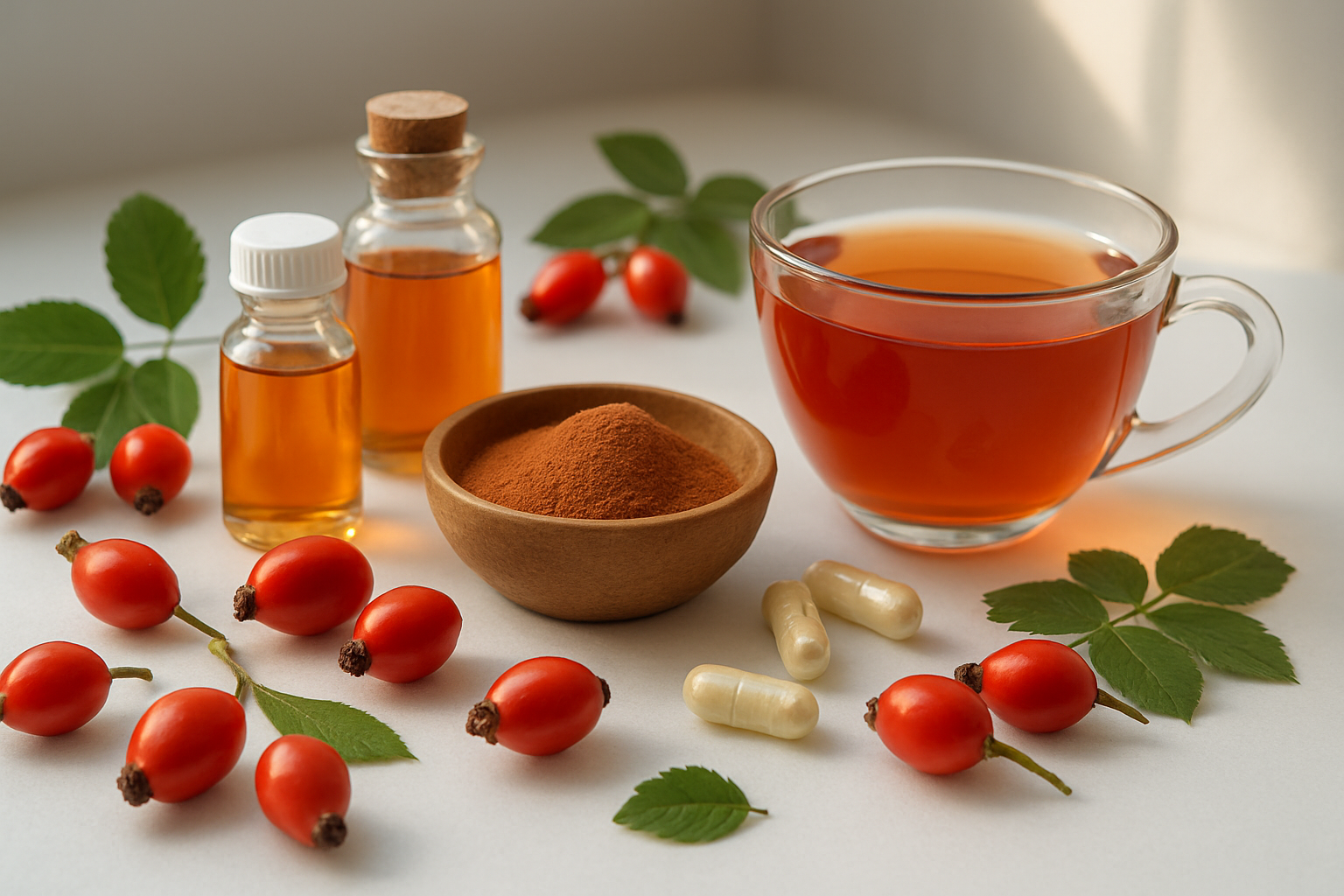
Natural remedies for cold and flu symptoms
Rose hip benefits extend far beyond their impressive vitamin C content when it comes to fighting off seasonal illnesses. These vibrant fruits pack nearly 20 times more vitamin C than oranges, making them a powerhouse remedy for boosting immune function during cold and flu season. Traditional herbalists have relied on rose hip preparations for centuries to shorten the duration of respiratory infections and ease uncomfortable symptoms.
Rose hip tea serves as an excellent natural decongestant, helping to clear nasal passages while providing soothing warmth to irritated throats. The fruit's natural antioxidants work alongside vitamin C to strengthen your body's defense mechanisms against viral infections. Many people find that consuming rose hip syrup or concentrated extracts at the first sign of illness can prevent symptoms from progressing into full-blown colds.
Clinical studies show that regular rose hip consumption during winter months can reduce the frequency of upper respiratory infections by up to 30%. The fruit's bioflavonoids enhance vitamin C absorption, creating a synergistic effect that supports faster recovery times. Rose hip preparations also contain natural compounds that help reduce fever and provide gentle pain relief without the side effects associated with synthetic medications.
Anti-inflammatory properties for joint health
Rose hip health benefits shine particularly bright for those dealing with joint pain and inflammation. The fruit contains a unique compound called galactolipid, which has been clinically proven to reduce inflammatory markers in the body. This natural anti-inflammatory action makes rose hip fruit especially valuable for people with arthritis, rheumatism, and general joint stiffness.
Regular consumption of standardized rose hip powder can significantly reduce joint pain and improve mobility in as little as three weeks. The fruit's anti-inflammatory compounds work by inhibiting the production of inflammatory enzymes while supporting cartilage health and repair. Unlike pharmaceutical anti-inflammatory drugs, rose hips provide these benefits without causing stomach irritation or other adverse effects.
Research involving over 300 participants with osteoarthritis showed that those taking rose hip supplements experienced a 40% reduction in pain levels compared to placebo groups. The fruit's natural compounds also help preserve joint cartilage by reducing the breakdown of collagen and supporting healthy tissue regeneration. Athletes often incorporate rose hip nutrition into their recovery routines to manage exercise-induced inflammation and maintain joint flexibility.
Skin care benefits and topical applications
Rose hip uses extend beautifully into natural skincare, where the fruit's oil and extracts deliver remarkable anti-aging and healing properties. Rose hip seed oil contains high concentrations of essential fatty acids, vitamins A and E, and lycopene, which work together to promote skin regeneration and reduce the appearance of scars, wrinkles, and age spots.
The fruit's natural retinoids stimulate cell turnover without the harsh side effects associated with synthetic retinol products. Regular application of rose hip oil can improve skin texture, even out skin tone, and boost collagen production for firmer, more youthful-looking skin. Many dermatologists recommend rose hip-based products for treating acne scars, stretch marks, and sun damage.
| Skin Benefit | Active Compound | Application Method |
|---|---|---|
| Scar reduction | Vitamin A, essential fatty acids | Direct oil application |
| Anti-aging | Lycopene, vitamin C | Serums and creams |
| Hydration | Linoleic acid | Daily moisturizers |
| Brightening | Vitamin C, antioxidants | Face masks and treatments |
Rose hip extracts also provide natural sun protection and help repair UV damage to skin cells. The fruit's antioxidants neutralize free radicals that contribute to premature aging, while its natural acids gently exfoliate dead skin cells to reveal brighter, smoother skin underneath. Many people with sensitive skin find rose hip products gentler than chemical alternatives while delivering comparable or superior results.

Rose hips pack an incredible nutritional punch that makes them worth seeking out, especially during fall and winter months when vitamin C becomes so important for staying healthy. These bright red fruits offer a natural way to boost your immune system while adding unique flavors to your cooking and tea routine. The fact that you can easily identify and harvest them yourself makes rose hips an accessible superfood that connects you directly with nature.
Next time you spot those vibrant orange-red fruits on wild roses, consider giving them a try. Whether you're making homemade jam, brewing vitamin-rich tea, or creating natural remedies, rose hips provide a simple way to add both nutrition and flavor to your daily routine. Start small with a basic tea or simple syrup, and you'll quickly discover why people have been relying on these powerful little fruits for centuries.


Comments
Post a Comment