Saguaro Fruit - What's The Saguaro Cactus Fruit?
.png)
The towering saguaro cactus produces a remarkable ruby-red fruit that has sustained desert communities for thousands of years. This comprehensive guide is for desert enthusiasts, foragers, and anyone curious about this unique Arizona treasure.
Saguaro fruit offers impressive nutritional benefits packed into small, sweet pods that ripen during the scorching summer months. Many people don't realize this desert delicacy contains more vitamin C than oranges and serves as a crucial food source for both wildlife and humans.
We'll explore the distinctive characteristics that make saguaro cactus fruit stand out from other desert plants, including its seasonal availability and physical appearance. You'll also discover the traditional harvesting methods passed down through generations of indigenous communities, plus safe preparation techniques you can use today. Finally, we'll break down the nutritional powerhouse hiding inside these crimson gems and why they've earned respect as one of nature's most valuable desert foods.
Understanding the Saguaro Cactus and Its Magnificent Fruit
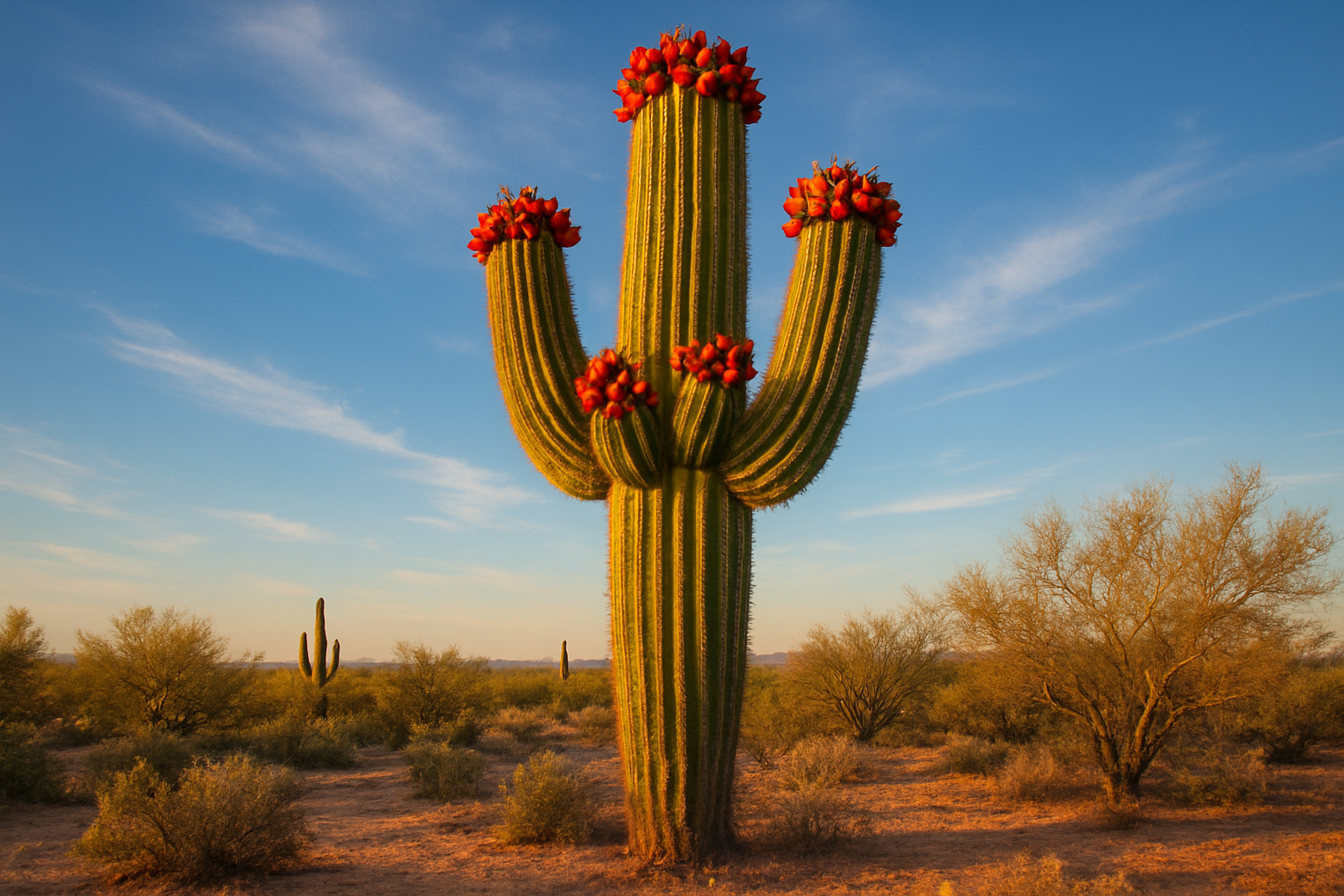
Discover the iconic giant of the Sonoran Desert
The saguaro cactus stands as the undisputed monarch of the American Southwest, reaching heights of up to 50 feet and living for over 200 years. These towering desert giants create an unmistakable silhouette across Arizona's landscape, with their massive arms stretching toward the sky like ancient sentinels. What many people don't realize is that these magnificent cacti produce some of the desert's most prized edible treasures - saguaro fruit.
Each mature saguaro can weigh between 3,200 and 4,800 pounds when fully hydrated, making them living water towers of the desert. The saguaro cactus fruit develops at the very tips of the main trunk and arms, appearing as bright red, egg-shaped pods that split open when ripe to reveal ruby-red flesh packed with tiny black seeds.
The relationship between saguaros and their environment runs deep. These cacti don't even begin flowering until they're 35-40 years old, and their desert fruit production becomes a cornerstone of desert ecosystem survival during the hot summer months when other food sources become scarce.
Learn why saguaro cacti are ecological treasures
Saguaro cacti serve as keystone species in the Sonoran Desert, supporting over 60 different animal species throughout their lifecycle. The saguaro fruit feeds everything from tiny ants to massive javelinas, creating a complex web of desert interdependence that has sustained life for millennia.
Birds like Gila woodpeckers and gilded flickers excavate nesting holes in saguaro trunks, which later become homes for elf owls, purple martins, and other cavity-dwelling species. When these birds feast on saguaro cactus fruit, they become essential seed dispersers, carrying genetic material across vast desert distances.
The ecological value extends beyond wildlife support. Saguaros act as natural air conditioners, cooling the surrounding area through transpiration. Their massive trunks store thousands of gallons of water, creating microclimates that allow other desert plants to thrive nearby. This edible desert plant essentially engineers its own ecosystem, making the harsh Sonoran Desert habitable for countless species.
During fruit season, saguaros transform into desert oases. The sweet Arizona desert fruit attracts pollinators, seed dispersers, and creates feeding opportunities that ripple through the entire food chain.
Understand the unique fruiting cycle of these desert giants
The saguaro fruiting cycle follows a precise desert calendar that indigenous peoples have honored for thousands of years. Saguaro fruit development begins with spectacular white blooms that appear from late April through June. These waxy flowers open only at night, releasing a sweet fragrance that attracts long-nosed bats - the primary pollinators of saguaro cacti.
After successful pollination, the fruit takes approximately two months to mature, typically ripening between mid-June and mid-July when desert temperatures soar above 100°F. This timing isn't coincidental - the desert fruit provides crucial nutrition and hydration when both are desperately needed in the harsh summer landscape.
Each saguaro produces 100-200 fruits annually, with a single fruit containing up to 2,000 seeds. The ripe saguaro fruit nutrition includes high water content (about 85%), natural sugars, vitamin C, calcium, and protein. When fully mature, the bright red pods split open like flowers, exposing crimson flesh that tastes like a cross between watermelon and fig.
The fruiting cycle creates a brief but intense harvest window. Ripe fruits must be collected quickly before they fall and ferment in the desert heat. This natural timeline has shaped traditional saguaro fruit harvesting practices, where entire communities would coordinate their summer activities around this precious desert bounty that sustained them through the hottest months of the year.
Physical Characteristics That Make Saguaro Fruit Special
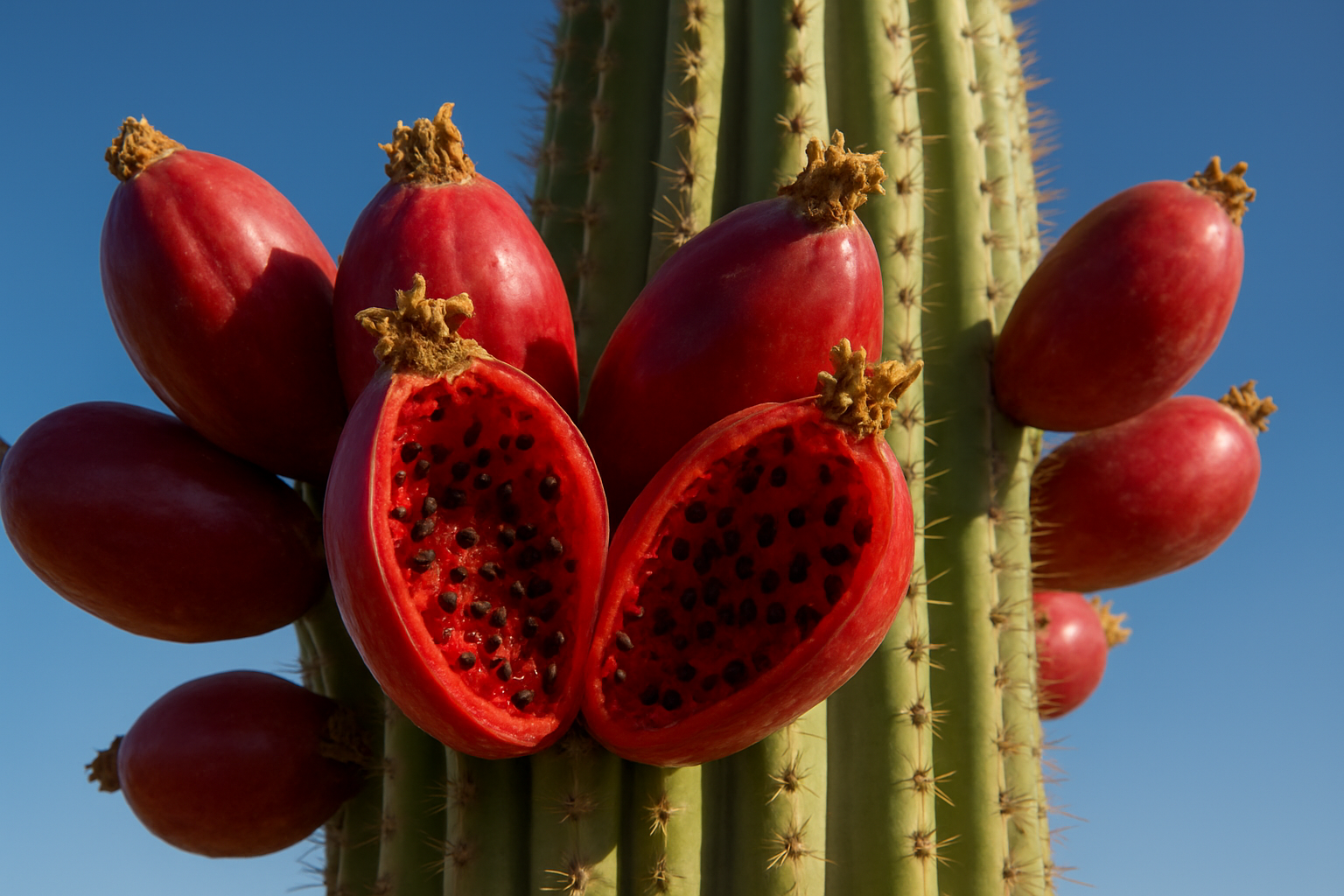
Recognize the distinctive ruby-red exterior and white flesh
The saguaro fruit stands out in the desert landscape with its vibrant ruby-red exterior that develops as the fruit reaches maturity. This deep crimson coloring serves as nature's signal that the saguaro cactus fruit is ready for harvest, typically occurring between late June and early July in the Arizona desert. When you cut open this desert fruit, you'll discover a striking contrast between the rich red skin and the brilliant white flesh inside. The flesh has a consistency similar to a ripe fig, with a slightly granular texture that's both refreshing and satisfying.
The white interior contains a sweet, mildly tangy flavor that many describe as a cross between watermelon and kiwi. This edible desert plant produces fruit with flesh that's incredibly juicy, making it a precious source of hydration in the harsh desert environment. The transition from the vibrant exterior to the pale interior creates a visual appeal that has captivated both indigenous communities and modern foragers for generations.
Appreciate the impressive size and weight of mature fruits
Saguaro fruit can reach impressive dimensions that surprise many desert visitors. Mature fruits typically measure 2-4 inches in length and about 1.5-2.5 inches in diameter, making them substantially larger than most other cactus fruits found in North American deserts. A single ripe fruit can weigh between 2-4 ounces, with the heaviest specimens reaching up to 5 ounces when fully loaded with seeds and juice.
The size of these fruits directly correlates with the age and health of the saguaro cactus itself. Older, more established cacti tend to produce larger, more robust fruits. During peak harvest season, a single mature saguaro can yield 100-200 individual fruits, representing a significant food source that sustained indigenous desert communities for centuries.
Identify the thousands of tiny black seeds within each fruit
Each saguaro fruit contains an astounding 2,000-4,000 tiny black seeds embedded throughout the white flesh. These seeds are incredibly small, measuring only about 2 millimeters in length, yet they pack remarkable nutritional density. The seeds are completely edible and have historically been ground into flour by Native American tribes, particularly the Tohono O'odham people.
The abundance of seeds within each fruit represents the saguaro's reproductive strategy for desert survival. While most seeds won't survive the harsh desert conditions, the sheer number ensures species continuation. For modern foragers interested in saguaro fruit preparation, these seeds can be consumed whole, providing a pleasant crunch and additional protein content to the fruit's natural sweetness.
Notice the crown-like positioning at the cactus tops
The most distinctive feature of saguaro fruit is its dramatic positioning at the very crown of these towering cacti. These fruits develop from the large, white, funnel-shaped flowers that bloom exclusively at the tips of the main trunk and major arms, typically 15-50 feet above the desert floor. This crown-like arrangement creates a natural challenge for saguaro fruit harvesting, requiring traditional long poles called "kuibit" by indigenous communities.
The elevated position serves multiple purposes in the desert ecosystem. It places the fruit in optimal sunlight for ripening while keeping them away from most ground-dwelling animals. This positioning also makes the bright red fruits highly visible to birds, particularly white-winged doves and Gila woodpeckers, which help disperse the seeds across the Arizona desert. The crown formation creates a spectacular sight during harvest season, with dozens of ruby-red fruits adorning the tops of these magnificent desert giants like natural ornaments.
Nutritional Powerhouse Hidden in Desert Pods
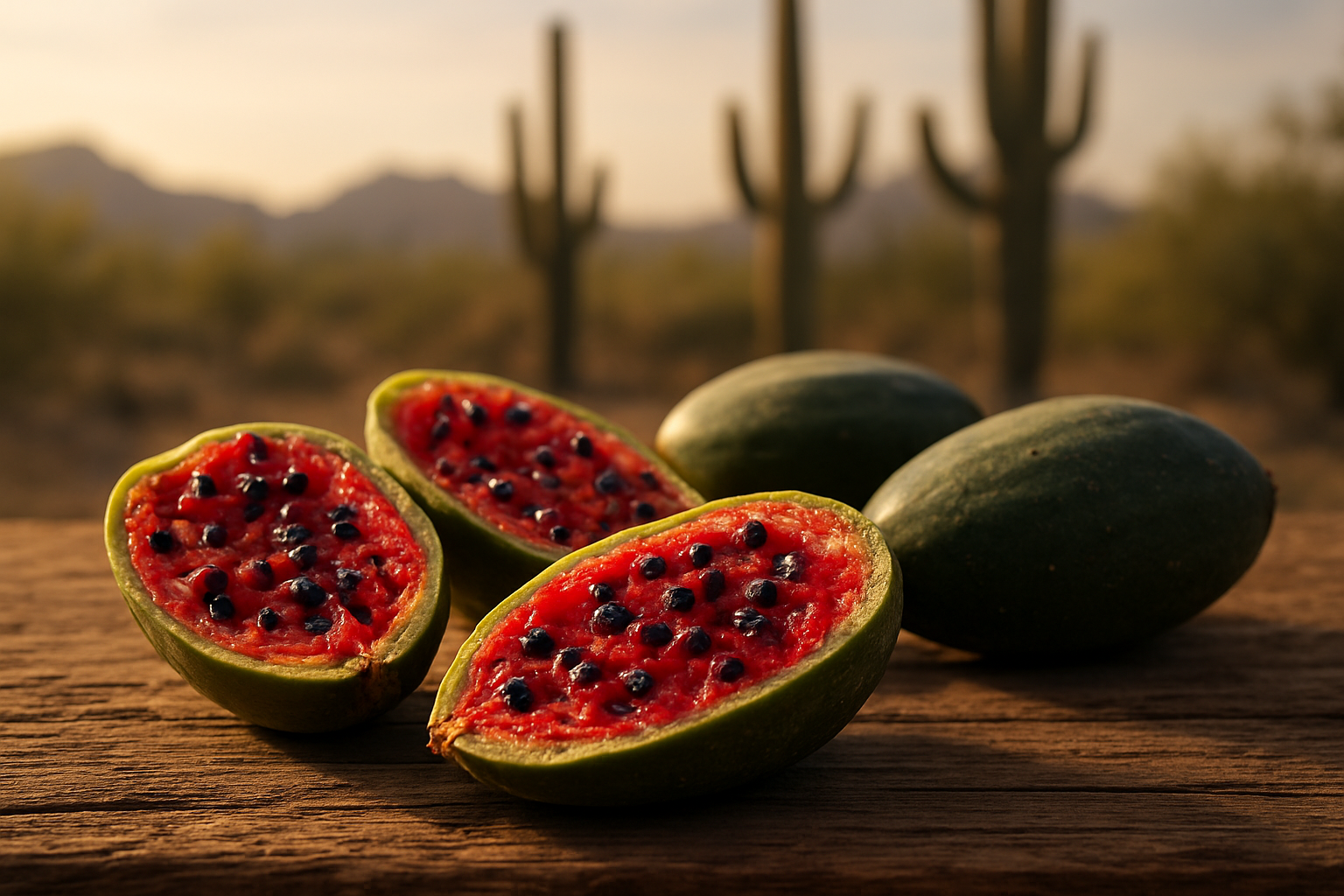
Boost your health with high vitamin C content
Saguaro fruit packs an impressive vitamin C punch that rivals many citrus fruits. A single cup of fresh saguaro fruit pulp delivers approximately 25-30% of your daily vitamin C requirements. This desert powerhouse contains roughly 15-20 milligrams of vitamin C per 100 grams, making it a surprisingly potent immune system booster hiding in the Arizona desert.
The vitamin C in saguaro cactus fruit comes in a highly bioavailable form, meaning your body can easily absorb and use it. Unlike synthetic supplements, the natural vitamin C found in this desert fruit works alongside other compounds like bioflavonoids to enhance absorption. Regular consumption of saguaro fruit during harvest season can help strengthen your immune defenses, support collagen production for healthy skin, and aid in iron absorption from plant-based foods.
Benefit from essential minerals like magnesium and potassium
The mineral profile of saguaro fruit makes it a true nutritional gem of the desert. Potassium takes center stage with approximately 200-250 milligrams per 100 grams of fruit pulp. This essential electrolyte supports heart health, helps regulate blood pressure, and maintains proper muscle function - particularly valuable for desert dwellers dealing with hot, dehydrating conditions.
Magnesium content in saguaro fruit ranges from 15-20 milligrams per serving, contributing to bone health, energy metabolism, and nervous system function. The fruit also provides meaningful amounts of calcium, iron, and phosphorus. Here's how saguaro fruit stacks up against common fruits:
| Mineral | Saguaro Fruit | Orange | Apple |
|---|---|---|---|
| Potassium (mg/100g) | 225 | 181 | 107 |
| Magnesium (mg/100g) | 18 | 10 | 5 |
| Calcium (mg/100g) | 45 | 40 | 6 |
Enjoy natural antioxidants that fight free radicals
Saguaro fruit nutrition shines brightest in its antioxidant capacity. The deep red pigments that give ripe saguaro fruit its striking color come from powerful compounds called betalains and anthocyanins. These natural antioxidants help protect cells from oxidative stress and may reduce inflammation throughout the body.
Research on similar desert fruits suggests that saguaro fruit contains phenolic compounds that demonstrate significant free radical scavenging activity. The fruit's antioxidant profile includes flavonoids, vitamin E, and carotenoids working together to combat cellular damage. The concentration of these protective compounds increases as the fruit ripens, which explains why fully mature, deep red saguaro fruits offer the most nutritional benefits.
Satisfy hunger with natural fruit sugars and fiber
The carbohydrate composition of saguaro fruit makes it an excellent natural energy source. The fruit contains a balanced mix of fructose and glucose, providing quick energy without the crash associated with processed sugars. Total sugar content ranges from 12-15% of the fruit's weight, comparable to many cultivated fruits but with added nutritional complexity.
Dietary fiber content in saguaro fruit reaches approximately 3-4 grams per 100 grams of pulp. This combination of soluble and insoluble fiber supports digestive health, helps stabilize blood sugar levels, and promotes feelings of fullness. The seeds, which are traditionally consumed along with the pulp, contribute additional fiber and healthy fats, making whole saguaro fruit a satisfying and nutritionally complete desert snack that sustained indigenous communities for centuries.
Traditional Uses by Indigenous Desert Communities
Honor Centuries-Old Harvesting Traditions of the Tohono O'odham
The Tohono O'odham people have harvested saguaro fruit for over a thousand years, marking the beginning of their traditional new year with the summer fruit harvest. This sacred practice goes far beyond simple food gathering - it represents a deep spiritual connection between the desert people and the towering saguaro cactus.
Harvesting begins in late June when the crimson fruits ripen at the top of these majestic cacti. Traditional harvesters use long poles called kuipad, crafted from saguaro ribs, to carefully knock the ripe fruits from heights reaching 40 feet. The timing is critical - fruits must be gathered at peak ripeness when their ruby-red color signals maximum sweetness and nutritional content.
Families work together during the harvest season, with elders teaching younger generations the proper techniques and songs that accompany the gathering. The harvest camps, called bahidaj camps, become centers of community life where stories are shared and cultural knowledge passes from one generation to the next.
Learn Time-Tested Preservation Methods for Year-Round Nutrition
The Tohono O'odham developed sophisticated preservation techniques to extend the nutritional benefits of saguaro fruit throughout the year. Fresh fruits contain about 85% water, making preservation essential for long-term storage in the harsh desert environment.
Traditional Drying Methods:
-
Sun-drying on flat baskets made from willow or bear grass
-
Creating fruit leather by spreading pulp on mats
-
Smoking over low fires to prevent spoilage
-
Storage in sealed pottery vessels lined with pine pitch
The dried fruit, called ha:l, becomes incredibly nutrient-dense, concentrating vitamins and minerals into portable packages that sustained desert communities through lean winter months. A single pound of dried saguaro fruit provides enough calories for several days of desert travel.
Women traditionally managed the preservation process, using techniques passed down through countless generations. They understood exactly when fruits reached optimal dryness - too little and mold would develop, too much and valuable nutrients would be lost.
Discover Traditional Recipes for Syrup, Jam, and Wine
Indigenous desert communities created numerous culinary preparations from saguaro fruit, transforming the raw harvest into diverse foods that could be stored or consumed fresh.
Traditional Saguaro Syrup (Sitol):
The most prized preparation involves boiling fresh fruit pulp for hours until it reduces to a thick, molasses-like consistency. This concentrated syrup contains natural sugars and serves as both sweetener and medicine. One gallon of fresh fruit typically yields about one cup of finished syrup.
Ha:l Wi:gita (Saguaro Wine):
Fermented saguaro fruit creates a mildly alcoholic beverage central to rain ceremonies. The fermentation process takes 3-4 days in large pottery vessels, producing a drink that connects the community to ancestral spirits and encourages summer rains.
Traditional Jam Preparations:
Fresh fruit mixed with seeds creates nutritious spreads that provide protein, healthy fats, and carbohydrates. The seeds add a nutty flavor while boosting the nutritional profile significantly.
| Preparation Method | Storage Time | Primary Use |
|---|---|---|
| Fresh consumption | 2-3 days | Immediate nutrition |
| Syrup (sitol) | 1-2 years | Sweetener/medicine |
| Dried fruit (ha:l) | 3-5 years | Travel food |
| Wine (wi:gita) | 1 week | Ceremonial |
Understand the Cultural Significance in Desert Survival
Saguaro fruit represents far more than sustenance for indigenous desert communities - it embodies survival wisdom accumulated over millennia in one of North America's most challenging environments. The harvest season traditionally marks the Tohono O'odham new year, demonstrating how deeply these desert fruits are woven into cultural identity.
The nutritional timing of saguaro fruit harvesting perfectly aligns with desert survival needs. Fruits ripen during the hottest months when other food sources become scarce, providing essential hydration alongside concentrated nutrition. The high water content of fresh fruits helped desert dwellers maintain proper hydration levels during extreme summer heat.
Beyond physical survival, saguaro cactus fruit carries profound spiritual significance. The towering cacti are viewed as ancient ancestors, and the fruit harvest represents a gift from these desert elders. Proper harvesting protocols include offering prayers and ensuring no fruit is wasted - practices that demonstrate respect for the desert's generosity.
The knowledge of saguaro fruit preparation became a cornerstone of desert survival strategies. Communities that mastered these techniques could thrive in environments where others struggled to survive. This wisdom includes understanding seasonal patterns, recognizing optimal ripeness, and knowing which preservation methods work best for different intended uses.
Modern foragers can learn valuable lessons from these time-tested approaches to edible desert plants, gaining insights that go far beyond simple food gathering to encompass sustainable living practices perfectly adapted to arid environments.
Safe Harvesting and Preparation Techniques for Modern Foragers
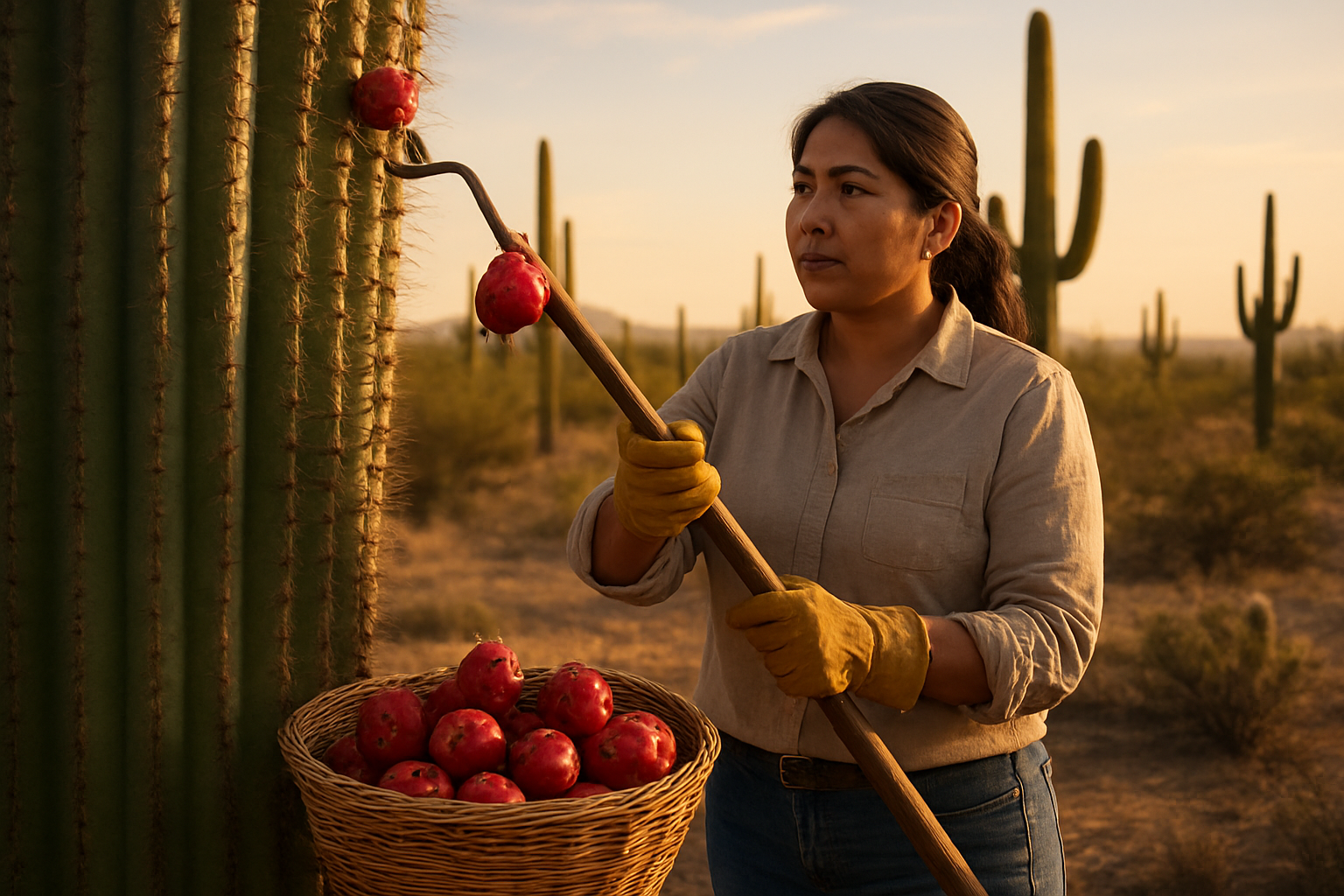
Master the Proper Timing for Peak Ripeness Collection
Saguaro fruit harvesting requires perfect timing to capture these desert gems at their peak. The fruit ripens from late May through July in Arizona, with the exact timing varying by elevation and weather conditions. Ripe saguaro fruit displays deep ruby-red skin that splits open naturally, revealing bright crimson flesh studded with tiny black seeds.
Watch for these telltale signs of readiness:
-
Split husks exposing ruby interior
-
Deep red coloration throughout the fruit
-
Soft, yielding texture when gently squeezed
-
Sweet, floral aroma detectable from several feet away
Early morning collection works best, as desert heat can quickly spoil exposed fruit. Overripe fruit becomes mushy and fermented, while underripe fruit lacks sweetness and proper texture.
Use Appropriate Tools to Safely Reach Towering Heights
Mature saguaro cacti tower 15-50 feet high, making specialized equipment essential for safe saguaro fruit harvesting. Traditional collectors use long poles called "kuipad" crafted from saguaro ribs, but modern foragers need practical alternatives.
Recommended harvesting tools:
| Tool Type | Length | Best Use |
|---|---|---|
| Telescoping fruit picker | 8-16 feet | General collection |
| Lightweight aluminum pole | 12-20 feet | High branches |
| Basket attachment | Variable | Catching falling fruit |
| Step ladder | 6-8 feet | Lower branches |
Never climb saguaro cacti directly - their shallow root systems can't support human weight, and the iconic arms often break under pressure. Extended reach tools let you collect fruit safely while protecting both yourself and these protected desert giants.
Clean and Prepare Fruit While Avoiding Cactus Spines
Saguaro fruit preparation demands careful spine removal and thorough cleaning. Even ripe fruit retains small glochids (tiny barbed spines) that embed in skin easily. Work outdoors wearing thick gloves, long sleeves, and eye protection.
Step-by-step cleaning process:
-
Roll fruit in sand to remove surface glochids
-
Rinse with strong water stream to dislodge remaining spines
-
Split open carefully using a knife, avoiding direct hand contact
-
Scoop out pulp with a spoon, separating seeds
-
Strain through fine mesh to remove any missed spines
The crimson pulp separates easily from seeds, creating a syrupy consistency perfect for eating fresh or processing into preserves. Many foragers strain the pulp multiple times to ensure complete spine removal before consumption.
Store Fresh Fruit Properly to Maximize Shelf Life
Fresh saguaro cactus fruit spoils quickly in desert heat, requiring immediate proper storage. Clean pulp keeps 3-4 days refrigerated, while whole fruit lasts only 1-2 days at room temperature.
Storage methods for different uses:
-
Fresh consumption: Refrigerate in sealed containers up to 4 days
-
Freezing: Freeze pulp in ice cube trays for year-round use
-
Syrup making: Process within 24 hours for best flavor
-
Drying: Spread thin layers on dehydrator trays at 135°F
The high sugar content makes saguaro fruit excellent for preserving through traditional methods like syrup reduction or modern freezing techniques. Properly stored frozen pulp maintains nutritional value and flavor for up to one year.
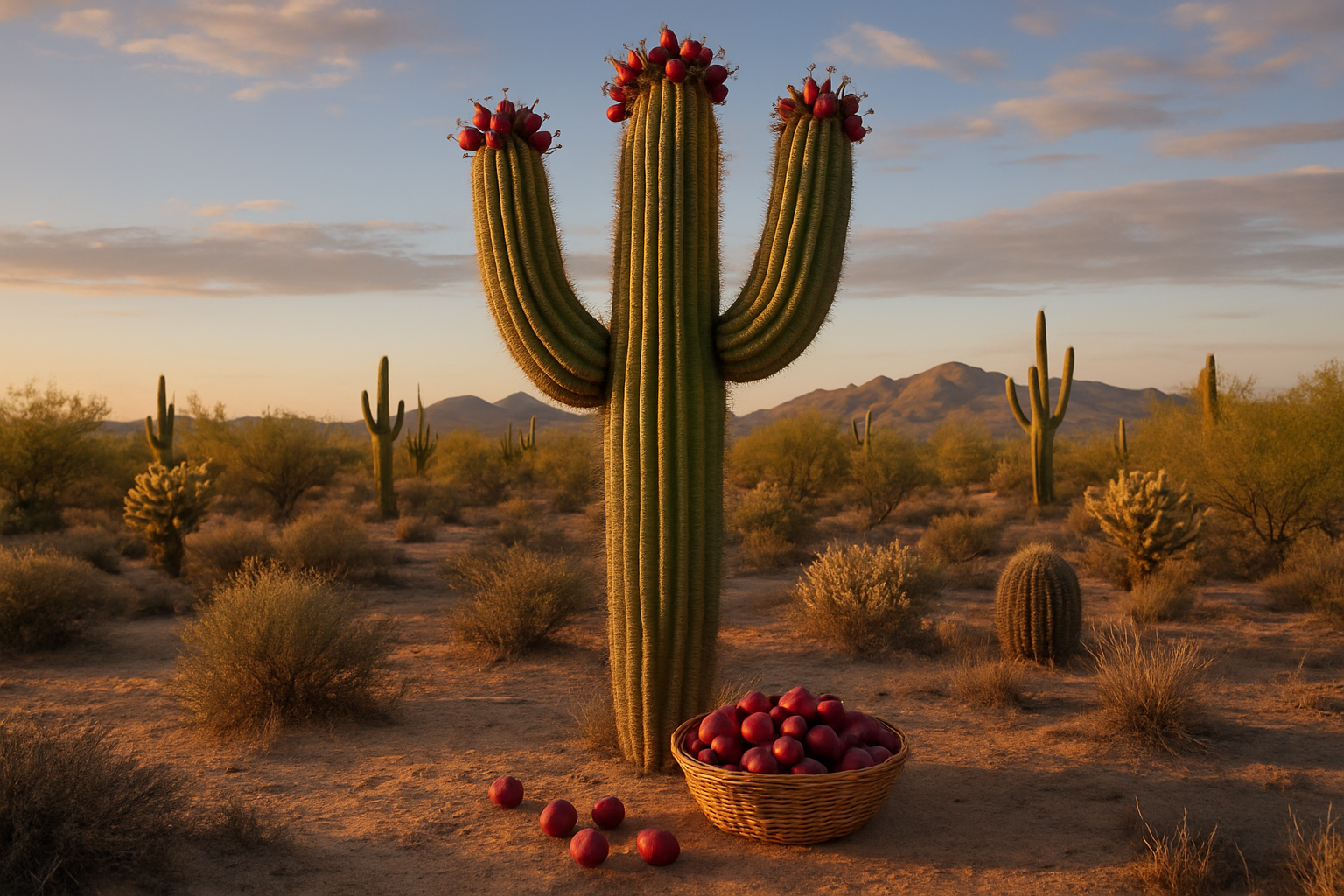
The saguaro fruit stands out as one of nature's most remarkable desert treasures, packed with nutrients and deeply rooted in cultural traditions. This ruby-red gem offers impressive levels of vitamin C, antioxidants, and essential minerals while maintaining its place as a sacred food source for indigenous communities like the Tohono O'odham people. From its distinctive appearance with bright red flesh and tiny black seeds to its sweet, fig-like flavor, the saguaro fruit represents a perfect example of how desert environments produce unexpected nutritional powerhouses.
If you're interested in experiencing this unique desert delicacy, remember that proper harvesting techniques and respect for both the environment and cultural traditions are essential. Always harvest responsibly, use traditional long poles to avoid damaging these protected cacti, and consider connecting with local indigenous communities to learn authentic preparation methods. The saguaro fruit offers a rare opportunity to taste a piece of desert history while nourishing your body with one of the Southwest's most nutritious wild foods.


.png)
Comments
Post a Comment