Squash - What's The Squash Fruit?
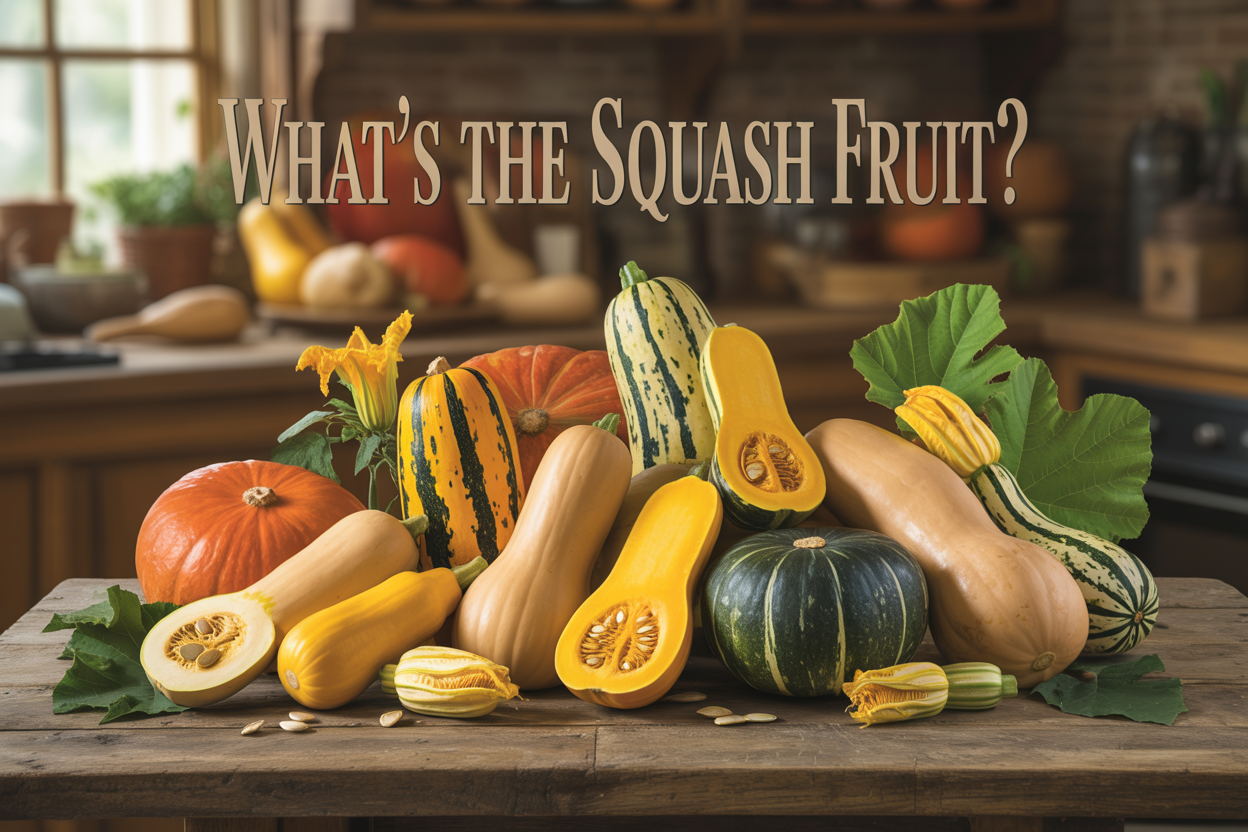
You might be surprised to learn that squash is technically a fruit, not a vegetable – but you're not alone in the confusion. This guide is perfect for home cooks, gardeners, and anyone curious about what is squash and why it deserves a spot in your kitchen and garden.
We'll clear up the botanical basics that make squash fruit so unique, then explore the most popular squash varieties you can find at farmers markets and grocery stores year-round. You'll also discover the impressive squash nutrition benefits that make these colorful fruits a smart addition to any healthy diet, plus get practical tips for growing squash in your own backyard and simple cooking methods that bring out their best flavors.
Understanding Squash as a Botanical Wonder
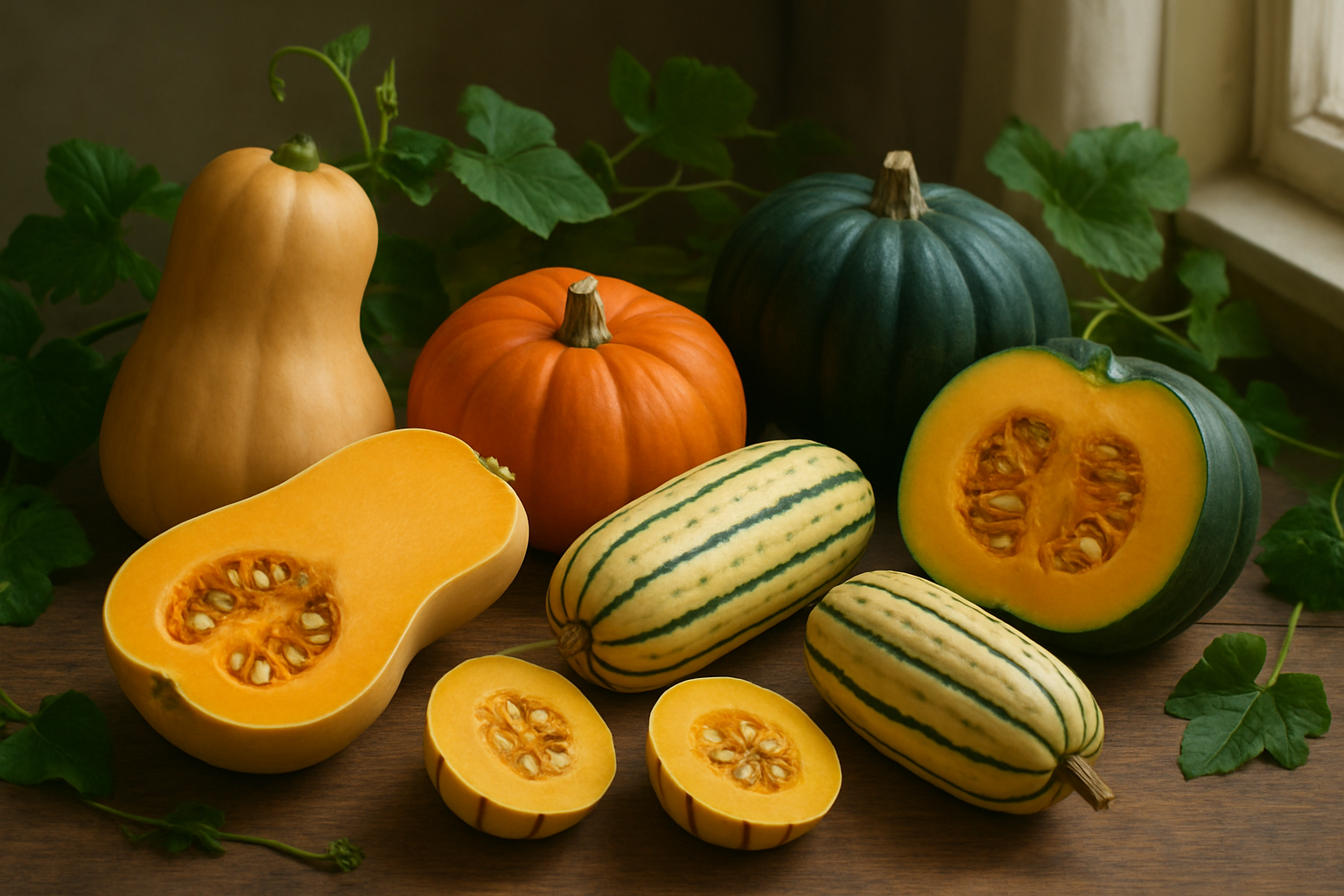
Discover why squash is technically a fruit, not a vegetable
Most people think of squash as a vegetable, but here's something that might blow your mind: squash fruit is actually a fruit from a botanical perspective. The confusion comes from how we use squash in cooking versus what scientists classify it as in nature.
The key difference lies in where squash develops on the plant. True fruits grow from the flower of a plant and contain seeds, which squash definitely does. When you cut open any winter squash or summer squash, you'll find a cavity filled with seeds surrounded by flesh. This seed-containing structure that develops from a flowering plant automatically makes it a fruit, not a vegetable.
Vegetables, on the other hand, come from other parts of plants like roots (carrots), stems (celery), or leaves (spinach). Since squash grows from the plant's flower and houses seeds, it joins tomatoes, peppers, and cucumbers in the "technically a fruit but treated like a vegetable" category.
This botanical classification explains why squash varieties can range from sweet (like butternut) to more neutral-flavored (like zucchini). The natural sugars that develop in fruits give many squash types their subtle sweetness, especially winter varieties.
Learn the scientific classification that surprises most people
What is squash from a scientific standpoint? Squash belongs to the genus Cucurbita, which is part of the larger Cucurbitaceae family - commonly known as the gourd family. This family includes cucumbers, melons, pumpkins, and other vine-growing plants.
The scientific classification breaks down like this:
| Taxonomic Level | Classification |
|---|---|
| Kingdom | Plantae |
| Family | Cucurbitaceae |
| Genus | Cucurbita |
| Common Species | C. pepo, C. maxima, C. moschata |
Three main species dominate what we commonly call squash:
-
Cucurbita pepo: Includes summer squash like zucchini, yellow crookneck, and acorn squash
-
Cucurbita maxima: Features winter varieties like Hubbard, buttercup, and kabocha squash
-
Cucurbita moschata: Contains butternut squash, cheese pumpkins, and Seminole varieties
This scientific grouping explains why different types of squash can cross-pollinate with each other when they're from the same species. Gardeners often discover surprise hybrid squash in their gardens when bees transfer pollen between nearby plants of the same Cucurbita species.
Explore the botanical features that define squash fruits
Several distinctive botanical features set squash apart and confirm its fruit status. The most obvious characteristic is the seed cavity - that hollow center filled with flat, oval seeds surrounded by stringy pulp. This seed arrangement is called a pepo, which is a specialized type of berry with a hard, thick rind.
The plant structure itself tells the story of fruit development. Squash plants produce separate male and female flowers on the same vine. Male flowers appear first and produce pollen, while female flowers have a small, swollen base that looks like a miniature squash. This swollen area is actually the ovary that will develop into the mature fruit after pollination.
Squash varieties also share common botanical traits:
-
Tendrils: Curly, spiral structures that help the vine climb and anchor itself
-
Palmate leaves: Large, hand-shaped leaves with deep lobes
-
Hollow stems: Unlike solid vegetable stems, squash vines have hollow, ribbed stems
-
Unisexual flowers: Bright yellow or orange flowers that are either male or female
The rind thickness varies dramatically between summer and winter types. Summer squash varieties have thin, edible skins because they're harvested while immature. Winter squash develops thick, hard rinds as the fruit matures, creating a natural storage system that can preserve the flesh for months.
These botanical features work together to create the diverse world of squash that ranges from delicate summer varieties perfect for quick cooking to robust winter types ideal for long-term storage.
Popular Squash Varieties You Can Enjoy Year-Round
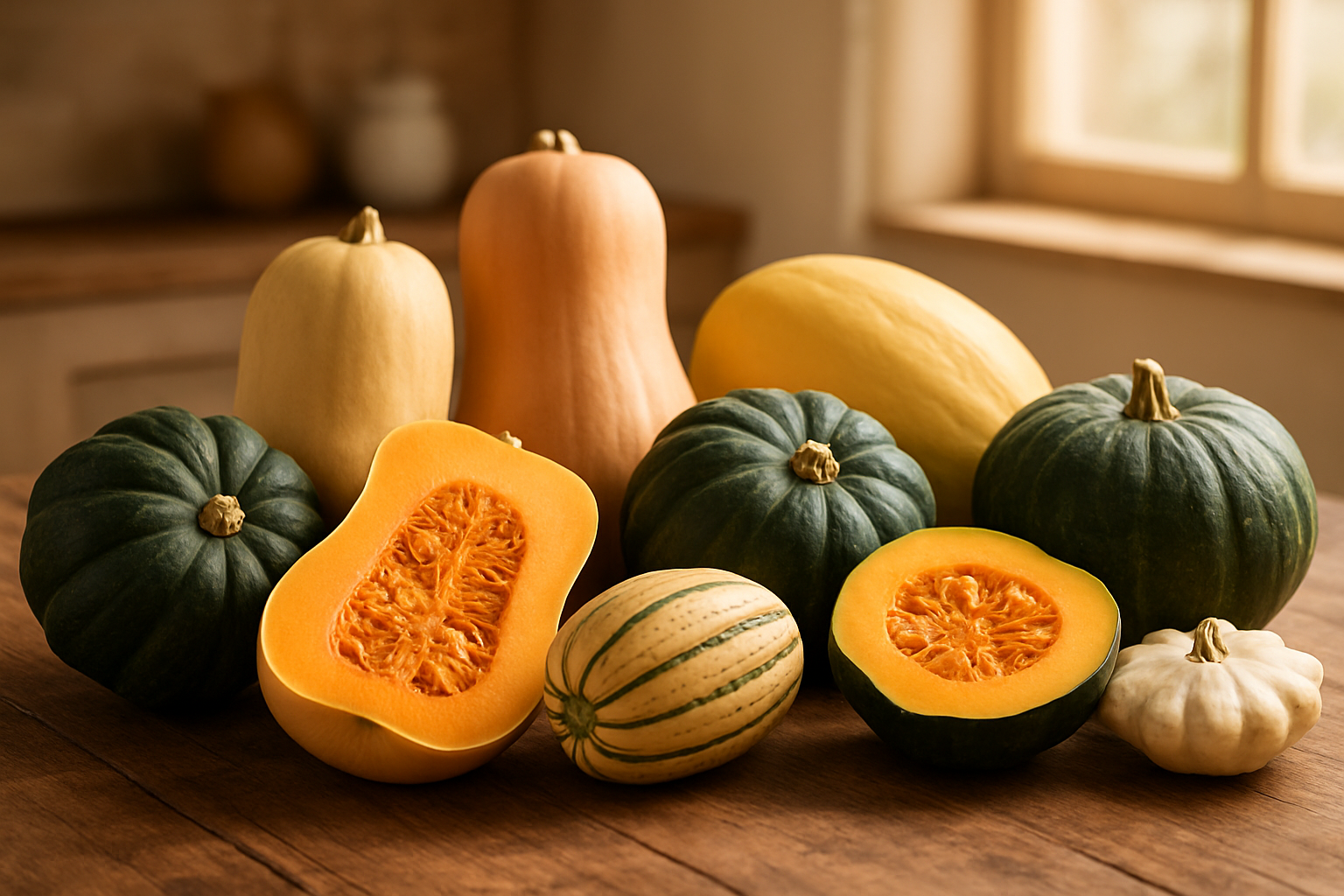
Summer squash types that boost your warm-weather meals
Summer squash varieties bring fresh, tender goodness to your table during the warmer months. These types of squash are harvested when young and feature edible skins that don't require peeling. Yellow crookneck squash offers a slightly sweet flavor with a bumpy, curved neck that makes it instantly recognizable. The smooth, buttery taste pairs beautifully with grilled meats and fresh herbs.
Zucchini stands as the most popular summer squash variety, delivering mild flavor and incredible versatility. You can spiralize it into noodles, stuff it with savory fillings, or bake it into moist breads and muffins. Pattypan squash brings a unique scalloped shape to your garden and plate, with its firm texture holding up well in stir-fries and casseroles.
Straightneck yellow squash provides consistent harvests throughout summer, while Lebanese zucchini offers a more compact size perfect for container gardening. These squash varieties thrive in warm weather and produce continuously when harvested regularly.
Winter squash varieties that provide long-lasting nutrition
Winter squash delivers exceptional nutritional value and storage capabilities that carry you through colder months. Butternut squash leads this category with its sweet, nutty flesh packed with vitamin A and fiber. Its tan exterior and orange interior make it a kitchen favorite for soups, roasts, and purees.
Acorn squash offers deeply ribbed, acorn-shaped fruits with versatile orange flesh that works equally well in sweet and savory preparations. Delicata squash breaks the rule with its edible skin, featuring cream-colored flesh with subtle honey notes. Spaghetti squash creates natural pasta strands when cooked, making it a popular low-carb alternative.
Hubbard squash grows massive, providing substantial yields for large families. Kabocha squash brings Japanese influence with its dark green exterior and incredibly sweet, dense flesh. Red kuri squash offers bright orange color and chestnut-like flavor that enhances any autumn menu.
Decorative gourds that beautify your home and garden
Ornamental gourds transform gardens into artistic displays while serving practical decorative purposes. Bottle gourds grow in fascinating shapes that range from long-necked vessels to round, bulbous forms. These squash fruit varieties can be dried and crafted into birdhouses, bowls, or musical instruments.
Warty gourds create textural interest with their bumpy surfaces in shades of orange, green, and cream. Swan gourds develop elegant curved necks reminiscent of graceful waterfowl. Birdhouse gourds specifically grow hollow centers perfect for creating natural nesting boxes.
Small decorative gourds come in miniature sizes ideal for table centerpieces and seasonal arrangements. Crown of thorns gourds feature pointed protrusions that create dramatic visual impact. Turkish turban gourds display colorful striped patterns that make stunning autumn decorations.
Heirloom varieties that offer unique flavors and textures
Heirloom squash varieties preserve genetic diversity while delivering exceptional flavors lost in commercial breeding. Cherokee Trail of Tears squash carries historical significance alongside its excellent taste and storage qualities. This variety produces tan fruits with orange flesh that sweetens during storage.
Burgess Buttercup squash offers incredibly dense, sweet flesh with dry texture perfect for baking. Pennsylvania Dutch crookneck brings pale yellow color and rich, buttery flavor that outshines modern hybrids. Triamble squash features three-lobed fruits with blue-green skin and golden flesh.
Marina di Chioggia squash from Italy displays deeply warted, turban-shaped fruits with exceptional sweetness. Shishigatani squash from Japan grows in distinctive hourglass shapes with fine-textured flesh. These heritage varieties often show better disease resistance and climate adaptation than modern cultivars, making them valuable for home gardeners seeking both flavor and garden performance.
Nutritional Powerhouse Benefits of Squash Fruits
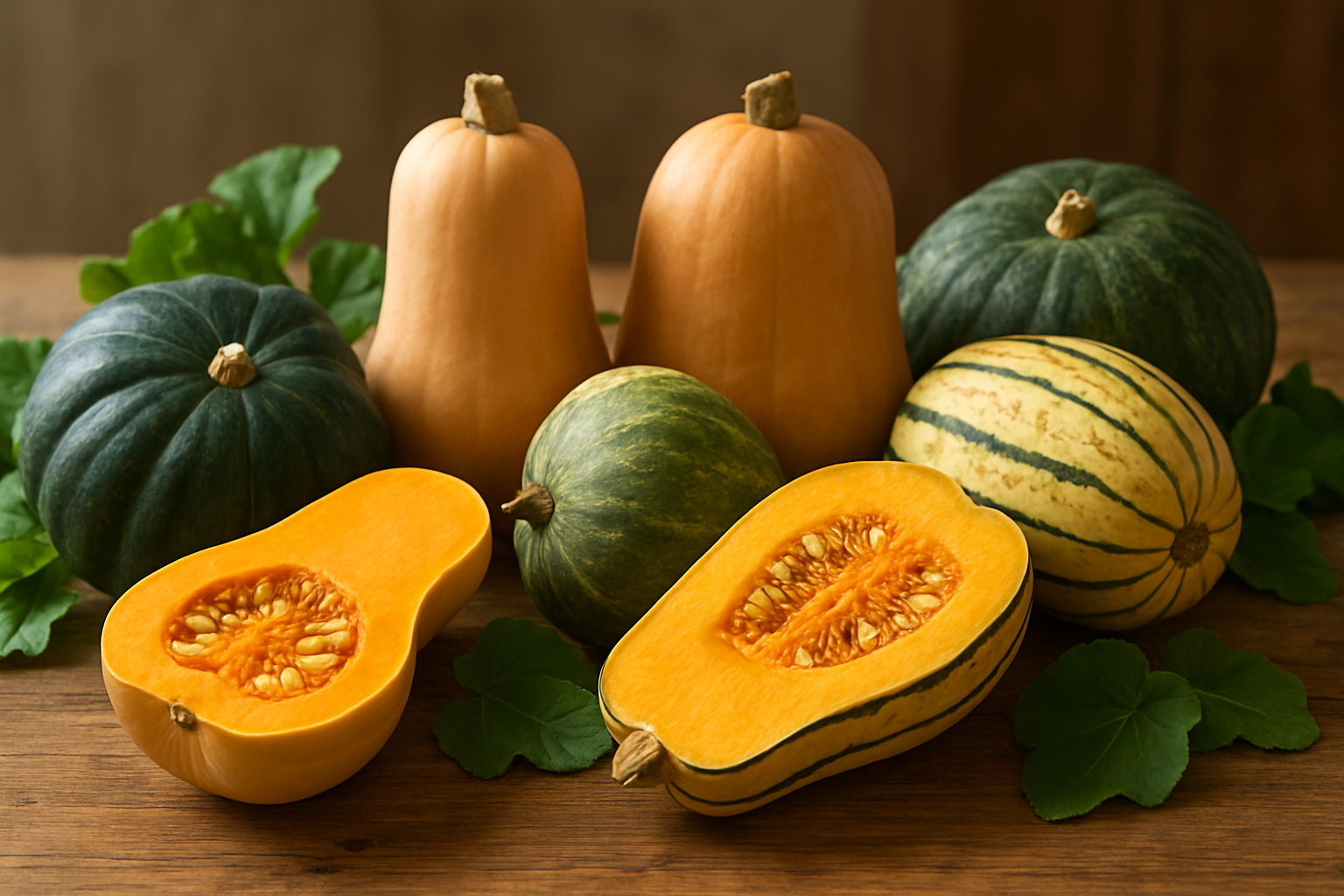
Essential vitamins and minerals packed in every serving
Squash varieties deliver an impressive array of essential nutrients that your body craves daily. Winter squash like butternut and acorn varieties shine with their vibrant orange flesh, signaling high beta-carotene content that converts to vitamin A in your body. This powerhouse vitamin supports healthy vision, immune function, and skin health. A single cup of cooked butternut squash provides over 400% of your daily vitamin A needs.
The squash fruit also contains substantial amounts of vitamin C, potassium, and manganese. Summer squash varieties like zucchini and yellow crookneck offer folate, which plays a crucial role in DNA synthesis and red blood cell formation. Potassium helps regulate blood pressure and supports proper muscle and nerve function, while manganese aids in bone development and wound healing.
Fiber content that supports digestive health
Both winter and summer squash deliver significant amounts of dietary fiber that keeps your digestive system running smoothly. A cup of cooked winter squash provides about 6-7 grams of fiber, while summer squash contributes around 2-3 grams per serving. This fiber content helps maintain regular bowel movements, feeds beneficial gut bacteria, and can reduce the risk of digestive disorders.
The soluble fiber found in squash varieties helps slow sugar absorption, preventing blood glucose spikes after meals. This makes squash an excellent choice for people managing diabetes or those looking to maintain steady energy levels throughout the day.
Low-calorie advantage for weight management goals
One of the most appealing aspects of the squash fruit is its naturally low calorie count paired with high volume and satisfying texture. Most summer squash varieties contain only 15-20 calories per cup, while winter squash ranges from 40-80 calories per cup. This means you can enjoy generous portions without derailing your weight management efforts.
The high water content in summer squash creates a feeling of fullness with minimal caloric impact. Winter squash offers natural sweetness that can satisfy cravings for higher-calorie desserts while providing substantial nutrition and satiety.
Antioxidants that protect against chronic diseases
Squash nutrition benefits extend far beyond basic vitamins and minerals. The colorful flesh of various squash varieties indicates the presence of powerful antioxidants like carotenoids, including lutein and zeaxanthin. These compounds protect your eyes from age-related macular degeneration and cataracts.
The antioxidants in squash fruit help combat oxidative stress throughout your body, potentially reducing inflammation and lowering the risk of heart disease, certain cancers, and other chronic conditions. Alpha-carotene, another antioxidant abundant in orange-fleshed squash, has shown promise in supporting lung health and reducing cancer risk.
Simple Growing Tips for Homegrown Squash Success
Soil preparation techniques for optimal fruit development
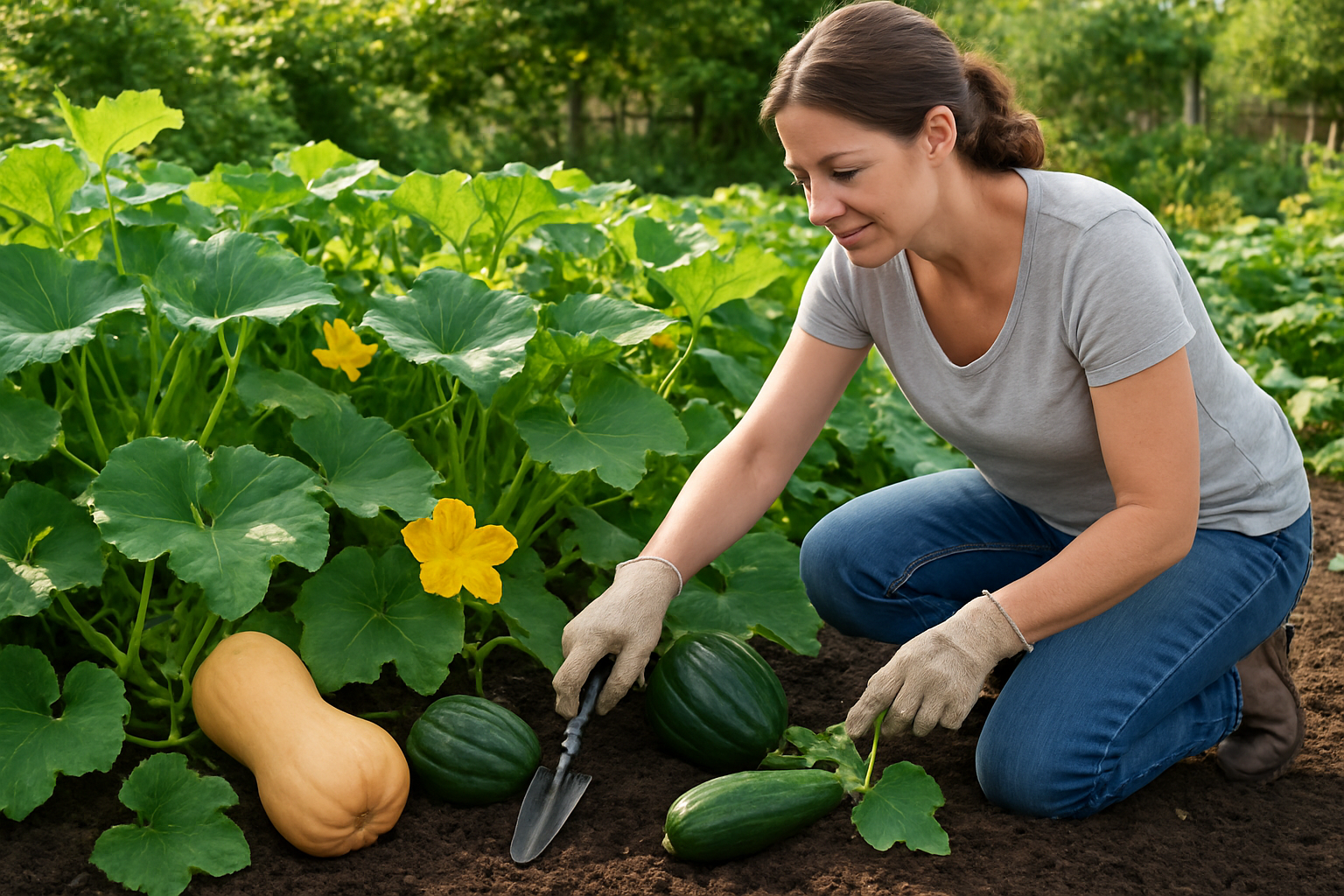
Your squash fruit success starts with the foundation beneath your feet. Well-draining soil enriched with organic matter creates the perfect environment for robust squash varieties to thrive. Begin by testing your soil pH - squash plants prefer slightly acidic to neutral conditions between 6.0 and 7.0.
Work compost or aged manure into your garden beds at least two weeks before planting. This organic boost provides essential nutrients while improving soil structure. Create raised beds if your area has drainage issues, as waterlogged roots spell disaster for growing squash.
Till the soil to a depth of 8-10 inches, breaking up any compacted areas. Mix in a 2-3 inch layer of compost throughout the planting area. For heavy clay soils, add coarse sand or perlite to improve drainage. Sandy soils benefit from additional organic matter to retain moisture and nutrients.
| Soil Type | Amendment Needed | Benefits |
|---|---|---|
| Clay | Compost + Sand | Better drainage |
| Sandy | Compost + Aged Manure | Improved water retention |
| Loamy | Light compost addition | Enhanced nutrition |
Planting strategies that maximize your harvest yield
Timing makes all the difference when growing squash successfully. Wait until soil temperatures reach 60°F consistently before direct seeding. Cold soil stunts growth and invites fungal problems that can destroy your winter squash or summer squash crops.
Space your plants generously - overcrowding leads to poor air circulation and disease issues. Bush varieties need 3-4 feet between plants, while vining types require 6-8 feet. Plant seeds 1 inch deep in groups of 3-4, then thin to the strongest seedling once they establish.
Consider succession planting for summer squash varieties. Sow new seeds every 2-3 weeks through mid-summer for continuous harvests. This strategy also helps manage pest pressure naturally.
Create planting mounds 12 inches wide and 6 inches high for better drainage and soil warming. These hills also make harvesting easier as your squash fruit develops. Plant 2-3 seeds per mound for insurance against poor germination.
Watering and fertilizing schedules for healthy growth
Deep, consistent watering produces the best squash nutrition and fruit quality. Provide 1-1.5 inches of water weekly, including rainfall. Water at soil level to prevent leaf diseases that plague squash plants.
Install drip irrigation or soaker hoses for efficient water delivery. These systems keep foliage dry while ensuring roots receive steady moisture. Mulch around plants with straw or shredded leaves to retain soil moisture and suppress weeds.
Feed your plants with balanced fertilizer when first planted, then switch to lower-nitrogen options once flowering begins. Too much nitrogen produces lush leaves but fewer fruits.
Weekly Fertilizing Schedule:
-
Weeks 1-4: Balanced 10-10-10 fertilizer
-
Weeks 5-8: Low-nitrogen 5-10-10 formula
-
Weeks 9+: Potassium-rich fertilizer for fruit development
Side-dress plants monthly with compost or worm castings for slow-release nutrition. Watch for yellowing leaves, which often indicates nitrogen deficiency, especially in fast-growing summer varieties. Adjust your feeding schedule based on plant appearance and growth rate.
Stop fertilizing 3-4 weeks before expected harvest to concentrate energy into fruit maturation rather than continued vegetative growth.
Delicious Cooking Methods to Transform Your Squash
Roasting Techniques That Enhance Natural Sweetness
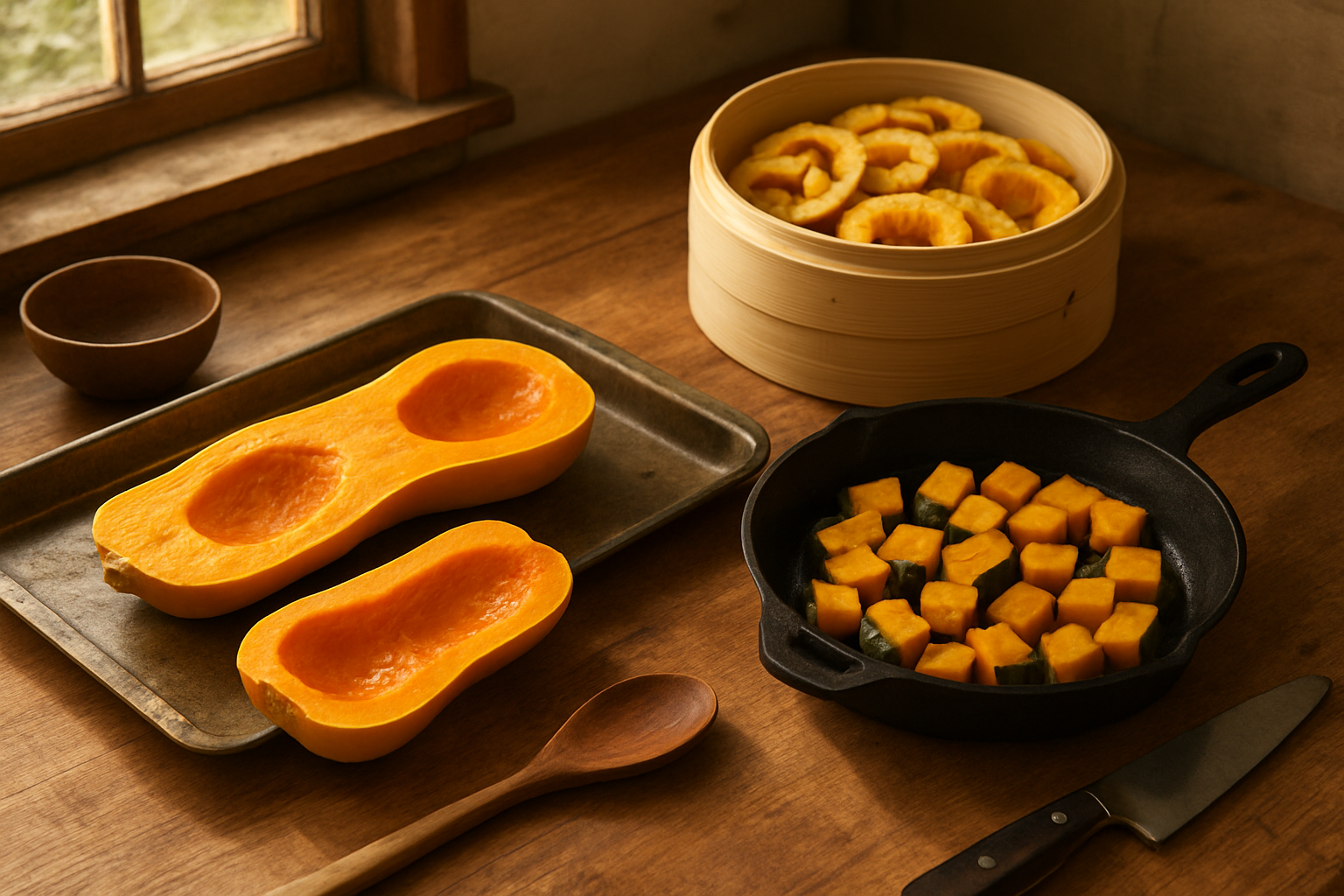
Roasting transforms squash fruit into a caramelized delight that brings out incredible natural sweetness. Cut winter squash varieties like butternut or acorn squash into uniform pieces to ensure even cooking. Preheat your oven to 400°F and toss the pieces with olive oil, salt, and pepper. The high heat creates beautiful browning that develops complex flavors you simply can't achieve through other cooking methods.
For maximum sweetness, roast cut-side down first to allow the natural sugars to concentrate. Flip halfway through cooking to achieve golden edges on both sides. Different squash varieties require varying cook times - delicate summer squash needs just 15-20 minutes, while dense winter squash takes 25-35 minutes. Test doneness with a fork; properly roasted squash should pierce easily but still hold its shape.
Temperature control makes all the difference. Too low and you'll get mushy squash without caramelization. Too high and the outside burns before the inside cooks through. Add herbs like rosemary or thyme during the last 10 minutes to infuse aromatic flavors without burning them.
Creative Recipes for Both Sweet and Savory Dishes
Squash recipes span an impressive range from comforting soups to decadent desserts. Butternut squash soup combines roasted squash with vegetable broth, creating a velvety base that pairs beautifully with coconut milk or cream. Add ginger and curry spices for an exotic twist, or keep it classic with sage and nutmeg.
Sweet applications showcase squash's versatility brilliantly. Pumpkin bread remains a favorite, but try kabocha squash in cheesecake or delicata squash in muffins. The natural sweetness reduces the need for added sugars while providing moisture and rich flavor.
Savory dishes benefit enormously from squash's creamy texture. Stuff acorn squash halves with quinoa, cranberries, and pecans for an elegant main course. Spiralized yellow squash makes excellent pasta alternatives, while cubed butternut squash adds substance to grain bowls and risottos.
International cuisines offer exciting inspiration. Thai curries feature kabocha squash, Mexican dishes incorporate calabaza, and Italian preparations highlight zucchini blossoms. Each culture has discovered unique ways to maximize squash's potential.
Food Preservation Methods to Enjoy Squash Year-Round
Proper preservation extends your squash harvest well beyond growing season. Freezing works wonderfully for most types of squash, though preparation methods vary. Blanch summer squash for 2-3 minutes before freezing to maintain texture and color. Winter squash can be frozen raw after peeling and cubing, or cooked and pureed for easy use in soups and baked goods.
Dehydrating creates concentrated squash chips that make healthy snacks or soup garnishes. Slice summer squash thinly and dehydrate at 125°F for 8-12 hours. Winter squash takes longer due to higher moisture content but creates chewy, sweet pieces perfect for trail mixes.
Canning allows you to preserve squash in various forms. Pressure canning works best for cubed squash, while pickled squash relish adds tangy flavors to sandwiches and salads. Always follow tested recipes and proper canning procedures for food safety.
Storage techniques for whole winter squash extend freshness for months. Store in cool, dry places with good air circulation. Check regularly and use any showing soft spots first. Summer squash requires refrigeration and stays fresh for about a week when properly stored.
Preparation Tips That Save Time in the Kitchen
Smart preparation strategies streamline squash cooking dramatically. Microwave whole winter squash for 2-3 minutes before cutting to soften tough skins safely. This simple trick prevents knife slips and reduces prep time significantly.
Batch preparation saves hours during busy weeks. Roast large quantities of cubed squash on Sunday, then use throughout the week in different dishes. Pre-cut squash stores well in the refrigerator for 3-4 days when kept in airtight containers.
Peeling techniques vary by squash type. Use a sturdy vegetable peeler for butternut squash, working from top to bottom in long strokes. For acorn and delicata squash, roasting first makes peeling optional since the skin becomes tender and edible.
Seed removal becomes effortless with the right tools. An ice cream scoop works perfectly for hollowing out large squash cavities. Save the seeds for roasting - they make nutritious snacks when seasoned and baked until golden.
Pre-cooking methods reduce final cooking times. Steam cubed squash for 5 minutes before adding to stir-fries or grain dishes. Par-boil whole small squash before stuffing to ensure even cooking throughout. These techniques guarantee perfectly cooked squash every time while saving precious kitchen time.
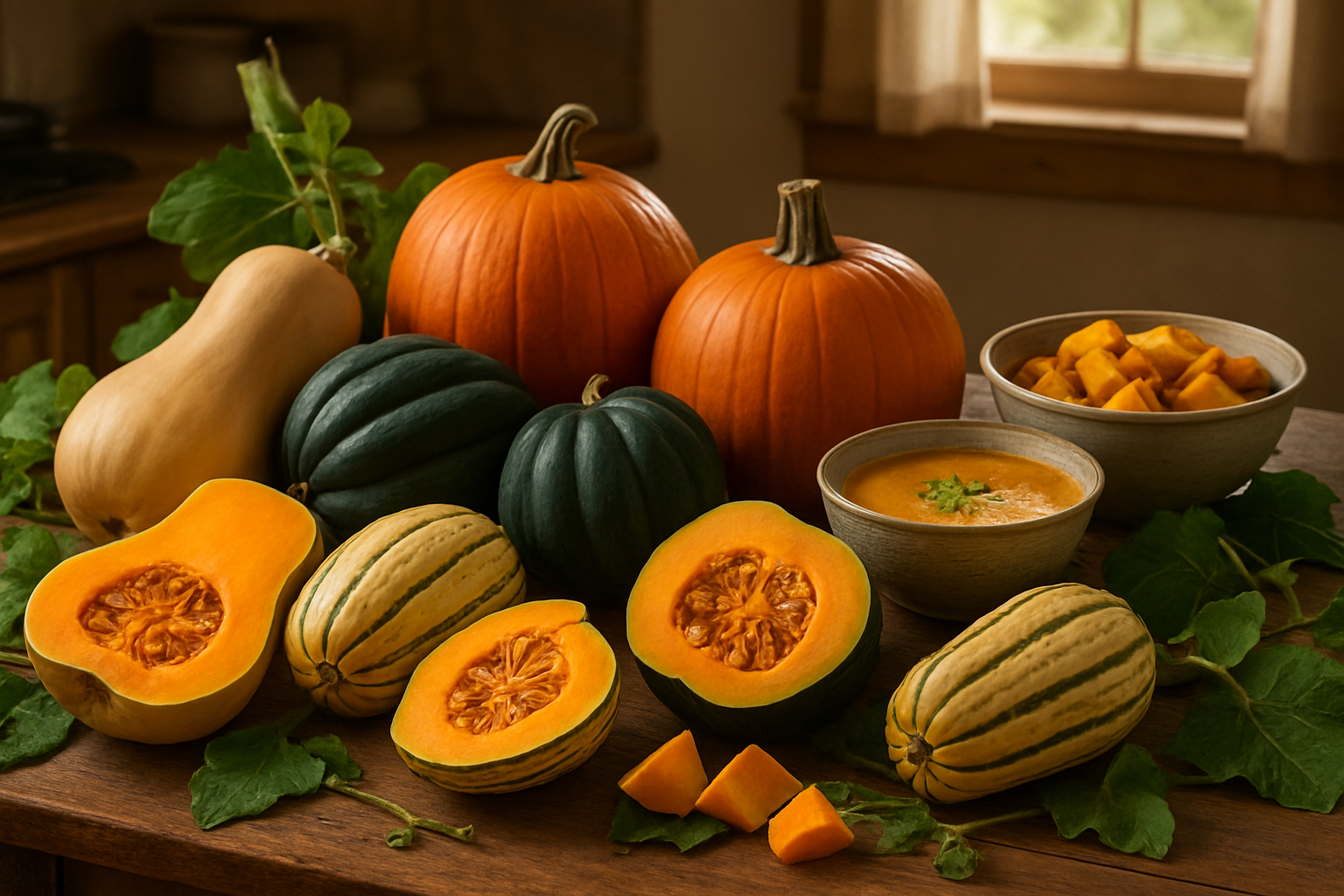
Squash truly deserves a spot in every kitchen and garden. From the sweet butternut to the versatile acorn varieties, these fruits pack serious nutritional punch while being incredibly easy to grow at home. The fiber, vitamins, and minerals found in squash make them perfect for supporting your health goals, while their mild flavors work beautifully in everything from soups to desserts.
Ready to add more squash to your life? Start small by trying one new variety at the grocery store this week, or plant a few seeds in your garden next season. Your taste buds and your body will thank you for discovering the amazing world of squash fruits.


Comments
Post a Comment