The Ultimate Guide to Everyday Fruits You Should Be Eating
The Ultimate Guide to Everyday Fruits You Should Be Eating
Adding healthy fruits to eat daily doesn't have to be complicated. This guide helps busy adults, families, and health-conscious eaters discover the best fruits for nutrition that fit into real life.
You'll learn which everyday fruits benefits your body most, from vitamin C-rich citrus fruits that boost immunity to antioxidant-packed berries for diet success. We'll also explore how tropical fruits nutrition can add variety to your meals and why stone fruits benefits make them perfect for snacking.
Most importantly, you'll get practical tips on how to eat more fruit without breaking your budget or daily routine. By the end, you'll have a clear nutritious fruits list and a simple daily fruit intake guide that actually works with your lifestyle.
Ready to make fruit a delicious habit? Let's dive in.
Essential Citrus Fruits for Daily Health
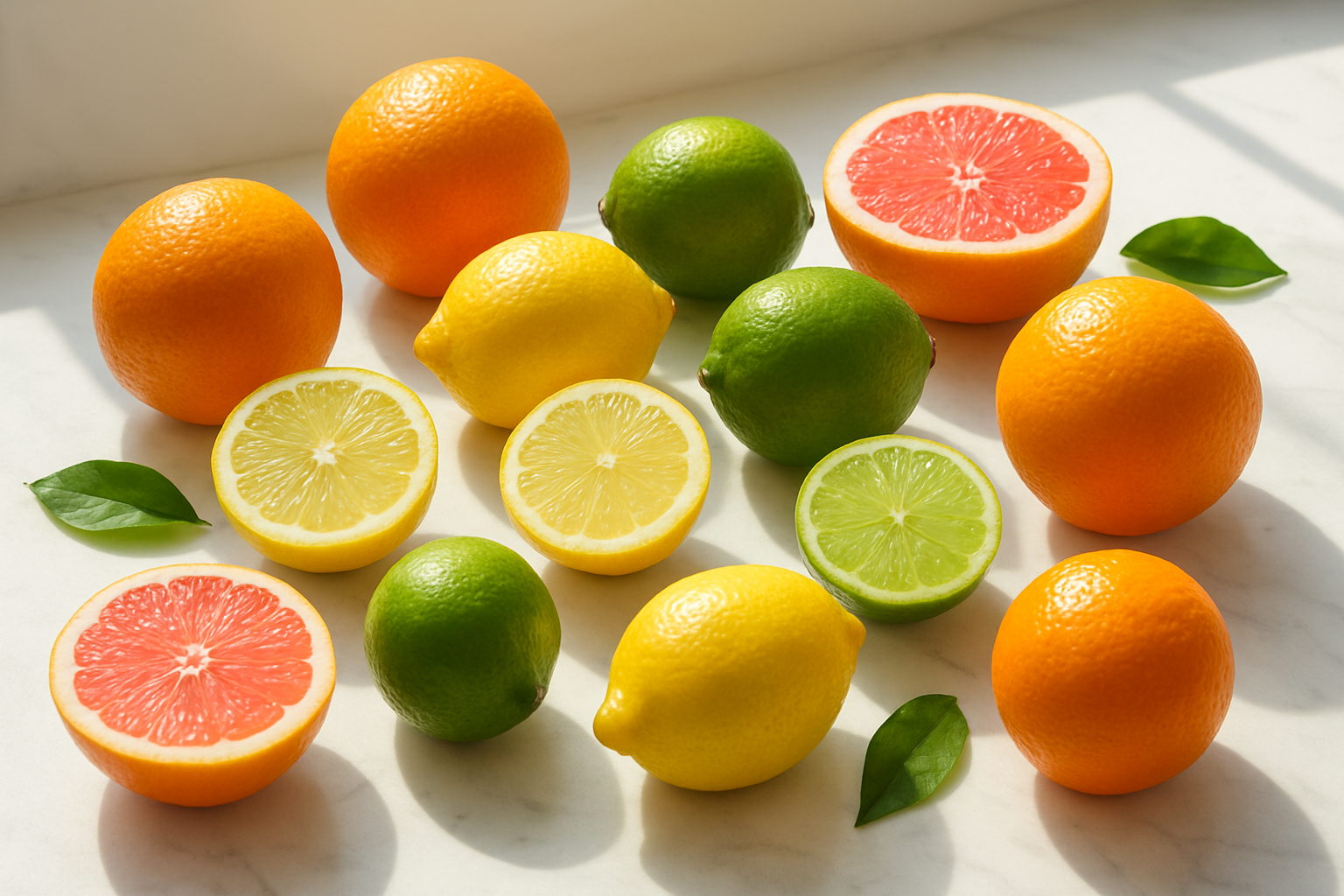
Oranges for Immune System Boost
Oranges pack a serious punch when it comes to keeping your immune system strong. One medium orange delivers about 70mg of vitamin C - that's nearly your entire daily requirement right there. This vitamin C acts like a shield for your body, helping white blood cells fight off infections and bounce back faster from illness.
Beyond vitamin C, oranges bring folate to the table, which helps your body make new cells and keeps your energy levels steady. The fiber in oranges also feeds the good bacteria in your gut, and since about 70% of your immune system lives in your digestive tract, this creates a powerful connection between what you eat and how well you fight off bugs.
Fresh orange juice works great, but eating whole oranges gives you more fiber and helps prevent blood sugar spikes. Keep a few oranges on your counter for easy snacking - they last longer at room temperature and taste better too.
Lemons for Detoxification and Vitamin C
Lemons might be sour, but they're sweet for your health. Starting your day with warm lemon water gives your liver a gentle wake-up call and helps flush toxins from your system overnight. The citric acid in lemons also helps your body absorb iron better from other foods you eat.
That vitamin C content rivals oranges, making lemons one of the best fruits for nutrition when it comes to antioxidant power. These antioxidants fight free radicals that can damage your cells and speed up aging. Lemons also contain compounds called limonoids that may help lower cholesterol levels.
The pectin fiber in lemon peels (yes, the zest too!) slows down sugar absorption and keeps you feeling full longer. Add lemon zest to salads, squeeze fresh lemon over fish, or drop slices into your water bottle for an easy vitamin boost throughout the day.
Grapefruits for Weight Management
Grapefruits have earned their reputation as a weight-loss friend, and science backs this up. The fruit contains compounds that may help your body burn fat more efficiently and regulate blood sugar levels. Studies show people who eat half a grapefruit before meals tend to lose more weight than those who skip it.
The high water content (about 88%) and fiber help you feel satisfied with fewer calories. One medium grapefruit has only about 80 calories but delivers significant amounts of vitamin A, which supports healthy skin and vision. The pink and red varieties contain lycopene, the same antioxidant found in tomatoes that may protect against heart disease.
Grapefruit can interact with certain medications, so check with your doctor if you take prescription drugs. For most people though, adding half a grapefruit to breakfast or having grapefruit segments as an afternoon snack makes a smart addition to healthy fruits to eat daily.
Limes for Digestive Health
Small but mighty, limes bring unique benefits that make them worth including in your daily fruit intake guide. The citric acid in limes stimulates digestive enzymes and helps break down food more efficiently. This can reduce bloating and improve nutrient absorption from your meals.
Limes contain flavonoids that have natural antibacterial properties, which may help maintain a healthy balance of gut bacteria. The vitamin C supports your digestive tract's lining, keeping it strong against harmful bacteria while allowing good nutrients to pass through.
Fresh lime juice works better than bottled versions since it retains more of the beneficial compounds. Squeeze lime over tacos, add it to marinades, or mix it into sparkling water for a refreshing drink that supports your digestive system. The oils in lime zest also contain compounds that may help reduce inflammation throughout your digestive tract.
Power-Packed Berries to Include in Your Diet
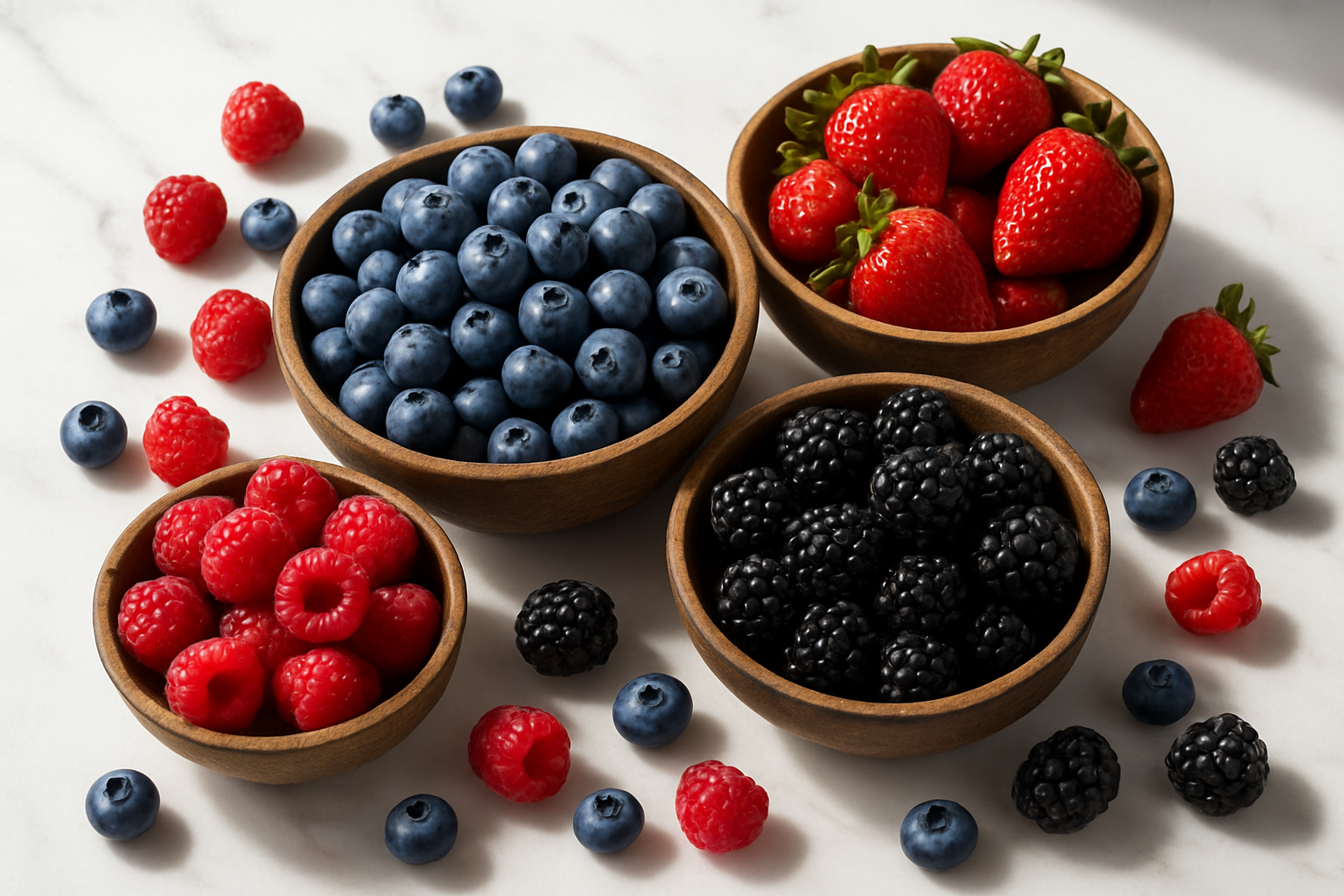
Blueberries for Brain Function Enhancement
Blueberries deserve their reputation as a superfood, especially when it comes to brain health. These tiny blue gems pack an incredible punch of anthocyanins, the compounds responsible for their vibrant color and remarkable cognitive benefits. Research shows that eating just one cup of blueberries daily can improve memory formation and recall within weeks.
What makes blueberries particularly special is their ability to cross the blood-brain barrier, delivering antioxidants directly to brain tissue. This unique feature helps protect neurons from oxidative stress and inflammation, two major factors in age-related cognitive decline. Regular consumption has been linked to improved focus, better decision-making skills, and enhanced learning capacity.
Fresh blueberries work best, but frozen varieties retain most of their nutritional value. Add them to morning oatmeal, blend into smoothies, or simply eat them by the handful as a snack. Wild blueberries contain even higher concentrations of beneficial compounds than cultivated varieties.
Strawberries for Heart Health Protection
Strawberries bring more than just sweetness to your plate – they're cardiovascular powerhouses loaded with vitamin C, folate, and potassium. One serving provides over 100% of your daily vitamin C needs, supporting healthy blood vessel function and reducing inflammation throughout your circulatory system.
The heart-protective benefits come from strawberries' unique combination of anthocyanins and ellagic acid. These compounds work together to lower blood pressure, reduce LDL cholesterol levels, and improve overall arterial function. Studies indicate that people who eat strawberries regularly have a 32% lower risk of heart attack compared to those who rarely consume them.
Strawberries also contain natural nitrates that help blood vessels relax and improve circulation. This makes them particularly beneficial for people with high blood pressure or those at risk for cardiovascular disease. Choose organic strawberries when possible, as they typically contain higher levels of beneficial compounds and fewer pesticide residues.
Raspberries for Fiber and Antioxidants
Raspberries stand out among berries for diet plans due to their exceptional fiber content – eight grams per cup, making them one of the highest-fiber fruits available. This impressive fiber load supports digestive health, helps regulate blood sugar levels, and promotes feelings of fullness that can aid in weight management.
The antioxidant profile of raspberries is equally impressive. They contain ellagitannins, powerful compounds that have anti-inflammatory and anti-cancer properties. These antioxidants help neutralize free radicals that can damage cells and contribute to chronic diseases. Red raspberries offer the highest antioxidant levels, though black and golden varieties provide their own unique benefits.
Raspberries work beautifully in both sweet and savory applications. Sprinkle them over yogurt, add to salads for a burst of flavor, or freeze them for a refreshing summer treat. Their natural tartness balances rich foods perfectly, making them ideal for reducing the need for added sugars in recipes.
| Berry Type | Fiber (per cup) | Key Antioxidants | Primary Benefits |
|---|---|---|---|
| Blueberries | 4g | Anthocyanins | Brain function, memory |
| Strawberries | 3g | Vitamin C, Ellagic acid | Heart health, immunity |
| Raspberries | 8g | Ellagitannins | Digestive health, weight management |
Tropical Fruits That Transform Your Nutrition
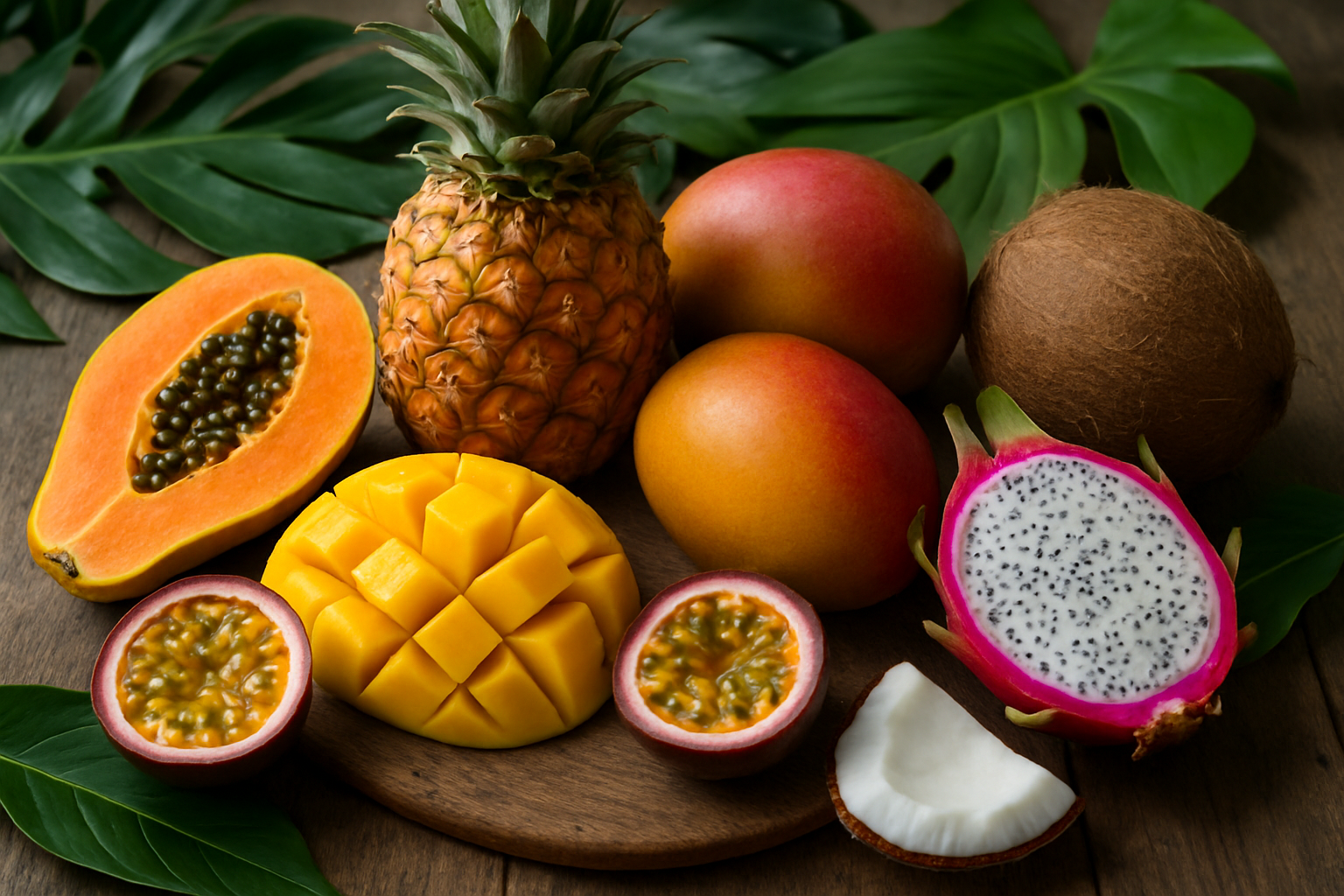
Bananas for Energy and Potassium
Bananas pack a serious nutritional punch that makes them one of the best fruits for nutrition in your daily routine. Each medium banana delivers around 422 milligrams of potassium, which helps regulate blood pressure and supports proper muscle function. The natural sugars - glucose, fructose, and sucrose - provide quick energy that's perfect for pre-workout fuel or mid-afternoon energy slumps.
The fiber content in bananas supports digestive health while helping you feel satisfied longer. Bananas also contain vitamin B6, which plays a key role in brain development and function. The resistant starch in slightly green bananas acts as a prebiotic, feeding beneficial gut bacteria.
For athletes and active individuals, bananas offer the ideal combination of carbohydrates and electrolytes. The potassium helps prevent muscle cramps, while the natural sugars replenish glycogen stores. Plus, they're portable, affordable, and require zero preparation.
Pineapples for Digestive Enzymes
Pineapples contain bromelain, a powerful enzyme that breaks down proteins and supports smooth digestion. This enzyme is particularly concentrated in the core of the fruit, so don't toss that fibrous center - blend it into smoothies or eat it fresh.
Beyond digestive support, bromelain has anti-inflammatory properties that may help reduce swelling and support recovery after exercise. The vitamin C content in pineapples is impressive - one cup provides over 100% of your daily needs, supporting immune function and collagen production.
The manganese in pineapples supports bone health and wound healing. Fresh pineapple also contains small amounts of other digestive enzymes that work together to improve nutrient absorption. When choosing pineapples, look for fruits that smell sweet at the base and give slightly when pressed.
Mangoes for Skin Health and Vitamin A
Mangoes deliver more vitamin A than almost any other fruit, making them exceptional for skin health and vision. One cup of mango provides over 25% of your daily vitamin A needs in the form of beta-carotene, which your body converts as needed.
The vitamin C content works alongside vitamin A to support collagen production, helping maintain firm, healthy skin. Mangoes also contain compounds called polyphenols that may protect against skin damage from UV exposure and environmental stressors.
The fiber in mangoes supports healthy digestion, while the folate content is particularly beneficial for pregnant women. Mangoes contain over 20 different vitamins and minerals, including vitamin E, which acts as an antioxidant protecting cells from damage. The natural enzymes in mangoes, including amylase, help break down carbohydrates for better digestion.
Papayas for Anti-Inflammatory Benefits
Papayas contain papain, an enzyme that aids protein digestion and has natural anti-inflammatory properties. This enzyme is so effective that it's often used as a meat tenderizer in cooking. The combination of papain and chymopapain makes papayas excellent for people with digestive sensitivities.
The lycopene content in papayas provides antioxidant protection, particularly for heart health. Red-fleshed papayas contain higher levels of lycopene than tomatoes. Papayas are also rich in vitamin C, providing more than 200% of daily needs in just one cup.
The anti-inflammatory compounds in papayas may help reduce markers of inflammation in the body. Studies suggest regular papaya consumption might support joint health and reduce exercise-induced inflammation. The seeds are edible too - they have a peppery flavor and contain compounds that may support liver health. These tropical fruits nutrition powerhouses deserve a regular spot in your healthy fruits to eat daily rotation.
Core Fruits for Year-Round Wellness
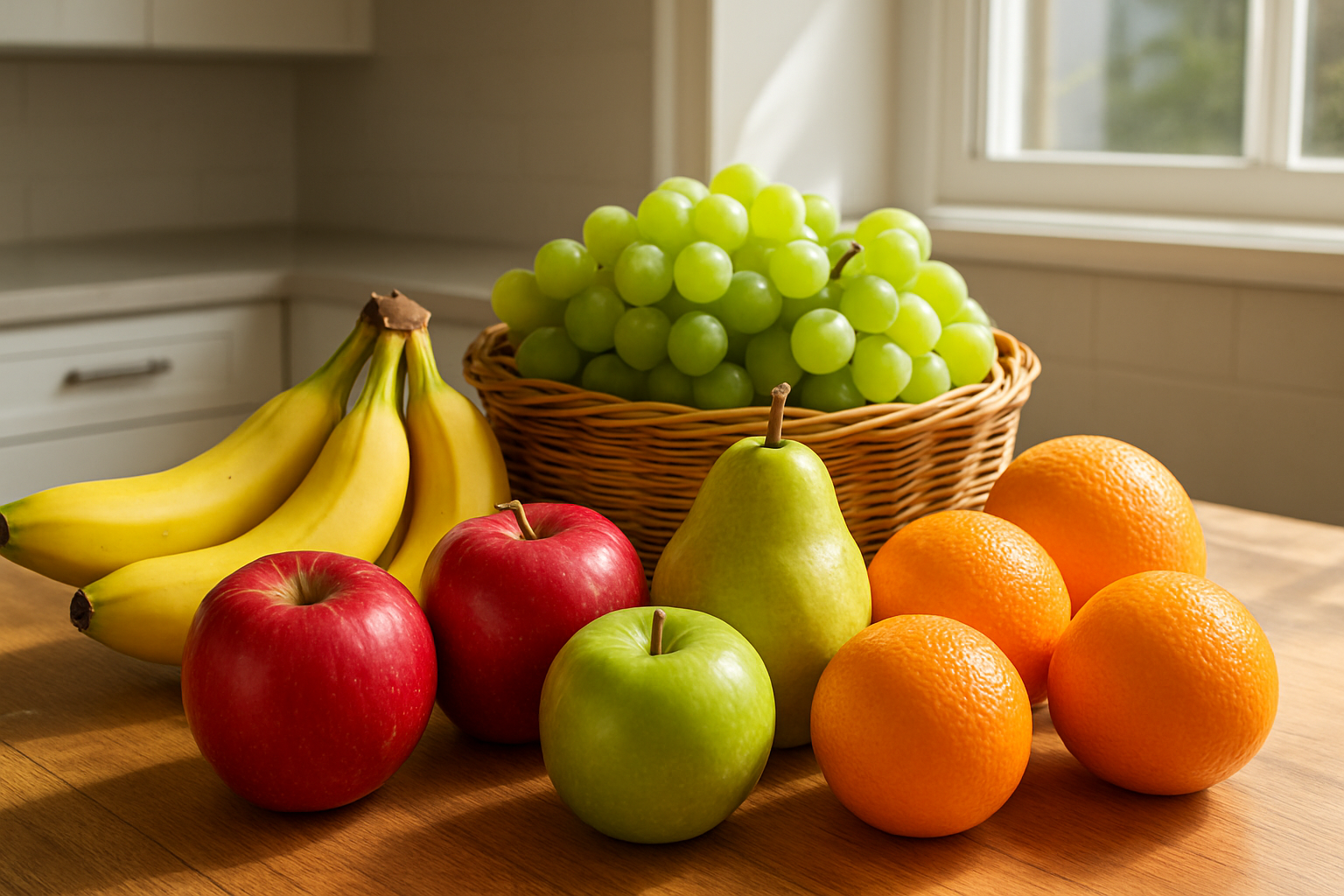
Apples for Heart Health and Fiber
Apples deserve their reputation as one of the best fruits for nutrition and daily consumption. These core fruits pack an incredible nutritional punch that supports cardiovascular health and digestive wellness. A medium-sized apple contains about 4 grams of dietary fiber, with both soluble and insoluble types working together to benefit your body.
The soluble fiber in apples, particularly pectin, actively helps lower cholesterol levels by binding to cholesterol particles in your digestive system and removing them before they enter your bloodstream. Regular apple consumption has been linked to reduced risk of heart disease, with studies showing that people who eat apples daily have lower blood pressure and improved arterial function.
Beyond heart health, apples provide sustained energy without causing blood sugar spikes. The natural sugars combine with fiber to create a slow, steady release of glucose into your bloodstream. This makes apples perfect for managing hunger between meals and maintaining stable energy levels throughout the day.
The antioxidants in apples, including quercetin and catechin, fight inflammation and support immune function. Red apples typically contain higher antioxidant levels than green varieties, though both offer significant health benefits. Apple peels contain the highest concentration of nutrients, so eating them unpeeled maximizes their nutritional impact.
Pears for Digestive Support
Pears rank among the most fiber-rich everyday fruits benefits include, delivering approximately 6 grams of fiber per medium fruit. This exceptional fiber content makes pears incredibly effective for promoting healthy digestion and preventing constipation. The fiber in pears is primarily insoluble, which adds bulk to stool and helps food move through your digestive tract more efficiently.
Beyond digestive health, pears contain unique compounds called hydroxycinnamic acids that possess anti-inflammatory properties. These compounds help reduce inflammation throughout the body, potentially lowering the risk of chronic diseases. Pears also provide vitamin C, vitamin K, and potassium, supporting immune function, bone health, and blood pressure regulation.
The natural sweetness of pears comes from fructose and other natural sugars, but their high fiber content helps slow sugar absorption. This prevents rapid blood sugar fluctuations and makes pears an excellent choice for people managing diabetes or trying to maintain steady energy levels.
Asian pears offer a crisp, apple-like texture with similar nutritional benefits, while European pears provide a softer, more traditional pear experience. Both varieties contain beneficial plant compounds that support gut health by feeding beneficial bacteria in your microbiome.
Grapes for Cardiovascular Protection
Grapes contain powerful antioxidants called anthocyanins and resveratrol that specifically target cardiovascular health. These compounds help protect blood vessels from damage, reduce inflammation in arteries, and support healthy blood flow. Red and purple grapes typically contain higher levels of these protective compounds compared to green varieties.
The resveratrol in grape skins has been extensively studied for its heart-protective properties. This compound helps prevent blood clot formation, reduces oxidative stress, and may help lower blood pressure. Regular grape consumption has been associated with improved cholesterol profiles and reduced risk of heart disease.
Grapes provide natural sugars for quick energy, making them excellent pre-workout snacks or afternoon pick-me-ups. Unlike processed sugary snacks, grapes come with fiber, water, and beneficial plant compounds that support overall health while providing energy.
| Grape Variety | Key Benefits | Antioxidant Content |
|---|---|---|
| Red/Purple | High resveratrol, heart protection | Very High |
| Green | Vitamin C, hydration | Moderate |
| Black | Maximum anthocyanins | Highest |
The high water content in grapes (about 80%) helps with hydration while the potassium supports healthy blood pressure. Fresh grapes make perfect portable snacks and can easily be incorporated into daily fruit intake guide recommendations for optimal health benefits.
Nutrient-Dense Stone Fruits Worth Eating Daily
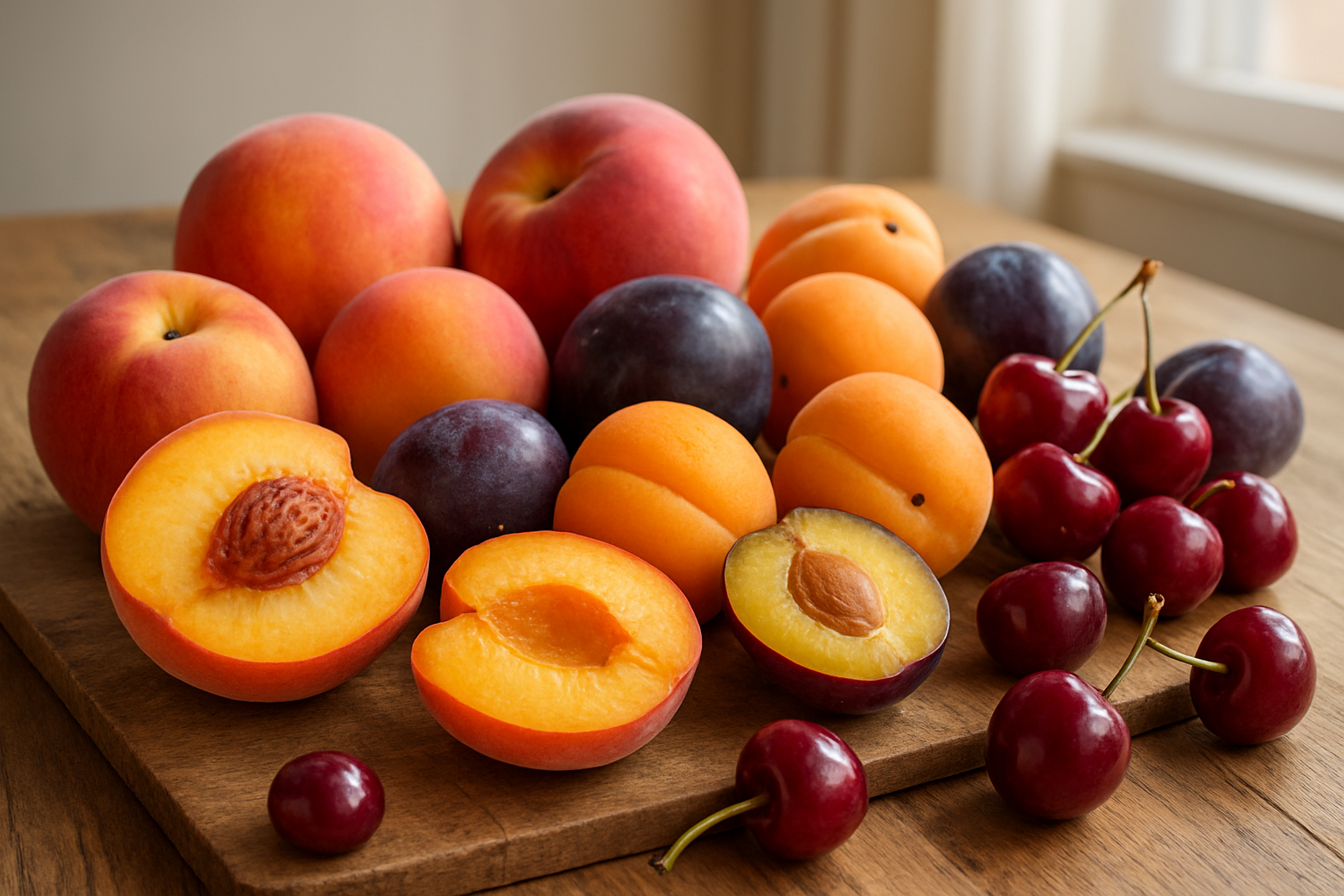
Peaches for Skin Radiance
Peaches pack a serious punch when it comes to maintaining healthy, glowing skin. These fuzzy fruits contain high levels of vitamin C and vitamin A, both crucial for collagen production and skin cell renewal. The beta-carotene in peaches helps protect your skin from UV damage while promoting that natural glow we all want.
What makes peaches stand out among stone fruits benefits is their unique combination of antioxidants, including chlorogenic acid and caffeic acid. These compounds fight free radicals that cause premature aging and skin damage. A medium-sized peach provides about 17% of your daily vitamin C needs, supporting your skin's ability to repair itself and maintain elasticity.
The natural fruit acids in peaches also work as gentle exfoliants, helping remove dead skin cells when you eat them regularly. Plus, their high water content keeps you hydrated from the inside out, which directly impacts how plump and healthy your skin looks.
Plums for Bone Health
Purple, red, or yellow - plums deliver impressive bone-supporting nutrients regardless of their color. These nutritious fruits contain vitamin K, which plays a key role in bone metabolism and calcium absorption. Research shows that eating plums regularly can help maintain bone density, especially important as we age.
Plums also provide boron, a trace mineral that helps your body use calcium and magnesium more effectively. This mineral supports bone formation and reduces calcium loss through urine. The potassium in plums works alongside these minerals to maintain proper bone structure.
Studies specifically on dried plums (prunes) show remarkable results for bone health, but fresh plums offer similar benefits with added hydration and fiber. The antioxidants in plums, particularly anthocyanins in darker varieties, help reduce inflammation that can weaken bones over time.
Cherries for Sleep Quality and Recovery
Tart cherries are nature's sleep aid, containing natural melatonin that helps regulate your sleep-wake cycle. Studies show that drinking tart cherry juice or eating fresh cherries can improve sleep duration and quality, making them perfect for your evening routine.
Beyond sleep, cherries excel at muscle recovery thanks to their powerful anti-inflammatory compounds called anthocyanins. Athletes often use cherry juice to reduce muscle soreness and speed up recovery after intense workouts. The natural sugars in cherries also help replenish glycogen stores in muscles.
Sweet cherries offer similar benefits with a more pleasant taste for those who find tart cherries too intense. Both varieties contain quercetin and other flavonoids that support overall recovery and reduce exercise-induced oxidative stress. Adding cherries to your daily fruit intake can significantly impact both your sleep and physical recovery.
Apricots for Eye Health Protection
Apricots shine when it comes to protecting your vision and maintaining healthy eyes. These golden fruits are loaded with beta-carotene, lutein, and zeaxanthin - three carotenoids that accumulate in your retina and protect against age-related eye diseases.
The vitamin A content in apricots is particularly impressive, with just three fresh apricots providing about 20% of your daily needs. This vitamin is essential for maintaining the cornea and supporting low-light vision. The lutein and zeaxanthin act like natural sunglasses, filtering harmful blue light that can damage your retinal cells.
Fresh apricots also contain vitamin E, another antioxidant that protects the delicate tissues in your eyes from oxidative damage. The combination of these nutrients makes apricots one of the best fruits for nutrition when your goal is long-term eye health. Dried apricots concentrate these nutrients even further, though fresh ones provide additional hydration and fewer sugars.
Smart Ways to Incorporate More Fruits Into Your Routine
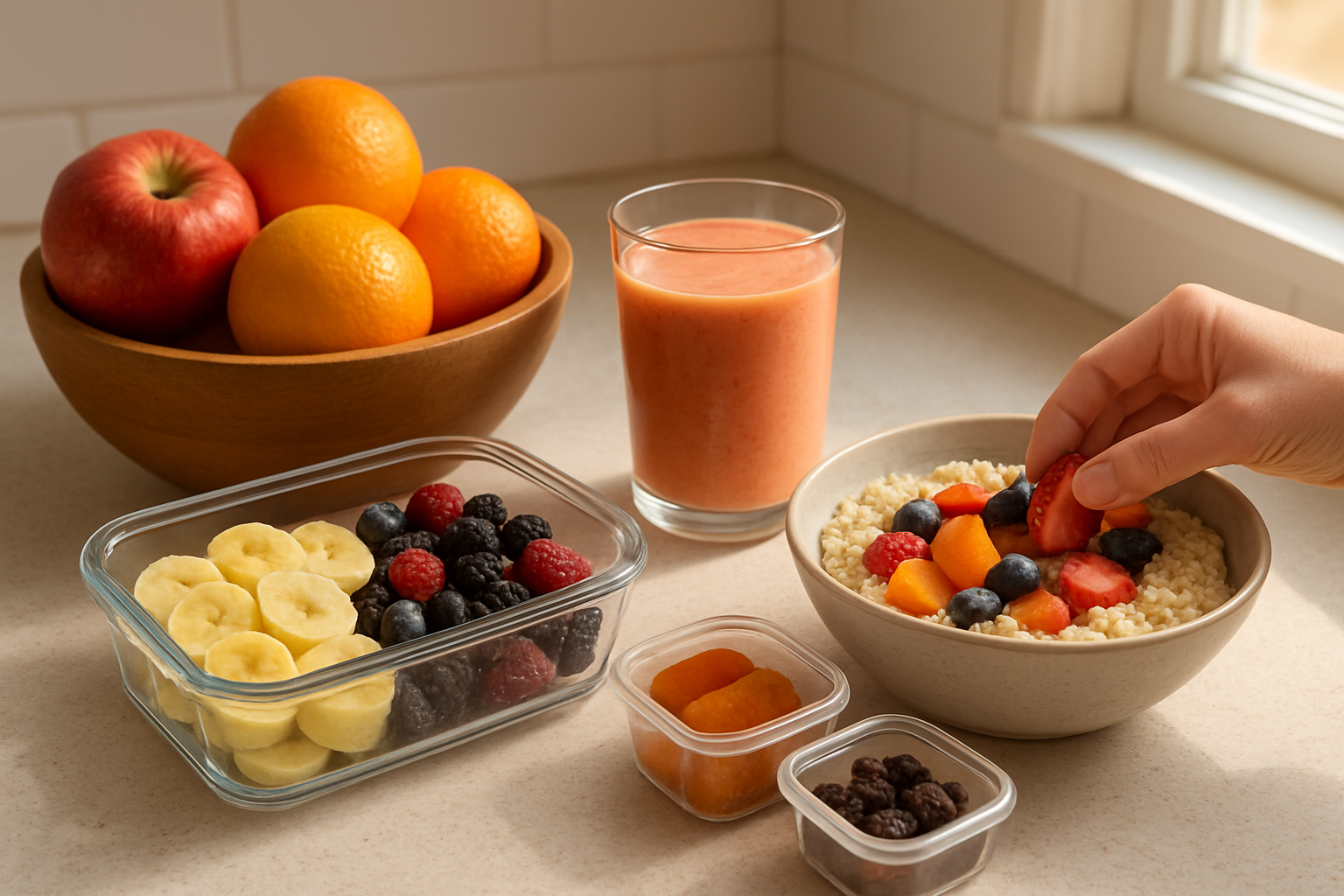
Morning Fruit Combinations for Energy
Starting your day with the right healthy fruits to eat daily can set the tone for sustained energy levels. Combining citrus fruits like oranges or grapefruits with bananas creates a perfect balance of quick-acting and slow-releasing energy sources. The natural sugars provide immediate fuel while the fiber helps maintain steady blood glucose levels throughout the morning.
Berries mixed with apple slices offer an antioxidant-rich breakfast addition that supports mental clarity. Blueberries contain compounds that enhance cognitive function, while apples provide quercetin, a natural energy booster. Try creating a fruit bowl with strawberries, kiwi, and mango for a vitamin C powerhouse that aids iron absorption from other breakfast foods.
For busy mornings, prepare smoothie packs with pre-cut pineapple, spinach, and banana. The bromelain in pineapple aids digestion, while the natural electrolytes help with hydration. Adding a handful of grapes provides quick energy without the crash associated with processed sugars.
Post-Workout Fruit Choices for Recovery
Recovery nutrition becomes crucial after exercise, and selecting the best fruits for nutrition during this window maximizes your workout benefits. Tart cherries stand out as exceptional post-exercise choices due to their natural anti-inflammatory compounds that reduce muscle soreness and speed recovery time.
Watermelon provides excellent hydration while delivering citrulline, an amino acid that improves blood flow and reduces muscle fatigue. Pair watermelon with a small portion of dates for a perfect carbohydrate-to-natural-sugar ratio that replenishes glycogen stores efficiently.
| Fruit | Recovery Benefit | Best Timing |
|---|---|---|
| Tart Cherries | Reduces inflammation | Within 30 minutes |
| Watermelon | Hydration + citrulline | Immediately after |
| Bananas | Potassium for muscle function | 15-30 minutes post |
| Pomegranate | Antioxidant recovery | Within 1 hour |
Bananas remain the gold standard for post-workout fruit consumption. Their high potassium content prevents cramping while natural sugars rapidly restore energy stores. Combining banana with a small amount of berries creates an antioxidant-rich recovery snack that fights exercise-induced oxidative stress.
Evening Fruits That Support Sleep
Choosing the right fruits for your daily fruit intake guide extends to supporting quality sleep. Tart cherries naturally contain melatonin, making them ideal evening choices. Research shows that consuming tart cherry juice or fresh cherries can improve sleep duration and quality.
Kiwi fruits have gained attention for their sleep-promoting properties. Studies indicate that eating two kiwis an hour before bedtime can help you fall asleep faster and enjoy deeper sleep. The combination of antioxidants, serotonin, and folate in kiwis contributes to these sleep benefits.
Grapes, particularly red varieties, contain small amounts of natural melatonin. A small serving of grapes paired with a handful of almonds creates a balanced evening snack that doesn't interfere with sleep while providing gentle blood sugar support through the night.
Avoid high-acid citrus fruits in the evening as they may cause digestive discomfort when lying down. Instead, opt for gentle options like pears or apples, which provide fiber and natural sweetness without disrupting sleep patterns. These choices align perfectly with how to eat more fruit while supporting your body's natural circadian rhythms.
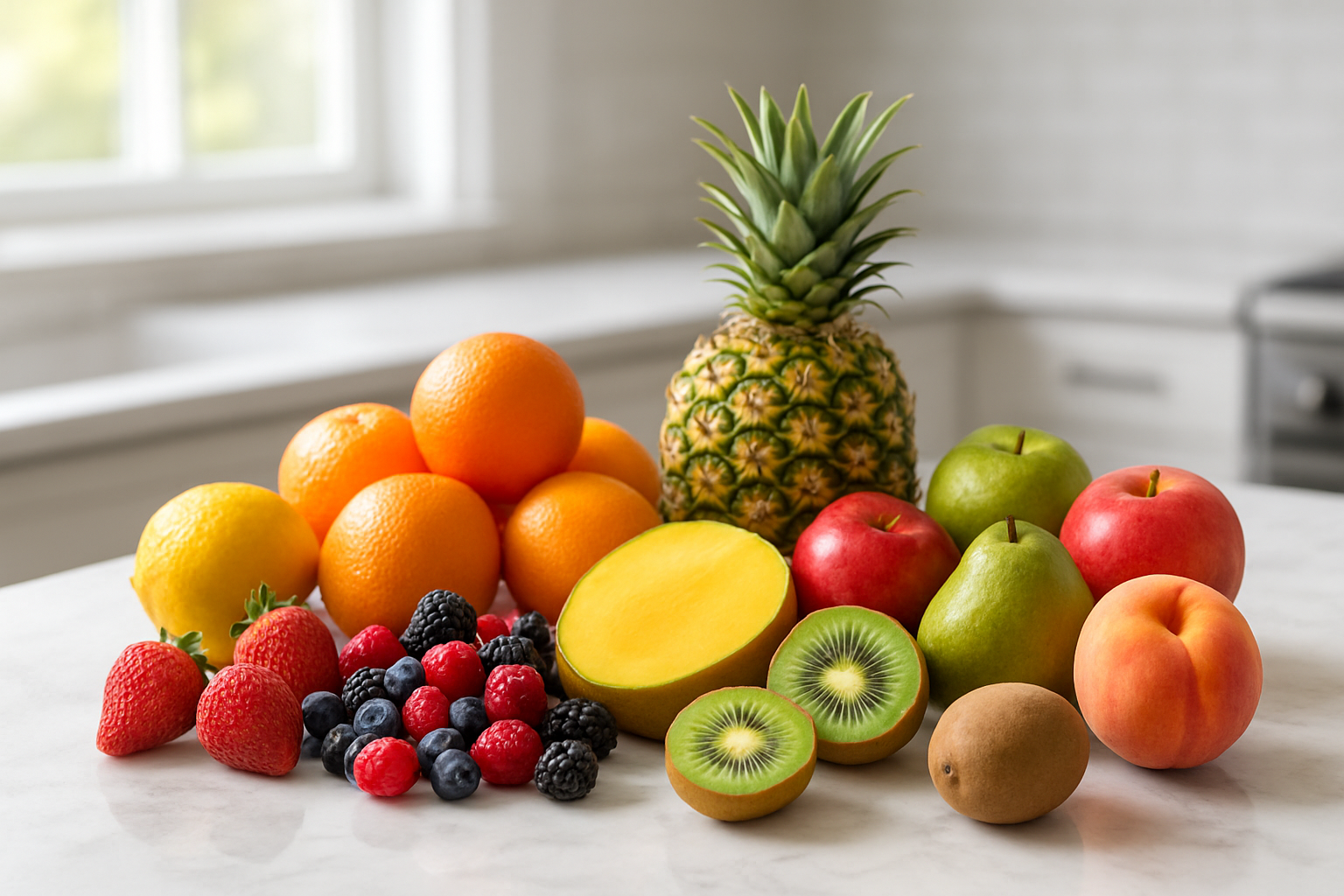
Adding more fruits to your daily routine doesn't have to be complicated or expensive. From vitamin C-rich citrus fruits that boost your immune system to antioxidant-packed berries that fight inflammation, nature offers an incredible variety of options to fuel your body. Tropical fruits like mangoes and papayas bring unique nutrients to the table, while classic apples and pears provide consistent fiber and vitamins year-round. Stone fruits like peaches and plums add natural sweetness while delivering essential minerals your body craves.
The best part about eating more fruit is how simple it can be. Toss berries into your morning cereal, pack an apple for your afternoon snack, or blend tropical fruits into a quick smoothie. Small changes like these can make a huge difference in how you feel and perform every day. Your body will thank you for choosing these natural powerhouses over processed alternatives, and you'll discover that eating well can actually taste amazing.


Comments
Post a Comment