DURIAN - WHAT'S THE DURIAN FRUIT?
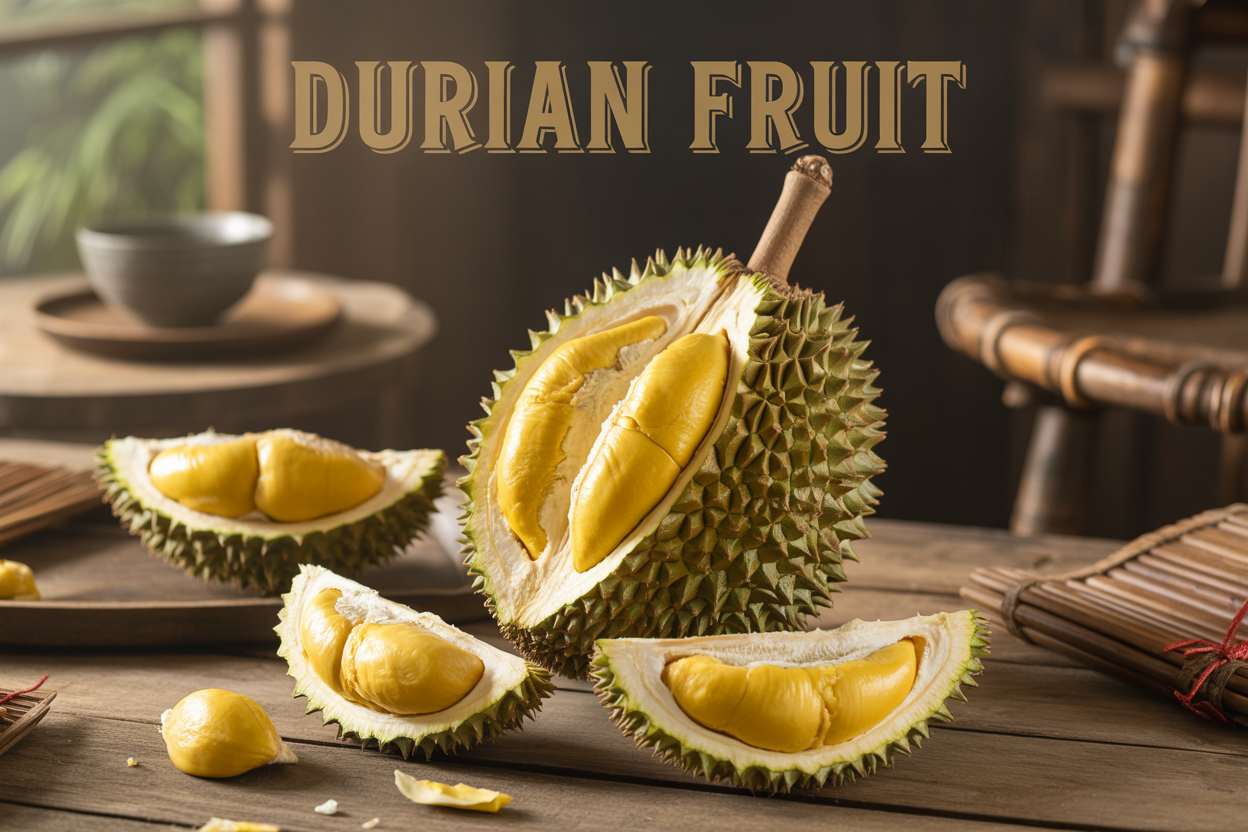
Durian fruit might be the most polarizing food on the planet - people either love it passionately or can't stand to be in the same room with it. If you've ever wondered what is durian or why this spiky Southeast Asian fruit gets called the "king of fruits," you're in the right place.
This guide is perfect for curious food lovers, adventurous eaters, and anyone planning to travel through Southeast Asia who wants to know what they're getting into before trying this legendary fruit.
We'll explore the fascinating origins of durian and what makes its physical appearance so distinctive. You'll also discover the truth behind its infamous smell and complex flavor profile, plus learn about the impressive durian health benefits that have made this fruit a treasured part of Southeast Asian culture for centuries.
Origins and Botanical Classification of Durian
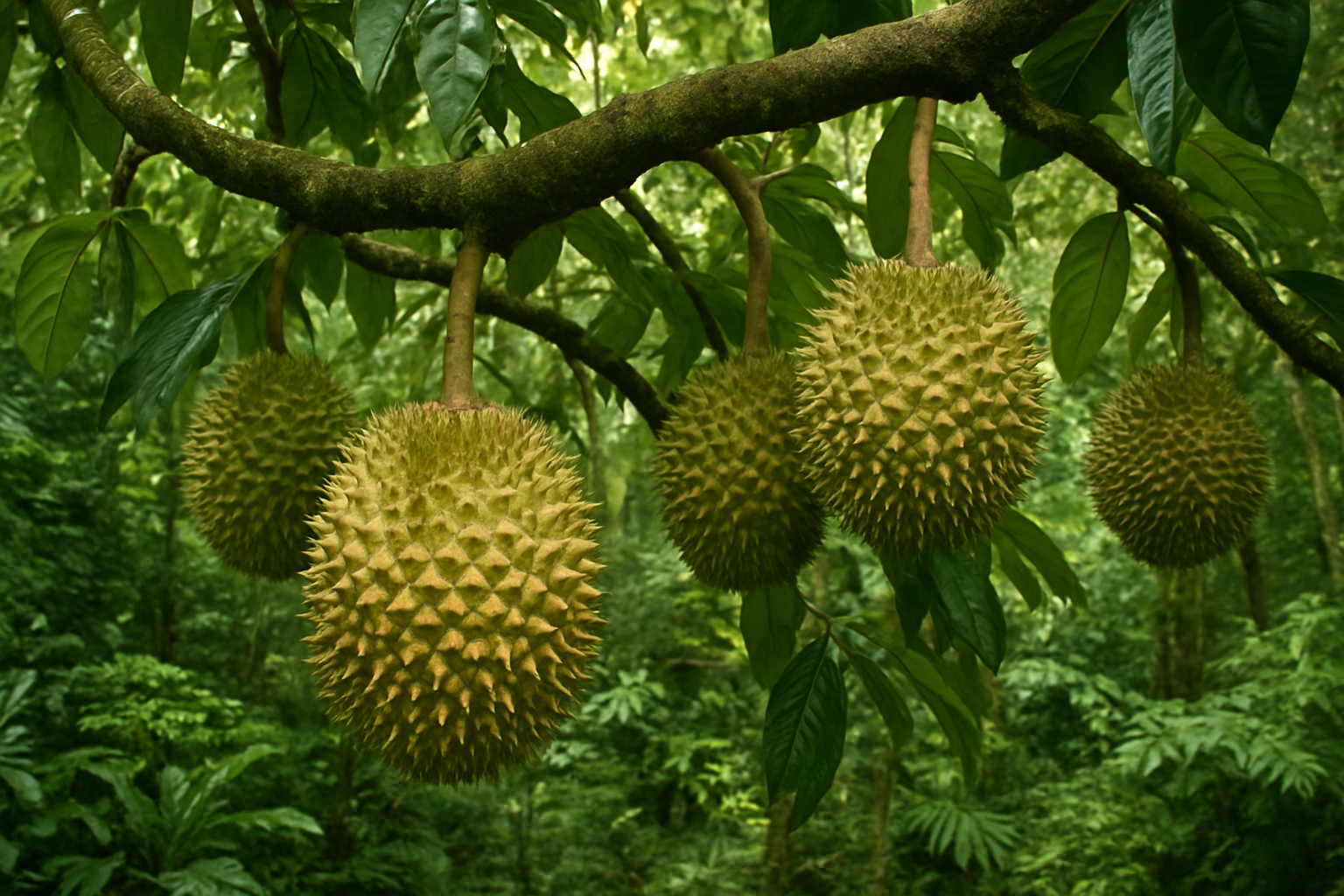
Native Southeast Asian regions where durian grows naturally
The durian fruit calls the tropical rainforests of Southeast Asia home, where it has grown wild for thousands of years. Malaysia and Indonesia claim the strongest connection to this legendary fruit, with ancient durian trees dotting their landscapes long before human cultivation began. These countries remain the heart of durian country, producing the most prized varieties that fruit enthusiasts seek worldwide.
Thailand stands as another major player in the durian world, particularly famous for its Monthong variety that has captured international markets. The humid, tropical climate of southern Thailand creates perfect growing conditions, with temperatures ranging between 75-85°F year-round and abundant rainfall.
Wild durian trees also thrive across Brunei, Myanmar, and the Philippines, where indigenous communities have harvested this "king of fruits" for generations. Each region has developed its own local varieties, adapted to specific microclimates and soil conditions. The Borneo island, shared between Malaysia and Indonesia, hosts some of the most diverse durian populations, with over 30 different species growing naturally in its ancient rainforests.
These native regions share common characteristics that make durian cultivation possible: rich, well-draining soil, high humidity levels above 75%, and consistent temperatures without extreme seasonal variations. The fruit requires cross-pollination from bats and other nocturnal creatures, making the biodiversity of Southeast Asian rainforests essential for natural durian reproduction.
Scientific classification and family relationships
Durian belongs to the botanical family Malvaceae, specifically within the subfamily Helicteroideae. The scientific name Durio encompasses the entire genus, with Durio zibethinus representing the most commonly consumed species worldwide. This classification places durian as a close relative to hibiscus, cotton, and surprisingly, cacao plants.
The genus Durio contains approximately 30 recognized species, though only nine produce edible fruit that humans regularly consume. The plant family connections reveal interesting relationships - durian shares ancestry with other tropical fruit trees like baobab and kapok, all evolving similar strategies for surviving in humid, competitive rainforest environments.
Scientists have traced durian's evolutionary history back millions of years, with genetic studies suggesting the fruit developed its unique characteristics as an adaptation to attract large mammals for seed dispersal. The thick, spiky shell protected the seeds while the potent aroma signaled ripeness to potential dispersers like orangutans, elephants, and ancient megafauna.
Modern genetic analysis has revealed that different durian species diverged relatively recently in evolutionary terms, explaining why many varieties can still cross-pollinate. This genetic plasticity has allowed farmers and horticulturists to develop new cultivars through selective breeding, creating the diverse range of durian varieties available today.
Different durian species and varieties worldwide
The world of durian varieties spans far beyond the common supermarket fruit, with each species offering distinct characteristics in taste, texture, and aroma intensity. Durio zibethinus dominates commercial production, but several other species deserve recognition for their unique qualities.
Popular Commercial Varieties:
| Variety | Origin | Characteristics |
|---|---|---|
| Musang King | Malaysia | Creamy texture, bittersweet flavor, golden flesh |
| D24 Sultan | Malaysia | Strong aroma, creamy consistency, sweet taste |
| Monthong | Thailand | Mild flavor, less pungent smell, thick flesh |
| Red Prawn | Malaysia | Smaller seeds, sweet flavor, orange-red flesh |
| XO | Malaysia | Slight alcohol aftertaste, bitter-sweet profile |
Durio graveolens, known as red durian or orange durian, produces fruit with distinctly colored flesh and a milder aroma that appeals to newcomers. Durio oxleyanus offers a tartier flavor profile, while Durio dulcis lives up to its name with notably sweeter fruit that lacks the intense smell many associate with durian.
Wild species like Durio kutejensis and Durio testudinarius remain largely uncultivated but provide genetic diversity for future breeding programs. Some Indonesian varieties produce fruit with purple or white flesh, demonstrating the remarkable genetic variation within the durian family.
Clone varieties have emerged through grafting techniques, ensuring consistent quality and characteristics. Malaysian durian farms now cultivate dozens of named clones, each registered and protected for their specific traits, creating a complex hierarchy of premium fruits that command different prices based on their lineage and flavor profiles.
Physical Characteristics That Make Durian Unique
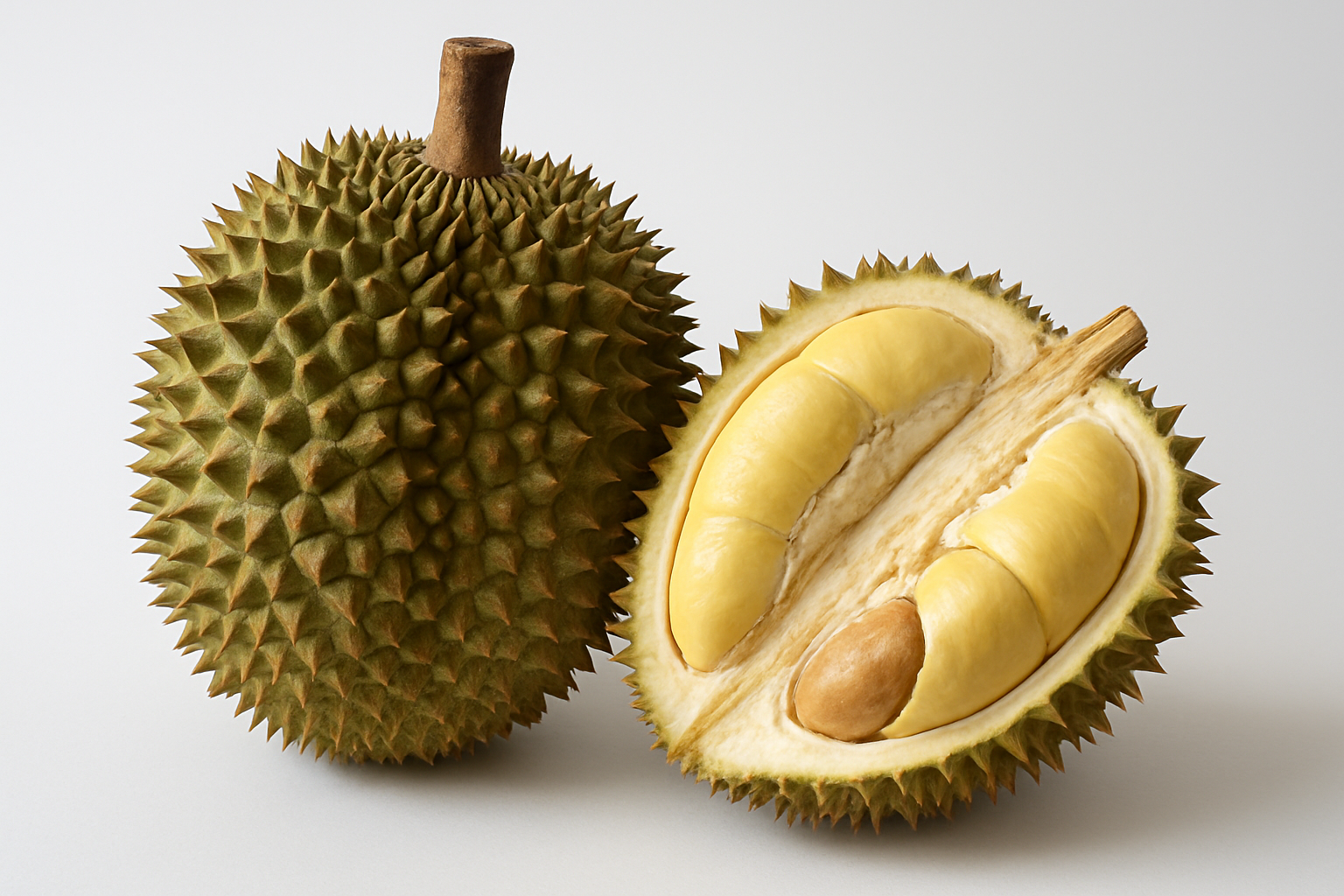
Distinctive spiky exterior shell and protective features
The durian fruit stands out immediately thanks to its formidable exterior armor. This natural fortress consists of sharp, pyramid-shaped spikes that can range from 5 to 15 millimeters in length, creating an intimidating barrier that protects the precious flesh inside. The spikes aren't just for show – they serve as an effective defense mechanism against animals in the wild, ensuring only the most determined creatures can access the fruit's interior.
The shell itself displays a stunning array of colors, from vibrant green to golden yellow-brown, depending on the variety and ripeness. These thick, woody husks can measure up to 2 centimeters in thickness, providing robust protection against environmental factors. The surface between the spikes often features a subtle pattern of lines and ridges that add to the fruit's distinctive appearance.
What makes the durian's exterior truly remarkable is how the shell naturally splits along predetermined seam lines when the fruit reaches perfect ripeness. These natural fault lines, typically running from top to bottom, allow the fruit to crack open slightly, releasing its powerful aroma as a signal that it's ready for consumption.
Size, weight, and seasonal availability patterns
Durian fruits command attention not just through their appearance but also their impressive size and weight. A typical durian can weigh anywhere from 1 to 7 kilograms, with most falling in the 2-4 kilogram range. The largest specimens can reach up to 30 centimeters in length and 15 centimeters in diameter, making them one of the largest tree-borne fruits in the world.
The seasonal patterns of durian availability create intense anticipation among enthusiasts. Most durian varieties have two primary fruiting seasons: the main season typically runs from May to August, while a smaller secondary season occurs between December and February. These timing patterns vary slightly across different Southeast Asian regions, with Malaysia, Thailand, and Indonesia each having their peak harvest windows.
Weather conditions heavily influence both fruit size and availability. Ideal growing conditions produce larger, more flavorful fruits, while stress from drought or excessive rain can result in smaller specimens with different flavor profiles. This seasonal variation means durian prices fluctuate dramatically throughout the year, with peak season offering the best selection and most reasonable prices.
Interior flesh colors and texture variations
Inside the intimidating exterior lies the durian's crown jewel – the flesh segments that have earned this fruit its reputation as the "king of fruits." The interior reveals multiple chambers, typically containing 3-5 segments of creamy flesh, each surrounding large seeds. These segments vary dramatically in color, ranging from pale ivory and bright yellow to deep golden orange, and even reddish hues in certain varieties.
The texture of durian flesh defies easy description. At its best, it resembles a rich, creamy custard with the consistency of thick yogurt or soft cheese. Some varieties offer a firmer, more pudding-like texture, while others practically melt on the tongue. The flesh should yield slightly to gentle pressure while maintaining its structure – neither too firm nor overly mushy.
Different durian varieties showcase distinct textural characteristics. The famous Musang King variety delivers an almost butter-like consistency with minimal fiber, while D24 offers a slightly denser, more substantial mouthfeel. Red Prawn durians provide a uniquely smooth, almost liquid center that contrasts beautifully with varieties that have more body and substance.
Seeds and their potential uses
Each durian segment contains a large, glossy brown seed that many people simply discard without realizing their potential value. These seeds, roughly the size of chestnuts, are not only edible but considered a delicacy in many Southeast Asian cultures. When properly prepared, durian seeds offer a nutty, slightly sweet flavor reminiscent of jackfruit seeds or chestnuts.
Traditional preparation methods include boiling the seeds for 15-20 minutes until tender, then removing the outer skin to reveal the pale flesh inside. Roasting provides another popular preparation technique, creating a crispy exterior while maintaining a soft, starchy interior. Some regions incorporate ground durian seeds into flour for traditional baking applications.
Beyond culinary uses, durian seeds serve various practical purposes. The high starch content makes them suitable for traditional textile applications, while some cultures use them in folk medicine preparations. Young trees can even be propagated from these seeds, though most commercial cultivation relies on grafting techniques for better fruit quality and faster maturation.
The ratio of flesh to seed varies among different durian varieties, with premium cultivars typically offering more flesh per seed. This characteristic often influences pricing and consumer preference, as buyers naturally gravitate toward varieties that provide maximum edible content per fruit.
The Infamous Aroma and Flavor Profile
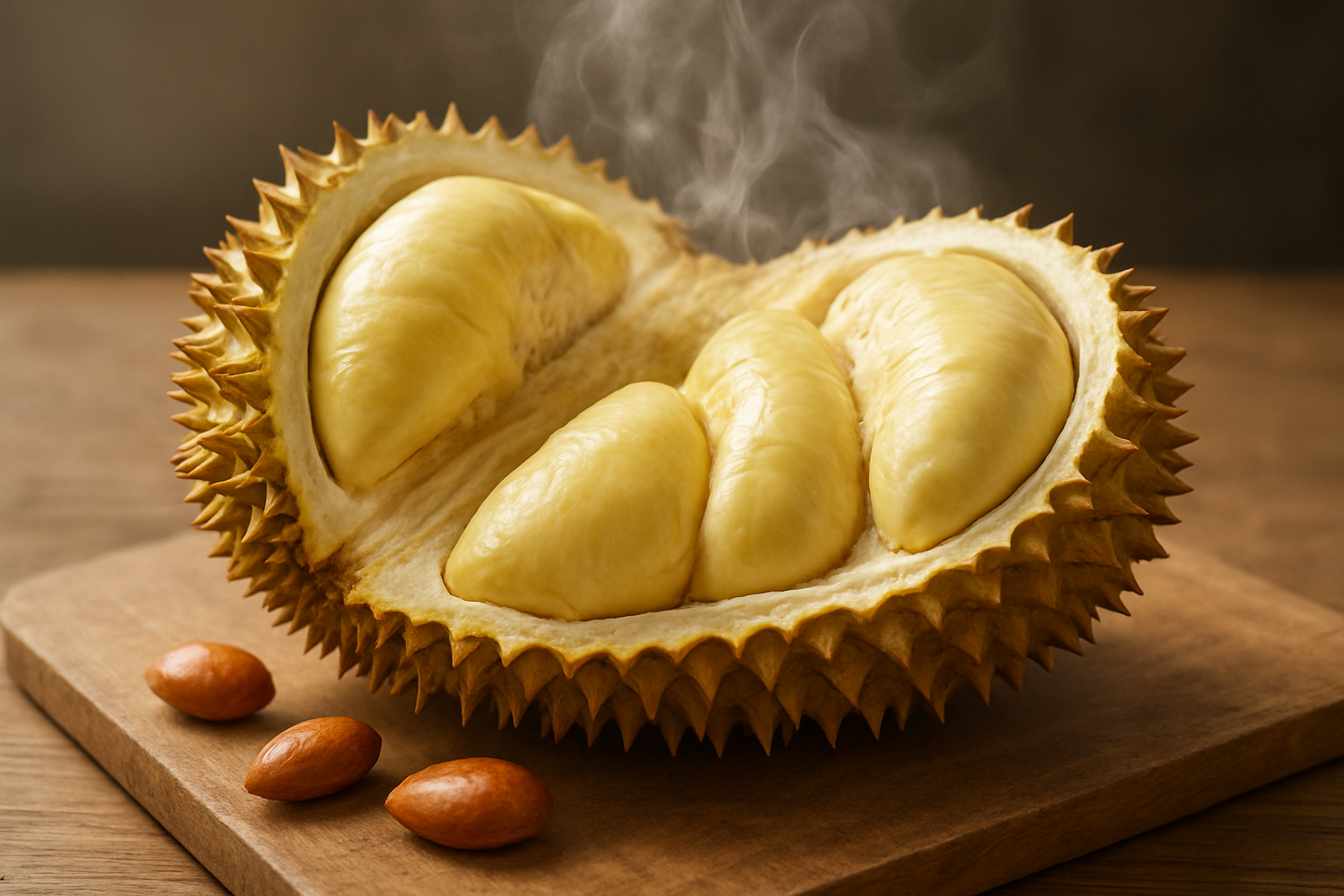
Why durian produces such a strong smell
The notorious durian smell comes from a complex cocktail of volatile sulfur compounds that the fruit naturally produces. Scientists have identified over 40 different aromatic compounds in durian, with the most potent being hydrogen sulfide, methanethiol, and various thioesters. These same compounds are found in rotten eggs, skunk spray, and decomposing organic matter, which explains why many people find the durian fruit odor so off-putting.
The fruit's thick, spiky husk actually traps these volatile compounds inside, intensifying the concentration. When you crack open a fresh durian, you're essentially releasing a concentrated burst of these sulfur-based molecules that immediately hit your olfactory receptors. The smell is so penetrating that it can linger in enclosed spaces for hours, which is why many hotels and public transportation systems across Southeast Asia ban the fruit.
Interestingly, the strong aroma serves an evolutionary purpose. In the wild, the pungent smell attracts specific animals like orangutans, elephants, and various birds that can handle the intense odor and help disperse the seeds. The fruit has essentially evolved to be irresistible to certain species while repelling others.
Taste descriptions from different cultural perspectives
What is durian like to eat? The answer varies dramatically depending on cultural background and personal experience. In Southeast Asian cultures where durian is beloved, people describe the taste as rich, creamy custard with hints of almond, caramel, and vanilla. Thai food enthusiasts often compare it to a blend of sweet onions, butter, and tropical flowers, while Malaysian durian lovers describe complex notes of cheese, wine, and honey.
Western palates typically struggle more with the durian taste and smell combination. First-time tasters from Europe and North America often describe flavors ranging from "rotten onions mixed with turpentine" to "sweet garbage" or "custard passed through a sewer pipe." Travel writer Anthony Bourdain famously said eating durian was like "French-kissing your dead grandmother."
However, many Westerners who persist past their initial reaction discover the fruit's appeal. They begin to appreciate the creamy, almost ice cream-like texture and the complex sweetness that emerges once you get past the sulfurous assault on your senses. The key seems to be separating the smell from the taste experience, which becomes easier with repeated exposure.
How smell and taste vary between varieties
Durian varieties produce significantly different aromatic and flavor profiles, much like wine grapes or coffee beans. The Musang King, considered the premium variety, offers a bittersweet flavor with less pungent smell compared to other types. Its flesh is golden yellow, creamy, and has a more balanced aroma that even beginners might find approachable.
The D24 variety delivers an intensely sweet taste with a stronger sulfur smell, while the Red Prawn variety provides a reddish flesh with a more subtle, almost floral aroma. The Monthong variety, popular in Thailand, tends to be milder in both smell and taste, making it a gateway durian for newcomers.
| Variety | Smell Intensity | Primary Taste Notes | Texture |
|---|---|---|---|
| Musang King | Moderate | Bittersweet, complex | Creamy, thick |
| D24 | Strong | Very sweet | Sticky, dense |
| Red Prawn | Mild-Moderate | Sweet, floral | Smooth, custard-like |
| Monthong | Mild | Sweet, mild | Firm, less creamy |
The ripeness level also dramatically affects both aroma and flavor. Underripe durian has a firmer texture with sharper, more acidic notes and less intense smell. Overripe fruit becomes increasingly pungent with a more alcoholic taste as natural fermentation begins. The perfect eating window produces the creamiest texture with balanced sweetness and manageable aroma levels.
Nutritional Benefits and Health Properties
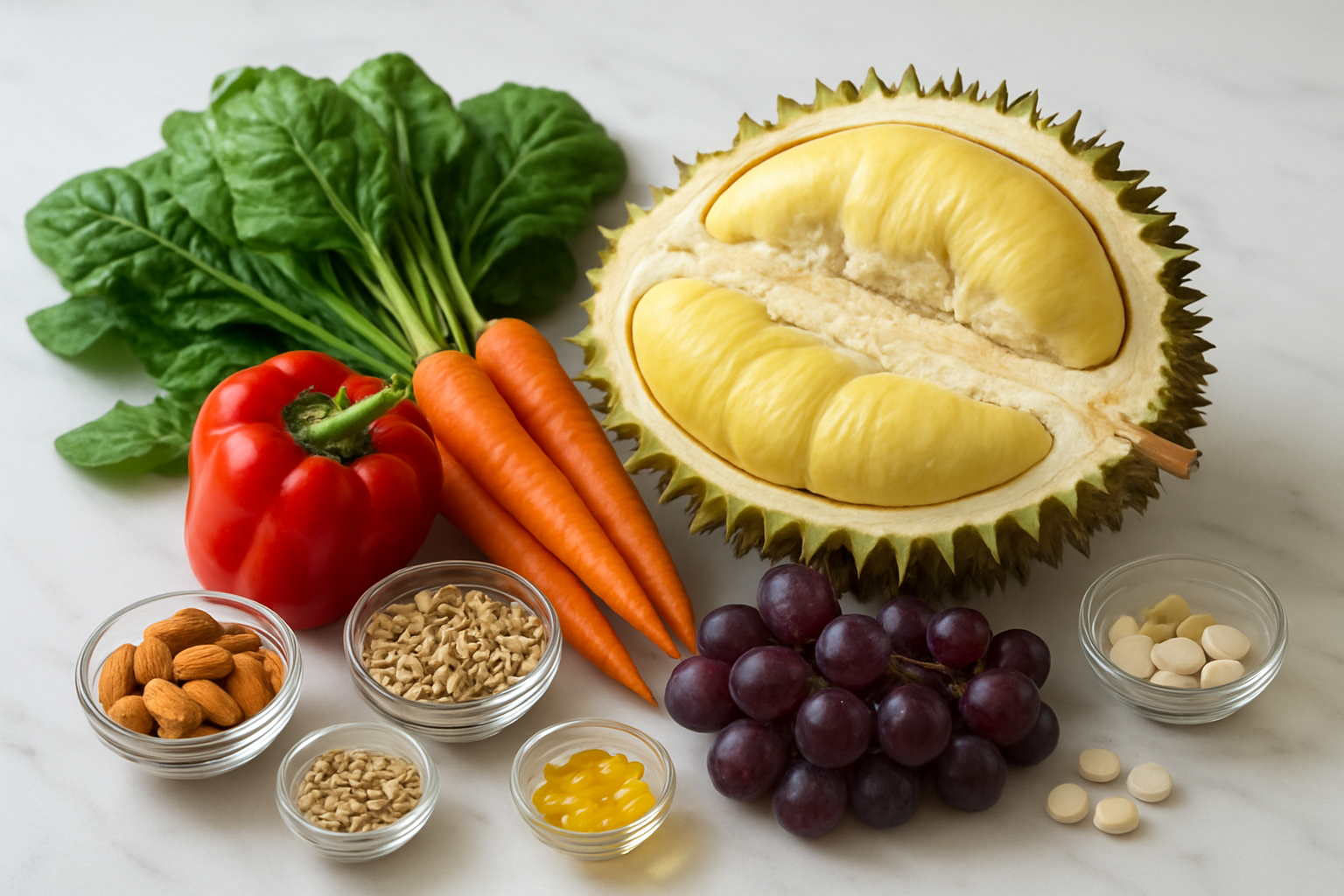
Essential vitamins and minerals content
Durian fruit nutrition packs a powerful punch with an impressive array of vitamins and minerals. A single serving provides approximately 80% of your daily vitamin C requirement, making it an excellent immune system booster. The durian health benefits extend to B-complex vitamins, particularly thiamine (B1), riboflavin (B2), and niacin (B3), which support energy metabolism and nervous system function.
The mineral content is equally remarkable. Durian contains substantial amounts of potassium, which helps regulate blood pressure and supports heart health. You'll also find significant levels of manganese, copper, and iron. The fruit provides folate, essential for DNA synthesis and red blood cell formation, making it particularly beneficial for pregnant women.
| Nutrient | Amount per 100g | Daily Value % |
|---|---|---|
| Vitamin C | 19.7mg | 80% |
| Potassium | 436mg | 12% |
| Thiamine | 0.374mg | 25% |
| Manganese | 0.325mg | 16% |
| Folate | 36mcg | 9% |
Protein and healthy fats composition
Unlike many tropical fruits, durian stands out for its notable protein content. Each 100-gram serving contains approximately 1.5 grams of complete protein, providing all essential amino acids your body needs. This makes durian particularly valuable for vegetarians and vegans seeking plant-based protein sources.
The fat profile reveals another unique aspect of this Southeast Asian durian. While most fruits contain minimal fats, durian provides about 5 grams per serving, primarily consisting of healthy monounsaturated and polyunsaturated fats. These beneficial fats support brain function, hormone production, and nutrient absorption. The omega-3 and omega-6 fatty acids present contribute to cardiovascular health and help reduce inflammation throughout the body.
The caloric density comes mainly from natural sugars and these healthy fats, making durian an excellent energy source for athletes or anyone needing sustained energy levels.
Antioxidants and anti-inflammatory compounds
Research reveals that durian contains powerful antioxidant compounds that combat free radical damage and oxidative stress. The fruit's deep yellow flesh indicates high levels of carotenoids, including beta-carotene, which converts to vitamin A in the body and supports eye health and immune function.
Flavonoids and phenolic compounds give durian its anti-inflammatory properties. These bioactive substances help reduce chronic inflammation linked to various diseases, including heart disease and certain cancers. The anthocyanins present contribute to the fruit's antioxidant capacity and may support cognitive function.
Studies suggest that durian's antioxidant activity rivals that of other tropical superfruits. The combination of vitamin C, vitamin E, and various plant compounds creates a synergistic effect that enhances the overall antioxidant benefit.
Potential health risks and considerations
Despite the impressive durian health benefits, certain individuals should exercise caution when consuming this king of fruits. The high caloric content (approximately 147 calories per 100 grams) means portion control is important for weight management. People with diabetes should monitor their blood sugar levels, as durian contains natural sugars that can cause spikes.
The fruit's high potassium content, while generally beneficial, may pose risks for individuals with kidney disease or those taking certain medications. People on blood thinners should consult healthcare providers, as durian may interact with these medications.
Some individuals experience digestive discomfort due to durian's rich fat content and fiber. Starting with small portions allows your digestive system to adjust. Pregnant women should consume durian in moderation due to its heating properties according to traditional medicine practices, though scientific evidence supporting this concern remains limited.
Allergic reactions, while rare, can occur. Those with latex allergies may be more susceptible to durian allergies due to cross-reactivity between certain proteins.
Cultural Significance Across Southeast Asia
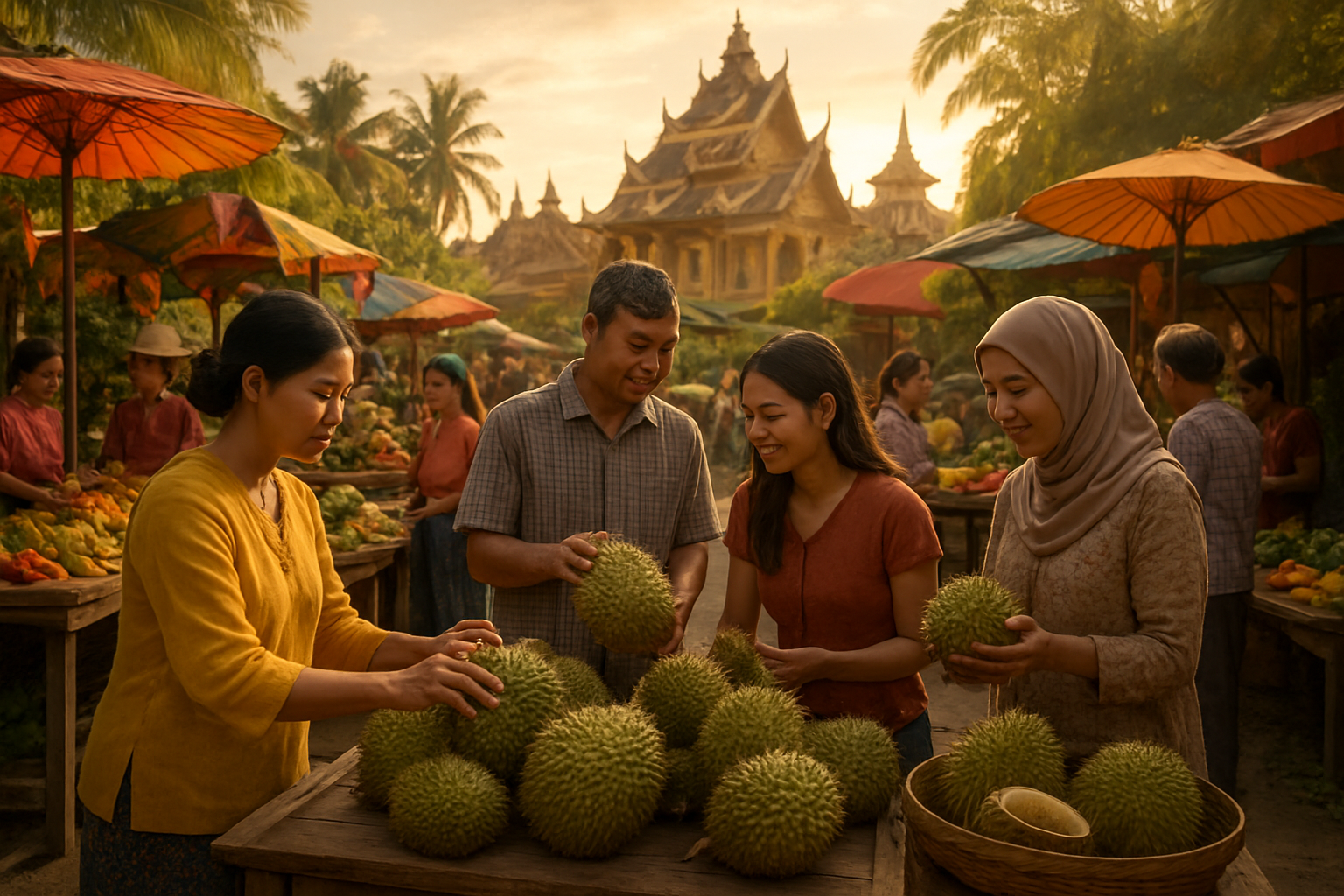
Traditional ceremonies and celebrations featuring durian
Across Southeast Asia, the durian fruit holds a sacred place in numerous traditional ceremonies and festivals. In Thailand, the annual Durian Festival in Rayong province attracts thousands of visitors who gather to honor this beloved fruit with elaborate displays, contests, and religious blessings. Buddhist monks often perform ceremonies to bless durian orchards before harvest season, believing this ensures both quality and abundance.
Malaysian communities celebrate durian season with grand feasts called "durian parties," where entire families gather to share freshly harvested fruits. These gatherings serve multiple purposes – strengthening family bonds, passing down traditional knowledge about fruit selection, and maintaining cultural connections across generations. Wedding ceremonies in Sabah often feature durian as an essential element, symbolizing prosperity and fertility for newlyweds.
Indonesian communities incorporate durian into harvest festivals and religious observances, particularly in Sumatra where the fruit originated. Village elders lead ceremonies thanking ancestral spirits for bountiful crops, with durian serving as both offering and communal feast centerpiece.
Economic importance in local communities
The durian industry forms the economic backbone of countless Southeast Asian communities. Small-scale farmers depend on durian cultivation as their primary income source, with some premium varieties selling for hundreds of dollars per fruit. Malaysia's Musang King durian has created millionaires among rural farmers, transforming modest villages into prosperous agricultural centers.
Thailand's durian exports generate billions of dollars annually, supporting over 200,000 households directly involved in cultivation, processing, and distribution. The fruit's economic impact extends beyond farming – packaging facilities, transportation networks, and specialized markets create employment opportunities throughout the supply chain.
Local communities have developed sophisticated knowledge systems around durian cultivation, passed down through generations. This traditional expertise combines with modern agricultural techniques to maximize yields and fruit quality, ensuring continued economic viability for rural populations.
Folklore and legends surrounding the fruit
Southeast Asian folklore is rich with durian legends that explain the fruit's unique characteristics. One popular Malaysian tale tells of a king who fell in love with a beautiful woman but couldn't win her affection. A wise old man gave him a magical fruit that would make anyone fall in love, but warned against using it selfishly. The king ignored the warning, and the fruit transformed into durian – beautiful inside but protected by fearsome spikes, representing love that cannot be forced.
Thai legends describe durian as a gift from the gods, created when a celestial being dropped a piece of heaven to earth. The fruit's thorny exterior was meant to protect the divine essence within from unworthy souls, explaining why only true durian lovers can appreciate its complex flavors.
Indonesian stories often portray durian as a test of character – those who can embrace both its challenging aroma and incredible taste demonstrate wisdom and open-mindedness. These tales frequently appear in moral teachings, using durian's dual nature as a metaphor for life's complexities.
Social customs around durian consumption
Durian consumption involves elaborate social protocols that vary across different Southeast Asian cultures. In Malaysia, sharing durian is considered an intimate act reserved for close friends and family members. The phrase "eating durian together" has become synonymous with deep friendship and mutual trust.
Traditional etiquette dictates specific ways to approach durian eating. Experienced consumers teach newcomers proper techniques for opening the fruit, identifying ripe segments, and managing the intense aroma. These teaching moments strengthen intergenerational bonds and preserve cultural knowledge.
Many communities observe the custom of drinking water from durian shells, believing this prevents overheating the body. Social gatherings center around durian tastings, where participants compare different varieties, discuss flavor profiles, and share personal preferences. Hotels and public spaces often ban durian due to its smell, creating dedicated "durian zones" where enthusiasts gather to enjoy the fruit together.
The timing of durian consumption also follows traditional patterns – many believe eating durian late at night enhances the experience, leading to nocturnal community gatherings that can last until dawn.
How to Select, Open, and Eat Durian Safely
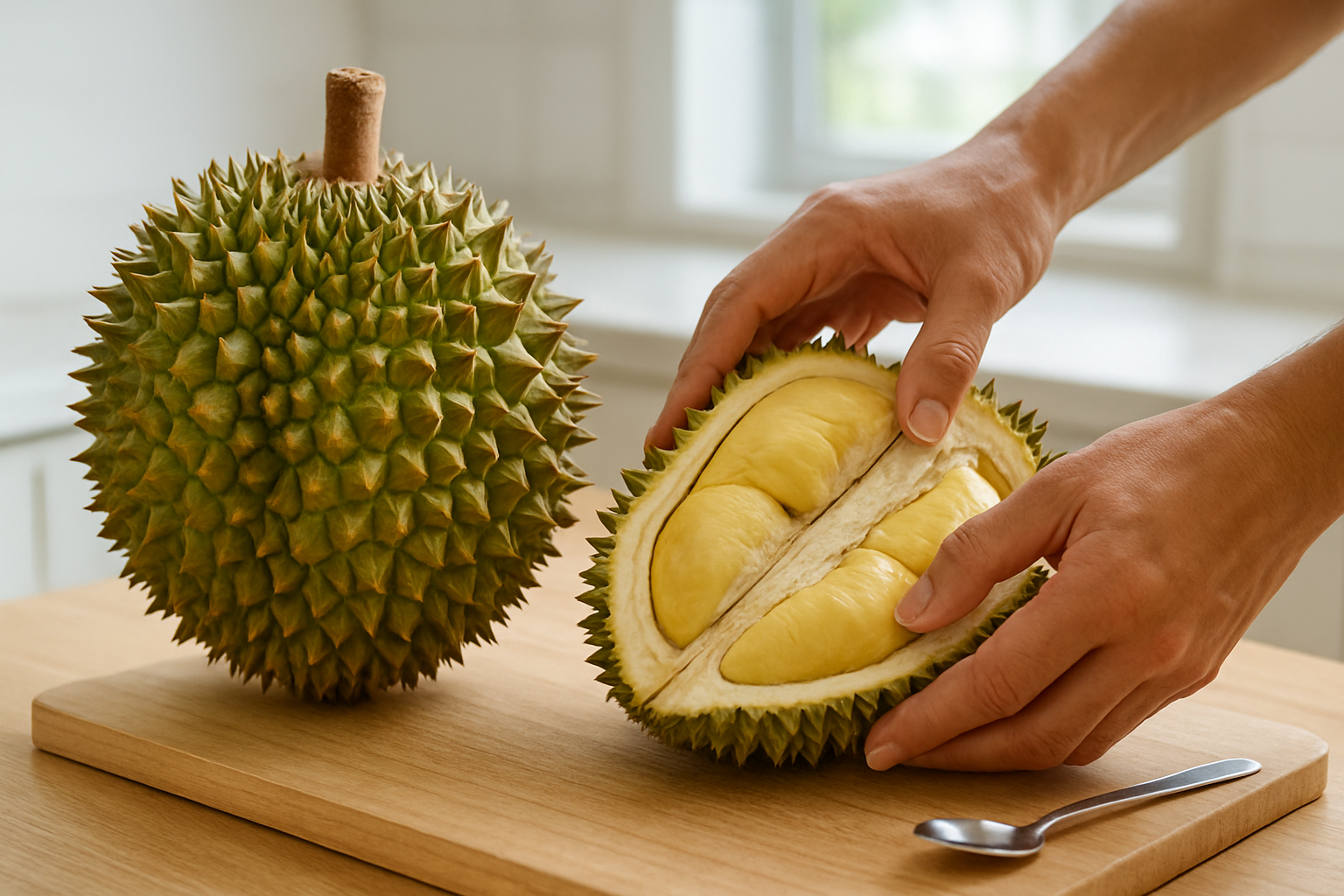
Identifying Ripe Durian at Markets
Finding the perfect durian fruit requires knowing what to look for beyond its intimidating appearance. A ripe durian typically weighs between 1-3 pounds and feels heavy for its size. The stem should appear fresh and slightly moist rather than dried out or black. When you pick up the fruit, listen for a subtle rattling sound when gently shaken - this indicates the flesh has separated from the shell, signaling ripeness.
The spikes on a quality durian should feel firm but not rock-hard. You can test ripeness by pressing two spikes together - they should yield slightly under pressure. Many experienced buyers prefer fruits with naturally occurring cracks along the seams, as this shows the durian is ready to open. The bottom of the fruit often provides the best clue: a strong, penetrating aroma emanating from this area usually means peak ripeness.
Color varies by variety, but most ripe durians display a golden-brown or greenish-brown hue. Avoid fruits with dark spots, mold, or an overly soft exterior, as these indicate overripeness or spoilage.
Proper Techniques for Opening the Spiky Shell
Opening a durian safely requires the right approach and tools. Never attempt to crack open durian fruit with your bare hands, as the sharp spikes can cause serious cuts. Use thick rubber gloves or wrap a towel around the fruit for grip and protection.
The most effective method involves finding the natural seam lines that run from top to bottom. Insert a large, sturdy knife into one of these seams and twist gently to create leverage. Many vendors will partially crack the durian for you, making the process much easier and safer.
Once you create an initial opening, use your hands (still gloved) to pull the sections apart along the natural divisions. The fruit typically opens into 3-5 segments, each containing the creamy flesh pods. Work over a large plate or cutting board to catch any drips, as durian flesh can be quite juicy.
For beginners, asking the vendor to open the durian is often the smartest choice. Experienced sellers can open the fruit in seconds while ensuring you get the best portions and avoid waste.
Best Practices for First-Time Tasters
Your first durian experience sets the tone for future encounters with this polarizing fruit. Start with a small piece - about the size of your thumb - to gauge your reaction. The texture resembles custard or thick cream cheese, so don't expect anything crunchy or firm.
Breathe through your mouth rather than your nose during your first few bites to minimize the impact of the strong aroma. Many newcomers find the smell more challenging than the actual taste. The flavor profile includes notes of almonds, vanilla, and caramel, though this varies significantly between varieties.
Choose your variety wisely for the first experience. Monthong durian tends to be milder and sweeter, making it ideal for beginners. Avoid stronger varieties like Musang King until you've developed a taste for the fruit.
Eat durian on an empty stomach when possible, as the rich, creamy texture can feel overwhelming after a large meal. Have some water nearby, and avoid alcohol before or after eating durian, as this combination can cause digestive discomfort in some people.
Storage Methods and Shelf Life
Fresh durian fruit has a very short shelf life once opened, typically lasting only 2-3 days in the refrigerator. Store opened durian in airtight containers to prevent the powerful aroma from affecting other foods. The smell can penetrate through multiple layers of packaging, so use containers specifically designed for strong odors.
Unopened durian can last 2-5 days at room temperature, depending on ripeness when purchased. You'll know it's past its prime when the flesh becomes mushy, develops dark spots, or takes on a sour smell that's distinctly different from the typical durian aroma.
For longer storage, durian flesh can be frozen for up to 3 months. Separate the flesh into individual portions and wrap each piece in plastic wrap before placing in freezer bags. Frozen durian works well for smoothies and desserts, though the texture changes considerably when thawed.
Never store durian in hotel rooms or enclosed spaces with poor ventilation, as the aroma intensifies over time and can become overwhelming. Many hotels and public transportation systems actually ban durian due to its persistent smell.
Vacuum-sealed durian products offer extended shelf life and are increasingly popular for those who want to enjoy the fruit without dealing with the fresh version's storage challenges.
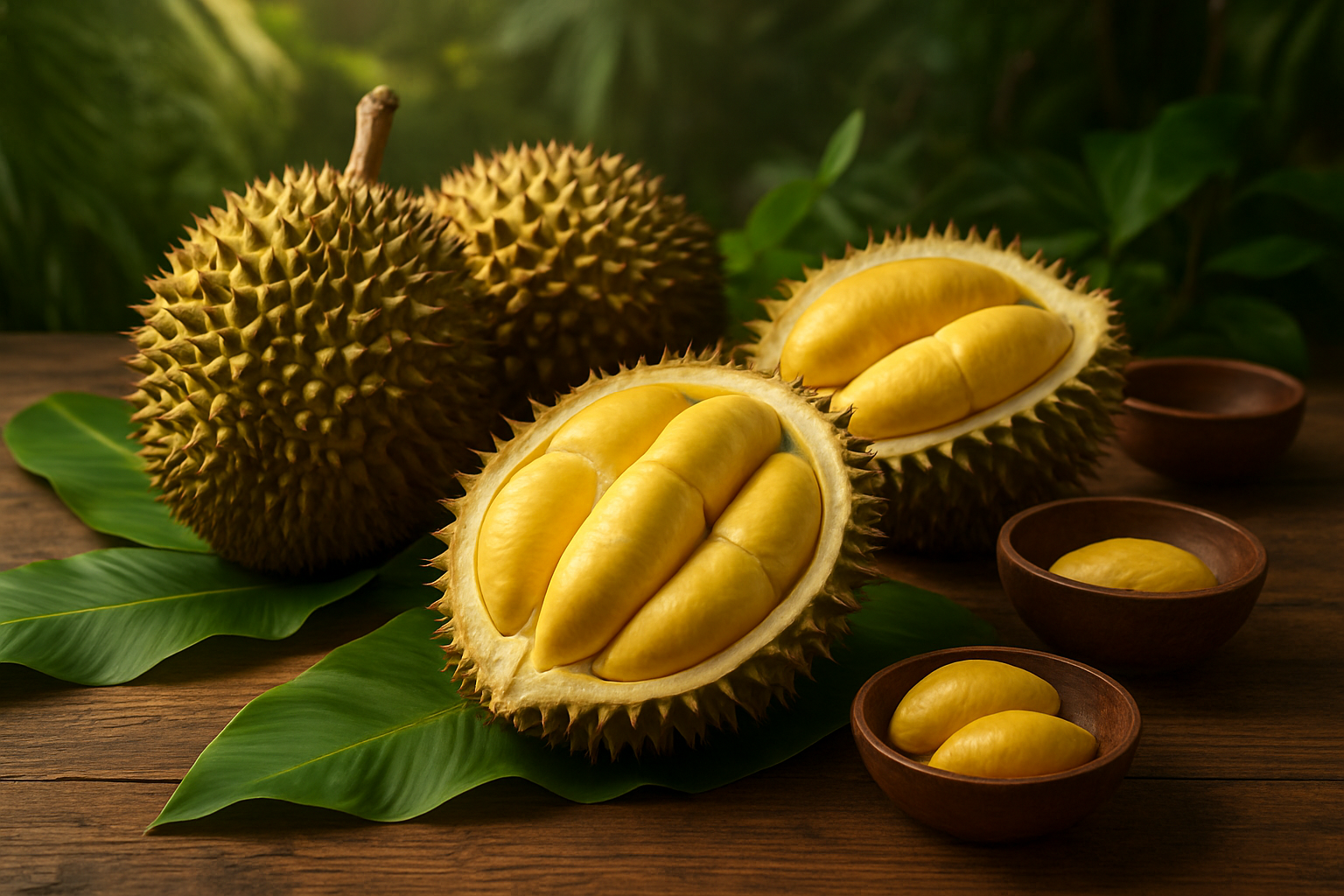
Durian really is one of nature's most polarizing creations. From its spiky armor-like exterior to that unforgettable smell that can clear a room in seconds, this Southeast Asian fruit definitely isn't for everyone. But for those brave enough to get past the initial shock, durian offers a surprisingly rich nutritional profile packed with vitamins, healthy fats, and energy-boosting properties that have made it a cultural treasure across the region for centuries.
If you've never tried durian before, don't let the reputation scare you off completely. Start small, maybe at an Asian market where you can get guidance on picking a good one, and remember that the experience is half the adventure. Who knows? You might just discover your new favorite fruit, or at the very least, you'll have a great story to tell. Either way, durian deserves respect as one of the most unique and culturally significant fruits on the planet.


Comments
Post a Comment