Breadfruit- What's the Breadfruit?
Breadfruit: What's the Breadfruit?
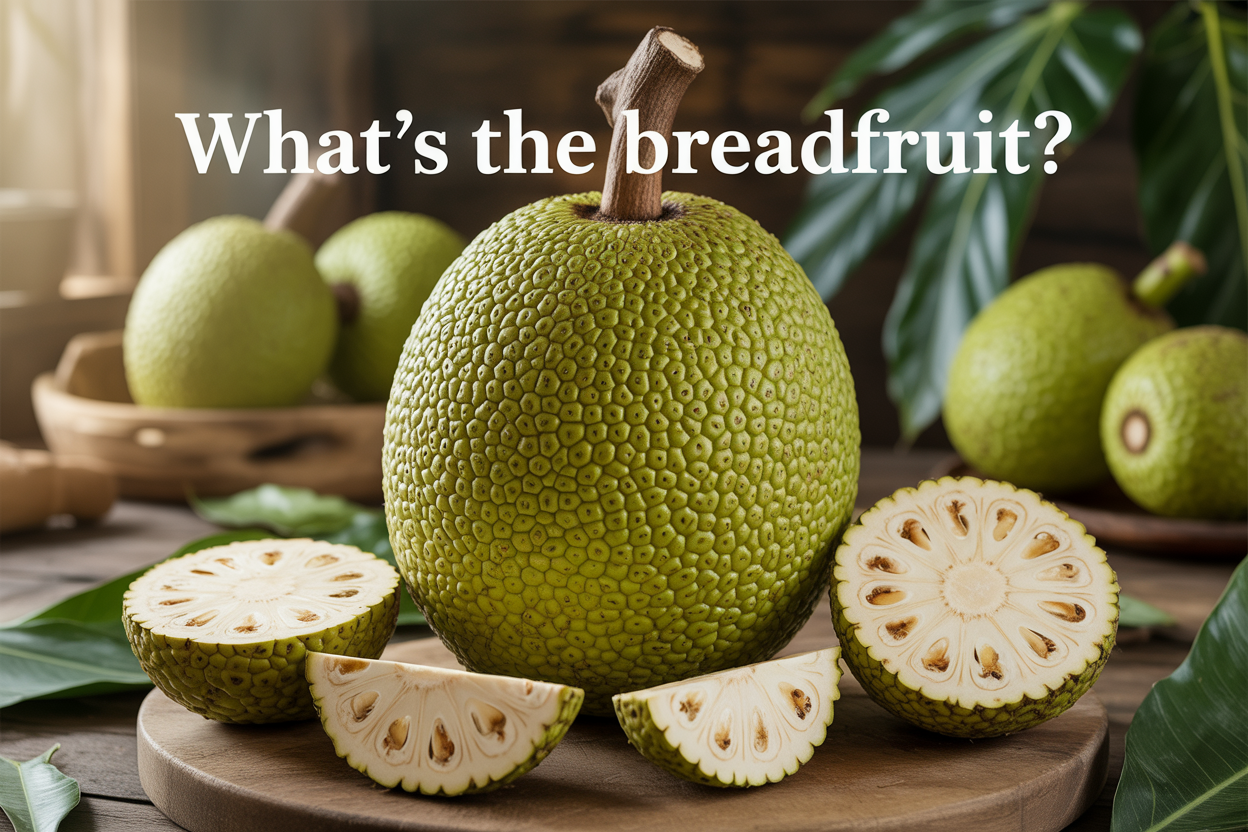
Never heard of breadfruit? You're not alone. This green, bumpy tropical fruit has been feeding families across the Pacific for centuries, but it's just starting to make waves in Western kitchens. If you're curious about exotic fruits or looking to add more nutritious options to your meals, breadfruit might be your next favorite discovery.
This tropical superfood packs serious nutritional punch while tasting surprisingly mild and versatile. Think of it as nature's answer to potatoes – starchy, filling, and ready to take on whatever flavors you throw at it.
We'll explore the impressive breadfruit nutrition benefits that make this fruit a true powerhouse food. You'll also learn practical breadfruit preparation techniques and cooking methods that turn this intimidating-looking fruit into delicious, satisfying meals your whole family will enjoy.
Discover What Makes Breadfruit a Tropical Superfood
Uncover the botanical origins and scientific classification
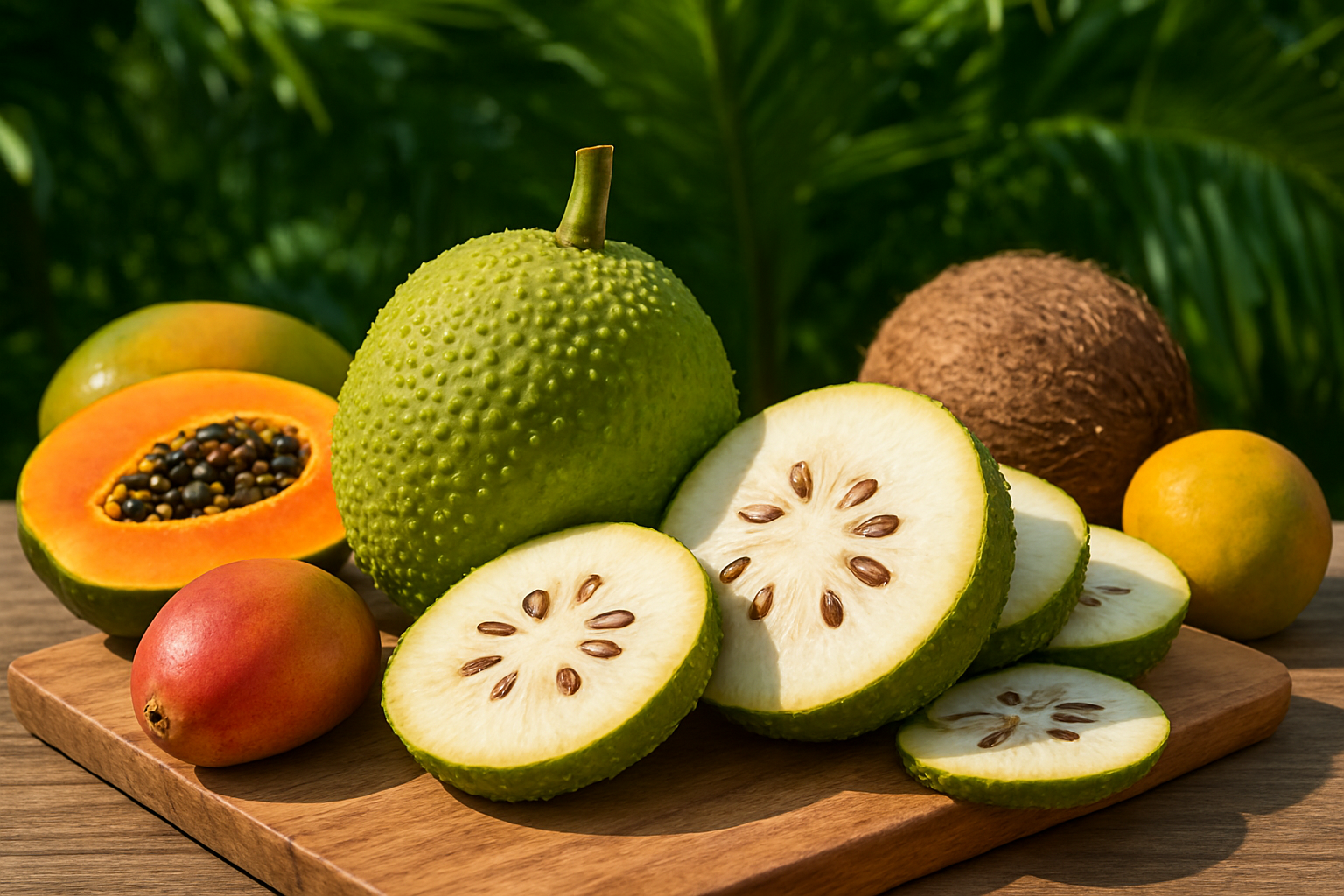
What is breadfruit exactly? This remarkable tropical superfood belongs to the mulberry family (Moraceae) and goes by the scientific name Artocarpus altilis. Native to the western Pacific islands, breadfruit shares genetic lineage with jackfruit and figs, making it part of an ancient plant family that has fed civilizations for thousands of years.
The breadfruit tree can grow up to 80 feet tall, producing large, round fruits that typically weigh between 2-10 pounds each. These green, bumpy-skinned fruits contain starchy, cream-colored flesh that transforms from firm and potato-like when unripe to soft and sweet when fully mature. Two main varieties exist: seeded breadfruit (called breadnut) and the more common seedless variety that most people encounter in markets today.
Learn why breadfruit thrives in tropical climates worldwide
Breadfruit trees flourish in warm, humid environments with consistent temperatures between 70-85°F year-round. These trees need well-draining, fertile soil and regular rainfall to produce their abundant harvests. The tropical climate provides the perfect growing conditions, with high humidity supporting leaf development and steady warmth encouraging fruit production.
Originally from Polynesia, breadfruit now grows across tropical regions including:
-
Caribbean islands - Jamaica, Puerto Rico, Barbados
-
Pacific islands - Hawaii, Fiji, Samoa, Tahiti
-
Southeast Asia - Philippines, Indonesia, Malaysia
-
Central America - Costa Rica, Guatemala, Belize
-
Africa - Madagascar, Tanzania, Ghana
Each tree can produce 150-200 fruits annually, making breadfruit an incredibly productive food source. The trees begin bearing fruit after 3-6 years and can continue producing for decades, some living over 100 years.
Understand the cultural significance across Pacific islands
Pacific island communities have cultivated breadfruit for over 3,000 years, making it deeply woven into their cultural fabric. In many Polynesian societies, breadfruit represents abundance, sustenance, and connection to ancestral lands. Traditional planting ceremonies honor the tree's life-giving properties, and elders pass down preparation techniques through generations.
Hawaiian culture particularly reveres breadfruit (called 'ulu), considering it one of their canoe plants - essential foods brought by original settlers. Samoan and Tahitian communities built entire agricultural systems around breadfruit cultivation, developing sophisticated preservation methods to ensure food security during off-seasons.
The famous mutiny on the HMS Bounty in 1789 actually occurred during a mission to transport breadfruit plants from Tahiti to Caribbean plantations, highlighting the fruit's historical importance as a potential solution to food shortages in colonial territories.
Explore how breadfruit differs from other starchy fruits
While breadfruit gets compared to plantains and potatoes, it offers unique characteristics that set it apart as a tropical superfood. Unlike bananas or plantains, breadfruit contains significantly higher amounts of protein and essential amino acids, making it more nutritionally complete.
| Characteristic | Breadfruit | Plantain | Sweet Potato |
|---|---|---|---|
| Protein content | 4-5g per cup | 2g per cup | 4g per cup |
| Fiber | 11g per cup | 3g per cup | 7g per cup |
| Preparation methods | Boil, bake, fry, roast | Fry, boil | Bake, boil, roast |
| Texture when cooked | Fluffy, potato-like | Dense, starchy | Creamy, sweet |
Breadfruit's neutral flavor profile makes it incredibly versatile - you can prepare it as a savory side dish or incorporate it into sweet preparations. The fruit doesn't brown as quickly as bananas when cut, and its firm texture holds up well during various breadfruit cooking methods, from simple boiling to complex curries and stews.
Unlock the Impressive Nutritional Benefits of Breadfruit
Boost Your Energy with Complex Carbohydrates and Fiber
Breadfruit nutrition benefits shine brightest when you consider its impressive carbohydrate profile. This tropical superfood packs around 60 grams of complex carbohydrates per cup, making it an excellent energy source that won't cause blood sugar spikes like refined grains do. The slow-releasing carbs in breadfruit provide sustained energy throughout your day, whether you're tackling a morning workout or powering through an afternoon slump.
The fiber content in breadfruit deserves serious attention too. With approximately 11 grams of dietary fiber per cup, this fruit supports healthy digestion and keeps you feeling satisfied longer. This high fiber content helps regulate blood sugar levels, supports heart health, and promotes beneficial gut bacteria growth. The combination of complex carbs and fiber makes breadfruit an ideal substitute for rice, potatoes, or bread in your meals.
| Nutrient | Amount per 1 cup (220g) |
|---|---|
| Carbohydrates | 60g |
| Dietary Fiber | 11g |
| Natural Sugars | 24g |
| Calories | 227 |
Support Muscle Health with Plant-Based Protein Content
Don't underestimate breadfruit's protein power. Each cup delivers about 2.5 grams of complete plant-based protein, containing all essential amino acids your body needs for muscle repair and growth. While this might seem modest compared to meat sources, breadfruit's protein quality is exceptional for a starchy fruit.
The amino acid profile includes leucine, isoleucine, and valine - the branched-chain amino acids (BCAAs) that directly support muscle protein synthesis. This makes breadfruit particularly valuable for vegetarians, vegans, or anyone looking to diversify their protein sources. When paired with legumes or nuts, breadfruit creates a protein-complete meal that rivals traditional combinations.
Athletes and fitness enthusiasts often overlook fruits as protein sources, but breadfruit challenges this notion. Its protein content, combined with complex carbohydrates, creates an ideal post-workout recovery food that replenishes glycogen stores while supporting muscle repair.
Strengthen Immunity with Vitamin C and Antioxidants
Breadfruit health benefits extend far beyond basic nutrition into immune system support. A single cup provides about 64 milligrams of vitamin C - that's roughly 71% of your daily recommended intake. This powerful antioxidant doesn't just fight off colds; it supports collagen production, enhances iron absorption, and acts as your body's natural defense system against free radical damage.
The antioxidant profile of breadfruit includes flavonoids, phenolic compounds, and carotenoids that work together to reduce inflammation and oxidative stress. These compounds help protect your cells from damage that can lead to chronic diseases and premature aging.
Key immune-supporting nutrients in breadfruit:
-
Vitamin C: 64mg (71% DV)
-
Potassium: 1,078mg (31% DV)
-
Magnesium: 56mg (14% DV)
-
Folate: 31mcg (8% DV)
The potassium content particularly stands out, supporting heart health and proper muscle function while helping regulate blood pressure. This mineral works alongside vitamin C to create a comprehensive nutritional package that supports overall wellness and vitality.
Master Simple Preparation and Cooking Techniques
Choose the perfect ripeness for your cooking method
Getting the ripeness right makes all the difference when learning how to cook breadfruit. Think of breadfruit like an avocado - the ripeness level completely changes your cooking options and final results.
For roasting and grilling, you want firm, mature breadfruit that's still quite green. The fruit should feel solid when you press it gently, with no soft spots. This stage works perfectly for creating crispy exteriors while maintaining a fluffy, potato-like interior.
If you're planning to make purees or mashes, slightly riper breadfruit works better. Look for fruit that's starting to show yellow patches and gives slightly under gentle pressure. The natural sugars have developed more at this stage, creating a sweeter, creamier texture when cooked.
The ripeness test is simple: press your thumb gently into the skin near the stem end. Rock-hard fruit needs more time, while fruit that dents easily might be overripe for most breadfruit preparation techniques. Fresh breadfruit should have bright green skin without dark spots or wrinkled areas.
Transform breadfruit into delicious roasted dishes
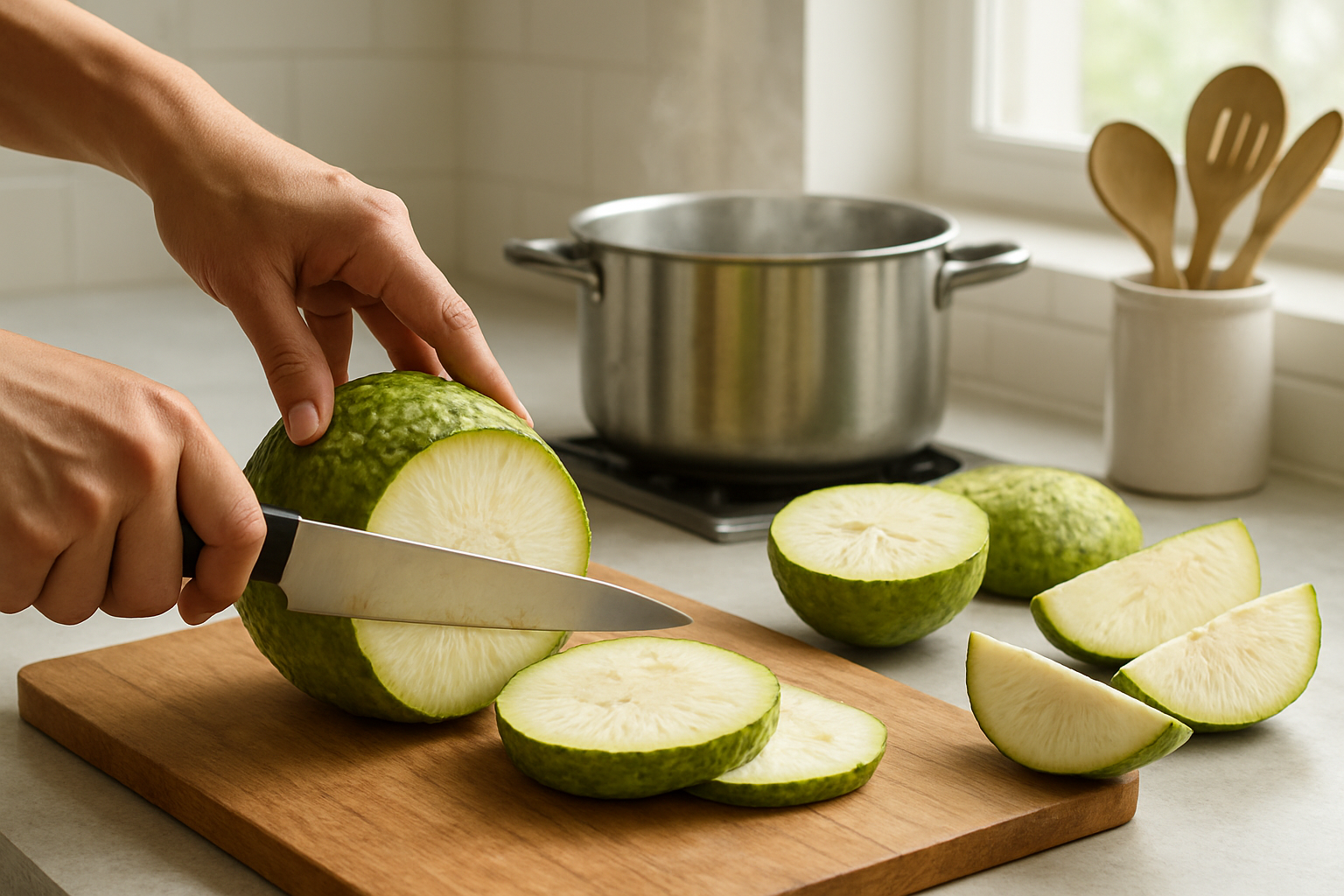
Roasting brings out breadfruit's natural nutty flavors and creates an amazing texture contrast. Start by cutting your breadfruit into thick wedges or cubes - about 2 inches works perfectly. Remove the core and any tough skin sections with a sharp knife.
Preheat your oven to 425°F. Toss the breadfruit pieces with olive oil, salt, and your favorite seasonings. Garlic powder, rosemary, and black pepper make an excellent combination. For tropical flavors, try coconut oil with a pinch of curry powder.
Spread the pieces on a baking sheet, making sure they don't overlap. Roast for 25-30 minutes, flipping once halfway through. The outside should turn golden brown and slightly crispy, while the inside becomes tender and fluffy.
For outdoor grilling, wrap seasoned breadfruit chunks in foil with a bit of butter or oil. Place directly on hot coals or grill grates for 20-25 minutes, turning occasionally. This traditional method creates an incredible smoky flavor that pairs beautifully with grilled meats or fish.
Create creamy purees and mashes for comfort food
Breadfruit mash rivals the best mashed potatoes when prepared correctly. These breadfruit cooking methods produce incredibly smooth, creamy results that work as perfect side dishes or bases for other recipes.
Boil peeled breadfruit chunks in salted water for 15-20 minutes until fork-tender. Drain thoroughly - excess water creates gluey mash. While still hot, mash with a potato masher or pass through a food mill for ultra-smooth results.
Add warm milk or coconut milk gradually while mashing. Start with just a few tablespoons and work up to your desired consistency. Butter, salt, and white pepper enhance the natural flavors without overwhelming them. For tropical flair, try adding a splash of coconut cream and fresh herbs like cilantro or chives.
Breadfruit puree works wonderfully in both sweet and savory applications. Blend cooked breadfruit with a touch of honey and vanilla for dessert bases, or mix with roasted garlic and herbs for savory sauces. The neutral flavor profile accepts bold seasonings while maintaining its creamy texture.
Experiment with breadfruit flour for gluten-free baking
Breadfruit flour opens up incredible gluten-free baking possibilities. You can make your own by dehydrating thinly sliced green breadfruit until completely dry, then grinding in a high-powered blender or food processor until fine.
This flour works best when combined with other gluten-free flours rather than used alone. Try mixing 25% breadfruit flour with rice flour, tapioca starch, and a bit of xanthan gum for structure. This combination creates excellent pancakes, muffins, and quick breads with a subtle nutty flavor.
For savory applications, breadfruit flour makes fantastic coatings for fried foods. The natural starches create crispy exteriors while adding nutritional value. Mix with spices and herbs for seasoned coatings on fish, chicken, or vegetables.
Store homemade breadfruit flour in airtight containers in the refrigerator for up to six months, or freeze for longer storage. The flour should smell fresh and nutty - any off odors mean it's time to make a fresh batch.
Experience Authentic Breadfruit Flavors Around the World
Savor traditional Caribbean breadfruit preparations
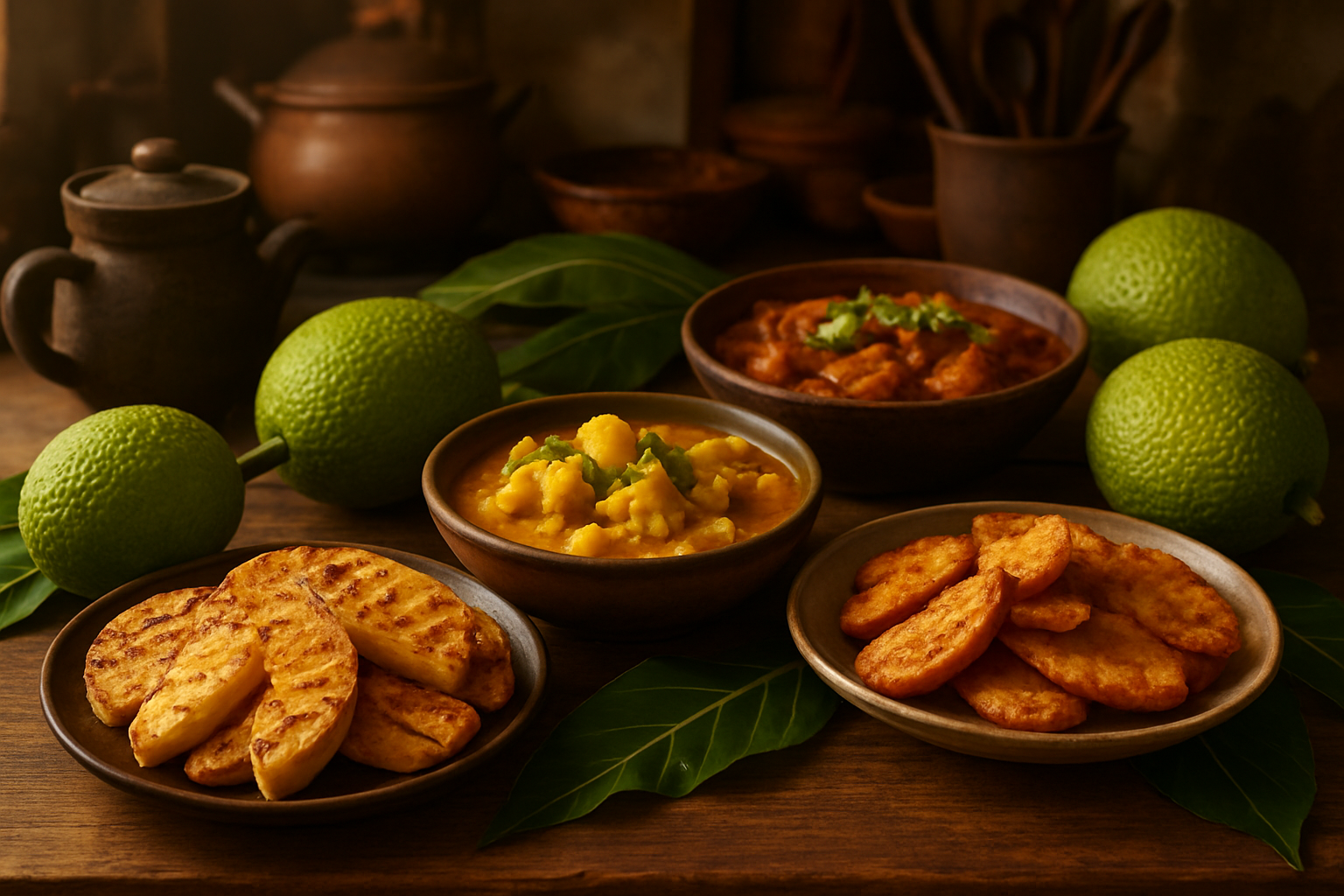
Caribbean cuisine transforms breadfruit into soul-satisfying dishes that have nourished island communities for centuries. Roasted breadfruit stands as the most beloved preparation method, where whole fruits are charred over open flames until the skin blackens and the flesh becomes tender and smoky. This traditional breadfruit cooking method creates a creamy, potato-like texture that pairs beautifully with saltfish, curry, or simple butter and herbs.
Breadfruit recipes from Jamaica feature oil down, a rich one-pot meal combining breadfruit chunks with salted meat, coconut milk, and aromatic spices. The dish slow-cooks until the coconut milk reduces to a golden coating, creating layers of flavor that showcase breadfruit's ability to absorb surrounding tastes.
Barbadian breadfruit cou-cou offers another classic preparation, mashing cooked breadfruit with okra and seasonings into a smooth, comforting side dish. Trinidad's breadfruit curry demonstrates how this tropical superfood adapts to bold spice blends, while maintaining its distinctive mild flavor and satisfying texture.
Fried breadfruit chips provide a popular snack alternative, thinly sliced and crisped until golden. These preparations highlight breadfruit's versatility and explain why it became a dietary staple across the Caribbean basin.
Explore Hawaiian poi and other Pacific island specialties
Pacific Island cultures have perfected unique breadfruit preparation techniques that differ significantly from Caribbean methods. Hawaiian breadfruit poi represents a traditional fermentation process where cooked breadfruit is pounded into a smooth paste and allowed to develop tangy flavors over several days. This ancient preservation method creates a probiotic-rich food with enhanced nutritional benefits.
Tahitian breadfruit specialties include popoi, similar to Hawaiian poi but often mixed with coconut cream for added richness. The fermented breadfruit develops complex flavors that complement fresh fish and tropical vegetables in traditional island feasts.
Fijian breadfruit cooking methods emphasize earth oven preparation, where whole fruits cook slowly in underground pits lined with hot stones and banana leaves. This technique infuses the breadfruit with earthy, smoky notes while creating incredibly tender flesh.
Samoan breadfruit dishes often incorporate coconut milk and taro leaves, creating hearty stews that serve as complete meals. These Pacific island breadfruit recipes demonstrate how different cultures adapt this versatile fruit to local tastes and available ingredients.
| Pacific Island | Traditional Preparation | Key Characteristics |
|---|---|---|
| Hawaii | Poi (fermented paste) | Tangy, probiotic-rich |
| Tahiti | Popoi with coconut cream | Sweet, creamy texture |
| Fiji | Earth oven roasted | Smoky, tender flesh |
| Samoa | Coconut milk stews | Rich, hearty consistency |
Discover modern fusion recipes for contemporary kitchens
Contemporary chefs are revolutionizing breadfruit recipes by incorporating this tropical superfood into familiar dishes with exciting results. Breadfruit gnocchi offers a gluten-free alternative to traditional pasta, where mashed breadfruit combines with eggs and seasoning to create pillowy dumplings that hold sauces beautifully.
Modern breadfruit preparation techniques include air frying, which creates crispy exteriors while maintaining creamy centers with minimal oil. Breadfruit "steaks" grilled with herb marinades appeal to plant-based eaters seeking satisfying protein alternatives.
Fusion breadfruit recipes blend global flavors with traditional cooking methods. Korean-inspired breadfruit kimchi ferments sliced breadfruit with gochugaru and garlic, creating a spicy side dish that bridges cultures. Mediterranean-style breadfruit gratins layer thinly sliced fruit with herbs, cheese, and olive oil for sophisticated casseroles.
Breadfruit flour made from dried, ground fruit opens possibilities for baking applications. Contemporary bakers substitute breadfruit flour for wheat flour in pancakes, muffins, and flatbreads, adding nutritional value while maintaining familiar textures.
These innovative approaches to breadfruit cooking methods help home cooks incorporate this nutritious tropical fruit into everyday meals, moving beyond traditional preparations while respecting the ingredient's natural qualities and impressive health benefits.
Find and Store Fresh Breadfruit Like a Pro
Identify quality breadfruit at markets and specialty stores
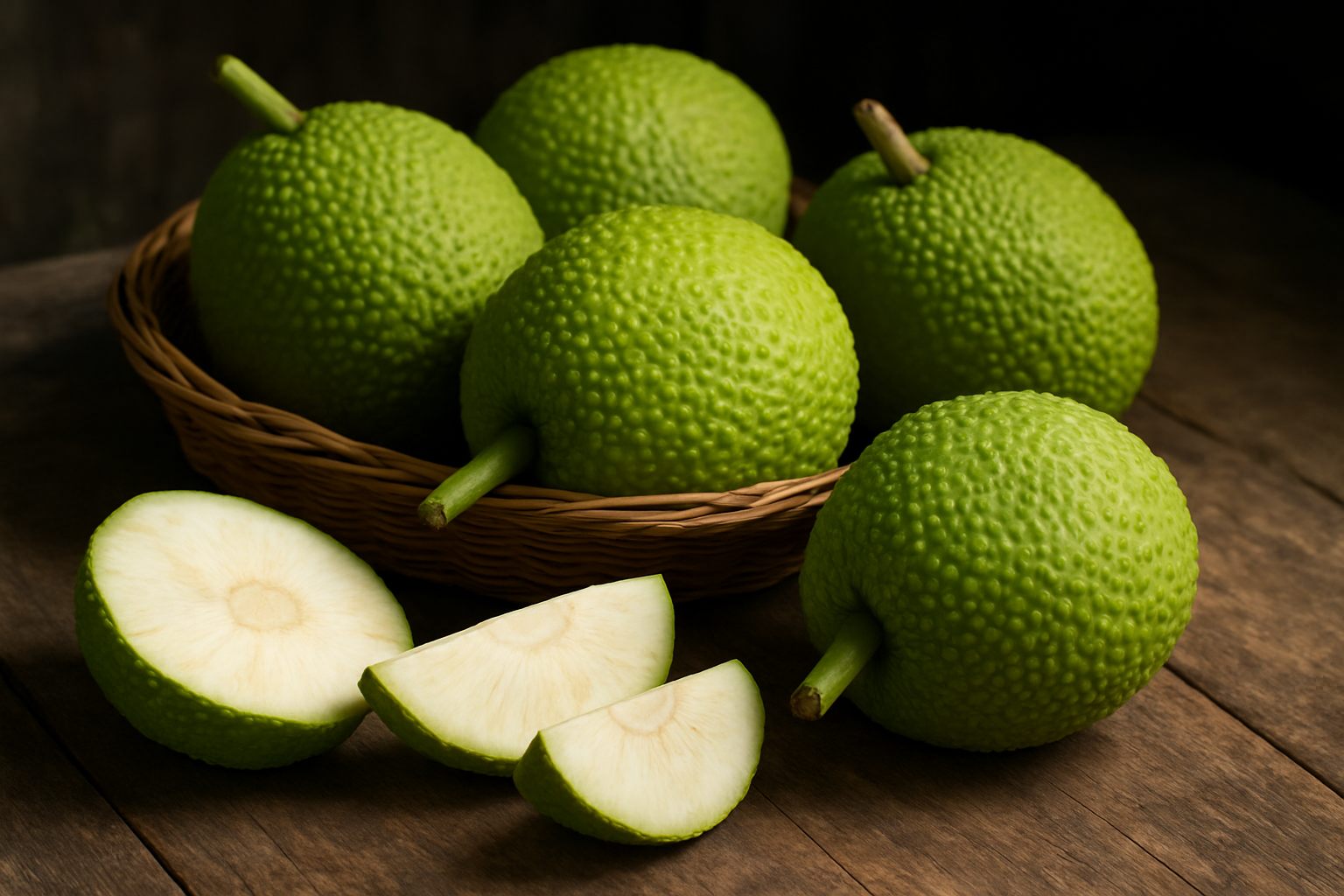
Finding top-quality breadfruit requires knowing exactly what to look for when shopping. Fresh breadfruit should feel heavy for its size, indicating good moisture content and dense flesh. The skin displays a bright green color with minimal brown spots or blemishes. A ripe breadfruit yields slightly to gentle pressure, similar to how you'd test an avocado, but shouldn't feel mushy or overly soft.
Pay attention to the stem area – it should appear fresh and recently cut, not dried out or moldy. The surface texture should show the characteristic bumpy, almost geometric pattern without deep cracks or soft spots. Small scratches on the skin are normal and won't affect the fruit's quality.
When shopping at specialty stores or international markets, ask vendors about the fruit's origin and harvest date. Caribbean and Pacific island varieties often have subtle differences in flavor and texture. Many stores receive shipments on specific days, so timing your visit can help you find the freshest options.
Size varies significantly, with breadfruit ranging from softball to basketball dimensions. Larger fruits aren't necessarily better – focus on the firmness and skin condition rather than size alone.
Extend freshness with proper storage techniques
Proper breadfruit storage tips can significantly extend the life of your tropical fruit purchase. Unripe breadfruit continues to ripen at room temperature, typically taking 2-4 days to reach optimal eating condition. Keep unripe fruit in a well-ventilated area away from direct sunlight.
Once ripe, refrigeration slows down the ripening process and extends freshness for up to one week. Wrap the breadfruit in a perforated plastic bag or store it in the crisper drawer to maintain proper humidity levels. Never store breadfruit in sealed plastic bags, as this traps moisture and accelerates spoilage.
Temperature plays a crucial role in breadfruit storage. The ideal range sits between 55-60°F for short-term storage, though standard refrigerator temperatures work well for immediate use. Avoid storing breadfruit near ethylene-producing fruits like bananas or apples, which can speed up ripening.
Check stored breadfruit daily for changes in texture or appearance. Brown spots on the skin often indicate the beginning of spoilage, so use the fruit quickly once these appear.
Preserve breadfruit through freezing and dehydration methods
Freezing breadfruit effectively preserves this tropical superfood for months when fresh options aren't available. Start by washing, peeling, and cutting the breadfruit into chunks or slices. Blanch the pieces in boiling water for 3-5 minutes, then immediately transfer to ice water to stop the cooking process. This blanching step prevents enzymatic browning and maintains texture during freezing.
Drain the blanched breadfruit thoroughly and arrange pieces on a baking sheet in a single layer. Freeze for 2-3 hours until solid, then transfer to airtight freezer bags or containers. Properly frozen breadfruit maintains quality for up to 8 months.
Dehydration creates shelf-stable breadfruit chips perfect for snacking or cooking. Slice breadfruit into uniform pieces, about 1/4 inch thick for optimal drying. Use a food dehydrator at 135°F for 8-12 hours, or oven-dry at the lowest temperature setting with the door slightly open. Properly dehydrated pieces should be crisp and contain no moisture.
Store dehydrated breadfruit in airtight containers with desiccant packets to prevent moisture absorption. These preserved pieces work excellently in soups, stews, or as crunchy snacks.
Source breadfruit products when fresh isn't available
When fresh breadfruit isn't accessible, several processed options maintain much of the fruit's nutritional benefits and versatility. Frozen breadfruit, available at many Caribbean and Asian grocery stores, closely matches fresh fruit in cooking applications. These products typically come pre-cut and blanched, saving preparation time.
Breadfruit flour has gained popularity as a gluten-free alternative with excellent nutritional density. This fine powder works well in baking applications, offering a slightly nutty flavor and dense texture. Mix breadfruit flour with other gluten-free flours for best results in bread and pastry recipes.
Canned breadfruit provides convenience for quick meal preparation, though texture differs somewhat from fresh varieties. Look for products packed in water rather than syrup to avoid added sugars. These canned versions work particularly well in curries, stews, and mashed preparations.
Online specialty retailers offer freeze-dried breadfruit chips and powder, providing shelf-stable options that maintain much of the original fruit's flavor profile. These products often come from sustainable farming operations in traditional growing regions.
Local international markets frequently special-order breadfruit products if you ask, creating opportunities to try different preservation methods and regional varieties without traveling to tropical locations.
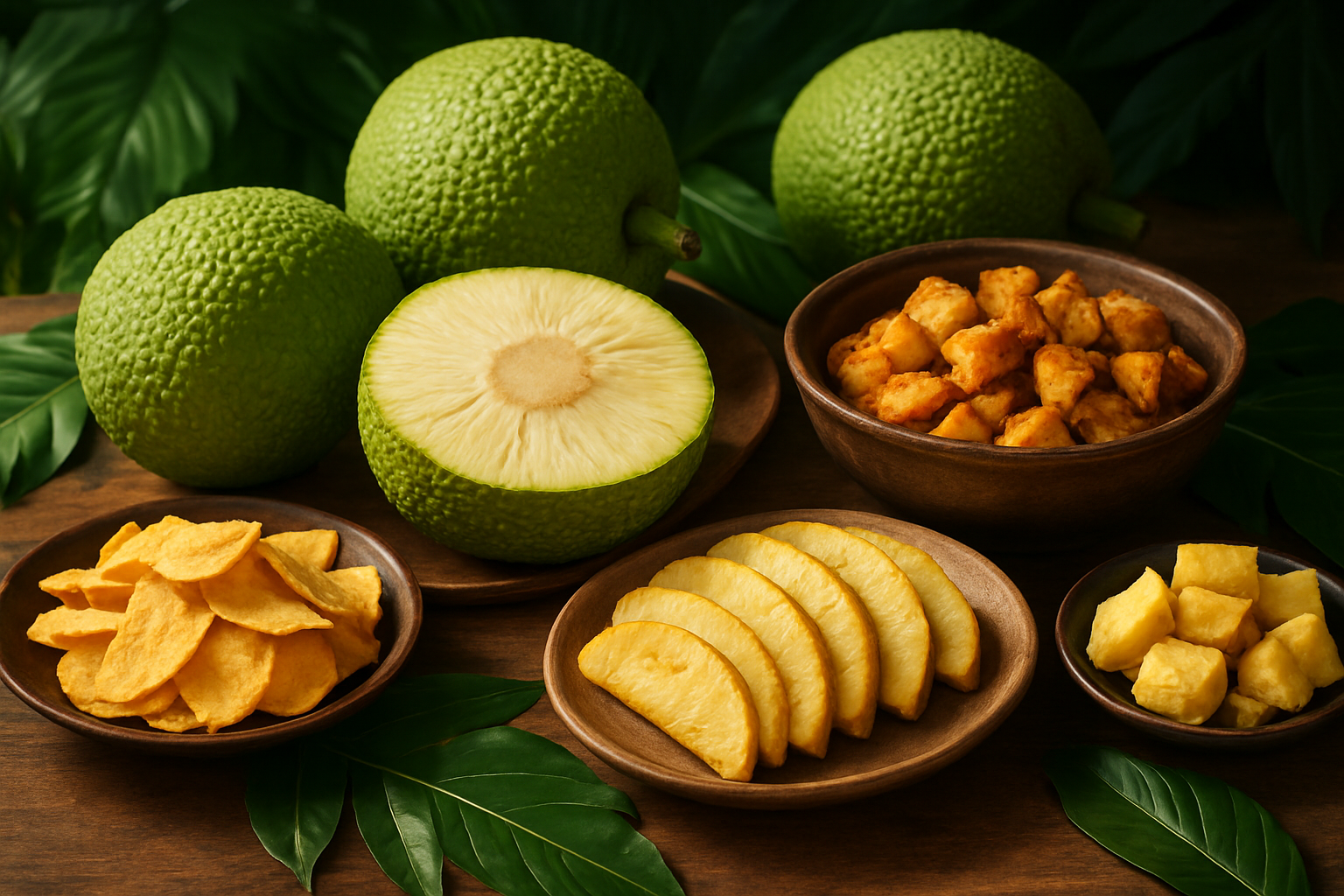
Breadfruit really deserves more attention in our kitchens. This tropical powerhouse packs serious nutritional punch with its fiber, potassium, and vitamin C content, while offering incredible versatility in cooking. From roasted chunks that taste like potatoes to sweet preparations that rival dessert, breadfruit adapts to whatever flavors you throw at it. The best part? It's surprisingly easy to work with once you know the basics of picking ripe fruit and simple cooking methods.
Ready to give breadfruit a try? Start by visiting your local Caribbean or Pacific Islander market to find the freshest options. Pick up a medium-sized, slightly soft fruit and experiment with roasting or boiling it as a side dish. Your taste buds will thank you, and your body will appreciate all those nutrients. Don't let this tropical treasure stay mysterious any longer – it's time to make breadfruit part of your regular meal rotation.


.png)
Comments
Post a Comment