Korean Melon - What's The Korean Melon?
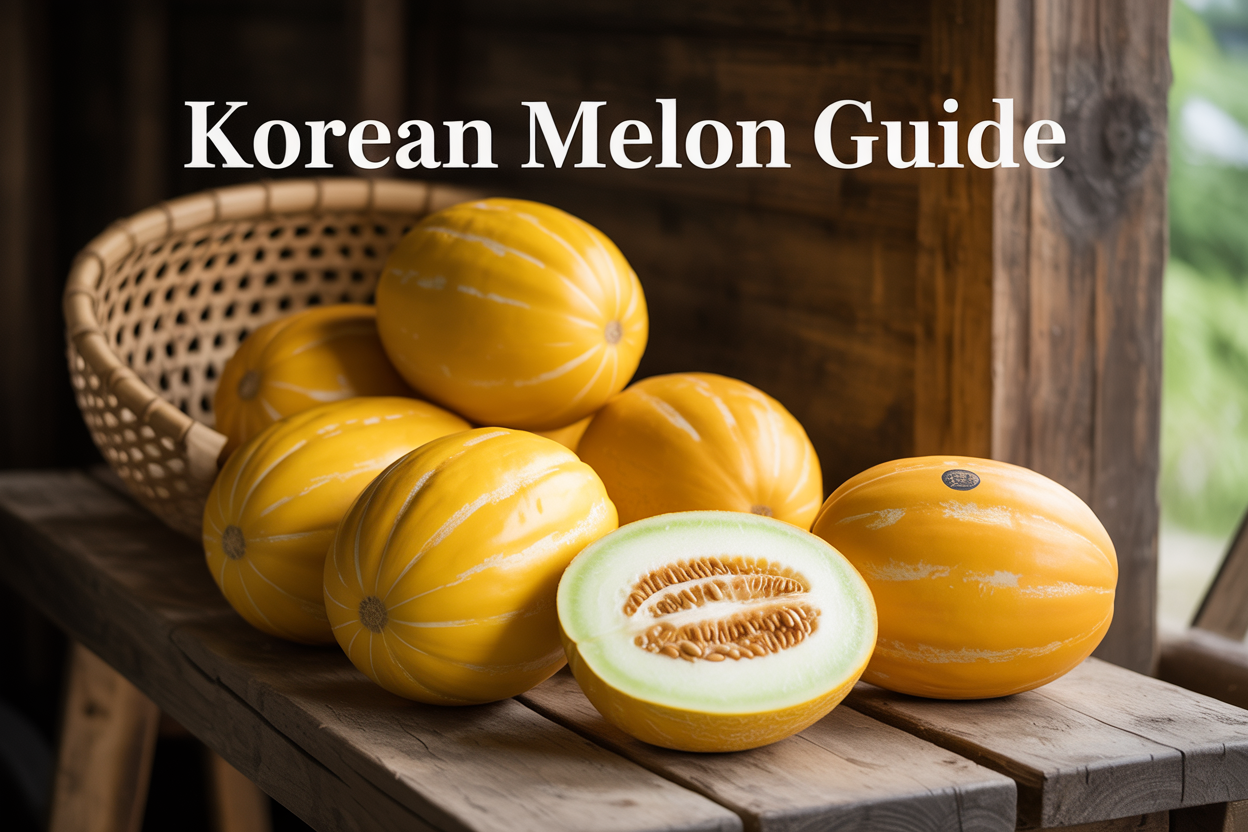
The Korean melon, also known as chamoe, is a crisp, sweet fruit that's been delighting taste buds across Asia for centuries. This golden-yellow treasure offers a refreshing crunch that sets it apart from your typical cantaloupe or honeydew.
If you're curious about Asian fruits, love exploring new flavors, or want to add healthy options to your diet, this guide is for you. We'll dive into what makes the Korean yellow melon so special, covering its unique taste and texture that Korean families have cherished for generations. You'll also learn about the impressive Korean melon nutrition profile and discover simple ways to pick, store, and enjoy this delicious fruit at home.
Get ready to meet your new favorite snack that combines the best of sweet and refreshing in every bite.
Discover the Unique Characteristics of Korean Melon
Learn the distinctive yellow striped appearance
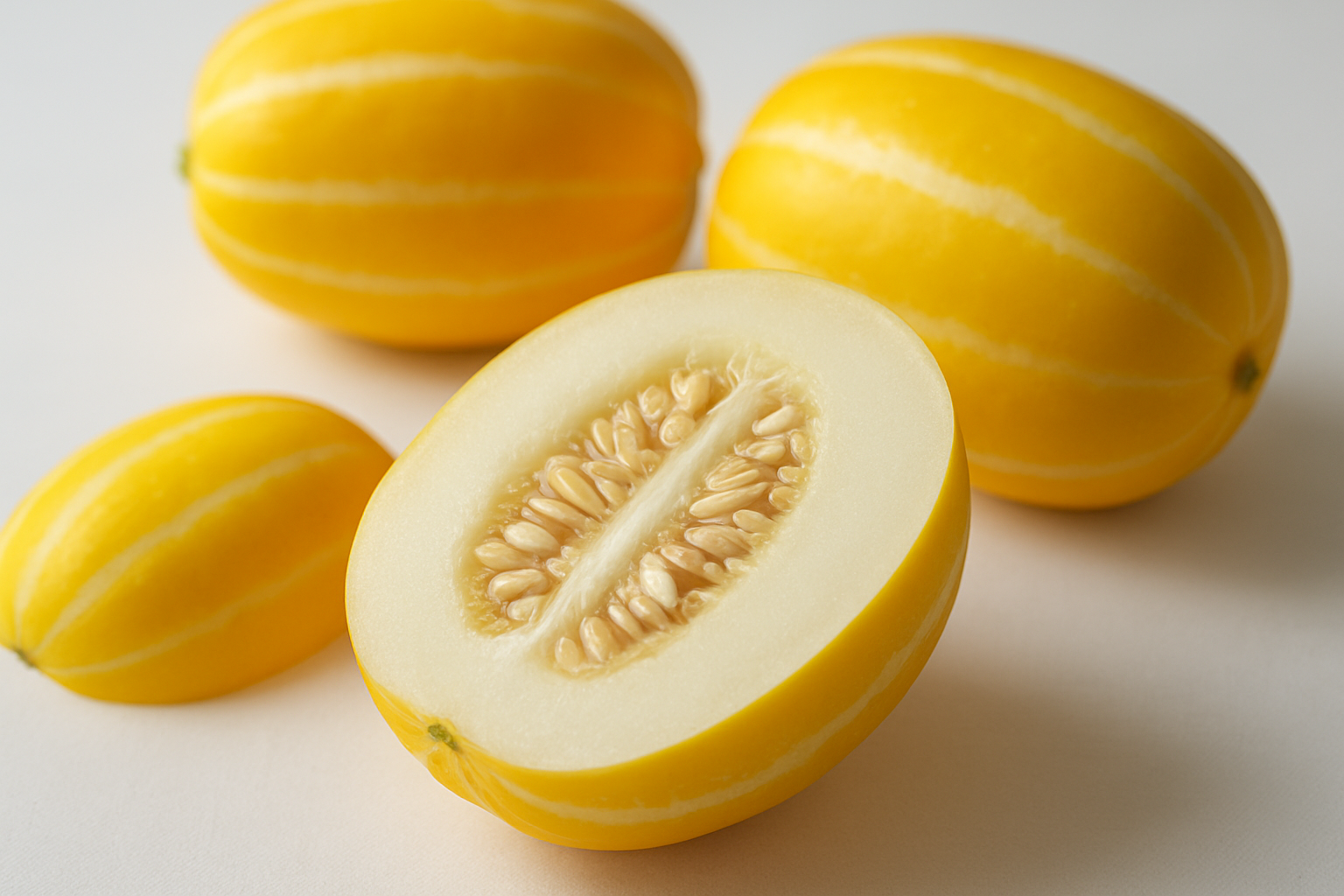
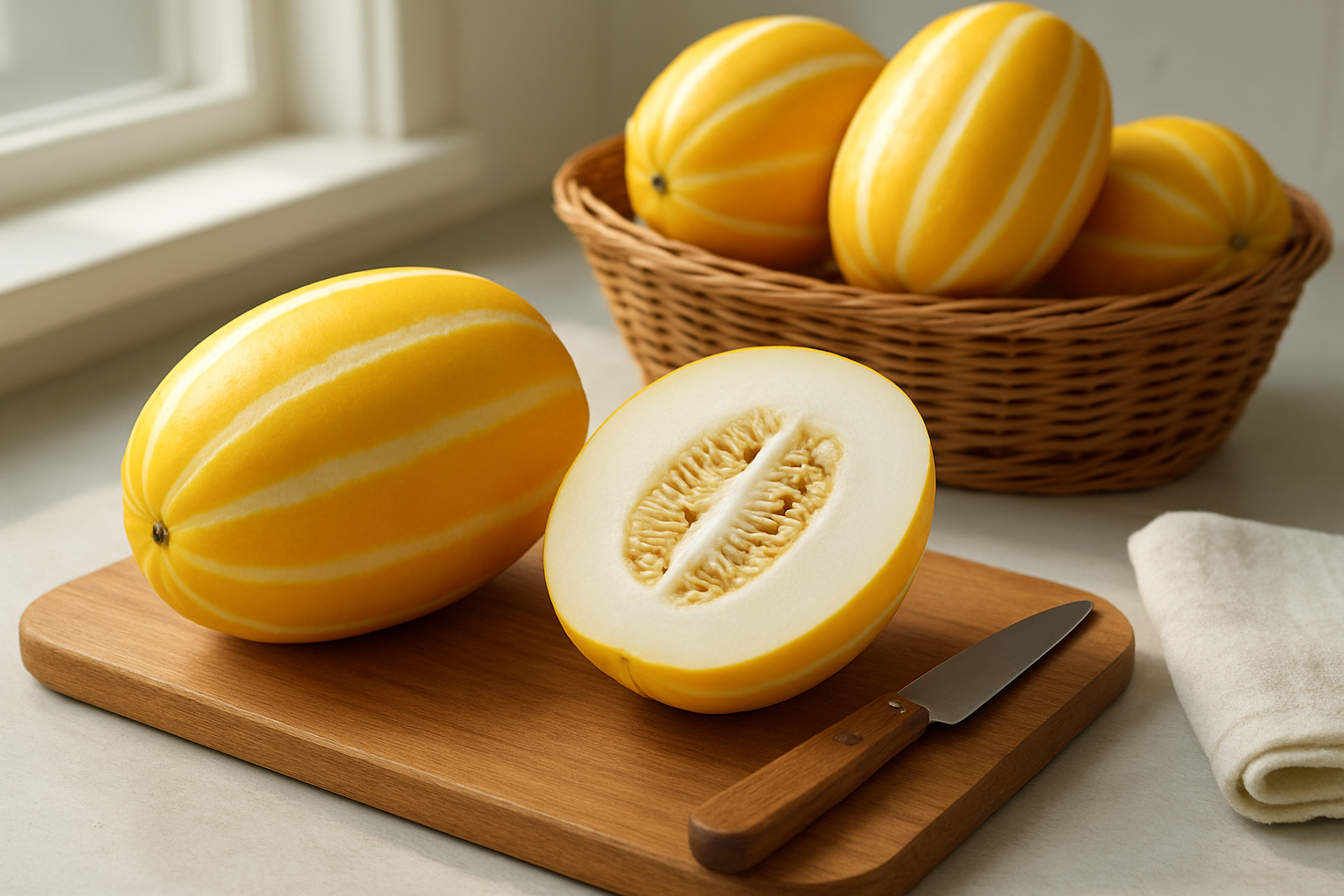
Korean melon, also known as chamoe, stands out immediately with its unique visual appeal. The Korean yellow melon features a bright golden-yellow base color adorned with distinctive white or pale yellow stripes running from stem to blossom end. These stripes aren't just decorative – they're a key identifier that separates chamoe from other Asian melon varieties.
The skin has a smooth, slightly waxy texture that feels firm to the touch when ripe. Unlike the netted surface of cantaloupe or the smooth green skin of honeydew, Korean melon maintains its striped pattern consistently across the entire fruit. The stripes typically number between 10-15 per melon, creating an almost ornamental appearance that makes these fruits instantly recognizable in markets.
The coloring intensifies as the melon ripens, with the yellow becoming more vibrant while the stripes remain distinct. This visual cue helps shoppers identify peak ripeness – a pale or greenish hue usually indicates the fruit needs more time to develop its full flavor profile.
Understand the crisp texture and sweet flavor profile
What truly sets Korean melon apart from other varieties is its remarkable texture and taste combination. Unlike the soft, juicy flesh of cantaloupe or honeydew, chamoe delivers a satisfying crunch similar to a crisp apple or Asian pear. This unique texture makes Korean melon incredibly refreshing, especially during hot summer months.
The flavor profile is distinctly sweet with subtle hints of cucumber and pear. The sweetness is clean and bright rather than heavy or cloying, making it an ideal snack that doesn't overwhelm the palate. The flesh maintains its white to pale yellow color throughout, with a consistency that's both juicy and firm.
The seeds are completely edible and add a slight crunch, much like cucumber seeds. Many people enjoy eating Korean melon whole, including the thin skin and seeds, which contributes to its appeal as a convenient, no-waste fruit. The combination of sweet flesh, edible skin, and crunchy seeds creates a complex textural experience that's both familiar and unique.
Compare size and shape to other melon varieties
Korean melons are notably smaller than most Western melon varieties, typically measuring 4-6 inches in length and 2-3 inches in diameter. This compact size makes them perfect for individual portions – most people can easily finish one Korean melon in a single sitting.
| Melon Type | Average Size | Weight | Shape |
|---|---|---|---|
| Korean Melon (Chamoe) | 4-6 inches long | 7-14 oz | Oval, elongated |
| Cantaloupe | 5-7 inches diameter | 3-5 lbs | Round |
| Honeydew | 6-9 inches diameter | 4-8 lbs | Round to oval |
The shape is distinctly oval and elongated, almost cucumber-like in appearance. This shape makes Korean melon easy to hold and eat by hand, unlike larger round melons that require cutting. The stem end is slightly narrower than the blossom end, creating a gentle taper that adds to the fruit's elegant appearance.
Compared to cantaloupe, which can weigh several pounds, Korean melon's petite size makes it more economical for small households and reduces waste. The smaller size also means faster ripening and easier storage in refrigerators where space might be limited.
Explore the Cultural Significance in Korean Cuisine
Discover Traditional Korean Dishes Featuring This Melon
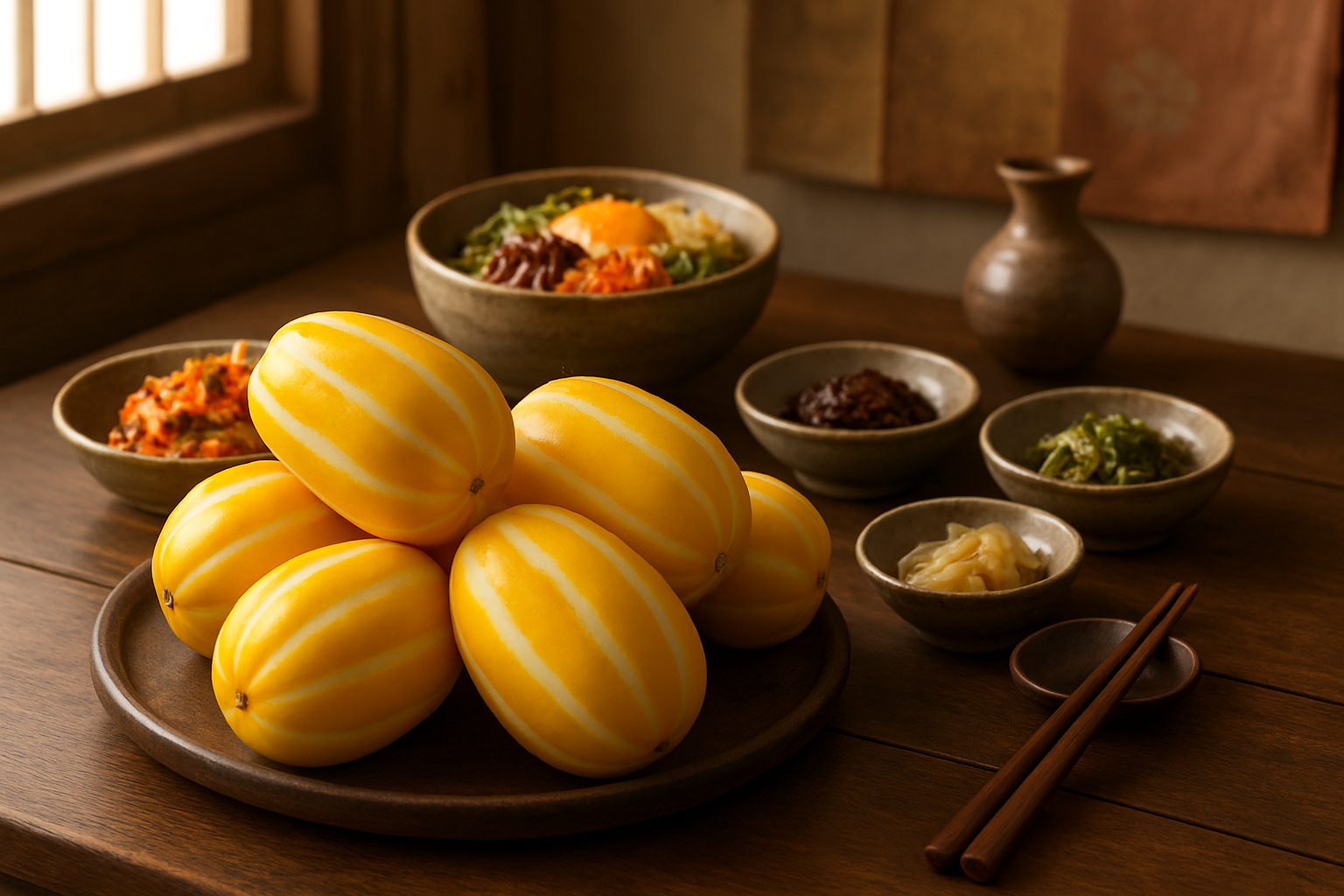
Korean melon, or chamoe, holds a cherished place in Korean culinary traditions that spans centuries. This golden fruit appears in various forms across Korean dining tables, from simple fresh preparations to elaborate traditional desserts. One of the most beloved ways to enjoy chamoe is as a refreshing banchan (side dish) served alongside spicy Korean meals. The melon's natural sweetness provides a cooling contrast to fermented foods like kimchi and hearty stews.
Traditional Korean households often prepare chamoe naengmyeon, where thin slices of the melon are added to cold buckwheat noodles during summer months. The fruit's crisp texture and mild flavor complement the tangy broth perfectly. Korean yellow melon also features prominently in traditional temple foods, where Buddhist monks incorporate it into vegetarian dishes that celebrate seasonal ingredients.
During special occasions like Chuseok (Korean Thanksgiving), chamoe appears as part of elaborate fruit arrangements called "charye" offered to ancestors. Families carefully select the finest Korean melons to honor their heritage, making the fruit an integral part of cultural celebrations.
Learn About Seasonal Eating Patterns and Preferences
Korean cuisine follows a philosophy of eating seasonally, and chamoe perfectly embodies this principle. The Korean melon season typically runs from late spring through early fall, with peak ripeness occurring during the hot summer months. This timing aligns beautifully with traditional Korean eating patterns that emphasize cooling foods during warm weather.
Korean families traditionally consume chamoe as an afternoon snack or post-meal refresher, particularly after heavy, spicy dishes. The fruit's high water content and natural sugars help restore energy levels depleted by summer heat. Many Koreans prefer eating chamoe chilled, often storing it in cool places or serving it with ice during the hottest parts of the day.
Regional preferences vary across Korea, with some areas favoring smaller, sweeter varieties while others prefer larger fruits with more pronounced flavor. Northern regions tend to consume chamoe earlier in the season, while southern areas extend their consumption well into autumn months.
Understand Its Role in Korean Summer Cooling Foods
Korean yellow melon plays a vital role in the traditional concept of "yin" foods that cool the body during hot weather. Korean medicine and culinary practices recognize certain foods as naturally cooling, and chamoe ranks among the most effective summer cooling foods alongside cucumber and watermelon.
The fruit's cooling properties extend beyond its temperature – Korean nutritional wisdom attributes specific cooling effects to chamoe's mineral content and water composition. Many Korean households prepare chamoe-based drinks and smoothies during summer heat waves, believing these preparations help regulate body temperature naturally.
Traditional Korean summer menus often feature chamoe as a palate cleanser between courses, especially during outdoor barbecues and picnics. The melon's refreshing qualities make it an ideal companion to grilled meats and spicy marinades that characterize Korean outdoor dining culture. Korean families frequently pack sliced chamoe for hiking trips and beach outings, appreciating both its portability and hydrating benefits.
Modern Korean restaurants continue this tradition by incorporating Korean melon into contemporary cooling desserts like bingsu (shaved ice) and traditional Korean fruit punches served during the sweltering summer months.
Uncover the Nutritional Benefits for Your Health
Boost your vitamin C intake naturally
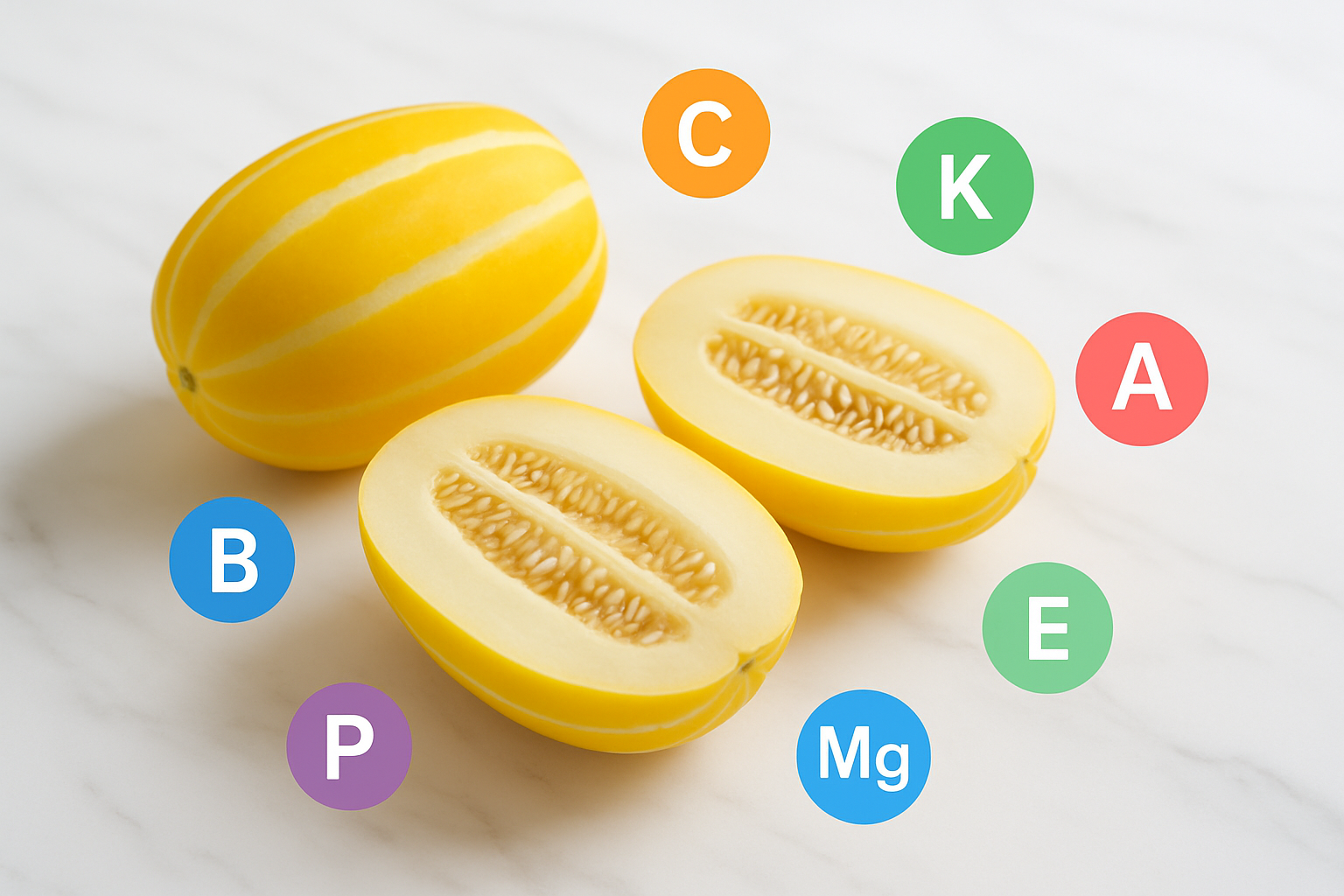
Korean melon, or chamoe, packs a surprising vitamin C punch that rivals many citrus fruits. A single medium-sized Korean melon provides approximately 30-40% of your daily vitamin C needs, making it an excellent choice for strengthening your immune system naturally. This vitamin powerhouse helps your body absorb iron more effectively, supports collagen production for healthy skin, and acts as a potent antioxidant protecting cells from damage.
What makes Korean melon nutrition particularly appealing is how easily your body absorbs the vitamin C from this sweet fruit. Unlike synthetic supplements, the natural vitamin C in chamoe comes packaged with complementary nutrients that enhance absorption and utilization.
Support hydration with high water content
Korean melons consist of roughly 90% water, making them fantastic hydration allies during hot summer months. This high water content means you're getting essential fluids while enjoying a naturally sweet treat. The electrolytes present in Korean melon help maintain proper fluid balance in your body, similar to sports drinks but without artificial additives.
Athletes and fitness enthusiasts often overlook Korean melon as a post-workout snack, but its combination of water, natural sugars, and minerals makes it perfect for replenishing what you lose through sweat. The gentle sweetness also helps satisfy cravings without the crash associated with processed snacks.
Gain essential minerals and antioxidants
Korean melon benefits extend beyond vitamins to include important minerals like potassium, magnesium, and folate. Potassium supports heart health and helps regulate blood pressure, while magnesium plays a crucial role in muscle function and bone health. The folate content makes Korean melon particularly valuable for pregnant women and anyone looking to support cellular health.
The antioxidants in chamoe include beta-carotene and various phenolic compounds that help combat oxidative stress. These natural compounds work together to protect your cells from free radical damage, potentially reducing inflammation and supporting long-term health. The golden color of Korean yellow melon indicates the presence of carotenoids, which your body converts to vitamin A for eye health and immune function.
Enjoy low-calorie snacking options
Korean melon nutrition shines when you consider its incredibly low calorie count - typically just 30-35 calories per 100 grams. This makes it an ideal snack for weight management or anyone wanting to satisfy sweet cravings without derailing their health goals. The natural sugars provide quick energy without the blood sugar spikes associated with processed sweets.
| Nutritional Comparison (per 100g) | Korean Melon | Apple | Banana |
|---|---|---|---|
| Calories | 32 | 52 | 89 |
| Water Content | 90% | 86% | 75% |
| Vitamin C | 15mg | 5mg | 9mg |
| Fiber | 0.9g | 2.4g | 2.6g |
The high water and low calorie combination creates a satisfying snacking experience that helps you feel full while consuming minimal calories. Korean melon's natural sweetness can help curb dessert cravings, making it easier to maintain healthy eating habits throughout the day.
Master the Art of Selecting and Storing Korean Melons
Identify ripeness through visual and tactile cues
The perfect Korean melon reveals itself through several telltale signs. Look for a golden-yellow color that's vibrant and even across the surface. The distinctive white longitudinal stripes should appear crisp and well-defined, creating that characteristic tiger-stripe pattern that makes chamoe instantly recognizable.
When you hold the melon, it should feel firm but yield slightly to gentle pressure at both ends. A ripe Korean melon gives off a sweet, fragrant aroma at the stem end - if there's no smell or it smells overly fermented, skip it. The skin should have a slight waxy feel and appear plump rather than wrinkled.
Check the stem area carefully. A good Korean yellow melon will have a clean, dry stem scar where it was harvested. Avoid melons with soft spots, dark patches, or any signs of mold. The surface should be free from cuts or bruises, which can quickly lead to spoilage.
Learn proper storage techniques for maximum freshness
Unripe Korean melons do best at room temperature, away from direct sunlight. Place them on your counter where air can circulate freely around them. Once they reach peak ripeness, transfer them to the refrigerator to slow down the ripening process.
Store ripe chamoe in the crisper drawer of your refrigerator, where they'll maintain their quality for up to one week. Keep them in a perforated plastic bag or wrapped loosely in paper towels to prevent moisture buildup while allowing some airflow.
Never store Korean melons near strong-smelling foods like onions or garlic, as they can absorb these odors. If you've cut the melon, wrap the pieces tightly in plastic wrap or store them in an airtight container. Cut Korean melon stays fresh in the refrigerator for 3-4 days maximum.
For long-term storage, Korean melon can be frozen, though the texture will change. Cut into pieces, remove seeds, and freeze in freezer bags for up to six months. These work great for smoothies or Korean melon recipes later.
Understand optimal consumption timing
Korean melons taste best when eaten at their peak ripeness, which typically occurs 2-3 days after they develop their full golden color and sweet aroma. Unlike some fruits that continue improving after purchase, chamoe reaches its flavor peak quickly and should be consumed promptly.
The ideal eating window is narrow - usually 3-5 days from peak ripeness. During this time, the flesh maintains its signature crispy texture while delivering maximum sweetness. The Korean melon's unique appeal lies in this perfect balance of crisp bite and refreshing taste.
Plan your Korean melon consumption around this timeline. Buy them a day or two before you want to eat them if they're still slightly firm, or enjoy them immediately if they're already at perfect ripeness. Asian melon varieties like chamoe don't have the extended shelf life of some Western melons, making timing critical for the best eating experience.
Learn Various Ways to Enjoy Korean Melon
Discover Simple Fresh Eating Methods
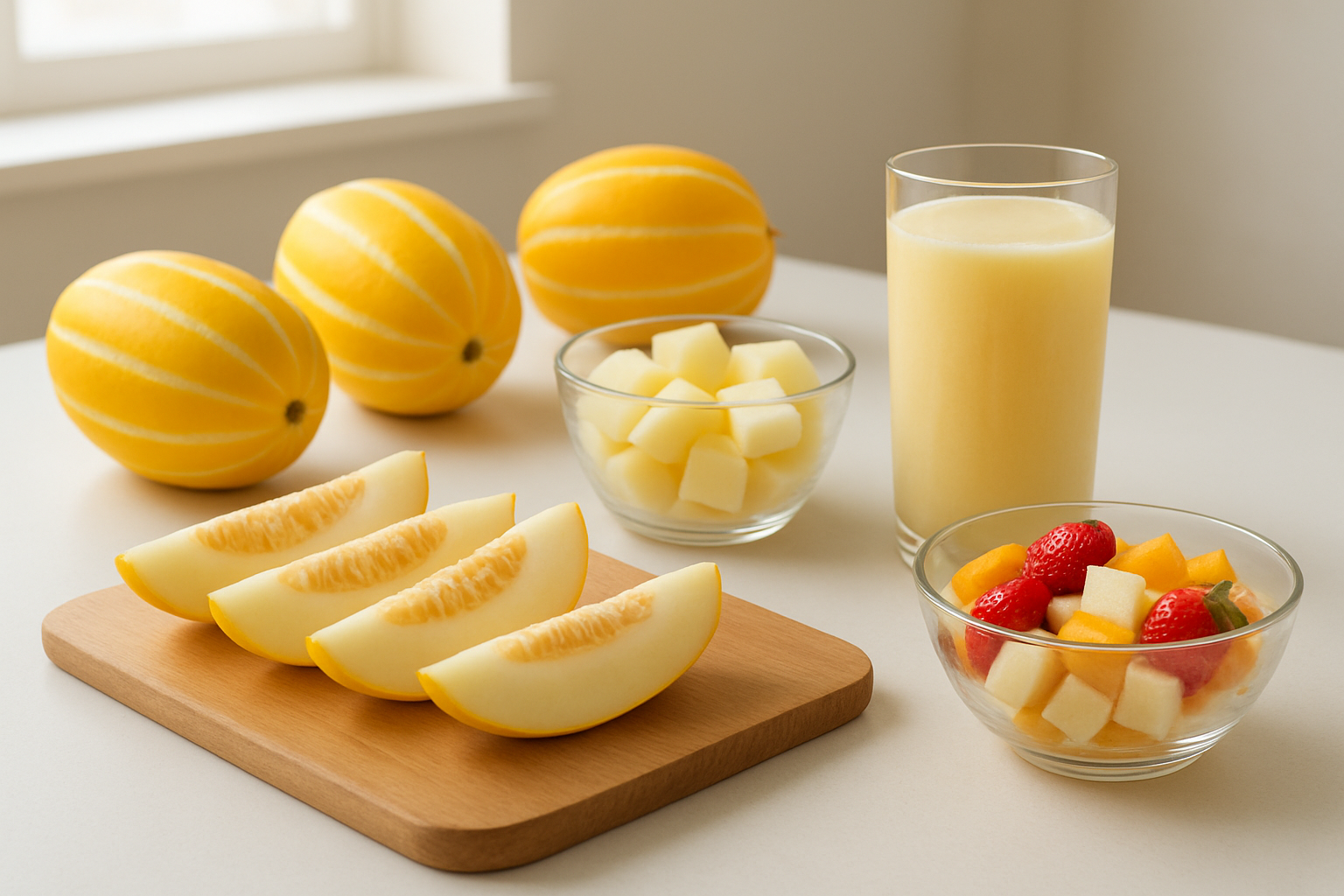
The most straightforward way to enjoy Korean melon is to eat it fresh, just like you would any other melon. Start by washing the chamoe thoroughly under cold running water. Unlike other melons, you can eat the thin, edible skin of Korean melon, which adds a pleasant crunch and extra nutrients. Simply slice the melon into wedges or bite-sized pieces, removing the seeds from the center cavity.
Many Koreans prefer eating Korean yellow melon with a pinch of salt, which enhances the natural sweetness and creates a perfect balance of flavors. You can also cut the melon into thin strips for a refreshing snack that's perfect for hot summer days. The crisp texture and mild sweetness make it an ideal palate cleanser between meals.
For a traditional Korean presentation, cut the melon into boat-shaped pieces, leaving some skin on for easy handling. This method is popular at Korean family gatherings and celebrations.
Create Refreshing Summer Beverages and Smoothies
Korean melon transforms into incredibly refreshing drinks that beat the summer heat. The high water content and natural sweetness make chamoe perfect for blended beverages without needing additional sweeteners.
Create a simple Korean melon juice by blending fresh melon chunks with a splash of cold water and ice cubes. Strain the mixture if you prefer a smoother consistency. For a creamier option, blend the melon with plain yogurt or coconut milk to create a nutritious smoothie.
A popular Korean drink combines chamoe with sparkling water and fresh mint leaves for a spa-like refreshment. You can also freeze small melon cubes to use as natural ice cubes that add flavor as they melt.
Try mixing Korean melon juice with other Asian fruits like Asian pear or watermelon for unique flavor combinations. Adding a squeeze of lime juice enhances the melon's natural taste and provides vitamin C.
Incorporate Into Salads and Desserts
Korean melon adds unexpected sweetness and crunch to both savory salads and light desserts. The melon's crisp texture holds up well when mixed with other ingredients, making it versatile for various preparations.
For savory applications, dice the chamoe and toss it into green salads with cucumber, lettuce, and a light sesame oil dressing. The melon pairs beautifully with Korean-style vegetable salads and provides a refreshing contrast to spicy kimchi.
Create a simple fruit salad by combining Korean melon with other seasonal fruits like grapes, strawberries, and kiwi. The mild flavor of chamoe doesn't overpower other fruits, making it an excellent base for mixed fruit desserts.
Korean families often serve sliced Korean yellow melon as a light dessert after heavy meals. You can elevate this simple preparation by drizzling honey or serving alongside traditional Korean rice cakes (tteok) for texture contrast.
Explore Pickling and Preservation Techniques
Pickling Korean melon creates a tangy side dish that pairs excellently with Korean barbecue and rice dishes. The melon's firm texture holds up well during the pickling process, creating a unique banchan (side dish) that's both refreshing and flavorful.
To pickle chamoe, slice the melon into thin strips and salt them lightly to draw out excess moisture. After 30 minutes, rinse and combine with rice vinegar, a touch of sugar, and Korean red pepper flakes (gochugaru) for a spicy kick.
Korean households also preserve chamoe by making melon kimchi, where the fruit is fermented with garlic, ginger, and Korean chili paste. This creates a probiotic-rich side dish that can last for weeks in the refrigerator.
Dehydrating Korean melon creates chewy fruit leather that concentrates the flavors and extends shelf life. Simply slice the melon thinly and dehydrate using a food dehydrator or low-temperature oven until leathery but still pliable.
Try Korean-Style Fruit Presentations
Korean culture places great emphasis on beautiful food presentation, and Korean melon is often featured in elegant fruit arrangements. Traditional Korean fruit presentations focus on natural beauty, color harmony, and seasonal appropriateness.
Create stunning fruit platters by arranging chamoe wedges in fan patterns alongside other colorful fruits. Koreans often garnish fruit presentations with edible flowers or mint leaves for added visual appeal.
The boat-shaped cutting method is particularly popular for special occasions, where the melon skin serves as a natural serving vessel. Fill these melon boats with fruit salad or use them as individual serving portions for guests.
For Korean-style gift presentations, Korean yellow melon is often wrapped in decorative paper and presented in wooden boxes. This traditional presentation method shows respect and care for the recipient while highlighting the fruit's premium quality.
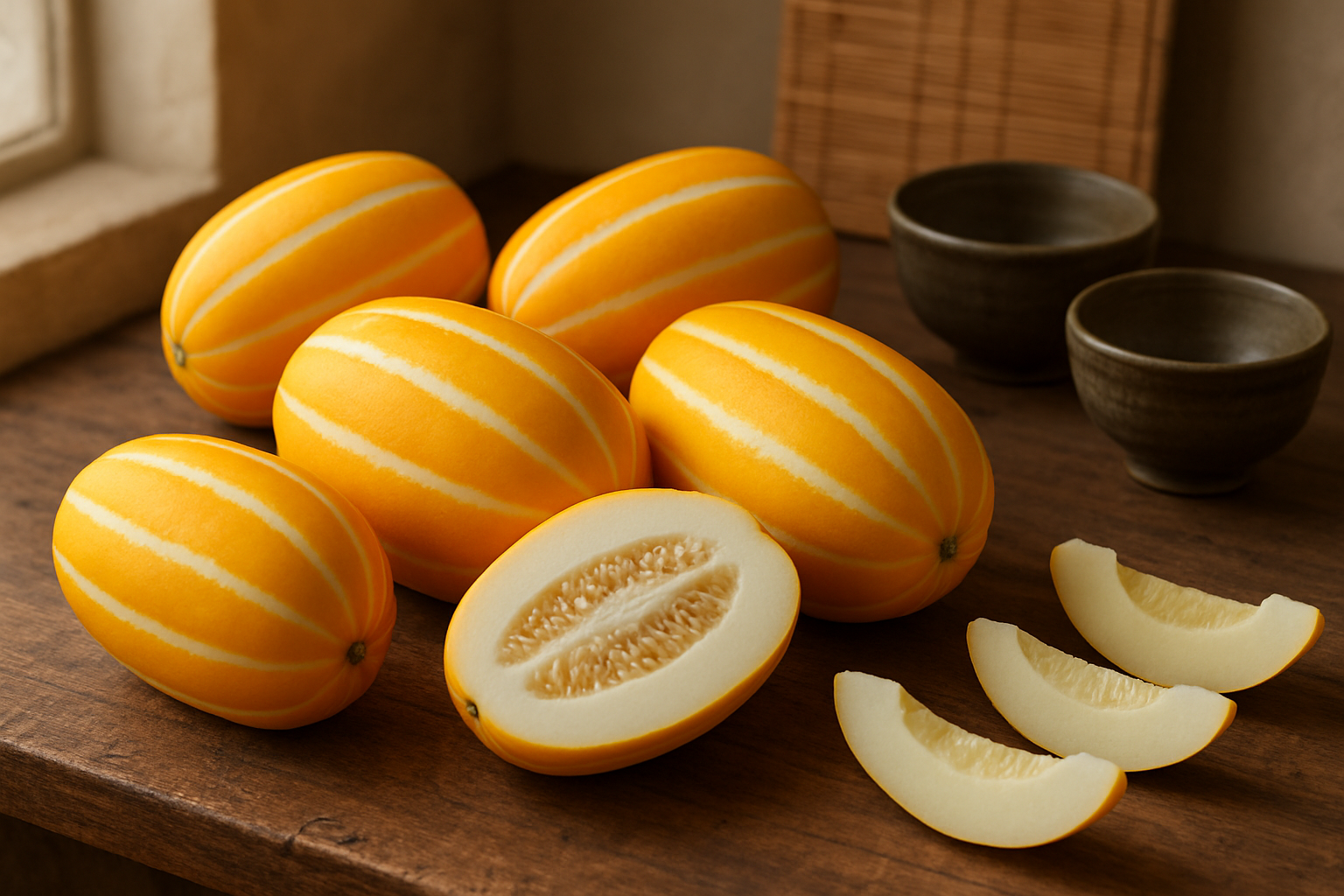
Korean melon stands out as more than just another fruit – it's a cultural treasure that brings together unique taste, impressive health benefits, and deep-rooted traditions. From its distinctive yellow skin and white flesh to its refreshing sweetness, this melon offers a perfect balance of flavor and nutrition that makes it a staple in Korean households. The fruit's rich vitamin content, natural hydration properties, and digestive benefits make it an excellent choice for anyone looking to add more nutritious options to their diet.
Getting the most out of Korean melon comes down to knowing what to look for when shopping and understanding the many ways to enjoy it. Whether you're eating it fresh as a simple snack, adding it to salads, or incorporating it into traditional Korean dishes, this versatile fruit adapts beautifully to different preparations. Next time you spot Korean melons at your local market, grab a few and experience firsthand why they've been cherished in Korean culture for generations – your taste buds and your health will thank you.

.png)
Comments
Post a Comment