The Most Popular Fruits Around the World
Fruits play a huge role in diets and economies across the globe, with some varieties achieving massive international appeal. This guide explores the most consumed fruits globally and breaks down what makes certain fruits so popular worldwide.
This article is perfect for food enthusiasts, grocery buyers, international trade professionals, and anyone curious about global eating habits and fruit preferences.
We'll dive into how tropical fruits dominate global markets with their year-round availability and exotic appeal. You'll also discover which citrus fruits lead international consumption and why temperate climate favorites have become staples in kitchens everywhere. We'll explore how regional specialty fruits are gaining international recognition and examine the seasonal fruits supply chain that keeps fresh produce flowing around the world all year long.
Tropical Fruits That Dominate Global Markets
Bananas - The World's Most Traded Fruit
Bananas hold the crown as the most consumed fruits globally, with over 100 billion bananas eaten worldwide each year. This yellow powerhouse generates more than $8 billion annually in the tropical fruits international market. Ecuador leads banana exports, shipping roughly 6.5 million tons annually, followed closely by the Philippines and Costa Rica.
The banana's success stems from its year-round availability, affordable pricing, and incredible versatility. Unlike seasonal fruits, bananas ripen consistently regardless of weather conditions, making them a reliable staple for consumers and retailers alike. Major supermarket chains across North America and Europe dedicate entire sections to banana displays, often using them as loss leaders to attract customers.
Cavendish bananas dominate commercial production, representing 99% of export bananas. However, this monoculture approach creates vulnerability to diseases like Panama disease, pushing producers to diversify with varieties like red bananas and plantains.
Mangoes - Asia's Golden Export Success
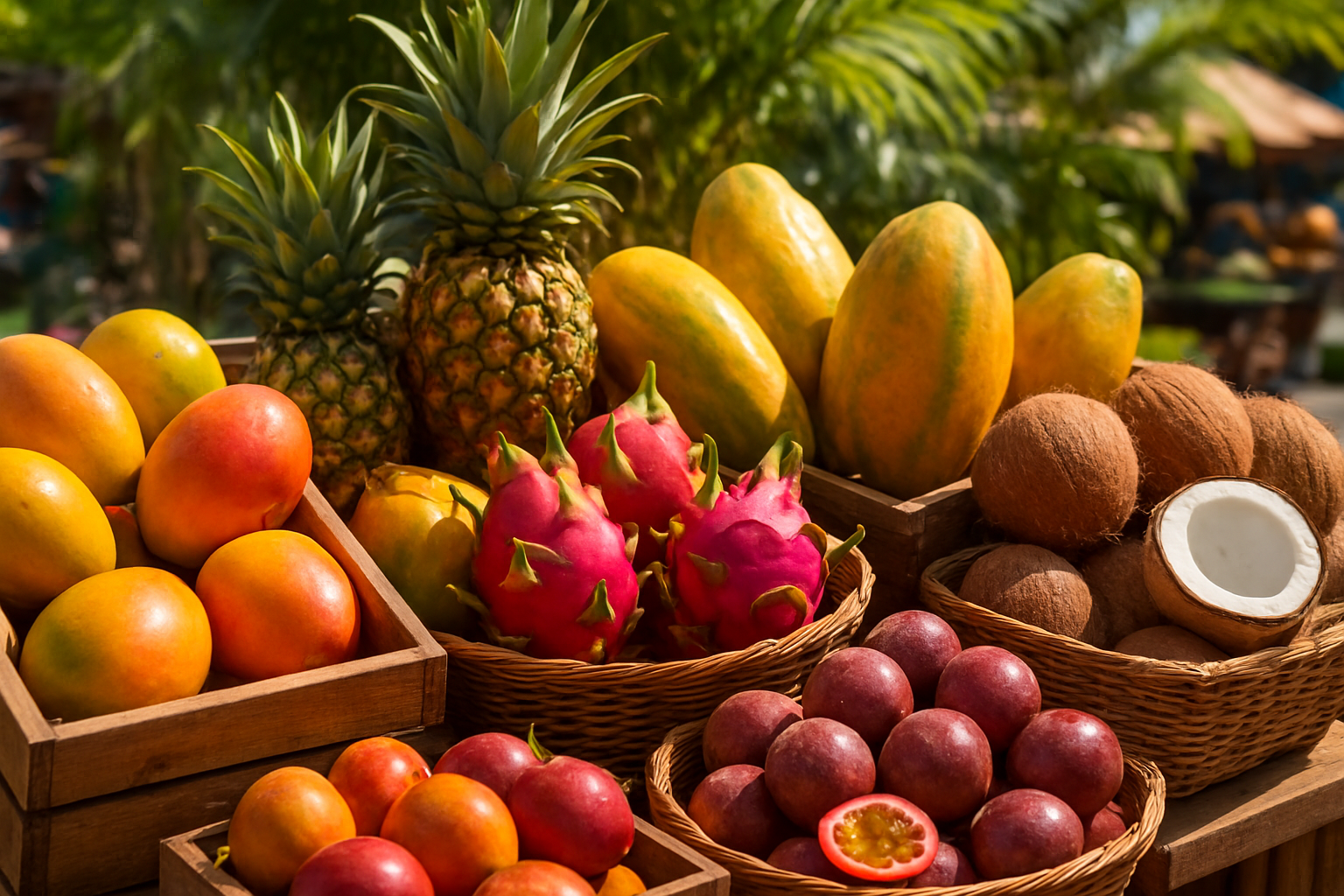
Mangoes reign supreme in Asia's fruit export economy, with India producing 40% of the world's mangoes despite exporting only 1% of its harvest. Countries like Thailand, Pakistan, and the Philippines have capitalized on this gap, becoming major players in the global fruit trade.
Thailand's mango industry exemplifies strategic market positioning. The country focuses on premium varieties like Nam Dok Mai and Keitt, targeting high-end international markets. Their sophisticated cold chain logistics enable mangoes to reach European and American consumers within days of harvest, commanding prices up to $15 per kilogram.
Pakistan's Sindhri and Chaunsa varieties have gained cult followings among diaspora communities, creating niche markets worth millions. The country recently expanded into new territories, including Russia and Central Asian markets, diversifying beyond traditional Middle Eastern customers.
Processing adds another revenue stream, with mango pulp, dried mangoes, and juice concentrates extending shelf life and expanding market reach to countries with strict fresh fruit import regulations.
Pineapples - Sweet Profits from Tropical Regions
Costa Rica dominates global pineapple production, controlling nearly 60% of world exports and generating over $1 billion annually. The country's volcanic soil and strategic location between Pacific and Atlantic shipping routes create ideal conditions for large-scale cultivation and efficient distribution.
Del Monte and Dole have transformed pineapple farming into sophisticated agricultural operations. These companies employ GPS-guided machinery, precision irrigation systems, and data analytics to optimize growing conditions. Their integrated supply chains move pineapples from field to supermarket shelves within 10 days.
Golden Sweet pineapples command premium prices, selling for 30-50% more than traditional varieties. This sweeter, less acidic cultivar has revolutionized consumer preferences, particularly in Asian markets where sweetness is highly valued.
The Philippines challenges Costa Rica's dominance through competitive pricing and proximity to Asian markets. Filipino producers focus on smaller, sweeter varieties preferred by local consumers while gradually expanding export capabilities.
Papayas - Health Benefits Driving Worldwide Demand
Papayas have experienced remarkable growth as health-conscious consumers discover their nutritional benefits. Rich in vitamin C, folate, and digestive enzymes, papayas appeal to wellness-focused demographics driving premium pricing in developed markets.
Mexico leads papaya exports, shipping primarily to the United States where demand has doubled over the past decade. Hawaiian papayas, though smaller in volume, command luxury prices due to their superior taste and GMO-free status appealing to organic food enthusiasts.
India's papaya industry focuses on domestic consumption and value-added products like papain enzyme extraction. This enzyme, used in meat tenderizers and digestive supplements, creates additional revenue streams beyond fresh fruit sales.
Brazil has emerged as a significant player, developing new cultivars resistant to papaya ringspot virus. Their success in overcoming this devastating disease positions them for expanded international market penetration, particularly in European markets seeking reliable suppliers.
Year-round availability makes papayas attractive to retailers seeking consistent tropical fruit offerings, while their relatively long shelf life reduces waste compared to more perishable tropical varieties.
Citrus Fruits Leading International Consumption
Oranges - Vitamin C Powerhouse in Every Household
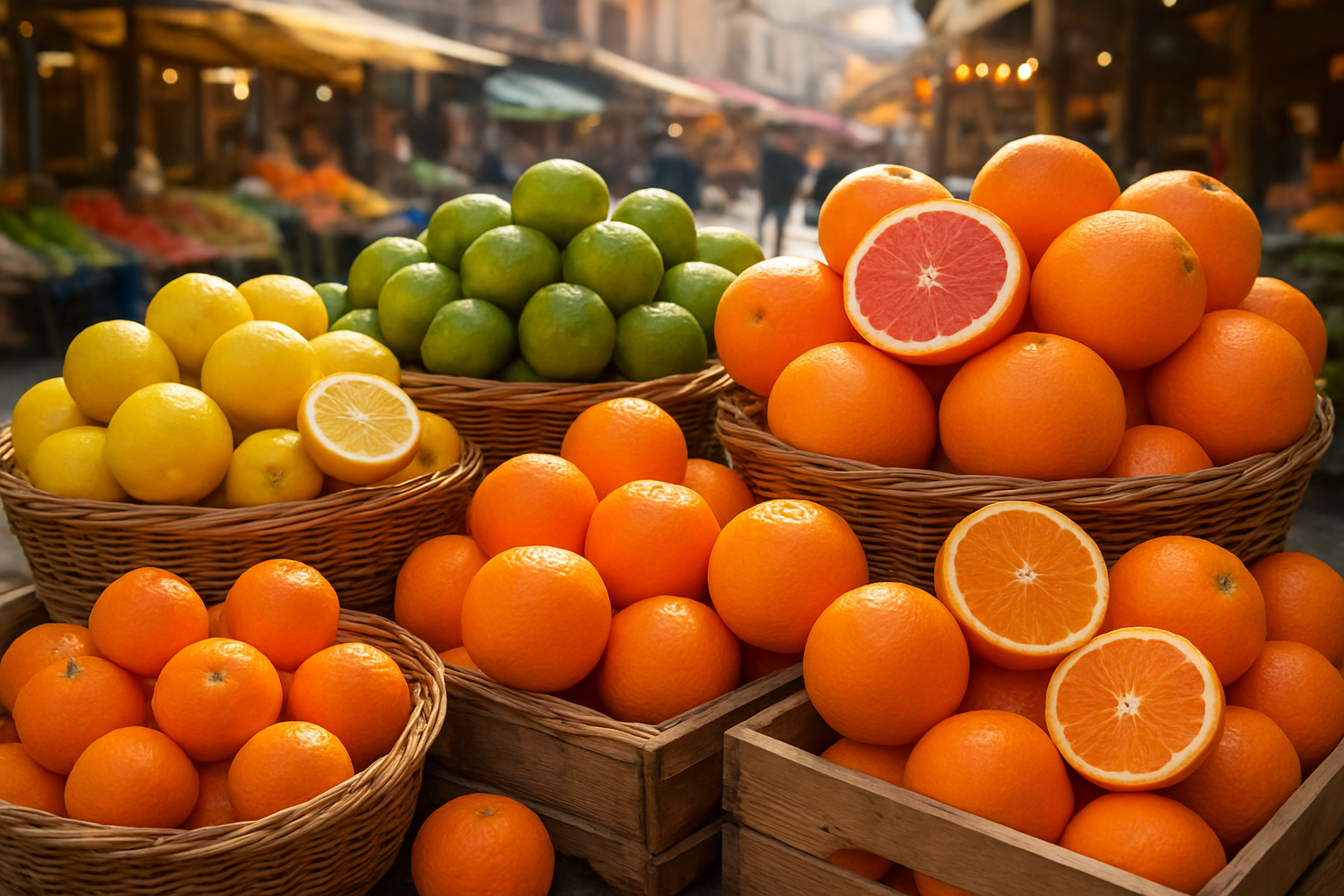
Oranges stand as the undisputed champions of citrus fruits consumption globally, dominating breakfast tables and snack bowls across every continent. These bright, juicy spheres pack an incredible nutritional punch, delivering more vitamin C per serving than most people need in an entire day. Brazil leads world orange production, followed closely by China and the United States, creating a robust supply chain that keeps fresh oranges available year-round in most markets.
The popularity of oranges extends far beyond their impressive vitamin content. Their natural sweetness makes them appealing to children and adults alike, while their portability creates the perfect grab-and-go snack. Valencia and navel varieties dominate most popular fruits worldwide consumption, with Valencia oranges preferred for juicing and navels favored for eating fresh. Orange juice alone represents a multi-billion dollar industry, with Americans consuming approximately 2.5 gallons per person annually.
What makes oranges truly special is their versatility in different cultures. Mediterranean countries incorporate orange zest into savory dishes, while Asian cuisines use orange segments in stir-fries and salads. The global fruit trade has made oranges accessible even in regions where they don't grow naturally, solidifying their position as one of the most consumed fruits globally.
Lemons - Essential Ingredient for Culinary and Health Uses
Lemons have carved out an irreplaceable niche in kitchens worldwide, serving dual purposes as both culinary enhancers and natural health remedies. Their intense tartness and aromatic oils make them indispensable for cooking, baking, and beverage preparation across virtually every cuisine. Mediterranean regions, particularly Spain, Italy, and Greece, produce the majority of the world's lemons, though California and Argentina also contribute significantly to international supply chains.
The culinary applications for lemons seem endless. Chefs rely on lemon juice to brighten flavors, tenderize proteins, and prevent oxidation in cut fruits and vegetables. Lemon zest adds intense citrusy fragrance to desserts, marinades, and cocktails. Beyond the kitchen, lemons have gained tremendous popularity as natural cleaning agents and digestive aids, with warm lemon water becoming a morning ritual for health-conscious consumers worldwide.
Restaurant industries particularly drive lemon demand, as these bright yellow fruits appear in everything from salad dressings to seafood preparations. The global pandemic actually increased lemon sales as people focused more on immune-boosting foods rich in vitamin C. Turkey, Argentina, and Spain dominate lemon exports, ensuring consistent availability in international markets throughout different seasons.
Grapefruits - Morning Nutrition Choice Across Continents
Grapefruits have earned their reputation as the ultimate breakfast fruit, offering a perfect balance of sweet and tart flavors that energize morning routines worldwide. These large citrus fruits pack impressive nutritional density, providing significant amounts of vitamin C, fiber, and antioxidants while remaining relatively low in calories. Florida and Texas lead North American grapefruit production, while Israel and Turkey supply much of Europe's demand.
Pink and red varieties have gained tremendous popularity over traditional white grapefruits, thanks to their sweeter taste and attractive appearance. Ruby Red grapefruits, in particular, have become breakfast staples in hotels and restaurants globally. Their vibrant color makes them Instagram-worthy, appealing to younger consumers who value both nutrition and visual appeal in their food choices.
The timing of grapefruit harvest creates interesting seasonal patterns in global consumption. Northern hemisphere production peaks during winter months, while Southern hemisphere growers fill summer demand. This natural rotation ensures fresh grapefruits remain available year-round, supporting their status among the most consumed fruits globally. Health trends focusing on metabolism boosting and weight management have further increased grapefruit popularity, particularly in fitness-conscious demographics across North America and Europe.
Temperate Climate Favorites Enjoyed Globally
Apples - Year-Round Availability and Storage Success
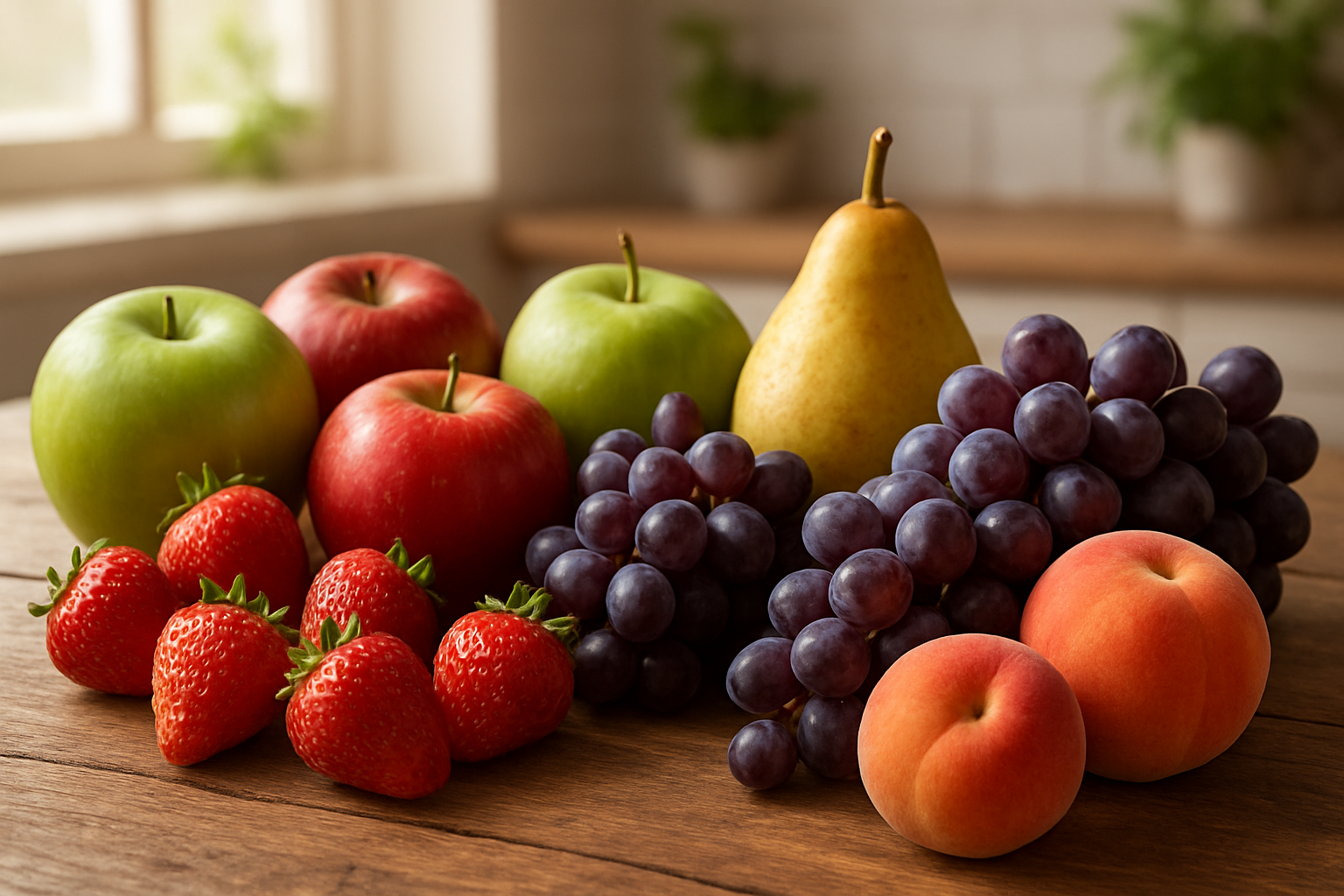
Apples reign supreme among temperate climate fruits thanks to their incredible storage capabilities and consistent global demand. Modern cold storage technology allows apples to stay fresh for months after harvest, making them available year-round in supermarkets worldwide. This storage success has made apples one of the most consumed fruits globally, with varieties like Gala, Red Delicious, and Granny Smith dominating international markets.
The apple industry's strength lies in its diversity - over 7,500 varieties exist worldwide, each adapted to different climates and consumer preferences. Major producing regions include China (producing over half the world's apples), the United States, Turkey, and Poland. These countries have built sophisticated supply chains that ensure fresh apples reach consumers across continents, making them a cornerstone of the global fruit trade.
Apple orchards in temperate regions benefit from predictable growing seasons and established agricultural practices passed down through generations. The fruit's natural waxy coating and firm flesh make it ideal for long-distance shipping, contributing to its status as a reliable export commodity.
Grapes - Wine Industry and Fresh Consumption Giant
Grapes serve dual purposes in global markets - as fresh table grapes and as the foundation of the massive wine industry. This versatility has made grapes one of the popular fruits worldwide, with cultivation spanning across Mediterranean climates, California, Chile, Australia, and South Africa.
The fresh grape market alone represents billions of dollars annually, with seedless varieties like Red Globe and Thompson Seedless leading consumption trends. These grapes travel remarkably well, maintaining their quality during international shipping thanks to modern packaging and refrigeration techniques.
Wine production adds another dimension to grape popularity, with premium wine regions creating global brand recognition for their local grape varieties. Countries like France, Italy, Spain, and newer players like New Zealand have built entire economies around grape cultivation, making this fruit central to both agricultural exports and tourism industries.
Grape growing requires specific climate conditions - warm, dry summers and mild winters - which limits production to certain global regions. This scarcity drives up prices for premium varieties and creates strong export opportunities for producing countries.
Strawberries - Premium Berry Commanding High Prices
Strawberries hold a unique position among temperate climate fruits as a premium product that commands some of the highest prices per pound in produce sections. Their delicate nature and short shelf life create challenges for international trade, yet demand remains strong enough to support year-round imports in major consumer markets.
California dominates global strawberry production, followed by Florida, Turkey, and Spain. These regions have perfected cultivation techniques that extend growing seasons and maximize yields. Greenhouse production in countries like the Netherlands and Belgium allows for year-round cultivation, meeting consumer demand when field-grown strawberries aren't available.
The strawberry industry has embraced innovation with day-neutral varieties that produce fruit continuously rather than just once per season. Hydroponic growing systems and vertical farming are revolutionizing strawberry production, allowing cultivation in urban areas and regions previously unsuitable for berry farming.
Fresh strawberries face significant logistics challenges due to their perishable nature, requiring sophisticated cold chain management from farm to consumer. Despite these challenges, the fruit's popularity drives continued investment in improved transportation and storage technologies.
Peaches - Summer Favorite with Growing Export Markets
Peaches represent the essence of summer fruit, with their sweet, juicy flesh making them beloved worldwide. While traditionally consumed fresh during peak season, advances in storage and transportation have expanded peach availability and created growing export opportunities for major producing regions.
China leads global peach production by an enormous margin, followed by European countries like Italy, Spain, and Greece. The United States, particularly California and Georgia, also contributes significantly to world markets. These regions have developed specialized varieties that ship well and maintain quality during international transport.
The peach industry faces unique challenges with fruit that bruises easily and has a relatively short shelf life compared to apples or citrus fruits. Successful exporters have invested heavily in specialized packaging, optimal harvest timing, and rapid cooling systems to maintain fruit quality during long-distance shipping.
Canned and frozen peach products provide year-round availability and have created additional market opportunities beyond fresh fruit sales. Countries like Greece and Spain have built significant processing industries that supply global markets with preserved peach products, extending the fruit's reach far beyond traditional growing regions.
Regional Specialties Gaining International Recognition
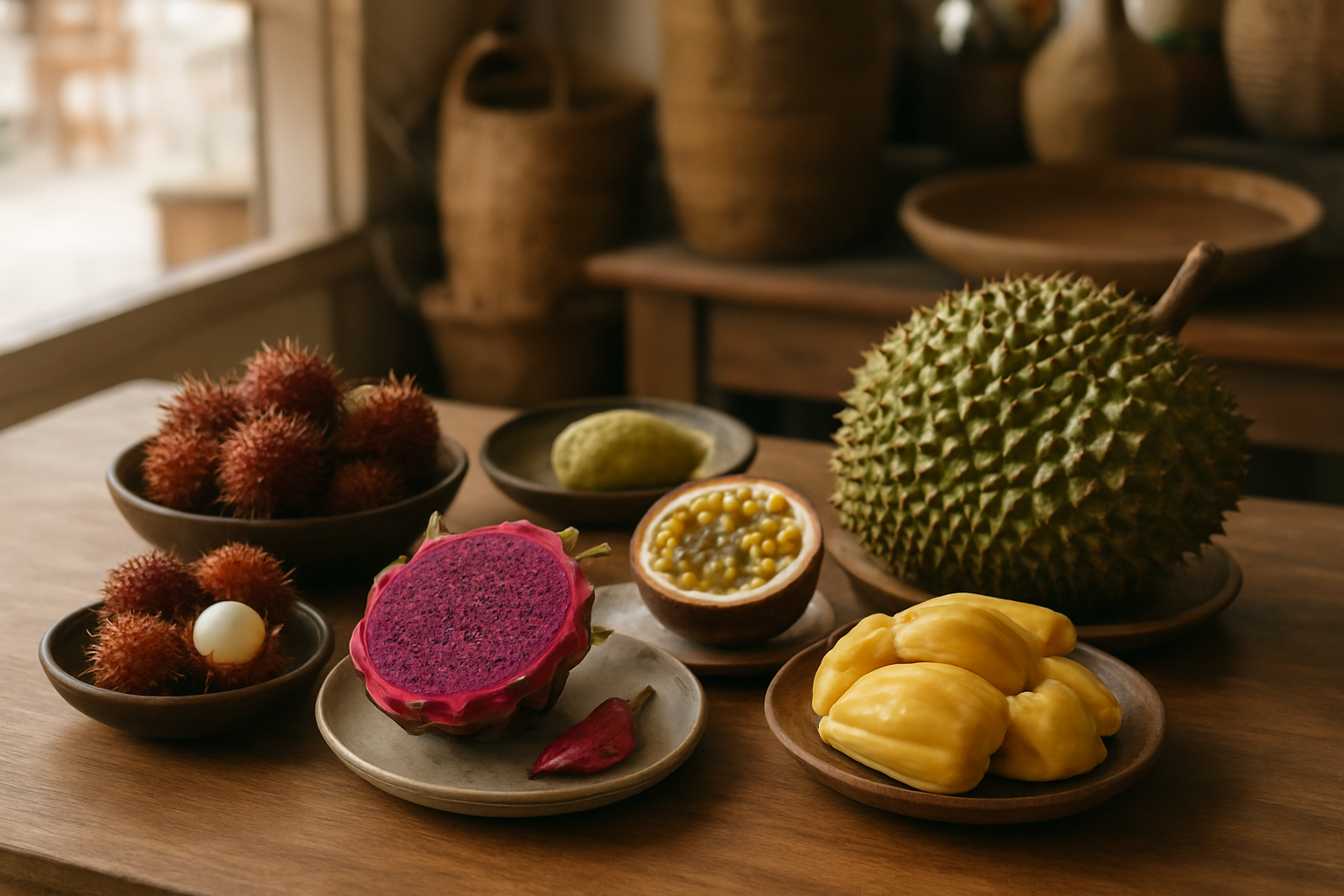
Dragon Fruit - Instagram-Worthy Superfood Trend
Dragon fruit has become the poster child for exotic fruits gaining popularity in the global market. This stunning pink and white fruit originally from Central America has captured international attention through social media, where its vibrant appearance makes it perfect for food photography. The fruit's mild, slightly sweet taste and unique texture have helped it transition from curiosity to mainstream superfood status.
Major retailers worldwide now stock dragon fruit regularly, with Vietnam and Ecuador leading production for international markets. The fruit's high vitamin C content, antioxidants, and fiber have positioned it perfectly within the growing health-conscious consumer segment. Online influencers frequently showcase dragon fruit bowls, smoothies, and salads, driving demand among younger demographics who view exotic fruits as lifestyle statements.
Kiwi Fruit - New Zealand's Marketing Masterpiece
New Zealand transformed what was once called Chinese gooseberry into one of the world's most recognizable fruit brands. The strategic rebranding to "kiwi fruit" in the 1950s created an instant association with New Zealand's national identity, demonstrating how effective marketing can elevate regional specialty fruits to global recognition.
Today, kiwi fruit represents a $2 billion annual industry, with New Zealand controlling about one-third of global production. Italy, Iran, and Chile have also become major producers, but New Zealand's premium varieties like SunGold remain the gold standard. The fruit's exceptional vitamin C content - higher than oranges - and unique sweet-tart flavor profile have secured its place in international markets year-round.
Pomegranates - Ancient Fruit Meeting Modern Health Demands
Pomegranates have experienced remarkable growth in international markets as consumers discover their exceptional antioxidant properties. This ancient fruit, cultivated for thousands of years in the Middle East, has found new life as a superfood in North American and European markets. Iran, India, and Turkey remain the largest producers, while countries like the United States have rapidly expanded cultivation.
The fruit's rich concentration of punicalagins and anthocyanins has attracted significant scientific research, with studies linking pomegranate consumption to heart health and anti-inflammatory benefits. Processed pomegranate products, including juices, supplements, and dried arils, have made this regional specialty accessible to global consumers who might find the fresh fruit challenging to prepare.
Avocados - Millennial Generation's Nutritional Obsession
Avocados have transformed from a regional Mexican specialty to a global phenomenon, driven largely by millennial consumer preferences for healthy fats and versatile ingredients. Mexico produces about 80% of the world's avocados, with Peru, Chile, and California contributing significantly to international supply chains.
The fruit's creamy texture and neutral flavor make it incredibly versatile, appearing in everything from traditional guacamole to trendy avocado toast. Its high content of monounsaturated fats, potassium, and fiber aligns perfectly with modern dietary trends emphasizing whole foods and plant-based nutrition. This nutritional profile, combined with social media popularity, has created unprecedented global demand that continues growing annually.
Coconuts - Versatile Tropical Fruit with Multiple Uses
Coconuts represent perhaps the most versatile regional specialty fruits gaining international recognition. Originally from tropical coastal regions, coconuts now support massive industries spanning food, beauty, and health sectors. Indonesia, Philippines, and India lead global production, supplying diverse international markets with everything from fresh coconut water to processed coconut oil.
The recent coconut water boom has positioned this traditional beverage as a premium sports drink alternative, while coconut oil has gained popularity in cooking and cosmetics. Coconut flour, milk, and dried products have become staples in health food stores worldwide, catering to gluten-free, vegan, and paleo dietary trends. This multiple-use capability has made coconuts one of the most economically important tropical fruits in global trade.
Seasonal Fruits Creating Year-Round Global Supply Chains
Watermelons - Summer Hydration Solution Worldwide
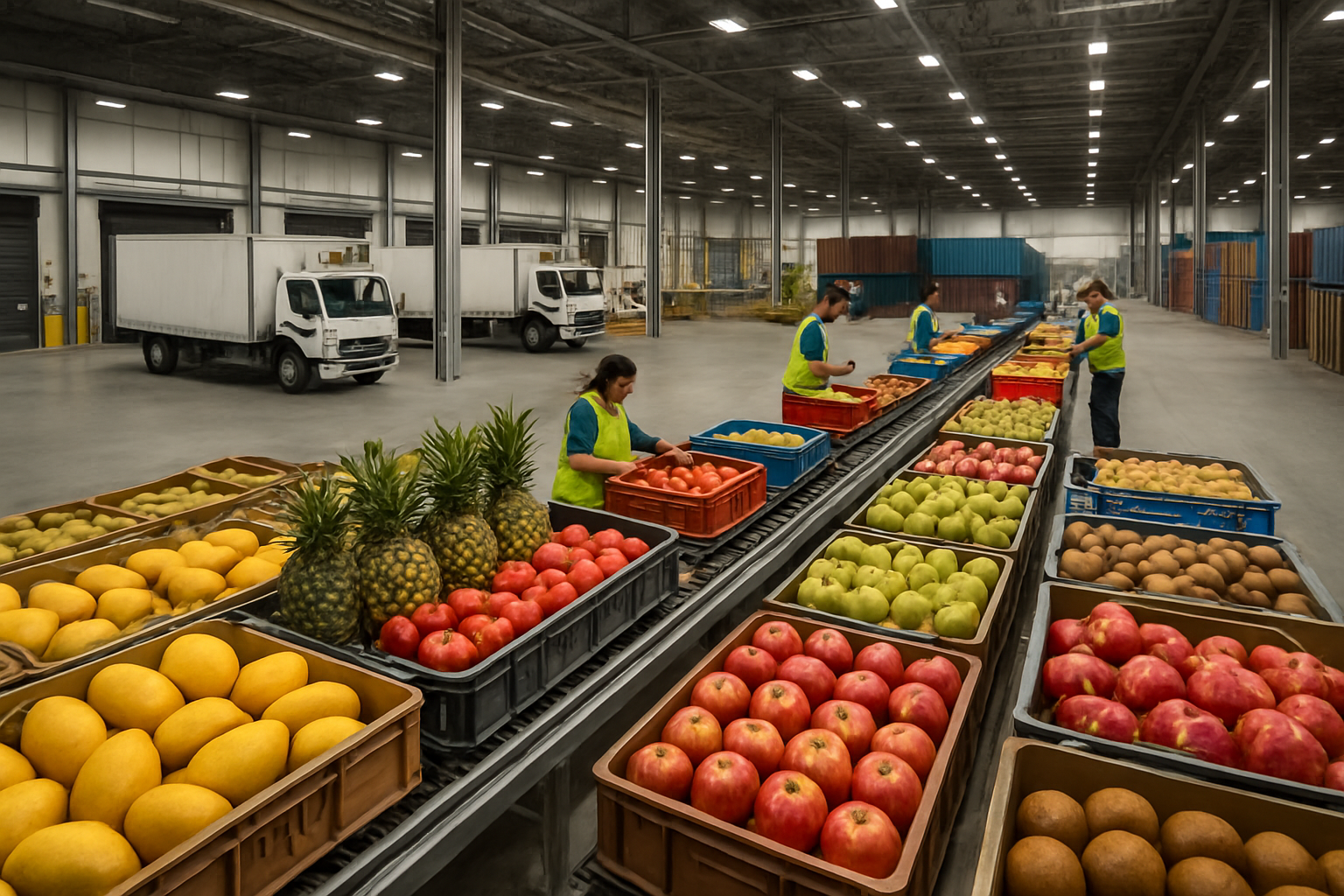
Watermelons have mastered the art of timing, arriving precisely when the world needs them most. During scorching summer months, this refreshing giant becomes the go-to choice for millions seeking sweet relief from the heat. The seasonal fruits supply chain for watermelons showcases remarkable coordination across hemispheres, ensuring fresh supplies hit markets worldwide during peak summer demand.
Major watermelon producers like China, Turkey, and Iran time their harvests to coincide with their domestic summer seasons, while countries in the Southern Hemisphere, including Brazil and South Africa, fill the gap during Northern winter months. This perfectly orchestrated global dance means supermarket shelves rarely lack these striped spheres of refreshment.
The logistics behind watermelon distribution are particularly impressive given their size and weight. Specialized transportation systems have evolved to handle these bulky fruits, with cargo ships dedicated entirely to watermelon shipments during peak seasons. Cold storage facilities worldwide have adapted their infrastructure to accommodate the unique requirements of maintaining watermelon freshness across long-distance journeys.
Consumer demand patterns show remarkable consistency across cultures - watermelon sales spike dramatically when temperatures soar above 80°F, making weather forecasting an essential tool for distributors planning their inventory levels.
Cherries - Luxury Fruit with Premium Seasonal Pricing
Sweet cherries command premium prices that would make luxury goods manufacturers envious. Their brief growing season and delicate nature create a perfect storm of scarcity and desire, pushing prices to levels that can exceed $20 per kilogram for top-quality varieties.
The global fruit trade in cherries operates on razor-thin timing windows. Washington State's cherry harvest runs from June to August, followed by Chile's summer harvest from December to February, creating a fascinating polar dance of supply that keeps cherry lovers satisfied year-round. During these peak windows, air freight becomes the preferred transportation method despite costs, as cherries lose their appeal rapidly once past their prime.
Premium varieties like Bing and Rainier cherries have developed cult followings in international markets, particularly in Asia where they're considered luxury gifts. Japanese consumers regularly pay extraordinary prices for perfect Washington cherries, treating them with the reverence typically reserved for fine wine or artisanal chocolates.
Storage technology has revolutionized cherry distribution, with controlled atmosphere storage extending their season by several weeks. However, the majority of cherry consumption still happens within days of harvest, maintaining their status as a truly seasonal indulgence that people eagerly anticipate each year.
Blueberries - Antioxidant Superfood with Extended Shelf Life
Blueberries transformed from regional American favorites to popular fruits worldwide through brilliant marketing and genuine health benefits. Their reputation as antioxidant powerhouses coincided perfectly with global health consciousness trends, creating unprecedented international demand for these tiny blue gems.
The extended shelf life of blueberries compared to other berries revolutionized their global distribution potential. While strawberries and raspberries demand immediate consumption, blueberries can maintain quality for weeks under proper storage conditions, making them ideal candidates for international shipping.
North American producers dominated early global expansion, but countries like Chile, Peru, and South Africa quickly recognized the opportunity and developed their own commercial blueberry operations. This geographic diversification means fresh blueberries are now available year-round in major markets, with Southern Hemisphere production filling the gap during Northern winter months.
| Season | Primary Producers | Market Availability |
|---|---|---|
| Spring | Chile, Peru | March - September |
| Summer | USA, Canada | June - September |
| Fall | Eastern Europe | August - October |
| Winter | South Africa, Argentina | October - March |
Frozen blueberries created an entirely separate market segment, allowing consumers to enjoy their benefits regardless of season. The frozen market actually exceeds fresh sales in many regions, proving that convenience often trumps seasonality in modern international fruit preferences.
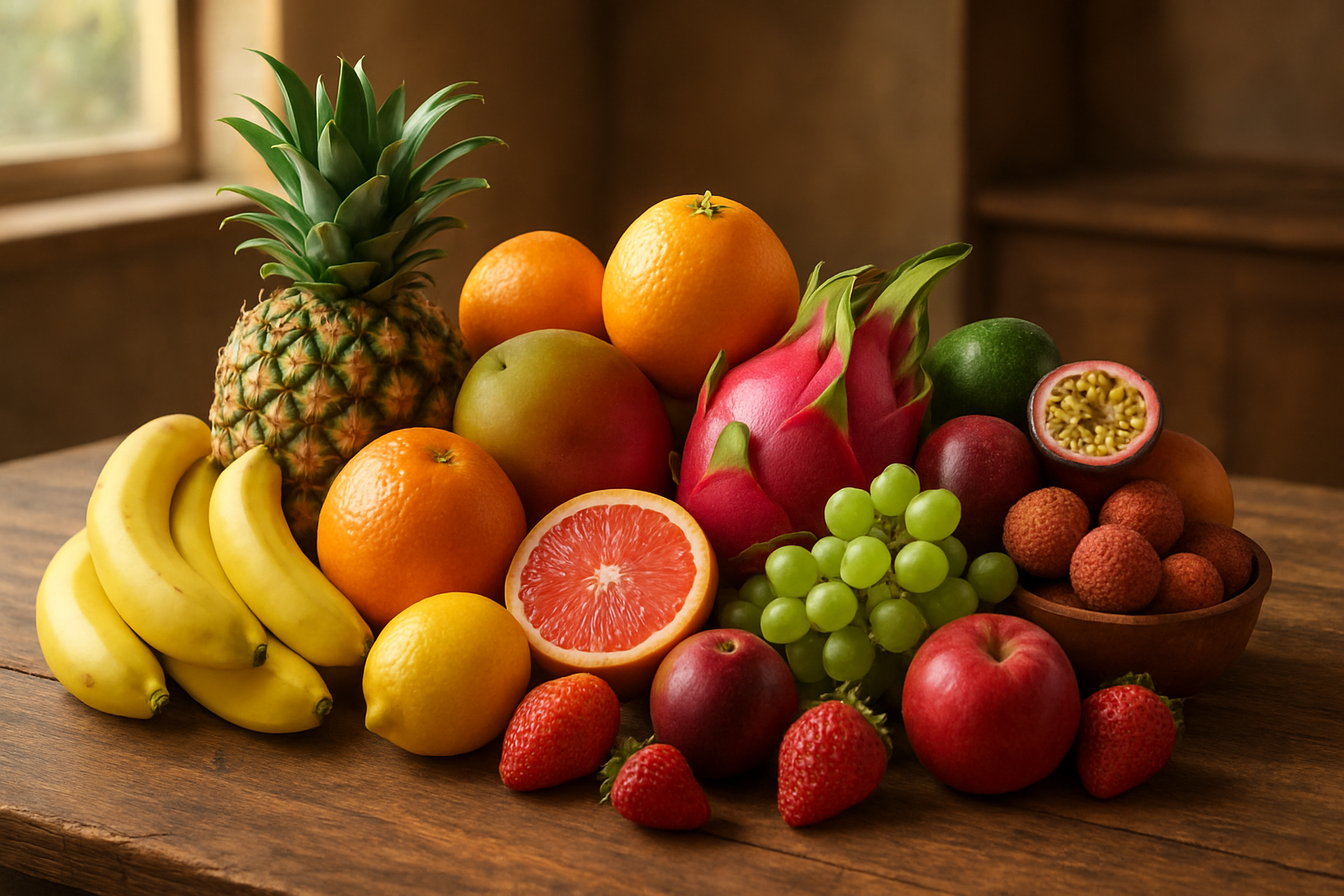
Tropical fruits like mangoes and pineapples have truly taken over grocery stores worldwide, while citrus fruits remain the everyday champions that people reach for again and again. From the apples and pears that thrive in cooler climates to the exotic durians and rambutans that are slowly making their way into international markets, our global fruit bowl has never been more diverse. The way seasonal fruits now travel across continents means we can enjoy summer berries in winter and tropical treats year-round.
The next time you're at the store, take a moment to appreciate just how far your fruit has traveled to reach you. Try something new from a different region – maybe that dragon fruit you've been curious about or those Korean pears that look so perfect. Our connected world has made it possible to taste flavors from every corner of the globe, turning a simple trip to the produce section into a delicious adventure around the world.

.png)
Comments
Post a Comment