Santol - What's The Santol (Cotton) Fruit?
.png)
Ever heard of santol fruit? This fuzzy, peach-like tropical treasure goes by many names—cotton fruit, wild mangosteen, or scientifically, Sandoricum koetjape—but don't let its humble appearance fool you.
This guide is perfect for curious food lovers, tropical fruit enthusiasts, and anyone wanting to expand their exotic fruit knowledge. Maybe you spotted santol at an Asian market and wondered what to do with it, or you're considering growing tropical fruits in your backyard.
We'll explore what makes santol fruit stand out from other tropical fruits and dive into its impressive nutritional profile and health benefits. You'll also learn practical tips for selecting the best santol at the market and discover traditional ways to enjoy this sweet-and-sour delicacy in your kitchen.
What Makes Santol a Unique Tropical Fruit
Origins and Native Growing Regions of Southeast Asia
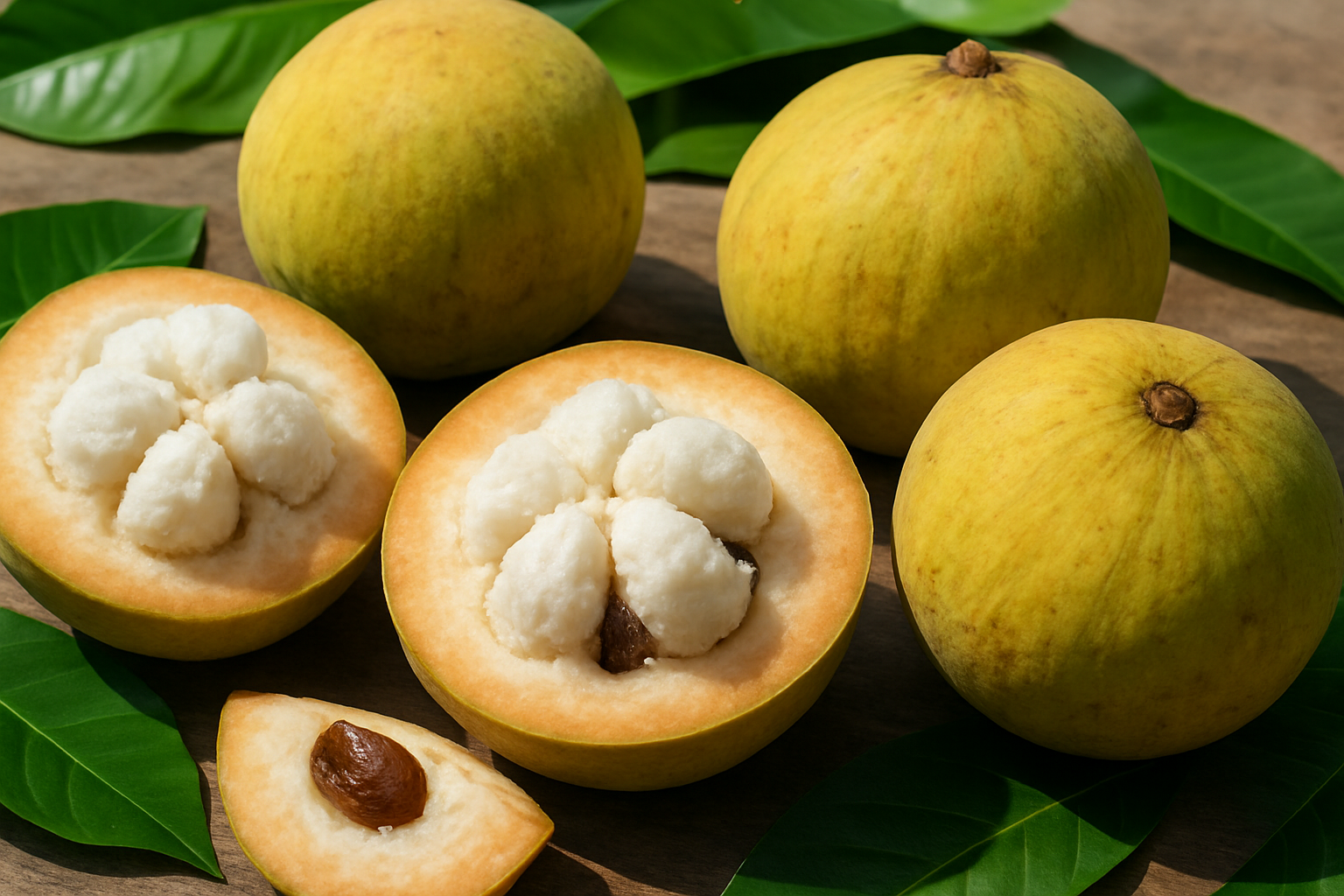
The santol fruit originates from the tropical rainforests of Southeast Asia, where it has thrived for centuries in countries like Malaysia, Thailand, Cambodia, and the Philippines. This exotic fruit, scientifically known as Sandoricum koetjape, grows wild throughout the region and has become deeply embedded in local food cultures. The tree naturally flourishes in humid, tropical climates with consistent rainfall and temperatures between 75-85°F.
Wild santol trees can reach impressive heights of up to 150 feet, creating a natural canopy in Southeast Asian forests. Local communities have cultivated these trees for generations, passing down knowledge about optimal growing conditions and harvesting techniques. The fruit has spread beyond its native range to other tropical regions including parts of India, Sri Lanka, and some Pacific islands, though Southeast Asia remains the primary production area.
Physical Characteristics and Distinctive Cotton-Like Appearance
The santol fruit displays remarkable physical features that make it instantly recognizable among tropical fruits. Measuring 2-3 inches in diameter, the fruit has a round to slightly oval shape with a thick, velvety yellow skin that feels fuzzy to the touch. When you crack open the tough outer shell, you'll discover translucent white flesh that looks remarkably similar to cotton balls or cotton candy.
The flesh has a unique texture - soft, juicy, and slightly fibrous, with a sweet-tart flavor that balances tropical sweetness with subtle acidity. Inside each fruit, you'll find 3-5 large, flattened brown seeds surrounded by the cotton-like pulp. The flesh clings to these seeds, making extraction a bit challenging but rewarding once you taste the delicate fruit.
Why It's Called the "Cotton Fruit"
The nickname "cotton fruit" comes from the santol's distinctive white, fluffy appearance when opened. The translucent flesh has an uncanny resemblance to raw cotton or cotton batting, complete with the same soft, fibrous texture. This visual similarity is so striking that many people mistake the flesh for actual cotton when they first encounter the fruit.
Beyond appearance, the texture reinforces this comparison. The santol's flesh pulls apart in wispy, cotton-like strands that separate easily from the seeds. This characteristic makes eating santol a unique experience - you literally pull apart cotton-like segments to enjoy the sweet-tart flavor. The comparison extends to how the fruit feels in your mouth, with a soft, almost melting quality that's both unusual and delightful among tropical fruits.
Seasonal Availability and Harvesting Periods
Santol trees follow distinct seasonal patterns, typically producing fruit during specific months depending on the regional climate. In most Southeast Asian countries, the main harvest season runs from June through September, coinciding with the end of the rainy season when trees have received adequate moisture for fruit development.
The harvesting period can vary slightly based on local weather patterns and geographic location. Thai santol often peaks in July and August, while Philippine varieties may extend into October. Trees usually begin bearing fruit after 5-7 years of growth and can continue producing for decades.
Fresh santol fruit has limited shelf life, staying good for only 3-5 days at room temperature once harvested. This short window makes the fruit highly seasonal and creates excitement in local markets when santol season arrives. Many families plan special meals and preserving activities around peak harvest times to make the most of this brief but beloved fruit season.
Nutritional Profile and Health Benefits of Santol
Essential vitamins and mineral content breakdown
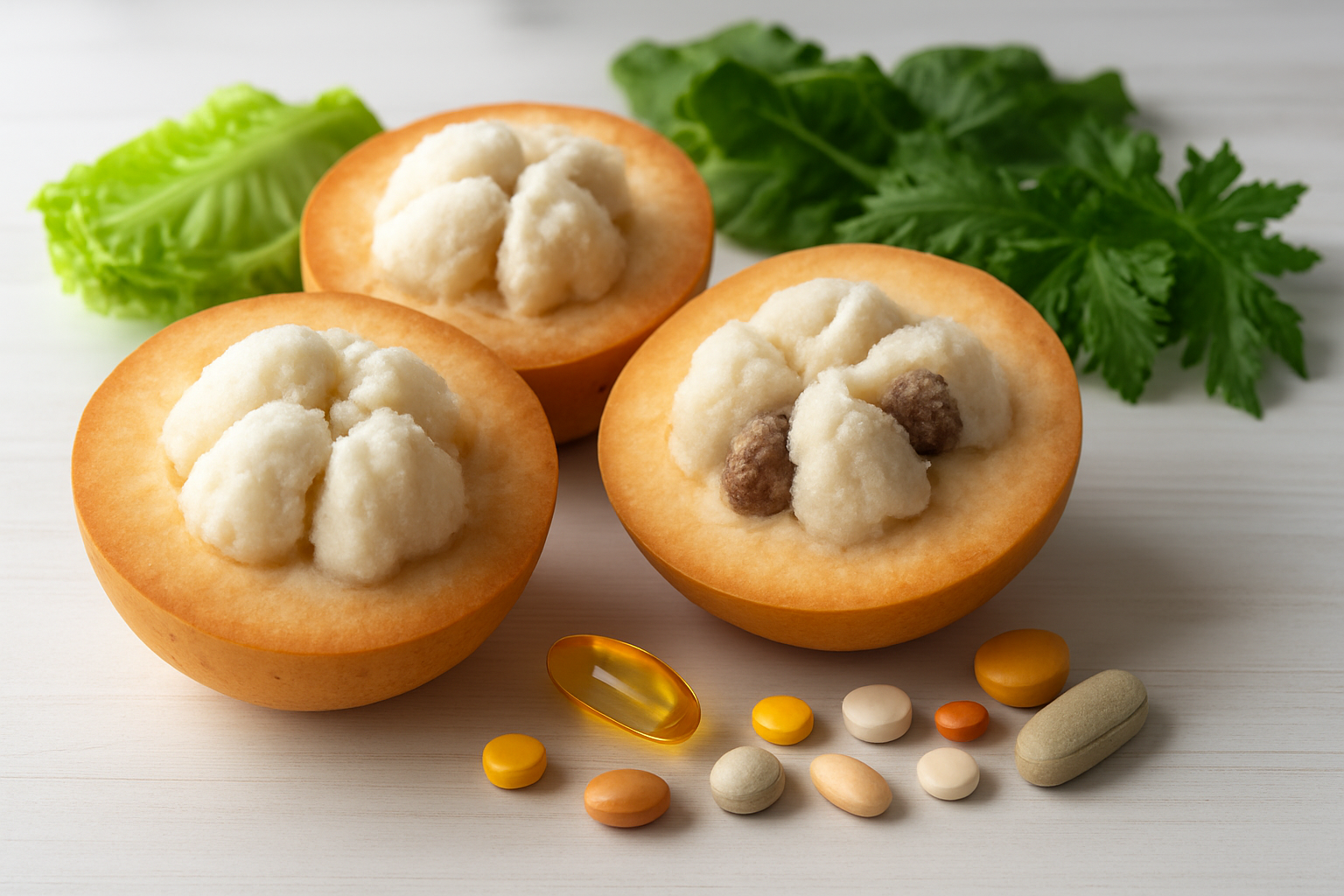
santol fruit packs an impressive nutritional punch that rivals many popular tropical fruits. A single 100-gram serving delivers approximately 80-90 calories while providing substantial amounts of vitamin C, with levels reaching up to 60-80mg per serving. This makes santol an excellent source of this crucial antioxidant, meeting nearly 100% of your daily vitamin C requirements.
The mineral profile of cotton fruit showcases significant potassium content (around 300-400mg per 100g), which supports heart health and proper muscle function. You'll also find decent amounts of calcium (20-30mg), phosphorus (15-25mg), and iron (0.8-1.2mg) in fresh santol. The fruit contains B-complex vitamins, particularly thiamine (B1) and riboflavin (B2), which play vital roles in energy metabolism.
| Nutrient | Amount per 100g | % Daily Value |
|---|---|---|
| Vitamin C | 60-80mg | 80-90% |
| Potassium | 300-400mg | 8-11% |
| Fiber | 3-5g | 12-20% |
| Calcium | 20-30mg | 2-3% |
| Iron | 0.8-1.2mg | 4-7% |
Antioxidant properties and immune system support
The santol health benefits extend far beyond basic nutrition thanks to its rich antioxidant profile. The fruit contains powerful phenolic compounds, flavonoids, and carotenoids that combat free radicals in your body. These antioxidants work together to strengthen your immune system and protect cells from oxidative stress.
Research shows that santol's antioxidant activity comes primarily from its high vitamin C content and unique phenolic compounds. Regular consumption can help boost your body's natural defense mechanisms, making you less susceptible to common illnesses and infections. The fruit's natural compounds also support healthy aging by protecting against cellular damage.
Digestive health benefits from fiber content
Santol provides excellent digestive support through its impressive fiber content of 3-5 grams per 100-gram serving. This soluble and insoluble fiber combination promotes healthy gut bacteria growth while improving overall digestive function. The fiber helps regulate bowel movements and can prevent constipation when consumed as part of a balanced diet.
The fruit's natural enzymes also aid in breaking down proteins and other nutrients, making digestion more efficient. Many people find that eating santol after meals helps reduce bloating and promotes comfortable digestion. The pectin found in santol can also help regulate blood sugar levels by slowing glucose absorption.
Low calorie content for weight management
With only 80-90 calories per 100 grams, santol makes an excellent addition to weight management plans. The fruit's high water content (approximately 75-80%) combined with its fiber creates a satisfying snack that helps control hunger between meals. This makes tropical fruit benefits particularly appealing for those watching their calorie intake.
The natural sweetness of santol can satisfy sugar cravings without the empty calories found in processed sweets. Its combination of fiber, water, and nutrients creates a feeling of fullness that can prevent overeating at subsequent meals.
Anti-inflammatory compounds and wellness effects
Santol contains several bioactive compounds that demonstrate anti-inflammatory properties. These include quercetin, kaempferol, and other flavonoids that can help reduce inflammation throughout the body. Regular consumption may support joint health and reduce the risk of chronic inflammatory conditions.
The fruit's anti-inflammatory effects extend to cardiovascular health, where these compounds may help protect blood vessels and support healthy circulation. Traditional medicine has long recognized santol's wellness benefits, particularly for digestive comfort and overall vitality.
How to Select and Prepare Fresh Santol Fruit
Visual cues for identifying ripe santol
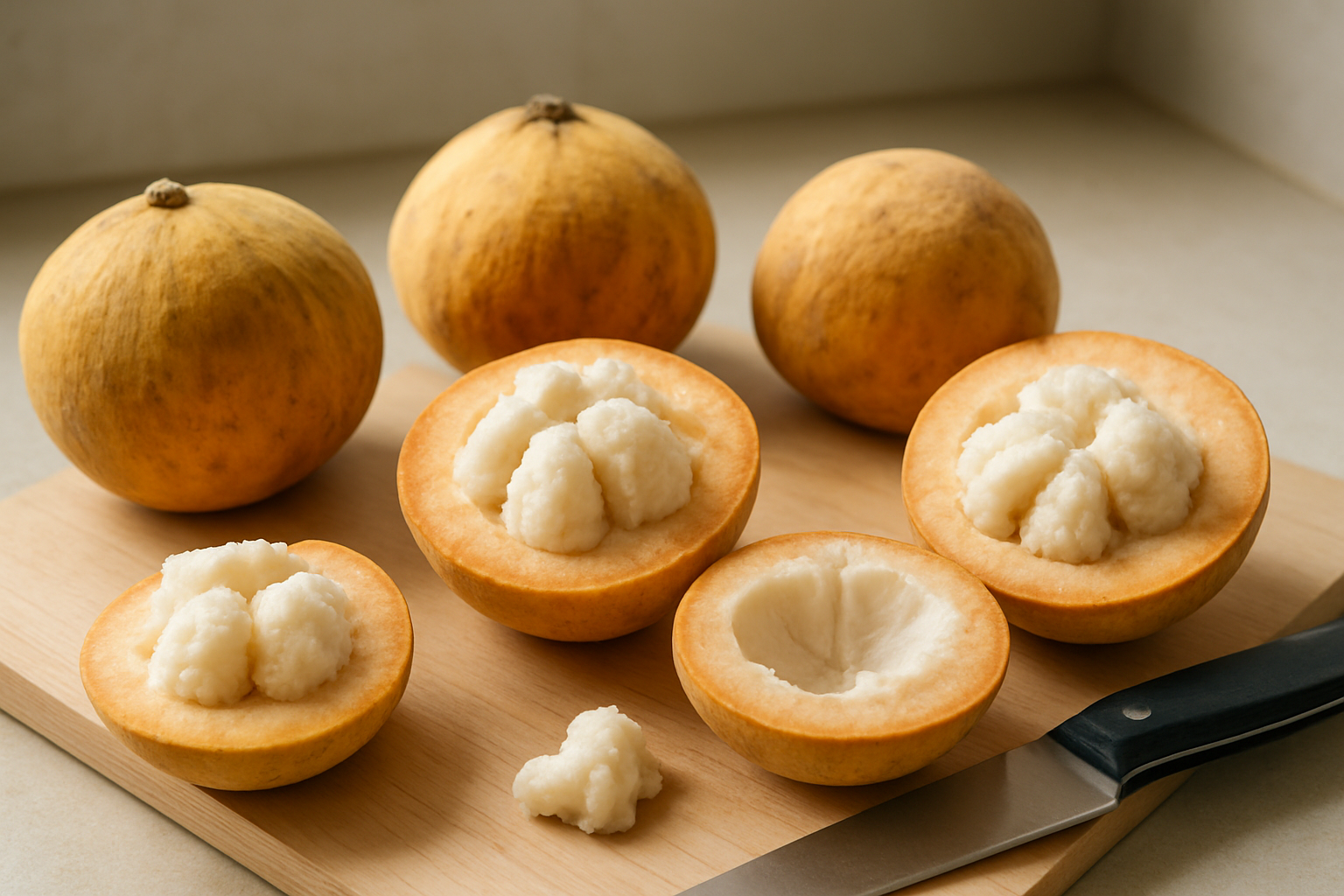
Picking the perfect santol fruit requires knowing what to look for. Ripe santol displays a golden-yellow skin with a smooth, waxy texture that feels firm but gives slightly under gentle pressure. The fruit should have a sweet, aromatic fragrance near the stem end - this natural perfume tells you the sugars have fully developed inside.
Avoid santol with green patches, as these indicate the fruit isn't ready yet. Dark spots, soft areas, or wrinkled skin suggest the fruit is past its prime. The ideal cotton fruit weighs heavy in your hand, indicating juicy flesh inside. Size varies, but most ripe santol range from tennis ball to small grapefruit dimensions.
The stem area should look clean without any mold or dark discoloration. A slight give when pressed gently means perfect ripeness, while rock-hard fruits need more time to mature. Trust your nose - the best santol smell subtly sweet without any sour or fermented odors.
Proper storage techniques to maximize freshness
Fresh santol fruit keeps best at room temperature for 2-3 days if you plan to eat it soon. Once ripe, refrigerate santol in the crisper drawer where it stays fresh for up to one week. Wrap each fruit individually in paper towels to absorb excess moisture and prevent premature spoiling.
Never store santol in plastic bags, which trap moisture and cause faster decay. Instead, use perforated bags or store loose in the refrigerator. Check stored fruits daily and remove any showing soft spots to prevent spreading to other fruits.
| Storage Method | Duration | Best Conditions |
|---|---|---|
| Room temperature | 2-3 days | Cool, dry place |
| Refrigerator | 5-7 days | Crisper drawer, wrapped |
| Cut pieces | 2-3 days | Airtight container, chilled |
For longer storage, peel and segment the fruit, then freeze pieces in airtight containers for up to six months. This works great for smoothies or cooking later.
Step-by-step preparation and eating methods
Preparing santol takes some technique since the fruit has both edible and inedible parts. Start by washing the fruit thoroughly under cool running water. Cut the santol in half using a sharp knife, revealing the white, segmented interior that resembles a peeled orange.
How to eat santol properly involves separating the translucent flesh from the seeds and bitter white pith. Gently pull apart each segment and suck the sweet, tangy flesh from around the large brown seeds. The texture feels similar to lychee but with cotton-like fibers - hence the name cotton fruit.
Some people eat the entire segment, including the thin membrane, while others prefer extracting just the juicy flesh. The seeds are quite large and should never be swallowed. Many enjoy santol by:
-
Eating fresh segments as a snack
-
Adding peeled pieces to fruit salads
-
Blending the flesh into smoothies
-
Making traditional preserves or pickles
The white pith between segments tastes quite bitter, so most people avoid it. Kids often enjoy the fun challenge of separating the sweet parts from the seeds, making santol eating an interactive experience.
Culinary Uses and Traditional Recipes
Popular Southeast Asian dishes featuring santol
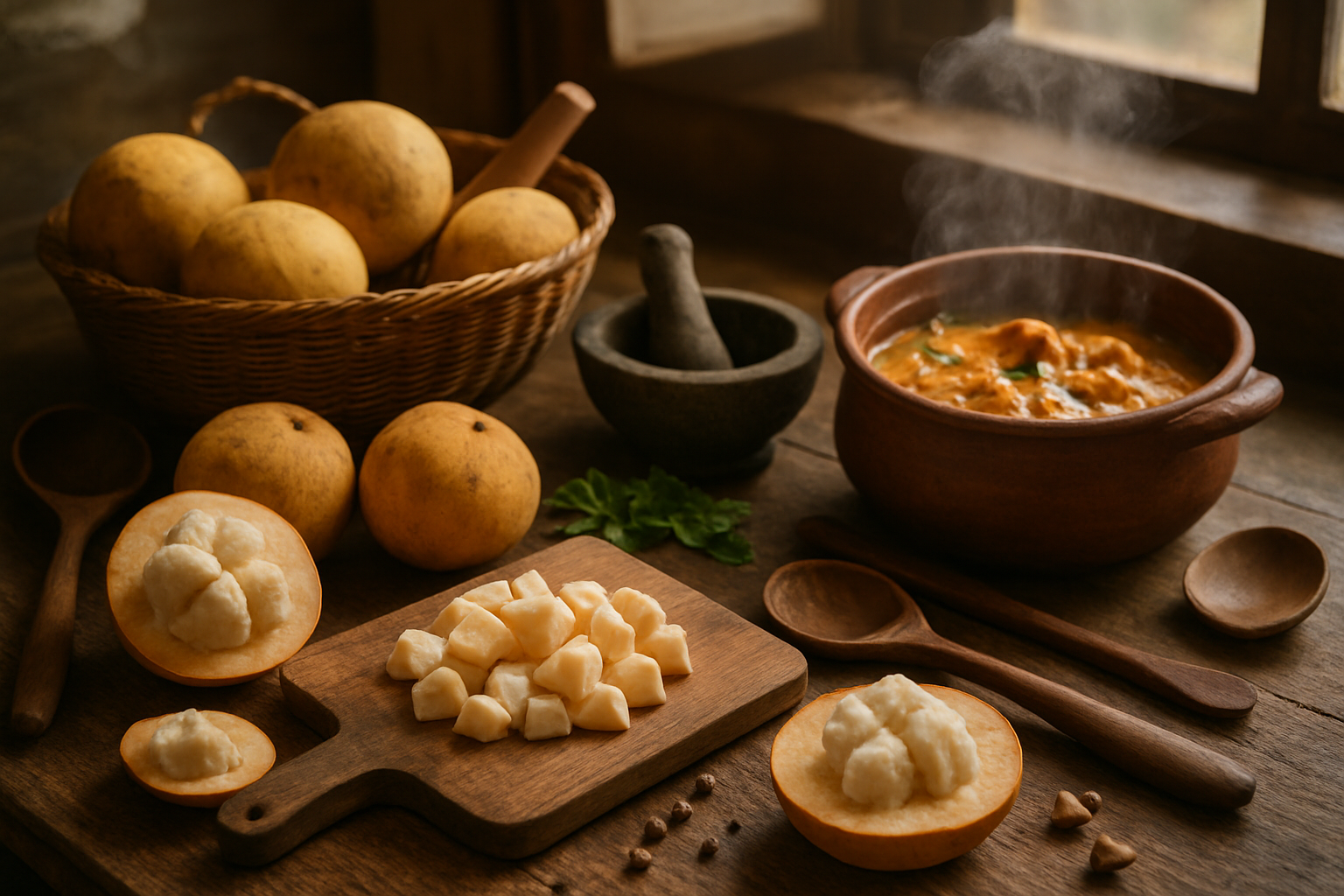
Santol fruit shines in traditional Southeast Asian cuisine, where cooks have perfected ways to balance its unique sweet-sour profile. In the Philippines, pakbet (mixed vegetables) often includes young santol slices, adding tangy brightness to the savory dish. Thai cooks prize santol for som tam variations, where the fruit's crisp texture complements spicy papaya salad perfectly.
Vietnamese cuisine features santol in canh chua (sour soup), where the fruit's natural acidity eliminates the need for additional souring agents. The fruit pairs beautifully with fish, creating complex flavor layers that define this beloved comfort food. In Cambodia, santol appears in samlar machu (sour soup), often combined with pineapple and tamarind for a multi-dimensional taste experience.
Malaysian and Indonesian cooks incorporate santol into rujak (fruit salad), mixing ripe and unripe pieces with chili, palm sugar, and lime juice. The contrast between the fruit's cotton-like flesh and crunchy exterior creates textural interest that makes this exotic fruit a favorite street food component.
Sweet preparations and dessert applications
Ripe santol fruit transforms into delightful desserts across Southeast Asia. Filipino cooks create halo-halo variations using sweetened santol segments, where the fruit's natural sugars concentrate beautifully when combined with condensed milk and shaved ice.
Thai dessert makers prepare santol in syrup, slowly cooking the fruit with palm sugar and pandan leaves until the flesh becomes translucent and intensely flavored. This preparation method preserves the fruit's unique texture while enhancing its natural sweetness.
Indonesian cuisine features santol in es buah (mixed fruit ice), where the fruit adds both flavor and visual appeal. The white flesh contrasts beautifully with colorful tropical fruits like mango and dragon fruit.
| Dessert Type | Preparation Method | Key Ingredients |
|---|---|---|
| Santol Ice Cream | Blend ripe flesh with coconut milk | Ripe santol, coconut milk, palm sugar |
| Candied Santol | Slow cook in sugar syrup | Young santol, sugar, lime juice |
| Santol Jam | Cook with pectin and sugar | Ripe santol, sugar, lemon juice, pectin |
Savory cooking methods and flavor pairings
Unripe santol fruit works exceptionally well in savory applications where its tartness can balance rich flavors. The fruit pairs naturally with seafood, particularly in curries and stews where its acidity cuts through coconut milk's richness.
Grilling santol brings out smoky notes that complement spicy seasonings. Thai cooks often grill thick santol slices alongside fish, creating a side dish that's both refreshing and substantial. The fruit's firm texture holds up well to high heat cooking methods.
In stir-fries, santol adds unexpected complexity. Its ability to absorb flavors while maintaining structural integrity makes it perfect for quick cooking methods. Popular pairings include:
-
Protein matches: Fish, shrimp, pork, chicken
-
Vegetable companions: Green beans, eggplant, okra
-
Seasoning partners: Tamarind, fish sauce, palm sugar, chili
-
Herb combinations: Thai basil, cilantro, lemongrass, galangal
Pickling santol creates a condiment that keeps for months. The fruit's natural pectin content helps create the perfect texture for pickled preparations.
Modern fusion recipes and creative uses
Contemporary chefs worldwide are discovering santol fruit's versatility in fusion cuisine. The fruit's unique flavor profile works surprisingly well in modern interpretations of classic dishes.
Santol salsa combines diced fruit with jalapeños, red onion, and cilantro, creating a tropical twist on Mexican cuisine. The fruit's natural sweetness balances spicy heat while its texture adds substance to the mix.
Craft cocktail makers are incorporating santol into drinks, mudding the fruit for fresh cocktails or creating santol-infused spirits. The fruit's complex flavor profile adds depth to rum-based drinks and tropical cocktails.
Modern dessert applications include santol sorbet, where the fruit's natural acidity creates perfectly balanced frozen treats without additional citrus. Pastry chefs use santol in tarts and mousses, where its cotton-like texture creates interesting mouthfeel contrasts.
Creative modern applications:
-
Santol vinaigrette for salad dressings
-
Freeze-dried santol as garnish for plated desserts
-
Santol-glazed proteins in fine dining
-
Fermented santol paste as umami enhancer
-
Santol chips as healthy snack alternatives
The fruit's natural enzymes also make it useful as a meat tenderizer in marinades, opening new possibilities for protein preparation techniques.
Growing Your Own Santol Tree
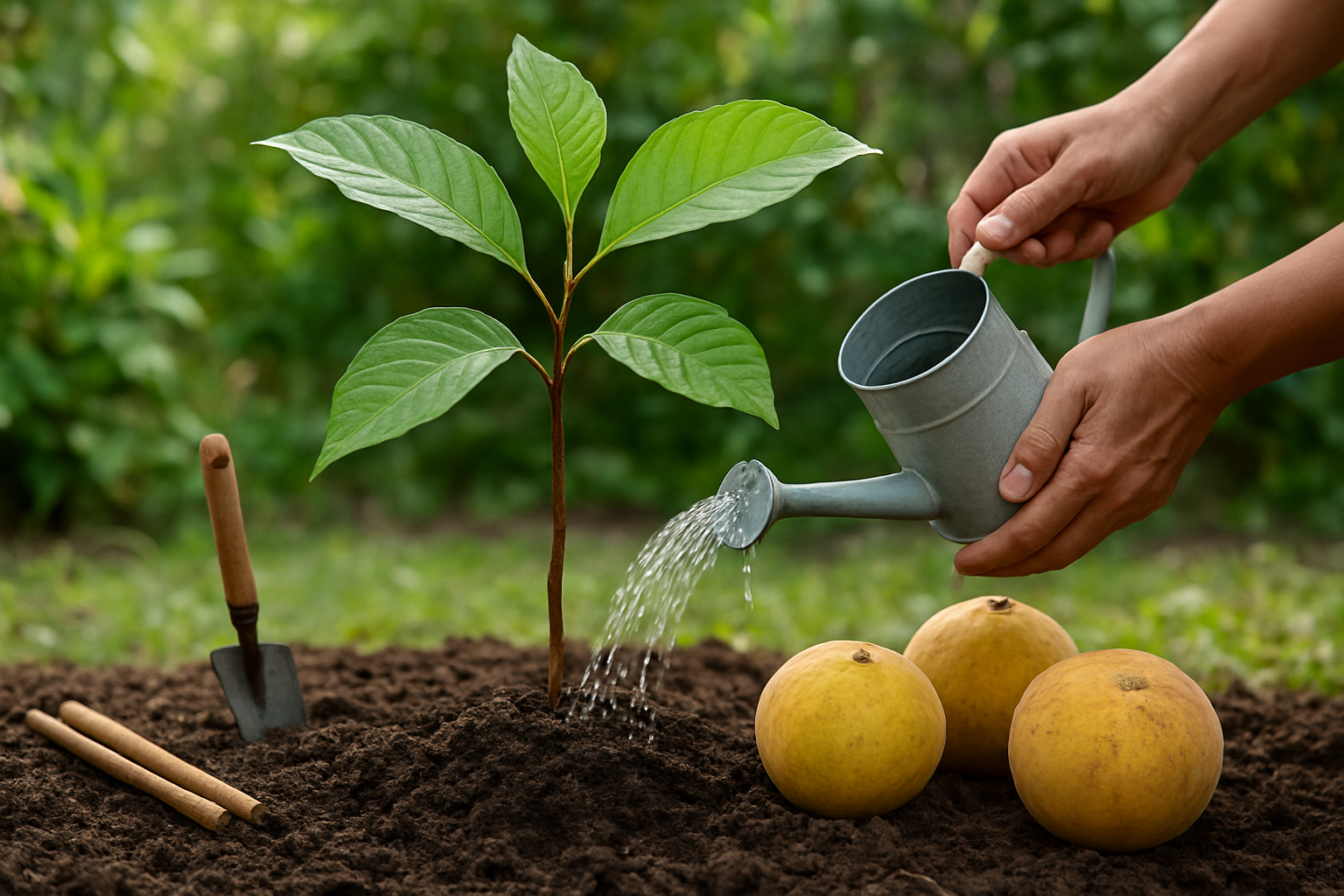
Climate Requirements and Ideal Growing Conditions
The santol tree thrives in warm, humid tropical and subtropical climates where temperatures stay consistently between 70°F and 90°F throughout the year. These trees can't tolerate frost or cold snaps, so if you live in USDA zones 10-12, you're in the sweet spot for growing this exotic fruit outdoors year-round.
Rainfall patterns matter a lot for santol trees. They prefer areas with 60-80 inches of annual precipitation, but what's really important is having a distinct wet and dry season cycle. The wet season helps with vegetative growth, while the drier months encourage flowering and fruit development. If you're in a region without natural seasonal variation, you can simulate this by adjusting your watering schedule.
Humidity levels should ideally stay between 60-80%. The trees struggle in arid conditions, so if you're growing santol in a drier climate, you'll need to create microclimates with regular misting or strategically placed water features.
Wind protection is crucial since santol trees have relatively shallow root systems. Plant them in locations sheltered from strong winds, or establish windbreaks using taller trees or structures.
Planting Techniques and Soil Preparation Tips
Getting your soil right makes all the difference when santol tree growing becomes your goal. These trees prefer well-draining, slightly acidic to neutral soil with a pH between 6.0 and 7.0. Sandy loam or clay loam soils work best, but the key is ensuring water doesn't pool around the roots.
Before planting, dig a hole twice as wide as the root ball and just as deep. Mix the native soil with compost or aged manure at a 2:1 ratio to improve drainage and fertility. Adding perlite or coarse sand can help if your soil tends to be heavy clay.
When selecting your planting location, choose a spot that gets full sun to partial shade. Young trees actually benefit from some afternoon shade while they establish themselves, but mature trees produce better fruit yields in full sun.
Space multiple trees at least 20-25 feet apart since mature santol trees can reach 30-50 feet in height with a similar spread. If you're planning an orchard layout, consider cross-pollination benefits by planting different varieties nearby.
Plant during the rainy season when possible, as this gives the tree time to establish its root system before facing any dry periods. Water thoroughly after planting and apply a 3-4 inch layer of organic mulch around the base, keeping it several inches away from the trunk.
Care and Maintenance for Healthy Fruit Production
Young santol trees need consistent moisture but not waterlogged conditions. Water deeply 2-3 times per week during the first two years, then gradually reduce frequency as the root system develops. Mature trees can typically survive on natural rainfall in appropriate climates, though supplemental watering during extended dry periods boosts fruit production.
Fertilizing your santol tree properly will reward you with better harvests. Apply a balanced fertilizer (10-10-10 or similar) three times per year - early spring, mid-summer, and early fall. Organic options like compost, fish emulsion, or aged chicken manure work wonderfully and improve soil structure over time.
Pruning plays a vital role in maintaining tree health and maximizing fruit production. Remove dead, diseased, or crossing branches annually during the dormant season. Light pruning after harvest helps maintain shape and encourages new growth. Avoid heavy pruning, as santol trees can be slow to recover from major cuts.
Watch for common pests like fruit flies, scale insects, and aphids. Regular inspection and early intervention prevent serious infestations. Organic neem oil treatments work well for most pest issues without harming beneficial insects.
Mulching remains important even for established trees. Refresh the organic mulch layer annually to suppress weeds, retain moisture, and gradually improve soil fertility as it breaks down. This simple step significantly reduces maintenance requirements while promoting healthier growth and better tropical fruit production.
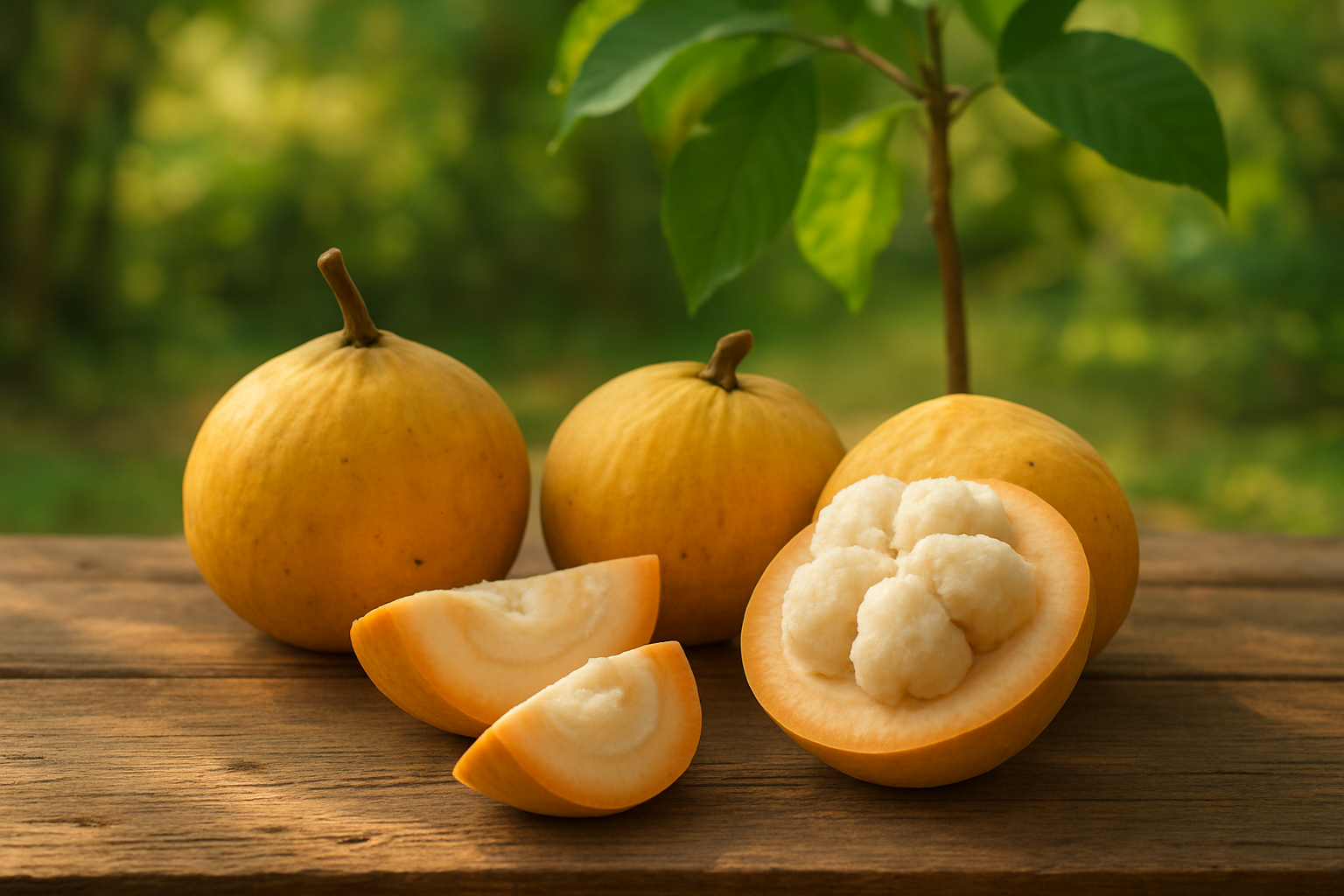
Santol stands out as one of those hidden gems in the tropical fruit world that deserves way more attention. This cotton fruit packs a serious nutritional punch with its vitamin C, fiber, and antioxidants while offering that perfect sweet-tangy flavor that makes your taste buds dance. The best part? You can enjoy it fresh, turn it into jams and preserves, or add it to traditional dishes that have been passed down through generations.
If you've never tried santol before, now's the time to hunt some down at your local Asian market or specialty fruit store. Look for fruits that give slightly when pressed and have that golden-yellow color. And if you're feeling ambitious, why not plant your own santol tree? With a little patience and the right climate, you could be harvesting your own cotton fruit in just a few years. Trust me, once you experience that unique santol taste, you'll wonder why more people aren't talking about this amazing fruit.


Comments
Post a Comment