APPLES - WHAT ARE APPLES?
Apples are one of the world's most popular fruits, but there's more to these crunchy favorites than meets the eye. This guide is perfect for home gardeners, health-conscious eaters, cooking enthusiasts, and anyone curious about what makes apples so special.
We'll start by exploring apple basics - where they come from and what makes them unique among fruits. You'll discover the impressive apple nutritional value that makes them a smart choice for your daily diet, including key vitamins, fiber, and antioxidants that support your health.
Next, we'll dive into the fascinating world of apple varieties, from crisp Honeycrisp to tart Granny Smiths, so you can pick the perfect type for eating fresh or cooking with apples in your favorite recipes.
Understanding Apple Basics and Origins
Botanical Classification and Scientific Name
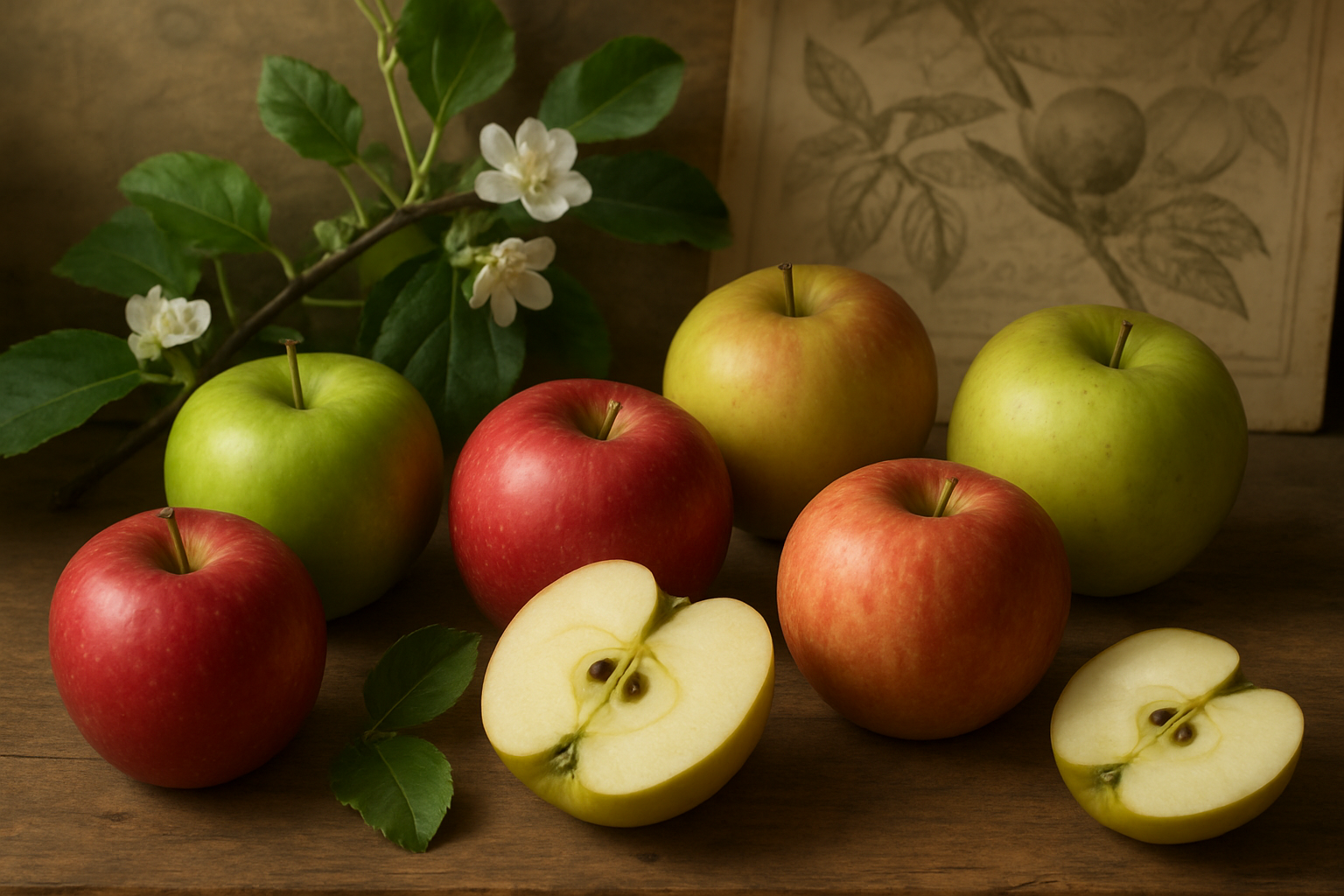
Apples belong to the rose family (Rosaceae) and carry the scientific name Malus domestica. This classification places them alongside other beloved fruits like pears, cherries, and plums. The genus Malus encompasses about 35 species of deciduous trees and shrubs, but the domesticated apple we know today represents centuries of selective breeding from wild ancestors.
The botanical relationship reveals why apple blossoms share similarities with rose flowers - both feature five petals and multiple stamens arranged in a circular pattern. This connection explains the sweet fragrance that apple orchards release during spring blooming season.
Natural Habitat and Geographic Origins
Wild apples originated in the mountainous regions of Central Asia, particularly in Kazakhstan, Kyrgyzstan, and western China. The ancestral species Malus sieversii still grows wild in these areas today, producing small, often bitter fruits that bear little resemblance to modern varieties.
Archaeological evidence suggests humans began cultivating apples over 4,000 years ago. Trade routes carried apple seeds and saplings westward, where different climates and growing conditions led to natural variations. By the time apples reached Europe, numerous regional varieties had already developed distinct characteristics.
The Silk Road played a crucial role in spreading apple cultivation across continents. Merchants and travelers unknowingly became apple ambassadors, carrying seeds in their provisions and establishing orchards wherever they settled for extended periods.
Physical Characteristics and Identifying Features
Fresh apples display remarkable diversity in size, color, texture, and flavor profiles. Most varieties range from 2 to 4 inches in diameter, though some specialty types can grow significantly larger or smaller. The skin colors span from deep red and bright yellow to green, with many varieties showing combinations of multiple hues.
Key identifying features include:
-
Shape variations: Round, oblong, conical, or flattened
-
Skin texture: Smooth, waxy, rough, or russeted
-
Flesh characteristics: Crisp, soft, dense, or mealy
-
Color patterns: Solid, striped, blushed, or mottled
-
Stem and blossom ends: Shallow or deep, wide or narrow
The apple's internal structure consists of five seed chambers (carpels) arranged in a star pattern around the core. This distinctive feature helps distinguish apples from similar-looking fruits.
Apple Tree Lifecycle and Growth Patterns
Apple trees follow a predictable annual cycle that begins with dormancy during winter months. As temperatures warm in early spring, buds swell and eventually burst into clusters of pink-white blossoms. Each flower cluster typically contains 5-6 individual blooms, though only one or two usually develop into mature fruit.
The pollination process requires cross-fertilization between different apple varieties, making biodiversity essential for successful orchards. Bees and other pollinators transfer pollen between flowers, initiating fruit development that continues through summer months.
Young apple trees typically begin producing fruit 3-6 years after planting, reaching full productivity around age 8-10. Mature trees can live and produce for decades, with some heritage varieties continuing to bear fruit for over a century under proper care.
Tree growth patterns vary by variety and rootstock, ranging from dwarf specimens reaching 6-8 feet to standard trees growing 25-30 feet tall. This size diversity allows apple cultivation in various settings, from backyard gardens to commercial orchards spanning hundreds of acres.
Nutritional Value and Health Benefits
Essential vitamins and minerals content
Apples pack an impressive nutritional punch that makes them a smart choice for daily health. A medium apple contains about 14% of your daily vitamin C needs, supporting immune function and collagen production. The vitamin K content helps with bone health and blood clotting, while vitamin A contributes to eye health and cellular function.
The mineral profile of fresh apples includes potassium, which supports heart function and helps regulate blood pressure. Manganese plays a role in bone development and wound healing, while small amounts of copper support iron absorption and energy production. Apple nutritional value also includes folate, essential for DNA synthesis and red blood cell formation.
Fiber and antioxidant properties
The fiber content in apples deserves special attention - one medium apple provides about 4 grams of dietary fiber, roughly 17% of daily recommendations. Most of this fiber comes from pectin, a soluble fiber that forms a gel-like substance in your digestive system.
Apple health benefits extend to their antioxidant compounds, particularly quercetin, catechin, and chlorogenic acid. These powerful compounds fight free radicals and reduce oxidative stress throughout your body. The skin contains the highest concentration of antioxidants, so eating whole apples maximizes these benefits. Red apple varieties typically contain higher antioxidant levels compared to green or yellow types.
Heart health and cholesterol management
Regular apple consumption supports cardiovascular health through multiple mechanisms. The soluble fiber in apples binds to cholesterol in your digestive tract, preventing absorption and helping lower LDL (bad) cholesterol levels. Studies show that eating two apples daily can reduce cholesterol by up to 4%.
The potassium content helps maintain healthy blood pressure levels by counteracting sodium's effects. Antioxidants like quercetin have anti-inflammatory properties that protect blood vessels from damage. The pectin fiber also supports healthy blood lipid profiles, making apples a heart-smart snack choice.
Weight management and digestive benefits
Apples excel as a weight management tool due to their high water content (85%) and fiber density. The combination creates satiety while keeping calories low - a medium apple contains only about 95 calories. The act of chewing apples also triggers satiety signals, helping you feel full faster.
For digestive health, apple fiber acts as a prebiotic, feeding beneficial gut bacteria. This supports a healthy microbiome and regular bowel movements. The natural fruit sugars provide quick energy without the crash associated with processed sweets.
Blood sugar regulation advantages
Despite containing natural sugars, apples have a relatively low glycemic index of 36, meaning they cause a gradual rise in blood sugar rather than sudden spikes. The fiber content slows sugar absorption, helping maintain steady glucose levels.
The polyphenols in apples may improve insulin sensitivity and glucose metabolism. This makes them particularly beneficial for people managing diabetes or prediabetes. Eating apples with the skin provides maximum fiber benefits for blood sugar control.
Apple Varieties and Their Unique Characteristics
Popular Sweet Varieties and Their Flavors
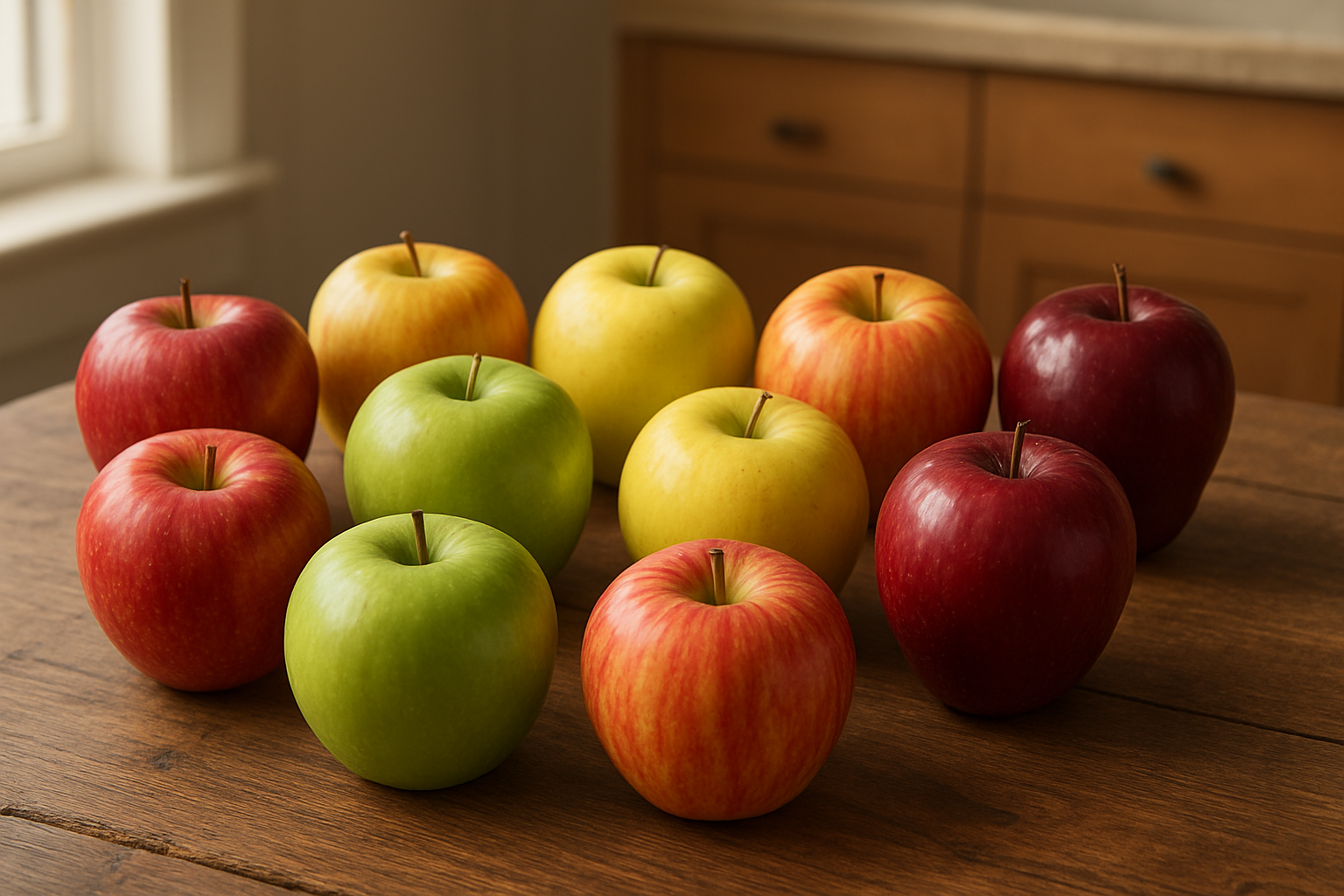
When exploring different apple varieties, sweet types dominate grocery store shelves and home orchards alike. Honeycrisp apples deliver an explosive crunch with a perfect balance of sweetness and subtle tartness, making them ideal for fresh eating. Their cells are larger than most apple types, creating that signature crispy texture that bursts with juice.
Gala apples offer a mild, sweet flavor with hints of vanilla and are particularly popular with children. These medium-sized apples have a thin skin and tender flesh that makes them perfect for lunch boxes. Fuji apples pack intense sweetness with a dense, crispy texture that holds up well in storage, often lasting months when properly refrigerated.
Golden Delicious apples provide mellow sweetness with a soft, yielding texture that works beautifully in baking applications. Red Delicious apples, despite their polarizing reputation, offer classic sweet apple flavor with a mealy texture that some people love for fresh eating.
The newer SweeTango variety combines the best traits of Honeycrisp and Zestar apples, delivering explosive flavor with wine-like notes and incredible crunch. These apple varieties showcase the incredible diversity available to consumers seeking natural sweetness.
Tart Apple Types and Culinary Uses
Tart apple varieties shine in cooking applications where their acidity balances rich ingredients and holds structure during heat exposure. Granny Smith apples reign supreme among tart varieties, offering bright acidity and firm flesh that maintains shape in pies, tarts, and baked goods. Their sharp flavor cuts through butter and sugar in desserts while providing essential pectin for natural thickening.
Braeburn apples combine tartness with subtle spice notes, making them excellent for both fresh eating and cooking. These versatile apples develop complex flavors when baked and pair beautifully with cinnamon and nutmeg in traditional desserts.
Northern Spy apples deliver intense tartness with exceptionally firm flesh that holds up to long cooking times. Professional bakers prize these apples for pies because they maintain texture without turning mushy. Arkansas Black apples offer wine-like tartness with extremely dense flesh that improves with storage.
Newtown Pippin apples provide bright acidity with grassy, complex flavors that work wonderfully in savory applications alongside pork or in chutneys. These tart apple types concentrate flavors when cooked, creating depth that sweet varieties simply cannot match in culinary preparations.
Seasonal Availability and Harvest Times
Apple harvest seasons vary dramatically based on variety and growing region, creating a natural progression of fresh apples throughout late summer and fall. Early season apples like Pristine and Williams Pride ripen in July and August, offering the first taste of fresh apples but with limited storage life requiring quick consumption.
Mid-season varieties including Honeycrisp, Gala, and McIntosh reach peak ripeness in September, providing the classic apple harvest experience that most people associate with fall. These apple varieties offer good storage potential and represent the bulk of commercial apple production.
Late season varieties such as Granny Smith, Fuji, and Arkansas Black harvest in October and November, often improving in flavor after several weeks of storage. These apples can last well into spring when stored properly in controlled atmosphere conditions.
| Harvest Season | Varieties | Storage Life |
|---|---|---|
| Early (July-Aug) | Pristine, Williams Pride | 2-4 weeks |
| Mid (September) | Honeycrisp, Gala, McIntosh | 2-4 months |
| Late (Oct-Nov) | Granny Smith, Fuji, Arkansas Black | 6-8 months |
Understanding seasonal availability helps consumers choose the freshest apples while supporting local growers during peak harvest times. Many orchards extend seasons through controlled atmosphere storage, making fresh apples available year-round while maintaining quality and nutritional value.
Cultivation and Growing Methods
Ideal Soil Conditions and Climate Requirements
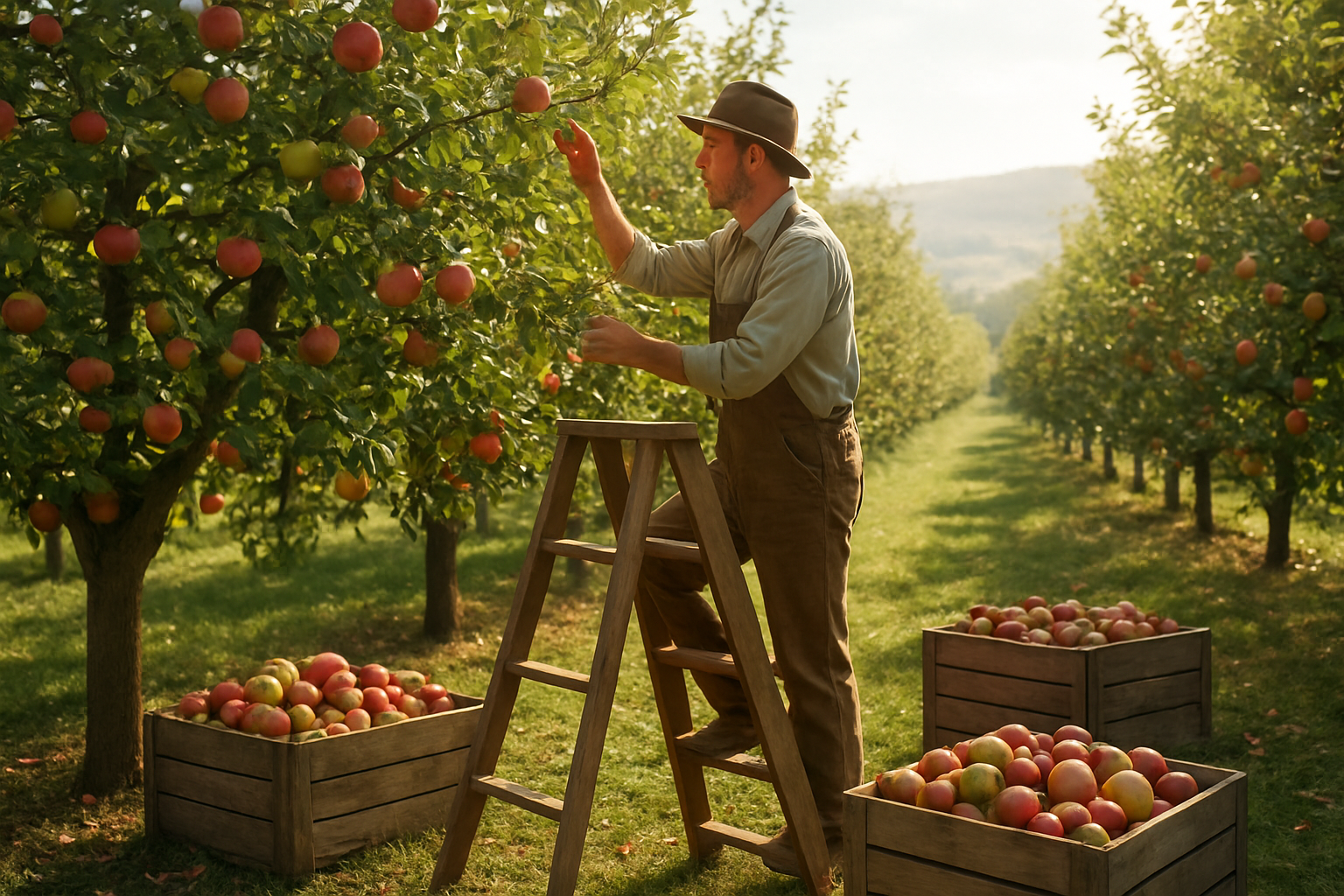
Apple trees thrive in well-draining soil with a pH between 6.0 and 7.0, though they can tolerate slightly acidic conditions. The soil should be rich in organic matter and have good water retention capabilities without becoming waterlogged. Heavy clay soils can suffocate roots, while sandy soils drain too quickly and don't retain enough nutrients.
Most apple varieties require a temperate climate with distinct seasons. They need 400-1,000 chill hours (temperatures between 32-45°F) during winter dormancy to produce fruit properly. The growing season should provide warm days and cool nights, with temperatures ranging from 60-75°F during the growing period.
Apple trees perform best in areas with:
-
Annual rainfall of 30-35 inches
-
Good air circulation to prevent fungal diseases
-
Protection from harsh winds
-
Full sun exposure (6-8 hours daily)
-
Elevation between sea level and 2,000 feet
Planting Techniques and Spacing Guidelines
Plant apple trees in early spring when the soil is workable but before bud break occurs. Dig holes twice as wide as the root ball but only as deep as the root system. The graft union should sit 2-3 inches above the soil line to prevent the rootstock from taking over.
Standard apple trees need 25-35 feet between plantings, while semi-dwarf varieties require 12-20 feet, and dwarf trees can be spaced 6-10 feet apart. These spacing guidelines ensure adequate sunlight penetration and air circulation while preventing competition for nutrients and water.
When planting:
-
Remove grass and weeds in a 4-foot diameter circle
-
Add compost or aged manure to improve soil structure
-
Water thoroughly after planting
-
Apply 3-4 inches of mulch around the base, keeping it away from the trunk
Pruning and Maintenance Practices
Proper pruning shapes the tree, improves fruit quality, and maintains tree health. Prune during late winter or early spring while trees remain dormant. Remove dead, diseased, or damaged wood first, followed by water sprouts and suckers growing from the base.
Create an open center structure by selecting 3-4 main scaffold branches with wide crotch angles. Remove branches that cross or rub against each other, and thin out crowded areas to improve light penetration. Annual pruning should remove about 20-25% of the previous year's growth.
Summer pruning helps control tree size and redirects energy toward fruit production. Remove vigorous upright shoots and thin overcrowded fruit clusters when fruits reach marble size, leaving one apple per cluster and spacing remaining fruits 4-6 inches apart.
Pest Management and Disease Prevention
Integrated pest management combines cultural practices, biological controls, and targeted treatments when necessary. Common apple pests include codling moths, apple maggots, aphids, and scale insects. Regular monitoring helps identify problems early when they're easier to manage.
Disease prevention starts with selecting resistant varieties and maintaining proper spacing for air circulation. Common diseases include fire blight, apple scab, and powdery mildew. Remove fallen leaves and fruit to reduce disease pressure, and avoid overhead watering that keeps foliage wet.
Organic control methods include:
-
Beneficial insects like ladybugs and lacewings for aphid control
-
Pheromone traps for monitoring pest populations
-
Horticultural oils for scale and mite control
-
Copper-based fungicides for bacterial diseases
-
Regular sanitation practices around trees
Culinary Applications and Food Preparation
Fresh Eating and Storage Tips
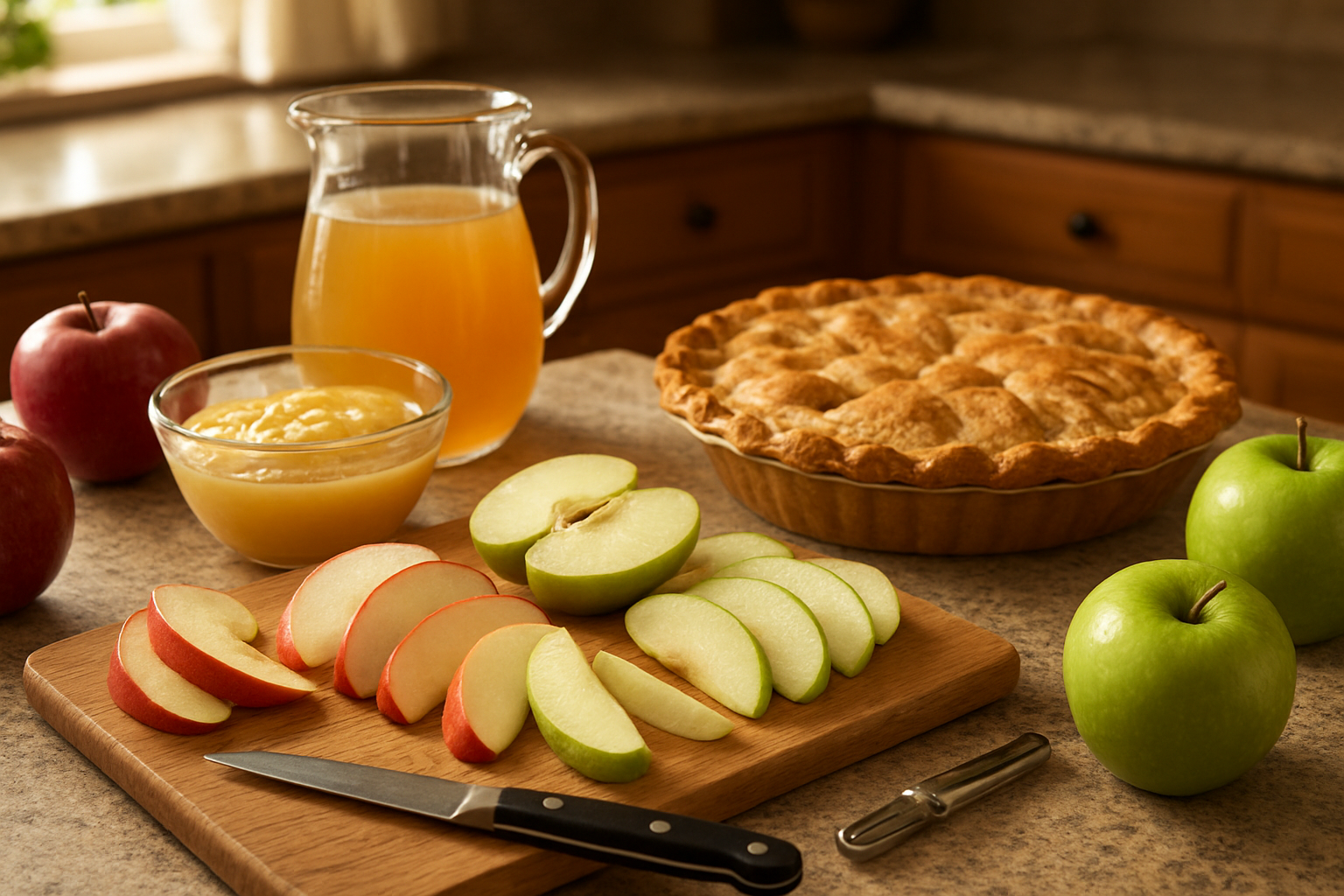
Fresh apples deliver the best flavor when you know how to select and store them properly. Look for apples with tight, smooth skin free from bruises or soft spots. The stem area should feel firm, and a good apple will have a fresh, sweet aroma near the stem end.
Store fresh apples in your refrigerator's crisper drawer to maintain their crunch and flavor for weeks. The cold temperature slows down the ripening process, keeping apple varieties fresh much longer than at room temperature. Separate apples from other produce since they release ethylene gas, which can cause nearby fruits and vegetables to ripen too quickly.
Room temperature storage works for apples you plan to eat within a week. For longer storage, wrap individual apples in newspaper or place them in perforated plastic bags in the refrigerator. This method can keep fresh apples crisp for up to two months.
Cut apples brown quickly due to oxidation. Prevent this by brushing sliced apples with lemon juice, lime juice, or a mixture of water and citric acid. This simple trick keeps apple slices looking fresh for hours, perfect for lunch boxes or party platters.
Baking and Dessert Applications
Cooking with apples opens up endless dessert possibilities, from classic apple pies to modern tarts and crisps. Different apple varieties perform better in specific baking applications. Granny Smith apples hold their shape beautifully during baking, making them perfect for pies and tarts where you want distinct apple pieces. Their tartness balances sweet dessert recipes perfectly.
Softer apple types like McIntosh break down during cooking, creating smooth apple sauces and purees ideal for cakes and muffins. Honeycrisp apples offer the best of both worlds - they maintain some texture while contributing natural sweetness to baked goods.
Popular baking applications include:
-
Apple pies and tarts - Use firm varieties that won't turn mushy
-
Apple crisps and crumbles - Mix different apple varieties for complex flavor
-
Apple sauce and butter - Soft varieties break down easily
-
Apple muffins and cakes - Diced apples add moisture and natural sweetness
-
Baked apples - Core whole apples and stuff with cinnamon, nuts, and sweeteners
When baking with apples, add them at different stages depending on your desired outcome. Pre-cooking apples slightly before adding to pie fillings prevents soggy bottoms, while raw apples in muffin batter create bursts of fresh flavor.
Savory Cooking and Pairing Options
Apples aren't just for sweet dishes - they bring natural sweetness and acidity to savory recipes that create amazing flavor balance. Pork and apples make a classic pairing because the fruit's acidity cuts through rich meat while adding subtle sweetness. Try adding sliced apples to pork chops, roasts, or sausage dishes.
Cheese and apple combinations work wonderfully in salads, sandwiches, and charcuterie boards. Sharp cheddar, brie, and goat cheese all complement apple flavors beautifully. Waldorf salad showcases this combination perfectly with crisp apples, celery, walnuts, and creamy dressing.
Savory apple applications include:
-
Stuffing and dressings - Diced apples add sweetness to herb-heavy mixtures
-
Salads - Fresh apple slices brighten green salads and grain bowls
-
Roasted vegetables - Apple chunks caramelize alongside root vegetables
-
Chutneys and relishes - Cooked apples create complex condiments
-
Braised dishes - Apples add depth to slow-cooked meats and stews
Apple varieties with more tartness work best in savory applications since they won't make dishes overly sweet. Granny Smith, Braeburn, and Northern Spy apples maintain good texture and provide the right flavor balance for savory cooking.
Juice and Cider Production Methods
Fresh apple juice and cider production transforms whole apples into refreshing beverages through different processing methods. Traditional apple juice involves crushing apples and pressing out the liquid, while apple cider typically refers to unfiltered, unpasteurized apple juice with a cloudier appearance and more complex flavor.
Home juice production requires clean, ripe apples and proper equipment. Wash apples thoroughly and remove any damaged portions. You can leave peels on since they contain nutrients and flavor compounds. A home juicer or food mill works well for small batches, while larger operations might use apple presses.
Commercial cider production involves:
-
Apple selection - Mixing different apple varieties creates balanced flavor profiles
-
Crushing - Breaking down apples into small pieces to release juice
-
Pressing - Extracting maximum juice from crushed apples
-
Filtering - Removing pulp for clear juice or leaving it for traditional cider
-
Pasteurization - Heat treatment for shelf stability (optional for fresh consumption)
Hard cider production adds fermentation steps where natural or added yeasts convert apple sugars into alcohol. This process takes several weeks and requires careful temperature control and sanitation.
The apple nutritional value remains high in fresh juices, though fiber content decreases compared to whole apples. Fresh apple juice provides vitamin C, potassium, and antioxidants while offering the concentrated flavors of your chosen apple varieties.
Apples pack way more punch than most people realize. These simple fruits bring serious nutritional benefits to your daily diet, from fiber that keeps you full to antioxidants that fight inflammation. With dozens of varieties available, you can find the perfect apple for snacking, baking, or adding crunch to salads. The cultivation methods behind these fruits show just how much care goes into growing quality produce that ends up on your table.
Next time you're at the grocery store or farmer's market, grab a few different apple varieties and really taste the difference. Try a Honeycrisp for snacking, a Granny Smith for your next pie, or toss some sliced Gala apples into your morning oatmeal. Your taste buds and your body will thank you for choosing this versatile, nutritious fruit that's been feeding people for thousands of years.


.png)
Comments
Post a Comment