AVOCADOS - WHAT ARE AVOCADOS?
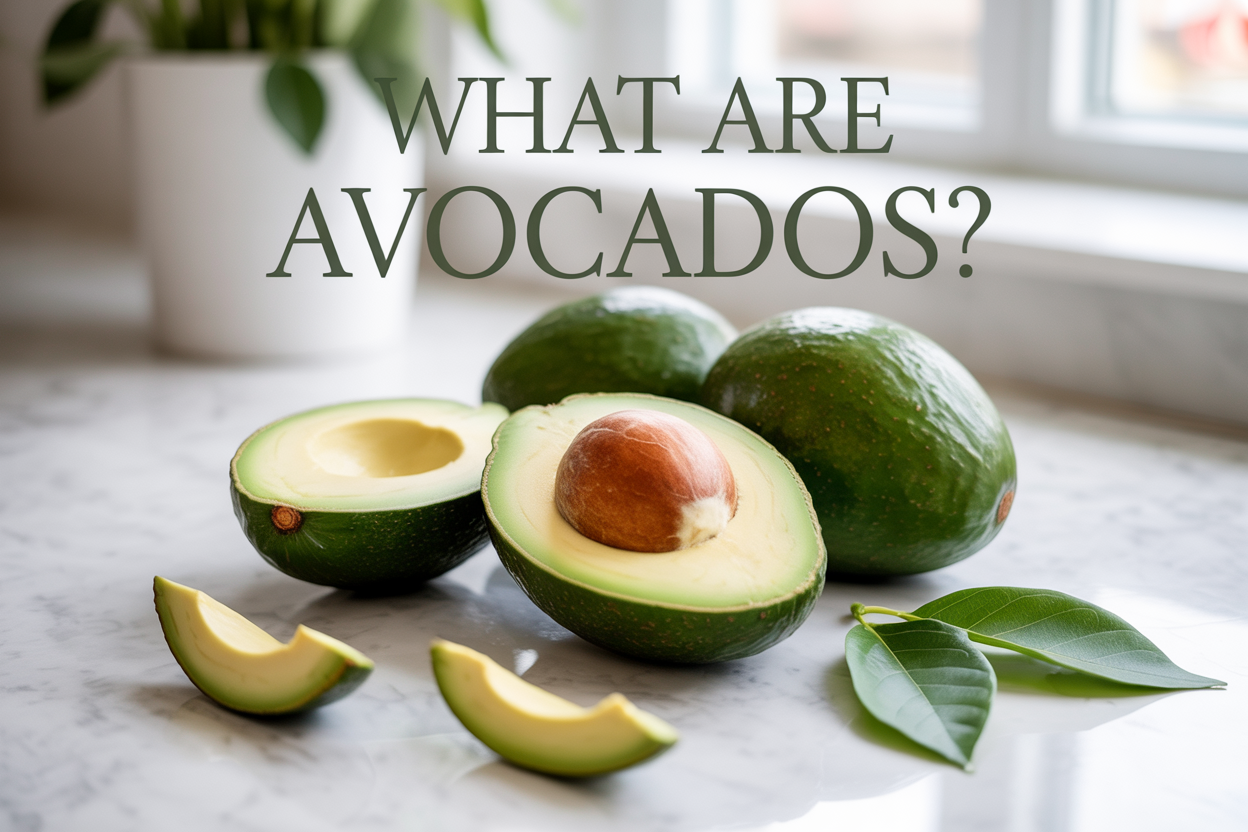
What Are Avocados? Your Complete Guide to the Green Superfruit
Avocados have taken kitchens and health conversations by storm, but many people still wonder what makes this creamy green fruit so special. This guide is perfect for anyone curious about avocados – from complete beginners to home cooks wanting to get the most out of their grocery purchases.
You'll discover what makes avocados a true superfruit, including their impressive avocado nutrition facts and proven avocado health benefits that support heart health and brain function. We'll also explore the different types of avocados available, from buttery Hass to smooth Fuerte varieties, so you can pick the right one for your needs.
Plus, you'll learn practical tips for how to choose avocados at the store and master the art of storing avocados to keep them fresh longer. Finally, we'll dive into smart avocado culinary uses that help you enjoy their rich flavor while getting maximum nutritional value.
Understanding Avocados: The Superfruit Basics
Botanical Classification and Plant Family Origins
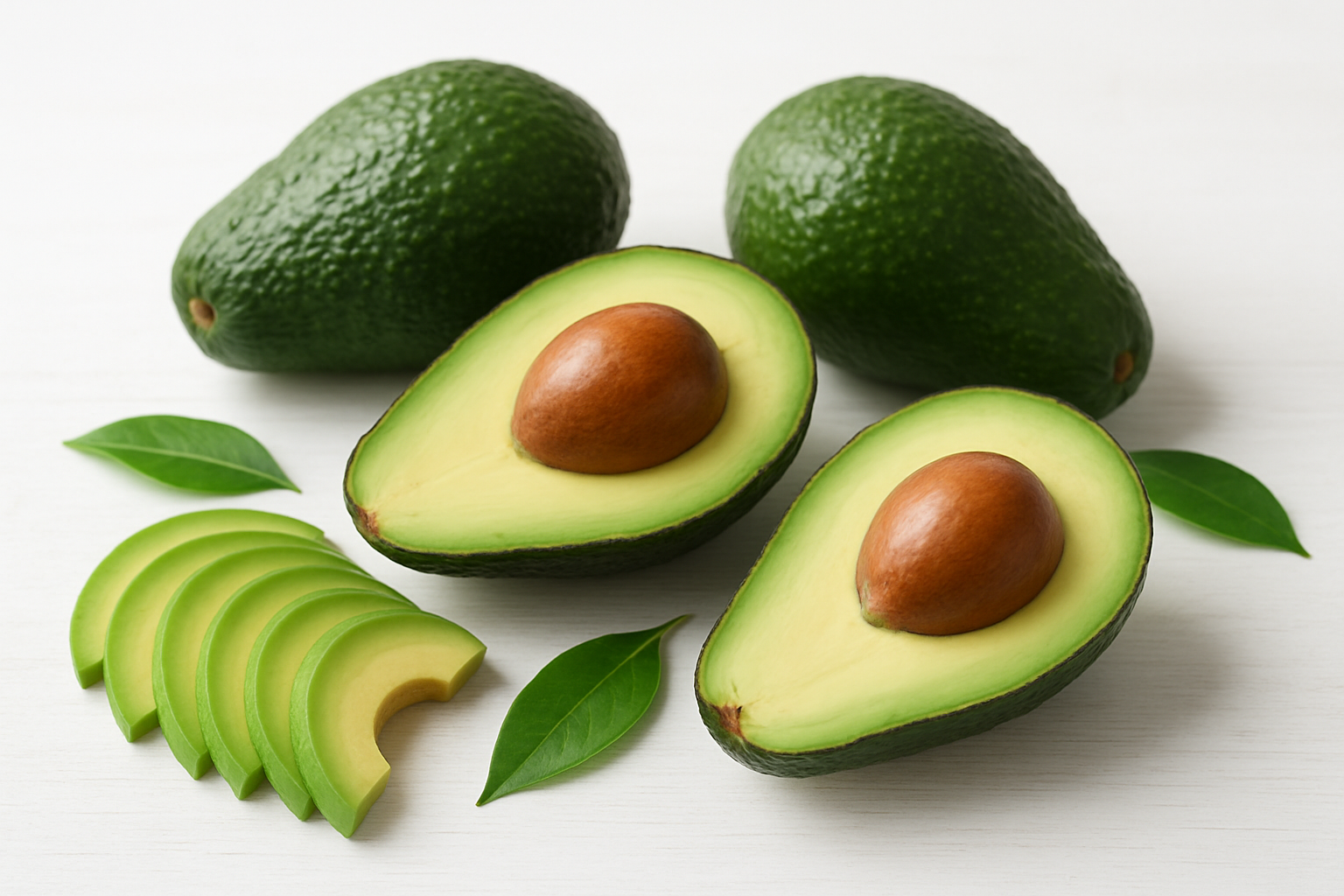
Avocados belong to the Persea americana species and are members of the Lauraceae family, which also includes cinnamon, bay leaves, and camphor trees. This classification reveals something fascinating about what are avocados - they're actually berries, not vegetables as many people assume. The avocado tree originated in south-central Mexico around 7,000 to 5,000 BCE, making it one of humanity's oldest cultivated crops.
The Lauraceae family connection explains why avocado leaves release aromatic compounds similar to bay leaves when crushed. Ancient Mesoamerican civilizations, particularly the Aztecs, called the fruit "ahuacatl," which eventually evolved into our modern word "avocado." These early cultivators recognized the avocado superfruit potential long before modern nutritional science confirmed its exceptional value.
The botanical structure of avocados sets them apart from typical fruits. Their single large seed, creamy flesh, and oil-rich composition come from millions of years of evolution in tropical climates. The tree itself can live and produce fruit for over 100 years, with some heritage varieties in Mexico still bearing fruit after centuries of cultivation.
Physical Characteristics That Make Avocados Unique
Avocados possess several distinctive physical features that make them instantly recognizable and nutritionally exceptional. The fruit's pear-shaped or oval form typically ranges from 3 to 8 inches in length, with weight varying from 4 ounces to over 2 pounds depending on the variety. The skin texture varies dramatically between types of avocados - some have smooth, thin green skin while others display thick, bumpy, nearly black exteriors.
The flesh color ranges from pale yellow-green near the skin to deep green closest to the seed. This gradient indicates the concentration of different nutrients throughout the fruit. The central seed, which can comprise 15-20% of the fruit's total weight, contains compounds that many cultures have used for medicinal purposes.
What makes avocados truly unique is their oil content - they contain 15-30% healthy monounsaturated fats, primarily oleic acid. This fat content gives the flesh its distinctive creamy texture and explains why avocados feel so satisfying to eat. The fruit also continues to ripen after being picked, unlike many other fruits that stop developing once harvested.
The skin serves as a natural protective barrier that preserves the fruit's nutrients and extends shelf life. Different avocado varieties have evolved various skin characteristics to protect against specific environmental challenges in their native growing regions.
Global Growing Regions and Climate Requirements
Avocado cultivation has spread far beyond its Mexican origins to become a global agricultural phenomenon. Today, major growing regions include California, Florida, Chile, Peru, New Zealand, Australia, South Africa, Israel, and Spain. Each region has developed cultivation techniques suited to their specific climate conditions while maintaining the fruit's nutritional integrity.
Avocados thrive in subtropical and Mediterranean climates with specific temperature requirements. They need warm temperatures year-round (ideally 60-85°F) but can tolerate brief cold snaps down to about 32°F for mature trees. Young trees are much more sensitive to cold and require protection in cooler climates. The trees also need well-draining soil and consistent moisture without waterlogging.
| Growing Region | Climate Type | Harvest Season | Primary Varieties |
|---|---|---|---|
| California | Mediterranean | Year-round | Hass, Fuerte, Bacon |
| Florida | Subtropical | Summer-Fall | Booth, Lula, Monroe |
| Mexico | Tropical Highland | Year-round | Hass, Criollo varieties |
| Chile | Mediterranean | Fall-Winter | Hass, Fuerte |
Different regions have adapted their growing practices to local conditions. California growers focus on water-efficient irrigation due to drought concerns, while Florida producers deal with hurricane risks and higher humidity. Mexican farms in Michoacán benefit from volcanic soil and ideal elevation (around 5,000-7,000 feet) that creates perfect growing conditions.
The global nature of avocado production means consumers can access fresh fruit year-round, with different regions contributing to the supply chain based on their harvest seasons. This international cultivation has also led to the development of new avocado varieties adapted to specific regional conditions while maintaining the nutritional benefits that make avocados so valuable.
Nutritional Powerhouse: Health Benefits You Need to Know
Heart-Healthy Monounsaturated Fats That Transform Your Diet
Avocados pack an impressive nutritional punch with their unique fat profile. Unlike most fruits that are primarily carbohydrates, avocados contain about 20 grams of monounsaturated fats per medium fruit. These healthy fats, particularly oleic acid, work wonders for your cardiovascular system by helping reduce bad cholesterol levels while maintaining good cholesterol.
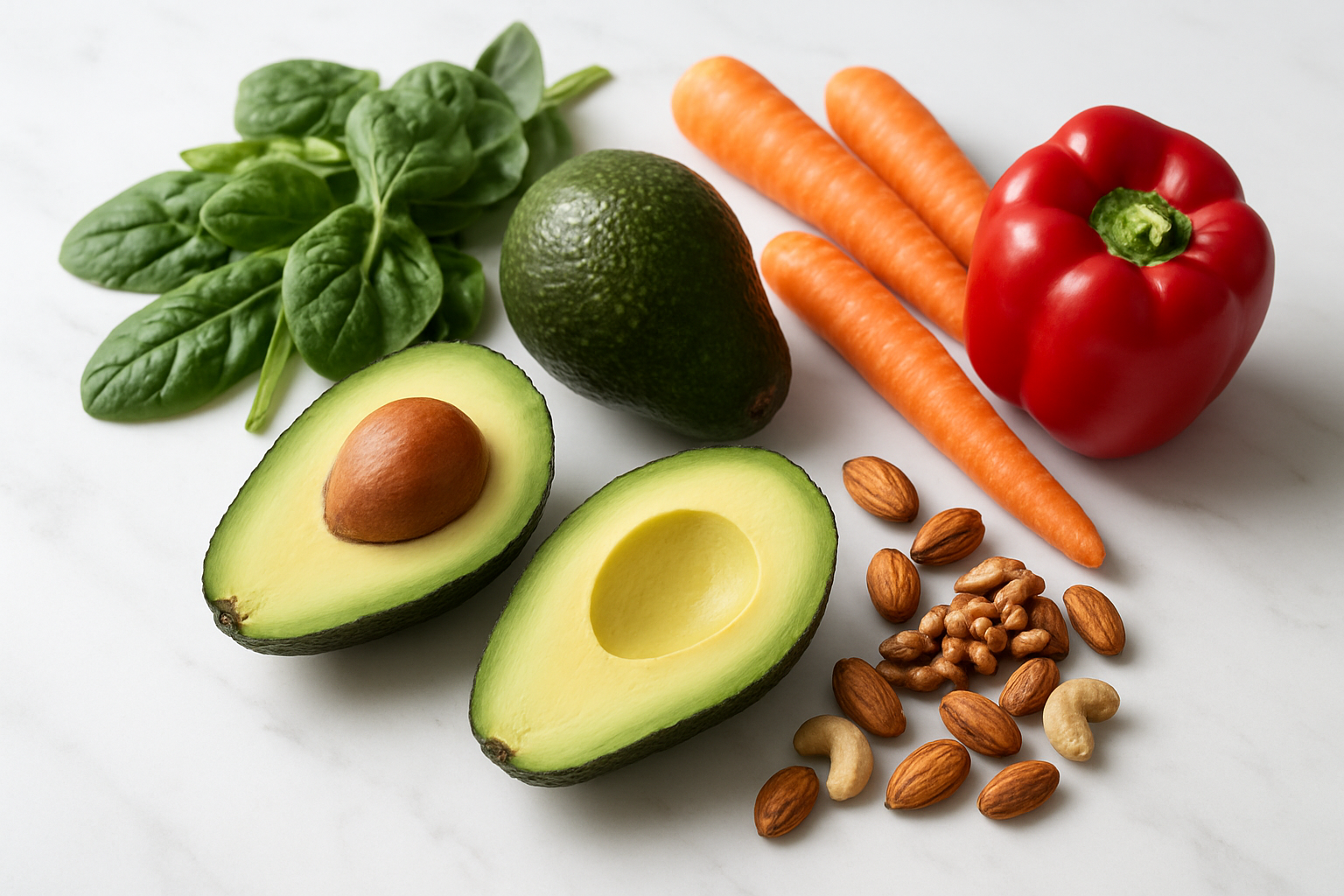
The monounsaturated fats in avocados also enhance nutrient absorption from other foods you eat. When you add avocado to salads or vegetable dishes, your body can absorb up to 15 times more carotenoids - the antioxidants that give vegetables their vibrant colors. This makes avocados a perfect companion for nutrient-dense meals.
These beneficial fats also support brain health and may help reduce inflammation throughout your body. The steady energy release from avocado fats keeps you satisfied longer than simple carbohydrates, making them an excellent choice for weight management.
Essential Vitamins and Minerals for Optimal Body Function
Avocado nutrition facts reveal an impressive vitamin and mineral profile that supports multiple body systems. A single avocado provides nearly 20% of your daily folate needs, making it particularly valuable for pregnant women and anyone looking to support healthy cell division.
The potassium content in avocados surpasses that of bananas, with one fruit containing about 975mg of this essential mineral. This potassium helps regulate blood pressure and supports proper muscle and nerve function.
| Nutrient | Amount per Medium Avocado | % Daily Value |
|---|---|---|
| Vitamin K | 26 mcg | 21% |
| Folate | 81 mcg | 20% |
| Vitamin C | 12 mg | 13% |
| Vitamin E | 2.7 mg | 18% |
| Potassium | 975 mg | 28% |
| Magnesium | 58 mg | 14% |
Avocados also provide vitamin K for bone health, vitamin E for skin protection, and magnesium for muscle function and energy metabolism.
Fiber Content That Supports Digestive Health
The fiber content in avocados sets them apart from many other fruits. Each medium avocado contains approximately 13-14 grams of dietary fiber - that's about half your daily recommended intake. This avocado superfruit characteristic makes it exceptional for digestive wellness.
The fiber in avocados includes both soluble and insoluble types. Soluble fiber helps slow digestion and keeps you feeling full, while also supporting healthy cholesterol levels. Insoluble fiber adds bulk to stool and promotes regular bowel movements.
This high fiber content also feeds beneficial gut bacteria, creating a healthier microbiome. A thriving gut microbiome supports immune function, mood regulation, and even cardiovascular health. The combination of healthy fats and fiber makes avocados particularly effective at stabilizing blood sugar levels after meals.
Regular consumption of high-fiber foods like avocados may reduce the risk of colon cancer and other digestive disorders. The fiber also helps your body eliminate toxins more effectively through improved digestive function.
Antioxidants That Fight Inflammation and Disease
Avocado health benefits extend far beyond basic nutrition through their powerful antioxidant compounds. These fruits contain lutein and zeaxanthin, carotenoids that concentrate in eye tissues and help protect against age-related macular degeneration and cataracts.
The antioxidant glutathione in avocados supports liver detoxification and cellular repair processes throughout your body. This master antioxidant becomes more bioavailable when consumed with the healthy fats naturally present in avocados.
Avocados also contain unique antioxidants like persenone A, which has shown anti-inflammatory properties in research studies. These compounds work together to combat oxidative stress that contributes to aging and chronic disease development.
The anti-inflammatory effects of avocado antioxidants may help reduce markers of inflammation in the bloodstream. Some studies suggest regular avocado consumption could lower C-reactive protein levels, a key indicator of systemic inflammation linked to heart disease and other health conditions.
Beta-carotene and alpha-carotene in avocados provide additional antioxidant protection while supporting immune system function. These fat-soluble antioxidants are particularly well-absorbed due to the natural fat content in avocados.
Popular Avocado Varieties and Their Distinct Features
Hass Avocados: The Most Common Choice Worldwide
Hass avocados dominate the global market for good reason. These dark-skinned beauties make up about 80% of all avocados consumed worldwide. Originally discovered by Rudolph Hass in California during the 1920s, this variety has become the gold standard for avocado lovers everywhere.
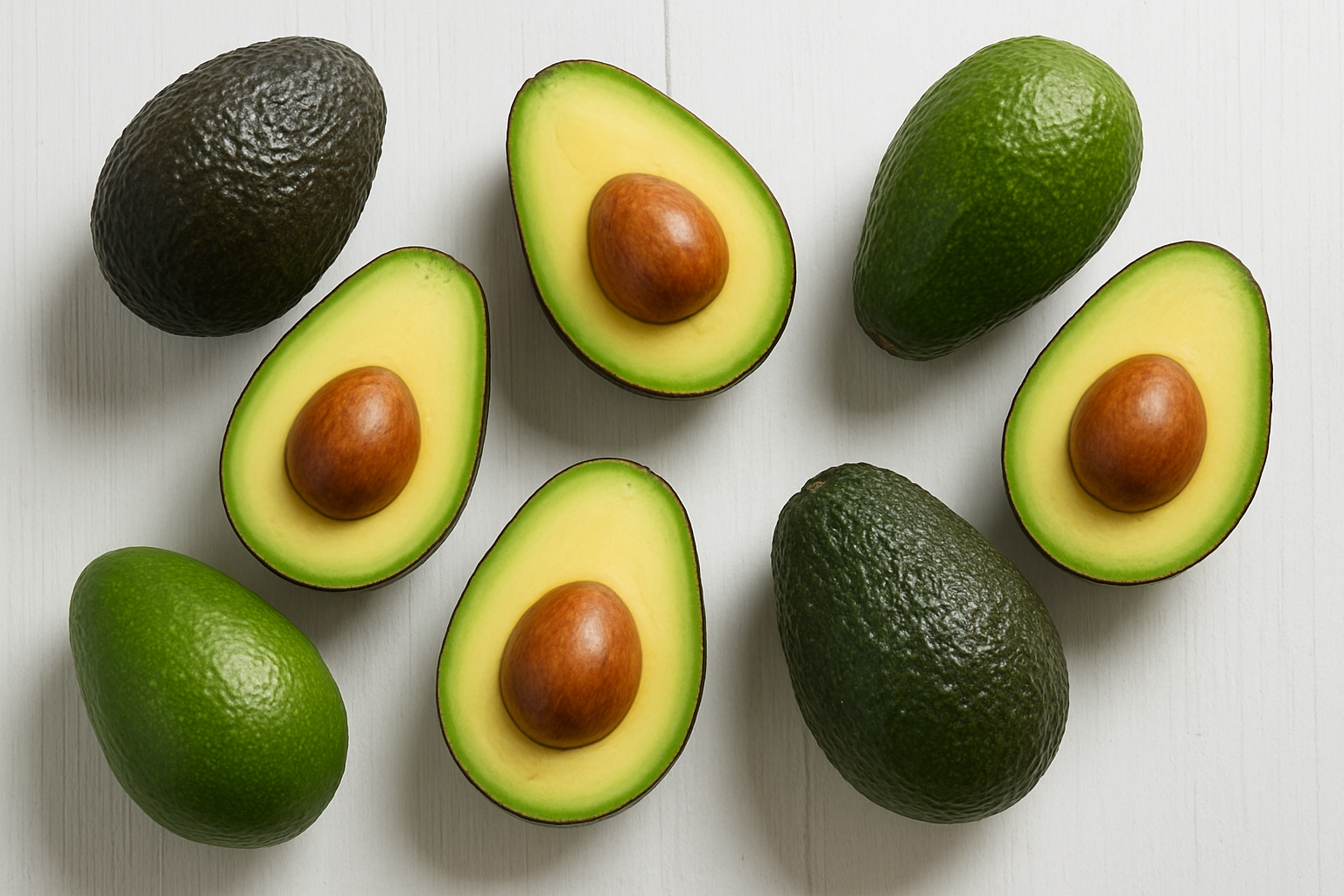
What sets Hass avocados apart is their distinctive pebbly, thick skin that transforms from green to purplish-black as it ripens. This color change serves as a natural ripeness indicator, making it easier for consumers to select perfectly ripe fruit. The flesh inside offers a rich, creamy texture with a nutty flavor that's more intense than other avocado varieties.
Hass avocados pack impressive nutritional value, containing healthy monounsaturated fats, fiber, potassium, and vitamins K, E, and C. Their smaller size compared to other varieties means they're perfect for individual servings, whether you're making guacamole, avocado toast, or adding slices to salads.
The thick skin of Hass avocados provides excellent protection during shipping, which explains their widespread availability year-round. They typically weigh between 5-12 ounces and have a longer shelf life than thin-skinned varieties. When ripe, they yield slightly to gentle pressure but shouldn't feel mushy.
Fuerte Avocados: Smooth-Skinned Alternative Options
Fuerte avocados offer a completely different experience from their Hass cousins. These large, pear-shaped fruits feature smooth, thin green skin that remains green even when fully ripe. The name "Fuerte" means "strong" in Spanish, reflecting the variety's hardy nature and ability to withstand cooler temperatures.
The flesh of Fuerte avocados has a milder, less nutty flavor compared to Hass varieties, with a slightly less oily texture. This makes them excellent for people who find Hass avocados too rich or intense. Their larger size - often weighing 8-16 ounces - makes them ideal for sharing or when you need more avocado for recipes.
Since Fuerte avocados don't change color when ripe, you'll need to rely on feel to determine ripeness. A ripe Fuerte will yield to gentle pressure around the stem end. Their thin skin makes them more delicate to handle but also means less waste when eating.
These avocados peak in winter and early spring, filling the gap when other varieties might be less available. Their mild flavor works particularly well in smoothies, salads, and dishes where you want avocado's creaminess without overwhelming other ingredients.
Bacon and Zutano: Cold-Climate Varieties Worth Trying
Bacon and Zutano avocados represent excellent options for those living in cooler climates or seeking different flavor profiles. Both varieties can tolerate temperatures that would damage more sensitive types of avocados, making them popular choices for home growers in marginal climates.
Bacon avocados earned their quirky name from James Bacon, who developed this variety in California. Don't expect any pork-related flavors - these avocados offer a light, smooth taste with less oil content than Hass varieties. Their green skin stays green when ripe, and they typically ripen during fall and winter months. Bacon avocados work wonderfully in salads where you want avocado's texture without heavy richness.
Zutano avocados share similar cold tolerance but bring their own unique characteristics. These pear-shaped fruits have glossy, thin skin and mild, watery flesh that's perfect for those who find other avocado varieties too dense. They ripen from September through early winter and offer good nutritional value despite their lighter texture.
Both varieties require the same ripeness test as other green-skinned avocados - gentle pressure near the stem should yield slightly when ready to eat. While they may not have the intense flavor of Hass avocados, they provide excellent alternatives for specific culinary applications and growing conditions.
Selecting and Storing Avocados for Maximum Freshness
Visual and Touch Indicators for Perfect Ripeness
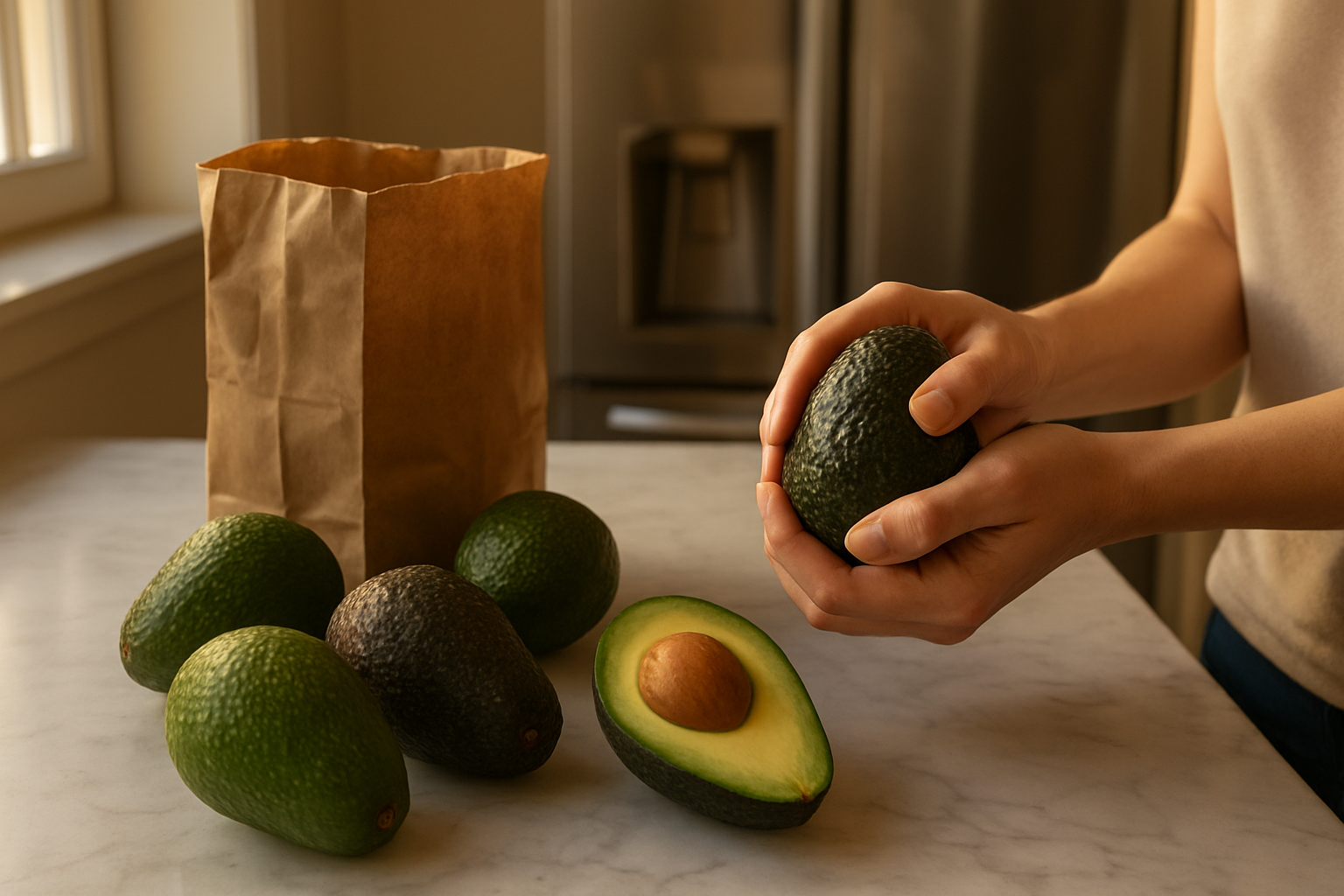
The key to choosing avocados lies in understanding how they feel and look when ready to eat. A perfectly ripe avocado yields gently to pressure when you cradle it in your palm and apply light pressure with your fingers. Don't press with your thumbs, as this can bruise the fruit. The skin should give slightly but not feel mushy or overly soft.
Color serves as another reliable indicator, though it varies by variety. Hass avocados transform from bright green to a dark, almost black color when ripe. The skin often develops a slightly bumpy texture that feels rough to the touch. Other varieties like Fuerte maintain their green color even when ripe, making the touch test more critical.
Check the stem end by gently removing the small brown cap where the stem was attached. If it comes off easily and reveals bright green underneath, the avocado is perfectly ripe. Brown or dark coloring beneath the stem suggests overripeness or spoilage.
Accelerating Ripening Process with Simple Kitchen Tricks
When you need ripe avocados quickly, several household methods can speed up the natural ripening process. The paper bag method works exceptionally well - place unripe avocados in a brown paper bag with a ripe banana or apple. These fruits release ethylene gas, which accelerates ripening. Fold the bag closed and leave it at room temperature for 24-48 hours.
For even faster results, add multiple ethylene-producing fruits to the bag. You can also place the bag in a warm spot like the top of your refrigerator, but avoid direct sunlight or excessive heat, which can cause uneven ripening.
The rice method offers another approach - bury unripe avocados in a bowl of uncooked rice, which traps ethylene gas around the fruit. This technique can ripen avocados within 24 hours, depending on their initial firmness.
Proper Storage Methods to Extend Shelf Life
Once avocados reach your desired ripeness, proper storage becomes essential for maintaining freshness. Ripe whole avocados stay fresh in the refrigerator for 3-5 days when stored in the main compartment, not the crisper drawer where humidity levels can cause premature spoilage.
For cut avocados, preventing browning becomes the primary concern. Leave the pit in the unused half and brush the exposed flesh with lemon or lime juice. The citric acid slows oxidation that causes browning. Wrap tightly in plastic wrap, pressing it directly against the flesh to minimize air exposure, then refrigerate.
Store unripe avocados at room temperature away from direct sunlight. Placing them in a cool, dry area extends their shelf life while they gradually ripen. Never refrigerate unripe avocados, as cold temperatures halt the ripening process and can permanently prevent proper softening.
Signs of Overripe or Spoiled Avocados to Avoid
Recognizing spoiled avocados saves money and prevents disappointment in your culinary preparations. Overripe avocados feel extremely soft or mushy when gently squeezed, often with areas that feel hollow or sunken. The skin may appear very dark or have black spots that feel soft to the touch.
Inside, spoiled avocados show brown or black streaks throughout the flesh, not just surface discoloration. The texture becomes stringy, watery, or develops an unpleasant odor. Dark spots that extend deep into the fruit indicate bacterial growth or excessive oxidation.
Mold appears as fuzzy white, green, or black patches on the skin and represents a clear sign of spoilage. Never consume avocados with visible mold, as it can penetrate deeper than what's visible on the surface. Trust your nose - fresh avocados have a mild, pleasant aroma, while spoiled ones smell sour, rancid, or off-putting.
Culinary Uses That Maximize Flavor and Nutrition
Classic Preparations: Guacamole and Toast Toppings
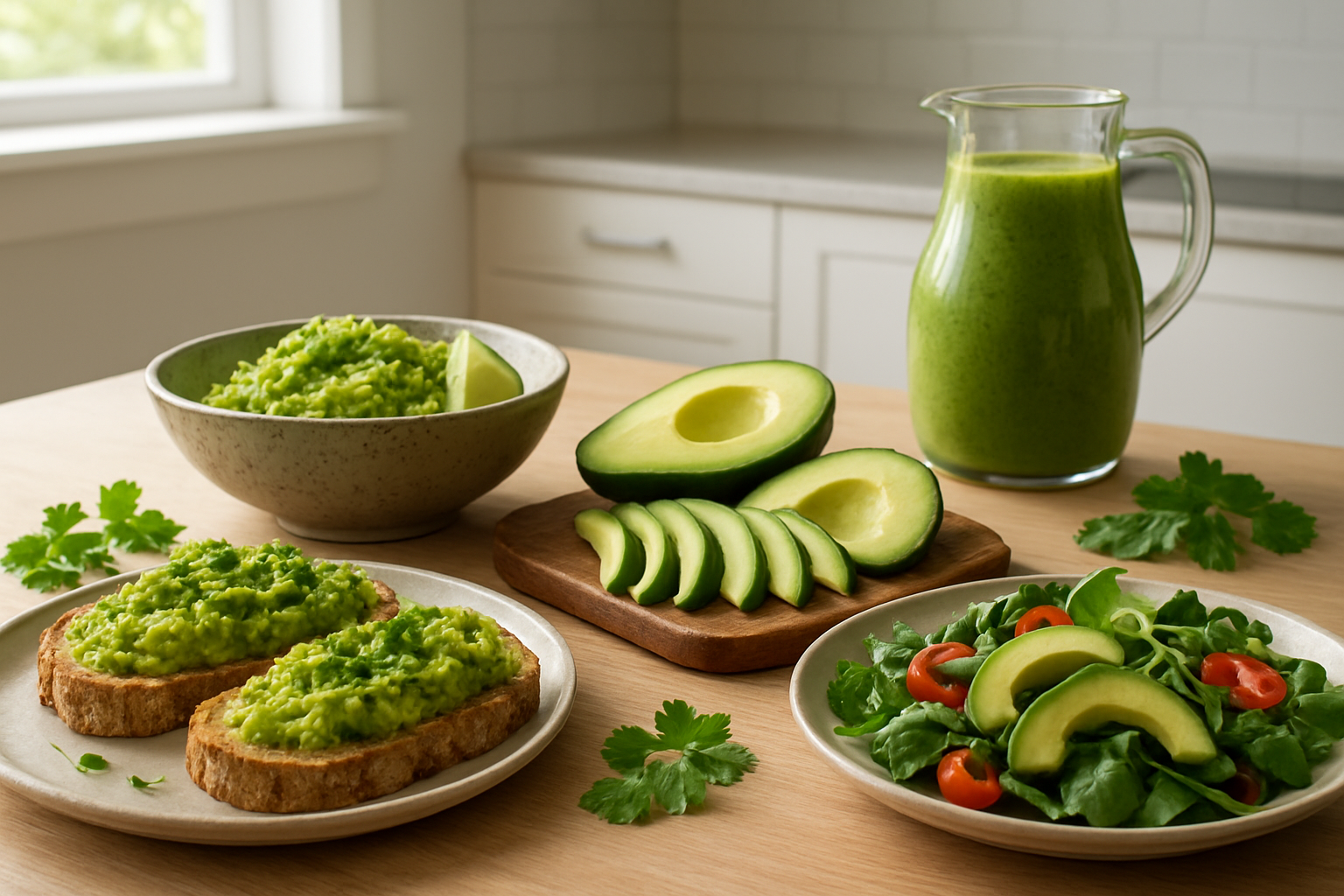
Guacamole stands as the most iconic way to enjoy avocados, transforming this superfruit into a creamy, flavorful dip that maximizes both taste and nutrition. The key to exceptional guacamole lies in using perfectly ripe avocados combined with fresh lime juice, which not only enhances flavor but also preserves the vibrant green color and boosts vitamin C content. Adding diced tomatoes, onions, cilantro, and jalapeños creates a nutrient-dense combination that delivers antioxidants, fiber, and essential minerals.
Avocado toast has revolutionized breakfast and lunch options, offering endless possibilities for avocado culinary uses. The creamy texture pairs beautifully with whole grain bread, creating a satisfying meal rich in healthy monounsaturated fats and complex carbohydrates. Popular toppings include everything bagel seasoning, cherry tomatoes, feta cheese, or a perfectly poached egg. Each variation adds different nutrients while maintaining the avocado's heart-healthy benefits.
For maximum nutritional impact, mash avocados with a fork rather than processing them completely smooth. This preserves some texture and prevents over-oxidation. Adding a pinch of sea salt enhances the natural flavors while providing essential electrolytes.
Creative Cooking Applications in Smoothies and Desserts
Avocados bring incredible versatility to sweet applications, acting as a natural thickener and nutritious base for various desserts and beverages. In smoothies, half an avocado creates an incredibly creamy texture while adding healthy fats that help your body absorb fat-soluble vitamins from other ingredients like spinach or berries.
Chocolate avocado mousse represents one of the most surprising avocado culinary uses, where the fruit's neutral flavor disappears completely, leaving only rich creaminess. This dessert delivers antioxidants from cocoa while providing the avocado's beneficial monounsaturated fats and fiber. Similarly, avocado-based ice creams offer a dairy-free alternative that's naturally creamy and nutrient-dense.
Green smoothie bowls featuring avocado as a base ingredient create Instagram-worthy presentations while packing serious nutritional punch. The avocado's healthy fats slow down sugar absorption from fruits, preventing blood sugar spikes and promoting sustained energy levels.
Avocado brownies and chocolate truffles showcase how this superfruit can replace butter or oil in baking, reducing saturated fat while increasing fiber and potassium content. The key is balancing flavors with cocoa, vanilla, or other strong tastes that complement rather than compete with the avocado's subtle profile.
Healthy Substitutions for Traditional High-Fat Ingredients
Smart cooks have discovered that avocados can replace numerous high-saturated-fat ingredients without sacrificing taste or texture. In baking, mashed avocado can substitute for butter or oil at a 1:1 ratio, dramatically improving the nutritional profile of muffins, cakes, and quick breads. This substitution adds fiber, potassium, and folate while reducing saturated fat content.
Creamy salad dressings benefit enormously from avocado as a base instead of mayonnaise or heavy cream. Avocado-based Caesar dressing, ranch, or green goddess variations provide the same satisfying richness while delivering beneficial nutrients. These dressings stay fresh longer when stored properly and offer superior nutritional value.
In pasta dishes, pureed avocado creates luxurious cream sauces without dairy. Combined with herbs, garlic, and lemon juice, avocado transforms into a vibrant pesto alternative that coats pasta beautifully while providing healthy fats that support nutrient absorption.
Sandwich spreads represent another excellent substitution opportunity. Mashed avocado replaces mayonnaise or butter, adding creaminess plus significant amounts of fiber, potassium, and vitamin K. This simple swap transforms ordinary sandwiches into nutrient-dense meals that support heart health and weight management.
International Cuisine Integration and Cultural Uses
Global cuisines have embraced avocados in fascinating ways that highlight the fruit's versatility and cultural significance. Mexican cuisine extends far beyond guacamole, incorporating avocados into soups, salads, and traditional dishes like pozole verde, where avocado adds richness and balances spicy flavors.
Japanese cuisine features avocado prominently in sushi rolls, where its creamy texture complements fish and rice while adding healthy fats. The California roll's popularity helped introduce Western palates to this combination, demonstrating how avocado culinary uses can bridge cultural preferences.
Brazilian cuisine celebrates avocados as a dessert ingredient, blending them with sweetened condensed milk or honey to create refreshing treats. This sweet preparation showcases the fruit's versatility and challenges Western assumptions about avocado applications.
Mediterranean-inspired dishes incorporate diced avocado into tabbouleh, Greek salads, and mezze platters, where the fruit's creamy texture balances acidic ingredients like tomatoes and olives. These combinations create nutritionally complete meals that support heart health through beneficial fat profiles.
Asian cuisines utilize avocado in spring rolls, bubble tea, and curry dishes, where the fruit's mild flavor absorbs surrounding spices while contributing nutritional value. Thai avocado shakes and Vietnamese avocado ice cream demonstrate how different cultures have adapted this superfruit to local tastes and traditions.
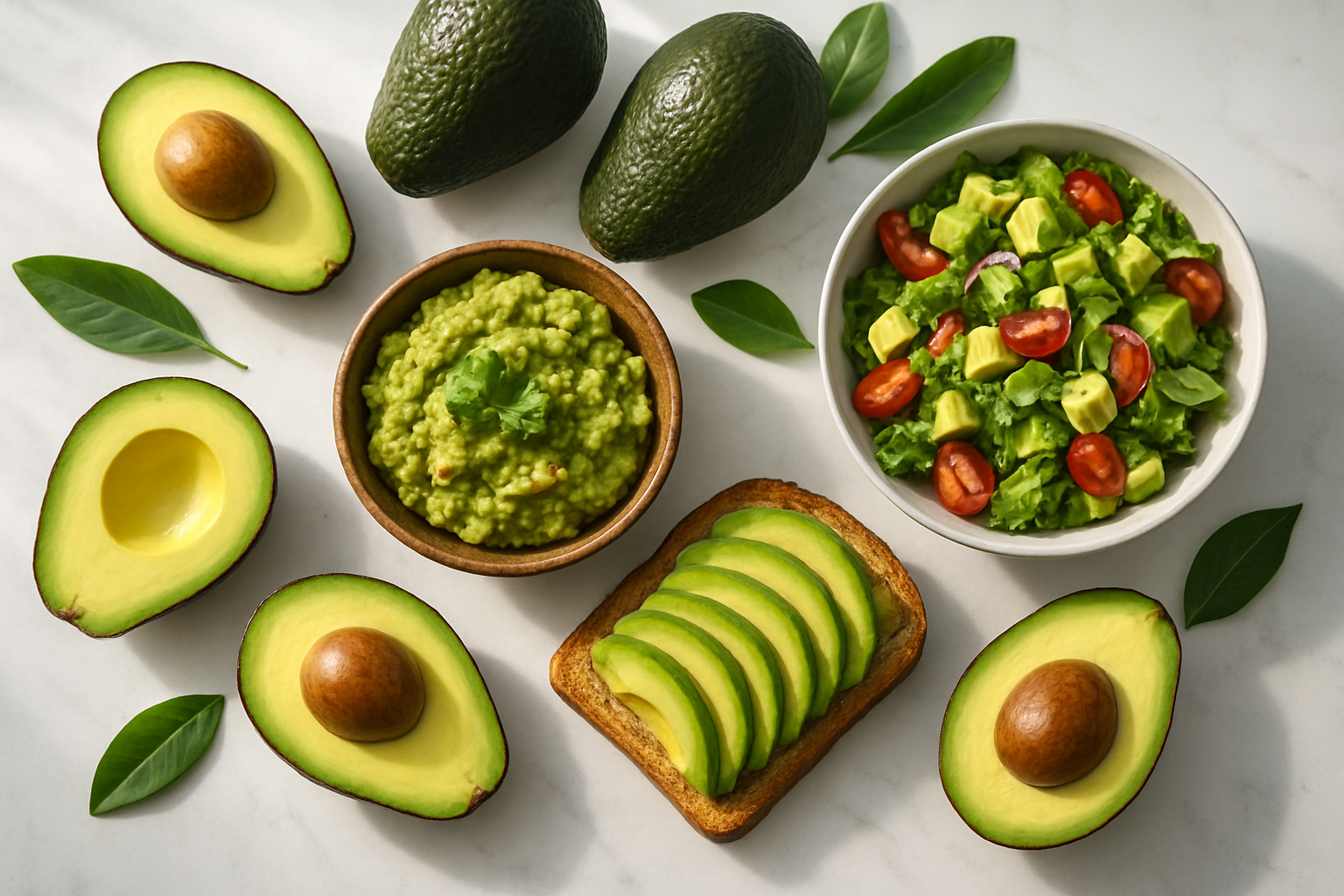
Avocados pack an incredible nutritional punch that goes way beyond their creamy, delicious taste. From their impressive vitamin and healthy fat content to their versatility in everything from morning toast to evening salads, these green gems deserve a spot in your regular meal rotation. Knowing how to pick the right variety, store them properly, and use them in creative ways can transform your cooking and boost your health at the same time.
Ready to make avocados a bigger part of your life? Start simple by adding sliced avocado to your next sandwich or blending one into your morning smoothie. Once you experience how easy they are to work with and how good they make you feel, you'll wonder why you waited so long to embrace this amazing superfruit. Your taste buds and your body will thank you for it.


.png)
Comments
Post a Comment