BANANAS - WHAT ARE BANANAS?
What Are Bananas? Your Complete Guide to the World's Favorite Fruit
Bananas are one of the most popular fruits on the planet, but there's way more to these yellow crescents than meets the eye. This guide is perfect for curious fruit lovers, health enthusiasts, home cooks, and anyone who's ever wondered about the fascinating world behind their morning smoothie ingredient.
You'll discover the surprising botanical secrets that make bananas unique among fruits, plus get the full scoop on banana nutrition facts and banana health benefits that make them such nutritional powerhouses. We'll also explore banana production worldwide and banana farming practices, showing you how these tropical treats make their journey from plantation to your kitchen. Finally, we'll dive into creative culinary uses of bananas and their massive economic impact across different cultures and countries.
Get ready to see this everyday fruit in a whole new light.
Understanding Bananas as a Botanical Wonder
Scientific classification and family origins
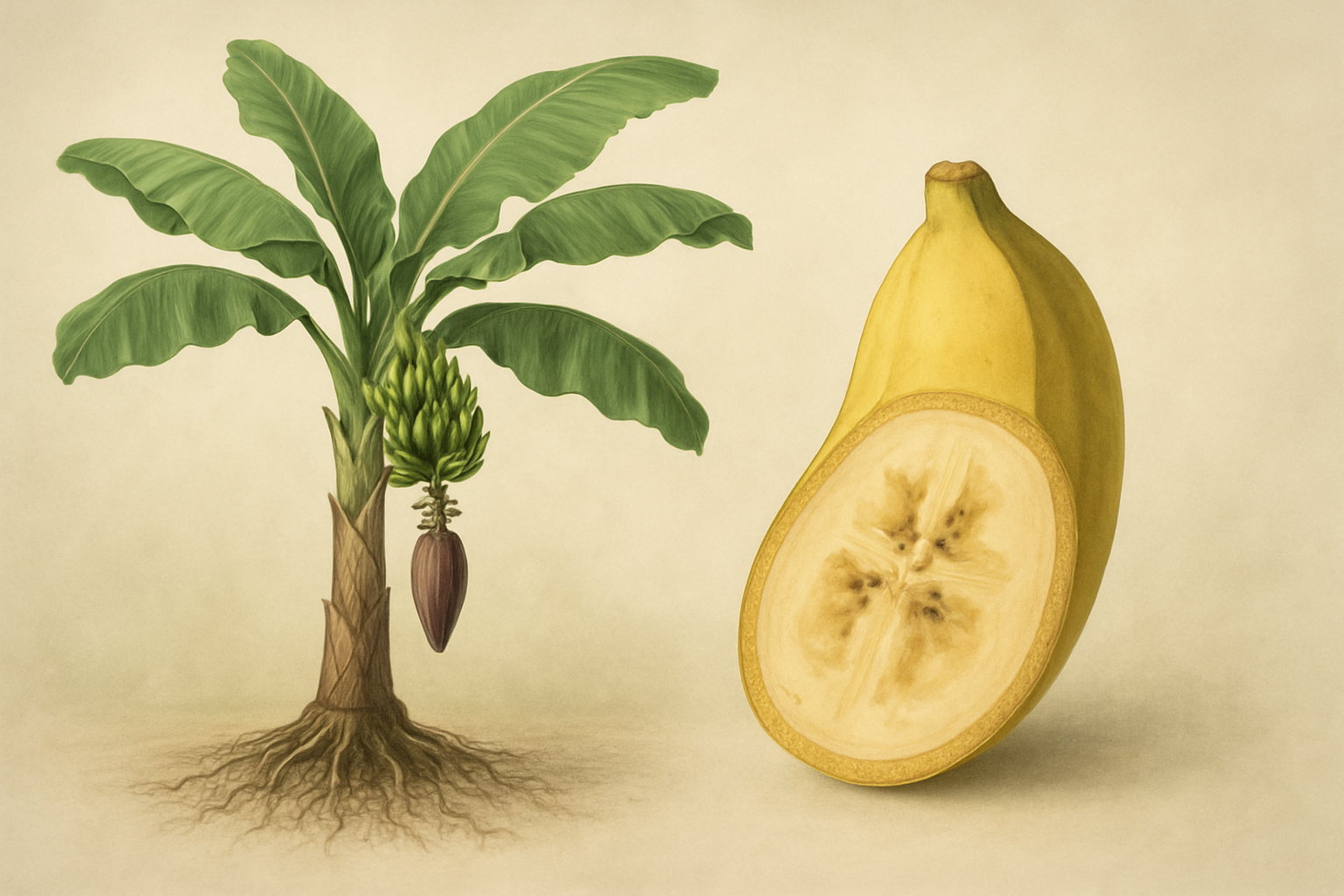
Bananas belong to the genus Musa, part of the Musaceae family, which places them in a fascinating botanical category. These tropical plants originated in Southeast Asia and Papua New Guinea thousands of years ago. The scientific classification reveals that what we commonly call bananas actually encompasses multiple species, with Musa acuminata and Musa balbisiana being the primary ancestors of most cultivated varieties today.
The Musaceae family includes not just bananas but also their close relatives like plantains and ornamental banana plants. This botanical family tree shows us that bananas have evolved specifically for tropical climates, developing unique characteristics that help them thrive in warm, humid environments.
Physical characteristics that make bananas unique
Bananas possess several distinctive physical features that set them apart from other fruits. The most recognizable characteristic is their curved, elongated shape encased in a protective peel that changes from green to yellow as the fruit ripens. This peel isn't just for show – it serves as natural packaging that protects the soft, sweet flesh inside.
The banana plant itself defies expectations. What looks like a tree trunk is actually a pseudostem made of tightly packed leaf sheaths. The true stem grows underground as a rhizome, sending up new shoots to create the familiar banana plant structure. Each plant produces a single bunch of bananas before dying back, making way for new shoots to continue the cycle.
The fruit develops in hands, with individual bananas called fingers. A typical bunch contains 6-20 hands, each holding 10-20 fingers, creating those impressive clusters we see in stores.
Growth patterns and lifecycle explained
The banana lifecycle follows a unique pattern that differs from typical fruit trees. Starting from underground rhizomes, new shoots emerge and develop into full plants within 6-8 months. The pseudostem grows rapidly, pushing through layers of leaf sheaths until it reaches maturity.
During the flowering stage, the banana plant sends up a flower spike through the center of the pseudostem. This process, called "shooting," reveals the developing banana bunch. The flowers appear in hands, with female flowers developing into bananas while male flowers typically appear at the tip of the bunch.
After fruiting, the mother plant dies, but the rhizome system continues producing new shoots called suckers or ratoons. This creates a continuous cycle of banana production without replanting, making banana farming highly sustainable. Commercial growers carefully manage these suckers to maintain optimal plant density and fruit quality.
Varieties and species found worldwide
The world of bananas includes an incredible diversity of varieties, though most consumers only encounter a handful of types. The Cavendish variety dominates global markets, accounting for about 47% of banana production worldwide. This variety replaced the Gros Michel banana in the 1950s after disease wiped out commercial plantations.
Beyond Cavendish, numerous varieties serve different purposes:
| Variety Type | Examples | Primary Use |
|---|---|---|
| Dessert Bananas | Cavendish, Lady Finger, Red Banana | Fresh consumption |
| Cooking Bananas | Plantains, Matooke, Bluggoe | Cooking, processing |
| Specialty Varieties | Blue Java, Goldfinger, Praying Hands | Niche markets, local consumption |
Wild banana species still exist in their native regions, containing seeds and displaying characteristics lost in cultivated varieties. These wild relatives serve as genetic reservoirs for banana cultivation, providing disease resistance and other valuable traits for future breeding programs.
Different regions have developed preferences for specific varieties based on local taste preferences and growing conditions, creating a rich tapestry of banana diversity that extends far beyond the standard grocery store offering.
Nutritional Powerhouse Benefits of Bananas
Essential vitamins and minerals packed inside
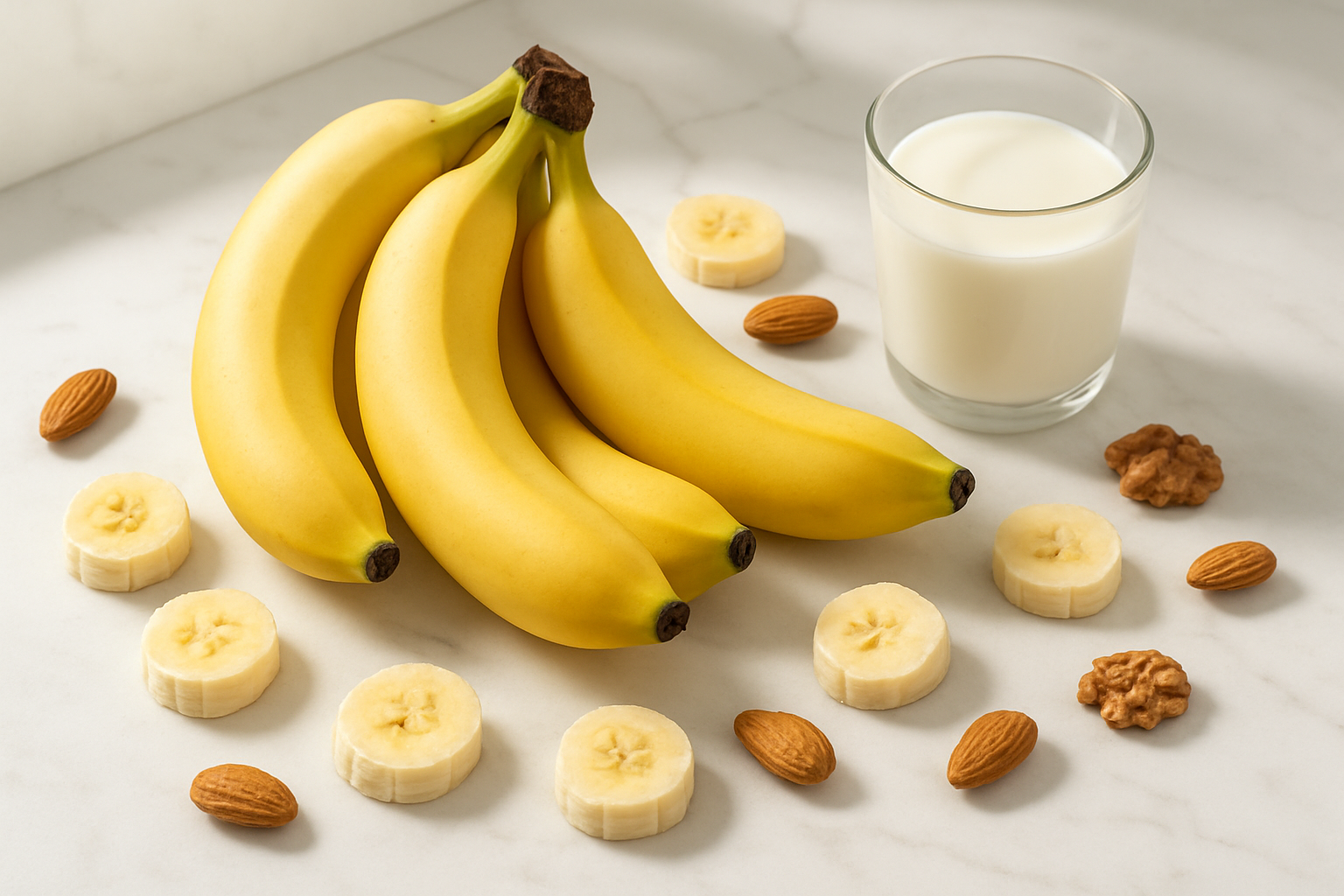
Bananas are nutritional goldmines that deliver impressive amounts of vitamin B6, with a single medium banana providing about 20% of your daily needs. This vitamin plays a crucial role in brain function and helps your body convert food into energy. You'll also get a decent dose of vitamin C, which supports your immune system and helps with collagen production for healthy skin.
The mineral content is equally impressive. Besides the famous potassium content, bananas contain magnesium, which supports bone health and muscle function. They also provide manganese, essential for metabolism and antioxidant defense, plus folate, which is particularly important for pregnant women and cell division processes.
| Vitamin/Mineral | Amount per medium banana | Daily Value % |
|---|---|---|
| Vitamin B6 | 0.4 mg | 20% |
| Vitamin C | 10.3 mg | 17% |
| Potassium | 358 mg | 10% |
| Magnesium | 27 mg | 6% |
Energy-boosting carbohydrates for daily fuel
The carbohydrate profile of bananas makes them perfect pre-workout snacks or quick energy boosters. A medium banana contains about 27 grams of carbs, combining natural sugars like fructose, glucose, and sucrose with complex starches. This combination provides both immediate energy and sustained fuel for your activities.
Green bananas contain more resistant starch, which acts like fiber and provides steady energy release. As bananas ripen, these starches convert to simple sugars, making yellow bananas ideal for quick energy when you need it most. Athletes often choose bananas for this reason - they're nature's energy bars without any artificial additives.
Fiber content for digestive health support
Each medium banana delivers about 3 grams of dietary fiber, contributing meaningfully to your daily fiber goals. This fiber comes in two forms: soluble and insoluble. The soluble fiber helps regulate blood sugar levels and can assist in lowering cholesterol, while the insoluble fiber promotes healthy digestion and regular bowel movements.
The pectin found in bananas is particularly beneficial for gut health. This type of soluble fiber feeds beneficial gut bacteria, supporting a healthy microbiome. Ripe bananas are easier to digest, making them excellent choices for people with sensitive stomachs or digestive issues.
Potassium levels for heart and muscle function
Bananas are famous for their potassium content, and rightfully so. A medium banana provides roughly 358 mg of potassium, making it one of the most accessible high-potassium foods available. This mineral is absolutely essential for proper heart function, helping regulate blood pressure and reducing the risk of cardiovascular disease.
Your muscles depend on potassium for proper contraction and relaxation. This is why bananas are popular among athletes and fitness enthusiasts - adequate potassium intake helps prevent muscle cramps and supports recovery after exercise. The potassium also works with sodium to maintain proper fluid balance in your cells, keeping you hydrated and your organs functioning optimally.
Many people don't get enough potassium in their diets, making bananas an easy and delicious way to boost your intake. The American Heart Association recommends about 4,700 mg of potassium daily for adults, so incorporating bananas into your routine can help you reach this important nutritional goal.
Culinary Uses and Preparation Methods
Fresh Consumption and Ripeness Indicators
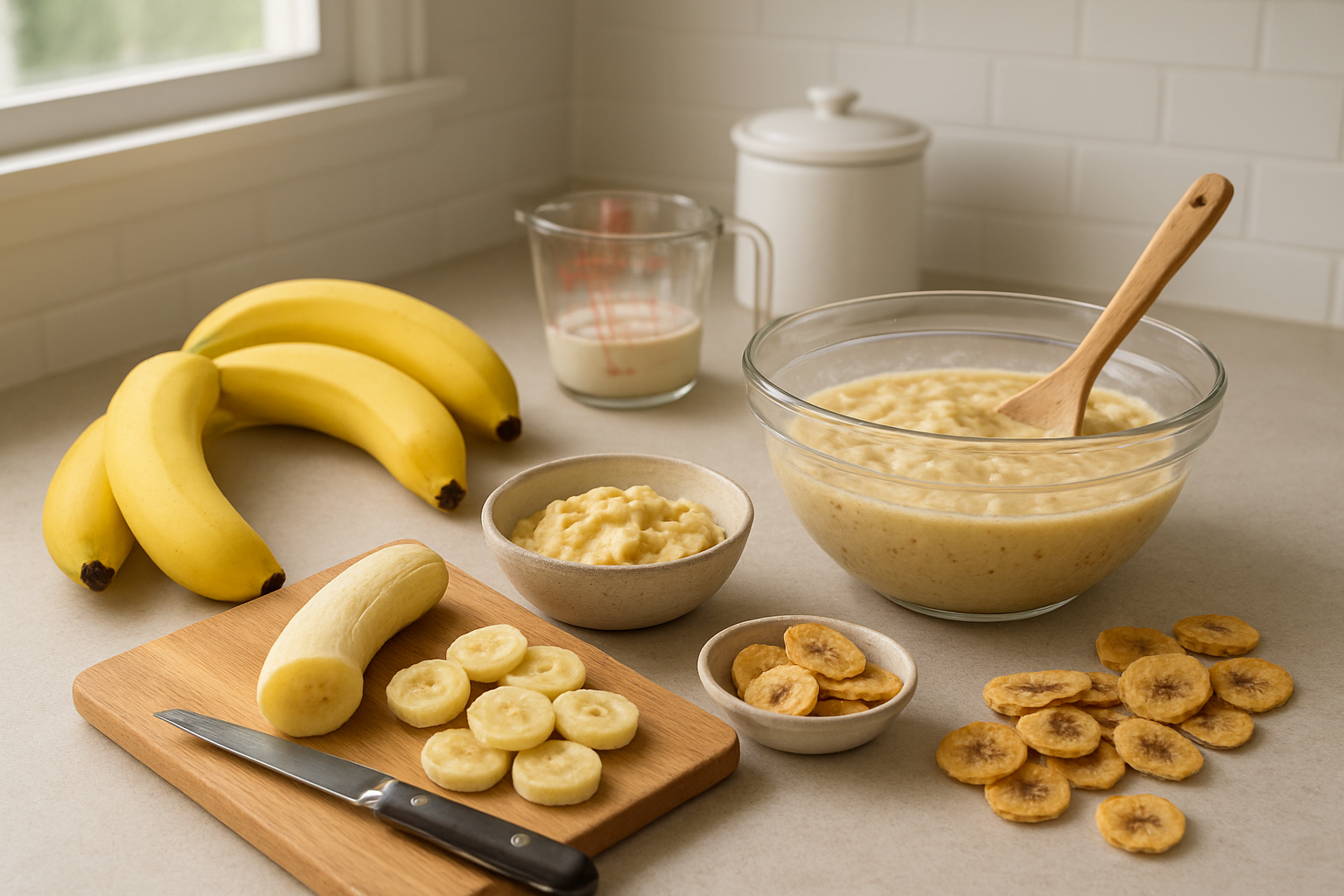
Bananas offer a spectrum of eating experiences depending on their ripeness stage. Green bananas pack a starchy, almost potato-like texture that works perfectly for savory dishes. As yellow develops across the peel, the starches convert to sugars, creating that classic sweet banana flavor most people love. The appearance of brown spots signals peak ripeness – these bananas deliver maximum sweetness and soft texture ideal for smoothies and baking.
Professional chefs and home cooks can gauge ripeness through visual and tactile cues. A firm, bright yellow banana with minimal spotting provides the perfect balance of sweetness and structure for fresh eating. Slight give when gently pressed indicates optimal ripeness. Bananas with extensive brown spotting become incredibly sweet but may feel too soft for some fresh eating preferences, though they shine in banana recipes requiring mashed fruit.
Cooking Applications from Sweet to Savory
The culinary uses of bananas extend far beyond simple snacking. Green bananas function as vegetables in many tropical cuisines, appearing in curries, stews, and fried preparations. Their neutral flavor and sturdy texture make them excellent substitutes for potatoes in various dishes.
Sweet applications dominate Western banana recipes. Overripe bananas transform into moist banana bread, fluffy pancakes, and creamy smoothies. Their natural sugars caramelize beautifully when sautéed, creating elegant dessert preparations. Banana foster, grilled bananas with cinnamon, and banana ice cream showcase the fruit's versatility in dessert making.
Savory banana preparations include plantain-style cooking methods applied to regular bananas. Sliced and fried green bananas create crispy chips, while mashed ripe bananas can replace eggs or butter in certain recipes, adding moisture and subtle sweetness to baked goods.
Preservation Techniques and Storage Tips
Proper banana storage maximizes freshness and extends usability. Room temperature storage works best for ripening, while refrigeration slows the process once desired ripeness is achieved. The peel may darken in cold temperatures, but the fruit inside remains fresh and flavorful.
Freezing overripe bananas preserves them for future banana recipes. Simply peel and store whole bananas in freezer bags – they'll keep for months and blend directly into smoothies or thaw for baking projects. Dehydrating creates banana chips, while proper canning techniques produce banana preserves and jams.
Ethylene gas production accelerates ripening, so storing bananas away from other fruits prevents premature ripening of nearby produce. Wrapping banana stems in plastic wrap slows ethylene release, extending fresh banana life by several days.
Popular Banana-Based Recipes and Dishes
Classic banana bread remains the most recognizable banana recipe worldwide. This beloved quick bread transforms overripe bananas into moist, flavorful loaves perfect for breakfast or snacking. Variations include chocolate chip additions, walnut integration, and healthier versions using whole wheat flour.
Smoothies showcase bananas' natural creaminess and sweetness. Banana-berry combinations, tropical blends with mango and coconut, and protein-packed versions with peanut butter create nutritious meal replacements. Frozen bananas eliminate the need for ice while maintaining thick, creamy textures.
International banana dishes span continents. Platanos maduros from Latin America features caramelized sweet plantains, while Southeast Asian banana curry incorporates green bananas in coconut-based sauces. Banana pancakes, popular across tropical destinations, combine mashed bananas directly into pancake batter for naturally sweet breakfast treats.
Dessert applications include banana pudding, banana cream pie, and innovative preparations like banana sushi rolls using rice paper and fresh fruit combinations. These recipes demonstrate bananas' ability to anchor both simple comfort foods and sophisticated culinary creations.
Global Banana Production and Agriculture
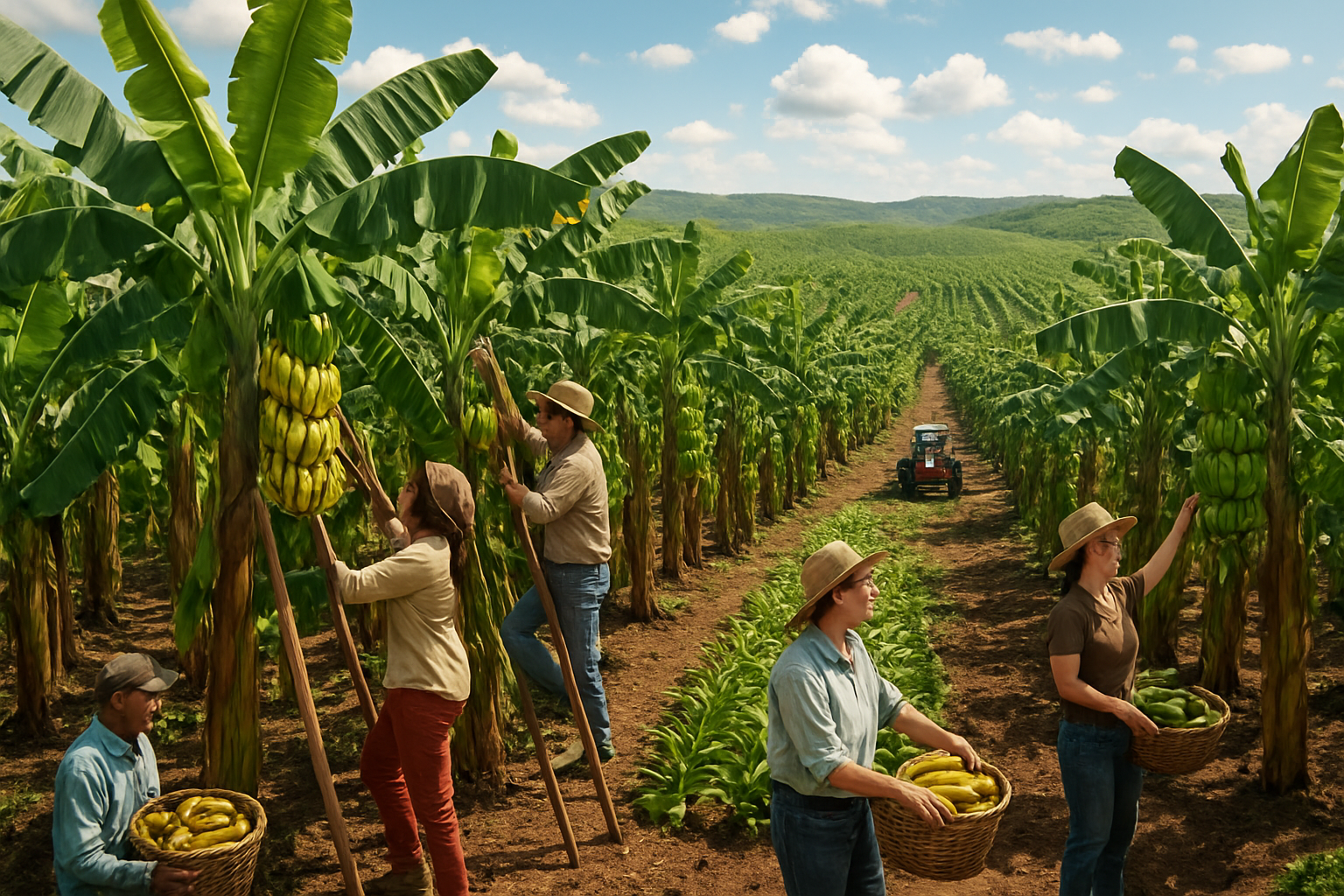
Leading Banana-Producing Countries Worldwide
The global banana production landscape is dominated by a handful of countries that have mastered the art of commercial banana farming. India stands as the world's largest banana producer, accounting for approximately 30% of global production with over 30 million tons annually. The country's diverse climate zones and extensive agricultural infrastructure make it ideal for year-round banana cultivation.
Ecuador follows as the second-largest producer and the world's leading exporter, specializing in the Cavendish variety that fills grocery stores worldwide. The Philippines, China, and Brazil round out the top five, each contributing millions of tons to the global supply chain.
| Country | Annual Production (Million Tons) | Primary Export Markets |
|---|---|---|
| India | 30+ | Limited exports, domestic consumption |
| Ecuador | 6.5 | Europe, Russia, Middle East |
| Philippines | 6.0 | Japan, China, Middle East |
| China | 5.5 | Domestic consumption |
| Brazil | 4.2 | Argentina, Uruguay |
Latin American countries like Guatemala, Colombia, and Costa Rica also play crucial roles in banana production worldwide, focusing heavily on export markets. These nations have developed sophisticated supply chains that can deliver fresh bananas from plantation to supermarket shelves within weeks.
Cultivation Methods and Farming Techniques
Modern banana farming combines traditional agricultural wisdom with cutting-edge technology to maximize yields and ensure consistent quality. Commercial banana cultivation typically employs the monoculture approach, where vast plantations focus exclusively on a single banana variety, usually the Cavendish.
The propagation process starts with tissue culture techniques in specialized laboratories, where disease-free plantlets are developed from banana plant cells. These seedlings are then transferred to nurseries before being transplanted to plantation fields. This method ensures genetic uniformity and reduces the risk of disease transmission.
Banana farming requires specific environmental conditions:
-
Temperatures between 80-90°F (26-32°C)
-
Annual rainfall of 78-98 inches or equivalent irrigation
-
Well-draining, fertile soil with pH levels between 5.5-7.0
-
Protection from strong winds
Modern plantations use precision agriculture techniques, including:
-
Drip irrigation systems that deliver water directly to plant roots
-
Integrated pest management combining biological and chemical controls
-
Soil monitoring technology to optimize nutrient levels
-
Aerial surveillance using drones to monitor plant health
Workers carefully manage each banana plant's development, removing excess flowers and protecting developing fruit bunches with blue plastic bags that create optimal growing conditions while preventing pest damage.
Seasonal Growing Patterns and Harvests
Banana cultivation differs significantly from typical seasonal crops because banana plants produce fruit year-round in tropical climates. A single banana plant takes approximately 9-12 months from planting to harvest, but once established, plantations maintain continuous production cycles.
The growing process follows distinct phases:
-
Months 1-3: Initial root development and leaf emergence
-
Months 4-6: Rapid vegetative growth and trunk formation
-
Months 7-9: Flower spike development and fruit formation
-
Months 10-12: Fruit maturation and harvest readiness
Harvesting occurs weekly on large plantations, with workers cutting banana bunches while they're still green and firm. The fruit continues ripening during transportation and storage, allowing for optimal timing when bananas reach consumers.
Different regions experience varying peak production periods based on local climate patterns. Ecuador's coastal regions produce bananas consistently throughout the year, while countries with more pronounced wet and dry seasons may see production fluctuations. Philippine banana farms often coordinate planting schedules to ensure steady harvests despite monsoon seasons.
Temperature and rainfall patterns directly impact banana production worldwide. Extended dry periods can reduce yields, while excessive moisture increases disease pressure. Climate-controlled ripening facilities at ports and distribution centers help maintain consistent banana supply regardless of seasonal variations in growing regions.
Economic and Cultural Impact of Bananas
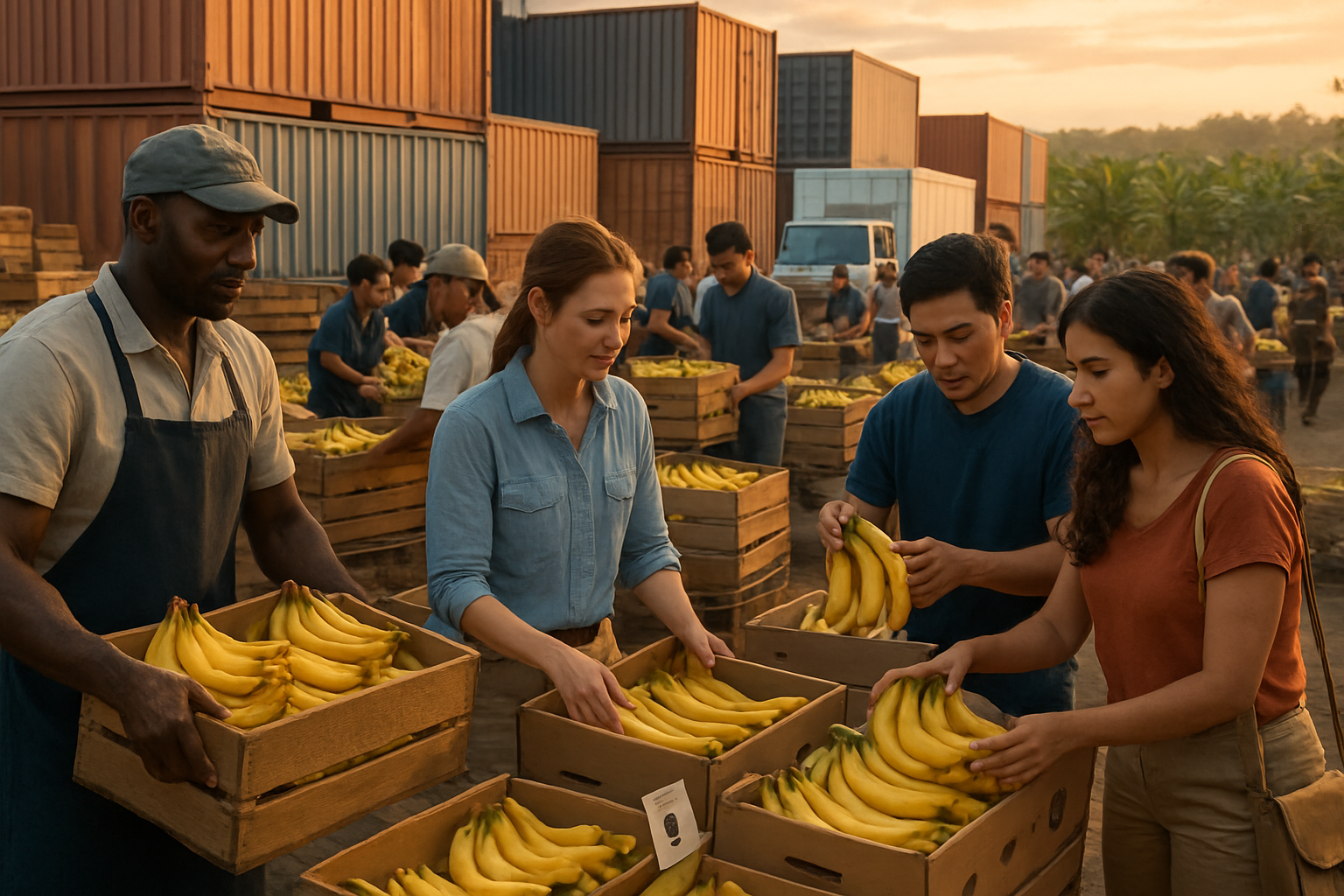
International Trade and Export Significance
Bananas rank as the world's most traded fruit, generating over $14 billion annually in global commerce. Major banana-producing countries like Ecuador, Guatemala, and the Philippines depend heavily on banana production worldwide for their economic stability. Ecuador alone exports more than 6.5 million tons annually, making up roughly 30% of global banana exports.
The economic impact of bananas extends far beyond simple fruit sales. Entire regions base their employment, infrastructure development, and foreign currency earnings on banana agriculture. Small-scale farmers in Central America and the Caribbean rely on banana cooperatives to access international markets, while large plantations employ millions of workers across tropical regions.
Multinational corporations control significant portions of the banana trade, with companies like Chiquita, Dole, and Del Monte managing complex supply chains from banana farming operations to retail distribution. These companies influence pricing structures that affect both producer communities and consumer markets worldwide.
Trade agreements and tariff policies heavily impact banana economics. The European Union's banana import regulations have historically shaped production patterns in Africa, Caribbean, and Pacific countries, demonstrating how international trade policies directly affect agricultural communities thousands of miles away.
Cultural Importance Across Different Societies
Bananas carry deep cultural significance that goes well beyond their role as a simple food source. In many Asian cultures, banana leaves serve as natural plates and food wrapping, making them integral to traditional cooking and dining practices. Hindu and Buddhist ceremonies frequently incorporate bananas as sacred offerings, symbolizing fertility and prosperity.
Caribbean and Latin American societies have woven bananas into their cultural identity through music, art, and folklore. The fruit appears in traditional songs, dances, and stories that celebrate agricultural abundance and community life. Many festivals throughout these regions honor banana harvests with colorful celebrations that bring entire communities together.
African cultures have cultivated various banana varieties for centuries, developing unique preparation methods and cultural practices around different types. Cooking bananas, or plantains, form the backbone of countless traditional dishes, from Ugandan matooke to West African kelewele.
In Pacific Island cultures, bananas hold spiritual significance in coming-of-age ceremonies and wedding traditions. Different varieties carry specific meanings, with certain types reserved for special occasions and religious rituals. These cultural practices have passed down through generations, preserving ancient knowledge about banana varieties and their uses.
Modern popular culture has also embraced bananas as symbols, from advertising campaigns to internet memes, showing how this humble fruit continues to capture human imagination across different societies and generations.
Environmental Considerations in Banana Farming
Modern banana cultivation faces significant environmental challenges that threaten both ecosystems and long-term agricultural sustainability. Large-scale banana plantations often rely on intensive monoculture practices that deplete soil nutrients and reduce biodiversity. This agricultural approach makes crops vulnerable to diseases and pests, requiring increased pesticide and fertilizer use.
Water consumption in banana farming raises serious environmental concerns, particularly in regions already facing water scarcity. A single banana plant needs approximately 150-200 gallons of water throughout its growing cycle, putting pressure on local water resources and potentially affecting surrounding communities.
Deforestation for banana plantation expansion has destroyed thousands of acres of tropical rainforest, particularly in Central and South America. This habitat loss threatens endangered species and contributes to climate change by reducing carbon sequestration capacity.
Chemical runoff from banana farms pollutes waterways, affecting aquatic ecosystems and potentially contaminating drinking water sources. Pesticides used to control diseases like black sigatoka and panama disease can harm beneficial insects, birds, and soil microorganisms essential for healthy ecosystems.
However, sustainable banana farming practices are gaining momentum. Organic certification programs encourage farmers to adopt environmentally friendly methods, while fair trade initiatives promote both ecological responsibility and social justice. Crop rotation, integrated pest management, and shade-grown techniques help restore soil health and support biodiversity.
Climate change poses new challenges for banana agriculture, with rising temperatures and changing precipitation patterns affecting growing regions worldwide. Many farming communities are adapting by developing drought-resistant varieties and implementing water conservation techniques to maintain production while protecting environmental resources.
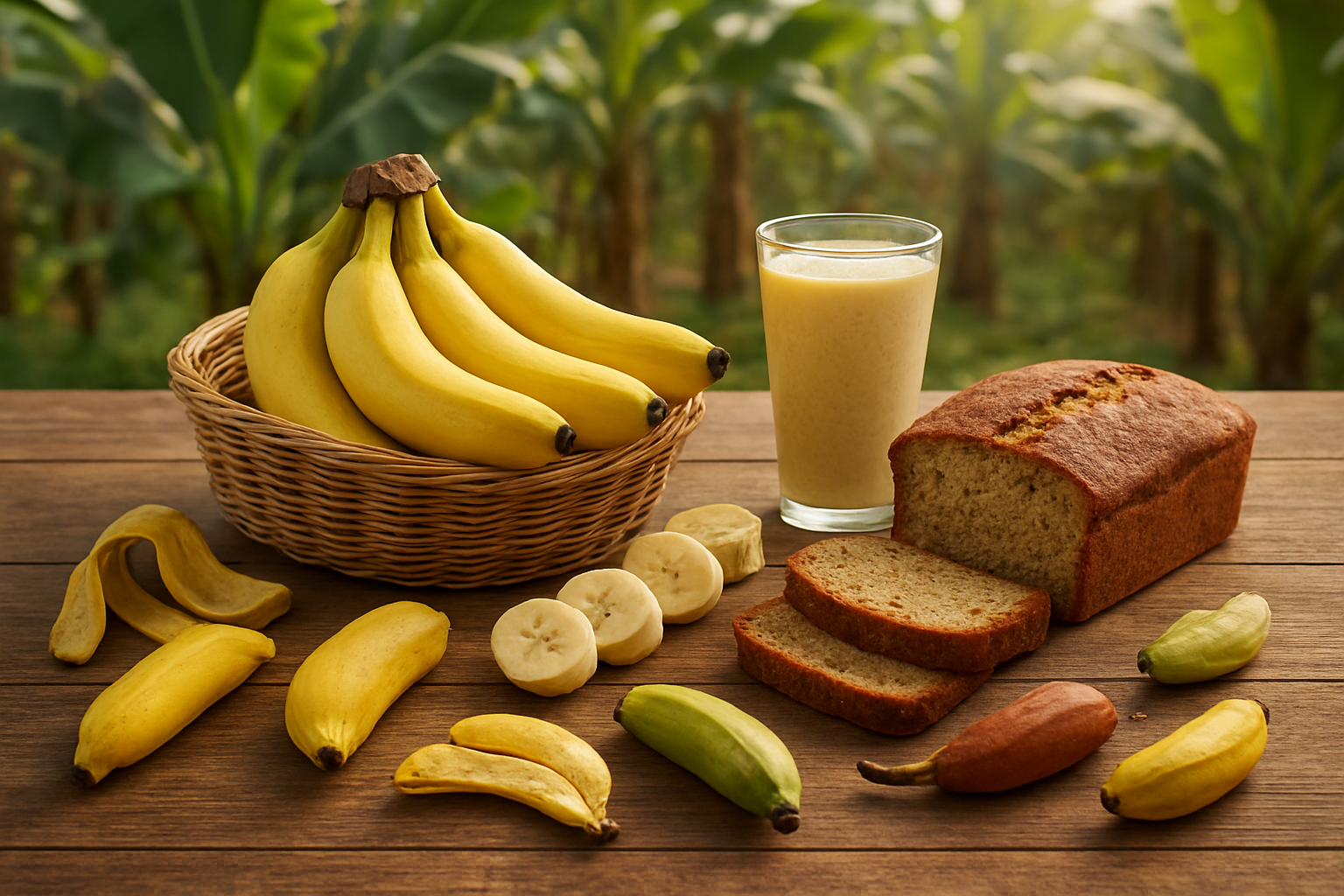
From their fascinating botanical origins to their role as nutritional powerhouses, bananas have proven themselves to be one of nature's most remarkable fruits. These curved yellow wonders pack essential vitamins, minerals, and energy into every bite while supporting millions of farmers across tropical regions worldwide. Their versatility shines through countless culinary applications, from simple snacks to elaborate desserts and even savory dishes.
The economic and cultural significance of bananas extends far beyond their nutritional value. They've shaped entire agricultural industries, influenced global trade patterns, and become deeply woven into the cultural fabric of societies around the world. Next time you reach for a banana, remember you're not just grabbing a quick snack – you're connecting with a fruit that has fed civilizations, powered athletes, and continues to play a vital role in our global food system.
Comments
Post a Comment