BLACKBERRIES - WHAT ARE BLACKBERRIES?
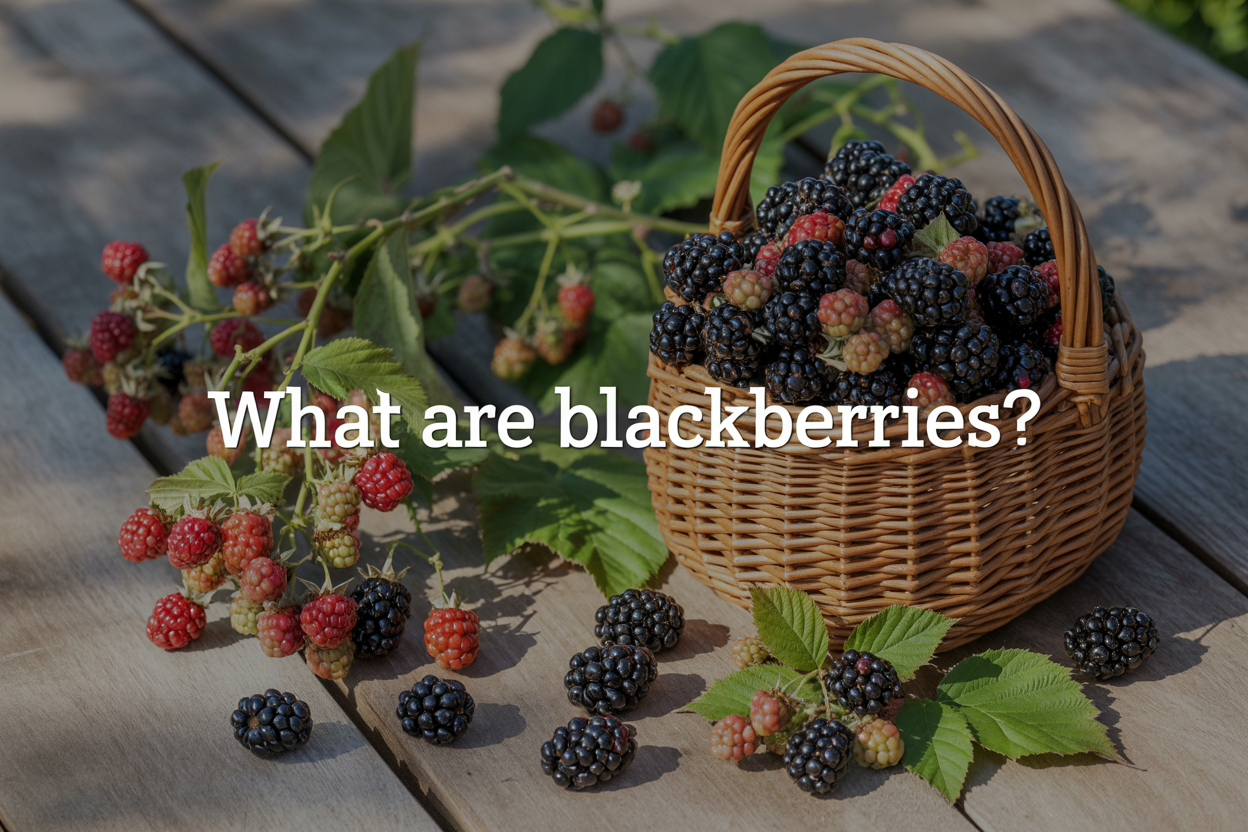
Blackberries are dark, juicy berries that grow on thorny canes and pack a serious nutritional punch. These sweet-tart fruits belong to the rose family and come in dozens of varieties, from wild roadside finds to cultivated garden gems.
This guide is perfect for home gardeners curious about growing their own berries, health-conscious eaters wanting to know about blackberry nutrition facts, and anyone who's ever wondered about the difference between wild blackberries and store-bought ones.
We'll explore the main blackberry varieties and types you can grow or forage, break down the impressive blackberry health benefits that make these berries nutritional powerhouses, and share practical tips for blackberry harvesting so you know exactly when and how to pick the perfect berry.
Botanical Classification and Plant Characteristics
Scientific Family and Genus Identification
Blackberries belong to the Rosaceae family, sharing this botanical lineage with roses, apples, and strawberries. Within this diverse family, blackberries are classified under the genus Rubus, which encompasses over 700 species worldwide. The most common cultivated blackberry species include Rubus allegheniensis (Allegheny blackberry) and Rubus occidentalis (black raspberry), though many hybrids and cultivars exist today.
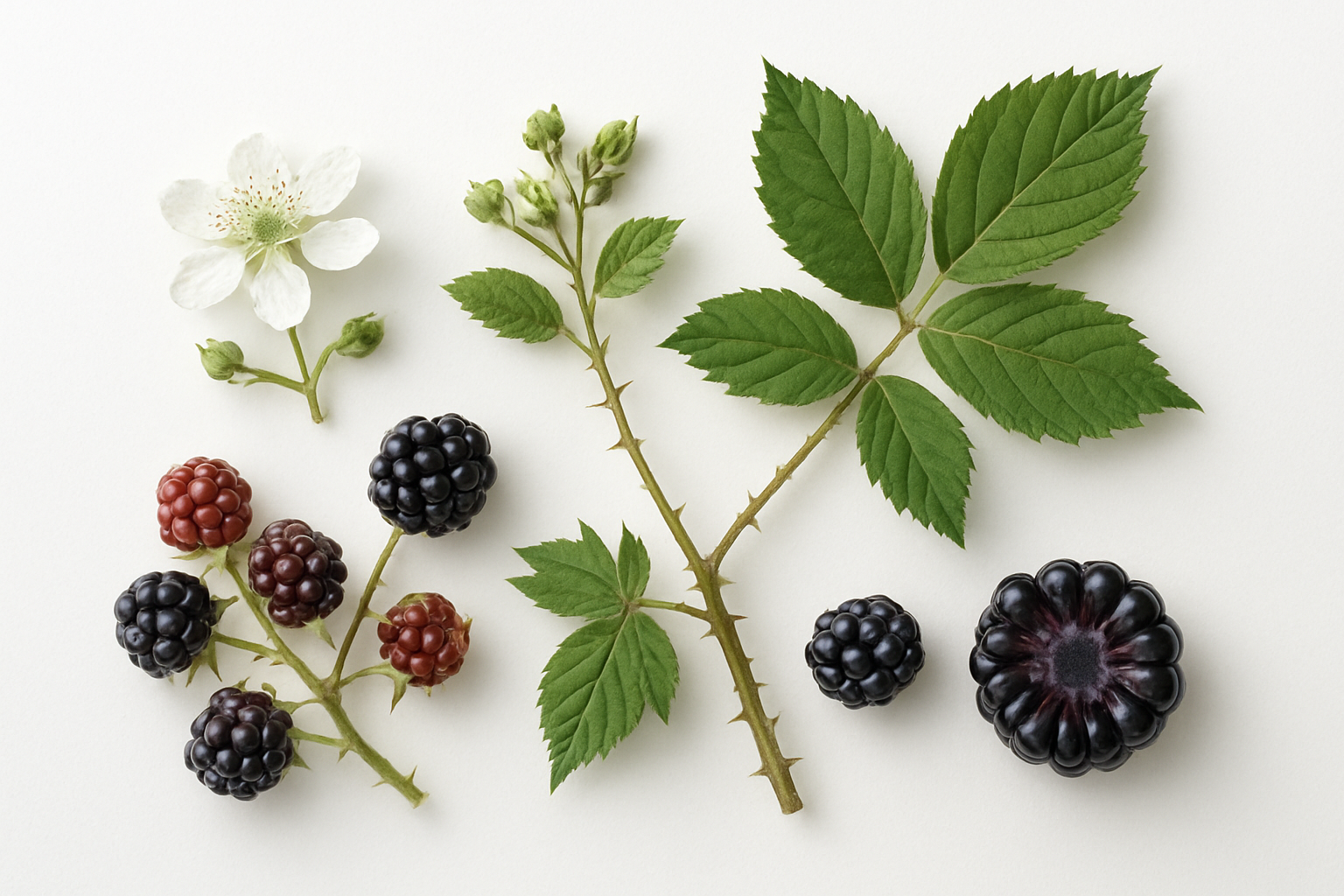
The blackberry plant's scientific classification places it as a perennial flowering plant, distinguished from other Rubus species by its aggregate fruit structure. Each "berry" actually consists of multiple small drupelets clustered together, creating the characteristic bumpy texture that makes blackberries instantly recognizable.
Physical Appearance of Blackberry Plants
Blackberry plants present a distinctive appearance that varies slightly between wild blackberries and cultivated varieties. The most notable feature is their thorny stems, called canes, which can range from lightly prickled to heavily armed with sharp, curved thorns. These thorns serve as natural protection against browsing animals and help the plant climb over obstacles.
The leaves typically display a compound structure with three to five leaflets, each bearing serrated edges and a deep green color. During autumn, these leaves transform into brilliant shades of red, orange, and yellow before dropping. The stems themselves range from green in young growth to reddish-brown or dark purple in mature canes.
Blackberry flowers appear in clusters of white or pale pink blooms, each featuring five petals and numerous stamens. These flowers typically measure about one inch across and emerge in late spring to early summer, depending on the variety and climate.
Growth Patterns and Vine Structure
Blackberry plants exhibit a unique biennial cane system that defines their growth pattern. First-year canes, called primocanes, focus entirely on vegetative growth, developing leaves and establishing the plant's structure. These green, often more flexible canes can grow anywhere from 3 to 15 feet in length, depending on the variety and growing conditions.
Second-year canes, known as floricanes, shift their energy to reproduction. These canes develop the lateral branches that produce flowers and fruit, typically growing 2 to 6 feet tall. After fruiting, floricanes die back naturally, making room for new primocanes to take their place.
The growth habit varies significantly between blackberry types. Erect varieties grow upright with minimal support needs, while trailing varieties spread horizontally and require trellising. Semi-erect types fall somewhere between, offering manageable growth with moderate support requirements.
Seasonal Development Cycle
The blackberry plant follows a predictable annual cycle that gardeners and foragers learn to anticipate. Spring brings the emergence of new primocanes from the root system, while existing floricanes develop flower buds. As temperatures warm, white blossoms appear in clusters along the fruiting canes.
Summer marks the peak growing season for both fruit development and primocane growth. Green berries gradually ripen through red to their final deep purple-black color, a process that typically takes 30 to 45 days from flowering. Peak harvest usually occurs from mid-June through August, depending on variety and location.
Fall signals the beginning of dormancy preparation. Floricanes that produced fruit begin to decline and eventually die, while primocanes slow their growth and start hardening off for winter. Many blackberry varieties display spectacular fall foliage during this transition period, adding ornamental value to their practical benefits.
Varieties and Types of Blackberries
Wild vs. Cultivated Blackberry Species
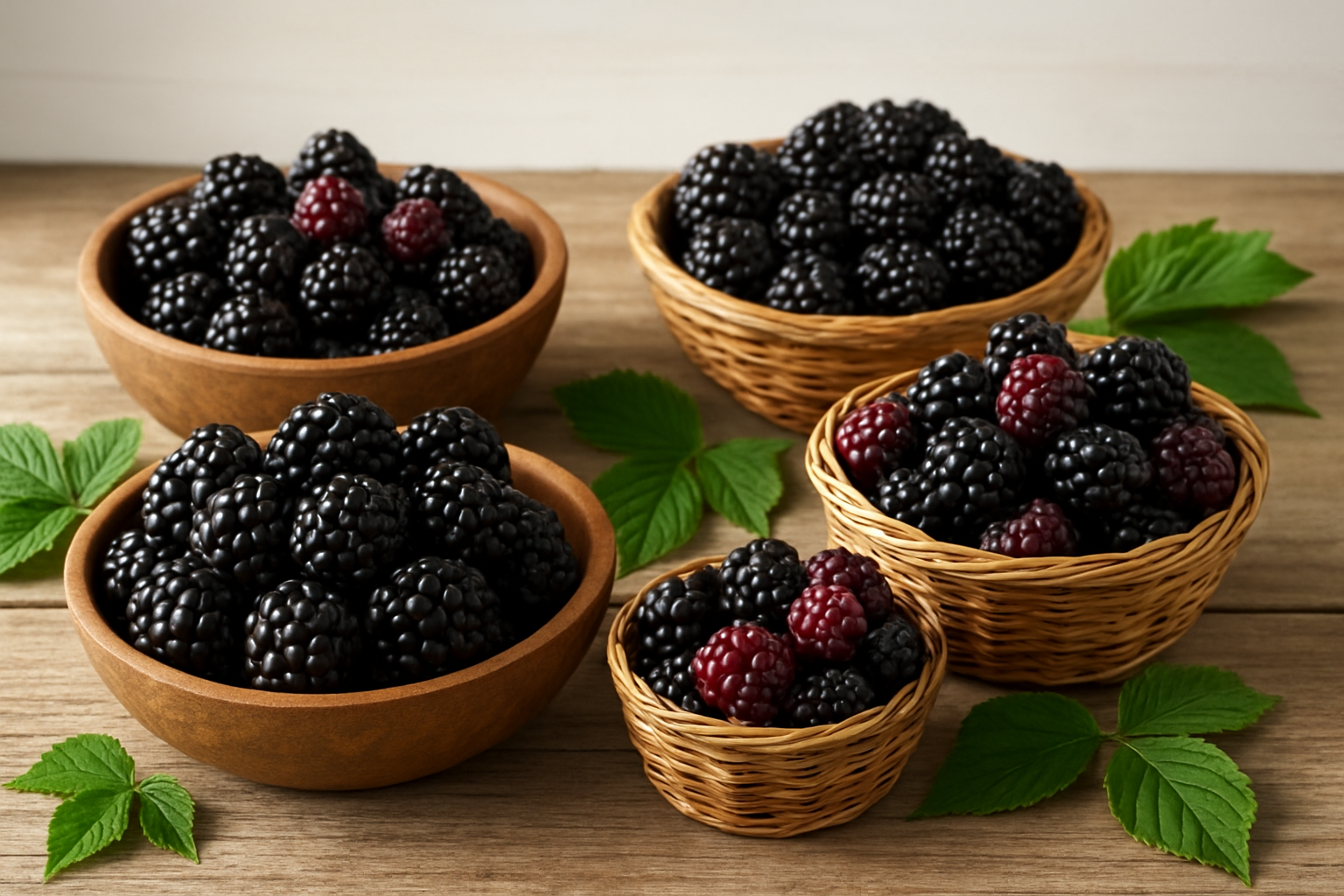
Wild blackberries grow naturally across North America, Europe, and Asia, thriving in hedgerows, forest edges, and abandoned fields. These hardy plants belong to the Rubus genus and include species like Rubus allegheniensis (common blackberry) and Rubus occidentalis (black raspberry). Wild blackberry varieties typically produce smaller, more intensely flavored berries with complex tartness that commercial varieties often lack.
Cultivated blackberries have been selectively bred for specific traits like larger fruit size, extended harvest seasons, and disease resistance. Popular cultivated varieties include 'Triple Crown,' 'Ouachita,' and 'Prime-Ark Freedom.' These blackberry plants offer more predictable yields and easier maintenance compared to their wild counterparts. The berries tend to be sweeter and larger, making them ideal for fresh eating and commercial production.
The main difference lies in fruit quality and plant behavior. Wild blackberries often have seeds that are more noticeable and fruit that ripens over several weeks, while cultivated varieties typically offer concentrated harvest periods and more uniform berry size.
Thornless and Thorny Cultivar Differences
Traditional blackberry plants are notorious for their sharp thorns, which serve as natural protection but make harvesting challenging. Thorny varieties like 'Cherokee' and 'Choctaw' often produce exceptional fruit quality with intense flavors and excellent disease resistance. These blackberry types require careful handling during maintenance and harvest but reward growers with robust plants that can withstand harsh conditions.
Thornless blackberry varieties revolutionized home gardening by eliminating the painful aspect of berry picking. Popular thornless cultivars include 'Apache,' 'Arapaho,' and 'Navaho.' These plants produce smooth canes that make pruning, training, and harvesting much more pleasant. The fruit quality rivals thorny varieties, though some gardeners report slightly less cold tolerance in certain thornless types.
| Feature | Thorny Varieties | Thornless Varieties |
|---|---|---|
| Harvest ease | Difficult, requires protective clothing | Easy, comfortable picking |
| Cold tolerance | Generally excellent | Variable, some less hardy |
| Fruit flavor | Often more intense | Excellent, slightly milder |
| Plant vigor | Very robust | Strong, may need winter protection |
Regional Varieties and Their Unique Traits
Different regions have developed blackberry varieties suited to local growing conditions and climate challenges. Southern varieties like 'Kiowa' and 'Ouachita' handle hot, humid summers while producing large, sweet berries. These heat-tolerant blackberry plants often require fewer chill hours and can extend growing seasons in warmer climates.
Northern blackberry varieties focus on cold hardiness and shorter growing seasons. 'Darrow' and 'Illinois' varieties survive harsh winters and produce quality fruit during brief summer windows. These cultivars typically require more winter protection but offer excellent flavor profiles adapted to cooler climates.
Pacific Northwest varieties like 'Marionberry' and 'Boysenberry' take advantage of mild, wet winters and warm, dry summers. These regional specialties have become famous for their unique flavor combinations - Marionberries offer wine-like complexity while Boysenberries provide a sweet-tart balance with hints of raspberry.
Desert regions have produced varieties like 'Brazos' that tolerate extreme heat and lower water availability. These drought-resistant blackberry types often produce smaller but intensely flavored berries and require specific pruning techniques to manage heat stress.
Nutritional Profile and Health Benefits
Vitamin and Mineral Content Breakdown
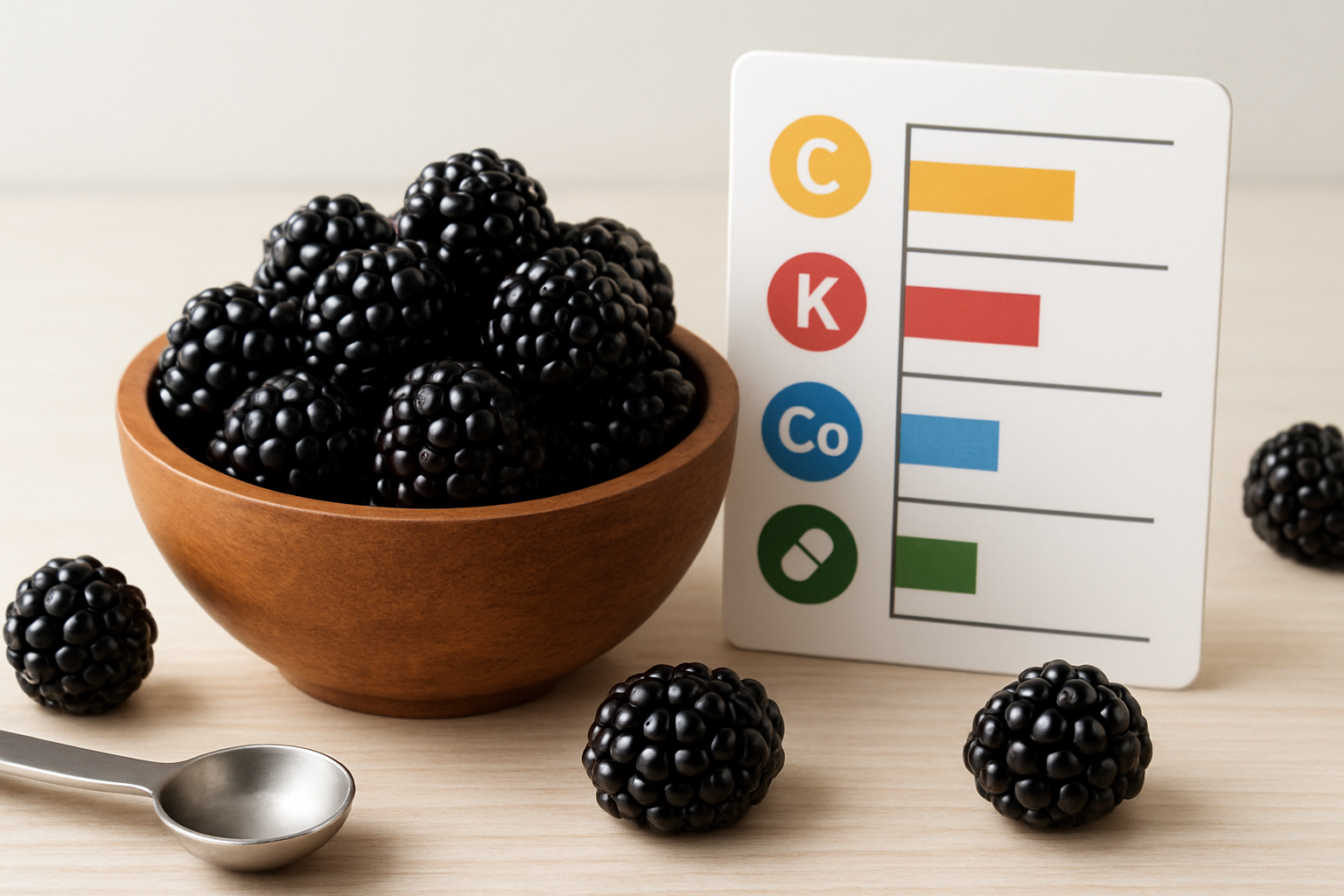
Blackberries pack an impressive nutritional punch that makes them stand out among fruits. A single cup of fresh blackberries delivers about 30 milligrams of vitamin C, which covers roughly one-third of your daily needs. This vitamin C content helps your immune system stay strong and supports collagen production for healthy skin.
These dark berries also shine when it comes to vitamin K, providing around 29 micrograms per cup. Your bones need this vitamin for proper calcium absorption and blood clotting functions. Blackberry nutrition facts show they're loaded with manganese too - about 0.9 milligrams per serving, which supports bone development and wound healing.
| Nutrient | Amount per Cup | % Daily Value |
|---|---|---|
| Vitamin C | 30.2 mg | 34% |
| Vitamin K | 28.8 mcg | 24% |
| Manganese | 0.9 mg | 47% |
| Folate | 36 mcg | 9% |
| Potassium | 233 mg | 5% |
The folate content in blackberries supports cell division and DNA synthesis, making them particularly beneficial for pregnant women. Meanwhile, their potassium helps regulate blood pressure and supports heart function.
Antioxidant Properties and Disease Prevention
What makes blackberries truly special is their rich concentration of antioxidants. The deep purple-black color comes from anthocyanins, powerful compounds that fight inflammation throughout your body. These antioxidants help neutralize free radicals that can damage cells and contribute to chronic diseases.
Research shows that eating blackberries regularly may help reduce your risk of heart disease. The anthocyanins support cardiovascular health by improving blood vessel function and reducing arterial stiffness. Some studies suggest these compounds might also help lower blood pressure naturally.
The antioxidant power of blackberries extends to brain health too. Regular consumption may support memory and cognitive function as you age. The flavonoids in these berries can cross the blood-brain barrier, potentially protecting brain cells from oxidative stress.
Cancer prevention is another area where blackberries show promise. The combination of vitamin C, anthocyanins, and other phytochemicals creates a protective effect against cellular damage that could lead to tumor formation.
Fiber Content and Digestive Health Support
Blackberries are fiber superstars, delivering about 8 grams of dietary fiber per cup - that's nearly one-third of your daily fiber needs. This high fiber content makes them excellent for digestive health and regular bowel movements.
The fiber in blackberries includes both soluble and insoluble types. Soluble fiber dissolves in water and forms a gel-like substance that helps slow digestion and keeps you feeling full longer. This type also helps regulate blood sugar levels by slowing glucose absorption.
Insoluble fiber adds bulk to stool and promotes healthy gut transit time. This prevents constipation and supports overall digestive system health. The combination of both fiber types creates an ideal environment for beneficial gut bacteria to thrive.
Regular consumption of high-fiber foods like blackberries can help reduce cholesterol levels. The soluble fiber binds to cholesterol in your digestive system, preventing its absorption into your bloodstream.
Low-Calorie Fruit Option for Weight Management
One cup of fresh blackberries contains only about 62 calories, making them a smart choice for anyone watching their weight. Despite being low in calories, they're incredibly satisfying thanks to their high fiber and water content.
The natural sweetness of blackberries can help curb sugar cravings without derailing your diet goals. Their low glycemic index means they won't cause rapid spikes in blood sugar, helping maintain steady energy levels throughout the day.
Blackberries make excellent snacks or meal additions because they provide volume and nutrition without excess calories. You can eat a generous portion while staying within reasonable calorie limits. The fiber content helps you feel full faster and stay satisfied longer, potentially reducing overall calorie intake.
For people managing their weight, blackberries offer the perfect combination of sweet satisfaction, nutritional value, and portion control. They work well in smoothies, yogurt bowls, or eaten fresh as a guilt-free dessert alternative.
Growing Conditions and Habitat Requirements
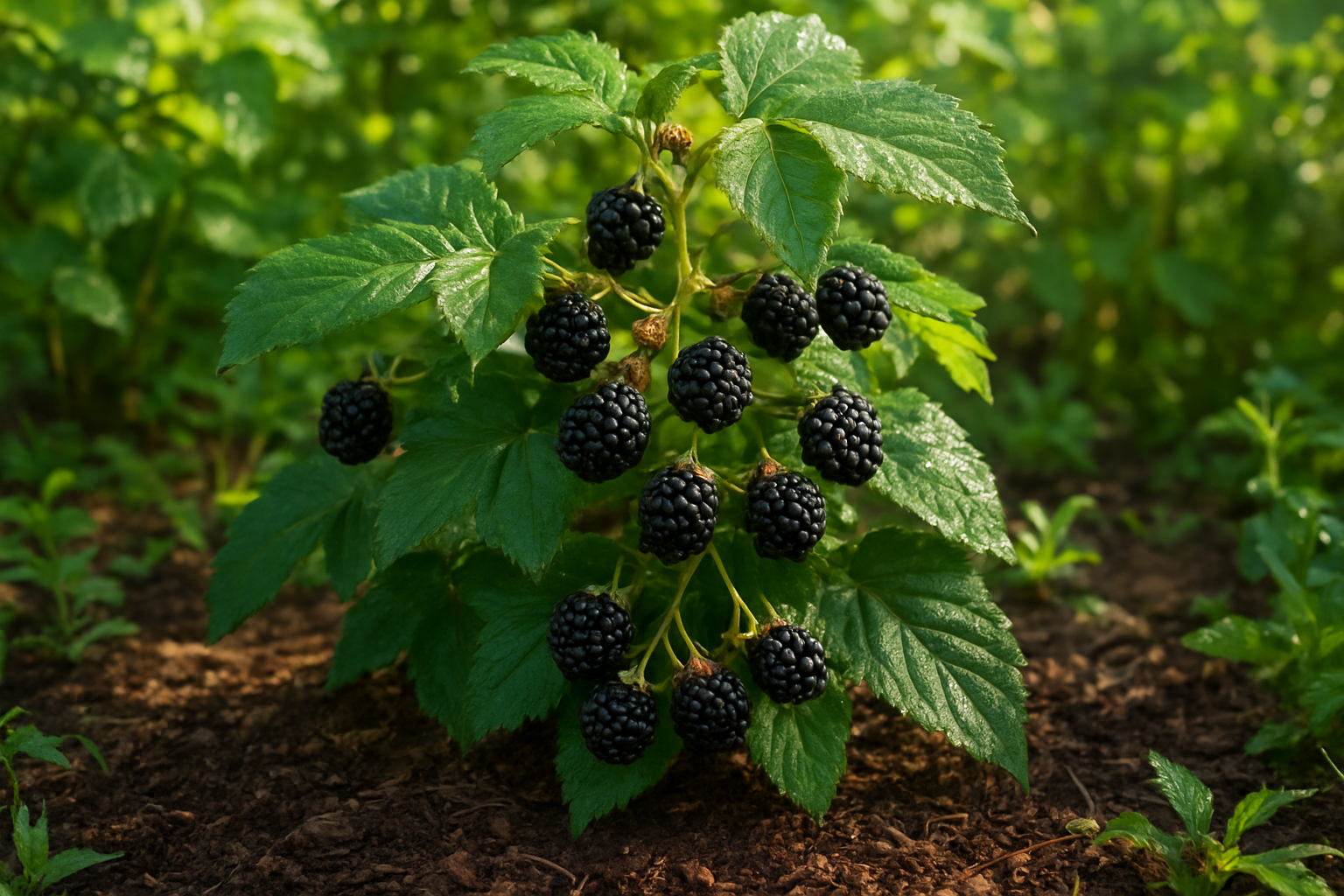
Ideal Soil Types and pH Levels
Blackberry plants thrive in well-draining soil that strikes the perfect balance between moisture retention and proper drainage. The best soil for growing blackberries is a loamy mixture with plenty of organic matter worked in. Clay soils can work but need significant amendments to improve drainage, while sandy soils require regular additions of compost or aged manure to maintain fertility and moisture retention.
The pH level plays a crucial role in blackberry plant health and fruit production. These plants prefer slightly acidic to neutral soil with a pH range between 5.5 and 7.0, with the sweet spot being around 6.0 to 6.8. Soil that's too alkaline can lead to nutrient deficiencies, particularly iron chlorosis, while overly acidic conditions can limit nutrient availability and root development.
Before planting blackberries, test your soil and amend accordingly. Adding sulfur can lower pH in alkaline soils, while lime raises pH in overly acidic conditions. Regular applications of organic compost not only improve soil structure but also help buffer pH fluctuations naturally.
Sunlight and Water Needs
Blackberry plants are sun-lovers that need at least 6 to 8 hours of direct sunlight daily for optimal growth and fruit production. Full sun exposure promotes vigorous growth, better flowering, and sweeter fruit development. Plants grown in partial shade tend to produce fewer berries and may be more susceptible to fungal diseases due to poor air circulation and slower drying after rain or irrigation.
Water requirements for blackberries are substantial but manageable. These plants need consistent moisture, especially during fruit development and hot summer months. Aim for about 1 to 2 inches of water per week, including rainfall. Deep, infrequent watering works better than frequent shallow watering, as it encourages deep root development and drought tolerance.
Drip irrigation or soaker hoses provide the most efficient watering method, delivering moisture directly to the root zone while keeping foliage dry. This reduces the risk of fungal diseases that can plague blackberry plants in humid conditions.
Climate Zones for Optimal Growth
Different blackberry varieties thrive in various climate zones, making it possible to grow these delicious berries across a wide range of geographic regions. Most blackberry varieties perform best in USDA hardiness zones 5 through 9, though some cold-hardy varieties can survive in zone 4 with proper protection.
Erect blackberry varieties generally handle colder temperatures better than trailing types, making them suitable for northern climates. Semi-erect and trailing varieties prefer milder winters and are ideal for zones 6 through 9. The key is matching the right variety to your specific climate zone.
Temperature fluctuations affect flowering and fruit set. Late spring frosts can damage blossoms, while extreme summer heat above 90°F can stress plants and reduce fruit quality. Areas with moderate summer temperatures between 70-85°F typically see the best blackberry production.
Winter chill hours also matter for proper fruit development. Most blackberry varieties need between 200 to 800 hours below 45°F during winter dormancy. Without adequate chill hours, plants may have poor flowering and fruit set the following season.
Harvesting and Selection Guidelines
Peak ripeness identification techniques
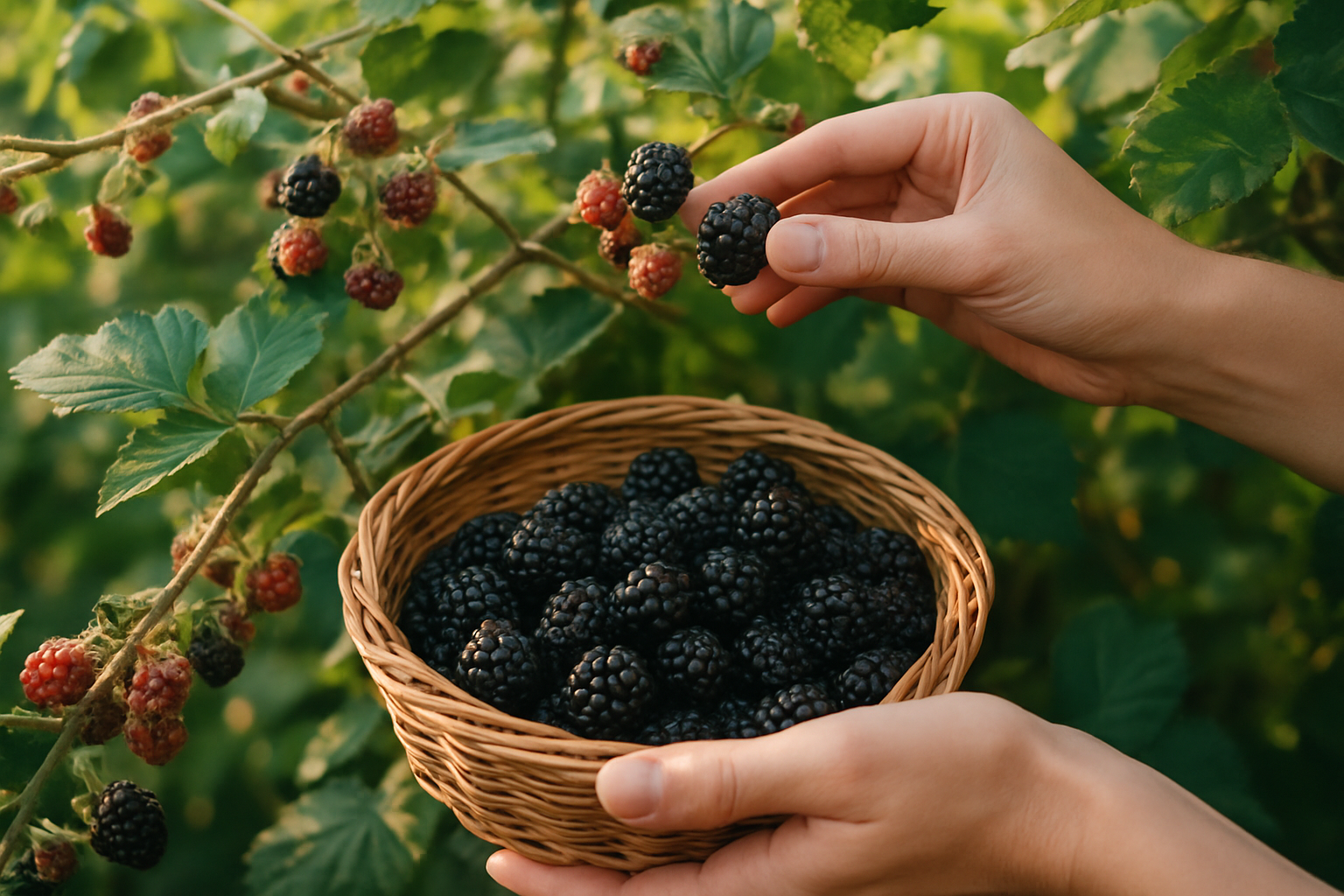
Fully ripe blackberries display several distinct characteristics that set them apart from their underripe counterparts. The color serves as the primary indicator – ripe blackberries showcase a deep, glossy black hue with no traces of red or purple tinting. The berries should feel plump and slightly soft when gently pressed, yielding to touch without being mushy or overly squishy.
Ripe blackberries release easily from their stems with minimal pressure. If you need to tug or pull forcefully, the berry needs more time to mature. The drupelets (individual segments) should appear uniform and well-developed, creating a cohesive, rounded shape. Avoid berries with shriveled, dry, or missing drupelets.
The aroma provides another reliable ripeness test. Perfectly ripe blackberries emit a sweet, fruity fragrance that becomes more pronounced as they reach peak maturity. Overripe berries often develop a slightly fermented smell, while underripe ones lack any notable aroma.
Proper picking methods for maximum flavor
Blackberry harvesting requires a gentle touch and strategic approach. Pick during cooler morning hours when berries contain the highest moisture content and haven't been stressed by afternoon heat. Early morning picking also reduces the risk of berry damage from sun exposure.
Use your fingertips to cradle each berry and apply gentle pressure to release it from the stem. Avoid squeezing or grabbing multiple berries simultaneously, as this can crush delicate fruit and reduce shelf life. Place berries directly into shallow containers rather than deep buckets to prevent bottom berries from getting crushed under the weight of others.
Wear long sleeves and pants when harvesting wild blackberries to protect against thorns. Bring multiple small containers rather than one large basket, allowing you to separate berries by ripeness levels. Skip any berries showing signs of mold, insect damage, or excessive softness.
Storage tips for maintaining freshness
Fresh blackberries require careful handling to maximize their shelf life. Never wash berries until you're ready to consume them, as excess moisture accelerates spoilage. Store unwashed berries in the refrigerator's crisper drawer, ideally in a shallow, breathable container lined with paper towels.
Remove any damaged or moldy berries immediately, as they can quickly contaminate healthy fruit. Blackberries typically stay fresh for 3-5 days when properly stored in refrigerated conditions. For longer storage, freeze berries on a single layer on baking sheets before transferring to freezer bags.
Check stored berries daily and consume the softest ones first. If you notice any white fuzzy mold developing, discard affected berries immediately and inspect remaining fruit carefully.
Seasonal availability and best harvest times
Blackberry harvesting seasons vary significantly by variety and geographic location. Most cultivated blackberries ripen between June and August in temperate climates, with peak harvest typically occurring in July. Wild blackberries often fruit slightly later, extending the season into early September.
Early-season varieties like 'Navaho' begin producing ripe fruit in late June, while late-season cultivars such as 'Triple Crown' continue fruiting through August. Primocane varieties offer extended harvests, producing berries on both first-year and second-year canes.
Regional climate differences affect timing considerably. Southern regions may see blackberries ripen as early as May, while northern areas might not reach peak harvest until late July or August. Monitor local conditions and variety-specific maturation patterns for optimal blackberry harvesting timing in your area.
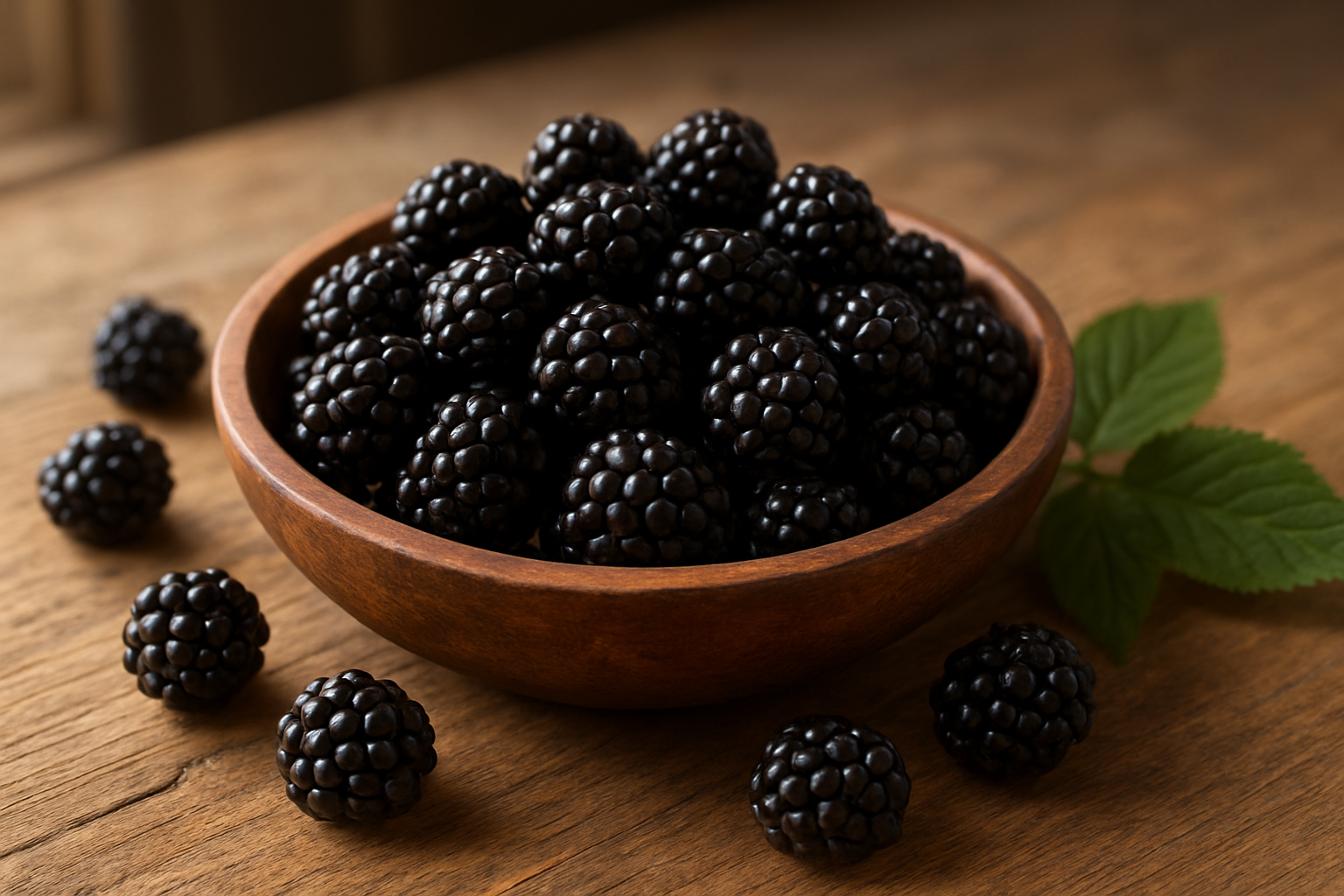
Blackberries pack a serious nutritional punch while being surprisingly easy to grow in the right conditions. From their rich vitamin C content to their impressive antioxidant levels, these dark purple gems offer real health benefits that go way beyond just tasting great. Whether you're dealing with trailing varieties or upright canes, understanding their growing needs and proper harvesting techniques can make all the difference in getting the best fruit.
The next time you see fresh blackberries at the market or consider planting some in your yard, you'll know exactly what you're getting into. Pick berries that are fully dark and slightly soft to the touch, and remember that homegrown varieties often taste even better than store-bought ones. With the right care and timing, you can enjoy these nutrient-dense berries fresh off the bush all season long.


.png)
Comments
Post a Comment