BLUEBERRIES - WHAT ARE BLUEBERRIES?
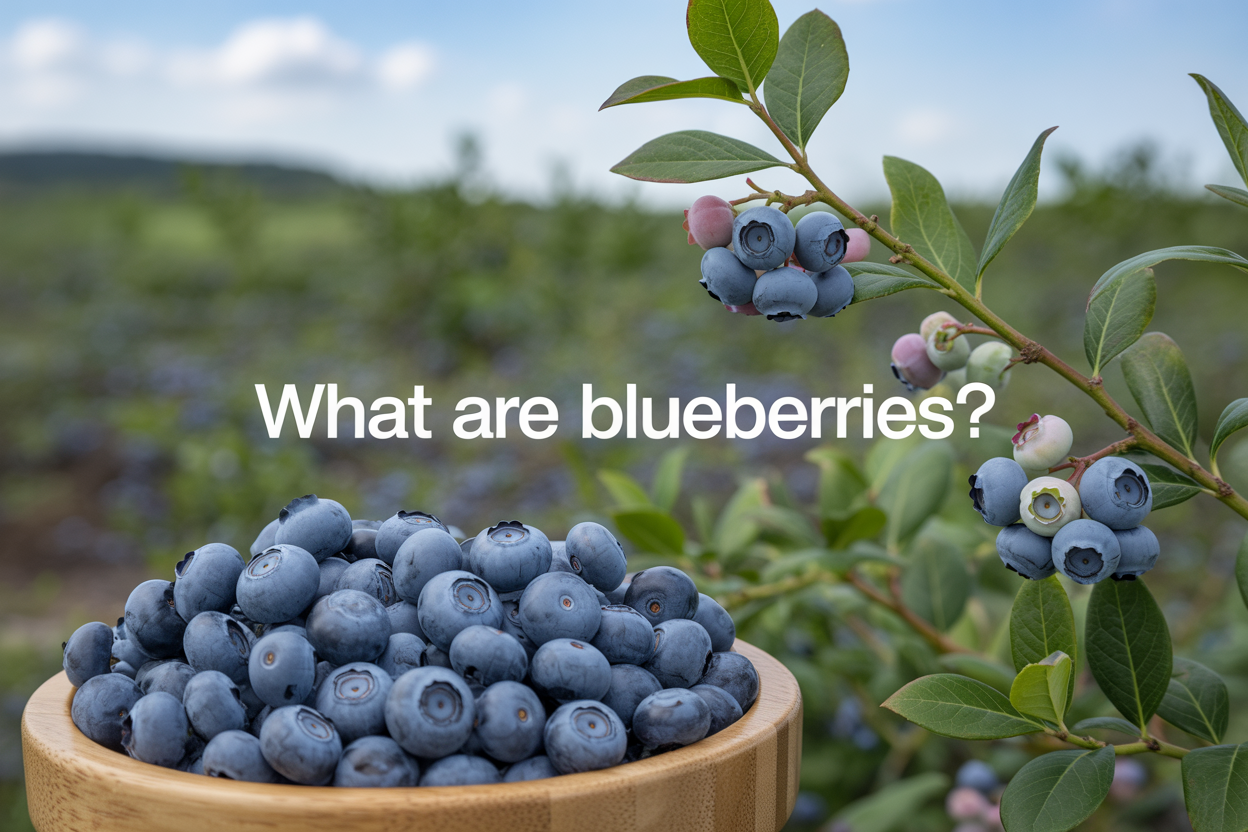
Blueberries are small, round berries that pack a serious nutritional punch and have become one of America's favorite superfruits. These deep blue gems grow on low bushes and are loved by home gardeners, health enthusiasts, and anyone who enjoys their sweet-tart flavor.
This guide is perfect for curious food lovers, aspiring gardeners, and health-conscious individuals who want to understand what makes blueberries so special. We'll explore the unique physical characteristics that set the blueberry plant apart from other berry varieties, dive into the impressive blueberry nutrition benefits that make them a true superfood, and share essential blueberry growing guide tips so you can cultivate your own fresh blueberries at home.
You'll also discover the ideal growing conditions these plants need to thrive and learn professional blueberry harvesting tips for selecting the highest quality berries every time.
Understanding the Blueberry Plant and Its Origins
Scientific classification and botanical characteristics
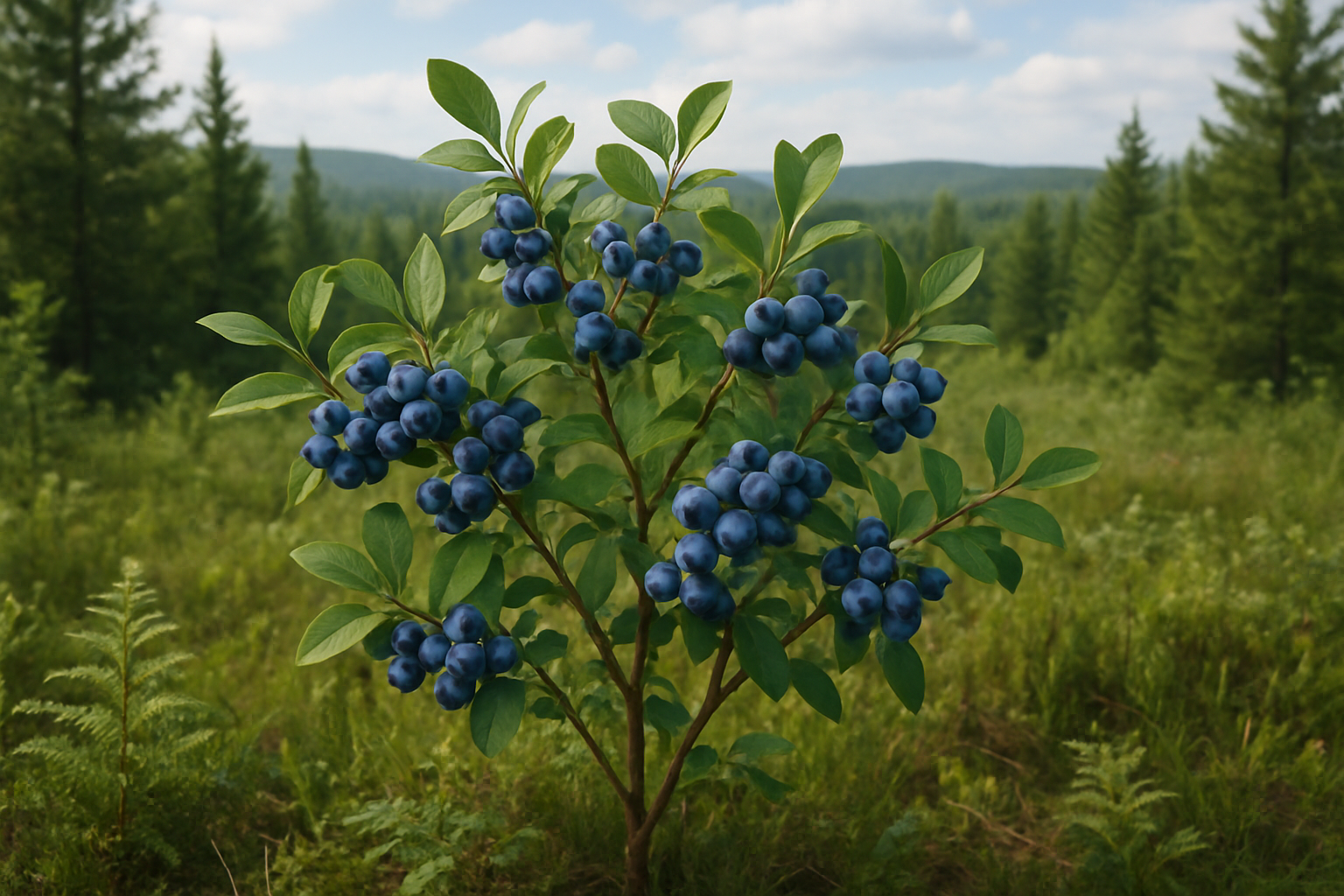
Blueberry plants belong to the genus Vaccinium within the heath family Ericaceae. These deciduous shrubs share botanical relatives with cranberries, huckleberries, and azaleas. The blueberry plant displays distinctive characteristics that set it apart from other berry-producing species.
The shrubs feature simple, alternate leaves with smooth or slightly serrated edges. During spring, small bell-shaped flowers emerge in clusters, typically white or pale pink in color. These delicate blooms develop into the characteristic blue-purple berries we know and love. The berries possess a distinctive crown at the bottom, created by the remnants of the flower's sepals.
Blueberry plants develop extensive, shallow root systems that spread horizontally rather than deeply. This fibrous root structure makes them particularly well-suited to acidic soils with good drainage. The plants can range from low-growing ground covers to tall shrubs reaching 12 feet in height, depending on the species.
Native habitats and natural growing regions
What are blueberries in their natural state? Wild blueberries originated in North America, where they've thrived for thousands of years. These native plants naturally inhabit acidic soils in forests, mountainous regions, and boggy areas across the continent.
The primary native regions include:
-
Eastern North America: From Canada's Maritime provinces down to Georgia
-
Pacific Northwest: Oregon, Washington, and British Columbia
-
Northern regions: Alaska, northern Canada, and the Great Lakes area
-
Mountainous areas: Appalachian Mountains and Rocky Mountain foothills
Wild blueberries prefer environments with cool, moist conditions and well-draining, organic-rich soils. They often grow alongside other acid-loving plants like rhododendrons, mountain laurel, and ferns. These natural habitats typically feature pH levels between 4.0 and 5.5, which is considerably more acidic than most garden soils.
Different species and varieties available worldwide
The blueberry plant family encompasses several distinct species, each adapted to specific growing conditions and climates:
| Species | Characteristics | Growing Regions |
|---|---|---|
| Northern Highbush (V. corymbosum) | Large berries, 6-12 feet tall | Temperate climates, zones 4-7 |
| Southern Highbush (V. corymbosum hybrids) | Heat-tolerant, early ripening | Warmer regions, zones 7-10 |
| Lowbush (V. angustifolium) | Small berries, 6-24 inches tall | Cold climates, zones 2-6 |
| Rabbiteye (V. virgatum) | Heat and drought tolerant | Southeastern US, zones 7-9 |
| Half-high | Compact hybrids, cold-hardy | Northern climates, zones 3-7 |
Popular cultivated varieties include 'Bluecrop', 'Jersey', 'Duke', and 'Chandler' for northern regions, while 'Sharpblue', 'Misty', and 'Sunshine Blue' thrive in southern climates. Each variety offers unique characteristics in terms of berry size, flavor profile, ripening time, and plant vigor.
Evolution from wild berries to cultivated crops
The transformation of wild blueberries into cultivated crops represents one of agriculture's most recent success stories. Native Americans had been harvesting and utilizing wild blueberries for centuries before European colonization, incorporating them into pemmican and using them medicinally.
Commercial blueberry cultivation began in the early 1900s when botanist Frederick Coville started studying wild blueberry plants in New Jersey. His groundbreaking research revealed that blueberries required highly acidic soil conditions to thrive - a discovery that revolutionized cultivation practices.
Elizabeth White, a cranberry farmer's daughter, partnered with Coville to identify superior wild plants for breeding programs. Together, they developed the first cultivated blueberry varieties by selecting plants with desirable traits like large berry size, good flavor, and reliable production.
The breeding process involved:
-
Selection: Identifying wild plants with superior characteristics
-
Propagation: Developing methods to reproduce selected plants
-
Hybridization: Cross-breeding different species for improved traits
-
Testing: Evaluating new varieties across different climates
Modern blueberry growing guide practices now incorporate advanced techniques like tissue culture propagation, genetic mapping, and precision agriculture. Today's cultivated blueberries produce significantly larger, more flavorful berries than their wild ancestors while maintaining the nutritional benefits that make them a superfood.
Physical Characteristics That Make Blueberries Unique
Size, Shape, and Color Variations
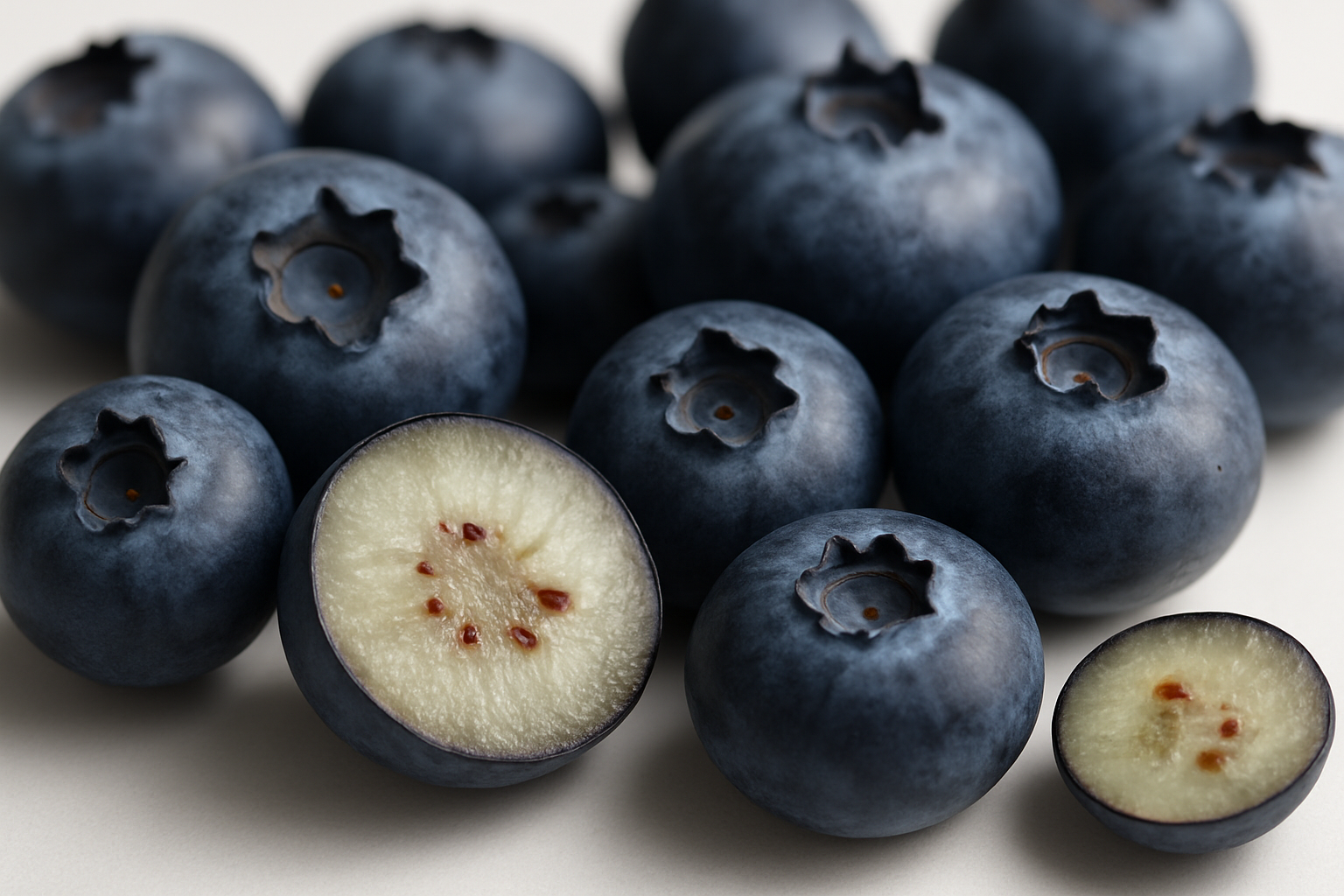
Blueberries display remarkable diversity in their physical appearance, ranging from tiny wild varieties no bigger than peppercorns to cultivated giants approaching the size of small grapes. Most commercial blueberries measure between 5-16 millimeters in diameter, with highbush varieties typically producing the largest fruits. The classic blueberry shape is spherical with a slightly flattened crown, topped by a distinctive five-pointed calyx that resembles a tiny star.
Color variations in blueberries span an impressive spectrum. While we associate these fruits with their namesake blue hue, fresh blueberries actually display colors ranging from deep purple-black to pale blue-gray, with some varieties showing hints of red or pink undertones. The intensity of blue coloration depends on anthocyanin concentration, which varies by cultivar, growing conditions, and ripeness level. Wild blueberries often exhibit darker, more intense coloration compared to their cultivated counterparts.
Skin Texture and Internal Structure
The blueberry's exterior features a smooth, waxy coating called the bloom - a natural protective layer that gives ripe berries their characteristic dusty appearance. This waxy film helps preserve freshness and protects against moisture loss. Beneath this coating lies a thin but resilient skin that provides structural integrity while remaining tender enough to burst with gentle pressure.
Inside each blueberry, you'll find a unique cellular structure that sets it apart from other berries. The flesh contains numerous tiny seeds - typically 10-20 per berry - embedded in soft, juicy pulp. Unlike strawberries with external seeds or raspberries with hard pits, blueberry seeds are so small and soft they're barely noticeable when eating. The internal color ranges from pale green to deep purple, with darker varieties showing more intense pigmentation throughout.
Seasonal Changes in Appearance
Blueberry appearance transforms dramatically throughout the growing season. Early in development, young berries appear as small, hard, green orbs with pronounced ridges. As they mature, the fruits gradually expand and smooth out, transitioning through shades of pink and red before reaching their final blue coloration.
Peak ripeness brings the most appealing visual characteristics - full size, deep color, and that telltale waxy bloom. The calyx remains green and fresh-looking on high-quality berries, while the stem scar should appear dry and clean. Overripe berries begin losing their bloom, developing wrinkled skin and darker, sometimes purplish coloration that signals declining quality.
Nutritional Powerhouse Benefits of Blueberries
Antioxidant content and health implications
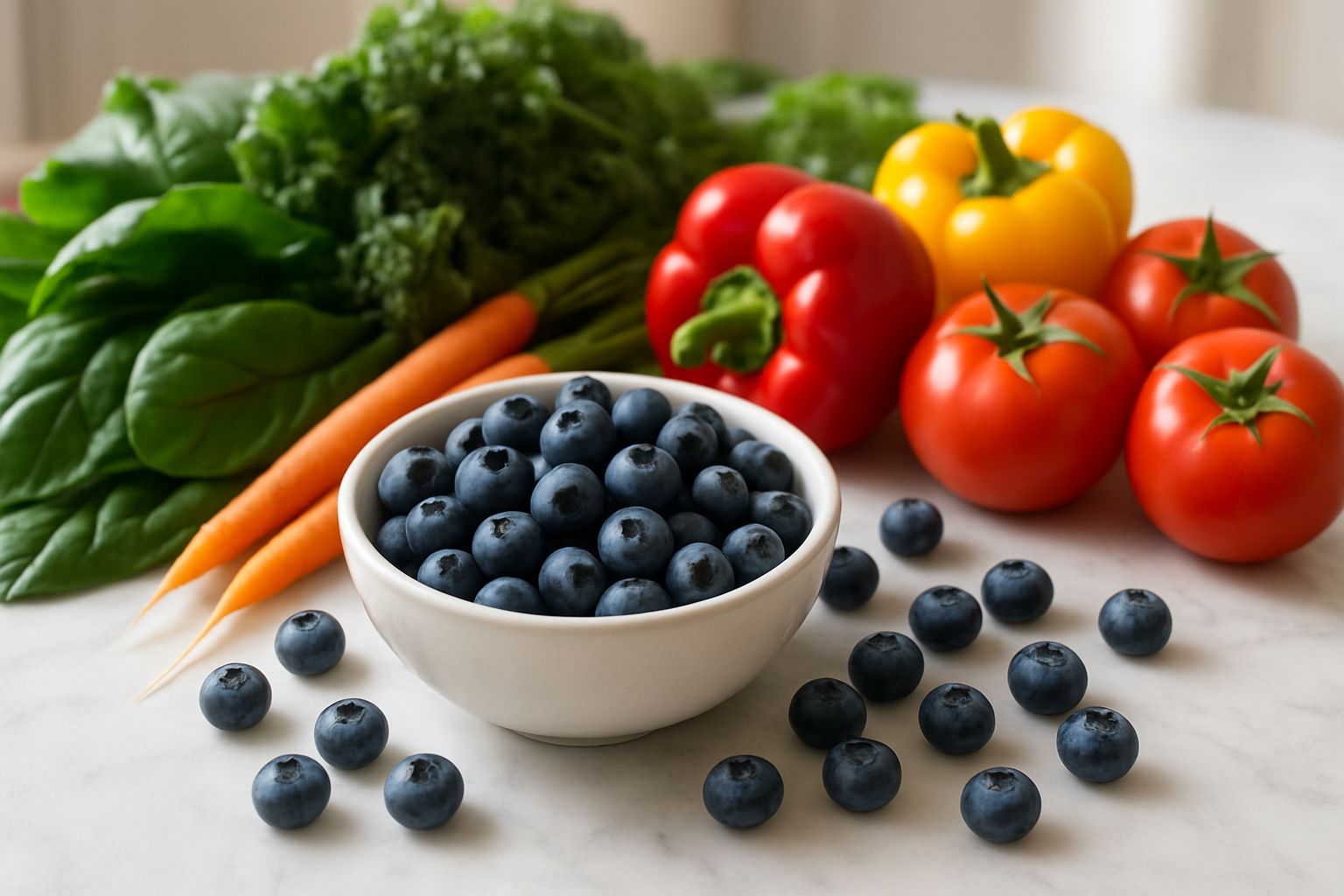
Blueberries pack an incredible antioxidant punch that sets them apart from most other fruits. These tiny berries contain anthocyanins, the compounds responsible for their deep blue color, which also happen to be potent fighters against free radicals in your body. A single cup of fresh blueberries delivers more antioxidants than many people get in an entire day from other food sources.
The antioxidants in blueberries work hard to protect your cells from damage that can lead to aging and chronic diseases. Research shows these compounds may help reduce inflammation, support heart health, and even boost brain function. The ORAC (Oxygen Radical Absorbance Capacity) score for blueberries is remarkably high, measuring around 4,669 per cup - that's serious antioxidant power.
What makes blueberry antioxidants special is their ability to cross the blood-brain barrier, potentially improving memory and cognitive function. Studies suggest regular blueberry consumption might help maintain sharp thinking as you age.
Vitamin and mineral profile
Blueberries bring impressive nutritional value beyond their antioxidant fame. One cup provides about 24% of your daily vitamin C needs, supporting immune function and collagen production. They're also a good source of vitamin K, essential for bone health and proper blood clotting.
The mineral content includes manganese, which plays a role in bone development and wound healing. You'll also find small amounts of folate, vitamin E, and several B vitamins. While blueberries aren't mineral-heavy compared to some foods, they contribute meaningful amounts to your daily intake:
-
Vitamin C: 14.4mg (24% DV)
-
Vitamin K: 28.6mcg (29% DV)
-
Manganese: 0.5mg (25% DV)
-
Folate: 9mcg
-
Vitamin E: 0.8mg
Caloric content and dietary fiber
Blueberries are remarkably low in calories while being high in satisfaction. One cup contains just 84 calories, making them an excellent choice for weight management. The natural sugars provide quick energy without causing dramatic blood sugar spikes.
The fiber content is where blueberries really shine for digestive health. That same cup delivers 3.6 grams of dietary fiber - about 14% of your daily needs. This fiber helps slow sugar absorption, keeps you feeling full longer, and supports healthy gut bacteria.
The combination of low calories and high fiber makes blueberries perfect for anyone watching their weight or managing blood sugar levels. The fiber also helps with cholesterol management and regular digestion.
Comparison with other superfruits
When stacked against other so-called superfruits, blueberries hold their own remarkably well. They outperform strawberries and raspberries in antioxidant content, though cranberries come close. Goji berries and acai berries often get more attention, but blueberries are more accessible and equally nutritious.
| Fruit (1 cup) | Calories | Antioxidants (ORAC) | Vitamin C | Fiber |
|---|---|---|---|---|
| Blueberries | 84 | 4,669 | 14.4mg | 3.6g |
| Strawberries | 49 | 4,302 | 89.4mg | 3.0g |
| Raspberries | 64 | 5,065 | 32.2mg | 8.0g |
| Blackberries | 62 | 5,905 | 30.2mg | 7.6g |
Blueberries win in convenience and year-round availability. Unlike exotic superfruits that cost a fortune or taste unpleasant, blueberries taste great and fit any budget. They're also less likely to cause digestive upset compared to some high-fiber alternatives, making them suitable for most people's daily diet.
Growing Conditions and Cultivation Requirements
Soil pH and Drainage Preferences
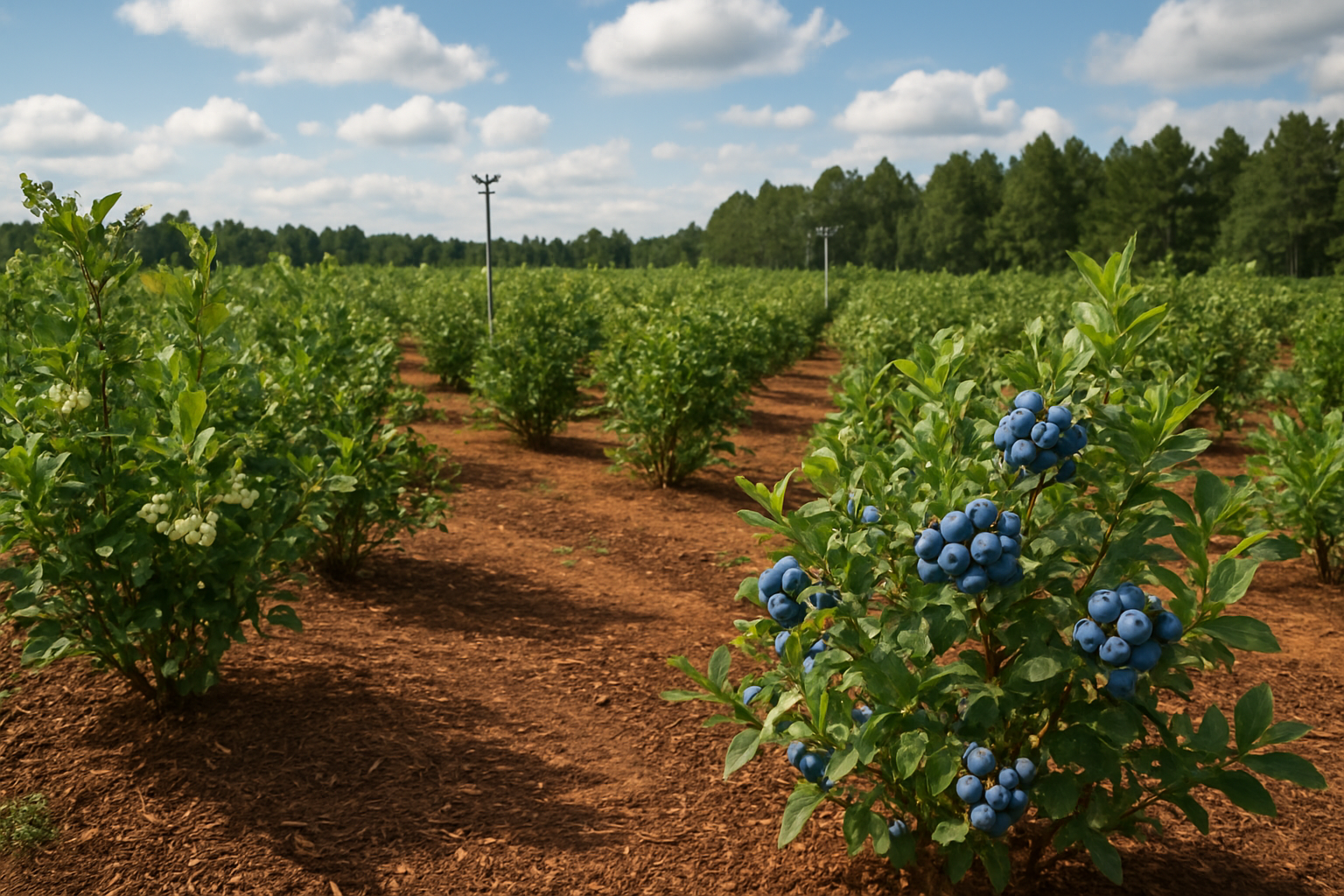
Blueberry plants are quite particular about their soil conditions, and getting this right makes all the difference in your blueberry cultivation success. These plants thrive in acidic soil with a pH between 4.5 and 5.5 - significantly more acidic than most garden plants prefer. You can test your soil pH using an inexpensive meter from any garden center or by sending a sample to your local extension office.
If your soil isn't naturally acidic enough, you'll need to amend it with materials like sulfur, peat moss, or pine needles worked into the planting area. Avoid lime at all costs, as it raises pH and creates hostile conditions for blueberry roots.
Drainage is equally critical. The blueberry plant develops shallow, fibrous roots that can't tolerate waterlogged conditions. Heavy clay soils that hold water will quickly kill your plants through root rot. Sandy loam or well-amended soil that drains within a few hours after heavy rain works best. If you're dealing with clay soil, consider creating raised beds or mounding soil 6-8 inches high to improve drainage.
Climate and Temperature Needs
Different blueberry varieties have specific climate requirements, so choosing the right type for your growing zone is essential. Northern highbush blueberries need 400-1000 chill hours (temperatures below 45°F) during winter dormancy and can handle temperatures down to -20°F. Southern highbush varieties require fewer chill hours (150-800) and work better in warmer climates.
Rabbiteye blueberries flourish in hot, humid southern regions and need the least winter chill time. Lowbush varieties are incredibly cold-hardy, surviving temperatures as low as -35°F, making them perfect for northern gardens.
Spring frost poses the biggest climate challenge during flowering. Blueberry blossoms can be damaged at 28°F, so avoid planting in frost pockets or low-lying areas where cold air settles.
Sunlight and Water Requirements
Blueberries need full sun - at least 6-8 hours of direct sunlight daily - to produce the best fruit yields and develop proper sugar content. Partial shade will result in fewer berries and reduced flavor quality.
Water management requires a delicate balance. These plants need consistent moisture throughout the growing season, especially during fruit development, but can't tolerate soggy roots. Aim for about 1-2 inches of water weekly, including rainfall. Drip irrigation or soaker hoses work wonderfully because they deliver water directly to the root zone without wetting the foliage.
Mulching around plants with 4-6 inches of organic materials like pine bark, wood chips, or pine needles helps retain soil moisture while gradually lowering soil pH as it decomposes.
Seasonal Care and Maintenance Tips
Spring care begins with removing any damaged or dead wood from winter. Apply a balanced fertilizer formulated for acid-loving plants when new growth appears. Organic options like cottonseed meal or fish emulsion work well for how to grow blueberries successfully.
Summer maintenance focuses on consistent watering and weed control. Hand-pull weeds carefully since blueberry roots are shallow and easily damaged. Never cultivate deeply around the plants.
Fall preparation involves reducing watering as plants enter dormancy and applying a fresh layer of mulch to protect roots through winter. Pruning should wait until late winter when plants are fully dormant.
Winter care is minimal but important - protect young plants from harsh winds and heavy snow loads that can break branches. Mature plants rarely need winter protection in their appropriate hardiness zones.
Harvesting and Selection Guide for Maximum Quality
Identifying Ripe Versus Unripe Berries
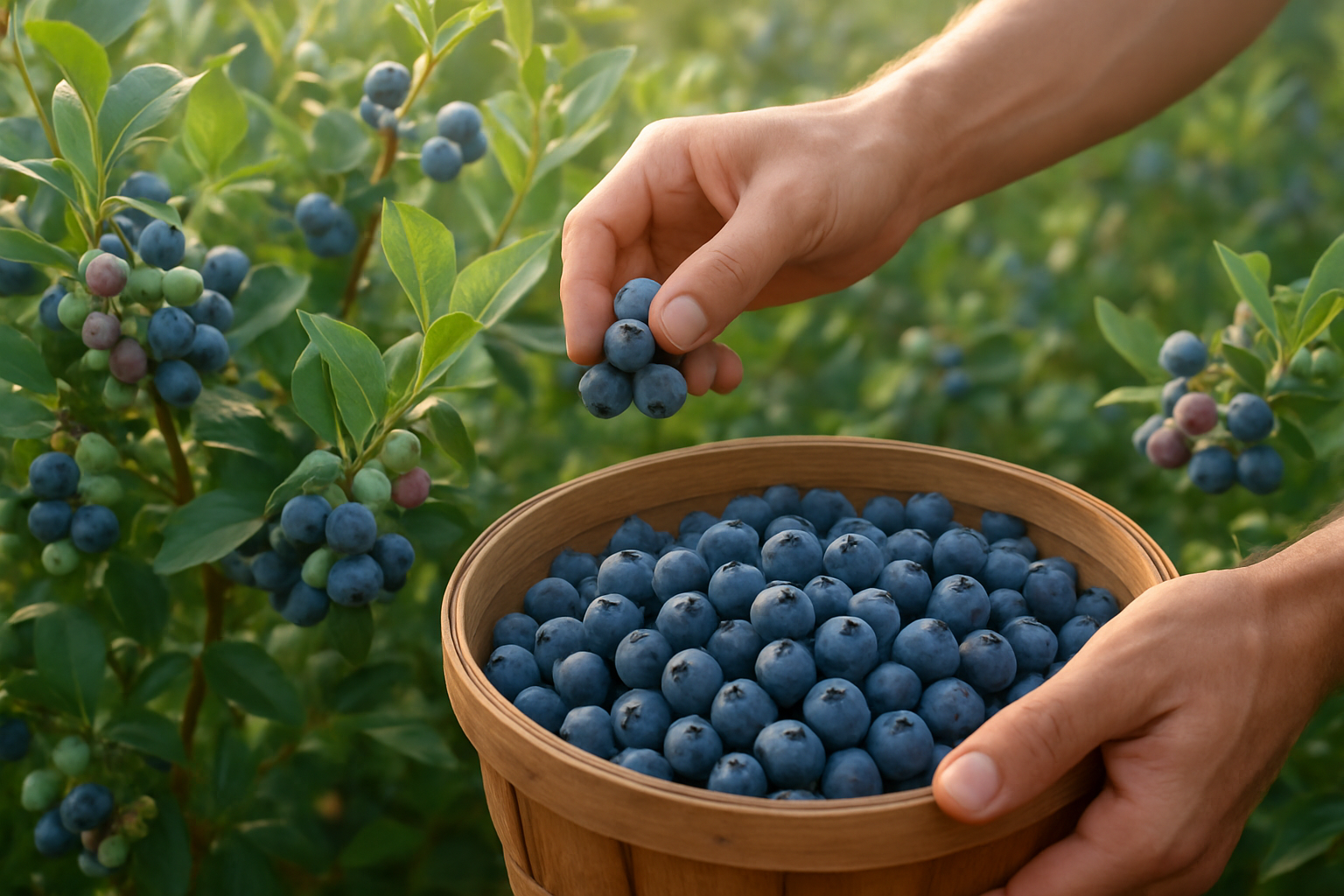
The difference between ripe and unripe blueberries goes far beyond just color. While many people assume that all blue berries are ready to eat, this isn't always true. Fully ripe blueberries display a deep blue-purple color with a natural whitish bloom on their skin - this powdery coating is actually a protective layer that helps preserve freshness.
Ripe berries feel plump and firm when gently rolled between your fingers, never mushy or soft. They should separate easily from the stem with minimal pressure. The most reliable test is the taste - ripe blueberries offer that perfect balance of sweet and tart flavors we all love.
Unripe berries show telltale signs that are easy to spot once you know what to look for. Red or purple berries are definitely not ready, but even some blue-colored berries might need more time. Unripe blueberries often appear smaller, feel harder than they should, and lack that characteristic bloom. They taste quite tart or even bitter, missing the natural sweetness that develops during the final ripening stage.
The bottom of the berry cluster typically ripens first, so always check berries at different heights on each bush. Professional pickers know that berries continue ripening even after they turn blue, so patience pays off when selecting the highest quality fresh blueberries.
Peak Harvest Seasons by Region
Blueberry harvesting seasons vary dramatically across different growing regions, making timing crucial for optimal quality. Understanding these regional patterns helps both commercial growers and home gardeners maximize their blueberry harvesting success.
Northern regions like Maine, Michigan, and the Pacific Northwest typically see their peak harvest from mid-July through early September. These areas benefit from cooler temperatures that allow berries to develop slowly, often producing larger, more flavorful fruit. The extended growing season in northern climates means multiple picking opportunities throughout the summer months.
Southern states including Georgia, Florida, and North Carolina start much earlier, with harvests beginning as early as April and continuing through June. Early-season varieties thrive in these warmer climates, though the intense summer heat can sometimes affect berry size and storage life.
Mid-Atlantic states like New Jersey and Pennsylvania fall somewhere between these extremes, with prime picking season running from early July through mid-August. These regions often produce some of the most consistent quality berries due to moderate temperatures and adequate rainfall.
| Region | Peak Season | Varieties | Best Quality Window |
|---|---|---|---|
| Southeast | April-June | Early varieties | Late May-early June |
| Mid-Atlantic | July-August | Mid-season varieties | Mid-July-early August |
| Northeast | July-September | Late varieties | August-early September |
| Pacific Northwest | July-September | Various | August |
Proper Picking Techniques to Preserve Freshness
The way you pick blueberries directly impacts their shelf life and quality. Professional harvesters use specific techniques that home pickers can easily adopt for better results.
Always pick during cooler parts of the day - early morning after dew has dried or late afternoon works best. Hot midday sun causes berries to become soft and reduces their storage potential. Handle berries gently since they bruise easily, which leads to faster spoilage.
Use shallow containers no deeper than 4-5 inches to prevent berries at the bottom from getting crushed. Many experienced pickers prefer small baskets or containers that hold about 2-3 cups maximum. This prevents the weight of upper berries from damaging those below.
The rolling technique works wonderfully for blueberry harvesting. Cup your hand under a berry cluster and gently roll ripe berries into your palm with your thumb. This method naturally selects the ripest berries while leaving unripe ones to continue developing.
Never pull or yank berries from the bush - ripe berries should release easily with gentle pressure. Forcing unripe berries off the stem damages both the fruit and the plant. Clean your picking containers regularly and avoid mixing freshly picked berries with older ones, as this can accelerate spoilage across your entire harvest.
Store picked berries in the refrigerator immediately and avoid washing them until you're ready to use them, since moisture promotes mold growth.
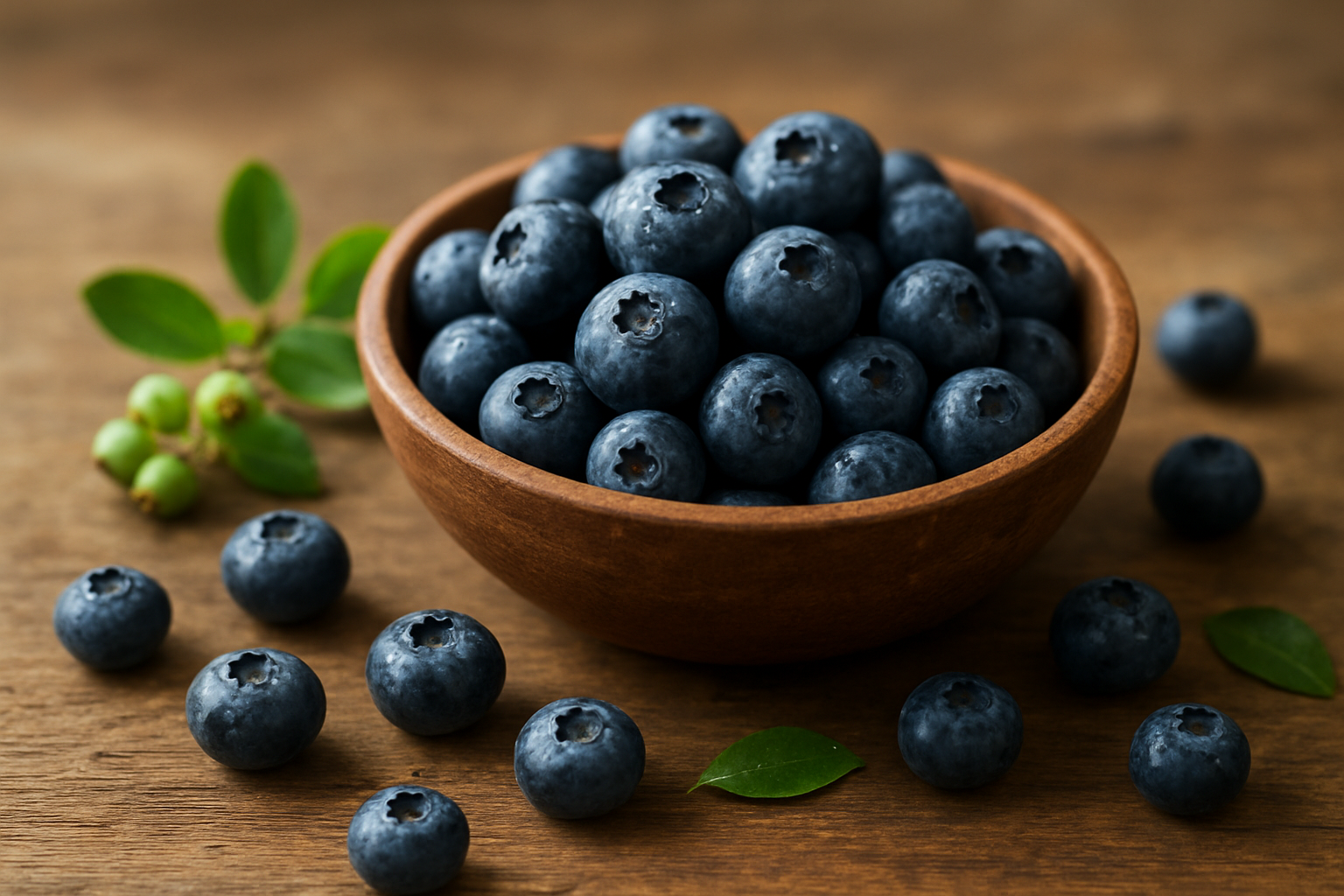
Blueberries pack an incredible amount of nutrition and flavor into their tiny, vibrant packages. From their antioxidant-rich composition to their simple growing requirements, these berries offer both health benefits and gardening satisfaction. Their distinctive appearance and sweet-tart taste make them instantly recognizable, while their impressive vitamin C, fiber, and anthocyanin content position them as one of nature's true superfoods.
Getting the most from blueberries starts with understanding what to look for when selecting them and how they grow best. Whether you're buying them at the store or thinking about growing your own, knowing their preferred acidic soil conditions and harvesting timeline helps ensure you get the highest quality fruit. With their versatility in cooking and remarkable shelf life when properly stored, blueberries deserve a regular spot in your diet and garden planning.


.png)
Comments
Post a Comment