CANTALOUPE - WHAT ARE CANTALOUPE MELONS?
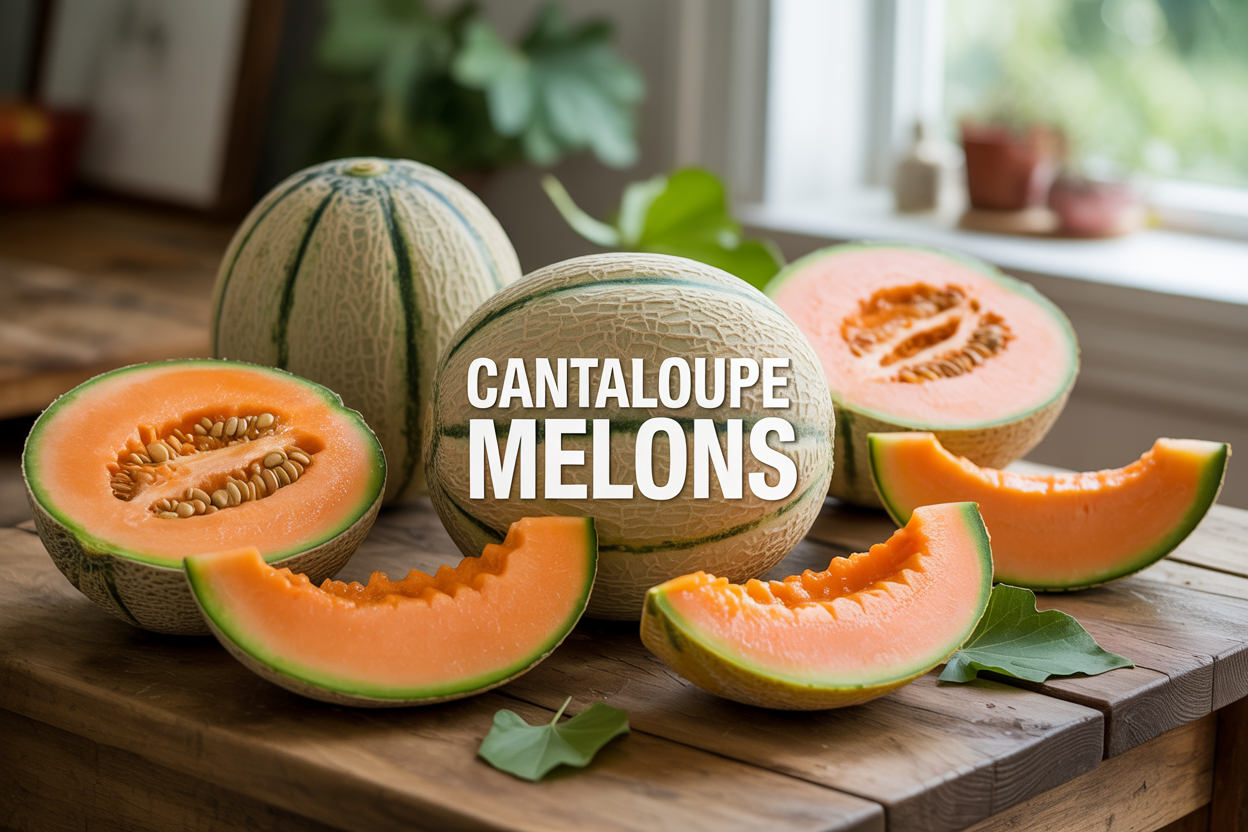
Cantaloupe melons are sweet, orange-fleshed fruits that belong to the muskmelon family and have become summer favorites across America. This guide is perfect for fruit lovers, home gardeners, and anyone curious about what makes cantaloupe such a popular choice at grocery stores and farmers markets.
You might know cantaloupe as that fragrant melon with the netted skin, but there's much more to discover about this nutritious fruit. We'll explore the impressive cantaloupe nutrition profile and health benefits that make this melon a smart addition to your diet. You'll also learn practical tips for how to pick cantaloupe at the store and proper cantaloupe storage methods to keep your fruit fresh longer.
Whether you're interested in growing cantaloupe in your backyard or simply want to enjoy more cantaloupe recipes in your kitchen, this complete guide covers everything you need to know about these delicious melons.
Understanding Cantaloupe Origins and Characteristics
Botanical Classification and Family Heritage
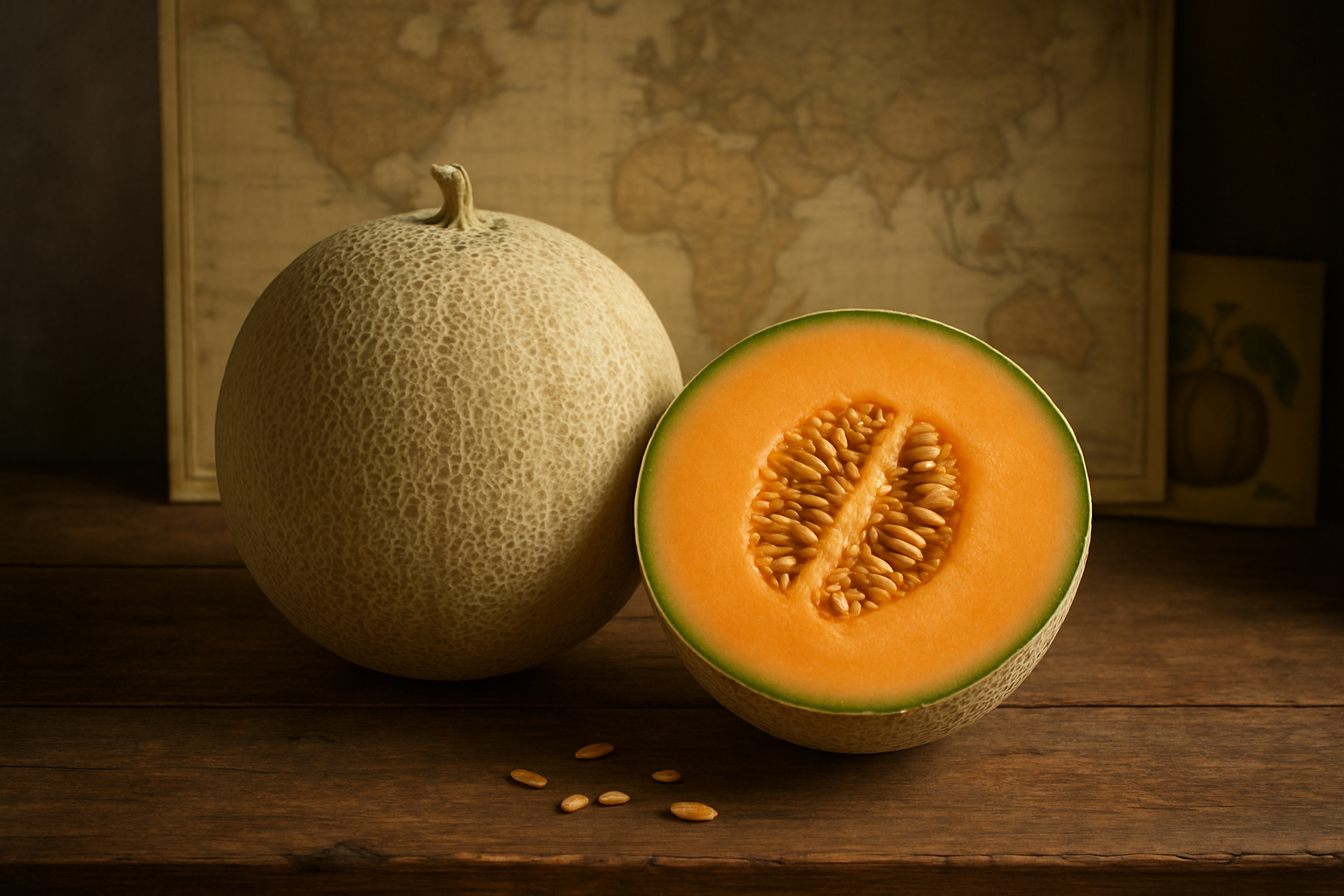
Cantaloupe melon belongs to the Cucurbitaceae family, sharing its lineage with cucumbers, squash, and pumpkins. The scientific name Cucumis melo encompasses several melon varieties, with true cantaloupe originating from the Mediterranean region. Most Americans actually enjoy what's technically called muskmelon, though the cantaloupe name has stuck in everyday conversation.
The melon's journey spans thousands of years, starting in ancient Persia and India before spreading through European trade routes. French monks first cultivated true cantaloupe in the papal gardens of Cantalupo, Italy, during the Renaissance, giving the fruit its distinctive name. Today's commercial varieties have been carefully bred for sweetness, shelf life, and disease resistance.
Cantaloupe sits within the reticulatus group of Cucumis melo, characterized by the netted rind pattern that makes these melons instantly recognizable. This botanical classification helps distinguish cantaloupe from its smooth-skinned relatives like honeydew and casaba melons.
Physical Appearance and Size Variations
A ripe cantaloupe displays a distinctive beige or tan netted exterior with deep grooves running from stem to blossom end. The netting, called reticulation, creates an intricate web-like pattern across the surface. Underneath this textured skin lies vibrant orange flesh that deepens in color as the fruit reaches peak ripeness.
Size varies considerably based on variety and growing conditions:
| Variety Type | Weight Range | Diameter |
|---|---|---|
| Personal/Mini | 1-2 pounds | 4-5 inches |
| Standard | 2-3 pounds | 5-6 inches |
| Jumbo | 3-5 pounds | 6-8 inches |
The shape ranges from perfectly round to slightly oval, with most commercial varieties maintaining consistent proportions. Color indicators include the background hue beneath the netting - green suggests underripe fruit, while cream or yellow tones signal readiness. The stem end should show a clean separation where the fruit naturally detached from the vine, creating a smooth, slightly indented circle.
Distinctive Aroma and Texture Properties
A perfectly ripe cantaloupe releases an intensely sweet, musky fragrance that's detectable from several feet away. This signature scent develops as natural sugars concentrate and volatile compounds intensify during the ripening process. The aroma should smell fresh and floral, never fermented or overly pungent, which indicates overripeness.
The texture transforms dramatically as cantaloupe ripens. Unripe fruit feels hard and unyielding, while perfect ripeness brings a slight give when pressed gently at the blossom end. The flesh should feel juicy and tender when cut, practically melting on the tongue without being mushy or grainy.
Properly ripened cantaloupe flesh has a smooth, almost creamy consistency with high water content that creates natural juiciness. The central seed cavity contains dozens of flat, oval seeds surrounded by fibrous pulp. When ripe, this cavity separates easily from the edible flesh, and the seeds slip out cleanly during preparation.
The mouthfeel combines sweetness with subtle complexity - hints of honey, vanilla, and tropical notes that vary by variety and growing conditions. Premium cantaloupes deliver consistent texture throughout, without hard spots, dry areas, or overly soft sections that suggest uneven ripening.
Nutritional Benefits and Health Advantages
Essential Vitamins and Mineral Content
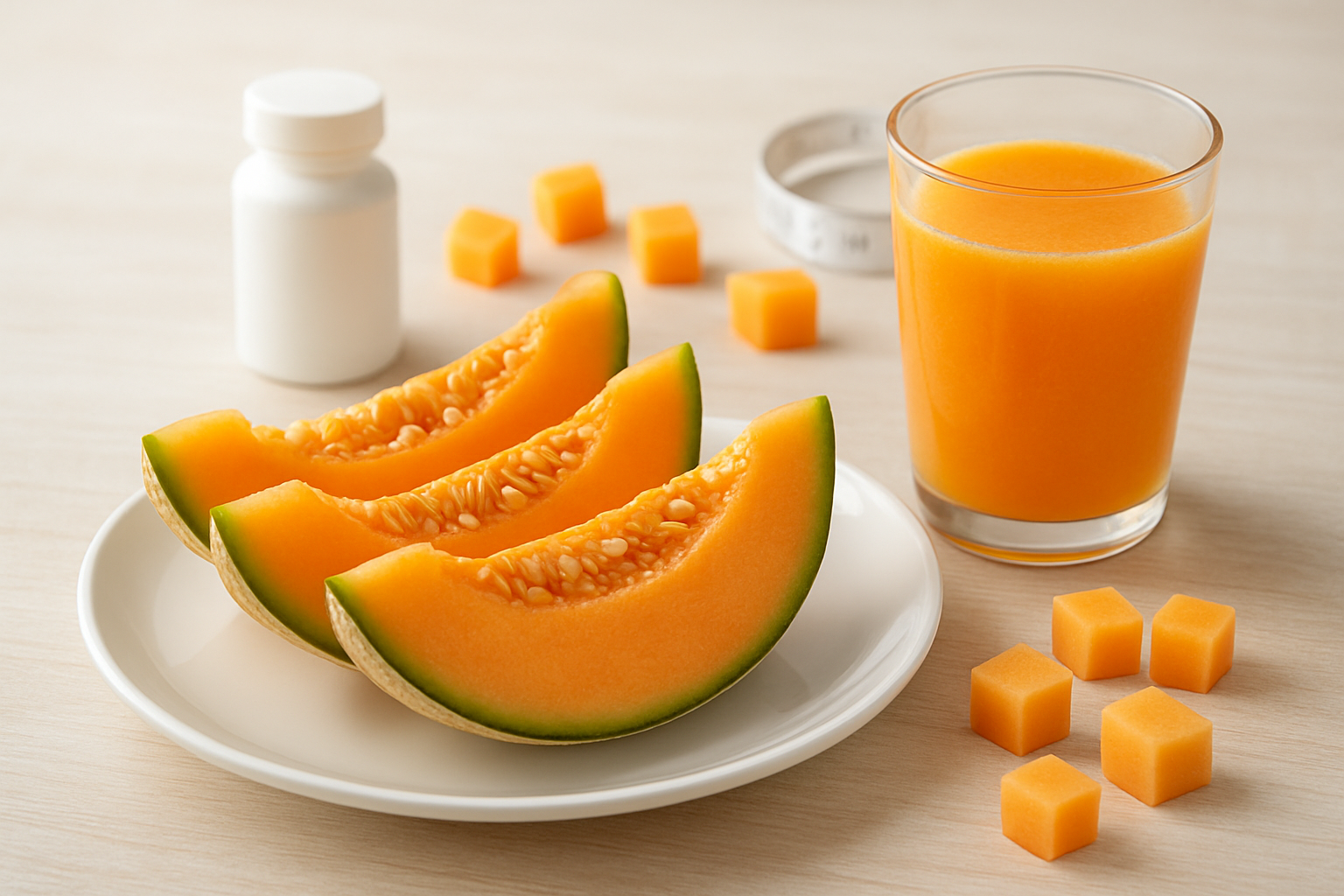
Cantaloupe melon packs an impressive nutritional punch that makes it a standout choice for health-conscious individuals. Just one cup of diced cantaloupe delivers over 100% of your daily vitamin C needs, providing powerful immune system support and helping your body absorb iron more effectively. This orange-fleshed fruit also contains substantial amounts of vitamin A in the form of beta-carotene, which supports healthy vision, skin, and cellular function.
The mineral profile of cantaloupe is equally remarkable. Potassium takes center stage, with a single serving providing about 14% of your daily requirement. This essential mineral helps regulate blood pressure and supports proper muscle and nerve function. Cantaloupe also supplies folate, which plays a crucial role in DNA synthesis and red blood cell formation, making it particularly beneficial for pregnant women.
| Nutrient | Amount per Cup | % Daily Value |
|---|---|---|
| Vitamin C | 65mg | 108% |
| Vitamin A | 5,412 IU | 108% |
| Potassium | 473mg | 14% |
| Folate | 37mcg | 9% |
Hydration and Low-Calorie Properties
Cantaloupe stands out as nature's hydration helper, consisting of approximately 90% water. This high water content makes it an excellent choice for maintaining proper hydration levels, especially during hot summer months or after physical activity. The natural sweetness satisfies cravings without the guilt, as one cup contains only about 54 calories.
The low-calorie nature of cantaloupe nutrition makes it perfect for weight management goals. You can enjoy generous portions without derailing your dietary plans. The natural sugars present provide quick energy while the high water content helps you feel satisfied and full. This combination makes cantaloupe an ideal snack for those watching their caloric intake or trying to increase their daily fruit consumption.
Antioxidant Power for Disease Prevention
The vibrant orange color of cantaloupe signals its rich antioxidant content, particularly beta-carotene and vitamin C. These powerful compounds work together to neutralize harmful free radicals in your body, potentially reducing the risk of chronic diseases and supporting overall cellular health.
Beta-carotene, which gives cantaloupe its distinctive hue, converts to vitamin A in your body and has been linked to reduced cancer risk and improved eye health. The vitamin C content works synergistically with other antioxidants to protect against oxidative stress and inflammation. Regular consumption of cantaloupe benefits your body's natural defense systems and may help slow the aging process at the cellular level.
Digestive Health and Fiber Benefits
While cantaloupe contains moderate amounts of dietary fiber (about 1.6 grams per cup), this fiber plays an important role in digestive health. The fiber content helps promote regular bowel movements and supports beneficial gut bacteria. The high water content works alongside the fiber to aid digestion and prevent constipation.
Cantaloupe also contains natural enzymes that can assist in the digestive process. The fruit's soft texture makes it easy to digest, making it suitable for people with sensitive stomachs or those recovering from illness. The natural sugars are readily absorbed, providing quick energy without causing digestive distress that some people experience with more fibrous fruits.
Selecting and Storing Perfect Cantaloupes
Visual Inspection Techniques for Ripeness
The exterior of a ripe cantaloupe tells you everything you need to know about its readiness. Look for a golden, cream-colored background underneath the raised netting pattern. Green undertones indicate the cantaloupe melon needs more time to ripen, while overly brown or soft spots suggest it's past its prime.
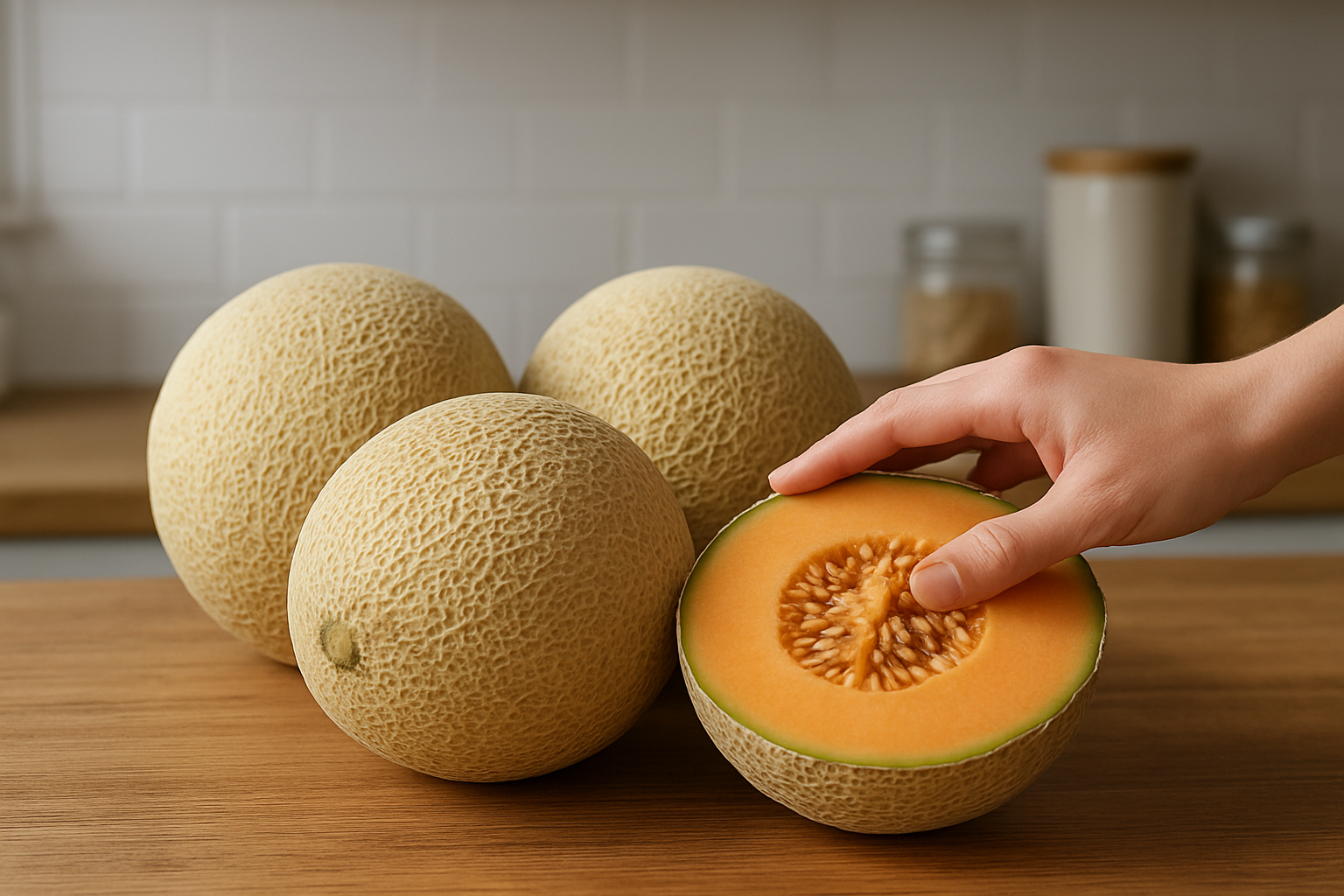
The stem end provides crucial ripeness clues. A ripe cantaloupe should have a clean, slightly sunken area where the stem was attached. If you see stem remnants still clinging to the fruit, it was likely picked too early. The opposite end, called the blossom end, should yield slightly to gentle pressure without being mushy.
Check the netting pattern across the surface. Well-developed, raised webbing that stands out prominently indicates proper maturity. The lines should be thick and corky, creating a textured feel under your fingers. Smooth areas between the netting should appear relatively uniform without deep cracks or gouges.
Sound and Touch Tests for Quality
How to pick cantaloupe using your senses goes beyond just looking. A ripe cantaloupe produces a deep, hollow sound when you give it a gentle thump with your knuckles. Unripe melons create a higher-pitched, dull sound, while overripe ones may sound mushy or flat.
The weight test reveals internal quality. A good cantaloupe feels heavy for its size, indicating high water content and juicy flesh inside. Pick up several melons of similar size to compare - the heaviest one typically offers the best eating experience.
Gentle pressure at the blossom end should result in slight give without leaving permanent indentations. The skin should feel firm but not rock-hard. Run your hands over the entire surface to detect any soft spots, bruises, or areas that feel different from the rest of the melon.
Optimal Storage Methods and Temperature
Cantaloupe storage depends entirely on ripeness level when you bring it home. Unripe melons should stay at room temperature, ideally between 68-72°F, until they develop the characteristic sweet aroma and slight softness at the blossom end. This process typically takes 2-4 days.
Once ripe, refrigeration becomes essential for maintaining quality. Store whole ripe cantaloupes in the main refrigerator compartment at 32-36°F. The crisper drawer works well if you have space, as it maintains consistent humidity levels that prevent dehydration.
Cut cantaloupe requires immediate refrigeration in airtight containers. Wrap pieces tightly in plastic wrap or store in sealed containers to prevent absorption of other food odors. The high water content in muskmelon makes it particularly susceptible to bacterial growth at room temperature.
Extending Shelf Life and Freshness
Proper handling significantly impacts how long your cantaloupe stays fresh. Wash the exterior thoroughly before cutting, even though you don't eat the skin. Bacteria on the surface can transfer to the flesh during cutting, reducing storage life and potentially causing food safety issues.
Keep cut pieces away from strong-smelling foods in your refrigerator. Cantaloupe easily absorbs surrounding odors, which can affect its natural sweet flavor. Store pieces in the main refrigerator area rather than door compartments where temperature fluctuates.
For maximum freshness, consume cut cantaloupe within 3-5 days. Whole ripe melons typically last 5-7 days in the refrigerator. Watch for signs of deterioration like off-odors, slimy texture, or unusual discoloration. When properly stored, your cantaloupe maintains its nutritional value and delicious taste throughout its storage period.
Preparation Methods and Serving Ideas
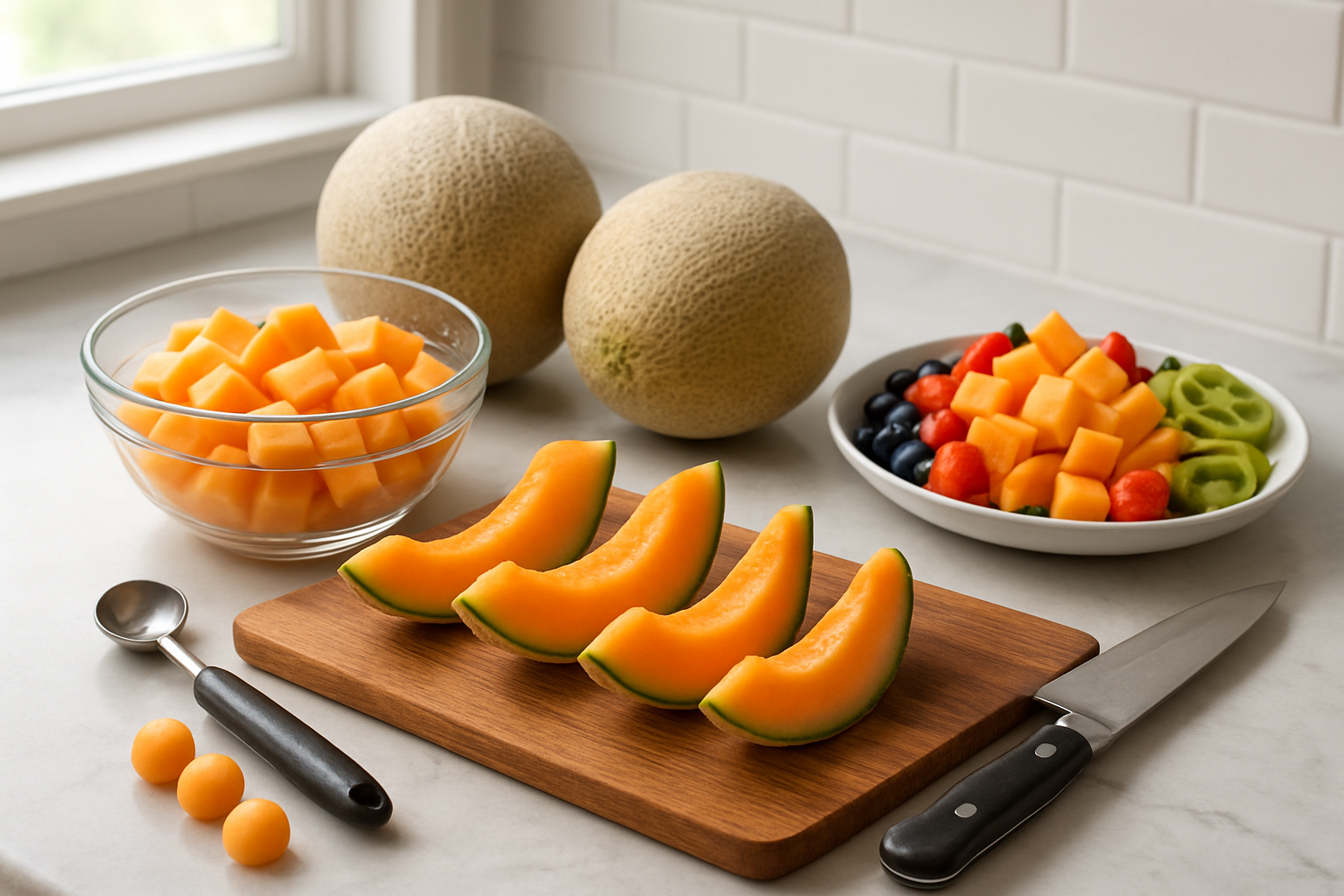
Proper Cutting and Seeding Techniques
The key to enjoying cantaloupe melon starts with proper preparation. Begin by washing the exterior thoroughly under running water, even though you won't eat the rind - this prevents bacteria from transferring to the flesh when cutting. Place the cantaloupe on a stable cutting board and slice it in half from stem to blossom end using a sharp knife.
Scoop out the seeds and stringy pulp from the center cavity using a spoon or ice cream scoop. The seeds come out easily when the cantaloupe is ripe. For wedges, cut each half into 4-6 slices depending on size preference. To create cubes, slice the flesh away from the rind in large pieces, then dice into your desired size.
Professional chefs recommend keeping the knife clean between cuts to maintain the fresh taste. If you notice any soft spots or off-colored areas, trim them away completely. The flesh should be uniformly orange and smell sweet at the cut surface.
Creative Serving Presentations
Transform your cantaloupe into eye-catching displays that elevate any meal or gathering. Melon balls created with a melon baller make elegant additions to fruit salads and breakfast plates. For parties, try creating cantaloupe cups by hollowing out small melons and filling them with fruit salad or sorbet.
Thin cantaloupe ribbons made with a vegetable peeler add sophistication to cheese boards and summer salads. Stack alternating cantaloupe and watermelon slices for a colorful tower presentation. Grilled cantaloupe develops a caramelized flavor - simply brush slices with honey and grill for 2-3 minutes per side.
For special occasions, carve decorative shapes or use cookie cutters on thick slices. Cantaloupe roses made by thinly slicing and rolling the fruit create stunning garnishes. Frozen cantaloupe pieces blend into refreshing smoothies or can be served as natural popsicles for kids.
Pairing Options with Other Foods
Cantaloupe's sweet, mild flavor complements both savory and sweet ingredients beautifully. The classic pairing with prosciutto brings together salty and sweet elements that have pleased palates for generations. Wrap cantaloupe wedges in thin slices of ham or serve alongside aged cheeses like Parmesan or goat cheese.
Fresh herbs elevate cantaloupe significantly - try mint, basil, or cilantro. A squeeze of lime juice brightens the natural sweetness, while a pinch of salt intensifies the melon's flavor profile. Yogurt and cantaloupe make perfect breakfast combinations, especially when topped with granola or nuts.
For beverages, cantaloupe juice mixes well with ginger ale, sparkling water, or white wine for refreshing summer drinks. The melon also pairs wonderfully with other fruits like berries, grapes, and citrus in mixed fruit salads. Spices like ginger, cinnamon, and cardamom add warmth to cantaloupe desserts.
| Sweet Pairings | Savory Pairings | Beverage Matches |
|---|---|---|
| Honey, vanilla, berries | Prosciutto, feta, arugula | White wine, mint tea |
| Coconut, lime, mint | Cucumber, bell peppers | Sparkling water, ginger ale |
| Yogurt, granola, nuts | Olive oil, balsamic vinegar | Fresh juices, smoothies |
Growing Cantaloupe Successfully at Home
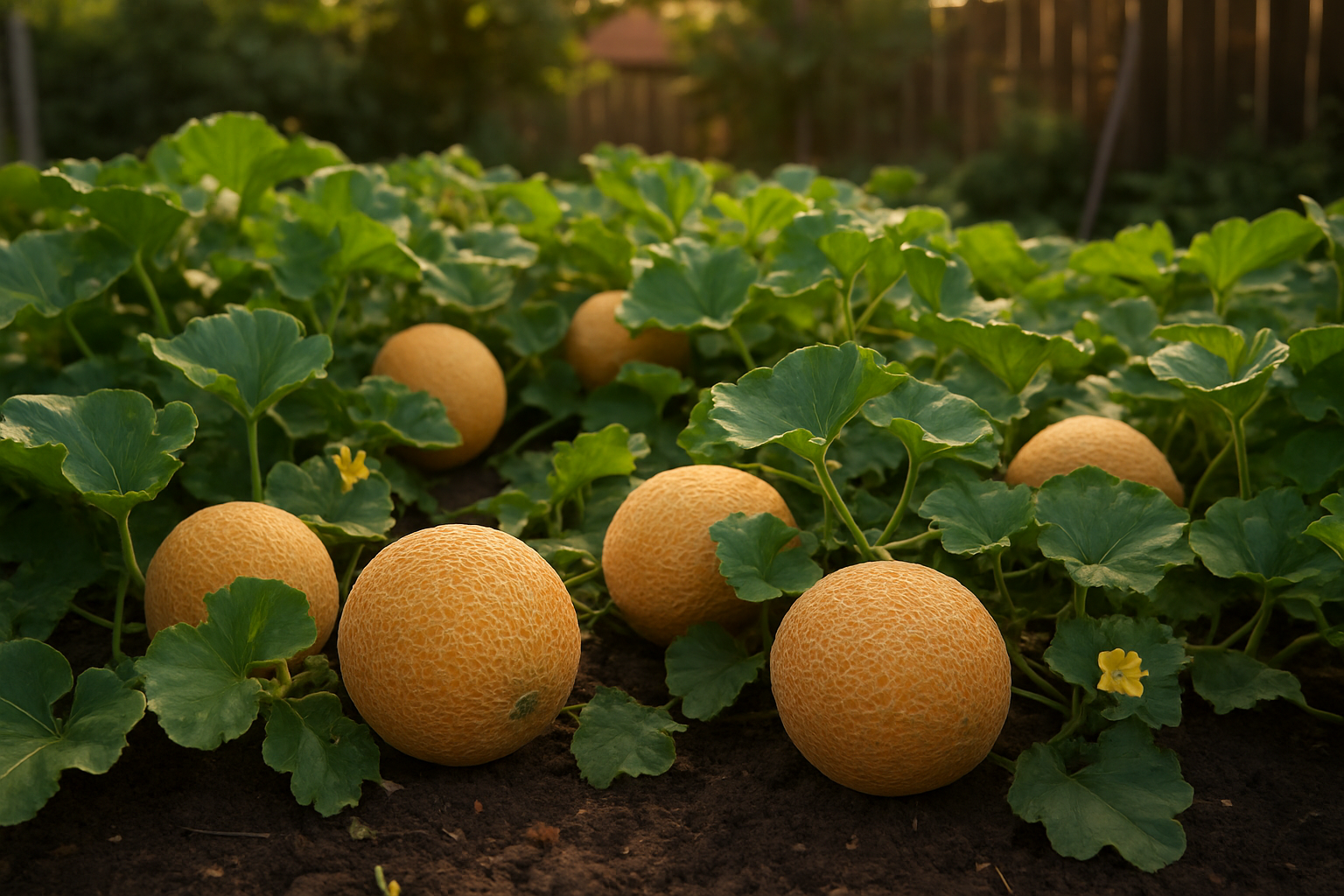
Soil Requirements and Climate Conditions
Growing cantaloupe starts with understanding what these melons need to thrive. Your soil should be well-draining with a pH between 6.0 and 6.8. Heavy clay soils spell trouble for cantaloupe roots, which need room to breathe and spread. If you're stuck with clay, work in compost or aged manure to improve drainage and texture.
Temperature matters big time when growing cantaloupe. These heat-loving plants need warm soil (at least 70°F) and air temperatures consistently above 65°F. Cold snaps will stunt growth or kill young plants entirely. Plan your planting around your last frost date, waiting at least two weeks after the danger passes.
Full sun exposure is non-negotiable – cantaloupe melons need 6-8 hours of direct sunlight daily. Choose the sunniest spot in your garden for the best fruit development and sugar content.
Planting Timeline and Spacing Guidelines
Start cantaloupe seeds indoors 3-4 weeks before your last frost date, or direct sow outdoors when soil temperatures reach 70°F. If starting indoors, use biodegradable pots since cantaloupe roots hate transplant shock.
Space is crucial for healthy cantaloupe plants. Give each plant 4-6 feet of room in all directions – these vines spread wide and need air circulation to prevent disease. Plant seeds or transplants in hills (mounds) rather than flat rows. Each hill should be about 3 feet apart with 2-3 seeds per hill, thinning to the strongest seedling once they establish.
For smaller gardens, consider bush varieties that take up less space, or train vining types up sturdy trellises with sling supports for developing melons.
Watering and Fertilization Schedules
Cantaloupe plants are thirsty, especially during fruit development. Water deeply but infrequently, aiming for 1-2 inches per week. Morning watering works best since it gives leaves time to dry before evening, reducing disease risk.
Drip irrigation or soaker hoses beat overhead sprinklers hands down. Wet leaves invite fungal problems, and inconsistent watering leads to cracked or poorly flavored fruit.
Feed your cantaloupe plants with balanced fertilizer (10-10-10) at planting time. Once flowers appear, switch to a lower nitrogen formula to encourage fruiting over leafy growth. Side-dress plants with compost or aged manure mid-season for steady nutrition.
Harvesting Signs and Timing
Knowing when cantaloupe melons are ripe makes all the difference between disappointing and delicious fruit. The stem should separate easily from the melon with gentle pressure – no knife needed. This "slip" stage indicates peak ripeness.
Look for other telltale signs: the skin changes from green to tan or yellow, especially where the melon touches the ground. A ripe cantaloupe gives off a sweet, musky fragrance that's impossible to miss. The surface develops a slightly rough, net-like texture while maintaining some give when pressed gently at the blossom end.
Harvest in the morning when temperatures are cool and sugars are concentrated. Ripe cantaloupes will keep for 5-7 days at room temperature or up to two weeks refrigerated.
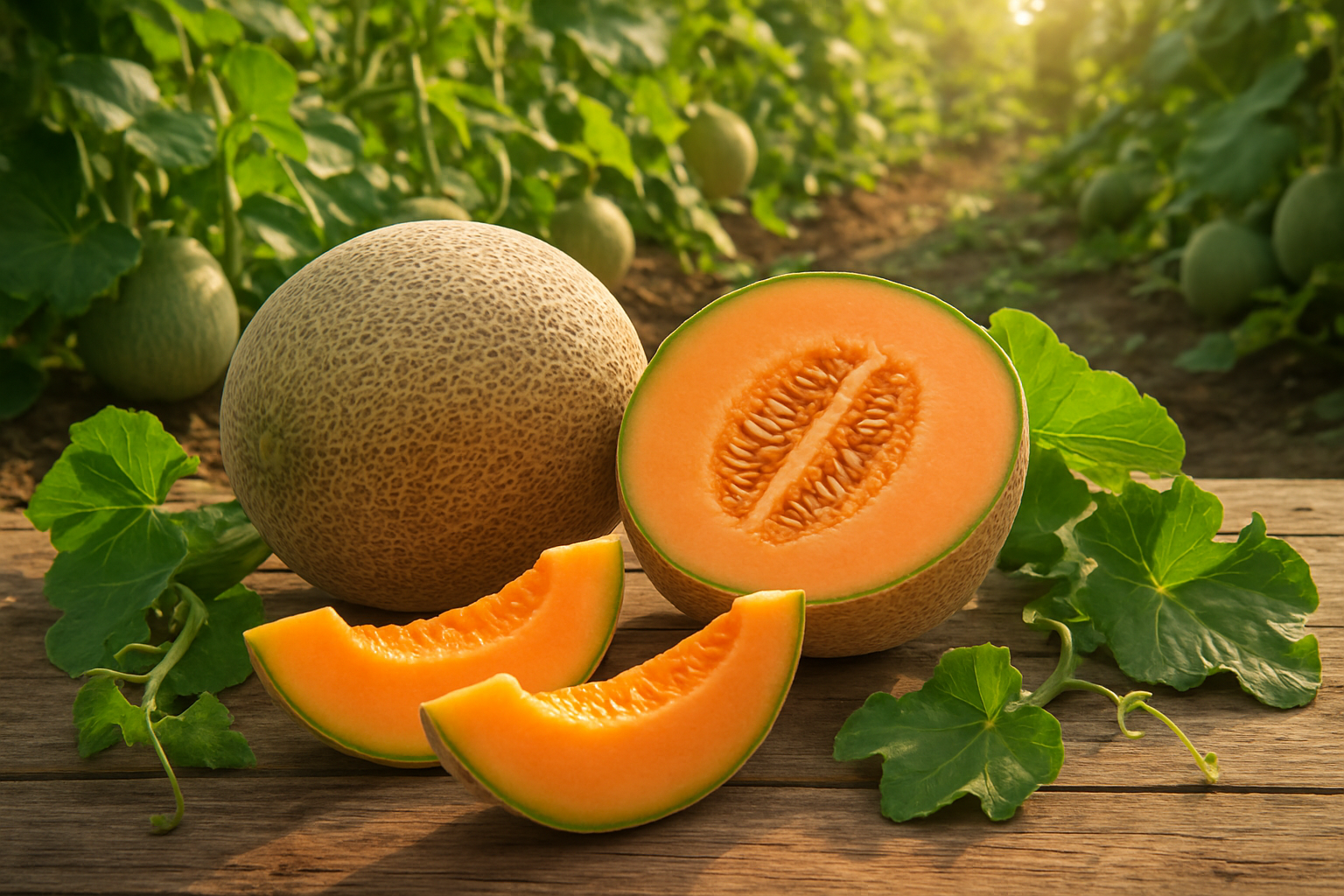
Cantaloupe melons offer an amazing combination of sweet taste and impressive health benefits that make them a perfect addition to any diet. From their rich vitamin A content that supports eye health to their high water content that keeps you hydrated, these orange-fleshed fruits pack a serious nutritional punch. Learning how to pick the right melon at the store and store it properly means you'll always have perfectly ripe cantaloupe ready to enjoy.
The best part about cantaloupe is how versatile it can be - whether you're eating it fresh, blending it into smoothies, or growing your own plants in the backyard. Start by choosing melons that smell sweet at the stem end and have that telltale golden color. If you're feeling adventurous, try planting some cantaloupe seeds this season and experience the joy of harvesting your own homegrown melons. Your taste buds and your body will thank you for making this delicious, nutrient-rich fruit a regular part of your routine.


.png)
Comments
Post a Comment