CHERRIES - WHAT ARE CHERRIES?
Cherries are small, round stone fruits that pack incredible flavor and nutrition into every bite. If you're curious about what makes these vibrant red and yellow fruits so special, you've come to the right place. This guide is perfect for home gardeners wanting to grow their own cherry trees, health-conscious eaters looking to boost their diet, and anyone who simply loves these delicious fruits.
We'll explore the fascinating world of cherry varieties, from sweet Bing cherries to tart Montmorency types, so you can discover which ones suit your taste buds best. You'll also learn about the impressive cherry nutrition benefits that make these fruits a true superfood, plus get practical cherry growing guide tips to help you successfully cultivate your own cherry trees at home.
Understanding Cherry Basics and Origins
Scientific classification and botanical family
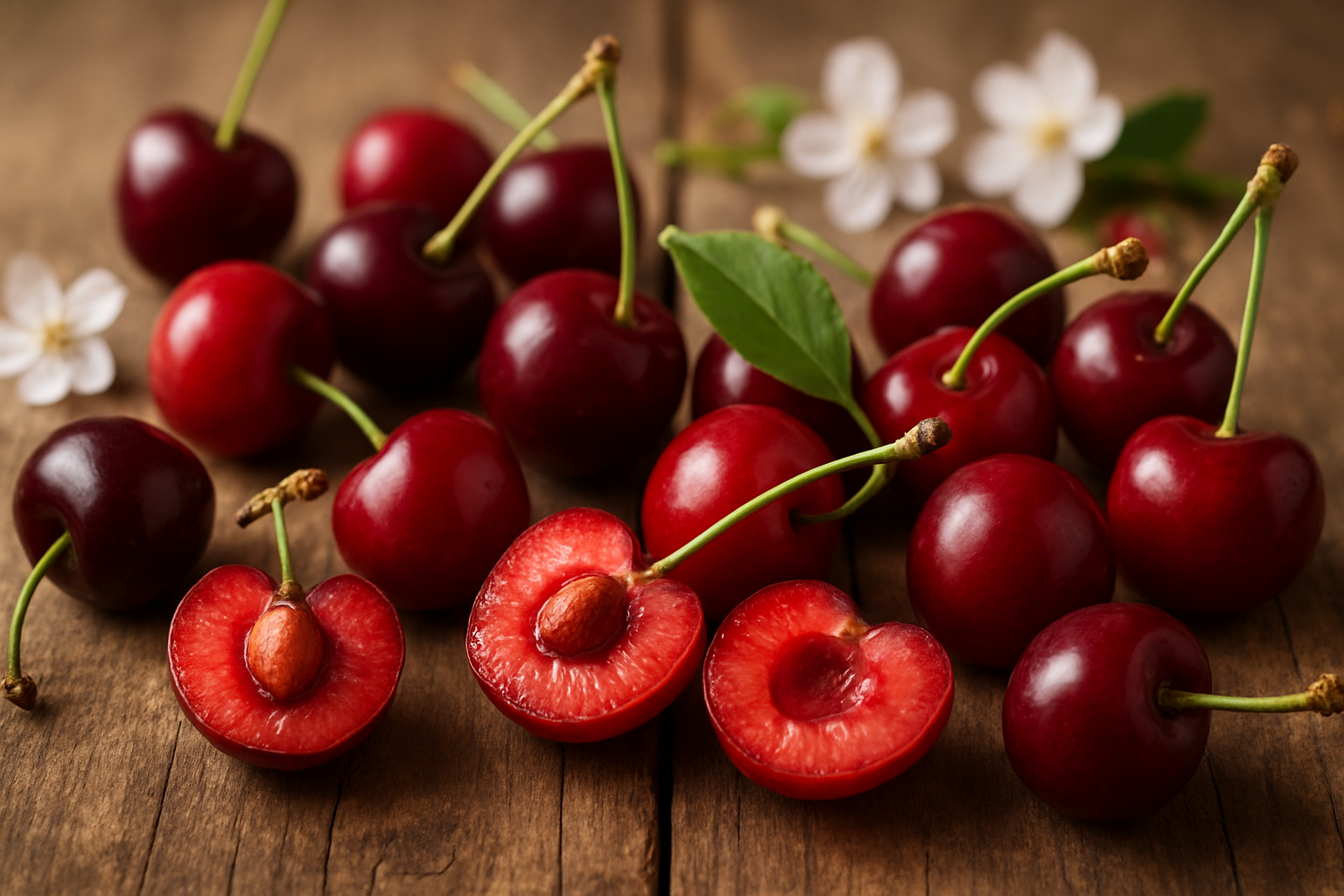
Cherries belong to the genus Prunus within the Rosaceae family, making them close relatives of peaches, plums, apricots, and almonds. The two main species that produce the cherries we know and love are Prunus avium (sweet cherries) and Prunus cerasus (sour or tart cherries). These stone fruits develop from the tree's delicate white or pink blossoms, which appear in early spring before the leaves fully emerge.
The botanical structure of cherries includes a fleshy outer layer called the pericarp surrounding a hard pit that contains the seed. This classification as a drupe distinguishes cherries from other fruits and explains their characteristic texture and appearance. Sweet cherry trees typically grow larger and more upright than their sour counterparts, reaching heights of 30-40 feet when mature.
Historical cultivation and global spread
Cherry cultivation dates back thousands of years, with archaeological evidence suggesting wild cherries were consumed in prehistoric Europe and Asia. The ancient Greeks and Romans were among the first to systematically cultivate cherry varieties, with Roman general Lucullus reportedly bringing cherry trees from Asia Minor to Rome around 72 BCE.
From these early Mediterranean beginnings, cherry cultivation spread throughout Europe during the Roman Empire. Monks in medieval monasteries played a crucial role in preserving and developing cherry varieties during the Middle Ages. European colonists later introduced cherries to North America in the 1600s, where they found favorable growing conditions in regions like Michigan, Washington, and Oregon.
Today, cherry production spans multiple continents, with Turkey leading global production, followed by the United States, Iran, and several European nations. This worldwide spread has resulted in hundreds of cherry varieties adapted to different climates and growing conditions.
Natural habitat and growing conditions
Wild cherries naturally thrive in temperate regions with distinct seasonal changes. These trees prefer well-drained soils with good organic content and a slightly acidic to neutral pH between 6.0 and 7.0. Most cherry varieties require a period of winter chill - typically 800-1,200 hours below 45°F - to break dormancy and produce fruit properly.
Cherry trees perform best in locations with full sun exposure, receiving at least 6-8 hours of direct sunlight daily. They need protection from strong winds, which can damage both blossoms and developing fruit. Proper air circulation helps prevent fungal diseases that commonly affect cherry trees.
The natural growing range for cherries includes USDA hardiness zones 4-8, though specific varieties have different temperature tolerances. Sweet cherries generally require milder winters than sour cherries, which explains why sour varieties can grow successfully in colder northern regions.
Seasonal availability and harvesting periods
Cherry season varies significantly based on location and variety, but generally occurs during late spring and early summer. In the Northern Hemisphere, the harvest window typically spans from May through August, with peak season falling in June and July.
Early varieties like 'Chelan' and 'Royal Ann' ripen in late May to early June, while mid-season cherries such as 'Bing' and 'Lambert' are ready in mid-July. Late varieties like 'Sweetheart' extend the season into August. Sour cherries generally ripen 2-3 weeks after sweet varieties in the same region.
| Harvest Period | Sweet Cherry Varieties | Sour Cherry Varieties |
|---|---|---|
| Early Season | Chelan, Royal Ann | Early Richmond |
| Mid Season | Bing, Lambert, Rainier | Montmorency |
| Late Season | Sweetheart, Lapins | North Star |
Professional orchards monitor fruit color, sugar content, and firmness to determine optimal harvest timing. Cherries don't continue ripening after picking, making proper harvest timing critical for quality and flavor.
Major Cherry Varieties and Their Unique Characteristics
Sweet Cherry Types and Flavor Profiles
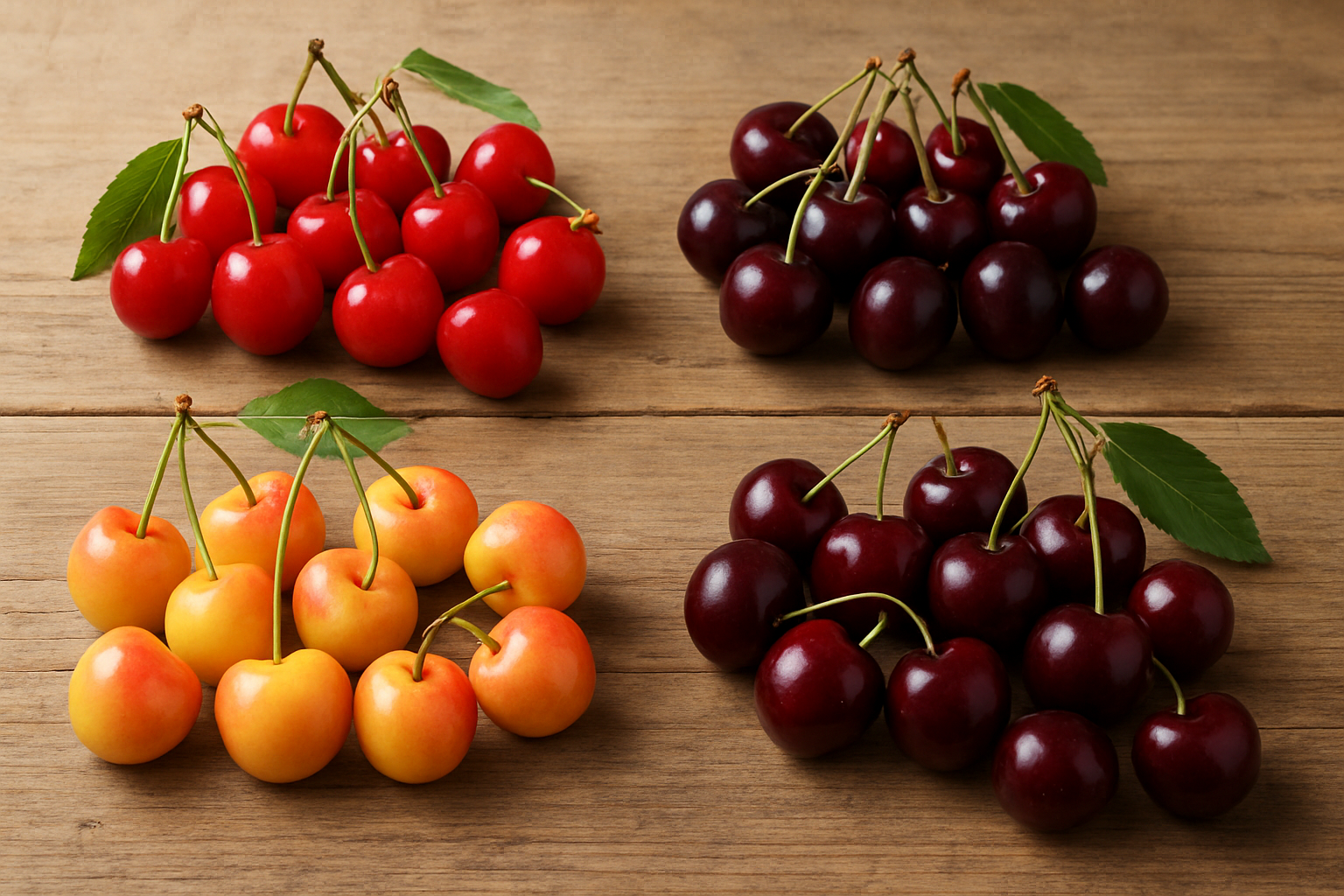
Sweet cherries represent the premium category of cherry varieties, offering rich, complex flavors that make them perfect for fresh eating. The Bing cherry stands as the most recognizable variety, featuring deep red to almost black skin with firm, juicy flesh that delivers a perfect balance of sweetness and subtle tartness. These large, heart-shaped fruits ripen in mid-summer and provide an intense cherry flavor that's become the standard for quality.
Rainier cherries offer a completely different experience with their distinctive yellow-pink blush coloring and exceptionally sweet, almost honey-like taste. These premium fruits have clear flesh and require careful handling due to their delicate skin, making them a sought-after delicacy in farmers markets.
Lambert cherries bring robust flavor with their dark red appearance and firm texture, while Royal Ann cherries provide a golden-yellow appearance with red blushing and a mild, sweet taste. Black Tartarian cherries, one of the earliest types of cherries to ripen, offer purplish-black skin with tender flesh and rich flavor.
| Sweet Cherry Variety | Color | Flavor Profile | Harvest Time |
|---|---|---|---|
| Bing | Deep red/black | Rich, balanced sweet-tart | Mid-summer |
| Rainier | Yellow-pink | Exceptionally sweet, honey-like | Mid to late summer |
| Lambert | Dark red | Robust, firm texture | Late summer |
| Royal Ann | Golden-yellow with red blush | Mild, sweet | Mid-summer |
Tart Cherry Varieties and Culinary Uses
Tart cherries, also known as sour cherries, excel in cooking applications where their bright acidity and intense flavor create memorable dishes. Montmorency cherries dominate this category, representing about 94% of all tart cherry production. These bright red fruits pack remarkable sourness that transforms when cooked, developing complex flavors perfect for pies, jams, and sauces.
The Morello cherry variety offers deeper, almost black coloring with dark red juice and intensely sour flavor that works beautifully in traditional European desserts. These cherries contain higher levels of anthocyanins, contributing to their cherry nutrition benefits and distinctive color.
Early Richmond cherries provide medium-sized, light red fruits with clear juice and sharp tartness that makes them ideal for preserving. Balaton cherries, a newer variety, offer larger size with firm texture and excellent flavor retention during processing.
Tart cherry varieties shine in:
-
Classic cherry pies and cobblers
-
Homemade jams and jellies
-
Dried cherry production
-
Cherry juice concentrate
-
Savory applications with meat dishes
-
Traditional European liqueurs and brandies
Ornamental Cherry Species and Decorative Value
Ornamental cherries focus on spectacular spring blooms rather than fruit production, creating stunning landscape features that herald the arrival of spring. The Yoshino cherry (Prunus × yedoensis) produces clouds of pale pink to white flowers before leaves emerge, creating breathtaking displays in parks and gardens worldwide.
Kwanzan cherry trees offer double-pink blossoms that last longer than single-flowered varieties, providing extended periods of ornamental beauty. These trees produce small, inedible fruits but compensate with their remarkable floral show and attractive fall foliage.
The Okame cherry blooms earlier than most varieties, producing deep pink flowers that can withstand light frosts. Weeping cherry varieties, particularly the Snow Fountains cultivar, create dramatic cascading branches covered in white or pink blossoms that work perfectly as specimen trees.
Japanese cherry species have been cultivated for centuries purely for their ornamental value:
-
Sakura festivals celebrate peak bloom periods
-
Dwarf varieties work well in small gardens
-
Many varieties offer attractive bark and fall color
-
Some species provide light fragrance along with visual appeal
-
Disease-resistant cultivars require minimal maintenance
These ornamental types of cherries transform landscapes with their seasonal beauty, proving that cherries offer value beyond their delicious fruit.
Nutritional Powerhouse Benefits of Cherries
Essential Vitamins and Mineral Content
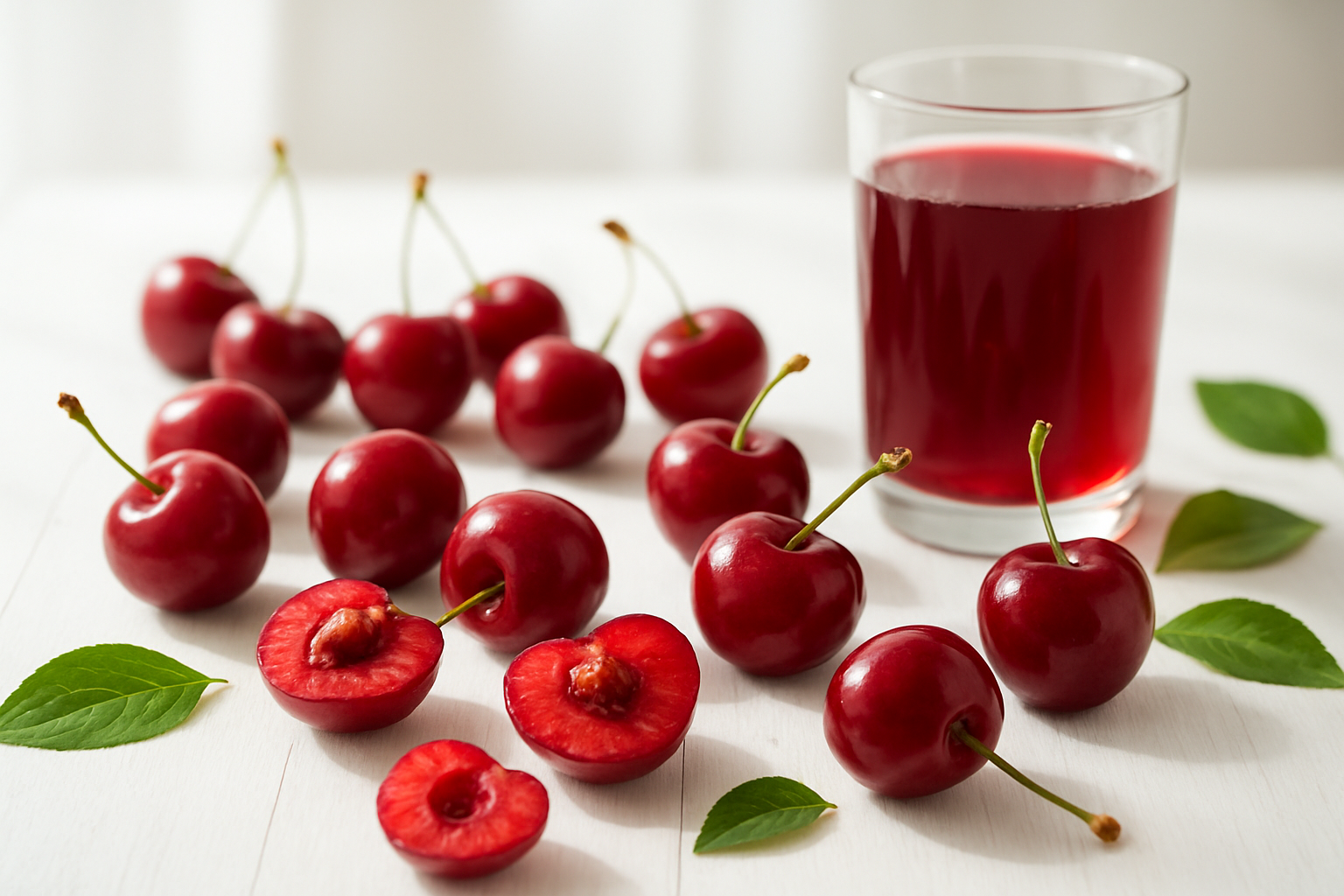
Cherries pack an impressive array of essential nutrients that make them a standout choice for health-conscious individuals. These vibrant fruits deliver substantial amounts of vitamin C, with just one cup of sweet cherries providing approximately 10-15% of your daily requirement. This powerful antioxidant supports immune function and collagen production while enhancing iron absorption.
The mineral profile of cherries includes notable amounts of potassium, which plays a crucial role in heart health and blood pressure regulation. A single serving contains around 260mg of potassium, supporting proper muscle function and nerve transmission. Cherries also provide manganese, copper, and small amounts of magnesium and phosphorus.
B-complex vitamins present in cherries include folate, which supports DNA synthesis and red blood cell formation. The fruit also contains vitamin K, essential for bone health and blood clotting mechanisms. These nutritional components work synergistically to support overall wellness.
Antioxidant Properties and Disease Prevention
The deep red color of cherries signals their rich concentration of anthocyanins, powerful antioxidants that give these fruits their disease-fighting capabilities. Research shows these compounds help neutralize harmful free radicals that contribute to cellular damage and aging processes.
Studies have linked regular cherry consumption to reduced risk of heart disease, with the antioxidants helping to lower LDL cholesterol levels and improve overall cardiovascular health. The high antioxidant content may also provide protective effects against certain types of cancer by preventing DNA damage and supporting healthy cell division.
Cherries contain quercetin and other flavonoids that work together to create a protective shield against oxidative stress. This combination of antioxidants helps maintain healthy brain function and may reduce the risk of neurodegenerative diseases.
Anti-inflammatory Compounds and Health Benefits
Tart cherries contain unique compounds called anthocyanins that deliver powerful anti-inflammatory effects throughout the body. These natural substances help reduce inflammation markers, making cherries particularly beneficial for people dealing with arthritis or joint pain.
Research has shown that consuming tart cherry juice can significantly reduce muscle soreness and recovery time after intense physical activity. Athletes often turn to cherries as a natural recovery aid due to these anti-inflammatory properties.
The anti-inflammatory benefits extend beyond physical discomfort. Regular consumption may help reduce chronic inflammation linked to heart disease, diabetes, and other metabolic conditions. Cherries also contain melatonin naturally, which supports healthy sleep patterns and helps regulate the body's internal clock.
Some studies suggest that the anti-inflammatory compounds in cherries may help reduce uric acid levels, potentially benefiting people with gout. The combination of antioxidants and anti-inflammatory agents makes cherries a valuable addition to an anti-inflammatory diet.
Caloric Content and Dietary Considerations
Fresh cherries are relatively low in calories, with one cup of sweet cherries containing approximately 87 calories. This makes them an excellent choice for people managing their weight while still enjoying naturally sweet flavors. The natural sugars in cherries provide quick energy without the crash associated with processed sweets.
Cherries have a moderate glycemic index, meaning they cause a gradual rise in blood sugar levels rather than sharp spikes. This characteristic makes them suitable for people monitoring their blood glucose, though portion control remains important for diabetics.
The fiber content in cherries, about 3 grams per cup, supports digestive health and helps create feelings of fullness. This natural fiber aids in maintaining stable blood sugar levels and supports healthy cholesterol levels.
For those following specific dietary plans, cherries fit well into most eating patterns, including Mediterranean, DASH, and plant-based diets. Fresh cherries contain no fat, sodium, or cholesterol, making them heart-healthy choices for various nutritional needs.
Cherry Growing Requirements and Cultivation Methods
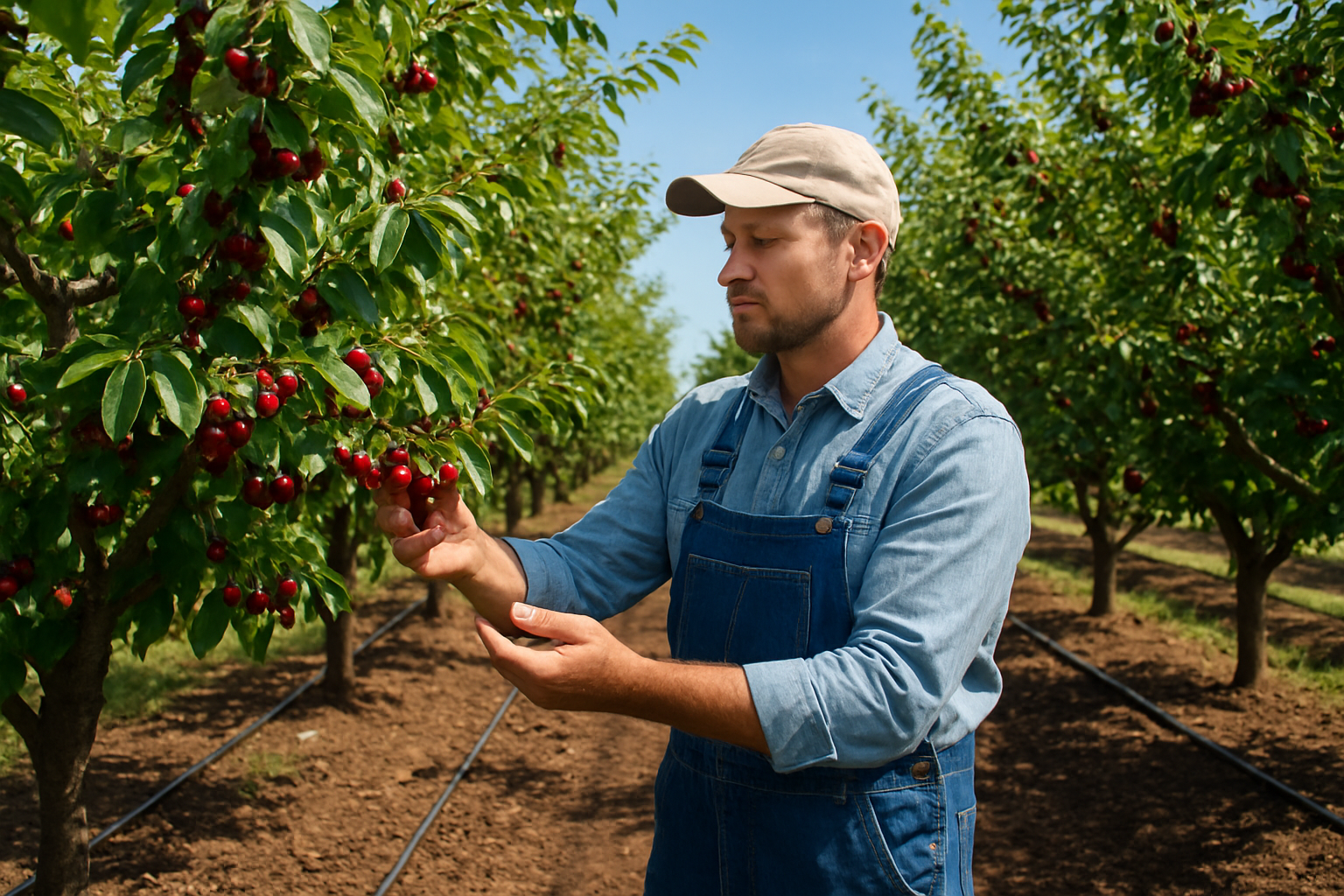
Optimal Climate Conditions and Temperature Needs
Cherry trees thrive in temperate climates with distinct seasonal changes. Sweet cherries need around 700-1,000 chill hours below 45°F during winter dormancy, while tart cherries require slightly fewer at 600-900 hours. These cherry cultivation methods work best in USDA hardiness zones 5-9, where temperatures rarely drop below -20°F.
Spring frost poses the biggest threat to cherry blossoms. Trees bloom early, making them vulnerable to late freezes that can destroy entire crops. Choose planting locations with good air circulation and avoid low-lying areas where cold air settles. Ideal growing temperatures range from 60-70°F during the growing season, with hot summers above 85°F potentially stressing the trees.
Soil Preparation and Drainage Requirements
Well-draining soil is absolutely critical for successful cherry growing guide implementation. Cherries hate wet feet – waterlogged roots quickly develop root rot and other fungal diseases. Sandy loam or loamy soils work best, with a pH between 6.0-7.0.
Before planting, test your soil and amend as needed:
-
Add compost or aged manure to improve soil structure
-
Install drainage tiles in heavy clay soils
-
Create raised beds in areas with poor drainage
-
Incorporate organic matter to boost nutrient content
Avoid planting in areas where water stands after heavy rains. If your soil holds water for more than 24 hours, consider alternative locations or extensive drainage improvements.
Planting Techniques and Spacing Guidelines
Proper spacing prevents overcrowding and ensures adequate air circulation. Standard sweet cherry trees need 20-25 feet between trees, while dwarf varieties can be planted 8-10 feet apart. Tart cherries, being naturally smaller, work well with 15-20 foot spacing.
Plant bare-root trees in late winter or early spring before bud break. Container trees can go in anytime during the growing season. Dig holes twice as wide as the root ball but no deeper – the graft union should sit 2-3 inches above ground level.
How to grow cherries successfully requires attention to companion planting. Most sweet cherries need cross-pollination, so plant at least two compatible varieties within 50 feet of each other. Self-fertile varieties like Stella or Lapins can stand alone but often produce better with pollinators nearby.
Pruning Practices and Maintenance Schedules
Annual pruning shapes trees and maintains fruit quality. Prune during late winter dormancy, typically February through early March. Young trees need training to establish strong scaffold branches, while mature trees require maintenance pruning to remove dead, diseased, or crossing branches.
Key pruning principles include:
-
Remove water sprouts and suckers regularly
-
Thin overcrowded branches to improve light penetration
-
Head back vigorous shoots to encourage lateral branching
-
Maintain an open center for better air circulation
Summer pruning helps control tree size and reduces disease pressure by improving airflow. Remove any diseased or damaged wood immediately, regardless of season.
Common Pests and Disease Management
Cherry trees face several pest and disease challenges that require proactive management. Brown rot, a fungal disease, attacks blossoms and fruit during wet spring weather. Preventive fungicide sprays during bloom and regular removal of infected fruit help control outbreaks.
Major pests include:
-
Cherry fruit flies that lay eggs in developing fruit
-
Aphids that damage leaves and attract ants
-
Scale insects that weaken trees over time
-
Birds that can devastate ripening crops
Integrated pest management combines cultural practices, beneficial insects, and targeted treatments. Netting protects fruit from birds, while pheromone traps monitor pest populations. Regular inspection catches problems early when they're easier to manage.
Culinary Applications and Storage Solutions
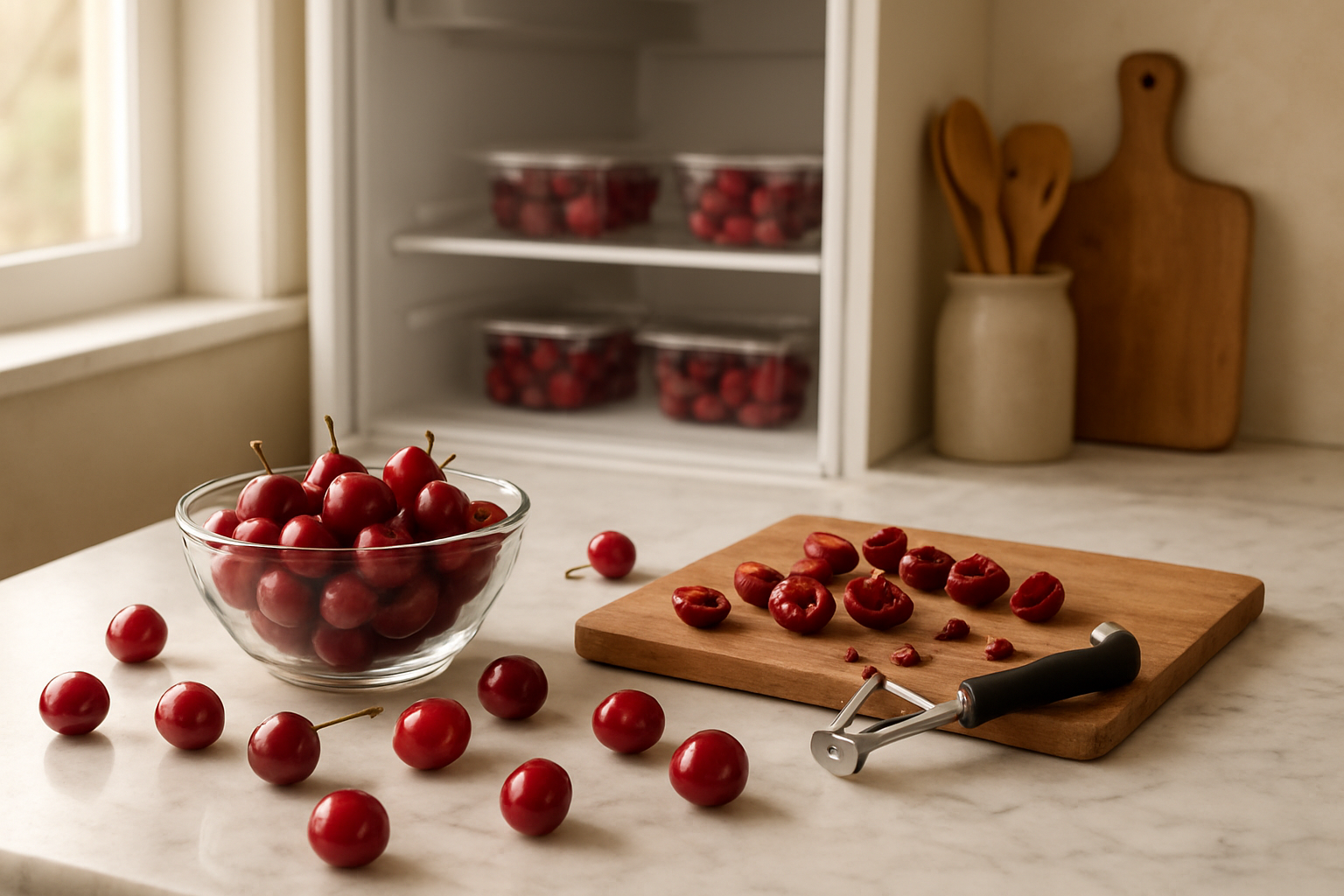
Fresh eating and snacking benefits
Cherries make for incredible fresh snacks that deliver both satisfaction and nutrition in every bite. Sweet varieties like Bing and Rainier cherries offer natural sugar content that makes them perfect guilt-free treats, while their firm texture provides a satisfying crunch. The natural antioxidants in fresh cherries work best when consumed raw, giving your body immediate access to powerful compounds like anthocyanins and vitamin C.
When selecting cherries for fresh eating, look for plump fruits with glossy skin and green stems still attached. The stem acts as a freshness indicator - if it's brown or missing, the cherry has been sitting too long. Fresh cherries work wonderfully in fruit salads, cheese boards, or simply enjoyed by the handful as a healthy alternative to processed snacks.
Baking and dessert incorporation methods
Cherries transform ordinary desserts into extraordinary creations. Sweet cherries work beautifully in classic preparations like cherry pie, while tart varieties add complexity to cheesecakes and chocolate desserts. When using fresh cherries in baking, remove pits carefully to avoid bitter flavors, and consider macerating them with sugar beforehand to draw out natural juices.
For successful cherry cooking uses, remember that cherries release moisture during baking. Toss them lightly with flour or cornstarch before adding to batters to prevent sinking. Cherry varieties like Montmorency excel in baked goods because their tartness balances sweet desserts perfectly.
Popular cherry dessert applications include:
-
Classic cherry clafoutis
-
Cherry crumble bars
-
Chocolate cherry brownies
-
Cherry cheesecake swirl
-
Rustic cherry galettes
Dried cherries work exceptionally well in cookies, muffins, and scones, providing concentrated flavor without excess moisture that might affect texture.
Proper storage techniques for maximum freshness
Maximizing cherry freshness requires understanding their delicate nature. Store unwashed cherries in the refrigerator immediately after purchase, keeping them in their original container or transferring to a perforated plastic bag. The tiny holes allow air circulation while maintaining humidity levels that prevent shriveling.
Never store cherries at room temperature for extended periods - they deteriorate rapidly in warm conditions. Keep them in the coldest part of your refrigerator, typically the crisper drawer, where temperatures stay consistently cool. Avoid washing cherries until you're ready to eat them, as excess moisture accelerates spoilage.
Proper cherry storage tips include checking your stash daily and removing any soft or damaged fruits immediately. One spoiled cherry can quickly affect others nearby. Fresh cherries typically maintain quality for 7-10 days when stored correctly.
Freezing and preservation options
Freezing cherries extends their lifespan significantly while preserving most nutritional benefits. The key to successful freezing lies in proper preparation. Wash and pit cherries completely, then spread them in a single layer on baking sheets lined with parchment paper. This prevents individual cherries from freezing together in clumps.
Once frozen solid (usually 2-3 hours), transfer cherries to freezer bags or airtight containers. Properly frozen cherries maintain quality for up to 12 months. For best results, remove as much air as possible from storage containers to prevent freezer burn.
| Preservation Method | Storage Time | Best Uses |
|---|---|---|
| Fresh refrigerated | 7-10 days | Snacking, salads |
| Frozen whole | 12 months | Baking, smoothies |
| Dried | 12-18 months | Trail mix, baking |
| Canned | 2-3 years | Desserts, sauces |
Frozen cherries work perfectly in baked goods without thawing first - simply add an extra minute or two to baking time. They also blend beautifully into smoothies and can be cooked down into sauces and jams straight from the freezer.
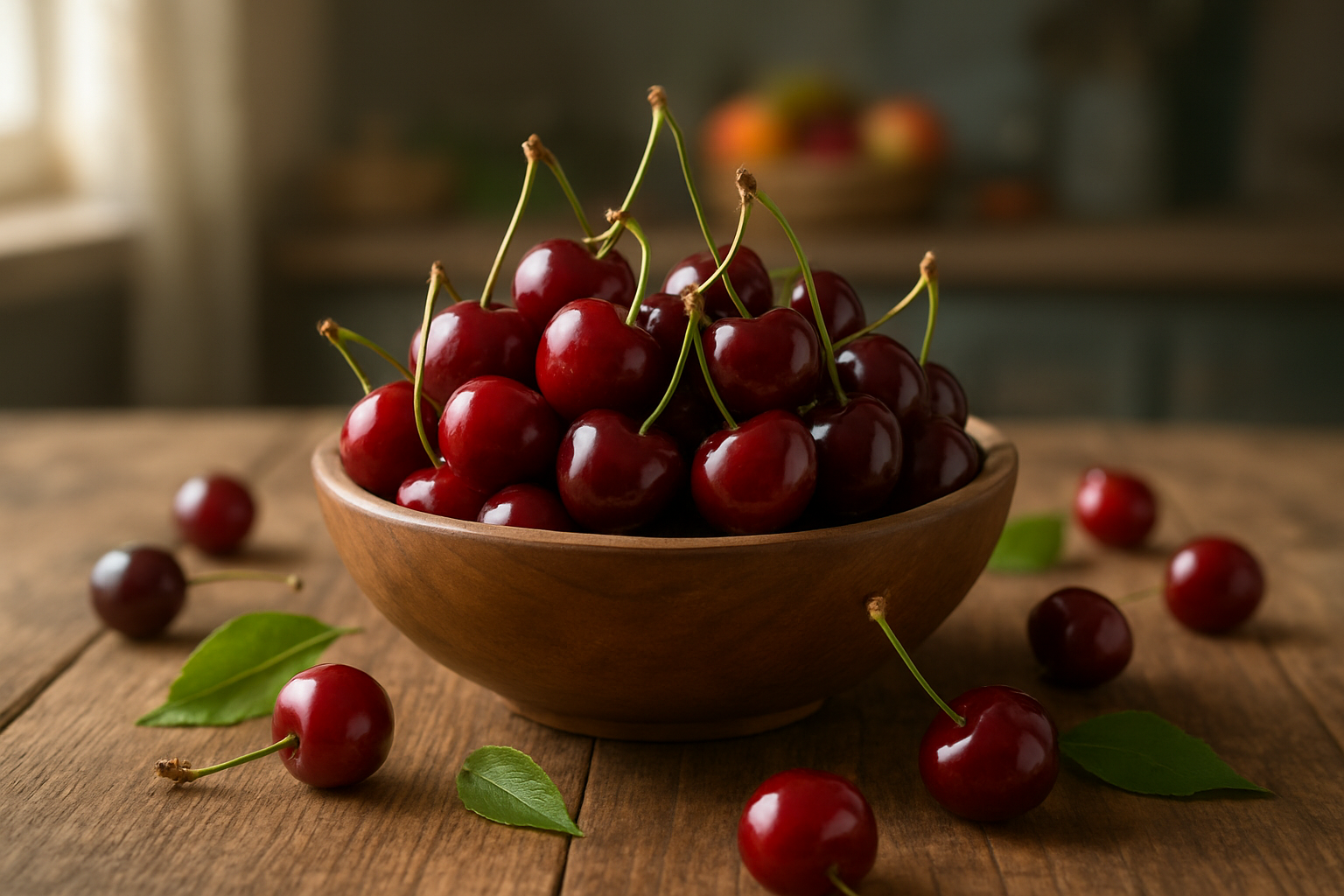
Cherries pack quite a punch when it comes to nutrition and versatility. From sweet Bing cherries perfect for snacking to tart Montmorency varieties ideal for baking, these ruby-red gems offer impressive health benefits including anti-inflammatory properties and natural melatonin. Whether you're growing your own cherry tree or selecting the perfect batch at the grocery store, knowing the different varieties and their best uses makes all the difference.
Don't let these seasonal treasures go to waste when they're in peak season. Stock up on fresh cherries and try different preservation methods like freezing or making cherry preserves. Your taste buds and your body will thank you for incorporating these nutritious, delicious fruits into your regular diet. Next time you see fresh cherries, grab a bag and discover your new favorite variety.


.png)
Comments
Post a Comment