COCONUTS - WHAT ARE COCONUTS?
Coconuts are one of nature's most versatile fruits, packed with nutrients and offering countless uses beyond just eating. This guide is perfect for health-conscious food lovers, home cooks curious about coconut products, and anyone wanting to understand coconut basics from the ground up.
You'll discover the fascinating anatomy of a coconut and learn how the shell, meat, and water each serve different purposes. We'll break down coconut nutrition facts and explore the impressive health benefits that make coconuts a superfood favorite. Finally, we'll cover the most popular coconut products and their uses, from coconut oil benefits to coconut milk and cream, so you can make informed choices for your kitchen and wellness routine.
Understanding Coconut Basics and Origins
Botanical Classification and Scientific Name
The coconut belongs to the palm family Arecaceae and goes by the scientific name Cocos nucifera. This tropical coconut palm stands as the sole species in the genus Cocos, making it quite unique in the botanical world. The name "nucifera" literally means "nut-bearing," which perfectly describes this remarkable tree's primary characteristic.
Despite common misconceptions, coconuts aren't actually nuts from a botanical perspective. They're technically classified as drupes – a type of fruit with a hard, stony covering surrounding the seed. This classification puts coconuts in the same category as peaches and cherries, though their structure differs significantly.
Natural Habitat and Geographical Distribution
Coconut palms thrive naturally in coastal tropical regions around the world. These hardy trees have adapted perfectly to sandy, well-draining soils and can tolerate salt spray from ocean waves. You'll find them flourishing along coastlines throughout the Pacific Islands, Southeast Asia, the Caribbean, Central America, and parts of Africa.
The exact origin of coconuts remains debated among botanists, but most evidence points to the Indo-Pacific region, particularly areas around Malaysia, Indonesia, and the Philippines. From there, ocean currents and human migration helped spread coconuts across tropical coastlines worldwide.
Today, major coconut-producing countries include Indonesia, the Philippines, India, Sri Lanka, Brazil, and Thailand. These regions provide the ideal combination of warm temperatures, high humidity, and coastal conditions that coconut palms need to thrive.
Physical Characteristics of Coconut Palms
Coconut palms are instantly recognizable with their tall, slender trunks that can reach heights of 60 to 100 feet. The trunk typically grows straight up without branches, topped by a crown of large, feather-like fronds that can stretch 15 to 20 feet long.
The bark appears smooth and grayish-brown, often showing ring-like scars where old fronds have fallen off. These scars create a distinctive pattern that helps identify the tree's age and growth history.
What makes coconut palms particularly fascinating is their incredible resilience. They can bend dramatically in strong winds without breaking, thanks to their flexible trunks. The root system spreads wide but stays relatively shallow, helping anchor the tree in sandy soils while allowing it to absorb moisture from light rainfall.
The coconut fruits themselves grow in clusters of 10 to 20 coconuts, hanging beneath the crown of fronds. A single mature palm can produce 30 to 75 coconuts annually, depending on growing conditions and the tree's age.
Historical Significance in Tropical Cultures
Coconuts have played a central role in tropical societies for thousands of years. Pacific Island cultures traditionally called the coconut palm the "Tree of Life" because virtually every part served a practical purpose in daily living.
Ancient Polynesian navigators relied heavily on coconuts during long ocean voyages. The coconut water provided essential hydration, while the meat offered crucial nutrition. The shells became bowls and containers, and coconut fiber was woven into ropes and sails.
In Hindu and Buddhist traditions, coconuts hold deep spiritual significance. They're often used in religious ceremonies and offered at temples as symbols of purity and divine blessing. The three "eyes" on a coconut represent the three-eyed Lord Shiva in Hindu mythology.
Traditional medicine systems across tropical regions have long recognized coconut's healing properties. Indigenous cultures used different parts of the coconut palm to treat everything from digestive issues to skin conditions. Coconut oil served as a natural moisturizer and hair treatment, while fresh coconut water helped combat dehydration and heat exhaustion.
Many coastal communities built their entire economies around coconut cultivation and processing. The versatility of coconut products – from food and beverages to construction materials and textiles – made these palms invaluable for survival and trade in tropical regions.
Anatomy of a Coconut
Outer husk structure and protective functions
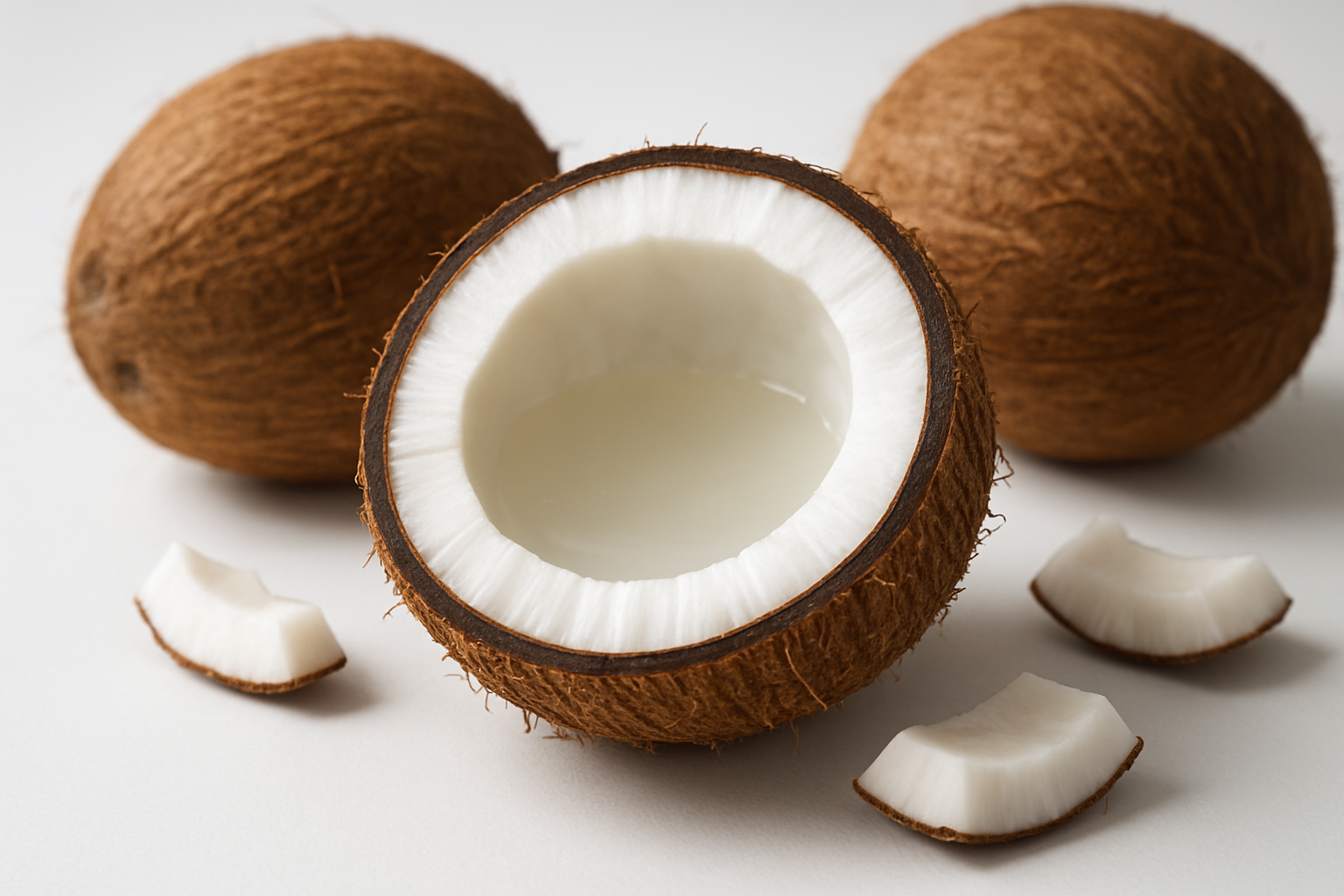
The coconut's outer layer, called the husk or coir, acts like nature's ultimate protective gear. This thick, fibrous coating wraps around the entire coconut shell and serves multiple critical purposes. Made up of tough, stringy fibers, the husk protects the inner contents from impacts during the coconut's journey - whether it's falling from a towering palm tree or floating across ocean currents for months.
The coconut fiber coir within the husk has incredible shock-absorbing properties. When a coconut drops from heights of up to 100 feet, this cushioning system prevents the valuable coconut meat and water inside from getting damaged. The husk also provides waterproofing, keeping salt water out during long ocean voyages while maintaining the fresh coconut water inside.
Coconut basics show us that this outer layer isn't just protective - it's also buoyant. The air pockets within the fibrous structure help coconuts float for extended periods, allowing them to spread naturally across tropical islands and coastlines.
Hard shell composition and durability
Beneath the husk lies the coconut's most recognizable feature - its incredibly hard shell. This inner shell is composed primarily of lignin and cellulose, creating one of nature's toughest natural containers. The coconut shell demonstrates remarkable durability, capable of withstanding tremendous pressure and maintaining its integrity for months or even years.
The shell's thickness varies depending on the coconut variety and maturity, typically ranging from 3-12 millimeters. Young coconuts have thinner, more pliable shells, while mature coconuts develop shells so hard they require specialized tools to crack open. This coconut anatomy feature explains why machetes, hammers, or dedicated coconut crackers are necessary for accessing the contents.
The shell's composition makes it naturally antimicrobial and resistant to decay. This durability has made coconut shells valuable for creating bowls, cups, and decorative items across tropical cultures for thousands of years.
Coconut meat formation and texture variations
Inside the protective shell, coconut meat develops in fascinating stages that dramatically affect its texture and uses. Young coconuts contain soft, jelly-like meat that's almost translucent and can be easily scooped with a spoon. This tender coconut meat has a delicate, slightly sweet flavor and smooth texture.
As coconuts mature, the meat gradually thickens and hardens. Fresh coconut meat in mature coconuts becomes dense, white, and firm with a rich, nutty flavor. The texture transforms from gel-like to chewy, then to the familiar firm consistency most people recognize.
The meat's development directly impacts coconut products uses. Young coconut meat works perfectly for eating fresh or blending into smoothies, while mature meat becomes ideal for:
-
Grating for coconut milk cream production
-
Processing into coconut oil
-
Creating dried coconut flakes
-
Making coconut flour
The coconut meat's oil content also increases with maturity, starting at around 35% in young coconuts and reaching up to 65% in fully mature ones.
Coconut water development and storage
Coconut water represents one of nature's most impressive storage systems. This clear liquid develops as the coconut grows, starting as a small amount of cellular fluid that gradually increases in volume. Young coconuts contain the most coconut water - sometimes up to 500 milliliters - while mature coconuts have less as the liquid converts to meat.
The coconut shell meat water relationship shows perfect natural engineering. The water remains sterile inside the sealed shell environment, naturally filtered and protected from contamination. This coconut anatomy creates an ideal storage system that keeps the water fresh and nutritious for extended periods.
Fresh coconut water maintains optimal electrolyte balance, containing potassium, sodium, magnesium, and natural sugars. The liquid's composition changes as the coconut ages - young coconut water tastes sweeter and more refreshing, while water from older coconuts becomes less flavorful as nutrients concentrate into developing meat.
The pressure system within the coconut maintains the water's freshness. When you first crack open a fresh coconut, you'll often hear a distinct sound as the pressurized system equalizes with outside air pressure.
Nutritional Profile and Health Benefits
Essential vitamins and mineral content
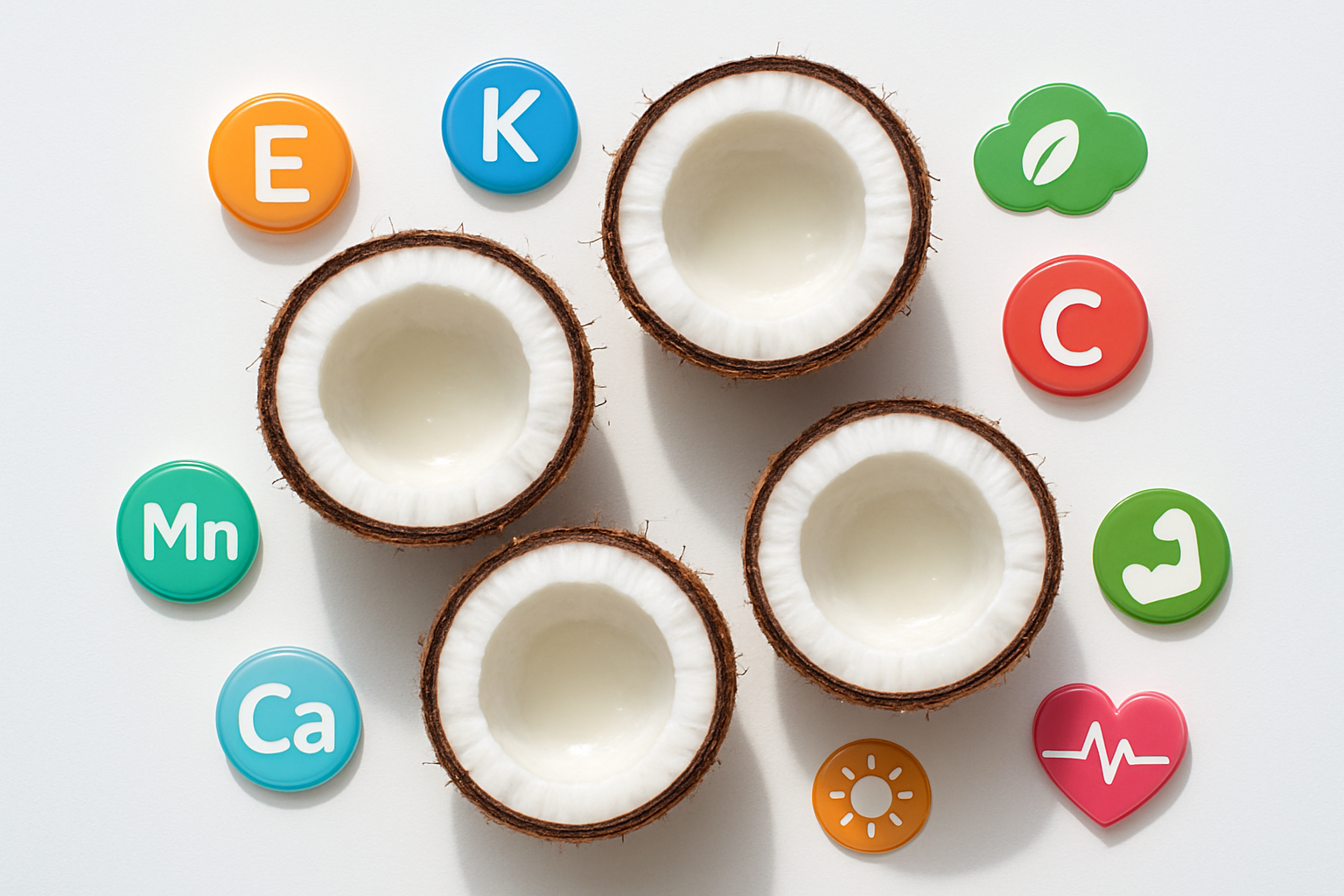
Coconuts pack a surprising amount of essential nutrients that your body needs to function at its best. The coconut meat contains significant amounts of manganese, which plays a crucial role in bone health and enzyme function. You'll also find copper, selenium, and iron in decent quantities. These minerals work together to support your immune system and help your body produce energy efficiently.
The vitamin profile includes folate, vitamin C, and several B vitamins that support nervous system health. Potassium stands out as one of the most abundant minerals in coconut water, making it excellent for maintaining healthy blood pressure and proper muscle function.
Healthy fat composition and metabolism support
The fat content in coconuts is where things get really interesting. About 90% of the fats are saturated, but don't let that scare you off. These aren't the same saturated fats found in processed foods. Coconut contains medium-chain triglycerides (MCTs), particularly lauric acid, which your body processes differently than other fats.
MCTs go straight to your liver and get converted into energy rather than being stored as fat. This unique characteristic can actually boost your metabolic rate and help with weight management. Research shows that MCTs can increase energy expenditure by up to 5% compared to longer-chain fats.
Fiber content and digestive health advantages
Fresh coconut meat delivers impressive amounts of dietary fiber - about 9 grams per cup. This fiber content supports healthy digestion by promoting regular bowel movements and feeding beneficial gut bacteria. The fiber also helps slow down sugar absorption, which can help stabilize blood sugar levels after meals.
The combination of fiber and healthy fats creates a satisfying food that can help control appetite and reduce cravings between meals. This makes coconut a smart choice for anyone looking to maintain steady energy levels throughout the day.
Antioxidant properties and immune system boost
Coconuts contain several powerful antioxidants that help protect your cells from damage caused by free radicals. The phenolic compounds in coconut meat and oil have anti-inflammatory properties that may help reduce the risk of chronic diseases.
Lauric acid, which makes up about 50% of coconut oil, converts to monolaurin in your body - a compound known for its antimicrobial properties. This can help support your immune system's ability to fight off harmful bacteria, viruses, and fungi.
Hydration benefits from coconut water
Coconut water serves as nature's sports drink, containing natural electrolytes that help maintain proper hydration. With about 600mg of potassium per cup, it provides more of this essential mineral than most sports drinks without the artificial additives.
The natural sugar content is relatively low compared to other fruit juices, making it a healthier option for rehydration after exercise or during hot weather. The magnesium and calcium content also contribute to muscle function and recovery, making coconut water particularly beneficial for active individuals.
Popular Coconut Products and Their Uses
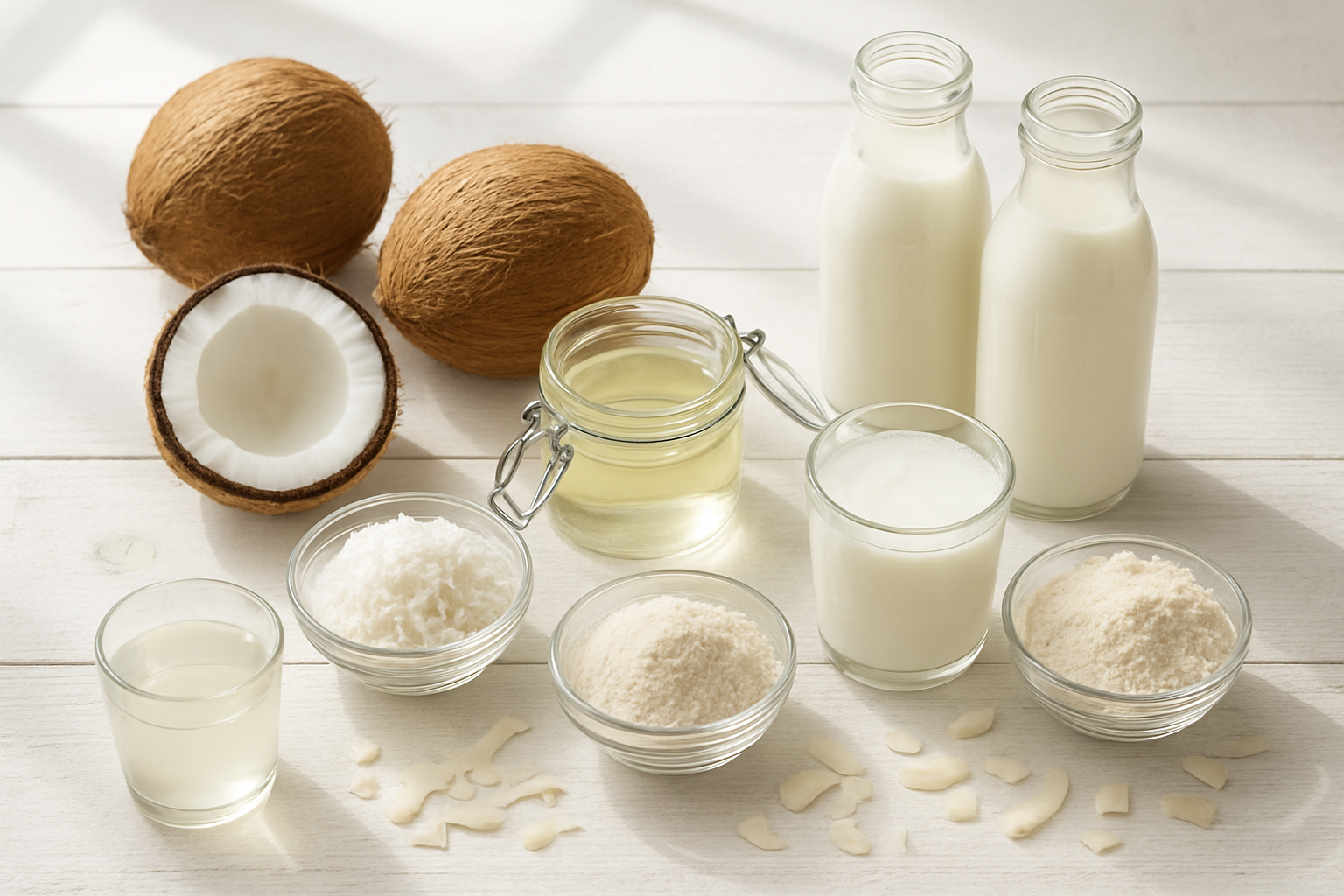
Virgin coconut oil extraction and applications
Virgin coconut oil stands as one of the most versatile coconut products, extracted from fresh coconut meat without using high heat or chemicals. The cold-press method preserves the oil's natural properties, creating a product that solidifies at temperatures below 76°F and melts into a clear, colorless liquid when warmed.
Two primary extraction methods dominate the industry: wet processing and dry processing. Wet processing involves grating fresh coconut meat, mixing it with water, and separating the oil through fermentation or centrifugal force. Dry processing removes moisture from the coconut meat first, then presses the dried meat to extract oil. Both methods produce high-quality virgin coconut oil, though wet processing typically yields oil with a more pronounced coconut flavor.
The applications for virgin coconut oil span multiple industries. In cooking, it serves as an excellent high-heat cooking oil with a smoke point of 350°F, making it perfect for sautéing and baking. The coconut oil benefits extend to skincare, where it acts as a natural moisturizer, makeup remover, and hair conditioner. Many people use it for oil pulling, an ancient practice believed to improve oral health.
Commercial applications include cosmetics, soaps, and pharmaceutical products. The oil's antimicrobial properties, attributed to its high lauric acid content, make it valuable in natural health products and food preservation.
Coconut milk production and culinary uses
Coconut milk cream production begins with mature coconuts containing thick, white meat. Producers grate the meat and combine it with hot water, then strain the mixture through cheesecloth or fine mesh. The first pressing yields thick coconut cream, while subsequent pressings with more water create lighter coconut milk.
The difference between coconut milk and cream lies in their fat content. Coconut cream contains 19-22% fat, while coconut milk ranges from 5-20% depending on dilution. Canned coconut milk often separates, with the cream rising to the top and the thinner milk settling below.
Culinary applications vary across global cuisines. Thai curries rely on coconut milk's richness to balance spicy chilies and aromatic herbs. Indian cuisine uses it in both sweet and savory dishes, from coconut rice to korma curries. Caribbean cooking incorporates coconut milk into rice and peas, while Latin American desserts like tres leches cake benefit from its creamy texture.
Beyond traditional uses, modern kitchens embrace coconut milk as a dairy-free alternative in coffee drinks, smoothies, and ice cream. Its natural sweetness and creamy consistency make it perfect for vegan baking, where it replaces heavy cream in recipes. The milk also works well in overnight oats, chia puddings, and protein shakes for those following plant-based diets.
Coconut flour as gluten-free alternative
Coconut flour emerges from the dried, defatted coconut meat left after oil extraction. This fine, powdery substance has gained popularity as a gluten-free alternative to wheat flour, offering unique baking properties that require recipe adjustments for optimal results.
The flour's high fiber content - approximately 60% - sets it apart from other gluten-free alternatives. This fiber content means coconut flour absorbs significantly more liquid than traditional wheat flour. Bakers typically use only 1/4 to 1/3 the amount of coconut flour compared to wheat flour and increase liquid ingredients accordingly.
Coconut nutrition facts reveal impressive nutritional benefits. The flour provides protein, healthy fats, and essential minerals like manganese and copper. Its low glycemic index makes it suitable for diabetic diets, while the high fiber content supports digestive health and promotes satiety.
Successful coconut flour baking requires understanding its unique characteristics. The flour works best in recipes with multiple eggs, as eggs provide necessary binding and moisture. Dense baked goods like muffins, pancakes, and quick breads adapt well to coconut flour, while light, airy cakes may require blending with other gluten-free flours.
Storage plays a crucial role in maintaining quality. Coconut flour should be kept in airtight containers in cool, dry places. Properly stored flour lasts 12-18 months, though refrigeration extends its shelf life. The flour's natural oils can become rancid if exposed to heat and humidity for extended periods.
Growing and Harvesting Coconuts

Optimal Climate Conditions for Coconut Cultivation
Coconut growing thrives in warm, humid tropical environments where temperatures consistently stay between 80-95°F (27-35°C). These majestic tropical coconut palms need plenty of rainfall - ideally 60-80 inches annually - though they can survive with as little as 30 inches if supplemental irrigation is available.
The best locations feature well-draining sandy soils with good aeration, as coconuts hate waterlogged conditions despite their love for moisture. Coastal areas are perfect since coconuts naturally tolerate salt spray and sandy conditions. Wind protection is crucial during the early growing years, though mature palms can withstand strong coastal winds remarkably well.
Humidity levels should stay above 60% year-round, and coconuts need consistent sunlight - at least 8-10 hours daily. They struggle in areas with frost or temperatures below 70°F, which explains why commercial coconut production concentrates in regions like Southeast Asia, the Pacific Islands, and parts of South America.
Planting and Care Requirements for Coconut Palms
Starting a coconut palm requires patience - these trees take 6-10 years to produce fruit. Plant whole coconuts with the husk intact, positioned horizontally with about one-third buried in well-draining soil. Space trees 25-30 feet apart to allow for their massive canopy spread.
Young palms need regular watering but excellent drainage. Mulching around the base helps retain moisture while preventing weeds. Fertilizing should happen 3-4 times yearly with organic compost or specialized palm fertilizer rich in potassium, magnesium, and manganese.
Regular pruning removes dead fronds and flower stalks, but never cut green fronds as they provide essential nutrients. Watch for common pests like rhinoceros beetles and scale insects. Coconut palms are relatively low-maintenance once established, but consistent care during the first five years determines long-term productivity.
Harvesting Techniques and Timing Considerations
Coconut harvesting timing depends on intended use. Young coconuts for drinking are harvested at 6-7 months when they contain maximum coconut water. Mature coconuts for copra (dried coconut meat) and oil production are collected at 11-12 months when the meat is fully developed.
Traditional harvesting involves skilled climbers who scale the 60-80 foot palms using special knives to cut coconut clusters. Modern operations increasingly use mechanical lifts or trained monkeys in some regions. Each tree produces 30-50 coconuts annually once mature.
Signs of ripeness include a brown, fibrous exterior and the distinctive sloshing sound when shaken. Fresh coconut should feel heavy with liquid inside. Harvest timing affects both coconut fiber coir quality and meat texture - younger nuts have softer meat while older nuts provide better fiber.
Commercial Farming Practices and Sustainability
Large-scale coconut operations focus on high-yielding dwarf varieties that produce fruit earlier and are easier to harvest. These farms typically plant 175-200 trees per hectare using scientific spacing methods that maximize sunlight exposure and air circulation.
Modern sustainable practices include intercropping with compatible plants like pepper vines or root vegetables, which provides additional income while the palms mature. Organic farming methods are becoming popular, emphasizing compost use and biological pest control rather than synthetic chemicals.
Water conservation through drip irrigation systems and rainwater collection helps maintain productivity during dry seasons. Many operations now focus on zero-waste principles, using coconut husks for coconut fiber coir production, shells for charcoal, and processing coconut water commercially.
Integrated pest management reduces chemical dependence while maintaining healthy yields. Some farms incorporate livestock grazing between trees, creating a circular agricultural system where animals provide natural fertilization while controlling undergrowth.
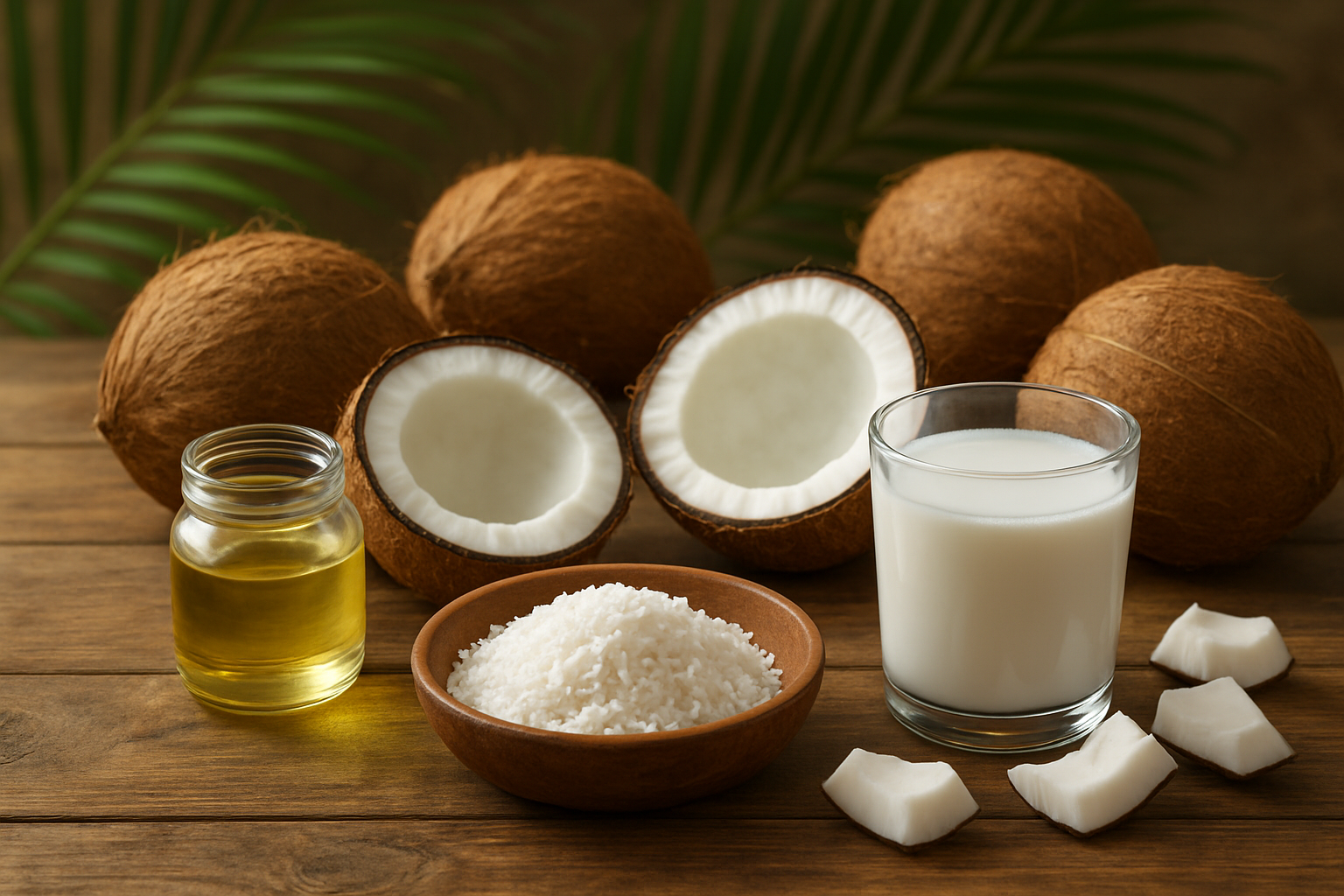
Coconuts are fascinating fruits that offer incredible versatility and nutrition. From their tropical origins to the three distinct layers that make up their unique anatomy, these remarkable plants have provided food, water, and materials for centuries. The impressive nutritional profile includes healthy fats, fiber, and essential minerals that support heart health and boost energy levels.
The coconut industry continues to expand with products ranging from coconut oil and milk to flour and water, each serving different culinary and health purposes. Whether you're cooking, baking, or looking for natural alternatives to everyday products, coconuts deliver exceptional value. Next time you encounter a coconut product, you'll appreciate the complex growing and harvesting process that brings this tropical treasure from palm to plate.


.png)
Comments
Post a Comment