GRAPEFRUIT - WHAT'S THE GRAPEFRUIT?

What is Grapefruit? Your Complete Guide to This Citrus Powerhouse
Grapefruit is a large, tangy citrus fruit that packs serious nutritional punch and offers impressive health benefits. This guide is perfect for anyone curious about grapefruit - from first-time buyers wondering how to pick the perfect fruit to health-conscious folks wanting to understand grapefruit nutrition facts and benefits.
You'll discover what makes grapefruit special among citrus fruits, explore the specific grapefruit health benefits that make it worth adding to your diet, and learn practical tips for selecting the best grapefruits at the store plus smart grapefruit storage tips to keep them fresh longer.
Understanding Grapefruit Basics
Botanical Classification and Scientific Name
Grapefruit belongs to the citrus family Rutaceae and carries the scientific name Citrus × paradisi. The "×" symbol indicates that grapefruit is actually a natural hybrid, created through the crossbreeding of sweet orange (Citrus sinensis) and pomelo (Citrus maxima). This fascinating botanical heritage explains many of grapefruit's unique characteristics, combining the sweetness of oranges with the size and tartness of pomelos.
The genus Citrus encompasses all major citrus fruits, making grapefruit a close relative to lemons, limes, and oranges. Interestingly, the species name "paradisi" means "of paradise," reflecting early botanists' appreciation for this remarkable fruit's appeal.
Physical Characteristics and Appearance
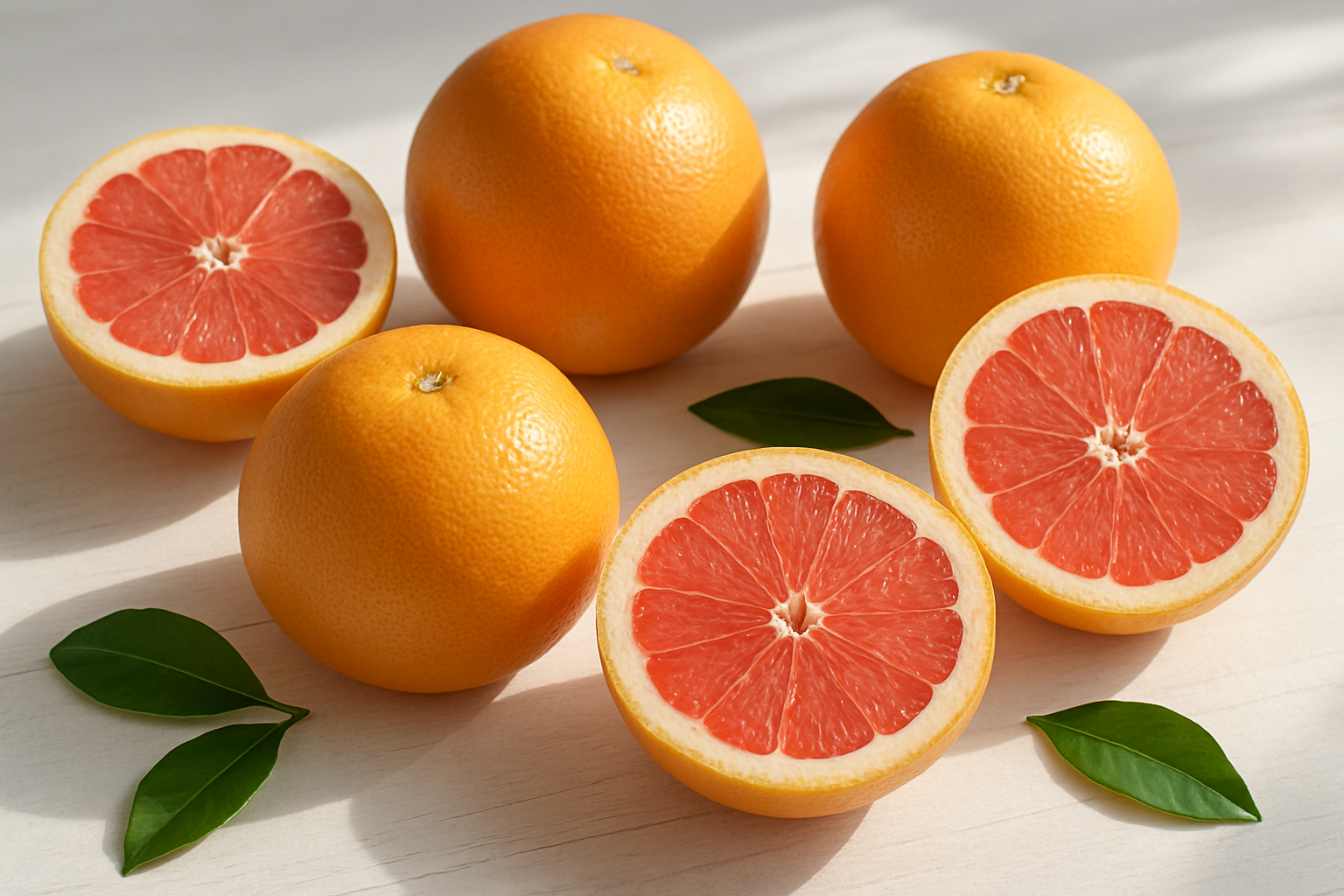
What is grapefruit in terms of physical appearance? These substantial citrus fruits typically measure 4-6 inches in diameter, making them significantly larger than most oranges. The thick, dimpled peel ranges from pale yellow to deep pink-red, depending on the variety. Inside, the flesh is segmented like other citrus fruits, with segments separated by bitter white pith.
Grapefruit trees themselves are evergreen, reaching heights of 15-20 feet in optimal conditions. The glossy, dark green leaves are large and oval-shaped, while the fragrant white flowers bloom in clusters. The fruit develops over 6-12 months, changing color as it matures on the tree.
Common Varieties and Colors Available
Several distinct grapefruit varieties offer different flavor profiles and appearances:
White Grapefruit Varieties:
-
Duncan: The original variety with numerous seeds and intense tartness
-
Marsh: Seedless with pale yellow flesh and mild flavor
Pink and Red Varieties:
-
Ruby Red: Deep red flesh with sweet-tart balance
-
Pink: Light pink flesh with moderate sweetness
-
Star Ruby: Vibrant red interior with exceptional sweetness
| Variety | Flesh Color | Seed Count | Flavor Profile |
|---|---|---|---|
| Duncan | White | Many | Very tart |
| Marsh | White | Few/None | Mildly tart |
| Ruby Red | Deep red | Few | Sweet-tart |
| Pink | Light pink | Few | Moderately sweet |
Origins and Natural Habitat
Grapefruit originated in Barbados during the 18th century as a natural hybrid. Captain Shaddock, an English sea captain, introduced the pomelo to the Caribbean islands, where it naturally cross-pollinated with existing sweet orange trees. This accidental creation produced the first grapefruit trees around 1750.
The fruit thrives in subtropical climates with warm temperatures, abundant sunshine, and well-draining soil. Today, major growing regions include Florida, Texas, California, Israel, Turkey, and South Africa. These areas provide the ideal conditions grapefruit requires: temperatures between 55-85°F, consistent moisture without waterlogging, and protection from frost.
The natural habitat preferences explain why grapefruit remains a warm-climate crop, unable to tolerate freezing temperatures that would damage both fruit and trees.
Nutritional Powerhouse Benefits
Essential Vitamins and Mineral Content
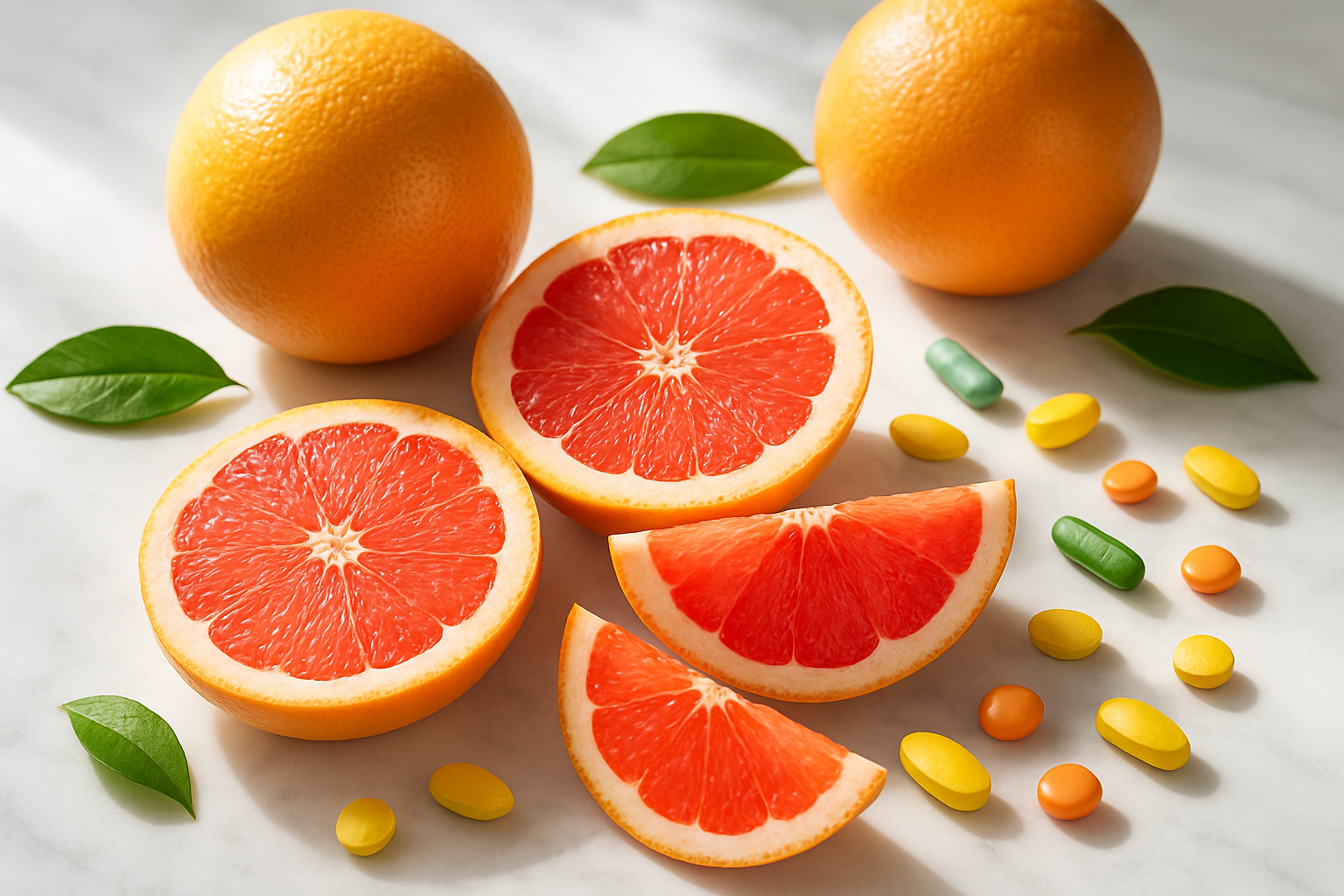
Grapefruit nutrition facts reveal an impressive vitamin and mineral profile that makes this citrus fruit a true nutritional champion. A single medium grapefruit delivers over 100% of your daily vitamin C needs, providing approximately 88 milligrams of this immune-boosting powerhouse. This vitamin C content surpasses many other fruits, making grapefruit benefits particularly valuable for supporting your body's natural defense system.
The potassium content in grapefruit stands out among its mineral offerings, with one medium fruit providing about 350 milligrams. This essential mineral supports heart health, helps regulate blood pressure, and maintains proper muscle function. Grapefruit also contains meaningful amounts of folate, which is crucial for DNA synthesis and red blood cell formation.
| Nutrient | Amount per Medium Grapefruit | % Daily Value |
|---|---|---|
| Vitamin C | 88 mg | 98% |
| Potassium | 350 mg | 10% |
| Folate | 23 mcg | 6% |
| Vitamin A | 2,645 IU | 53% |
| Fiber | 4 g | 16% |
Beyond these major players, grapefruit delivers vitamin A in the form of beta-carotene, particularly abundant in pink and red varieties. This vitamin supports eye health and immune function. The fruit also provides smaller but notable amounts of magnesium, calcium, and thiamine.
Antioxidant Properties for Health Protection
The antioxidant power of grapefruit extends far beyond its vitamin C content, offering a complex array of protective compounds. Lycopene, the pigment responsible for the pink and red coloring in certain grapefruit varieties, acts as a potent antioxidant that may help protect against cellular damage. Pink grapefruit contains significantly more lycopene than white varieties, with red grapefruit containing the highest concentrations.
Flavonoids represent another major category of antioxidants found in grapefruit. Naringin, the predominant flavonoid in grapefruit, gives the fruit its characteristic bitter taste while providing anti-inflammatory benefits. This compound works alongside hesperidin and other citrus flavonoids to combat oxidative stress throughout your body.
The peel and white pith of grapefruit contain particularly high concentrations of these beneficial compounds. While most people discard these parts, they actually house some of the fruit's most powerful antioxidants. The combination of vitamin C, lycopene, and flavonoids creates a synergistic effect that enhances the overall antioxidant capacity of the fruit.
Research suggests these antioxidants may help protect against chronic diseases by neutralizing harmful free radicals that can damage cells and contribute to aging processes. The diverse antioxidant profile makes grapefruit health benefits particularly comprehensive compared to fruits with more limited compound variety.
Low Calorie Count for Weight Management
Grapefruit nutritional value shines brightest when considering its remarkably low calorie density. A medium grapefruit contains only about 80-100 calories while providing substantial volume and fiber content. This combination makes it an excellent choice for weight management strategies, as you can eat a satisfying portion without consuming excessive calories.
The high water content of grapefruit, which comprises about 90% of the fruit's weight, contributes to its filling nature while adding virtually no calories. This natural hydration factor helps create satiety without the caloric burden found in many other satisfying foods. The fiber content, at approximately 4 grams per medium fruit, adds to the feeling of fullness and helps slow digestion.
What makes grapefruit particularly valuable for weight management is its low glycemic index. The fruit releases its natural sugars slowly into your bloodstream, helping maintain stable blood sugar levels and reducing the likelihood of hunger spikes shortly after eating. This steady energy release can help control cravings and support consistent energy levels throughout the day.
The combination of high volume, low calories, and beneficial fiber creates what nutritionists call a "high satiety index" food. This means grapefruit provides more satisfaction per calorie than many other food choices, making it easier to maintain appropriate portion sizes while still feeling satisfied after meals.
Health Benefits You'll Experience
Immune System Strengthening Effects
Grapefruit benefits your immune system in remarkable ways, primarily through its massive vitamin C content. A single grapefruit delivers about 100% of your daily vitamin C needs, which acts as a powerful antioxidant that protects your cells from damage. This citrus fruit also contains flavonoids like naringenin and hesperidin, which work alongside vitamin C to boost your body's natural defense mechanisms.
Your white blood cells function more effectively when you consume grapefruit regularly. The antioxidants help reduce inflammation throughout your body, making it easier for your immune system to focus on fighting off real threats rather than dealing with chronic inflammatory responses. The vitamin A found in grapefruit also supports the health of your mucous membranes, which serve as your body's first line of defense against pathogens.
Heart Health and Cholesterol Management
Regular grapefruit consumption can significantly impact your cardiovascular health. The pectin fiber in grapefruit helps lower LDL cholesterol levels by binding to cholesterol in your digestive system and preventing its absorption. Studies show that eating one grapefruit daily can reduce LDL cholesterol by up to 15% within a month.
The potassium content in grapefruit supports healthy blood pressure levels by counteracting sodium's effects and helping your blood vessels relax. Lycopene, particularly abundant in pink and red grapefruit varieties, acts as a cardioprotective antioxidant that helps prevent the oxidation of LDL cholesterol, reducing the risk of plaque formation in your arteries.
Blood Sugar Regulation Support
Grapefruit's low glycemic index makes it an excellent choice for blood sugar management. The fruit contains compounds that improve insulin sensitivity, helping your cells use glucose more effectively. The fiber content slows down sugar absorption, preventing rapid spikes in blood glucose levels after meals.
Research indicates that grapefruit consumption before meals can improve glucose tolerance and reduce insulin resistance. The naringenin flavonoid specifically helps activate proteins that regulate glucose metabolism, making grapefruit particularly beneficial for people managing type 2 diabetes or prediabetes.
Skin Health and Anti-Aging Properties
Grapefruit's vitamin C content directly supports collagen production, keeping your skin firm and reducing the appearance of fine lines and wrinkles. The antioxidants protect your skin from free radical damage caused by UV exposure and environmental pollutants, helping maintain a youthful appearance.
Beta-carotene and lycopene in grapefruit provide additional skin protection by acting as natural sunscreens from within. Regular consumption can improve skin texture and promote a healthy glow. The anti-inflammatory properties also help reduce skin conditions like acne and eczema by addressing underlying inflammatory processes that contribute to these issues.
Safe Consumption Guidelines
Proper Serving Sizes and Frequency
A medium grapefruit contains about 80-100 calories and provides excellent nutritional value, but moderation remains key for optimal grapefruit consumption. Adults can safely enjoy half to one whole grapefruit daily, which equals roughly 150-200 grams of fruit. This serving size delivers your daily vitamin C needs while keeping sugar intake reasonable.
Fresh grapefruit consumption works best when spread throughout the week rather than consuming large amounts daily. Three to four times per week provides consistent grapefruit benefits without overwhelming your digestive system. Children ages 4-8 should stick to quarter portions, while teens can handle adult-sized servings.
Juice enthusiasts should limit fresh grapefruit juice to 6-8 ounces daily, as liquid forms concentrate natural sugars and reduce fiber content. Always choose fresh-squeezed over processed varieties to maintain maximum grapefruit nutritional value.
Drug Interactions and Medical Warnings
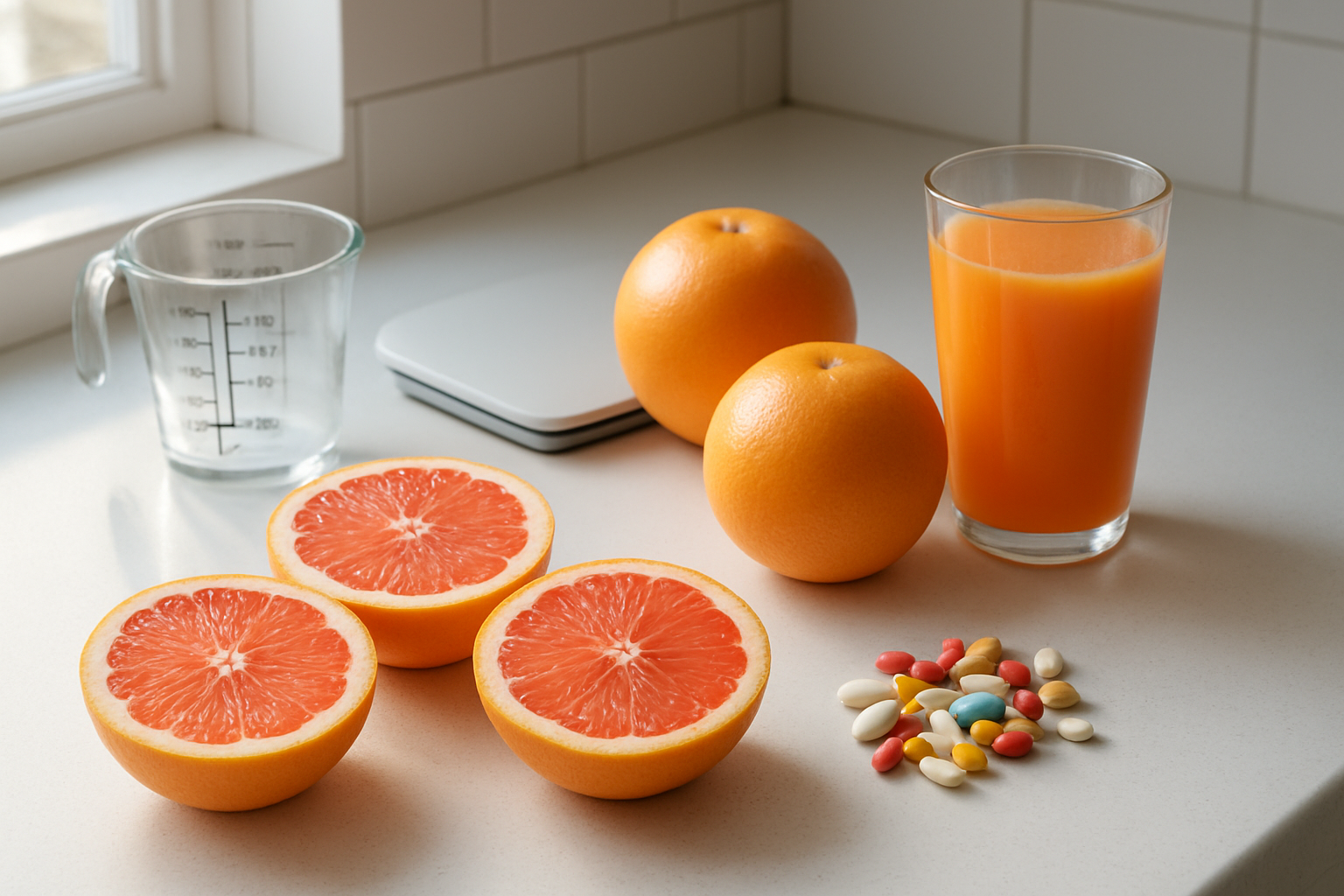
Grapefruit contains compounds called furanocoumarins that significantly affect how your body processes certain medications. These natural chemicals block enzymes in your intestines, causing higher drug concentrations in your bloodstream than intended.
Critical medications that interact with grapefruit include:
-
Blood pressure medications (felodipine, nifedipine)
-
Cholesterol-lowering statins (atorvastatin, simvastatin)
-
Heart rhythm drugs (amiodarone, dronedarone)
-
Immunosuppressants (cyclosporine, tacrolimus)
-
Certain antidepressants and anxiety medications
People taking these medications should avoid grapefruit entirely or consult their healthcare provider about safe alternatives. The interaction effects can last 24-72 hours after consumption, so timing doesn't eliminate the risk.
Individuals with gastroesophageal reflux disease (GERD) might experience increased symptoms due to grapefruit's acidity. Those with kidney stones should also exercise caution, as citrus fruits can affect stone formation in susceptible individuals.
Best Times to Eat for Maximum Benefits
Morning consumption maximizes grapefruit health benefits by kickstarting your metabolism and providing sustained energy throughout the day. The high vitamin C content supports your immune system when it needs the most support, while natural sugars fuel your brain for optimal morning performance.
Eating grapefruit 30 minutes before meals can enhance satiety and potentially support healthy weight management. The fruit's fiber content and natural compounds may help regulate blood sugar spikes when consumed before carbohydrate-rich meals.
Avoid eating grapefruit late in the evening, as its natural acidity might interfere with sleep quality or cause digestive discomfort when lying down. Mid-morning or early afternoon timing works perfectly for snacks, providing natural energy without disrupting nighttime rest.
Pre-workout consumption, about 30-45 minutes before exercise, can provide quick-acting natural sugars for energy while delivering hydration through the fruit's high water content. Post-workout timing also supports recovery through vitamin C's role in tissue repair and antioxidant protection.
Selection and Storage Mastery
Identifying Ripe and Quality Fruit
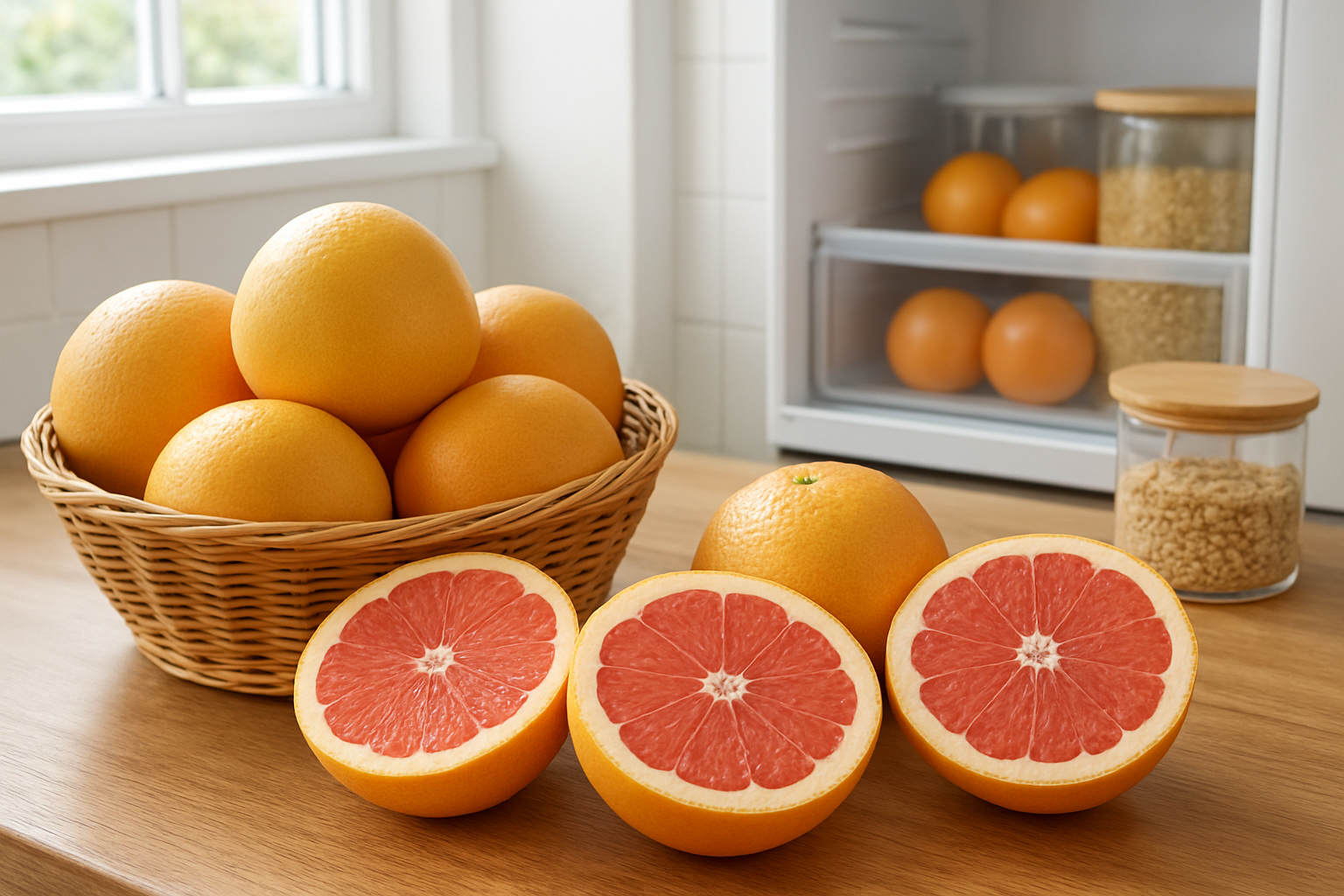
Quality grapefruit starts with knowing what to look for. A ripe grapefruit feels heavy for its size - this weight indicates plenty of juice inside. The skin should be smooth, tight, and have a slight give when pressed gently. Avoid fruits with soft spots, wrinkled areas, or dark blemishes, as these signal overripeness or damage.
Color can be misleading when selecting grapefruit. Pink and red varieties might not show their full color on the outside, and yellow varieties can be perfectly ripe even with some green patches. The key is focusing on texture and weight rather than color alone.
Check the stem end - it should be firm without any mushiness or mold. A slight citrus fragrance near the stem indicates ripeness, but an overly strong smell might mean the fruit is past its prime. The best grapefruit has thin skin relative to thick skin, which you can often tell by the fruit's overall smoothness and the way it feels in your hands.
Proper Storage Methods for Freshness
Room temperature works fine for grapefruit you plan to eat within a few days. However, refrigeration significantly extends freshness and maintains the fruit's nutritional value. Store whole grapefruit in the refrigerator's crisper drawer, where humidity levels help prevent moisture loss.
Keep grapefruit away from other fruits that produce ethylene gas, like apples and bananas, as this can speed up ripening and lead to faster spoilage. Don't store grapefruit in plastic bags unless they're perforated - trapped moisture creates the perfect environment for mold growth.
For cut grapefruit, wrap sections tightly in plastic wrap or store them in airtight containers. Cut fruit should always go in the refrigerator and gets consumed within 3-4 days for best quality. The exposed flesh loses vitamin C quickly, so eating it sooner rather than later maximizes the grapefruit health benefits.
Extending Shelf Life at Home
Whole grapefruit stored properly in the refrigerator stays fresh for 2-3 weeks, while room temperature storage limits freshness to about one week. Creating the right environment makes all the difference in grapefruit storage tips.
Temperature consistency matters more than you might think. Frequent temperature changes cause condensation, which promotes mold growth. Keep your refrigerator temperature between 32-40°F for optimal citrus fruit storage.
| Storage Method | Duration | Best Practices |
|---|---|---|
| Room Temperature | 5-7 days | Cool, dry place away from direct sunlight |
| Refrigerator (whole) | 2-3 weeks | Crisper drawer, loose storage |
| Refrigerator (cut) | 3-4 days | Airtight container or wrapped |
| Freezer (segments) | 10-12 months | Remove membranes, freeze on tray first |
Freezing grapefruit segments works well for smoothies or cooking, though the texture changes and isn't ideal for fresh eating. Remove all white pith and membranes before freezing, and freeze segments on a tray before transferring to containers to prevent clumping.
Watch for signs that your grapefruit needs immediate use: slight softening, minimal surface blemishes, or a stronger citrus scent. These fruits are still perfectly good but should be consumed within a day or two.
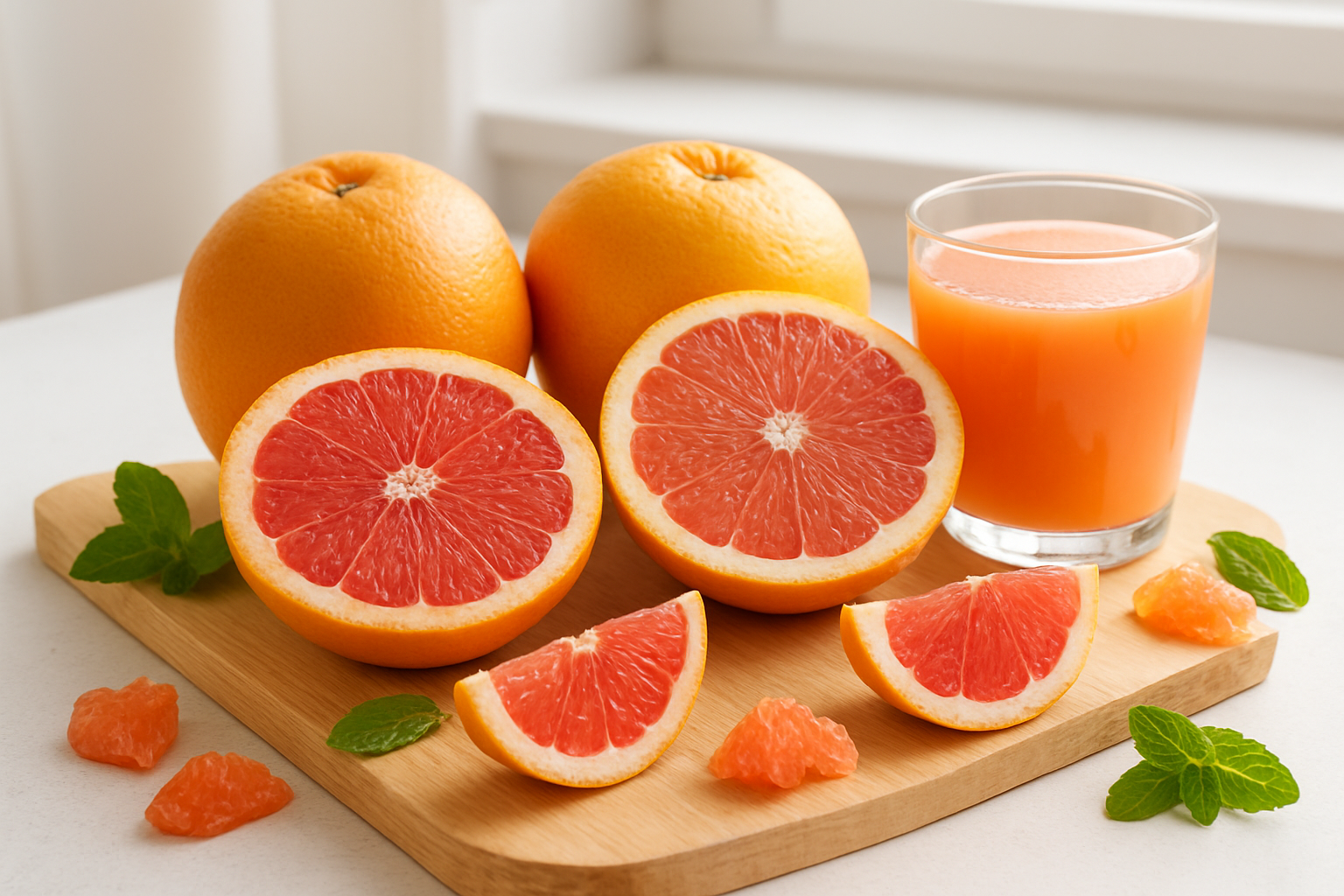
Grapefruit stands out as one of nature's most impressive citrus fruits, packed with vitamin C, fiber, and antioxidants that can boost your immune system and support heart health. From helping with weight management to providing essential nutrients your body craves, this tangy fruit offers real benefits when you make it part of your regular eating routine. Just remember to check with your doctor if you're taking medications, since grapefruit can interact with certain prescriptions.
Ready to give grapefruit a try? Start by picking fruits that feel heavy for their size and have smooth, firm skin. Store them properly at room temperature for a few days or in the fridge for longer freshness. Whether you enjoy it for breakfast, blend it into a smoothie, or add segments to your salad, grapefruit can be a delicious and healthy addition to your daily meals.


.png)
Comments
Post a Comment