GRAPES - WHAT ARE GRAPES?
What are grapes? These small, juicy fruits pack more than just sweetness into every bite. Grapes are one of the world's most versatile and beloved fruits, enjoyed fresh off the vine or transformed into wine, juice, and countless culinary creations.
This guide is perfect for curious food lovers, home gardeners, health-conscious eaters, and anyone who wants to understand these remarkable fruits better. You'll discover the incredible variety of grape types that exist around the world, from sweet table grapes to wine varietals. We'll also dive into grape nutrition and the impressive health benefits of grapes that make them a smart addition to your diet.
Finally, we'll explore how grape growing regions across the globe contribute to worldwide grape production, and uncover the many culinary uses of grapes beyond just snacking – including the key differences between fresh grapes vs raisins.
Understanding Grapes as Nature's Perfect Fruit
Botanical Classification and Scientific Background
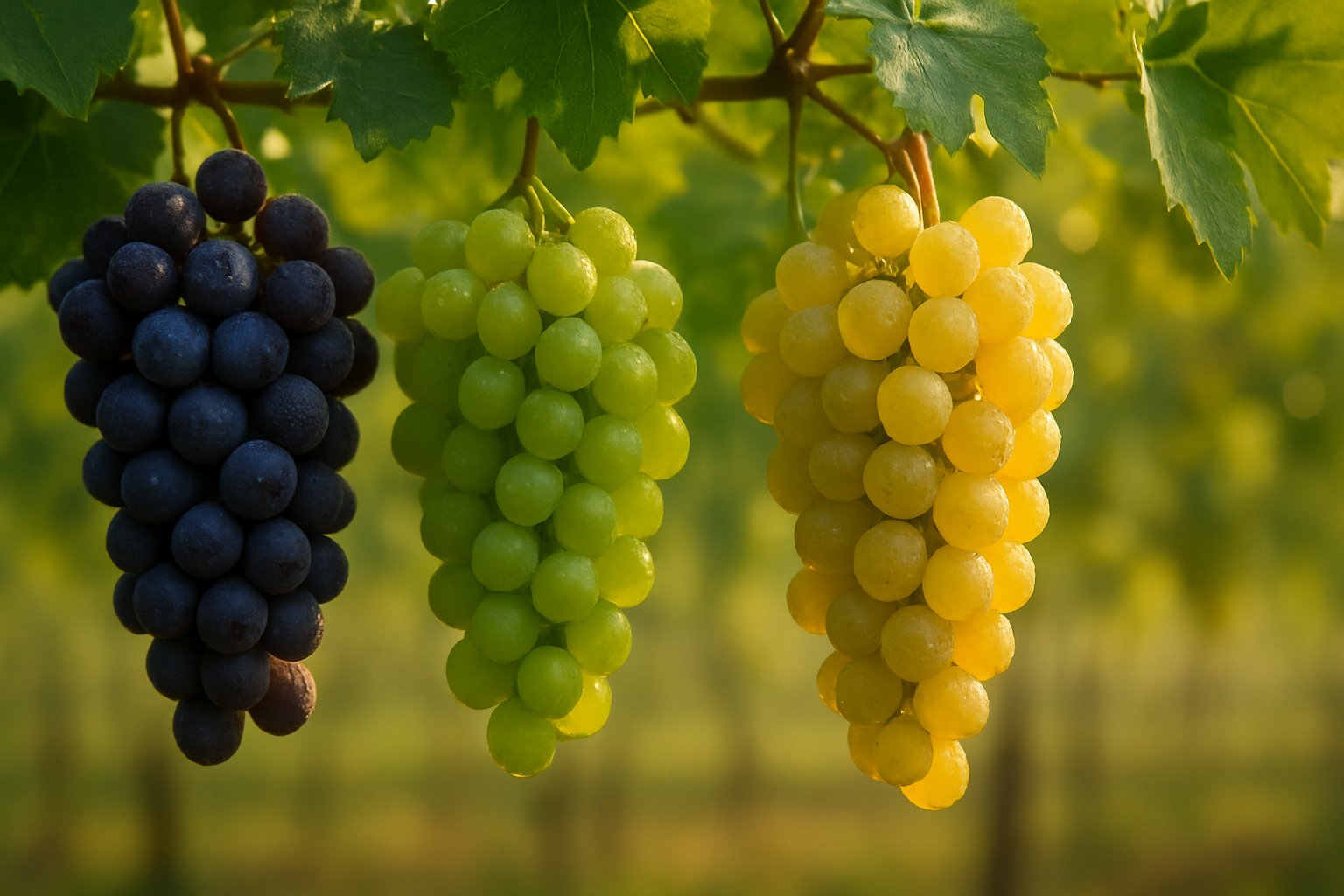
Grapes belong to the genus Vitis within the Vitaceae family, making them true berries in botanical terms. The most commonly cultivated species, Vitis vinifera, originated in the Mediterranean region and Central Asia thousands of years ago. This species accounts for nearly all commercial grape production worldwide, including both table grapes and wine grapes.
Wild grape species like Vitis labrusca (American grape) and Vitis riparia (riverbank grape) also exist, though they're primarily used for breeding programs and rootstock development. These native species contributed to the development of hybrid varieties that can withstand harsh climates and resist diseases.
The scientific classification reveals fascinating details about grape genetics. Each grape contains seeds (in seeded varieties) that carry the DNA for future generations, while seedless varieties reproduce through vegetative propagation. This botanical structure allows growers to maintain consistent grape varieties across generations through grafting and cutting techniques.
Physical Characteristics That Make Grapes Unique
Fresh grapes display remarkable diversity in their physical traits. The berries grow in clusters called bunches, typically containing 15 to 300 individual grapes depending on the variety. Each grape features a protective waxy coating called bloom, which helps preserve moisture and prevent decay.
The skin thickness varies dramatically between types of grapes. Thin-skinned varieties like Thompson Seedless offer delicate sweetness, while thick-skinned grapes like Concord provide robust flavors and deeper colors. Colors range from pale green and golden yellow to deep purple and nearly black, with some varieties displaying beautiful bronze or pink hues.
Size differences are equally impressive. Small champagne grapes measure just 6-8mm in diameter, while large table grape varieties can reach 25mm or more. The flesh inside ranges from firm and crispy to soft and juicy, with sugar content varying from tart to intensely sweet.
Natural Growing Patterns and Seasonal Development
Grapevines follow predictable seasonal cycles that directly impact fruit quality and harvest timing. Spring brings bud break, when dormant vines awaken and begin producing new shoots. This delicate phase requires careful temperature management, as late frosts can devastate emerging growth.
Flowering occurs in late spring, with tiny, inconspicuous flowers self-pollinating or cross-pollinating to form grape clusters. The fruit set period determines final yield, as many flowers naturally drop off during this crucial stage.
Summer marks the veraison phase, when grapes change color and begin accumulating sugars. Green varieties may show subtle color shifts, while colored grapes transform dramatically from green to their final hue. This process typically takes 30-45 days and signals the approaching harvest.
Harvest timing depends on intended use - table grapes are picked for optimal eating quality, while wine grapes are harvested based on sugar and acid balance. The growing season typically spans 140-170 days from bud break to harvest, varying by climate and grape variety.
Exploring the Rich Variety of Grape Types
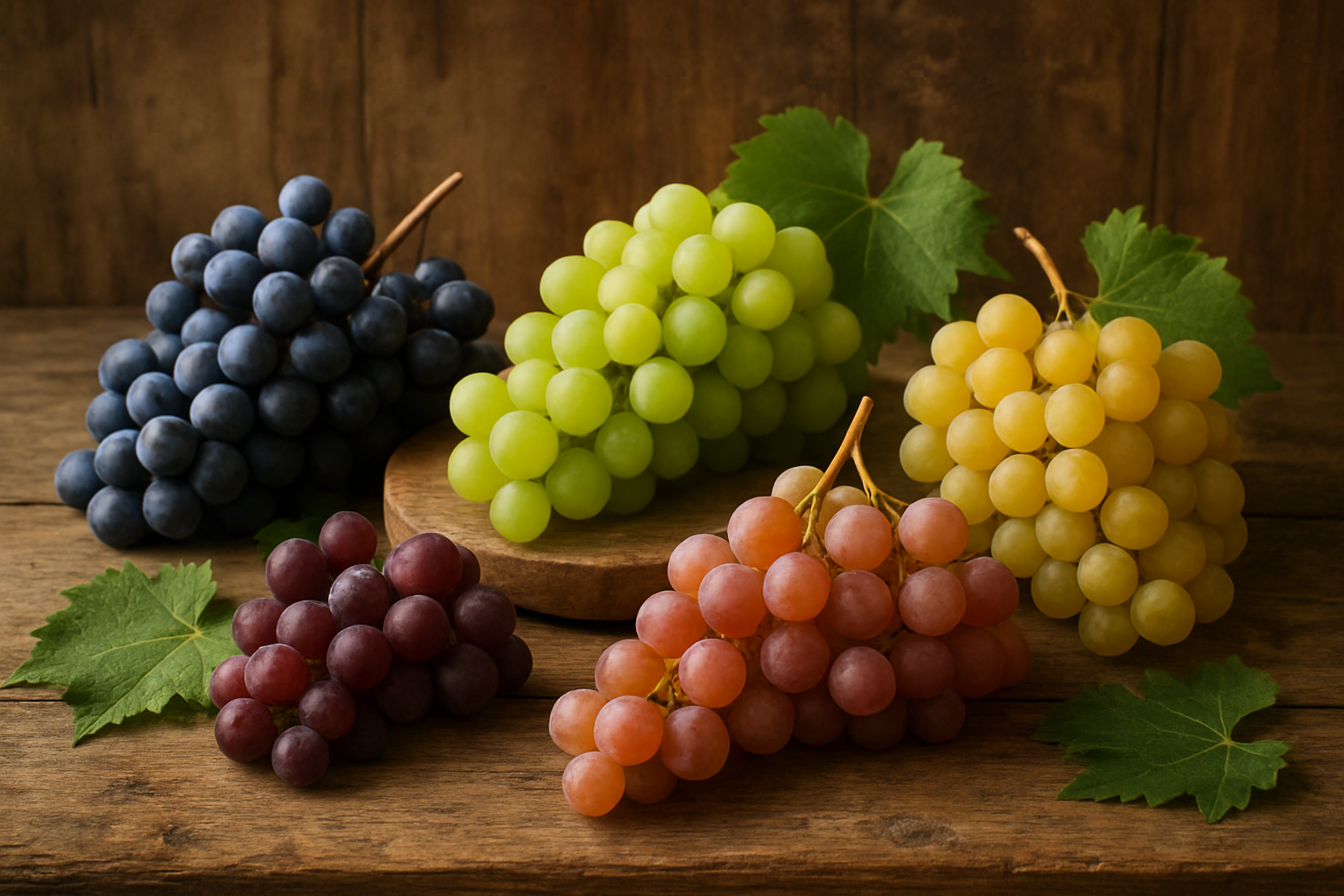
Table Grapes for Fresh Consumption
Table grapes are specifically cultivated for eating fresh, and they're the varieties you'll find in grocery stores worldwide. These grapes have larger berries, thinner skins, and fewer seeds compared to other grape types. Popular varieties include Red Globe, Thompson Seedless, and Flame Seedless, each offering unique flavors and textures.
What sets table grapes apart is their balanced sugar-to-acid ratio, making them naturally sweet and refreshing. The skin is tender enough to eat without peeling, and many modern varieties are seedless for convenience. These grapes undergo careful cultivation to ensure uniform size, attractive appearance, and extended shelf life.
Quality table grapes should feel firm to the touch, have vibrant color, and remain attached to their stems. They're typically harvested at peak ripeness since they don't continue to ripen after picking. Storage and transportation require special handling to maintain their freshness and prevent bruising.
Wine Grapes and Their Special Properties
Wine grapes differ dramatically from table grapes in both cultivation and characteristics. These varieties have smaller berries with thicker skins and more seeds, creating the perfect balance of sugars, acids, and tannins essential for winemaking. Famous wine grape varieties include Cabernet Sauvignon, Chardonnay, Pinot Noir, and Merlot.
The magic of wine grapes lies in their complex chemical composition. Higher sugar content allows for proper fermentation, while natural acids provide structure and preservation qualities. The thick skins contain compounds like anthocyanins (for color) and tannins (for texture and aging potential).
Wine grapes are harvested based on optimal sugar levels rather than appearance, often when they look less appealing than table grapes. Different varieties require specific growing conditions - some thrive in cool climates while others need intense heat and sun exposure.
| Wine Grape Type | Climate Preference | Primary Characteristics |
|---|---|---|
| Pinot Noir | Cool | Thin skin, delicate flavor |
| Cabernet Sauvignon | Warm | Thick skin, high tannins |
| Riesling | Cool | High acidity, aromatic |
Raisin Grapes for Drying Purposes
Raisin grapes possess unique qualities that make them perfect for dehydration. These varieties have high sugar content, relatively thin skins, and small seeds (or are seedless). Thompson Seedless dominates the raisin industry, accounting for most of the world's raisin production.
The drying process concentrates the grape's natural sugars, creating the sweet, chewy texture we associate with raisins. Traditional sun-drying methods can take several weeks, while modern dehydration techniques speed up the process significantly. The grapes must reach specific moisture levels to prevent spoilage while maintaining their nutritional value.
Different drying methods produce various raisin types:
-
Natural sun-dried raisins develop a darker color and more intense flavor
-
Golden raisins are treated with sulfur dioxide to preserve their light color
-
Currants come from small, dark grape varieties
Juice Grapes for Beverage Production
Juice grapes are cultivated specifically for their liquid content and flavor profile when processed. Concord grapes dominate the North American juice market with their distinctive deep purple color and robust flavor. These grapes have high juice yield, balanced sweetness, and strong aromatic compounds that survive processing.
Unlike wine grapes, juice grape varieties prioritize immediate flavor rather than fermentation potential. They're typically harvested when sugar levels peak, ensuring the sweetest possible juice. The processing involves crushing, pressing, and often pasteurization to create shelf-stable products.
Many juice grapes are dual-purpose varieties that can also be eaten fresh or made into jellies and jams. Muscadine grapes in the southeastern United States serve multiple purposes, producing both juice and fresh eating varieties with their unique musky flavor profile.
Commercial juice production often blends different grape varieties to achieve consistent flavor profiles year-round. Some producers focus on single-variety juices to highlight specific grape characteristics and regional growing conditions.
Nutritional Powerhouse Benefits of Grapes
Essential Vitamins and Minerals Content
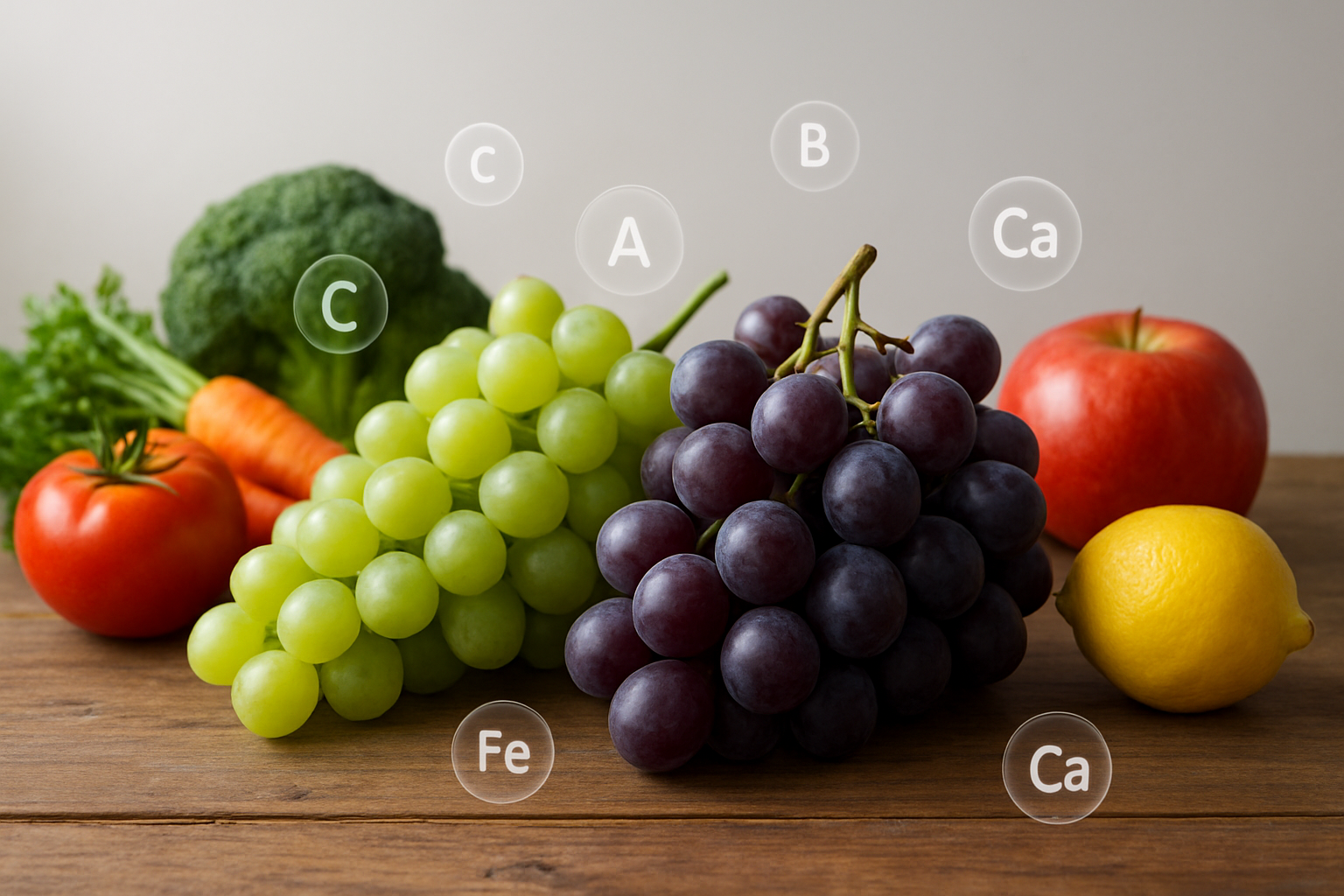
Grapes pack a serious nutritional punch that makes them stand out among fruits. These little spheres contain impressive amounts of vitamin C, which supports your immune system and helps your body absorb iron more effectively. A single cup of grapes delivers about 16% of your daily vitamin C needs, making them a smart snack choice when you want to boost your body's defenses.
Vitamin K is another standout nutrient in grapes, playing a crucial role in blood clotting and bone health. You'll also find decent amounts of vitamin B6, which helps your brain function properly and assists in protein metabolism. The mineral content is equally impressive - grapes contain potassium for heart health and muscle function, plus smaller amounts of copper and manganese that support various enzymatic processes in your body.
What makes grape nutrition particularly interesting is how these nutrients work together. The natural combination creates a synergistic effect that enhances absorption and utilization by your body.
Antioxidant Properties for Health Protection
The real magic of grapes lies in their incredible antioxidant profile. Resveratrol, found primarily in grape skins, has gained significant attention for its potential anti-aging properties and heart-protective benefits. This powerful compound may help reduce inflammation and protect against cellular damage caused by free radicals.
Grapes also contain flavonoids like quercetin and catechins, which contribute to their vibrant colors and provide additional protective benefits. These antioxidants work like a shield for your cells, potentially reducing the risk of chronic diseases and supporting overall health as you age.
Red and purple grape varieties typically contain higher levels of antioxidants compared to green grapes, thanks to the anthocyanins that give them their deep colors. However, all grape types offer meaningful antioxidant benefits that can support your body's natural defense systems.
Natural Sugar Content and Energy Benefits
Grapes contain natural sugars - primarily glucose and fructose - that provide quick, accessible energy for your body. Unlike processed sugars, these natural sugars come packaged with fiber, vitamins, and minerals that help moderate their absorption and provide sustained energy release.
The sugar content in grapes varies by variety and ripeness, but typically ranges from 15-25% of the fruit's total weight. This makes grapes an excellent pre-workout snack or a natural energy boost when you're feeling sluggish. The combination of natural sugars and water content (grapes are about 80% water) helps with hydration while providing fuel for your brain and muscles.
Athletes often choose grapes as a natural alternative to sports drinks because they deliver energy along with beneficial nutrients. The natural sugar content also makes grapes a healthier option for satisfying sweet cravings compared to processed alternatives.
Global Grape Production and Growing Regions

Major Grape-Producing Countries Worldwide
The global grape industry spans across continents, with several countries dominating worldwide grape production. China leads the pack as the world's largest grape producer, cultivating over 13 million tons annually across vast regions including Xinjiang, Hebei, and Shandong provinces. Italy follows closely, producing around 8 million tons yearly, with renowned regions like Tuscany, Piedmont, and Veneto contributing to both table grapes and wine production.
The United States ranks third globally, with California alone accounting for nearly 95% of American grape production. Spain, France, and Turkey round out the top six producers, each contributing millions of tons to the global supply. Other significant producers include Chile, Argentina, Iran, and South Africa, which have established themselves as major exporters in international markets.
| Country | Annual Production (Million Tons) | Primary Regions |
|---|---|---|
| China | 13.0 | Xinjiang, Hebei, Shandong |
| Italy | 8.0 | Tuscany, Piedmont, Veneto |
| United States | 6.2 | California, Washington |
| Spain | 5.9 | La Rioja, Castilla-La Mancha |
| France | 5.6 | Bordeaux, Burgundy, Champagne |
| Turkey | 4.2 | Aegean, Mediterranean regions |
Climate Requirements for Optimal Growth
Grapes thrive in Mediterranean-style climates characterized by warm, dry summers and mild, wet winters. The ideal temperature range for grape growing falls between 50°F to 95°F (10°C to 35°C), with most grape varieties requiring approximately 150-200 frost-free days during the growing season.
Rainfall patterns play a crucial role in successful grape cultivation. Most varieties need 20-30 inches of annual precipitation, preferably concentrated during the dormant winter months. Excessive rainfall during harvest can dilute flavors and promote fungal diseases, while drought stress can concentrate flavors but reduce yields.
Key Climate Factors:
-
Temperature: Consistent warmth during growing season
-
Sunlight: 1,400-1,700 hours of sunshine annually
-
Humidity: Low humidity reduces disease pressure
-
Wind patterns: Gentle breezes aid in disease prevention
-
Soil drainage: Well-draining soils prevent root rot
Different grape varieties have adapted to specific climate conditions. Cool-climate varieties like Pinot Noir and Chardonnay flourish in regions with longer, cooler growing seasons, while heat-loving varieties such as Grenache and Syrah prefer warmer Mediterranean climates.
Seasonal Harvesting Practices
Grape harvesting timing varies significantly based on geographic location, with Northern Hemisphere regions typically harvesting from August through October, while Southern Hemisphere countries harvest from February through April. The exact timing depends on grape variety, intended use, and local weather conditions.
Harvesting Timeline by Region:
-
California: August - October
-
Europe: September - November
-
Australia: February - April
-
Chile: February - May
-
South Africa: January - March
Modern grape growers use multiple indicators to determine optimal harvest timing. Sugar content (measured in Brix), acidity levels, and flavor development guide harvesting decisions. Table grapes are typically harvested when they reach peak sweetness and visual appeal, while wine grapes may be harvested at different ripeness levels depending on the desired wine style.
Hand-harvesting remains preferred for premium table grapes and high-end wine production, allowing selective picking and gentle handling. Mechanical harvesting has become standard for large-scale commercial operations, offering efficiency and cost savings while maintaining quality for most applications.
Commercial Cultivation Methods
Modern commercial grape cultivation employs sophisticated techniques to maximize yield, quality, and efficiency. Trellising systems provide structural support while optimizing sun exposure and air circulation. Popular systems include the Geneva Double Curtain, Scott Henry, and traditional VSP (Vertical Shoot Positioning) methods.
Primary Cultivation Techniques:
-
Drip irrigation: Precise water management
-
Canopy management: Optimizing leaf and fruit exposure
-
Integrated pest management: Sustainable disease control
-
Mechanical pruning: Efficient vine maintenance
-
Precision agriculture: GPS-guided farming practices
Rootstock selection has revolutionized grape growing, allowing producers to match specific rootstocks to soil conditions and climate challenges. Phylloxera-resistant rootstocks enable cultivation in previously unsuitable areas, while drought-tolerant varieties help growers adapt to changing climate conditions.
Sustainable farming practices are increasingly adopted across grape growing regions. Cover cropping between vine rows improves soil health, while beneficial insect habitats reduce pesticide needs. Organic and biodynamic certification programs have gained popularity among both producers and consumers seeking environmentally conscious grape production methods.
Culinary Uses and Food Applications
Fresh Eating and Snacking Options
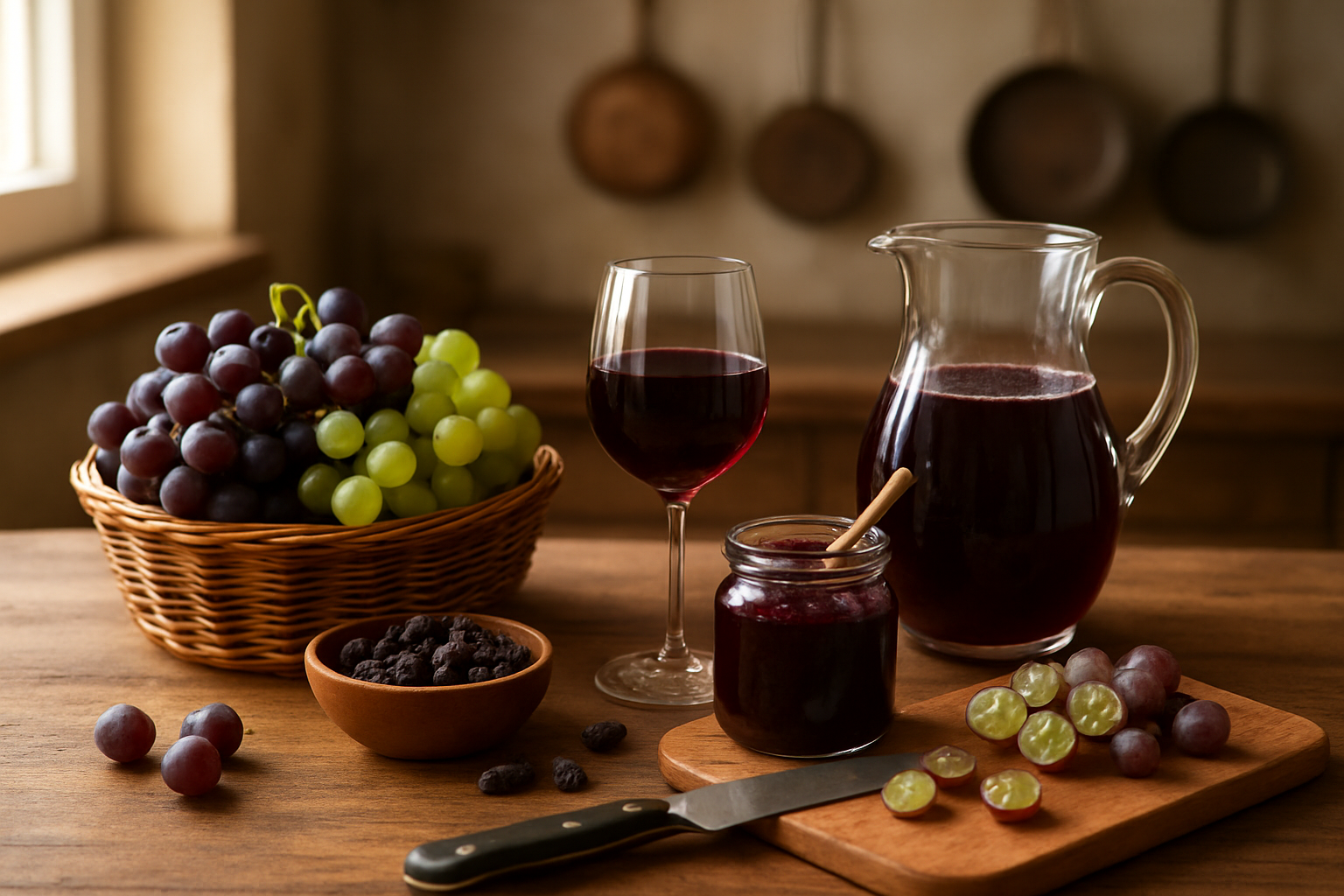
Grapes shine as one of nature's most convenient and delicious snacks. Their natural sweetness and burst of juice make them perfect for eating straight from the bunch. Red, green, and black grape varieties each offer unique flavor profiles - from the crisp tartness of green grapes to the deeper, more complex sweetness of purple varieties.
For snacking, look for grapes with firm attachment to their stems and a slight bloom on their surface, indicating freshness. Many people enjoy freezing grapes for a refreshing summer treat that mimics sorbet. Kids especially love frozen grapes as a healthy alternative to popsicles.
Fresh grapes pair beautifully with cheese boards, providing a sweet contrast to sharp cheeses like aged cheddar or creamy brie. They also work wonderfully in fruit salads, where their natural sweetness complements other seasonal fruits.
Cooking and Baking Applications
The culinary uses of grapes extend far beyond fresh consumption. Roasted grapes develop concentrated flavors that pair exceptionally well with savory dishes like roasted chicken or pork. The heat caramelizes their natural sugars, creating a jammy consistency that serves as an elegant sauce.
In baking, grapes add moisture and natural sweetness to muffins, tarts, and focaccia bread. Grape focaccia, popular in Italian cuisine, combines halved grapes with rosemary and olive oil for a sweet-savory combination. Grape tarts showcase the fruit's versatility, whether using fresh grapes arranged decoratively or cooked down into a compote.
For savory applications, grapes complement rich meats beautifully. Chicken with grapes and herbs creates a classic French-inspired dish, while grape and walnut stuffing brings unexpected sweetness to holiday meals.
Beverage Creation Beyond Wine
While wine might be grapes' most famous beverage application, these versatile fruits create numerous non-alcoholic drinks. Fresh grape juice provides natural sweetness and vibrant color to smoothies, cocktails, and mocktails. Purple grape juice offers particularly rich antioxidant content.
Grape agua fresca, a traditional Mexican beverage, blends fresh grapes with water and lime for a refreshing summer drink. Sparkling grape juice serves as an elegant non-alcoholic alternative for celebrations and special occasions.
Many cultures create unique grape beverages - from Middle Eastern grape molasses drinks to Asian grape teas. Homemade grape sodas using fresh grape juice and sparkling water offer a healthier alternative to commercial soft drinks.
Preservation and Storage Techniques
Proper storage maximizes grape freshness and extends their usability. Fresh grapes vs raisins represents the most dramatic preservation transformation - sun-drying or dehydrating grapes concentrates their sugars and creates a completely different texture and flavor profile.
Store fresh grapes unwashed in the refrigerator, keeping them in their original packaging or a perforated bag to maintain proper humidity. They typically stay fresh for up to a week when stored properly. Wash grapes just before eating to preserve their natural protective bloom.
For longer preservation, grapes freeze exceptionally well. Remove them from stems, wash, and freeze in single layers before transferring to freezer bags. Frozen grapes work perfectly in smoothies or as frozen snacks.
Traditional preservation methods include making grape jam, grape butter, or grape leather. These concentrated forms capture the essence of fresh grapes while extending shelf life significantly. Grape leather, in particular, provides a healthy, portable snack option that appeals to both children and adults.
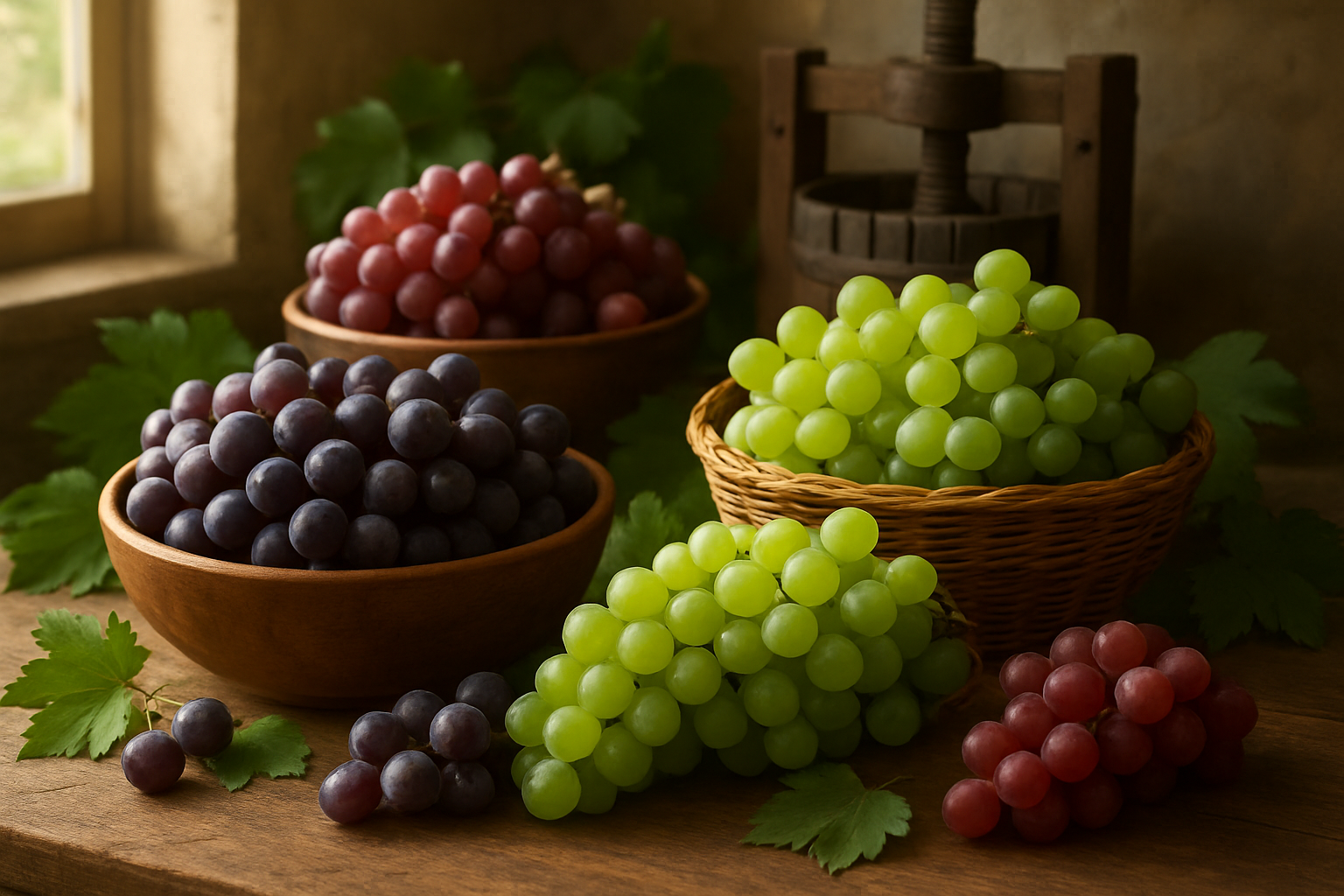
Grapes really are one of nature's most amazing gifts. From the countless varieties that grow around the world to their impressive nutritional profile packed with antioxidants and vitamins, these little fruits pack a serious punch. We've seen how different regions have mastered grape growing, creating unique flavors and characteristics that make each type special.
The best part about grapes is how versatile they are in our daily lives. You can grab them as a quick healthy snack, toss them into salads for extra sweetness, or enjoy them in countless recipes. Next time you're at the grocery store, try picking up a variety you've never had before - your taste buds and your body will thank you for it.


.png)
Comments
Post a Comment