GUAVAS - WHAT ARE GUAVAS?
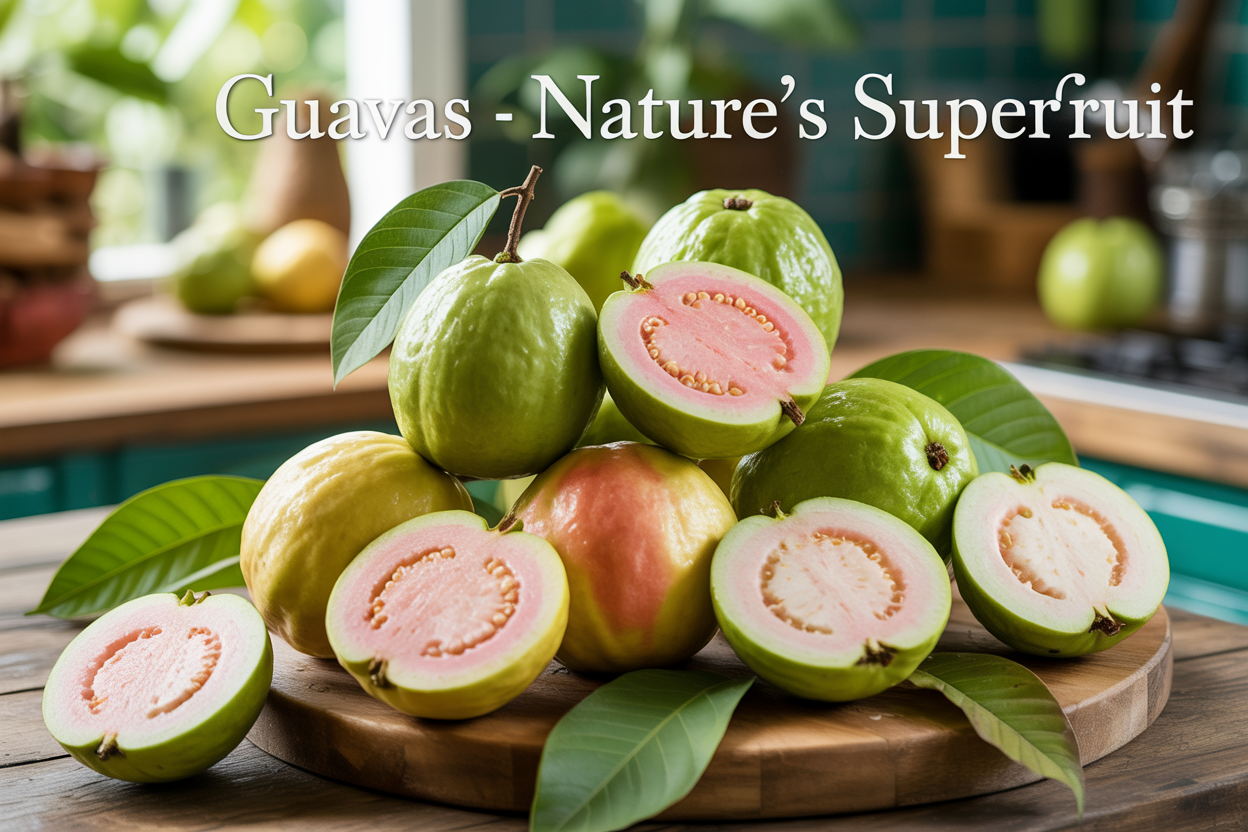
Guavas are sweet, fragrant tropical fruits that pack an incredible nutritional punch, making them one of nature's most underrated superfruits. This guide is perfect for health-conscious food lovers, curious home cooks, and anyone wanting to explore exotic fruits beyond the typical grocery store offerings.
You'll discover why guavas deserve a spot in your regular fruit rotation. We'll break down the impressive guava nutrition profile and health benefits that make these tropical gems so special. You'll also learn about the different guava varieties available and get practical tips for selecting the best fresh guavas at the store, plus simple ways to enjoy them at home.
Understanding Guavas as Tropical Superfruits
Botanical classification and family origins
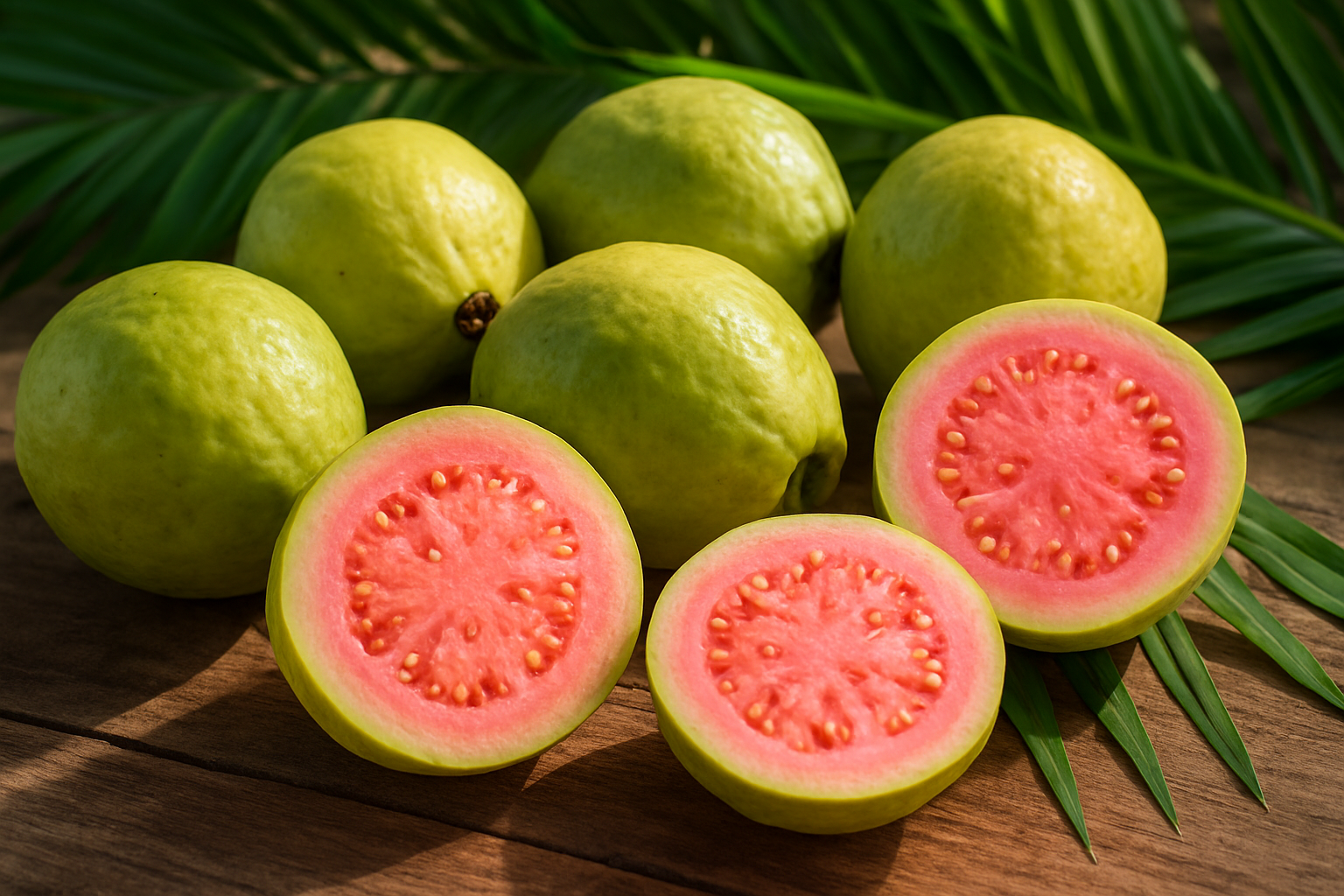
Guavas belong to the Myrtaceae family, making them botanical cousins to eucalyptus, cloves, and allspice. The scientific name Psidium guajava represents the most common variety you'll find in markets worldwide. This tropical fruit shares its family tree with over 100 different guava species, though only a handful make it to commercial cultivation.
The Myrtaceae lineage explains many distinctive guava characteristics - from their aromatic leaves to their multiple seeds. Wild guava species evolved across tropical and subtropical regions, developing hardy traits that allow them to thrive in diverse climates while maintaining their status as nutrient-dense tropical fruits.
Physical appearance and size variations
Fresh guava comes in remarkable diversity. Most commercial varieties range from golf ball to tennis ball size, though some can grow as large as a softball. The exterior skin varies from bright green to golden yellow, often with a slight give when perfectly ripe.
Inside, you'll discover flesh ranging from white to deep pink or red. The texture resembles a cross between a pear and a strawberry - soft yet slightly grainy due to numerous small, edible seeds clustered in the center. Some varieties have fewer seeds, while others pack hundreds of tiny, crunchy seeds that many people enjoy eating whole.
Shape variations include round, oval, and pear-like forms. The skin thickness also differs - some varieties have paper-thin peels perfect for eating whole, while others feature thicker, more protective outer layers.
Distinctive aroma and flavor profile
What are guavas without their unforgettable scent? Ripe guavas release an intensely sweet, musky fragrance that can fill an entire room. This powerful aroma comes from natural compounds that make guavas instantly recognizable even before tasting.
The flavor profile combines tropical sweetness with subtle tartness. Pink-fleshed varieties tend to be sweeter and more aromatic, while white-fleshed types offer a milder, sometimes more tart experience. Many describe the taste as a blend of strawberry, pear, and tropical flowers with hints of lemon zest.
Texture plays a crucial role in the guava experience. The creamy flesh melts on your tongue while the seeds provide a pleasant crunch. When perfectly ripe, guavas offer a balance of sweet and tangy notes that make them irresistible as both fresh snacks and cooking ingredients.
Global cultivation and native regions
Native to Central America and southern Mexico, guavas have traveled far from their origins. Spanish and Portuguese explorers introduced these tropical fruits to Asia, Africa, and the Pacific islands, where they adapted beautifully to local growing conditions.
Today, major guava-producing regions include India, Pakistan, Egypt, and various Caribbean islands. Brazil leads global production, followed by India and Pakistan. In the United States, Florida, California, and Hawaii grow commercial quantities, though smaller amounts come from Texas and other warm-climate states.
Guavas thrive in tropical and subtropical climates with temperatures between 73-82°F. They're remarkably adaptable, growing in various soil types from sandy coastal areas to rich volcanic soils. This adaptability has made them popular backyard trees in warm regions worldwide, spreading their reputation as accessible tropical superfruits.
The global spread has created regional preferences - Asian markets often prefer larger, less aromatic varieties, while Latin American consumers favor smaller, intensely fragrant types. This diversity ensures fresh guava selection varies significantly depending on your location and local growing traditions.
Nutritional Powerhouse Benefits of Guavas
Exceptional vitamin C content exceeding oranges
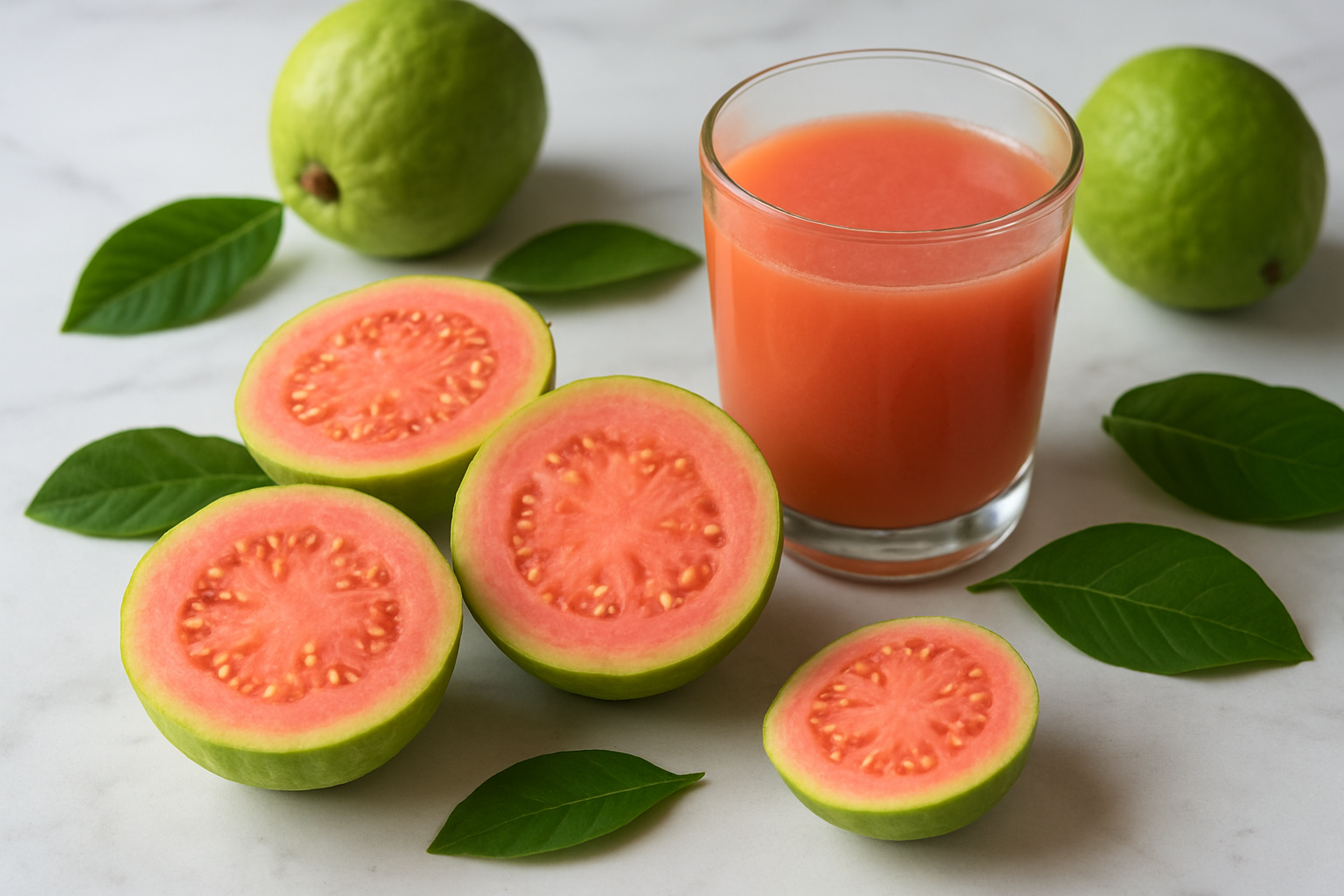
Guavas pack an incredible vitamin C punch that puts most other fruits to shame. A single medium-sized guava contains approximately 228 milligrams of vitamin C - that's nearly four times more than what you'd find in an orange of similar size. This remarkable concentration makes guavas one of nature's most potent sources of this essential vitamin.
Your immune system thrives on this vitamin C boost, helping your body fight off infections and recover faster from illnesses. The high vitamin C content also supports collagen production, keeping your skin elastic and helping wounds heal more efficiently. Regular consumption of fresh guava can help you meet your daily vitamin C requirements with just one fruit, making it an excellent choice for anyone looking to strengthen their immune defenses naturally.
Rich fiber content for digestive health
The fiber content in guavas deserves serious attention from anyone focused on digestive wellness. One medium guava provides about 9 grams of dietary fiber - roughly one-third of your daily recommended intake. This impressive fiber content includes both soluble and insoluble types, each serving different digestive functions.
Soluble fiber helps regulate blood sugar levels and can lower cholesterol, while insoluble fiber adds bulk to your stool and promotes regular bowel movements. The seeds in guavas contribute significantly to this fiber content, so eating the whole fruit maximizes these digestive benefits. People dealing with constipation often find relief by incorporating guavas into their regular diet.
The fiber also feeds beneficial gut bacteria, promoting a healthier microbiome that supports overall digestive function and may even influence mood and mental clarity through the gut-brain connection.
Antioxidant compounds and anti-inflammatory properties
Guavas contain a diverse array of antioxidant compounds that work together to protect your cells from oxidative stress and inflammation. Lycopene, the same compound that gives tomatoes their red color, appears in high concentrations in pink and red guava varieties. This powerful antioxidant has been linked to heart health and may help reduce the risk of certain cancers.
The fruit also contains significant amounts of flavonoids, including quercetin and kaempferol, which demonstrate strong anti-inflammatory effects. These compounds help reduce chronic inflammation in the body, potentially lowering the risk of heart disease, diabetes, and other inflammatory conditions.
Beta-carotene, another key antioxidant in guavas, supports eye health and may help prevent age-related macular degeneration. The combination of these various antioxidants creates a synergistic effect, meaning they work better together than they would individually, maximizing the guava health benefits you receive from eating this tropical superfruit.
Different Guava Varieties and Their Unique Characteristics
Common White-Fleshed Guavas and Their Sweetness
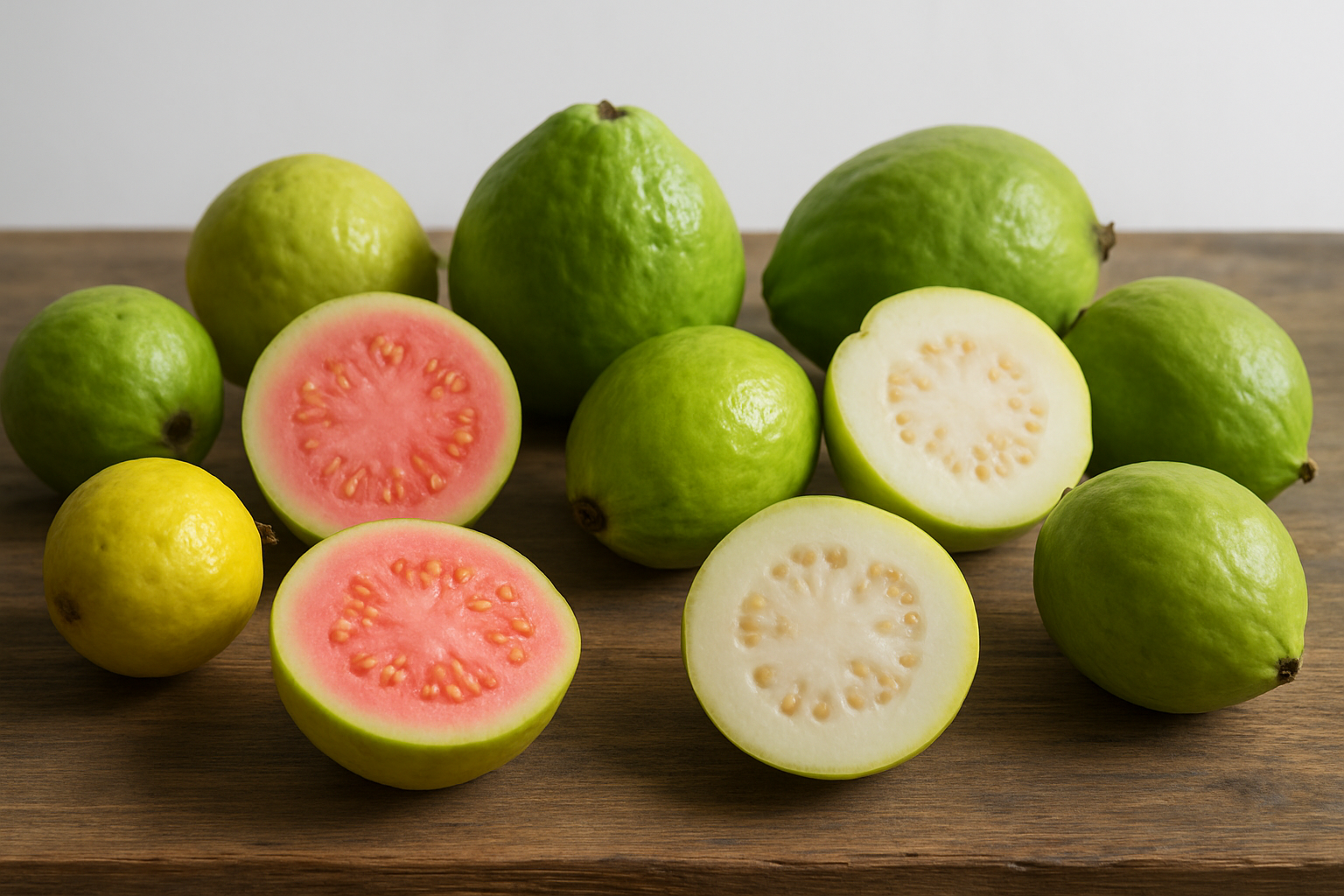
White-fleshed guavas represent the most widespread variety you'll encounter in markets worldwide. These tropical fruits showcase a creamy, pale flesh that delivers a mild, sweet flavor with subtle floral notes. The sweetness level in white guava varieties tends to be more balanced and less intense than their colored counterparts, making them perfect for newcomers to the guava experience.
Mexican Cream guavas stand out among white-fleshed options, featuring exceptionally smooth texture and honey-like sweetness. Vietnamese white guavas offer larger sizes with crisp, apple-like consistency and refreshing taste. These varieties typically contain fewer seeds than other types, which makes them easier to eat fresh and more appealing for juicing purposes.
Pink and Red-Fleshed Varieties with Enhanced Flavor
Pink and red-fleshed guavas pack significantly more punch in both taste and nutritional content. The vibrant coloring comes from higher concentrations of lycopene and other antioxidants, which also contribute to their more complex flavor profiles. These varieties deliver intense sweetness balanced with slight tartness that creates an incredibly satisfying eating experience.
Thai Ruby guavas showcase deep pink flesh with exceptional sweetness and aromatic qualities. Red Malaysian guavas feature bright red interiors with rich, almost wine-like flavors that intensify as the fruit ripens. The enhanced flavor in these colored varieties makes them ideal for desserts, smoothies, and gourmet applications where bold taste matters.
Yellow Guavas and Their Tropical Taste Profile
Yellow guavas bring unique characteristics that set them apart from other guava varieties. These fruits typically feature yellow skin with flesh ranging from pale yellow to golden, delivering distinctively tropical flavors reminiscent of pineapple and mango combinations. The taste profile leans toward the tangy side while maintaining pleasant sweetness.
Lemon guavas represent the most common yellow variety, offering bright, citrusy notes with tropical undertones. Brazilian yellow guavas provide larger sizes with more pronounced tartness that balances beautifully with their natural sugars. These varieties excel in beverages and culinary applications where their unique flavor can shine.
Strawberry Guavas and Their Miniature Appeal
Strawberry guavas, despite their name, belong to a different species altogether but deserve recognition in any discussion of guava varieties. These miniature tropical fruits measure only one to two inches in diameter but pack incredible flavor intensity. Their dark red skin encases sweet, aromatic flesh with flavor notes combining strawberry and traditional guava characteristics.
Also known as cherry guavas, these small fruits grow on shrubs rather than trees and thrive in cooler climates than regular guavas. Their concentrated sweetness and unique taste make them prized for jams, jellies, and specialty desserts where their distinctive flavor profile can create memorable culinary experiences.
Selecting and Storing Fresh Guavas for Maximum Quality
Identifying perfectly ripe guavas by touch and smell
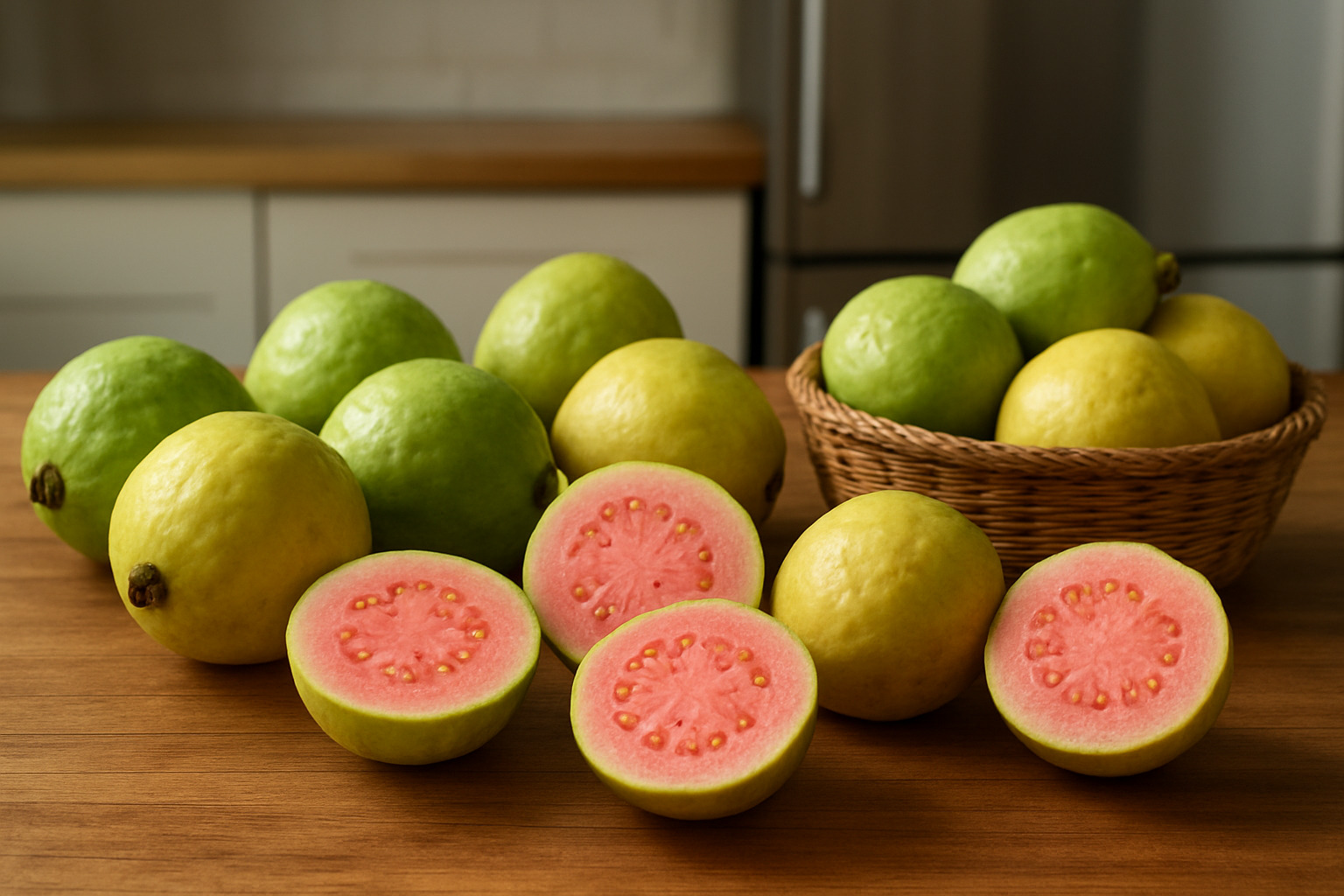
Picking the perfect guava requires a combination of tactile and aromatic cues that develop with experience. Fresh guavas should yield slightly to gentle pressure when pressed with your thumb, similar to how a ripe avocado feels. The fruit shouldn't be rock-hard or mushy – you're looking for that sweet spot where there's just a bit of give under the skin.
The most reliable indicator of ripeness comes through your nose. A perfectly ripe guava releases a distinctly sweet, tropical fragrance that becomes more pronounced near the blossom end. This aroma should be pleasant and fruity without any fermented or overly sweet notes. If you can't detect any scent, the guava likely needs more time to ripen.
Color changes vary depending on the guava variety, but most ripe guavas show a shift from bright green to a softer yellow-green or pale yellow hue. Some varieties develop pink or red tinges when ready. The skin should appear smooth and unblemished, free from dark spots or wrinkled areas that signal decline.
When shopping for guavas, choose fruits that feel heavy for their size, indicating good moisture content and flesh density. The stem end should be clean and dry, without any signs of mold or soft spots that could indicate internal deterioration.
Proper storage techniques to extend freshness
Room temperature storage works best for unripe guavas that need additional ripening time. Place them in a paper bag with a banana or apple to speed up the process through natural ethylene gas production. Check daily for ripeness, as guavas can go from perfect to overripe quickly in warm conditions.
Once your guavas reach the desired ripeness, transfer them immediately to the refrigerator to slow down the aging process. Store ripe guavas in the crisper drawer, preferably in a perforated plastic bag or wrapped loosely in paper towels to maintain proper humidity levels while preventing excess moisture buildup.
Refrigerated ripe guavas typically maintain their quality for 3-5 days. For longer storage, consider freezing guava flesh after removing the seeds and skin. Cut the fruit into chunks, place on a baking sheet to freeze individually, then transfer to freezer bags. Frozen guava works excellently in smoothies, jams, and cooked preparations.
Never store guavas in airtight containers at room temperature, as this creates an environment that accelerates spoilage and can lead to fermentation.
Signs of overripeness to avoid
Overripe guavas develop several telltale characteristics that make them unsuitable for fresh consumption. The most obvious sign is excessive softness – when the fruit feels mushy or starts to collapse under minimal pressure, it has passed its prime. The skin may appear wrinkled, darker than usual, or develop brown spots that indicate internal breakdown.
A fermented, alcohol-like smell replaces the fresh, sweet aroma of perfectly ripe guavas. This off-putting odor signals that natural sugars have begun fermenting, making the fruit unpalatable for eating fresh. Dark, wet spots on the skin often indicate areas where the flesh has started to deteriorate internally.
Mold growth, appearing as fuzzy white, green, or black patches, clearly indicates spoilage. Even if mold appears in just one area, the entire fruit should be discarded as mold roots can penetrate deeply into the flesh.
Juice leakage from the bottom or stem end suggests the internal structure has broken down. While slightly overripe guavas might still work for cooking or juicing after removing bad portions, fruits showing these advanced signs of deterioration should be avoided entirely.
Culinary Uses and Preparation Methods for Guavas
Eating Fresh Guavas with or Without Seeds
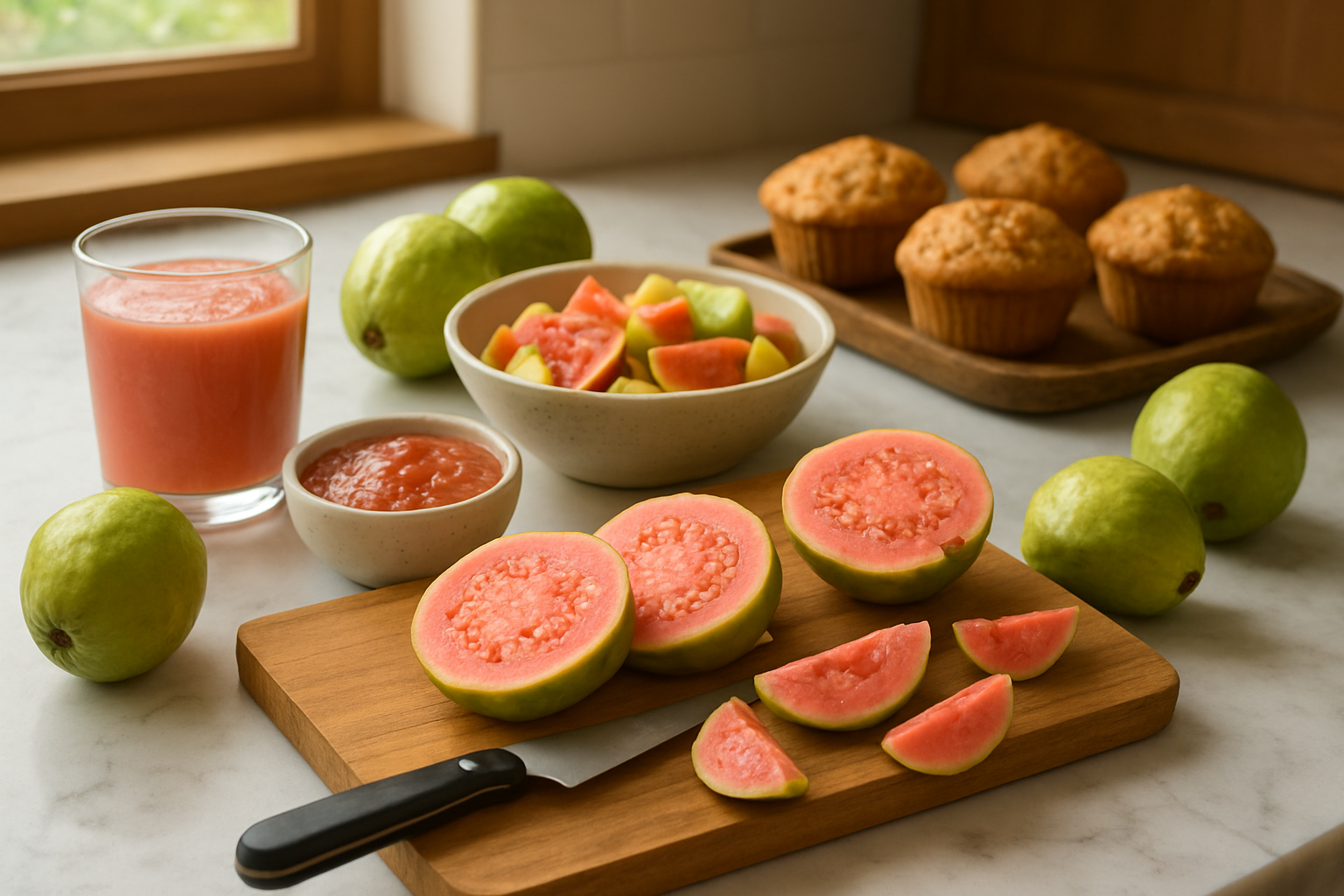
Fresh guavas offer incredible versatility when it comes to consumption. The entire fruit is edible, including the skin, which contains concentrated nutrients. Many people enjoy biting into a ripe guava like an apple, seeds and all. The small, hard seeds provide a satisfying crunch and are completely safe to eat, though some prefer to avoid them.
For seed-free enjoyment, cut the guava in half and scoop out the flesh with a spoon, leaving the seeds behind. Alternatively, slice the fruit into wedges and eat around the seed-filled center. Some varieties have fewer, softer seeds that are barely noticeable when eating. Fresh guava selection becomes important here - perfectly ripe guavas will have the sweetest flesh and most pleasant texture.
Creating Refreshing Juices and Smoothie Combinations
Guavas transform into incredibly flavorful beverages with minimal effort. Fresh guava juice requires simply blending the fruit with water and straining to remove seeds if desired. The natural sweetness often eliminates the need for added sugars.
Popular smoothie combinations include:
-
Guava with mango and coconut milk
-
Guava, pineapple, and ginger
-
Guava with banana and yogurt
-
Tropical guava-passion fruit blend
These tropical fruits create naturally refreshing drinks perfect for hot weather. Adding lime juice enhances the guava's natural tartness, while a touch of mint provides cooling freshness.
Traditional Jams, Jellies, and Preserves
Guava's high pectin content makes it ideal for traditional preserves. The fruit's natural thickening properties create perfect jams without artificial additives. Classic guava paste, popular in Latin American cuisine, involves slow-cooking guava pulp with sugar until it reaches a firm, sliceable consistency.
Traditional preparations include:
-
Guava jelly with whole fruit pieces
-
Smooth guava jam
-
Guava cheese (dense, sweet paste)
-
Spiced guava chutney
These preserves capture the fruit's intense flavor and extend its shelf life significantly.
Incorporating Guavas into Desserts and Baked Goods
Guavas excel in sweet applications, bringing tropical flair to familiar desserts. Guava paste works beautifully in pastries, particularly when paired with cream cheese in empanadas or turnovers. Fresh guava chunks add moisture and flavor to muffins, cakes, and bread.
Popular dessert applications:
-
Guava cheesecake with tropical fruit garnish
-
Guava ice cream and sorbets
-
Guava tart with coconut crust
-
Chocolate-guava brownies
The fruit's natural sweetness reduces sugar requirements in baking, while its vibrant color creates visually stunning desserts.
Savory Applications in Sauces and Marinades
Beyond sweet preparations, guavas bring unique complexity to savory dishes. Guava-based barbecue sauces combine the fruit's sweetness with tangy vinegar and spicy peppers. The fruit's natural acidity makes it excellent for marinades, particularly for pork and chicken.
Savory guava preparations include:
-
Guava-habanero hot sauce
-
Asian-inspired guava glaze for grilled meats
-
Guava salsa with red onion and cilantro
-
Guava-balsamic reduction for roasted vegetables
These applications showcase the fruit's versatility beyond traditional sweet uses.
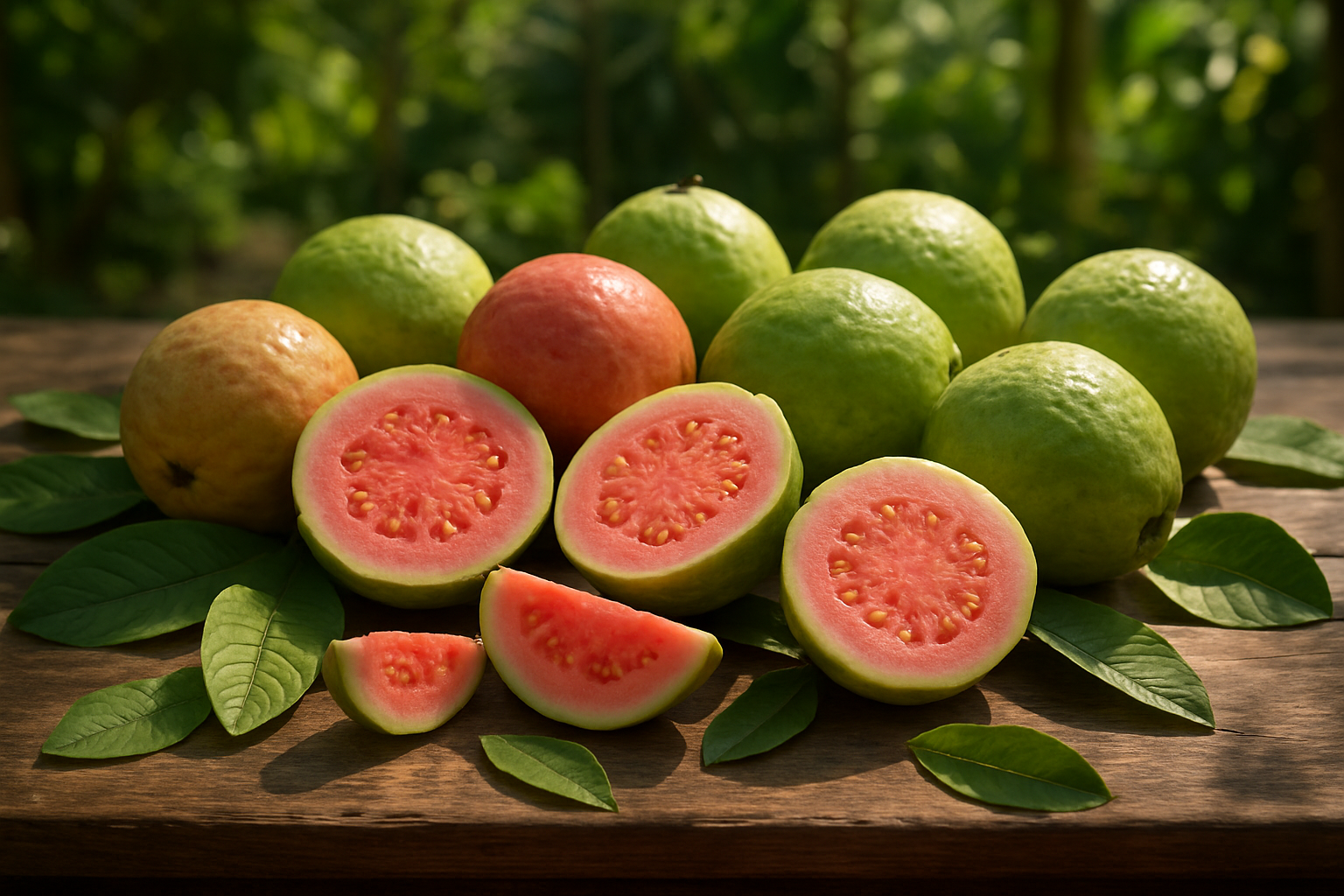
Guavas truly deserve their reputation as tropical superfruits. They pack an incredible nutritional punch with vitamin C levels that blow citrus fruits out of the water, plus fiber, antioxidants, and minerals that support everything from your immune system to heart health. The variety of guava types means you can explore different flavors and textures, from the sweet pink flesh varieties to the more aromatic white-fleshed ones.
Getting the most out of guavas comes down to knowing how to pick ripe ones and store them properly so they don't go bad too quickly. Once you've mastered that, the culinary possibilities are endless – whether you're making fresh juices, jams, desserts, or even adding them to savory dishes. Don't let these amazing fruits stay unfamiliar on your grocery store trips. Grab some guavas next time you see them and discover why so many cultures around the world consider them a dietary staple.


.png)
Comments
Post a Comment