HONEYDEW - WHAT'S THE HONEYDEW MELON?
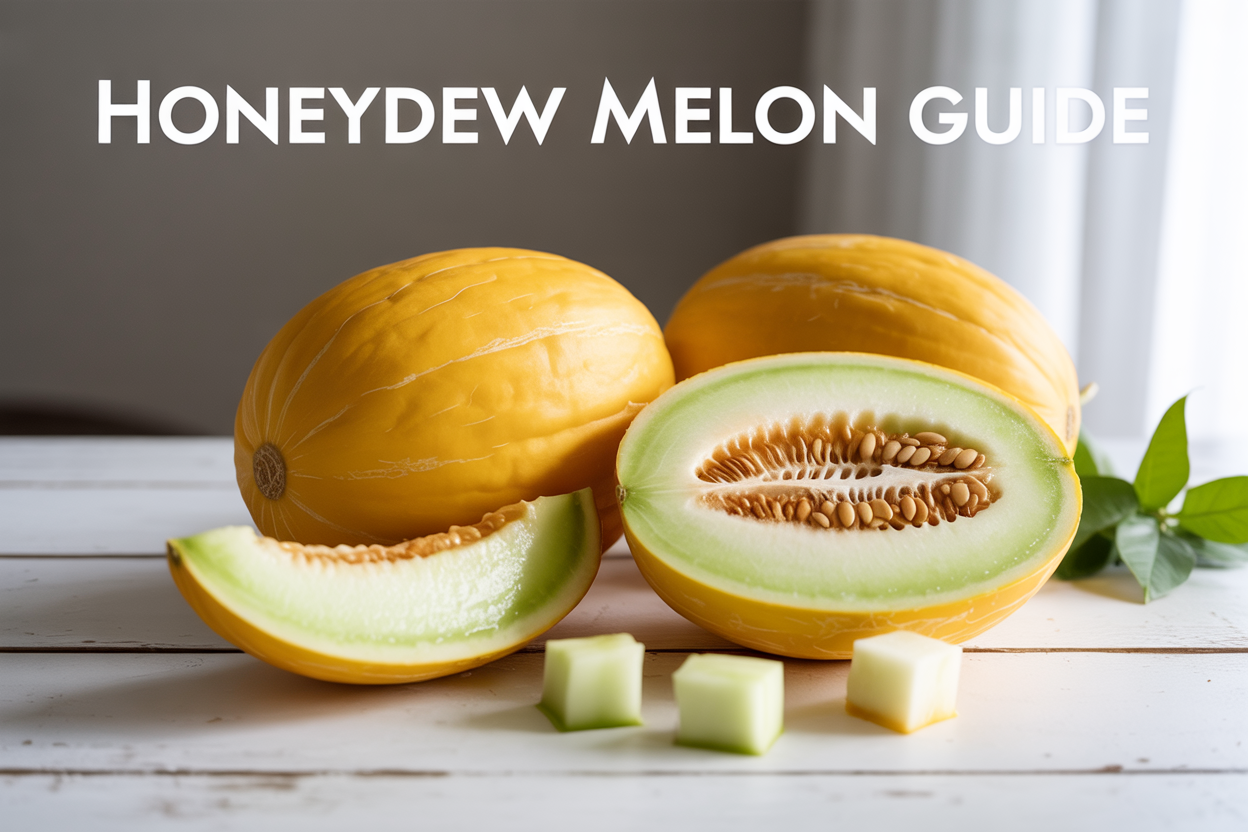
Honeydew melon is that pale green, smooth-skinned fruit you've probably seen at the grocery store but maybe weren't sure about. This sweet, refreshing melon belongs to the same family as cantaloupe and watermelon, but it has its own unique flavor and creamy texture that sets it apart.
This guide is perfect for home cooks, health-conscious eaters, and gardening enthusiasts who want to make the most of this delicious fruit. You'll discover the impressive honeydew melon nutrition profile and health benefits that make it worth adding to your diet. We'll also walk you through how to select honeydew melon at the store and proper storage techniques to keep it fresh longer. Plus, you'll learn simple preparation methods and growing tips if you want to try cultivating your own honeydew melon at home.
Understanding Honeydew Melon Basics
Botanical classification and family origins
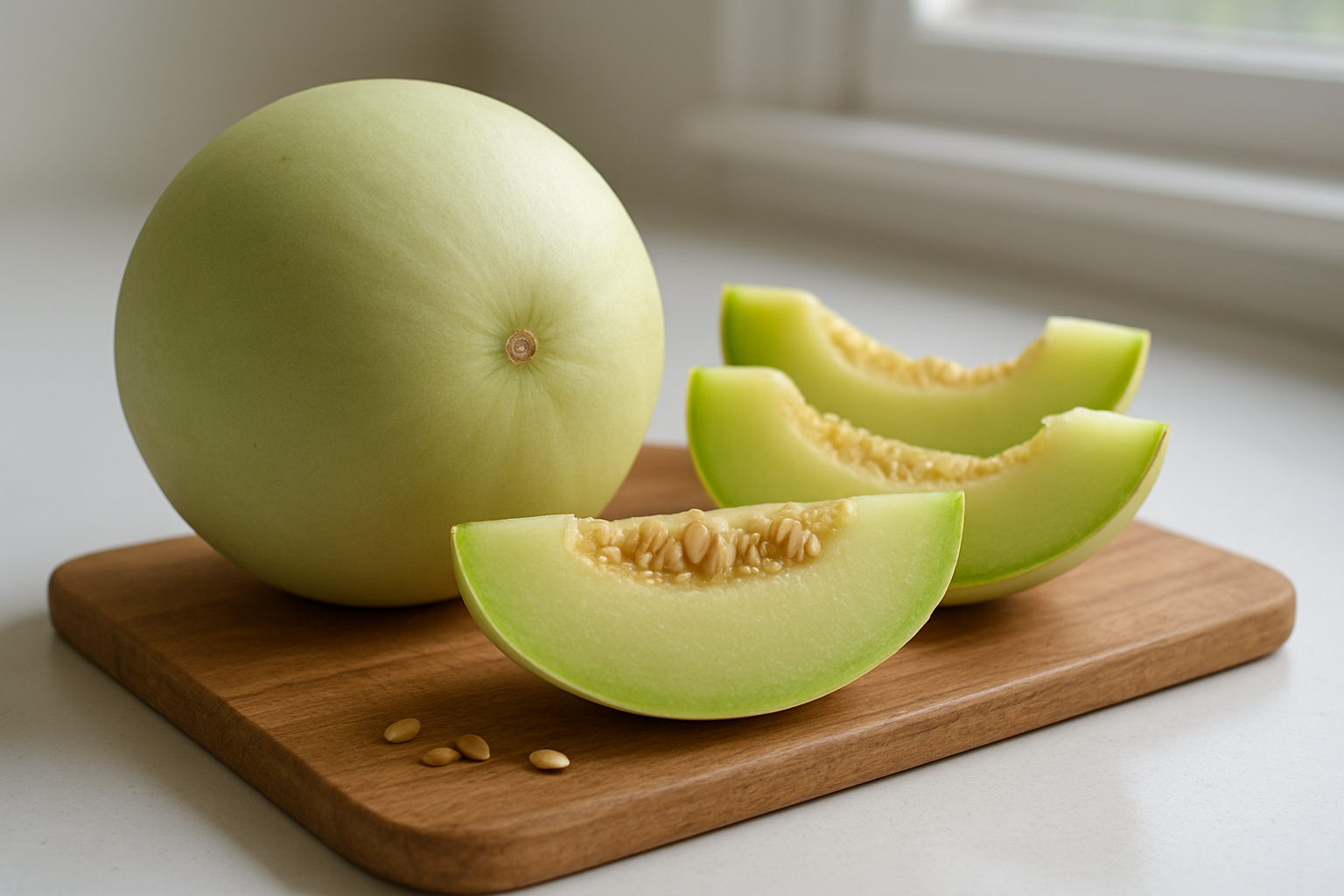
Honeydew melon belongs to the Cucurbitaceae family, making it a cousin to cucumbers, squash, and pumpkins. Scientifically known as Cucumis melo var. inodorus, this sweet fruit shares its species with cantaloupe but stands apart as a distinct variety. The honeydew melon we know today traces its roots back to ancient Persia and Africa, where early varieties grew wild thousands of years ago.
French monks cultivated the first recognizable honeydew melons in the 15th century, developing the smooth-skinned varieties that would eventually reach American tables. The name "honeydew" actually comes from the sweet, sticky substance that some aphids produce, though the melon itself has no direct connection to this insect secretion - early growers simply thought the melon's sweetness rivaled nature's own honey.
Unlike its netted cantaloupe relatives, honeydew melons developed their signature smooth rind through centuries of selective breeding. This genetic adaptation helped the fruit retain moisture longer and develop its characteristic dense, sweet flesh that makes fresh honeydew melon such a refreshing treat.
Physical characteristics that distinguish honeydew from other melons
When comparing honeydew vs cantaloupe, the differences become immediately obvious. Honeydew melon features a completely smooth, waxy rind that ranges from pale yellow to creamy white when ripe. This contrasts sharply with cantaloupe's rough, netted exterior texture.
The flesh tells an even more dramatic story. Honeydew's interior showcases a pale green to white color with an incredibly dense, almost crystalline texture. Each bite delivers concentrated sweetness that can reach 15-16 degrees Brix on the sugar scale. The seed cavity sits smaller and more compact compared to cantaloupe, leaving more room for that prized sweet flesh.
Size-wise, honeydew melons typically weigh between 4-8 pounds when fully mature, with an oval to round shape that's slightly more elongated than cantaloupe. The smooth skin feels almost slippery when perfectly ripe, and you can actually hear the seeds rattling inside when you shake a mature fruit.
The stem end provides another key identifier - honeydew melons develop a slight give around the blossom end (opposite from where the stem attached) when ready to eat, while the stem area itself should show a clean separation point where the fruit naturally detached from the vine.
Seasonal availability and peak ripeness indicators
Peak honeydew melon season runs from late summer through early fall, typically July through October in most growing regions. During these months, you'll find the sweetest, most flavorful specimens with optimal honeydew melon nutrition content.
Knowing how to select honeydew melon makes all the difference in your eating experience. Start with the color - look for fruits with a creamy, pale yellow background rather than pure white or green tints. The surface should feel slightly sticky or waxy, never dry or rough.
Give the melon a gentle press at the blossom end (the side opposite where the stem was attached). Ripe honeydew will yield slightly to pressure without feeling mushy. You should also notice a subtle, sweet fragrance emanating from this same end - though honeydew's aroma is much more delicate than cantaloupe's strong perfume.
The stem end tells its own story about ripeness. Look for a smooth, slightly indented area where the stem naturally separated from the fruit. Avoid melons with stems still attached or rough, torn areas that suggest premature harvesting.
Weight provides the final clue - a ripe honeydew melon should feel heavy for its size, indicating high water content and developed sugars. Light melons often taste bland and lack the signature sweetness that makes this fruit so appealing.
Nutritional Benefits That Boost Your Health
Essential vitamins and mineral content breakdown
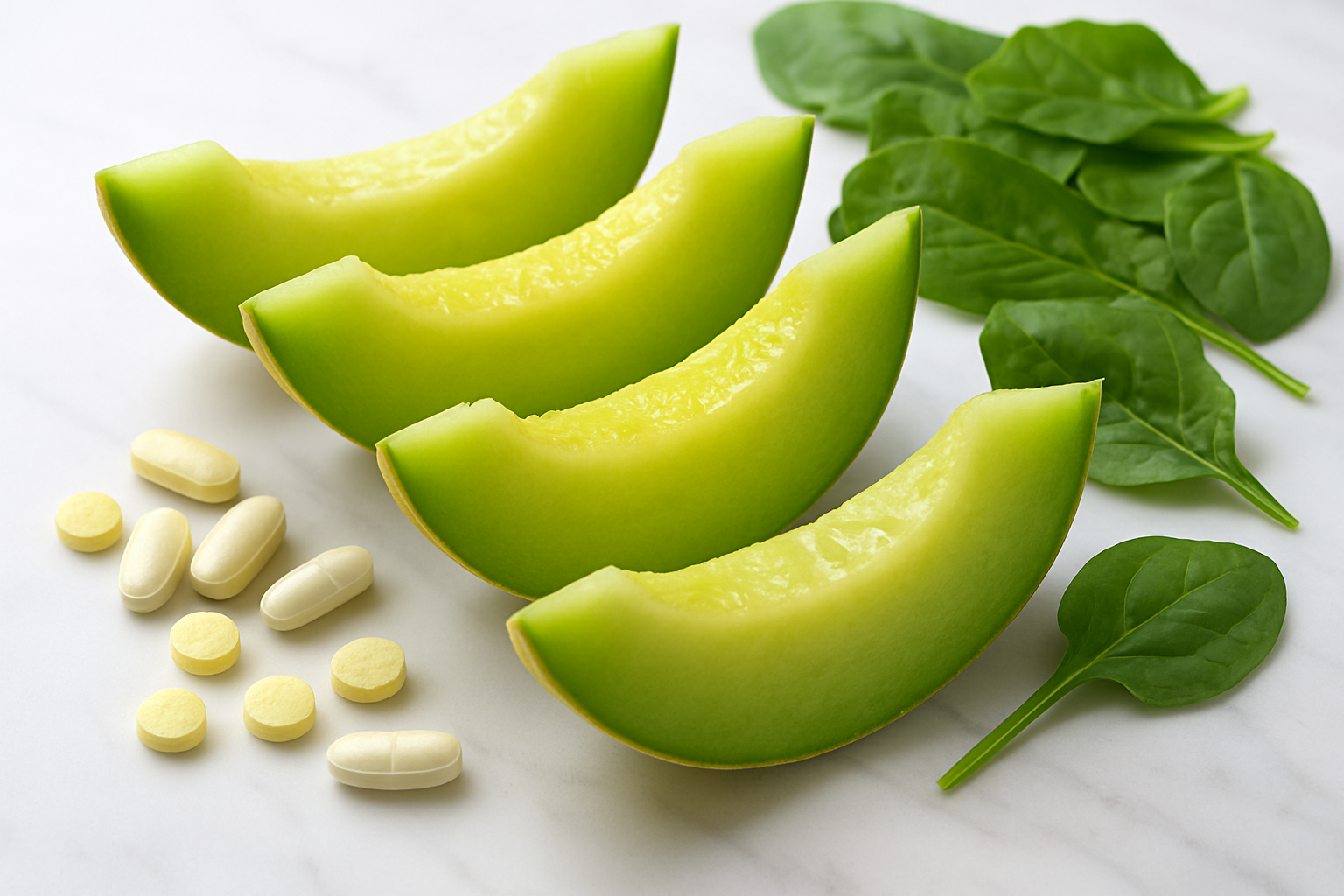
Honeydew melon packs an impressive nutritional punch that makes it a standout choice for health-conscious individuals. This sweet fruit delivers a hefty dose of vitamin C, providing approximately 30% of your daily recommended intake in just one cup. Your immune system gets a significant boost from this vitamin C content, helping your body fight off infections and maintain healthy skin.
The potassium content in honeydew melon deserves special attention - each serving contains about 400mg of this essential mineral. Potassium plays a crucial role in maintaining healthy blood pressure levels and supporting proper muscle function. Your heart particularly benefits from this mineral, as it helps regulate heart rhythm and reduces the risk of cardiovascular issues.
Honeydew melon also contains folate, which is especially important for pregnant women and anyone looking to support healthy cell division. The fruit provides smaller but meaningful amounts of vitamin K for bone health, magnesium for muscle and nerve function, and vitamin B6 for brain development and function.
| Nutrient | Amount per Cup | % Daily Value |
|---|---|---|
| Vitamin C | 32mg | 36% |
| Potassium | 388mg | 11% |
| Folate | 32mcg | 8% |
| Vitamin K | 4mcg | 3% |
| Magnesium | 18mg | 4% |
Hydration benefits for optimal body function
Fresh honeydew melon consists of approximately 90% water, making it one of nature's most effective hydration tools. When you're looking for ways to increase your fluid intake beyond plain water, honeydew melon offers a delicious solution that keeps your body properly hydrated throughout the day.
Your kidneys work more efficiently when you maintain proper hydration levels, and the natural water content in honeydew melon supports this vital organ function. The fruit's high water content also helps regulate body temperature, especially during hot summer months when dehydration risks increase.
Skin health receives a direct boost from honeydew melon's hydrating properties. Well-hydrated skin appears more plump, youthful, and resilient against environmental damage. The natural sugars in the fruit provide gentle energy while the water content helps transport nutrients throughout your body.
Athletes and active individuals find honeydew melon particularly beneficial for post-workout recovery. The combination of natural sugars and high water content helps replenish glycogen stores and replace fluids lost through sweat.
Low-calorie advantages for weight management
People following weight management plans often struggle to find satisfying snacks that don't derail their progress. Honeydew melon nutrition facts reveal that one cup contains only about 60 calories, making it an excellent choice for those watching their caloric intake.
The fruit's natural sweetness satisfies sugar cravings without the empty calories found in processed desserts. You can enjoy a generous portion of honeydew melon while staying within your daily calorie goals, unlike many other sweet treats that pack hundreds of calories into small servings.
Honeydew melon benefits extend to appetite control due to its fiber content and high water volume. These characteristics help you feel full and satisfied, reducing the likelihood of overeating at meals or reaching for unhealthy snacks between meals.
The glycemic index of honeydew melon sits at a moderate level, meaning it won't cause dramatic spikes in blood sugar levels. This steady energy release helps maintain stable hunger patterns throughout the day.
Antioxidant properties that fight inflammation
The pale green flesh of honeydew melon contains several powerful antioxidants that work behind the scenes to protect your cells from oxidative stress. Beta-carotene, though present in smaller amounts compared to orange-colored fruits, still contributes to the fruit's antioxidant profile.
Vitamin C functions as both a vitamin and an antioxidant, neutralizing harmful free radicals that can damage cells and contribute to chronic diseases. Regular consumption of vitamin C-rich foods like honeydew melon may help reduce inflammation markers in the body.
Choline, another compound found in honeydew melon, supports brain health and helps reduce inflammation throughout the body. This nutrient works particularly well in combination with the fruit's other anti-inflammatory compounds.
The natural compounds in honeydew melon may help protect against certain types of cellular damage that contribute to aging and disease development. While honeydew melon doesn't contain as many antioxidants as deeply colored fruits, its unique combination of nutrients still provides meaningful health benefits when included as part of a varied diet.
Selecting and Storing Perfect Honeydew
Visual and Tactile Cues for Choosing Ripe Melons
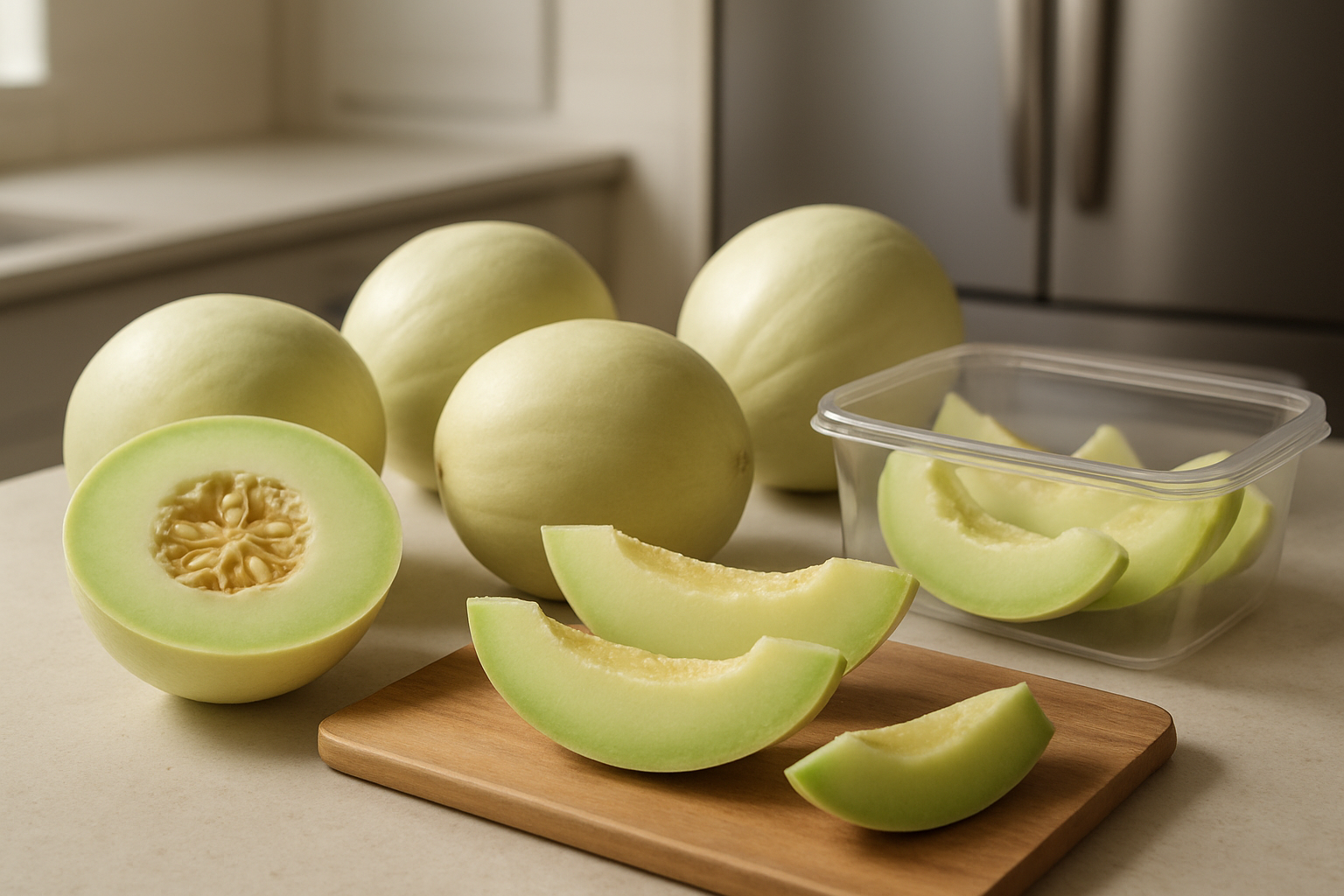
Picking the perfect honeydew melon requires using your senses like a fruit detective. Start by examining the skin color - a ripe honeydew displays a creamy, pale yellow or ivory hue rather than bright white or green. The surface should have a subtle waxy feel with a slight give when you press gently on the blossom end (opposite from where the stem was attached).
Your nose becomes your best friend when how to select honeydew melon effectively. A ripe melon releases a sweet, floral fragrance at the blossom end. If you smell nothing, the fruit needs more time to ripen. The stem end should appear clean and slightly indented where it naturally separated from the vine.
Weight plays a crucial role - fresh honeydew melon should feel heavy for its size, indicating high water content and juiciness. Give the melon a gentle shake near your ear. A ripe one produces a subtle sloshing sound from the loose seeds and juice inside. The skin should be free from soft spots, cracks, or dark blemishes, though light surface scratches won't affect quality.
Run your fingers along the surface to check for uniformity. Avoid melons with flat sides or irregular shapes, as these often indicate uneven ripening. The perfect honeydew feels firm but yields slightly to gentle pressure, especially around the blossom end.
Proper Storage Techniques to Maximize Freshness
Knowing how to store honeydew melon properly extends its shelf life and maintains optimal flavor. Whole, uncut honeydew melons continue ripening at room temperature for 2-4 days if they're not fully mature when purchased. Place them in a cool, dry area away from direct sunlight and other fruits that produce ethylene gas, like bananas or apples.
Once your honeydew reaches perfect ripeness, refrigerate it immediately to halt the ripening process. Whole melons stay fresh in the refrigerator for 5-7 days when stored in the crisper drawer. The ideal storage temperature ranges between 36-40°F with moderate humidity.
Cut honeydew requires different handling. Remove all seeds and place pieces in airtight containers or wrap tightly in plastic wrap before refrigerating. Properly stored cut melon maintains quality for 3-5 days. For longer storage, freeze honeydew chunks in freezer bags for up to 6 months - perfect for smoothies or frozen treats.
| Storage Method | Duration | Best Use |
|---|---|---|
| Room temperature (unripe) | 2-4 days | Ripening |
| Refrigerated whole | 5-7 days | Fresh eating |
| Refrigerated cut | 3-5 days | Immediate consumption |
| Frozen chunks | 6 months | Smoothies, desserts |
Keep cut melon away from strong-smelling foods since it absorbs odors easily.
Signs of Overripeness to Avoid When Purchasing
Recognizing overripe honeydew saves money and prevents disappointing purchases. The most obvious warning sign is an overly soft texture - if your finger leaves an indentation when you press the melon, it's past its prime. Overripe melons often develop dark, sunken spots or areas that feel mushy to the touch.
Smell becomes your warning system too. While ripe honeydew has a pleasant, sweet aroma, overripe fruit produces an overly fermented or alcohol-like scent that signals the sugars have begun breaking down. The blossom end might feel squishy or emit liquid when pressed.
Visual cues include wrinkled or puckered skin, which indicates moisture loss and aging. Yellow or brown patches that feel soft underneath suggest internal decay. Cracks in the skin allow bacteria to enter, making the fruit unsafe to eat.
The stem area provides valuable information about freshness. A moldy, slimy, or darkly discolored stem end indicates the melon is deteriorating. Fresh melons have clean, dry stem scars without any oozing or unusual discoloration.
Avoid melons that rattle excessively when shaken - this suggests the flesh has begun separating from the rind due to overripeness. Trust your instincts when evaluating honeydew melon quality. If something seems off about the appearance, smell, or texture, choose a different fruit to ensure the best eating experience.
Preparation Methods for Maximum Enjoyment
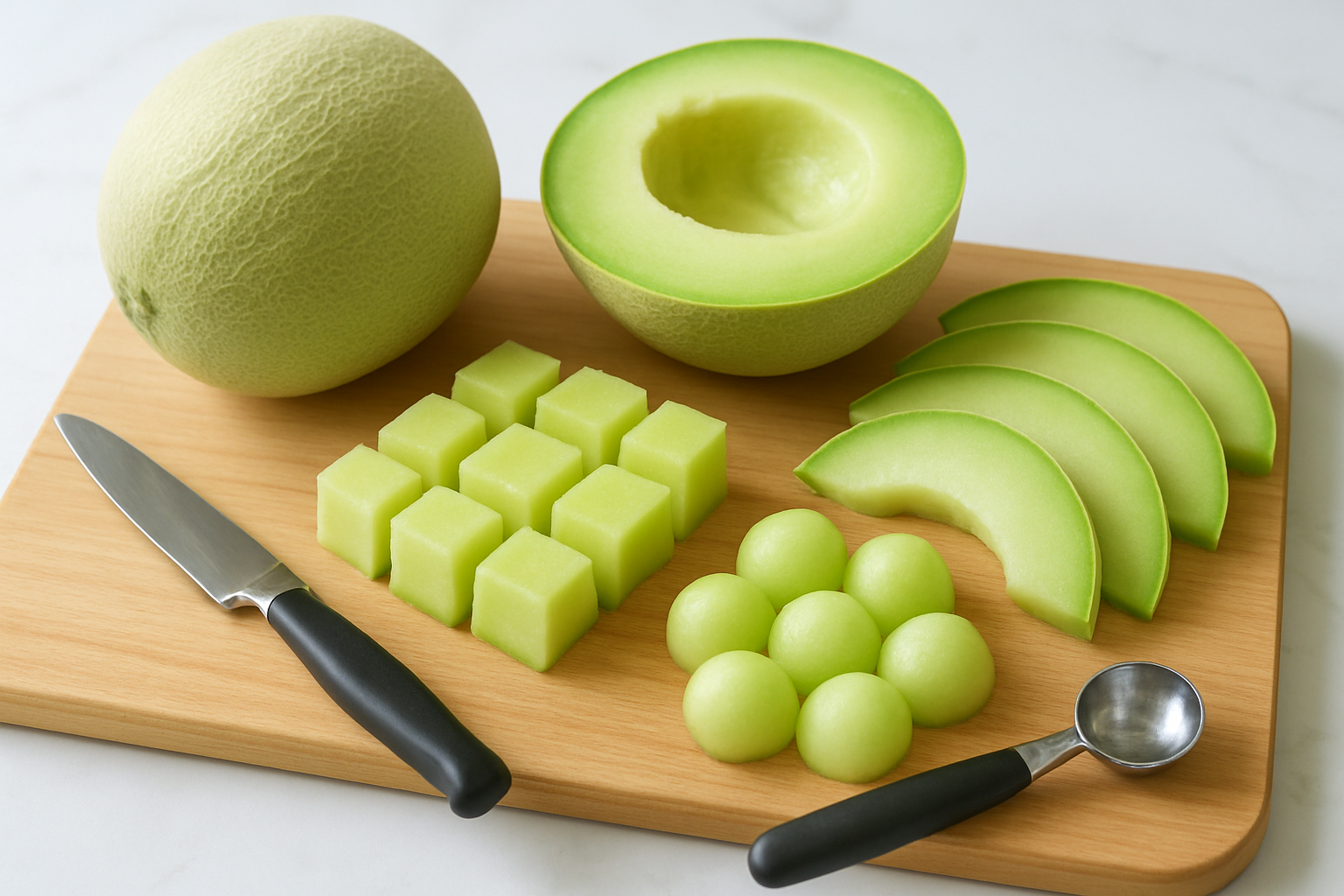
Simple Cutting Techniques for Clean Presentation
Cutting a honeydew melon properly makes all the difference between a messy kitchen disaster and beautiful, Instagram-worthy fruit slices. Start by washing the outside of your fresh honeydew melon thoroughly, even though you won't eat the rind. Place the melon on a stable cutting board and use a sharp chef's knife to slice off both ends, creating flat surfaces for stability.
Stand the melon upright and cut it in half from top to bottom. Scoop out the seeds and stringy center with a spoon or ice cream scoop. For wedges, cut each half into 4-6 pieces depending on size preference. To create cubes, place each wedge cut-side down and slice away the rind by following the natural curve. Then cut the flesh into your desired cube size.
For elegant presentation, try the fan technique: make parallel cuts about ¼ inch apart through a wedge, stopping just before the rind, then gently push to fan out the slices. This method works beautifully for fruit platters and adds visual appeal to any spread.
Creative Serving Suggestions for Various Occasions
Honeydew melon shines in countless serving scenarios, from casual backyard barbecues to elegant dinner parties. For summer entertaining, thread honeydew cubes onto skewers with prosciutto and fresh mint leaves, creating sophisticated appetizers that balance sweet and salty flavors perfectly.
Transform your breakfast routine by adding honeydew to smoothie bowls, parfaits, or fruit salads. The melon's mild sweetness pairs wonderfully with Greek yogurt and granola. For kids' parties, use cookie cutters to create fun shapes from thick honeydew slices, or hollow out the melon shell to serve as a natural serving bowl for fruit salad.
During hot weather, freeze honeydew cubes in ice trays with water or coconut water for refreshing drink additions. Blend frozen chunks with lime juice and a touch of honey for instant sorbet. For adult gatherings, muddle honeydew in cocktails or create agua frescas by blending with water and lime.
Restaurant-style presentation involves arranging honeydew with complementary fruits like berries or citrus segments. Drizzle with honey or lime juice and garnish with fresh herbs like basil or mint for an upscale touch.
Preservation Methods for Extended Shelf Life
Proper preservation techniques help you enjoy honeydew melon longer and reduce food waste. Cut honeydew stays fresh in the refrigerator for 3-5 days when stored in airtight containers. Line containers with paper towels to absorb excess moisture, which prevents the fruit from becoming soggy.
For longer storage, freezing works well for honeydew destined for smoothies or sorbets. Cut into chunks, arrange on baking sheets in single layers, and freeze until solid before transferring to freezer bags. This prevents pieces from clumping together. Frozen honeydew maintains quality for up to 10 months.
Dehydrating creates chewy, concentrated honeydew snacks. Slice into ¼-inch pieces and arrange on dehydrator trays or oven racks at the lowest temperature setting. The process takes 8-12 hours, resulting in portable fruit leather perfect for hiking or lunchboxes.
Consider vacuum sealing cut honeydew for maximum freshness. This method removes air that causes oxidation and extends refrigerator life by several days. Always pat pieces dry before sealing to prevent excess moisture buildup.
Pairing Combinations That Enhance Natural Sweetness
The subtle sweetness of honeydew melon benefits from strategic pairing that creates complex flavor profiles without overwhelming its delicate taste. Salty elements like feta cheese, prosciutto, or sea salt create beautiful contrast that actually makes the melon taste sweeter through comparison.
Citrus fruits brighten honeydew's flavor profile significantly. Lime juice adds zing without competing, while orange segments provide complementary sweetness. Fresh herbs transform simple honeydew into gourmet experiences - basil adds peppery notes, mint provides cooling freshness, and cilantro creates unexpected complexity.
Nuts and seeds contribute textural interest and healthy fats that help your body absorb fat-soluble vitamins. Try honeydew with toasted almonds, pistachios, or pumpkin seeds. Coconut flakes work particularly well in tropical-themed dishes.
Spice pairings might seem unusual but work beautifully with honeydew. Chili powder or cayenne pepper creates sweet-heat combinations popular in Mexican cuisine. Ginger adds warmth and complexity, while black pepper provides surprising depth.
For beverages, honeydew pairs excellently with cucumber in spa water, prosecco in cocktails, or coconut milk in smoothies. These combinations enhance rather than mask the melon's natural characteristics while creating refreshing, hydrating drinks perfect for warm weather.
Growing Honeydew in Your Home Garden
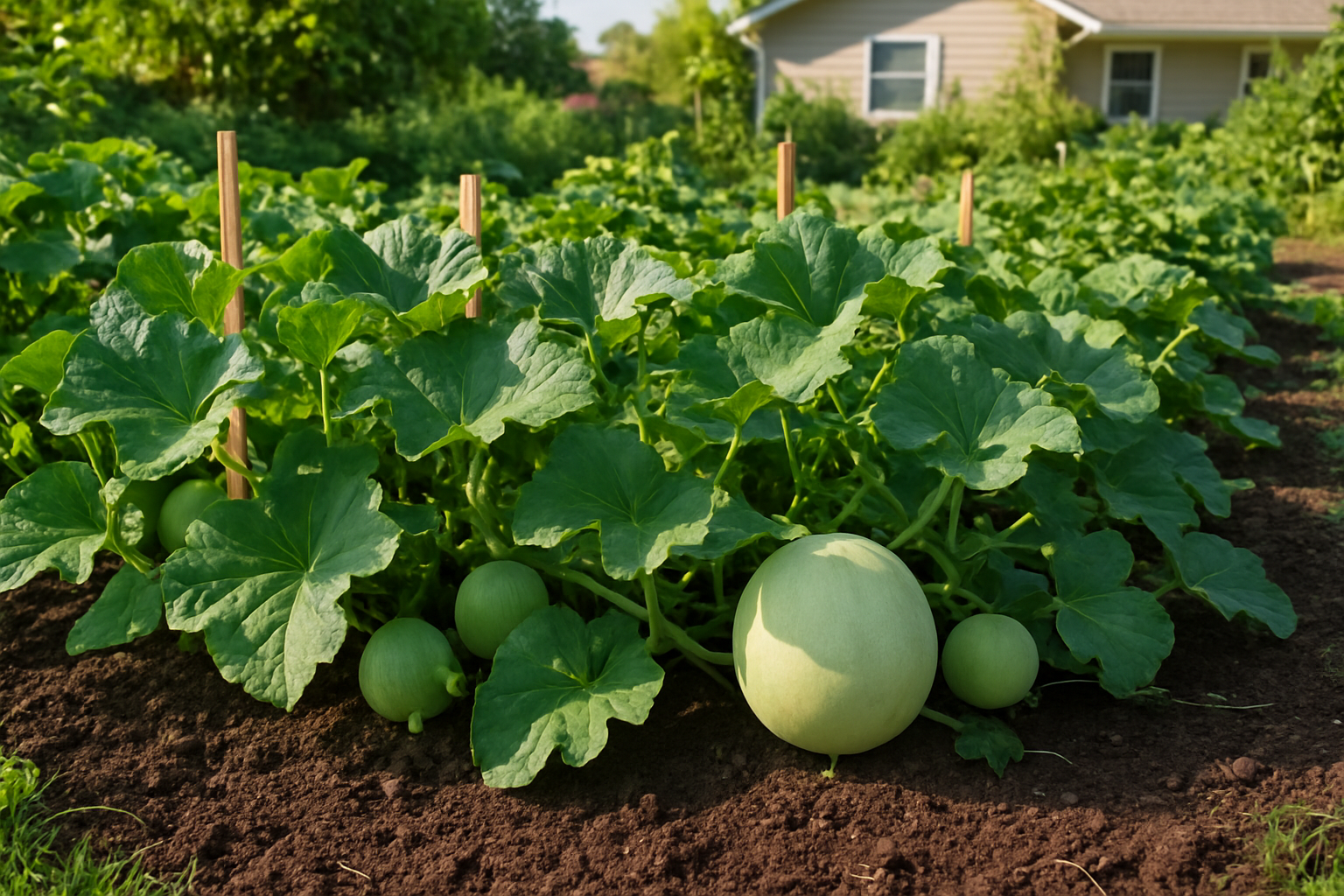
Optimal soil conditions and climate requirements
Growing honeydew melon successfully starts with understanding what your plants need to thrive. These sweet melons love warm weather and need at least 85-100 frost-free days to reach maturity. Your growing zone should have consistent temperatures between 70-85°F during the day, with nighttime temperatures staying above 60°F.
Soil preparation makes all the difference when growing honeydew melon. These plants prefer well-draining, sandy loam soil with a pH between 6.0 and 7.5. Heavy clay soils can cause root rot and poor fruit development, so adding compost or aged manure helps improve drainage and adds essential nutrients. The soil should be loose enough for water to move through easily while still retaining some moisture.
Choose a location that receives full sun exposure for at least 6-8 hours daily. Honeydew melons need plenty of sunlight to develop their characteristic sweetness. Wind protection also helps, as strong winds can damage the large leaves and developing vines.
Planting timeline and spacing recommendations
Timing your honeydew melon planting correctly ensures the best harvest. Start seeds indoors 2-4 weeks before your last expected frost date, or direct sow seeds outdoors when soil temperatures reach 65°F consistently. Cold soil will cause seeds to rot before germinating.
Space plays a crucial role in healthy plant development. Plant seeds or transplants 3-4 feet apart in rows that are 6-8 feet apart. This generous spacing allows the vines to spread naturally and promotes good air circulation, which prevents fungal diseases. Each plant can spread 6-10 feet in all directions, so plan your garden space accordingly.
If you're working with limited space, consider growing honeydew melons vertically using strong trellises or cages. When growing vertically, you'll need to support the developing fruits with fabric slings or mesh bags to prevent the weight from breaking the vines.
Watering and fertilization schedules for healthy growth
Fresh honeydew melon development requires consistent moisture throughout the growing season. Water deeply once or twice per week, providing about 1-2 inches of water total. Deep, infrequent watering encourages deep root development and helps prevent shallow root systems that are more susceptible to drought stress.
Focus your watering at the base of the plants rather than overhead watering, which can promote leaf diseases. Drip irrigation or soaker hoses work perfectly for honeydew melons. Stop watering about one week before harvest to concentrate the sugars and improve flavor.
Fertilization needs change as your plants grow. Start with a balanced fertilizer (10-10-10) when transplanting, then switch to a low-nitrogen, high-phosphorus fertilizer once flowering begins. Too much nitrogen during fruit development creates lots of leaves but poor fruit quality. Side-dress plants with compost or well-aged manure mid-season to provide steady nutrition.
Watch for signs of nutrient deficiency like yellowing leaves or poor fruit development, which might indicate the need for additional feeding.
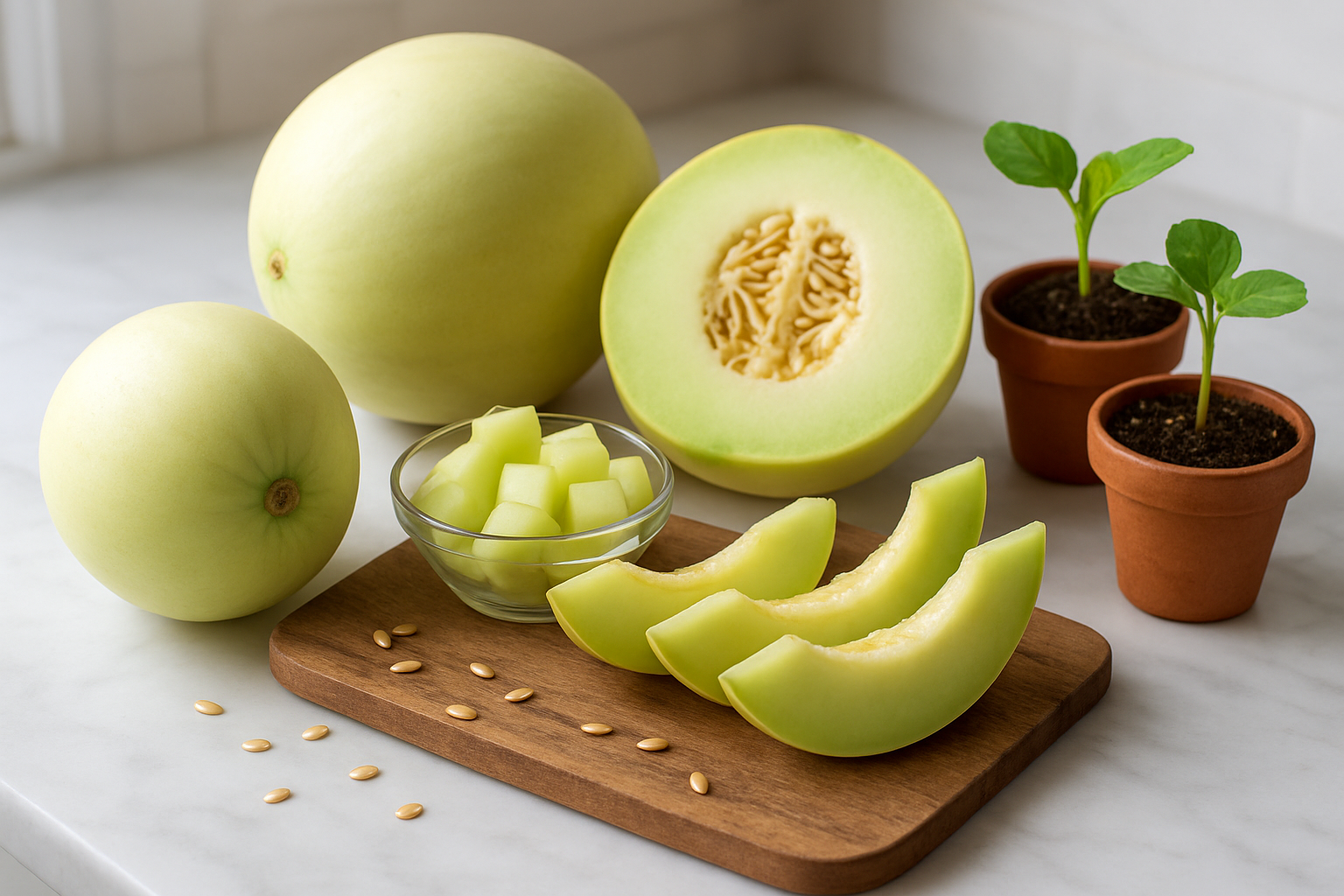
Honeydew melons bring a sweet, refreshing taste to your table while packing serious nutritional punch. From their high water content that keeps you hydrated to their vitamin C boost for your immune system, these pale green gems offer more than just great flavor. Learning to pick the right one at the store and store it properly means you'll always have perfectly ripe melon ready to enjoy.
Whether you're slicing it fresh for a snack, blending it into smoothies, or trying your hand at growing your own plants, honeydew is surprisingly versatile. Start small by adding honeydew to your next grocery list and experiment with different ways to enjoy it. Your taste buds and your body will thank you for making this nutritious fruit a regular part of your routine.


.png)
Comments
Post a Comment