KIWI - WHAT'S THE KIWI FRUIT?
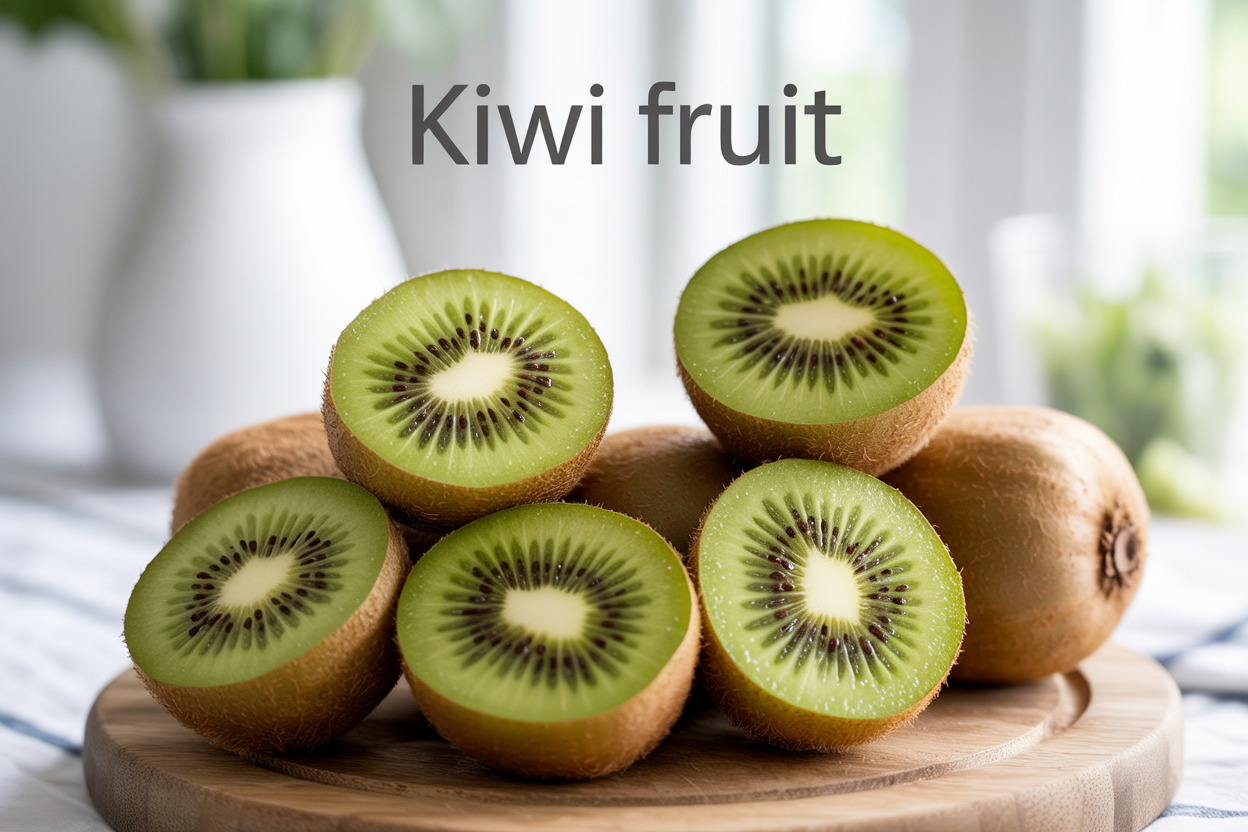
The kiwi fruit might look like a fuzzy brown egg, but this little powerhouse packs serious nutritional punch. This guide is perfect for health-conscious eaters, curious foodies, and anyone wanting to learn more about this unique fruit before adding it to their grocery cart.
You'll discover the surprising kiwi fruit origin history and how this Chinese gooseberry made its way around the world. We'll also dive deep into kiwi nutrition facts and kiwi health benefits, including why this fruit delivers more kiwi vitamin C than most citrus fruits. Finally, you'll get practical advice on kiwi fruit storage tips and simple ways for how to eat kiwi to maximize both flavor and nutrition.
Origins and History of Kiwi Fruit

Native roots in ancient China
The kiwi fruit origin history traces back over 700 years to the pristine mountain ranges and river valleys of central and eastern China. Originally called "mihoutao," which translates to "macaque fruit" due to monkeys' fondness for the fuzzy delicacy, this remarkable fruit grew wild in the dense forests of the Yangtze River valley. Ancient Chinese texts from the Song Dynasty mention the fruit's medicinal properties, with traditional healers recognizing its ability to aid digestion and boost energy levels long before modern science understood its exceptional vitamin C content.
Chinese farmers began cultivating Chinese gooseberry around the 12th century, though it remained relatively unknown outside Asia for centuries. The fruit thrived in China's temperate climate, developing its characteristic brown fuzzy exterior and bright green flesh that we recognize today. Different regions produced subtle variations in size and sweetness, laying the groundwork for the diverse kiwi fruit varieties we enjoy now.
Journey to New Zealand and name transformation
The transformation from Chinese gooseberry to kiwi fruit began in 1904 when Mary Isabel Fraser, a New Zealand school principal, brought seeds back from her travels in China. She gave these precious seeds to a local nurseryman, Alexander Allison, who successfully propagated them in New Zealand's North Island. The country's climate proved ideal for cultivation, with abundant rainfall and moderate temperatures creating perfect growing conditions.
New Zealand growers spent decades perfecting cultivation techniques, developing the smooth, sweet varieties that would eventually conquer global markets. The name "kiwi fruit" emerged in the 1950s when New Zealand exporters sought a more marketable name than "Chinese gooseberry." They chose "kiwi" after New Zealand's national bird, whose brown, fuzzy appearance resembled the fruit's exterior. This clever rebranding helped establish New Zealand as the world's premier kiwi producer and gave the fruit its enduring identity.
Global cultivation expansion
From New Zealand's success, kiwi fruit cultivation spread rapidly across the globe during the late 20th century. Italy became Europe's largest producer, with regions like Lazio and Piedmont developing thriving orchards. The Mediterranean climate proved excellent for growing multiple varieties, including the popular Hayward cultivar that dominates commercial production today.
Chile, Greece, France, and California joined the global kiwi revolution, each adapting growing techniques to their unique climates and soil conditions. Today's major producing countries include:
| Country | Annual Production | Key Growing Regions |
|---|---|---|
| China | 2.2 million tons | Shaanxi, Henan, Sichuan |
| Italy | 540,000 tons | Lazio, Piedmont, Veneto |
| New Zealand | 450,000 tons | Bay of Plenty, Gisborne |
| Chile | 200,000 tons | Central Valley |
| Greece | 180,000 tons | Macedonia, Peloponnese |
Modern cultivation has produced exciting new varieties beyond the traditional green kiwi, including golden kiwis with smooth skin and enhanced sweetness, red kiwis with stunning crimson flesh, and mini kiwis that can be eaten whole like grapes. This diversity ensures year-round availability and caters to different taste preferences worldwide.
Physical Characteristics and Varieties
Fuzzy Brown Exterior Appearance
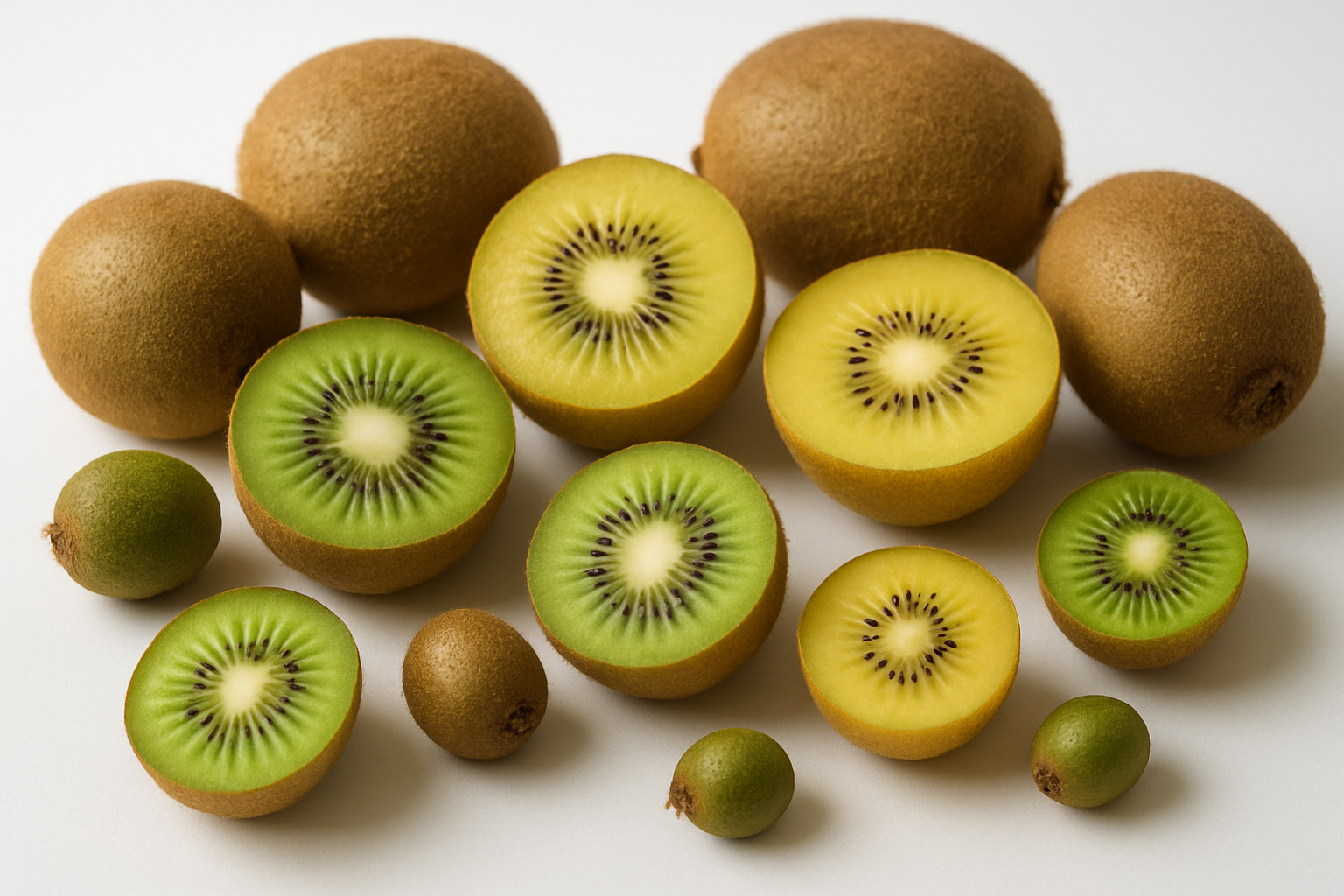
The kiwi fruit's most recognizable feature is its distinctive fuzzy brown skin that feels almost like suede to the touch. This rough, fibrous exterior protects the delicate flesh inside and gives the fruit its unique tactile experience. The brown coloration ranges from light tan to deep chocolate brown, with the fuzz creating a slightly matte finish that distinguishes it from other smooth-skinned fruits. The skin thickness varies between varieties, with some having thicker, more protective outer layers than others. While many people peel the skin before eating, it's actually edible and packed with fiber and antioxidants.
Bright Green Flesh with Tiny Black Seeds
Slice open a kiwi fruit and you'll discover a stunning emerald green interior that's both visually striking and delicious. The flesh has a translucent quality that makes it appear almost jewel-like, with a soft, creamy texture that yields easily to gentle pressure. Arranged in a perfect circular pattern around the center are hundreds of tiny black seeds, creating an artistic sunburst design that's as beautiful as it is natural. These edible seeds add a subtle crunch and are completely safe to consume. The flesh itself offers a unique flavor profile that combines sweet and tart notes, often described as a cross between strawberries, bananas, and pineapple.
Golden Kiwi Variety Differences
Golden kiwi varieties present a dramatically different appearance from their green counterparts while maintaining the same beloved nutritional benefits. These kiwi fruit varieties feature smooth, bronze-colored skin with minimal fuzz, making them easier to eat without peeling. The interior flesh ranges from bright yellow to deep gold, creating a sunny appearance that matches their sweeter, more tropical flavor profile. Golden kiwis tend to be less acidic than green varieties, offering a honey-like sweetness with subtle hints of mango and pineapple. The seed pattern remains similar, but the contrast between the dark seeds and golden flesh creates an even more striking visual display.
Size and Shape Variations
Standard Size Ranges:
-
Small: 2-2.5 inches long, 1.5-2 ounces
-
Medium: 2.5-3 inches long, 2-3 ounces
-
Large: 3-4 inches long, 3-4 ounces
Most kiwi fruits are oval-shaped with slightly pointed ends, resembling a large egg. However, size and shape can vary significantly based on growing conditions, variety, and harvest timing. Some fruits develop a more rounded appearance, while others become elongated. The weight typically correlates with size, though density can vary between varieties. Baby kiwis, also known as kiwi berries, are grape-sized versions with smooth skin and the same delicious flavor concentrated into a bite-sized package. These miniature versions offer the same nutritional powerhouse benefits in a convenient, pop-in-your-mouth format that's perfect for snacking or garnishing dishes.
Nutritional Powerhouse Benefits
Vitamin C content exceeds oranges
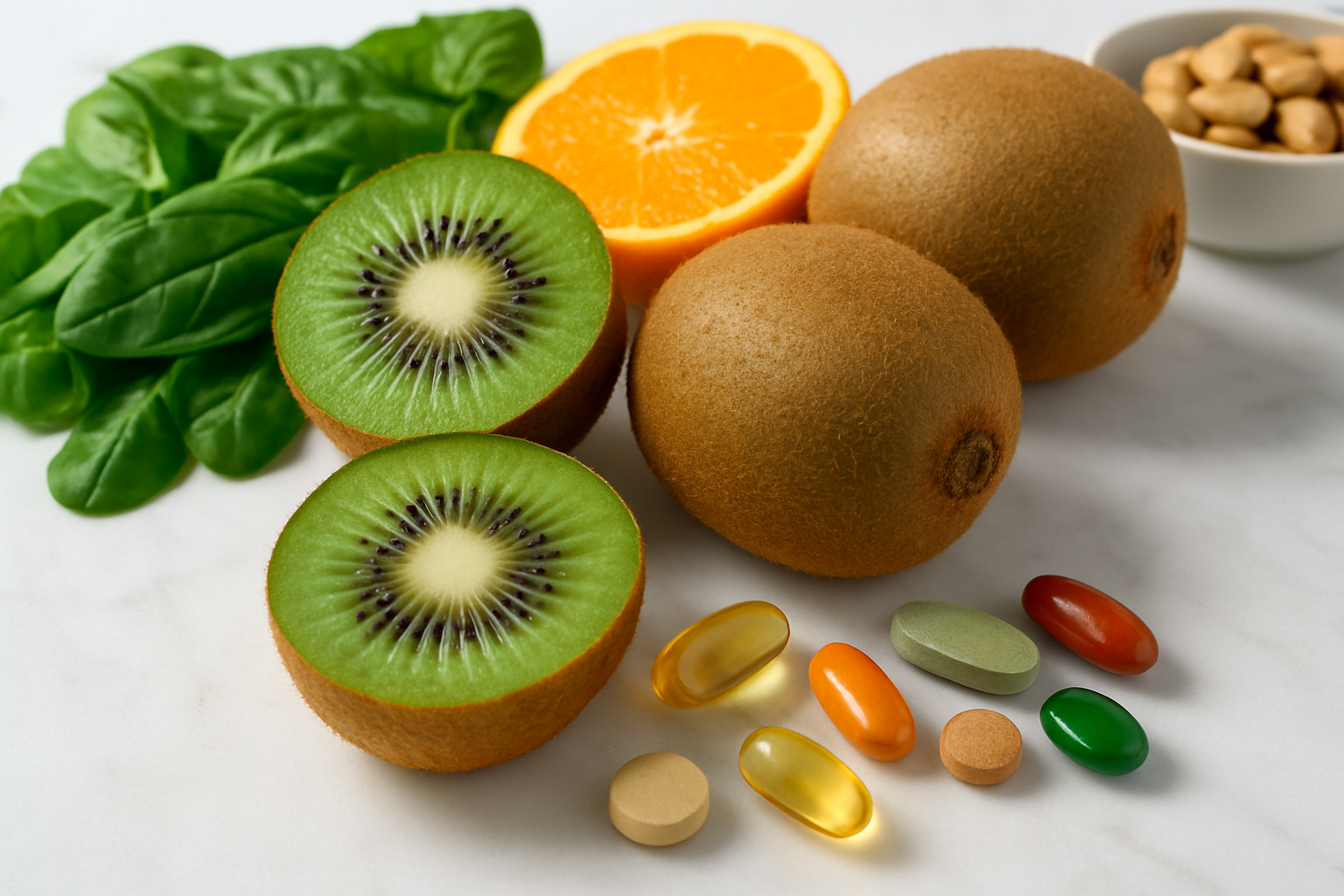
One small kiwi fruit packs an incredible punch when it comes to vitamin C, delivering approximately 93 milligrams – that's more than a medium orange! This single serving provides over 100% of your daily vitamin C needs. The high vitamin C content in kiwi nutrition facts makes this fuzzy fruit a superior choice for boosting your immune system naturally. Unlike many fruits that lose their vitamin content during storage, kiwis maintain their nutritional potency for weeks when properly stored.
Your body can't produce vitamin C on its own, so getting it from food sources like kiwi fruit becomes essential. This water-soluble vitamin acts as a powerful antioxidant, protecting your cells from damage while supporting collagen production for healthy skin, bones, and blood vessels.
Fiber for digestive health improvement
Kiwi health benefits extend deeply into digestive wellness, thanks to their impressive fiber content. A single kiwi contains about 2.5 grams of dietary fiber, which is roughly 10% of your daily requirement. This includes both soluble and insoluble fiber, creating a perfect combination for optimal gut health.
The soluble fiber in kiwis helps slow digestion, allowing better nutrient absorption while keeping blood sugar levels stable. Meanwhile, insoluble fiber adds bulk to stool and promotes regular bowel movements. Kiwis also contain actinidin, a unique enzyme that breaks down proteins and aids digestion, making them particularly helpful after protein-rich meals.
Antioxidants for immune system support
Beyond vitamin C, kiwi fruit varieties contain a rich array of antioxidants including vitamin E, folate, and carotenoids. These compounds work together to neutralize free radicals that can damage cells and weaken your immune system. The antioxidant profile in kiwis is particularly diverse, offering protection against oxidative stress from multiple angles.
Research shows that eating kiwis regularly can reduce the duration and severity of cold symptoms. The combination of antioxidants creates a synergistic effect, where the whole fruit provides more benefits than individual nutrients would on their own.
Potassium for heart health maintenance
Kiwi nutrition facts reveal significant potassium content – about 215 milligrams per fruit. This essential mineral plays a crucial role in maintaining healthy blood pressure by counteracting sodium's effects. Regular potassium intake from sources like kiwi fruit helps relax blood vessel walls, reducing strain on your cardiovascular system.
The potassium in kiwis also supports proper muscle function, including your heart muscle. Combined with the fruit's fiber content, which helps manage cholesterol levels, kiwis become an excellent choice for comprehensive heart health support.
Health Impact and Medical Benefits
Digestive Enzyme Actinidin Advantages
Kiwi fruit contains a unique digestive enzyme called actinidin that sets it apart from other fruits. This powerful enzyme breaks down proteins more effectively than many other natural digestive aids, making kiwi an excellent choice for people who struggle with protein digestion. Actinidin works by cleaving protein molecules into smaller, more manageable pieces that your body can absorb easily.
The enzyme proves particularly beneficial for those who experience bloating, gas, or discomfort after eating protein-rich meals. Studies show that consuming kiwi fruit before or after meals containing meat, dairy, or legumes can significantly reduce digestive issues. Unlike synthetic digestive enzymes, actinidin occurs naturally in the fruit and works gently with your body's existing digestive processes.
What makes actinidin especially interesting is its ability to remain active even in the acidic environment of your stomach. Many other natural enzymes break down quickly when exposed to stomach acid, but actinidin maintains its protein-breaking power throughout the digestive process.
Blood Pressure Regulation Properties
The kiwi health benefits extend significantly to cardiovascular wellness, with impressive blood pressure regulation capabilities. Research demonstrates that eating two to three kiwi fruits daily can reduce both systolic and diastolic blood pressure readings in people with mildly elevated levels.
Kiwi fruit achieves this through several mechanisms:
-
High potassium content helps balance sodium levels in your bloodstream
-
Antioxidants protect blood vessels from oxidative damage
-
Fiber supports healthy cholesterol levels
-
Natural compounds promote blood vessel flexibility
The fruit's potassium-to-sodium ratio is particularly impressive, with one medium kiwi providing about 237mg of potassium while containing virtually no sodium. This mineral balance directly supports healthy blood pressure by helping your kidneys regulate fluid levels and reducing strain on your cardiovascular system.
Clinical trials have shown that people who eat kiwi fruit regularly experience measurable improvements in their blood pressure within just eight weeks. The effects appear most pronounced in individuals with pre-hypertension or stage 1 hypertension.
Skin Health and Collagen Production
Kiwi fruit serves as a natural beauty treatment from the inside out, thanks to its exceptional kiwi vitamin C content. A single kiwi provides more vitamin C than an orange, delivering about 93mg or roughly 103% of your daily recommended intake. This vitamin C powerhouse directly supports collagen synthesis, the process your body uses to create and maintain healthy, youthful skin.
Collagen production naturally decreases as we age, leading to wrinkles, sagging skin, and slower wound healing. The vitamin C in kiwi fruit helps counteract this decline by:
-
Stimulating collagen-producing cells called fibroblasts
-
Protecting existing collagen from free radical damage
-
Supporting the formation of new collagen fibers
-
Improving skin elasticity and firmness
Beyond vitamin C, kiwi fruit contains vitamin E and antioxidants that work together to protect your skin from environmental damage. The fruit's high water content also contributes to skin hydration when consumed regularly.
Many people notice improvements in their skin texture, reduced appearance of fine lines, and faster healing of minor cuts or blemishes when they include kiwi fruit in their daily diet.
Weight Management Support Benefits
Kiwi nutrition facts reveal why this fruit excels as a weight management ally. Each medium kiwi contains only about 61 calories while providing substantial fiber, water, and nutrients that promote satiety. The fruit's unique combination of soluble and insoluble fiber helps you feel full longer while supporting healthy digestion.
The fiber in kiwi fruit slows down sugar absorption, preventing the blood sugar spikes and crashes that often trigger food cravings. This steady energy release helps maintain appetite control throughout the day. Additionally, the natural sweetness of kiwi can satisfy sugar cravings without the empty calories found in processed snacks.
Kiwi fruit's high water content (about 83%) adds volume to your meals without adding calories. This property, combined with its fiber content, makes it an ideal snack for people trying to manage their weight. The act of eating kiwi also requires more chewing than many other fruits, which can increase satiety signals to your brain.
The fruit's low glycemic index means it won't cause rapid blood sugar fluctuations that can lead to increased hunger and overeating later in the day.
Eye Health Protection from Lutein
The lutein content in kiwi fruit provides significant protection for your eyes, particularly against age-related macular degeneration and cataracts. Lutein acts as a natural sunscreen for your eyes, filtering harmful blue light that can damage the retina over time.
Your body cannot produce lutein on its own, making dietary sources like kiwi fruit essential for maintaining eye health. The lutein in kiwi accumulates in the macula, the part of your retina responsible for central vision and fine detail recognition.
Regular consumption of lutein-rich foods like kiwi may help:
| Eye Health Benefit | How Lutein Works |
|---|---|
| Blue light protection | Filters harmful wavelengths |
| Macular degeneration prevention | Strengthens retinal tissue |
| Cataract risk reduction | Protects lens proteins |
| Night vision support | Maintains retinal function |
The lutein in kiwi fruit is particularly well-absorbed when eaten with a small amount of healthy fat, such as nuts or avocado. This combination enhances the bioavailability of this important carotenoid, ensuring your eyes receive maximum protection from this remarkable fruit.
Selection and Storage Tips
Perfect ripeness identification techniques
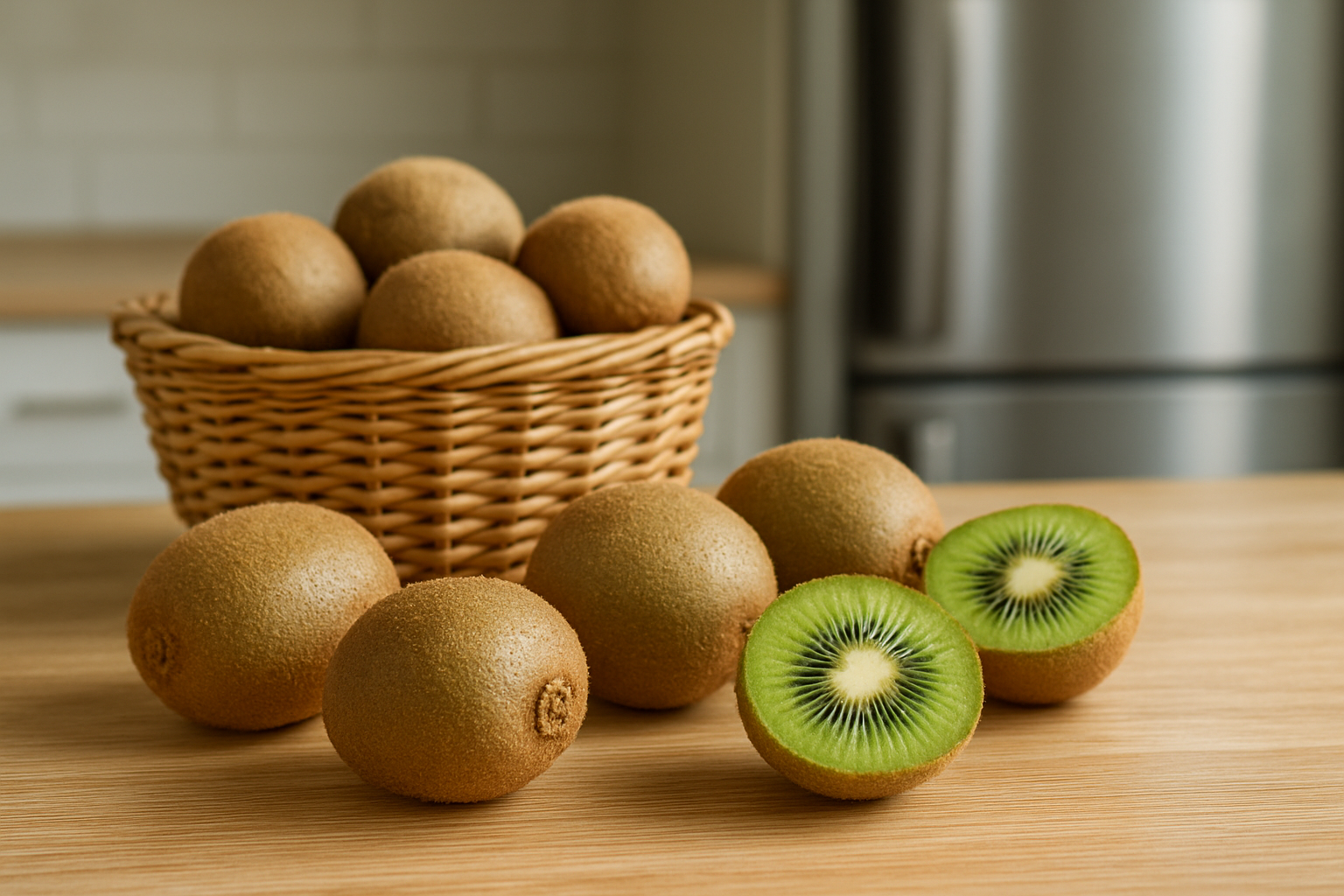
Knowing when a kiwi fruit reaches perfect ripeness can transform your eating experience from disappointing to delightful. A ripe kiwi should yield gently to light pressure when you hold it in your palm - think of the give you'd expect from a ripe peach. The skin should maintain its fuzzy brown exterior without any dark spots or wrinkled areas that signal overripeness.
The best test involves gently pressing near the stem end with your thumb. If it gives slightly but still feels firm overall, you've found your sweet spot. Avoid kiwis that feel mushy or have soft spots, as these are past their prime. Rock-hard kiwis need more time to ripen, while overly soft ones may have started fermenting inside.
Color changes can also guide you. While the brown fuzzy exterior stays relatively consistent, ripe kiwi fruit often develops a slightly plumper appearance. The fruit should feel heavy for its size, indicating good moisture content and full development.
Proper storage methods for longevity
Smart kiwi fruit storage tips can extend your fruit's lifespan significantly. Unripe kiwis do best at room temperature, away from direct sunlight and heat sources. Once they reach perfect ripeness, transfer them immediately to your refrigerator's crisper drawer.
Refrigerated ripe kiwis maintain their quality for up to one week when stored properly. Keep them in a perforated plastic bag or the original packaging to maintain optimal humidity levels while allowing some air circulation.
Never store kiwis near ethylene-producing fruits like apples, bananas, or tomatoes unless you want faster ripening. These fruits release natural gases that accelerate the ripening process in nearby produce.
| Storage Method | Duration | Best For |
|---|---|---|
| Room temperature | 3-7 days | Unripe kiwis |
| Refrigerator crisper | 1 week | Ripe kiwis |
| Counter ripening | 2-4 days | Speeding ripeness |
Ripening acceleration tricks
Sometimes you need ripe kiwis faster than nature intended. The paper bag method works wonderfully - place unripe kiwis in a brown paper bag with a ripe apple or banana. The concentrated ethylene gas speeds up ripening dramatically, usually cutting the time in half.
For even faster results, add multiple ethylene producers to your paper bag. One apple plus one banana with your kiwis creates an ethylene-rich environment that can ripen firm fruit in just 1-2 days.
Room temperature placement near other ripening fruit also helps, though this method takes longer than the paper bag technique. Check your kiwis daily when using acceleration methods, as they can go from perfect to overripe quickly once the process starts.
Temperature plays a key role too. Slightly warm areas (around 70-75°F) speed ripening more than cooler spots. Just avoid placing them near heat vents or in direct sunlight, which can cause uneven ripening or damage the delicate flesh inside.
Culinary Uses and Preparation Methods
Fresh Eating Preparation Steps
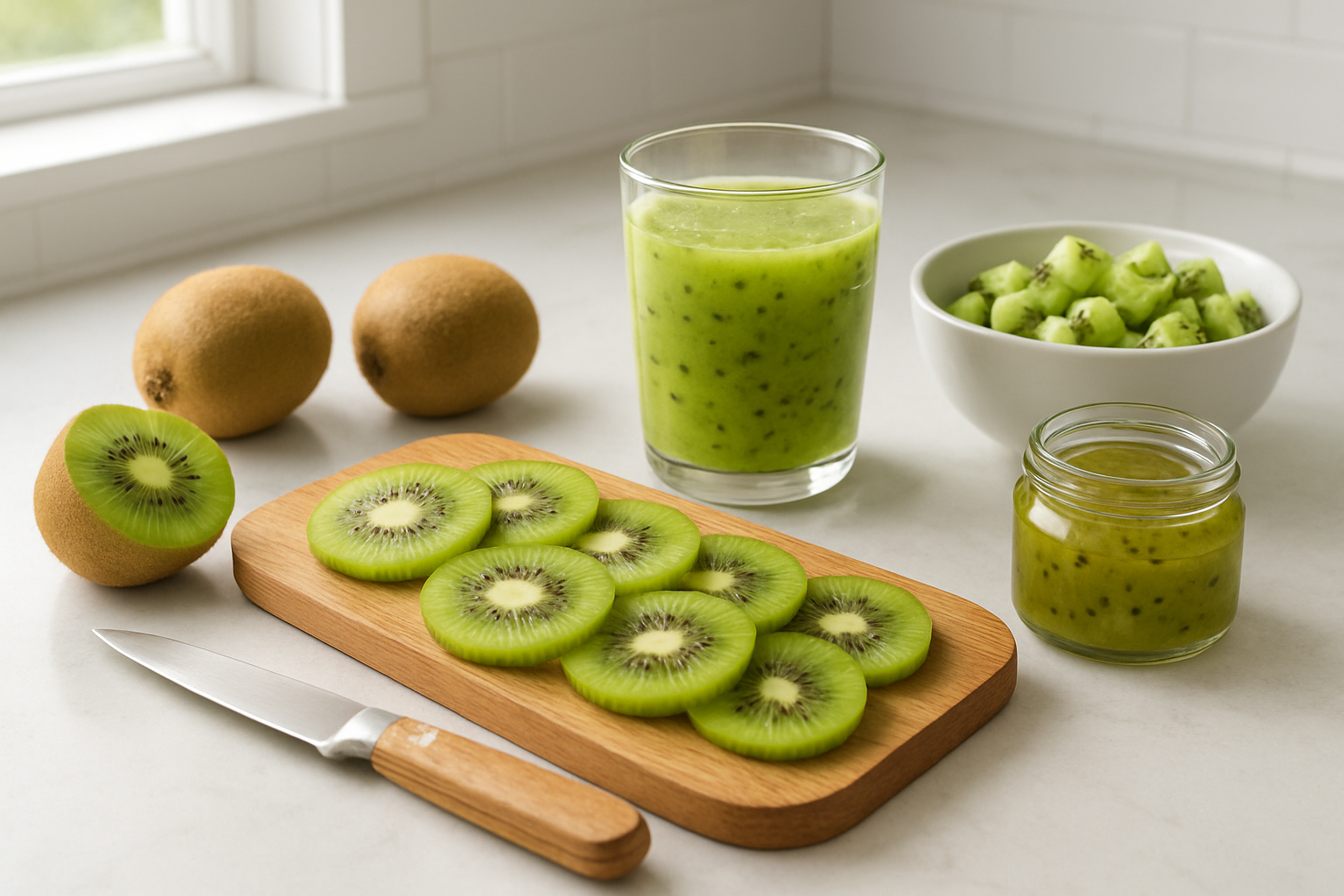
How to eat kiwi fruit properly makes all the difference in enjoying this fuzzy treasure. Start by choosing a kiwi that gives slightly to pressure - this means it's perfectly ripe and ready to eat. You have two main preparation options: peeling or eating with the skin on.
For peeling, slice off both ends with a sharp knife, then stand the kiwi upright and carefully cut away the skin in downward strips. Alternatively, use a spoon method - cut the kiwi in half and scoop out the flesh with a spoon, just like eating a soft-boiled egg.
Many people don't realize that kiwi fruit skin is completely edible and packed with nutrients. Simply rinse the fruit thoroughly under cold water, scrubbing gently with your hands to remove the fuzz. The skin adds extra fiber and creates an interesting texture contrast.
Once prepared, slice the kiwi into rounds or wedges. The beautiful star pattern in the center makes each slice visually appealing. For best results, eat immediately after cutting to prevent the fruit from becoming overly soft.
Smoothie and Juice Incorporation Ideas
Kiwi transforms smoothies with its tangy sweetness and vibrant green color. The fruit pairs beautifully with tropical flavors like pineapple, mango, and coconut. Try blending two peeled kiwis with a banana, spinach, and coconut water for a nutrient-packed green smoothie that doesn't taste like vegetables.
For a refreshing morning blend, combine kiwi with strawberries, yogurt, and a touch of honey. The natural enzymes in kiwi help break down proteins, making smoothies easier to digest. Add kiwi toward the end of blending to prevent over-processing, which can make the seeds bitter.
Kiwi fruit juice works wonderfully as a base for cocktails or mocktails. Mix fresh kiwi juice with sparkling water, lime, and mint for a refreshing drink. The natural vitamin C content makes it perfect for immune-boosting beverages.
Dessert and Baking Applications
Kiwi adds both flavor and visual appeal to desserts. The fruit's natural tartness balances sweet desserts perfectly. Create stunning fruit tarts by arranging kiwi slices over pastry cream - the green color creates beautiful contrast against white cream and golden pastry.
For baking applications, add diced kiwi to muffins, quick breads, or coffee cakes. The fruit releases moisture during baking, creating incredibly tender results. However, avoid using kiwi in gelatin-based desserts unless you cook it first, as the natural enzymes prevent proper setting.
Kiwi pavlova represents one of the most elegant uses for this fruit. The soft meringue base topped with whipped cream and fresh kiwi slices creates a dessert that's both beautiful and delicious. Freeze kiwi slices for homemade popsicles or blend into sorbet for a refreshing summer treat.
Savory Dish Complement Options
Don't overlook kiwi in savory applications. The fruit's acidity makes it an excellent meat tenderizer - marinate chicken or pork with mashed kiwi, soy sauce, and garlic for incredibly tender results. The natural enzymes break down tough proteins in just 30 minutes.
Add diced kiwi to salsas for fish tacos or grilled meats. The fruit pairs surprisingly well with jalapeños, red onion, and cilantro. Its sweetness balances spicy heat while adding refreshing juiciness.
Kiwi works beautifully in grain salads, especially quinoa or couscous dishes. Combine with cucumber, feta cheese, and mint for a Mediterranean-inspired side dish. The fruit also complements pork dishes - try a kiwi chutney with ginger and red pepper flakes alongside roasted pork tenderloin.
For kiwi fruit recipes that surprise guests, consider adding thin slices to green salads or using as a garnish for savory soups. The visual impact alone makes any dish more memorable.
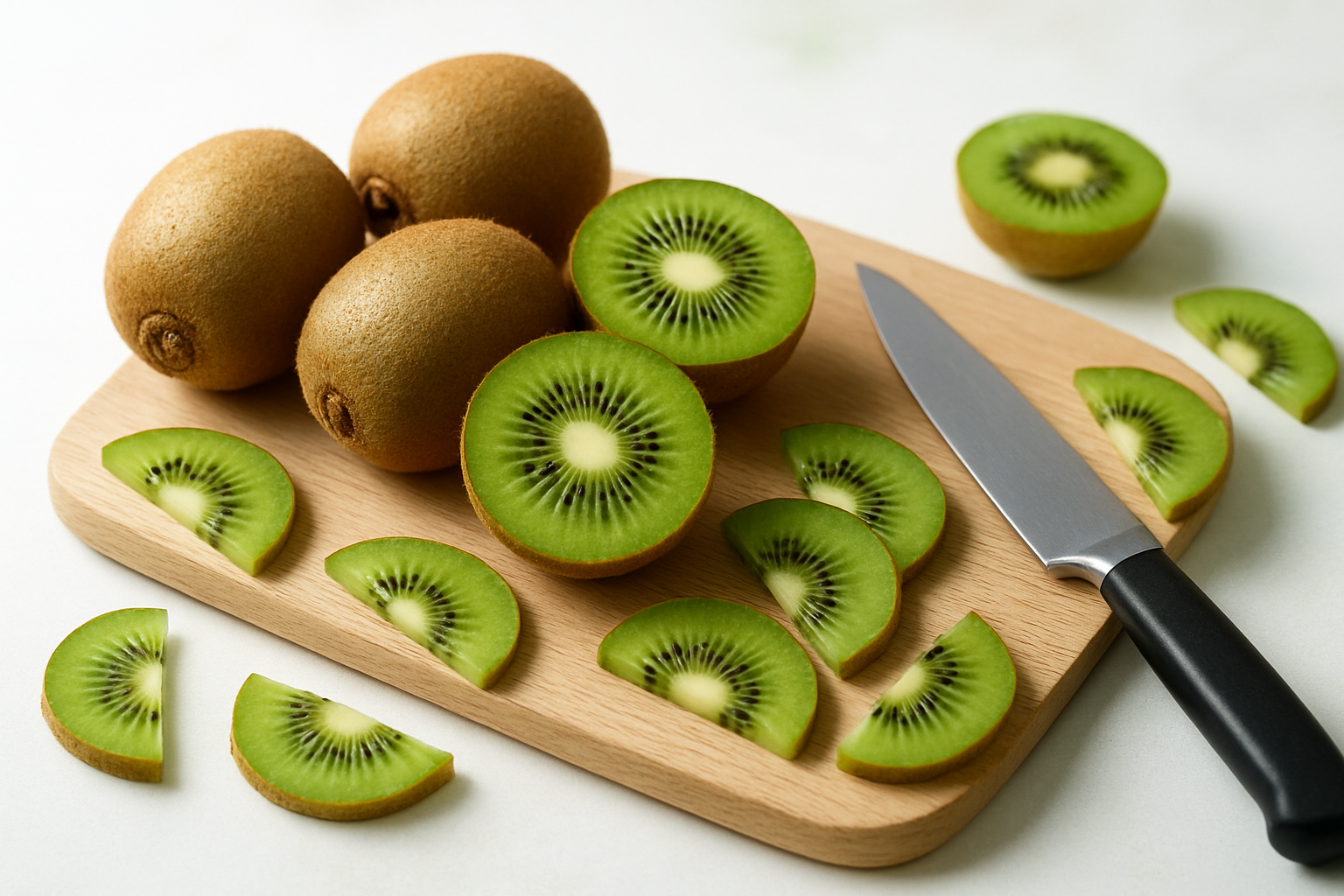
This fuzzy little fruit packs way more punch than its unassuming appearance suggests. From its humble beginnings in China to becoming a global superfood sensation, kiwi has earned its spot as one of nature's most nutrient-dense offerings. With more vitamin C than oranges, plenty of fiber, and powerful antioxidants, kiwis deliver serious health benefits that support everything from your immune system to your digestive health.
The best part about kiwis is how easy they are to enjoy. Whether you're scooping out the sweet flesh with a spoon, tossing slices into your morning smoothie, or getting creative with desserts and salads, this versatile fruit fits into just about any eating style. Next time you're at the grocery store, grab a few kiwis and give them a try. Your taste buds and your body will thank you for adding this nutritional powerhouse to your regular rotation.


.png)
Comments
Post a Comment