LEMON - WHAT'S LEMON?
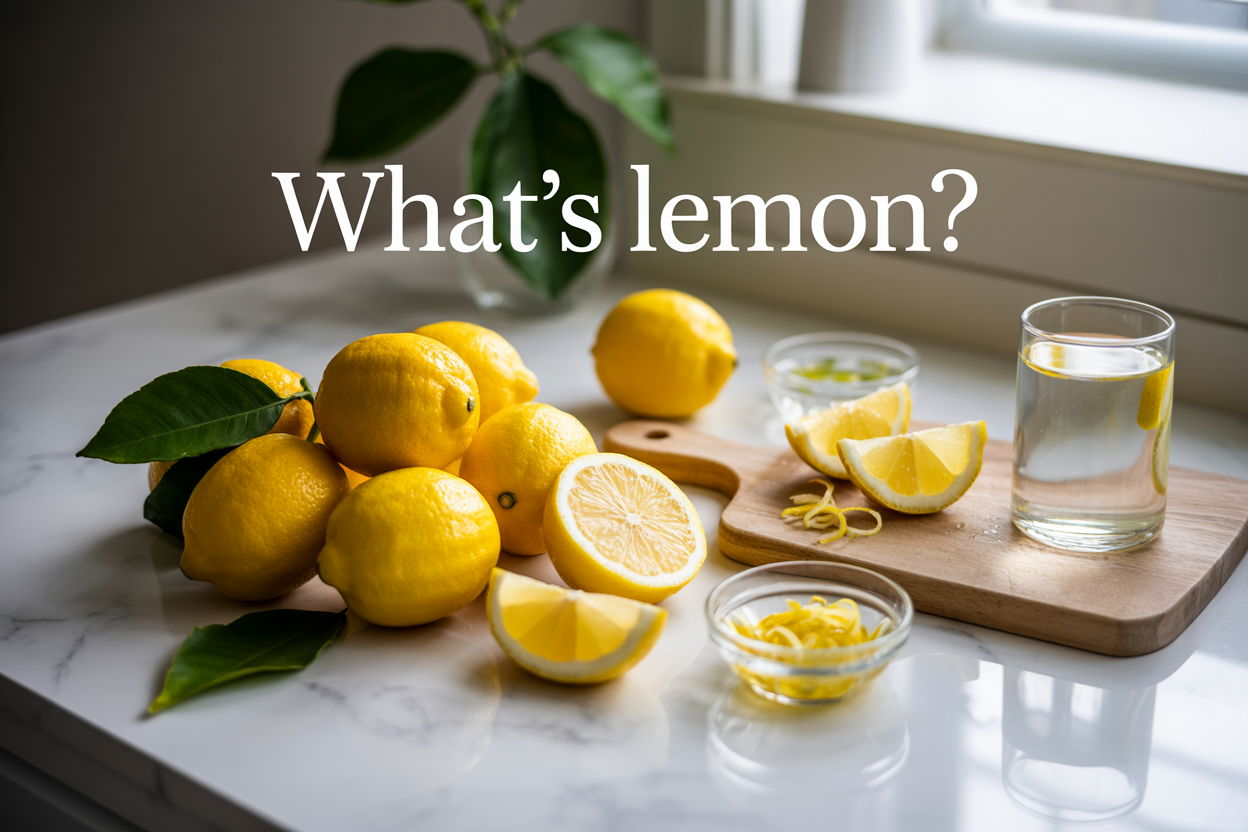
What's Lemon? The Complete Guide to Nature's Golden Citrus Powerhouse
Lemons are way more than just a sour citrus fruit you squeeze into your water. This bright yellow wonder packs serious lemon benefits that extend far beyond the kitchen, making it a must-know ingredient for home cooks, health enthusiasts, and anyone curious about natural living.
This guide is perfect for people who want to understand what is lemon really all about - from its fascinating botanical classification of lemons to practical everyday uses. You'll discover why this simple fruit deserves a permanent spot in your grocery cart and medicine cabinet.
We'll explore the impressive lemon nutrition facts that make nutritionists rave about citrus fruit health benefits. You'll learn smart lemon culinary uses that can transform your cooking game, plus surprising lemon beauty benefits and lemon household uses you probably never knew existed. Finally, we'll share insider tips for fresh lemon selection and lemon storage tips to keep your lemons fresh longer and save money.
Get ready to see lemons in a whole new light - they're about to become your new favorite multitasking fruit.
Botanical Origins and Scientific Classification of Lemons

Citrus limon family tree and genetic heritage
The lemon belongs to the Citrus limon species within the Rutaceae family, sharing its lineage with other beloved citrus fruits like oranges, grapefruits, and limes. What makes botanical classification of lemons fascinating is their hybrid nature - these vibrant yellow fruits aren't actually found in the wild. Scientists believe lemons originated from a natural cross between bitter oranges and citrons thousands of years ago in the foothills of the Himalayas.
The genetic makeup of what is lemon reveals a complex ancestry that includes contributions from four main citrus species: citron, mandarin, pomelo, and a fourth unknown ancestor. This diverse genetic heritage explains why lemons possess such unique characteristics - the tartness from citrons, the juiciness from other citrus varieties, and their distinctive aromatic oils that make them so valuable in cooking and aromatherapy.
Modern DNA analysis has traced lemon varieties back to ancient trade routes, where merchants and travelers carried these precious fruits across continents, leading to the development of different cultivars we know today.
Natural habitat and cultivation regions worldwide
Lemons thrive in Mediterranean-type climates with warm, dry summers and mild winters. The ideal temperature range sits between 55-85°F, with minimal frost exposure that can damage both fruit and trees. Originally from Southeast Asia, lemons have adapted to flourish in coastal regions where ocean breezes moderate extreme temperatures.
Today's major lemon-producing regions include:
-
Mediterranean Basin: Italy, Spain, Greece, and Turkey
-
California and Arizona: Leading US producers
-
Argentina: South America's primary supplier
-
Australia: Particularly in coastal New South Wales
-
Middle East: Lebanon, Israel, and parts of Iran
Each region produces lemons with subtle flavor differences based on soil composition, rainfall patterns, and local growing techniques. California lemons tend to be thicker-skinned and more acidic, while Mediterranean varieties often have thinner skins and more complex flavor profiles.
Physical characteristics that define authentic lemons
Authentic lemons display several distinctive physical traits that set them apart from other citrus fruits. The classic lemon shape is oval to elliptical, typically 2-4 inches long, with a pronounced nipple-like protrusion at the blossom end. The skin should feel firm yet slightly yielding to gentle pressure, indicating optimal ripeness and juice content.
Key identifying features include:
| Characteristic | Description |
|---|---|
| Color | Bright yellow to pale yellow when ripe |
| Skin Texture | Slightly bumpy, pebbled surface with visible oil glands |
| Weight | Heavy for their size due to high juice content |
| Aroma | Strong, fresh citrus scent when skin is scratched |
| Shape | Oval with tapered ends, distinct nipple formation |
The skin thickness varies by variety - thin-skinned lemons like Meyer lemons have more delicate, edible peels, while thick-skinned varieties like Eureka lemons are better for zesting. Inside, authentic lemons contain 8-10 segments filled with pale yellow, highly acidic juice and relatively few seeds.
Seasonal growing patterns and harvest cycles
Lemon trees follow unique growing patterns compared to other citrus fruits. Most varieties are everbearing, meaning they can produce flowers and fruit simultaneously throughout the year under proper conditions. This characteristic makes lemons available fresh year-round in many markets.
Primary harvest seasons vary by region:
-
California: Peak harvest October through February
-
Mediterranean: Main harvest November through May
-
Southern Hemisphere: June through September peak season
Lemon trees typically begin producing fruit 3-5 years after planting, reaching full production capacity around 7-10 years. A mature tree can yield 200-600 lemons annually, depending on variety, care, and growing conditions. The fruit development process takes 6-9 months from flower to harvest-ready lemon.
Weather patterns significantly impact harvest timing - extended periods of heat can accelerate ripening, while cooler temperatures slow development but often improve flavor concentration. Professional growers monitor sugar-to-acid ratios and oil content in the peel to determine optimal harvest timing for different market uses.
Nutritional Powerhouse Benefits for Your Health
Vitamin C content and immune system support
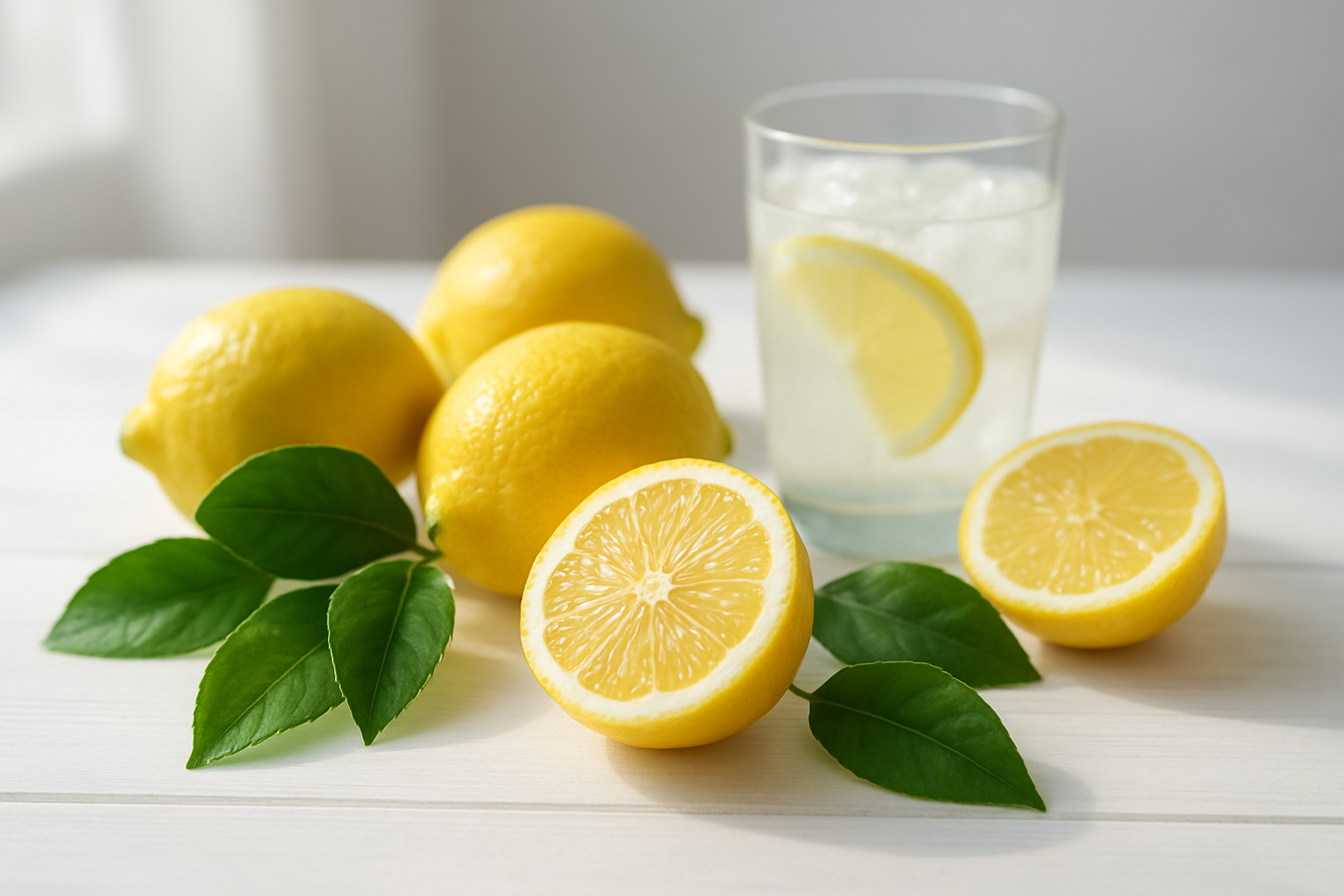
Lemons pack an incredible punch when it comes to vitamin C, delivering about 51 milligrams per 100 grams of fruit - that's roughly 56% of your daily recommended intake. This citrus powerhouse contains more vitamin C than many other fruits, making it a stellar choice for boosting your immune system naturally.
Your body can't produce vitamin C on its own, so getting it from lemon nutrition facts becomes essential for maintaining optimal health. This water-soluble vitamin acts as a powerful antioxidant, protecting your cells from damage while supporting collagen production for healthy skin, joints, and blood vessels.
Regular consumption of lemons can help reduce the duration and severity of common colds. The vitamin C works by enhancing the production and function of white blood cells, your body's primary defense against infections and viruses. Just adding fresh lemon juice to your morning water or tea can provide a significant immune boost.
Essential minerals and antioxidant properties
Beyond vitamin C, lemons contain a treasure trove of essential minerals that support various bodily functions. Potassium, the most abundant mineral in lemons, helps regulate blood pressure and supports proper heart function. You'll also find calcium for bone health, magnesium for muscle function, and small amounts of iron and zinc.
The citrus fruit health benefits extend far beyond basic nutrition through powerful antioxidant compounds. Lemons contain flavonoids like hesperidin and diosmin, which help reduce inflammation and protect against chronic diseases. These compounds work synergistically with vitamin C to combat oxidative stress throughout your body.
Citric acid, the compound that gives lemons their characteristic tartness, offers unique health advantages. This natural acid can help prevent kidney stone formation by increasing urine citrate levels, making it harder for calcium stones to develop.
Natural detoxification and digestive aid benefits
Lemons serve as excellent natural detoxifiers, supporting your liver's ability to process and eliminate toxins. The citric acid stimulates liver enzyme production, enhancing the organ's cleansing capabilities. Starting your day with warm lemon water can kickstart this detoxification process.
The lemon benefits for digestion are remarkable. The acidic nature of lemons helps break down food more effectively, improving nutrient absorption and reducing bloating. Many people find that drinking lemon water before meals helps alleviate indigestion and promotes better digestive health.
Pectin, a soluble fiber found in lemon pulp, acts as a prebiotic, feeding beneficial gut bacteria and promoting a healthy microbiome. This fiber also helps slow sugar absorption, preventing blood sugar spikes and promoting steady energy levels throughout the day.
The natural diuretic properties of lemons help flush excess water and sodium from your system, reducing bloating and supporting kidney function. This gentle cleansing effect makes lemons an excellent addition to any wellness routine focused on natural detoxification.
Culinary Applications That Transform Your Cooking

Flavor Enhancement Techniques in Savory Dishes
Lemons work magic in savory cooking by brightening heavy sauces and adding complexity to simple ingredients. The acid in lemon juice breaks down proteins, making it perfect for marinades that tenderize tough cuts of meat while infusing them with fresh flavor. A squeeze of lemon over grilled fish or roasted vegetables creates an instant flavor lift that makes ordinary dishes extraordinary.
Lemon culinary uses extend far beyond the basic squeeze. Lemon zest contains aromatic oils that pack more concentrated citrus punch than the juice alone. When you grate the yellow peel into pasta dishes, soups, or grain salads, you get bright bursts of flavor without added liquid. The key is using only the colored part of the peel – the white pith underneath tastes bitter.
Professional chefs rely on lemon to balance rich, fatty foods. Adding lemon juice to cream sauces prevents them from feeling heavy, while a splash in olive oil-based dressings creates emulsification that coats ingredients evenly. Lemon also enhances umami flavors, making tomatoes taste more tomatoey and mushrooms more earthy.
For maximum impact, add lemon juice at the end of cooking to preserve its fresh brightness. Heat diminishes lemon's acidic punch, so save the final squeeze for just before serving your perfectly seasoned dish.
Baking and Dessert Preparation Essentials
Baking with lemons requires understanding how their acidity interacts with other ingredients. Lemon juice activates baking soda, creating lift in quick breads, muffins, and pancakes. This chemical reaction produces carbon dioxide bubbles that make batters rise and creates tender, light textures.
Lemon benefits in desserts go beyond flavor – the acid helps prevent sugar crystallization in candy making and creates silky smooth custards. When making lemon curd or pastry cream, the acid helps egg proteins coagulate gradually, preventing that scrambled texture nobody wants.
Lemon zest transforms ordinary desserts into showstoppers. Mix it into cookie dough, cake batters, or whipped cream for intense citrus aroma that doesn't add extra moisture. One lemon typically yields about one tablespoon of zest, which flavors an entire batch of cookies.
| Baking Application | Lemon Component | Effect |
|---|---|---|
| Quick breads | Juice | Leavening activation |
| Custards | Juice | Protein coagulation |
| Cookies | Zest | Intense flavor |
| Glazes | Juice + zest | Brightness + aroma |
Balance is crucial when baking with lemons. Too much acid can make batters curdle or create overly tangy results. Start with recipe recommendations and adjust gradually based on your taste preferences.
Beverage Creation and Cocktail Mixing Potential
Lemons anchor countless beverages, from simple lemonade to sophisticated cocktails. Fresh lemon juice provides the perfect balance of sweet and sour that makes drinks refreshing rather than cloying. The natural acidity awakens taste buds and prepares your palate for complex flavors.
In cocktail mixing, lemons serve multiple purposes. They add brightness to dark spirits like whiskey and rum, cut through the richness of cream-based drinks, and provide the essential sour component in classic cocktails like whiskey sours and margaritas. Professional bartenders always use fresh lemon juice – bottled versions lack the vibrant flavor and natural oils that make drinks sparkle.
Lemon nutrition facts make these beverages guilt-free indulgences. Each lemon provides vitamin C, potassium, and flavonoids while adding virtually no calories to your drinks. Lemon water has become a popular health drink because it encourages hydration while providing subtle flavor.
Beyond alcoholic beverages, lemons elevate everyday drinks. Add lemon slices to sparkling water for instant sophistication, or muddle lemon with herbs like mint or basil for refreshing mocktails. Hot lemon water with honey soothes sore throats and provides comfort during cold seasons.
The essential oils in lemon peel create aromatic cocktail garnishes. A properly expressed lemon twist releases fragrant oils that float on your drink's surface, creating both visual appeal and aromatic enhancement with every sip.
Food Preservation and Natural Antimicrobial Uses
Lemons have preserved food for centuries thanks to their natural antimicrobial properties. The citric acid creates an environment hostile to harmful bacteria while maintaining food safety and extending shelf life. This citrus fruit health benefits extends to both commercial and home food preservation.
Lemon juice prevents enzymatic browning in cut fruits and vegetables. Brush it on sliced apples, avocados, or artichokes to maintain their fresh appearance and prevent oxidation. The acid disrupts the enzymes responsible for browning without significantly altering taste.
In meat preparation, lemon marinades do double duty – they tenderize proteins while creating an acidic environment that inhibits bacterial growth. This natural preservation method works especially well for seafood, where the acid essentially "cooks" the proteins as in ceviche.
Fresh lemon selection becomes important for preservation purposes. Juicier lemons provide more acid for effective antimicrobial action. Look for heavy, bright-colored fruits with smooth skin for maximum preservation power.
Traditional preservation methods combine lemons with salt to create preserved lemons, a North African and Middle Eastern staple. The combination of acid and salt creates an intensely flavored condiment that keeps for months while adding complex, salty-sour notes to stews, tagines, and grain dishes. These preserved lemons demonstrate how this versatile fruit transforms from fresh ingredient to powerful flavor enhancer through simple preservation techniques.
Beauty and Household Applications Beyond the Kitchen
Natural skincare treatments and brightening effects
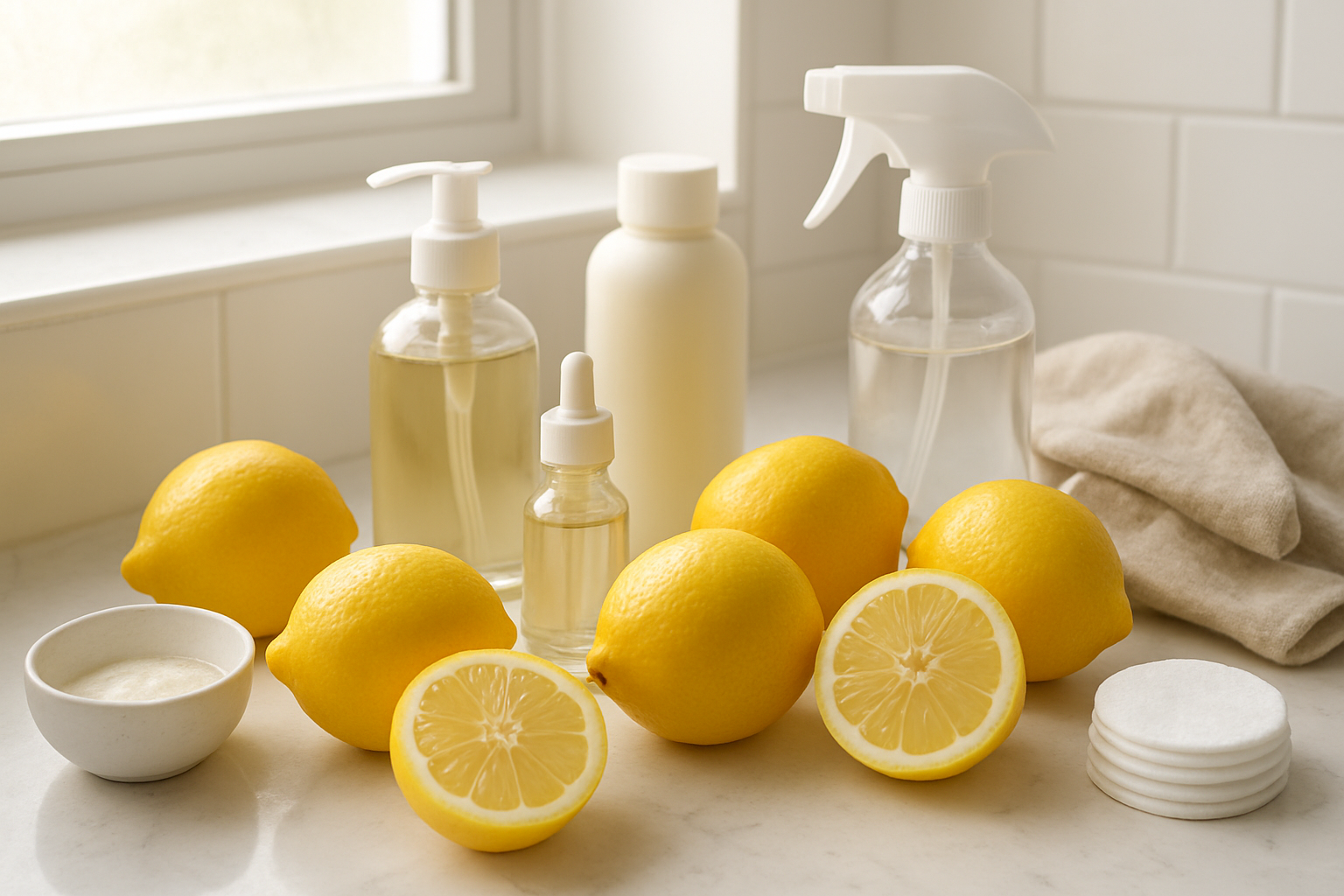
Lemons work wonders as a natural skincare powerhouse, offering gentle yet effective solutions for various skin concerns. The citric acid in lemons acts as a natural alpha hydroxy acid (AHA), helping to remove dead skin cells and reveal brighter, smoother skin underneath. Creating a simple lemon face mask by mixing fresh lemon juice with honey provides both exfoliation and hydration, perfect for dull or tired-looking skin.
The vitamin C content in lemons supports collagen production and helps fade dark spots and hyperpigmentation over time. Many people swear by rubbing a lemon wedge on stubborn areas like elbows, knees, or underarms to naturally lighten darkened skin. For those dealing with oily skin, lemon's astringent properties help control excess sebum production and minimize the appearance of pores.
A refreshing lemon toner made by diluting fresh lemon juice with equal parts water can balance skin pH and provide that coveted natural glow. The antibacterial properties also make it effective against acne-causing bacteria, though always dilute lemon juice as the acidity can be harsh on sensitive skin.
Hair care solutions for shine and scalp health
Your hair care routine gets a major upgrade with simple lemon treatments that rival expensive salon products. Lemon juice naturally removes product buildup, excess oils, and residue that can weigh hair down and make it look lifeless. A clarifying rinse using two tablespoons of fresh lemon juice mixed with a cup of water instantly restores shine and bounce to dull hair.
Dandruff and itchy scalp conditions respond well to lemon's antifungal and antimicrobial properties. Massaging diluted lemon juice directly into the scalp before shampooing helps balance the scalp's natural pH and reduces flaking. The citric acid also helps seal hair cuticles, creating that mirror-like shine you see in hair commercials.
For natural highlights, many people apply lemon juice to their hair before sun exposure. While this method works gradually and safely, it's gentler than chemical lighteners and adds subtle dimension to hair color. Combining lemon juice with coconut oil creates a nourishing treatment that adds moisture while promoting scalp health and reducing inflammation.
Eco-friendly cleaning alternatives for your home
Transform your cleaning routine with lemon's powerful yet safe cleaning properties that outperform many commercial products. The natural acidity cuts through grease, dissolves soap scum, and eliminates odors without harsh chemicals that can harm your family or the environment. A simple all-purpose cleaner made from lemon juice, white vinegar, and water tackles most household cleaning tasks effectively.
Kitchen cleaning becomes easier with lemon's degreasing power. Run lemon peels through your garbage disposal to freshen and clean the blades naturally. For stubborn stains on cutting boards or countertops, sprinkle coarse salt over the surface and scrub with half a lemon - the abrasive action combined with citric acid lifts stains and kills bacteria.
Bathroom cleaning gets a fresh twist when you use lemon to remove hard water stains, soap residue, and mildew. The natural bleaching action helps whiten grout and tile without the harsh fumes of chemical cleaners. Even tough toilet bowl stains respond to overnight lemon treatments.
| Cleaning Task | Lemon Solution | Benefits |
|---|---|---|
| All-purpose cleaner | Lemon juice + water + vinegar | Safe, effective, pleasant scent |
| Cutting board sanitizer | Salt + lemon half scrub | Antibacterial, removes odors |
| Glass cleaner | Lemon juice + newspaper | Streak-free, natural shine |
| Toilet bowl cleaner | Lemon juice overnight soak | Whitens, disinfects, deodorizes |
Your laundry also benefits from lemon's natural bleaching and freshening properties. Add half a cup of lemon juice to your white loads for natural brightening without fabric damage.
Selection and Storage Secrets for Maximum Freshness
Visual and tactile quality indicators when buying
The best lemons reveal their quality through a combination of visual cues and physical characteristics. Look for fruits with bright, vibrant yellow skin that has a slight glossy sheen. Avoid lemons with dull, matte surfaces or those showing any green patches, which indicate underripeness. The skin should feel firm and smooth to the touch, without any soft spots, bruises, or wrinkled areas that signal deterioration.
Weight serves as a reliable indicator of juice content – heavier lemons typically contain more juice than lighter ones of similar size. The skin texture should have a fine, tight grain rather than a coarse, bumpy appearance. Fresh lemons will have a fresh, citrusy aroma at the stem end, while those past their prime may smell fermented or overly sweet.
Pay attention to the stem end and blossom end of the fruit. Both areas should be firm and free from dark spots or soft indentations. A slight give when gently pressed is normal, but excessive softness indicates the fruit is beginning to deteriorate internally.
Optimal storage conditions to extend shelf life
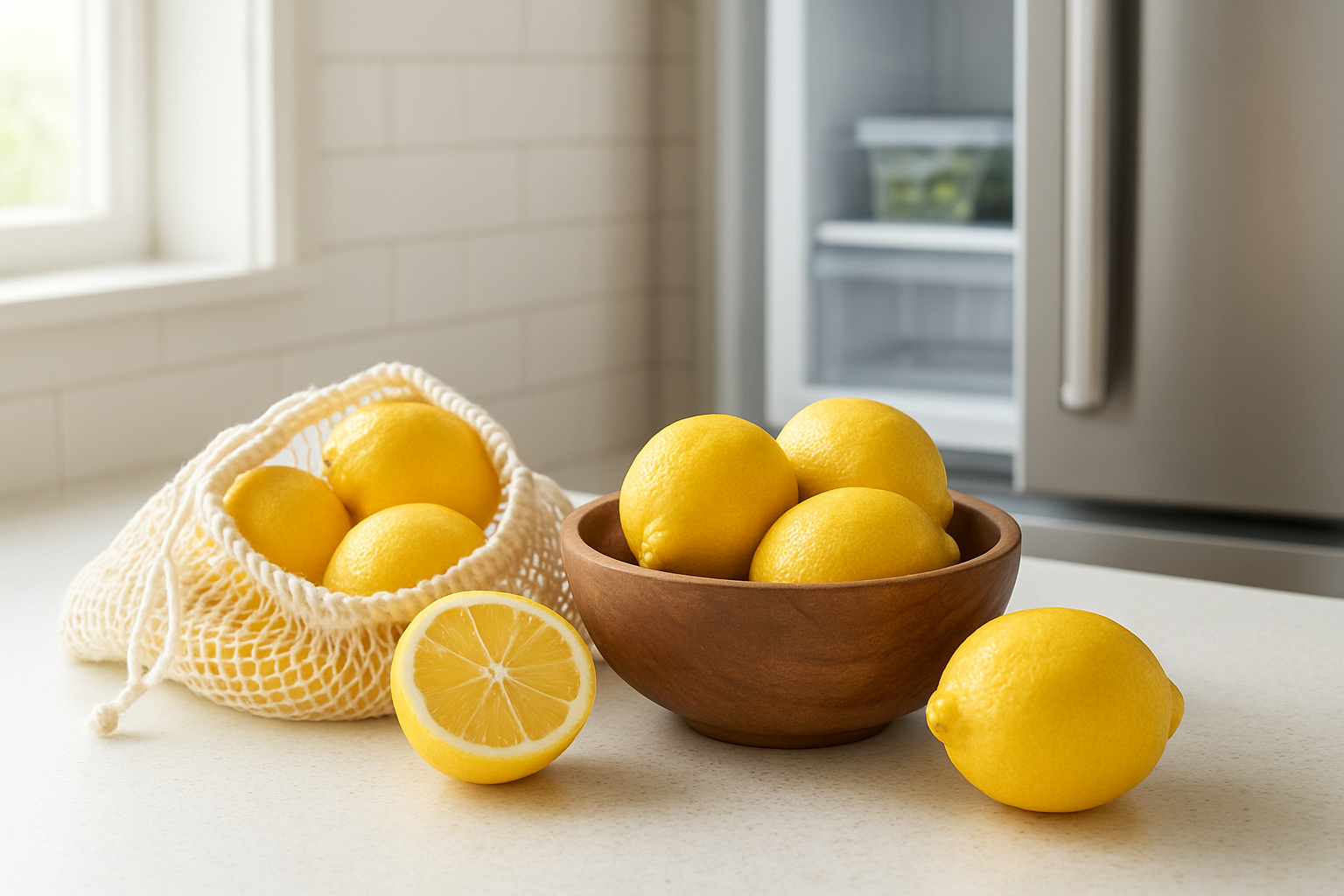
Lemon storage tips vary depending on how quickly you plan to use them. For short-term storage of up to one week, room temperature works perfectly. Keep them in a cool, dry area away from direct sunlight, ideally between 60-70°F. This temperature range allows the lemons to maintain their flavor while preventing premature spoilage.
For extended fresh lemon selection preservation, refrigeration significantly extends shelf life. Store whole lemons in the crisper drawer of your refrigerator, where they can last 3-4 weeks. The controlled humidity and consistent temperature slow down the natural aging process while maintaining the fruit's nutritional integrity.
| Storage Method | Duration | Temperature | Humidity |
|---|---|---|---|
| Counter/Pantry | 1 week | 60-70°F | Low |
| Refrigerator crisper | 3-4 weeks | 32-40°F | High |
| Freezer (whole) | 6 months | 0°F | N/A |
| Freezer (juice/zest) | 12 months | 0°F | N/A |
Once cut, lemons require different handling. Wrap cut lemons tightly in plastic wrap or store in airtight containers in the refrigerator. They'll maintain quality for 3-5 days when properly sealed to prevent moisture loss and flavor degradation.
Creative preservation methods to prevent waste
Freezing opens up multiple preservation possibilities. Whole lemons freeze beautifully and actually become easier to juice once thawed, as the freezing process breaks down cell walls. Simply place whole lemons in freezer bags and use within six months.
Zesting and juicing before storage maximizes versatility. Fresh lemon zest can be frozen in ice cube trays with small amounts of water, creating convenient flavor cubes for cooking and baking. Lemon juice freezes exceptionally well in ice cube trays, with each cube representing approximately two tablespoons – perfect for recipes and beverages.
Dehydrating lemon slices creates long-lasting garnishes and flavor enhancers. Use a food dehydrator or low-temperature oven (170°F) to create crispy lemon wheels that store in airtight containers for months. These work wonderfully in teas, cocktails, and as decorative elements.
Salt preservation offers another traditional method. Layer lemon quarters with coarse salt in sterilized jars, creating preserved lemons that develop complex, mellow flavors over several weeks. This North African technique transforms regular lemons into a sophisticated condiment that keeps for up to one year in the refrigerator.
Candying lemon peels transforms what might otherwise be waste into a delicious treat. Blanch peels in boiling water, then simmer in sugar syrup until translucent. These candied peels can be stored for months and used in baking or as confections.
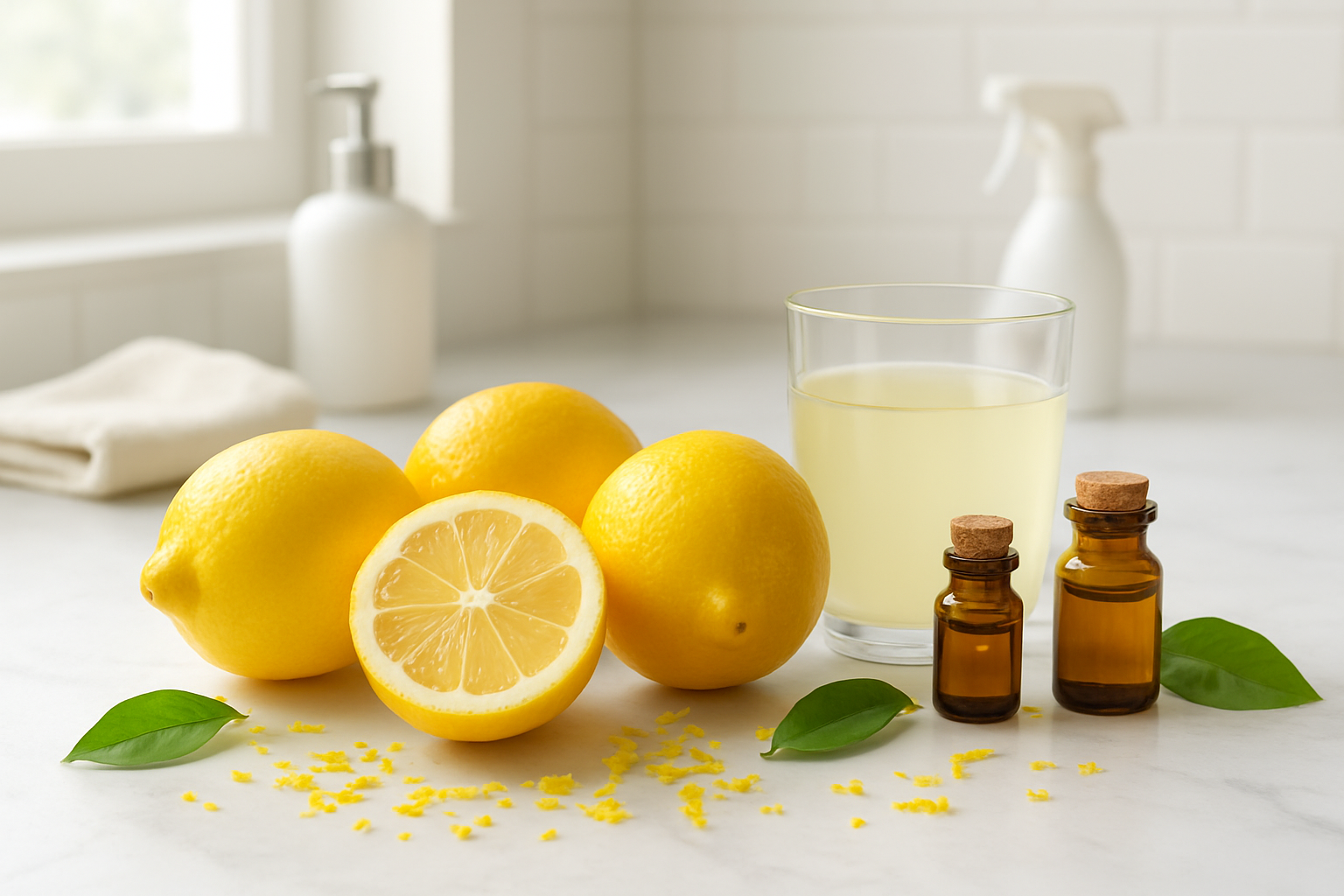
Lemons pack way more punch than most people realize. These bright yellow citrus fruits bring serious nutritional benefits to your table, loaded with vitamin C and antioxidants that boost your immune system and support overall health. From adding zest to your favorite recipes to creating natural cleaning solutions around the house, lemons prove their worth in countless ways. Their versatility extends far beyond cooking – they work wonders in homemade beauty treatments and can tackle tough cleaning jobs without harsh chemicals.
Getting the most out of lemons starts with picking the right ones and storing them properly. Look for fruits that feel heavy for their size with smooth, bright skin, and keep them fresh by storing them correctly to maximize their shelf life. Start small by adding fresh lemon juice to your water, trying new recipes, or mixing up a simple all-purpose cleaner. Once you discover how many problems this simple fruit can solve, you'll wonder how you ever lived without keeping lemons on hand.


.png)
Comments
Post a Comment