LIME- WHAT'S THE LIME FRUIT?

What's the Lime Fruit? Your Complete Guide to This Citrus Powerhouse
The lime fruit is a small, green citrus packed with flavor and nutrition that deserves a spot in every kitchen and garden. This guide is perfect for home cooks wanting to expand their culinary horizons, health enthusiasts curious about natural wellness options, and gardeners considering adding citrus fruits to their growing space.
You'll discover the major lime varieties that matter most, from the common Persian lime to the distinctive Key lime and how they differ in taste and use. We'll also break down the impressive lime nutrition benefits that make this tiny fruit a nutritional heavyweight, plus practical tips for growing lime trees if you want to harvest your own.
Get ready to transform how you think about this versatile citrus – from zesting up your favorite recipes to boosting your daily vitamin intake naturally.
Understanding Lime: The Citrus Powerhouse
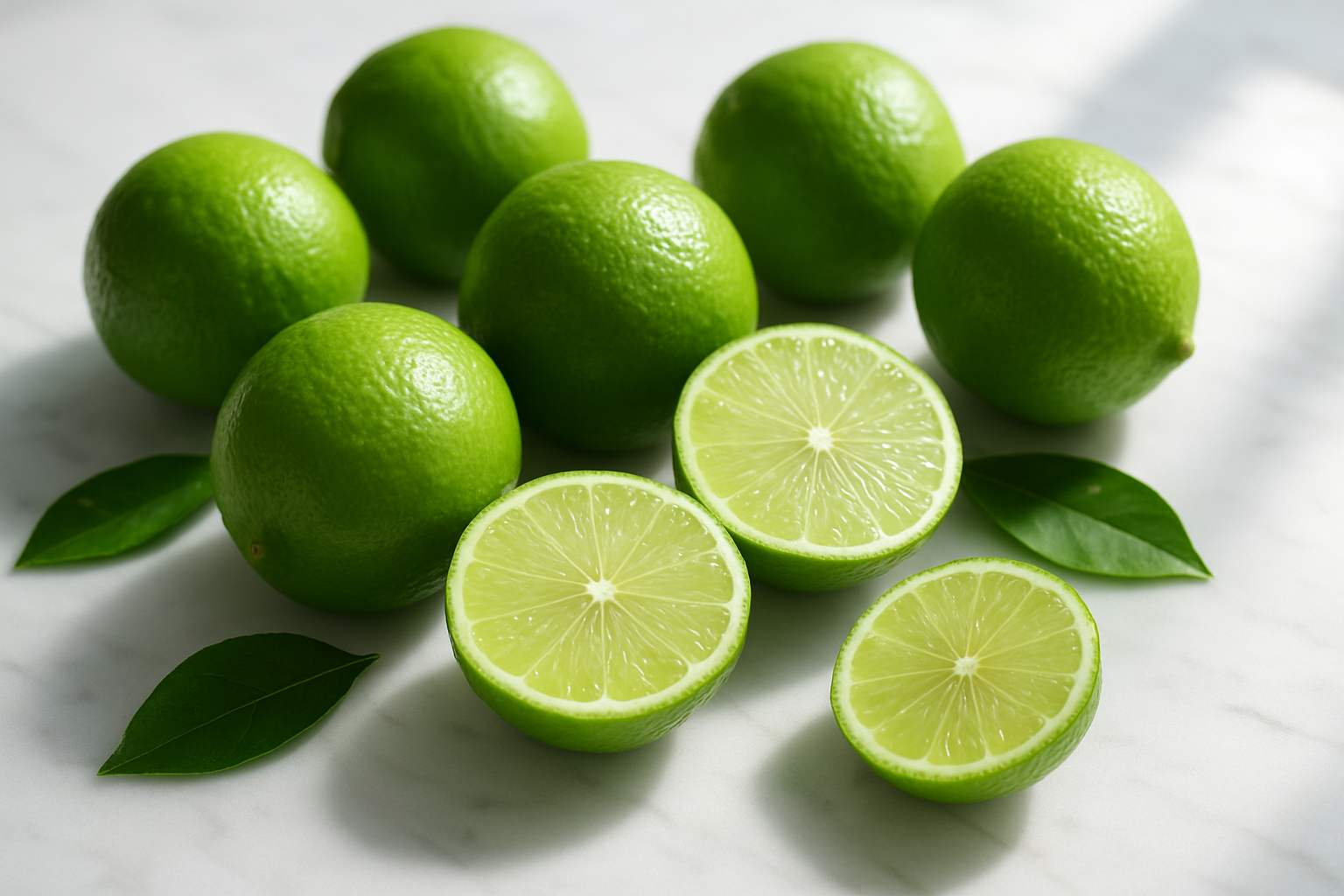
Botanical Classification and Scientific Naming
The lime fruit belongs to the genus Citrus within the Rutaceae family, sharing its lineage with other beloved citrus fruits like oranges, lemons, and grapefruits. The most common lime varieties carry distinct scientific names: the Persian lime goes by Citrus × latifolia, while the Key lime is known as Citrus × aurantiifolia. These scientific designations reveal something interesting - the "×" symbol indicates these are hybrid species, meaning they developed through natural crossbreeding of different citrus varieties over centuries.
Most commercial limes trace their ancestry back to complex hybridization between citrons, pomelos, and mandarins. This genetic mixing created the diverse lime varieties we enjoy today, each carrying unique characteristics from their parent plants. The botanical classification helps us understand why limes share certain traits with other citrus fruits while maintaining their distinctive qualities.
Physical Characteristics That Define Lime Fruit
What is lime becomes clear when you examine its distinctive physical features. Lime fruit typically measures 1-2 inches in diameter, smaller than most lemons and oranges. The skin ranges from bright green to yellowish-green, with a thin, smooth exterior that's often more delicate than other citrus rinds. When you cut into a lime, you'll find 6-10 segments filled with extremely acidic juice vesicles.
The flesh appears pale green to translucent, packed with small oil glands that release that unmistakable lime fragrance. Fresh limes feel firm and heavy for their size, indicating high juice content. The skin contains numerous oil glands visible as tiny dots, which house the essential oils responsible for lime's intense aroma and flavor.
Key physical markers include:
-
Round to oval shape with slightly pointed ends
-
Smooth, thin skin with fine-textured surface
-
Dense, juicy pulp with minimal white pith
-
Seeds vary by variety (Key limes have many, Persian limes often have few or none)
Key Differences Between Lime and Other Citrus Fruits
Lime varieties stand apart from their citrus cousins through several distinctive characteristics. While lemons and limes share high acidity levels, limes typically contain more citric acid, making them more intensely sour. The pH level of lime juice usually falls between 2.0-2.8, compared to lemons at 2.2-2.6, giving limes that sharp, almost bitter edge.
Color provides another clear distinction. Limes maintain their green appearance when ripe, unlike lemons which turn bright yellow. This green color comes from chlorophyll that doesn't break down during ripening, a unique trait among citrus fruits.
| Feature | Lime | Lemon | Orange | Grapefruit |
|---|---|---|---|---|
| Typical Color | Green | Yellow | Orange | Pink/Yellow |
| Size | 1-2 inches | 2-3 inches | 3-4 inches | 4-6 inches |
| Acidity Level | Very High | High | Moderate | Low-Moderate |
| Sugar Content | Low | Low | High | Moderate |
| Skin Thickness | Thin | Medium | Thick | Thick |
The flavor profile also sets limes apart. While oranges offer sweetness and grapefruits balance sweet with bitter, limes deliver pure tartness with minimal sugar content. This makes them perfect for culinary applications where you want acidic punch without added sweetness. The essential oils in lime peel create a more intense, almost floral aroma compared to the bright, clean scent of lemons.
Major Lime Varieties You Should Know
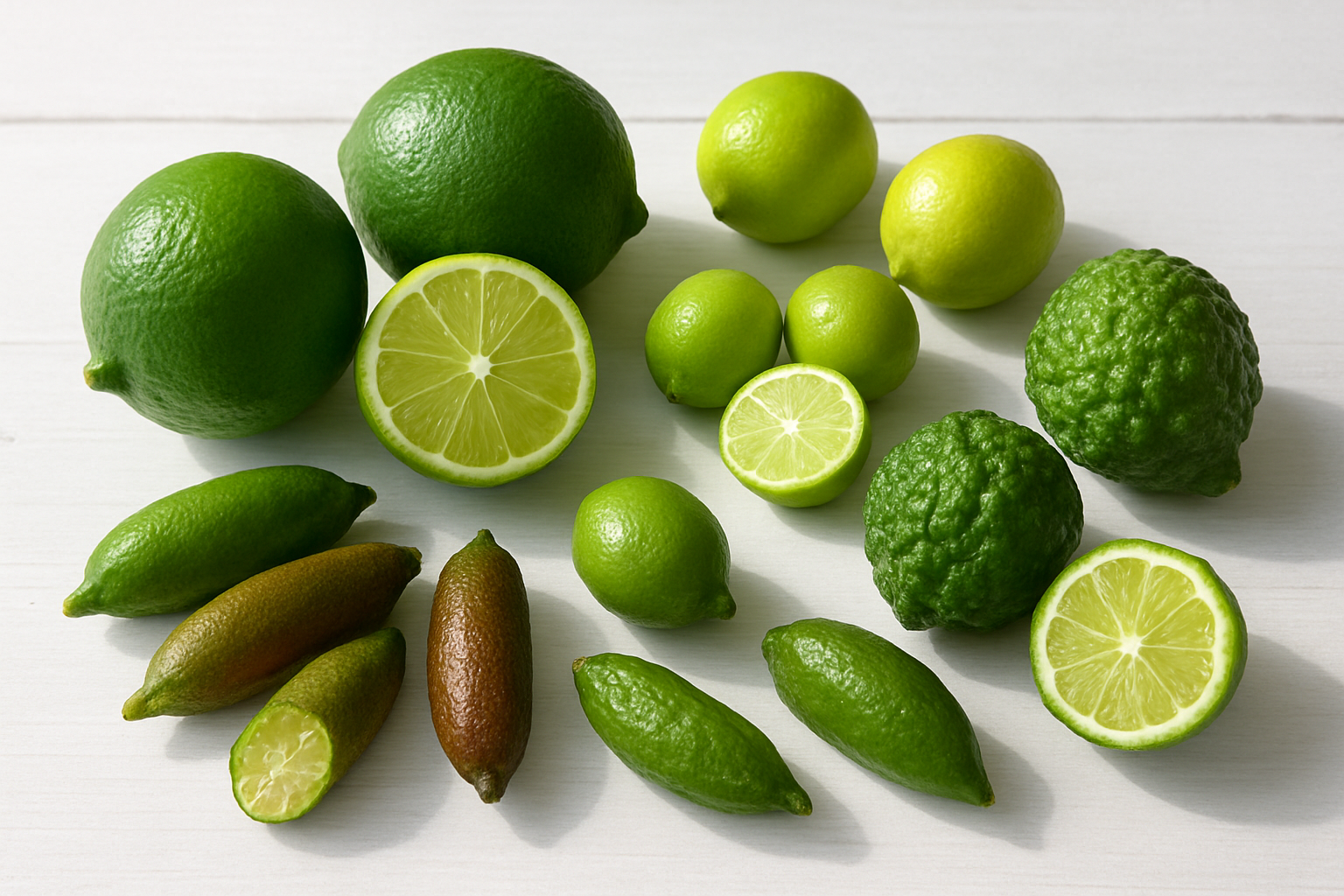
Persian lime: The supermarket staple
When you grab a lime from your local grocery store, chances are you're picking up a Persian lime. These bright green citrus fruits dominate the commercial lime market across North America and Europe. Persian limes are seedless, larger than their Key lime cousins, and pack a tangy punch that makes them perfect for cocktails, cooking, and garnishing.
What sets Persian limes apart is their thick skin and generous juice content. They typically measure 2-3 inches in diameter and maintain their vibrant green color even when fully ripe. The flesh inside delivers a sharp, acidic flavor with subtle floral notes. Unlike other lime varieties, Persian limes can handle longer storage periods and ship well without losing their quality, which explains their grocery store popularity.
These limes originated from a cross between Key limes and lemons, giving them their distinctive characteristics. They're less acidic than Key limes but still provide that essential citrus kick for marinades, salad dressings, and beverages.
Key lime: Small but mighty flavor
Key limes pack incredible flavor into their tiny 1-inch frames. Native to Southeast Asia but famously associated with the Florida Keys, these small, round citrus fruits deliver an intensely aromatic and tart taste that's absolutely essential for authentic Key lime pie.
The flavor profile of Key limes is distinctly different from Persian varieties. They offer a more complex, floral tartness with subtle bitter undertones that create depth in culinary applications. When fully ripe, Key limes turn yellow, though many people harvest them while still green for maximum acidity.
Key limes are significantly more fragile than Persian limes, with thin skins that make them challenging to transport and store. This fragility, combined with their smaller size, makes them more expensive and less common in regular supermarkets. However, their unique flavor makes them irreplaceable in certain recipes.
These lime varieties are also known as Mexican limes or West Indian limes. They're more cold-sensitive than Persian limes and require warm climates to thrive, which limits their growing regions.
Kaffir lime: Aromatic leaves and bumpy fruit
Kaffir limes stand out immediately due to their distinctively bumpy, warty skin texture. The fruit itself is small and intensely sour, but the real treasure lies in the glossy, dark green leaves that grow in a unique double-leaf formation.
The leaves are the star ingredient here, delivering an intense citrusy fragrance with complex notes of lemongrass and bergamot. Thai, Indonesian, and other Southeast Asian cuisines rely heavily on Kaffir lime leaves for curries, soups, and stir-fries. The leaves can be used fresh, dried, or frozen, though fresh leaves provide the most potent flavor.
The fruit's zest is occasionally used in cooking, but the juice is rarely utilized due to its extreme sourness and bitter aftertaste. The bumpy exterior contains essential oils that contribute to the plant's incredible aromatic properties.
Growing Kaffir lime trees requires warm, humid conditions similar to their native Southeast Asian environment. The trees are often grown as ornamental plants in temperate climates, prized for their fragrant leaves and unique appearance.
Sweet lime: The mild-flavored cousin
Sweet limes offer a completely different citrus experience compared to their tart relatives. These pale green to yellowish fruits contain minimal acidity, making them sweet enough to eat fresh like oranges. Popular in India, Pakistan, and parts of the Mediterranean, sweet limes provide a refreshing alternative for those who find regular limes too sour.
The flavor is subtle and sweet with just a hint of citrus tang. The juice is often consumed as a refreshing drink, especially in hot climates where the mild taste and high water content provide natural cooling relief. Sweet limes are also called Palestine sweet limes or Indian sweet limes, depending on the specific variety.
These lime varieties are excellent for fresh eating, juicing, or adding to fruit salads where you want citrus flavor without overwhelming acidity. They're also popular in traditional medicine practices in various cultures, though they're less common in Western markets.
Sweet lime trees are generally hardier than other lime varieties and can tolerate slightly cooler temperatures. The fruit stores well and travels better than Key limes, though they're still not as robust as Persian limes for commercial shipping.
Nutritional Benefits That Make Limes Essential

Vitamin C Content and Immune System Support
The lime fruit packs an impressive vitamin C punch, delivering approximately 29 milligrams per 100 grams of fresh fruit. This citrus powerhouse provides about 32% of your daily vitamin C needs in just one medium-sized lime. Your immune system depends heavily on this essential nutrient to produce white blood cells and maintain the protective barriers that keep harmful pathogens at bay.
Regular lime consumption helps your body absorb iron more effectively, which supports healthy blood formation and oxygen transport. The vitamin C in limes also plays a crucial role in collagen synthesis, keeping your skin healthy and promoting faster wound healing. During cold and flu season, adding lime juice to your water or meals can give your immune defenses the extra support they need.
Antioxidants That Fight Free Radicals
Beyond vitamin C, limes contain powerful antioxidant compounds including flavonoids like hesperidin, naringin, and limonene. These natural compounds work together to neutralize harmful free radicals that can damage your cells and contribute to aging and chronic diseases.
The citrus flavonoids in lime nutrition benefits extend to cardiovascular protection, helping reduce inflammation in blood vessels and supporting healthy cholesterol levels. Limonene, found primarily in the lime peel, shows promising anti-cancer properties and supports liver detoxification processes. The combination of these antioxidants creates a synergistic effect that's more powerful than any single compound working alone.
Low Calorie Profile for Weight Management
Each medium lime contains only about 20 calories, making it an excellent choice for anyone watching their weight. The high water content (88%) and natural fiber help you feel satisfied without adding significant calories to your daily intake. The natural acids in limes can also help boost your metabolism slightly and support healthy digestion.
Lime water has become a popular weight management tool because it adds flavor without artificial sweeteners or empty calories. The pectin fiber in whole limes helps regulate blood sugar levels and can reduce cravings for high-calorie snacks throughout the day.
Essential Minerals for Optimal Health
Limes provide several important minerals that support various bodily functions. Potassium helps regulate blood pressure and supports heart health, while small amounts of calcium contribute to bone strength. The folate content supports healthy cell division and is particularly important for pregnant women.
| Mineral | Amount per 100g | Health Benefit |
|---|---|---|
| Potassium | 102mg | Heart health, blood pressure regulation |
| Calcium | 33mg | Bone and teeth strength |
| Magnesium | 6mg | Muscle and nerve function |
| Iron | 0.6mg | Oxygen transport |
The magnesium in limes supports over 300 enzymatic reactions in your body, including energy production and protein synthesis. While the amounts may seem small, regular consumption of lime fruit as part of a balanced diet contributes meaningfully to your overall mineral intake.
Growing and Harvesting Lime Trees Successfully

Ideal climate conditions for lime cultivation
Growing lime trees successfully starts with understanding their love for warm, tropical to subtropical climates. These citrus powerhouses thrive in temperatures between 70-85°F (21-29°C) year-round. Lime trees can't tolerate frost - even a light freeze can damage or kill them, making them unsuitable for regions with harsh winters.
Lime trees need plenty of sunshine, requiring at least 6-8 hours of direct sunlight daily for optimal fruit production. High humidity levels between 50-70% create the perfect environment, though good air circulation prevents fungal diseases that can plague citrus fruits in overly humid conditions.
Areas with consistent rainfall of 30-40 inches annually work best, but lime trees also adapt well to irrigation systems. The key is consistent moisture without waterlogging. Coastal regions often provide ideal conditions due to their moderate temperatures and natural humidity.
| Climate Factor | Optimal Range |
|---|---|
| Temperature | 70-85°F (21-29°C) |
| Sunlight | 6-8 hours daily |
| Humidity | 50-70% |
| Annual Rainfall | 30-40 inches |
Soil requirements and planting techniques
Lime trees demand well-draining soil above all else. Poor drainage kills more lime trees than almost any other factor. The ideal soil pH ranges from 6.0 to 7.5 - slightly acidic to neutral. Sandy loam soil works perfectly, allowing roots to breathe while retaining enough moisture and nutrients.
Before planting, test your soil and amend it with organic compost to improve drainage and fertility. Dig holes twice as wide as the root ball but only as deep - lime trees prefer shallow planting. The graft union should sit 2-3 inches above the soil line to prevent root rot.
Space lime trees 12-25 feet apart depending on the variety. Persian lime trees need more room than Key lime varieties. Plant during spring after the last frost when soil temperatures warm up. Water deeply but infrequently to encourage deep root growth.
Essential planting steps:
-
Choose a sunny, wind-protected location
-
Prepare soil with organic matter
-
Plant at proper depth with graft union exposed
-
Water thoroughly after planting
-
Mulch around the base, keeping mulch away from the trunk
Seasonal harvesting for peak freshness
Lime fruit harvesting requires perfect timing for the best flavor and nutritional benefits. Unlike other citrus fruits, limes are typically picked while still green and slightly immature. The fruit develops peak acidity and essential oils before full ripeness.
Most lime varieties produce fruit year-round in ideal climates, with peak seasons varying by type. Persian lime trees typically peak from May through October, while Key lime varieties often produce their heaviest crops from June through September.
Harvest limes when they reach full size but remain firm and bright green. The fruit should give slightly to gentle pressure - too hard means underripe, while too soft indicates overripeness. Color alone isn't always reliable since some limes turn yellowish when fully ripe but lose their characteristic tartness.
Signs of perfect lime harvesting time:
-
Full size for the variety (usually 1-2 inches diameter)
-
Bright green color with slight glossy sheen
-
Firm but yields to gentle pressure
-
Strong citrus aroma when scratched
-
Easy separation from the branch with a gentle twist
Store freshly harvested limes at room temperature for immediate use or refrigerate for extended freshness lasting up to 4 weeks. Proper harvesting timing ensures maximum lime nutrition benefits and optimal culinary performance in your favorite recipes.
Culinary Uses That Transform Your Cooking

Fresh juice applications in beverages and cocktails
The tartness of lime fruit makes it an absolute game-changer in the world of beverages. Fresh lime juice brings that perfect balance of acidity that cuts through sweetness and elevates every drink it touches. Classic cocktails like mojitos, margaritas, and caipirinhas simply wouldn't exist without this citrus powerhouse.
When making beverages at home, always juice your limes right before serving. The bright, punchy flavor starts fading within hours of extraction. For maximum juice yield, roll the lime on a hard surface while pressing down firmly, or microwave it for 10-15 seconds before cutting.
Beyond alcoholic drinks, lime juice transforms everyday beverages. A splash in sparkling water creates an instant spa-like refresher, while adding it to iced tea provides a restaurant-quality twist. The key is understanding lime's acidity level - start with small amounts and build up to your preferred tartness.
Zest utilization for enhanced flavor profiles
Lime zest contains concentrated oils that pack an aromatic punch far beyond what the juice alone can deliver. This outer green layer holds compounds that add complexity and depth to both sweet and savory dishes.
When zesting, use only the colorful outer layer - the white pith underneath tastes bitter and should be avoided. A microplane grater works best for creating fine, fluffy zest that distributes evenly throughout recipes.
Fresh lime zest elevates baked goods like cookies, cakes, and muffins with bright citrus notes. It also works wonders in marinades, where the oils help tenderize proteins while infusing flavor. Try mixing lime zest with salt and herbs to create custom seasoning blends that transform grilled vegetables or seafood.
The zest keeps its potency longer than juice, but it's still best used fresh. If you need to store it, freeze the zest in small portions for up to three months.
Whole lime cooking techniques and preservation methods
Cooking with whole limes opens up entirely new flavor dimensions. Roasting or grilling whole limes caramelizes their sugars while mellowing the acidity, creating a sweet-tart complexity that's perfect for squeezing over grilled meats or vegetables.
For roasted limes, cut them in half and place cut-side down on a hot pan or grill for 3-4 minutes until the edges brown slightly. This technique concentrates the flavors and makes the juice easier to extract.
Preserved limes, popular in Middle Eastern and North African cuisines, involve curing whole limes in salt for several weeks. This process transforms the fruit into an intensely flavored condiment where even the rind becomes edible and adds umami depth to tagines, stews, and rice dishes.
Quick-pickled lime wheels make excellent garnishes and can be prepared in just 30 minutes using equal parts water and vinegar with a tablespoon of sugar and salt. These tangy additions work beautifully in tacos, grain bowls, and cheese platters.
International cuisines featuring lime prominently
Lime fruit plays starring roles across multiple culinary traditions, each showcasing different aspects of its versatility. Mexican cuisine relies heavily on lime's brightness to balance rich, spicy flavors. From street tacos topped with fresh lime juice to pozole soup finished with lime wedges, this citrus cuts through heat and richness.
Thai cooking demonstrates lime's ability to create harmony in complex flavor profiles. Tom yum soup gets its characteristic tang from lime juice, while lime leaves add aromatic depth to curries and stir-fries. The combination of lime juice with fish sauce, chilies, and palm sugar creates the perfect sweet-sour-salty-spicy balance that defines Thai cuisine.
Indian chutneys often feature lime as a primary ingredient, mixed with mint, cilantro, and green chilies to create cooling accompaniments for spicy dishes. Brazilian caipirinha showcases how lime pairs beautifully with sugarcane-based spirits, while Peruvian ceviche relies on lime's acidity to "cook" raw fish through chemical reactions.
Vietnamese pho gets its final flavor boost from lime wedges squeezed directly into the broth, while Middle Eastern cuisine uses preserved limes to add depth to slow-cooked lamb and chicken dishes. Each culture has discovered unique ways to harness lime's transformative power in their traditional recipes.
Health Applications Beyond Basic Nutrition
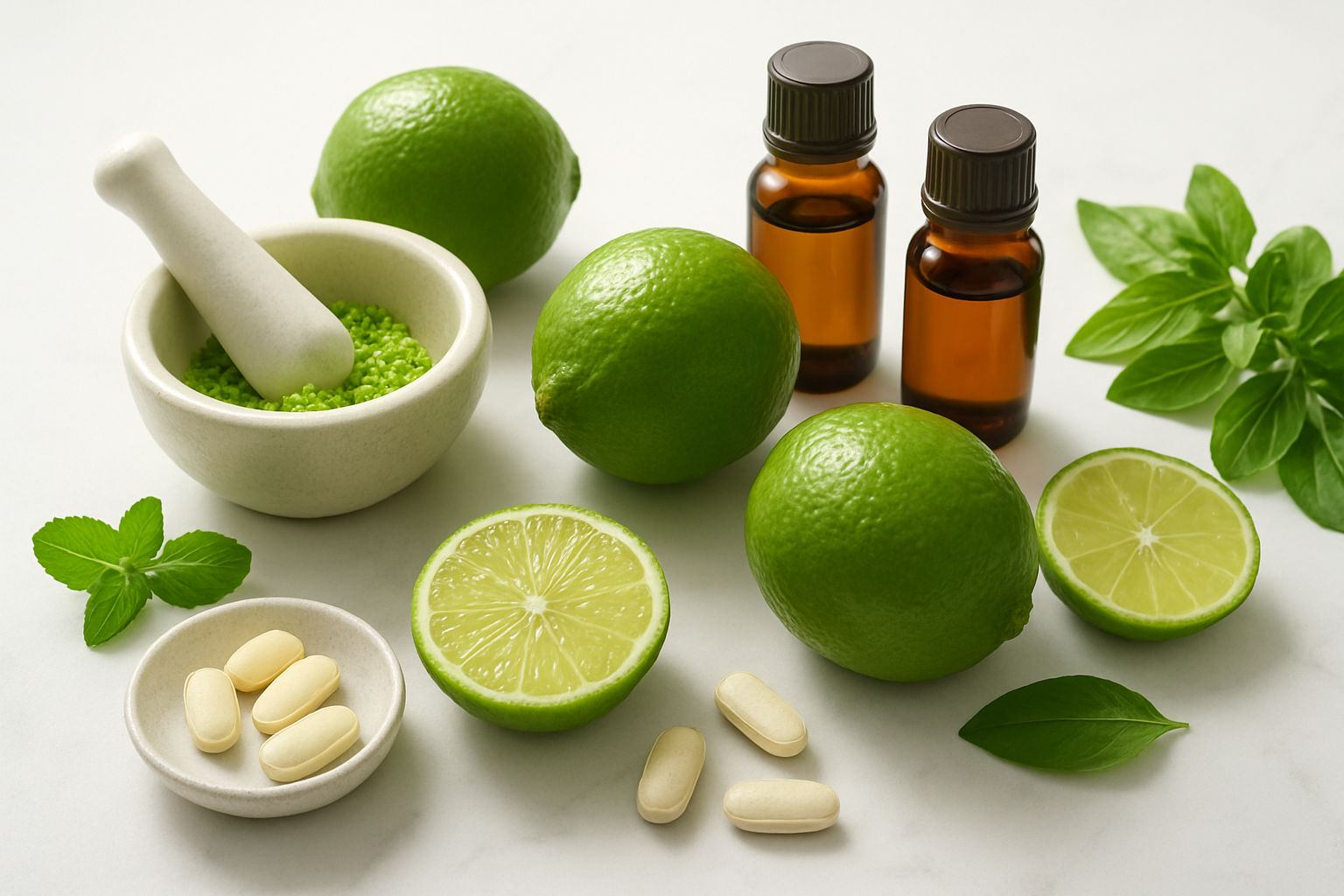
Digestive health benefits and natural remedies
The lime fruit delivers impressive digestive support that goes well beyond basic vitamin C. Lime juice stimulates the production of digestive enzymes, helping your body break down food more efficiently. The citric acid in limes activates saliva production and gastric juices, making it easier for your stomach to process meals.
Many people find relief from bloating and indigestion by adding fresh lime juice to warm water before meals. This simple remedy can reduce gas formation and improve overall stomach comfort. The pectin fiber in lime pulp acts as a natural prebiotic, feeding beneficial gut bacteria that support healthy digestion.
For those dealing with nausea or morning sickness, the aromatic oils in lime peel provide gentle relief. Simply inhaling the scent of fresh lime or sipping lime-infused water can calm an upset stomach. The natural acids also help balance stomach pH levels, which can reduce heartburn symptoms.
Skin care applications using lime juice
Fresh lime juice has earned its place in natural skincare routines thanks to its powerful combination of vitamin C, citric acid, and antioxidants. The citric acid acts as a gentle exfoliant, removing dead skin cells and revealing brighter, smoother skin underneath.
When diluted properly, lime juice can help reduce the appearance of dark spots and acne scars. The vitamin C content boosts collagen production, which helps maintain skin elasticity and reduces fine lines. Many people use diluted lime juice as a natural toner to tighten pores and control excess oil production.
Key lime skincare applications:
-
Natural bleaching agent for age spots
-
Acne treatment due to antibacterial properties
-
Oil control for combination skin types
-
Gentle exfoliation for smoother texture
Always dilute lime juice with water or mix it with honey to prevent skin irritation. Apply sunscreen after using lime juice topically, as citrus acids can increase sun sensitivity.
Natural detoxification properties
Limes support your body's natural detox processes through multiple pathways. The high vitamin C content acts as a powerful antioxidant, neutralizing harmful free radicals that can damage cells. This antioxidant activity helps reduce oxidative stress and supports liver function.
The flavonoids in limes, particularly limonene found in the peel, help the liver process toxins more effectively. These compounds activate detoxifying enzymes that break down harmful substances and prepare them for elimination from the body.
Starting your day with lime water can kickstart your metabolism and support kidney function. The citric acid helps prevent kidney stone formation by increasing urine volume and pH levels. This natural diuretic effect helps flush toxins through the urinary system.
Lime's alkalizing effect on the body, despite its acidic taste, helps balance pH levels and create an environment where beneficial bacteria thrive. This internal balance supports overall detoxification and can improve energy levels throughout the day.
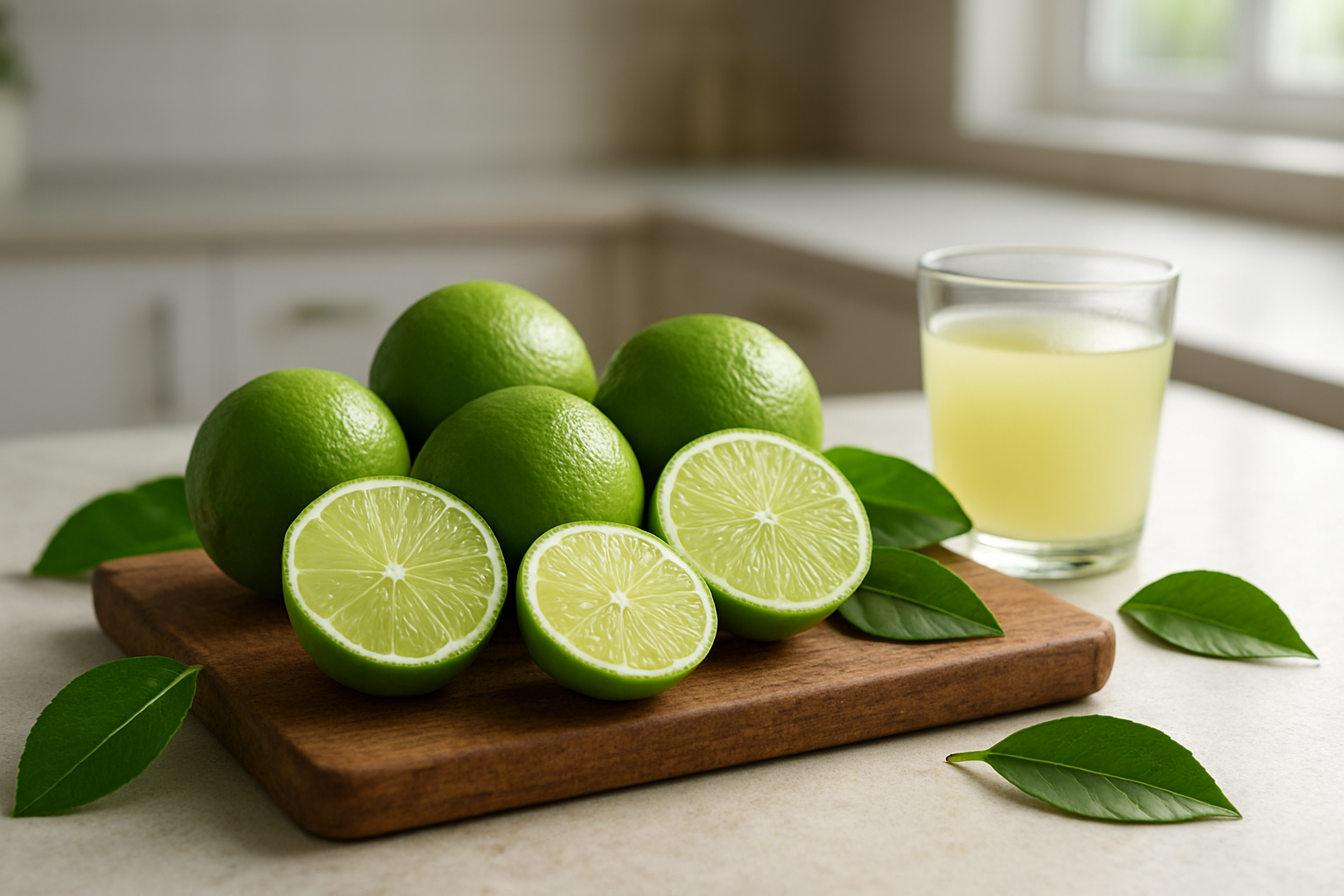
Limes pack a serious punch when it comes to flavor, nutrition, and versatility. From the tangy Persian limes you grab at the grocery store to the aromatic Key limes perfect for desserts, these little green powerhouses deliver vitamin C, antioxidants, and essential oils that boost your health in multiple ways. Growing your own lime tree can be rewarding if you've got the right climate and care routine, giving you fresh fruit year-round.
Don't let limes sit in your fruit bowl just for show. Start experimenting with them in your kitchen - squeeze fresh lime juice over grilled fish, muddle them in cocktails, or zest the peel into your marinades for an instant flavor upgrade. Your taste buds and your body will thank you for making this citrus superstar a regular part of your cooking routine.


.png)
Comments
Post a Comment