LONGAN - WHAT'S THE LONGAN FRUIT?
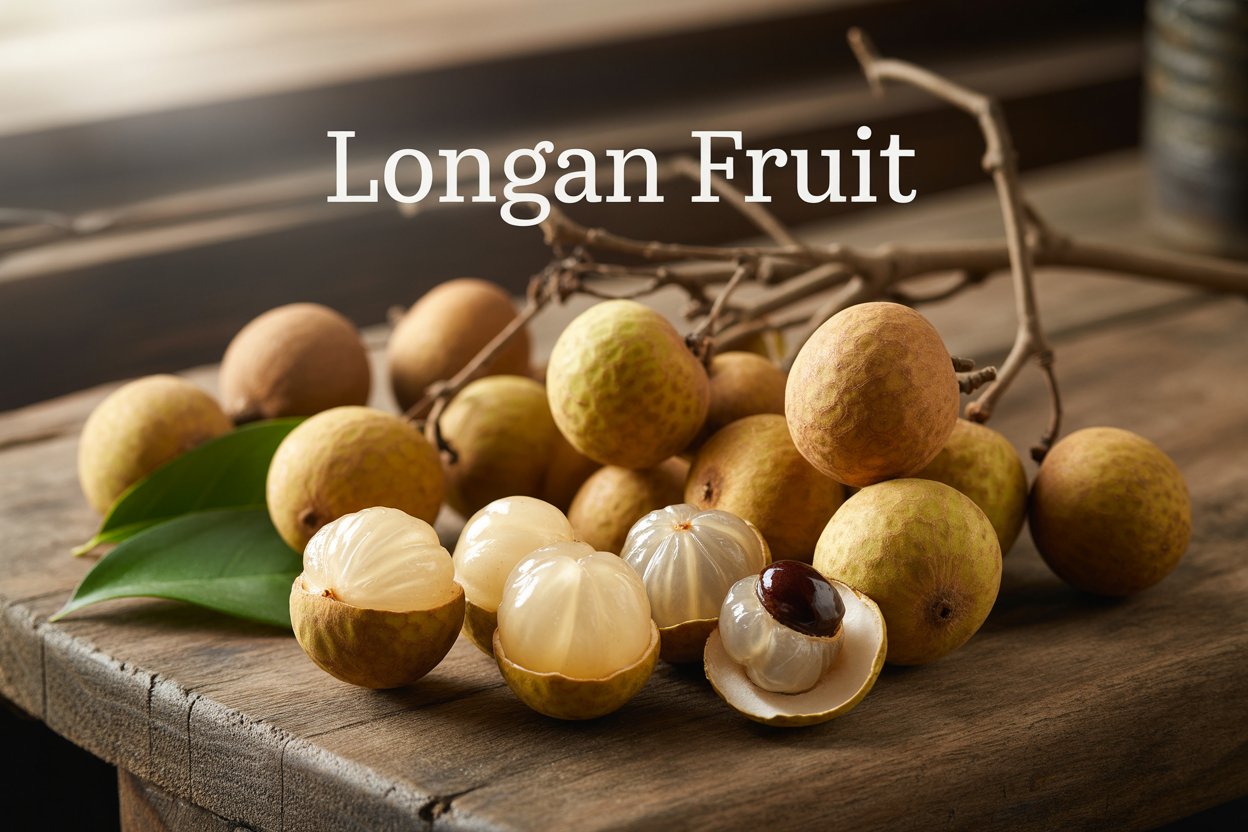
Have you ever spotted those small, brownish orbs at the grocery store and wondered what is longan? This exotic fruit longan might look unassuming on the outside, but it's packed with surprising sweetness and incredible health benefits that make it a true hidden gem in the produce aisle.
This guide is perfect for curious food lovers, health-conscious eaters, and anyone ready to expand their fruit horizons beyond the usual apples and bananas. We'll walk you through everything you need to know about this delicious Asian fruit.
You'll discover longan's fascinating origins and unique characteristics that set it apart from similar fruits. We'll also dive into the impressive longan nutrition profile and longan health benefits that make this little fruit a nutritional powerhouse. Finally, you'll learn practical tips for selecting the best fresh longan fruit and creative ways to enjoy it in your kitchen.
Discover the Exotic Longan Fruit and Its Origins
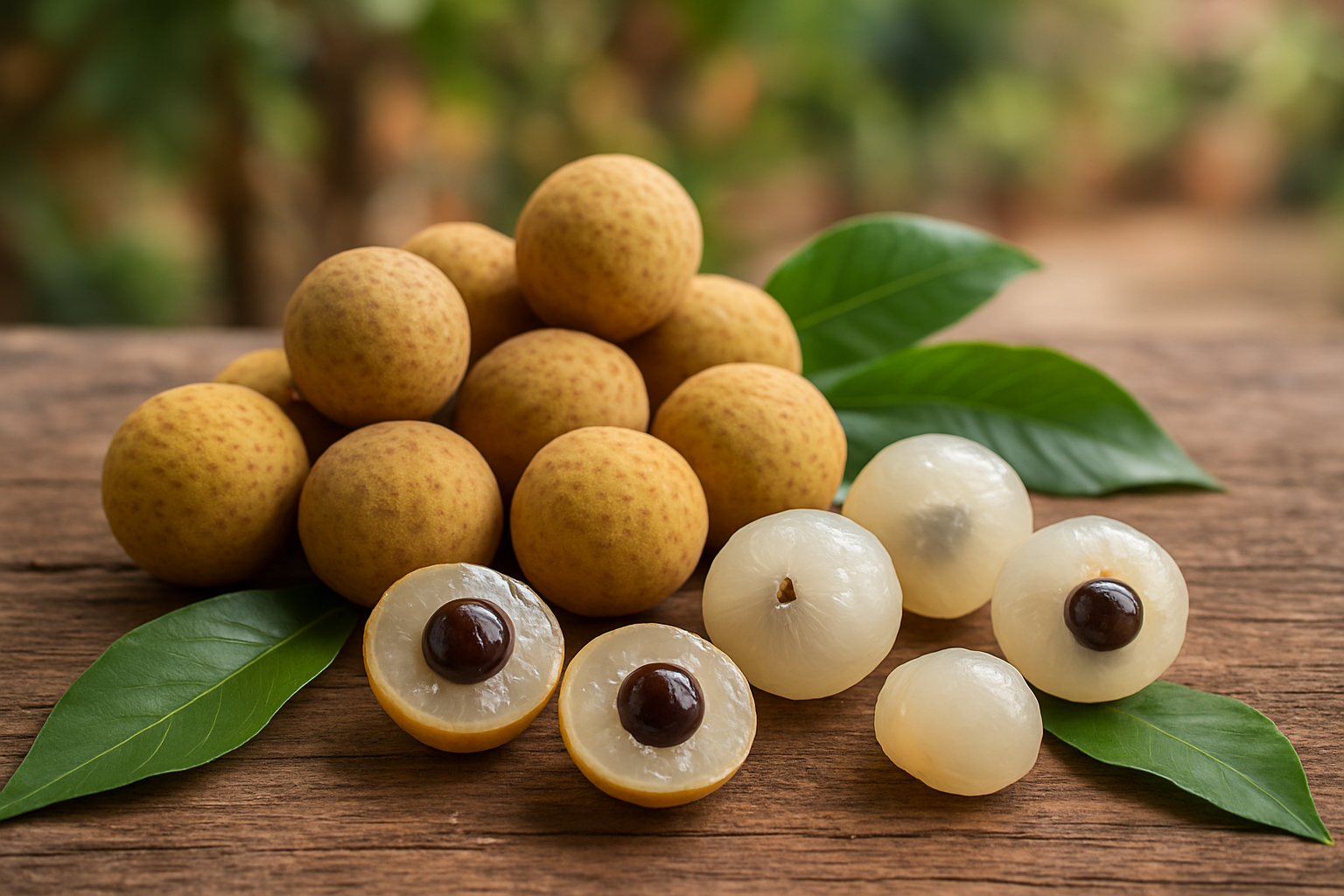
Uncover the tropical Southeast Asian heritage of longan
Longan fruit traces its roots back thousands of years to the lush tropical regions of Southeast Asia, particularly southern China, Thailand, and Vietnam. Wild longan trees have flourished in these humid, mountainous areas since ancient times, where local communities first discovered this sweet treasure growing in dense forest canopies.
Chinese historical records dating back over 2,000 years mention longan as a prized delicacy among emperors and nobles. The fruit originally grew wild in Guangdong and Fujian provinces, where it adapted perfectly to the warm, wet climate. Thai and Vietnamese cultures also cultivated longan for centuries, incorporating it into traditional medicine and ceremonial foods.
The exotic fruit longan belongs to the Sapindaceae family, sharing ancestry with lychee and rambutan. These closely related fruits all originated in similar tropical Southeast Asian environments, which explains their comparable appearance and growing requirements. Ancient trade routes helped spread longan cultivation throughout the region, with each country developing unique varieties adapted to local conditions.
Traditional cultivation methods passed down through generations involved carefully selecting the sweetest wild fruits and propagating them through grafting techniques. This selective breeding process over centuries created the distinctly flavored longan varieties we enjoy today, each carrying the genetic heritage of its Southeast Asian origins.
Learn why longan is called the "dragon's eye" fruit
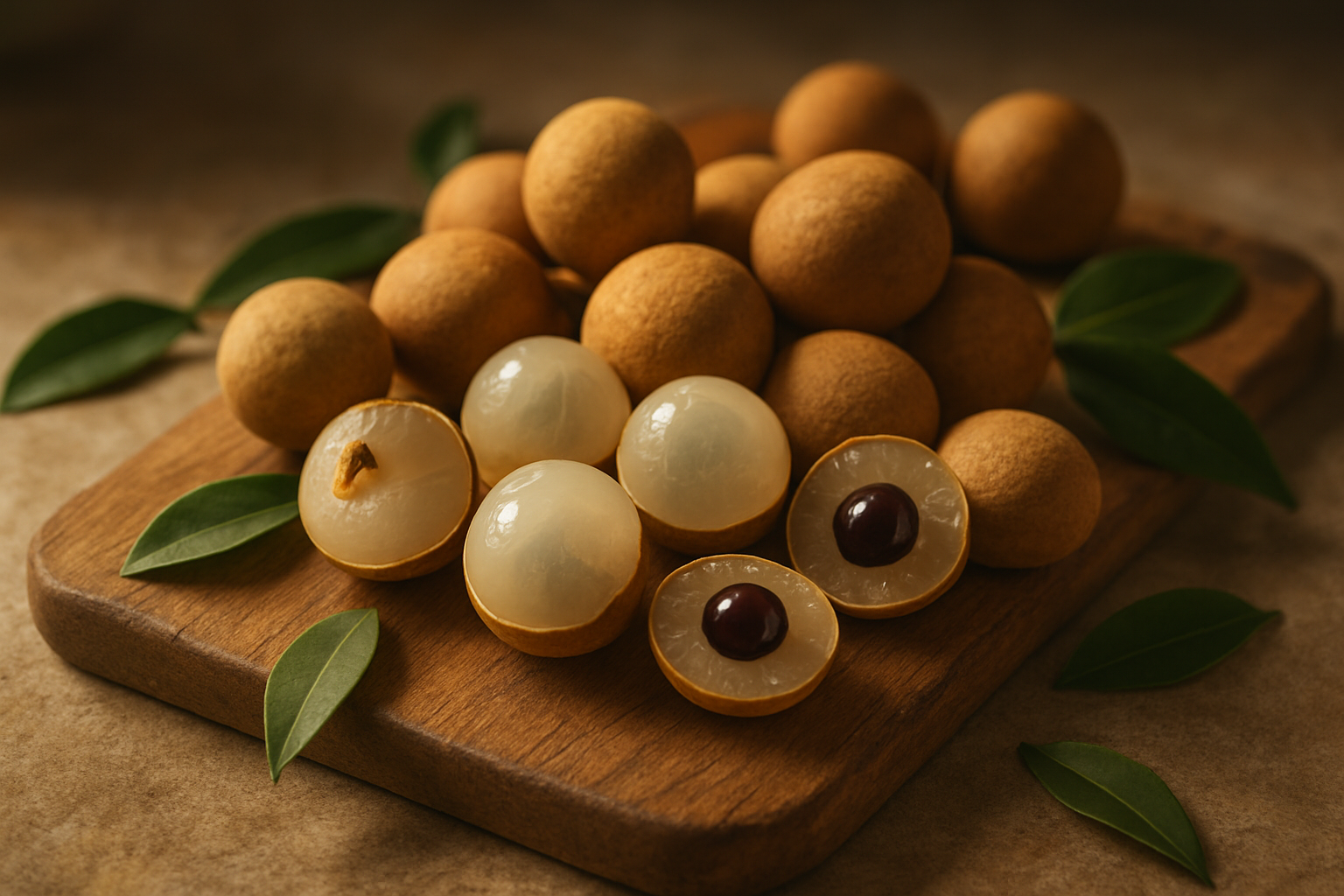
The name "longan" literally translates to "dragon's eye" in Chinese (龙眼), and one look at the peeled fruit reveals exactly why this poetic name stuck. When you remove the thin, tan-colored shell, the translucent white flesh surrounds a large, dark seed that creates an uncanny resemblance to an eyeball - specifically, the mystical eye of a dragon from Chinese folklore.
This striking visual similarity isn't just coincidental marketing. The contrast between the pearly white, jelly-like flesh and the glossy black seed creates such a perfect eye-like appearance that ancient Chinese cultures saw it as a magical fruit. Dragons held powerful significance in Chinese mythology as symbols of strength, wisdom, and good fortune, making this comparison both visually accurate and culturally meaningful.
What is longan becomes clearer when you understand this naming tradition reflects the fruit's revered status in Asian cultures. The "dragon's eye" moniker appears in various Asian languages with similar meanings - "mata kucing" (cat's eye) in Malay and "nhãn" (eye) in Vietnamese. Each culture recognized the same striking resemblance that made this fruit memorable and special.
The name also hints at longan's traditional reputation for improving eyesight and mental clarity in traditional Chinese medicine. Ancient healers believed eating dragon's eye fruit could enhance vision and cognitive function, connecting the visual metaphor with supposed health benefits.
Explore how longan spread across global markets
Longan fruit began its global journey during the 19th century when Chinese immigrants brought seeds and cultivation knowledge to new territories. Early plantations emerged in Hawaii, Florida, and Australia as adventurous farmers experimented with growing this tropical delicacy outside its native range.
The fresh longan fruit trade really took off in the late 20th century as international shipping improved and global demand for exotic fruits exploded. Thailand became the world's largest commercial producer, developing efficient harvesting and packaging systems that could deliver high-quality longans to supermarkets worldwide within days of picking.
Modern longan cultivation now spans multiple continents:
-
Asia: Thailand, China, Vietnam, and Taiwan lead production
-
Americas: Florida, California, and parts of South America grow commercial crops
-
Australia: Queensland's subtropical climate supports thriving longan orchards
-
Africa: Madagascar and South Africa have emerging longan industries
Refrigerated shipping containers revolutionized the longan vs lychee market competition, allowing both fruits to reach global consumers year-round. Air freight enables premium fresh longans to arrive in major cities within 48 hours of harvest, commanding higher prices from consumers seeking authentic Asian flavors.
Today's global longan market includes fresh fruit exports, canned products, dried snacks, and frozen varieties. Asian diaspora communities worldwide created steady demand that encouraged local grocery chains to stock longans regularly, transforming this once-exotic fruit into a mainstream option available in most international food sections.
Identify Longan's Distinctive Appearance and Characteristics
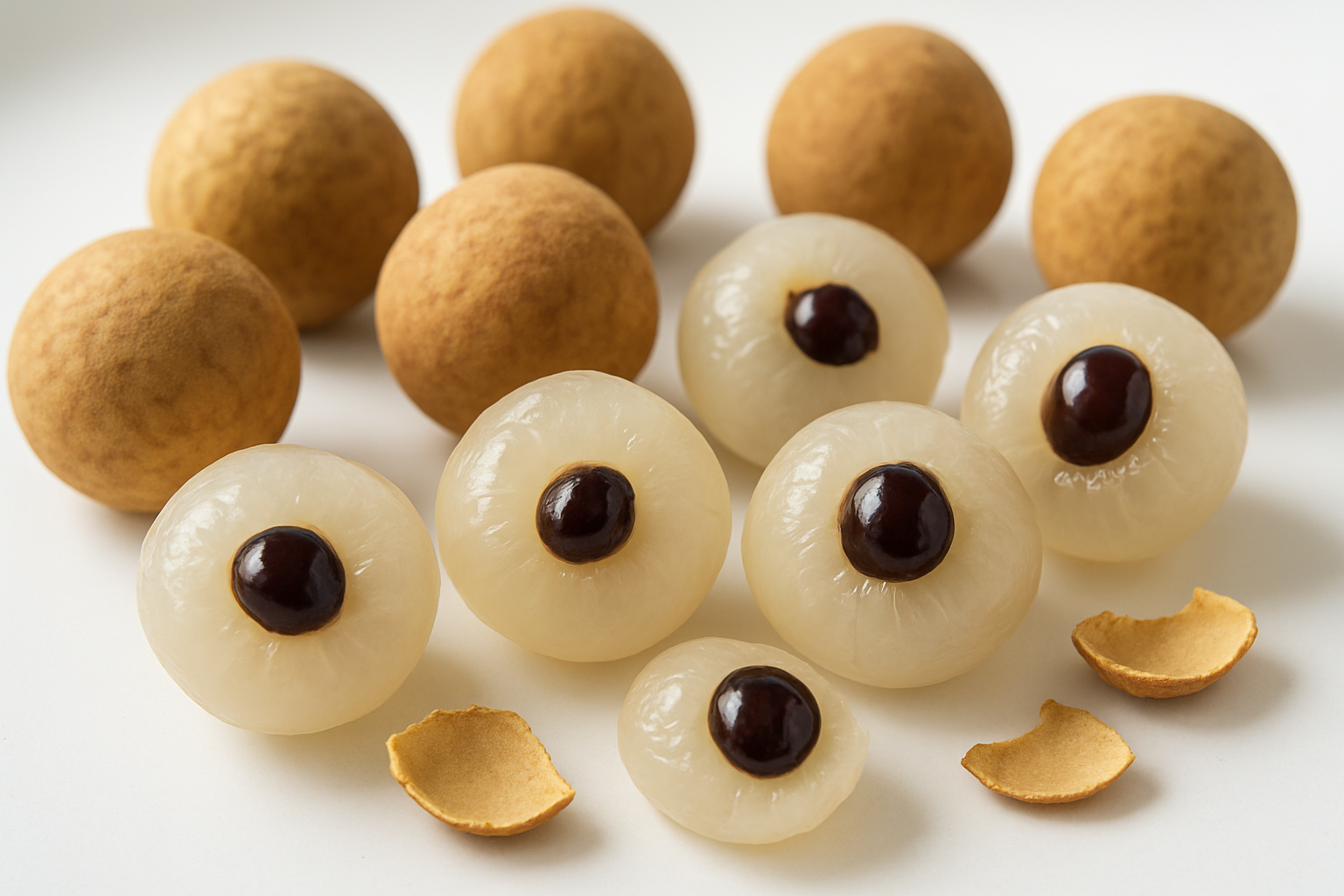
Recognize longan's brown shell and translucent flesh
The longan fruit has a distinctive appearance that makes it instantly recognizable once you know what to look for. The exterior features a tough, leathery brown shell that's roughly spherical in shape. This shell has a slightly bumpy texture and ranges from tan to dark brown depending on ripeness. When you crack open this protective casing, you'll discover the longan's most striking characteristic: its translucent, pearly white flesh that looks almost like a large, clear grape.
The flesh has a jelly-like consistency that's both tender and juicy. Running through the center of this translucent flesh is a single, glossy black seed that's quite large relative to the fruit's size. This black seed creates a beautiful contrast against the clear white flesh, giving the longan fruit its nickname "dragon's eye" - the black seed resembles a pupil within the translucent "iris" of the flesh.
The shell is actually quite easy to remove once you get the hang of it. Simply press your thumbnail into the shell and peel it away in sections, similar to how you'd peel a hard-boiled egg. The flesh inside should come away cleanly from the shell without much effort.
Compare longan size to common fruits for easy identification
Understanding the size of fresh longan fruit helps with identification and purchasing decisions. Individual longan fruits are typically about the size of a large grape or small walnut, measuring roughly 0.8 to 1.2 inches in diameter. They're smaller than most apples or oranges but larger than blueberries or cranberries.
Here's a helpful size comparison:
| Fruit | Diameter | Similar to Longan |
|---|---|---|
| Grape | 0.6-0.8 inches | Slightly smaller |
| Longan | 0.8-1.2 inches | Reference size |
| Ping pong ball | 1.6 inches | Larger |
| Cherry | 0.8-1.0 inches | Very similar |
Longan fruit clusters grow in bunches, much like grapes, with individual fruits hanging from stems. A typical cluster might contain 15-30 individual fruits. The weight of a single longan ranges from 3-6 grams, making them perfect bite-sized snacks. When purchasing, you'll often find them sold by the pound or in small mesh bags containing about 20-40 individual fruits.
Understand the seasonal availability of fresh longan
Fresh longan fruit follows specific seasonal patterns that vary by growing region. In Southeast Asia, where longan originates, the peak harvest season typically runs from June through August. Thai longan, which dominates many international markets, reaches peak ripeness during July and August.
Longan trees are sensitive to climate conditions and require specific temperature ranges for optimal fruit production. The trees need a cool, dry period followed by warm, humid conditions to produce the best quality fruit. This makes longan availability somewhat predictable:
-
Peak season: July-September (Southeast Asian varieties)
-
Secondary season: December-February (Southern hemisphere varieties)
-
Limited availability: March-June (mostly imported, stored fruit)
During peak season, fresh longan fruit commands lower prices and offers better quality. The fruits are juicier, sweeter, and have better shelf life. Off-season longan often comes from cold storage or different hemispheres, which can affect both taste and texture. Many specialty Asian markets stock longan fruit year-round, though prices fluctuate significantly based on seasonal availability.
Distinguish longan from similar-looking tropical fruits
Longan vs lychee comparisons are common since these fruits share remarkable similarities. Both belong to the same botanical family and have comparable appearances, but key differences help distinguish them. Lychee fruits are typically larger and have a rough, pink-red bumpy shell, while longan fruit maintains its brown, smoother exterior.
The flesh differences are subtle but noticeable. Longan flesh tends to be slightly less sweet and more floral in taste compared to lychee's candy-like sweetness. Longan's translucent flesh is also less firm than lychee flesh.
Rambutan represents another exotic fruit longan gets confused with, though rambutan is easier to distinguish due to its distinctive "hairy" red exterior. Rambutan fruits are covered in soft, curved spines that give them a fuzzy appearance, completely different from longan's smooth brown shell.
What is longan becomes clearer when comparing flesh characteristics. Unlike some tropical fruits that have fibrous or grainy textures, longan fruit maintains consistent smoothness throughout. The single seed is another identifying feature - it's proportionally larger than lychee seeds and has a glossy, almost mirror-like black surface.
Longan fruit taste offers its own signature profile: sweet with subtle floral notes and a hint of musky flavor that's less pronounced than lychee but more complex than grapes.
Unlock the Nutritional Powerhouse Benefits of Longan
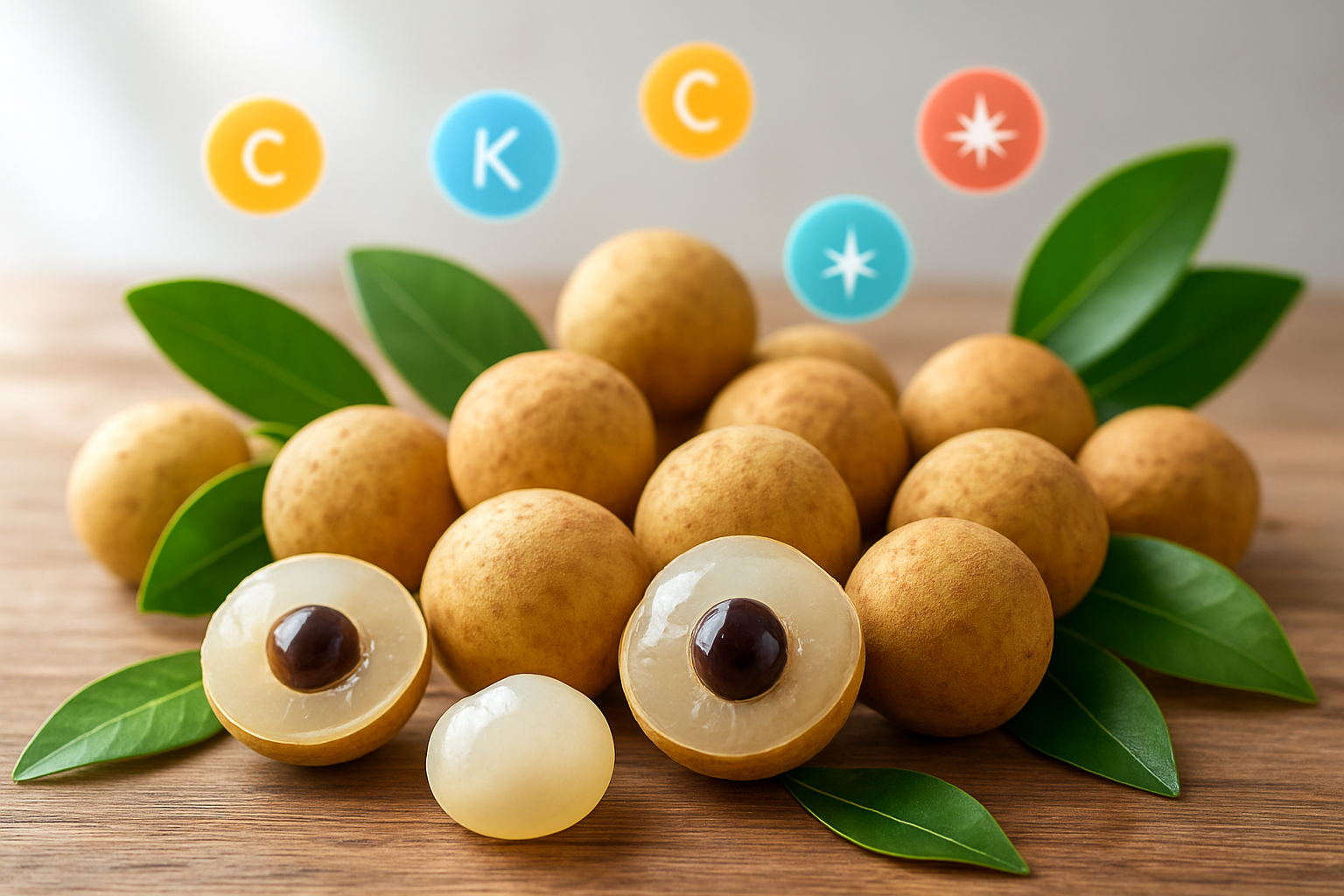
Boost your vitamin C intake for immune system support
Longan fruit packs a serious vitamin C punch that rivals many citrus fruits. A single cup of fresh longan delivers about 84 milligrams of vitamin C, which covers nearly your entire daily requirement. Your immune system relies heavily on this powerhouse vitamin to produce white blood cells and antibodies that fight off infections and diseases.
What makes longan nutrition particularly impressive is how efficiently your body absorbs its vitamin C content. Unlike synthetic supplements, the natural vitamin C in longan comes bundled with complementary compounds that help your system make the most of every bit. This means better wound healing, stronger collagen production for healthy skin, and enhanced iron absorption from other foods you eat.
The longan health benefits extend beyond basic immune support too. Regular vitamin C intake from fruits like longan helps reduce the duration and severity of common colds while supporting your body's natural detoxification processes.
Gain essential minerals like potassium and copper
The mineral profile of longan fruit makes it a smart addition to any balanced diet. Potassium stands out as one of the most abundant minerals, with each serving providing about 266 milligrams. Your heart, muscles, and nervous system depend on adequate potassium levels to function properly.
This essential mineral helps regulate blood pressure by counteracting sodium's effects and supports proper muscle contractions. Many people don't get enough potassium from their daily meals, making longan benefits particularly valuable for cardiovascular health.
Copper, though needed in smaller amounts, plays crucial roles in energy production and iron metabolism. Longan provides a good source of bioavailable copper that helps your body form red blood cells and maintain healthy connective tissues. The copper content also supports your nervous system function and helps produce melanin for healthy hair and skin pigmentation.
Access natural antioxidants for cellular protection
Exotic fruit longan contains an impressive array of natural antioxidants that protect your cells from oxidative stress and free radical damage. These protective compounds include phenolic acids, flavonoids, and other plant-based molecules that work together to shield your body from premature aging and chronic diseases.
The antioxidant activity in longan fruit helps neutralize harmful molecules that can damage DNA, proteins, and cell membranes. This cellular protection translates to real health benefits including reduced inflammation, better brain function, and potentially lower risks of heart disease and certain cancers.
What sets longan apart from other fruits is its unique combination of antioxidants that work synergistically. The gallic acid and ellagic acid found in longan have been studied for their anti-inflammatory properties, while the fruit's natural polyphenols support healthy aging at the cellular level.
Fresh longan fruit retains more of these beneficial compounds compared to processed versions, making it worth seeking out the whole fruit when possible. The antioxidant content remains stable even after the fruit is harvested, so you can enjoy these protective benefits whether you eat longan immediately or store it for later consumption.
Master the Art of Selecting and Preparing Longan
Choose perfectly ripe longan at the grocery store
Finding the perfect longan fruit requires knowing what to look for. Start by examining the exterior shell, which should have a light brown color with a slightly rough texture. Avoid fruits that appear too dark brown or black, as these indicate overripeness. Fresh longan fruit should feel firm but yield slightly when gently pressed. The best specimens have shells that are intact without cracks or soft spots.
When shopping for longan, check if they're sold in clusters or individually. Cluster longan often maintains better freshness since they're still attached to their natural stems. Look for fruits that still have their stems attached – this green connection point shows the fruit was recently harvested.
Size can vary, but medium-sized longans typically offer the best flesh-to-seed ratio. The shell should make a slight sound when you shake the fruit gently. If you hear liquid sloshing around, the fruit might be past its prime.
Store longan properly to maximize freshness
Proper storage keeps your longan fruit at peak quality. Store unpeeled longan in the refrigerator's crisper drawer for up to one week. Place them in a perforated plastic bag to maintain humidity while allowing air circulation. Room temperature storage works for 2-3 days if you plan to eat them quickly.
Never store longan in airtight containers as this causes moisture buildup and accelerated spoilage. Keep them away from ethylene-producing fruits like apples and bananas, which can speed up ripening.
Once peeled, longan flesh should be consumed immediately or stored in the refrigerator for no more than 24 hours. The exposed flesh deteriorates rapidly when exposed to air.
Remove the shell and seed efficiently
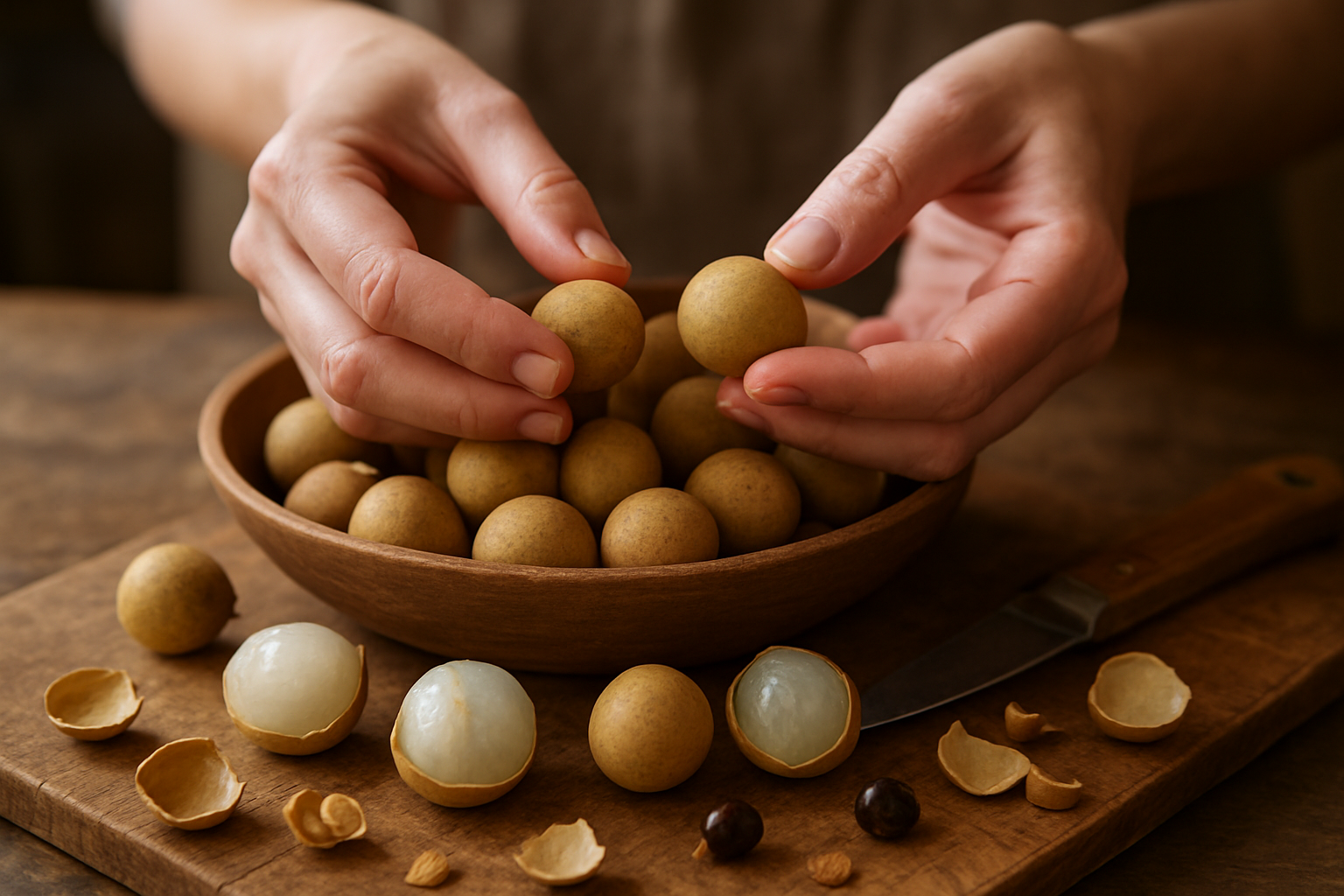
Peeling longan becomes simple once you know the technique. Start by gently squeezing the fruit to create small cracks in the shell. Use your fingernail or a small knife to make an initial break, then peel away the thin, papery shell in sections.
The translucent, pearl-like flesh inside contains a large black seed. To remove the seed, make a small cut along one side of the flesh and pop out the shiny seed with your finger. The seed separates easily from the flesh when the fruit is properly ripe.
Work over a bowl to catch any juice that might drip during preparation. Some people prefer to peel longan with slightly damp hands to prevent the flesh from sticking to their fingers.
Incorporate longan into your favorite recipes
Fresh longan fruit adds tropical sweetness to countless dishes. Toss peeled longan into fruit salads, smoothie bowls, or yogurt parfaits for natural sweetness. The delicate flavor pairs beautifully with other tropical fruits and doesn't overpower subtle ingredients.
Try adding longan to savory dishes like Asian-inspired salads or as a garnish for grilled meats. The fruit's floral notes complement spicy foods and help balance heat from chili peppers.
Longan works wonderfully in desserts too. Use them in tarts, ice creams, or traditional Asian sweets. They can be lightly poached in simple syrup for an elegant dessert topping or blended into sorbets for a refreshing treat.
Experience Longan's Versatile Culinary Applications
Enjoy Longan Fresh as a Healthy Snack
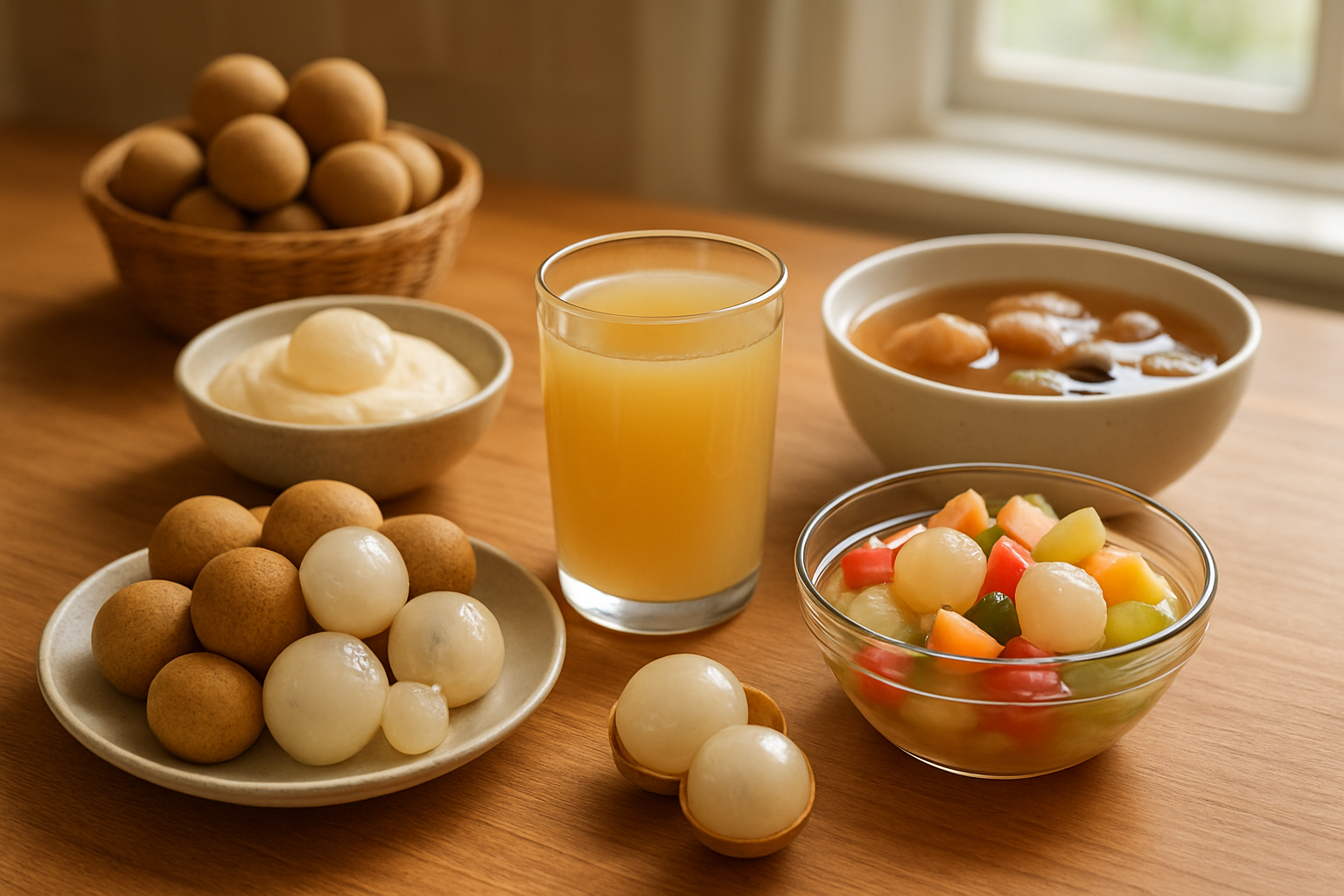
Fresh longan fruit makes an incredible grab-and-go snack that beats processed alternatives every time. Simply crack open the thin, brown shell with your fingernails or teeth to reveal the translucent, juicy flesh inside. The sweet, floral taste combines hints of grape and lychee, creating a refreshing treat that satisfies sugar cravings naturally.
When eating longan fruit, remember to remove the large black seed in the center before enjoying. Many people pop them like grapes during hot summer days, and kids especially love the fun ritual of peeling each piece. Keep a bowl of fresh longan on your kitchen counter for easy access to this exotic fruit longan whenever hunger strikes.
Create Refreshing Longan-Infused Beverages and Cocktails
Longan fruit transforms ordinary drinks into extraordinary refreshments. Muddle the flesh into sparkling water with lime for an instant tropical cooler, or blend frozen longan pieces into smoothies with coconut milk and mango. The natural sweetness means you rarely need additional sugar.
Cocktail enthusiasts love incorporating longan into creative mixes. Try a longan mojito by muddling the fruit with mint leaves, or create an Asian-inspired martini with longan syrup and vodka. Bartenders often use longan as a garnish, floating whole peeled fruits in champagne flutes for elegant presentations.
For non-alcoholic options, longan tea offers a soothing alternative. Steep dried longan in hot water with ginger and honey, or create iced longan tea by combining fresh fruit puree with green tea and ice.
Add Longan to Desserts and Sweet Treats
Pastry chefs and home bakers discover endless possibilities when working with longan fruit. The delicate sweetness complements creamy textures beautifully, making it perfect for panna cotta, ice cream, and custard-based desserts. Longan sorbet provides a light, refreshing end to heavy meals.
Bakers often fold chopped longan into muffin batters, creating moist treats with bursts of tropical flavor. The fruit also works wonderfully in fruit salads, trifles, and as a topping for yogurt parfaits. Asian-style desserts frequently feature longan in sweet soups, combining the fruit with tapioca pearls and coconut milk.
Consider making longan compote by gently cooking the fruit with minimal sugar and vanilla. This versatile sauce enhances cheesecakes, pancakes, and even savory dishes like grilled pork or duck.
Explore Traditional Asian Dishes Featuring Longan
Traditional Asian dishes showcase longan's versatility beyond desserts. Chinese cuisine features longan in savory braised dishes, particularly with chicken or pork, where the fruit's sweetness balances rich, salty flavors. The famous "Eight Treasure Duck" often includes longan as one of its essential ingredients.
Thai cooking incorporates fresh longan into salads, combining the fruit with herbs, chilies, and lime dressing for complex flavor profiles. Vietnamese cuisine uses longan in both sweet and savory applications, including refreshing summer rolls and aromatic pho variations.
Medicinal cooking traditions across Asia value longan for its supposed calming properties. Traditional Chinese medicine recommends longan in soups designed to nourish the blood and calm the mind, often combined with red dates and goji berries.
Preserve Longan Through Drying and Canning Methods
Preserving longan fruit extends its enjoyment year-round, especially when fresh varieties aren't available. Dried longan, known as "longan meat" in Chinese markets, concentrates the fruit's sweetness while creating a chewy, raisin-like texture. Home dehydrators make this process simple - just remove shells and seeds, then dry at 135°F for 12-16 hours.
Canning longan preserves the fresh texture while adding convenience. Pack peeled fruit in light syrup or its own juice, processing in a water bath for 20 minutes. These preserved longans work perfectly in desserts, drinks, or eaten straight from the jar.
Freezing offers another preservation option. Flash-freeze peeled longan on baking sheets before transferring to freezer bags. Frozen longan blends beautifully into smoothies or thaws quickly for use in cooked dishes. Properly stored, frozen longan fruit maintains quality for up to six months.
Longan fruit offers an amazing blend of sweet flavor, impressive nutrition, and culinary flexibility that makes it worth adding to your diet. This small, translucent gem packs vitamin C, potassium, and antioxidants while delivering a taste that's both refreshing and satisfying. From snacking on fresh longan straight from the shell to incorporating it into desserts, drinks, and savory dishes, this fruit brings something special to any meal.
Ready to try longan for yourself? Look for fruits with firm, crack-free shells at your local Asian market or specialty grocery store. Start simple by eating them fresh to appreciate their natural sweetness, then get creative by adding them to fruit salads, smoothies, or traditional Asian desserts. Your taste buds will thank you for discovering this delightful tropical treasure.


.png)
Comments
Post a Comment