LYCHEES - WHAT ARE LYCHEES?
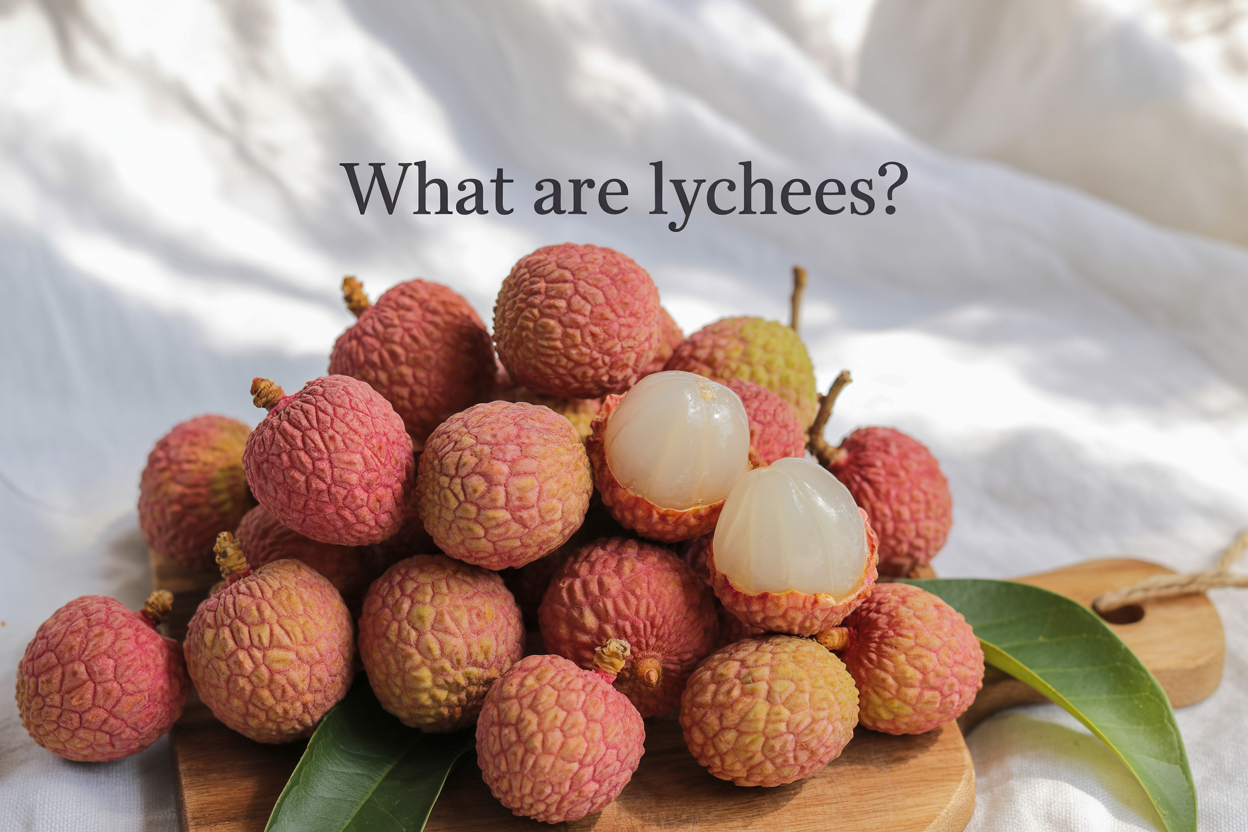
Lychees are exotic tropical fruits that look like small pink golf balls on the outside but hide sweet, floral flesh inside. If you're curious about this unique fruit, love trying new foods, or want to add something special to your diet, this guide breaks down everything you need to know about what are lychees.
We'll explore the fascinating lychee origin and how this tropical fruit lychee became a beloved snack around the world. You'll also discover the impressive lychee nutrition profile and lychee health benefits that make this fruit more than just a tasty treat. Finally, we'll cover practical tips for selecting lychees at the store and how to eat lychee properly so you can enjoy fresh lychees at their absolute best.
Understanding the Lychee Fruit and Its Unique Characteristics
Identifying the distinctive appearance and texture of lychees
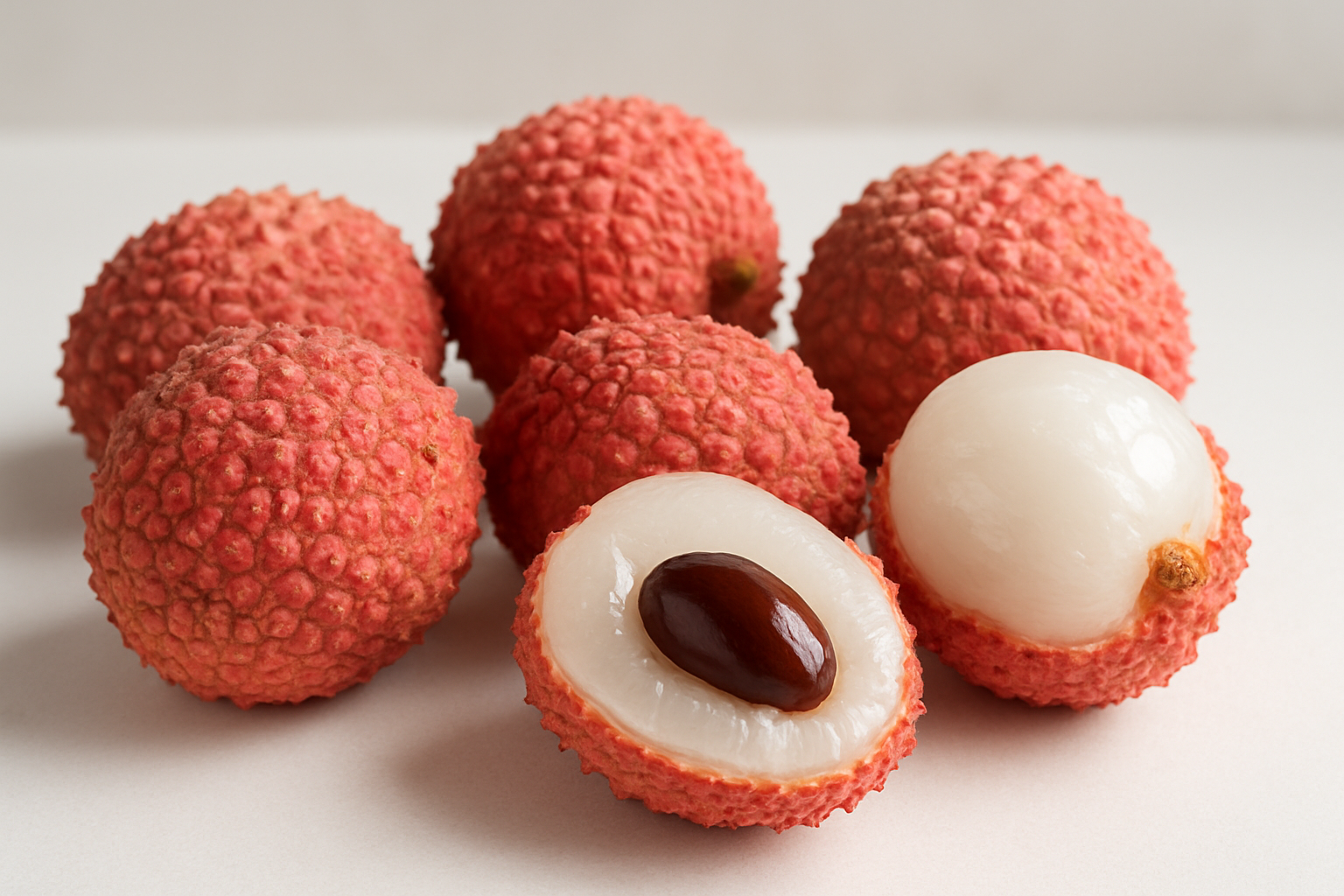
The lychee fruit stands out immediately with its rough, bumpy pink-red shell that looks almost like a cross between a strawberry and a dragon egg. This lychee fruit measures about the size of a large grape or small plum, typically 1-2 inches in diameter. The outer skin feels leathery and slightly prickly to the touch, covered in small pointed bumps that create an unmistakable texture.
When you crack open this exotic exterior, you'll discover a translucent white flesh that's incredibly juicy and has a grape-like consistency. The flesh surrounds a single dark brown seed in the center, much like an avocado pit but smaller. Fresh lychees have flesh that's firm yet tender, offering a satisfying bite that releases sweet nectar with each chew.
The contrast between the rough exterior and smooth interior makes lychees particularly intriguing. Many first-time tasters are surprised by how easily the shell peels away, revealing the pristine white fruit inside. The flesh has a slightly gelatinous quality that's both refreshing and substantial.
Recognizing the sweet floral flavor profile that sets lychees apart
What are lychees in terms of taste? They deliver a complex flavor that's difficult to compare to any other fruit. The initial taste is intensely sweet, followed by subtle floral notes that remind many people of rose petals or perfume. Some describe the flavor as a blend of grape and pear with hints of strawberry, but the floral undertones make it truly unique among tropical fruit lychee varieties.
The sweetness isn't overwhelming or cloying like some tropical fruits can be. Instead, it's balanced with a slight tartness that keeps your palate engaged. The floral essence comes through most prominently in the aftertaste, leaving a pleasant, almost wine-like finish that lingers pleasantly.
Temperature affects the flavor experience significantly. Cold lychees straight from the refrigerator taste crisper and more refreshing, while room-temperature fruit allows the floral notes to become more pronounced.
Discovering the seasonal availability and peak freshness periods
Selecting lychees becomes easier when you understand their seasonal patterns. In most markets, fresh lychees peak during late spring and early summer months, typically from May through July. This coincides with harvest seasons in major growing regions like China, Thailand, and parts of Florida.
During peak season, you'll find the best quality fruit with:
-
Bright pink-red coloring without brown spots
-
Firm shells that give slightly to gentle pressure
-
Fresh, sweet aroma near the stem end
-
Heavy feel for their size, indicating good juice content
Off-season lychees are often imported and may lack the vibrant flavor of peak-season fruit. The shells might appear duller or have more brown patches, and the flesh inside can be less juicy or slightly fibrous.
Store fresh lychees in the refrigerator for up to one week, though they're best consumed within 2-3 days of purchase for optimal flavor and texture. The shells will gradually darken over time, but this doesn't necessarily indicate spoilage unless the fruit feels soft or develops an off odor.
Origin and Cultural Significance of Lychees

Exploring the Ancient Chinese Heritage and Traditional Cultivation Methods
The lychee fruit traces its roots back over 2,000 years to the mountainous regions of southern China, particularly in Guangdong and Fujian provinces. Ancient Chinese texts from the Han Dynasty describe lychees as precious delicacies reserved for imperial courts. The legendary Emperor Xuanzong of the Tang Dynasty famously had fresh lychees transported hundreds of miles on horseback to satisfy his beloved concubine Yang Guifei's cravings.
Traditional cultivation methods developed by Chinese farmers remain largely unchanged today. Growers discovered that lychee origin regions required specific microclimates with warm, humid conditions and well-drained, slightly acidic soil. Ancient cultivators perfected grafting techniques, selecting mother trees that produced the sweetest, most flavorful fruits. They learned to time harvests perfectly, understanding that lychees stop ripening once picked from the tree.
Chinese farmers developed sustainable practices like companion planting and natural pest management that modern growers still employ. The traditional saying "one hundred days from flower to fruit" reflects their deep understanding of the lychee's growth cycle.
Understanding How Lychees Spread Across Asia and Their Cultural Importance
From China, tropical fruit lychee cultivation spread through trade routes to neighboring Asian countries. Buddhist monks and merchants carried lychee seeds to Vietnam, Thailand, and India between the first and eleventh centuries. Each region adapted cultivation techniques to local conditions, creating distinct varieties with unique flavor profiles.
In Thailand, lychees became integrated into royal cuisine and temple offerings. Vietnamese farmers in the northern provinces developed cold-hardy varieties that could survive cooler mountain climates. Indian growers in Bihar and West Bengal created cultivation practices suited to monsoon patterns.
The spread of lychees wasn't just agricultural - it was cultural. The lychee fruit became embedded in local traditions, literature, and art across Asia. Chinese poetry frequently references lychees as symbols of love and beauty, while Thai folklore includes stories about magical lychee trees that bring good fortune.
Learning About Regional Varieties and Their Unique Characteristics
Different regions developed distinct lychee varieties, each with specific traits that reflect local growing conditions and cultural preferences:
| Region | Variety | Characteristics |
|---|---|---|
| China | Brewster | Large size, sweet flavor, thick skin |
| Thailand | Kaimook | Small seed, very sweet, delicate texture |
| India | Rose Scented | Aromatic, pinkish flesh, medium size |
| Vietnam | Vai Thieu | Early season, crisp texture, balanced sweetness |
Chinese varieties like the famous Feizixiao are prized for their translucent white flesh and honey-like sweetness. Thai varieties tend to be smaller but intensely flavored, while Indian types often have distinctive floral notes. These regional differences developed over centuries as farmers selected seeds from their best trees, gradually creating varieties perfectly adapted to local conditions.
Appreciating the Role of Lychees in Festivals and Celebrations
Lychees hold special significance in Asian festivals and celebrations, representing prosperity, love, and good fortune. During Chinese New Year, fresh lychees are given as gifts to symbolize close family bonds - the name "lychee" sounds similar to the Chinese phrase for "intimate connection."
In Guangdong province, annual lychee festivals celebrate the harvest season with competitions for the largest, sweetest fruits. Families gather in orchards for picnics, children climbing trees to pick the ripest lychees. These celebrations strengthen community bonds while honoring centuries-old agricultural traditions.
Vietnamese Tet celebrations feature lychees prominently in ancestral offerings, believing the sweet fruit honors deceased family members. Thai temple ceremonies include lychee garlands and fruit offerings during important Buddhist holidays. The fruit's heart-shaped appearance and sweet taste make it a popular choice for wedding ceremonies across Asia, symbolizing the sweetness of marriage and fertility.
Modern Asian communities worldwide maintain these traditions, with lychee festivals in California, Australia, and other regions keeping cultural connections alive for diaspora populations.
Nutritional Benefits and Health Properties
Boosting your immune system with high vitamin C content
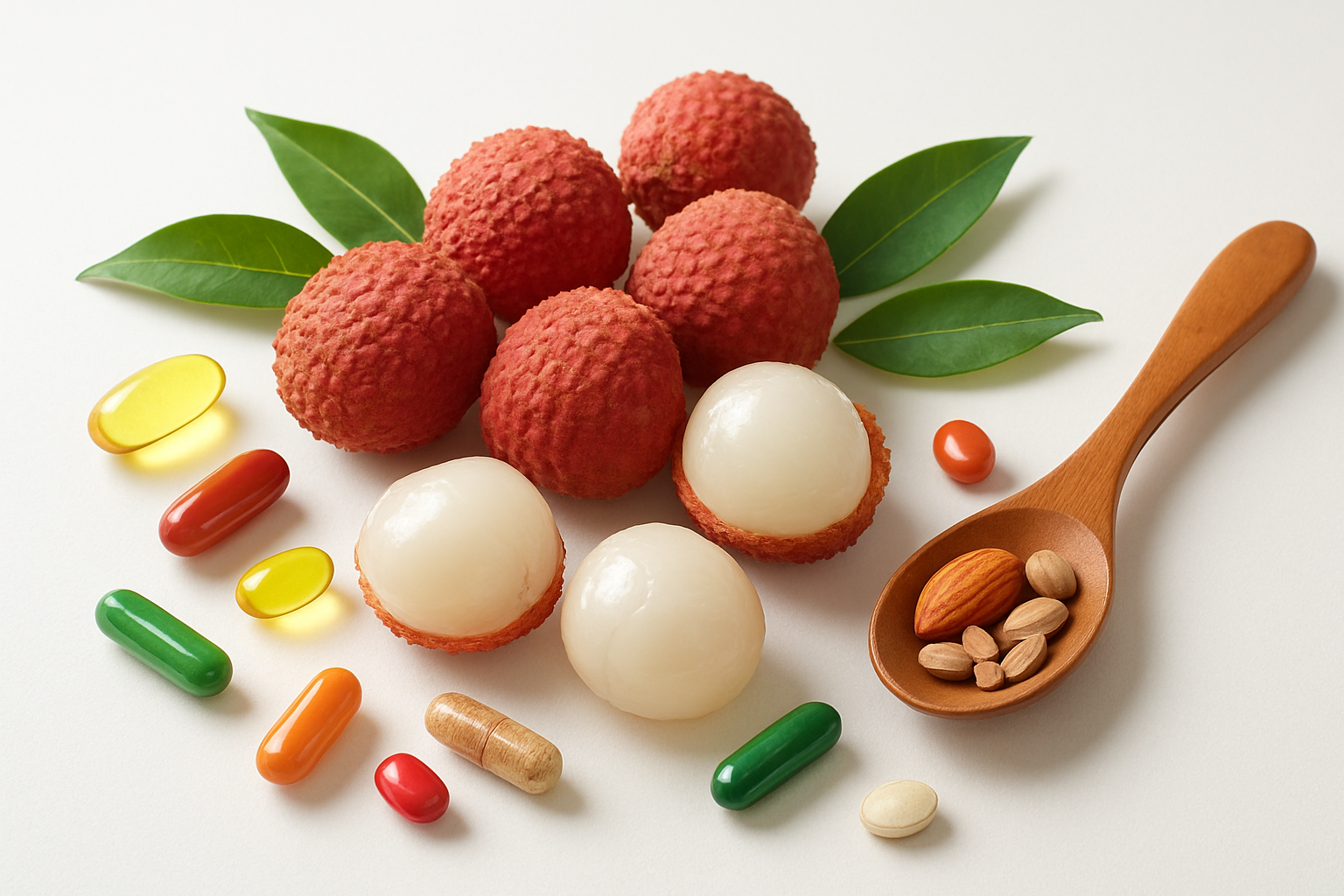
The lychee fruit packs an impressive vitamin C punch that rivals citrus fruits. A single cup of fresh lychees delivers about 136% of your daily vitamin C needs, making this tropical fruit a powerhouse for immune support. This high concentration helps your body produce white blood cells more effectively, strengthening your natural defenses against infections and illnesses.
When you eat lychees regularly, you're giving your immune system the tools it needs to function at peak performance. Vitamin C also acts as a powerful antioxidant, protecting your cells from damage caused by free radicals. This protection extends beyond just fighting off colds – it helps maintain overall cellular health and supports faster wound healing.
Supporting skin health through antioxidant properties
Lychee benefits extend deeply into skincare thanks to their rich antioxidant profile. These compounds work together to combat oxidative stress, which is one of the primary causes of premature aging. The combination of vitamin C, vitamin E, and various polyphenols in lychees helps maintain skin elasticity and promotes collagen production.
Regular consumption of fresh lychees can help reduce the appearance of fine lines and age spots. The antioxidants also provide protection against UV damage and environmental pollutants that constantly assault your skin. Many people notice improved skin texture and brightness after incorporating lychees into their diet for several weeks.
Improving heart health with potassium and copper
Your cardiovascular system gets significant support from the potassium and copper found in lychee nutrition. Potassium helps regulate blood pressure by counteracting sodium's effects and supporting proper muscle function in your heart. A cup of lychees provides about 325mg of potassium, contributing meaningfully to your daily needs.
Copper plays a crucial role in iron absorption and red blood cell formation. This mineral also supports the production of collagen and elastin in blood vessel walls, helping maintain their flexibility and strength. Together, these minerals create a foundation for better cardiovascular health and improved circulation throughout your body.
Enhancing digestion with natural fiber content
Each serving of lychees provides about 2.5 grams of dietary fiber, supporting healthy digestion in multiple ways. This fiber helps move food through your digestive system more efficiently and promotes the growth of beneficial gut bacteria. The natural fiber content also helps you feel satisfied after eating, which can support healthy weight management.
The fiber in lychees is particularly gentle on your digestive system, making it suitable for people with sensitive stomachs. Unlike some high-fiber foods that can cause discomfort, lychees provide digestive benefits without harsh side effects when consumed in normal amounts.
Managing blood sugar levels with natural fruit sugars
Despite their sweetness, lychees have a relatively low glycemic index compared to many other fruits. The natural sugars in lychees are balanced with fiber and water content, which helps slow sugar absorption into your bloodstream. This creates a more gradual rise in blood glucose rather than sharp spikes.
The oligonol compounds found in lychees may also help improve insulin sensitivity and glucose metabolism. While lychees do contain natural sugars, their overall impact on blood sugar is more moderate than you might expect from such a sweet fruit, making them a reasonable choice for people monitoring their glucose levels.
Selecting and Storing Fresh Lychees for Maximum Quality
Choosing ripe lychees with optimal color and firmness
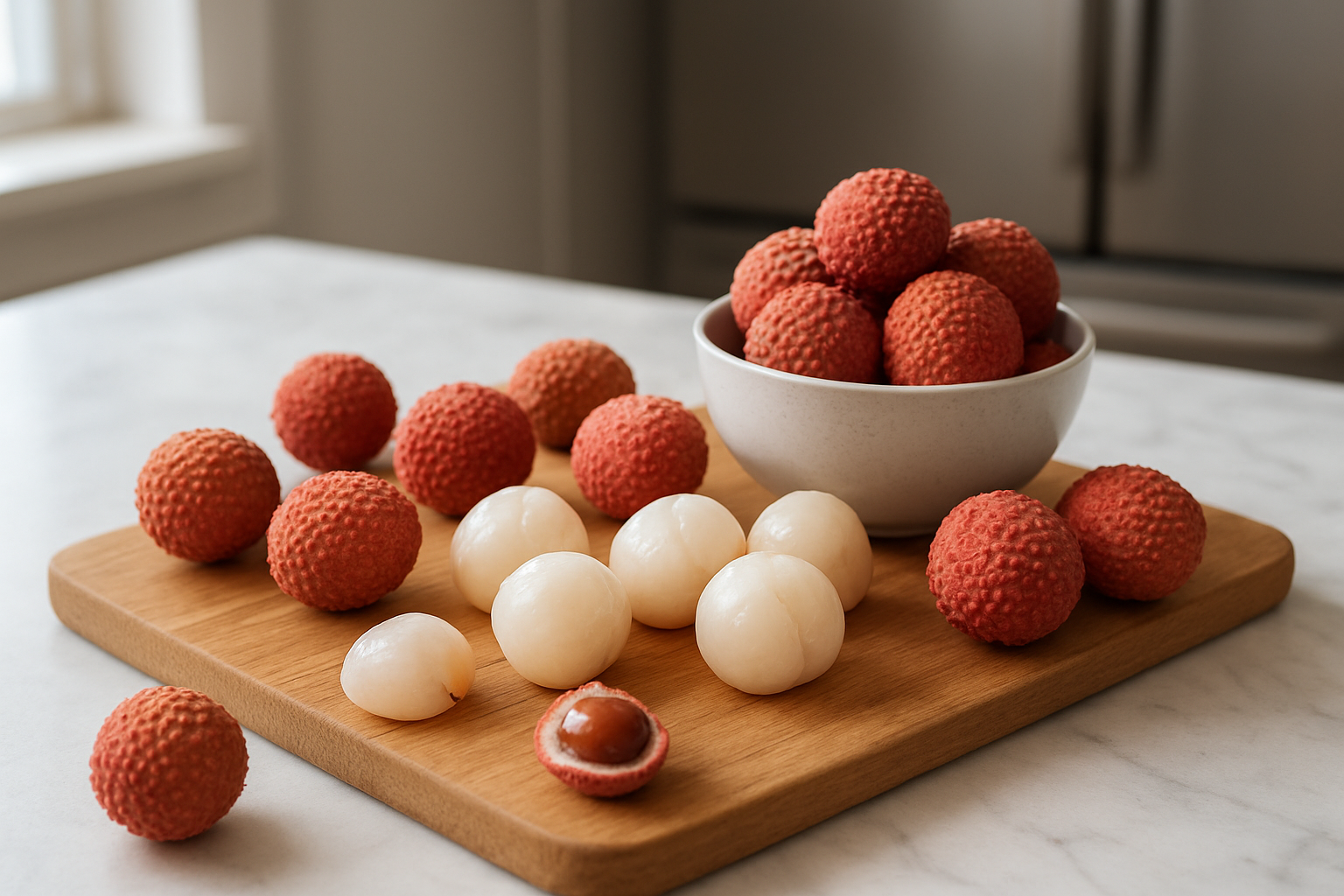
The key to enjoying fresh lychees lies in picking the right ones at the store or market. Look for fruits with bright pink to reddish-brown skin that feels firm but gives slightly when you press gently with your thumb. The bumpy texture should be pronounced, and the skin shouldn't appear dull or wrinkled.
What to look for:
-
Vibrant pink or reddish coloration
-
Plump, rounded shape without flat spots
-
Fresh-looking stems (green, not brown or black)
-
No cracks or dark blemishes on the skin
-
Sweet, floral aroma near the stem end
Avoid lychees that feel mushy, have dark spots, or smell fermented. The fruit should feel heavy for its size, which indicates juicy flesh inside. Size doesn't always matter - smaller lychees can be just as sweet and flavorful as larger ones.
Proper storage techniques to maintain freshness and flavor
Once you bring your lychee fruit home, proper storage makes all the difference. Fresh lychees stay best when kept in the refrigerator's crisper drawer, where they'll maintain their quality for up to two weeks.
Storage methods:
-
Room temperature: 2-3 days maximum
-
Refrigerated: 7-14 days in perforated plastic bags
-
Frozen: Up to 6 months (peel and pit first)
Keep them in a slightly ventilated container or perforated bag to prevent moisture buildup while maintaining humidity. Don't wash lychees until you're ready to eat them, as excess moisture speeds up deterioration.
For longer storage, peel the lychees and remove the pits before freezing. Frozen lychee flesh works great in smoothies and desserts, though the texture becomes softer after thawing.
Avoiding common mistakes that lead to spoilage
Many people unknowingly damage their lychees through poor handling and storage choices. The biggest mistake is leaving them at room temperature too long - these tropical fruits deteriorate quickly in warm conditions.
Common pitfalls to avoid:
-
Storing in airtight containers (causes condensation)
-
Refrigerating wet lychees
-
Keeping them near ethylene-producing fruits like bananas
-
Buying pre-cracked or damaged fruits
-
Storing different ripeness levels together
Never store lychees in completely sealed plastic bags without ventilation holes. The trapped moisture creates perfect conditions for mold and bacterial growth. Also, resist the urge to wash the entire batch when you get home - only rinse what you plan to eat immediately.
Check your stored lychees every few days and remove any that show signs of spoilage to prevent affecting the others.
Preparing and Enjoying Lychees in Various Ways
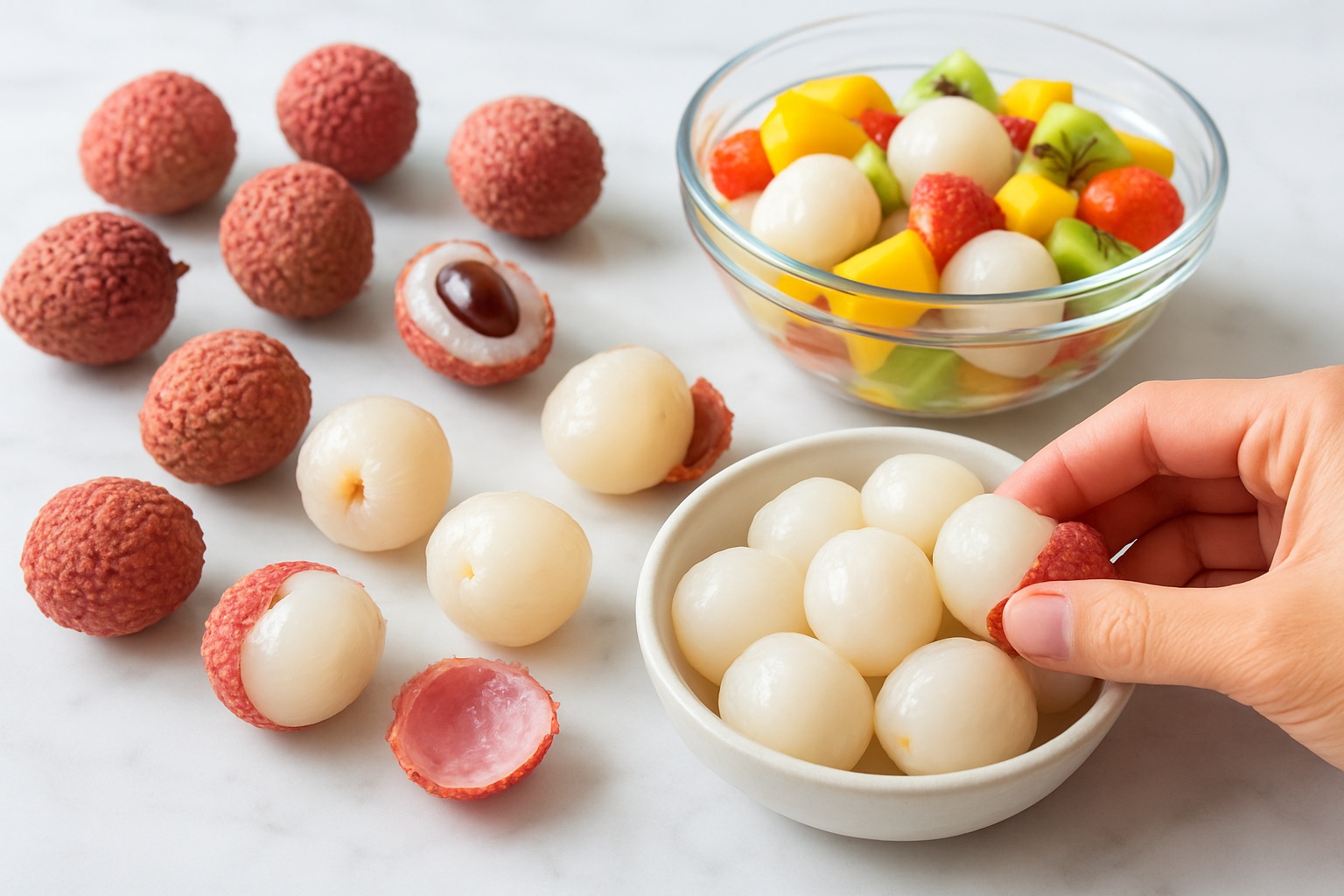
Mastering the simple peeling and eating technique
The key to enjoying fresh lychees lies in proper preparation. Start by gently cracking the bumpy pink shell with your thumbnail at the stem end, then peel away the skin in sections like removing a grape's outer layer. The translucent white flesh inside should come away easily from the shell. Before taking that first bite, remove the large brown seed in the center by gently squeezing the fruit or using a small knife to cut around it.
How to eat lychee becomes second nature once you get the hang of it. The sweet, floral flesh has a texture similar to grapes but with a more delicate, almost jelly-like consistency. Some people prefer to pop the whole fruit in their mouth and work around the seed, while others carefully remove it first. Either way works perfectly fine.
Creating refreshing beverages and smoothies
Lychee fruit transforms ordinary drinks into exotic refreshments. Blend fresh or canned lychees with coconut water, ice, and a squeeze of lime for an instant tropical cooler. The natural sweetness means you rarely need added sugar.
For smoothies, combine lychees with:
-
Mango and pineapple for a tropical medley
-
Strawberries and coconut milk for a creamy treat
-
Green tea and honey for an antioxidant boost
-
Yogurt and mint for a refreshing breakfast option
Lychee juice makes an excellent base for cocktails too. Mix it with sparkling water, muddle with fresh herbs like basil or mint, or create sophisticated martinis with a splash of rose water.
Incorporating lychees into desserts and sweet treats
The delicate floral notes of lychees pair beautifully with other dessert ingredients. Chop them into fruit salads, fold into ice cream, or use as a topping for cheesecakes and tarts. Their natural sweetness complements vanilla, coconut, and citrus flavors particularly well.
Popular dessert ideas include:
-
Lychee panna cotta with rose petals
-
Coconut rice pudding with fresh lychee pieces
-
Lychee sorbet for a light summer treat
-
White chocolate mousse with lychee compote
-
Asian-inspired desserts like lychee mochi or almond tofu
Adding exotic flair to salads and savory dishes
Don't limit this tropical fruit lychee to sweet applications. Fresh lychees add unexpected bursts of sweetness to savory dishes. Toss them into green salads with nuts and goat cheese, or pair with grilled chicken and Asian-style dressings.
They work wonderfully in:
-
Thai-inspired salads with herbs and chili
-
Pork or duck dishes where fruit complements rich meats
-
Seafood preparations, especially with shrimp or scallops
-
Rice and grain bowls for added texture and flavor
-
Spring rolls and fresh summer appetizers
The natural acidity in lychees helps balance rich, fatty foods while their sweetness cuts through spicy heat in Asian cuisines.
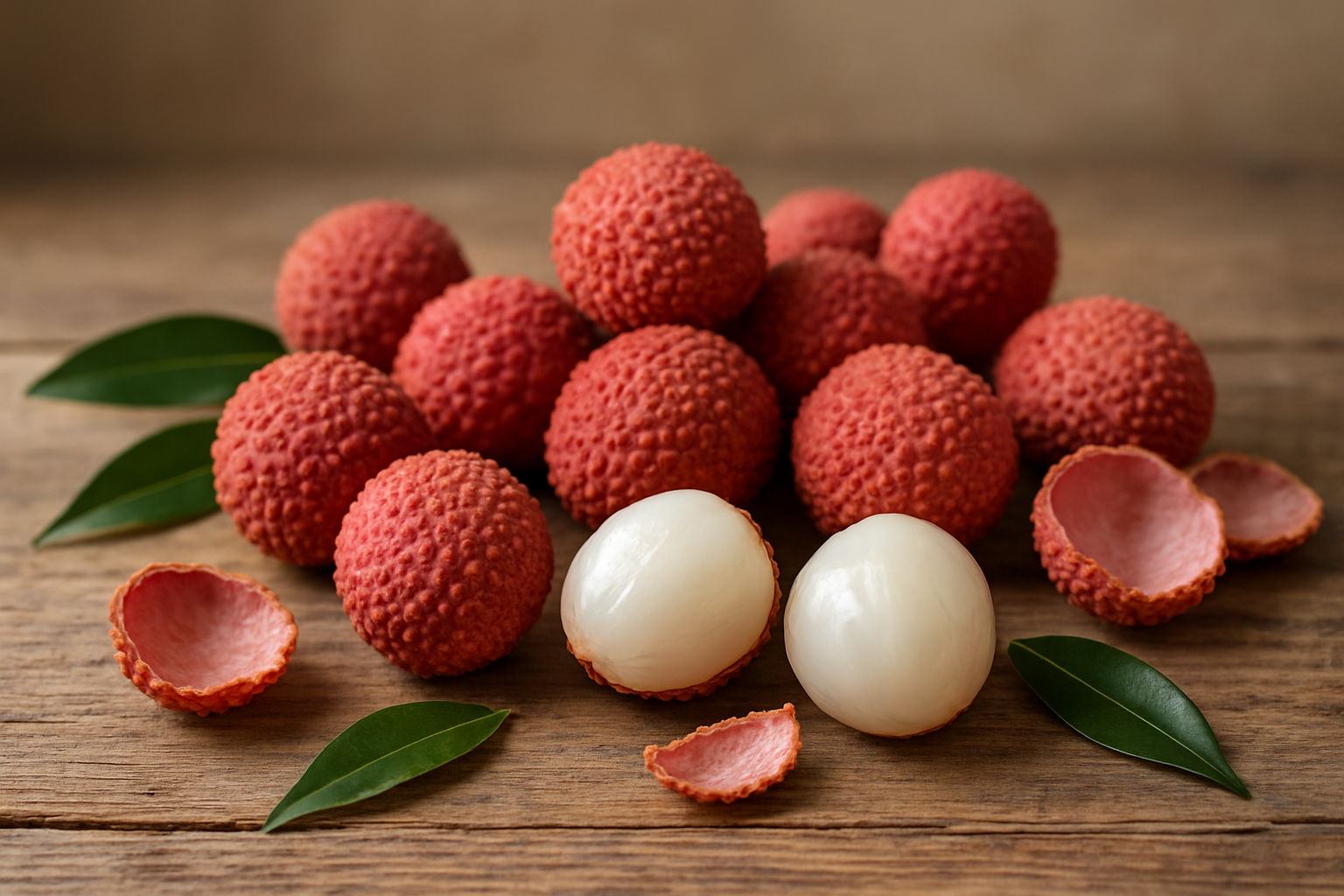
Lychees offer a perfect blend of exotic flavor and impressive nutritional value that makes them worth adding to your regular fruit rotation. From their ancient roots in Chinese culture to their modern appeal as a superfood packed with vitamin C, antioxidants, and essential minerals, these pink-shelled gems deliver both taste and health benefits. The key to enjoying them lies in selecting fruit with bright, intact shells and storing them properly to maintain their sweet, floral flavor.
Whether you prefer eating them fresh, adding them to smoothies, or incorporating them into desserts, lychees bring a tropical twist to any meal. Don't let their unusual appearance intimidate you – once you master the simple peeling technique, you'll have access to one of nature's most refreshing treats. Next time you spot these textured pink fruits at your local grocery store or Asian market, grab a handful and discover what you've been missing.


.png)
Comments
Post a Comment