MANGOES - WHAT ARE MANGOES?
What Are Mangoes? Your Complete Guide to the King of Fruits
Mangoes are tropical stone fruits beloved worldwide for their sweet, juicy flesh and vibrant flavor. This comprehensive guide is perfect for fruit enthusiasts, home cooks, and anyone curious about this golden treasure.
If you've ever wondered "what are mangoes" beyond their delicious taste, you're in the right place. We'll explore the mango fruit from every angle, covering its impressive mango nutritional benefits that make it a superfood powerhouse. You'll also discover the fascinating world of mango varieties worldwide, from the creamy Alphonso to the fiber-free Kent.
Finally, we'll dive into practical mango preparation methods and creative mango recipes that will transform how you enjoy this versatile fruit in your kitchen.
Understanding the Mango Fruit
Botanical Classification and Scientific Name
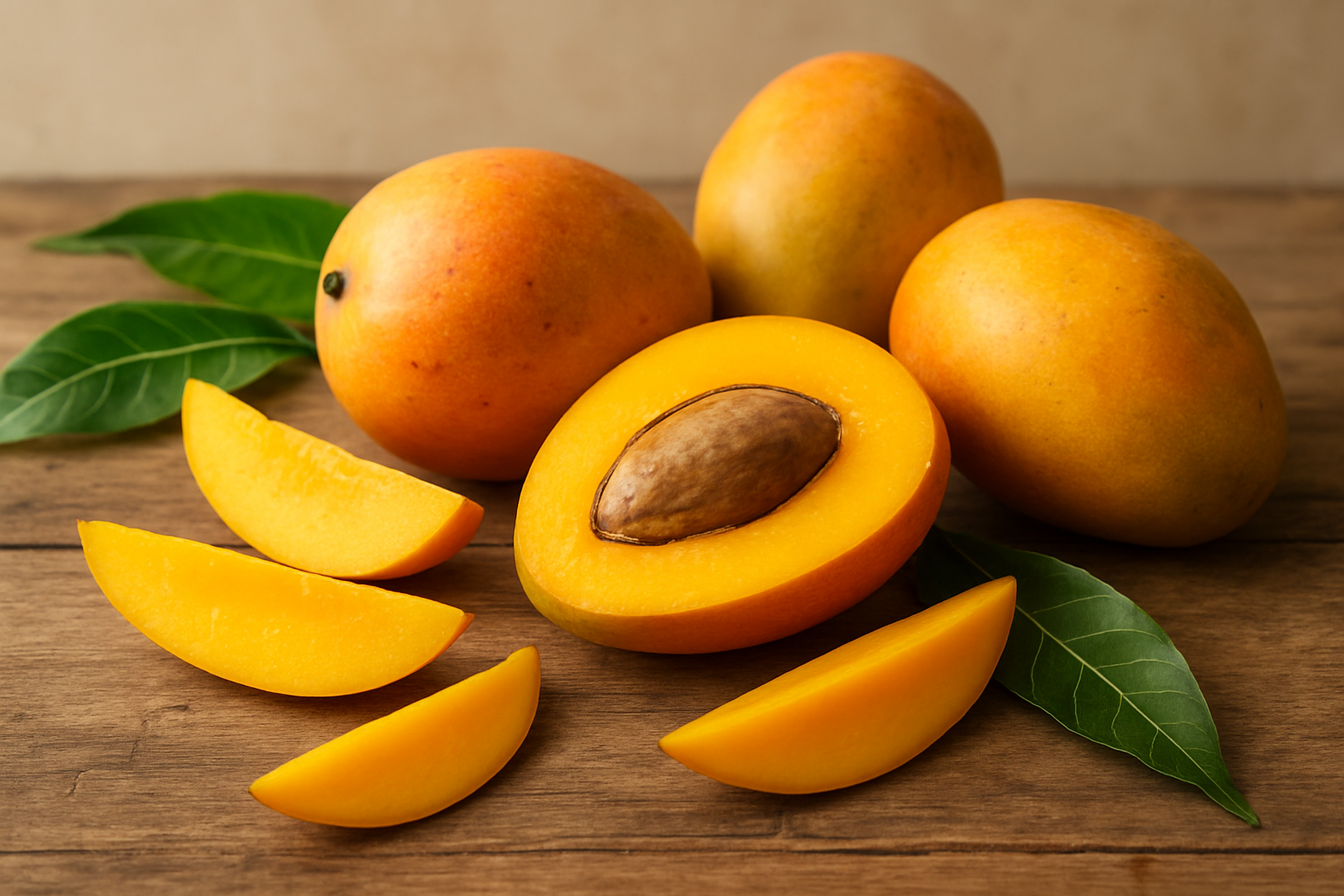
The mango fruit belongs to the flowering plant family Anacardiaceae, which also includes cashews, pistachios, and poison ivy. Scientists classify mangoes under the genus Mangifera, with the most common species being Mangifera indica. This scientific name reflects the fruit's historical association with India, though mangoes actually originated in Southeast Asia.
Over 35 different species exist within the Mangifera genus, but Mangifera indica dominates commercial cultivation worldwide. The plant is an evergreen tree that can live for hundreds of years, with some specimens reaching ages of 300 years or more. These tropical fruit trees develop extensive root systems and can grow to impressive heights of 100 feet in their natural environment.
Physical Characteristics and Appearance
What are mangoes in terms of appearance? These distinctive fruits display remarkable diversity in size, shape, and color. Most mangoes range from 2 to 10 inches in length and can weigh anywhere from 150 grams to over 2 pounds, depending on the variety.
The skin color varies dramatically across different types of mangoes. You'll find green, yellow, orange, red, or combinations of these colors. The skin feels smooth and somewhat thick, protecting the juicy flesh inside. When ripe, many varieties develop a sweet, floral fragrance that's unmistakable.
Inside, the flesh typically appears golden yellow or orange, though some varieties show deeper orange or even reddish hues. The texture ranges from firm and fibrous to incredibly smooth and creamy. Each mango fruit contains a single large, flat seed (called a stone or pit) that's surrounded by the edible flesh.
The tree itself presents an impressive sight with its dense, rounded canopy. Leaves emerge reddish-bronze and mature to a glossy dark green. Small, fragrant flowers appear in large clusters called panicles, which can contain hundreds of individual blooms.
Natural Habitat and Growing Conditions
Mangoes thrive in tropical and subtropical climates where temperatures remain consistently warm. The ideal growing range falls between 70°F and 85°F year-round. These trees need distinct wet and dry seasons to produce the best fruit quality.
Mango cultivation requires specific environmental conditions. The trees prefer well-draining soil with a pH between 5.5 and 7.5. Sandy loam soils work best, though mangoes adapt to various soil types as long as waterlogging doesn't occur. Good drainage prevents root rot, which can kill these valuable trees.
Rainfall patterns significantly impact how mangoes grow. Trees need adequate moisture during the growing season but require a dry period for flowering and fruit development. Too much rain during flowering can reduce fruit set, while drought stress during fruit development affects size and quality.
Wind protection becomes important in commercial orchards since strong winds can damage both trees and developing fruit. Many growers plant windbreaks or choose sheltered locations for their mango groves.
Temperature fluctuations also affect growth patterns. While mature trees tolerate brief temperature drops to around 40°F, young trees suffer damage from cold snaps. This temperature sensitivity limits mango varieties worldwide to regions that rarely experience frost.
Altitude plays a role too. Most commercial mango production occurs below 4,000 feet elevation, where temperatures remain warm enough for proper fruit development.
Nutritional Benefits of Mangoes
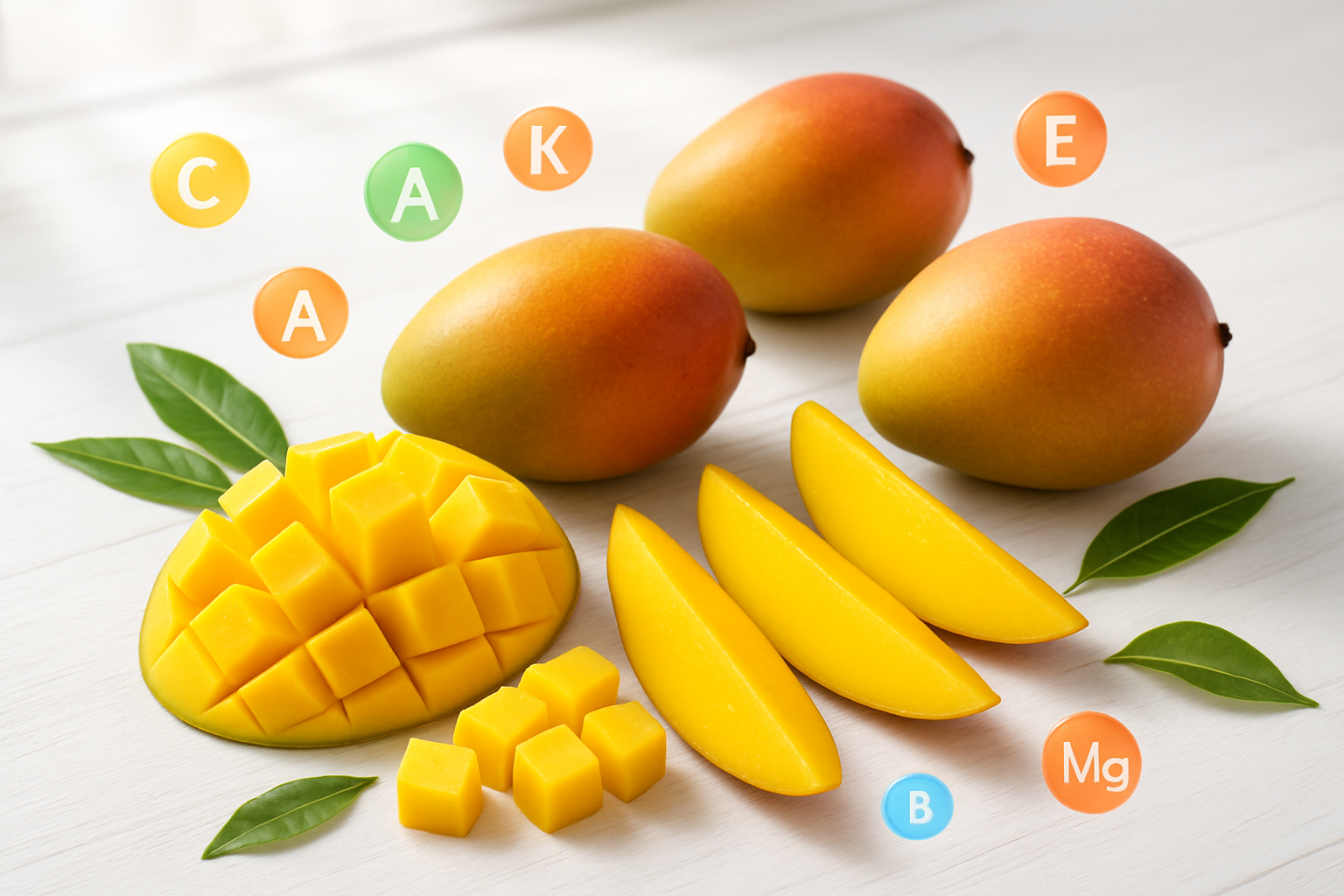
Essential vitamins and minerals content
Mangoes pack an impressive array of vitamins and minerals that make them nutritional powerhouses. A single cup of sliced mango delivers over 100% of your daily vitamin C needs, supporting immune function and collagen production. This vitamin C content surpasses many citrus fruits, making mangoes excellent alternatives for those seeking natural immunity boosters.
The bright orange flesh signals high beta-carotene levels, which your body converts to vitamin A. This nutrient plays a crucial role in eye health, skin maintenance, and cellular growth. Mangoes also provide significant amounts of folate, essential for DNA synthesis and red blood cell formation, making them particularly beneficial for pregnant women.
| Vitamin/Mineral | Amount per cup | Daily Value % |
|---|---|---|
| Vitamin C | 60mg | 67% |
| Vitamin A | 1785 IU | 36% |
| Folate | 71mcg | 18% |
| Potassium | 325mg | 9% |
| Vitamin K | 7mcg | 6% |
The mineral profile includes potassium for heart health and blood pressure regulation, plus smaller amounts of magnesium, copper, and calcium. These work together to support bone health, nerve function, and muscle contractions.
Antioxidant properties for health protection
The mango fruit contains powerful antioxidant compounds that shield your body from cellular damage. Mangiferin, a unique polyphenol found primarily in mango bark and leaves but also present in the fruit, demonstrates remarkable anti-inflammatory and protective properties. This compound has been studied for its potential to support heart health and metabolic function.
Quercetin and catechins, two other prominent antioxidants in mangoes, help neutralize harmful free radicals that contribute to aging and disease development. The combination of these antioxidants creates a synergistic effect, potentially reducing oxidative stress throughout your body.
Research suggests that regular mango consumption may help protect against certain chronic conditions due to these antioxidant properties. The fruit's natural compounds work to:
-
Combat inflammation at the cellular level
-
Support cardiovascular health through improved blood vessel function
-
Protect skin from UV damage and premature aging
-
Maintain cognitive function as you age
The concentration of antioxidants varies among different mango varieties, with some containing higher levels than others, but all varieties provide meaningful amounts of these protective compounds.
Fiber content for digestive wellness
Mangoes provide both soluble and insoluble fiber, creating a perfect balance for optimal digestive health. One cup of diced mango contains approximately 3 grams of fiber, contributing to your daily fiber needs while supporting various aspects of gut function.
The soluble fiber helps regulate blood sugar levels by slowing glucose absorption, making mangoes a smart choice for maintaining steady energy throughout the day. This same fiber type also binds to cholesterol in your digestive system, potentially helping lower overall cholesterol levels.
Insoluble fiber adds bulk to stool and promotes regular bowel movements, preventing constipation and supporting overall colon health. The natural enzymes present in mangoes, including amylases, further aid digestion by breaking down complex carbohydrates into simpler sugars your body can easily process.
The prebiotic properties of mango fiber feed beneficial gut bacteria, promoting a healthy microbiome. This supports not only digestive health but also immune function, since a significant portion of your immune system resides in your gut.
Low calorie fruit option for weight management
Despite their sweet taste and creamy texture, mangoes remain surprisingly low in calories, making them excellent choices for weight-conscious individuals. A cup of fresh mango contains only about 100 calories while providing substantial satisfaction and nutritional value.
The natural sweetness can help curb cravings for processed sugary snacks, while the fiber content promotes feelings of fullness. This combination makes mangoes effective tools for portion control and appetite management. Unlike many low-calorie foods that leave you feeling unsatisfied, mangoes provide natural sugars that give you energy without the crash associated with refined sugar consumption.
The high water content (approximately 83%) adds volume without adding calories, helping you feel full while supporting hydration. This makes mangoes particularly valuable during weight loss efforts, as they provide:
-
Natural energy from healthy carbohydrates
-
Satisfying sweetness without artificial additives
-
Filling fiber that reduces overall calorie intake
-
Essential nutrients often missing from restrictive diets
Incorporating mangoes into balanced meals or enjoying them as snacks can support sustainable weight management approaches while ensuring you don't miss out on important vitamins and minerals during calorie reduction phases.
Popular Mango Varieties Around the World
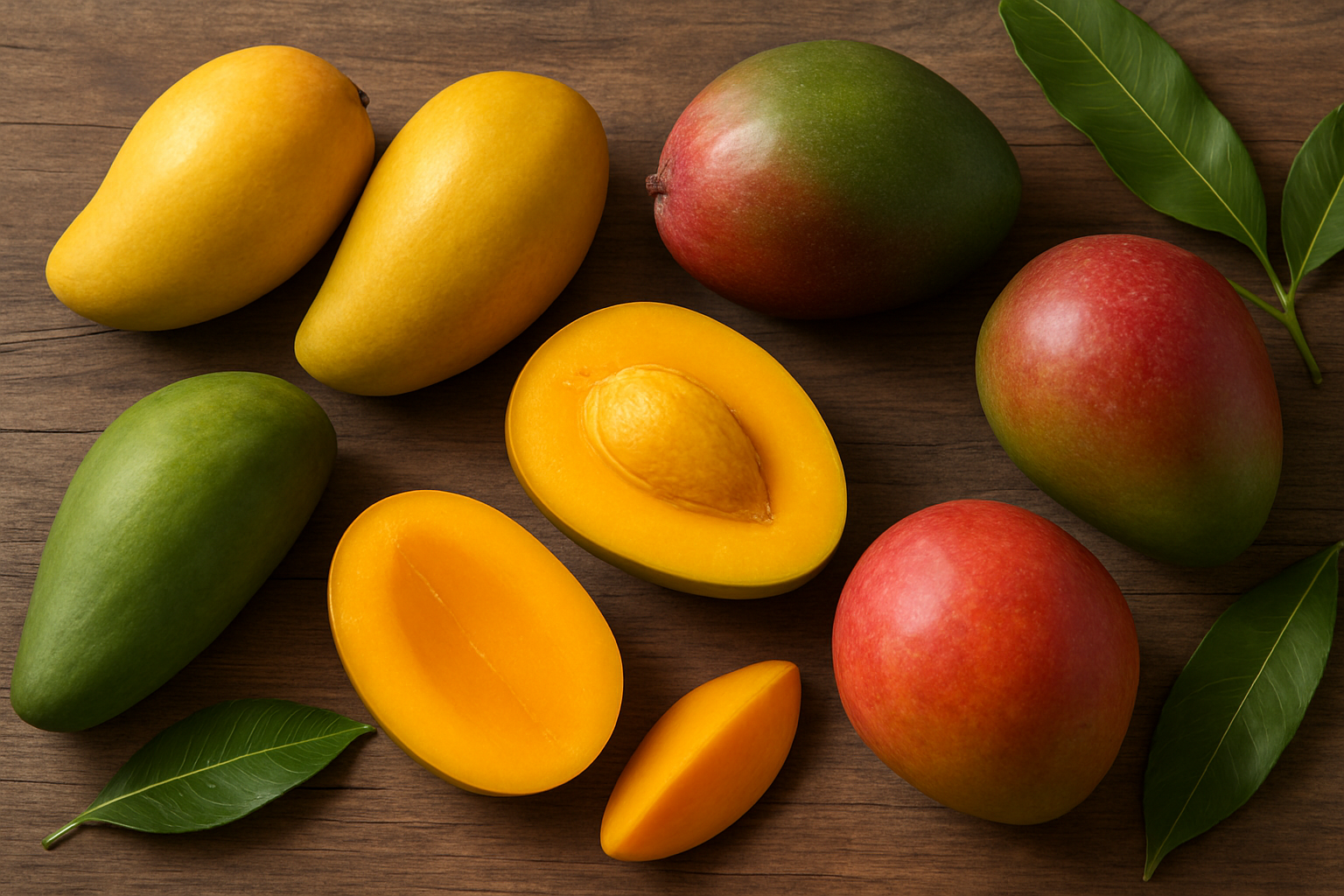
Alphonso mangoes from India
The Alphonso mango stands as the undisputed king of mango varieties worldwide, earning its reputation through centuries of careful cultivation in India's western coastal regions. This premium fruit originates primarily from Maharashtra's Konkan region and parts of Gujarat, where the unique climate and soil conditions create the perfect environment for these exceptional mangoes to thrive.
What sets Alphonso mangoes apart is their incredible sweetness balanced with subtle tartness, creating a complex flavor profile that mango enthusiasts describe as perfection. The flesh boasts a creamy, almost custard-like texture with minimal fiber, making each bite smooth and luxurious. These mangoes typically weigh between 150-300 grams and feature a distinctive golden-yellow skin with occasional red blushes.
The harvesting season runs from April to June, and genuine Alphonso mangoes command premium prices in both domestic and international markets. Their reputation has spread globally, with exports reaching countries across Europe, North America, and the Middle East, where they're considered a delicacy.
Tommy Atkins variety characteristics
Tommy Atkins mangoes dominate commercial production worldwide, particularly in countries like Mexico, Brazil, and parts of Africa. This variety gained popularity not necessarily for superior taste, but for its exceptional shipping qualities and extended shelf life, making it the most commonly found mango in supermarkets globally.
These mangoes display a striking appearance with their large size, vibrant red and orange skin coloration, and firm flesh. While they may not match the intense sweetness of varieties like Alphonso, Tommy Atkins mangoes offer a mild, pleasant flavor with subtle tropical notes. The flesh tends to be more fibrous compared to premium varieties, but remains juicy and satisfying.
One major advantage of Tommy Atkins mangoes is their availability year-round in many markets, as different growing regions have varying harvest seasons. They typically weigh 400-600 grams, making them substantial fruits that provide good value for consumers.
Haden and Kent mango types
Haden mangoes hold historical significance as one of the foundation varieties for modern mango cultivation in Florida and other tropical regions. Named after Captain John J. Haden, who first grew this variety in the early 1900s, Haden mangoes feature medium to large size with attractive red and yellow skin coloration.
The flavor profile of Haden mangoes offers a perfect balance of sweetness and mild acidity, with aromatic qualities that make them excellent for fresh consumption. The flesh is moderately fibrous but still pleasant to eat, with a rich, tropical taste that represents the classic mango flavor many people recognize.
Kent mangoes, on the other hand, are prized for their exceptional eating quality and minimal fiber content. Originally developed in Florida, Kent mangoes have become popular in growing regions like Peru, Ecuador, and parts of Africa. These large, oval-shaped fruits can weigh up to 600 grams and feature smooth, green skin that may develop yellow hues when fully ripe.
The flesh of Kent mangoes is incredibly sweet, juicy, and practically fiber-free, making them ideal for fresh consumption and premium fruit markets. Their extended shelf life and excellent shipping characteristics have made them favorites among both growers and consumers.
Regional specialty varieties
Different mango-growing regions around the world have developed their own specialty varieties that reflect local preferences and growing conditions. In the Philippines, the Carabao mango (also known as Manila mango) is considered a national treasure, featuring bright yellow skin and exceptionally sweet, creamy flesh.
Thailand contributes several unique varieties to the global mango landscape, including Nam Doc Mai, known for its elongated shape and incredibly sweet flavor, and Keaw Sawoey, prized for its crisp texture and refreshing taste. These Thai varieties often feature in the country's famous mango sticky rice desserts.
Australia has developed varieties like Kensington Pride (Bowen), which dominates the domestic market with its rich flavor and attractive appearance. The country also grows R2E2 mangoes, known for their large size and excellent eating qualities.
In the Caribbean and Central America, Julie mangoes are highly valued for their intense sweetness and small, kidney-shaped appearance. Meanwhile, Pakistan's Chaunsa mangoes rival India's Alphonso in terms of flavor intensity and are considered among the world's finest varieties.
Each of these regional varieties represents generations of selective breeding and cultivation expertise, creating a diverse world of mango flavors and characteristics that cater to different preferences and growing conditions across the globe.
How Mangoes Grow and Are Harvested
Mango Tree Cultivation Process
Mango cultivation begins with selecting the right variety and preparing suitable growing conditions. These tropical trees thrive in warm climates with temperatures between 70-85°F and require well-draining soil with a pH between 5.5-7.5. Farmers typically start mango cultivation through grafting, which ensures consistent fruit quality and faster production compared to growing from seeds.
The planting process involves digging holes approximately 3 feet wide and 2 feet deep, spacing trees 25-30 feet apart to allow proper canopy development. Young mango trees need regular watering and protection from strong winds during their first few years. Proper fertilization with nitrogen, phosphorus, and potassium supports healthy growth, while pruning helps maintain tree structure and improves air circulation.
Most mango trees take 3-5 years before producing their first significant harvest, though grafted varieties may fruit sooner. During the growing phase, farmers monitor for common pests like mango hoppers and diseases such as anthracnose, implementing integrated pest management strategies to maintain tree health.
Seasonal Growing Patterns
Mango growing follows distinct seasonal patterns that vary by geographic location. In tropical regions, mango trees typically flower during dry seasons when temperatures are cooler, usually between December and February in the Northern Hemisphere. This flowering period is crucial as it determines the eventual fruit yield.
The fruit development cycle spans approximately 100-150 days from flower to harvest, depending on the variety. During this period, mangoes progress through several growth stages: initial fruit set, rapid cell division, slow growth phase, and final maturation. Weather conditions during each stage significantly impact fruit quality and size.
In regions with pronounced wet and dry seasons, mango trees naturally synchronize their fruiting cycles with optimal conditions. The dry season promotes flowering, while the subsequent rainy season provides necessary moisture for fruit development. This natural timing helps ensure mangoes ripen during periods when they can be properly harvested and stored.
Harvesting Techniques and Timing
Determining the right time for mango harvest requires expertise and careful observation. Mature mangoes typically develop a slight color change, with green varieties showing a lighter green hue and colored varieties beginning to show their characteristic blush. The fruit also develops a slight give when gently pressed and may emit a sweet fragrance at the stem end.
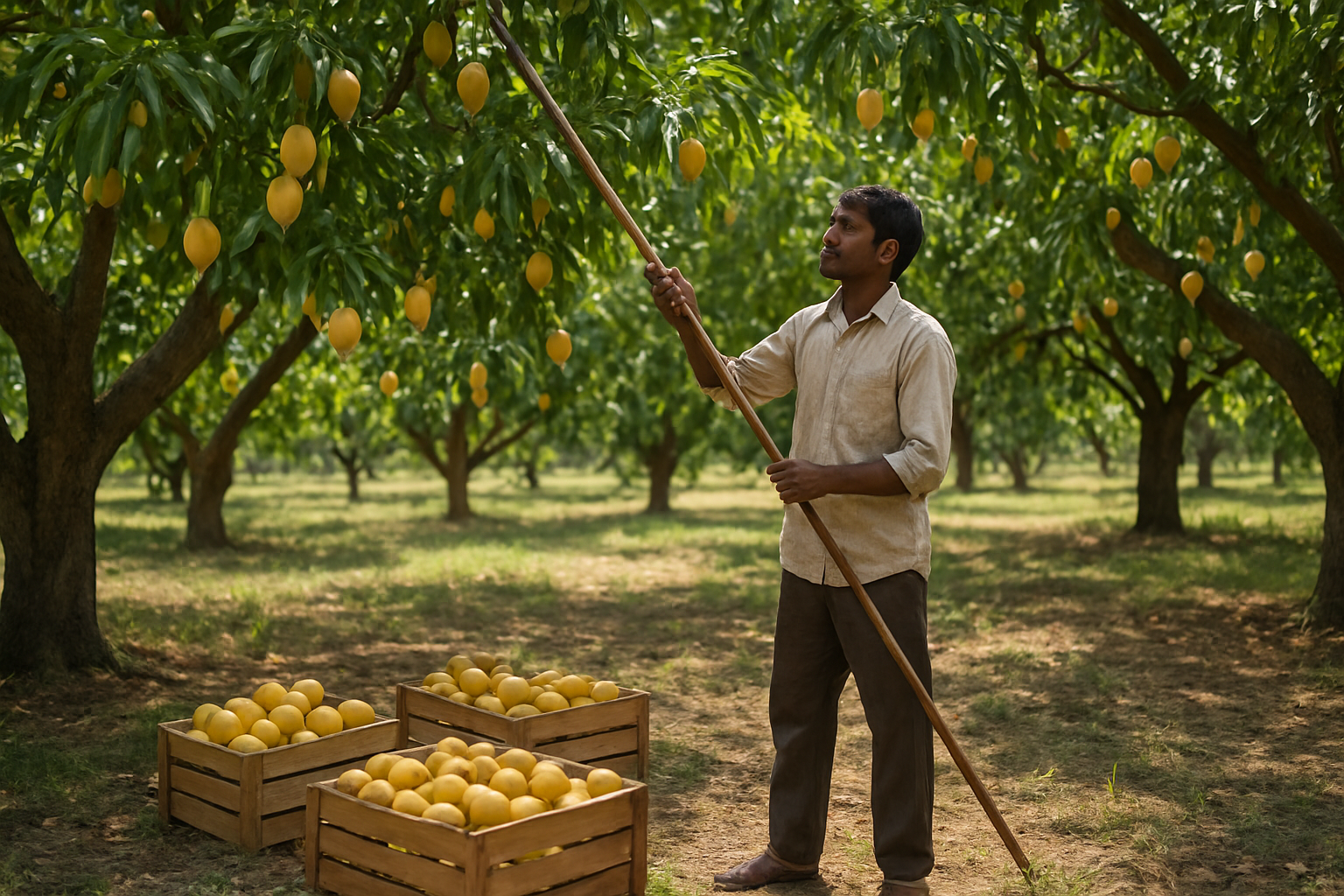
Professional harvesters use several techniques depending on tree height and fruit accessibility. For lower branches, hand-picking allows for careful selection of properly ripened fruit. Taller trees require specialized tools like harvesting poles with padded baskets or pneumatic lifts to reach higher branches safely.
The harvesting process involves cutting the fruit stem about 1/4 inch from the fruit to prevent sap staining, which can damage the mango's appearance and marketability. Workers typically harvest during cooler morning hours to reduce heat stress on both the fruit and harvesters. Multiple harvesting rounds occur over several weeks as different fruits reach maturity at varying rates.
Post-Harvest Handling Methods
Proper post-harvest handling determines mango quality and shelf life. Immediately after harvest, mangoes undergo sorting based on size, color, and quality standards. Damaged or overripe fruits are separated to prevent spoilage from affecting healthy mangoes.
The washing process removes field dirt, sap residue, and potential contaminants using clean water and approved sanitizers. Many commercial operations include hot water treatment, where mangoes are submerged in 115°F water for specific time periods to control fruit flies and extend storage life.
Temperature management plays a critical role in maintaining mango quality. Fresh mangoes are typically stored at 50-55°F with 85-90% humidity to slow ripening while preventing chilling injury. For long-distance shipping, controlled atmosphere storage with modified oxygen and carbon dioxide levels helps preserve freshness.
Packaging varies from simple cardboard boxes for local markets to sophisticated ventilated containers for export. Each mango may be individually wrapped in protective tissue paper, and cushioning materials prevent bruising during transport. Proper labeling includes variety information, origin, and handling instructions to ensure quality maintenance throughout the supply chain.
Culinary Uses and Preparation Methods
Fresh Eating and Serving Suggestions
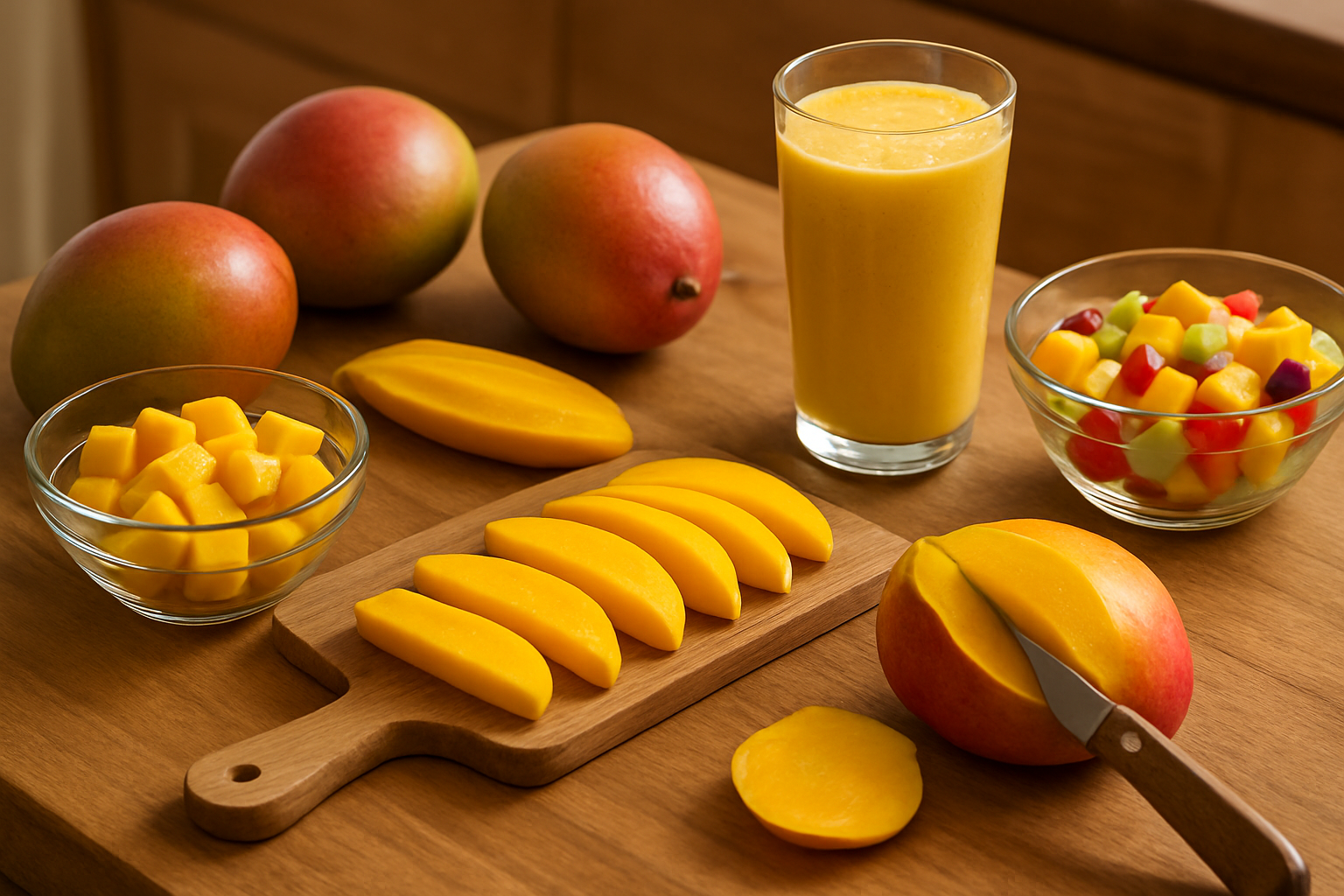
The simplest way to enjoy mangoes is eating them fresh, when their natural sweetness and tropical flavor really shine. Cut the mango fruit into cubes by slicing along each side of the pit, scoring the flesh in a crosshatch pattern, and pushing the skin inside-out to pop the cubes forward. This classic method makes the perfect bite-size pieces for snacking.
Mango preparation methods for fresh serving include thin slices that work beautifully in fruit salads or as an elegant garnish for desserts. Dice them small for salsas that pair wonderfully with grilled fish or chicken. The natural acidity and sweetness balance savory dishes perfectly.
For an impressive presentation, fan thin mango slices on plates alongside other tropical fruits like pineapple and kiwi. Sprinkle with lime juice and a pinch of chili powder for a Mexican-inspired treat that brings out the fruit's complexity. Fresh mango chunks also transform ordinary yogurt or oatmeal into something special.
Green mangoes offer a different experience entirely. These unripe fruits provide a tart, crisp texture that's popular in Southeast Asian cuisine. Shred them for refreshing salads or enjoy with salt and chili powder as a traditional street snack.
Cooking and Baking Applications
Mangoes transform beautifully when heated, developing deeper, more concentrated flavors that enhance both sweet and savory dishes. Their natural sugars caramelize during cooking, creating rich, complex tastes that work in countless mango recipes.
In baking, pureed mango adds moisture and tropical flavor to cakes, muffins, and breads. Replace some of the liquid in your favorite recipes with mango puree for a subtle fruit flavor. Mango upside-down cake showcases the fruit's ability to hold its shape while becoming tender and sweet.
Savory cooking applications are equally impressive. Mango chunks add sweetness to curries, balancing spicy heat in Indian and Thai dishes. The fruit breaks down slightly during cooking, creating silky sauces that coat ingredients beautifully. Grilled mango develops smoky notes that complement barbecued meats perfectly.
Chutneys represent one of the most popular cooking applications. Combine diced mango with onions, vinegar, and spices for condiments that brighten everything from roasted meats to cheese boards. The fruit's natural pectin helps create the perfect consistency.
For desserts, poached mangoes in spiced syrup create elegant endings to meals. The gentle cooking preserves the fruit's texture while infusing it with complementary flavors like cardamom, ginger, or vanilla.
Beverage and Smoothie Recipes
Mango fruit creates some of the most delicious and refreshing beverages imaginable. Its creamy texture and intense flavor make it perfect for smoothies that taste like tropical vacations in a glass. Blend frozen mango chunks with coconut milk and a splash of lime juice for an instantly satisfying drink.
Classic mango lassi combines the fruit with yogurt, creating a cooling beverage that's perfect after spicy meals. Add cardamom and a touch of honey for authentic Indian flavors. For lighter options, blend mango with ice and sparkling water for naturally sweet agua frescas.
Green smoothies get a major upgrade when you add mango. The fruit's sweetness masks any bitterness from leafy greens while providing plenty of vitamins and minerals. Combine spinach, mango, banana, and coconut water for a nutritious drink that actually tastes amazing.
Mango juice blends beautifully with other tropical fruits. Try combinations with pineapple, passion fruit, or papaya for complex flavor profiles. Adding ginger creates warming notes that complement the fruit's sweetness perfectly.
Frozen mango preparations work particularly well in beverages. The fruit maintains its flavor when frozen and creates naturally thick textures without needing ice that waters down drinks. Blend frozen mango with a splash of liquid for instant sorbet-like consistency that's perfect for hot days.
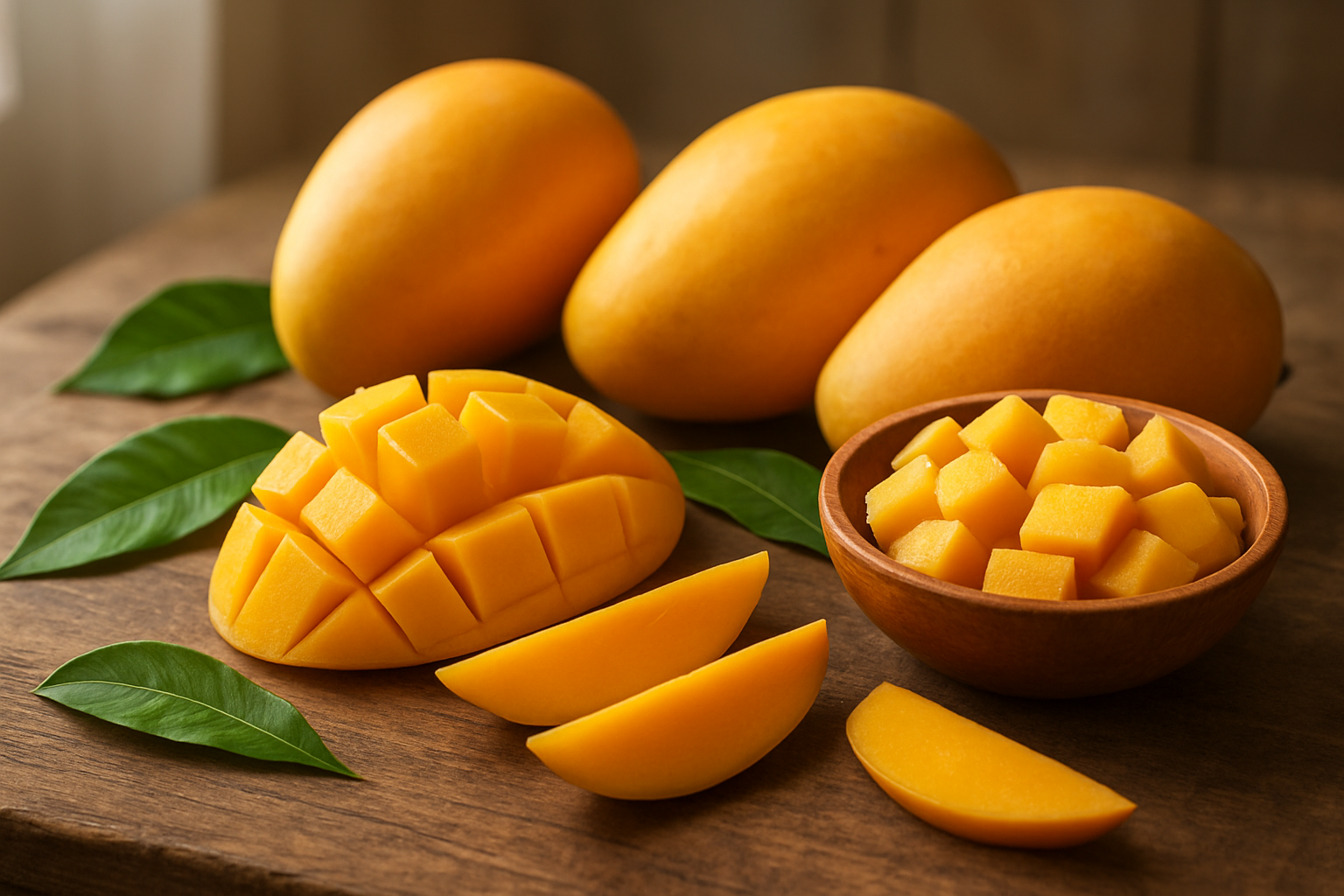
Mangoes truly deserve their title as the "king of fruits." These tropical treasures pack an incredible punch of vitamins, minerals, and antioxidants that support everything from your immune system to healthy skin. With over 1,000 varieties grown worldwide, from the creamy Alphonso to the fiber-free Kent, there's a mango out there for every taste preference.
The journey from seed to your plate takes patience and care, with farmers nurturing these trees for years before they bear their golden fruit. Whether you're blending them into smoothies, adding chunks to your morning yogurt, or simply enjoying them fresh, mangoes bring both incredible flavor and impressive health benefits to your diet. Next time you spot these vibrant fruits at the store, grab a few and experiment with different varieties – your taste buds and your body will thank you.


.png)
Comments
Post a Comment