ORANGES - WHAT ARE ORANGES?
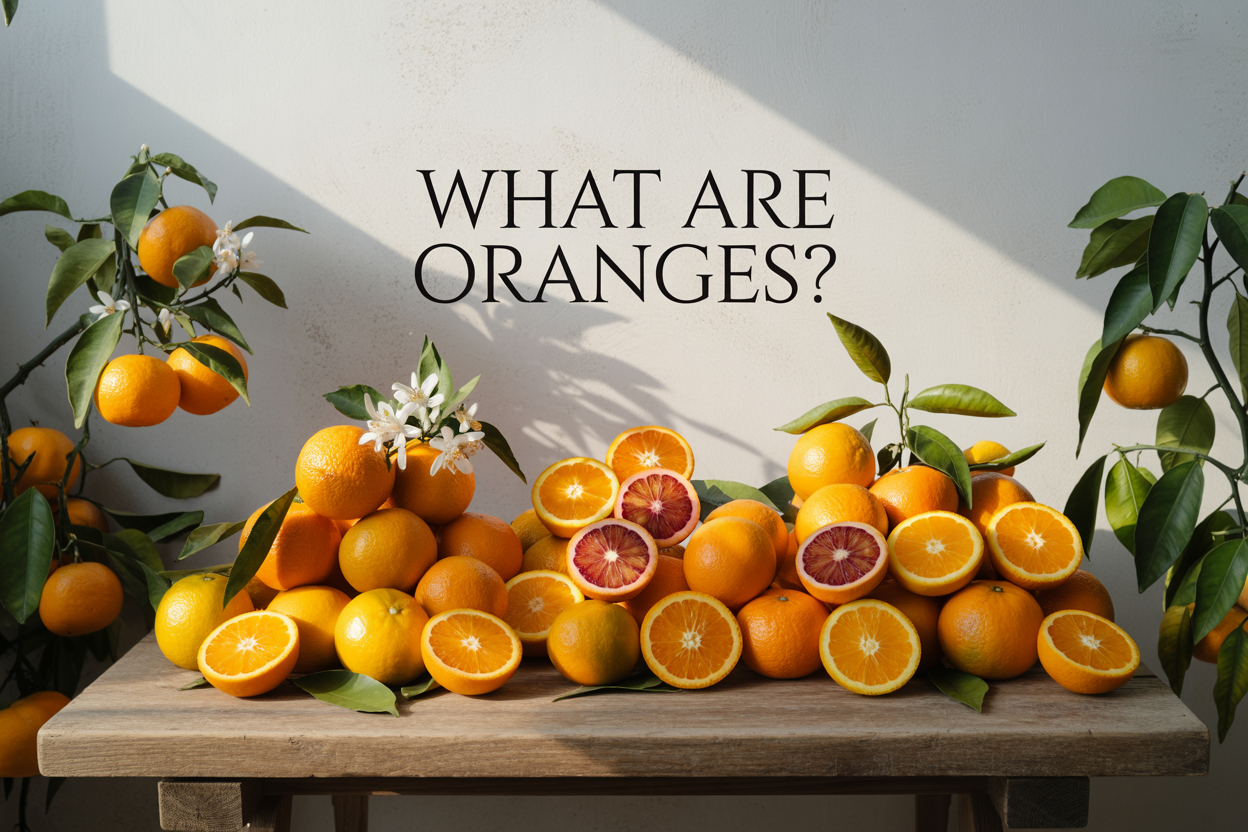
Oranges are one of the world's most popular citrus fruits, packed with vitamin C and bursting with sweet, tangy flavor. This guide is perfect for curious fruit lovers, health-conscious eaters, and anyone wanting to learn more about these vibrant orange spheres that brighten our grocery stores year-round.
We'll dive into what makes oranges special from a botanical standpoint and trace their fascinating journey from ancient Asia to kitchens worldwide. You'll also discover the most popular orange varieties and learn practical tips for picking the juiciest oranges and keeping them fresh longer.
Get ready to become an orange expert who knows exactly what to look for next time you're shopping for this nutritional powerhouse!
Discover the Botanical Identity of Oranges
Learn About Orange Tree Classification and Species
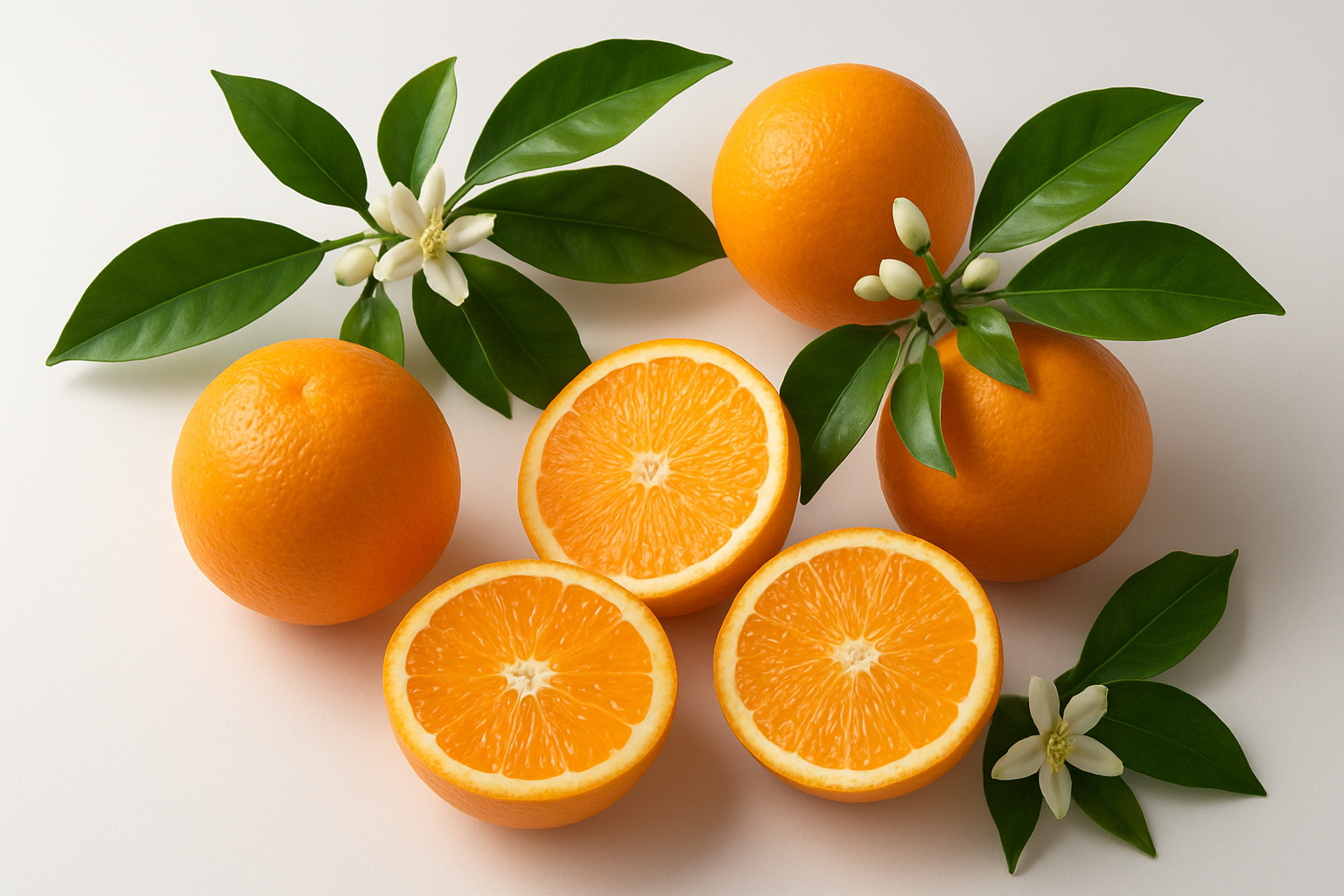
Oranges belong to the genus Citrus within the family Rutaceae, making them part of a diverse group that includes lemons, limes, and grapefruits. The most common orange species we encounter is Citrus sinensis, known as the sweet orange, which accounts for about 70% of global citrus production. The scientific classification reveals fascinating relationships between different citrus fruit varieties that have evolved over thousands of years.
The bitter orange, Citrus aurantium, represents another significant species with distinct characteristics and uses. These trees demonstrate remarkable adaptability, growing in subtropical and tropical regions worldwide. Orange trees are evergreen, typically reaching heights of 20-30 feet when mature, with glossy green leaves and fragrant white blossoms that eventually develop into the beloved fruits we know today.
Botanically speaking, orange trees showcase complex genetics resulting from natural hybridization between pomelos and mandarins. This genetic heritage explains the incredible diversity we see in modern orange varieties, from blood oranges with their distinctive red pigmentation to navels with their characteristic belly button formation.
Understand Orange Fruit Structure and Components
The orange fruit structure consists of several distinct layers, each serving specific biological functions. The outermost layer, called the flavedo, contains the vibrant orange pigments and essential oils that give oranges their characteristic aroma and color. Beneath this lies the albedo, the white spongy layer that many people remove but actually contains valuable nutrients and fiber.
Inside the fruit, we find segments called carpels, each containing juice vesicles that burst with flavor when bitten. These segments are separated by thin membranes that, while sometimes removed for eating convenience, contain beneficial compounds including flavonoids and additional fiber. The seeds, when present, sit within these segments and represent the tree's reproductive mechanism.
What are oranges structurally? They're specialized berries called hesperidia, characterized by their segmented interior and leathery rind. The juice vesicles develop as specialized cells that store water, sugars, acids, and volatile compounds that create the complex flavor profile we associate with fresh oranges.
Explore Orange Growth Cycles and Development
Orange trees follow predictable growth cycles that vary slightly depending on climate and variety. The journey begins with fragrant white blossoms that appear in spring, attracting pollinators with their sweet scent. These flowers develop into small green fruits that gradually increase in size over the following months.
The maturation process takes approximately 6-12 months, depending on the variety and growing conditions. During this time, the fruits undergo remarkable chemical changes. Chlorophyll breaks down while carotenoids develop, creating the familiar orange color. Sugars accumulate while acids decrease, resulting in the perfect balance of sweetness and tartness that makes oranges so appealing.
Temperature plays a crucial role in orange development. Cool nighttime temperatures help intensify color development, while consistent warmth promotes sugar accumulation. This explains why some of the world's best oranges come from regions with warm days and cool nights.
Harvest timing requires expertise, as oranges don't continue ripening once picked. Growers test sugar content, acidity levels, and color development to determine optimal picking times. Different orange types mature at various times throughout the year, allowing for extended harvest seasons in major growing regions like California, Florida, and Mediterranean countries.
Explore the Rich History and Origins of Oranges
Trace Ancient Orange Cultivation in Asia
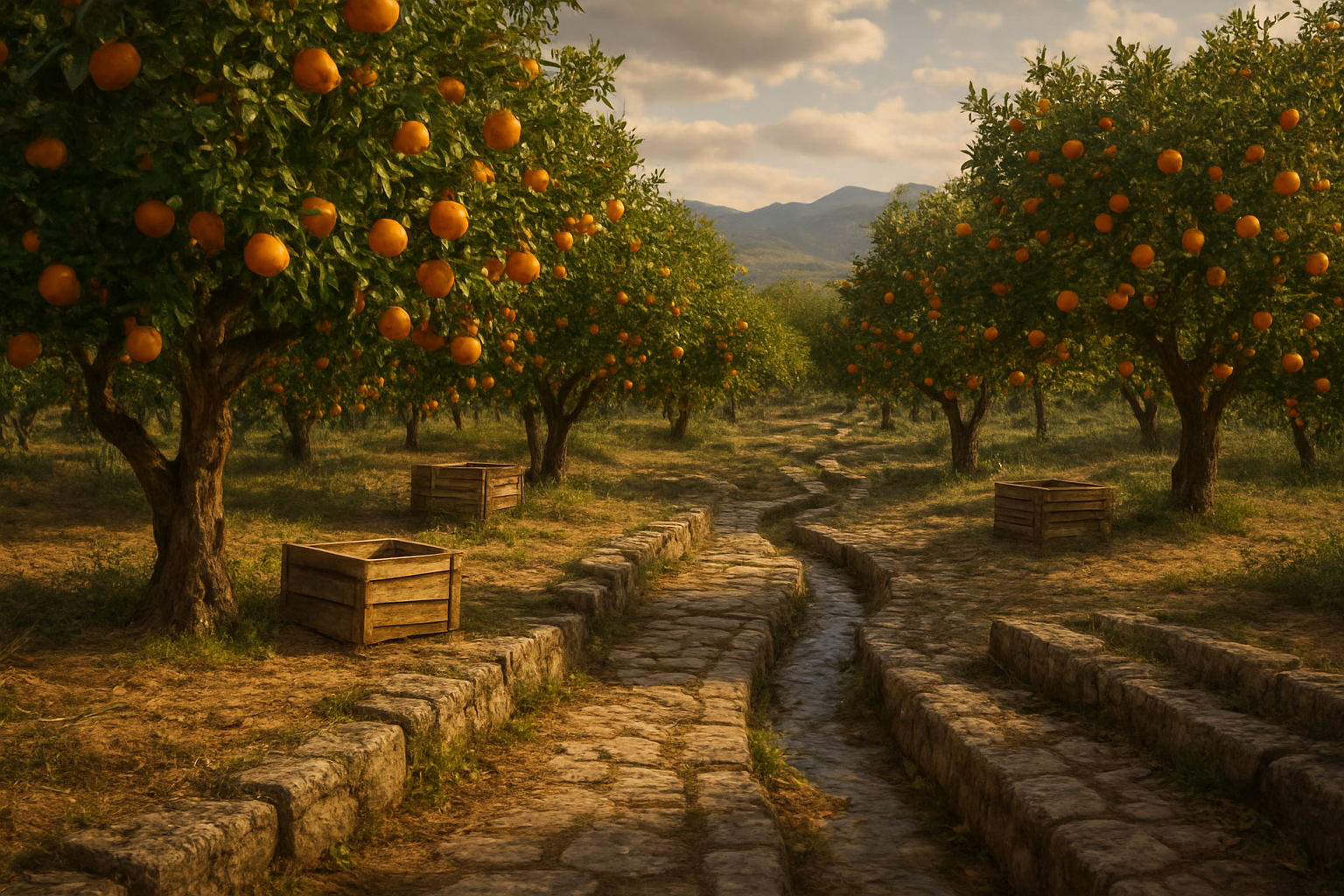
Oranges first emerged in the lush regions of Southeast Asia, particularly in northeastern India, Myanmar, and southern China around 4,000 years ago. Ancient Chinese texts from the Han Dynasty describe sweet orange cultivation as early as 314 BCE, showing how deeply embedded this citrus fruit was in Asian culture. Chinese farmers developed sophisticated cultivation techniques, carefully selecting the sweetest varieties and perfecting grafting methods that are still used today.
The ancient Chinese distinguished between sweet oranges and bitter varieties, with sweet oranges becoming a symbol of good fortune and prosperity. Buddhist monks played a crucial role in spreading orange cultivation throughout Asia, carrying seeds and saplings to monasteries across the region. By 100 CE, oranges had become so valuable that Chinese emperors maintained royal orange groves, with specially trained gardeners overseeing the cultivation of these precious fruits.
Indian cultivation records show that oranges were grown in the Assam region thousands of years ago, where wild orange trees still grow naturally. Ancient Sanskrit texts mention oranges in religious ceremonies and medicinal preparations, highlighting their cultural significance beyond mere sustenance.
Follow Orange Migration Through Trade Routes
The famous Silk Road became the primary pathway for orange history as traders carried these golden treasures westward. Arab merchants were instrumental in introducing oranges to the Mediterranean world around the 10th century. They brought both bitter and sweet varieties, establishing the first European orange groves in Spain and Sicily.
Islamic agricultural texts from the 11th century provide detailed descriptions of orange cultivation techniques, showing how Arab farmers adapted Asian methods to Mediterranean climates. The Moors introduced advanced irrigation systems and grafting techniques to Spanish orange groves, creating the foundation for Spain's modern citrus industry.
Persian traders created a network of orange cultivation that stretched from their homeland to the eastern Mediterranean. They developed methods for preserving oranges during long journeys, including techniques for drying orange peels and creating concentrated orange essences that could be reconstituted with water.
Discover How Oranges Spread Across Continents
Portuguese and Spanish explorers transformed orange cultivation from a regional specialty into a global phenomenon. Christopher Columbus carried orange seeds to the Caribbean during his second voyage in 1493, marking the beginning of New World orange cultivation. Spanish missionaries established orange groves throughout the Americas, from Florida to California to South America.
The Portuguese planted oranges in Brazil, which eventually became one of the world's largest orange producers. Dutch colonists brought oranges to South Africa, where the climate proved perfect for citrus cultivation. British colonists introduced oranges to Australia, where they flourished in the Mediterranean-like climate of certain regions.
Each new location created unique orange varieties through natural adaptation and selective breeding. California's Valencia oranges developed differently from Florida's varieties due to climate differences, while Australian navels took on characteristics distinct from their Mediterranean ancestors.
Learn About Modern Orange Cultivation Development
The 20th century brought scientific precision to orange cultivation, with researchers developing new varieties through careful crossbreeding and genetic selection. Modern orange groves use sophisticated irrigation systems, pest management techniques, and harvesting machinery that would amaze ancient cultivators.
Today's commercial orange production spans six continents, with Brazil, China, India, and the United States leading global production. Modern techniques include controlled atmosphere storage, which extends orange shelf life, and precision agriculture that monitors soil conditions and tree health using satellite technology.
Contemporary orange breeding focuses on developing varieties with enhanced orange nutrition, longer storage life, and resistance to diseases like citrus greening. Scientists work to preserve heirloom varieties while creating new ones that can thrive in changing climate conditions, ensuring that oranges remain available for future generations.
Identify Different Orange Varieties and Their Unique Characteristics
Compare Sweet Orange Types and Flavors
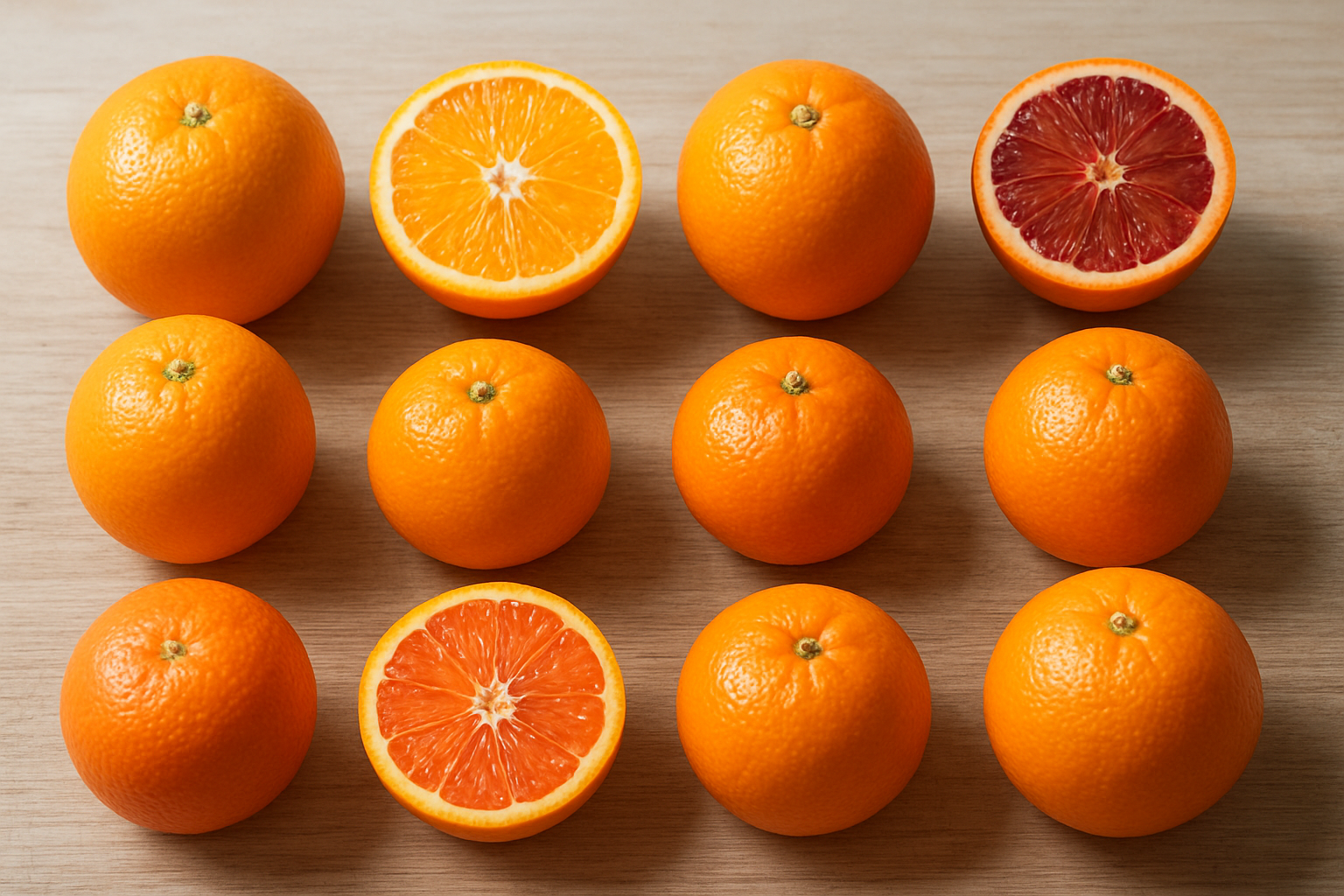
Sweet oranges represent the most popular category of orange varieties consumed worldwide. Valencia oranges stand out as the premier juice orange, packed with sweet, tangy flavor and minimal seeds. Their thin skin and high juice content make them perfect for fresh-squeezed orange juice production. These oranges ripen late in the season, typically from March through October, providing a long harvest window.
Hamlin oranges offer a different profile altogether. These early-season oranges ripen from October through January and feature a mild, sweet taste with low acidity. Their smooth, thin skin peels easily, making them excellent for fresh eating. Commercial growers appreciate Hamlin oranges for their consistent production and cold tolerance.
Pineapple oranges bring a unique tropical twist to the sweet orange family. Despite their name, these citrus fruit varieties don't contain pineapple - their name comes from their distinctively sweet, aromatic flavor that hints at tropical notes. They ripen mid-season and work beautifully both for eating fresh and juicing.
Distinguish Blood Orange Varieties and Benefits
Blood oranges create a striking visual impact with their deep red flesh, caused by anthocyanin pigments that develop in cooler climates. Moro blood oranges showcase the most intense coloration, with flesh ranging from deep burgundy to nearly black-red. Their flavor combines sweet citrus notes with hints of raspberry and cherry.
Tarocco blood oranges, often called the "half-blood" orange, display lighter red streaking throughout their flesh. These Italian favorites offer exceptional sweetness balanced with moderate acidity. Tarocco oranges contain higher levels of vitamin C compared to regular sweet oranges, plus the added antioxidant benefits from their red pigmentation.
Sanguinello blood oranges round out the trio with their medium-red flesh and excellent juice quality. These orange types develop their best color and flavor in Mediterranean climates with cool nights and warm days.
| Blood Orange Variety | Flesh Color | Peak Season | Best Use |
|---|---|---|---|
| Moro | Deep red to burgundy | December-March | Fresh eating, garnish |
| Tarocco | Light red streaks | January-May | Juice, fresh eating |
| Sanguinello | Medium red | February-April | Juice production |
Explore Navel Orange Features and Uses
Navel oranges earn their name from the distinctive "belly button" formation at their blossom end, where a secondary fruit develops inside the primary fruit. This unique characteristic makes navel oranges completely seedless, which explains their popularity for fresh consumption.
Washington Navel oranges represent the gold standard for eating oranges. Their thick, easy-to-peel skin reveals sweet, juicy segments with virtually no seeds. The flesh separates cleanly into segments, making them perfect for lunch boxes, salads, and snacking. Their peak season runs from December through April.
Cara Cara navels offer a modern twist on the traditional navel orange. These orange varieties feature pink-red flesh similar to grapefruit, with a sweeter flavor profile that lacks the typical navel orange's slight bitterness. They contain higher levels of lycopene and vitamin A compared to standard navels.
Late Navel oranges extend the navel orange season into summer months. These oranges maintain good eating quality longer on the tree, providing fresh navel oranges when other varieties have finished their season.
Understand Mandarin and Tangerine Differences
The relationship between mandarins and tangerines often confuses consumers, but understanding their distinctions helps with selection and use. Mandarins serve as the broader category encompassing all loose-skinned citrus fruit with easily separated segments.
Tangerines represent just one type of mandarin, specifically those with deep orange-red color and slightly tart flavor. True tangerines include varieties like Dancy and Ponkan, which feature traditional tangerine characteristics: bright color, intense aroma, and zesty taste.
Clementines, another mandarin type, offer seedless convenience and sweet flavor. These small oranges peel effortlessly and separate into neat segments, making them ideal for children's snacks and cooking applications. Their sweet taste contains minimal acidity compared to tangerines.
Satsuma mandarins bring cold tolerance and early ripening to the mandarin family. These Japanese-origin fruits ripen as early as October in some regions. Their loose skin peels away easily, revealing sweet, juicy segments with few to no seeds. Satsumas handle cold temperatures better than most citrus fruit varieties, allowing cultivation in borderline citrus regions.
| Mandarin Type | Skin Thickness | Seed Content | Peak Flavor Profile |
|---|---|---|---|
| Tangerine | Medium | Some seeds | Tart, zesty |
| Clementine | Thin | Seedless | Sweet, mild |
| Satsuma | Very loose | Few/no seeds | Sweet, delicate |
Unlock the Nutritional Powerhouse of Oranges
Maximize Vitamin C Benefits for Immune Health
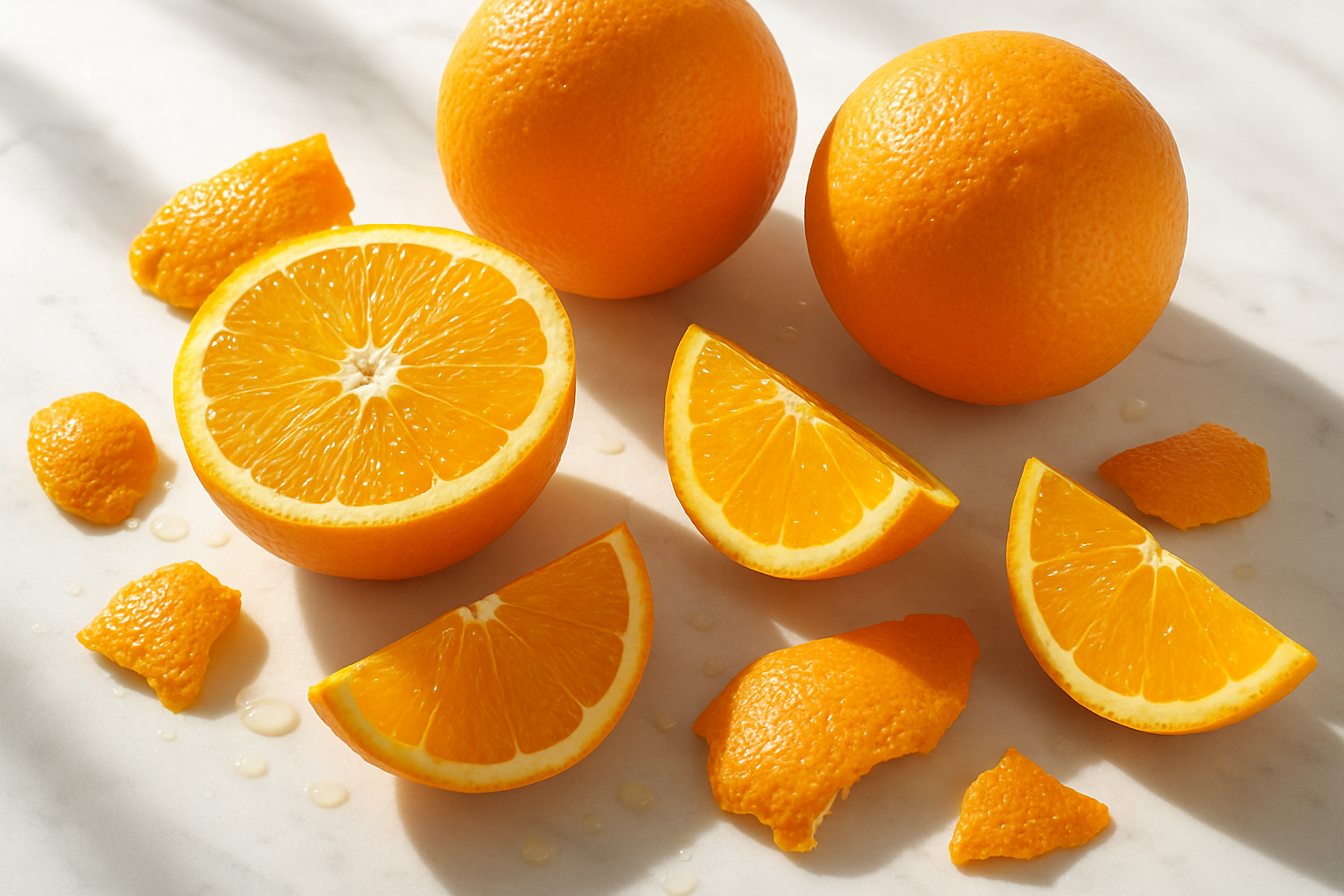
Oranges pack an incredible vitamin C punch that can transform your immune system's performance. A single medium orange delivers about 70 milligrams of vitamin C - that's nearly 78% of your daily recommended intake. This powerful citrus fruit stands out among orange nutrition champions because your body absorbs its vitamin C more effectively than synthetic supplements.
Your immune cells depend heavily on vitamin C to function properly. White blood cells, which fight off infections and diseases, store high concentrations of this vitamin and rapidly deplete their reserves during illness. Regular orange consumption helps maintain these crucial vitamin C levels, giving your immune system the fuel it needs to stay strong.
The natural form of vitamin C found in oranges comes with additional compounds called flavonoids that work together to enhance absorption and effectiveness. Unlike isolated vitamin C pills, eating whole oranges provides this synergistic effect that maximizes the orange benefits for your health.
Fresh orange juice contains similar vitamin C levels, but whole oranges offer superior benefits because the fiber slows down sugar absorption while preserving all the immune-boosting compounds. Peak vitamin C content occurs in fully ripe oranges, so choosing oranges with bright, firm skin ensures you get maximum nutritional value.
Harness Fiber Content for Digestive Wellness
The fiber content in oranges creates a foundation for excellent digestive health. One medium orange contains approximately 3 grams of dietary fiber - a combination of soluble and insoluble types that each serve unique digestive functions.
Soluble fiber in oranges dissolves in water to form a gel-like substance in your digestive tract. This process slows down digestion, helping stabilize blood sugar levels and keeping you satisfied longer. The pectin found in orange pulp and white pith acts as a natural prebiotic, feeding beneficial gut bacteria that support overall digestive wellness.
Insoluble fiber adds bulk to stool and promotes regular bowel movements. This type of fiber helps prevent constipation and reduces the risk of digestive disorders. The white pith underneath the orange peel contains the highest concentration of this beneficial fiber, making whole orange segments more valuable than juice alone.
| Fiber Type | Amount per Orange | Primary Benefit |
|---|---|---|
| Soluble | 1.8g | Blood sugar control |
| Insoluble | 1.2g | Digestive regularity |
| Total | 3.0g | Complete digestive support |
Regular orange consumption supports healthy gut microbiome diversity. The natural sugars in oranges, combined with fiber, create an ideal environment for beneficial bacteria to thrive while limiting harmful bacterial growth.
Use Antioxidants for Anti-Aging Properties
Oranges contain over 170 different phytochemicals and more than 60 flavonoids that work as powerful antioxidants. These compounds fight free radicals - unstable molecules that damage cells and accelerate aging processes throughout your body.
Hesperidin, the most abundant flavonoid in oranges, shows remarkable anti-aging properties. This compound strengthens blood vessels, reduces inflammation, and supports healthy skin by promoting collagen production. The concentration of hesperidin is highest in the white pith, making whole orange consumption more beneficial than juice extraction.
Beta-carotene gives oranges their vibrant color while protecting your skin from UV damage and supporting healthy cell turnover. This antioxidant converts to vitamin A in your body, promoting skin repair and maintaining healthy vision as you age.
The anthocyanins found in blood oranges provide additional anti-aging benefits. These compounds protect against oxidative stress, support brain health, and may help prevent age-related cognitive decline. Citrus fruit antioxidants work synergistically, creating more powerful anti-aging effects than individual compounds alone.
Vitamin C in oranges plays a dual role as both a vitamin and antioxidant. Beyond immune support, it stimulates collagen synthesis, reduces fine lines, and protects against environmental damage that leads to premature aging. The natural vitamin C in oranges remains stable longer than synthetic versions, providing sustained anti-aging benefits throughout the day.
Master Orange Selection and Storage Techniques
Identify Peak Ripeness Indicators
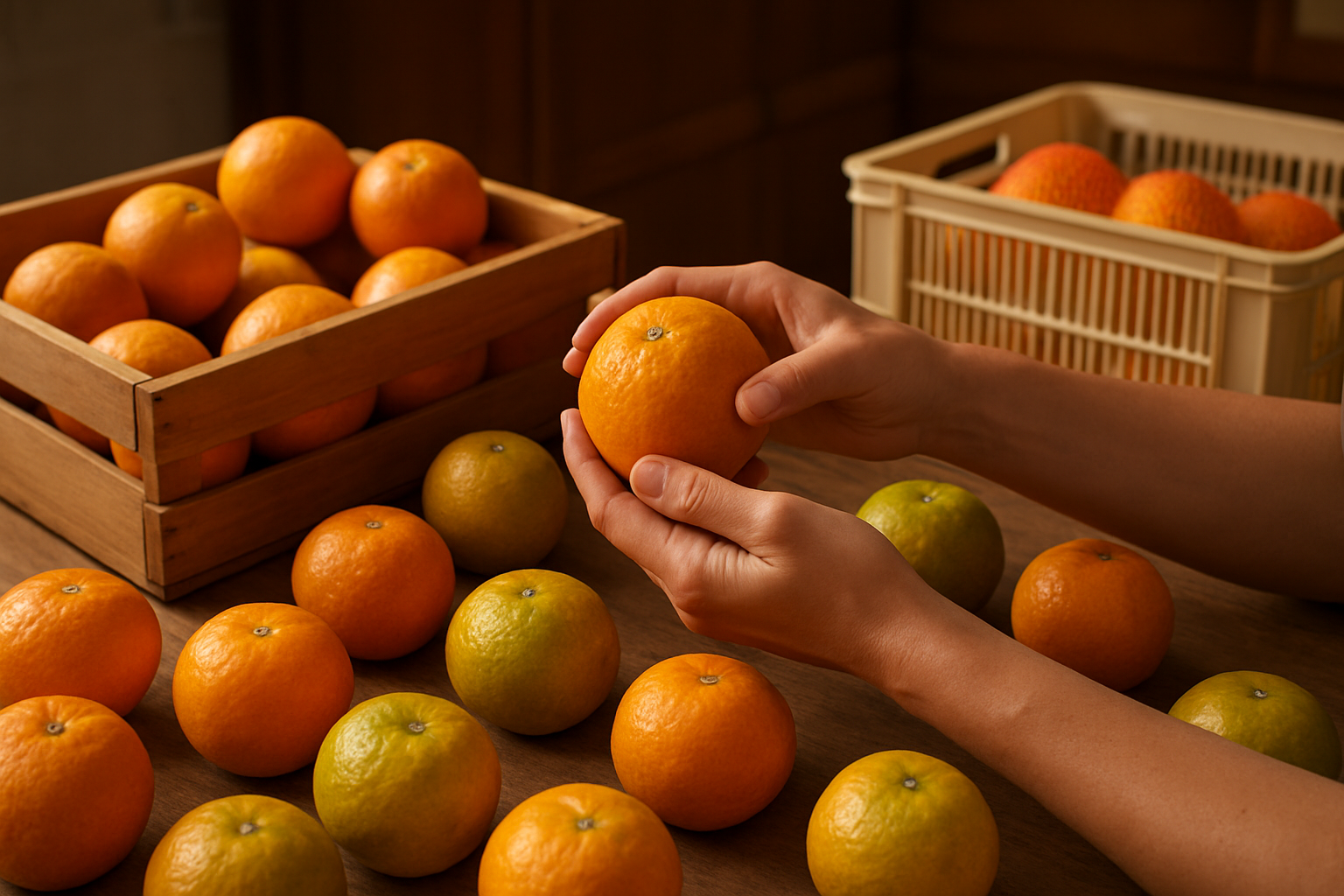
Perfect oranges display several telltale signs that signal they're ready to eat. A ripe orange feels heavy for its size, indicating high juice content. The skin should have a vibrant color specific to its variety - bright orange for navels, deep orange-red for blood oranges, or golden yellow for Valencia oranges.
Gently press the surface; ripe oranges yield slightly to pressure without feeling mushy. The skin should be smooth and firm, with minimal blemishes or soft spots. A sweet, citrusy aroma near the stem end indicates optimal ripeness. Avoid oranges with green patches, as they were picked too early and won't ripen further after harvesting.
Apply Proper Storage Methods for Freshness
Room temperature storage works best for oranges you'll consume within a week. Keep them in a well-ventilated area away from direct sunlight and heat sources. For longer storage, refrigerate oranges in the crisper drawer where humidity levels stay consistent.
Store oranges loose rather than in plastic bags, which trap moisture and accelerate spoilage. Separate damaged fruits immediately, as one bad orange can quickly affect others. Never store oranges near apples or bananas, which release ethylene gas that speeds up deterioration.
Whole oranges last 1-2 weeks at room temperature and 3-4 weeks refrigerated. Once cut, store orange segments in airtight containers in the refrigerator for up to 3 days.
Extend Orange Shelf Life Naturally
Simple techniques can significantly extend your oranges' freshness. Wrap individual oranges in paper towels before refrigerating to absorb excess moisture. Check stored oranges regularly and remove any showing signs of decay.
Consider freezing orange segments for long-term storage. Peel and segment fresh oranges, then freeze on baking sheets before transferring to freezer bags. Frozen orange segments keep for up to 8 months and work perfectly in smoothies.
Proper air circulation prevents mold growth. Store oranges in mesh bags or perforated containers rather than sealed plastic. This allows air to flow while maintaining optimal humidity levels.
Recognize Quality Signs When Purchasing
Choose oranges with unblemished, taut skin that feels firm to touch. Avoid fruits with soft spots, wrinkled areas, or dark patches, which indicate age or damage. The best oranges have consistent color and feel heavy relative to their size.
Examine the stem end carefully - it should be dry without signs of mold or green coloring. Fresh oranges have a pleasant citrus scent without any fermented or sour odors. Size doesn't determine quality, but symmetrical shapes often indicate better growing conditions.
When buying in bulk, select oranges at similar ripeness stages to ensure even consumption timing. Mix varieties for different flavor profiles and uses throughout your orange storage period.
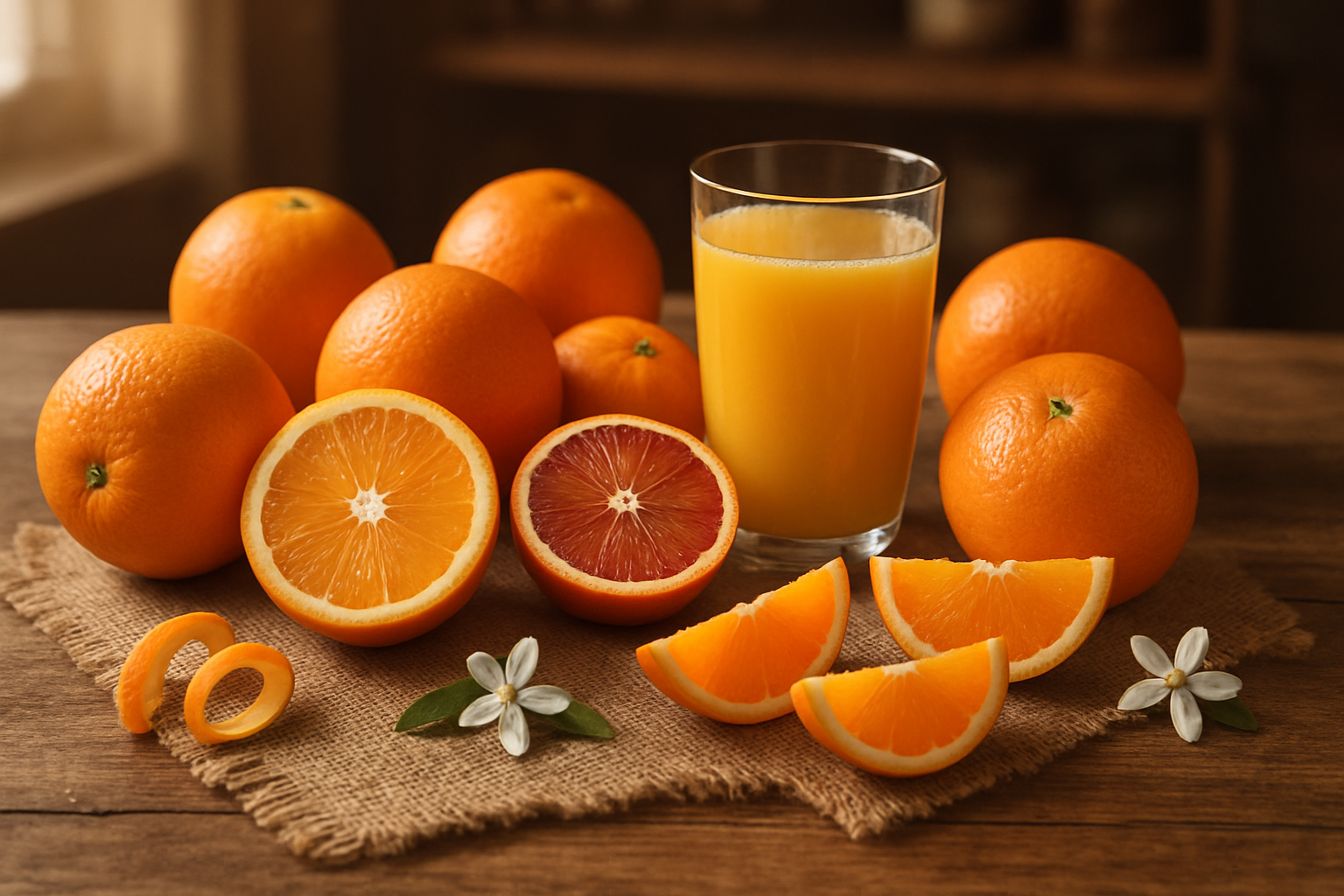
Oranges pack way more than just vitamin C into their bright, juicy segments. From their fascinating journey across continents to the dozens of varieties that grace our grocery stores today, these citrus gems have earned their spot as one of the world's most beloved fruits. Whether you're drawn to the sweet simplicity of a navel orange or the tangy kick of a blood orange, each variety brings its own special mix of flavors and nutrients to the table.
Now that you know how to spot the perfect orange and keep it fresh for weeks, it's time to make these nutritional powerhouses a regular part of your routine. Start simple – grab a few different varieties next time you're shopping and taste the differences for yourself. Your body will thank you for the vitamin boost, and your taste buds might just discover a new favorite along the way.


.png)
Comments
Post a Comment