PAPAYA - WHAT'S PAPAYA?
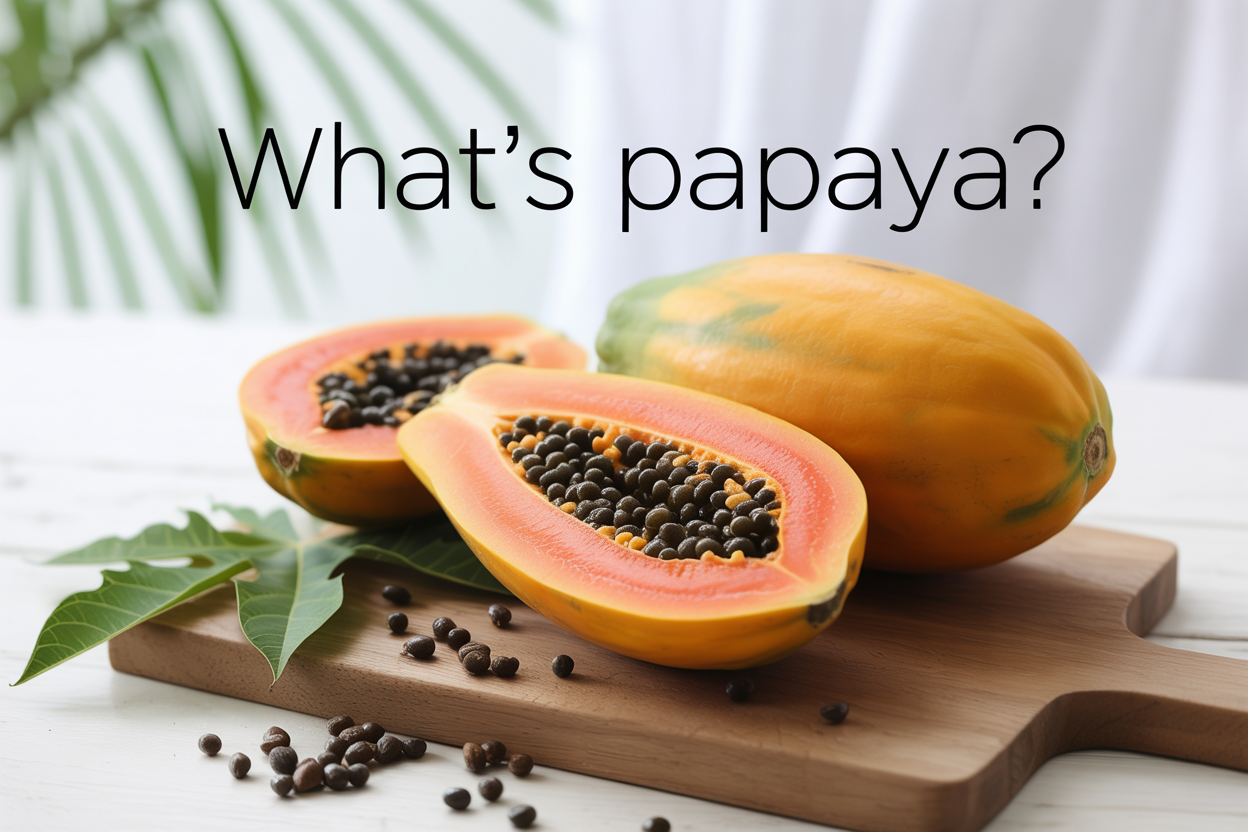
Papaya - What's Papaya?
Papaya is a vibrant orange tropical fruit that's taking the health world by storm. This guide is perfect for anyone curious about this exotic superfruit - from health enthusiasts wanting to boost their nutrition to home gardeners considering growing their own papaya tree.
You might know papaya from the grocery store, but this tropical powerhouse offers way more than just sweet flavor. We'll explore the impressive papaya nutrition profile and discover why nutritionists are calling it a superfruit packed with essential papaya vitamins.
You'll also learn practical tips for selecting the best fresh papaya at the market and storing it properly at home. Plus, we'll cover simple papaya recipes and preparation methods that make this tropical fruit easy to enjoy in your daily meals.
Understanding Papaya: The Tropical Superfruit
Botanical classification and scientific name
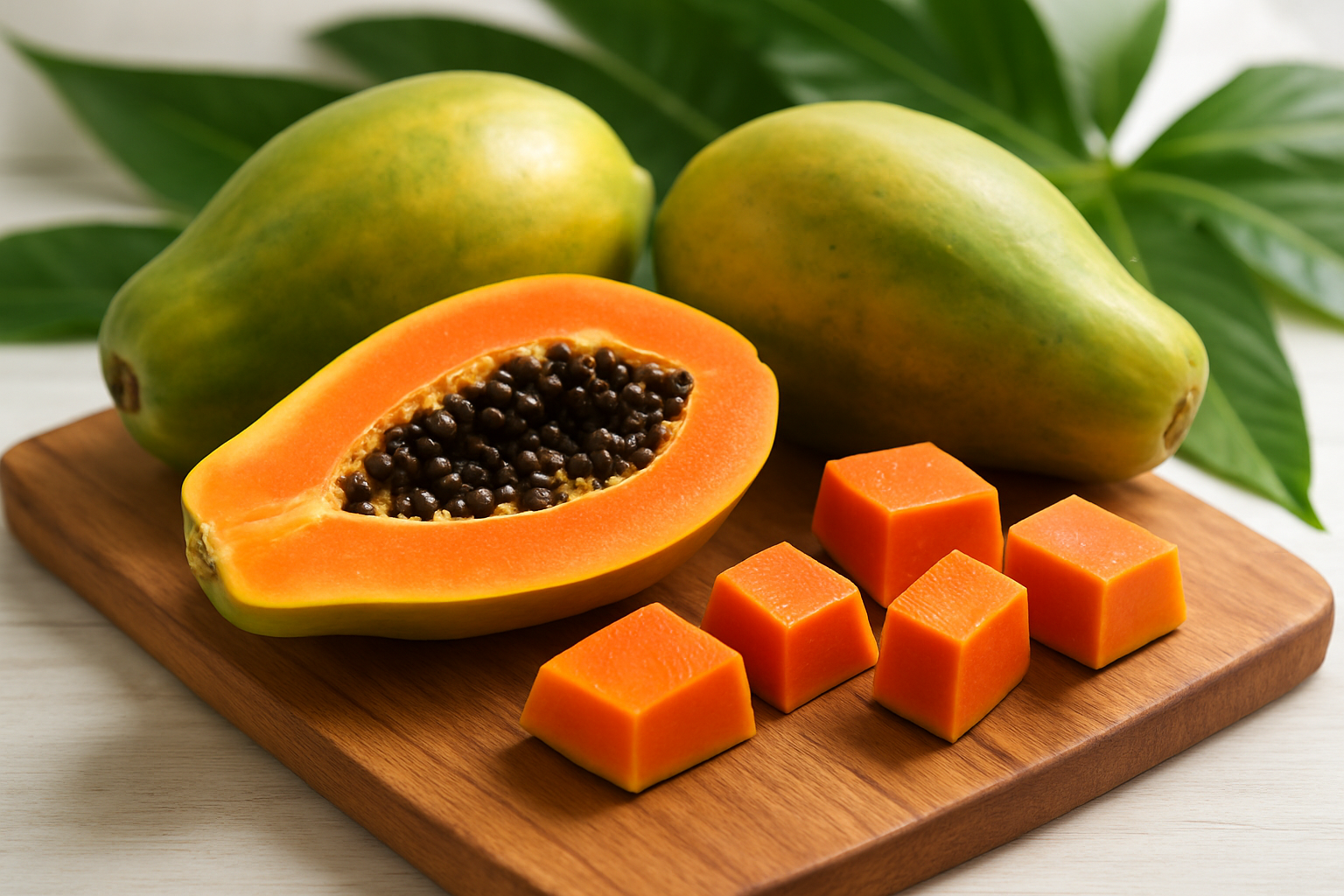
The papaya fruit belongs to the plant family Caricaceae and carries the scientific name Carica papaya. This tropical tree species originated in Central America and Southern Mexico, though it now thrives in warm climates worldwide. The papaya plant is actually classified as a large herbaceous perennial rather than a true tree, despite its impressive height that can reach up to 20 feet.
What makes papaya botanically fascinating is its unique reproductive system. Most papaya plants are either male, female, or hermaphroditic, with the hermaphroditic varieties being most valuable for commercial fruit production. The plant produces latex-like sap throughout its trunk, leaves, and unripe fruits, which contains powerful enzymes including papain - a protein-digesting compound that gives this tropical fruit many of its health benefits.
Physical appearance and distinctive characteristics
The papaya superfruit displays several unmistakable features that make it easy to identify. The fruit typically grows in an oval or pear-like shape, ranging from 6 to 20 inches in length depending on the variety. When ripe, the skin transforms from green to yellow-orange, with some varieties developing beautiful sunset hues.
Inside, the flesh reveals a vibrant orange or salmon-pink color with a smooth, buttery texture. The central cavity houses numerous small, round black seeds that have a peppery flavor similar to black pepper. These seeds are completely edible and pack their own nutritional punch.
The papaya plant itself stands out with its distinctive palm-like appearance. Large, deeply lobed leaves cluster at the top of a hollow, green trunk marked with leaf scars. The flowers appear directly on the trunk, which is quite unusual among fruit-bearing plants.
Common varieties and their unique features
Several papaya varieties offer different flavors, sizes, and growing characteristics:
Hawaiian Papayas (Solo varieties) are the most common in grocery stores. These smaller fruits typically weigh 1-2 pounds and offer sweet, mild flavor perfect for fresh eating.
Mexican Papayas grow much larger, often weighing 5-10 pounds or more. They have a more intense tropical flavor and work well in both sweet and savory dishes.
Red Lady Papayas feature vibrant red-orange flesh with exceptional sweetness. These hybrid varieties resist many common papaya diseases and produce fruit year-round in suitable climates.
Tainung Papayas from Taiwan offer excellent disease resistance and consistent fruit production. They're becoming increasingly popular with commercial growers.
Each variety brings unique papaya benefits and flavors, making this versatile tropical fruit adaptable to different culinary preferences and growing conditions.
Nutritional Powerhouse: Health Benefits of Papaya
Vitamin C Content and Immune System Support
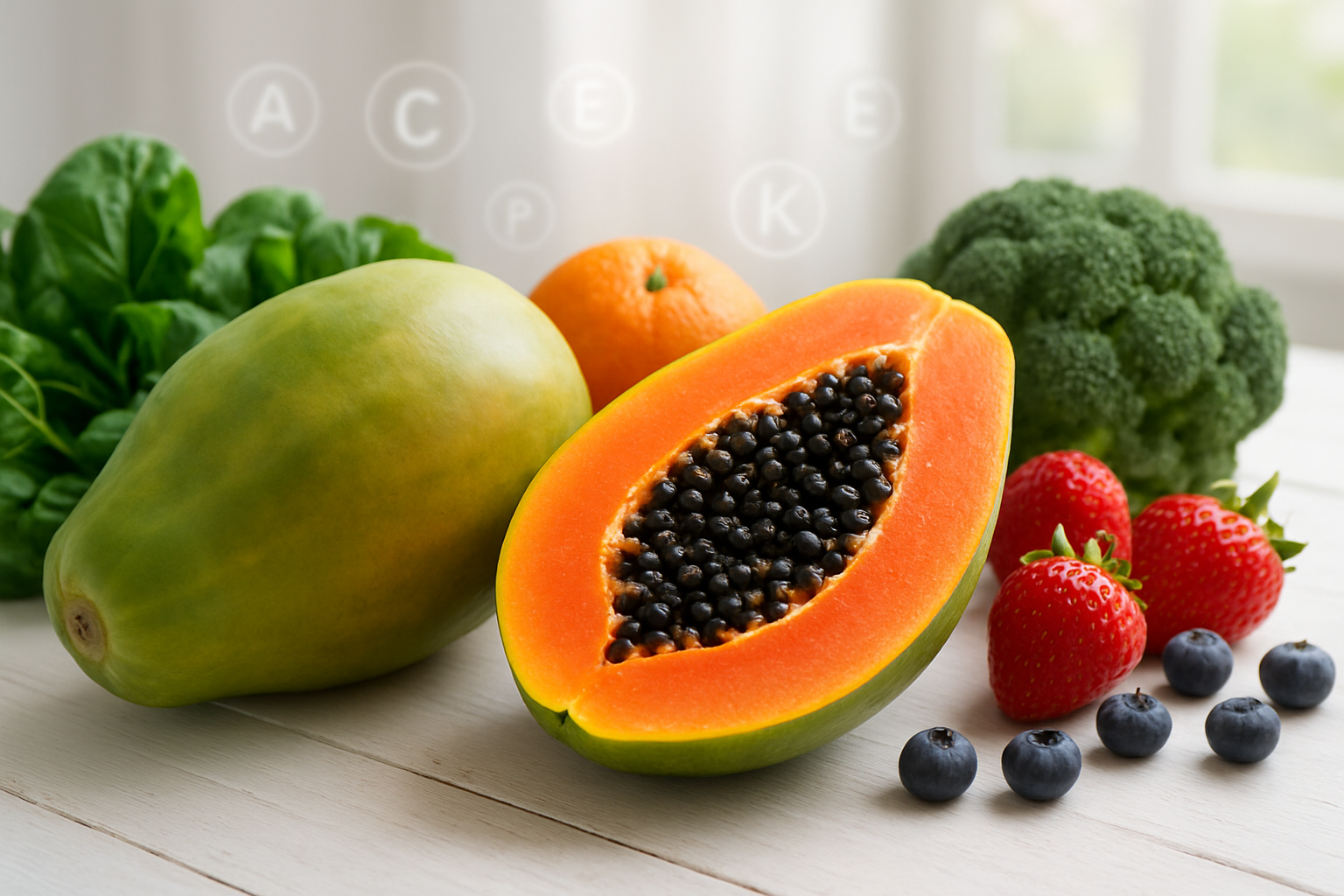
Papaya fruit packs an incredible punch when it comes to vitamin C, delivering more than 200% of your daily recommended intake in just one medium-sized fruit. This tropical superfruit actually contains more vitamin C than oranges, making it an exceptional choice for boosting your immune system naturally.
The high vitamin C content in papaya helps your body produce white blood cells, which are your first line of defense against infections and diseases. Regular consumption of papaya can help reduce the duration and severity of common colds while supporting overall immune function throughout the year.
Digestive Enzymes and Gut Health Improvement
One of papaya's most remarkable features is its natural enzyme called papain, which acts like a digestive superpower in your gut. This enzyme breaks down proteins more efficiently, making papaya benefits particularly valuable for people who struggle with protein digestion or experience bloating after meals.
Papain works alongside other enzymes naturally present in papaya to create an optimal digestive environment. These enzymes help your body absorb nutrients more effectively while reducing digestive discomfort. Many people find that eating fresh papaya after heavy meals helps prevent that uncomfortable "food coma" feeling.
Antioxidants for Anti-inflammatory Properties
Papaya nutrition shines through its impressive antioxidant profile, including lycopene, beta-carotene, and flavonoids. These powerful compounds work together to combat free radicals in your body, reducing chronic inflammation that can lead to various health issues.
The lycopene in papaya is the same antioxidant found in tomatoes, but papaya often provides higher concentrations. These antioxidants help protect your cells from damage and may reduce the risk of heart disease, certain cancers, and age-related conditions. The anti-inflammatory properties also support joint health and may help reduce arthritis symptoms.
Fiber Content for Digestive Wellness
Each serving of papaya provides substantial dietary fiber that promotes healthy digestion and regular bowel movements. The fiber content works synergistically with papaya's natural enzymes to create optimal digestive conditions.
This fiber helps maintain healthy gut bacteria, which plays a crucial role in overall health, immune function, and even mental well-being. The soluble fiber in papaya also helps regulate blood sugar levels and can contribute to heart health by helping manage cholesterol levels.
Low Calorie Count for Weight Management
Papaya superfruit status extends to weight management, as it provides exceptional nutritional density with relatively few calories. One cup of cubed papaya contains only about 60 calories while delivering vitamins, minerals, fiber, and natural sweetness that can satisfy cravings for less healthy snacks.
The natural sugars in papaya are balanced with fiber and water content, helping you feel satisfied without the blood sugar spikes associated with processed sweets. This makes papaya health benefits particularly valuable for people looking to maintain or lose weight while still enjoying delicious, naturally sweet foods.
Growing and Harvesting Papaya
Ideal Climate Conditions for Cultivation
Papaya thrives in warm, tropical and subtropical climates where temperatures consistently range between 70-90°F (21-32°C). These tropical fruits need year-round warmth and simply cannot tolerate frost, which will kill the plants instantly. The ideal growing zones fall between 25° North and 25° South latitude, where temperatures rarely drop below 60°F (15°C).
Humidity plays a crucial role in successful papaya cultivation, with optimal levels between 60-85%. The plants love consistent rainfall of 40-60 inches annually, but proper drainage is equally important to prevent root rot. Strong winds can damage the shallow root system and snap the hollow stems, so protected locations or windbreaks work best.
Papaya plants need full sun exposure for at least 6-8 hours daily to produce quality fruit. Partial shade significantly reduces fruit production and affects the sweetness of the papaya fruit. Areas with consistent sunlight throughout the year produce the most nutritious and flavorful papayas.
Planting and Care Requirements
Growing papaya starts with selecting the right soil conditions. These plants prefer well-draining, fertile soil with a pH between 6.0-7.0. Sandy loam soils work exceptionally well, while heavy clay soils should be amended with organic matter and sand to improve drainage.
Space papaya plants 8-10 feet apart to allow for their rapid growth. The plants can reach 15-20 feet in height within just 4-6 years. Dig planting holes twice as wide as the root ball and plant at the same depth the seedling was growing in its container.
Water management is critical for how to grow papaya successfully. Young plants need consistent moisture but never waterlogged conditions. Apply 1-2 inches of water weekly, adjusting based on rainfall. Mature plants are somewhat drought-tolerant but produce better fruit with regular watering.
Fertilization requirements are moderate but consistent. Apply balanced fertilizer (10-10-10) monthly during the growing season. Papaya nutrition benefits from additional potassium and phosphorus during fruit development. Organic compost around the base provides slow-release nutrients and improves soil structure.
Pruning involves removing dead leaves regularly and any suckers that grow from the base. Male trees (if growing from seed) should be removed once identified, keeping only 1-2 males per 10 females for pollination.
Signs of Ripeness for Optimal Harvest
Recognizing when fresh papaya is ready for harvest determines the quality and papaya benefits you'll receive. The fruit typically takes 4-6 months from flowering to reach maturity, depending on variety and growing conditions.
Color transformation serves as the primary indicator. Green papayas gradually develop yellow or orange streaks starting from the bottom. For tree-ripened fruit, wait until the papaya is 50-75% yellow with some green remaining at the stem end. Fully yellow papayas are often overripe and may have started fermenting.
Texture changes provide another reliable sign. Gently press the fruit – it should yield slightly to pressure, similar to a ripe avocado. Hard fruit needs more time, while overly soft spots indicate overripeness or damage.
Size matters when determining harvest time. Most varieties reach 6-12 inches in length and 4-8 inches in diameter when mature. The fruit should feel heavy for its size, indicating proper water content and developed flesh.
The latex (white sap) that flows when the stem is cut changes as the fruit ripens. Green, unripe papayas produce abundant white latex, while ripe fruit produces clear or minimal latex. This traditional test helps farmers determine optimal harvest timing.
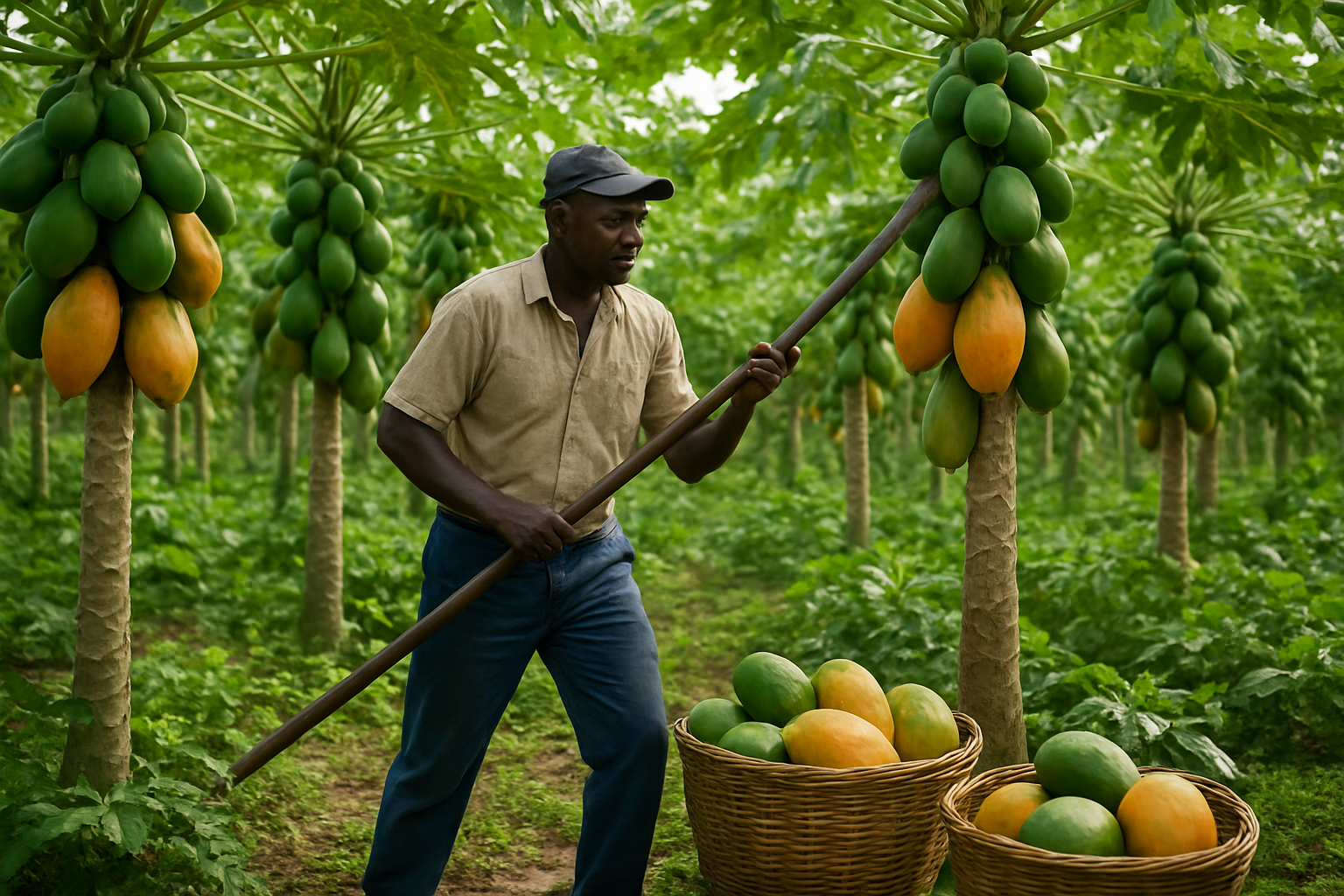
Harvest in the early morning when temperatures are cooler. Use clean, sharp tools to cut the stem, leaving about 1 inch attached to the fruit. Handle gently to avoid bruising, as even small damage reduces shelf life significantly.
Selecting and Storing Fresh Papaya
How to Identify Ripe Papaya at the Store
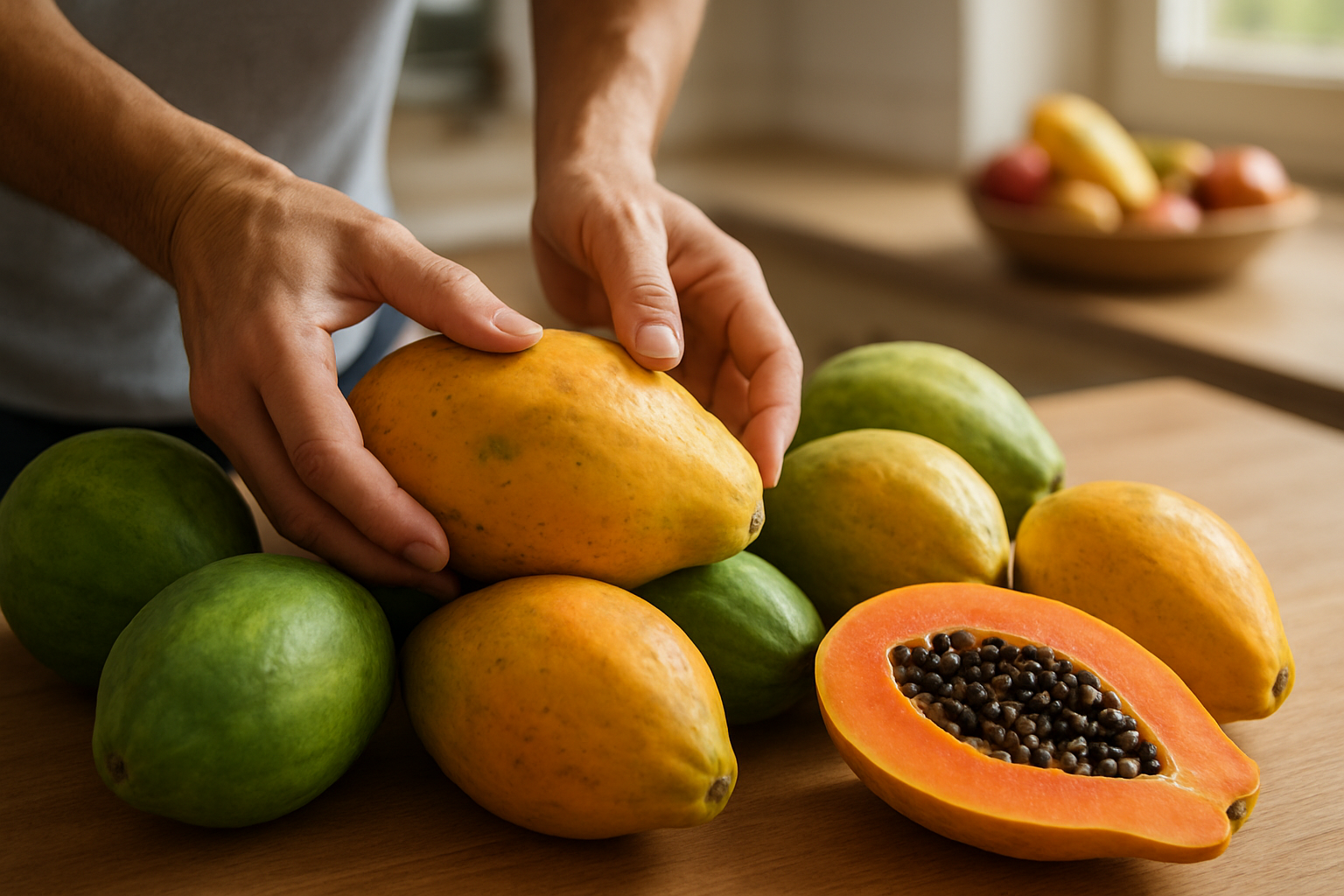
When picking fresh papaya, color tells the whole story. Look for fruit with vibrant yellow-orange skin that's about 80% changed from green. The papaya should yield slightly to gentle pressure, similar to a ripe avocado. Green papayas are unripe and need time to develop their signature sweet flavor, while overly soft ones have passed their prime.
Check the stem end for a sweet, tropical aroma – this indicates the papaya fruit has reached optimal ripeness. Avoid any with dark spots, wrinkled skin, or an overly fermented smell. The skin should appear smooth and intact, without cuts or blemishes that could harbor bacteria.
Size matters less than appearance and feel. Some varieties naturally stay smaller, so don't automatically choose the largest option. A ripe papaya typically weighs between 1-2 pounds, though smaller varieties can be perfectly delicious.
Proper Storage Methods for Maximum Freshness
Fresh papaya requires different storage approaches depending on ripeness. Ripe papayas belong in the refrigerator, where they'll stay fresh for 4-7 days. Store them in the crisper drawer, preferably in a perforated plastic bag to maintain humidity while allowing air circulation.
Unripe papayas should stay at room temperature until they soften and develop their yellow-orange color. Keep them on your kitchen counter away from direct sunlight. The ripening process typically takes 2-4 days at room temperature.
Once cut, papaya needs immediate refrigeration. Wrap cut pieces tightly in plastic wrap or store in airtight containers. Consume within 2-3 days for best quality and taste. The exposed flesh loses moisture quickly, so proper wrapping prevents the tropical fruit from drying out.
Shelf Life and Ripening Acceleration Techniques
Room temperature papayas ripen naturally within 3-5 days. To speed up the process, place unripe papaya in a paper bag with a ripe banana or apple. These fruits release ethylene gas, which accelerates ripening. Check daily to prevent over-ripening.
Refrigerated ripe papayas maintain quality for up to one week. The cold temperature slows down the ripening process, giving you more time to enjoy your papaya nutrition benefits. Whole papayas last longer than cut pieces, which should be consumed within 2-3 days.
Frozen papaya works well for smoothies and desserts. Cut ripe fruit into chunks, spread on a baking sheet to freeze individually, then transfer to freezer bags. Frozen papaya pieces keep for up to 6 months, though texture changes make them unsuitable for fresh eating.
Signs of Spoilage to Avoid
Several warning signs indicate your papaya has gone bad. Soft, mushy spots or dark patches on the skin signal deterioration. White or gray mold growth anywhere on the fruit means immediate disposal – don't try to salvage good portions from moldy papayas.
An overly fermented or alcohol-like smell indicates bacterial growth. Fresh papaya should smell sweet and tropical, never sour or off-putting. Liquid seepage from the stem end or anywhere on the skin also signals spoilage.
Inside, spoiled papaya flesh appears slimy, has an off-color, or tastes sour instead of sweet. Black seeds are normal, but if the flesh around them looks dark or mushy, the fruit has deteriorated. Trust your senses – when in doubt, throw it out to avoid foodborne illness.
Culinary Applications and Preparation Methods
Traditional Raw Consumption Techniques
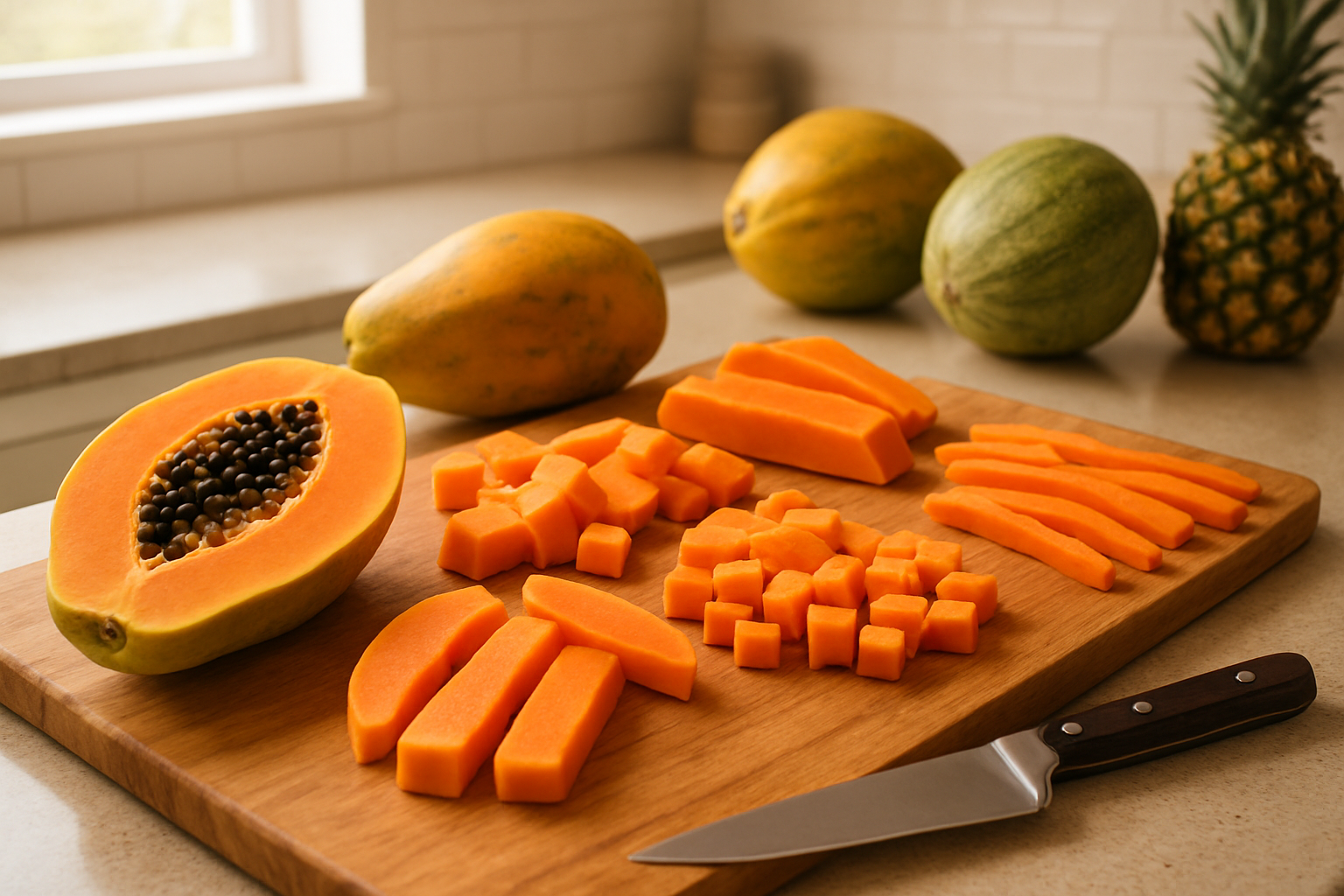
The most popular way to enjoy fresh papaya is simply cutting it into bite-sized pieces and eating it raw. Start by selecting a ripe papaya that gives slightly when pressed, then wash the exterior thoroughly. Cut the papaya in half lengthwise and scoop out the black seeds with a spoon. The seeds are actually edible and have a peppery flavor similar to black pepper, though most people discard them.
For optimal taste, peel away the skin using a sharp knife or vegetable peeler, then slice the flesh into wedges or cubes. Many people enjoy sprinkling lime juice and a pinch of salt over their papaya pieces, which enhances the natural sweetness and adds a refreshing tang. In tropical regions, vendors often serve papaya with chili powder, creating a perfect balance of sweet, sour, and spicy flavors.
Another traditional method involves making papaya into a refreshing salad. Green papaya, which is unripe papaya fruit, works exceptionally well for this purpose. Grate or julienne the green papaya into thin strips, then toss with lime juice, fish sauce, palm sugar, and chilies for an authentic Thai som tam experience.
Popular Cooking Methods and Recipes
While papaya is delicious raw, cooking opens up entirely new flavor profiles for this tropical fruit. Green papaya works wonderfully in savory dishes, absorbing flavors like a sponge while maintaining its crisp texture. One popular cooking method involves stir-frying green papaya with garlic, onions, and your choice of protein.
Ripe papaya can be grilled for a caramelized exterior that intensifies its natural sweetness. Simply cut thick slices, brush with a little honey or maple syrup, and grill for 2-3 minutes per side. This method works perfectly as a side dish for grilled meats or as a unique dessert option.
Papaya also shines in curries and stews. In Filipino cuisine, green papaya is a key ingredient in chicken tinola, where it absorbs the savory broth while adding subtle sweetness. Indian cuisine features papaya in various dal preparations and vegetable curries, where its mild flavor complements stronger spices beautifully.
For those interested in preserving, papaya can be pickled, candied, or made into chutneys. These preparations extend the fruit's shelf life while creating versatile condiments that pair well with both sweet and savory dishes.
Creative Uses in Smoothies and Desserts
Papaya's creamy texture and natural sweetness make it perfect for smoothies and frozen treats. A basic papaya smoothie combines ripe papaya chunks with coconut milk, a splash of lime juice, and honey to taste. The result is incredibly smooth and naturally thick without needing additional thickeners.
For a more exotic twist, try blending papaya with mango, pineapple, and ginger for a tropical paradise in a glass. The papaya nutrition profile adds valuable vitamins and enzymes while contributing to the smoothie's creamy consistency. Frozen papaya chunks work particularly well, creating an almost ice cream-like texture.
Papaya makes an excellent base for sorbets and ice creams. Its high water content and natural sugars freeze beautifully, creating refreshing desserts perfect for hot weather. Add coconut cream for richness or lime zest for brightness.
Creative dessert applications include papaya parfaits layered with yogurt and granola, papaya fool mixed with whipped cream, and even papaya bread similar to banana bread. The fruit's mild flavor pairs wonderfully with vanilla, coconut, lime, and tropical spices like cardamom and ginger.
International Cuisine Applications
Different cultures around the world have developed unique ways to incorporate papaya into their traditional dishes. In Mexican cuisine, green papaya appears in fresh salsas alongside tomatoes, onions, and cilantro, adding a crisp texture and subtle sweetness that complements spicy foods.
Thai cuisine showcases papaya most famously in som tam, a spicy salad that balances sweet, sour, salty, and spicy flavors. This dish demonstrates how green papaya can serve as an excellent vehicle for bold seasonings while maintaining its distinctive crunch.
Indian cooking traditions use both ripe and unripe papaya in various ways. Green papaya appears in sambars, rasams, and vegetable curries, while ripe papaya is often used in desserts like halwa or served with a sprinkle of black salt as a digestive aid after meals.
Caribbean cuisines incorporate papaya into fruit salads, drinks, and meat marinades. The natural enzymes in papaya, particularly papain, make it an excellent meat tenderizer, which is why many Caribbean marinades include papaya puree or juice.
Filipino cuisine features papaya in both sweet and savory applications, from the hearty chicken tinola soup to sweet papaya preserves. The versatility of this tropical fruit allows it to adapt to different flavor profiles while maintaining its beneficial nutritional properties.
Papaya stands out as one of nature's most versatile gifts, packed with vitamins, minerals, and enzymes that support everything from digestion to immune health. This tropical fruit brings together incredible nutritional value with delicious taste, making it easy to add healthy benefits to your daily routine. From its rich vitamin C content to powerful antioxidants, papaya delivers real health advantages that can make a difference in how you feel.
Getting the most from papaya is simple once you know what to look for and how to handle it properly. Choose fruits that give slightly to pressure and store them correctly to enjoy peak flavor and nutrition. Whether you eat it fresh, blend it into smoothies, or use it in cooking, papaya adapts to countless recipes and preparation styles. Start exploring this amazing fruit today - your taste buds and your body will thank you for it.


.png)
Comments
Post a Comment