PEACHES - WHAT ARE PEACHES?
What Are Peaches? Your Complete Guide to This Beloved Summer Fruit
Peaches are sweet, fuzzy stone fruits that belong to the rose family and have captured hearts worldwide with their juicy flesh and distinctive aroma. This guide is perfect for anyone curious about peach fruit basics, home gardeners considering peach cultivation, or food lovers wanting to explore different peach varieties in their cooking.
We'll start by exploring what exactly defines a peach and dive into the fascinating types of peaches you can find, from freestone to clingstone varieties. You'll also discover the impressive peach nutrition facts and health benefits of peaches that make this fruit more than just a tasty treat. Finally, we'll cover practical tips for how to grow peaches successfully and share creative peach recipes to make the most of your harvest or grocery store finds.
Botanical Classification and Basic Definition
Scientific name and family classification
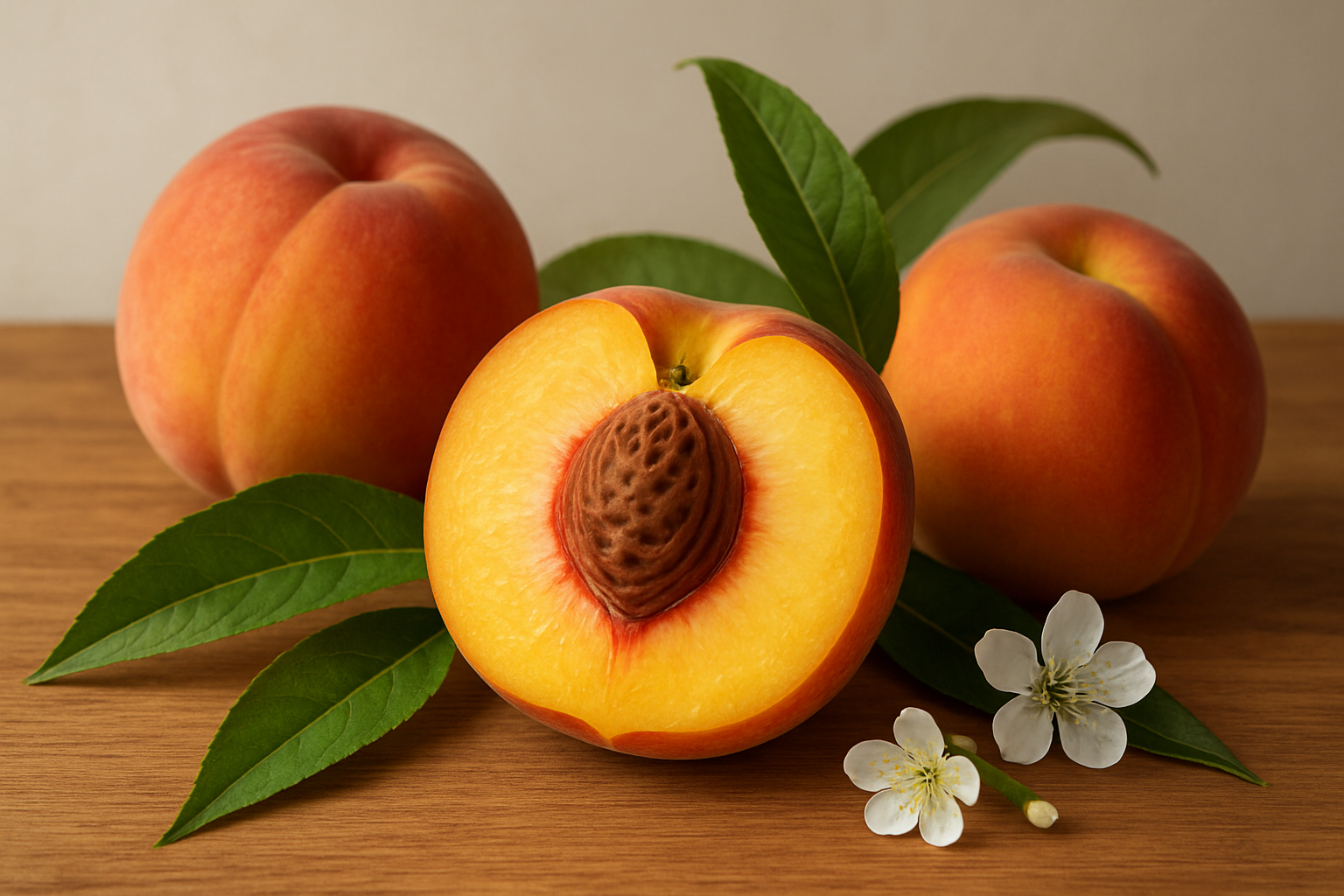
Peaches belong to the species Prunus persica and are members of the Rosaceae family, which also includes roses, apples, cherries, and almonds. This botanical classification places peaches within the Prunus genus alongside other beloved stone fruits like plums, apricots, and cherries. The scientific name "persica" refers to Persia (modern-day Iran), where Europeans first encountered these delicious fruits, though they actually originated in China.
The Rosaceae family is characterized by flowers with five petals and numerous stamens, which you can observe during peach blossom season. This family connection explains why peach trees produce such beautiful, fragrant flowers before the fruit develops.
Physical characteristics that define a peach
Peach fruit displays several distinctive physical features that make identification straightforward. The most recognizable characteristic is their fuzzy, velvety skin that ranges from pale yellow to deep red-orange, often with a beautiful blush of pink or red coloring. This soft fuzz, called trichomes, serves as natural protection against insects and moisture loss.
Inside, peaches contain sweet, juicy flesh that can be either yellow, white, or even red near the pit. The texture varies from firm to soft and melting, depending on ripeness and variety. At the center lies a hard, woody pit (technically called an endocarp) that contains a single seed.
The shape is typically round to slightly oval, with a distinctive suture line running from stem to tip, creating the classic peach silhouette. Most peaches measure 2-4 inches in diameter and weigh between 4-6 ounces when fully mature.
Difference between peaches and nectarines
While peaches and nectarines are essentially the same fruit species, one key difference sets them apart: the presence or absence of fuzz. Peaches have that characteristic fuzzy skin, while nectarines have completely smooth, glossy skin. This difference comes down to a single gene - nectarines are simply a genetic variant of peaches where the fuzzy gene is recessive.
| Feature | Peaches | Nectarines |
|---|---|---|
| Skin texture | Fuzzy, velvety | Smooth, glossy |
| Skin thickness | Slightly thicker | Thinner |
| Flavor intensity | Milder, sweeter | Often more intense |
| Size | Generally larger | Usually smaller |
Both fruits share identical nutritional profiles and can be used interchangeably in most recipes. Nectarines sometimes have a slightly more concentrated flavor due to their smaller size and thinner skin.
Stone fruit category explanation
Peaches belong to the stone fruit category, scientifically known as drupes. Stone fruits get their name from the hard, stone-like pit at their center that protects the seed inside. This pit is actually the hardened inner layer of the fruit wall, called the endocarp.
Stone fruits share several common characteristics:
-
Single hard pit containing one seed
-
Soft, juicy flesh surrounding the pit
-
Thin outer skin
-
Development from a single flower ovary
Other popular stone fruits include:
-
Plums
-
Apricots
-
Cherries
-
Olives
-
Dates
The stone fruit structure represents an evolutionary adaptation for seed dispersal. Animals eat the sweet flesh and discard or pass the hard pit, helping spread the seeds to new locations where they can germinate and grow.
Origins and Historical Background
Ancient Cultivation in China
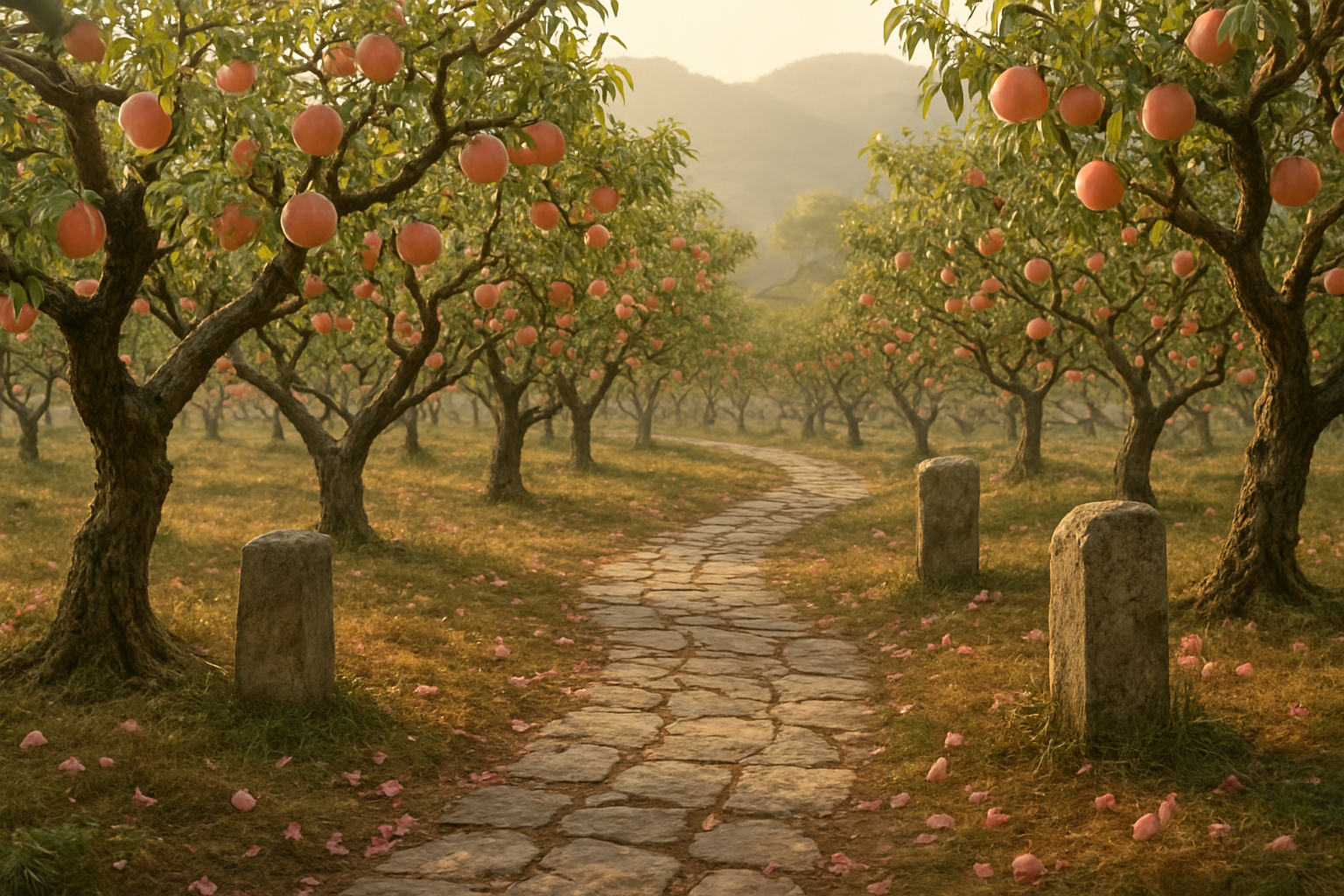
Peaches have their roots deeply planted in Chinese soil, where they first appeared around 8,000 years ago. Archaeological evidence shows that the peach fruit was already being cultivated in the Yangtze River valley during the Neolithic period. Chinese farmers recognized the potential of wild peach trees and began selectively breeding them to create sweeter, juicier varieties.
The Chinese didn't just see peaches as food - they elevated them to sacred status. In Chinese mythology, peaches symbolized immortality and longevity. The legendary Queen Mother of the West supposedly grew magical peaches in her garden that granted eternal life to anyone who ate them. This cultural reverence helped spread peach cultivation throughout ancient China, making it one of the earliest domesticated fruits in human history.
Spread Through Trade Routes to Europe
The Silk Road served as the highway that brought peaches from China to the Western world. Persian traders were among the first to carry these precious fruits westward, which is why peaches got their scientific name Prunus persica - literally meaning "Persian plum." The Romans mistakenly believed peaches originated in Persia because that's where they first encountered them.
By the first century AD, peaches had made their way into Roman gardens and kitchens. The fruit quickly gained popularity across the Mediterranean, with different regions developing their own preferred varieties. Ancient Roman writings describe peaches as luxury items, often served at elaborate banquets and used in religious ceremonies.
Introduction to North America
Spanish explorers brought peaches to the Americas in the 16th century, planting them in settlements across Florida and the southeastern United States. The fruit adapted remarkably well to the New World climate, spreading so rapidly that many Native American tribes began cultivating them within decades of their introduction.
The Cherokee, Creek, and other southeastern tribes embraced peach cultivation so enthusiastically that early European settlers often mistook peaches for native American fruits. By the 1700s, peach orchards stretched across Georgia, which would later earn the nickname "The Peach State." Thomas Jefferson grew multiple peach varieties at Monticello, helping establish the fruit as an American agricultural staple.
Cultural Significance in Different Civilizations
Different cultures have woven unique meanings around peaches throughout history. In Chinese culture, peach blossoms represent romance and marriage, while the fruit itself continues to symbolize longevity and good fortune. Japanese culture adopted similar symbolism, with peach festivals celebrating the arrival of spring and the promise of new beginnings.
European folklore painted peaches as symbols of truth and salvation. Medieval Christian art often depicted peaches as representations of virtue and the Trinity, with their heart shape and the way they hang in groups of three. Renaissance painters frequently included peaches in still-life paintings to convey messages about the fleeting nature of earthly pleasures.
In American culture, peaches became symbols of southern hospitality and agricultural abundance. The phrase "sweet as a Georgia peach" entered common language, while peach cobbler and peach pie became signature dishes representing home cooking and comfort food traditions that continue today.
Varieties and Types Available
Freestone versus Clingstone Varieties
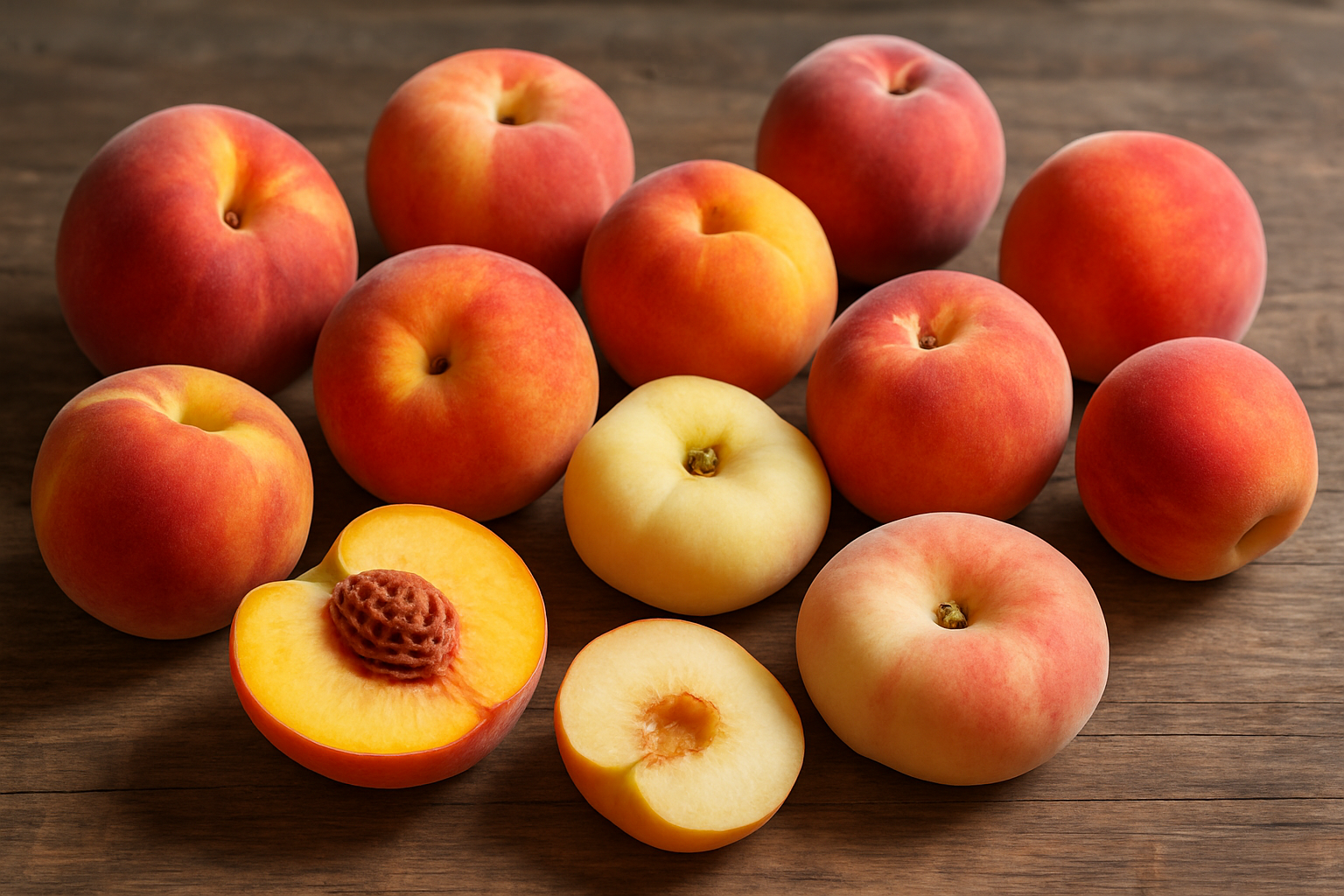
Peach varieties fall into two main categories based on how the flesh separates from the pit. Freestone peaches have flesh that easily pulls away from the stone, making them perfect for eating fresh or when you need clean peach slices for baking. The flesh practically falls off the pit with minimal effort, which explains why most grocery store peaches are freestone varieties.
Clingstone peaches have flesh that stubbornly sticks to the pit, requiring a knife to separate the fruit from the stone. While they're trickier to work with, clingstone peaches often have incredibly juicy, tender flesh that makes them ideal for canning and processing. Many commercial peach operations prefer clingstones for their processing needs because the fruit tends to hold together better during cooking.
Semi-freestone varieties exist as a middle ground, offering easier separation than full clingstones while maintaining some of that characteristic juiciness. These hybrid characteristics make them versatile for both fresh eating and cooking applications.
White Flesh versus Yellow Flesh Peaches
The flesh color of peaches creates distinct flavor profiles that appeal to different palates. Yellow flesh peaches dominate most markets and offer the classic peachy taste many people associate with the fruit. They typically have a balanced sweet-tart flavor with pronounced peach aromatics that intensify when the fruit ripens fully.
White flesh peaches provide a completely different eating experience. They're usually sweeter than their yellow counterparts, with lower acidity levels that create a more delicate, floral taste. Many describe white peaches as having subtle rose or vanilla undertones that make them exceptionally refreshing. These peach varieties have gained popularity among consumers seeking a gentler, less acidic fruit option.
Both types of peaches offer similar nutritional profiles, but the taste difference is significant enough that many orchards grow both varieties to satisfy diverse customer preferences. White peaches often command higher prices in specialty markets due to their perceived premium status and unique flavor characteristics.
Popular Commercial Varieties Worldwide
Commercial peach production relies on several key varieties that combine good shipping qualities with consumer appeal. Elberta peaches remain one of the most widely grown varieties globally, known for their large size, attractive yellow skin with red blush, and reliable freestone characteristics. These peaches ship well and maintain their quality during transport.
Red Haven represents another commercial favorite, particularly in North American markets. This variety ripens earlier in the season and offers consistent quality with bright red skin coloring that appeals to consumers. The flesh is yellow, firm, and freestone, making it versatile for fresh eating and processing.
O'Henry peaches have gained significant commercial traction due their large size and extended shelf life. These late-season peaches feature attractive red and yellow coloring with firm, yellow flesh that holds up well during shipping and storage.
International markets favor different varieties based on local climate conditions and consumer preferences. European markets often prefer varieties like Saturn peaches (donut peaches) for their unique flat shape and sweet flavor, while Asian markets have developed their own cultivars adapted to local growing conditions.
Heirloom and Specialty Cultivars
Beyond commercial varieties, numerous heirloom and specialty peach cultivars offer unique characteristics that smaller growers and specialty markets cherish. Indian Blood peaches feature deep red flesh that creates stunning visual appeal in dishes and preserves. These unusual peaches have been grown for centuries and offer complex flavor profiles that differ dramatically from standard varieties.
Donut peaches, also called Saturn peaches, have flat, disc-shaped fruits with incredibly sweet flesh and minimal pit size. Their unusual appearance makes them conversation starters at farmers markets, and their concentrated sweetness appeals to customers seeking something different from typical round peaches.
Belle of Georgia represents a classic heirloom variety with white flesh and exceptional flavor. These peaches require careful handling due to their delicate nature, but their superior taste has kept them in cultivation for over a century. Many small-scale growers specialize in these heritage varieties to serve customers seeking authentic, traditional peach flavors.
Specialty cultivars also include varieties bred for specific climates or growing conditions. Arctic varieties can tolerate colder temperatures, while desert-adapted cultivars thrive in arid conditions where traditional peaches struggle. These specialized types of peaches expand growing possibilities and preserve genetic diversity within peach cultivation.
Nutritional Profile and Health Benefits
Essential vitamins and minerals content
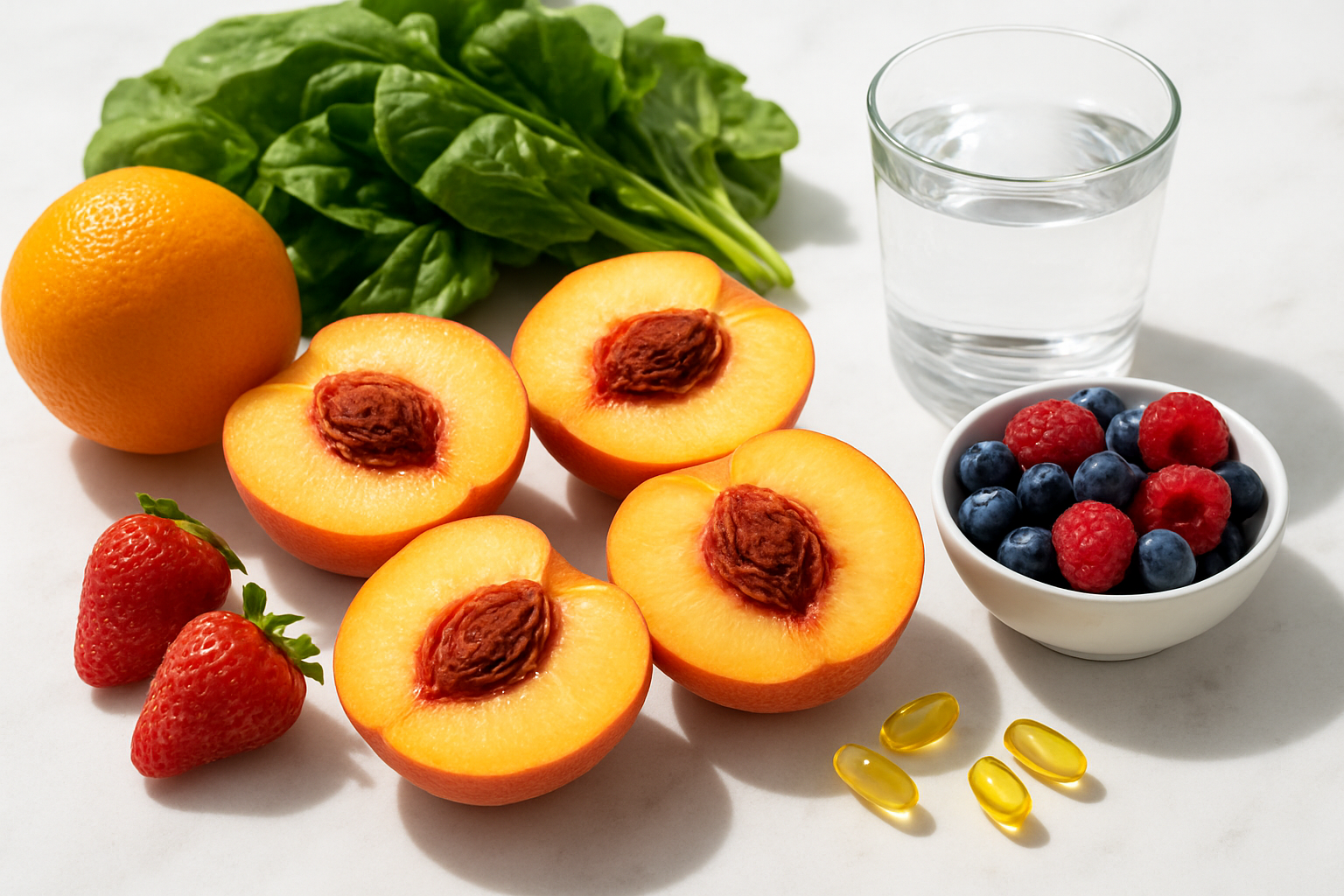
Peaches pack an impressive nutritional punch that makes them a smart choice for anyone looking to boost their health naturally. A medium-sized peach contains about 10% of your daily vitamin C needs, which plays a crucial role in immune system support and collagen production. The peach fruit also delivers a solid dose of vitamin A in the form of beta-carotene, giving peaches their beautiful orange-pink color while supporting eye health and skin maintenance.
The mineral profile of peaches includes potassium, which helps regulate blood pressure and supports proper muscle function. You'll also find smaller amounts of magnesium, phosphorus, and iron. What makes peaches particularly appealing is their low calorie count – just 60 calories per medium fruit – while still providing meaningful nutrition.
Peach nutrition facts reveal that these fruits contain folate, which is essential for DNA synthesis and red blood cell formation. The natural sugars in peaches provide quick energy without causing dramatic blood sugar spikes, making them an excellent snack choice for active individuals.
Antioxidant properties and compounds
The health benefits of peaches extend far beyond basic vitamins and minerals thanks to their rich antioxidant content. Peaches contain phenolic compounds like chlorogenic acid and catechins, which help protect cells from oxidative stress and inflammation. These powerful antioxidants work to neutralize free radicals that can damage cells and contribute to aging and disease.
The colorful pigments in peaches, particularly anthocyanins in red-fleshed varieties, provide additional antioxidant benefits. Research shows these compounds may help reduce inflammation markers in the body and support cardiovascular health. The combination of vitamin C, beta-carotene, and these specialized plant compounds creates a synergistic effect that amplifies the protective benefits.
Studies suggest that regular consumption of antioxidant-rich fruits like peaches may help reduce the risk of chronic diseases including heart disease and certain cancers. The antioxidant activity in peaches remains high even when the fruit is processed into jams or dried, though fresh peaches typically offer the highest levels.
Digestive health and fiber benefits
Peaches provide about 2.3 grams of dietary fiber per medium fruit, contributing to better digestive health and overall wellness. This fiber content includes both soluble and insoluble types, each serving different important functions in your digestive system. Soluble fiber helps slow digestion and can assist in managing blood sugar levels, while insoluble fiber adds bulk to stool and promotes regular bowel movements.
The natural enzymes present in fresh peaches can aid in breaking down proteins and support overall digestive efficiency. Many people find that eating peaches helps with mild digestive discomfort and promotes a feeling of satisfaction after meals without heaviness.
The fiber in peaches also acts as a prebiotic, feeding beneficial gut bacteria that play crucial roles in immune function and mental health. This makes peaches an excellent choice for supporting a healthy gut microbiome. The high water content in peaches – about 85% – works alongside the fiber to support hydration and healthy digestion, making them particularly refreshing during hot weather while still providing substantial nutritional benefits.
Growing Conditions and Cultivation
Climate Requirements for Optimal Growth
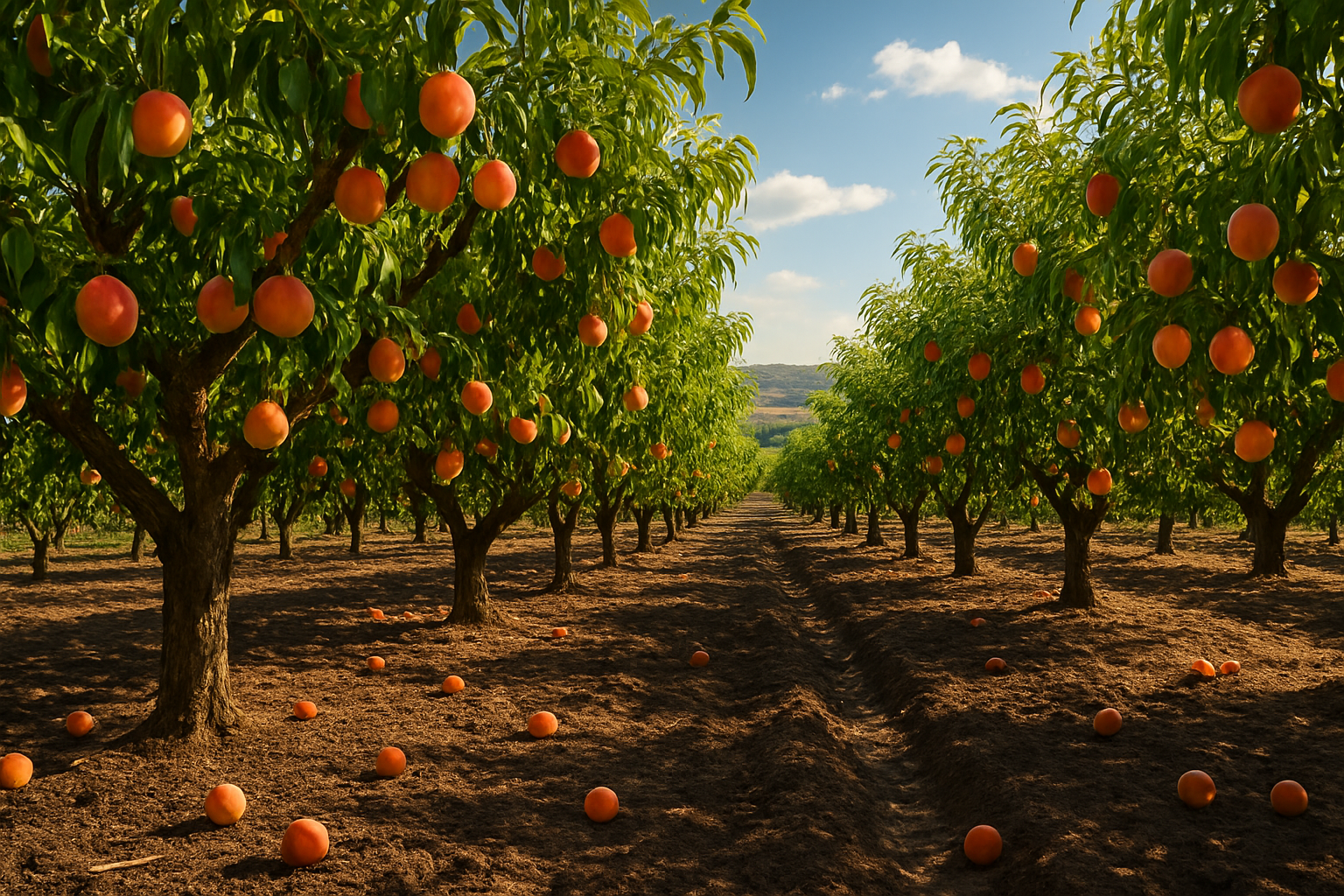
Peaches thrive in temperate climates with distinct seasonal changes. These fruit trees need cold winter months with temperatures between 32-45°F to satisfy their chilling requirements, typically needing 400-1,000 chill hours depending on the variety. Without adequate winter cold, peach trees won't produce quality fruit or may fail to bloom altogether.
During the growing season, peaches prefer warm, sunny conditions with temperatures ranging from 75-85°F. They need full sun exposure - at least 6-8 hours daily - to develop their characteristic sweetness and vibrant colors. Late spring frosts pose a significant threat to peach cultivation, as temperatures below 28°F can damage or destroy developing buds and young fruit.
USDA hardiness zones 5-9 provide the best conditions for growing peaches, though specific varieties are adapted to different zones. Southern regions can grow low-chill varieties, while northern areas require high-chill cultivars that can withstand colder winters.
Soil Conditions and Drainage Needs
Peach trees demand well-draining soil to prevent root rot and other moisture-related diseases. Sandy loam or loamy soils work best, providing good drainage while retaining some moisture and nutrients. The ideal soil pH ranges from 6.0-7.0, slightly acidic to neutral.
Poor drainage kills more peach trees than almost any other factor. Standing water around roots, even for short periods, can cause fatal root damage. If your soil has drainage issues, consider planting on raised beds or mounds 2-3 feet high and 6-8 feet wide.
Soil depth matters too - peach trees need at least 3-4 feet of well-draining soil for proper root development. Heavy clay soils should be amended with organic matter, coarse sand, or gravel to improve drainage. Adding compost annually helps maintain soil structure and provides essential nutrients.
Pruning and Maintenance Practices
Proper pruning keeps peach trees healthy, productive, and manageable. The best time for major pruning is late winter or early spring, before buds break. Peaches fruit on one-year-old wood, so annual pruning maintains a supply of productive branches.
Start with the open-center or vase shape, removing the central leader to allow sunlight and air circulation into the tree's interior. Remove dead, diseased, or crossing branches first, then thin overcrowded areas. Annual pruning should remove about 20-30% of the previous year's growth.
Summer pruning helps control tree size and removes water sprouts - vigorous upright shoots that don't produce fruit. Thinning fruit in early summer prevents branch breakage and improves fruit size and quality. Remove excess peaches when they're marble-sized, leaving 4-6 inches between remaining fruit.
Regular maintenance includes monitoring for pests like peach tree borers, aphids, and brown rot. Organic mulch around the base helps retain moisture and suppress weeds, but keep it 6 inches away from the trunk to prevent pest and disease problems.
Harvesting Timeline and Techniques
Peach harvesting timing depends on variety and climate, typically occurring from June through September in most regions. Early varieties ripen in midsummer, while late-season types extend the harvest into fall. Each tree usually produces ripe fruit over 2-3 weeks.
Determining ripeness requires multiple indicators. Ripe peaches give slightly to gentle pressure, develop their characteristic color and fragrance, and separate easily from the branch with a slight twist. The area around the stem should have no green coloring - this background color changes from green to cream or yellow when ready.
Harvest during cooler morning hours when possible, as peaches picked in heat don't store as well. Handle fruit gently to avoid bruising - peaches bruise easily once ripe. Pick slightly underripe fruit if you plan to store or transport them, as they'll continue ripening off the tree.
Fresh peaches keep 3-5 days at room temperature or up to a week refrigerated. For longer storage, peaches can be frozen, canned, or dried. Many growers make multiple harvests as fruit ripens unevenly across the tree.
Culinary Uses and Preparation Methods
Fresh eating and storage tips
The best way to enjoy peaches is to eat them at peak ripeness when they yield slightly to gentle pressure. A perfectly ripe peach fruit should have a sweet fragrance near the stem end and give just a bit when pressed gently with your thumb. The skin should have vibrant color with no green undertones.
For storage, keep unripe peaches at room temperature for 2-3 days to allow them to soften and develop their full flavor. Once ripe, store them in the refrigerator for up to one week. Never refrigerate unripe peaches as cold temperatures prevent proper ripening and can make them mealy.
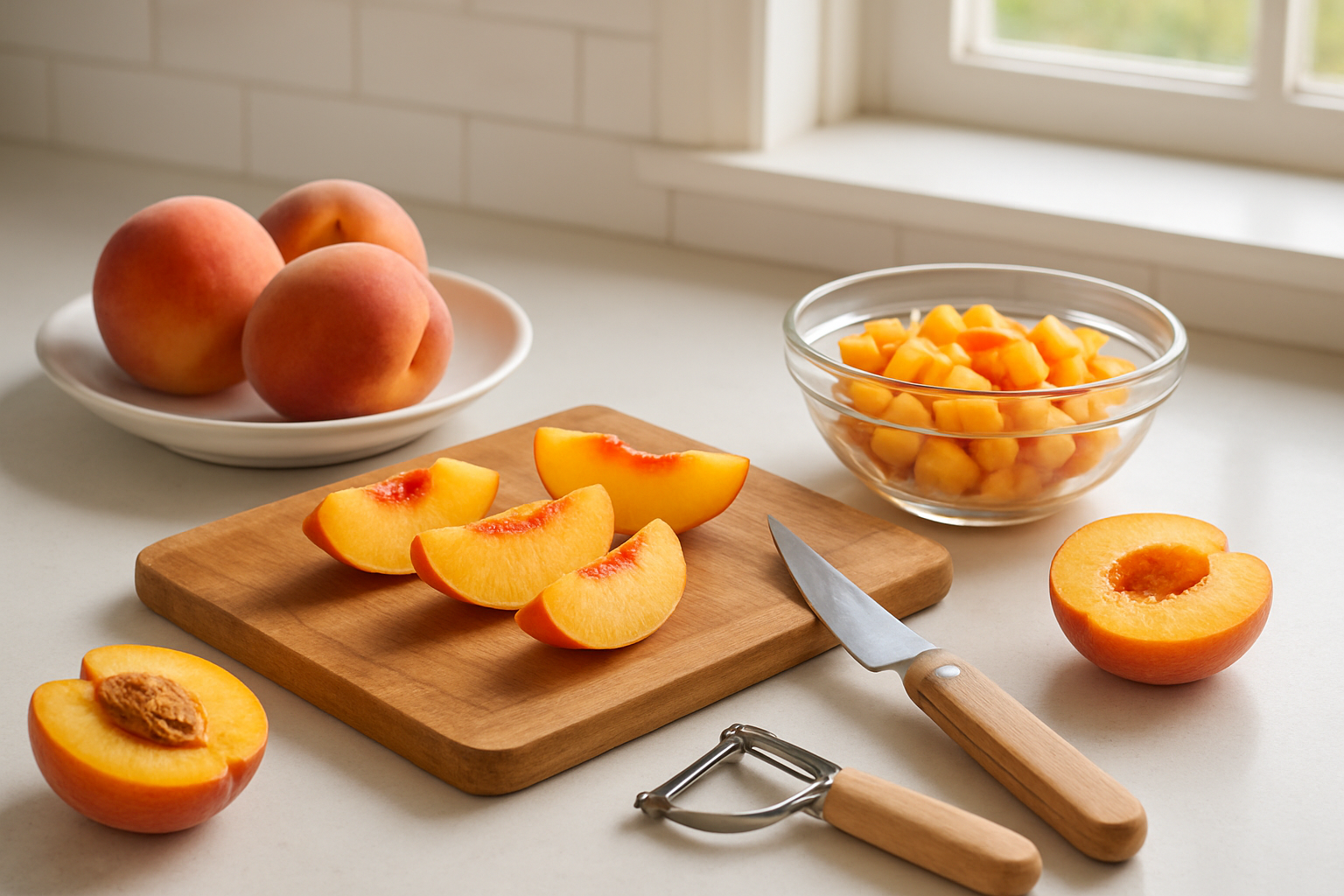
When preparing fresh peaches, wash them gently under cool running water just before eating. To remove the skin easily, blanch peaches in boiling water for 30-60 seconds, then immediately plunge into ice water. The skin will slip off effortlessly. For serving, cut peaches in half along the natural seam, twist to separate, and remove the pit with a spoon or your fingers.
Baking and dessert applications
Peaches shine in countless baked goods and desserts. Classic peach cobbler remains a beloved summer treat, where sliced peaches mingle with sugar and spices beneath a golden biscuit topping. Peach pie offers another traditional option, though the fruit's high water content requires proper thickening with cornstarch or flour.
For cakes, fold diced peaches into pound cake batter or arrange slices atop an upside-down cake. Peach crisp provides a rustic alternative to cobbler, featuring an oat-based crumbly topping. Grilled peaches caramelized with a touch of honey make an elegant dessert when served with vanilla ice cream or mascarpone.
When baking with peaches, choose varieties that hold their shape well, such as freestone types. Drain excess juice from cut peaches before adding to batters to prevent soggy textures. A light coating of flour on peach pieces helps prevent them from sinking to the bottom of cakes and muffins.
Preserving and canning techniques
Home preservation extends peach season well beyond summer. Water bath canning works perfectly for peach halves or slices packed in light syrup or their own juice. Always use tested recipes from reliable sources like the USDA Complete Guide to Home Canning for safety.
For canning, select firm, ripe peaches without blemishes. Blanch and peel as described above, then pack into sterilized jars with hot syrup, leaving proper headspace. Process in a boiling water bath for the time specified for your altitude and jar size.
Freezing offers another excellent preservation method. Slice peaches and toss with a small amount of ascorbic acid or lemon juice to prevent browning. Pack in freezer bags or containers, leaving room for expansion. Frozen peaches work wonderfully in smoothies, baked goods, and cooked desserts.
Dehydrating creates concentrated peach leather or dried slices perfect for snacking. Jam-making transforms peaches into spreads that capture summer's essence in a jar. Low-sugar pectin allows for healthier preserves that showcase the natural peach flavor.
Peaches bring together the perfect mix of sweet flavor, impressive nutrition, and amazing versatility. From their ancient roots in China to the hundreds of varieties we enjoy today, these fuzzy fruits pack vitamin C, fiber, and antioxidants that support your health in countless ways. Whether you're growing your own peach tree or just picking the best ones at the store, you're getting a fruit that works beautifully in everything from fresh snacks to decadent desserts.
Next time you bite into a juicy peach, you'll know you're enjoying one of nature's most balanced treats. Try experimenting with different varieties to find your favorites, and don't be afraid to get creative in the kitchen. Your taste buds and your body will thank you for adding more of these golden gems to your daily routine.


.png)
Comments
Post a Comment