PEARS - WHAT ARE PEARS?
What Are Pears? Your Complete Guide to This Sweet, Juicy Fruit
Pears are one of nature's most beloved fruits, offering a perfect balance of sweetness, texture, and nutrition that has delighted taste buds for thousands of years. This guide is perfect for home cooks, health-conscious eaters, and anyone curious about adding more fresh pears to their daily routine.
You'll discover the most popular pear varieties available in stores today, from crisp Anjou to buttery Bartlett types. We'll also break down the impressive pear nutrition profile and pear health benefits that make this pear fruit a smart choice for your family's diet. Finally, you'll learn practical tips for selecting the ripest pears at the store and how to store pears properly so they stay fresh longer, plus simple ways to start cooking with pears in your favorite recipes.
Understanding Pears as a Fruit
Botanical Classification and Family Origins
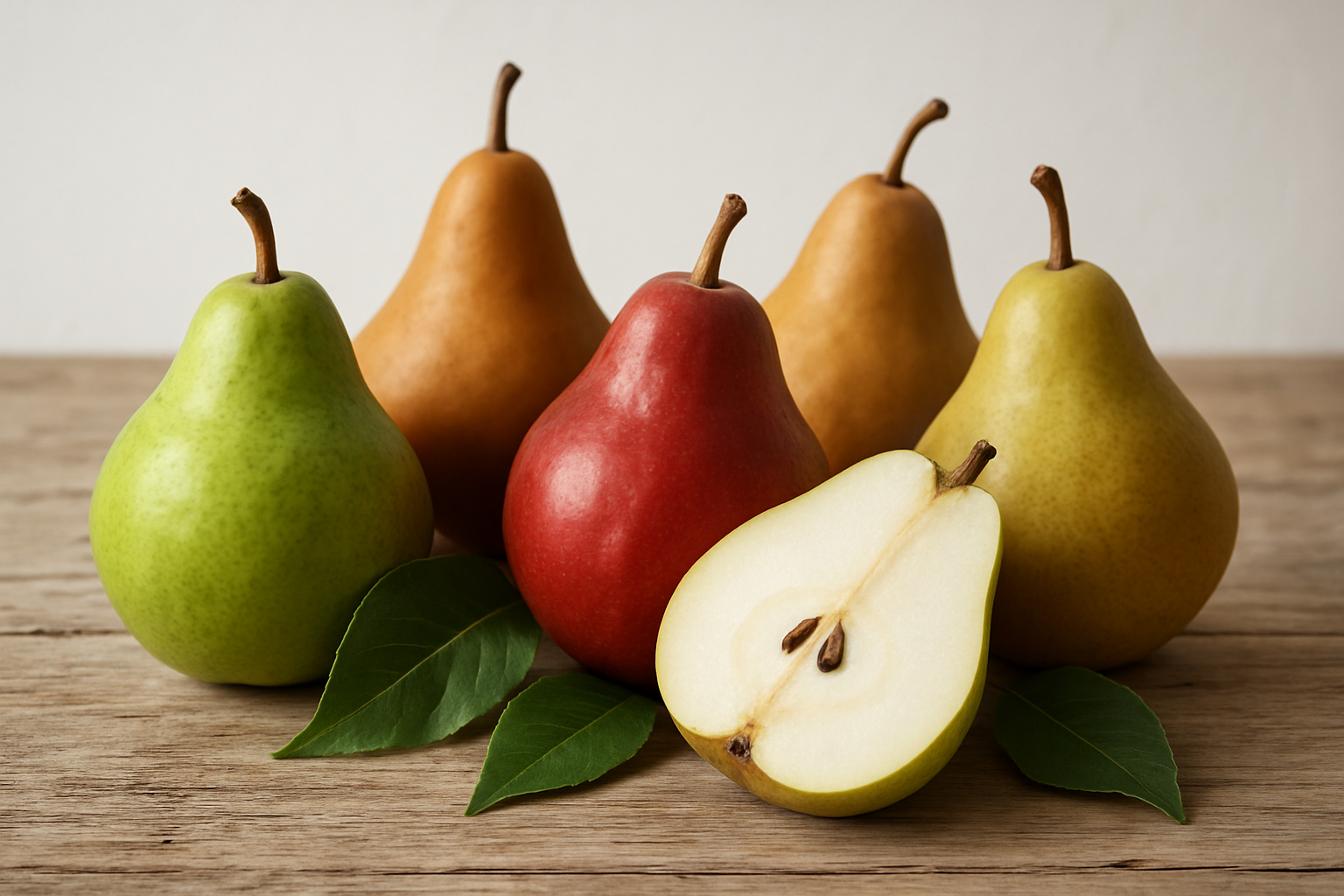
Pears belong to the genus Pyrus within the Rosaceae family, making them close relatives of apples, quinces, and roses. This botanical connection explains why pear trees produce beautiful white blossoms in spring, similar to their apple cousins. The Rosaceae family includes over 3,000 species, but pears hold a special place as one of the oldest cultivated fruits in human history.
Wild pears originated in the mountainous regions of Western China and Central Asia thousands of years ago. From there, they spread along ancient trade routes, eventually reaching Europe where different varieties developed based on local growing conditions. The European pear (Pyrus communis) and Asian pear (Pyrus pyrifolia) represent the two main species we see in modern cultivation, each adapted to different climates and growing preferences.
Physical Characteristics That Define Pears
The classic pear shape sets this fruit apart from most others. Most pear varieties feature a rounded bottom that tapers toward the stem end, creating the distinctive "pyriform" silhouette. However, Asian pears break this mold with their round, apple-like appearance.
Pear skin comes in various colors ranging from green and yellow to red and bronze, often with a slightly grainy texture called russeting. The flesh inside is typically white to cream-colored, with a granular texture created by stone cells - tiny, hard structures that give pears their characteristic grittiness. This texture becomes smoother as the fruit ripens.
Fresh pears contain small, dark brown seeds clustered in the center core, similar to apples. The stem end often shows a slight depression where the fruit attached to the branch, while the blossom end may retain dried sepals from the original flower.
Key Differences From Other Similar Fruits
While pears share the Rosaceae family with apples, several key differences distinguish them. The most obvious is shape - apples are generally round while traditional pears have that narrowing toward the stem. The texture differs significantly too, with pears having those distinctive stone cells that create grittiness, especially when underripe.
Pears ripen from the inside out, unlike apples that ripen uniformly. This means a pear can feel firm on the outside while being perfectly ripe inside. Apples maintain their crunch when ripe, but ripe pears become soft and juicy with a melting quality.
Quinces, another Rosaceae relative, are much harder and more astringent than pears, requiring cooking to become palatable. Quinces also have a strong, perfumed aroma that raw pears typically lack.
Natural Growing Seasons and Harvesting Times
Pear trees follow predictable seasonal patterns that vary by variety and location. In temperate climates, pear trees bloom in early spring, typically March through May, producing clusters of white flowers before the leaves fully emerge.
Different pear varieties ripen at different times throughout the growing season:
-
Summer varieties like Bartlett pears ripen in late summer (August-September)
-
Fall varieties such as Bosc and Anjou reach maturity in autumn (September-November)
-
Winter varieties like Comice can be harvested late in the season and stored for months
Most commercial pears are harvested while still firm and allowed to ripen off the tree. This prevents the fruit from becoming overripe and mushy before reaching consumers. Home growers can let pears ripen on the tree for maximum sweetness, though they need to watch carefully to prevent over-ripening.
The harvesting window for each variety typically lasts 2-4 weeks, requiring orchardists to time their picking precisely. Weather conditions, especially temperature fluctuations, can significantly impact ripening schedules and fruit quality.
Popular Pear Varieties You Should Know
Bartlett pears and their sweet flavor profile
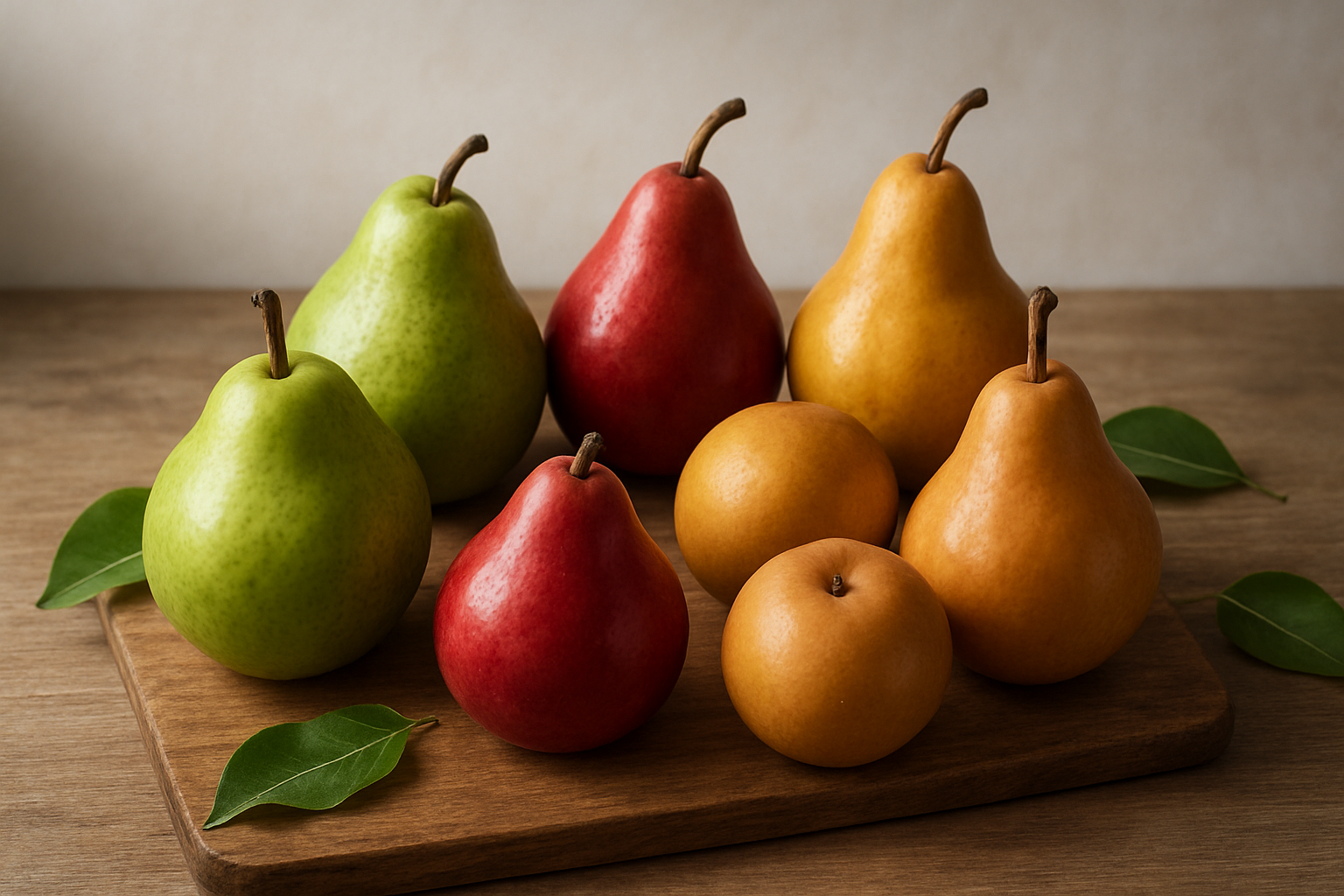
Bartlett pears are the most recognizable variety in North America, and for good reason. These pears develop a beautiful golden-yellow color when ripe, making them easy to spot at the grocery store. What sets Bartlett pears apart is their incredibly sweet, juicy flesh with a subtle musky aroma that intensifies as they ripen. The texture is buttery and smooth, practically melting in your mouth when perfectly ripe.
These pears are fantastic for eating fresh, but they also excel in baking and desserts. Their high sugar content caramelizes beautifully when cooked, making them perfect for pear tarts, cobblers, and poached pear recipes. Bartlett pears ripen from the inside out, so they're ready to eat when they yield slightly to gentle pressure near the stem.
Anjou pears for year-round availability
Anjou pears come in two main varieties: Red Anjou and Green Anjou, both offering exceptional versatility throughout the year. Green Anjou pears maintain their emerald color even when fully ripe, while Red Anjou varieties display a gorgeous crimson blush. Both types have a mild, sweet flavor with subtle spice notes that make them crowd-pleasers.
What makes Anjou pears special is their dense, firm texture that holds up well in various cooking applications. They're excellent for salads, cheese boards, and cooking because they maintain their shape better than softer pear varieties. These pears store exceptionally well in cold storage, which is why you can find fresh pears in stores year-round.
Bosc pears with their unique texture
Bosc pears are instantly recognizable by their distinctive bronze-colored, russeted skin and elegant elongated neck shape. Don't let their rough exterior fool you – inside, you'll discover creamy white flesh with a uniquely crisp texture that's firmer than most other pear types. The flavor profile is complex, offering honey-sweet notes balanced with subtle spice undertones.
These pears are absolute champions in the kitchen. Their firm texture makes them ideal for poaching, baking, and grilling without falling apart. Bosc pears hold their shape exceptionally well during cooking, making them the go-to choice for elegant desserts and savory preparations like roasted pear and goat cheese salads.
Asian pears and their crisp apple-like qualities
Asian pears revolutionize what people expect from pear fruit. Unlike traditional European pear varieties, Asian pears offer an incredibly crisp, crunchy texture that's more similar to apples than soft, buttery pears. They're round and firm, with golden-brown or pale yellow skin depending on the specific variety.
The flavor is refreshingly sweet with floral notes and high water content that makes them incredibly juicy. Asian pears are perfect for eating fresh as a healthy snack, adding to fruit salads, or incorporating into Asian-inspired dishes. They store well in the refrigerator and maintain their crisp texture for weeks when properly stored.
Specialty varieties for gourmet cooking
Several specialty pear varieties deserve recognition for their unique characteristics and culinary applications. Seckel pears, often called "sugar pears," are tiny but pack intense sweetness in their small size. They're perfect for garnishing dessert plates or preserving whole.
Forelle pears showcase stunning red speckles over green-yellow skin, resembling rainbow trout scales. Their sweet, tangy flavor makes them excellent for both fresh eating and elegant presentations. Comice pears, considered the "queen of pears," offer incredibly juicy, sweet flesh that's perfect for special occasions and gift baskets. These premium varieties often command higher prices but deliver exceptional flavor experiences for discerning palates.
Nutritional Benefits of Adding Pears to Your Diet
Essential vitamins and minerals content
Pears pack an impressive nutritional punch that makes them a smart addition to any healthy eating plan. A medium-sized pear delivers about 12% of your daily vitamin C needs, supporting collagen production and helping your body absorb iron more effectively. The vitamin K found in pears plays a crucial role in bone health and blood clotting, while folate supports cell division and DNA synthesis.
The mineral profile of fresh pears is equally noteworthy. Potassium, the star mineral in pears, helps regulate blood pressure and supports proper muscle and nerve function. A single pear provides roughly 200mg of potassium, making it a heart-healthy snack choice. Copper, though needed in smaller amounts, aids in iron absorption and supports your immune system's proper functioning.
High fiber content for digestive health
The fiber content in pears deserves special attention for anyone looking to improve their digestive health. One medium pear contains about 6 grams of dietary fiber, which represents nearly 25% of the recommended daily intake. This high fiber content comes in two forms that work together to benefit your digestive system.
Soluble fiber in pears helps slow digestion and can assist in managing blood sugar levels by preventing rapid spikes after meals. This type of fiber also supports healthy cholesterol levels by binding to cholesterol in the digestive tract. The insoluble fiber adds bulk to stool and promotes regular bowel movements, reducing the risk of constipation and supporting overall colon health.
The skin of pears contains the highest concentration of fiber, so eating pears with their skin on maximizes these digestive benefits. The natural sugars in pears, combined with their fiber content, provide sustained energy without causing dramatic blood sugar fluctuations.
Antioxidants that boost immune system
Pear nutrition extends beyond basic vitamins and minerals to include powerful antioxidants that strengthen your body's natural defenses. The flesh and skin of pears contain flavonoids, including epicatechin and quercetin, which help neutralize harmful free radicals that can damage cells over time.
These antioxidants work as natural anti-inflammatory compounds, potentially reducing inflammation throughout the body. The phenolic compounds in pears have been studied for their role in supporting cardiovascular health and may help protect against certain chronic diseases.
Vitamin C in pears acts as both a vitamin and an antioxidant, supporting white blood cell function and helping your immune system respond more effectively to threats. The combination of antioxidants in pear fruit creates a synergistic effect, where the compounds work together to provide greater health benefits than they would individually.
Regular consumption of pears as part of a balanced diet can contribute to better overall health outcomes, thanks to this robust antioxidant profile that supports cellular health and immune function.
How to Select and Store Pears for Maximum Freshness
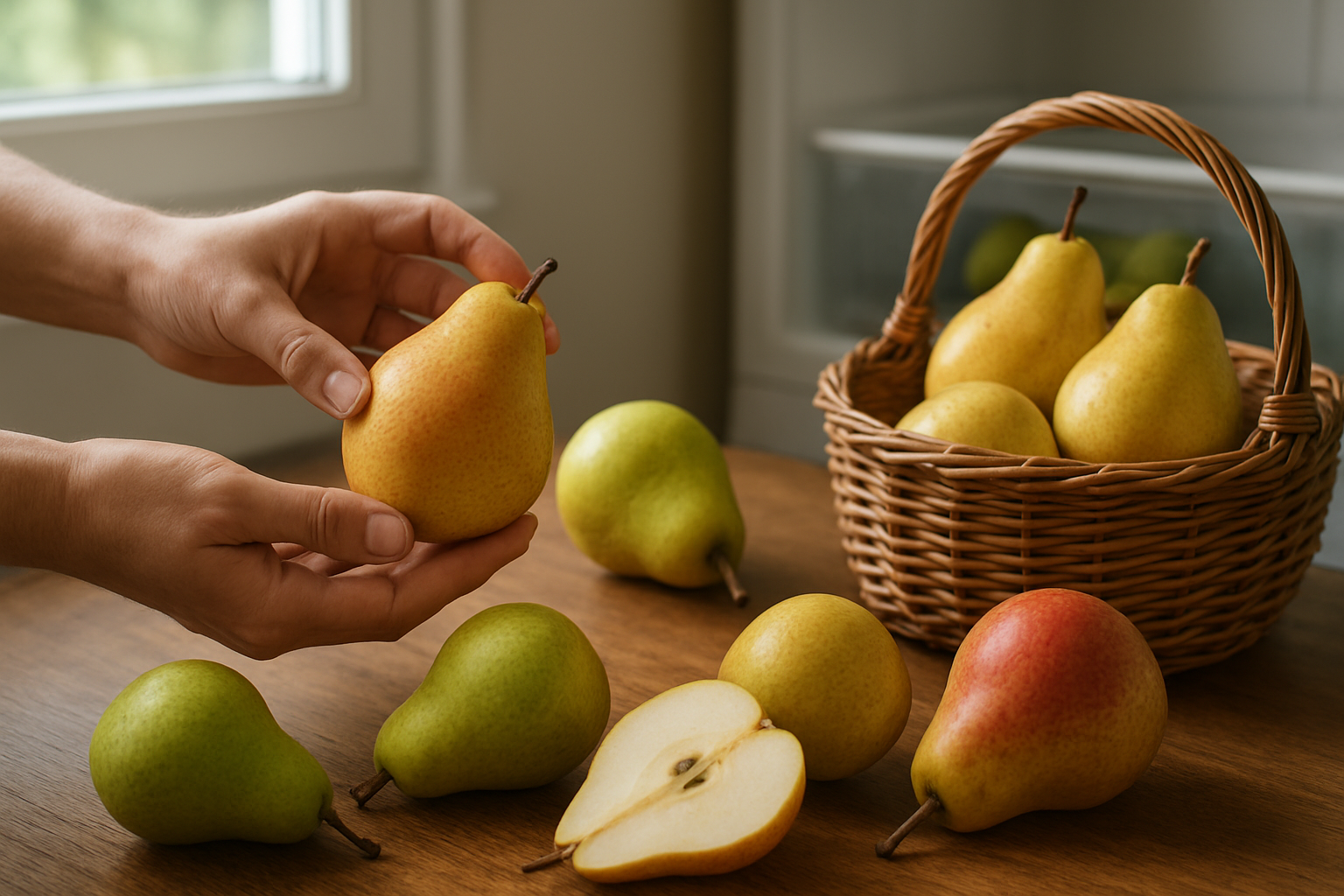
Visual and Tactile Cues for Ripeness
Choosing the perfect pear requires understanding the subtle signs that indicate peak ripeness. Unlike many fruits, fresh pears ripen from the inside out, making visual inspection only part of the equation. A ripe pear yields slightly to gentle pressure near the neck, just below the stem. This "neck test" is your most reliable indicator - press gently with your thumb, and if there's a slight give, your pear is ready to eat.
Color changes vary dramatically among pear varieties. Bartlett pears transform from green to golden yellow when ripe, while Anjou pears remain green regardless of ripeness. Bosc pears maintain their brown russet skin color throughout the ripening process. Don't rely solely on color - focus on that gentle pressure test instead.
The skin should appear smooth and free from dark spots or wrinkles. A perfectly ripe pear feels heavy for its size and emits a subtle, sweet fragrance near the stem end. Avoid pears with soft spots, cuts, or areas that feel mushy when pressed.
Proper Storage Techniques to Extend Shelf Life
How to store pears depends entirely on their current ripeness level. Unripe pears belong on your kitchen counter at room temperature, away from direct sunlight. This allows the natural ripening process to continue gradually over several days.
Once your pears reach perfect ripeness, transfer them immediately to the refrigerator. The cool temperature slows down the ripening process significantly, extending their shelf life by up to a week. Store ripe pears in the main body of your refrigerator, not in the crisper drawer where humidity levels might be too high.
Never store pears in plastic bags, which trap moisture and accelerate spoilage. Instead, place them in a paper bag or leave them loose in the refrigerator. If you've cut into a pear, wrap the exposed surface tightly with plastic wrap or store in an airtight container to prevent oxidation and moisture loss.
For longer-term storage, consider the refrigerator's temperature zones. The coldest spots work best for fresh pears you want to keep for several days.
Ripening Methods for Unripe Pears
Speeding up the ripening process becomes necessary when you need pears sooner than nature intended. The paper bag method works exceptionally well - place unripe pears in a brown paper bag with a ripe banana or apple. These fruits release ethylene gas, which accelerates ripening naturally.
Room temperature storage remains the gentlest approach. Simply leave unripe pears on your counter, checking daily with the neck test. Most varieties ripen within 3-5 days using this method.
Avoid placing unripe pears in direct sunlight or near heat sources, which can cause uneven ripening and affect texture quality. The goal is gradual, even ripening that maintains the pear fruit's natural sweetness and smooth texture.
Check your ripening pears daily - the process can accelerate quickly once it begins, and overripe pears develop an unpleasant mushy texture that makes them unsuitable for eating fresh, though they remain excellent for cooking with pears in baked goods.
Signs of Spoilage to Avoid
Recognizing spoiled pears protects both your health and your culinary experiences. Dark, soft spots indicate bacterial or fungal growth and signal the beginning of decay. These areas often appear water-soaked and may emit an off-putting odor.
Wrinkled skin suggests dehydration and over-ripeness. While these pears might still be safe to eat, their texture becomes unpleasantly grainy and their flavor deteriorates significantly. Mold growth appears as fuzzy patches in various colors - white, green, or black - and indicates the entire fruit should be discarded.
An overly sweet, fermented smell suggests the natural sugars have begun fermenting. This alcoholic aroma means the pear has passed its prime eating window. Trust your nose - fresh pears should smell subtly sweet and pleasant, never sharp or fermented.
Brown discoloration around the stem or blossom end often indicates internal browning, even if the rest of the pear appears normal. Cut into questionable pears to check the flesh - brown, mushy areas should be removed completely, though if browning is extensive, discard the entire fruit.
Culinary Uses and Preparation Methods
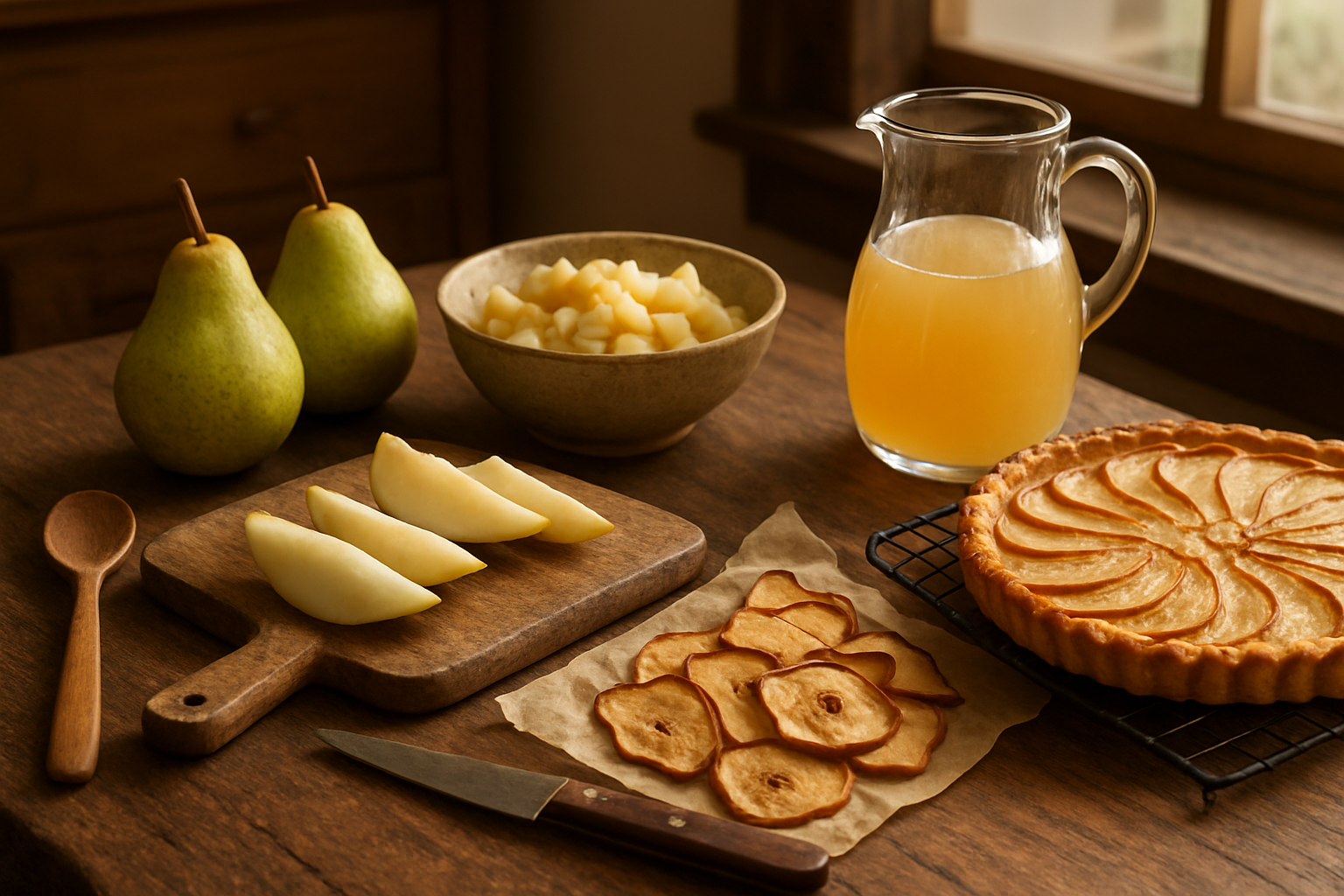
Raw consumption and serving suggestions
Fresh pears make incredible snacks and appetizers when prepared thoughtfully. Slice ripe pears and arrange them with aged cheeses like brie, gorgonzola, or sharp cheddar for an elegant cheese board. The natural sweetness of pears balances beautifully with salty nuts such as walnuts, pecans, or pistachios.
Create stunning fruit salads by combining pear chunks with apples, grapes, and dried cranberries. Drizzle with honey and lemon juice to prevent browning and add brightness. For breakfast, slice fresh pears over oatmeal, yogurt, or cereal for natural sweetness and fiber.
Pear slices work wonderfully in green salads, especially when paired with arugula, spinach, goat cheese, and candied nuts. The fruit's mild flavor complements vinaigrette dressings without overpowering other ingredients.
Baking and dessert applications
Cooking with pears opens up endless dessert possibilities. Classic pear tarts showcase the fruit's delicate flavor, while pear crisp provides comfort food satisfaction with oats and warm spices like cinnamon and nutmeg.
Poached pears in red wine create an elegant dessert that's surprisingly simple to prepare. The gentle cooking process infuses the fruit with complex flavors while maintaining its shape. Pear bread and muffins rival traditional banana versions, offering moisture and subtle sweetness.
| Dessert Type | Best Pear Varieties | Cooking Time |
|---|---|---|
| Poached | Anjou, Bosc | 20-25 minutes |
| Tarts | Bartlett, Comice | 35-40 minutes |
| Baking/Bread | Any ripe variety | 45-60 minutes |
For quick desserts, bake halved pears with butter, brown sugar, and spices until tender. This simple preparation highlights the natural pear fruit flavors while creating a warm, comforting treat.
Savory dishes featuring pears
Pears bring unexpected depth to savory cooking. Caramelized pears complement roasted pork, duck, and chicken beautifully. The fruit's natural sugars develop rich, complex flavors when cooked slowly with onions and herbs.
Add diced pears to stuffing for holiday meals, where they provide moisture and subtle sweetness that balances sage and other savory seasonings. Pear and blue cheese pizza has become a gourmet favorite, combining sweet fruit with sharp cheese and caramelized onions.
Salads benefit enormously from pear additions. Try mixing pear slices with roasted beets, goat cheese, and mixed greens, or create a warm winter salad with grilled pears, bacon, and bitter greens. The versatility of pear varieties allows you to match different textures and sweetness levels to specific dishes.
Preserving and canning techniques
Home preservation extends the enjoyment of fresh pears well beyond their growing season. Water bath canning works perfectly for pear halves or slices in light syrup. Always use firm, slightly underripe pears for canning to prevent mushy results.
Pear butter rivals apple butter in popularity and flavor. Cook down peeled, chopped pears with sugar and spices until thick and spreadable. This concentrated preserve captures the essence of pear nutrition and flavor in shelf-stable form.
Dehydrating creates chewy pear chips that make healthy snacks. Slice pears thinly and dry at 135°F for 8-12 hours until leathery but pliable. These dried pears rehydrate beautifully in baking applications or trail mixes.
Freezing works best with pear slices treated with lemon juice or ascorbic acid to prevent browning. While the texture changes slightly, frozen pears work excellently in smoothies, baking, and cooked applications where fresh pears might be cost-prohibitive or unavailable.
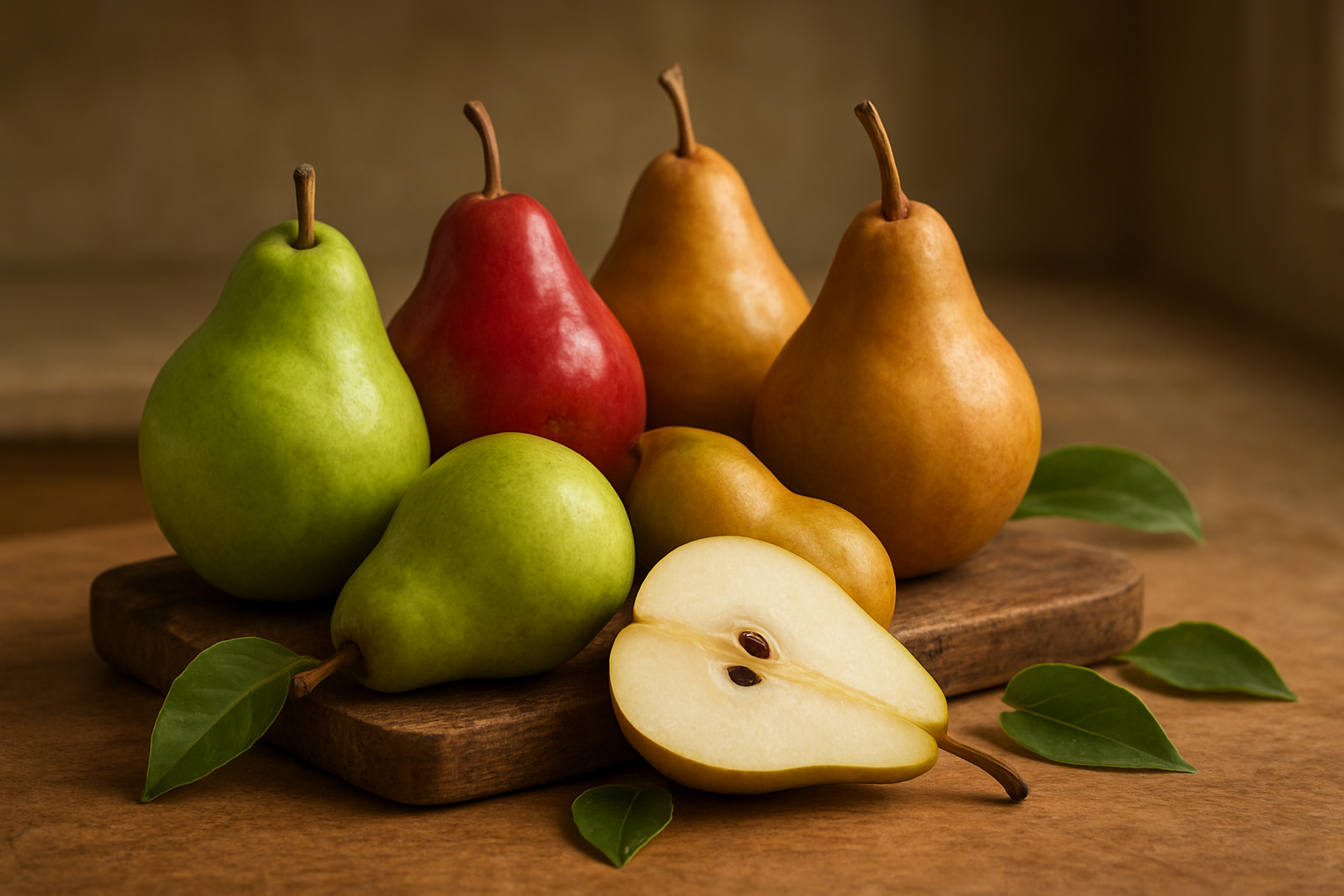
Pears offer an amazing combination of sweet flavor, impressive nutrition, and incredible versatility in the kitchen. From the buttery Bartlett to the crisp Anjou, each variety brings something special to your table. These fruits pack essential vitamins, fiber, and antioxidants that support your overall health while satisfying your sweet tooth naturally.
Getting the most from your pears comes down to knowing how to pick them at the right ripeness and storing them properly once you bring them home. Whether you're enjoying them fresh as a snack, baking them into desserts, or adding them to savory dishes, pears can transform any meal. Start exploring different varieties at your local grocery store and discover which ones become your new favorites.


.png)
Comments
Post a Comment