PINEAPPLES - WHAT ARE PINEAPPLES?
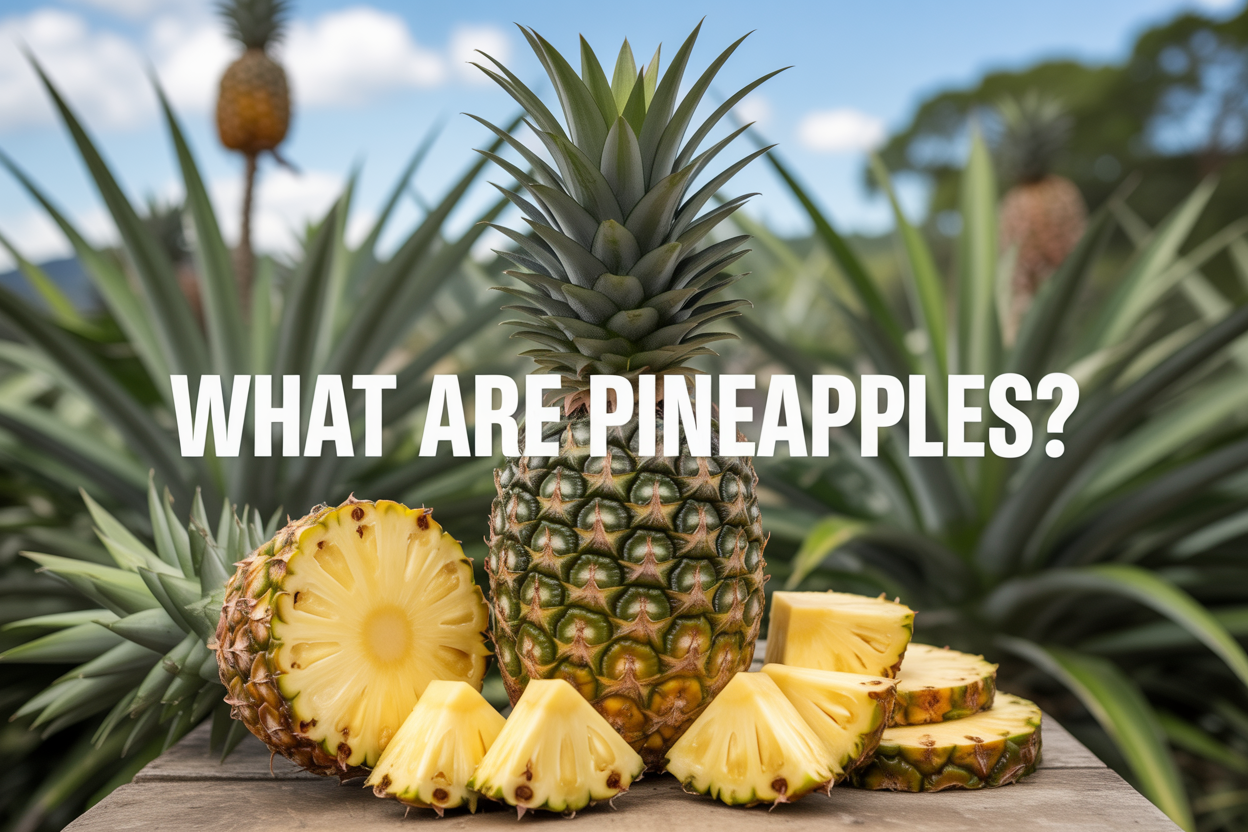
What Are Pineapples? Your Complete Guide to the Tropical Fruit
Pineapples are sweet, tropical fruits that grow on spiky plants, but there's way more to these golden treats than meets the eye. This guide is perfect for curious food lovers, home gardeners, health enthusiasts, and anyone wanting to learn about one of the world's most recognizable fruits.
You'll discover what are pineapples from a scientific perspective, including their surprising botanical identity and plant classification. We'll break down pineapple nutrition facts and explore the impressive pineapple health benefits that make this fruit a nutritional powerhouse. Finally, you'll learn about pineapple cultivation methods and how to grow pineapples, plus get practical tips on pineapple culinary uses and preparation techniques that'll help you make the most of this amazing fruit in your kitchen.
Botanical Identity and Plant Classification
Scientific name and taxonomic classification
The pineapple belongs to the scientific family Bromeliaceae and goes by the scientific name Ananas comosus. This classification places it among roughly 3,000 species of bromeliads, making it one of the most economically valuable members of this diverse plant family. The genus Ananas contains only a handful of species, with A. comosus being the primary cultivated variety worldwide.
Taxonomically, pineapples fall under the kingdom Plantae, phylum Tracheophyta, class Liliopsida (monocots), order Poales, and family Bromeliaceae. The subfamily Bromelioideae houses the pineapple genus, distinguishing it from other ornamental bromeliads commonly grown as houseplants. The species name "comosus" refers to the crown of leaves that tops the fruit, a distinctive characteristic that helps identify authentic pineapple plants.
Physical plant structure and growth characteristics
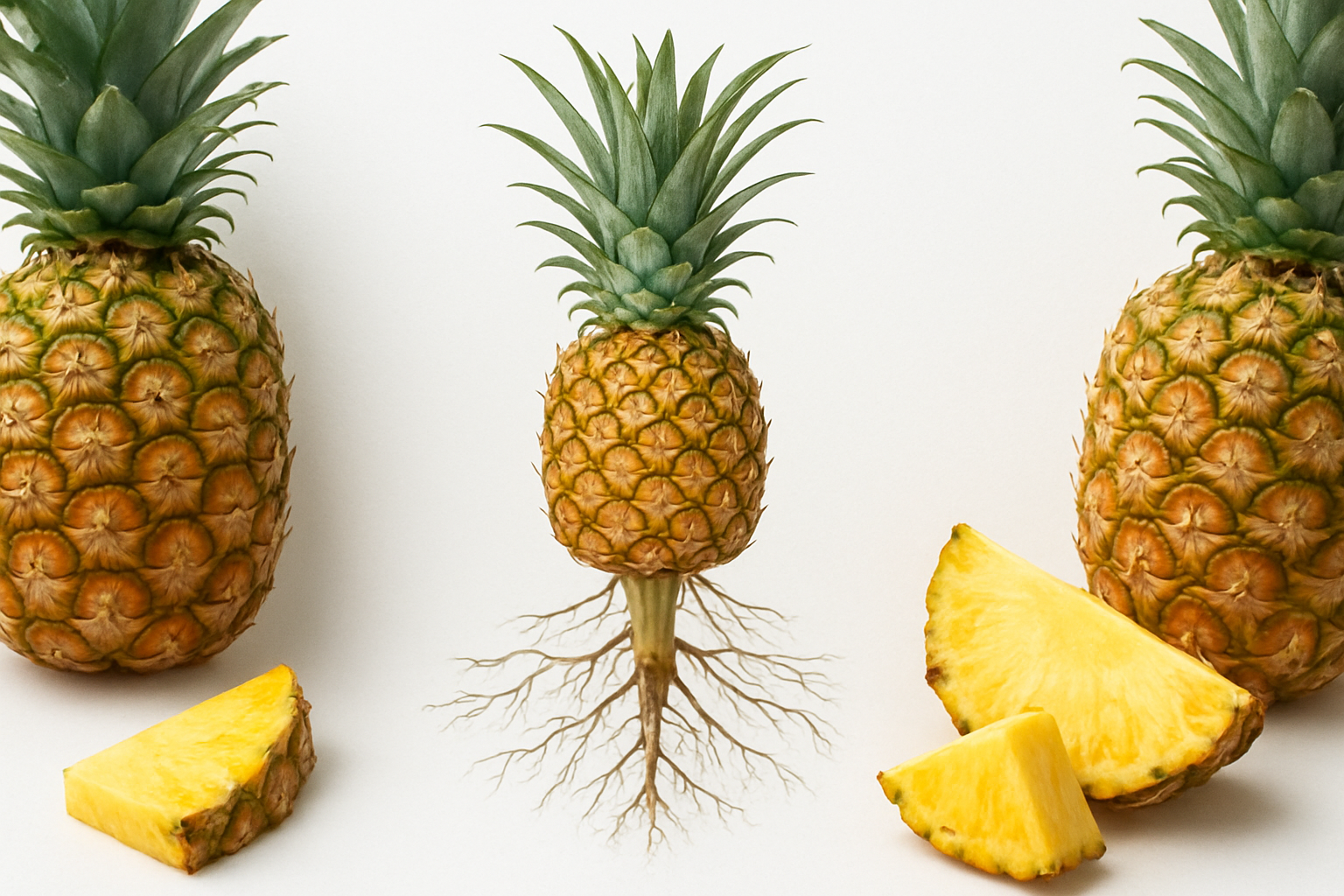
Pineapple plants display unique architectural features that set them apart from typical fruit-bearing plants. The plant develops as a central rosette of 30-40 sword-shaped leaves arranged in a spiral pattern around a shortened stem. These leaves can reach lengths of 30-100 centimeters and widths of 3-7 centimeters, with sharp, serrated edges and waxy surfaces that help retain moisture.
The root system remains relatively shallow and fibrous, spreading horizontally rather than developing deep taproots. This adaptation allows the plant to quickly absorb surface moisture and nutrients from rainfall or irrigation. The central stem gradually elongates during the fruiting process, eventually producing the characteristic compound fruit we recognize as a pineapple.
What makes pineapples fascinating from a botanical perspective is their fruit development process. The pineapple is actually a multiple fruit, formed from the fusion of individual flowers that grow along the central spike. Each diamond-shaped section visible on the fruit's surface represents a separate flower that has merged with its neighbors during development.
Tropical origins and natural habitat requirements
Pineapples originated in South America, specifically in the regions that now encompass southern Brazil, Paraguay, and northern Argentina. Indigenous peoples had been cultivating and consuming pineapples for centuries before European explorers encountered them in the late 15th century. The plant's natural habitat consists of tropical and subtropical regions with consistent warm temperatures and well-distributed rainfall.
Wild pineapple species still thrive in the understory of tropical forests, where they benefit from filtered sunlight, high humidity, and rich organic soil created by decomposing plant matter. These natural conditions provide the template for successful pineapple cultivation worldwide.
The plant requires specific environmental conditions to flourish: temperatures between 20-30°C (68-86°F), annual rainfall of 1000-1500mm, and well-draining acidic soil with pH levels between 4.5-6.5. Pineapples cannot tolerate frost or prolonged cold exposure, which limits their outdoor cultivation to tropical and subtropical zones. The plant also needs protection from strong winds, as the shallow root system and top-heavy fruit make mature plants vulnerable to toppling.
Modern pineapple cultivation methods often replicate these natural habitat requirements through controlled irrigation, soil amendments, and protective structures to ensure optimal growing conditions for commercial production.
Nutritional Profile and Health Benefits
Essential Vitamins and Mineral Content
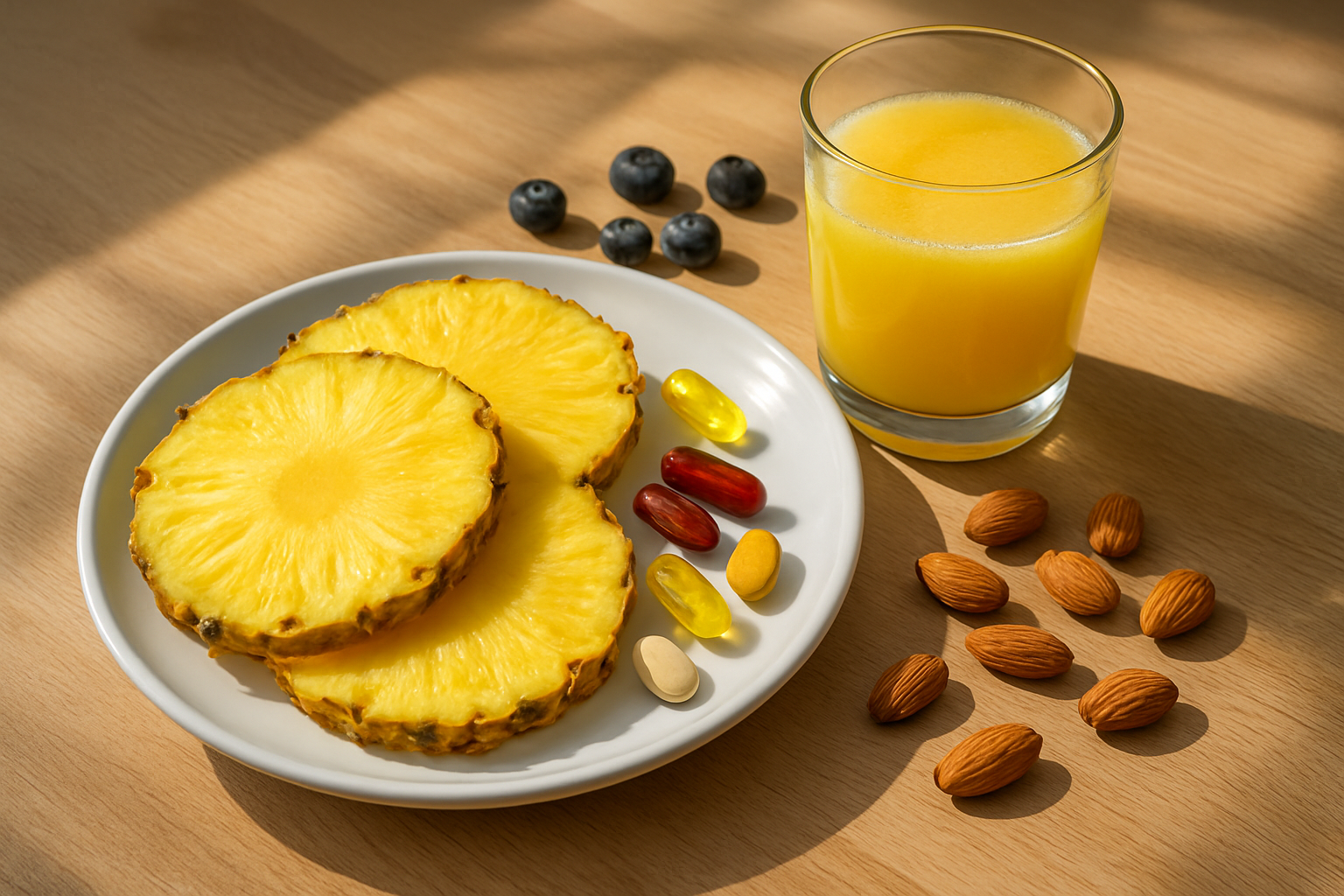
Pineapples pack a serious nutritional punch that goes way beyond their sweet tropical taste. Pineapple nutrition facts reveal that this spiky fruit delivers an impressive amount of vitamin C - just one cup provides over 130% of your daily recommended intake. This makes pineapples one of nature's most potent vitamin C sources, rivaling citrus fruits.
The mineral profile is equally impressive. Pineapples contain significant amounts of manganese, which supports bone health and metabolism. You'll also find decent levels of copper, thiamine, and vitamin B6. The potassium content helps regulate blood pressure, while folate supports cellular function and DNA synthesis.
| Nutrient | Amount per Cup (165g) | % Daily Value |
|---|---|---|
| Vitamin C | 78.9 mg | 131% |
| Manganese | 1.5 mg | 76% |
| Thiamine | 0.1 mg | 9% |
| Vitamin B6 | 0.2 mg | 9% |
| Copper | 0.2 mg | 18% |
| Folate | 29.7 mcg | 7% |
Digestive Enzymes and Anti-Inflammatory Properties
The real star of pineapple health benefits comes from bromelain, a powerful enzyme found exclusively in pineapples. This protein-digesting enzyme breaks down tough protein fibers, making your digestive system's job much easier. Many people notice improved digestion when they eat pineapple with protein-rich meals.
Bromelain doesn't stop at digestion - it's also a natural anti-inflammatory compound. Research shows it can help reduce swelling, bruising, and pain from injuries or surgeries. Some athletes swear by pineapple juice after intense workouts to help manage muscle inflammation and speed recovery.
The enzyme works best when consumed on an empty stomach for anti-inflammatory effects, but eating it with meals maximizes digestive benefits.
Immune System Support and Antioxidant Power
Pineapples are antioxidant powerhouses loaded with compounds that fight free radicals in your body. The high vitamin C content directly supports immune function by helping white blood cells work more effectively. Regular consumption can help your body fend off common colds and infections.
Beyond vitamin C, pineapples contain flavonoids, phenolic compounds, and other antioxidants that protect cells from oxidative stress. These compounds may help reduce the risk of chronic diseases and support healthy aging.
The combination of vitamin C, bromelain, and various antioxidants creates a synergistic effect that boosts your body's natural defense mechanisms.
Low Calorie Content for Weight Management
Despite their sweet taste, pineapples are surprisingly low in calories - about 82 calories per cup. This makes them perfect for satisfying sugar cravings without derailing weight management goals. The natural fiber content (about 2.3 grams per cup) helps you feel full longer, reducing the urge to snack on less healthy options.
The water content is also impressive at about 86%, which means you're getting hydration along with nutrients. This high water content combined with fiber creates a feeling of satiety that can help control portion sizes throughout the day.
Pineapples have a moderate glycemic index, meaning they won't cause dramatic blood sugar spikes when eaten in reasonable portions, making them suitable for most balanced eating plans.
Global Cultivation and Production Methods
Major Growing Regions Worldwide
The Philippines dominates global pineapple production worldwide, accounting for nearly 13% of the world's supply. Costa Rica follows closely as the second-largest producer, with Thailand, Indonesia, and Brazil rounding out the top five. These countries have built their reputations on consistent quality and year-round production capabilities.
Central America has become a powerhouse in commercial pineapple cultivation methods, with Costa Rica and Guatemala leading the charge. The region's strategic location allows for efficient export to North American and European markets. Hawaii, once synonymous with pineapples, now produces primarily for domestic consumption and specialty markets.
African nations like Ghana, Kenya, and the Ivory Coast are emerging as significant players in pineapple production worldwide. Their focus on organic and sustainable farming practices appeals to environmentally conscious consumers. South American countries, particularly Ecuador and Colombia, are expanding their cultivation areas to meet growing demand.
Commercial Farming Techniques and Harvesting
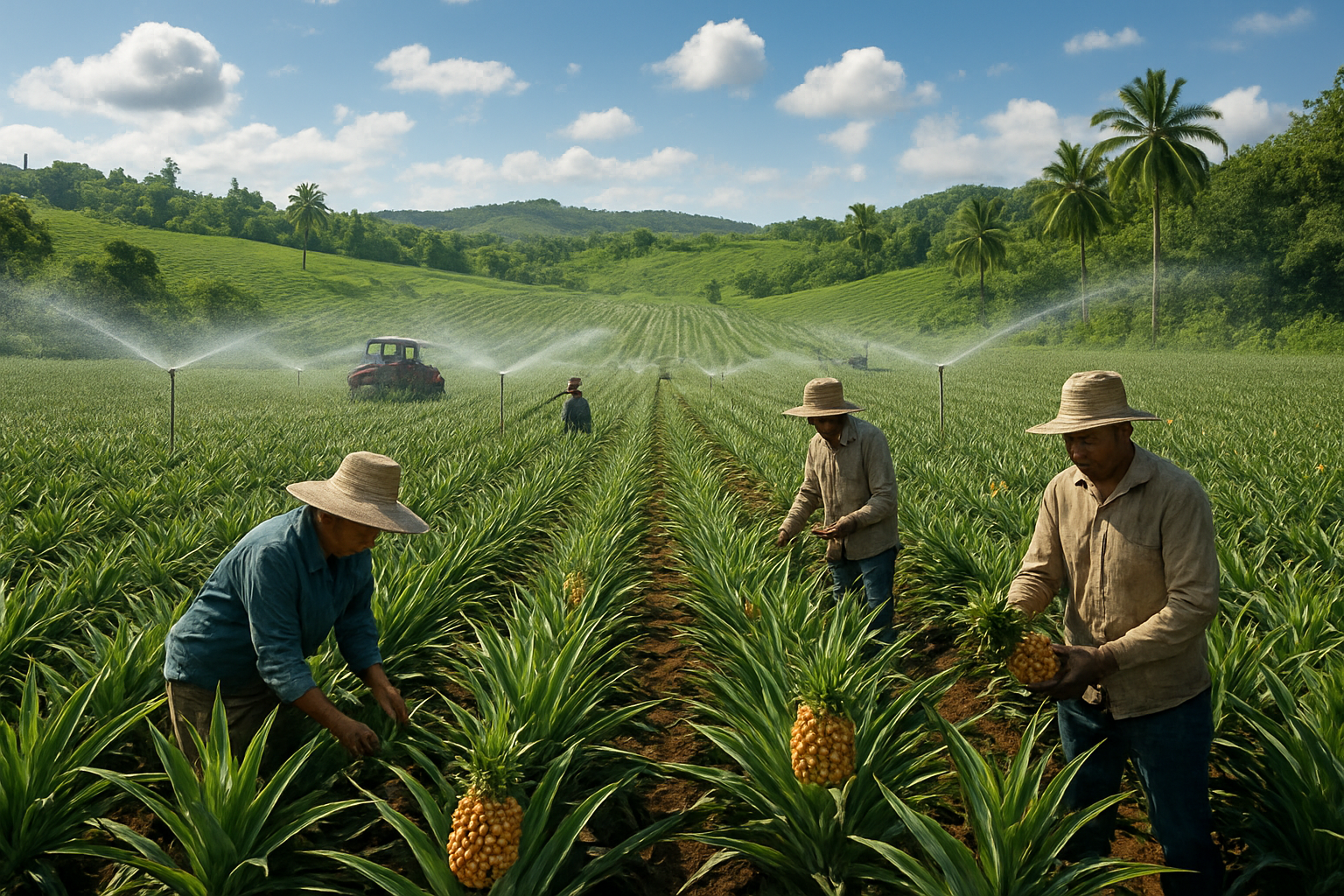
Modern pineapple cultivation methods rely heavily on mechanization and precision agriculture. Farmers use specialized planting machines that can place up to 10,000 pineapple crowns per day across perfectly aligned rows. This systematic approach maximizes land use and simplifies maintenance operations.
Commercial operations typically follow a 20-month growth cycle from planting to harvest. The process begins with crown preparation, where selected crowns are treated with fungicides and growth hormones. Plastic mulch covers the soil between rows to retain moisture, suppress weeds, and regulate soil temperature.
Harvesting requires skilled workers who can identify ripe fruit by color, sound, and firmness. A ripe pineapple produces a hollow sound when tapped and shows golden coloring at the base. Workers use sharp knives to cut the fruit, leaving a small portion of the stem attached. Quality control inspectors sort fruit immediately after harvest based on size, ripeness, and visual appearance.
Post-harvest handling is crucial for maintaining fruit quality. Pineapples are washed, sorted, and often treated with wax to enhance appearance and extend shelf life. Cold storage facilities maintain temperatures between 45-55°F to slow ripening during transportation.
Optimal Growing Conditions and Climate Needs
Pineapples thrive in tropical and subtropical climates with temperatures ranging from 68-95°F. The plants need consistent warmth throughout their growth cycle, as temperatures below 60°F can stunt development and damage fruit quality. Ideal growing regions maintain year-round temperatures between 75-85°F with minimal seasonal variation.
Rainfall patterns significantly impact how to grow pineapples successfully. These plants require 20-40 inches of annual precipitation, distributed evenly throughout the year. Too much rain can cause root rot, while drought stress reduces fruit size and sugar content. Many commercial operations use drip irrigation systems to maintain optimal moisture levels regardless of natural rainfall.
Well-draining, slightly acidic soil with a pH between 4.5-6.5 provides the foundation for healthy pineapple growth. Sandy loam soils work best, as they prevent waterlogging while retaining enough nutrients. The plants prefer elevated locations or gentle slopes that promote good drainage and air circulation.
Humidity levels between 70-80% create ideal growing conditions. Lower humidity can stress plants and reduce fruit quality, while excessive humidity increases disease pressure. Coastal regions often provide perfect humidity levels naturally, while inland areas may require irrigation adjustments to maintain optimal conditions.
Wind protection is essential in commercial plantations. Strong winds can damage plants and reduce fruit quality. Many farms plant windbreaks using trees or install physical barriers to protect crops from damaging gusts.
Culinary Applications and Preparation Techniques

Fresh Consumption and Ripeness Indicators
The key to enjoying fresh pineapple lies in selecting fruit at peak ripeness. A ripe pineapple gives off a sweet, tropical fragrance at the base, while the skin develops a golden-yellow color with some brown patches. The crown leaves should pull away easily with a gentle tug, and the fruit should yield slightly to pressure without feeling mushy.
Color changes from green to yellow starting from the bottom, working upward as the fruit ripens. Avoid pineapples with dark spots, wrinkled skin, or an overly strong fermented smell. Once cut, fresh pineapple keeps for 3-5 days refrigerated and delivers maximum vitamin C and enzyme content when eaten within this window.
Cooking Methods That Enhance Flavor
Heat transforms pineapple's natural sugars through caramelization, creating deeper, more complex flavors. Grilling pineapple rings over medium-high heat for 3-4 minutes per side develops beautiful char marks while concentrating sweetness. The smoky notes complement the fruit's tropical character perfectly.
Roasting pineapple chunks at 400°F for 15-20 minutes brings out intense caramelized flavors ideal for desserts or savory dishes. Pan-searing works well for quick cooking applications, while slow-cooking breaks down tough fibers in the core, making it tender and flavorful.
Dehydrating pineapple creates concentrated sweetness and chewy texture, while freezing fresh chunks preserves nutrients and creates a sorbet-like consistency perfect for smoothies.
Popular Recipes and International Cuisines
Pineapple preparation techniques vary dramatically across cultures. Hawaiian cuisine features pineapple in traditional dishes like kalua pig with pineapple, while Mexican cooking incorporates fresh pineapple in al pastor tacos with its tangy-sweet balance cutting through rich pork.
Thai cuisine uses young, tart pineapple in som tam salad, while Filipino cooking showcases sweet pineapple in chicken adobo. Indian preparations often combine pineapple with curry spices, creating complex flavor profiles in dishes like pineapple curry.
Classic Western preparations include upside-down cake, where caramelized pineapple creates a stunning presentation. Fresh pineapple salsa combines diced fruit with jalapeños, cilantro, and lime for a bright accompaniment to grilled meats.
Food Pairing Combinations That Work Best
Pineapple's natural enzymes and acidity make it an excellent meat tenderizer, particularly with pork, chicken, and fish. The fruit's sweetness balances spicy elements like jalapeños, chili powder, and ginger beautifully.
Dairy products like coconut milk, yogurt, and cream cheese complement pineapple's tang while mellowing its acidity. Herbs such as mint, basil, and cilantro add freshness, while warm spices like cinnamon, cardamom, and star anise create exotic flavor combinations.
| Protein Pairings | Flavor Enhancers | Complementary Fruits |
|---|---|---|
| Pork, Chicken | Ginger, Chili | Mango, Papaya |
| Fish, Shrimp | Lime, Cilantro | Coconut, Banana |
| Ham, Bacon | Brown Sugar, Cloves | Orange, Cherry |
Chocolate and pineapple create an indulgent combination, while nuts like macadamia, cashews, and almonds add textural contrast to the fruit's juiciness.
Economic Impact and Commercial Uses
Global Trade Value and Market Importance
The pineapple economic impact extends far beyond tropical grocery aisles. Global pineapple trade generates approximately $8.7 billion annually, making it one of the most valuable tropical fruit commodities worldwide. Costa Rica dominates international markets, accounting for roughly 60% of global exports, followed by the Philippines and Thailand.
Major importing regions include North America and Europe, where demand consistently grows by 3-5% annually. The United States alone imports over 900,000 tons of fresh pineapples yearly, while European markets consume approximately 600,000 tons. This massive trade volume supports millions of jobs across producing countries, from farm workers to logistics personnel.
Price volatility significantly affects producing regions' economies. When global prices spike due to weather disruptions or supply chain issues, entire communities in Costa Rica's Central Valley or the Philippines' Mindanao region feel the economic ripple effects. Conversely, oversupply situations can devastate local farming communities dependent on pineapple cultivation.
Industrial Applications Beyond Food Consumption
Pineapples serve numerous industrial purposes that most consumers never see. The fruit's natural enzyme bromelain finds extensive use in pharmaceutical manufacturing, meat tenderizing products, and textile processing. Pharmaceutical companies extract bromelain for anti-inflammatory medications and digestive supplements.
The leather industry uses pineapple-derived enzymes for hide processing, while breweries employ them for beer clarification. Recent innovations have transformed pineapple leaves into sustainable textile fibers, creating eco-friendly leather alternatives marketed as "Piñatex." This leather substitute appears in shoes, handbags, and automotive interiors from major brands like Adidas and BMW.
Pineapple waste generates biofuel through fermentation processes. Agricultural residues that would otherwise decompose produce ethanol and biogas, creating additional revenue streams for farming operations. Some facilities convert pineapple peels into animal feed pellets, maximizing resource utilization.
Processing into Juices, Canned Products, and Dried Goods
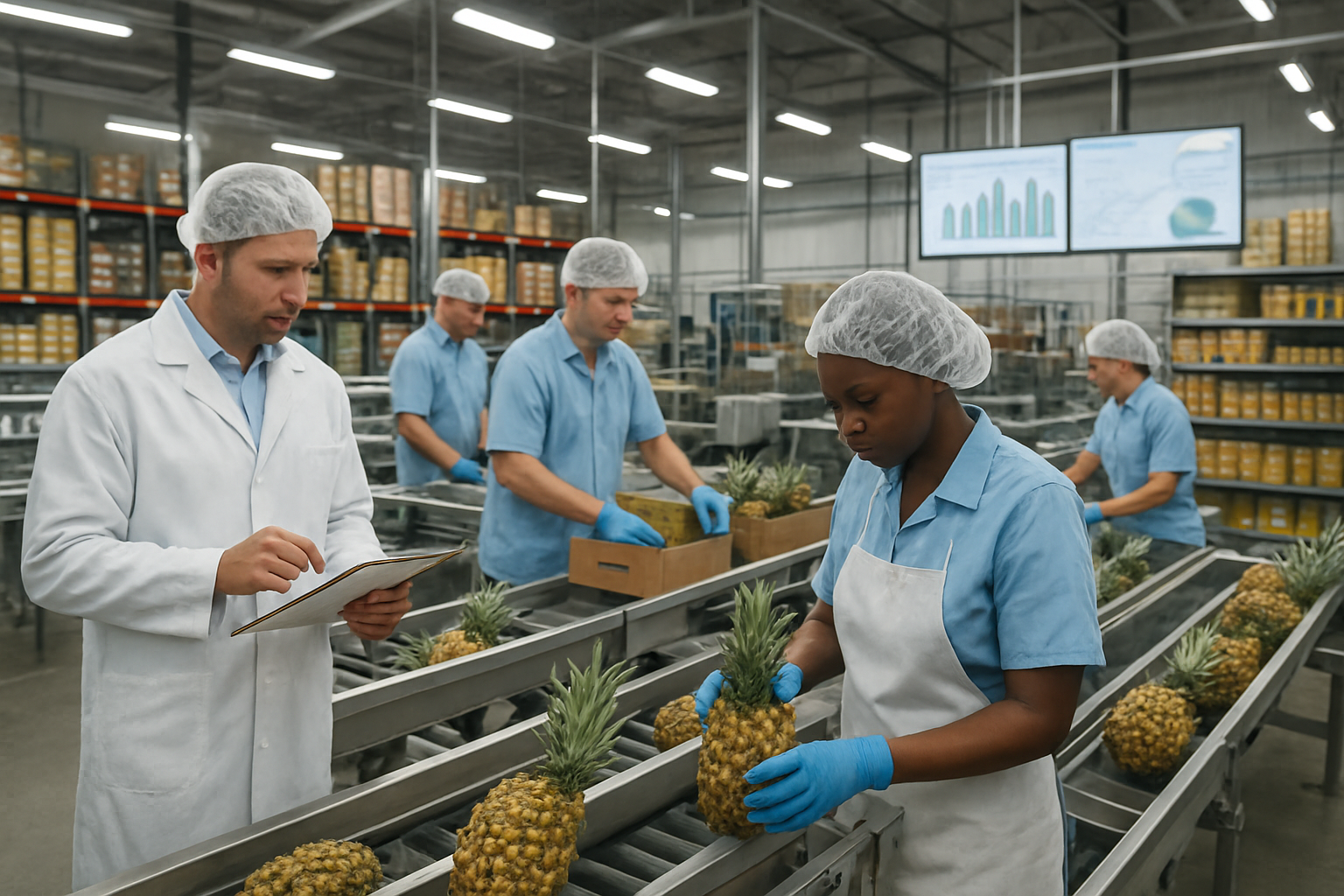
Pineapple processing represents a $2.8 billion global industry segment. Juice production accounts for the largest processing volume, with major facilities in Thailand, Costa Rica, and Kenya converting millions of tons annually into concentrate and ready-to-drink beverages.
Canning operations transform approximately 30% of global pineapple harvest into shelf-stable products. Del Monte, Dole, and other major brands operate massive facilities that process, can, and distribute pineapple rings, chunks, and crushed varieties worldwide. These operations employ sophisticated sorting, cutting, and packaging technologies that maximize yield while maintaining quality standards.
Dried pineapple production has exploded alongside healthy snacking trends. Freeze-drying and dehydration facilities create products ranging from snack-ready pieces to ingredients for trail mixes and baked goods. Premium organic dried pineapples command prices 8-10 times higher than fresh fruit, creating lucrative niche markets for specialty processors.
Pineapples are so much more than just a tropical treat sitting in your fruit bowl. These spiky fruits pack serious nutritional power with vitamin C, manganese, and digestive enzymes that can boost your health in real ways. From their fascinating botanical roots to the complex growing process that takes up to two years, pineapples represent an amazing intersection of nature, agriculture, and global commerce.
The next time you're at the grocery store, remember that your pineapple traveled thousands of miles and supports entire economies across tropical regions. Try experimenting with fresh pineapple in your cooking – whether you're grilling it for dessert, adding it to stir-fries, or blending it into smoothies. Your taste buds and your body will thank you for choosing this incredible fruit that's been delighting people around the world for centuries.


.png)
Comments
Post a Comment