PLUMS - WHAT ARE PLUMS?
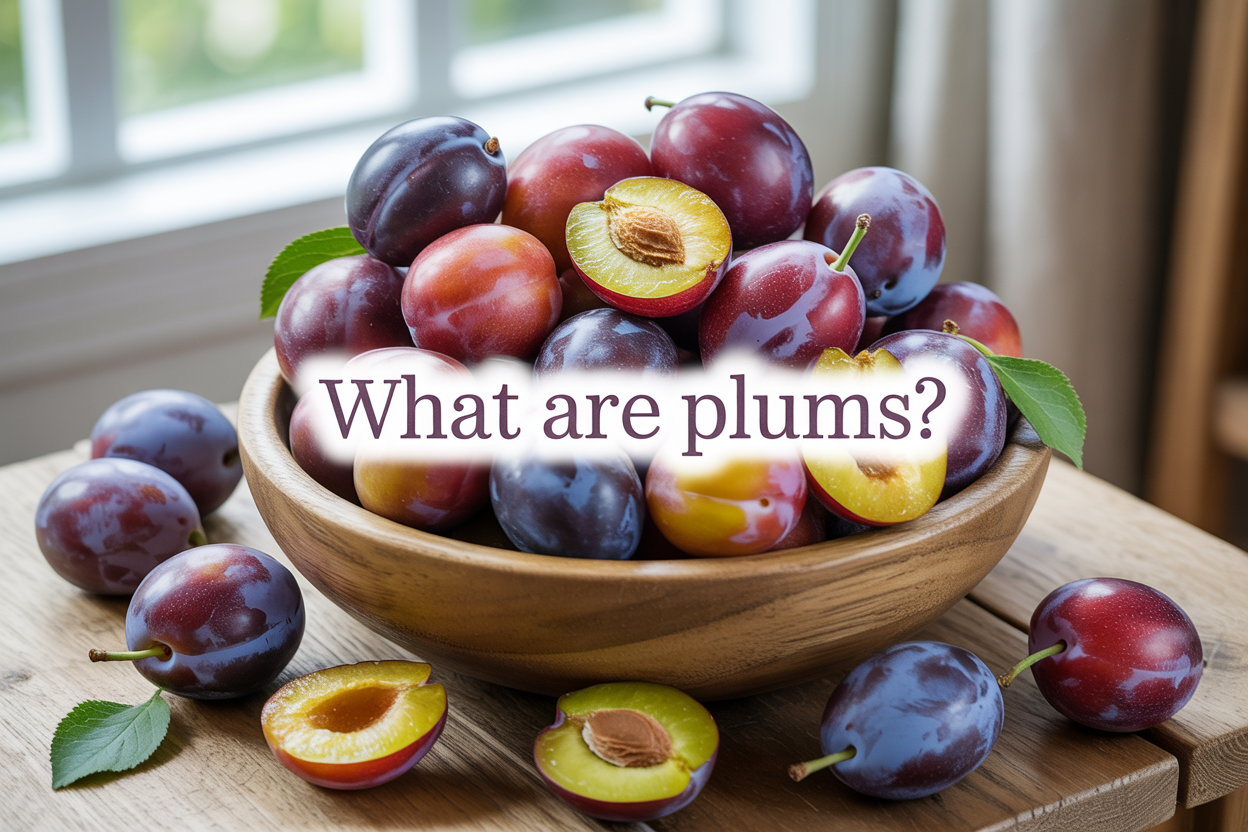
What Are Plums? Your Complete Guide to This Delicious Stone Fruit
Plums are sweet, juicy stone fruits that belong to the same family as peaches, cherries, and apricots. This guide is perfect for gardeners curious about plum cultivation, home cooks exploring plum recipes, and health-conscious readers interested in plum nutrition.
We'll explore what makes plums unique among stone fruits and why they're prized worldwide. You'll discover the major plum varieties available today, from European plums to Japanese cultivars, and learn about their distinct flavors and best uses. We'll also cover the impressive plum health benefits that make these fruits a smart addition to your diet, plus practical tips for growing plums successfully in your own backyard.
Whether you're shopping for the best types of plums at the farmer's market or planning your home orchard, this complete overview gives you everything you need to know about these versatile stone fruits.
Understanding Plums as Stone Fruits
Botanical classification and family origins
Plums belong to the genus Prunus within the rose family (Rosaceae), sharing their lineage with cherries, peaches, apricots, and almonds. This diverse family tree explains why plums have that distinctive sweet-tart flavor profile and similar growing habits. The most common plum species include Prunus domestica (European plums), Prunus salicina (Japanese plums), and Prunus americana (American wild plums).
Originally, plums trace their roots back to two main regions. European plums originated in the area around the Caucasus Mountains and the Caspian Sea, while Japanese plums actually came from China before making their way to Japan. These stone fruits have been cultivating relationships with humans for over 2,000 years, spreading across continents through trade routes and exploration.
The botanical classification reveals interesting details about plum diversity. Within the Prunus genus, you'll find over 40 different species that produce what we call plums. Each species adapted to different climates and soil conditions, which is why we see such incredible variety in plum types today.
Physical characteristics that define plums
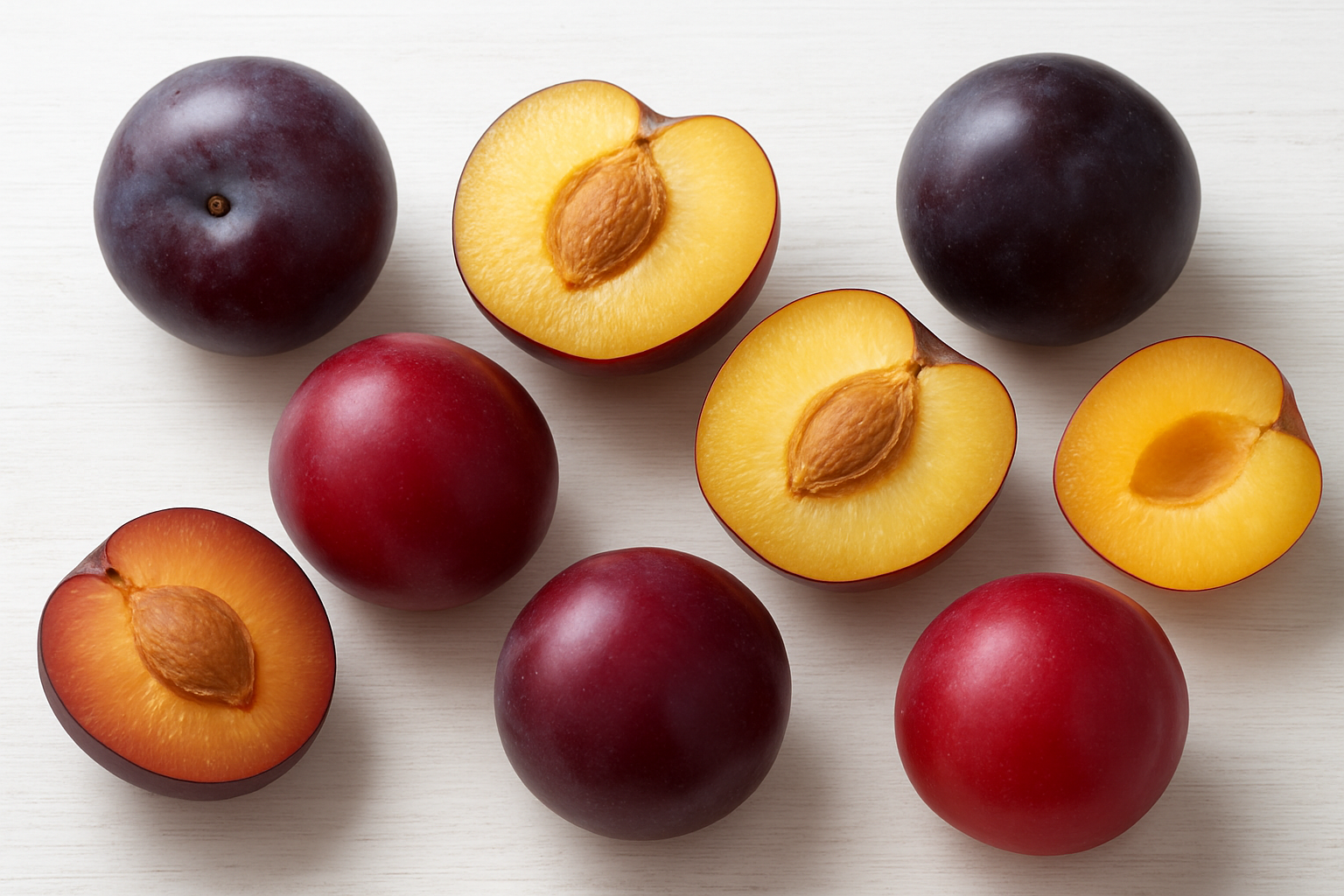
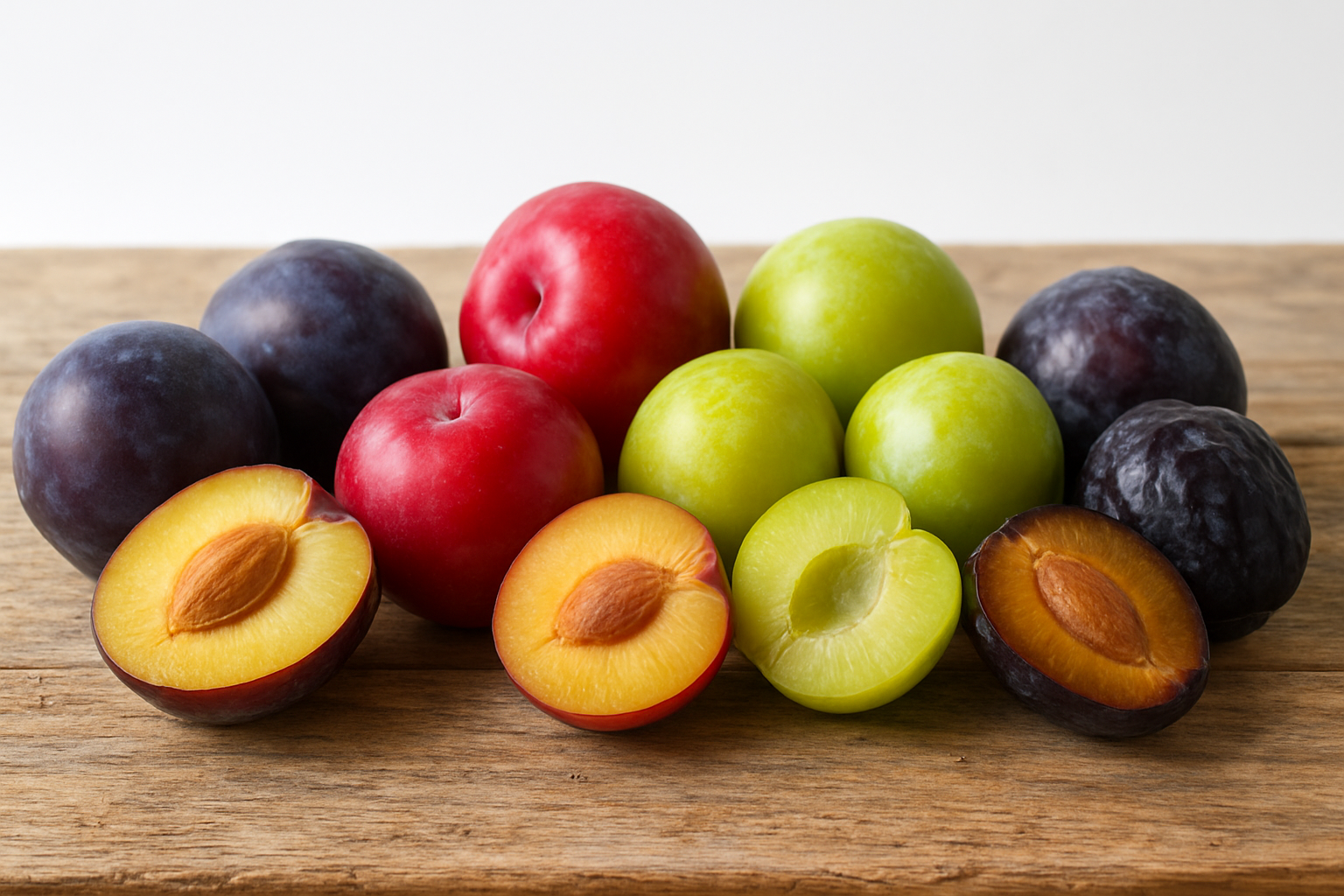
Plums showcase a remarkable range of physical features, but they all share certain defining characteristics that mark them as stone fruits. The most obvious trait is their smooth, often waxy skin that can range from deep purple and red to yellow, green, or even blue-black depending on the variety. This protective outer layer helps preserve the juicy flesh inside.
Size varies dramatically among plum varieties. You might encounter tiny cherry plums no bigger than a grape, or large European plums that fill your palm. The shape can be round, oval, or heart-shaped, with some varieties displaying a distinctive suture line running from stem to tip.
The flesh inside tells its own story. Most plums feature yellow or red flesh, though some varieties surprise you with green or purple interiors. The texture ranges from firm and crisp in underripe fruits to soft and juicy when perfectly ripe. Sugar content typically increases as the fruit ripens, while acidity levels decrease, creating that perfect sweet-tart balance plum lovers crave.
At the center lies the defining feature of all stone fruits - the pit or stone. Plum pits are relatively large compared to the fruit size, oval-shaped, and contain a single seed. The pit clings to the flesh in most varieties, though some newer cultivars offer freestone characteristics for easier eating.
How plums differ from other stone fruits
While plums share the stone fruit family with their cousins, several key differences set them apart. The most noticeable difference lies in their skin texture and thickness. Plum skin tends to be thicker and more substantial than cherry skin but thinner than peach skin. Unlike fuzzy peaches or smooth-skinned nectarines, plums have their own unique skin texture that's neither fuzzy nor completely smooth.
| Feature | Plums | Peaches | Cherries | Apricots |
|---|---|---|---|---|
| Skin texture | Smooth, waxy | Fuzzy (peaches) | Smooth, thin | Smooth, velvety |
| Size range | Small to large | Medium to large | Small | Small to medium |
| Pit attachment | Mostly clingstone | Freestone/clingstone | Small, easy to remove | Usually freestone |
| Harvest season | Mid-summer to fall | Summer | Early to mid-summer | Early summer |
Plums also differ in their growing habits and harvest timing. While cherries ripen early in the summer and apricots follow shortly after, most plums take their time, ripening from mid-summer through fall. This extended harvest season gives plum varieties more diversity in flavors and characteristics.
The flavor profile sets plums apart too. Where peaches lean heavily sweet and apricots offer delicate, subtle flavors, plums deliver that distinctive tartness balanced with sweetness. This makes them incredibly versatile in both fresh eating and cooking applications. Cherry plums bridge the gap between cherries and larger plums, offering intense flavors in smaller packages.
Storage and handling also differ among stone fruits. Plums generally hold their shape better when cooked compared to soft peaches, and they maintain their nutritional value longer during storage than delicate cherries or apricots.
Major Plum Varieties You Should Know
European plums and their sweet characteristics
European plums, scientifically known as Prunus domestica, are the classic stone fruits that most people picture when they think of plums. These varieties typically have an oval or egg-shaped appearance with skin colors ranging from deep purple to golden yellow. The most recognizable European plum is the Italian prune plum, which features dark purple skin and amber flesh that's incredibly sweet when fully ripe.
What sets European plums apart is their naturally high sugar content and dense, firm flesh. Popular varieties include Stanley, Greengage, and Yellow Egg plums. Stanley plums are particularly prized for their ability to dry well, making them ideal for creating prunes. Greengage plums offer a honey-sweet flavor with hints of vanilla, while Yellow Egg plums provide a milder, less acidic taste profile.
These plum varieties thrive in cooler climates and have excellent storage capabilities, often keeping for weeks when properly stored. Their thick skin helps protect the sweet flesh inside, making them perfect for both fresh eating and preserving.
Japanese plums and their juicy texture
Japanese plums (Prunus salicina) bring a completely different experience to your taste buds. These stone fruits are known for their incredibly juicy, almost dripping-wet texture that makes them messy but delightful to eat. Unlike their European cousins, Japanese plums tend to be rounder with softer flesh that practically melts in your mouth.
Popular Japanese plum varieties include Santa Rosa, Black Beauty, and Shiro. Santa Rosa plums feature striking red and yellow mottled skin with juicy red flesh that offers a perfect balance of sweet and tart flavors. Black Beauty plums have dark purple skin with amber flesh that's exceptionally sweet and juicy.
The high water content in Japanese plums makes them less suitable for drying but perfect for fresh consumption and juice production. These varieties typically ripen earlier in the season than European plums, giving fruit lovers an extended plum season. Their tender skin means they don't store as long as European varieties, but their incredible juiciness more than makes up for their shorter shelf life.
American hybrid plums for diverse climates
American hybrid plums represent the best of both worlds, combining traits from European, Japanese, and native American plum species. These innovative varieties were specifically developed to handle the challenging weather conditions found across different regions of North America, from harsh winters to humid summers.
Hybrid varieties like Brookgold, Superior, and Toka have been bred for cold hardiness while maintaining excellent fruit quality. Brookgold plums offer golden skin with sweet, firm flesh that works well for both eating fresh and cooking. Superior plums provide deep red skin with juicy flesh that can handle temperature fluctuations better than pure Japanese varieties.
These hybrid plums often display remarkable adaptability to soil conditions and weather extremes. Many can survive temperatures that would kill traditional European or Japanese varieties, making them perfect for gardeners in challenging climates. The breeding programs behind these hybrids have focused on disease resistance, extended growing seasons, and improved fruit quality.
Wild plum species and their unique traits
Wild plum species offer fascinating glimpses into the diversity of natural stone fruits before human cultivation shaped modern varieties. American wild plums (Prunus americana) produce small, intensely flavored fruits that pack more taste per bite than many cultivated varieties. These hardy trees can survive in conditions that would stress domestic plums, including drought and extreme temperatures.
Beach plums (Prunus maritima) grow along coastal areas and produce small, tart fruits perfect for jams and jellies. Their ability to thrive in sandy, salt-spray conditions makes them unique among plum species. Wild goose plums (Prunus munsoniana) offer bright red fruits with a distinctive tangy flavor that's prized by foragers and specialty food producers.
Sand cherry plums (Prunus besseyi) grow as shrubs rather than trees and produce small, dark purple fruits with an almost wine-like flavor. These native varieties often have higher antioxidant levels than cultivated plums, making them valuable for both their unique flavors and potential health benefits. Many wild species also serve as important pollinators for cultivated plum varieties.
Nutritional Benefits That Boost Your Health
Essential vitamins and minerals in plums
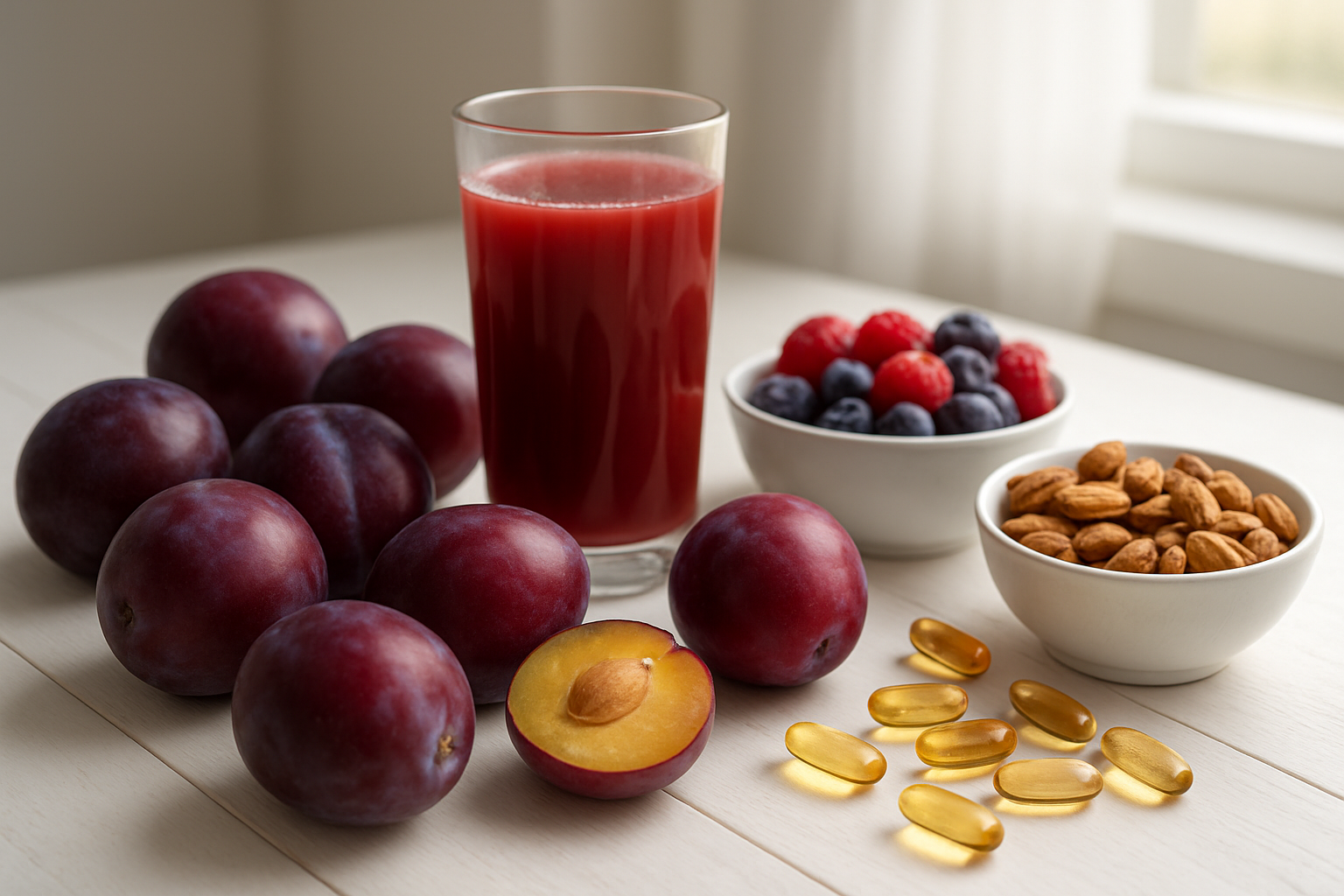
Plums pack an impressive nutritional punch that makes them a smart addition to any healthy diet. These stone fruits deliver significant amounts of vitamin C, with one medium plum providing about 10% of your daily requirement. This essential vitamin supports immune function and helps your body absorb iron more effectively.
The vitamin K content in plums stands out as particularly noteworthy, contributing to bone health and proper blood clotting. A single plum contains roughly 5% of your daily vitamin K needs. Plums also supply vitamin A, which supports eye health and skin regeneration.
When it comes to minerals, plums offer a diverse profile. Potassium takes center stage, helping regulate blood pressure and supporting heart function. Each plum provides about 104 milligrams of potassium, making them a heart-friendly snack choice. The copper content in plums aids in collagen production and iron absorption, while manganese supports bone development and wound healing.
| Nutrient | Amount per medium plum | Daily Value % |
|---|---|---|
| Vitamin C | 6.3 mg | 10% |
| Vitamin K | 4.2 mcg | 5% |
| Potassium | 104 mg | 3% |
| Copper | 0.04 mg | 4% |
Antioxidants that fight inflammation
The vibrant colors of plum varieties signal their rich antioxidant content. These powerful compounds work tirelessly to neutralize harmful free radicals in your body, reducing oxidative stress and inflammation that can lead to chronic diseases.
Anthocyanins give purple and red plums their distinctive hues while providing anti-inflammatory benefits. These compounds have been linked to improved heart health and may help reduce the risk of certain cancers. Yellow plums contain different but equally valuable antioxidants, including beta-carotene and lutein.
Phenolic compounds in plums, particularly chlorogenic acid, demonstrate strong anti-inflammatory properties. Research suggests these antioxidants may help protect against neurodegenerative diseases and support cognitive function as you age. The combination of vitamin C and these phenolic compounds creates a synergistic effect, amplifying the overall antioxidant power of plums.
Fresh plums retain the highest levels of these beneficial compounds, though dried plums (prunes) concentrate certain antioxidants due to the dehydration process. The skin contains the highest concentration of antioxidants, so eating plums with their skin intact maximizes these health benefits.
Fiber content for digestive wellness
Plum nutrition shines brightest in the fiber department, making these stone fruits excellent allies for digestive health. A medium-sized plum contains approximately 1 gram of dietary fiber, which might seem modest but adds up quickly when you consider plums as part of your daily fruit intake.
The fiber in plums consists of both soluble and insoluble types, each serving distinct digestive functions. Soluble fiber dissolves in water to form a gel-like substance that helps slow digestion and can assist in managing blood sugar levels. This type of fiber also supports healthy cholesterol levels by binding to cholesterol particles and helping remove them from your system.
Insoluble fiber provides the bulk that keeps things moving through your digestive tract. This prevents constipation and promotes regular bowel movements, contributing to overall gut health. The natural sugars in plums, combined with their fiber content, create a gentler effect on blood sugar compared to processed sweets.
Prunes (dried plums) concentrate the fiber content significantly, containing about 3 grams per four-prune serving. This concentrated fiber content, along with sorbitol (a natural sugar alcohol), explains why prunes have earned their reputation as a natural digestive aid. Regular consumption of plums and prunes can support a healthy gut microbiome, which plays a role in immune function and overall wellness.
Growing Conditions That Produce Quality Plums
Climate requirements for optimal growth
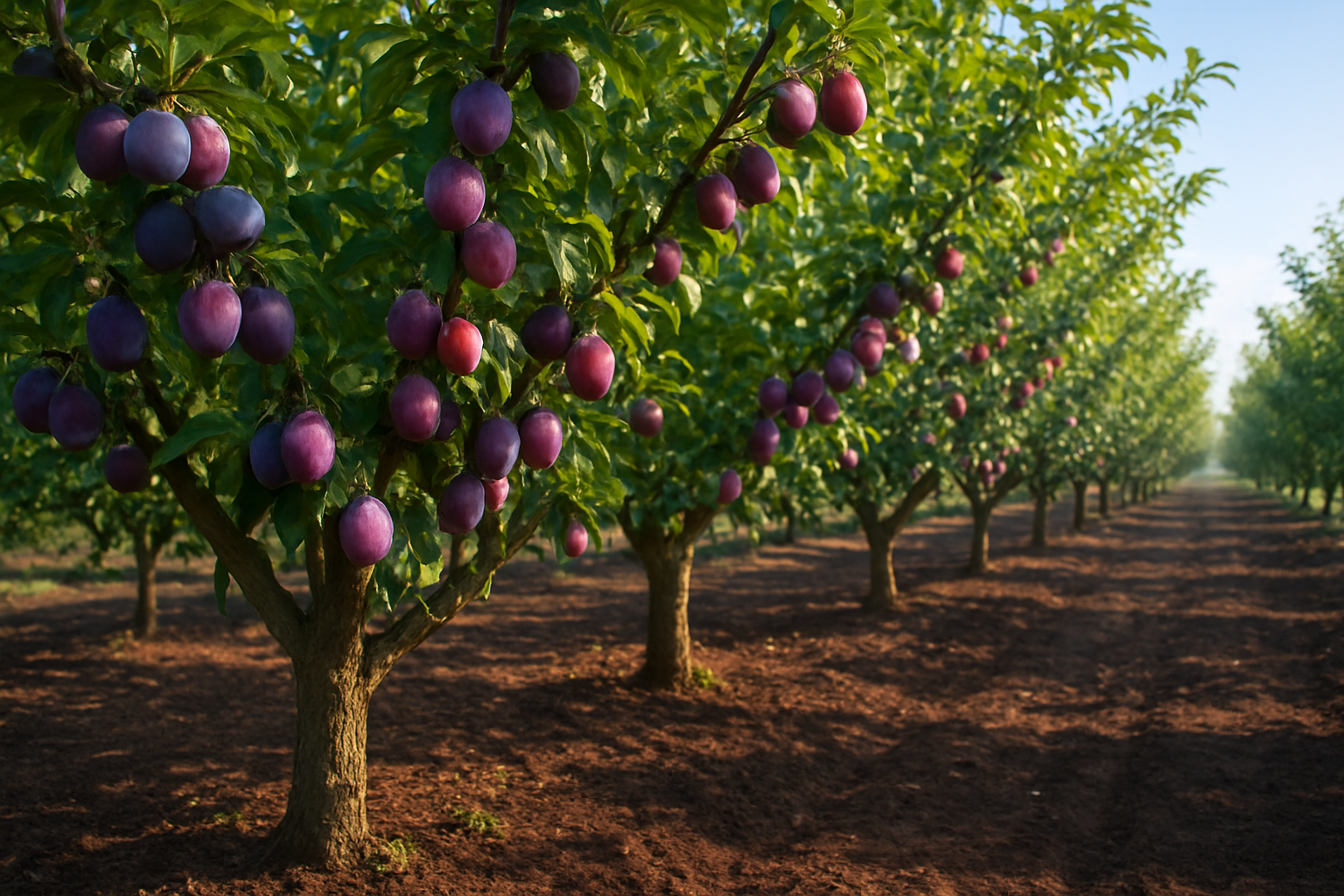
Plums thrive in temperate climates with distinct seasonal changes. These stone fruits need cold winter temperatures between 32-45°F for proper dormancy and fruit development. Most plum varieties require 800-1,000 chill hours below 45°F during winter months to produce quality fruit the following season.
Spring temperatures should warm gradually to prevent frost damage to delicate blossoms. Late spring frosts can devastate plum crops, so choose varieties suited to your local frost dates. Summer heat is essential for fruit development, with ideal temperatures ranging from 75-85°F during the growing season.
Plums need full sun exposure - at least 6-8 hours of direct sunlight daily. This sunlight drives photosynthesis and helps develop the sugars that make plums sweet and flavorful. Wind protection helps prevent branch breakage when trees are loaded with fruit.
Soil preferences and drainage needs
Well-draining soil ranks as the most critical factor for healthy plum cultivation. These trees cannot tolerate waterlogged conditions, which quickly lead to root rot and tree death. Sandy loam or clay loam soils work best, providing good drainage while retaining adequate moisture.
Soil pH should fall between 6.0-7.0 for optimal nutrient uptake. Plums struggle in highly acidic or alkaline soils, showing signs of nutrient deficiencies even when fertilizers are applied. Test your soil before planting and amend with lime or sulfur as needed.
Rich, organic matter improves soil structure and provides slow-release nutrients. Work compost or aged manure into the planting area before setting trees. Mulching around established trees helps retain moisture and adds organic matter as it decomposes.
Avoid planting in low-lying areas where cold air and water collect. Raised beds or gentle slopes provide better drainage and air circulation around plum trees.
Pollination requirements for fruit production
Most plum varieties cannot self-pollinate effectively and need compatible partners for good fruit set. European plums typically pollinate other European varieties, while Japanese plums cross-pollinate with other Japanese types. Some varieties like 'Stanley' and 'Greengage' are partially self-fertile but still produce better with cross-pollination.
Plant at least two different varieties that bloom simultaneously for successful pollination. Spacing trees 15-20 feet apart allows for proper air circulation while keeping them close enough for effective pollen transfer by bees and other insects.
Honeybees serve as primary pollinators for plums, making pesticide timing critical. Avoid spraying insecticides during bloom periods to protect these beneficial insects. Native bees and bumblebees also contribute significantly to plum pollination.
Some newer self-fertile varieties like 'Methley' and 'Beauty' can produce fruit without cross-pollination, making them ideal for smaller gardens with space for only one tree.
Common pests and disease management
Plum curculio causes significant damage by laying eggs in developing fruit, creating crescent-shaped scars. Adult weevils emerge in spring just as fruit begins forming. Shaking trees early morning over tarps can capture many adults, reducing population naturally.
Brown rot fungus attacks blossoms, twigs, and ripening fruit, especially during wet spring weather. Remove and destroy infected plant material immediately. Copper-based fungicides applied during dormant season help prevent initial infections.
Aphids cluster on new growth, causing leaf curling and transmitting viral diseases. Beneficial insects like ladybugs and lacewings provide natural control. Horticultural oils applied during dormant season suppress overwintering aphid eggs.
Scale insects attach to bark and branches, weakening trees over time. Dormant oil applications suffocate these pests before they become active in spring. Regular pruning improves air circulation and reduces pest habitat.
Black knot fungus creates ugly black growths on branches and should be pruned out immediately. Sterilize pruning tools between cuts to prevent spreading this serious disease.
Harvesting timing for peak ripeness
Plums don't continue ripening significantly after picking, making harvest timing crucial for best flavor. Ripe plums yield slightly to gentle pressure and develop their full color. The area around the stem should give slightly when pressed with your thumb.
Different varieties ripen at various times from mid-summer through early fall. Early varieties like 'Shiro' ripen in July, while late varieties such as 'Stanley' aren't ready until September. Plan your planting to extend the harvest season.
Taste testing remains the most reliable indicator of ripeness. Ripe plums should be sweet with balanced acidity, not sour or bland. The flesh separates easily from the pit in freestone varieties.
Harvest in dry weather when possible to reduce fungal diseases. Pick fruit in early morning when temperatures are cool, and handle gently to prevent bruising. Ripe plums store only a few days at room temperature but keep up to two weeks refrigerated.
Culinary Uses That Maximize Plum Flavor
Fresh eating and preparation techniques
Plums shine brightest when eaten fresh, their juicy flesh bursting with natural sweetness. The key to maximizing plum flavor starts with proper selection - choose plums that yield slightly to gentle pressure and release a sweet fragrance near the stem end. Ripe plums don't need refrigeration if consumed within a day or two, as room temperature enhances their aromatic compounds.
When preparing fresh plums, wash them gently under cool water and pat dry. The skin contains valuable antioxidants and adds textural contrast, so leave it on unless the recipe specifically calls for peeling. To remove the pit from stone fruits like plums, cut around the natural seam line and twist the halves apart. For stubborn pits, use a small spoon to scoop them out.
Fresh plums pair wonderfully with cheese platters, adding natural sweetness to complement sharp cheeses. Slice them into salads with arugula and goat cheese, or dice them into salsas for grilled meats. Their natural acidity balances rich dishes perfectly.
Baking and dessert applications
Plums transform beautifully when exposed to heat, concentrating their flavors and developing complex caramelized notes. The natural sugars caramelize during baking, creating depth that makes plums ideal for both rustic and elegant desserts.
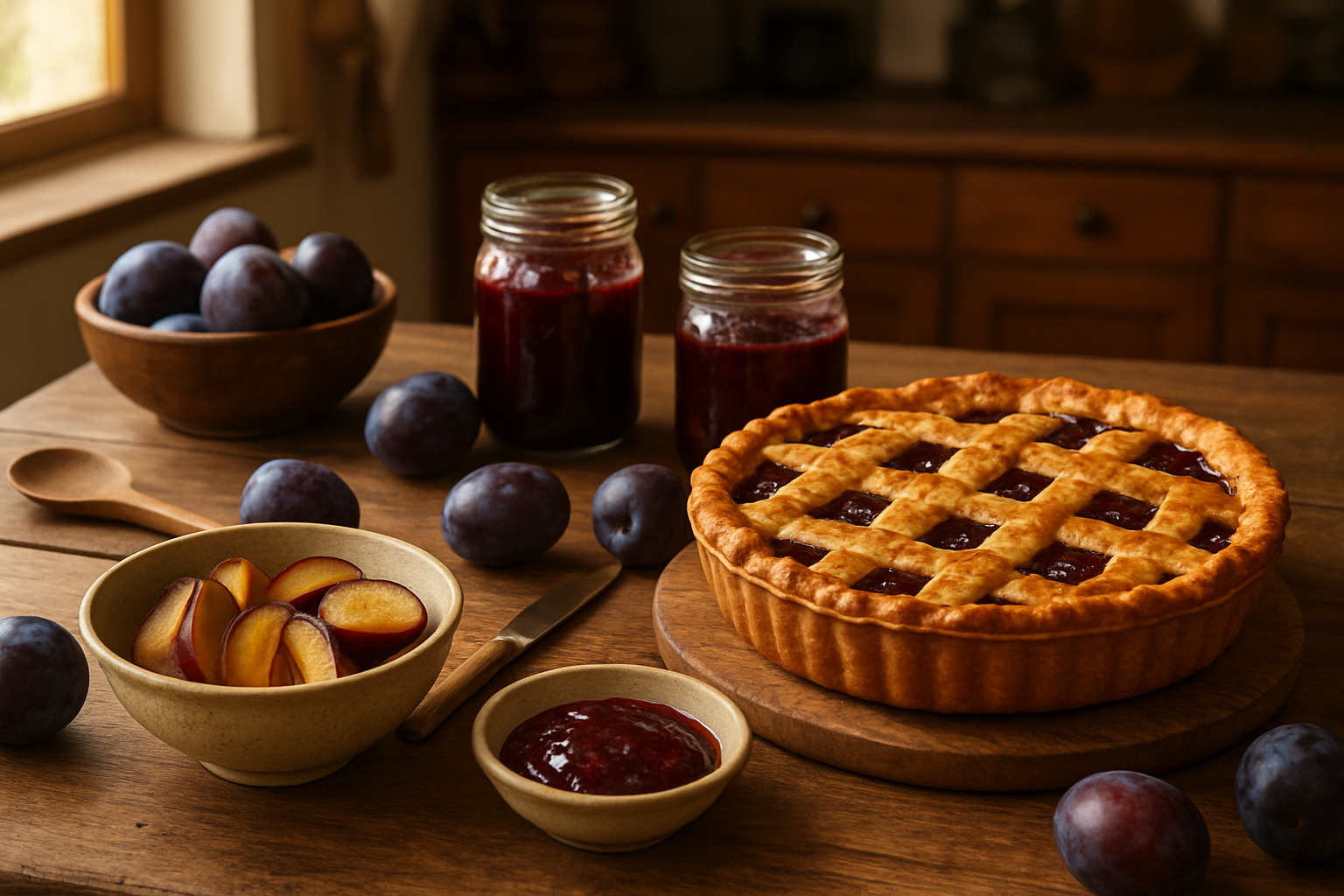
Classic plum recipes include traditional European-style plum tarts, where halved plums arrange in overlapping circles atop buttery pastry. Plum crumbles and cobblers showcase the fruit's ability to hold its shape while releasing juices that create natural sauces. When baking with plums, leave the skin on to prevent the fruit from completely breaking down and to maintain vibrant color.
For optimal results in baked goods, choose slightly underripe plums that won't turn mushy during cooking. Toss cut plums with a tablespoon of flour or cornstarch to absorb excess juices and prevent soggy crusts. Plum upside-down cakes, galettes, and clafoutis all highlight the fruit's natural beauty and concentrated flavor.
Stone fruits like plums also excel in savory baked applications - try them in grain salads, roasted alongside pork or chicken, or baked into flatbreads with herbs and cheese.
Preserving methods for year-round enjoyment
Preserving plums extends their season far beyond the brief summer harvest, allowing you to enjoy their flavor throughout the year. Traditional jam-making concentrates plum flavors while the natural pectin in the skin helps achieve proper gel consistency. Choose a mix of ripe and slightly underripe plums for the best texture and flavor balance.
Dehydrating plums creates intensely flavored dried fruit that rivals store-bought prunes. Cut plums in half, remove pits, and dry in a dehydrator or low oven until leathery but still pliable. These homemade dried plums work beautifully in grain dishes, trail mixes, and baked goods.
Freezing plums requires minimal preparation - simply wash, pit, and slice before spreading on baking sheets for individual quick freezing. Once frozen solid, transfer to freezer bags. Frozen plums work perfectly in smoothies, baked goods, and cooked applications where texture matters less than flavor.
| Preservation Method | Storage Time | Best Uses |
|---|---|---|
| Jam/Preserves | 1-2 years | Toast, desserts, glazes |
| Dehydrated | 6-12 months | Snacking, baking, cereals |
| Frozen | 8-12 months | Smoothies, cooked dishes |
| Canned | 2-3 years | Direct eating, desserts |
Pickled plums offer a tangy preservation method that works especially well with firmer plum varieties. The pickling process mellows the fruit's sweetness while adding complex flavors that complement savory dishes and charcuterie boards.
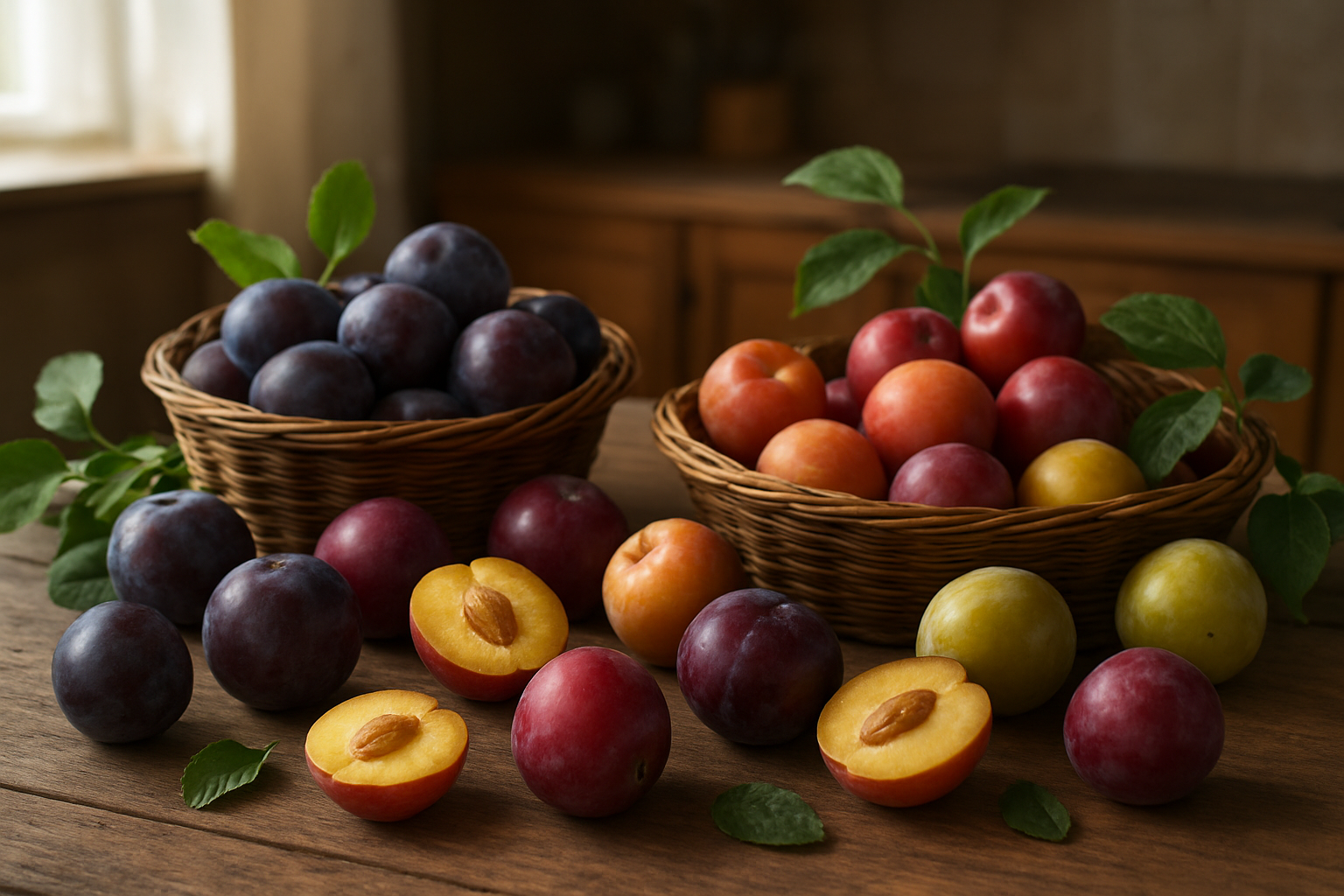
Plums offer so much more than their sweet, juicy taste. These versatile stone fruits pack impressive nutritional value with vitamins, antioxidants, and fiber that support your overall health. From the popular Japanese varieties to European classics, each type brings its own unique flavor profile and culinary potential to your kitchen.
The beauty of plums lies in their adaptability - they thrive in various growing conditions and shine in countless recipes, from fresh eating to baking, preserves, and savory dishes. Next time you're at the grocery store or farmer's market, pick up a few different varieties and discover which ones become your favorites. Your taste buds and your body will thank you for adding these nutritious gems to your regular rotation.


.png)
Comments
Post a Comment