POMEGRANATES - WHAT ARE POMEGRANATES?
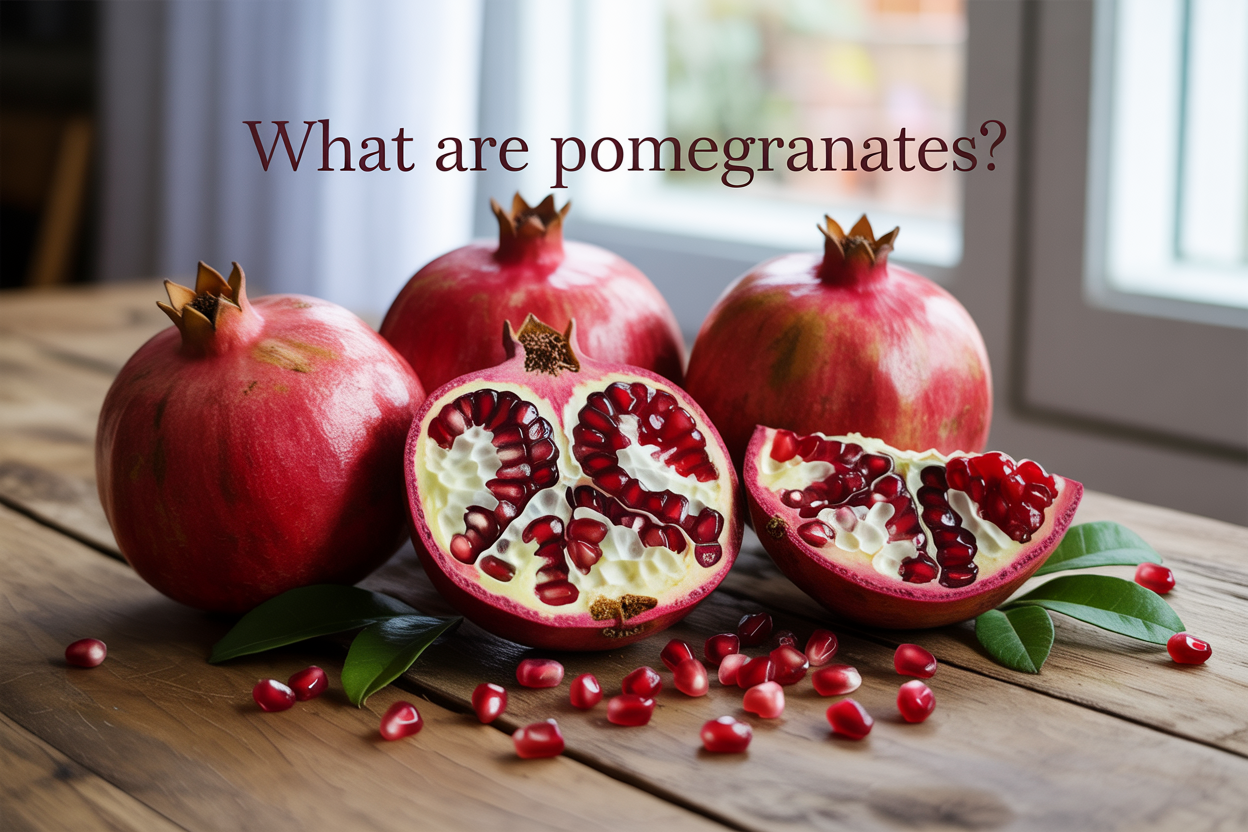
Pomegranates are ruby-red fruits packed with jewel-like seeds that have captivated people for thousands of years. This complete guide is perfect for home gardeners, health-conscious eaters, and anyone curious about this superfruit's unique qualities and benefits.
You'll discover the essential pomegranate nutrition facts that make this fruit a powerhouse of antioxidants and vitamins. We'll explore different pomegranate varieties to help you choose the best types for your garden or kitchen. Finally, you'll learn practical pomegranate cultivation tips and creative ways to incorporate these nutrient-dense seeds into your cooking routine.
Understanding Pomegranate Basics
Botanical Classification and Scientific Name
Pomegranate fruit belongs to the family Lythraceae and carries the scientific name Punica granatum. The genus Punica contains only two species, with P. granatum being the commercially important variety we know and love. This deciduous shrub or small tree represents one of nature's most ancient cultivated fruits, with botanical records tracing back thousands of years.
The plant's classification places it in a unique position within the plant kingdom. Originally, botanists grouped pomegranates in their own family called Punicaceae, but modern genetic analysis moved them into the Lythraceae family alongside other flowering plants. This reclassification reflects our deeper understanding of plant relationships and evolutionary history.
Physical Characteristics and Appearance
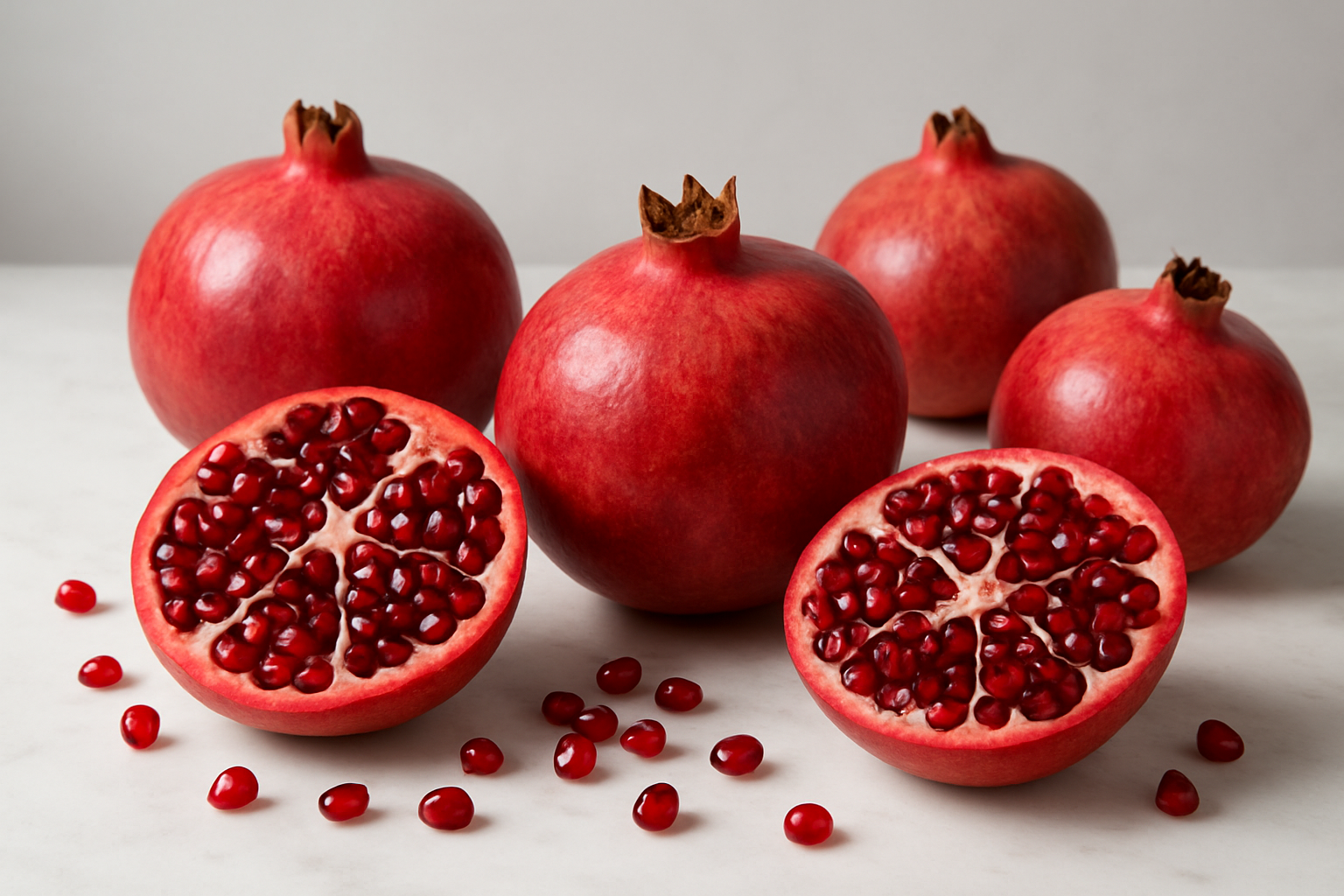
What are pomegranates in terms of appearance? These distinctive fruits showcase a rounded, somewhat hexagonal shape with a tough, leathery skin that ranges from bright red to deep crimson, sometimes with yellowish undertones. The fruit typically measures 2-5 inches in diameter and can weigh anywhere from 5 ounces to over a pound, depending on the variety and growing conditions.
The exterior features a prominent crown-like calyx at the top, which gives pomegranates their regal appearance. When you cut open this remarkable fruit, you'll discover hundreds of ruby-red arils - the edible seed sacs that contain the juice and nutritional powerhouse people seek. These arils are separated by bitter, cream-colored membranes called carpellary membranes.
The pomegranate tree itself grows 16-33 feet tall, featuring narrow, glossy leaves and vibrant orange-red flowers that bloom in late spring. The bark appears grayish-brown and becomes more textured with age, while the branches often develop thorns.
Origin and Native Regions
Pomegranates trace their origins to the region spanning from modern-day Iran to northern India, with archaeological evidence suggesting cultivation began around 4000 BCE. Ancient Persia served as the primary center of pomegranate domestication, where the fruit earned reverence in both daily nutrition and cultural symbolism.
From their Middle Eastern homeland, pomegranates spread throughout the Mediterranean basin via ancient trade routes. The Phoenicians, Greeks, and Romans all embraced this fruit, carrying it to new territories across their expanding empires. Spanish conquistadors later introduced pomegranates to the Americas, where they found suitable climates in California and Mexico.
Today, major commercial production occurs in Iran, India, Turkey, Spain, California, and Chile. The fruit thrives in Mediterranean and semi-arid climates with hot, dry summers and mild winters. Wild pomegranate populations still exist in their native regions, displaying genetic diversity that modern cultivators use to develop new varieties with improved characteristics for different growing conditions and market preferences.
Nutritional Profile and Health Benefits
Vitamin and Mineral Content
Pomegranate fruit packs an impressive nutritional punch, delivering essential vitamins and minerals your body craves. A single cup of pomegranate seeds provides about 134 calories and contains significant amounts of vitamin C, supporting immune system function and collagen production. The vitamin K content helps with bone health and proper blood clotting, while folate plays a vital role in DNA synthesis and red blood cell formation.
The mineral profile includes potassium, which regulates blood pressure and supports heart function, along with manganese for bone development and wound healing. Pomegranates also contain smaller amounts of phosphorus, magnesium, and calcium. The fiber content, at roughly 7 grams per cup, promotes digestive health and helps maintain steady blood sugar levels.
| Nutrient | Amount per 1 cup (174g) | Daily Value % |
|---|---|---|
| Vitamin C | 28.8 mg | 32% |
| Vitamin K | 28.6 mcg | 24% |
| Folate | 66.7 mcg | 17% |
| Potassium | 666 mg | 14% |
| Fiber | 7g | 25% |
Antioxidant Properties and Polyphenols
Pomegranate antioxidants make this fruit a nutritional superstar. The deep red color comes from powerful polyphenols, particularly punicalagins and anthocyanins, which give pomegranates their remarkable antioxidant capacity. Research shows pomegranates contain three times more antioxidants than red wine or green tea.
These antioxidants fight free radicals that damage cells and contribute to aging and disease. Punicalagins, found mainly in the peel but also in the juice, break down into smaller compounds that your body can easily absorb. Ellagic acid, another key polyphenol, has shown promise in laboratory studies for its potential protective effects against cellular damage.
The ORAC (Oxygen Radical Absorbance Capacity) score for pomegranates reaches impressive levels, making them one of the most antioxidant-rich foods available. Fresh pomegranate seeds benefits include delivering these compounds in their most bioavailable form.
Heart Health and Cardiovascular Benefits
The pomegranate health benefits for cardiovascular wellness are backed by numerous scientific studies. Regular consumption may help reduce blood pressure, with some research showing significant improvements in both systolic and diastolic readings. The nitric oxide-boosting properties of pomegranate compounds help relax blood vessels and improve circulation.
Studies suggest pomegranate juice can reduce arterial plaque buildup and improve blood flow to the heart. The antioxidants protect LDL cholesterol from oxidation, a process that contributes to atherosclerosis. Some research indicates that drinking pomegranate juice daily for three months can improve stress-induced ischemia in patients with coronary heart disease.
The potassium content supports healthy blood pressure levels, while the polyphenols may help reduce inflammation in blood vessels. These combined effects create a protective environment for your cardiovascular system.
Anti-inflammatory Effects
Chronic inflammation underlies many health conditions, and pomegranates offer natural anti-inflammatory support. The polyphenols in pomegranate nutrition facts show significant anti-inflammatory activity in both laboratory and human studies. These compounds help reduce inflammatory markers like C-reactive protein and interleukin-6.
The anti-inflammatory effects extend to joint health, with some studies showing reduced joint pain and improved mobility in people with arthritis. The compounds work by inhibiting inflammatory enzymes and reducing the production of inflammatory molecules.
Regular consumption may help combat systemic inflammation, which links to conditions like heart disease, diabetes, and certain cancers. The natural anti-inflammatory compounds in pomegranates work synergistically, creating more powerful effects than isolated compounds alone.
Pomegranate Varieties and Types
Common Commercial Varieties
Wonderful stands as the most widely recognized pomegranate variety in North American markets. This ruby-red beauty delivers the classic sweet-tart balance that most people associate with pomegranate fruit. The arils burst with deep crimson juice, making it perfect for both fresh eating and juice production.
Red Silk offers a softer, more delicate flavor profile with lighter pink arils. This variety ripens earlier than Wonderful and features tender seeds that many find easier to eat. The juice tends to be sweeter with less astringency.
Eversweet lives up to its name with remarkably sweet arils and almost no tartness. The pale pink to light red seeds make this variety particularly appealing to children and those who prefer milder flavors.
Angel Red produces large, bright red fruits with exceptionally juicy arils. This variety shows excellent storage qualities and maintains its flavor profile well after harvest.
Differences in Taste and Appearance
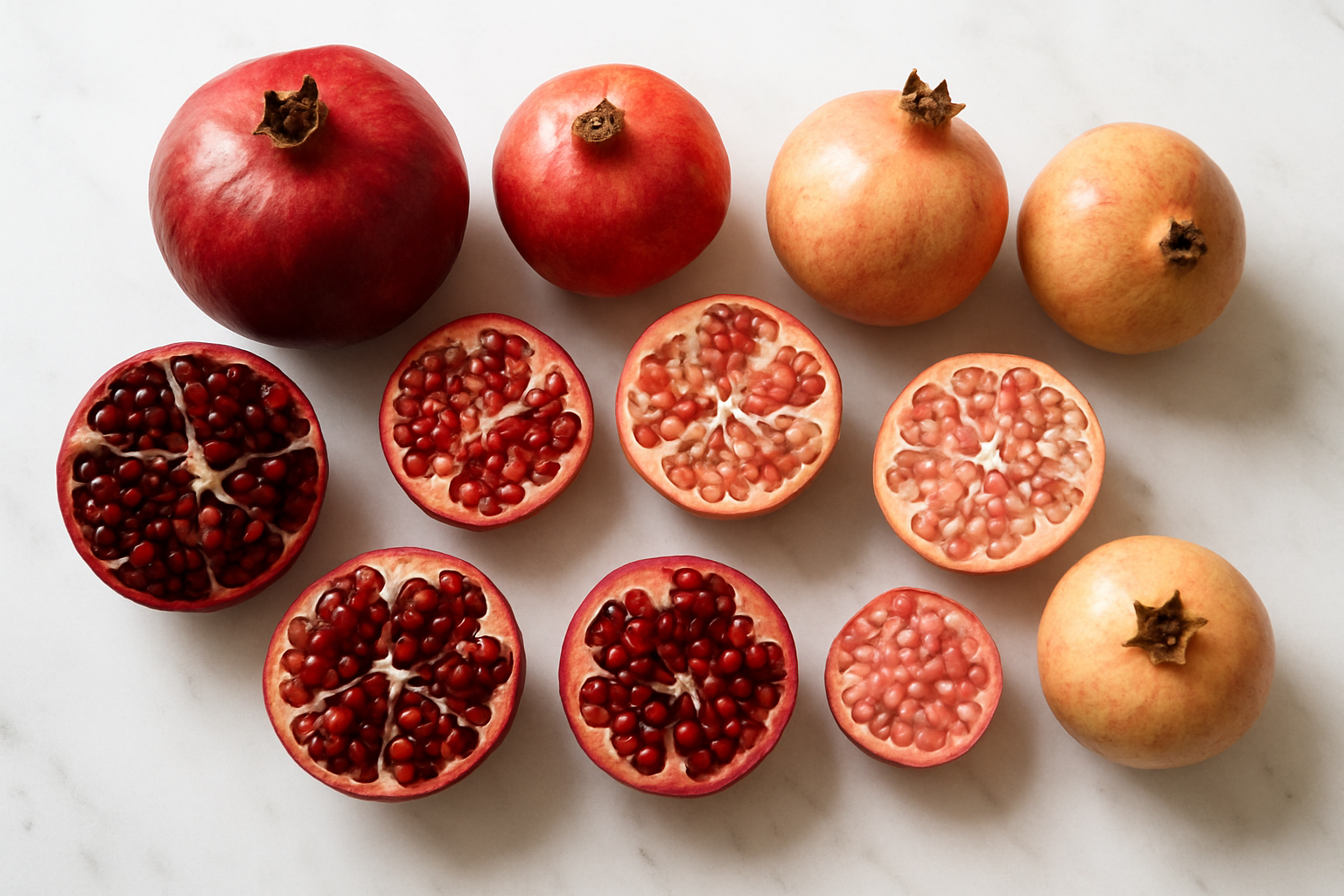
Pomegranate varieties showcase remarkable diversity in both flavor and visual characteristics. The color spectrum ranges from pale pink to deep burgundy, with some varieties displaying nearly white arils.
| Variety | Aril Color | Flavor Profile | Seed Hardness |
|---|---|---|---|
| Wonderful | Deep red | Sweet-tart | Medium-hard |
| Red Silk | Pink-red | Mild, sweet | Soft |
| Eversweet | Light pink | Very sweet | Soft |
| Angel Red | Bright red | Balanced | Medium |
Taste variations span from intensely tart varieties that pucker the mouth to honey-sweet types with barely detectable acidity. Some pomegranate varieties produce soft, edible seeds while others have harder seeds that require more chewing or spitting out.
The juice content also differs significantly between varieties. Commercial juice producers typically favor varieties like Wonderful for their high juice yield and intense color, while fresh market growers might choose varieties with larger, more attractive arils.
Regional Specialty Cultivars
Mediterranean varieties like Mollar de Elche from Spain produce sweet fruits with soft, edible seeds. These ancient cultivars have adapted to coastal climates and offer unique flavor profiles shaped by centuries of selective breeding.
Middle Eastern varieties include the prized Nana pomegranates from Afghanistan, known for their exceptional sweetness and deep red color. Persian varieties like Malas Torsh deliver intense tartness preferred in traditional cooking.
California specialty cultivars include Ambrosia, developed for its large fruit size and sweet flavor. State Fair produces ornamental-quality fruits with excellent keeping qualities.
Asian varieties like the Japanese Nana produce smaller, intensely flavored fruits. Chinese cultivars often emphasize medicinal properties alongside flavor, with some varieties specifically grown for their high antioxidant content.
Regional climate conditions heavily influence these specialty cultivars. Desert-adapted varieties develop thicker skins and concentrated flavors, while those from humid regions tend to have thinner skins and milder tastes. Many of these regional pomegranate varieties remain rare outside their native growing areas, making them prized by collectors and specialty growers.
Growing Conditions and Cultivation
Climate Requirements and Soil Preferences
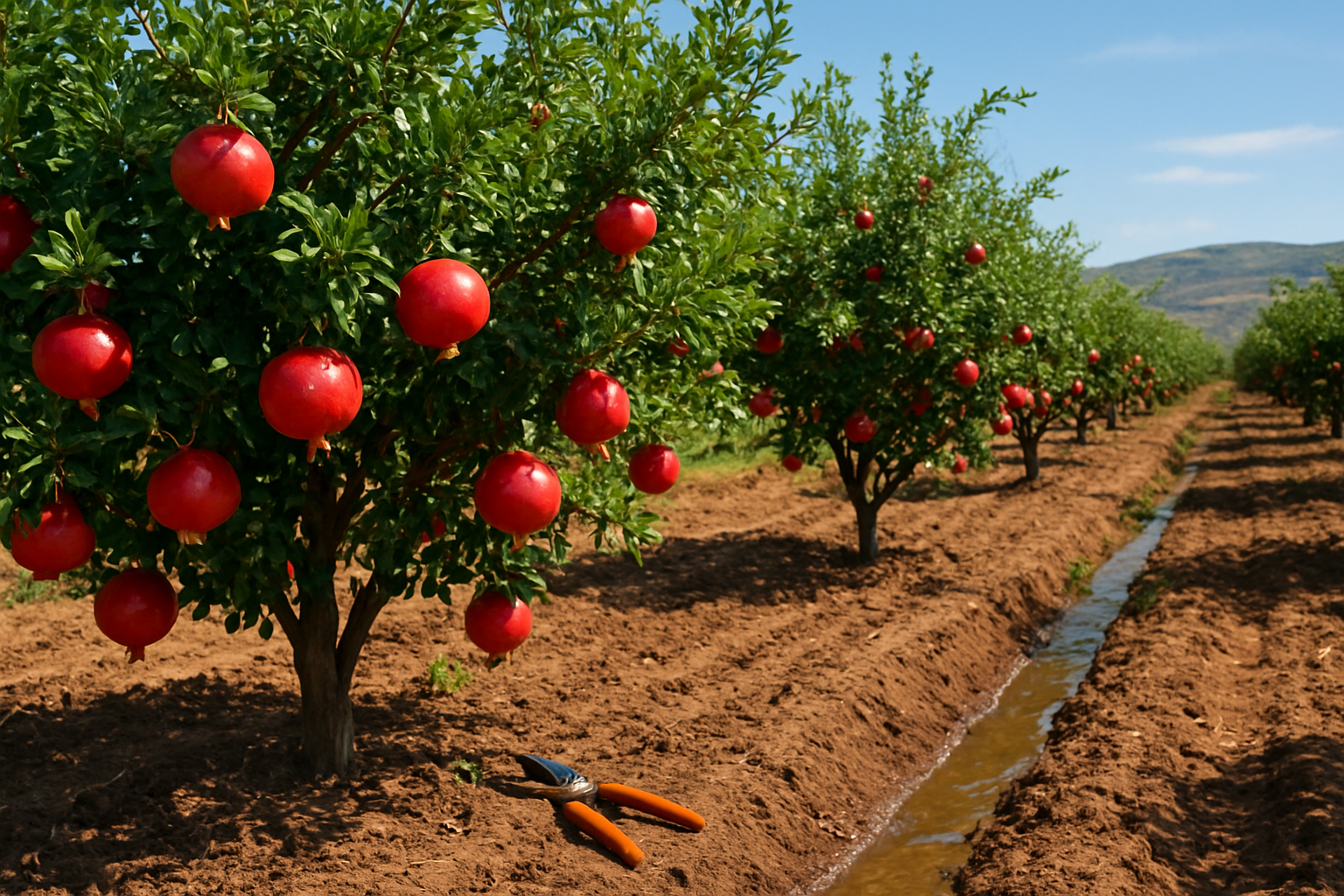
How to grow pomegranates starts with understanding their preferred growing conditions. These hardy trees thrive in Mediterranean-type climates with hot, dry summers and mild winters. Pomegranate trees handle temperatures between 35-100°F, but they perform best when winter temperatures stay above 10°F. They need a long, warm growing season - at least 120 frost-free days - to produce quality fruit.
Pomegranate cultivation guide experts recommend well-draining soil with a pH between 5.5 and 7.0. These adaptable trees grow in various soil types, including clay, loam, and sandy soils, but they struggle in waterlogged conditions. The roots need oxygen, so avoid areas where water pools after rain.
| Climate Factor | Ideal Range |
|---|---|
| Temperature | 35-100°F |
| Winter Minimum | Above 10°F |
| Frost-Free Days | 120+ days |
| Soil pH | 5.5-7.0 |
| Rainfall | 12-20 inches annually |
Pomegranates actually prefer slightly alkaline conditions and can tolerate drought once established. They handle salty soils better than many fruit trees, making them excellent choices for coastal areas or regions with irrigation water that's high in minerals.
Planting and Care Instructions
Plant pomegranate trees in late winter or early spring when the risk of hard frost has passed. Space trees 12-15 feet apart to allow for mature canopy spread. Dig holes twice as wide as the root ball but only as deep - you want the root crown level with the soil surface.
Young trees need regular watering for the first two years while their root systems develop. Water deeply once or twice weekly during growing season, providing about 1 inch of water total. Mature trees are drought-tolerant but produce better fruit with consistent moisture.
Pomegranate cultivation guide basics include:
-
Apply balanced fertilizer (10-10-10) in early spring
-
Mulch around the base to retain moisture and suppress weeds
-
Prune during dormancy to remove dead wood and suckers
-
Train young trees to 3-5 main branches for better structure
Pomegranates grown in containers need more frequent watering and feeding. Choose pots at least 20 gallons for mature trees, and use quality potting mix with good drainage.
Harvesting Timeline and Methods
Pomegranate fruit takes 6-7 months to mature from flower to harvest. Most varieties ripen between September and February, depending on your climate and the specific variety planted. Unlike many fruits, pomegranates don't continue ripening after picking, so timing is crucial.
Ripe pomegranates show these signs:
-
Deep, rich color specific to the variety
-
Slightly flattened shape rather than perfectly round
-
Metallic sound when tapped
-
Skin that feels tight and free of soft spots
-
Cracking may begin around the stem end
Harvest by cutting the stem with pruning shears rather than pulling the fruit. This prevents damage to both the fruit and the tree. Handle carefully - pomegranates bruise easily despite their tough appearance.
Fresh pomegranate fruit stores well in cool, dry conditions for 2-3 months. Refrigerated pomegranates can last up to 6 months, making them excellent for extended enjoyment.
Common Growing Challenges
Pomegranate trees face several typical problems that home growers should watch for. Aphids often attack new growth in spring, causing leaves to curl and weaken the plant. Spray them off with water or use insecticidal soap for severe infestations.
Fungal diseases like leaf spot and fruit rot occur in humid conditions or with overhead watering. Water at soil level and ensure good air circulation around the tree. Remove affected leaves and fruit promptly to prevent spread.
Pomegranate cultivation guide troubleshooting includes:
-
Fruit splitting: Usually from irregular watering - maintain consistent moisture
-
Poor fruit set: May need cross-pollination from another variety
-
Sunscald: Protect young bark with tree wrap or whitewash
-
Sucker growth: Regular pruning keeps energy focused on main branches
Wildlife can be problematic - birds love ripe pomegranates, and deer browse young trees. Netting protects ripening fruit, while fencing keeps larger animals away. Root rot becomes an issue in poorly draining soils, so improve drainage before planting rather than fighting the problem later.
Cold damage affects trees in borderline climates. Young trees are most vulnerable, so consider frost protection for the first few winters. Mature trees handle cold better but may lose some branches in severe freezes.
Culinary Uses and Preparation Methods
Fresh Consumption Techniques
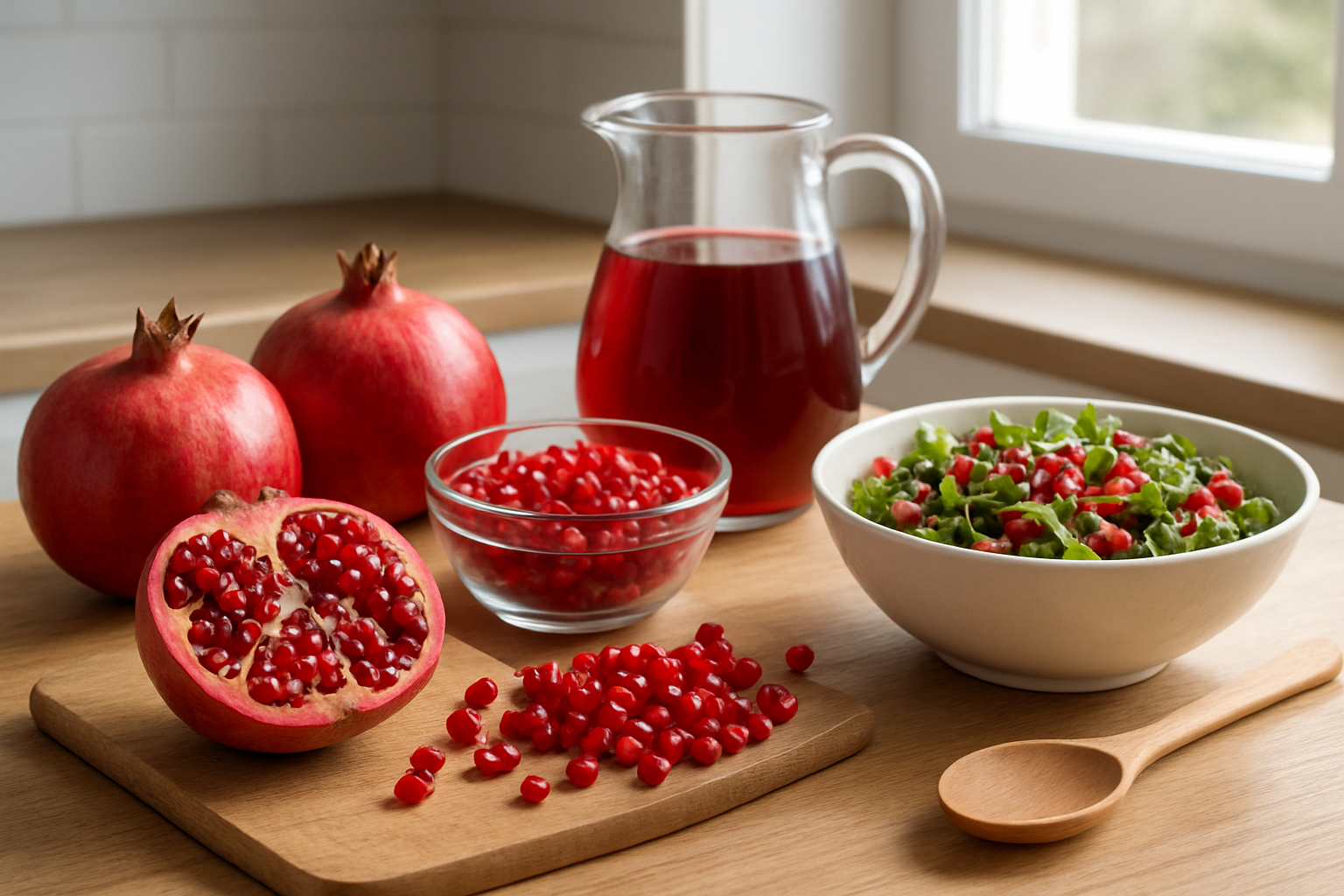
Getting pomegranate seeds out cleanly takes a bit of technique, but once you know the trick, it becomes second nature. Start by cutting the pomegranate fruit in half horizontally - not from top to bottom. Hold one half cut-side down over a large bowl and tap the back with a wooden spoon. The seeds will fall right out without much mess.
Another popular method involves scoring the skin in quarters, then breaking it apart underwater in a large bowl. The seeds sink while the white pith floats, making separation super easy. Pat the seeds dry with paper towels before eating or storing.
Fresh pomegranate seeds add incredible crunch and sweet-tart flavor to salads, yogurt bowls, and grain dishes. They're perfect as a garnish for desserts or mixed into trail mix. The seeds can be eaten whole - the inner seed provides fiber while the outer aril delivers that signature pomegranate burst.
Juice Extraction and Storage
Making fresh pomegranate juice at home gives you complete control over flavor and quality. For the simplest method, place seeds in a blender and pulse briefly - just enough to break open the arils without crushing the inner seeds, which can make juice bitter. Strain through a fine mesh sieve, pressing the pulp to extract maximum juice.
A juicer works wonderfully for larger quantities. Feed whole seeds through slowly to prevent clogging. Some people prefer the rolling method: place seeds in a sealed plastic bag and roll with a rolling pin to break the arils, then strain.
Fresh pomegranate juice stays good in the refrigerator for up to one week when stored in an airtight glass container. For longer storage, freeze juice in ice cube trays, then transfer frozen cubes to freezer bags. This keeps for up to six months and makes it easy to add pomegranate flavor to smoothies.
Cooking Applications and Recipes
Pomegranate seeds and juice work beautifully in both sweet and savory dishes. The seeds add texture and color to rice pilafs, couscous, and quinoa salads. They're amazing in Middle Eastern dishes like fesenjan (Persian walnut and pomegranate stew) where pomegranate molasses creates deep, complex flavors.
For desserts, fold seeds into muffin batter, sprinkle over chocolate tarts, or mix into fruit salads. Pomegranate molasses - made by reducing juice to a thick syrup - serves as an excellent glaze for roasted meats and vegetables. It balances beautifully with lamb, chicken, and root vegetables.
The juice reduces well into sauces and glazes. Simmer with balsamic vinegar and honey for a stellar salad dressing, or reduce with red wine for a sophisticated pan sauce. Seeds also make gorgeous garnishes for cocktails and add natural sweetness to marinades.
Preservation and Freezing Options
Pomegranate seeds freeze exceptionally well and maintain their texture better than many fruits. Spread clean, dry seeds on a parchment-lined baking sheet and freeze until solid - about 2 hours. Transfer to airtight containers or freezer bags, removing as much air as possible.
Frozen seeds keep for up to one year and can be used straight from the freezer in smoothies, baking, or cooking. They thaw quickly at room temperature if you need them for fresh applications, though they'll be slightly softer than fresh seeds.
Pomegranate juice concentrates well for long-term storage. Reduce fresh juice by half over medium heat to create a syrup that stores in the refrigerator for months. This concentrated version works perfectly for flavoring drinks, desserts, and glazes - just dilute as needed.
Dehydrating seeds creates pomegranate "raisins" with concentrated flavor. Use a food dehydrator or low oven (170°F) for 12-24 hours until seeds are leathery but still slightly pliable. These keep for several months in airtight containers and make excellent additions to trail mixes and baked goods.
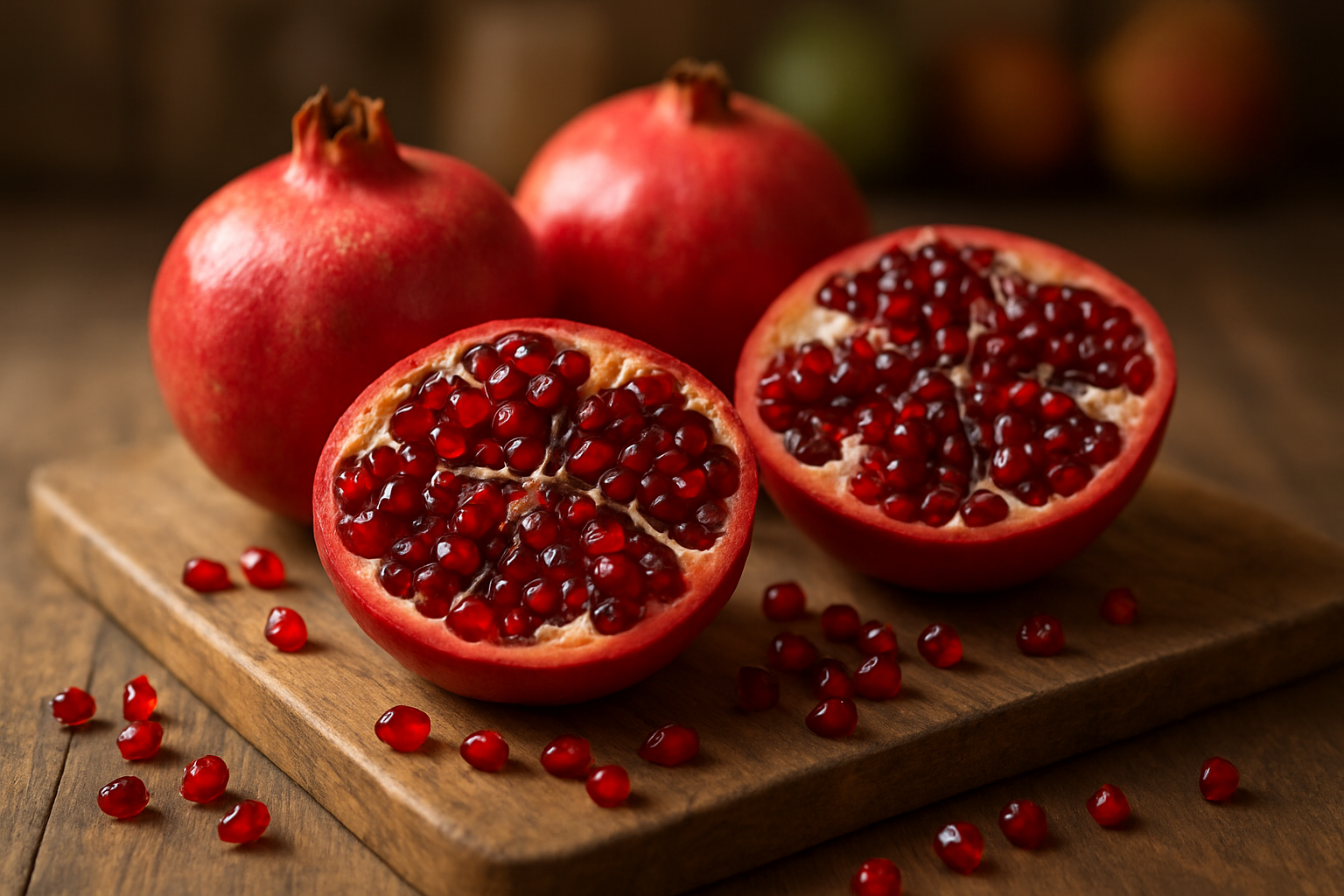
Pomegranates pack a serious nutritional punch that goes way beyond their striking appearance. These ruby-red gems deliver powerful antioxidants, support heart health, and offer anti-inflammatory benefits that make them a smart addition to any diet. From the sweet Wonderful variety to the tart-sweet Haku Botan, there's a pomegranate type for every taste preference, and knowing how to properly seed and prepare them opens up endless culinary possibilities.
Ready to bring more pomegranates into your life? Start by picking up a few at your local grocery store and try adding the seeds to your morning yogurt or evening salad. If you're feeling adventurous, consider planting a pomegranate tree in your backyard - they're surprisingly easy to grow and will reward you with fresh fruit for years to come. Your taste buds and your body will thank you for making this superfruit a regular part of your routine.


.png)
Comments
Post a Comment