RAMBUTAN - WHAT'S THE RAMBUTAN FRUIT?
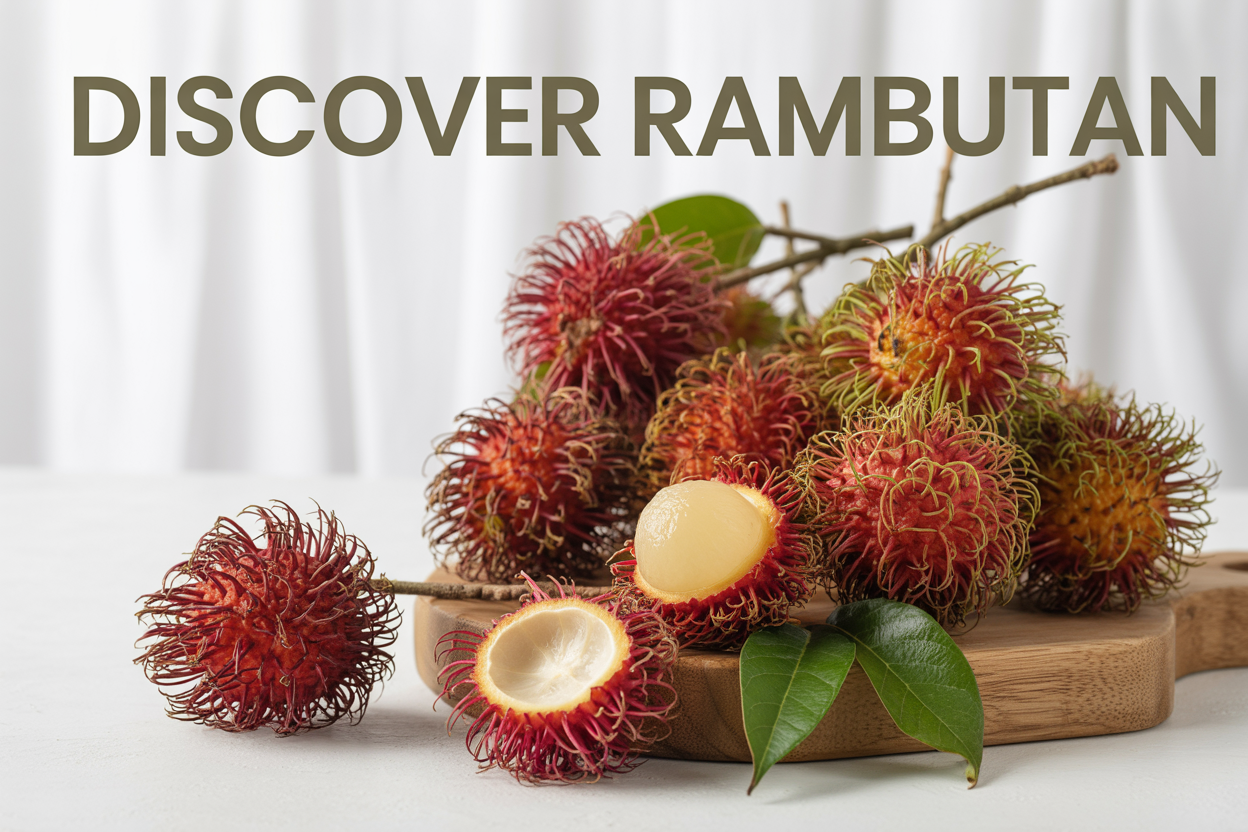
The rambutan fruit might look like something from another planet with its bright red, hairy exterior, but this exotic tropical fruit packs an incredible punch of flavor and nutrition. Perfect for adventurous food lovers, health-conscious eaters, and anyone curious about expanding their fruit horizons, rambutan offers a sweet escape from ordinary snacking.
This spiky Southeast Asian treasure delivers surprising health benefits that go far beyond its Instagram-worthy appearance. We'll dive into the impressive rambutan nutritional value and explore why this fruit deserves a spot in your weekly grocery haul. You'll also discover the surprisingly simple technique for how to eat rambutan without making a mess, plus get insider tips for selecting the ripest, most delicious rambutans at the store.
Ready to transform your fruit game with one of nature's most underrated tropical gems? Let's crack open the secrets of this fuzzy little powerhouse.
Discover the Exotic Rambutan Fruit
Origin and native regions of rambutan
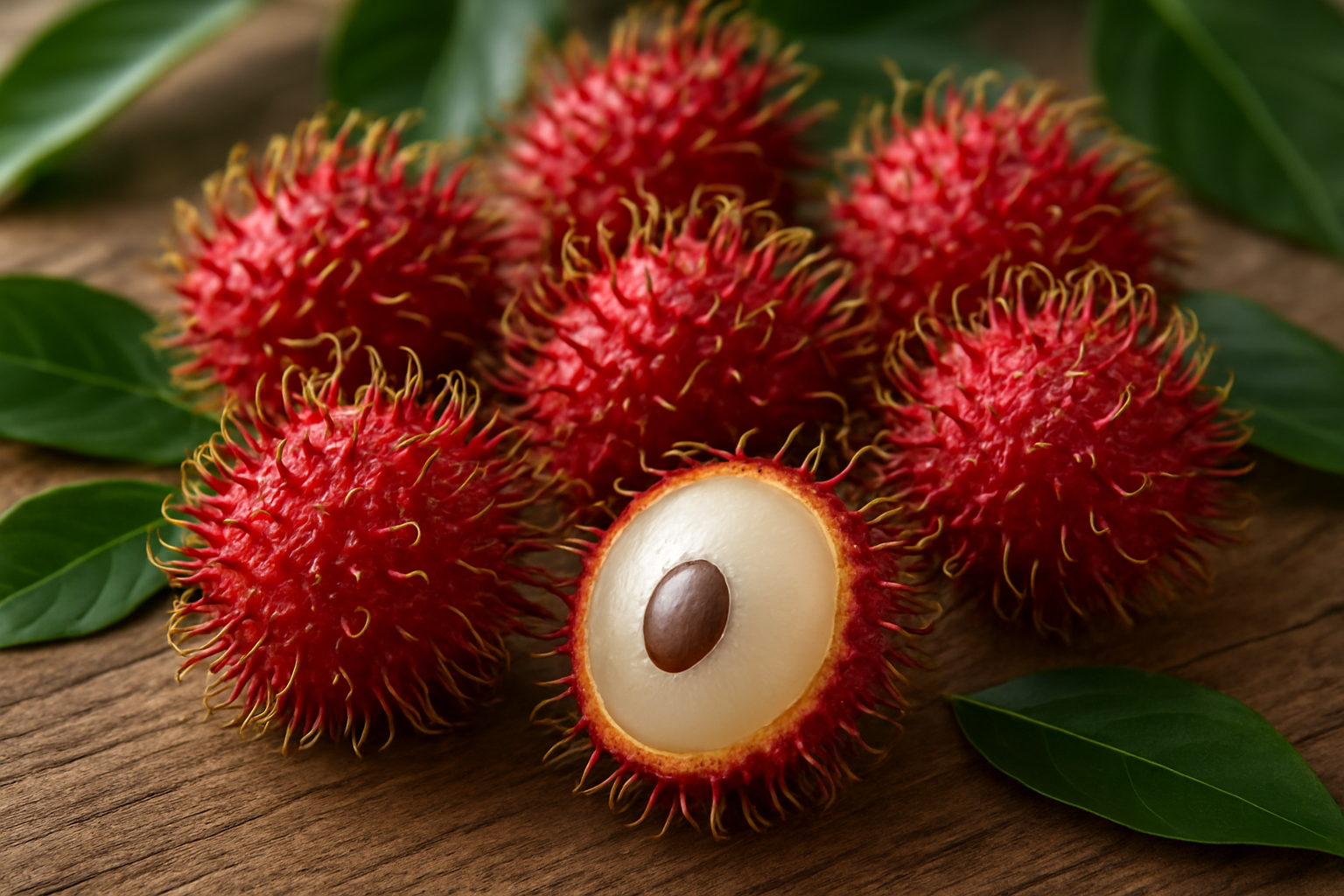
The rambutan fruit calls Southeast Asia home, where it has thrived for centuries in the tropical rainforests of Malaysia, Thailand, Indonesia, and the Philippines. This exotic tropical fruit belongs to the same family as lychee and longan, sharing their sweet heritage and ancient cultivation history. Wild rambutan trees originally grew throughout the Malay Peninsula, with archaeological evidence suggesting people have been enjoying this spiky delicacy for over 1,000 years.
Today, rambutan cultivation has spread beyond its native borders to other tropical regions including Vietnam, Sri Lanka, India, and even parts of Central America and Hawaii. The fruit's name comes from the Malay word "rambut," which means hair - a perfect description for its distinctive spiky exterior. Malaysian and Indonesian farmers perfected the art of growing different rambutan varieties, creating sweet and super sweet cultivars that have become popular worldwide.
Physical appearance and unique characteristics
What is rambutan's most striking feature? Those soft, hair-like spines covering the entire fruit make it instantly recognizable among exotic tropical fruits. The oval-shaped fruit measures about 1-2 inches in diameter, with a vibrant red or yellow-orange skin that feels leathery to the touch. These spines aren't sharp like a cactus - they're actually quite soft and flexible, almost like colorful rubber bristles.
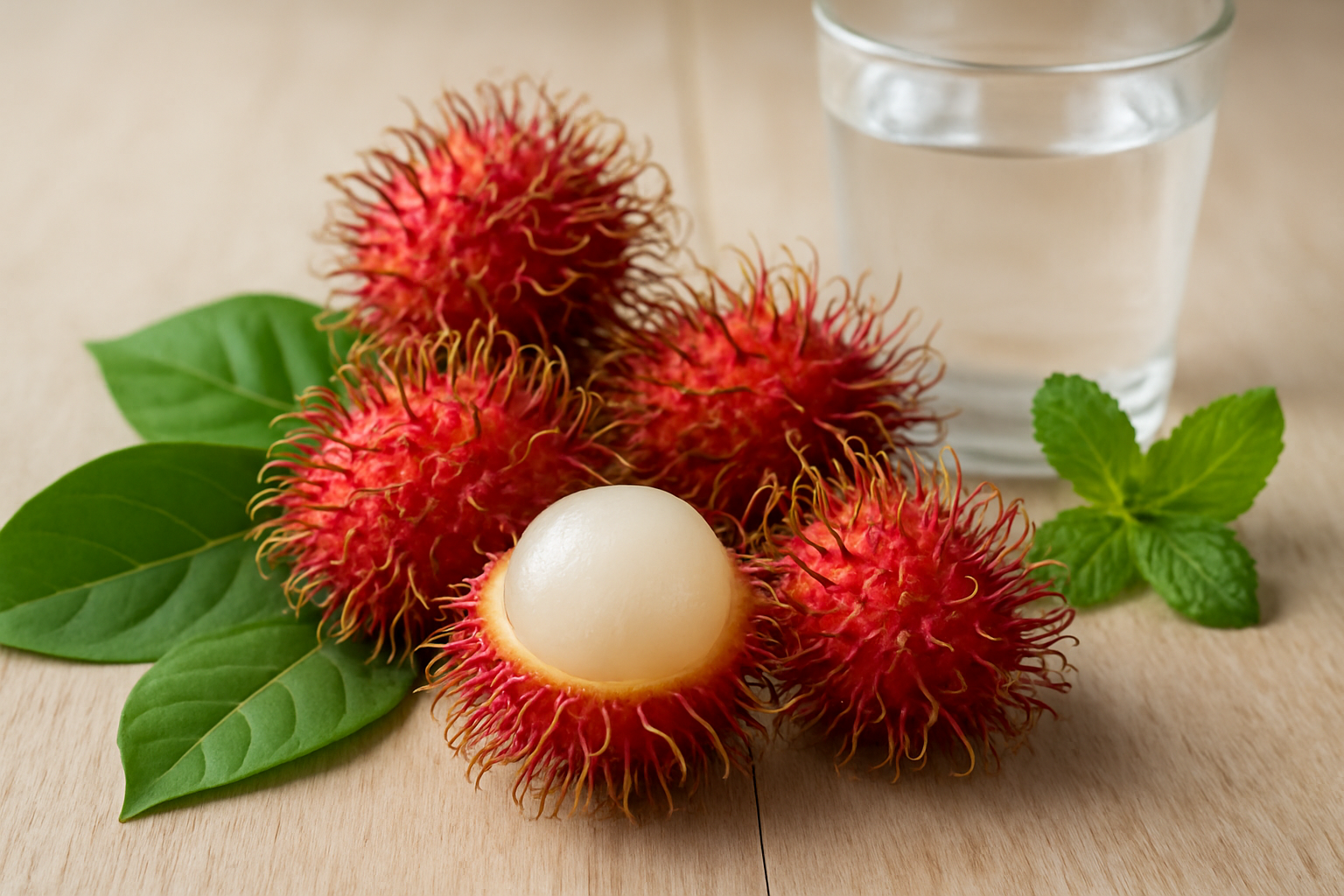
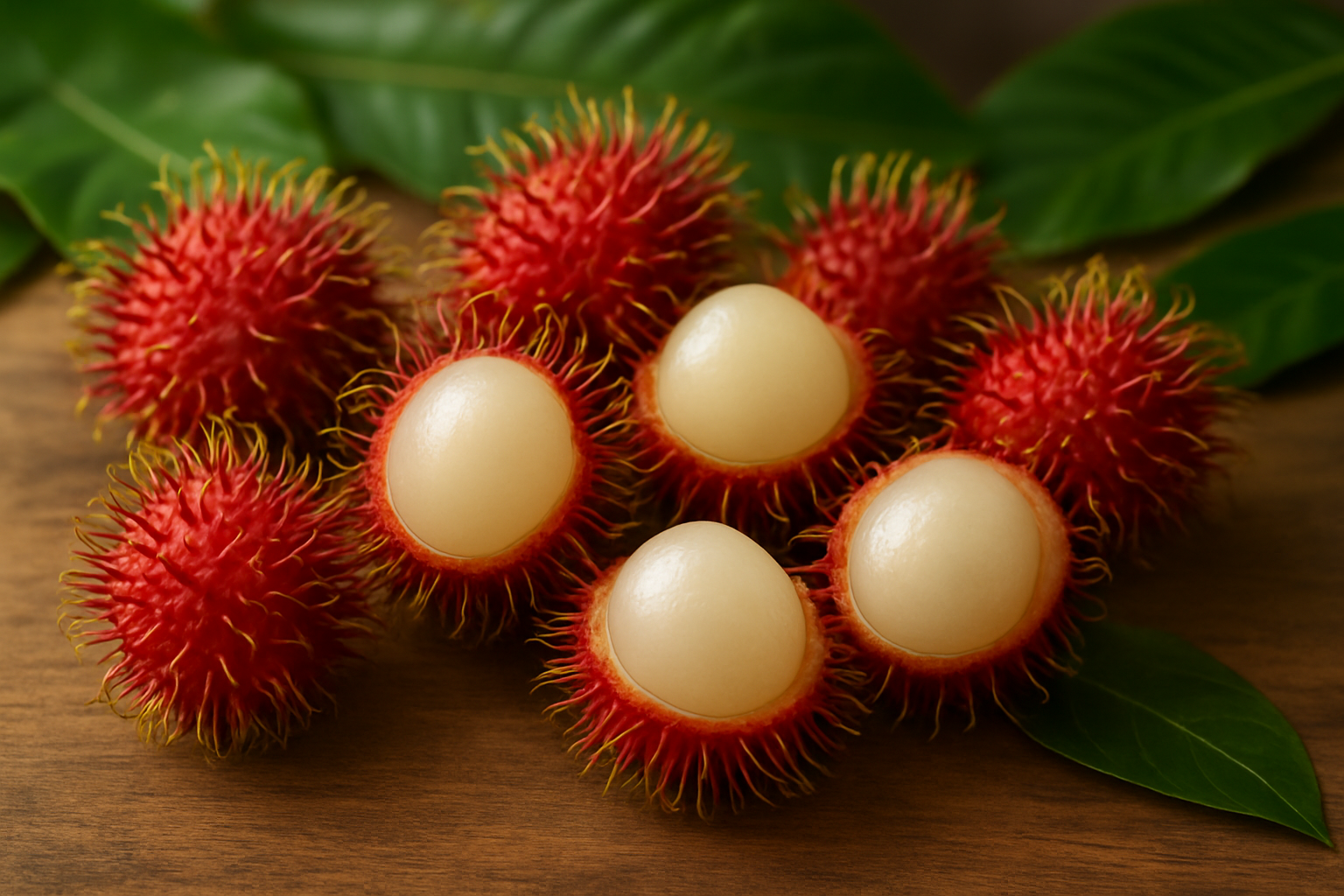
Crack open a rambutan and you'll discover translucent white flesh that looks remarkably similar to a peeled grape. The flesh wraps around a single brown seed in the center, much like its cousin the lychee. Fresh rambutan flesh has a glossy, almost pearl-like appearance that's both beautiful and appetizing. The fruit typically weighs between 25-35 grams, making it a perfect bite-sized tropical treat.
Different varieties showcase subtle color variations, with some displaying deeper red hues while others lean toward golden yellow. The spines also vary slightly in length and density depending on the cultivar, but all maintain that characteristic fuzzy appearance that makes rambutan so distinctive in any fruit market.
Seasonal availability and growing conditions
Rambutan trees are particular about their environment, demanding year-round warmth and high humidity to produce their best fruit. These tropical beauties need temperatures between 70-85°F and cannot tolerate any frost whatsoever. The trees also require consistent rainfall or irrigation, typically needing 60-70 inches of water annually to thrive and produce abundant harvests.
Peak rambutan season varies by region, but generally runs from May through October in most growing areas. In Thailand and Malaysia, the main harvest occurs between June and August, flooding local markets with fresh, juicy fruit. Indonesian varieties often peak slightly later, extending the season into September and October.
Young rambutan trees take 4-6 years before producing their first significant harvest, but mature trees can yield hundreds of pounds of fruit annually. The trees prefer well-drained, slightly acidic soil and protection from strong winds that can damage their delicate branches. Commercial growers often plant rambutan trees in orchards alongside other tropical fruits like durian and mangosteen, creating diverse tropical fruit ecosystems that support sustainable farming practices.
Growing rambutan successfully requires patience and the right climate, which explains why fresh rambutan fruit commands premium prices in markets outside tropical regions. The fruit's short shelf life after harvesting also means the best rambutan experience comes from eating them as close to the source as possible.
Unlock Rambutan's Nutritional Powerhouse
Essential vitamins and minerals content
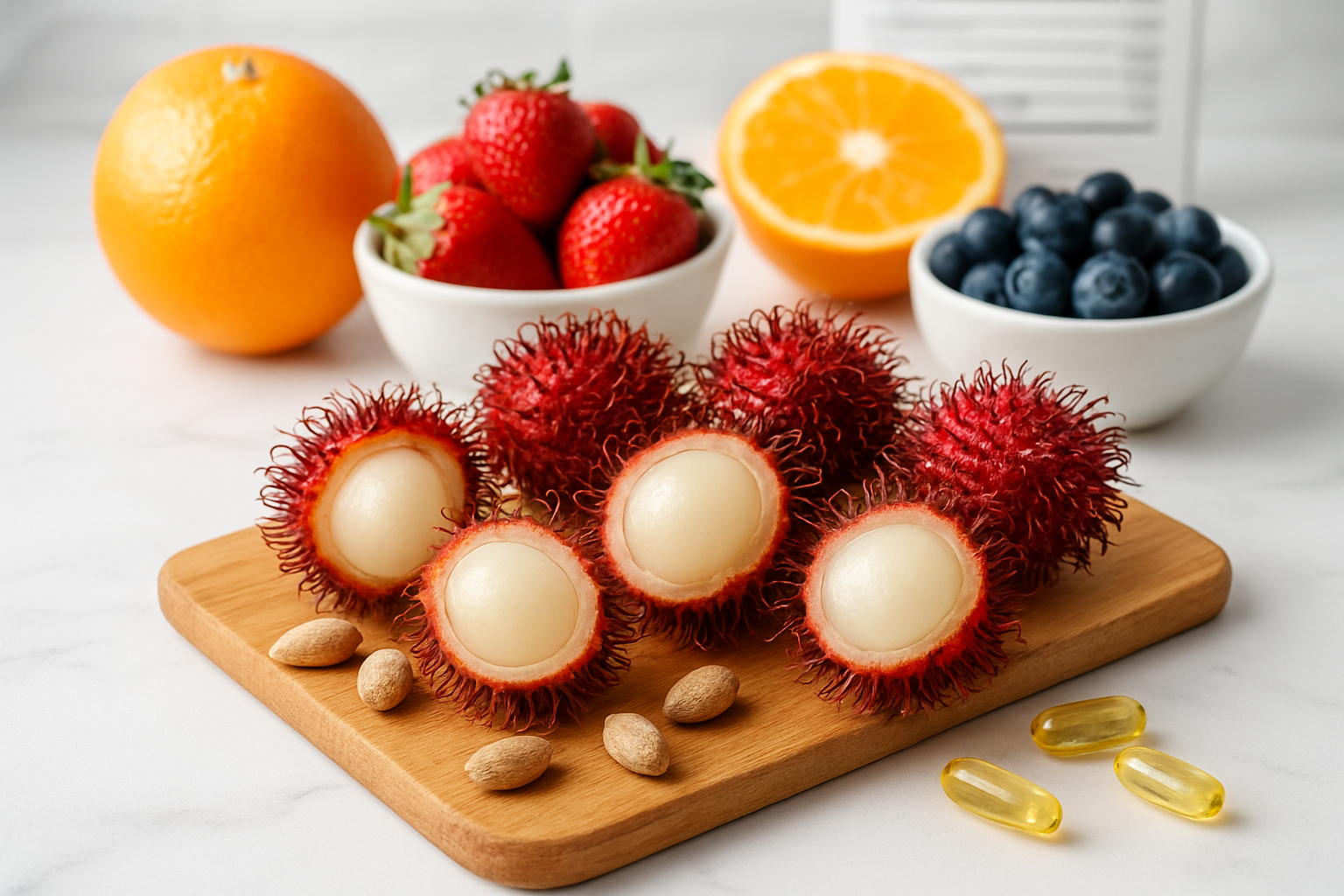
Rambutan fruit delivers an impressive nutritional profile that rivals many popular superfruits. Each 100-gram serving provides approximately 68% of your daily vitamin C needs, making it one of nature's most potent immune system boosters. This tropical gem also contains significant amounts of copper, which plays a crucial role in iron absorption and collagen production.
The rambutan nutritional value extends beyond vitamin C. You'll find meaningful amounts of manganese, supporting bone health and metabolism, plus iron for healthy blood cell formation. B-complex vitamins, including niacin and riboflavin, help convert food into energy while supporting nervous system function.
What makes rambutan fruit stand out is its mineral density. Potassium helps regulate blood pressure and supports heart health, while phosphorus strengthens bones and teeth. The fruit also contains trace amounts of calcium, magnesium, and zinc, creating a well-rounded nutritional package.
Antioxidant properties for health protection
The vibrant red skin and translucent flesh of rambutan signal high antioxidant content. These powerful compounds fight free radicals that damage cells and accelerate aging. Rambutan contains flavonoids, particularly gallic acid and ellagic acid, which research shows may help protect against chronic diseases.
Vitamin C acts as a primary antioxidant in rambutan, protecting cells from oxidative stress while supporting skin health and wound healing. The fruit's phenolic compounds work synergistically with vitamin C, amplifying the protective effects throughout your body.
Regular consumption of antioxidant-rich tropical fruit benefits include reduced inflammation, improved skin appearance, and potentially lower risk of heart disease and certain cancers. The antioxidant profile of rambutan rivals that of berries, making it an excellent addition to any health-conscious diet.
Low calorie count for weight management
Rambutan fruit offers sweet satisfaction without caloric guilt. A single fruit contains only about 7 calories, while a cup of peeled rambutan provides roughly 68 calories. This makes it perfect for weight management goals without sacrificing flavor or nutrition.
The natural sugars in rambutan provide quick energy without the crash associated with processed sweets. Unlike many tropical fruits, rambutan has a relatively low glycemic index, meaning it won't spike blood sugar levels dramatically. This steady energy release helps control cravings and supports healthy eating patterns.
For those watching their weight, rambutan nutrition facts show it's naturally fat-free and contains no cholesterol. The fruit's sweet taste can satisfy dessert cravings while keeping calorie intake in check, making it an ideal snack for anyone pursuing a balanced lifestyle.
Fiber content for digestive health
Each serving of rambutan provides about 2.8 grams of dietary fiber, supporting healthy digestion and regularity. This soluble and insoluble fiber combination helps maintain gut health by feeding beneficial bacteria and promoting smooth digestive function.
The fiber in rambutan fruit slows sugar absorption, helping maintain steady blood glucose levels. This is particularly beneficial for people managing diabetes or those seeking sustained energy throughout the day. Fiber also promotes satiety, helping you feel full longer after eating.
Regular fiber intake from sources like rambutan supports heart health by helping reduce cholesterol levels. The prebiotic effects of rambutan's fiber encourage the growth of beneficial gut bacteria, which play important roles in immune function, mood regulation, and overall health. Adding this exotic tropical fruit to your diet provides a delicious way to meet daily fiber recommendations while enjoying unique flavors.
Experience the Sweet and Refreshing Taste
Flavor profile compared to familiar fruits
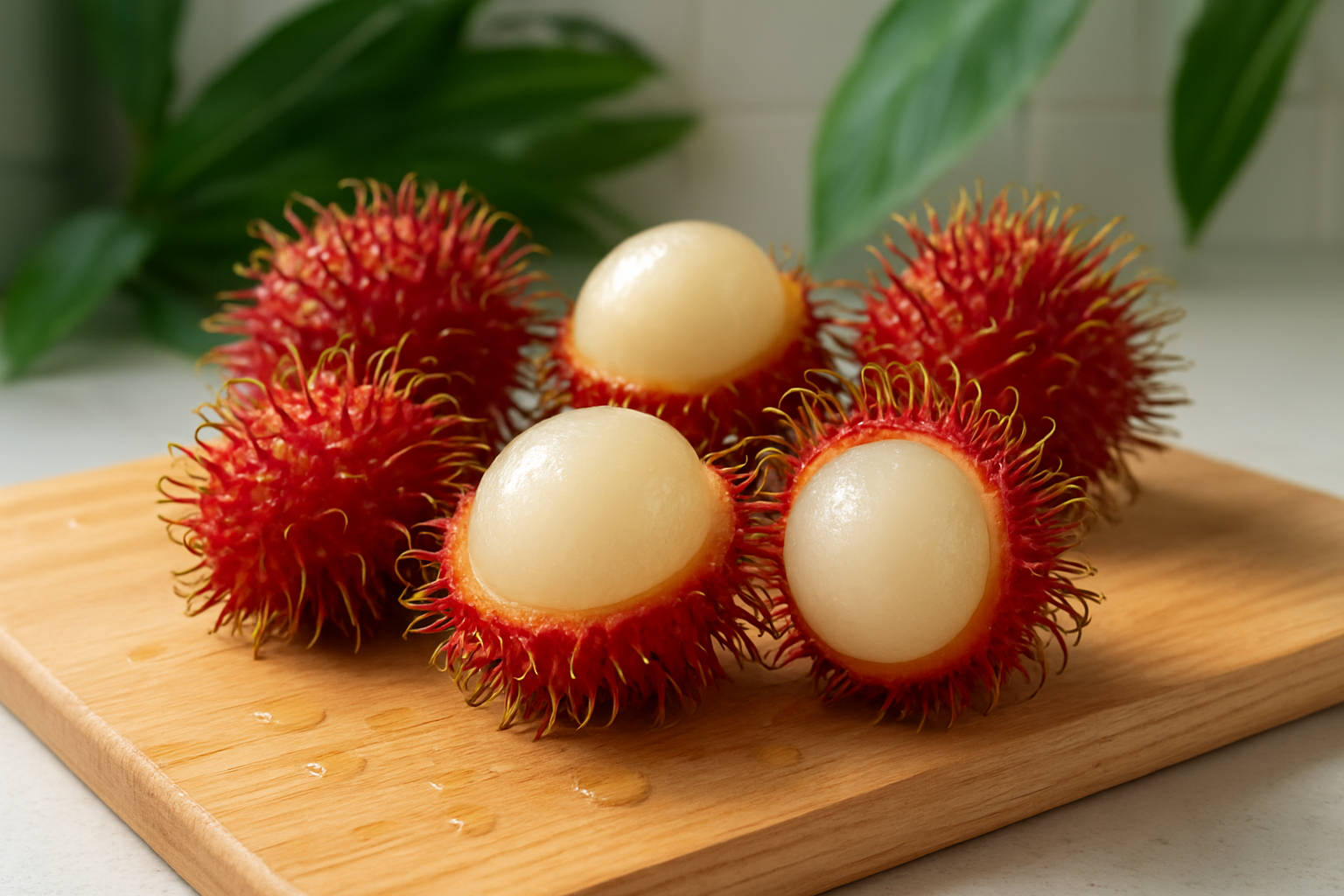
The rambutan fruit delivers a delightfully sweet flavor that most people compare to grapes, with a hint of floral notes that sets it apart from ordinary fruits. When you bite into a ripe rambutan, you'll taste something remarkably similar to a lychee, which makes sense since they're cousins in the fruit family. The sweetness is clean and refreshing, without any overwhelming cloying sensation that some tropical fruits can have.
Many fruit enthusiasts describe the rambutan taste as a blend between grapes and cherries, with a subtle tropical twist. The flavor intensity varies depending on ripeness, but at its peak, rambutan offers a balanced sweetness with just a touch of tartness that keeps things interesting. Unlike mangoes or papayas that have distinctly tropical flavors, rambutan remains approachable for those new to exotic fruits.
The eating experience feels familiar yet exciting. Think of biting into a perfectly ripe grape, but with a more complex flavor profile that includes gentle floral undertones. Some people detect hints of rose water or light honey, especially in varieties grown in specific regions. This makes rambutan an excellent gateway fruit for those wanting to explore tropical options without venturing too far from familiar tastes.
Texture and eating experience
Rambutan's texture creates one of its most appealing qualities. The flesh feels firm yet juicy, similar to a grape but with more substance. When you bite down, the fruit releases a burst of sweet juice while maintaining a satisfying chew that doesn't turn mushy or stringy like some tropical fruits can.
The eating experience starts with peeling away the distinctive spiky red shell, which comes off easily when the fruit is ripe. Inside, you'll find translucent white flesh that glistens with moisture. The texture resembles a firm jelly or a very crisp grape, offering a pleasant resistance to your teeth before releasing its sweet juice.
One aspect that catches first-time eaters off guard is the large brown seed in the center. Unlike grapes where you can eat around small seeds, rambutan requires you to eat carefully around this sizeable pit. The flesh clings lightly to the seed, making it easy to separate with your teeth or a small spoon.
The overall mouthfeel is refreshing and clean. Unlike sticky fruits like persimmons or fibrous ones like mangoes, rambutan leaves your mouth feeling fresh and ready for another bite. The high water content makes each piece incredibly hydrating, perfect for hot days when you want something sweet but not heavy.
Ripeness indicators for best taste
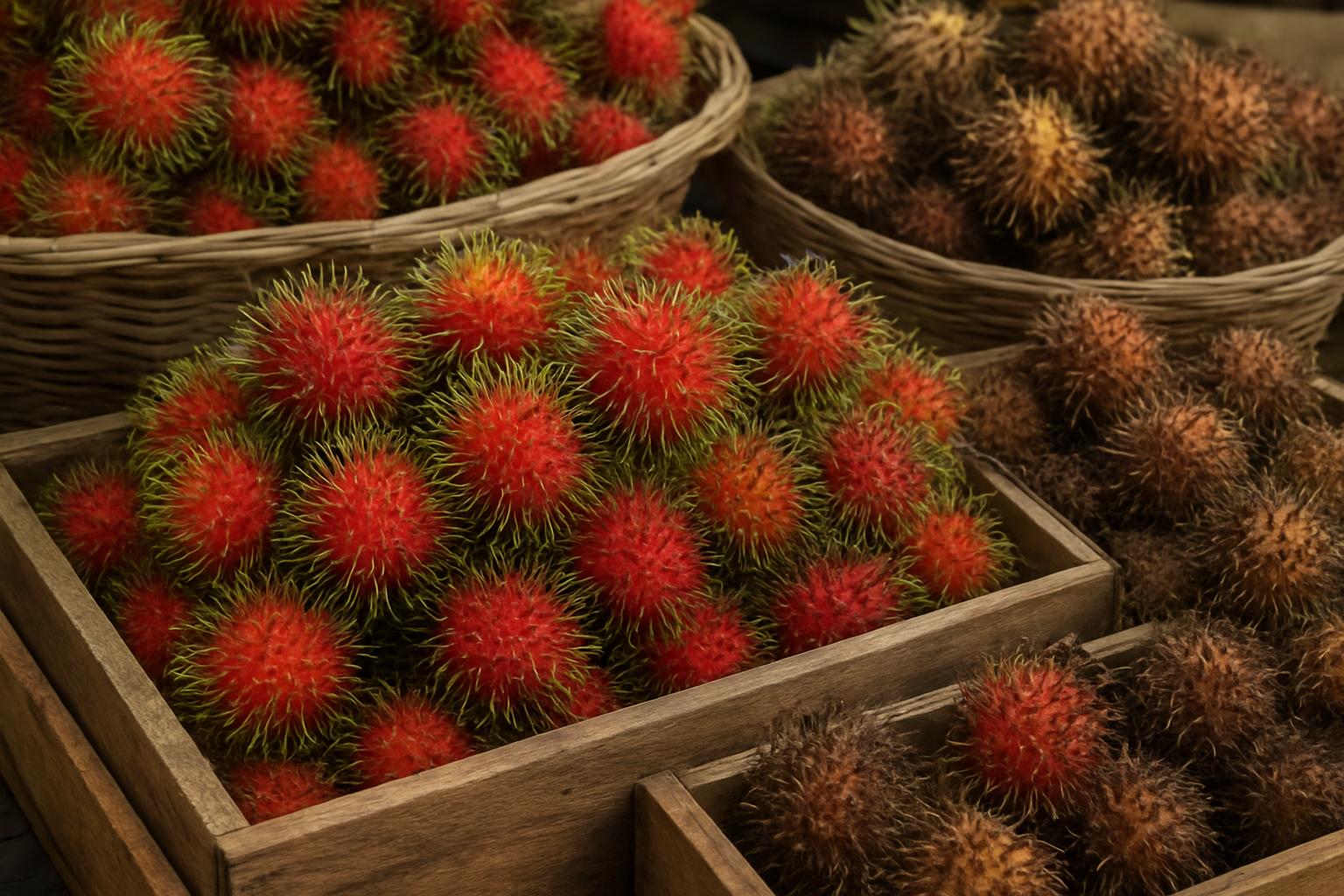
Choosing ripe rambutan makes all the difference between a mediocre snack and a memorable tropical treat. The shell color provides your first clue - look for bright red rambutans with minimal green patches. Fully ripe fruits display a vibrant crimson color across most of the surface, though some varieties may show hints of yellow or orange when perfectly ready.
The spikes on the shell tell another part of the story. Fresh, ripe rambutans have flexible spikes that bend easily without breaking off. If the spikes feel brittle and snap when touched, the fruit is likely past its prime. Conversely, if the spikes are too soft and starting to brown, the rambutan may be overripe.
Give the fruit a gentle squeeze - ripe rambutans yield slightly to pressure without feeling mushy. They should feel heavy for their size, indicating good juice content. Avoid fruits with dark spots, cracks, or any signs of mold on the shell.
The best rambutans make a subtle sloshing sound when gently shaken, indicating the flesh has separated slightly from the shell - a sign of perfect ripeness. Store-bought rambutans often need a day or two at room temperature to reach peak ripeness if they feel too firm when purchased.
Master the Art of Eating Rambutan
Simple Peeling and Preparation Techniques
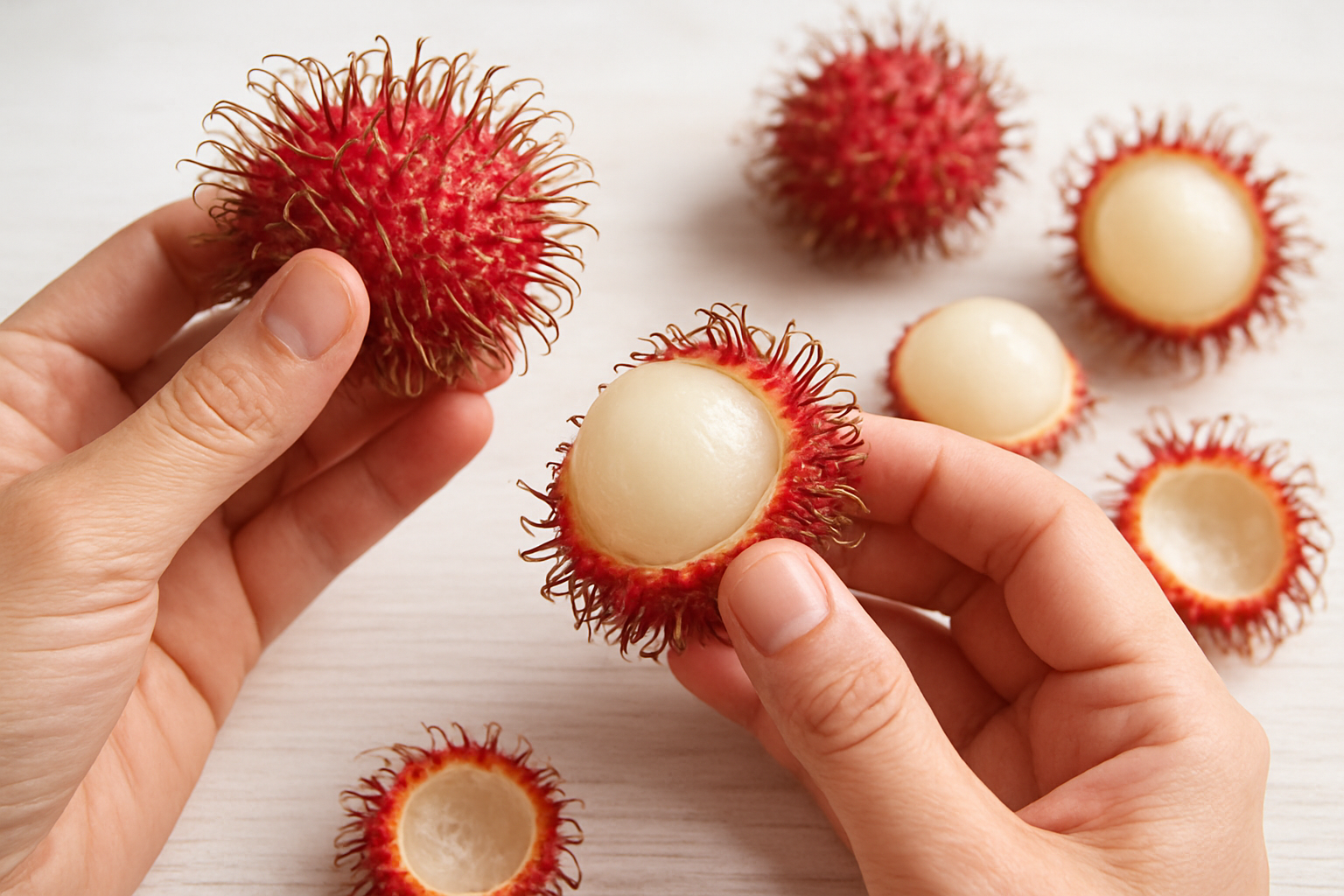
Eating rambutan fruit requires a bit of technique, but once you get the hang of it, the process becomes second nature. Start by gently squeezing the rambutan to check for freshness - it should feel firm but give slightly under pressure. The outer shell is surprisingly easy to remove despite its intimidating appearance.
To open a rambutan, use your thumbnail or a small knife to make a shallow cut around the middle of the fruit. The red, spiky shell should split easily along this line. Twist the two halves apart to reveal the translucent white flesh inside. The flesh should come away cleanly from the shell, similar to peeling a grape.
Some people prefer using a spoon to scoop out the flesh, especially when dealing with softer, very ripe fruits. You can also gently squeeze the bottom half of the shell to push the fruit out through the opening you created.
For multiple rambutans, set up a small bowl for the shells and another for the edible fruit. This keeps your workspace organized and makes the experience more enjoyable. The shells can be composted, making rambutan consumption environmentally friendly.
Safe Consumption Tips and Precautions
When learning how to eat rambutan, the most important safety consideration involves the seed inside each fruit. Every rambutan contains a single brown seed that's firmly attached to the flesh. While the seed isn't toxic, it's not meant for consumption and should be carefully removed.
The seed often clings tightly to the white flesh, so bite gently around it or use your fingers to separate the fruit from the seed. Some varieties have seeds that come away more easily than others. Never bite down hard without checking for the seed first, as this could damage your teeth.
Wash rambutans thoroughly before eating, just like any fresh fruit. The spiky exterior can harbor dirt and bacteria, so a good rinse under cool water is essential. Pat them dry with a clean towel before peeling.
Check each fruit for any signs of mold or unusual discoloration before consuming. Fresh rambutans should have bright red or yellow skin depending on the variety, and the flesh should be clear white or slightly translucent. Avoid fruits with dark spots, soft patches, or an off smell.
If you're trying rambutan for the first time, start with just one or two fruits to see how your digestive system responds. While allergic reactions are rare, it's always wise to introduce new tropical fruits gradually.
Creative Serving Suggestions
Rambutan's sweet, floral flavor makes it incredibly versatile in both sweet and savory applications. The simplest way to enjoy this exotic tropical fruit is fresh and chilled, straight from the refrigerator. The cool temperature enhances its refreshing qualities and makes it perfect for hot summer days.
Create stunning fruit salads by combining peeled rambutans with other tropical fruits like mango, pineapple, and dragon fruit. The contrasting colors and textures make for an Instagram-worthy presentation. Add a squeeze of lime juice and a sprinkle of mint for extra freshness.
For a sophisticated dessert, try stuffing rambutans with cream cheese mixed with honey, or wrap them in prosciutto for an unexpected appetizer that balances sweet and salty flavors. The fruit also works beautifully in smoothie bowls, providing natural sweetness and an exotic twist.
Freeze peeled rambutans for a healthy alternative to popsicles, or blend them into cocktails and mocktails for tropical drinks that transport you to paradise. They pair excellently with coconut water, making hydrating beverages that taste like vacation.
In Southeast Asian cuisine, rambutans often appear in curries and spicy salads where their sweetness balances heat and acidity. Try adding them to chicken or shrimp dishes for an authentic tropical flavor profile that showcases why this fruit is so beloved in its native regions.
Explore Health Benefits That Transform Your Wellbeing
Immune System Strengthening Properties
Rambutan fruit packs a serious vitamin C punch, delivering nearly 40% of your daily needs in just one serving. This vitamin C content works alongside powerful antioxidants like gallic acid and ellagic acid to build a stronger immune defense system. These compounds actively fight off harmful free radicals that can weaken your body's natural protective barriers.
The fruit's natural antimicrobial properties come from its unique blend of phenolic compounds. These plant-based chemicals help your body resist infections and recover faster when illness strikes. Regular consumption of rambutan can boost white blood cell production, giving your immune system the tools it needs to stay vigilant against threats.
Skin Health and Anti-Aging Effects
The antioxidant profile in rambutan fruit creates remarkable benefits for skin health and aging prevention. Vitamin C plays a crucial role in collagen synthesis, helping maintain skin elasticity and reducing the appearance of fine lines. The fruit's copper content supports this process by activating enzymes essential for healthy skin structure.
Manganese found in rambutan aids in wound healing and tissue repair. The combination of these nutrients creates a natural anti-aging formula that works from within. The fruit's water content also supports skin hydration, while its antioxidants protect against UV damage and environmental stressors that accelerate aging.
Heart Health and Cholesterol Management
Rambutan's fiber content contributes significantly to cardiovascular wellness by helping regulate cholesterol levels. The soluble fiber binds to cholesterol in the digestive system, preventing its absorption and promoting healthy blood lipid profiles. This tropical fruit benefits heart health through its potassium content, which helps maintain healthy blood pressure levels.
The fruit's antioxidants, particularly flavonoids, support arterial health by reducing inflammation and preventing oxidative stress in blood vessels. These compounds help maintain flexible, healthy arteries and reduce the risk of cardiovascular complications. Regular consumption as part of a balanced diet can contribute to long-term heart health maintenance.
Blood Sugar Regulation Benefits
The natural sugars in rambutan are balanced by fiber content that slows glucose absorption, creating steadier blood sugar levels. This makes rambutan a smart choice for people managing diabetes or those wanting to avoid energy crashes. The fruit's low glycemic impact helps prevent sudden spikes in blood glucose.
Chromium traces in rambutan support insulin sensitivity, helping cells respond better to insulin signals. This mineral works with the fruit's natural compounds to promote healthy glucose metabolism. The combination creates a gentle, sustained energy release rather than quick sugar highs followed by crashes.
Energy Boosting Capabilities
Rambutan provides clean, natural energy through its balanced carbohydrate content and B-vitamin profile. The natural sugars offer quick energy, while the fiber ensures sustained release throughout the day. This combination prevents energy dips and supports consistent vitality.
The fruit's iron content supports oxygen transport throughout the body, combating fatigue and supporting endurance. Combined with vitamin C that enhances iron absorption, rambutan becomes an excellent natural energy booster. The magnesium content also supports muscle function and energy production at the cellular level.
Find and Select Perfect Rambutans
Where to buy fresh rambutans
Fresh rambutans can be found in several locations, though availability depends on your geographic region. Asian grocery stores are your best bet for finding high-quality rambutan fruit, as they typically have established supply chains with Southeast Asian growers. Many Korean, Vietnamese, Thai, and Chinese markets carry fresh rambutans during peak season, which runs from May through September.
Major supermarket chains like Whole Foods, Wegmans, and some Kroger locations now stock exotic tropical fruits in their specialty produce sections. However, selection may be limited and prices often run higher than specialty markets. Online retailers have become increasingly popular for purchasing rambutans, with several companies offering overnight shipping to preserve freshness. Farmer's markets occasionally feature vendors selling tropical fruits, especially in areas with large Asian communities.
Latin American groceries sometimes carry rambutans as well, since the fruit has gained popularity across various cultures. If you live near a university with international students, check nearby markets that cater to diverse populations. Some specialty fruit delivery services now include rambutans in their exotic fruit boxes, making them accessible even in remote areas.
Quality indicators when shopping
Selecting perfect rambutans requires examining several key characteristics that indicate freshness and ripeness. The outer shell should display vibrant red or yellow-red coloring, depending on the variety. Avoid fruits with brown, black, or significantly darkened areas, as these indicate overripeness or decay.
The hairy spines covering the rambutan's exterior should feel firm and springy to the touch, not dried out or brittle. Fresh rambutans have spines that bend slightly when pressed but bounce back. If the spines break off easily or feel completely dry, the fruit is past its prime.
Size consistency matters when buying rambutans - choose fruits that feel heavy for their size, indicating good flesh-to-pit ratio. The shell should yield slightly to gentle pressure but shouldn't feel soft or mushy. A fresh rambutan makes a subtle sound when shaken gently, while overripe ones may rattle due to flesh separation.
Look for fruits without cracks in the shell, as these openings allow bacteria to enter and spoil the flesh quickly. The best rambutans have a glossy appearance rather than dull or matte surfaces. Fresh specimens also emit a mild, sweet fragrance near the stem end.
Proper storage methods for freshness
Proper storage dramatically extends rambutan freshness and maintains their sweet taste. Fresh rambutans should be refrigerated immediately after purchase, stored in the crisper drawer at temperatures between 32-40°F. Place them in a perforated plastic bag or ventilated container to maintain humidity while allowing air circulation.
Never store rambutans at room temperature for extended periods, as they deteriorate rapidly in warm conditions. The fruit can last 3-5 days at room temperature but extends to 1-2 weeks when properly refrigerated. Avoid washing rambutans until you're ready to eat them, as excess moisture accelerates spoilage.
For longer storage, rambutans can be frozen, though this changes their texture. Remove the shell and seed before freezing the flesh in airtight containers or freezer bags. Frozen rambutan flesh works well in smoothies and desserts but loses the characteristic firm texture that makes fresh fruit so appealing.
Keep rambutans separate from ethylene-producing fruits like apples, bananas, and avocados, which can cause premature ripening and spoilage. Check stored rambutans every few days, removing any that show signs of decay to prevent spreading to healthy fruits. The refrigerator's humidity control helps maintain the shell's flexibility and prevents the spines from drying out completely.
Rambutan truly stands out as one of nature's most exciting discoveries. This spiky-skinned fruit packs incredible nutrition, delivers a sweet and refreshing taste experience, and offers impressive health benefits that can boost your overall wellbeing. From supporting your immune system to providing essential vitamins and minerals, rambutan proves that exotic fruits can be both delicious and incredibly good for you.
Ready to add some tropical excitement to your diet? Start by visiting your local Asian market or specialty grocery store to find fresh rambutans. Look for bright red or yellow fruits with green-tipped spikes, and don't be intimidated by their unusual appearance. Once you master the simple technique of opening them, you'll have access to a sweet, juicy treat that's perfect for snacking, adding to fruit salads, or simply enjoying on its own. Give rambutan a try – your taste buds and your health will thank you.


.png)
Comments
Post a Comment