RASPBERRIES - WHAT ARE RASPBERRIES?
What Are Raspberries? Your Complete Guide to These Delicious Red Berries
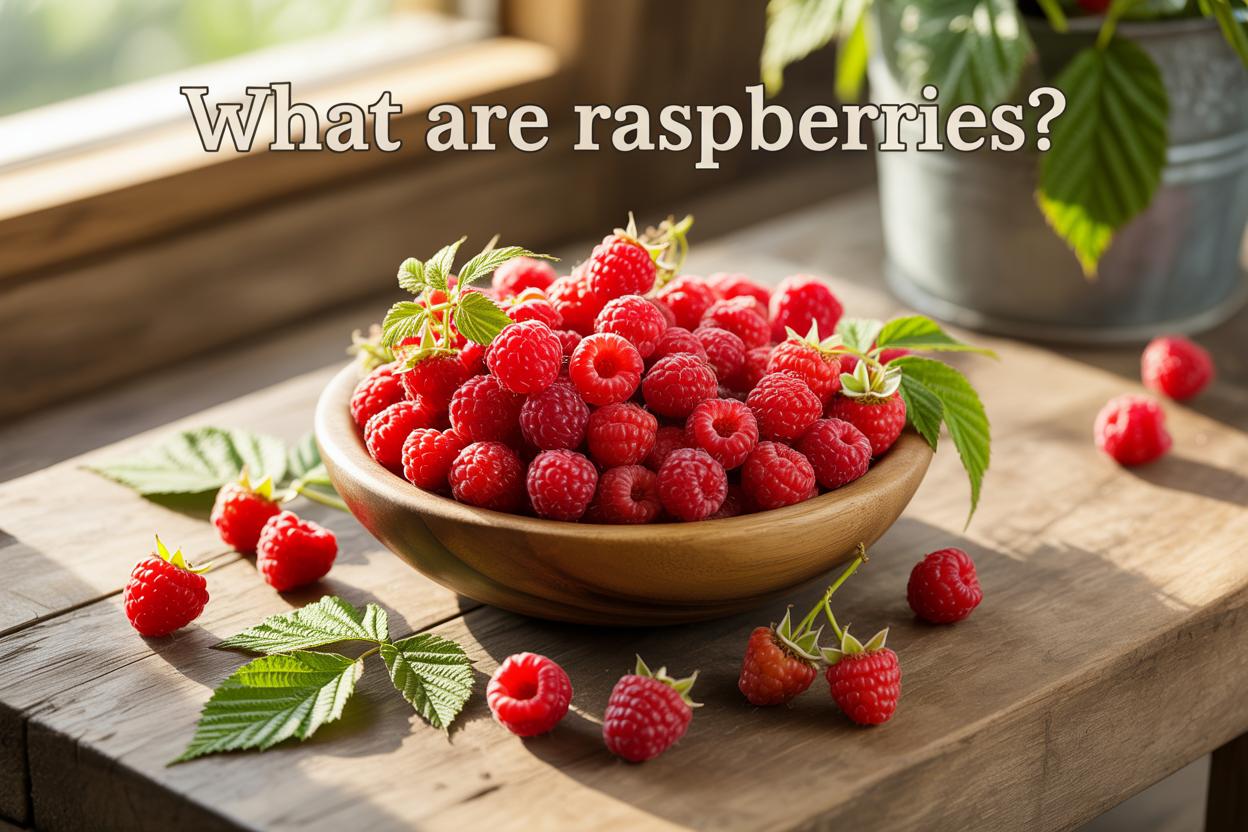
Raspberries are small, red aggregate fruits that grow on thorny canes and belong to the rose family. If you're curious about these sweet-tart berries - whether you're a home gardener wanting to grow your own, a health-conscious eater exploring nutritious foods, or simply someone who loves learning about what's on your plate - this guide breaks down everything you need to know.
We'll explore the raspberry plant itself and how these berries actually form and grow. You'll discover the major raspberry varieties available today, from classic red raspberries to golden and black types, plus learn about their impressive nutritional profile and health benefits. Finally, we'll cover the best times to harvest raspberries and share ideas for using them in your kitchen.
Understanding the Raspberry Plant and Its Origins
Botanical Classification and Family Relationships
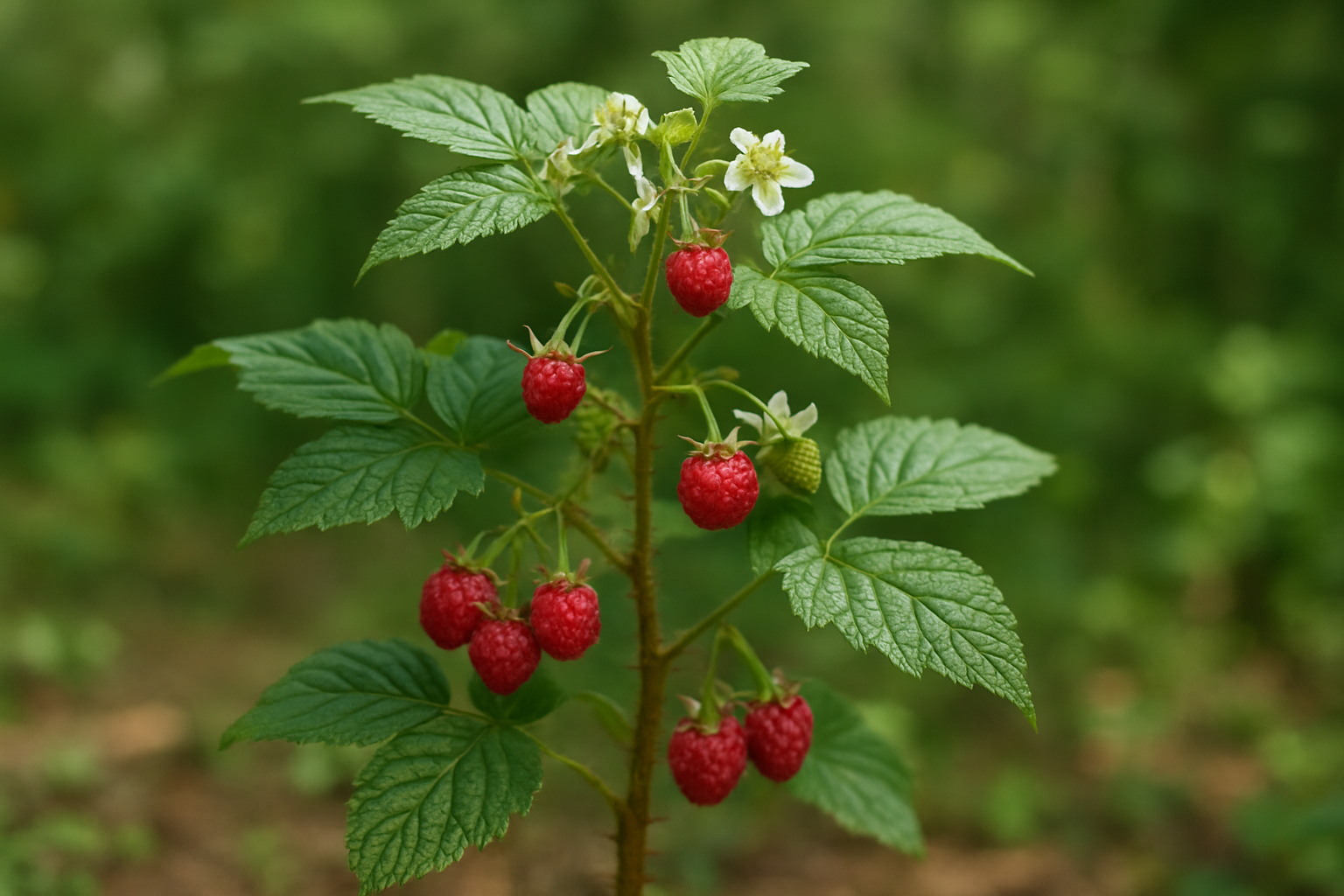
Raspberries belong to the genus Rubus, which sits within the rose family (Rosaceae). This connection to roses explains why raspberry plants produce thorny canes and have similar five-petaled flowers. The Rubus genus contains over 700 species worldwide, making it one of the most diverse groups in the plant kingdom.
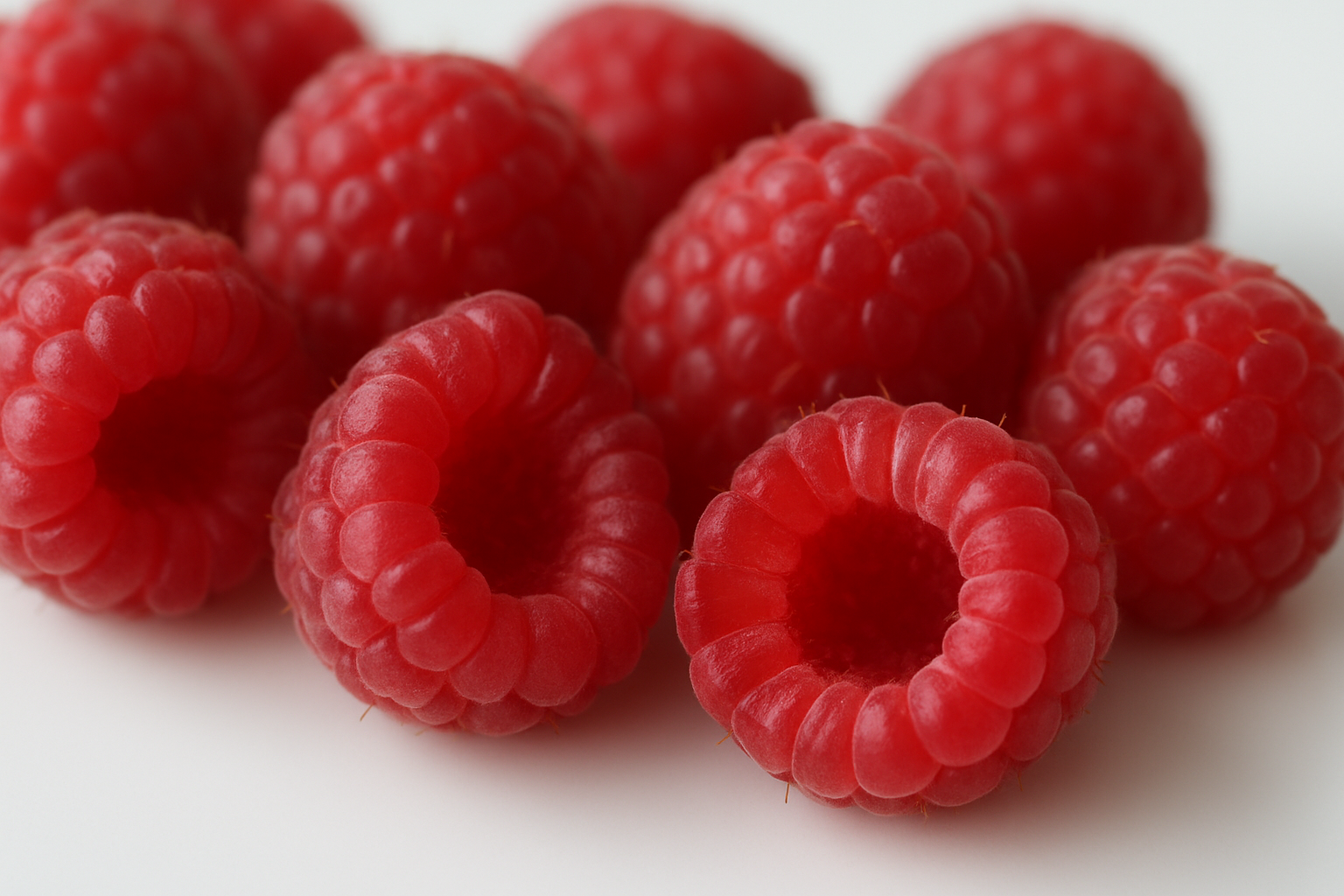
What makes raspberries unique among berries is that they're not actually berries at all - botanically speaking, they're aggregate fruits. Each raspberry consists of dozens of tiny drupelets clustered together around a central core. When you pick a raspberry, the fruit separates from this white core, leaving behind that characteristic hollow shape.
The raspberry plant produces biennial canes called primocanes (first-year growth) and floricanes (second-year fruiting canes). These perennial shrubs can live for many years, continuously producing new canes while older ones die back after fruiting.
Native Habitats and Global Distribution
Wild raspberries originally thrived in the temperate regions of Asia, Europe, and North America. The red raspberry (Rubus idaeus) traces its origins to Mount Ida in Turkey, while black raspberries (Rubus occidentalis) are native to North America's eastern regions.
These hardy plants naturally colonize forest edges, clearings, and disturbed soils where they receive partial sunlight. Their ability to spread through underground root systems helped them establish across vast territories long before human cultivation began.
Today, raspberry cultivation spans six continents, with major commercial production concentrated in:
-
Europe: Russia, Poland, Serbia, and Ukraine lead production
-
North America: United States (Washington, Oregon, California) and Canada
-
South America: Chile has become a significant exporter
-
Asia: China represents the largest growing market
Wild vs. Cultivated Raspberry Varieties
Wild raspberries typically produce smaller, more intensely flavored fruits compared to their cultivated cousins. These native varieties have evolved to survive harsh conditions, developing stronger root systems and natural disease resistance that modern breeders work to incorporate into commercial varieties.
Cultivated raspberries have been selectively bred for larger fruit size, extended harvest seasons, and improved shipping qualities. Modern raspberry varieties often sacrifice some of the complex flavor compounds found in wild types in exchange for commercial viability.
Key differences include:
| Characteristic | Wild Raspberries | Cultivated Raspberries |
|---|---|---|
| Fruit Size | Smaller (0.5-1g) | Larger (2-4g) |
| Flavor Intensity | More concentrated | Milder, sweeter |
| Harvest Period | Short (2-3 weeks) | Extended (6-10 weeks) |
| Disease Resistance | Higher natural immunity | Variable, breeding dependent |
| Shelf Life | Very short | Improved for transport |
Wild varieties like the cloudberry and Arctic raspberry continue to grow in remote locations, prized by foragers for their distinctive flavors that can't be replicated in commercial cultivation.
Physical Characteristics That Define Raspberries
Distinctive Aggregate Fruit Structure
Raspberries have one of nature's most fascinating fruit structures. Unlike simple fruits such as apples or oranges, raspberries are aggregate fruits made up of dozens of tiny individual drupelets clustered together around a central core. Each drupelet contains its own seed and develops from a separate flower part, creating the bumpy, textured surface we recognize. When you pick a ripe raspberry, it separates easily from the white receptacle (the core), leaving behind a hollow, thimble-like shape. This unique structure gives raspberries their characteristic appearance and contributes to their delicate handling requirements.
The aggregate structure also explains why raspberries can vary in size and fullness - environmental factors during flowering affect how many drupelets develop successfully. A perfectly formed raspberry might contain 75-85 individual drupelets, while smaller or less developed fruits may have fewer.
Color Variations from Red to Black and Golden
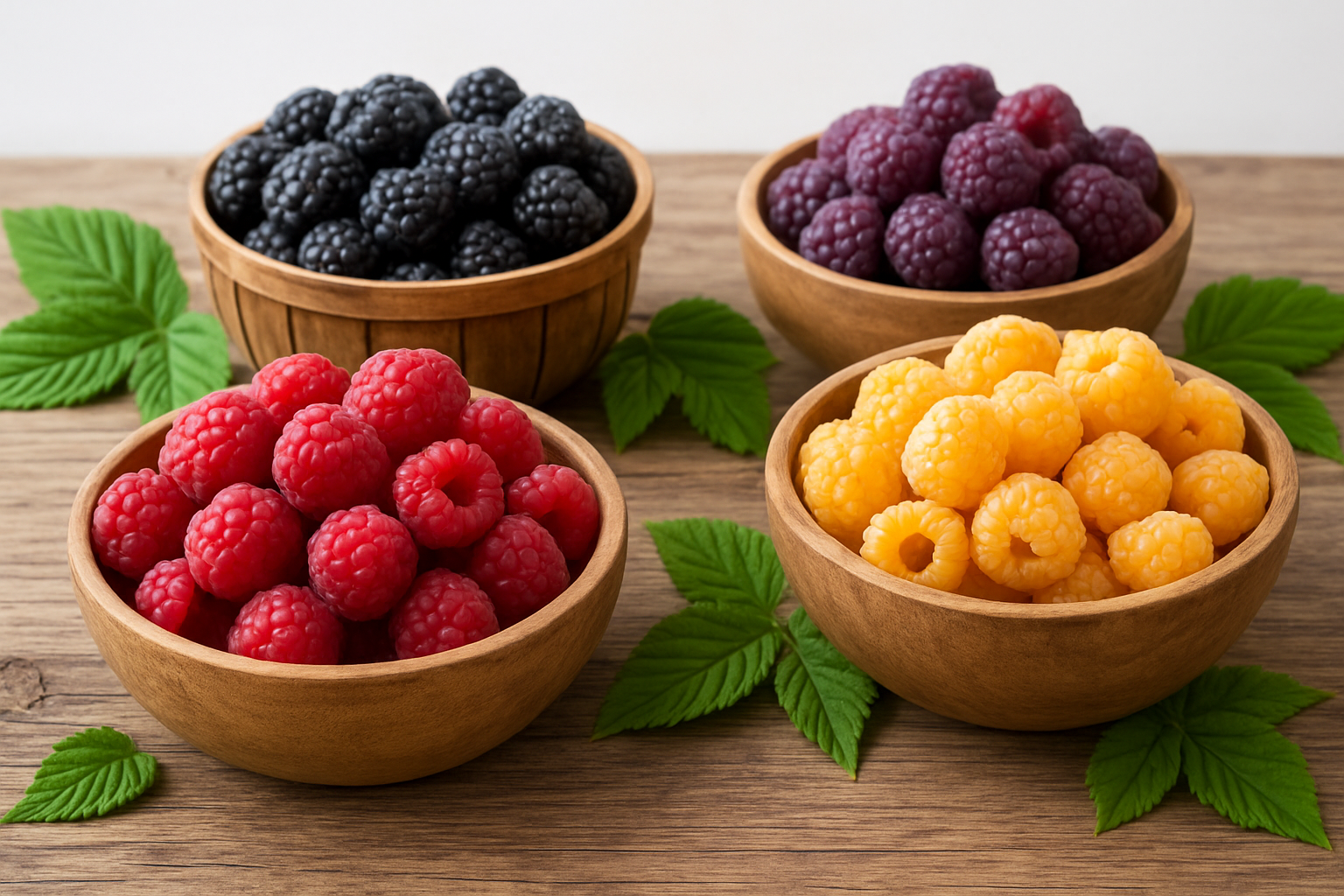
Red raspberries dominate most markets, but the raspberry plant produces an impressive spectrum of colors. Traditional red varieties like Heritage and Boyne offer the classic tart-sweet flavor most people associate with raspberries. Black raspberries, sometimes called blackcaps, are actually different from blackberries and have a more intense, wine-like flavor with deeper complexity.
Golden or yellow raspberries represent some of the most prized varieties among berry enthusiasts. Anne and Fall Gold varieties produce stunning amber-colored fruits with exceptionally sweet flavor profiles and lower acidity than their red counterparts. Purple raspberries, crosses between red and black varieties, combine characteristics from both parents.
| Color | Common Varieties | Flavor Profile |
|---|---|---|
| Red | Heritage, Boyne, Caroline | Classic tart-sweet balance |
| Black | Bristol, Jewel, Cumberland | Rich, wine-like intensity |
| Golden | Anne, Fall Gold, Honey Queen | Sweet with mild acidity |
| Purple | Brandywine, Royalty | Complex, wine-like |
Size and Shape Differences Across Varieties
Raspberry size varies dramatically between varieties and growing conditions. Summer-bearing varieties typically produce larger berries than everbearing types, with some premium cultivars reaching nearly an inch in length. Heritage raspberries, while reliable producers, tend toward medium size, whereas newer varieties like Caroline can produce exceptionally large fruits under optimal conditions.
Shape differences are equally notable. Some varieties produce elongated, conical berries, while others develop rounder, more compact forms. Black raspberries generally maintain a more uniform round shape compared to red varieties, which can range from distinctly conical to nearly spherical. The firmness and density of the berry also affects its perceived size and weight.
Unique Texture and Seed Composition
The texture of raspberries sets them apart from other berries. Each drupelet contributes to the overall mouthfeel - when perfectly ripe, they should yield gentle pressure while maintaining structural integrity. The seeds within each drupelet are small but noticeable, adding a subtle crunch that many people enjoy.
Fresh raspberries have a delicate skin that can easily rupture, releasing flavorful juice. This fragility makes them challenging to transport but creates an explosion of flavor when eaten fresh. The seed-to-flesh ratio remains fairly consistent across varieties, though golden raspberries often seem to have a softer seed structure that's less noticeable when eating.
Major Raspberry Varieties and Their Unique Traits
Red raspberries for everyday enjoyment
Red raspberries are the most popular and widely available raspberry varieties found in grocery stores worldwide. These classic berries offer the perfect balance of sweet and tart flavors that most people associate with raspberries. The most common red varieties include Heritage, Caroline, and Souris, each bringing their own subtle differences to the table.
Heritage red raspberries are known for their firm texture and excellent storage life, making them ideal for both fresh eating and preserving. They produce two crops per year - one in summer and another in fall. Caroline raspberries ripen later in the season and deliver exceptional sweetness with lower acidity levels. Souris varieties handle colder climates better than most other types of raspberries, making them perfect for northern gardens.
Red raspberries contain high levels of anthocyanins, the compounds responsible for their vibrant color and many health benefits. These berries freeze exceptionally well and maintain their shape during cooking, which explains why they're the go-to choice for most raspberry recipes.
Black raspberries for intense flavor
Black raspberries, sometimes called blackcaps, pack a more concentrated punch than their red cousins. These dark purple berries are native to North America and offer a completely different taste experience. Bristol, Mac Black, and Jewel are among the most sought-after black raspberry varieties.
The flavor profile of black raspberries is deeper and more complex, with earthy undertones and a wine-like richness. They're smaller than red raspberries but contain higher concentrations of antioxidants, particularly anthocyanins and ellagic acid. This makes black raspberries nutritional powerhouses compared to other berry types.
Black raspberries have a shorter harvest season and are more delicate than red varieties. They're harder to find commercially but are prized by home gardeners and specialty food producers. These berries excel in jams, wines, and desserts where their intense flavor can really shine through.
Purple raspberries for hybrid benefits
Purple raspberries represent the best of both worlds as natural hybrids between red and black raspberry varieties. Royalty and Brandywine are the most common purple varieties, combining the size of red raspberries with some of the intense flavor characteristics of black ones.
These unique berries start red when young and gradually darken to deep purple as they ripen. Purple raspberries are extremely hardy plants that can withstand harsh weather conditions better than pure red or black varieties. They're also more disease-resistant, making them easier to grow for home gardeners.
The flavor sits somewhere between red and black raspberries - sweeter than blacks but more complex than reds. Purple raspberries are excellent for eating fresh and make stunning preserves with their rich, jewel-toned color.
Golden raspberries for mild sweetness
Golden or yellow raspberries are actually genetic mutations of red raspberry varieties that lack the pigments responsible for red coloration. Fall Gold and Anne are popular golden varieties that produce beautiful amber-colored berries with exceptional sweetness.
These raspberries offer the mildest flavor profile of all varieties, with prominent honey-like sweetness and very low acidity. They're perfect for people who find red raspberries too tart or for children who prefer sweeter fruits. Golden raspberries are also less likely to stain fingers, clothes, or kitchen surfaces during handling.
Despite their delicate appearance, golden varieties are just as nutritious as red raspberries, containing similar levels of vitamins and minerals. They're particularly beautiful in fruit salads, dessert garnishes, and light-colored preserves where their unique appearance can be showcased.
Nutritional Profile and Health Benefits
Essential vitamins and mineral content
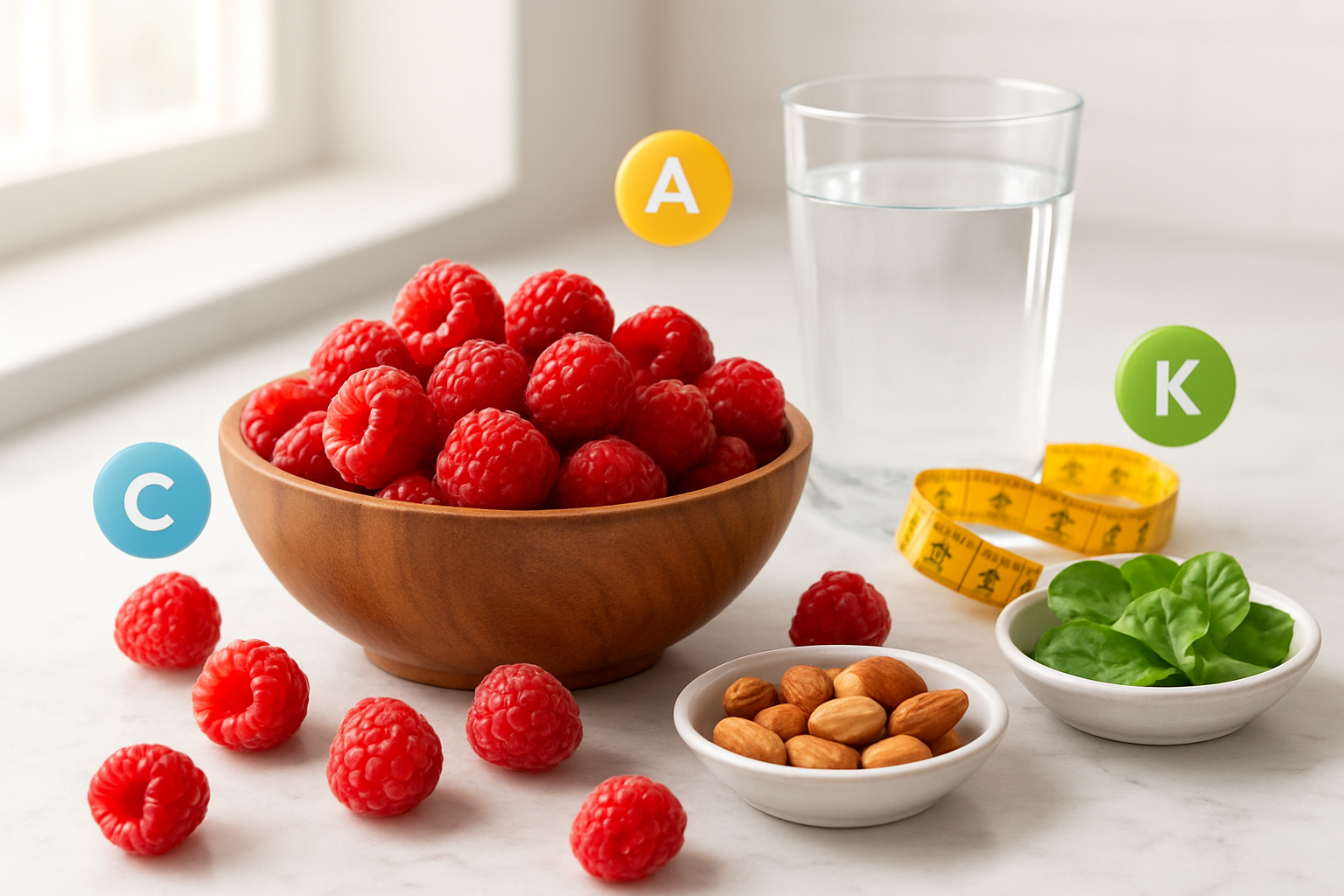
Raspberries pack an impressive nutritional punch that makes them stand out among berries. A single cup of fresh raspberries delivers about 54% of your daily vitamin C needs, making them excellent for immune system support and collagen production. This vitamin C content actually exceeds that of many citrus fruits, which surprises most people when they learn raspberry nutrition facts.
The vitamin profile extends well beyond vitamin C. Raspberries contain meaningful amounts of vitamin K, supporting bone health and proper blood clotting. They also provide folate, a B-vitamin that's particularly important for pregnant women and cellular DNA synthesis. Manganese is another standout mineral in raspberries, with one cup providing roughly 41% of the daily recommended intake. This trace mineral plays a key role in bone development, wound healing, and metabolism.
Magnesium and potassium round out the mineral profile, supporting heart health and muscle function. The copper content helps with iron absorption and connective tissue formation. What makes these nutrients particularly valuable is their bioavailability - your body can easily absorb and use them when consumed through whole raspberries rather than synthetic supplements.
Antioxidant power for disease prevention
The health benefits of raspberries shine brightest through their antioxidant compounds. These tiny fruits contain anthocyanins, the same compounds that give them their vibrant red color. These powerful antioxidants have been linked to reduced inflammation and may help protect against heart disease and certain cancers.
Ellagic acid represents another major antioxidant player in raspberries. Research suggests this compound may help neutralize cancer-causing substances and slow the growth of cancer cells. The quercetin content adds anti-inflammatory properties that could benefit people dealing with arthritis or other inflammatory conditions.
Raspberries also contain tannins, which contribute to their slightly astringent taste and provide additional antioxidant benefits. The combination of these various antioxidants creates what scientists call a "synergistic effect" - they work better together than any single compound would work alone. This natural pharmacy approach explains why eating whole raspberries provides more benefits than taking isolated antioxidant supplements.
Studies have shown that regular raspberry consumption may help improve cognitive function and memory, possibly due to the anthocyanins crossing the blood-brain barrier and accumulating in brain regions associated with learning and memory.
Fiber content for digestive health
The fiber content in raspberries deserves special attention for anyone looking to improve their digestive health. One cup of raspberries contains approximately 8 grams of dietary fiber - that's about 32% of the recommended daily intake for adults. This high fiber content makes raspberries one of the most fiber-rich fruits available.
Raspberries contain both soluble and insoluble fiber types. Soluble fiber dissolves in water and forms a gel-like substance that helps slow digestion and can help regulate blood sugar levels. This type of fiber also binds to cholesterol in the digestive system, potentially helping to lower overall cholesterol levels.
Insoluble fiber adds bulk to stool and helps food move through your digestive system more efficiently. This promotes regular bowel movements and may help prevent constipation. The seeds in raspberries contribute significantly to the insoluble fiber content, which is why eating whole raspberries provides maximum digestive benefits.
The fiber in raspberries also acts as a prebiotic, feeding the beneficial bacteria in your gut microbiome. A healthy gut microbiome has been linked to improved immune function, better mood regulation, and even weight management. The natural pectin in raspberries can help create a feeling of fullness, making them a smart choice for people managing their weight while still enjoying naturally sweet treats.
Growing Seasons and Harvesting Methods
Summer-bearing vs. Everbearing Types
Raspberries come in two main growing patterns that dramatically affect your harvest timeline. Summer-bearing raspberries produce one large crop per year, typically from June through August, depending on your location. These varieties focus all their energy into a single, concentrated harvest season that usually lasts 3-6 weeks.
Everbearing raspberries (also called fall-bearing or primocane varieties) offer two harvests annually. They produce a smaller summer crop on second-year canes, followed by a larger fall harvest on first-year growth. Popular everbearing varieties like Heritage and Caroline provide fresh raspberries from late summer through the first frost.
| Type | Harvest Season | Cane Management | Best For |
|---|---|---|---|
| Summer-bearing | June-August | Prune after harvest | Large batch processing |
| Everbearing | Summer + Fall | Two pruning periods | Extended fresh eating |
Peak Ripeness Indicators for Best Flavor
Perfect raspberry timing makes all the difference between tart disappointment and sweet perfection. Ripe raspberries develop their characteristic deep color - red, black, purple, or golden yellow - depending on the variety. The berries should feel slightly soft and release easily from the core when gently lifted.
Color alone doesn't guarantee ripeness. Look for berries that have lost any trace of their lighter, unripe hues. Red raspberries transform from pink to deep crimson, while black raspberries shift from red to deep purple-black. The berry should separate cleanly from the white core without any tugging or force.
Taste remains your best guide. Ripe raspberries balance sweetness with natural acidity, creating that perfect tartness raspberry lovers crave. Unripe berries taste sour and lack the complex flavor compounds that develop during the final ripening days.
Proper Picking Techniques to Preserve Quality
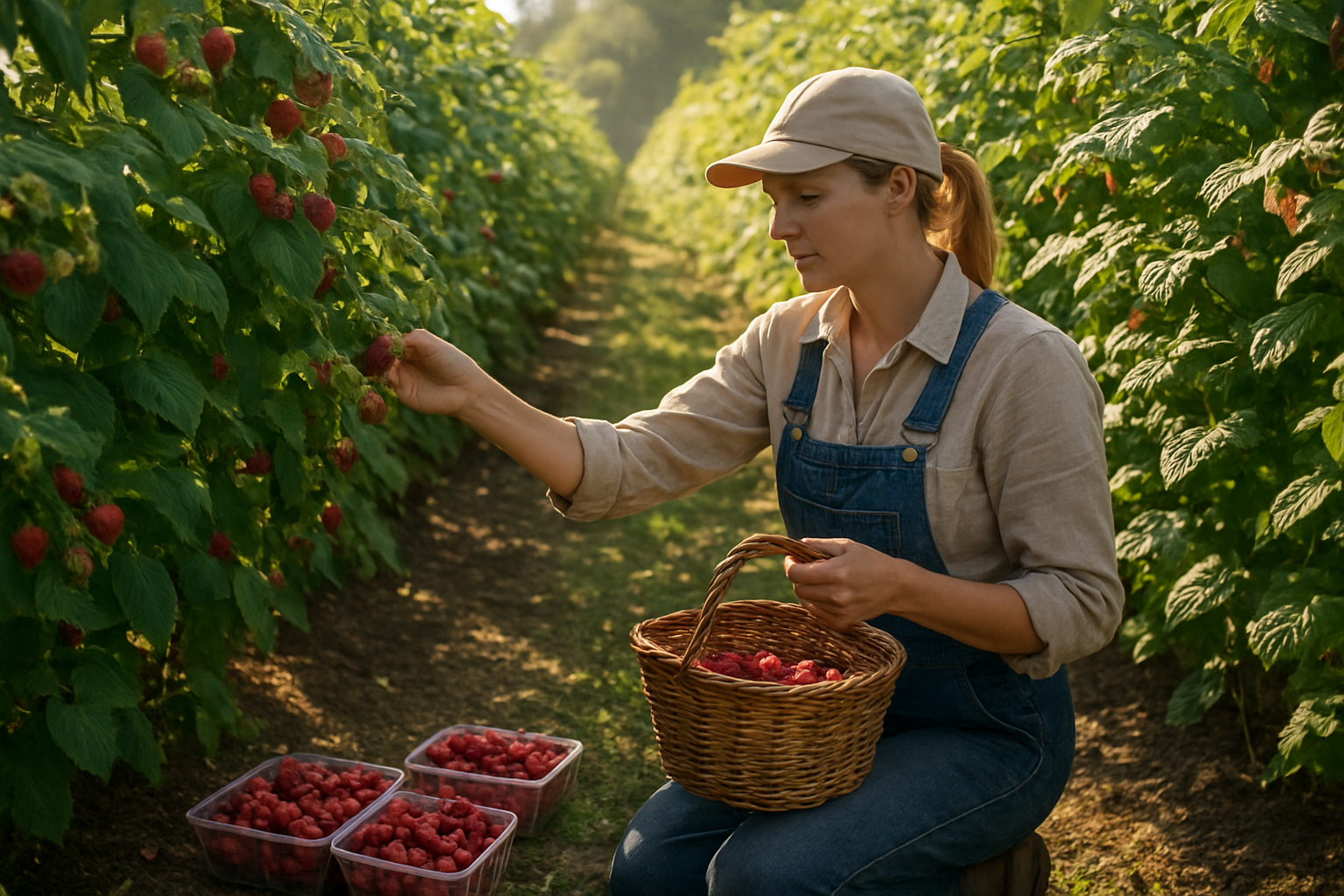
Gentle handling during harvest protects these delicate fruits from bruising and extends their usable life. Pick raspberries during cooler morning hours when possible, after dew has dried but before afternoon heat sets in. This timing helps maintain firmness and reduces spoilage.
Use your thumb and forefinger to grasp each berry gently, lifting it straight up from the plant. Ripe raspberries will release effortlessly, leaving the white core behind on the plant. Never pull or twist the berry, as this damages both the fruit and the plant.
Collect berries in shallow containers no more than 2-3 inches deep. Deeper containers crush bottom berries under the weight of those above. Small baskets or wide, shallow bowls work perfectly. Avoid placing berries in direct sunlight during picking, and transfer them to cool storage as quickly as possible.
Pick every 1-2 days during peak season. Overripe berries become mushy and attract insects, while leaving them too long can reduce overall plant productivity.
Storage Methods to Extend Freshness
Fresh raspberries are notoriously perishable, but proper storage techniques can extend their life significantly. Never wash raspberries until you're ready to eat them, as excess moisture accelerates mold growth and deterioration.
Store unwashed berries in the refrigerator immediately after harvesting or purchasing. Place them in a single layer on a paper towel-lined container, allowing air circulation around each berry. Properly stored raspberries maintain quality for 2-3 days in the refrigerator.
For longer storage, freezing works excellently. Spread clean, dry berries on a baking sheet in a single layer and freeze until solid. Transfer frozen berries to airtight containers or freezer bags. Frozen raspberries maintain their nutritional value for up to one year and work perfectly in smoothies, baking, and cooking applications.
Consider these storage tips for maximum freshness:
-
Remove any moldy or damaged berries immediately
-
Store in breathable containers rather than sealed plastic
-
Keep refrigerated at 32-36°F with high humidity
-
Use within 1-2 days of harvest for best flavor and texture
Culinary Applications and Flavor Enhancement
Fresh Eating for Maximum Nutrition
Nothing beats the burst of flavor from perfectly ripe raspberries eaten straight from the bush. When you eat raspberries fresh, you get the highest concentration of their valuable nutrients, including vitamin C, fiber, and antioxidants. The delicate berries maintain their peak nutritional value when consumed within 24-48 hours of picking.
Fresh raspberries make an excellent snack on their own or paired with other foods. Try them with Greek yogurt for a protein boost, or add them to breakfast cereals and oatmeal. Their natural sweetness reduces the need for added sugars, making them perfect for healthy eating plans. Store fresh raspberries in the refrigerator and rinse them gently just before eating to preserve their texture and flavor.
Baking and Dessert Applications
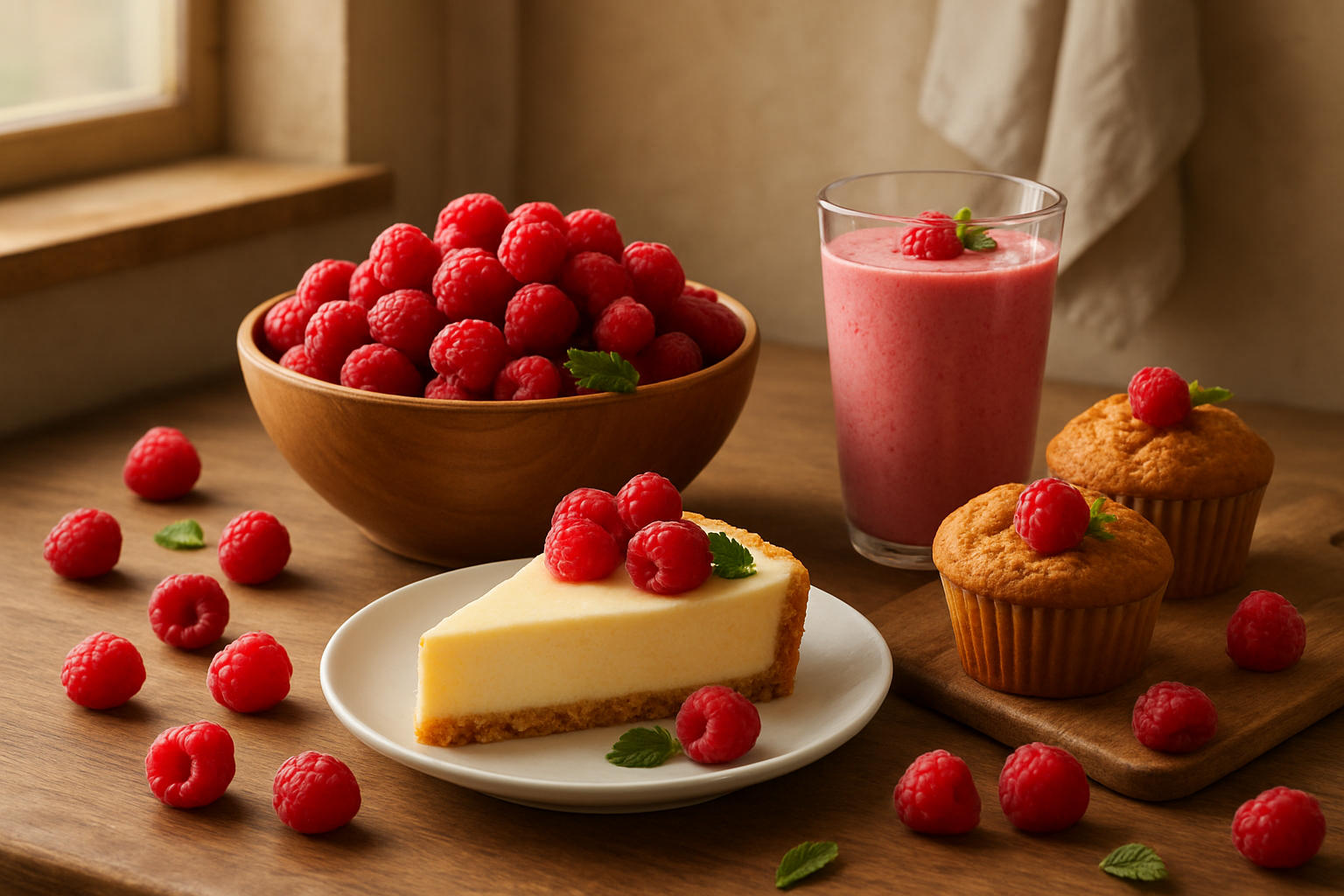
Raspberries transform ordinary baked goods into extraordinary treats. Their tartness balances sweet desserts beautifully, while their vibrant color creates stunning visual appeal. Popular raspberry recipes include muffins, scones, tarts, and cheesecakes. The berries hold their shape well during baking when handled gently.
For best results in baking, toss raspberries lightly in flour before folding them into batters. This prevents them from sinking to the bottom of muffins or cakes. Frozen raspberries work wonderfully in baked goods and often cost less than fresh ones. They don't need thawing before use – just add them directly to your recipe.
Raspberry coulis makes an elegant sauce for desserts. Simply puree fresh or frozen raspberries with a touch of sugar and strain out the seeds for a smooth, restaurant-quality topping.
Jam and Preserve Making
Homemade raspberry jam captures the essence of summer in every jar. The high pectin content in raspberries makes them ideal for jam-making, often requiring less added pectin than other fruits. Traditional raspberry jam combines equal parts fruit and sugar, though modern recipes offer lower-sugar alternatives.
The key to perfect raspberry jam lies in balancing sweetness and acidity. A splash of lemon juice enhances the natural flavors and helps with proper gel formation. Cook the jam at a rolling boil until it reaches 220°F for proper consistency. Pour into sterilized jars and process in a boiling water bath for long-term storage.
Seedless raspberry preserves require straining the cooked fruit through a fine mesh to remove seeds, creating a smooth texture that's perfect for pastries and elegant presentations.
Smoothie and Beverage Uses
Raspberries excel in smoothies and drinks, adding natural sweetness, vibrant color, and nutritional value. Their intense flavor means a small amount goes a long way. Frozen raspberries work particularly well in smoothies, creating thick, creamy textures without diluting the flavor.
Popular raspberry smoothie combinations include raspberry-banana, raspberry-mango, and mixed berry blends. The fruit pairs beautifully with both dairy and non-dairy milk options. For green smoothies, raspberries mask the taste of leafy greens while adding antioxidants.
Beyond smoothies, raspberries enhance various beverages. Add them to sparkling water for a refreshing drink, muddle them in cocktails, or infuse them in water for a natural flavor boost. Raspberry tea blends offer warming comfort with health benefits, while raspberry lemonade provides a classic summer refresher.
Raspberries pack an impressive nutritional punch while offering incredible versatility in the kitchen. From their antioxidant-rich profile that supports immune health to their natural sweetness that enhances everything from breakfast bowls to gourmet desserts, these small fruits deliver big benefits. The different varieties each bring their own unique flavors and textures, giving you plenty of options to explore whether you're eating them fresh or cooking with them.
Growing your own raspberries or simply choosing the best ones at the market becomes much easier when you understand their seasons and characteristics. These remarkable fruits prove that good things really do come in small packages - they're nutritious, delicious, and incredibly easy to incorporate into your daily routine. Next time you see those vibrant red, black, or golden berries, you'll know exactly why they deserve a spot on your plate.


.png)
Comments
Post a Comment