STRAWBERRIES - WHAT ARE STRAWBERRIES?
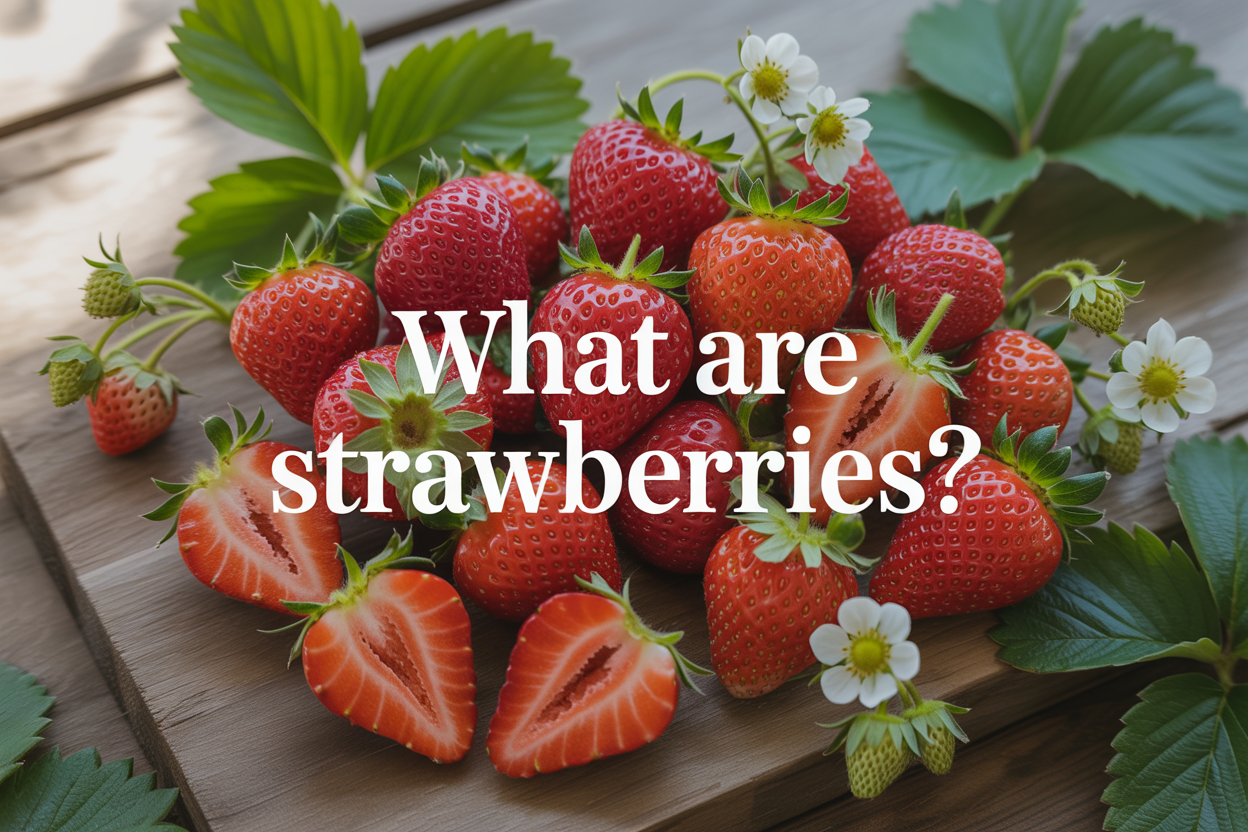
Strawberries are sweet, red berries that pack incredible nutritional power and versatility into every bite. This guide is perfect for curious food lovers, health-conscious individuals, and anyone wanting to learn more about these popular fruits.
You'll discover what makes strawberries unique from other berries, plus get the complete breakdown of strawberry nutrition facts that earn them superfood status. We'll also explore the most popular strawberry varieties you can find at stores and farmers markets, and show you the fascinating process of how strawberries grow from tiny flowers to juicy fruits. Finally, you'll learn about the many strawberry uses in cooking, baking, and everyday meals that go far beyond just eating them fresh.
Understanding the Basic Nature of Strawberries
Scientific classification and botanical family
Strawberries belong to the rose family (Rosaceae), which might surprise you since they share ancestry with roses, apples, and cherries. The most common strawberry we eat today is Fragaria × ananassa, a hybrid species that emerged from crossing North American and Chilean wild strawberries. This scientific name reflects the fruit's pineapple-like fragrance - "ananassa" comes from the pineapple's genus name.
The genus Fragaria includes about 20 species of strawberries found across temperate regions worldwide. Wild strawberries (Fragaria vesca) are much smaller than their cultivated cousins but pack intense flavor. These plants are herbaceous perennials with a unique reproductive strategy - they spread through runners (stolons) that create identical clone plants.
What are strawberries from a botanical perspective? They're actually not true berries at all. The fleshy red part we eat is called an "accessory fruit" or "false fruit" because it develops from the receptacle rather than the ovary of the flower.
Key identifying characteristics and appearance
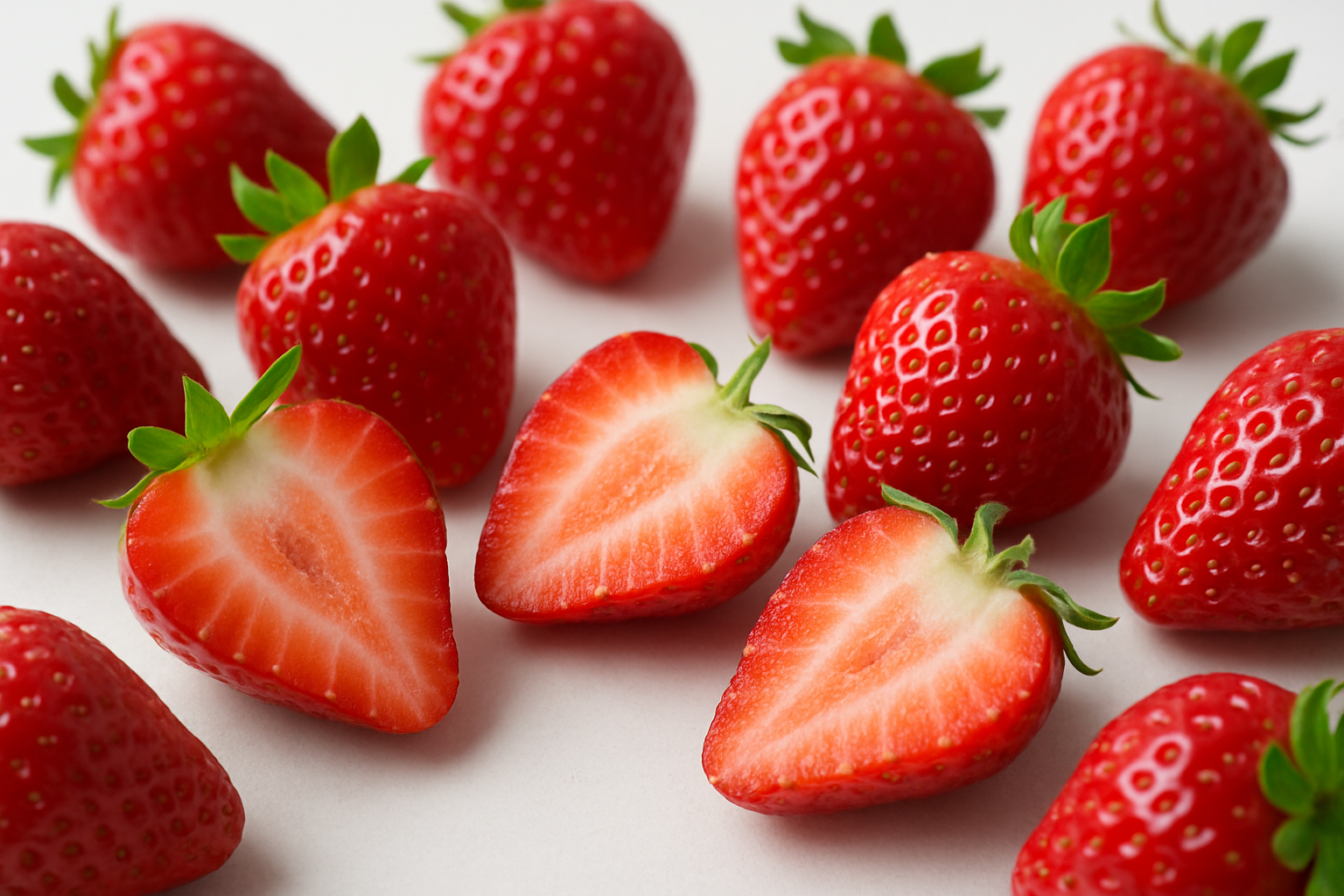
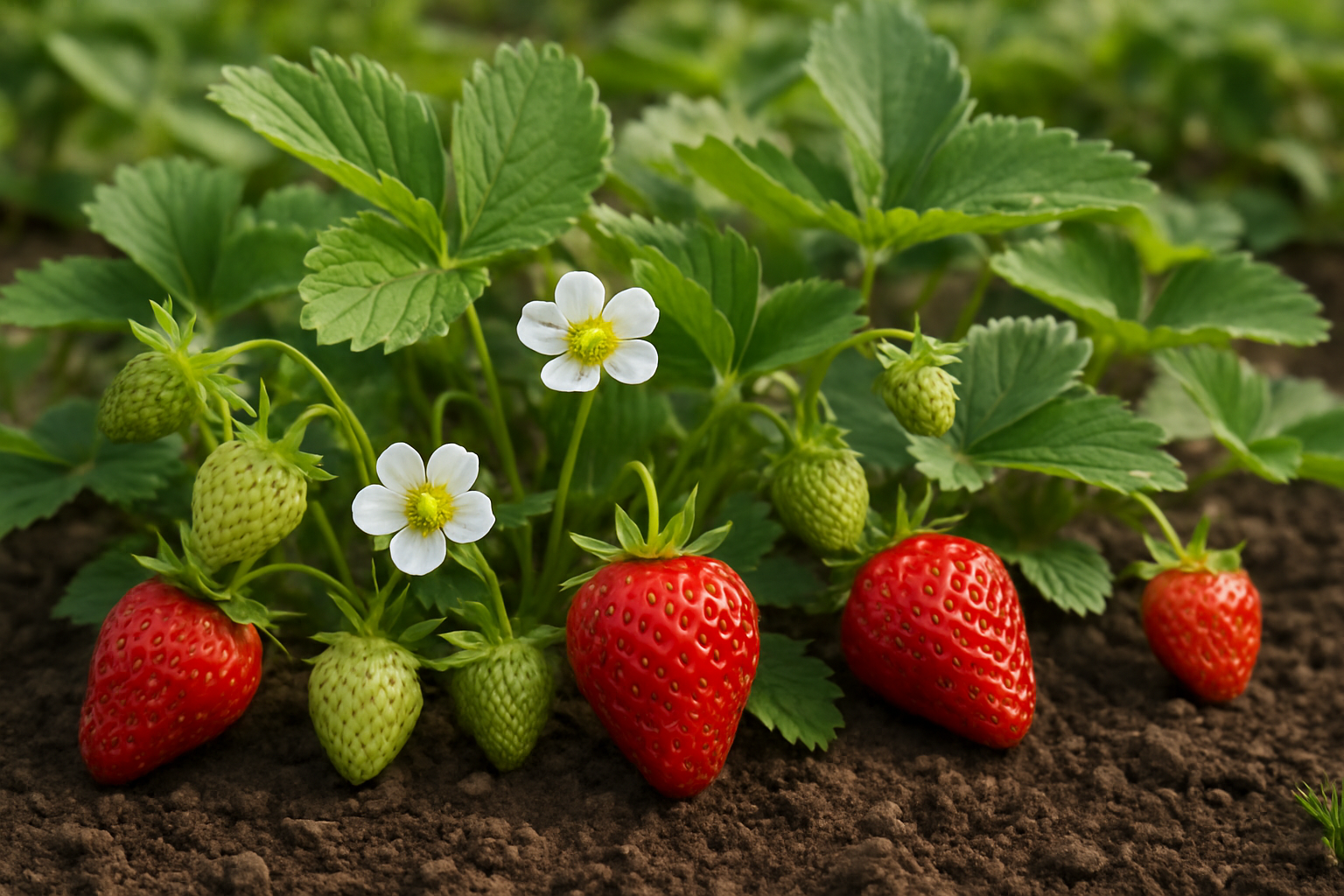
Strawberry plants are instantly recognizable by their distinctive three-leaflet compound leaves with serrated edges. The leaves emerge from a central crown, creating a rosette pattern close to the ground. White flowers with five petals appear in spring, each containing both male and female parts.
The fruit itself displays the classic strawberry shape - a rounded, heart-like form that tapers to a point. Fresh strawberries showcase vibrant red coloring, though some varieties range from deep burgundy to pale pink. The surface is covered with tiny yellow or brown seeds called achenes - these are the actual fruits botanically speaking.
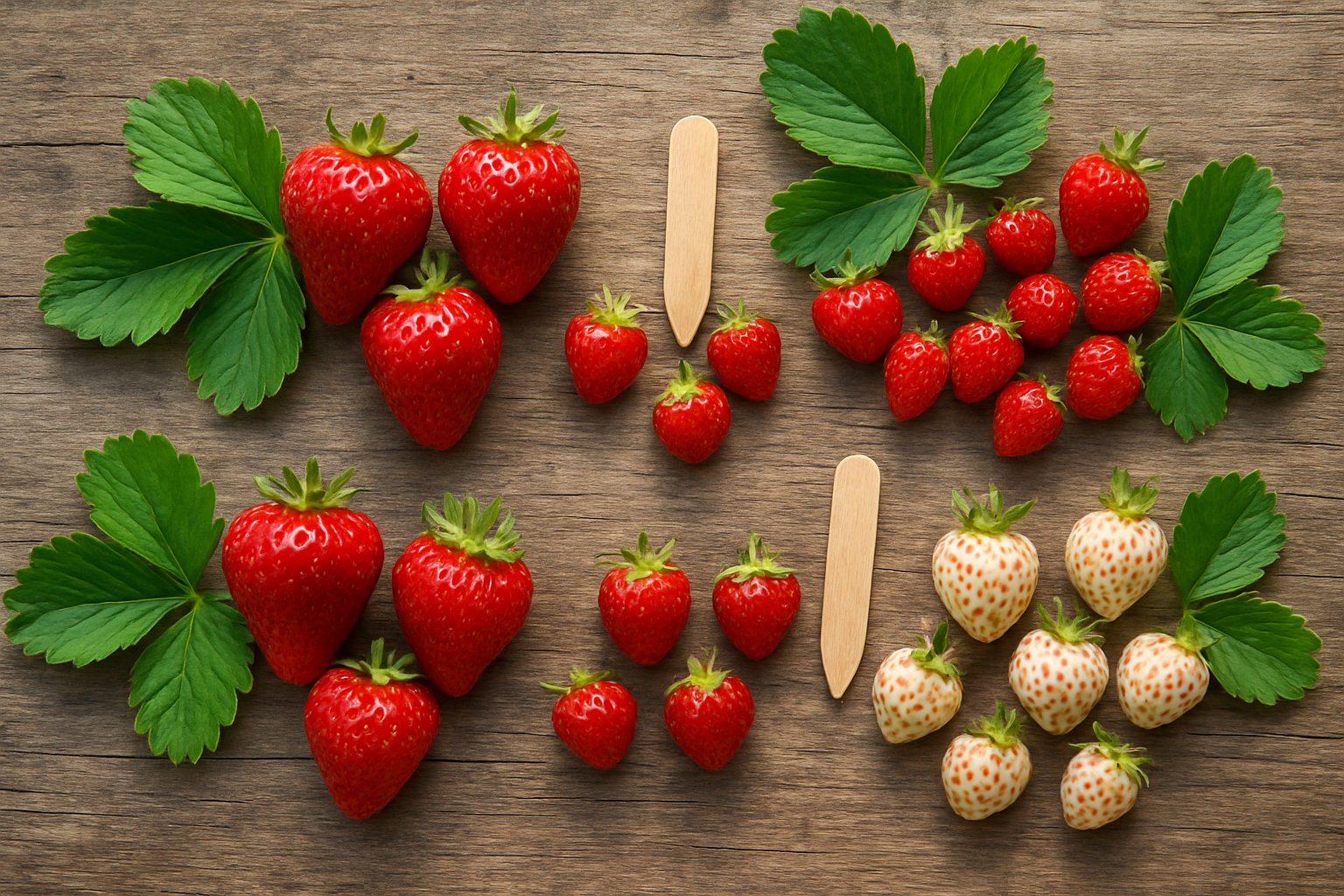
Size varies dramatically among strawberry varieties, from thumbnail-sized alpine strawberries to jumbo cultivars exceeding two inches in length. The flesh inside ranges from white to deep red, with sweeter varieties typically showing more intense coloration throughout.
Difference between strawberries and other berries
Unlike true berries such as blueberries, cranberries, or grapes, strawberries wear their seeds on the outside. True berries develop from a single flower with one ovary and have seeds enclosed within the flesh. Strawberries form from a single flower but multiple ovaries, making them aggregate accessory fruits.
Raspberries and blackberries also aren't true berries - they're aggregate fruits composed of many small drupelets. However, strawberries differ because their seeds (achenes) sit embedded in the surface of an enlarged receptacle, while raspberry drupelets each contain a seed inside.
This unique structure gives strawberries their characteristic texture and appearance, setting them apart from all other fruits commonly called berries.
Nutritional Benefits That Make Strawberries a Superfood
Essential vitamins and minerals packed in each serving
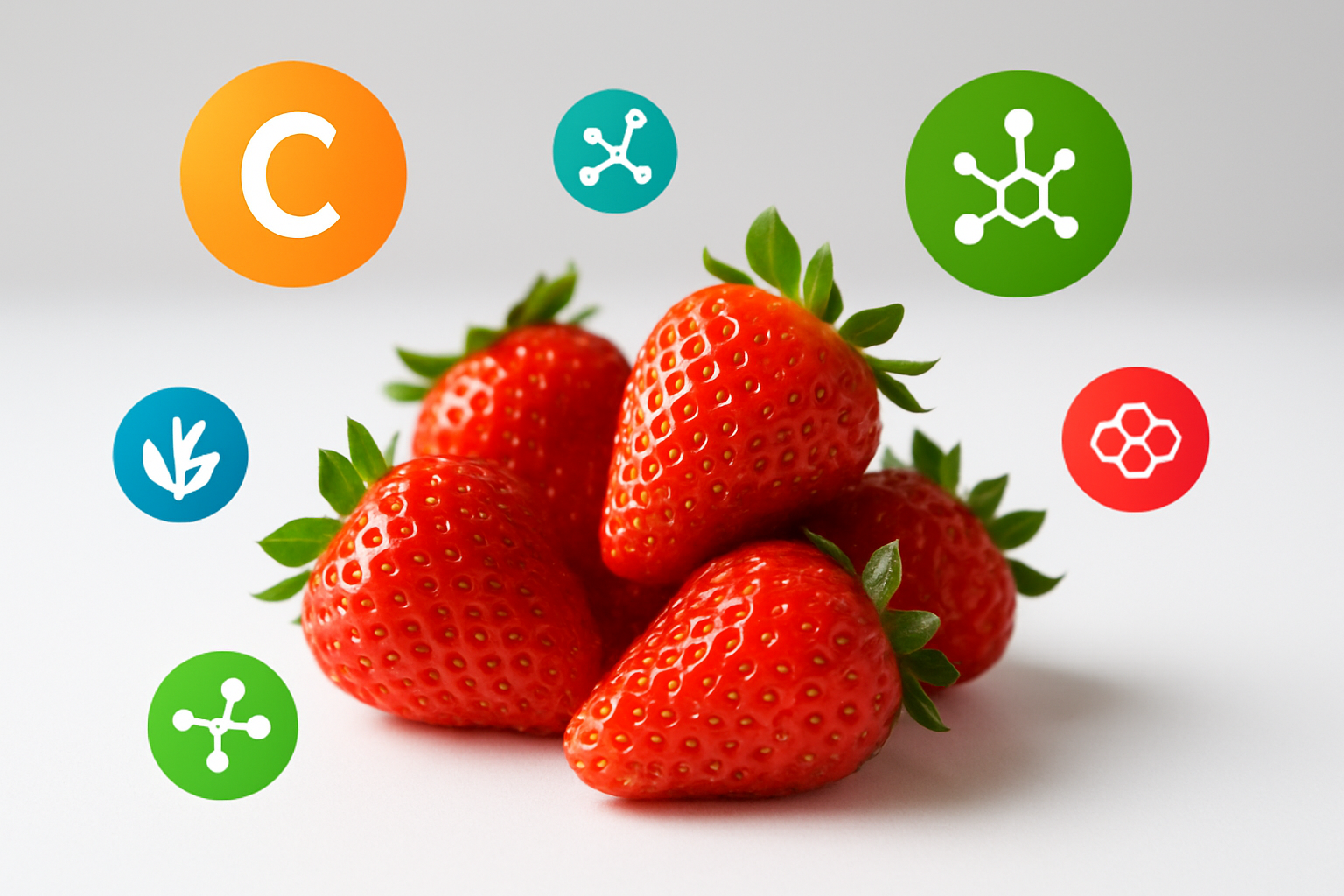
Strawberries deliver an impressive nutritional punch that puts many other fruits to shame. Just one cup of fresh strawberries provides over 140% of your daily vitamin C needs - that's more than oranges! This vitamin C content makes strawberries a powerhouse for immune system support and collagen production.
Beyond vitamin C, strawberries contain substantial amounts of folate, which is crucial for DNA synthesis and red blood cell formation. They also provide manganese, an essential mineral that supports bone health and metabolism. The potassium in strawberries helps regulate blood pressure and supports proper heart function.
| Nutrient | Amount per cup | % Daily Value |
|---|---|---|
| Vitamin C | 85mg | 142% |
| Folate | 25mcg | 6% |
| Manganese | 0.4mg | 22% |
| Potassium | 233mg | 7% |
Antioxidant properties for disease prevention
The deep red color of strawberries comes from powerful antioxidants called anthocyanins. These compounds fight free radicals in your body, which can damage cells and contribute to aging and disease. Research shows that the antioxidants in strawberries may help reduce inflammation throughout the body.
Strawberries also contain ellagic acid, a unique compound that studies suggest may have anti-cancer properties. The combination of vitamin C, anthocyanins, and other antioxidants creates a protective shield against oxidative stress. Regular consumption of strawberries has been linked to better heart health and may help reduce the risk of chronic diseases.
Fiber content for digestive health
Each cup of strawberries provides about 3 grams of dietary fiber, making them an excellent choice for digestive wellness. This fiber content helps promote healthy gut bacteria and supports regular bowel movements. The natural pectin in strawberries acts as a prebiotic, feeding beneficial bacteria in your intestines.
The fiber in strawberries also helps slow down sugar absorption, preventing blood sugar spikes. This makes strawberries a smart choice for people managing diabetes or anyone looking to maintain steady energy levels throughout the day.
Low calorie count for weight management
With only 49 calories per cup, strawberries are one of nature's perfect weight management foods. The high water content (about 91%) combined with natural sweetness makes them incredibly satisfying without adding significant calories to your diet.
The fiber content also contributes to feelings of fullness, helping you stay satisfied longer. Unlike processed snacks that leave you wanting more, strawberries provide genuine satiety while delivering essential nutrients. This combination of low calories, high nutrients, and natural sweetness makes strawberries an ideal food for anyone looking to maintain or lose weight without sacrificing taste or nutrition.
Popular Strawberry Varieties You Should Know
June-bearing varieties for seasonal harvests
June-bearing strawberries represent the traditional approach to strawberry cultivation, producing one massive crop during late spring and early summer. These strawberry varieties concentrate their energy into developing large, flavorful berries over a 4-6 week period, typically from May through July depending on your climate zone.
Honeoye stands out as one of the most reliable June-bearing varieties, delivering firm, bright red berries with excellent flavor. This variety thrives in northern climates and produces berries that hold up well for fresh eating and preserving. Jewel offers another outstanding option, known for its large, sweet berries and strong disease resistance.
Earliglow lives up to its name by producing some of the earliest strawberries of the season. Despite being smaller than other varieties, these berries pack incredible sweetness and aroma that make them perfect for eating fresh. Allstar provides a later harvest window, extending the June-bearing season well into summer with consistently large, firm fruit.
The beauty of June-bearing strawberry varieties lies in their concentrated harvest period. While you won't get berries throughout the growing season, you'll receive an abundance perfect for making jams, jellies, and preserves. These varieties also tend to produce more runners, making them excellent choices for expanding your strawberry patch naturally.
Ever-bearing types for extended growing periods
Ever-bearing strawberries offer a different approach to homegrown berries, providing two distinct harvest periods each growing season. These strawberry varieties produce a spring crop similar to June-bearing types, followed by a second flush of berries in late summer or early fall.
Ozark Beauty represents one of the most popular ever-bearing varieties, known for producing large, sweet berries in both spring and fall harvests. This variety adapts well to various growing conditions and maintains good flavor throughout both cropping periods. Fort Laramie excels in challenging climates, offering cold hardiness along with reliable dual harvests.
Quinault brings something special to the ever-bearing category with its exceptionally large berries and rich flavor. This variety performs particularly well in Pacific Northwest conditions but adapts to many different growing environments. The spring crop tends to be larger and more concentrated, while the fall harvest often extends over several weeks.
Ever-bearing varieties require different management than their June-bearing cousins. Many growers remove the first year's spring blossoms to encourage stronger fall production and better plant establishment. This sacrifice pays off with healthier plants that produce better crops in subsequent years.
The fall harvest from ever-bearing types often surprises gardeners with its quality. Cooler temperatures and adequate moisture can produce berries with concentrated flavors that rival the best spring varieties.
Day-neutral strawberries for year-round production
Day-neutral strawberries revolutionize home strawberry growing by producing berries continuously throughout the growing season. Unlike other strawberry varieties that respond to day length changes, these plants focus on temperature cues and can flower and fruit from spring through fall frost.
Seascape leads the day-neutral category with consistent production of large, flavorful berries. This variety maintains excellent taste throughout the growing season and shows good resistance to common strawberry diseases. Albion offers another premium choice, producing conical berries with outstanding flavor and firm texture that holds up well in various weather conditions.
San Andreas brings commercial-quality berries to home gardens, with large, glossy fruit that maintains consistent size and flavor throughout the harvest period. This variety shows particular strength in hot weather conditions where other types might struggle.
Day-neutral varieties shine in container growing and raised bed systems where you can better control growing conditions. These strawberries work perfectly for gardeners who want fresh berries for smoothies, snacks, and desserts throughout the growing season rather than dealing with preserving large quantities at once.
Temperature management becomes crucial with day-neutral types. They perform best when temperatures stay between 35-85°F, slowing production during extreme heat but resuming when conditions improve. Regular watering and feeding support their continuous production cycle, making them more demanding but ultimately more rewarding than traditional varieties.
How Strawberries Grow and Develop
Seed formation and germination process
Strawberries actually don't grow from seeds in the traditional sense that most people think. Those tiny yellow specks dotting the outside of a strawberry? Those are the real fruits, and each one contains a single seed. When you plant these seeds, they need a cold stratification period of about 2-4 weeks to break dormancy. The germination process is slow and can take anywhere from 1-6 weeks once conditions are right.
Most commercial strawberry production skips this lengthy seed process entirely. Instead, growers use runners or crown divisions from parent plants, which creates identical clones. This method produces fruit much faster and ensures consistent quality across the crop.
Plant growth stages from seedling to fruit
Strawberry plants progress through distinct growth phases. The initial seedling stage lasts 2-3 months, during which the plant develops its root system and first true leaves. Young plants then enter a vegetative growth phase where they build crown mass and produce runners for reproduction.
The transition to reproductive growth typically occurs after plants experience cool temperatures and shorter daylight hours. This triggers flower bud formation within the crown. From flower bud initiation to ripe fruit takes approximately 4-6 weeks, depending on temperature and variety.
Growth Timeline:
-
Weeks 1-4: Root establishment and first leaves
-
Weeks 4-12: Vegetative growth and runner production
-
Weeks 12-16: Flower bud development
-
Weeks 16-22: Flowering and fruit development
Flowering and pollination requirements
Strawberry flowers are perfect, meaning they contain both male and female parts. Most varieties are self-fertile, but cross-pollination from bees and other insects significantly improves fruit quality and size. Each strawberry flower has about 400 pistils, and each one needs pollination to develop properly. Poor pollination results in misshapen berries with white tips or hollow areas.
Temperature plays a crucial role in successful pollination. Flowers that develop in cool weather (below 60°F) often produce irregular fruit shapes. Bees are the primary pollinators, though wind can help distribute pollen between flowers on the same plant.
Harvesting timeline for optimal ripeness
Peak ripeness occurs when strawberries develop full color and slight softness. This typically happens 4-6 weeks after flowering, but varies based on temperature and variety. Berries picked too early lack sweetness and won't ripen further off the plant.
Ripeness indicators:
-
Deep red color with no white or green areas
-
Slight give when gently pressed
-
Easy separation from the plant
-
Sweet aroma at the stem end
Commercial growers often harvest slightly underripe berries for shipping purposes, but home gardeners can wait for perfect ripeness since transport time isn't a concern.
Seasonal growing patterns across different climates
How do strawberries grow differently across various climates? The answer depends largely on day length and temperature patterns. June-bearing varieties produce one large crop per year, typically in late spring or early summer. These work best in northern climates with distinct seasons.
Everbearing and day-neutral varieties produce multiple harvests throughout the growing season. They thrive in areas with mild summers and can even produce fruit into fall in warmer regions. In subtropical climates, strawberry growing seasons shift to winter months when temperatures are cooler.
Climate considerations:
-
Northern regions: Plant in spring, harvest June-July
-
Temperate zones: Multiple harvests possible April-October
-
Southern areas: Winter growing season, harvest January-May
-
High altitudes: Shorter season, intense flavors due to temperature swings
Common Uses and Applications in Daily Life
Fresh Consumption and Snacking Benefits
Strawberries shine as one of nature's most convenient and satisfying snacks. Their natural sweetness makes them perfect for eating straight from the container, providing an instant energy boost without the crash that comes from processed sugary snacks. The high water content keeps you hydrated while the fiber helps you feel full between meals.
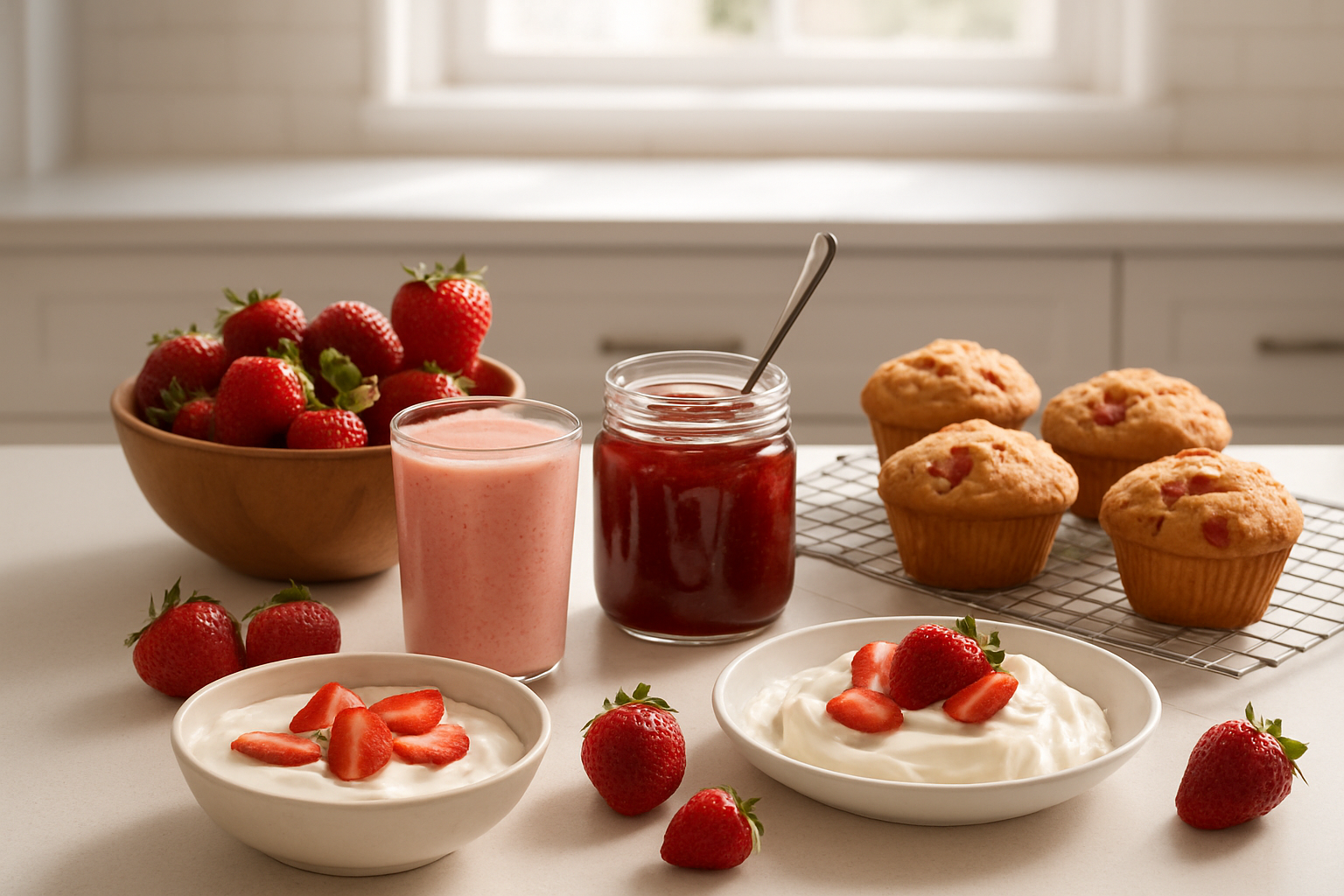
Fresh strawberries work wonderfully in fruit salads, smoothie bowls, and as a topping for yogurt or cereal. Their bright red color and sweet-tart flavor complement other fruits beautifully. Many people love dipping them in dark chocolate for a healthier dessert option, or pairing them with cheese for an elegant appetizer.
The portability factor makes strawberries ideal for packed lunches, picnics, and on-the-go snacking. Unlike many fruits, they don't need peeling or special preparation - just a quick rinse and they're ready to eat.
Cooking and Baking Applications
Strawberry uses in the kitchen extend far beyond simple snacking. These versatile berries transform ordinary recipes into extraordinary dishes. In baking, strawberries add natural sweetness and moisture to muffins, cakes, and bread. Their juice creates beautiful pink hues in frostings and glazes without artificial coloring.
Popular baking applications include:
-
Strawberry shortcake - the classic American dessert
-
Pies and tarts - where strawberries can be used fresh or cooked
-
Jam and preserves - capturing summer flavors year-round
-
Smoothies and milkshakes - adding natural sweetness and nutrition
-
Sauces and syrups - perfect for pancakes, ice cream, or meat dishes
Strawberries also work well in savory dishes. They pair beautifully with balsamic vinegar in salads, complement grilled chicken or pork, and can be incorporated into salsas for a sweet twist. The natural acidity in strawberries helps tenderize meat in marinades.
Preservation Methods for Long-Term Storage
Smart preservation techniques help you enjoy strawberry superfood benefits throughout the year, even when fresh berries aren't in season. Proper storage methods maintain both flavor and nutritional benefits of strawberries.
Freezing remains the most popular preservation method. Wash and hull strawberries, then spread them on baking sheets to freeze individually before transferring to freezer bags. This prevents clumping and allows you to use just what you need. Frozen strawberries work perfectly in smoothies, baking, and cooked applications.
Dehydrating creates strawberry chips that make excellent snacks or cereal toppings. The concentrated flavor intensifies during the drying process, creating a naturally sweet treat that stores well at room temperature.
Jam-making and canning preserve strawberries in their own juices with added sugar. This traditional method creates shelf-stable products that capture peak strawberry flavor. Modern low-sugar and no-sugar-added recipes use natural fruit pectins to maintain the fresh taste while reducing added sweeteners.
Refrigeration tips help fresh strawberries last longer. Store unwashed berries in the refrigerator's crisper drawer, keeping them dry until ready to use. Remove any damaged berries immediately to prevent spoilage from spreading to healthy ones.
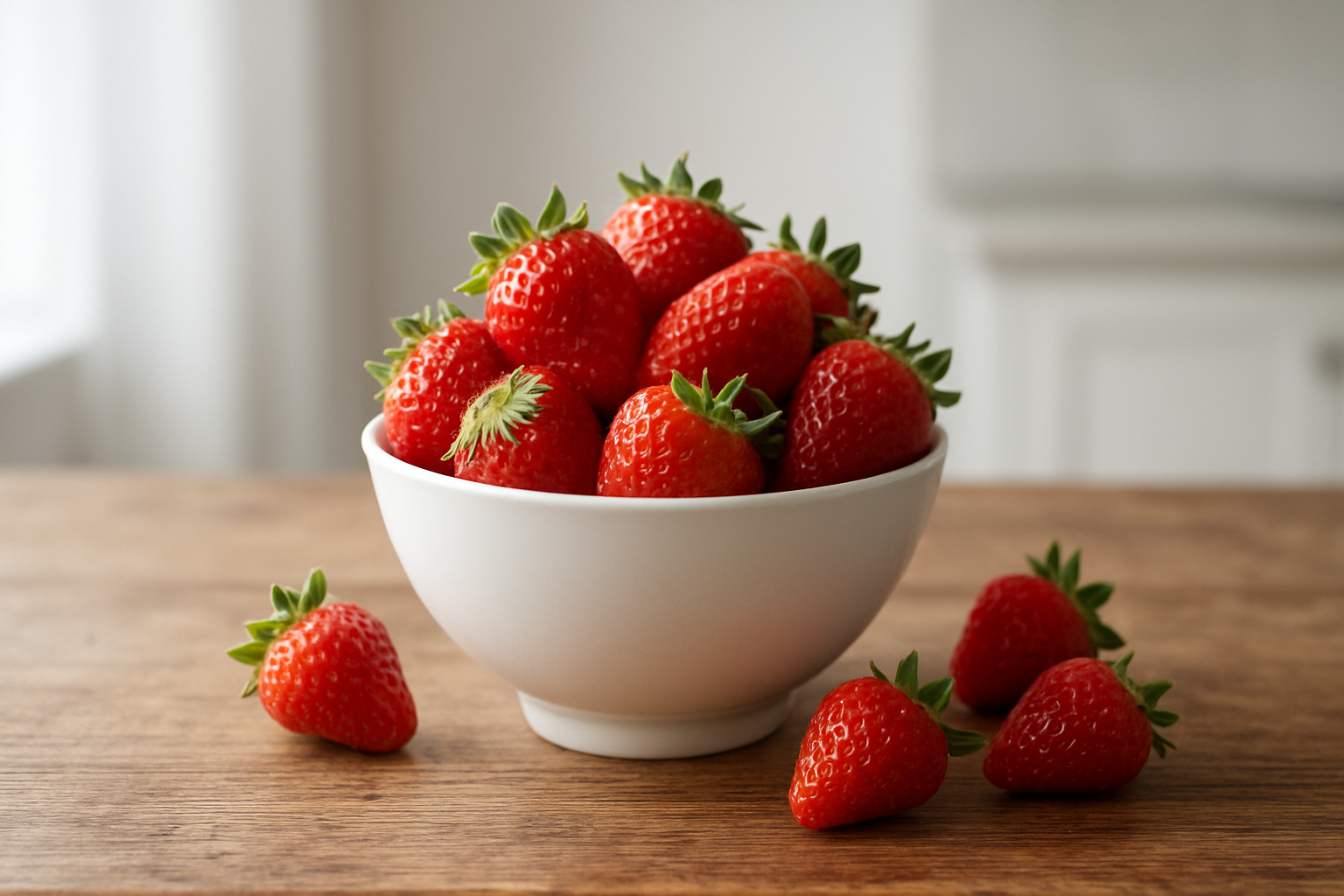
Strawberries pack an impressive nutritional punch that goes way beyond their sweet taste. These vibrant red fruits deliver vitamin C, antioxidants, and fiber while staying naturally low in calories. From the classic June-bearing varieties to the ever-popular everbearing types, there's a strawberry for every garden and taste preference. The fascinating way these fruits develop from tiny white flowers to juicy red berries shows just how remarkable nature can be.
Whether you're adding them to your morning smoothie, baking them into desserts, or simply enjoying them fresh from the garden, strawberries bring both flavor and health benefits to your table. Next time you bite into one of these ruby gems, you'll have a whole new appreciation for what makes them so special. Consider growing your own strawberry patch this season – you might be surprised at how rewarding and delicious homegrown berries can be.


.png)
Comments
Post a Comment