WATERMELONS - WHAT ARE WATERMELONS?
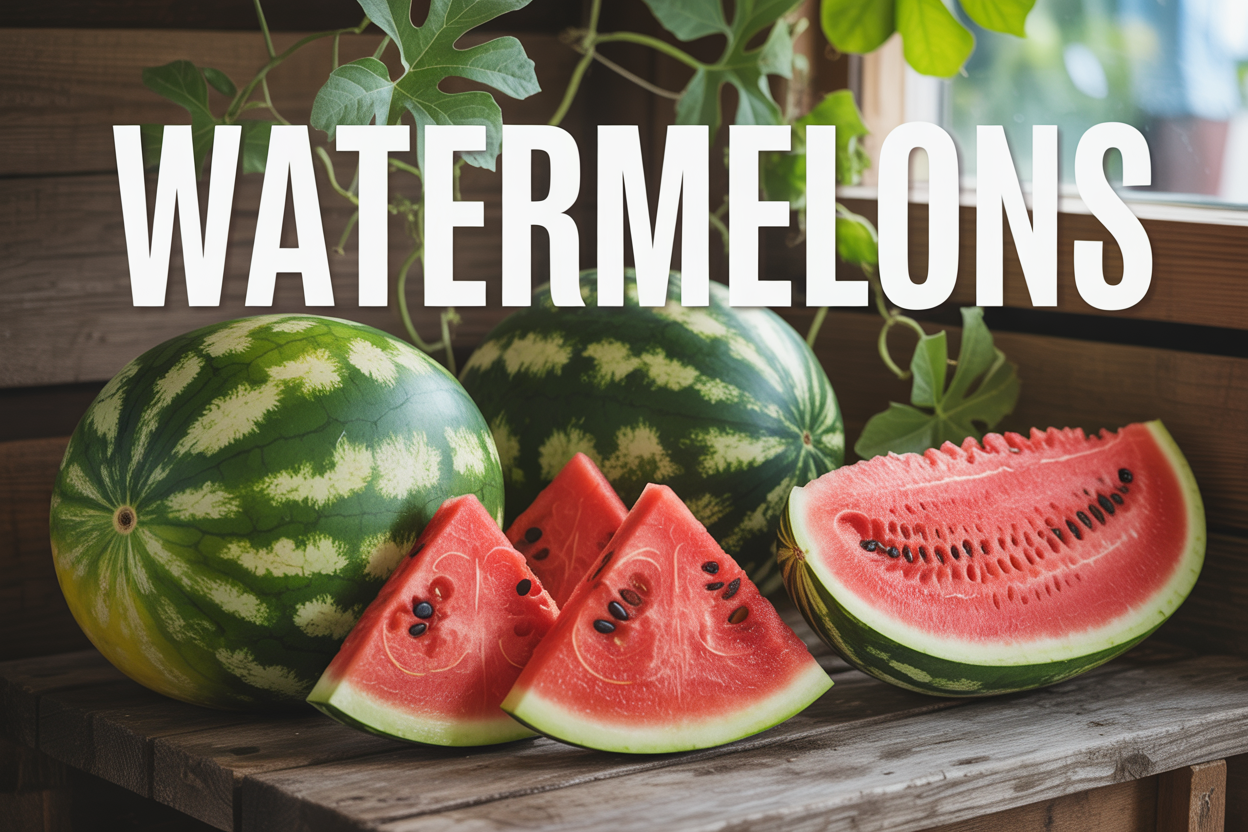
Watermelons are large, sweet fruits with green rinds and juicy red flesh that belong to the cucumber family. This guide helps gardeners, home cooks, and health-conscious individuals understand everything about these refreshing summer favorites.
You'll discover the impressive watermelon nutrition facts that make this fruit a healthy choice, explore different watermelon varieties from seedless to yellow-fleshed types, and learn practical watermelon storage tips to keep your fruit fresh longer.
Understanding Watermelon Basics
Scientific classification and plant family origins
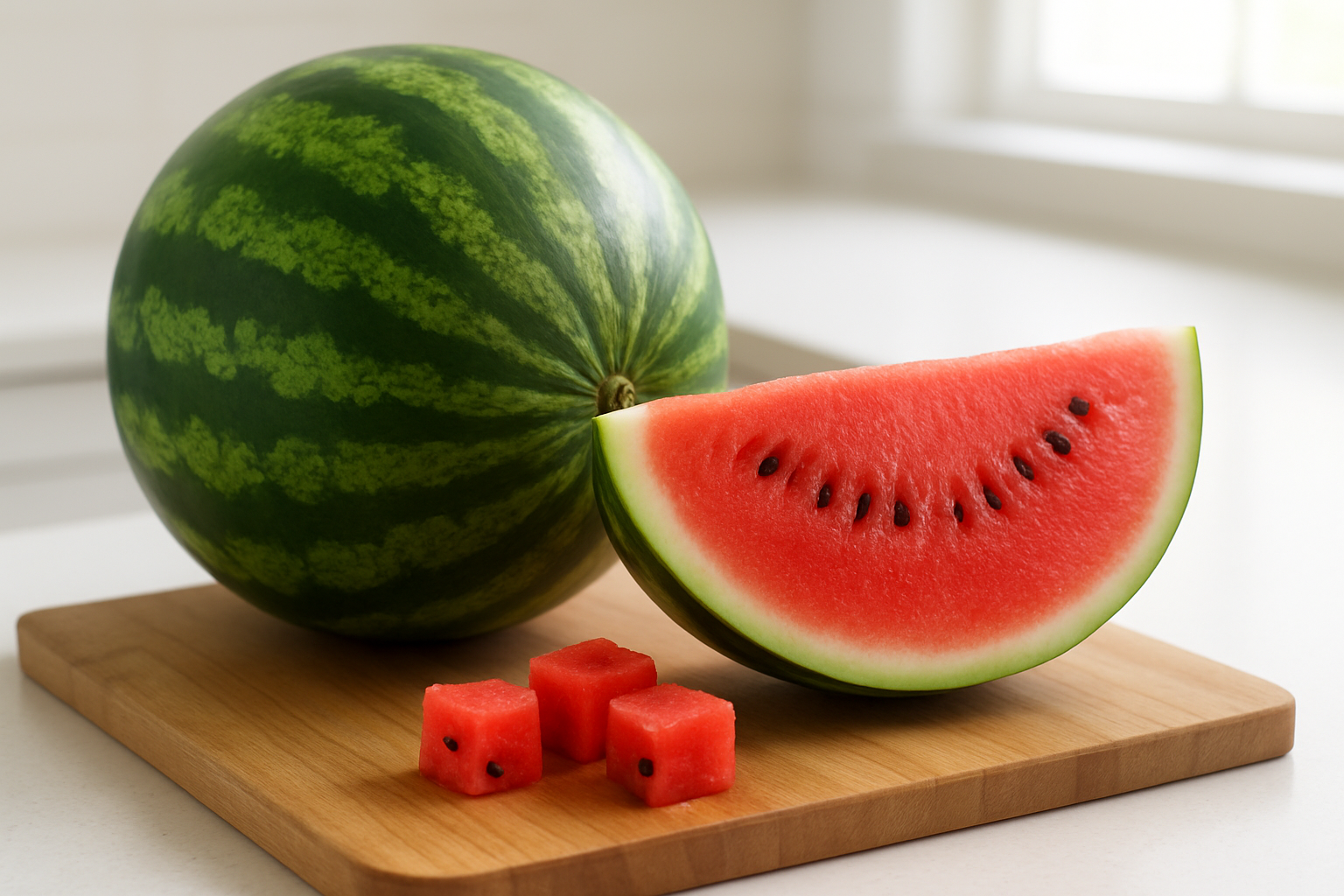
Watermelons belong to the botanical family Cucurbitaceae, which makes them close relatives to cucumbers, squash, pumpkins, and gourds. The scientific name Citrullus lanatus identifies the most common watermelon variety we enjoy today. This sprawling vine plant originated in the Kalahari Desert region of Africa, where wild watermelons still grow naturally.
The plant's evolutionary journey began thousands of years ago, with evidence showing that ancient Egyptians cultivated watermelons as early as 4,000 years ago. These early varieties were quite different from modern watermelons - they were smaller, less sweet, and often had bitter white or pale yellow flesh. Through centuries of selective breeding, farmers developed the large, sweet, red-fleshed watermelons we recognize today.
Watermelons spread from Africa to Mediterranean regions, then to Asia, and eventually reached the Americas through European colonization. The plant thrives in warm climates and requires plenty of sunshine and water to develop properly.
Physical characteristics that define watermelons
What are watermelons exactly in terms of their physical structure? These fruits display several distinctive features that set them apart from other produce. The exterior showcases a hard, thick rind that typically appears in shades of green with darker green stripes or solid coloring. This protective shell can range from light green to deep forest green, sometimes featuring yellow spots where the fruit rested on the ground during growth.
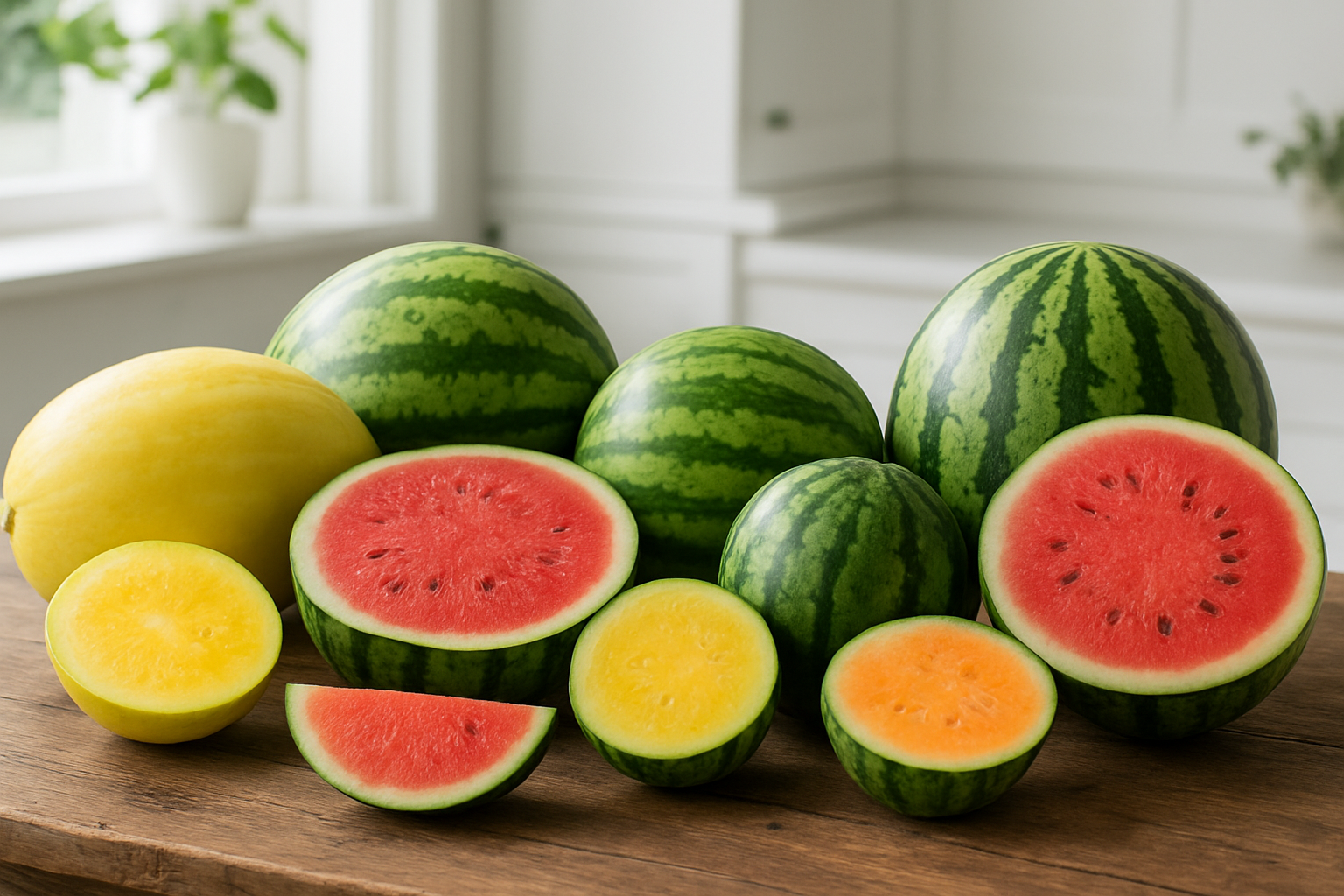
The interior reveals the watermelon's most prized feature - its juicy, sweet flesh. While red is the most familiar color, watermelon flesh can also be pink, yellow, orange, or even white. The flesh contains numerous seeds, though seedless varieties have been developed through careful breeding techniques.
Size varies dramatically among different types of watermelons, ranging from small personal-sized melons weighing 2-3 pounds to massive varieties that can exceed 50 pounds. The shape typically appears round or oblong, with some varieties displaying more elongated characteristics.
The texture of ripe watermelon flesh should be crisp and juicy, with a sugar content that can reach 10-12% in premium varieties. The high water content, often exceeding 90%, gives watermelons their refreshing quality and makes them perfect for hot weather consumption.
Key differences from other melon varieties
Watermelons stand apart from their melon cousins in several important ways. Unlike cantaloupes and honeydew melons, which belong to the Cucumis melo species, watermelons have their own distinct species classification. This fundamental difference affects everything from growing requirements to nutritional content.
The rind thickness represents one of the most obvious distinctions. Watermelon rinds are significantly thicker and harder than those of cantaloupes or honeydew melons. While you can easily press into a cantaloupe's skin, watermelon rinds require a sharp knife to penetrate.
Growing patterns also differ substantially. Watermelons grow on sprawling vines that can extend 10-20 feet across the ground, while cantaloupes and honeydew melons grow on more compact vines. Watermelon plants also require longer growing seasons, typically needing 80-100 days to mature compared to 70-80 days for most other melons.
The seed structure varies between melon types as well. Watermelon seeds are typically larger, flatter, and more numerous than those found in cantaloupes or honeydew melons. Even seedless watermelons contain small, white, edible seed coats that differ from the seeds in other melon varieties.
Nutritionally, watermelons contain higher levels of lycopene, the antioxidant responsible for their red color, while cantaloupes excel in vitamin A content and honeydew melons provide more vitamin C per serving.
Nutritional Profile and Health Benefits
Essential vitamins and minerals content
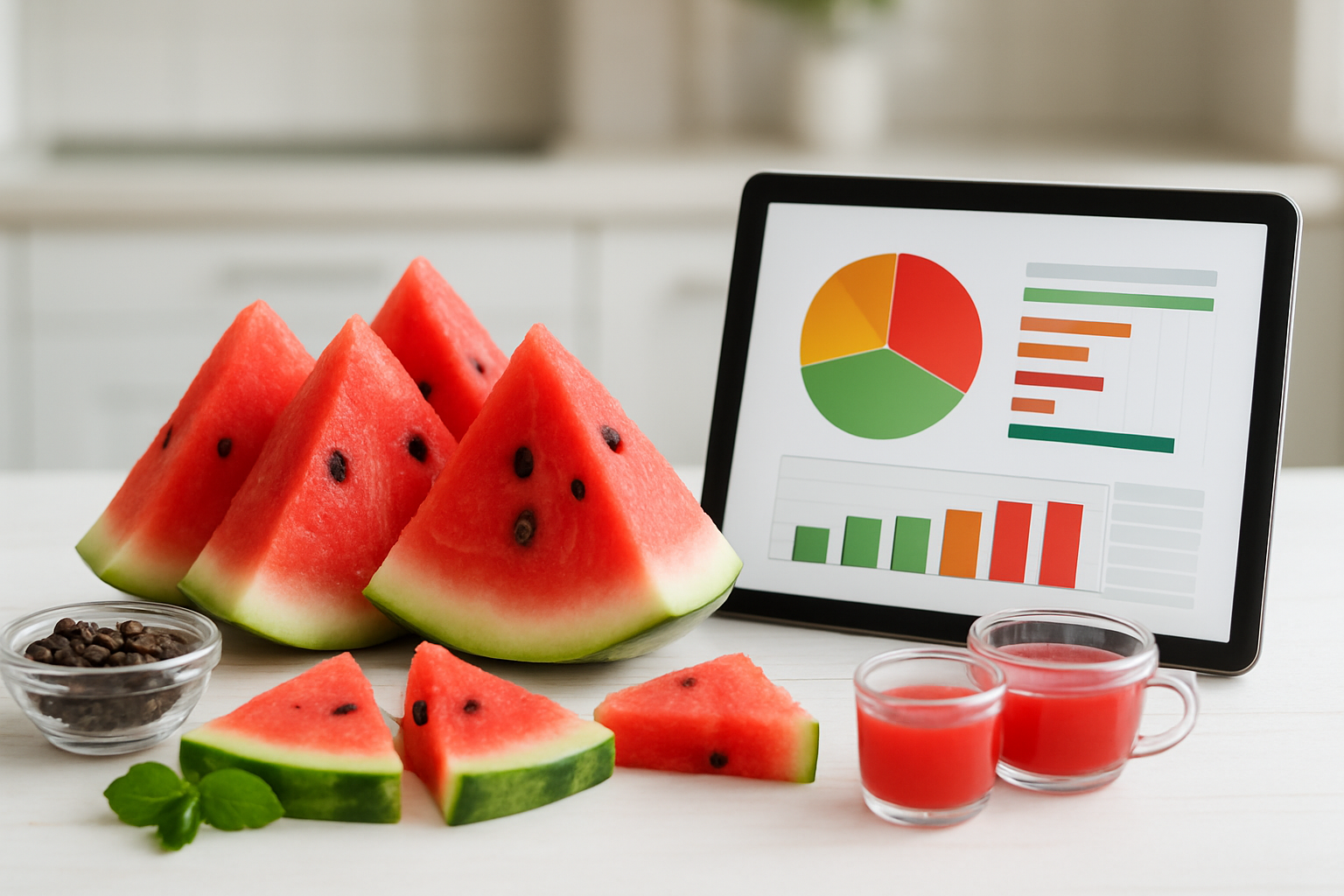
Watermelons pack a surprising nutritional punch despite their light, refreshing taste. These juicy fruits deliver significant amounts of vitamin C, providing about 21% of your daily needs in just one cup. This vitamin C content supports immune function and helps your body absorb iron more effectively.
The bright red flesh gets its vibrant color from lycopene, a powerful carotenoid that acts as an antioxidant. Watermelons actually contain higher concentrations of lycopene than tomatoes, making them an excellent source of this beneficial compound. You'll also find decent amounts of vitamin A, which supports eye health and immune function.
Potassium stands out as another key mineral in watermelon nutrition facts, helping regulate blood pressure and supporting proper muscle function. The fruit also provides smaller amounts of magnesium, phosphorus, and B vitamins, particularly B6 and thiamine.
Hydration benefits from high water content
The name says it all - watermelons consist of roughly 92% water, making them one of nature's most effective hydrating foods. This high water content makes watermelons an ideal snack for hot summer days or after intense physical activity when your body needs to replenish fluids quickly.
Eating watermelon can contribute significantly to your daily hydration goals while providing electrolytes like potassium that help maintain proper fluid balance. The natural water in watermelons gets absorbed differently than plain water, often providing longer-lasting hydration benefits because it comes bundled with minerals and natural sugars.
Athletes and fitness enthusiasts often turn to watermelon as a natural sports drink alternative, since it helps replace both fluids and electrolytes lost through sweating without artificial additives or excessive sugar.
Natural sugars and caloric value
Watermelons are naturally sweet but surprisingly low in calories. One cup of diced watermelon contains only about 46 calories, making it a guilt-free treat for those watching their caloric intake. The sweetness comes primarily from natural fructose, glucose, and sucrose.
Despite tasting quite sweet, watermelons have a relatively low glycemic load, meaning they don't cause dramatic spikes in blood sugar levels. This makes them a reasonable choice for people monitoring their blood sugar, though portion control remains important.
The natural sugars in watermelon provide quick energy, making it an excellent pre-workout snack or post-exercise recovery food when your body needs to replenish glycogen stores.
Antioxidant properties for immune support
Beyond lycopene, watermelon benefits include a variety of antioxidants that help protect your cells from damage caused by free radicals. These compounds work together to reduce inflammation and may help lower the risk of chronic diseases.
Citrulline, an amino acid found in watermelon (especially in the white rind), converts to arginine in your body. This conversion supports healthy blood flow and may help reduce muscle soreness after exercise. Some research suggests citrulline might also support heart health and immune function.
The combination of vitamin C, lycopene, and other antioxidants creates a powerful defense system that supports your body's natural ability to fight off infections and maintain overall health. Regular consumption of watermelon as part of a balanced diet can contribute to stronger immune function and better overall wellness.
Popular Watermelon Varieties
Seedless vs Seeded Watermelon Options
The watermelon world divides into two main camps: seedless and seeded varieties. Seedless watermelons, which actually contain small, soft white seeds that are barely noticeable, have become incredibly popular for their convenience. These watermelon varieties are created through a process that produces sterile fruits, making them perfect for quick snacking without the hassle of spitting out black seeds.
Traditional seeded watermelons still have their devoted fans who swear by their superior flavor and authenticity. Many growers and watermelon enthusiasts argue that seeded varieties offer a more intense, traditional taste profile. Popular seeded types of watermelons include the classic 'Sugar Baby' and 'Crimson Sweet,' both known for their exceptional sweetness and crisp texture.
Comparison of Seedless vs Seeded Watermelons:
| Feature | Seedless | Seeded |
|---|---|---|
| Convenience | High - minimal seeds | Lower - requires seed removal |
| Flavor Intensity | Mild to moderate | Often more robust |
| Price | Usually higher | Generally more affordable |
| Availability | Widely available | Less common in stores |
Mini and Personal-Sized Varieties
Personal-sized watermelons have revolutionized how we enjoy this summer fruit. These compact watermelon varieties typically weigh between 2-6 pounds, making them perfect for small families or individual consumption. The most popular mini variety is 'Sugar Baby,' which packs all the sweetness of larger watermelons into a basketball-sized package.
Other notable mini types of watermelons include 'Tiger Baby' with its distinctive striped exterior, and 'Little Darling' which offers exceptional sweetness in a 5-7 pound package. These smaller watermelon varieties are excellent for apartment dwellers with limited refrigerator space and for picnics where portability matters.
The growing popularity of personal-sized watermelons reflects changing household sizes and consumption patterns. They're also ideal for testing different watermelon varieties without committing to a massive 20-pound fruit that might go to waste.
Yellow and Orange Flesh Alternatives
Move beyond the traditional red flesh and discover the exciting world of yellow and orange watermelon varieties. Yellow flesh watermelons, such as 'Desert King' and 'Yellow Crimson Sweet,' offer a honey-like sweetness that's distinctly different from their red counterparts. These watermelon varieties tend to have a more tropical flavor profile with subtle floral notes.
Orange flesh varieties like 'Orange Crisp' and 'Orangeglo' provide a unique eating experience with their vibrant sunset-colored interior. These types of watermelons often contain higher levels of beta-carotene, the same compound that gives carrots their orange color and provides additional nutritional benefits.
Alternative Flesh Color Varieties:
-
Yellow Flesh: 'Desert King', 'Yellow Crimson Sweet', 'Buttercup Yellow'
-
Orange Flesh: 'Orangeglo', 'Orange Crisp', 'Tendergold'
-
White Flesh: 'Cream of Saskatchewan' (rare heirloom variety)
These colorful watermelon varieties make stunning additions to fruit salads and offer conversation starters at summer gatherings. While they might be harder to find at regular grocery stores, specialty produce markets and farmers' markets often carry these unique types of watermelons during peak season.
Growing Conditions and Cultivation
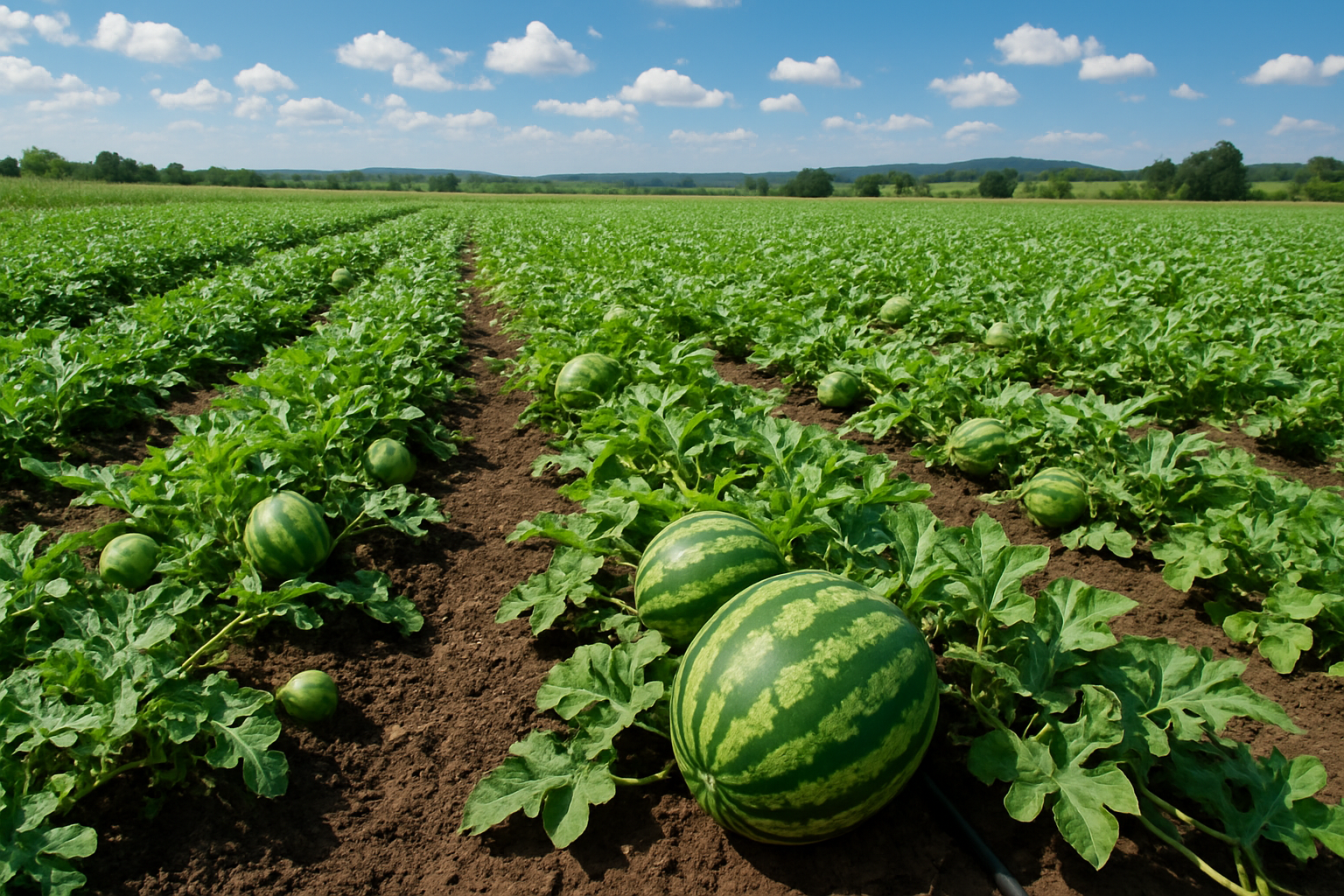
Ideal climate and soil requirements
Watermelons thrive in warm, sunny conditions with temperatures consistently above 70°F (21°C). These heat-loving plants need long, hot summers to develop their signature sweetness and reach full maturity. The optimal temperature range for watermelon cultivation falls between 75-85°F (24-29°C) during the day, with nighttime temperatures staying above 60°F (15°C).
Well-draining soil is absolutely critical for successful watermelon cultivation. These plants prefer sandy loam soil with a pH between 6.0 and 6.8, though they can tolerate slightly more alkaline conditions up to 7.0. Heavy clay soils retain too much moisture and can lead to root rot, while extremely sandy soils drain too quickly and don't hold enough nutrients.
Watermelons require deep, fertile soil rich in organic matter. The root system can extend 4-6 feet deep and spread laterally up to 10 feet, so soil preparation should go beyond surface level. Adding compost, aged manure, or other organic amendments improves soil structure and provides essential nutrients throughout the growing season.
Wind protection is often overlooked but important, especially for young plants. Strong winds can damage vines and stress the plants, reducing fruit production. Choosing a sheltered location or creating windbreaks helps maintain consistent growing conditions.
Seasonal growing patterns worldwide
Watermelon growing seasons vary dramatically based on geographic location and local climate patterns. In the United States, the prime watermelon cultivation season runs from May through September in most regions, with southern states starting earlier and northern areas having shorter growing windows.
Northern regions (USDA zones 3-6):
-
Start seeds indoors: mid-April to early May
-
Transplant outdoors: late May to early June
-
Harvest period: late August to mid-September
Central regions (USDA zones 7-8):
-
Direct seeding: early to mid-May
-
Transplant option: late April to early May
-
Harvest period: mid-July to early September
Southern regions (USDA zones 9-11):
-
Multiple growing seasons possible
-
Spring planting: March to April
-
Fall planting: July to August
-
Year-round cultivation in tropical areas
Countries like Australia, Brazil, and parts of Africa can grow watermelons during their respective warm seasons, which differ from Northern Hemisphere patterns. Mediterranean climates offer excellent conditions for watermelon cultivation from spring through fall.
Time from planting to harvest maturity
Most watermelon varieties require 80-100 days from seed to harvest, though this timeframe varies significantly based on variety, growing conditions, and climate. Early varieties like 'Sugar Baby' can mature in as little as 75 days, while larger varieties such as 'Black Diamond' may need 90-100 days or more.
Several factors influence maturation time:
Variety type:
-
Small/personal watermelons: 70-85 days
-
Medium varieties: 80-95 days
-
Large varieties: 85-105 days
-
Seedless varieties: typically 85-95 days
Environmental conditions:
-
Consistent warmth accelerates growth
-
Cool weather extends maturation time
-
Adequate water and nutrients support faster development
-
Stress from drought or pests can delay ripening
Recognizing harvest readiness requires observing multiple indicators rather than relying solely on days from planting. The ground spot (where the watermelon sits) turns from white to creamy yellow, the tendril nearest the stem dries up, and the fruit produces a deep, hollow sound when thumped.
Space requirements for home gardening
Watermelons demand significant space due to their sprawling vine growth habit. Traditional varieties can spread 6-10 feet in all directions, requiring approximately 50-100 square feet per plant. This extensive space requirement often surprises beginning gardeners who underestimate how much room these plants actually need.
Space planning options:
Traditional hill planting:
-
Plant 2-3 seeds in hills spaced 6-8 feet apart
-
Rows should be 8-10 feet apart
-
Allows natural vine spreading
Intensive spacing:
-
Space plants 3-4 feet apart in rows 6 feet apart
-
Requires more management and pruning
-
Better for limited space situations
Vertical growing:
-
Train vines on strong trellises or fences
-
Support developing fruits with slings
-
Reduces ground space needs significantly
-
Works best with smaller varieties
Container growing:
-
Use containers at least 20 gallons in size
-
Choose compact or dwarf varieties
-
Requires frequent watering and fertilizing
-
Suitable for patios or small gardens
Bush-type or compact varieties like 'Bush Sugar Baby' require less space (about 36 square feet per plant) but typically produce smaller yields. These space-saving options make watermelon cultivation possible even in modest backyard gardens or urban growing spaces.
Proper spacing prevents overcrowding, reduces disease pressure, and ensures adequate sunlight reaches all parts of the plant, resulting in better fruit development and higher yields.
Selection and Storage Tips
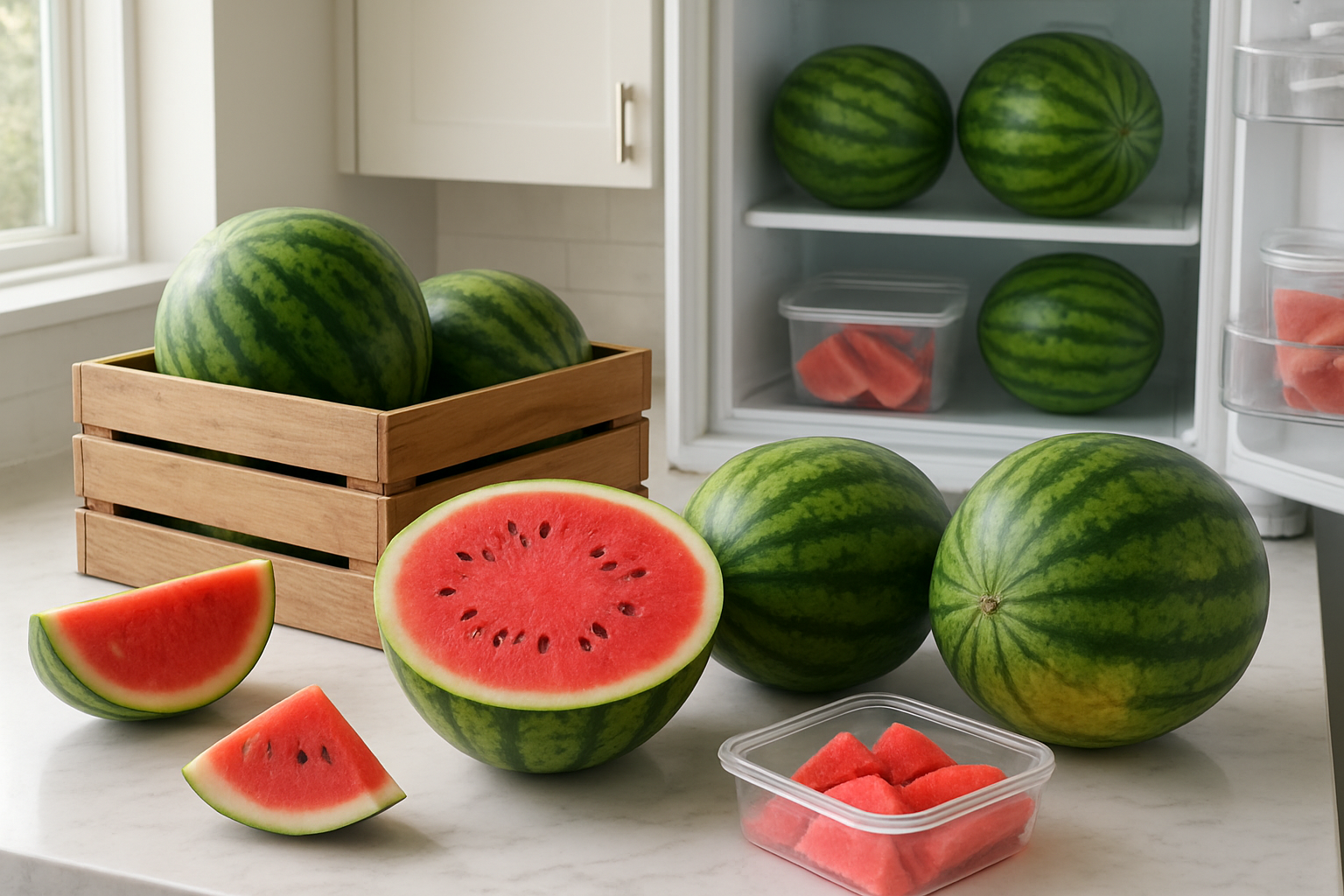
Visual and Auditory Cues for Ripeness
How to choose watermelon starts with mastering the art of visual inspection. A ripe watermelon displays a creamy yellow or orange ground spot where it rested on the soil - this field spot should never be white or pale green. The surface should have a dull, matte finish rather than glossy shine, indicating the fruit has stopped growing and reached maturity.
Look for a watermelon with uniform shape and consistent coloring. Dark green stripes should contrast sharply with lighter green areas, creating well-defined patterns. Brown, web-like markings called "sugar spots" or "bee stings" actually indicate sweetness - these blemishes show where sugar seeped through the rind.
The "thump test" remains the most reliable auditory method for selecting ripe watermelons. Give the watermelon a firm knock with your knuckles. A ripe fruit produces a deep, hollow sound, while unripe ones create a higher-pitched, dull thud. The sound should resonate and feel slightly vibrant under your hand.
Check the stem end for a clean, slightly indented scar where the watermelon separated naturally from the vine. A green, fresh-looking stem suggests premature picking, while a dry, brown stem indicates proper ripeness timing.
Proper Storage Methods for Maximum Freshness
Watermelon storage tips vary significantly depending on whether your fruit is whole or cut. Whole watermelons store best at room temperature before cutting, maintaining their flavor and texture for up to two weeks. Keep them in a cool, dry area away from direct sunlight - temperatures between 50-60°F work perfectly.
Avoid refrigerating whole watermelons unless absolutely necessary, as cold temperatures can break down the flesh and reduce sweetness. However, you can chill whole watermelons for 2-3 hours before serving to achieve that refreshing cool temperature everyone loves.
Once cut, watermelon requires immediate refrigeration. Cover cut surfaces tightly with plastic wrap or store pieces in airtight containers. Cut watermelon absorbs odors easily, so keep it away from strong-smelling foods like onions or fish.
For optimal freshness, store cut watermelon pieces in the coldest part of your refrigerator - usually the back of the main compartment. Place cut-side down on a plate or cutting board, then cover completely. This method prevents moisture loss while maintaining the fruit's crisp texture.
Freezing watermelon works for smoothies and frozen treats, though the texture changes dramatically. Cut into chunks, remove seeds, and freeze in single layers before transferring to freezer bags.
Shelf Life Expectations After Purchase
Whole watermelons typically last 7-14 days at room temperature, depending on ripeness when purchased. Slightly underripe watermelons may improve over 3-5 days of room temperature storage, while perfectly ripe ones should be consumed within a week for peak quality.
Cut watermelon pieces stay fresh in the refrigerator for 3-5 days when properly stored. After this period, the flesh begins breaking down, becoming mushy and losing its characteristic crunch. The natural sugars also start fermenting, creating an off-flavor that signals spoilage.
Signs of deterioration include soft spots, sour or fermented smells, and visible mold growth. The flesh may develop a slimy texture or appear unusually wet. Dark streaks or unusual coloration also indicate spoilage.
Pre-cut watermelon from stores generally has a shorter lifespan - consume within 2-3 days for best quality. These products often include preservatives, but exposure to air during processing reduces overall shelf life.
| Storage Method | Duration | Quality Notes |
|---|---|---|
| Whole, room temperature | 7-14 days | Best for flavor development |
| Whole, refrigerated | 2-3 weeks | Extended life, some texture loss |
| Cut, refrigerated | 3-5 days | Maintain cold temperature |
| Frozen pieces | 6-12 months | Texture changes, good for smoothies |
Properly stored watermelon maintains its watermelon nutrition facts and benefits throughout its shelf life, making smart storage practices essential for maximizing both flavor and nutritional value.
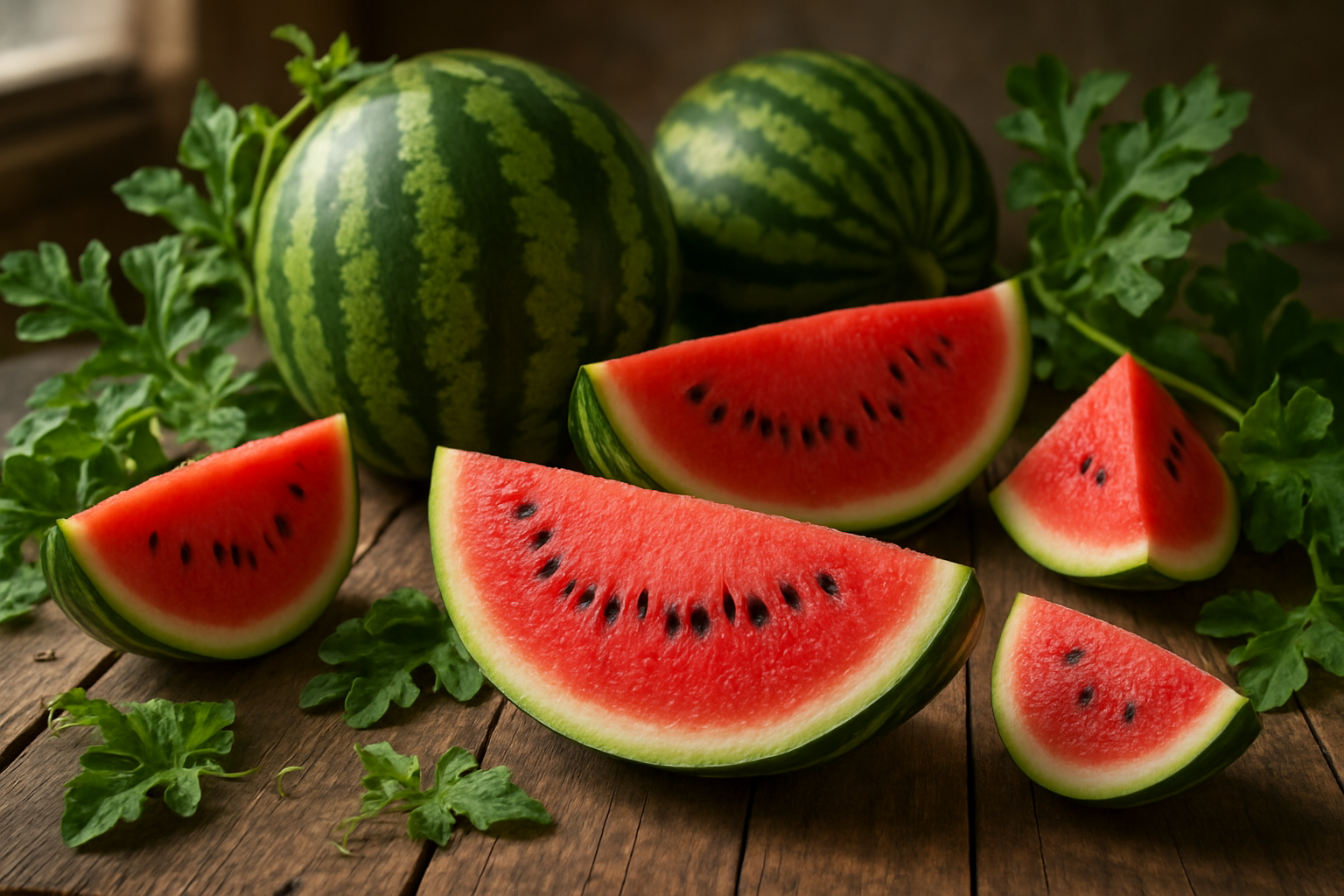
Watermelons are so much more than just a summer snack. These refreshing fruits pack serious nutritional value with their high water content, essential vitamins, and natural antioxidants that support your health in countless ways. From classic red varieties to unique yellow and orange types, there's a watermelon out there for every taste preference. Plus, they're surprisingly easy to grow if you have the right warm conditions and plenty of space.
Next time you're at the grocery store or farmer's market, remember those simple tricks for picking the perfect watermelon - look for that creamy ground spot, give it a good thump, and check that the stem end feels smooth. Store your whole watermelon at room temperature until you're ready to cut it, then keep those juicy slices fresh in the fridge. Whether you're planning to grow your own or just want to enjoy them at their peak, you now have all the knowledge you need to make watermelons a delicious and healthy part of your routine.


.png)
Comments
Post a Comment