Bergamot - What's the Bergamot Orange?
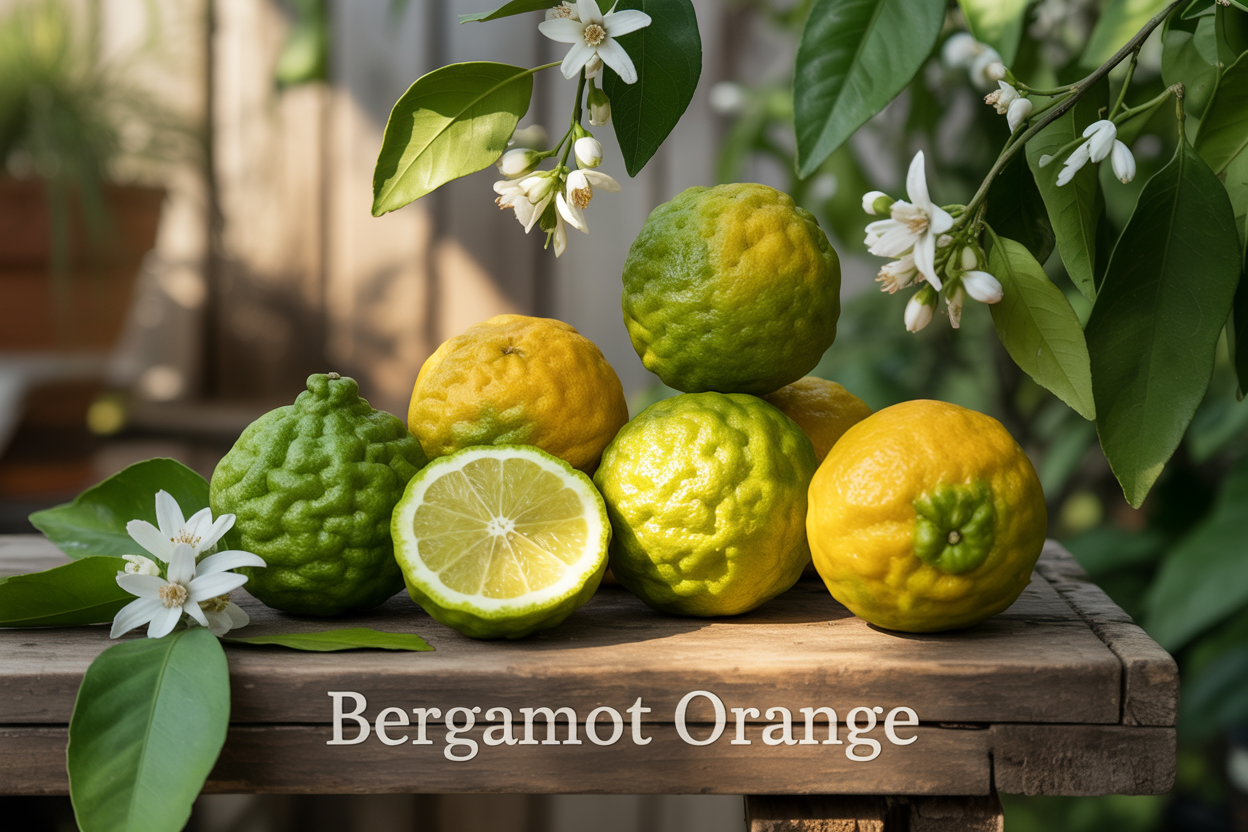
The bergamot orange might look like a regular citrus fruit, but this unique variety packs surprising secrets that most people never discover. If you're curious about what is bergamot, love Earl Grey tea, or want to explore natural wellness options, this small but mighty bergamot citrus fruit deserves your attention.
This guide is perfect for tea enthusiasts, home cooks, health-conscious readers, and anyone interested in specialty citrus fruits and their many applications.
We'll explore the essential basics of bergamot oranges and their distinctive characteristics, dive into the impressive bergamot health benefits and nutritional properties that make this fruit special, and discover how bergamot essential oil and Earl Grey bergamot flavoring have shaped entire industries around this remarkable citrus.
Understanding Bergamot Orange Basics
What Makes Bergamot Different from Regular Oranges
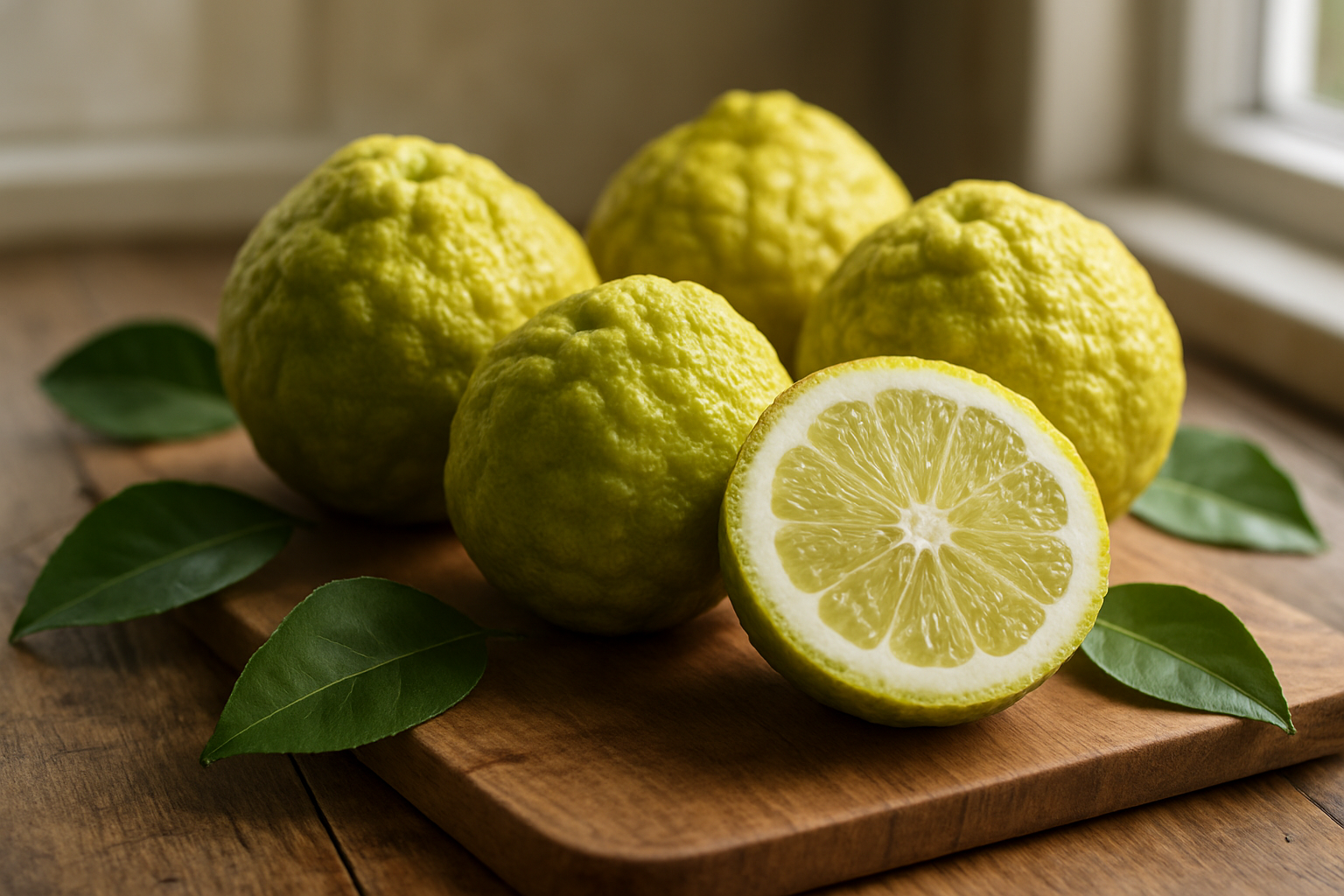
Bergamot orange stands apart from your typical orange in several striking ways. While most people expect sweet, juicy flesh when they bite into an orange, bergamot delivers something completely different. The fruit's pulp is extremely bitter and acidic, making it virtually inedible in its raw form. The real treasure lies in the peel, which contains aromatic oils that give Earl Grey bergamot tea its distinctive flavor.
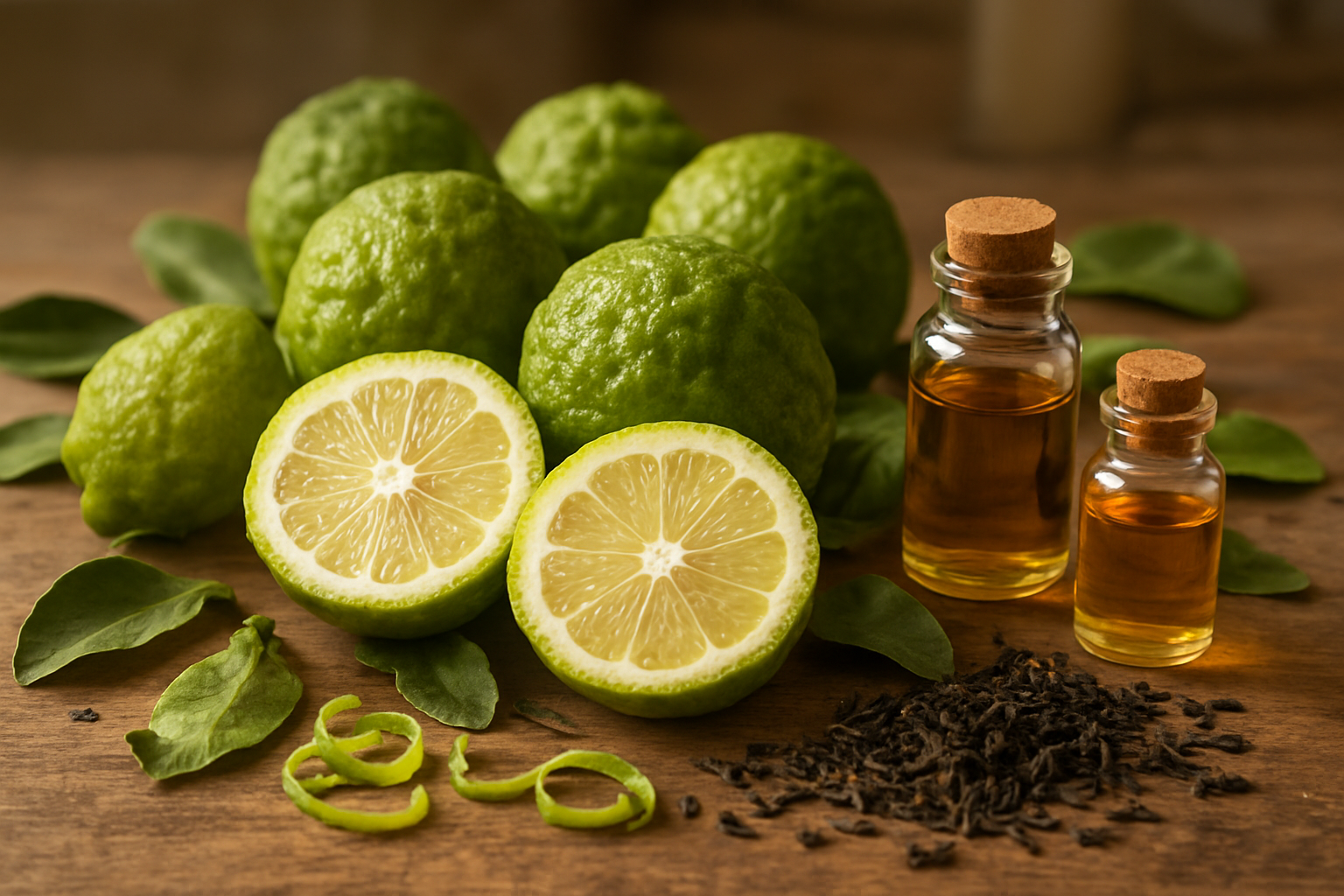
Unlike sweet oranges that ripen to bright orange, bergamot fruit displays a yellow-green color when mature. The skin is much thicker and bumpier than regular oranges, with a rough, textured surface that holds concentrated essential oils. These oils create the signature citrusy, floral aroma that sets bergamot apart from any other citrus fruit.
The growing patterns also differ significantly. While sweet oranges can handle various climates and soil conditions, bergamot citrus fruit requires very specific Mediterranean conditions to thrive. Regular oranges focus their energy on developing sweet, juicy segments, but bergamot concentrates its essential oils in the rind, creating a completely different fruit profile.
Scientific Classification and Botanical Origins
The bergamot orange carries the scientific name Citrus bergamia, placing it firmly within the citrus family Rutaceae. Botanists believe this unique fruit originated as a natural hybrid, likely between bitter orange (Citrus aurantium) and lemon (Citrus limon), though some theories suggest lime ancestry.
The hybrid nature explains many of bergamot's distinctive characteristics. From bitter orange, it inherited the thick, oil-rich peel and hardy growing habits. The lemon influence shows in the fruit's acidity and some aromatic compounds. This genetic combination created something entirely new in the citrus world.
Modern DNA analysis has helped clarify bergamot's family tree, confirming its hybrid status while revealing the complex relationships within citrus genetics. The fruit's botanical classification reflects centuries of natural selection and human cultivation, resulting in a specialized citrus variety that serves completely different purposes than its parent species.
Physical Characteristics and Appearance
Bergamot oranges typically measure 2-3 inches in diameter, smaller than most eating oranges but larger than limes. The fruit's most notable feature is its thick, dimpled rind that ranges from deep green to bright yellow depending on ripeness. Fresh bergamot feels heavier than expected due to the substantial peel thickness.
The surface texture sets bergamot apart immediately. Instead of smooth skin, the fruit displays pronounced bumps and ridges across its surface. These irregularities aren't flaws - they indicate healthy oil gland development beneath the skin. When you scratch the surface gently, aromatic bergamot essential oil releases instantly, creating an unmistakable fragrance.
Inside, the fruit contains 10-12 segments of pale, dry pulp surrounded by thick white pith. The segments hold little juice and taste intensely bitter. The seeds are small, pointed, and often numerous. The real value concentrates in the outer layer of the peel, where specialized oil glands store the precious essential oils that make bergamot commercially valuable.
Geographic Growing Regions and Climate Requirements
The coastal regions of southern Italy, particularly Calabria, produce over 90% of the world's bergamot cultivation. This narrow strip of Mediterranean coastline provides the exact combination of climate conditions that bergamot demands. The warm, dry summers and mild, wet winters create perfect growing conditions that other regions struggle to replicate.
Bergamot trees need specific temperature ranges to thrive. They can't tolerate frost but also suffer in extreme heat above 95°F. The Mediterranean climate provides consistent temperatures between 60-85°F for most of the year. The trees require well-drained soil with good air circulation, which the hillside groves of Calabria naturally provide.
Outside Italy, small bergamot orange plantations exist in southern France, Turkey, and parts of Argentina. However, these regions often produce fruit with different oil compositions than the prized Calabrian variety. The unique terroir of southern Italy - combining specific soil minerals, ocean breezes, and altitude - creates bergamot with the most desirable essential oil profile for commercial use.
Climate change poses growing challenges for bergamot cultivation. Rising temperatures and changing rainfall patterns threaten traditional growing regions, forcing farmers to adapt their practices and explore new cultivation areas that might support this finicky citrus variety.
Health Benefits and Nutritional Properties
Essential Oils and Their Therapeutic Effects
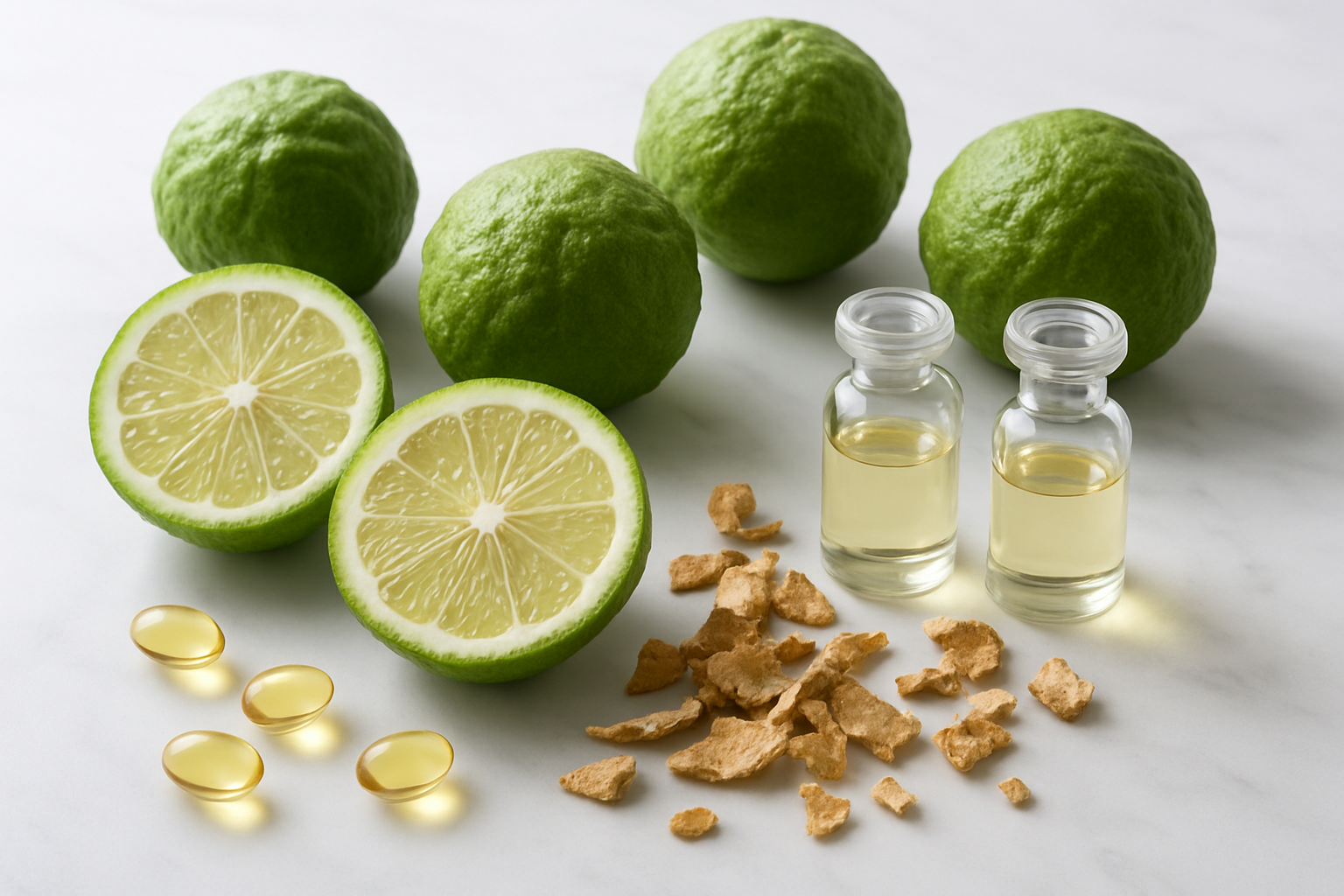
The bergamot orange produces one of the most prized essential oils in aromatherapy and natural medicine. Bergamot essential oil contains powerful compounds like limonene, linalool, and bergapten that create its distinctive therapeutic profile. These bioactive molecules work together to reduce cortisol levels and promote relaxation, making bergamot oil a natural stress-buster.
Research shows that inhaling bergamot essential oil can lower heart rate and blood pressure within minutes. The oil's unique ability to balance mood stems from its interaction with neurotransmitters like serotonin and dopamine. Many people find that diffusing bergamot oil helps combat anxiety and mild depression while boosting mental clarity.
Topically, bergamot essential oil demonstrates antimicrobial properties that help treat skin conditions. The oil's antiseptic qualities make it useful for minor wounds, acne, and eczema when properly diluted. However, bergamot contains photosensitive compounds, so avoid sun exposure after topical application to prevent skin irritation.
Antioxidant Content and Anti-inflammatory Properties
Bergamot citrus fruit packs an impressive array of antioxidants that fight cellular damage and slow aging processes. The fruit contains high levels of vitamin C, flavonoids, and polyphenols that neutralize harmful free radicals in the body. These antioxidants work particularly well together, creating what scientists call a synergistic effect.
The flavonoids in bergamot, especially naringin and neohesperidin, show remarkable anti-inflammatory activity. Studies indicate these compounds can reduce inflammatory markers in the blood, potentially lowering the risk of chronic diseases like heart disease and diabetes. The bergamot's unique polyphenol profile also supports cardiovascular health by improving blood vessel function.
Regular consumption of bergamot-containing products may help protect against oxidative stress that contributes to cancer development. The fruit's antioxidant capacity rivals that of other citrus fruits while offering additional compounds not found in oranges or lemons.
Digestive Health and Metabolism Support
Bergamot offers significant benefits for digestive wellness and metabolic function. The fruit's natural oils stimulate digestive enzyme production, helping break down fats and proteins more efficiently. This makes bergamot tea flavoring not just delicious but also functional for post-meal digestion.
The citrus contains compounds that support healthy gut bacteria while suppressing harmful microorganisms. This prebiotic-like effect helps maintain intestinal balance and may reduce bloating, gas, and digestive discomfort. Bergamot's gentle carminative properties make it particularly useful for settling upset stomachs.
Recent studies reveal that bergamot extract can positively influence cholesterol levels and blood sugar regulation. The fruit's bioactive compounds help improve insulin sensitivity and may support weight management efforts. These bergamot health benefits make it a valuable addition to metabolic health protocols, especially when combined with a balanced diet and regular exercise.
Culinary Uses and Flavor Profile
Traditional Applications in Italian Cuisine
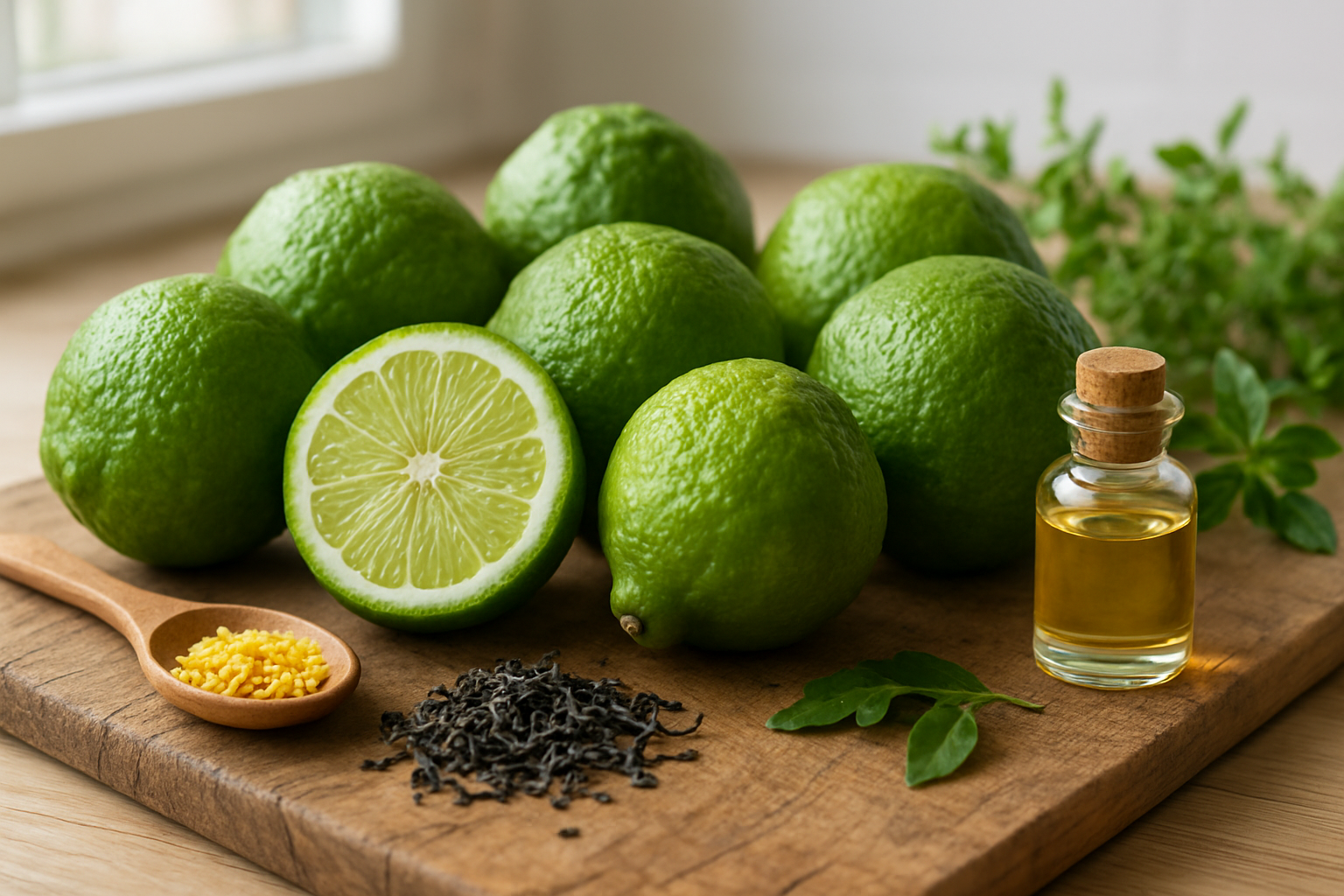
Bergamot orange holds deep roots in Southern Italian cooking, particularly in the Calabria region where it grows naturally. Local chefs have long treasured this unique citrus fruit for its distinctive aromatic qualities that can't be replicated by any other ingredient. Traditional Calabrian recipes feature bergamot zest in rich pasta sauces, where its floral notes balance hearty ingredients like anchovies and garlic.
The fruit appears prominently in regional desserts, especially in marmalades and candied peels that grace holiday tables. Italian bakers incorporate bergamot essential oil into biscotti and sweet breads, creating treats with an unmistakable Mediterranean character. These time-honored recipes showcase how bergamot citrus fruit adds complexity without overwhelming other flavors.
Tea Blending and Earl Grey Connection
Earl Grey bergamot represents one of the most famous partnerships in the tea world. This beloved blend emerged in the 1830s when bergamot essential oil transformed ordinary black tea into something extraordinary. The oil's bright, citrusy notes with subtle floral undertones create the signature flavor that tea enthusiasts recognize instantly.
Modern tea blenders experiment with bergamot in various combinations beyond the classic Earl Grey. Green teas infused with bergamot offer a lighter, more delicate experience, while rooibos blends provide caffeine-free options. Quality bergamot tea flavoring requires precise extraction methods to capture the fruit's volatile compounds without creating bitterness.
The oil concentration matters greatly - too little leaves the tea bland, while excess amounts create an overpowering soapy taste. Master blenders understand that bergamot's intensity varies with growing conditions and extraction methods, requiring careful adjustment of ratios.
Zest and Juice Usage in Modern Cooking
Contemporary chefs prize bergamot for its versatility in both sweet and savory applications. The zest delivers concentrated flavor without the juice's tartness, making it perfect for finishing dishes. Modern cooking techniques like spherification and molecular gastronomy showcase bergamot's unique properties, creating unexpected textures and flavor releases.
Bergamot juice works beautifully in vinaigrettes, where its acidity rivals traditional citrus fruits while offering floral complexity. Cocktail mixologists have embraced bergamot syrups and fresh juice for craft drinks that stand apart from standard lemon or lime-based recipes.
Professional kitchens often use bergamot in reduction sauces for seafood, where its perfumed notes complement delicate fish without masking natural flavors. The fruit's natural oils also infuse into olive oil preparations, creating finishing oils for vegetables and grilled meats.
Pairing Suggestions with Other Ingredients
Bergamot orange uses extend far beyond solo applications when paired thoughtfully with complementary ingredients. Dark chocolate and bergamot create magical combinations, with the citrus brightening rich cocoa while the chocolate grounds bergamot's sometimes ethereal quality.
| Ingredient Category | Best Bergamot Pairings | Flavor Result |
|---|---|---|
| Proteins | Salmon, duck, lamb | Cuts richness, adds brightness |
| Herbs | Thyme, rosemary, mint | Enhanced aromatics |
| Fruits | Pears, apples, berries | Complex fruit salads |
| Spices | Vanilla, cardamom, ginger | Warm, exotic notes |
Fresh herbs like thyme and rosemary amplify bergamot's natural aromatics, creating layered fragrance profiles in marinades and rubs. The citrus pairs surprisingly well with warming spices - cardamom and bergamot together evoke Middle Eastern and Indian flavor traditions.
Dairy products provide excellent carriers for bergamot's essential oils. Cream-based sauces, ice creams, and soft cheeses all benefit from bergamot's perfumed touch. The key lies in restraint - bergamot should enhance rather than dominate these delicate partnerships.
Commercial Applications and Industries

Perfume and Fragrance Industry Usage
The perfume industry has treasured bergamot orange for centuries, making it one of the most valuable ingredients in high-end fragrances. Bergamot essential oil provides that distinctive bright, citrusy top note that opens many classic and contemporary perfumes. Major fragrance houses like Chanel, Dior, and Tom Ford regularly feature bergamot in their signature scents because of its unique ability to blend fresh citrus with subtle floral undertones.
What is bergamot's role in fragrance creation? It acts as a natural bridge between different scent families, smoothing the transition from bright top notes to deeper heart notes. This bergamot citrus fruit oil evaporates relatively quickly, creating that initial burst of freshness that draws people in. Master perfumers often use bergamot alongside other citrus oils like lemon and orange, but bergamot's complex profile - which includes hints of lavender and mint - sets it apart from simpler citrus ingredients.
The global fragrance market consumes approximately 2,000 tons of bergamot essential oil annually, with Italy's Calabria region supplying about 90% of the world's premium bergamot. Cold-pressed bergamot oil commands premium prices, often selling for $200-400 per kilogram to fragrance manufacturers.
Cosmetic and Skincare Product Integration
Skincare brands increasingly incorporate bergamot orange extracts into their formulations, capitalizing on both its aromatic properties and potential skin benefits. The bergamot citrus fruit contains natural compounds like bergapten and limonene that manufacturers believe offer antibacterial and antioxidant properties.
Premium skincare lines feature bergamot in:
-
Facial cleansers - for its purifying and refreshing qualities
-
Body lotions - combining moisturizing benefits with uplifting scent
-
Anti-aging serums - utilizing bergamot's antioxidant compounds
-
Acne treatments - leveraging its antibacterial properties
-
Aromatherapy-infused products - for stress relief and mood enhancement
However, skincare manufacturers must carefully formulate bergamot-containing products. Raw bergamot essential oil can cause photosensitivity, leading to skin reactions when exposed to sunlight. Reputable companies either use bergaptene-free bergamot oil or include sun protection warnings on their products.
Aromatherapy and Essential Oil Production
The aromatherapy industry relies heavily on bergamot essential oil for its mood-enhancing and stress-reducing properties. Essential oil producers extract bergamot oil through cold-pressing the fruit's peel, yielding approximately 0.3-0.5% oil by weight of fresh fruit.
Earl Grey bergamot connection extends beyond tea into aromatherapy applications. The same bergamot variety used for Earl Grey tea flavoring appears in diffuser blends, massage oils, and therapeutic treatments. Aromatherapists frequently recommend bergamot for:
| Application | Bergamot Benefits |
|---|---|
| Stress Relief | Reduces cortisol levels and promotes relaxation |
| Sleep Support | Calms nervous system for better rest |
| Mood Enhancement | Natural antidepressant properties |
| Focus Improvement | Mental clarity and concentration |
Professional aromatherapy suppliers offer different bergamot grades:
-
FCF (Furocoumarin-Free) bergamot for topical applications
-
Whole bergamot oil for diffusion and inhalation
-
Organic certified bergamot for premium therapeutic use
The essential oil market for bergamot generates over $150 million annually, with growing demand from wellness centers, spas, and home aromatherapy enthusiasts driving consistent market expansion.
Growing and Harvesting Information
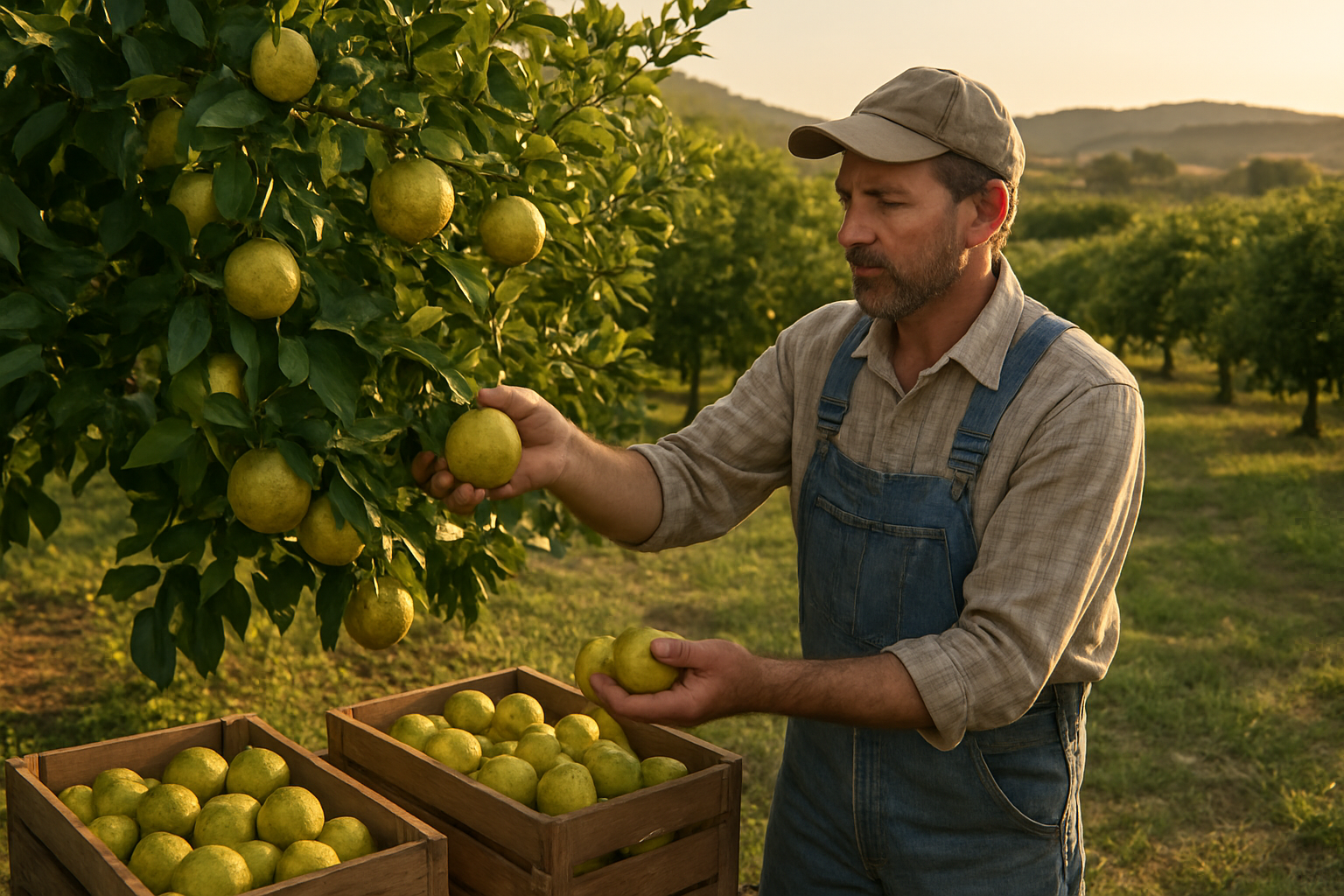
Optimal Growing Conditions and Soil Requirements
Bergamot orange thrives in Mediterranean climates where temperatures stay between 60-85°F year-round. These citrus trees need protection from frost, as temperatures below 28°F can damage or kill the plant. The ideal growing zones are USDA hardiness zones 9-11, though container growing allows cultivation in cooler regions with proper winter protection.
The soil requirements for bergamot cultivation are quite specific. Well-draining, slightly acidic soil with a pH between 6.0-6.8 works best. The soil should be rich in organic matter, with good aeration to prevent root rot. Sandy loam or clay loam soils amended with compost provide the perfect foundation. Avoid heavy clay or waterlogged conditions, as bergamot citrus fruit trees are particularly sensitive to standing water.
Full sun exposure for at least 6-8 hours daily is essential for proper fruit development and essential oil production. Wind protection helps prevent damage to branches and reduces water stress. Consistent moisture levels throughout the growing season support healthy growth, but the soil must never become soggy.
Seasonal Harvesting Timeline and Methods
Bergamot orange harvesting follows a precise seasonal schedule that directly impacts the quality of bergamot essential oil. The primary harvest season runs from October through February in the Northern Hemisphere, with peak ripeness typically occurring between November and January.
The timing of harvest significantly affects the fruit's characteristics:
| Harvest Period | Fruit Characteristics | Best Uses |
|---|---|---|
| Early (October) | Higher acidity, intense aroma | Essential oil production |
| Mid-season (November-December) | Balanced flavor, optimal oil content | Earl Grey bergamot flavoring |
| Late (January-February) | Lower acidity, milder scent | Culinary applications |
Traditional harvesting methods involve hand-picking to avoid damaging the delicate rind, which contains the precious essential oils. Workers carefully twist and pull ripe fruits, ensuring the oil glands in the peel remain intact. The fruits should be harvested when they reach full size but before complete color change, maintaining the highest concentration of aromatic compounds.
Commercial operations often use mechanical aids like pneumatic shears or specialized harvesting equipment, but hand-harvesting remains preferred for premium bergamot essential oil production.
Home Cultivation Tips and Container Growing
Growing bergamot orange in containers opens up possibilities for gardeners in cooler climates. Choose dwarf or semi-dwarf varieties that adapt well to restricted root space. A container at least 20-24 inches in diameter and equally deep provides adequate space for root development.
Use a high-quality citrus potting mix with excellent drainage properties. Add perlite or coarse sand to improve aeration if needed. Position containers where they'll receive maximum sunlight, and rotate them regularly to ensure even growth.
Watering container-grown bergamot requires careful attention. Check soil moisture daily during growing season, watering when the top inch feels dry. Reduce watering frequency during winter months but never let the soil become completely dry.
Fertilize every 4-6 weeks during the growing season with a citrus-specific fertilizer that includes micronutrients like iron and zinc. Watch for yellowing leaves, which often indicates nutrient deficiencies or watering issues.
Winter protection is critical in zones below 9. Move containers to protected areas like unheated garages or greenhouses when temperatures drop below 50°F. Some gardeners successfully overwinter their bergamot cultivation indoors near sunny windows, though growth may slow considerably. Pruning in late winter helps maintain manageable size and promotes healthy new growth for the coming season.
Bergamot orange stands out as one of nature's most versatile and beneficial citrus fruits. From its impressive health benefits and unique nutritional profile to its distinctive flavor that enhances both culinary creations and commercial products, this Mediterranean gem offers something special for everyone. Whether you're interested in its antioxidant properties, looking to experiment with its floral citrus notes in cooking, or simply curious about how it makes its way from tree to table, bergamot proves itself as more than just the signature ingredient in Earl Grey tea.
Next time you encounter bergamot in any form - from essential oils to gourmet recipes - you'll have a deeper appreciation for this remarkable fruit. Consider exploring bergamot-infused products at your local market or specialty store, and don't hesitate to experiment with bergamot oil or zest in your own kitchen adventures. This small but mighty citrus fruit deserves a place in your wellness routine and culinary repertoire.


.png)
Comments
Post a Comment