Black Currants - What are Black Currants?
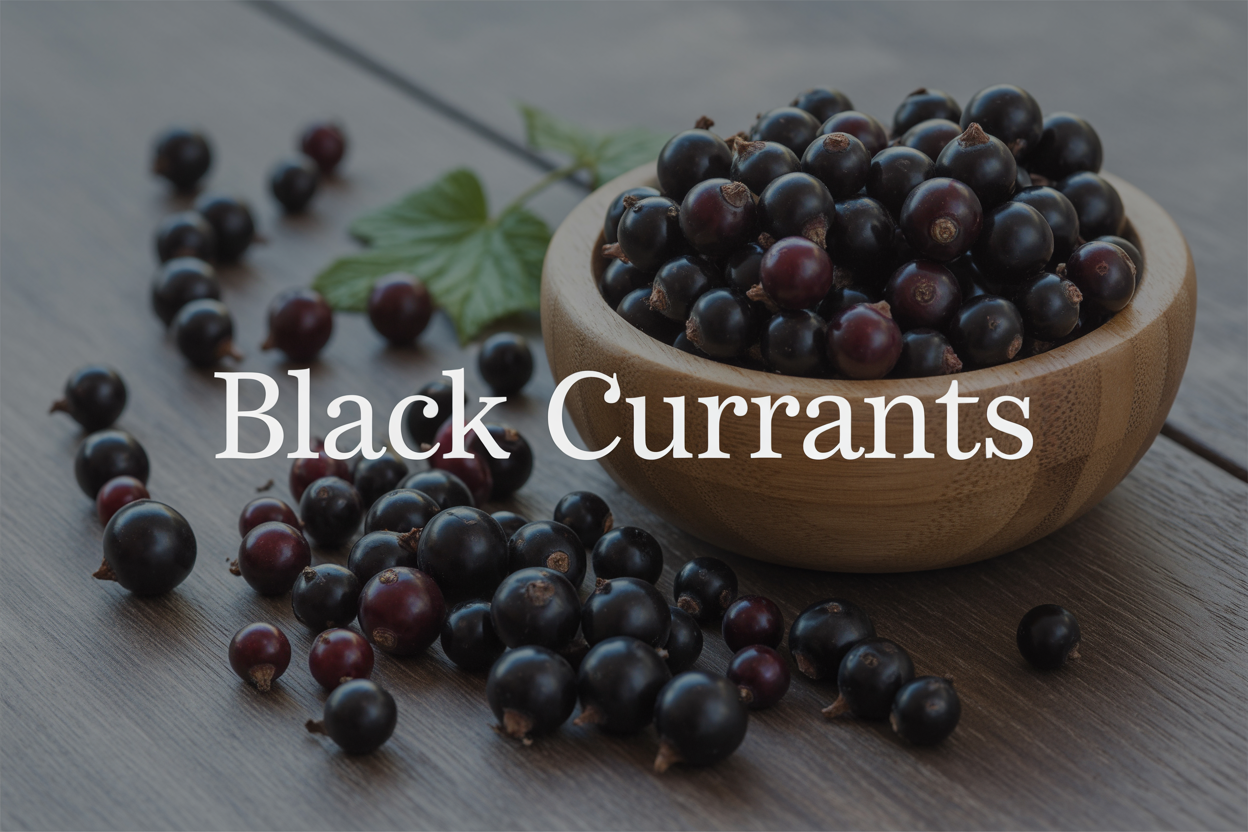
Black currants are small, dark purple berries packed with more vitamin C than oranges and antioxidants that make them a true superfruit. If you're curious about these nutrient-dense berries but aren't sure what makes them special, you've come to the right place.
This guide is perfect for health-conscious food lovers, home gardeners interested in growing their own superfruits, and anyone wanting to add more nutritional power to their diet.
We'll explore what are black currants and why they deserve superfruit status, dive into their impressive black currant nutrition facts and health benefits, and share practical tips for growing black currants in your own garden. You'll also discover creative black currant recipes that let you enjoy these antioxidant-rich berries in everything from jams to smoothies.
Understanding Black Currants as a Superfruit
Botanical classification and plant characteristics
Black currants belong to the genus Ribes in the Grossulariaceae family, specifically classified as Ribes nigrum. These deciduous shrubs are native to northern and central Europe and northern Asia, thriving in cooler climates where they've adapted to harsh winters and moderate summers.
The plants typically grow 4-6 feet tall and wide, forming dense, multi-stemmed bushes with a spreading habit. Their woody stems are smooth when young but develop rough, grayish-brown bark as they mature. The root system is shallow but extensive, making them excellent at absorbing nutrients from the top layers of soil.
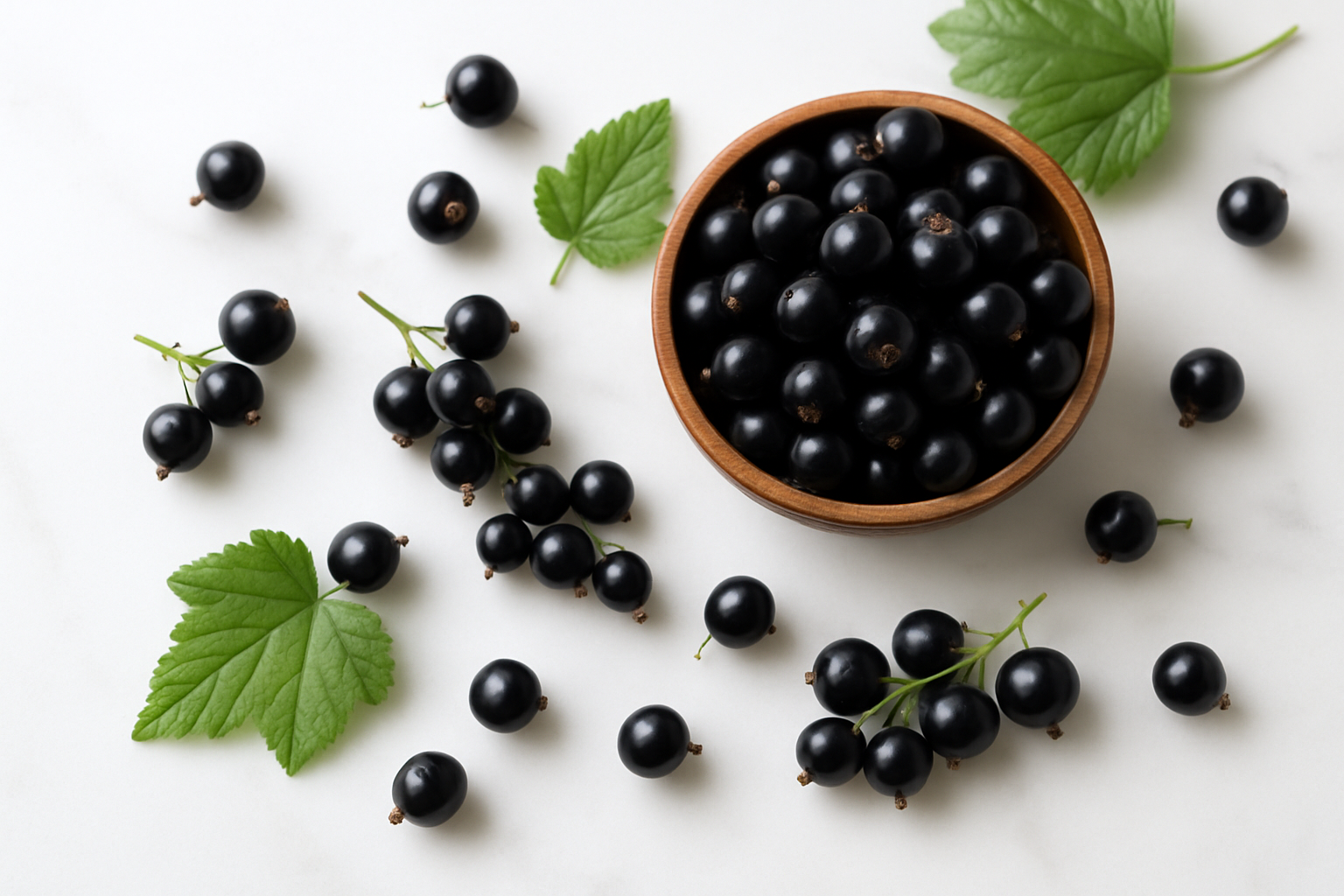
Black currant leaves are deeply lobed with 3-5 pointed segments, measuring 2-4 inches across. They have a distinctive aromatic quality - crushing the leaves releases a strong, musky fragrance that's unmistakably black currant. This scent comes from natural oils in the foliage that also help deter certain pests.
The flowering period occurs in late spring, producing drooping clusters of small, greenish-white to pinkish flowers called racemes. Each raceme contains 5-10 individual flowers that are relatively inconspicuous but essential for fruit production. The plants are self-fertile, meaning they don't require cross-pollination, though having multiple varieties can increase yields.
Visual identification and distinguishing features
What are black currants visually? The berries themselves are the most recognizable feature - small, round fruits about 1/4 to 1/2 inch in diameter with a deep purple-black color when fully ripe. Unlike their red currant cousins, black currants have a distinctive "tail" or dried calyx at the bottom opposite the stem end.
The fruit clusters hang in pendulous racemes of 8-12 berries each, making harvesting relatively straightforward. Fresh black currants have a glossy, almost jewel-like appearance with thin but tough skin that contains the majority of beneficial compounds.
Key identifying characteristics include:
-
Leaf shape: Distinctive 3-5 lobed leaves with serrated edges
-
Aroma: Strong, musky scent when leaves or stems are crushed
-
Berry color: Deep purple-black when ripe (not truly black)
-
Growth habit: Dense, upright shrub formation
-
Flower arrangement: Drooping clusters of small, pale flowers
The black currant superfruit can sometimes be confused with other dark berries, but their unique combination of size, clustering pattern, and intense aroma sets them apart from elderberries, blackberries, or blueberries.
Seasonal growing patterns and harvest timing
Black currants follow a predictable seasonal cycle that directly impacts when you can enjoy these nutritional powerhouses. The growing season begins in early spring when buds break dormancy, typically in March or April depending on your climate zone.
Flowering occurs 4-6 weeks after bud break, usually in late April through May. The small flowers are pollinated by insects, though wind can also play a role. Fruit development takes approximately 70-100 days from flowering to harvest, with timing heavily dependent on weather conditions and variety.
Harvest timing varies by region:
| Region | Typical Harvest Period | Peak Season |
|---|---|---|
| Northern Europe | July - August | Mid-July |
| North America (Zones 3-6) | July - September | Late July |
| Cooler Climates | August - September | Mid-August |
The berries don't all ripen simultaneously - they develop over 2-3 weeks, allowing for extended harvesting. Early varieties like 'Boskoop Giant' ripen in mid-July, while later varieties such as 'Baldwin' may not be ready until August.
Proper harvest timing is crucial for maximizing the black currant antioxidants and black currant vitamin C content. Berries should be fully colored and slightly soft to the touch, but not mushy. They'll continue developing sugars and beneficial compounds right up until peak ripeness, making patience key to getting the full black currant benefits these remarkable fruits offer.
Nutritional Powerhouse Benefits of Black Currants
High Vitamin C Content Surpassing Citrus Fruits
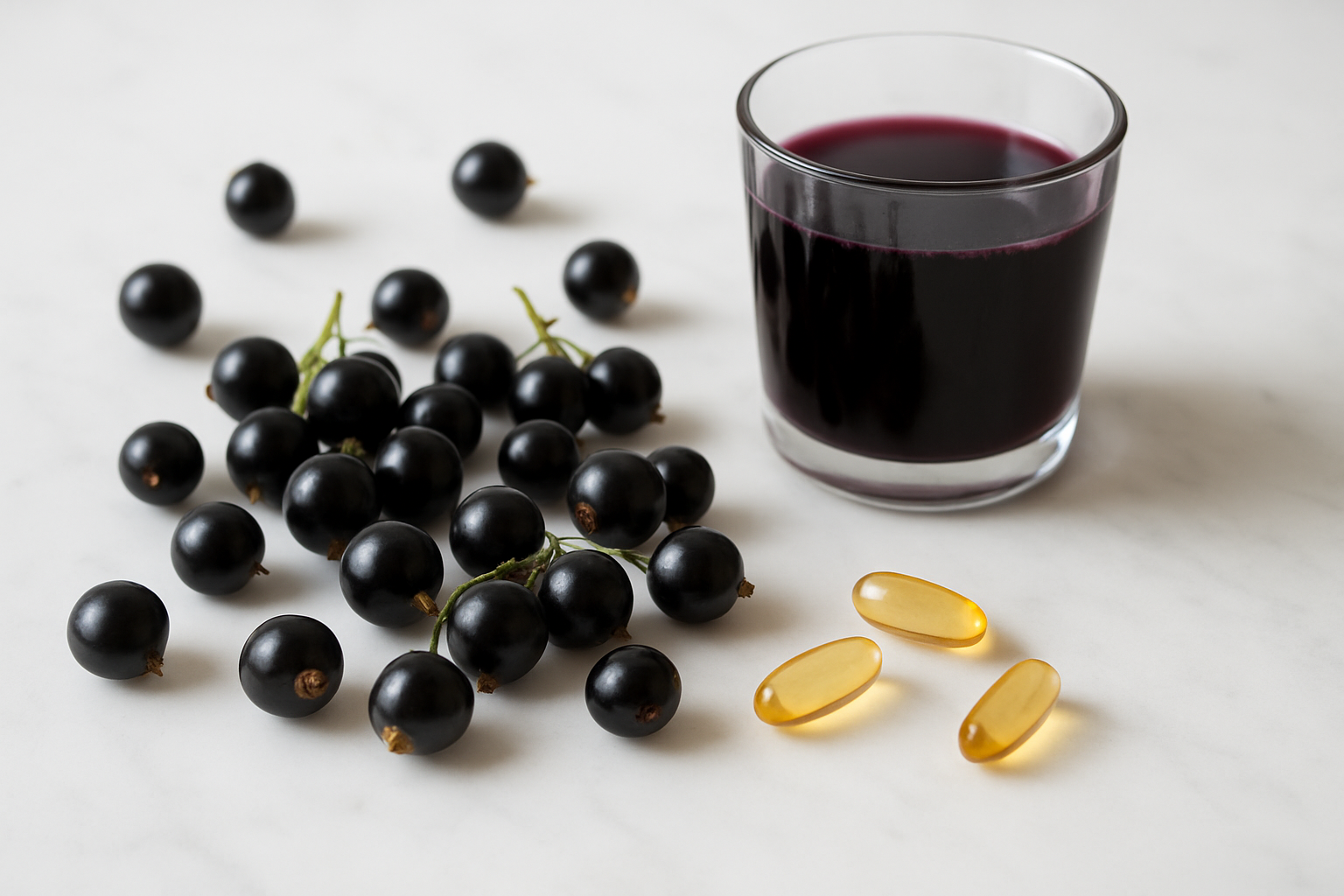
Black currants pack an incredible vitamin C punch that leaves oranges and lemons in the dust. A single 100-gram serving delivers roughly 180-200mg of vitamin C - that's about three times more than what you'd get from the same amount of fresh orange. This impressive vitamin C concentration makes black currants one of the most potent natural sources available.
Your immune system absolutely thrives on this vitamin C boost. Unlike synthetic supplements, the natural vitamin C in black currant nutrition facts comes bundled with complementary compounds that enhance absorption and effectiveness. Fresh berries retain the highest levels, though frozen varieties still maintain substantial amounts throughout the year.
Antioxidant Properties and Anthocyanin Levels
The deep purple-black color of these berries signals an extraordinary concentration of anthocyanins - powerful antioxidants responsible for their striking appearance. Black currant antioxidants contain four main types of anthocyanins, with delphinidin and cyanidin leading the charge against free radical damage.
Research shows that black currants contain some of the highest anthocyanin levels found in any berry. These compounds work like tiny shields, protecting your cells from oxidative stress and inflammation. The antioxidant activity in black currants measures significantly higher than blueberries, strawberries, and most other commonly consumed fruits.
Essential Minerals and Fiber Content
Beyond vitamins and antioxidants, black currant benefits extend to essential minerals that support various body functions. Potassium helps regulate blood pressure and heart function, while manganese supports bone health and metabolism. Iron content, though modest, contributes to healthy blood formation.
The fiber content in black currants provides both soluble and insoluble varieties. This combination supports digestive health, helps stabilize blood sugar levels, and promotes feelings of fullness. A 100-gram serving provides approximately 6-7 grams of dietary fiber.
| Mineral | Amount per 100g | Daily Value % |
|---|---|---|
| Potassium | 322mg | 9% |
| Manganese | 0.3mg | 13% |
| Iron | 1.5mg | 8% |
Low Calorie Profile for Weight Management
Black currants offer impressive nutritional density while maintaining a remarkably low calorie count. With only 63 calories per 100-gram serving, they deliver maximum nutrition without derailing weight management goals. The natural sugars present provide quick energy without causing dramatic blood sugar spikes.
The combination of high fiber content and low calories creates a perfect storm for satiety. You can enjoy substantial portions of fresh black currants while staying within reasonable caloric limits. Their natural sweetness can satisfy sugar cravings in a much healthier way than processed alternatives, making them an excellent choice for anyone focused on maintaining or losing weight while still getting black currant health benefits.
Health Benefits That Transform Your Wellbeing
Immune System Strengthening Properties
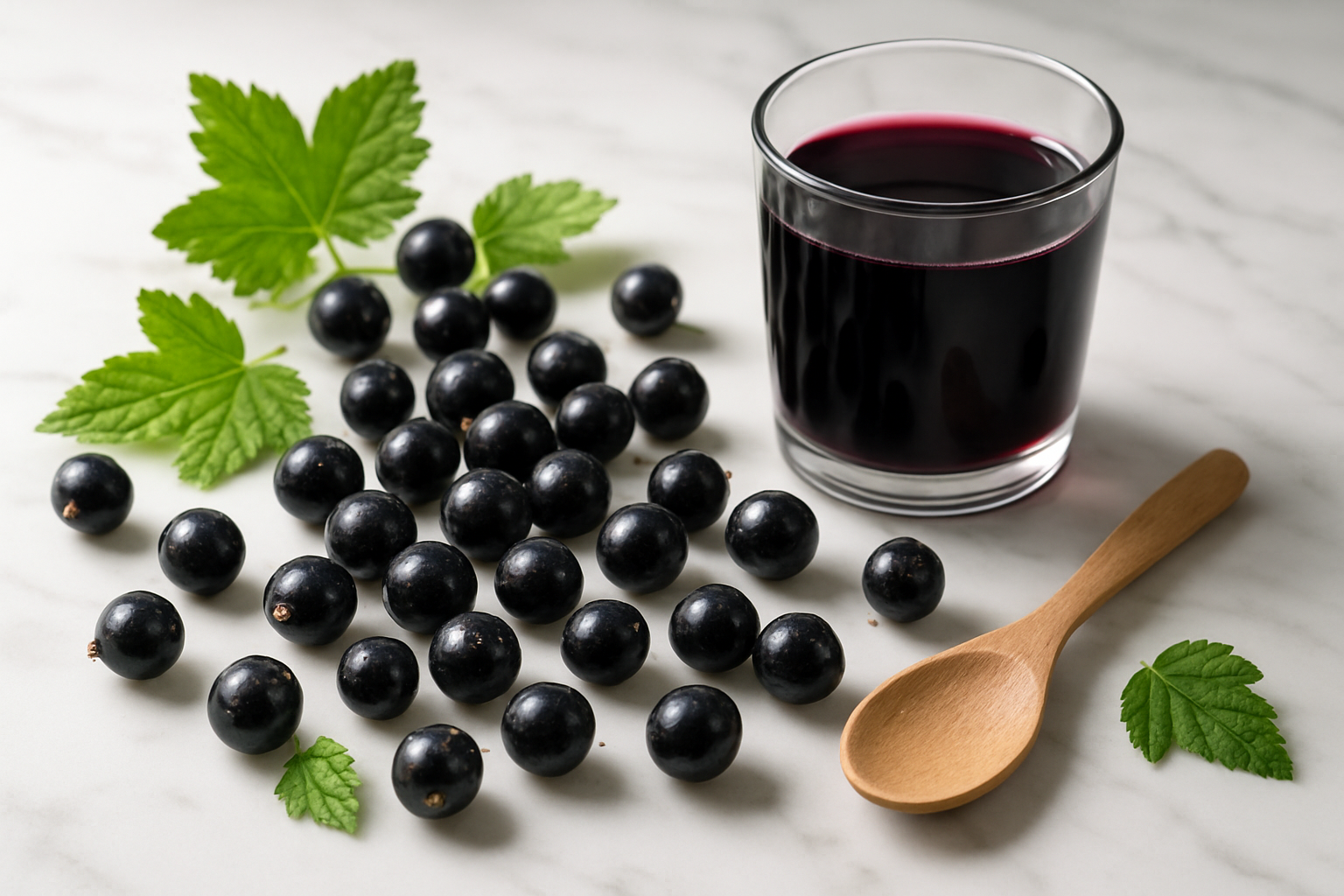
Black currants pack an incredible punch when it comes to boosting your immune defenses. These tiny powerhouses contain exceptionally high levels of vitamin C – nearly four times more than oranges. A single serving provides over 300% of your daily vitamin C needs, making black currant benefits particularly valuable during cold and flu season.
The anthocyanins responsible for their deep purple color act as potent black currant antioxidants, neutralizing harmful free radicals that can weaken immune function. Research shows that regular consumption of black currants can increase the production of white blood cells and enhance the activity of natural killer cells, your body's first line of defense against infections.
These berries also contain gamma-linolenic acid (GLA), an omega-6 fatty acid that supports immune regulation. This compound helps balance inflammatory responses and maintains optimal immune system function without triggering unwanted reactions.
Eye Health Improvement and Vision Protection
Your eyes receive remarkable protection from the anthocyanins found in black currants. These compounds directly support retinal health by strengthening blood vessels in the eyes and improving circulation to delicate eye tissues. Studies demonstrate that people who regularly consume anthocyanin-rich foods like black currants experience less eye fatigue and better night vision.
The berries contain lutein and zeaxanthin, two carotenoids that accumulate in the macula and act as natural sunglasses, filtering harmful blue light. Regular intake can slow age-related macular degeneration and reduce the risk of cataracts.
Black currant extract has shown particular promise for people who spend long hours looking at screens. The compounds help reduce digital eye strain and maintain healthy tear production, keeping eyes comfortable and well-lubricated throughout demanding visual tasks.
Anti-inflammatory Effects on the Body
Chronic inflammation underlies many modern health challenges, and black currants offer powerful natural relief. The berry's unique combination of anthocyanins and polyphenols works to reduce inflammatory markers throughout the body, including C-reactive protein and interleukin-6.
These anti-inflammatory properties extend to joint health, where black currant seed oil has demonstrated ability to reduce stiffness and improve mobility in people with arthritis. The GLA content specifically targets inflammatory pathways involved in joint pain and swelling.
Athletes and active individuals particularly benefit from black currants' ability to reduce exercise-induced inflammation and speed recovery times. The berries help minimize muscle soreness and oxidative stress that occurs during intense physical activity.
Cardiovascular Health Support
Black currant health benefits extend significantly to heart health through multiple mechanisms. The anthocyanins help relax blood vessels, improving circulation and reducing blood pressure. Regular consumption has been linked to improved arterial flexibility and reduced risk of cardiovascular events.
These berries also support healthy cholesterol levels by preventing the oxidation of LDL cholesterol, which is a key factor in arterial plaque formation. The potassium content helps regulate heart rhythm and maintain healthy blood pressure levels.
Research indicates that black currant consumption can improve endothelial function – the ability of blood vessels to dilate and contract properly. This enhanced vascular function reduces the workload on your heart and promotes optimal circulation throughout your body.
Cognitive Function Enhancement
Your brain receives substantial benefits from the neuroprotective compounds in black currants. The anthocyanins cross the blood-brain barrier, where they protect neurons from oxidative damage and support healthy brain aging. Studies show improved memory formation and recall in people who regularly consume anthocyanin-rich berries.
Black currants appear to enhance cognitive flexibility and processing speed, particularly in tasks requiring attention and concentration. The berries support healthy blood flow to the brain, ensuring optimal oxygen and nutrient delivery to neural tissues.
The anti-inflammatory properties also benefit brain health by reducing neuroinflammation, which is associated with cognitive decline and neurodegenerative diseases. Regular consumption may help maintain mental sharpness and support long-term brain health as you age.
Culinary Uses and Delicious Applications
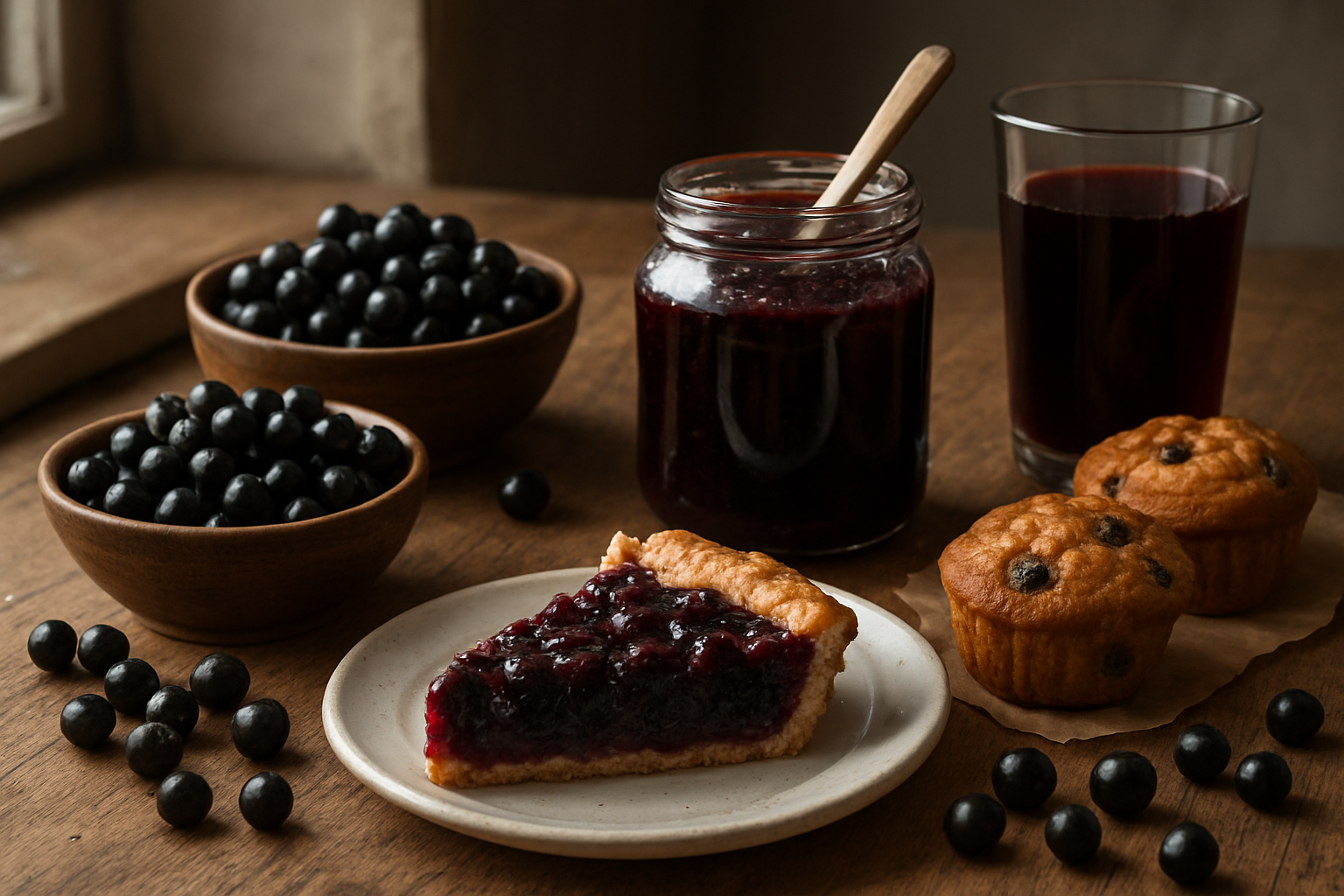
Fresh Eating and Raw Consumption Tips
Black currants pack a powerful punch when eaten fresh, though their intense tartness might surprise first-time tasters. These deep purple berries deliver concentrated flavor that's both sweet and astringent. Start with small amounts to let your palate adjust to their bold taste profile.
Choose plump, glossy berries that feel firm to the touch. Avoid any that look shriveled or have soft spots. Fresh black currants work wonderfully mixed into fruit salads, where their tartness balances sweeter fruits like strawberries or peaches. Try sprinkling them over yogurt or oatmeal for a nutritional boost.
Before eating, rinse the berries gently under cold water and remove any stems. Some people prefer to lightly crush a few berries with a fork to release their juices, making them easier to enjoy. Pairing fresh black currants with a drizzle of honey or maple syrup can help newcomers appreciate their unique flavor.
Baking and Dessert Incorporation Methods
Black currants transform ordinary baked goods into extraordinary treats. Their intense flavor holds up beautifully against heat, making them perfect for muffins, scones, and quick breads. Unlike other berries that might lose their punch when baked, black currants maintain their distinctive taste.
For best results in baking, lightly coat the berries in flour before folding them into batters. This prevents them from sinking to the bottom during baking. Black currant muffins pair exceptionally well with lemon zest or vanilla extract, creating complex flavor profiles.
Consider these popular baking applications:
-
Cheesecakes: Swirl black currant puree through the batter for beautiful marbling
-
Tarts: Create stunning black currant tarts with pastry cream bases
-
Cookies: Add dried black currants to oatmeal or shortbread cookies
-
Cakes: Layer black currant compote between cake layers
The berries also shine in traditional European desserts like clafoutis or crumbles, where their tartness cuts through rich, buttery preparations.
Jam, Jelly, and Preserve Preparation
Making black currant preserves captures their intense flavor for year-round enjoyment. These berries contain natural pectin, making them ideal for jam-making without additional thickening agents. The high pectin content means your preserves will set beautifully with minimal effort.
Start with equal parts black currants and sugar, though you can adjust sweetness to taste. Combine the berries with sugar and let them sit for 30 minutes to release their juices. Cook over medium heat, stirring regularly until the mixture reaches the gel point (220°F on a candy thermometer).
Black currant jelly requires straining the cooked fruit through cheesecloth or a fine mesh strainer, resulting in a clear, jewel-toned preserve. This process takes patience but produces elegant results perfect for gift-giving.
Basic Black Currant Jam Recipe:
-
2 pounds fresh black currants
-
2 pounds granulated sugar
-
Juice of 1 lemon
Popular preserve variations include adding ginger for warmth, orange zest for brightness, or port wine for sophistication. Properly canned black currant preserves keep for up to two years.
Beverage Creation and Smoothie Additions
Black currants excel in beverages, from simple smoothies to sophisticated cocktails. Their concentrated flavor means a little goes a long way in drink preparations. These antioxidant-rich berries add both nutrition and vibrant color to any liquid creation.
For smoothies, start with 1/4 cup of black currants per serving. They pair beautifully with bananas, which help balance their tartness while creating creamy texture. Try blending black currants with apple juice, spinach, and Greek yogurt for a nutrient-dense green smoothie that doesn't taste green.
Hot beverages benefit from black currant additions too. Simmer the berries with water and honey to create a warming tea, perfect for cold weather. Black currant syrup, made by cooking berries with sugar and water, becomes a versatile mixer for cocktails, sodas, or even drizzling over pancakes.
Popular Beverage Combinations:
-
Black currant + apple + ginger smoothie
-
Sparkling water with black currant syrup
-
Black currant mojitos with fresh mint
-
Iced tea infused with black currant concentrate
The berries also freeze beautifully, making them available for smoothies year-round while adding natural cooling to your drinks.
Growing and Sourcing Black Currants Successfully
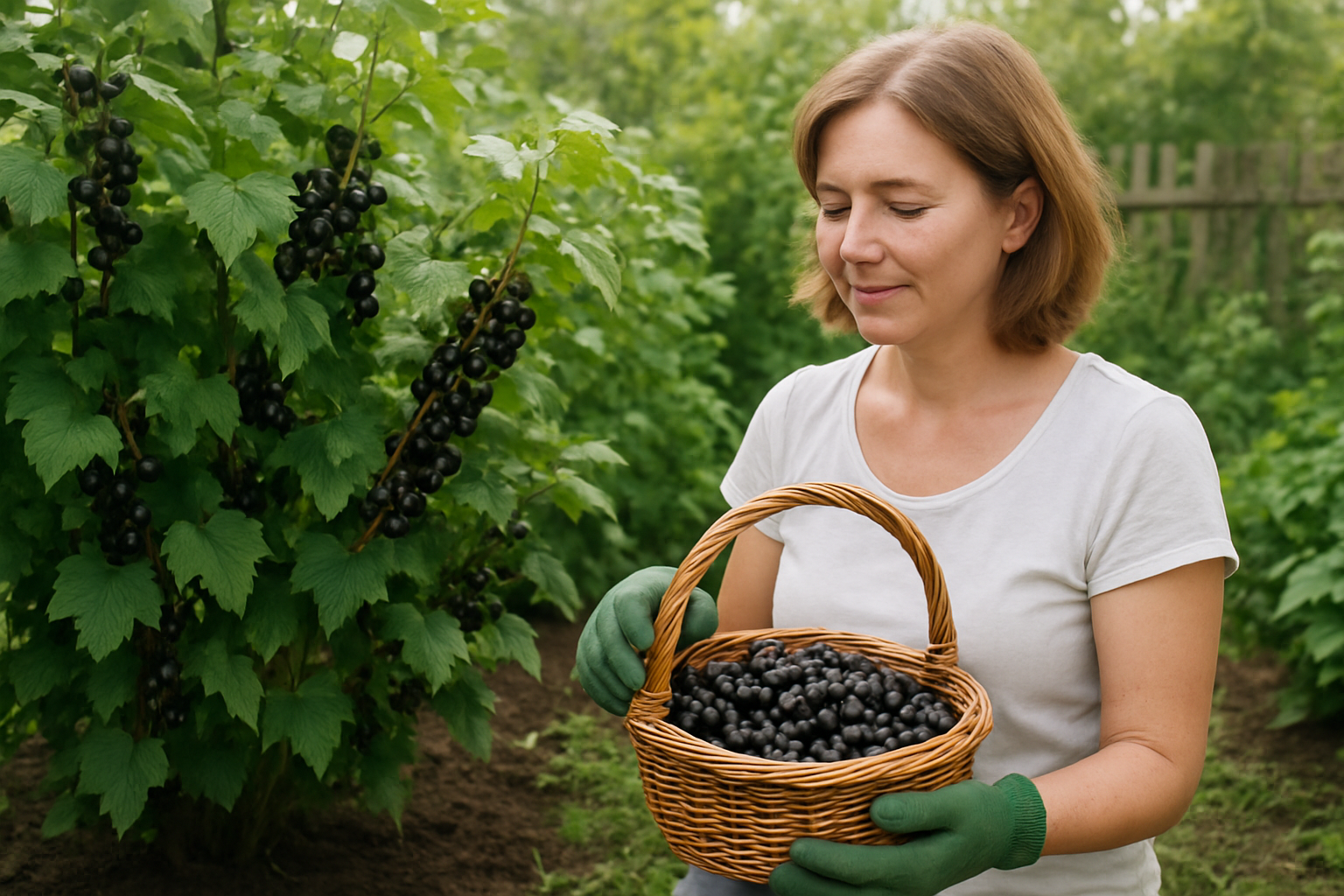
Climate Requirements and Growing Conditions
Black currants thrive in cooler climates and actually prefer the chill. These hardy shrubs perform best in USDA zones 3-7, where they can experience the cold winters they need for proper fruit development. The plants require a period of winter dormancy with temperatures below 45°F for at least 1,000 hours to produce abundant fruit.
These berries love morning sun but appreciate some afternoon shade, especially in warmer regions. Full sun exposure can stress the plants and reduce fruit quality. The ideal spot receives 6-8 hours of sunlight daily with protection from harsh afternoon heat.
Black currants demand consistent moisture but hate waterlogged conditions. Well-draining, slightly acidic soil with a pH between 6.0-6.5 creates the perfect environment. Rich, organic matter helps retain moisture while ensuring proper drainage.
Wind protection proves essential since strong gusts can damage branches and reduce fruit set. Plant near fences, buildings, or other windbreaks, but ensure good air circulation to prevent fungal diseases.
Home Garden Cultivation Techniques
Starting with healthy, certified disease-free plants gives you the best chance for success when learning how to grow black currants. Plant bare-root bushes in early spring or fall, spacing them 4-6 feet apart to allow for mature growth.
Prepare the planting hole twice as wide as the root ball and just as deep. Mix compost or well-aged manure into the native soil to improve fertility and drainage. Set the plant slightly deeper than it was growing in the nursery to encourage strong root development.
Black currants require consistent watering, especially during fruit development. Apply 1-2 inches of water weekly through drip irrigation or soaker hoses to keep soil evenly moist. Mulching with organic materials like straw or wood chips conserves moisture and suppresses weeds.
Annual pruning keeps bushes productive and healthy. Remove any branches older than four years, as they produce less fruit. Trim out weak, damaged, or crossing branches during dormancy. This opens up the center for better air circulation and light penetration.
Feed your plants with balanced organic fertilizer in early spring, followed by compost applications throughout the growing season. Black currants are heavy feeders and respond well to nitrogen-rich amendments.
Where to Purchase Fresh Black Currants
Finding fresh black currants can be challenging in many regions due to their limited commercial cultivation. Farmers markets often provide the best source for locally grown berries during peak season. Build relationships with vendors who might grow specialty crops or can order them for you.
Specialty grocery stores and health food markets sometimes stock fresh black currants when available. Call ahead to check availability and ask about special orders during harvest season.
U-pick farms offer another excellent option for obtaining fresh berries. Many small-scale growers welcome visitors to harvest their own fruit, providing the freshest possible product while supporting local agriculture.
Online ordering has expanded access to fresh black currants. Several specialty fruit companies ship overnight during harvest season, though prices reflect the premium nature of these rare berries.
Consider joining community-supported agriculture (CSA) programs that include diverse fruit offerings. Some CSAs partner with specialty growers to provide members access to unique fruits like black currants.
Seasonal Availability and Storage Methods
Black currants ripen during a relatively short window, typically from mid-July through early August in most growing regions. The harvest period lasts only 2-3 weeks, making timing critical for obtaining fresh fruit.
Fresh berries keep best when refrigerated immediately after picking. Store unwashed black currants in shallow containers lined with paper towels to absorb excess moisture. Properly stored fresh berries maintain quality for 5-7 days in the refrigerator.
Freezing extends the usability of black currants significantly. Wash and dry berries thoroughly, then spread them on baking sheets for initial freezing. Transfer frozen berries to airtight containers or freezer bags for long-term storage up to one year.
Dehydrating creates concentrated flavor and extends shelf life. Use a food dehydrator or low oven temperature to remove moisture slowly. Dried black currants store in airtight containers for several months and work wonderfully in baked goods and trail mixes.
Consider preserving methods like jams, jellies, and syrups to enjoy black currant benefits year-round. The high pectin content in these berries makes them ideal for natural preservation without added thickeners.
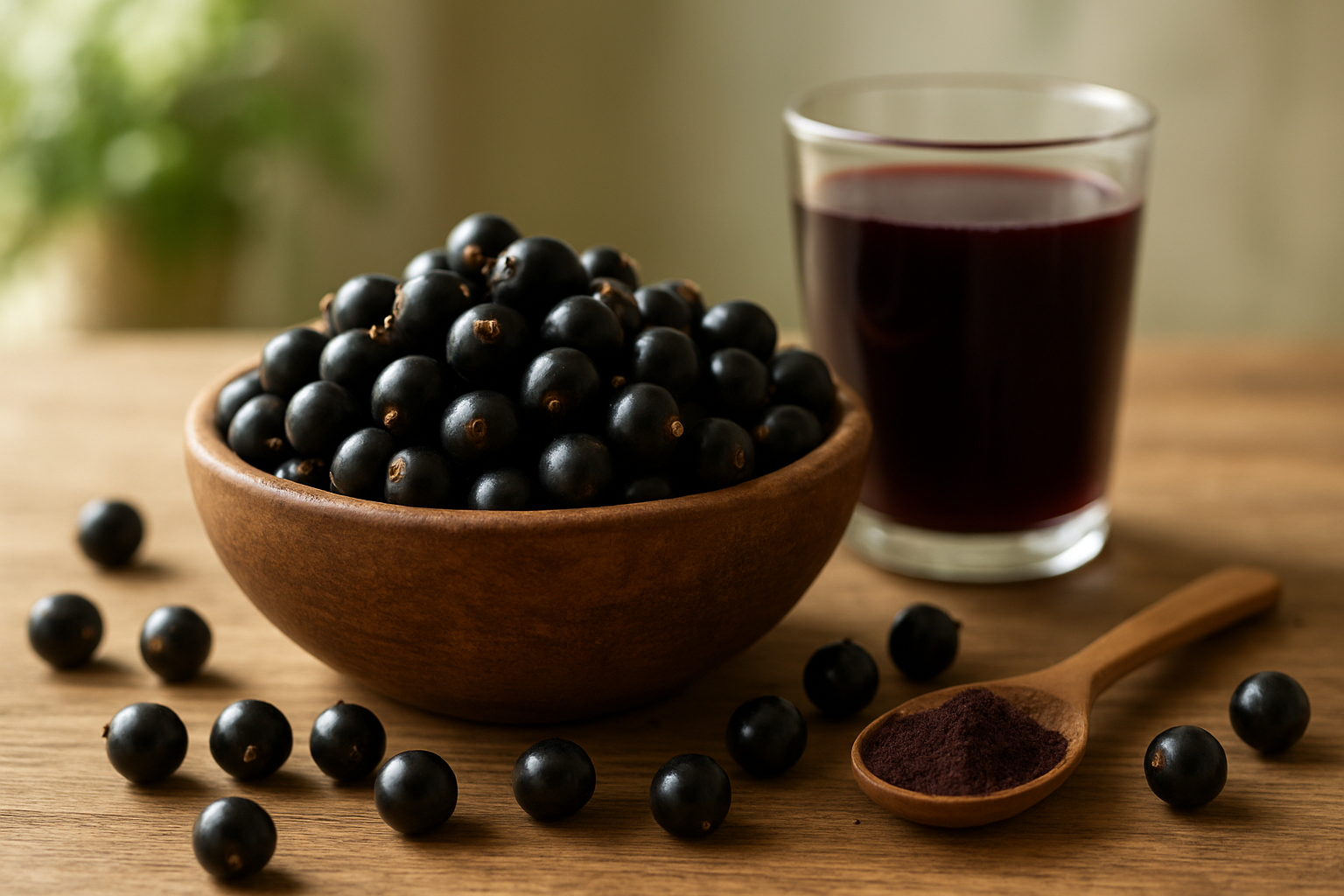
Black currants pack an incredible nutritional punch that makes them one of nature's most impressive superfruits. With their sky-high vitamin C content, powerful antioxidants, and anti-inflammatory properties, these small berries deliver big results for your immune system, heart health, and overall wellness. Whether you're dealing with joint pain, looking to boost your energy levels, or simply want to add more nutrients to your diet, black currants offer a natural solution that actually tastes great too.
The best part about black currants is how easy they are to work into your daily routine. Toss them into smoothies, bake them into muffins, make homemade jams, or simply snack on them fresh from the bush. If you can't find them locally, don't worry – you can grow your own with just a little patience and the right growing conditions. Start small by trying black currant juice or supplements, then work your way up to incorporating fresh berries into your meals. Your taste buds and your body will thank you for making room for this underrated superfruit.


.png)
Comments
Post a Comment