Boysenberries - What are Boysenberries?
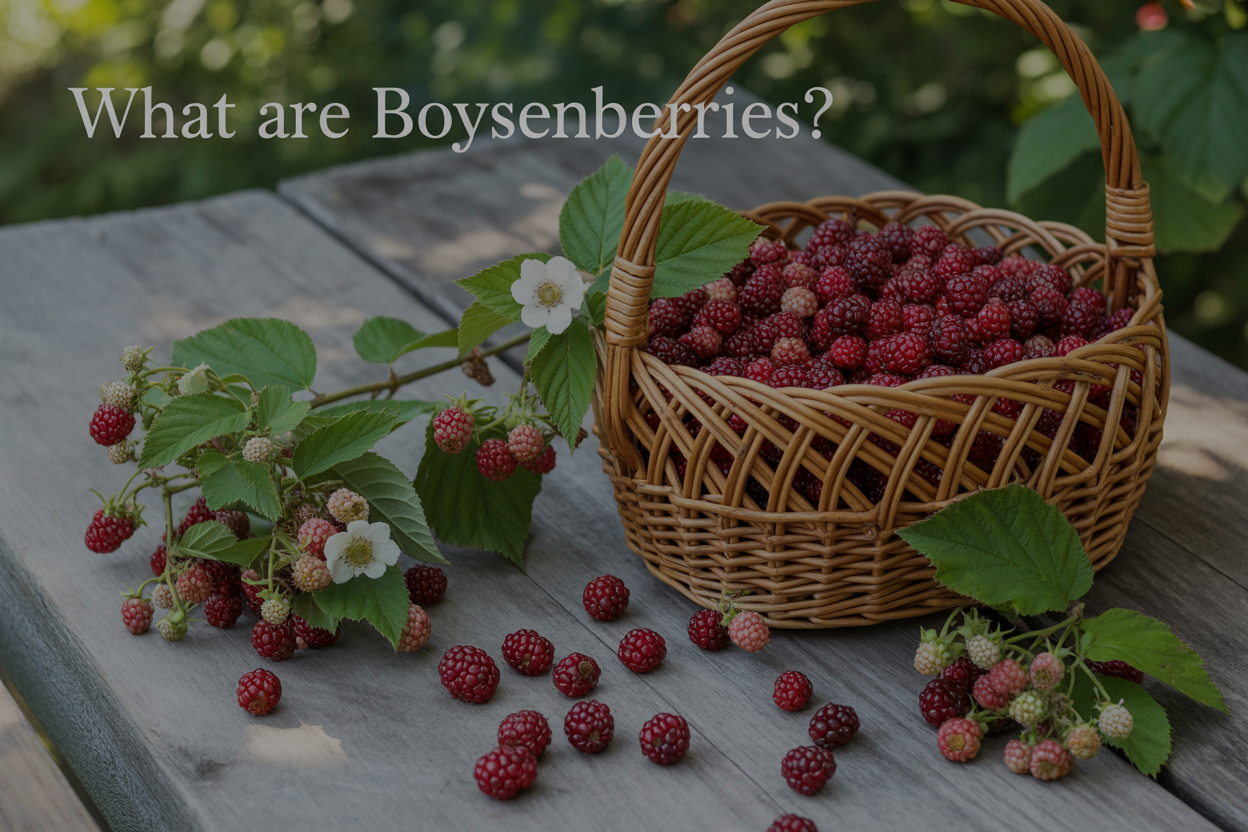
What Are Boysenberries? Your Complete Guide to This Sweet-Tart Berry
Boysenberries are a unique hybrid berry that combines the best traits of raspberries, blackberries, and loganberries. This guide is perfect for berry enthusiasts, home gardeners, and anyone curious about adding this nutritional powerhouse to their diet.
These deep purple gems offer a distinctive sweet-tart flavor that sets them apart from common berries. We'll explore the fascinating history behind how boysenberries came to be and what makes them so special compared to other berries. You'll also discover their impressive health benefits and nutritional profile, plus get practical tips for growing your own boysenberry plants and enjoying them in delicious recipes.
Discover the Origins and History of Boysenberries

Learn About the Accidental Creation by Rudolph Boysen
The story of boysenberries begins with Rudolph Boysen, a Swedish-American horticulturist who never intended to create one of America's most beloved berries. Working in his experimental garden in Napa, California, during the 1920s, Boysen was passionate about crossbreeding different berry varieties to create something entirely new.
Through careful hybridization, Boysen successfully crossed three distinct berries: blackberries, raspberries, and loganberries. The result was a large, dark purple fruit that combined the best qualities of all three parent plants. These boysenberries offered the size and deep color of blackberries, the sweet-tart flavor profile of raspberries, and the unique characteristics inherited from loganberries.
What makes this discovery particularly fascinating is that Boysen himself didn't initially recognize the commercial potential of his creation. The experimental plants produced exceptionally flavorful fruit, but Boysen was focused on other agricultural pursuits. His boysenberry vines were left largely unattended in his garden, nearly disappearing into obscurity before their remarkable journey to fame began.
Understand How Walter Knott Rescued This Unique Berry
Walter Knott, founder of what would later become Knott's Berry Farm, played the hero in the boysenberry story. In 1932, Knott heard rumors about Boysen's mysterious hybrid berry through agricultural circles and became determined to track down these legendary plants.
After some detective work, Knott discovered that Boysen had abandoned his experimental garden, leaving behind just a few struggling vines on his old property. The boysenberry plants were barely surviving, overgrown and neglected. Knott carefully transplanted these precious vines to his own farm in Buena Park, California, where he nursed them back to health.
Knott's agricultural expertise proved crucial in saving the boysenberry from extinction. He not only revived the plants but also began propagating them, creating the first commercial boysenberry operation. His dedication to preserving and developing this unique fruit variety ensured that boysenberries would have a future beyond Boysen's original experimental garden.
The rescued plants thrived under Knott's care, producing abundant crops of the large, flavorful berries that would soon capture the attention of berry enthusiasts across the country.
Explore the California Connection and Commercial Development
California's ideal climate and growing conditions proved perfect for boysenberry cultivation, establishing the Golden State as the primary hub for commercial boysenberry production. Knott's Berry Farm became ground zero for the boysenberry revolution, transforming from a small berry operation into a major agricultural enterprise.
Walter Knott's wife, Cordelia, began using the boysenberries to make jams, jellies, and her famous boysenberry pies. The farm's roadside stand attracted visitors who came specifically for these unique berry treats. Word spread quickly about the extraordinary flavor of boysenberries, and demand grew exponentially.
The commercial success of boysenberries at Knott's Berry Farm sparked interest from other California growers. The state's Mediterranean climate, with its warm, dry summers and mild winters, created optimal growing conditions for boysenberry plants. California's Central Valley and coastal regions became prime boysenberry growing areas.
By the 1940s and 1950s, boysenberries had gained national recognition. Food manufacturers began incorporating boysenberries into various products, from preserves to frozen treats. The berry's unique flavor profile - described as a perfect balance of sweet and tart with complex berry notes - made it highly sought after by both home cooks and commercial food producers.
Today, while boysenberries are grown in various regions, California remains the primary producer, maintaining the legacy that began with Rudolph Boysen's accidental creation and Walter Knott's rescue mission.
Identify Key Characteristics That Make Boysenberries Special
Recognize the Distinctive Purple-Red Color and Large Size
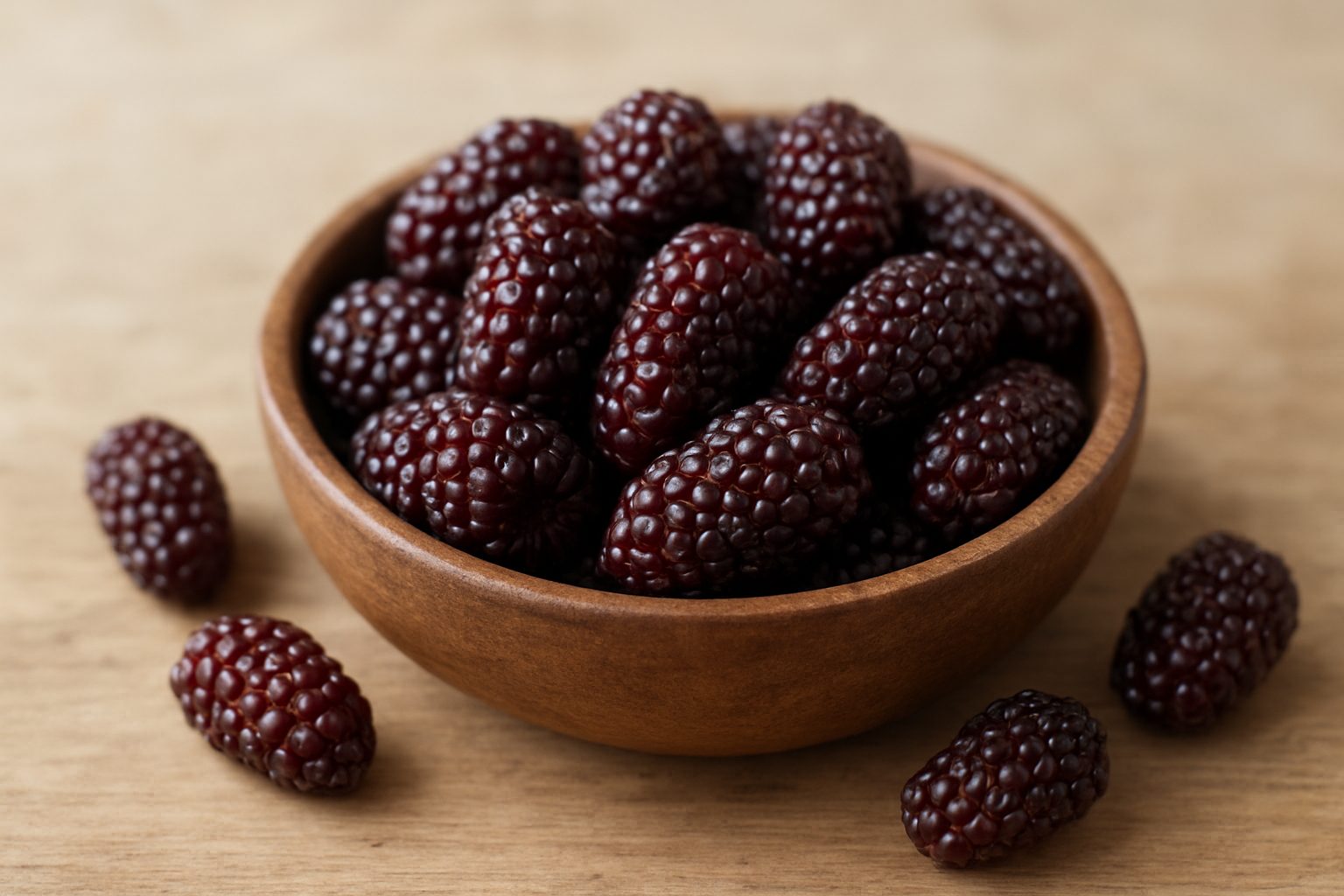
Boysenberries are true showstoppers in the berry world, and their appearance tells you everything you need to know about their premium quality. These berries display a gorgeous deep purple-red color that's almost maroon when fully ripe, creating an eye-catching contrast against their green foliage. The rich, dark hue signals the high concentration of anthocyanins and antioxidants packed inside each berry.
What really sets boysenberries apart is their impressive size. A single boysenberry fruit can measure up to an inch long and three-quarters of an inch wide, making them significantly larger than most other berries you'll find at the market. When you hold one in your hand, you'll notice the substantial weight and plump, juicy appearance that promises maximum flavor in every bite.
The berry's surface has a slightly glossy finish with tiny drupelets clustered together, similar to blackberries but noticeably larger and more elongated. Each boysenberry develops from a cluster of small white or pink flowers, and as it ripens, the color gradually deepens from red to the characteristic dark purple-red that signals peak ripeness.
Experience the Complex Sweet-Tart Flavor Profile
The boysenberry's flavor is where this hybrid fruit truly shines. Picture the perfect balance between sweetness and tartness, with layers of complexity that develop as you bite down. The initial taste hits you with bright, tangy notes reminiscent of raspberries, followed by the deep, rich sweetness that blackberries are known for, and finishing with subtle floral undertones inherited from its loganberry parentage.
This unique flavor combination makes boysenberries incredibly versatile in both fresh eating and cooking applications. When fully ripe, the sweetness becomes more pronounced, though that characteristic tartness never completely disappears, creating a dynamic taste experience that keeps your palate engaged.
The juice from boysenberries has an intense, concentrated flavor that's both refreshing and satisfying. Many people describe the taste as "berry perfection" because it captures the best qualities of multiple berry varieties in one fruit. The complex flavor profile explains why boysenberries have gained such a devoted following among fruit enthusiasts and professional chefs alike.
Compare Physical Traits to Other Popular Berries
When comparing boysenberries to other popular berries, the differences become immediately apparent. Here's how they stack up:
| Berry Type | Size | Color | Shape | Texture |
|---|---|---|---|---|
| Boysenberry | Large (up to 1 inch) | Deep purple-red | Elongated oval | Soft, juicy |
| Blackberry | Medium | Black | Round to oval | Firm when ripe |
| Raspberry | Small to medium | Red/black | Round | Delicate, hollow |
| Blueberry | Small | Blue | Round | Firm skin, soft interior |
Boysenberries are notably larger and softer than blackberries, with a more elongated shape that makes them easy to distinguish. Unlike raspberries, which have a hollow center and more delicate structure, boysenberries are solid throughout and have a sturdier build that holds up well during transport and storage.
The boysenberry vs blackberry comparison is particularly interesting since blackberries are one of the parent plants. While blackberries tend to be smaller and firmer with a more intense, sometimes astringent flavor, boysenberries offer a mellower, more balanced taste with their larger size providing more juice per berry. The boysenberry plant also tends to be more vigorous and productive than its blackberry relatives, making it an excellent choice for home gardeners looking to maximize their berry harvest.
Unlock the Impressive Nutritional Benefits
Boost Your Vitamin C and Antioxidant Intake
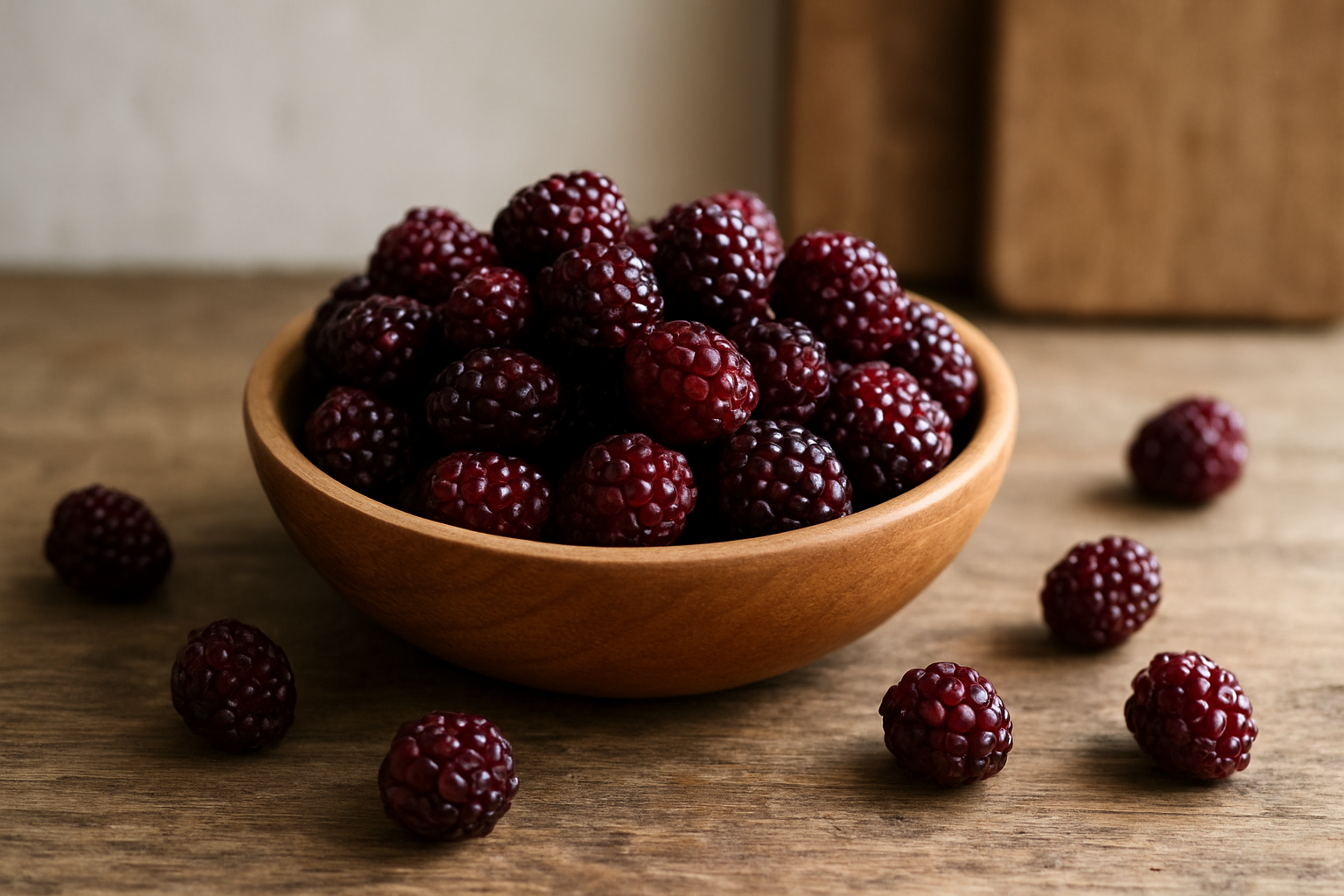
Boysenberries pack a serious nutritional punch when it comes to vitamin C content. A single cup of these dark purple gems delivers approximately 35% of your daily vitamin C needs, making them an excellent choice for supporting your body's natural defense systems. This impressive vitamin C content helps your body produce collagen, absorb iron more effectively, and maintain healthy skin and tissues.
Beyond vitamin C, boysenberry nutrition facts reveal these berries are loaded with powerful antioxidants including flavonoids, phenolic acids, and vitamin E. These compounds work together to combat oxidative stress and support overall cellular health. The deep purple color of boysenberry fruit signals the presence of these beneficial compounds, making them a smart addition to any health-conscious diet.
Support Digestive Health with High Fiber Content
The fiber content in boysenberries stands out as one of their most impressive nutritional features. With roughly 7 grams of dietary fiber per cup, these berries provide nearly 25% of the recommended daily fiber intake. This high fiber content promotes healthy digestion by supporting regular bowel movements and feeding beneficial gut bacteria.
Soluble fiber found in boysenberries helps regulate blood sugar levels and may contribute to lowering cholesterol. The insoluble fiber adds bulk to stool and helps food move through your digestive system efficiently. This combination makes boysenberries particularly valuable for maintaining digestive wellness and supporting a healthy gut microbiome.
Strengthen Your Immune System with Essential Minerals
Boysenberry health benefits extend to their impressive mineral profile. These berries contain meaningful amounts of manganese, which plays a crucial role in bone development, wound healing, and metabolism. They also provide folate, essential for DNA synthesis and red blood cell formation.
The potassium content in boysenberries supports heart health and helps regulate blood pressure. Iron present in these berries contributes to healthy red blood cell production, while magnesium supports muscle and nerve function. This mineral combination makes boysenberries a nutrient-dense choice for supporting various bodily functions.
Protect Against Free Radicals with Anthocyanins
The deep purple hue of boysenberries comes from anthocyanins, powerful antioxidant compounds that provide significant health protection. These flavonoids have been studied for their potential to reduce inflammation and support cardiovascular health. Research suggests anthocyanins may help improve memory function and support brain health as we age.
These compounds work at the cellular level to neutralize harmful free radicals that can damage cells over time. The anthocyanin content in boysenberries rivals that found in other dark berries, making them an excellent choice for those seeking natural antioxidant protection. Regular consumption of anthocyanin-rich foods like boysenberries may contribute to long-term health maintenance and disease prevention.
Master Growing and Harvesting Boysenberries
Choose the Right Climate and Soil Conditions
Growing boysenberries requires specific environmental conditions to produce the best fruit. These hybrid berries thrive in USDA hardiness zones 5-9, preferring mild winters and warm summers. The ideal temperature range sits between 60-75°F during the growing season.
Your boysenberry plant care starts with selecting the perfect spot. Choose a location that receives full sun for at least 6-8 hours daily, though they can tolerate partial shade in extremely hot climates. Good air circulation prevents fungal diseases that can damage your crop.
Soil preparation makes all the difference for successful boysenberry cultivation. These plants prefer well-draining, slightly acidic soil with a pH between 6.0-6.8. Rich, loamy soil works best, but you can improve clay or sandy conditions by adding organic compost. The soil should retain moisture without becoming waterlogged, as standing water kills the roots.
Test your soil drainage by digging a hole 12 inches deep and filling it with water. If water remains after 24 hours, you'll need to improve drainage by adding raised beds or organic matter. Heavy mulching around plants helps retain moisture and suppress weeds.
Plant and Care for Your Boysenberry Vines
Boysenberry planting timing depends on your climate zone. In mild winter areas, plant bare-root canes in late winter or early spring. Colder regions should wait until after the last frost danger passes.
Space your boysenberry plants 6-8 feet apart in rows, allowing 8-10 feet between rows. Dig planting holes twice as wide as the root system and slightly deeper than the nursery pot. Plant at the same depth they grew in the nursery.
These vigorous vines require strong support systems. Install trellises or fences before planting, using posts 6-8 feet tall with horizontal wires at 3, 4.5, and 6 feet heights. Train the canes along these wires as they grow.
Watering needs change throughout the season. Newly planted boysenberries need consistent moisture for the first year. Established plants require deep, weekly watering during fruit development, roughly 1-2 inches per week. Drip irrigation works best to keep leaves dry and prevent disease.
Fertilize in early spring with balanced 10-10-10 fertilizer, applying according to package directions. Side-dress with compost mid-season for additional nutrients. Pruning happens twice yearly - remove old, fruited canes after harvest and thin new growth in late winter.
Harvest at Peak Ripeness for Maximum Flavor
Recognizing boysenberry harvest season timing ensures the sweetest, most flavorful berries. These fruits typically ripen in mid to late summer, usually July through August, depending on your location and variety.
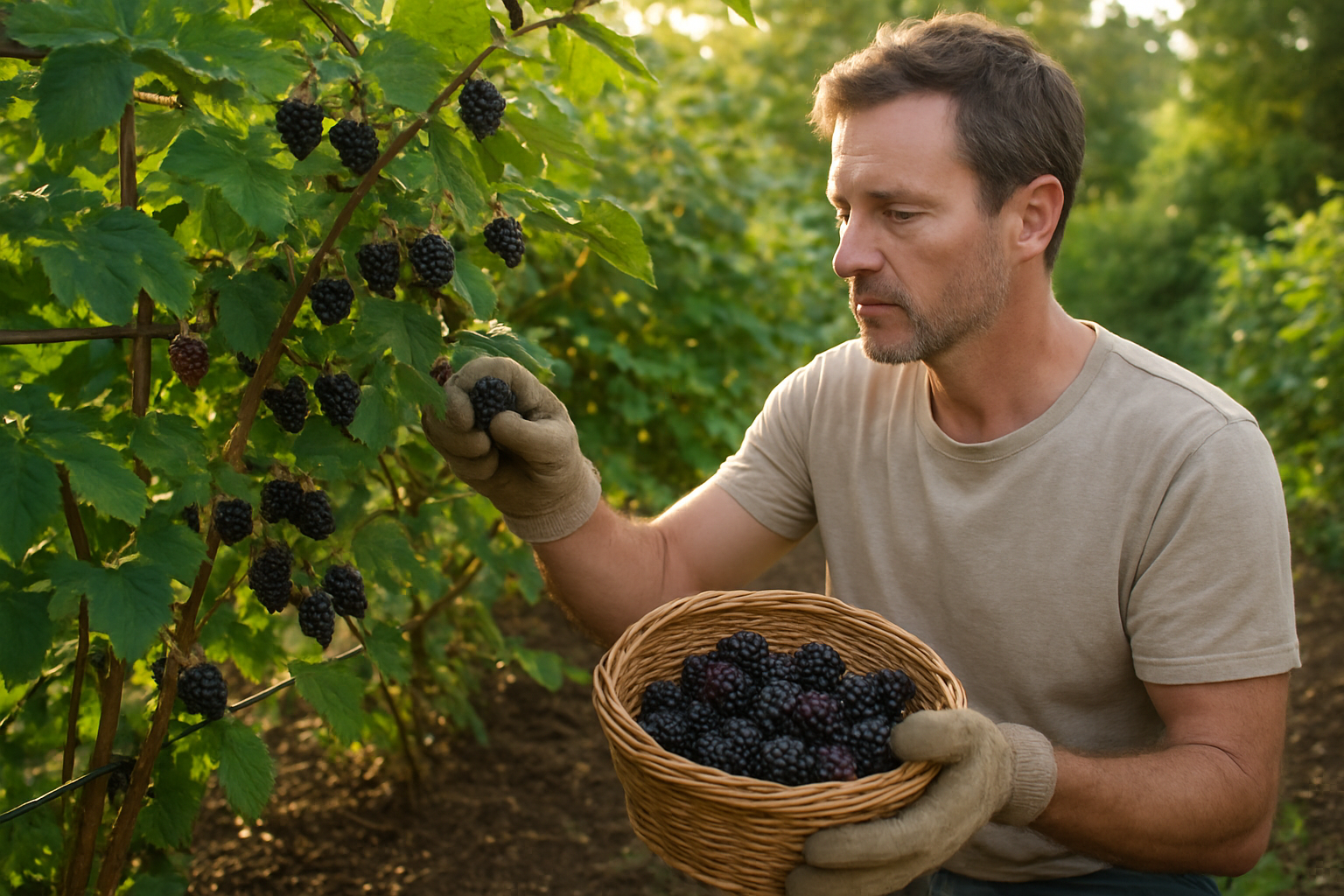
Ripe boysenberries display a deep, dark purple-red color that's almost black. The berries should feel soft but not mushy when gently pressed. Unlike some berries that continue ripening after picking, boysenberries reach peak flavor only when fully ripe on the vine.
Harvest every 2-3 days during peak season, as ripe berries don't last long on the plant. Pick in the early morning when temperatures are cooler to maintain fruit quality. Gently twist and pull ripe berries from the plant - they should release easily without resistance.
Handle harvested boysenberries carefully since they're extremely delicate. Use shallow containers to prevent crushing bottom berries. Refrigerate immediately after picking and consume within 2-3 days for best quality. These berries freeze exceptionally well if you can't use them fresh.
During harvest season, expect each mature plant to produce 5-10 pounds of fruit. Young plants may produce less their first year, but production increases significantly in the second and third years as the root system establishes.
Explore Delicious Ways to Enjoy Boysenberries
Create Mouthwatering Jams and Preserves
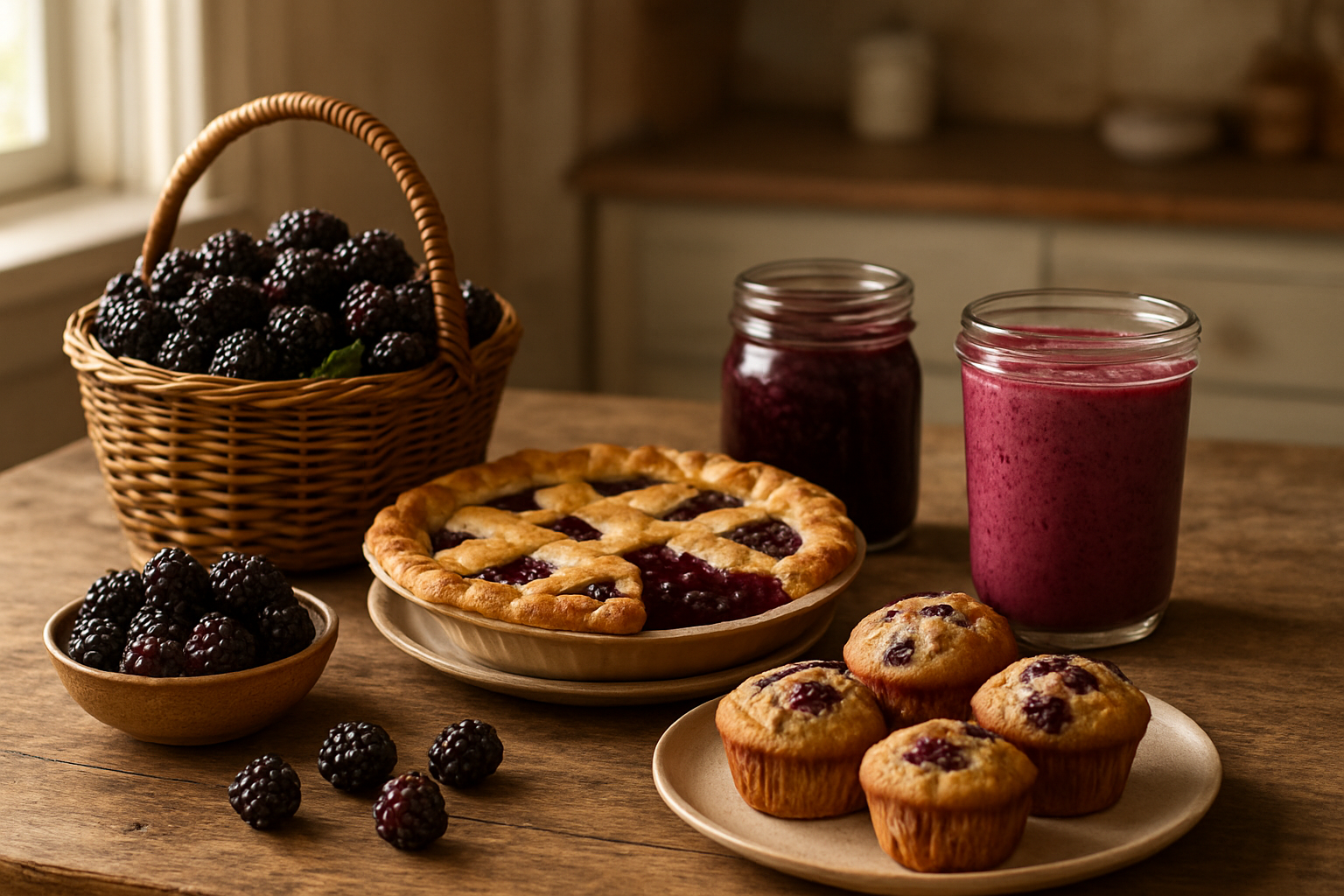
Boysenberries make absolutely incredible jams and preserves that capture their unique sweet-tart flavor perfectly. The natural pectin content in boysenberries helps create that ideal thick, spreadable consistency without needing tons of added thickeners. Start with a basic ratio of equal parts boysenberries and sugar, though you can reduce the sugar if you prefer a more tart flavor profile.
For the best boysenberry jam, gently mash about half the berries while leaving some whole pieces for texture. Cook the mixture on medium heat, stirring frequently until it reaches the gel point. The deep purple color and rich aroma will tell you when it's ready. Adding a splash of lemon juice enhances the flavor and helps the jam set properly.
Boysenberry preserves work wonderfully when you want larger fruit pieces. Use less mashing and a gentler cooking process to keep those beautiful berry shapes intact. These preserves pair amazingly with fresh biscuits, toast, or even as a glaze for meats.
Bake Irresistible Pies and Desserts
Boysenberry recipes for baked goods are where these berries truly shine. The fruit holds its shape well during baking while releasing just enough juice to create that perfect pie filling consistency. For boysenberry pies, mix the fresh berries with sugar, a touch of cornstarch, and a hint of lemon zest. The natural tartness balances beautifully with sweet pastry crusts.
Boysenberry cobblers and crisps are crowd favorites because the fruit's robust flavor stands up to cinnamon, oats, and buttery toppings. Try folding boysenberries into muffin batter, coffee cakes, or scones for breakfast treats that burst with flavor. The berries also work wonderfully in cheesecakes, where their tartness cuts through the rich, creamy texture.
For something special, consider boysenberry galettes with their rustic free-form appearance, or boysenberry bars with crumb toppings. These berries freeze well, so you can enjoy boysenberry desserts year-round.
Blend Refreshing Smoothies and Beverages
Boysenberries create vibrant, flavorful drinks that showcase their beautiful color and complex taste. For smoothies, blend boysenberries with yogurt, banana, and a splash of milk or juice. The berries add natural sweetness while providing those impressive boysenberry health benefits and boysenberry nutrition facts.
Fresh boysenberry lemonade brings a sophisticated twist to the classic summer drink. Muddle the berries gently, strain if you prefer smooth drinks, or leave the pulp for added texture and fiber. Boysenberry iced tea offers another refreshing option - brew your favorite tea and stir in boysenberry syrup or muddled fresh berries.
For adults, boysenberry cocktails and sangrias are showstoppers. The berries muddle beautifully in mojitos or can be made into simple syrups for mixed drinks. Sparkling water with a few fresh boysenberries and mint creates an elegant non-alcoholic option that's perfect for entertaining.
Add Fresh Berries to Salads and Breakfast Dishes
Fresh boysenberries bring unexpected sophistication to salads, especially mixed greens with goat cheese, candied nuts, and light vinaigrettes. The berries' sweet-tart flavor complements both savory and sweet salad ingredients beautifully. Try them in spinach salads with feta and balsamic dressing, or fruit salads where they pair wonderfully with other berries and stone fruits.
Breakfast dishes get an instant upgrade with fresh boysenberries. Sprinkle them over oatmeal, yogurt parfaits, or cereal for natural sweetness and gorgeous color. Boysenberries work perfectly in pancake and waffle batters, though fold them in gently to prevent crushing. They also make stunning garnishes for French toast or crepes.
Consider making boysenberry compotes for drizzling over breakfast foods - just simmer the berries with a little honey or maple syrup until they break down slightly but still hold some shape. This creates a versatile topping that works on everything from Greek yogurt to cottage cheese to quinoa breakfast bowls.
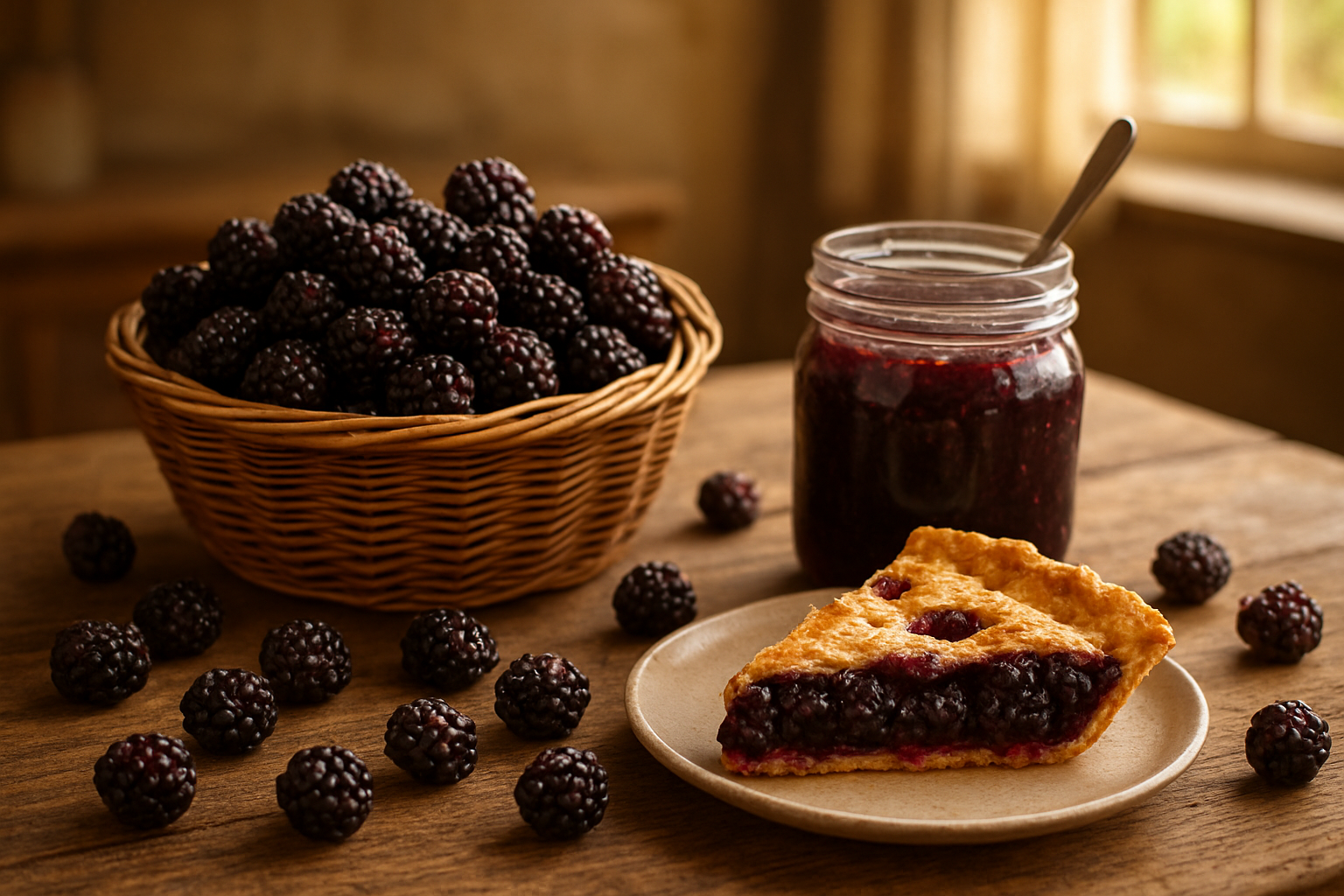
Boysenberries offer an amazing combination of sweet-tart flavor, impressive nutrition, and versatility that makes them stand out from other berries. These unique hybrid fruits pack vitamin C, fiber, and antioxidants into every juicy bite, while their fascinating backstory connects us to agricultural innovation from decades past. Growing them in your own garden brings the satisfaction of harvesting something truly special, and their adaptability in recipes means you'll never run out of delicious ways to enjoy them.
Whether you're drawn to their health benefits, excited about growing your own berry patch, or simply curious about trying something new in the kitchen, boysenberries deserve a spot on your must-try list. Start small by picking up some fresh boysenberries at your local farmer's market or specialty store, and experience firsthand what makes these berries so beloved by those who know them. Once you taste their distinctive flavor, you'll understand why boysenberry enthusiasts are so passionate about sharing these hidden gems with others.


.png)
Comments
Post a Comment