Calamansi - What's the Calamansi Fruit?
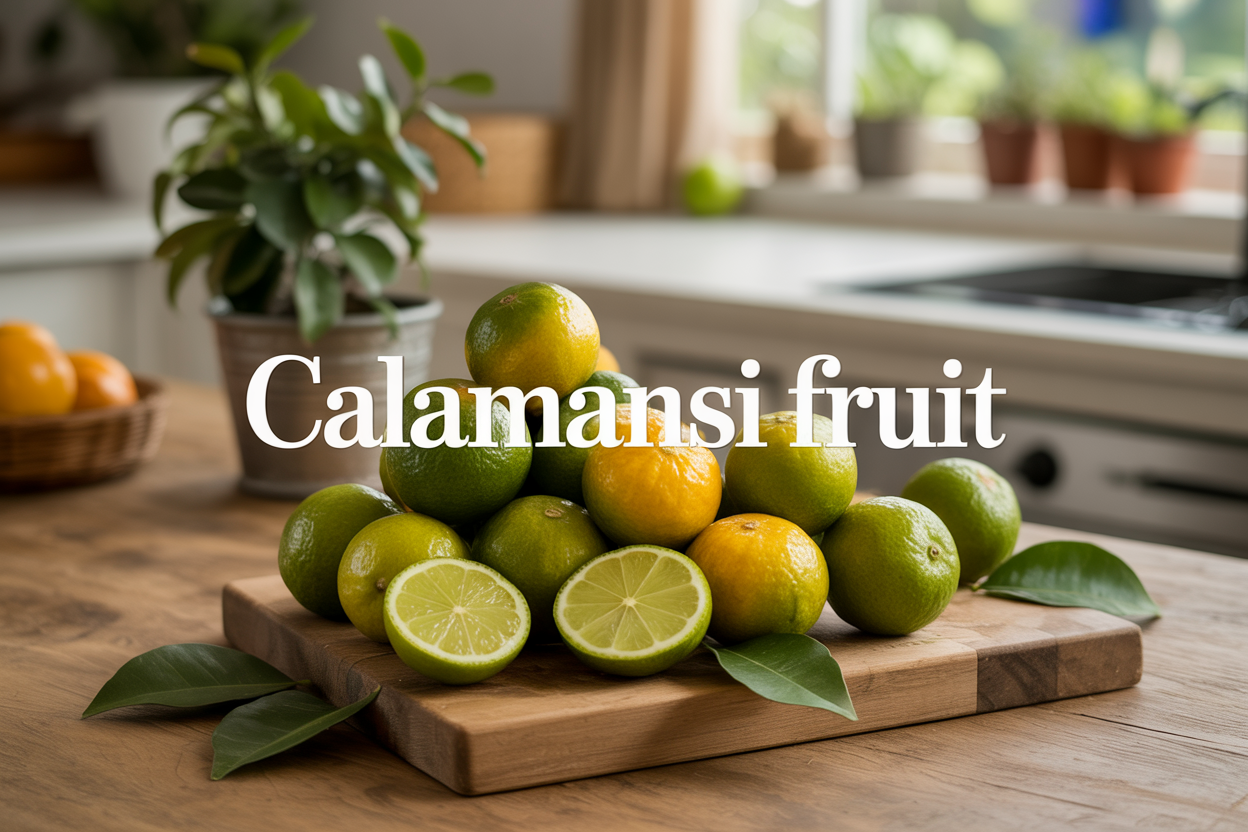
The calamansi fruit might look like a tiny lime, but this Filipino citrus powerhouse packs way more flavor and benefits than you'd expect. If you're curious about exotic fruits, love growing your own plants, or want to add some serious zing to your cooking, you've come to the right place.
This small but mighty citrus has been a staple in Filipino households for generations, and it's finally getting the recognition it deserves worldwide. We'll walk you through everything you need to know about this incredible little fruit.
You'll discover the fascinating origins and unique characteristics that make calamansi special, plus learn about its impressive nutritional profile and health benefits that put it in a league of its own. We'll also share practical tips for growing your own calamansi tree at home and explore the many creative ways to use this versatile fruit in your kitchen - from traditional Filipino recipes to modern culinary experiments.
Discover the Origins and Characteristics of Calamansi
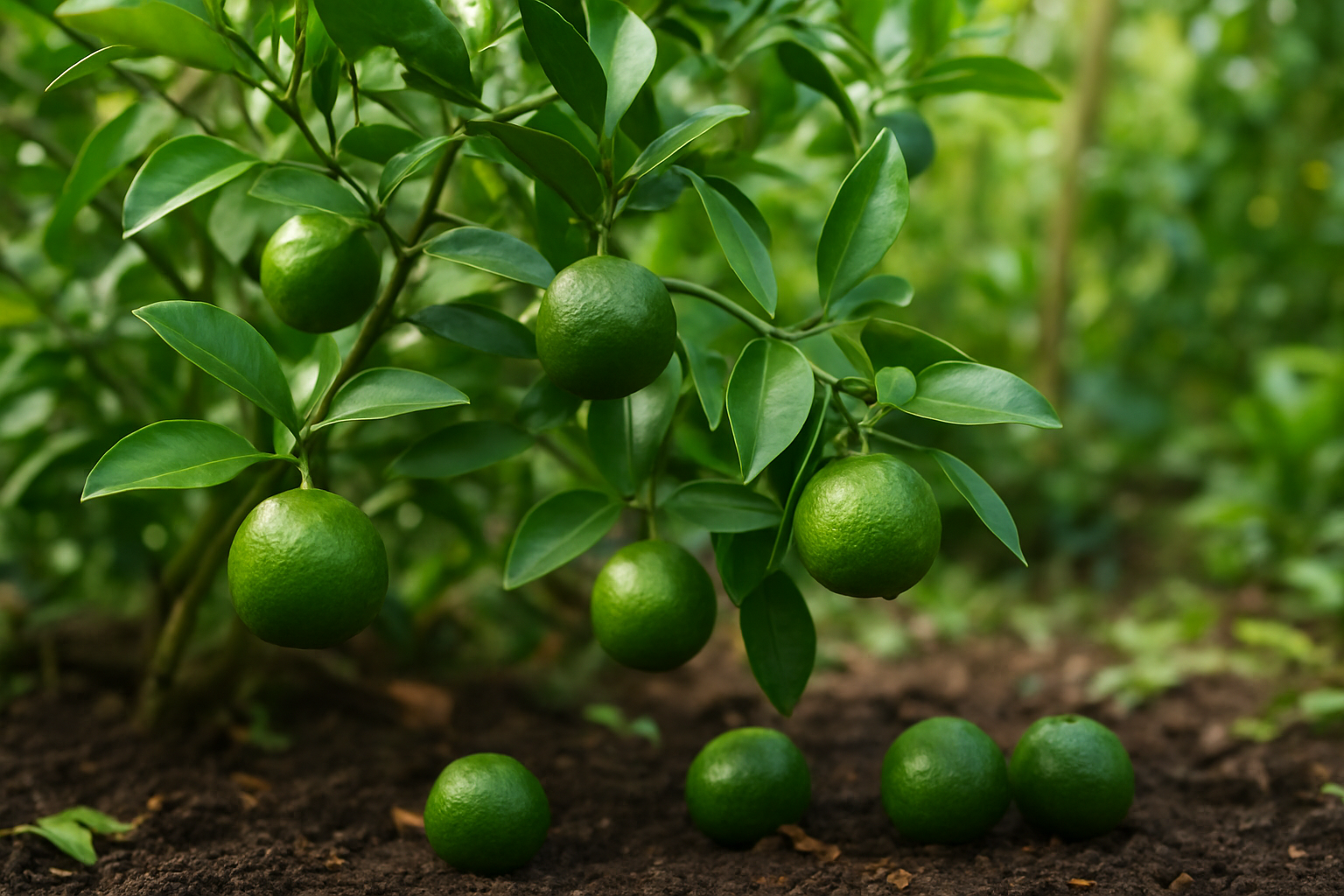
Native Southeast Asian Citrus with unique heritage
The calamansi fruit traces its roots to Southeast Asia, where it has flourished for centuries as a beloved citrus variety. This remarkable little fruit originated in the Philippines and Malaysia, spreading throughout the region thanks to its adaptability and exceptional flavor. Unlike many citrus fruits that arrived through trade routes, calamansi developed naturally in tropical Southeast Asian climates, making it perfectly suited to the warm, humid conditions of countries like the Philippines, Indonesia, and Thailand.
What is calamansi becomes clearer when you understand its deep cultural significance. Local communities have cultivated this Filipino lime fruit for generations, incorporating it into traditional medicine, culinary practices, and daily life. The fruit's name itself reflects this heritage - "calamansi" comes from the Tagalog word "kalamansî," showing how deeply embedded it is in Filipino culture.
Physical appearance and size compared to common citrus fruits
Calamansi stands out immediately due to its miniature size and distinctive appearance. These tiny citrus gems typically measure just 2-3 centimeters in diameter, making them significantly smaller than regular limes or lemons. When ripe, the calamansi fruit displays a beautiful golden-orange color, though many people harvest them while still green for their more tart flavor profile.
| Citrus Fruit | Average Diameter | Typical Color | Weight |
|---|---|---|---|
| Calamansi | 2-3 cm | Golden-orange/Green | 10-12 grams |
| Regular Lime | 4-6 cm | Bright Green | 60-70 grams |
| Lemon | 6-9 cm | Yellow | 100-120 grams |
| Key Lime | 2.5-5 cm | Yellow-Green | 15-25 grams |
The skin of calamansi is remarkably thin compared to other citrus fruits, making it easy to squeeze and extract juice. This thin peel also means the fruit has a higher juice-to-pulp ratio than many larger citrus varieties. The flesh inside appears pale yellow to orange, packed with small seeds and bursting with aromatic oils.
Distinctive flavor profile that sets it apart
The flavor of calamansi creates an unforgettable sensory experience that sets it apart from any other citrus fruit. This Filipino lime fruit delivers an intense burst of sourness that's more complex than regular lime juice, combined with subtle sweet undertones that emerge on the palate. Many describe the taste as a perfect marriage between lime and orange, with floral notes that add sophistication to its citrus punch.
Calamansi uses in cooking become obvious once you taste its unique profile. The juice provides exceptional acidity that brightens dishes without overwhelming them, while the aromatic oils in the peel add depth and complexity. Professional chefs prize calamansi for its ability to enhance both sweet and savory preparations, from marinades and dressings to desserts and beverages.
The fruit's flavor intensity means a little goes a long way. Just a few drops of fresh calamansi juice can transform a dish, providing the perfect balance of sour and aromatic elements that make Southeast Asian cuisine so distinctive and appealing.
Scientific classification and botanical family
Calamansi fruit belongs to the scientific classification Citrofortunella microcarpa, placing it in the fascinating world of citrus hybrids. This botanical classification reveals that calamansi is actually a cross between a kumquat (Fortunella species) and a mandarin orange (Citrus reticulata), explaining its unique characteristics that blend features from both parent plants.
The fruit belongs to the Rutaceae family, which includes all citrus fruits, but its hybrid nature makes it particularly special. This genetic combination gives calamansi its small size from the kumquat side while inheriting the intense citrus flavor and juice content from its mandarin heritage. The hybrid vigor also contributes to the plant's hardiness and productive nature.
Understanding this scientific background helps explain why calamansi tree cultivation differs from growing pure citrus varieties. The hybrid nature means these trees often display greater disease resistance and can adapt to various growing conditions better than their parent species. This genetic diversity has helped calamansi spread successfully throughout tropical and subtropical regions worldwide, making it accessible to gardeners and commercial growers interested in cultivating this exceptional citrus variety.
Unlock the Nutritional Powerhouse Benefits
High Vitamin C Content for Immune System Support
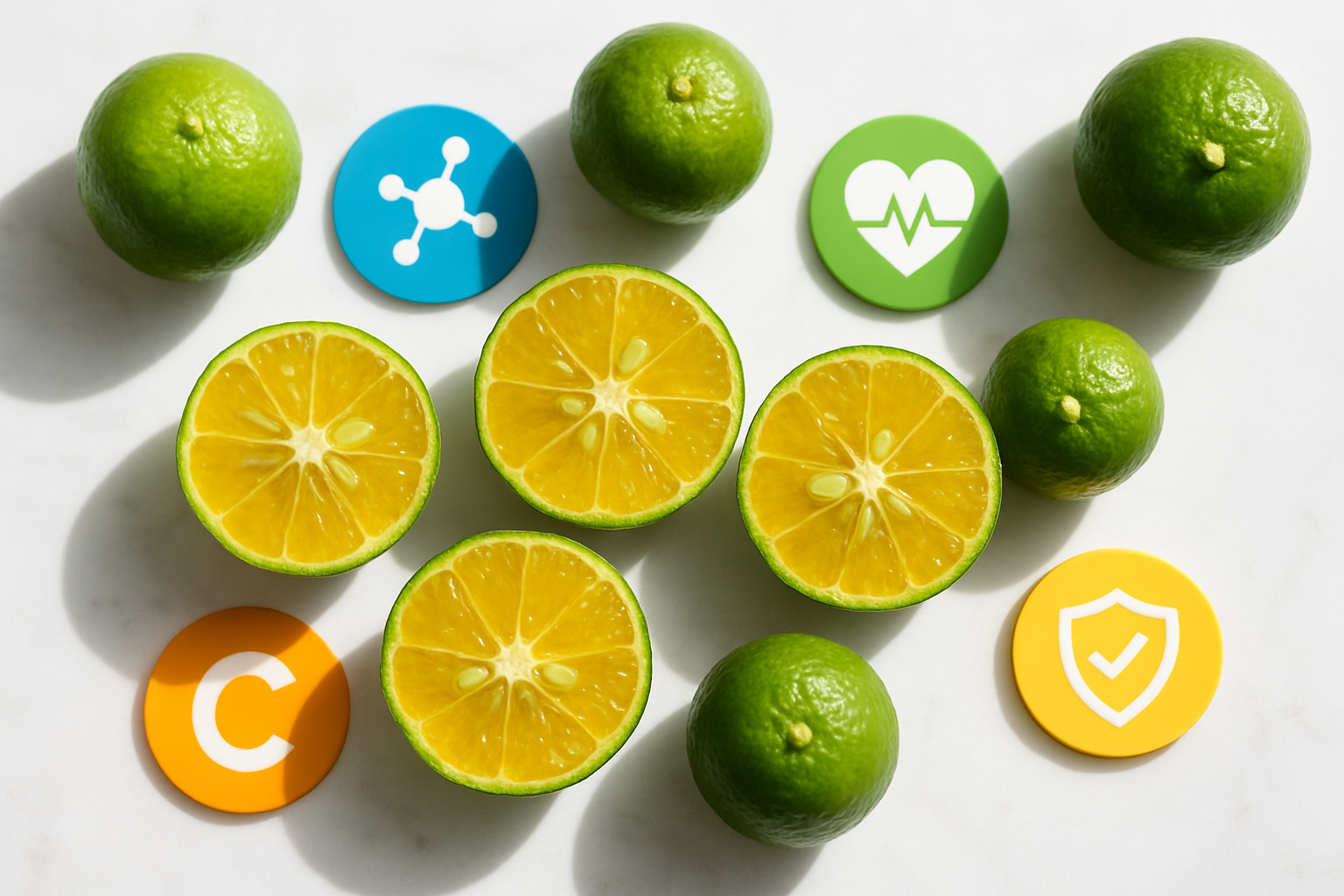
The calamansi fruit packs an incredible vitamin C punch that puts many other citrus fruits to shame. A single calamansi contains approximately 93 milligrams of vitamin C per 100 grams, which is more than double the amount found in regular oranges. This makes calamansi benefits particularly valuable for anyone looking to boost their immune system naturally.
Your body relies on vitamin C to produce white blood cells, the frontline defenders against infections and diseases. Regular consumption of calamansi fruit helps maintain optimal immune function, especially during cold and flu seasons. The high bioavailability of vitamin C in calamansi means your body can absorb and use it more efficiently compared to synthetic supplements.
The vitamin C in calamansi also supports collagen production, keeping your skin healthy and promoting faster wound healing. This powerful antioxidant helps neutralize free radicals that can damage cells and accelerate aging processes.
Essential Minerals and Antioxidants for Overall Health
Beyond vitamin C, calamansi nutrition facts reveal a treasure trove of essential minerals and antioxidants. The fruit contains significant amounts of potassium, which helps regulate blood pressure and supports proper heart function. Calcium and phosphorus work together to maintain strong bones and teeth, making this Filipino lime fruit an excellent addition to any balanced diet.
The antioxidant profile of calamansi includes flavonoids like hesperidin and naringin, which have anti-inflammatory properties. These compounds help protect your cardiovascular system and may reduce the risk of chronic diseases. The fruit also contains folate, essential for DNA synthesis and red blood cell formation.
| Nutrient | Amount per 100g | Daily Value % |
|---|---|---|
| Vitamin C | 93mg | 103% |
| Potassium | 145mg | 4% |
| Calcium | 40mg | 4% |
| Folate | 8mcg | 2% |
Low Calorie Count Perfect for Weight Management
What is calamansi's secret weapon for weight watchers? Its incredibly low calorie content makes it perfect for those managing their weight without sacrificing flavor or nutrition. With only 25 calories per 100 grams, calamansi offers maximum nutritional benefit with minimal caloric impact.
The fruit's natural tartness can satisfy cravings for sugary drinks when used in water or unsweetened beverages. This substitution alone can save hundreds of calories daily while providing essential nutrients your body needs. The fiber content in calamansi also promotes satiety, helping you feel full longer and reducing the urge to snack between meals.
Calamansi health benefits extend to metabolism support as well. The citric acid in the fruit may help improve fat metabolism and support healthy digestion. Many fitness enthusiasts incorporate calamansi into their pre-workout drinks for its energizing properties and electrolyte content.
The fruit's natural diuretic properties can also help reduce water retention, making it a popular choice for those looking to feel lighter and less bloated. Unlike many diet supplements, calamansi provides these benefits naturally without any artificial additives or potential side effects.
Master the Art of Growing Calamansi at Home
Ideal climate conditions and soil requirements
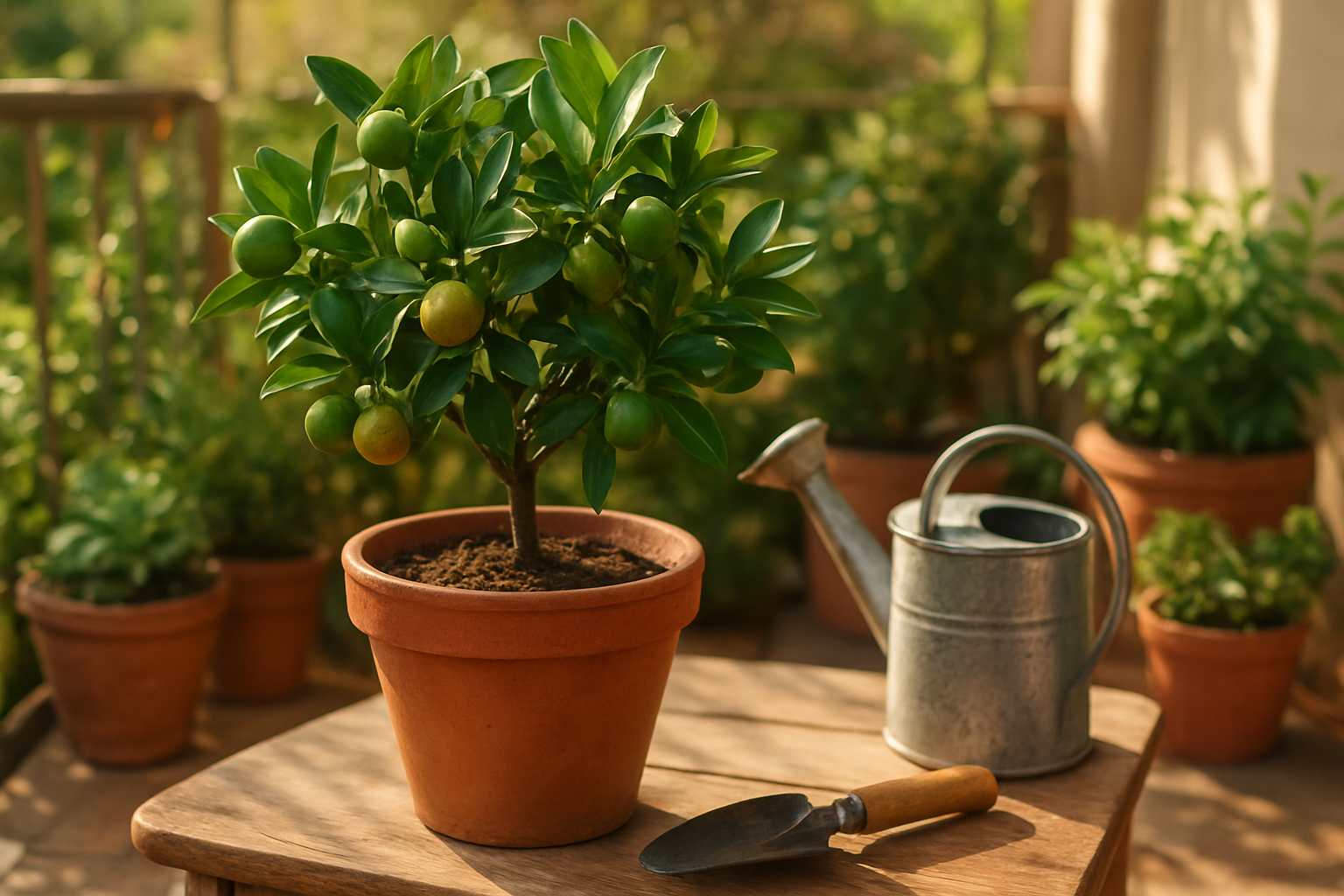
The calamansi tree thrives in warm, tropical climates with temperatures ranging between 68°F to 86°F (20°C to 30°C). This Filipino lime fruit prefers consistent warmth year-round and doesn't tolerate frost well. If you live in cooler regions, consider growing your calamansi tree in a large container that can be moved indoors during winter months.
Humidity plays a crucial role in calamansi tree cultivation. Aim for humidity levels between 60-80% for optimal growth. You can increase humidity around your tree by placing a water tray nearby or using a humidifier if growing indoors.
For soil requirements, calamansi trees prefer well-draining, slightly acidic soil with a pH between 6.0 to 6.5. The soil should be rich in organic matter and have good drainage to prevent root rot. A mixture of regular potting soil, compost, and perlite works well for container growing. Sandy loam soil enriched with organic compost is ideal for outdoor planting.
Planting techniques for optimal growth
When learning how to grow calamansi, proper planting techniques make all the difference. Start with healthy seedlings from reputable nurseries or grow from seeds, though seedlings establish faster and typically produce fruit sooner.
For container planting, choose pots at least 20 inches wide and 18 inches deep with adequate drainage holes. This allows enough space for root development and prevents waterlogging. Fill the container with your prepared soil mixture, leaving about 2 inches from the rim.
When planting, dig a hole twice the width of the root ball but only as deep as the container the seedling came in. Gently loosen any circled roots and position the plant so the root crown sits level with the soil surface. Backfill with soil, water thoroughly, and add a 2-inch layer of organic mulch around the base, keeping it away from the trunk.
Space outdoor trees 8-10 feet apart to allow for mature canopy spread and proper air circulation.
Watering and fertilization schedules
Consistent moisture is key to successful calamansi cultivation, but overwatering can be deadly. Water when the top inch of soil feels dry to the touch. During growing season (spring and summer), this typically means watering 2-3 times per week. Reduce frequency in winter when growth slows.
Deep, infrequent watering encourages strong root development. Water slowly at the base of the tree until water drains from the bottom of containers or penetrates 6-8 inches deep for ground-planted trees.
Calamansi trees are moderate feeders that benefit from regular fertilization. Use a balanced citrus fertilizer (like 8-8-8 or 10-10-10) every 6-8 weeks during growing season. For organic options, apply compost or well-aged manure monthly, supplemented with fish emulsion every 2-3 weeks.
| Season | Fertilization | Frequency |
|---|---|---|
| Spring/Summer | Balanced citrus fertilizer | Every 6-8 weeks |
| Fall | Reduce by half | Every 10-12 weeks |
| Winter | Minimal to none | As needed based on growth |
Common pests and disease prevention methods
Preventing problems is easier than treating them when growing calamansi trees. Start with proper spacing, good air circulation, and avoiding overhead watering to prevent many fungal issues.
Common pests include aphids, scale insects, and citrus leaf miners. Inspect your tree weekly, checking under leaves and along stems. Aphids appear as small, soft-bodied insects that cluster on new growth. Scale insects look like small, hard bumps on branches and leaves. Citrus leaf miners create winding trails through leaves.
For pest control, start with gentle methods like spraying off aphids with water or wiping scale insects with alcohol-soaked cotton swabs. Neem oil serves as an effective organic treatment for most pests when applied every 7-10 days.
Disease prevention focuses on proper watering practices and good sanitation. Avoid watering leaves directly, especially in evening hours. Remove fallen leaves and debris promptly. Ensure good drainage to prevent root rot, which shows as yellowing leaves and stunted growth.
Watch for citrus canker, which appears as raised, corky spots on leaves and fruit. Remove affected plant parts immediately and disinfect tools between cuts. Proper nutrition through regular fertilization helps trees resist diseases naturally.
Transform Your Cooking with Versatile Calamansi Uses
Traditional Filipino dishes enhanced with calamansi
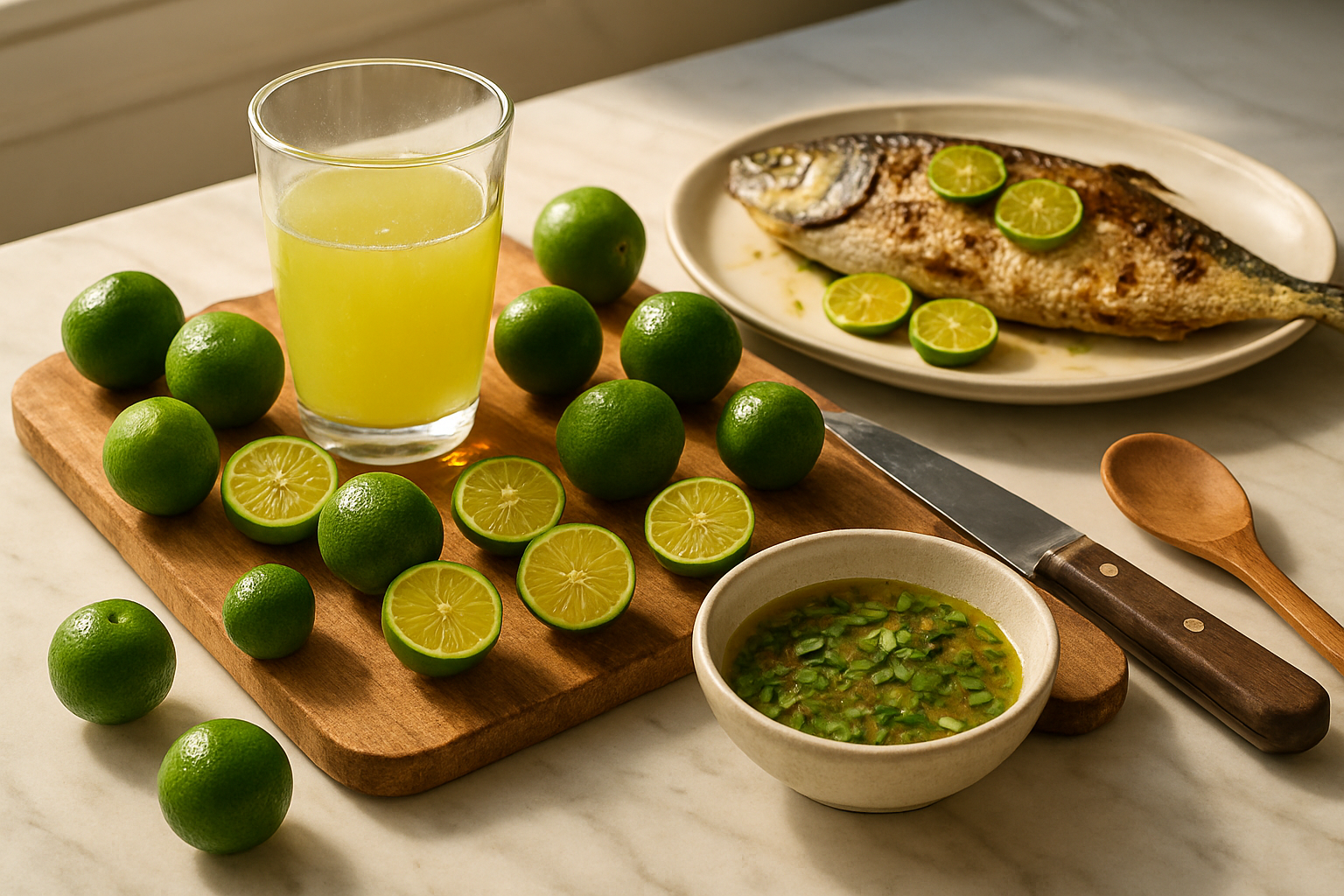
Calamansi fruit transforms everyday Filipino dishes into extraordinary culinary experiences. This tiny citrus powerhouse adds a distinctive tang that complements the rich, savory flavors of traditional cuisine. Adobo, the Philippines' national dish, becomes more vibrant when finished with fresh calamansi juice, cutting through the salty-sweet marinade with bright acidity.
Pancit noodles reach their full potential with generous squeezes of calamansi, while grilled seafood like bangus or tilapia develops complex flavor layers when paired with calamansi-based sawsawan (dipping sauce). The fruit's unique sweet-tart profile enhances lumpia, providing the perfect acidic counterpoint to fried spring rolls.
Sinigang soup benefits enormously from calamansi's natural tartness, which amplifies the dish's signature sour notes. Many Filipino cooks prefer calamansi over traditional tamarind for its cleaner, more refined acidity. Even simple rice dishes transform when topped with calamansi-infused proteins or vegetables.
Refreshing beverages and cocktail applications
Fresh calamansi juice creates some of the most refreshing beverages imaginable. Mixed with water and sugar, it produces a drink that's more complex than lemonade, offering floral undertones alongside its citrusy punch. Ice-cold calamansi juice has become a staple in Filipino restaurants worldwide.
Cocktail enthusiasts discover endless possibilities with this versatile fruit. Calamansi mojitos provide a tropical twist on the classic Cuban drink, while calamansi margaritas offer unique flavor profiles that regular lime cannot match. The fruit's natural sweetness reduces the need for additional sugars in mixed drinks.
Hot calamansi tea with honey serves as both a comforting beverage and natural remedy for cold symptoms. Many people prefer this combination over traditional lemon tea for its gentler acidity and aromatic qualities.
Marinades and dressings that elevate flavors
Calamansi uses in marinades create incredibly tender, flavorful proteins. The fruit's natural enzymes break down tough fibers in meat while infusing dishes with citrusy brightness. Chicken marinated in calamansi, soy sauce, and garlic develops golden skin and juicy interiors when grilled or roasted.
Seafood marinades benefit tremendously from calamansi's delicate acidity. Fish and shellfish absorb the fruit's essence without becoming overly acidic or "cooked" by the citrus, unlike stronger acids that can tough proteins.
Salad dressings made with calamansi offer restaurant-quality results at home. Combined with olive oil, fish sauce, and palm sugar, calamansi creates vibrant vinaigrettes perfect for tropical salads or grilled vegetables. The fruit's natural oils add complexity that bottled citrus juices cannot replicate.
Desserts and preserves for sweet applications
Sweet applications showcase calamansi's versatility beyond savory dishes. Calamansi bars rival key lime bars with their perfect balance of tart and sweet flavors. The fruit's natural pectin makes it ideal for jams and marmalades that spread beautifully on toast or pastries.
Calamansi pie offers a Filipino twist on classic citrus desserts, while calamansi ice cream provides refreshing relief from tropical heat. The fruit's essential oils create aromatic desserts with lasting flavor impressions.
Preserved calamansi, whether candied or pickled, extends the fruit's usability throughout the year. Candied peels make excellent garnishes for cocktails or desserts, while pickled whole fruits add tangy elements to savory dishes. These preservation methods concentrate the fruit's flavors while maintaining its distinctive character.
Home cooks often make calamansi syrup by reducing the juice with sugar, creating versatile sweeteners for pancakes, cocktails, or dessert sauces.
Maximize Health Benefits Through Smart Consumption
Daily Recommended Intake for Optimal Nutrition
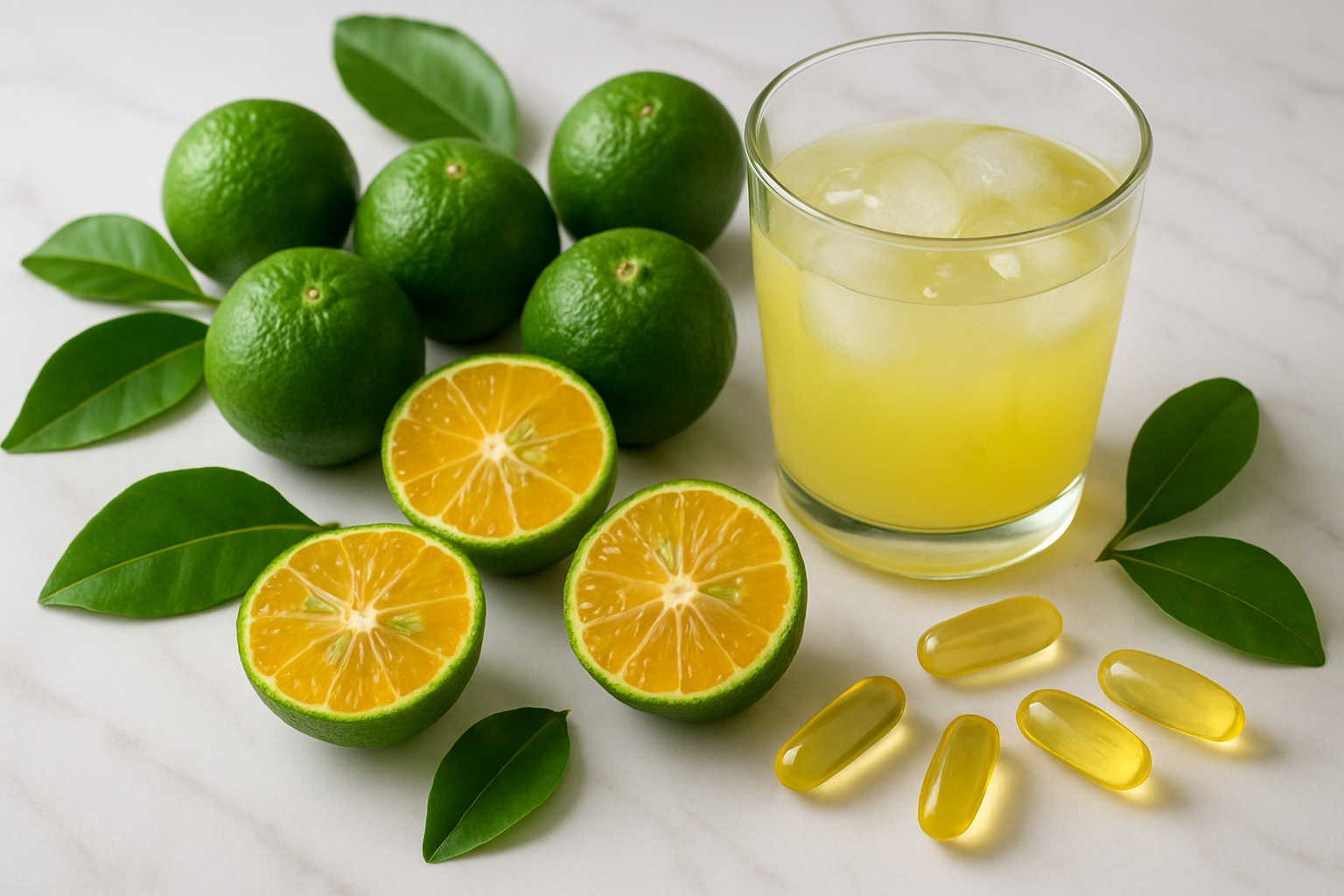
Getting the right amount of calamansi fruit in your daily diet can really boost your overall health. For most adults, consuming 2-3 fresh calamansi fruits daily provides an excellent vitamin C boost without overwhelming your system. This translates to roughly 1-2 tablespoons of fresh calamansi juice, which delivers about 30-60mg of vitamin C - that's already half your daily requirement.
If you're using calamansi juice as a drink, dilute 1-2 tablespoons in a glass of water. Drinking this mixture twice daily works wonderfully for immune support and digestion. For cooking purposes, you can be more generous - the citric acid content helps with iron absorption when paired with meals containing leafy greens or lean meats.
Calamansi benefits are best absorbed when consumed with food rather than on an empty stomach. The natural acids can be pretty intense, so timing matters. Morning consumption pairs well with breakfast, while an afternoon serving can help with that post-lunch energy dip.
Children can safely enjoy smaller portions - about 1 fruit daily for kids under 10, and 1-2 fruits for teenagers. Pregnant women should stick to moderate amounts, around 1-2 fruits daily, to avoid any potential stomach upset while still getting those valuable calamansi nutrition facts working in their favor.
Natural Remedies and Traditional Medicinal Uses
Filipino families have passed down incredible wisdom about calamansi health benefits for generations. This little powerhouse has been treating common ailments long before modern medicine caught on to its potential.
Sore throat relief tops the list of traditional uses. Mix fresh calamansi juice with warm water and a touch of honey - this combination soothes inflammation while the vitamin C content helps fight infection. Many people find this works faster than commercial throat lozenges.
For digestive issues, calamansi juice acts as a natural detoxifier. Drinking diluted juice first thing in the morning can help reset your digestive system and reduce bloating. The citric acid stimulates digestive enzymes, making it easier for your body to process foods throughout the day.
Traditional medicine also uses calamansi for skin conditions. The natural acids help exfoliate dead skin cells when applied topically (always diluted). Some people create face masks by mixing calamansi juice with honey for acne-prone skin, though patch testing is essential before full application.
Weight management gets a boost from calamansi's metabolism-supporting properties. The pectin fiber helps you feel full longer, while the citric acid may support healthy fat metabolism. Many people add calamansi to their water throughout the day as a natural appetite moderator.
Potential Side Effects and Precautions to Consider
While calamansi fruit is generally safe for most people, certain situations call for extra caution. The high acidity can cause stomach irritation in people with sensitive digestive systems or existing ulcers. If you experience burning sensations or stomach pain, reduce your intake or dilute the juice more thoroughly.
Dental health deserves special attention when consuming acidic fruits regularly. Calamansi's citric acid can weaken tooth enamel over time. Always rinse your mouth with plain water after drinking calamansi juice, and wait at least 30 minutes before brushing your teeth to avoid damaging softened enamel.
People taking certain medications should check with their healthcare provider before adding significant amounts of calamansi to their diet. The fruit can interact with some blood pressure medications and may enhance the effects of blood-thinning drugs due to its vitamin C content.
Skin sensitivity is another consideration. Some people develop photosensitivity reactions when citrus juice contacts their skin before sun exposure. This can lead to dark spots or burns, so wash hands thoroughly after handling fresh calamansi and avoid getting juice on exposed skin areas.
Kidney stone formation could potentially increase in people who are prone to calcium oxalate stones, though this risk is generally low with moderate consumption. Those with a history of kidney stones should monitor their intake and stay well-hydrated.
Allergic reactions, while rare, can occur. Watch for symptoms like itching, swelling, or difficulty breathing, especially during your first few times trying calamansi. Start with small amounts to test your body's response.
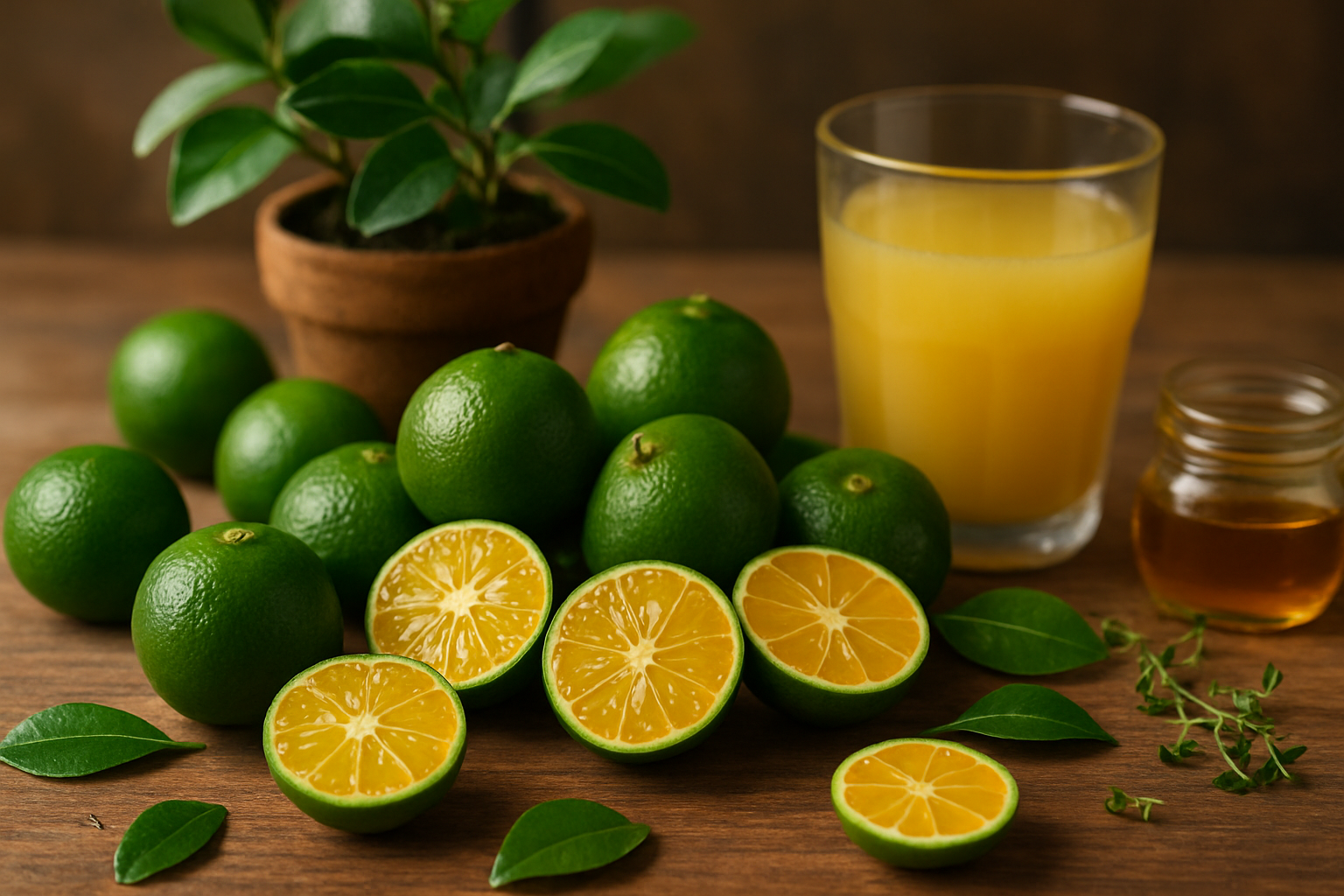
This tiny citrus fruit packs a serious punch when it comes to both flavor and nutrition. From its origins in Southeast Asia to its impressive vitamin C content and antioxidant properties, calamansi proves that good things really do come in small packages. You've learned how easy it is to grow your own calamansi tree at home, opening up endless possibilities for fresh, homegrown citrus year-round.
The beauty of calamansi lies in its incredible versatility - whether you're adding a tangy twist to your marinades, creating refreshing beverages, or boosting your immune system naturally. Start small by picking up some calamansi from your local Asian grocery store and experimenting with different recipes. Once you taste the difference this little fruit can make in your cooking and health routine, you'll understand why it's been a staple in Filipino and Southeast Asian cuisine for centuries.


.png)
Comments
Post a Comment