Citron - What's the Citron Fruit?
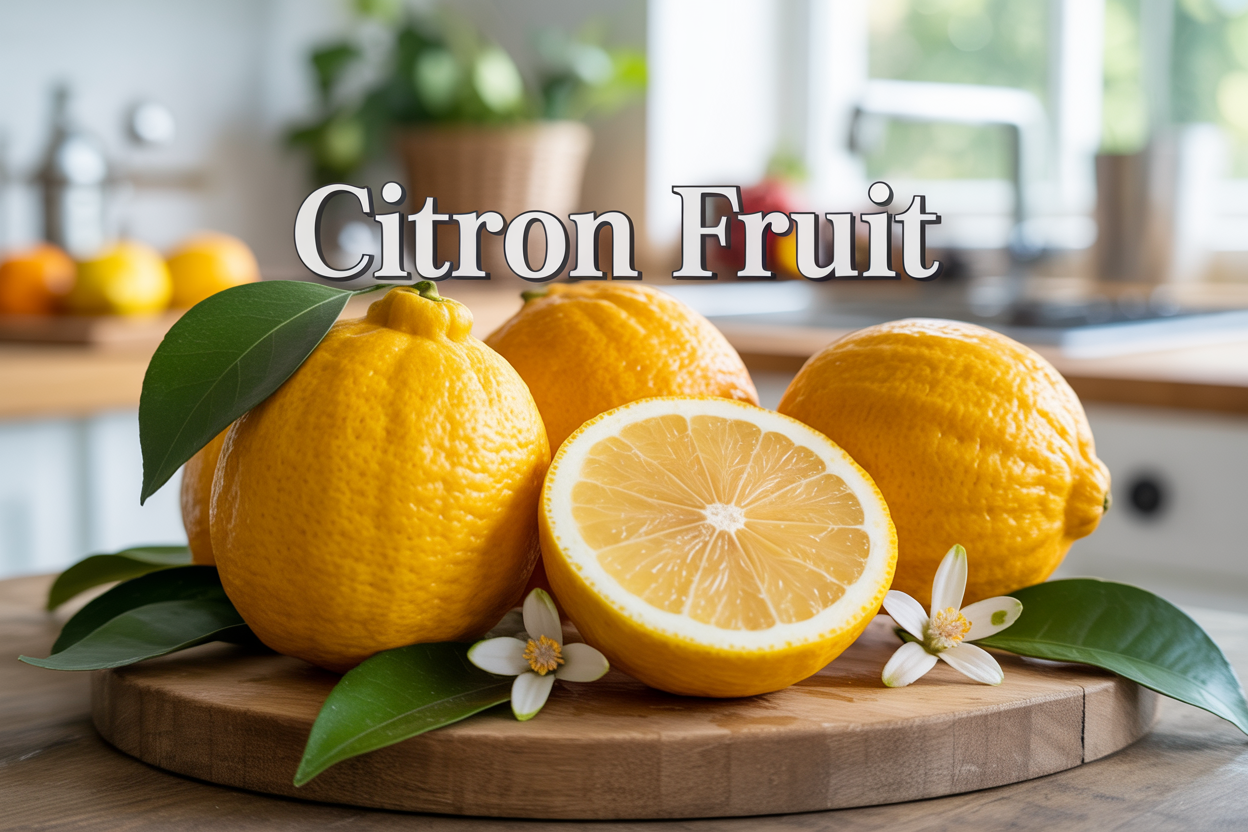
Ever seen a bumpy, thick-skinned yellow fruit at the market and wondered what it was? That unusual citrus is likely a citron fruit – one of the oldest and most unique members of the citrus family that many people have never heard of.
This guide is perfect for curious home cooks, health enthusiasts, and anyone who loves discovering new flavors and ingredients. The citron might look like a mutant lemon, but it's actually quite different and offers some surprising benefits.
We'll explore what makes citron special by diving into its impressive nutritional benefits and how they can boost your wellness routine. You'll also discover creative culinary uses that can add bold, aromatic flavors to your cooking. Plus, we'll cover practical tips for growing your own citron trees if you want to try cultivating this ancient fruit at home.
Understanding the Basics of Citron Fruit
What Makes Citron Different from Other Citrus Fruits
Citron fruit stands apart from its citrus cousins in remarkable ways that make it truly unique. While most people know lemons, limes, and oranges, citron fruit represents one of the original citrus species that actually gave birth to many modern varieties we enjoy today.
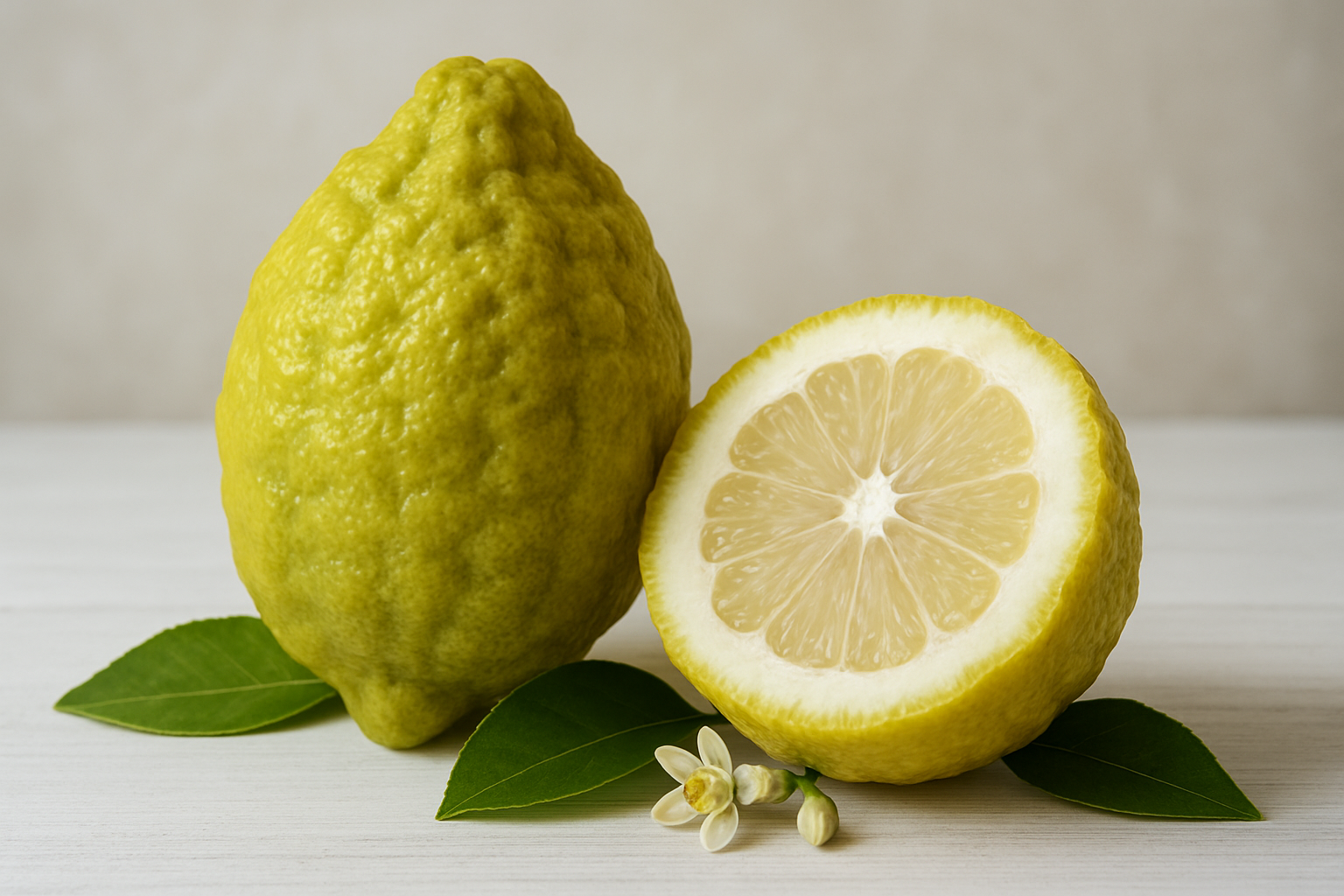
The most striking difference lies in the citron's thick, bumpy rind that can make up 70-90% of the entire fruit. Unlike a lemon where you get plenty of juice, citrons contain very little pulp or juice. The pith (white part under the skin) is massive and spongy, completely different from the thin layer you'd find in other citrus fruits.
What is citron compared to a lemon? While they might look somewhat similar at first glance, citrons are typically much larger, often weighing 1-4 pounds each. The skin texture feels rougher and more textured, almost like it's wearing armor. The flavor profile also sets citrons apart - they're less acidic than lemons but pack an incredibly intense, almost floral fragrance that fills a room.
| Feature | Citron | Lemon | Orange |
|---|---|---|---|
| Size | 6-12 inches long | 2-4 inches | 3-4 inches |
| Rind thickness | Very thick (70-90%) | Thin | Medium |
| Juice content | Very little | High | High |
| Primary use | Rind/zest | Juice and zest | Juice and segments |
Physical Characteristics and Appearance You Can Recognize
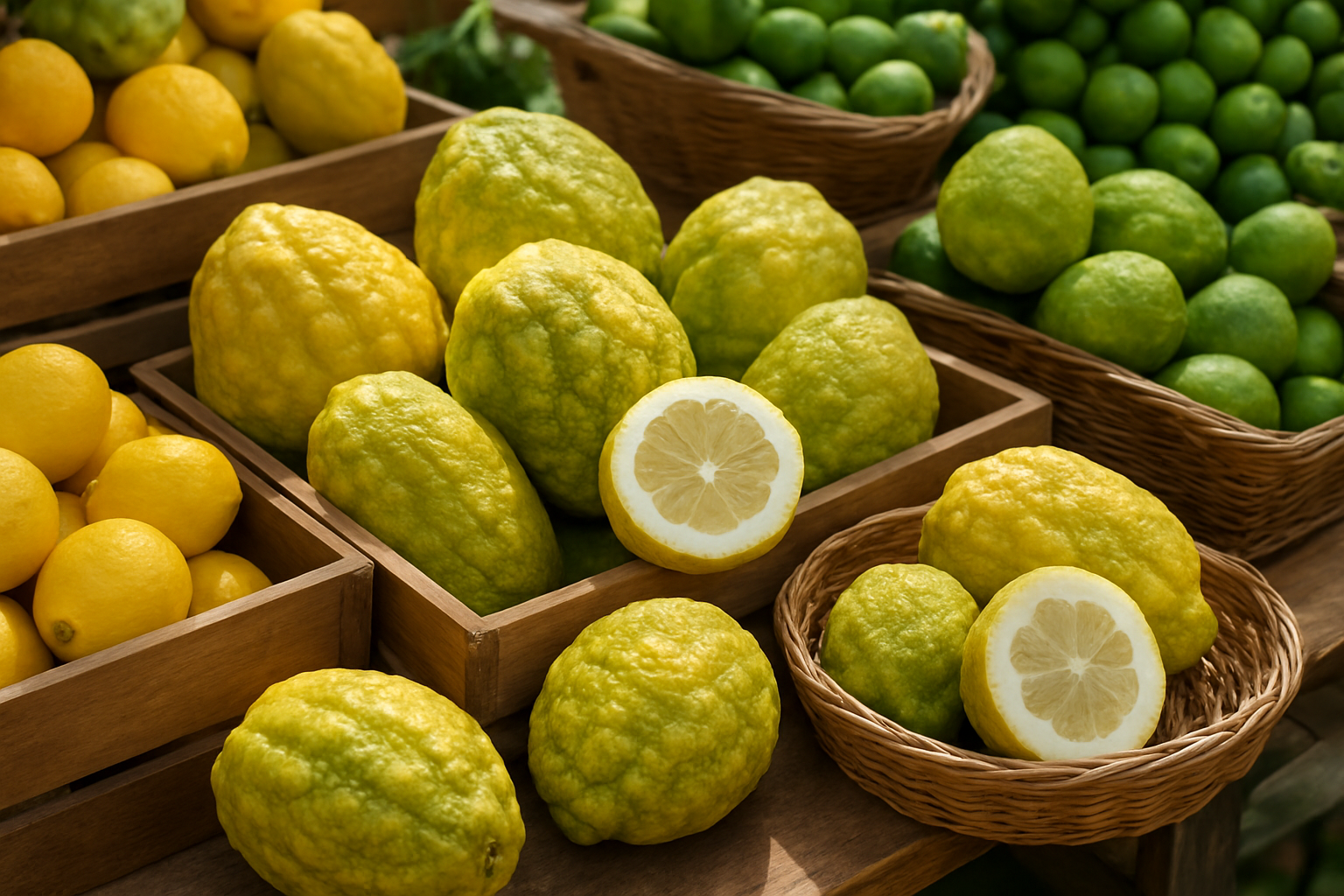
Recognizing a citron fruit becomes easy once you know what to look for. These ancient fruits typically grow to impressive sizes, ranging from 6 to 12 inches in length and sometimes weighing as much as 8-10 pounds for the largest varieties.
The skin color varies from bright yellow to pale green, depending on the variety and ripeness. The surface appears bumpy and irregular, almost like someone took a regular citrus fruit and gave it a textured, weathered appearance. This rough exterior isn't a flaw - it's the citron's signature feature.
When you hold a citron, you'll immediately notice its weight distribution feels different. The fruit feels dense and solid because of that massive pith layer underneath the skin. The shape tends to be more elongated than round, often described as oval or football-like.
The most distinctive visual characteristic is the pronounced bumps and ridges covering the entire surface. These aren't random - they create beautiful patterns that make each citron look like a work of art. Some varieties, like the Buddha's Hand citron, split into finger-like projections that look absolutely otherworldly.
Fresh citrons emit an incredibly powerful fragrance that you can smell from several feet away. The aroma is intensely citrusy but with floral and almost perfume-like notes that distinguish it from any other citrus fruit you've encountered.
Origins and Historical Significance of This Ancient Fruit
Citron fruit carries one of the most fascinating backstories in the entire citrus family. This ancient fruit originated in the foothills of the Himalayas and northeastern India over 4,000 years ago, making it one of the very first citrus fruits known to humanity.
Historical records show citrons traveling along ancient trade routes, reaching the Mediterranean region around 500 BCE. The fruit held such high value that it became a symbol of wealth and prosperity in ancient civilizations. Persian and Median cultures prized citrons not just for their unique properties but also for their incredible longevity - these fruits can last for months without spoiling.
The religious significance of citrons cannot be overstated. In Jewish tradition, the etrog (a specific variety of citron) plays a central role in Sukkot celebrations, one of the most important religious holidays. This connection has been maintained for over 2,000 years, making citron one of the oldest continuously cultivated fruits for religious purposes.
Ancient Greeks and Romans documented citron's medicinal uses extensively. They believed the fruit could neutralize poisons and used it to treat various ailments. Wealthy Romans would display citrons in their homes as status symbols, and the fruit appeared frequently in mosaics and artwork from that era.
Botanically, citron fruit deserves credit as one of the three original citrus species (along with pomelo and mandarin) that gave rise to virtually every citrus fruit we eat today. Lemons, for example, are actually hybrids that resulted from crossing citrons with other citrus varieties thousands of years ago.
Nutritional Benefits That Make Citron Worth Trying

Essential Vitamins and Minerals Your Body Needs
Citron fruit packs an impressive array of vital nutrients that support your overall health. The most notable component is vitamin C, with citron containing exceptionally high levels that surpass many other citrus fruits. Just one serving provides a significant portion of your daily vitamin C requirements, supporting immune function and collagen production.
The mineral profile of citron benefits includes substantial amounts of potassium, which helps regulate blood pressure and supports heart health. You'll also find calcium for bone strength, magnesium for muscle function, and iron for healthy blood circulation. The citron nutrition profile includes folate, essential for DNA synthesis and red blood cell formation.
B-complex vitamins present in citron fruit contribute to energy metabolism and nervous system health. These include thiamine, riboflavin, and niacin, which work together to convert food into usable energy for your body.
Antioxidant Properties for Better Health
The antioxidant power of citron fruit comes from various compounds that fight free radical damage in your body. Flavonoids like hesperidin and naringin provide anti-inflammatory benefits and may help reduce the risk of chronic diseases.
Citrus limonoids found in citron have shown promising results in laboratory studies for their potential cancer-fighting properties. These natural compounds work alongside vitamin C to create a powerful antioxidant network that protects your cells from oxidative stress.
The peel of citron contains particularly high concentrations of antioxidants, making it valuable for both culinary and health purposes. Essential oils in the peel contribute additional therapeutic compounds that support overall wellness.
Low Calorie Content for Weight Management
Weight-conscious individuals will appreciate that citron fruit is naturally low in calories while being high in nutrients. A typical serving contains fewer than 30 calories, making it an excellent choice for those managing their caloric intake.
The high water content and fiber in citron help create a feeling of fullness without adding excess calories to your diet. This natural satiety effect can support healthy weight management goals when citron is incorporated into a balanced eating plan.
Unlike processed snacks or sugary fruits, citron provides sustained energy without causing blood sugar spikes that lead to cravings later in the day.
Digestive Health Benefits You'll Experience
The fiber content in citron fruit promotes healthy digestion by supporting regular bowel movements and feeding beneficial gut bacteria. This soluble and insoluble fiber combination helps maintain optimal digestive function.
Citron's natural acids can stimulate digestive enzyme production, potentially improving your body's ability to break down and absorb nutrients from other foods. Many people find that consuming citron before meals helps reduce bloating and digestive discomfort.
The pectin in citron acts as a prebiotic, encouraging the growth of healthy gut bacteria that play crucial roles in immune function and overall health. Traditional medicine has long recognized citron's digestive benefits, using it to address various gastrointestinal concerns.
Culinary Uses That Transform Your Cooking
Traditional Recipes and Cultural Preparations
Citron fruit holds deep cultural significance across many cuisines, particularly in Jewish, Mediterranean, and Middle Eastern traditions. In Jewish culture, the etrog (a type of citron) plays an essential role during Sukkot celebrations, while its culinary applications extend to preserved citron and ceremonial preparations.
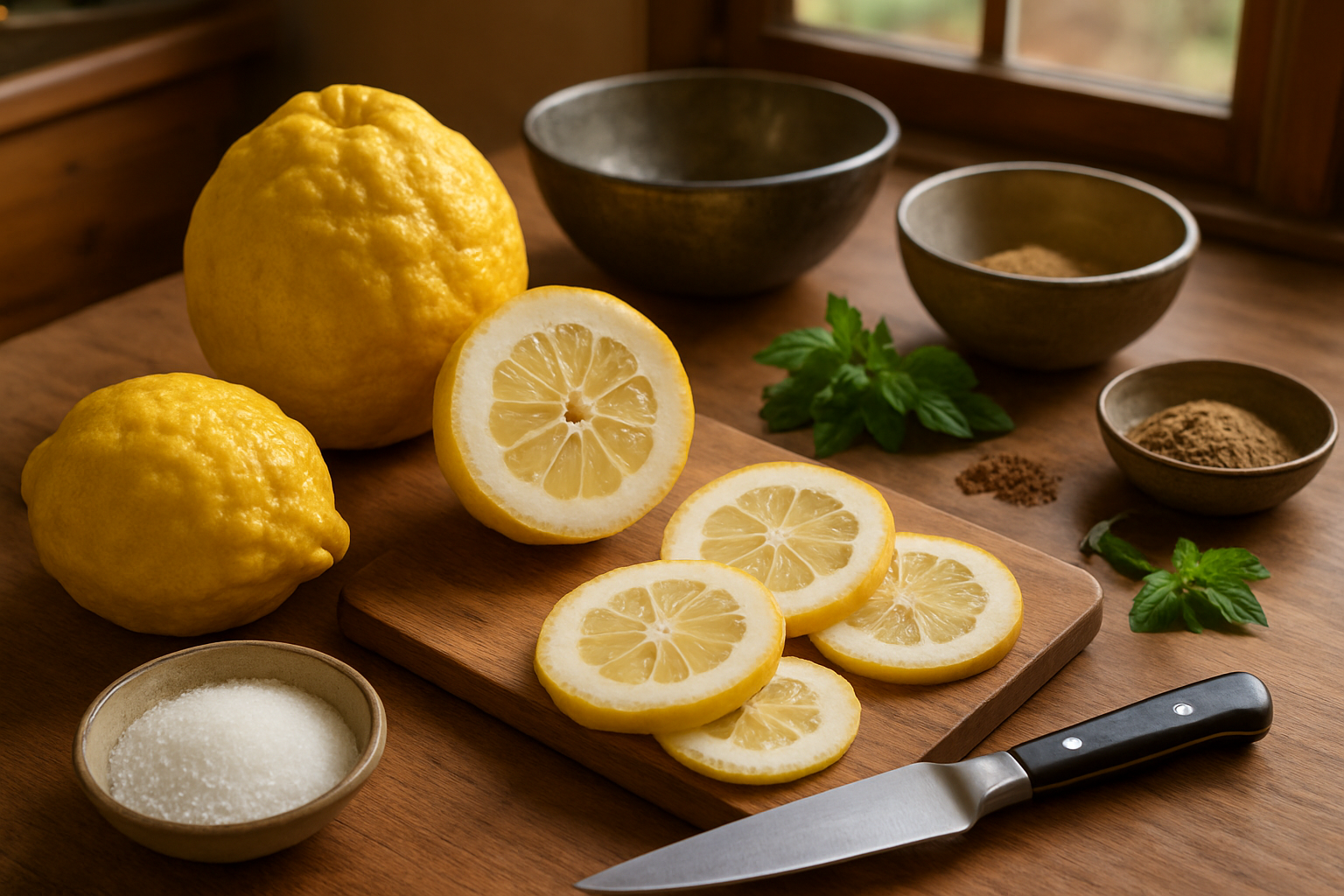
Mediterranean cooks have been crafting candied citron for centuries, transforming the thick peel into sweet, aromatic confections that grace holiday breads and pastries. Italian panettone wouldn't be complete without those distinctive green citron pieces, while French chefs incorporate candied citron into their elaborate fruit cakes and traditional galettes.
Middle Eastern cuisine showcases citron in savory applications too. Persian cooks pickle young citrons with herbs and spices, creating tangy accompaniments that brighten rice dishes and grilled meats. Lebanese cuisine features citron in ma'amoul cookies and various syrup-based desserts.
Greek islanders have perfected the art of citron liqueurs, steeping the aromatic oils in local spirits to create digestifs that capture the essence of sun-drenched groves. These traditional methods preserve both the flavor and cultural heritage that makes citron recipes so special across generations.
Modern Kitchen Applications and Creative Ideas
Today's innovative chefs are rediscovering citron's versatility beyond traditional preparations. The fruit's unique flavor profile - less acidic than lemons but intensely aromatic - opens doors to creative citron culinary uses that modern home cooks can easily master.
Bartenders are incorporating fresh citron juice into craft cocktails, where its subtle tartness and floral notes create complex flavor layers. Citron simple syrups add sophistication to sparkling water, while muddled citron segments bring unexpected depth to mojitos and gin-based drinks.
Contemporary baking applications include citron-infused shortbreads, where the fruit's oils enhance buttery textures without overwhelming sweetness. Pastry chefs are experimenting with citron curd as an alternative to lemon curd, offering a more nuanced citrus experience in tarts and layer cakes.
Savory applications are gaining popularity too. Citron vinaigrettes brighten winter salads, while citron salt becomes an excellent finishing touch for roasted vegetables and seafood. The fruit's natural preservative qualities make it perfect for quick-pickling vegetables, adding bright acidity to everything from cucumbers to red onions.
Ice cream makers are creating citron sorbets that showcase the fruit's pure essence, while creative cooks are incorporating citron segments into grain bowls and Mediterranean-inspired dishes.
Zest and Peel Uses for Enhanced Flavors
The citron's most valuable culinary asset lies in its incredibly thick, oil-rich peel - often comprising 60% of the entire fruit. This abundance of aromatic outer layer provides home cooks with numerous flavor-enhancing opportunities that surpass what's possible with regular lemons or limes.
Fresh citron zest delivers an intense burst of citrus oils that transforms ordinary dishes into extraordinary experiences. Just a small amount grated over pasta, risotto, or roasted chicken releases volatile compounds that create layers of aroma and taste. The zest works particularly well in cream-based sauces, where the oils blend seamlessly with dairy to create rich, complex flavors.
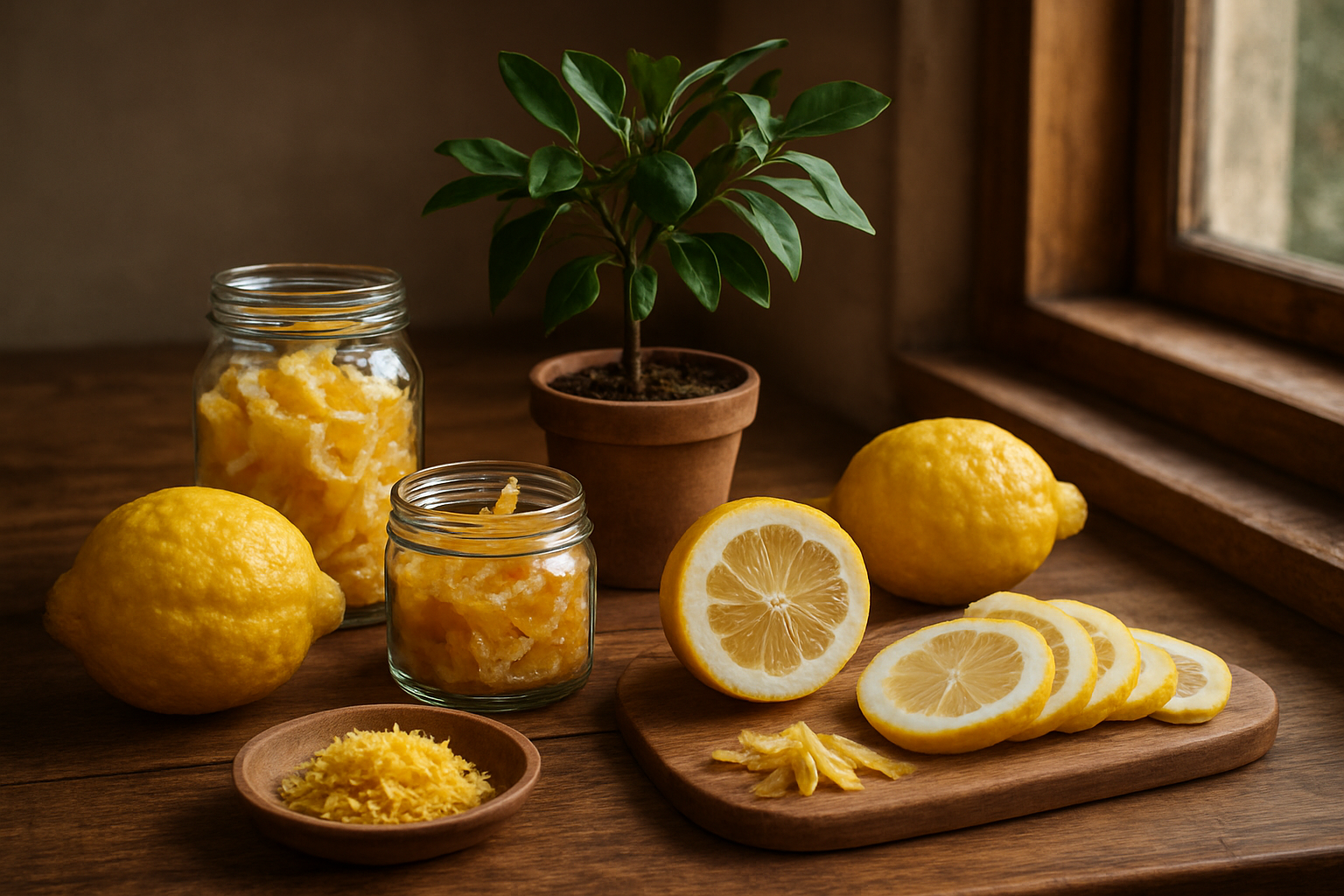
The white pith, usually bitter in other citrus fruits, remains relatively mild in citrons, making the entire peel usable. Thin strips of citron peel can be candied quickly in simple syrup, creating instant garnishes for desserts or additions to cheese boards.
| Peel Application | Best Uses | Flavor Profile |
|---|---|---|
| Fresh Zest | Baking, marinades, finishing | Intense, floral |
| Candied Peel | Desserts, confections | Sweet, aromatic |
| Dried Peel | Teas, spice blends | Concentrated, warming |
| Oil Extraction | Flavoring, aromatherapy | Pure citrus essence |
Dehydrating citron peels creates powerful flavor enhancers that can be ground into powder for seasoning blends or steeped in hot water for therapeutic teas. The dried peels maintain their potency for months, providing year-round access to citron's distinctive taste even when fresh fruit isn't available.
Growing and Harvesting Your Own Citron Trees
Ideal Climate Conditions for Successful Growth
Citron trees thrive in Mediterranean-style climates with warm, dry summers and mild winters. These hardy citrus trees prefer temperatures between 55-85°F, making them more cold-tolerant than many other citrus varieties. They can handle brief drops to around 20°F, but prolonged freezing will damage the tree.
Your citron tree needs plenty of sunshine – at least 6-8 hours of direct sunlight daily. While they love warmth, citron trees actually prefer lower humidity compared to other citrus fruits. This makes them perfect for arid and semi-arid regions where other citrus might struggle.
Wind protection is crucial since citron trees develop large, fragrant leaves that can be damaged by strong gusts. Plant them near walls or use windbreaks to shield young trees. Good air circulation prevents fungal issues, but avoid exposing them to harsh, drying winds.
Planting and Care Requirements You Should Know
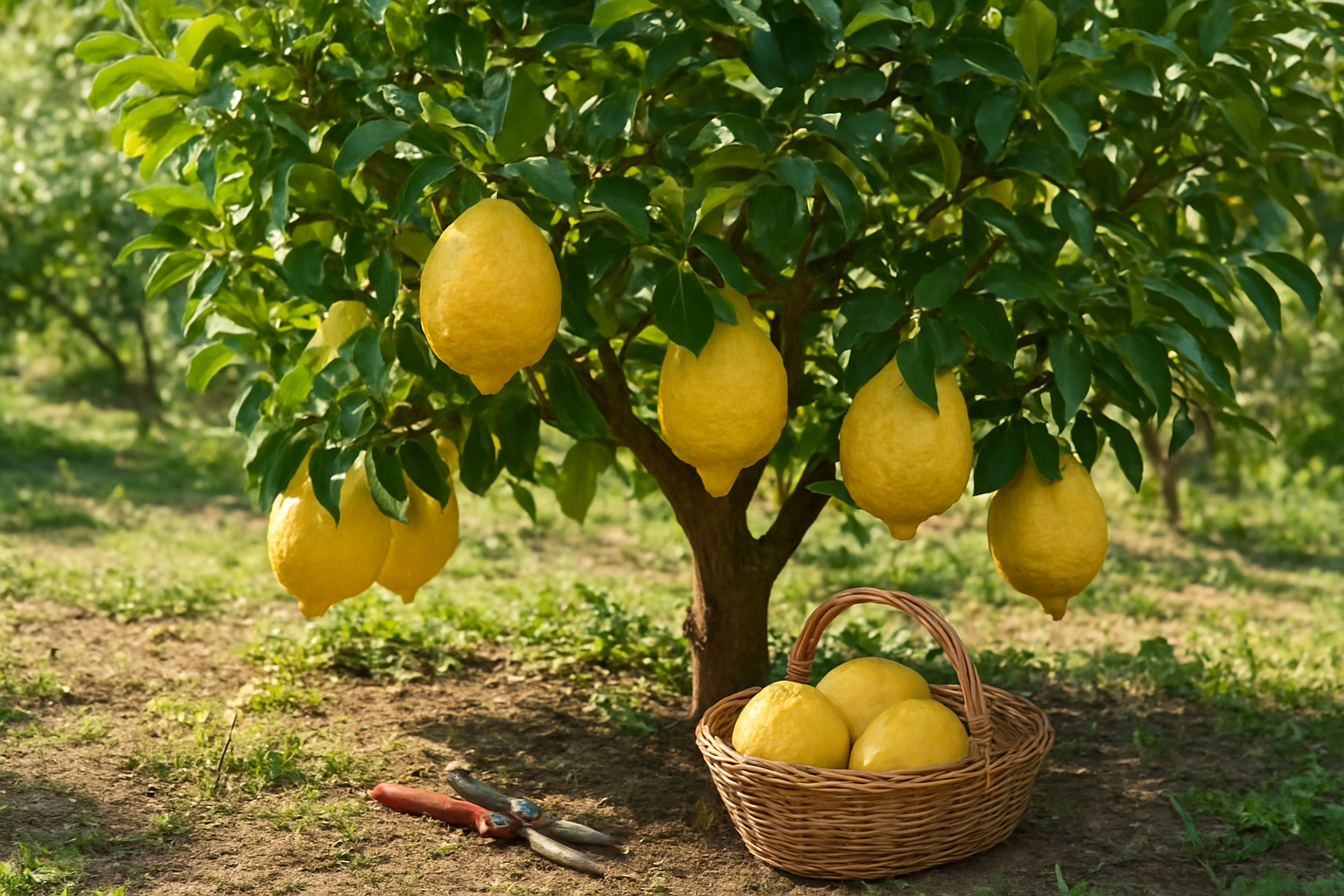
Plant your citron tree in well-draining soil with a pH between 6.0-7.5. These trees can't tolerate waterlogged conditions, so raised beds or containers work well if your soil holds too much moisture. Space trees at least 12-15 feet apart since mature citrons can reach 8-15 feet in height and width.
Water deeply but infrequently, allowing the soil to dry slightly between waterings. During the growing season, citron trees need regular moisture, but reduce watering in winter. Mulch around the base to retain moisture and suppress weeds, keeping mulch several inches away from the trunk.
Feed your citron tree with citrus-specific fertilizer three times yearly – early spring, late spring, and early summer. These trees are heavy feeders and benefit from regular applications of nitrogen, phosphorus, and potassium. Supplement with iron and magnesium if leaves show yellowing.
Pruning should be minimal on citron trees. Remove dead, diseased, or crossing branches in late winter. Light pruning helps maintain shape and improves air circulation, but avoid heavy pruning since citron trees grow slowly and take time to recover.
Harvesting Timeline and Storage Methods
Citron fruit takes 6-10 months to mature, depending on your climate and variety. Unlike other citrus, you don't harvest citron fruit for juice – the thick, aromatic peel is the prize. Fruits are ready when they reach full size (often 6-12 inches long) and develop their characteristic bumpy, yellow exterior.
The best time to harvest is when the peel gives slightly under gentle pressure but still feels firm. Citron fruit doesn't continue ripening once picked, so timing matters. Use clean, sharp pruning shears to cut the stem rather than pulling the fruit.
Fresh citron fruit stores well at room temperature for 2-3 weeks or in the refrigerator for up to 2 months. The thick peel protects the fruit from moisture loss. For longer storage, you can candy the peel or extract the essential oils for culinary use.
Many home growers prefer to harvest citron fruit slightly underripe if they plan to candy the peel, as firmer fruit holds its shape better during processing.
Common Problems and Solutions for Home Growers
Scale insects and aphids commonly attack citron trees, especially in warm climates. Regular inspection helps catch infestations early. Spray affected areas with horticultural oil or use beneficial insects like ladybugs for natural control. Sticky traps around the tree can monitor pest populations.
Root rot from overwatering kills more citron trees than any other problem. Yellow leaves, especially from the bottom up, often signal waterlogged roots. Improve drainage immediately and reduce watering frequency. In severe cases, you might need to transplant to better-draining soil.
Citron trees are susceptible to citrus canker, which causes raised, corky spots on leaves and fruit. Remove affected plant parts immediately and sterilize pruning tools between cuts. Copper-based fungicides can help prevent spread, but prevention through good air circulation works best.
Nutrient deficiencies show up as leaf discoloration. Yellow leaves with green veins indicate iron deficiency, while yellow leaf margins suggest potassium problems. Regular soil testing helps identify deficiencies before they become serious. Citrus-specific fertilizers usually prevent most nutrient issues.
Cold damage appears as brown, wilted leaves after temperature drops. Protect young trees with frost cloth when temperatures approach freezing. Mature trees handle cold better, but even they need protection during unusual cold snaps.
Where to Find and How to Select Quality Citron
Best Places to Purchase Fresh Citron Fruit
Finding citron fruit can be challenging since it's not commonly stocked in regular grocery stores. Your best bet is visiting specialty Middle Eastern, Jewish, or Mediterranean markets, especially during religious holidays like Sukkot when demand peaks. Many of these stores carry fresh citron fruit or can special order it for you.
Farmers markets with diverse vendors sometimes feature citron, particularly in areas with large Jewish or Mediterranean communities. Online retailers have become increasingly reliable sources, with several specialty fruit companies shipping fresh citron nationwide. However, expect to pay premium prices - citron fruit typically costs $20-50 per pound due to its rarity and specialized growing requirements.
Religious supply stores often stock citron during specific seasons, and some high-end gourmet food stores may carry it year-round. If you're striking out locally, contact citrus farms directly, especially those in California, Florida, or Arizona that specialize in rare citrus varieties.
Signs of Ripeness and Quality to Look For
Quality citron fruit should feel heavy for its size, indicating good moisture content and thick, oily rind. The skin should appear bright yellow-green to deep yellow, depending on the variety, with a slightly bumpy, textured surface that's characteristic of premium citron.
Avoid fruits with soft spots, dark blemishes, or wrinkled skin, as these indicate age or improper storage. The citron should give slightly to gentle pressure but shouldn't feel mushy. A fresh citron releases a strong, aromatic citrus scent when you scratch the surface lightly with your fingernail.
Look for specimens with minimal scarring and uniform coloring. Small surface imperfections are normal and don't affect quality, but avoid citron with deep cuts or extensive damage that could harbor bacteria or accelerate spoilage.
Seasonal Availability and Peak Times
Citron fruit follows a specific seasonal pattern, with peak availability typically occurring from September through November in the Northern Hemisphere. This timing aligns perfectly with Jewish holidays, particularly Sukkot, when citron (etrog) demand reaches its annual high.
The harvest season can extend into December and January, depending on the growing region and weather conditions. California citron orchards usually produce fruit from late summer through early winter, while Mediterranean and Middle Eastern sources may have slightly different timing.
During off-season months, fresh citron becomes extremely scarce and expensive. Planning ahead for seasonal availability ensures better selection and more reasonable pricing. Many suppliers accept pre-orders during spring and summer for fall delivery.
Storage Tips to Maintain Freshness Longer
Proper storage significantly extends citron fruit's usability. Store whole, uncut citron in the refrigerator's crisper drawer, wrapped loosely in perforated plastic bags to maintain humidity while allowing air circulation. Under these conditions, quality citron can last 2-3 weeks.
Room temperature storage works for short-term use (3-5 days) but accelerates deterioration. Never store citron in sealed plastic bags without ventilation, as trapped moisture promotes mold growth.
For long-term preservation, citron peel can be candied, dried, or frozen in segments. The thick rind freezes well for up to six months when properly wrapped. Check stored citron regularly and remove any showing signs of decay to prevent spoilage from spreading to other fruits.
Citron stands out as one of the most unique and versatile fruits you can discover. From its impressive vitamin C content and antioxidant properties to its ability to transform both sweet and savory dishes, this ancient citrus offers benefits that go far beyond its striking appearance. Whether you're using its fragrant zest in Mediterranean recipes or candying its thick peel for desserts, citron brings a distinctive flavor that can't be replicated by other citrus fruits.
Ready to experience citron for yourself? Start by visiting specialty grocery stores, Middle Eastern markets, or online retailers to find fresh citron. Look for fruits with bright, unblemished skin and a strong citrusy aroma. If you're feeling adventurous, consider growing your own citron tree – with the right climate and care, you'll have a steady supply of this remarkable fruit. Don't let citron remain a mystery in your kitchen any longer; it's time to explore what this extraordinary citrus can bring to your cooking and health routine.


.png)
Comments
Post a Comment