Clementine - What's the Clementine Fruit?
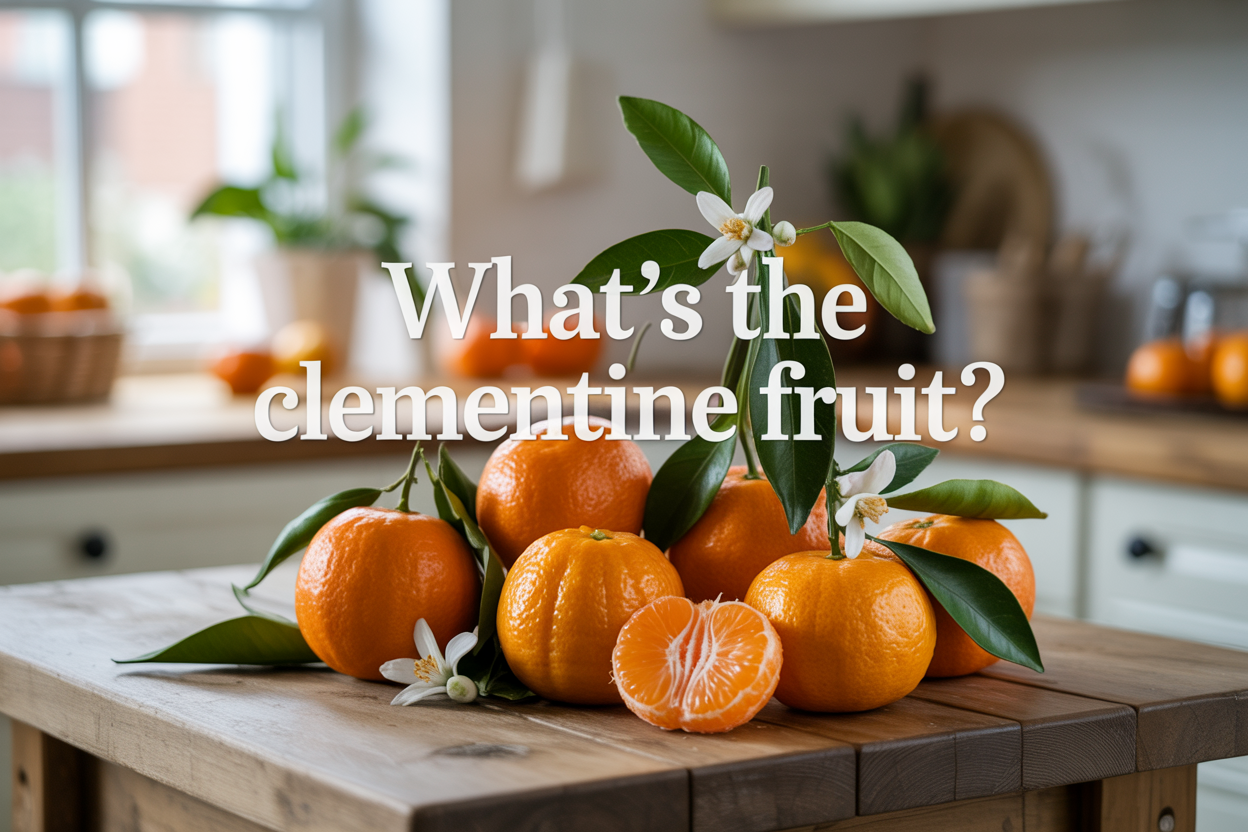
The clementine fruit is a sweet, seedless citrus that's become a favorite snack for families, health-conscious eaters, and home gardeners who want to understand this popular winter treat. Many people wonder what is a clementine and how it differs from regular oranges, especially when they see these small, easy-to-peel fruits filling grocery store bins during colder months.
This guide covers everything you need to know about clementines, from their impressive clementine nutrition facts and health benefits that make them a smart addition to your diet, to practical clementine storage tips that keep them fresh longer. We'll also explore how to grow clementines in your own backyard, including clementine tree care and when clementine harvest season arrives, plus share some creative clementine recipes that go beyond simple snacking.
Understanding Clementines: The Sweet Citrus Basics
What Makes Clementines Unique Among Citrus Fruits
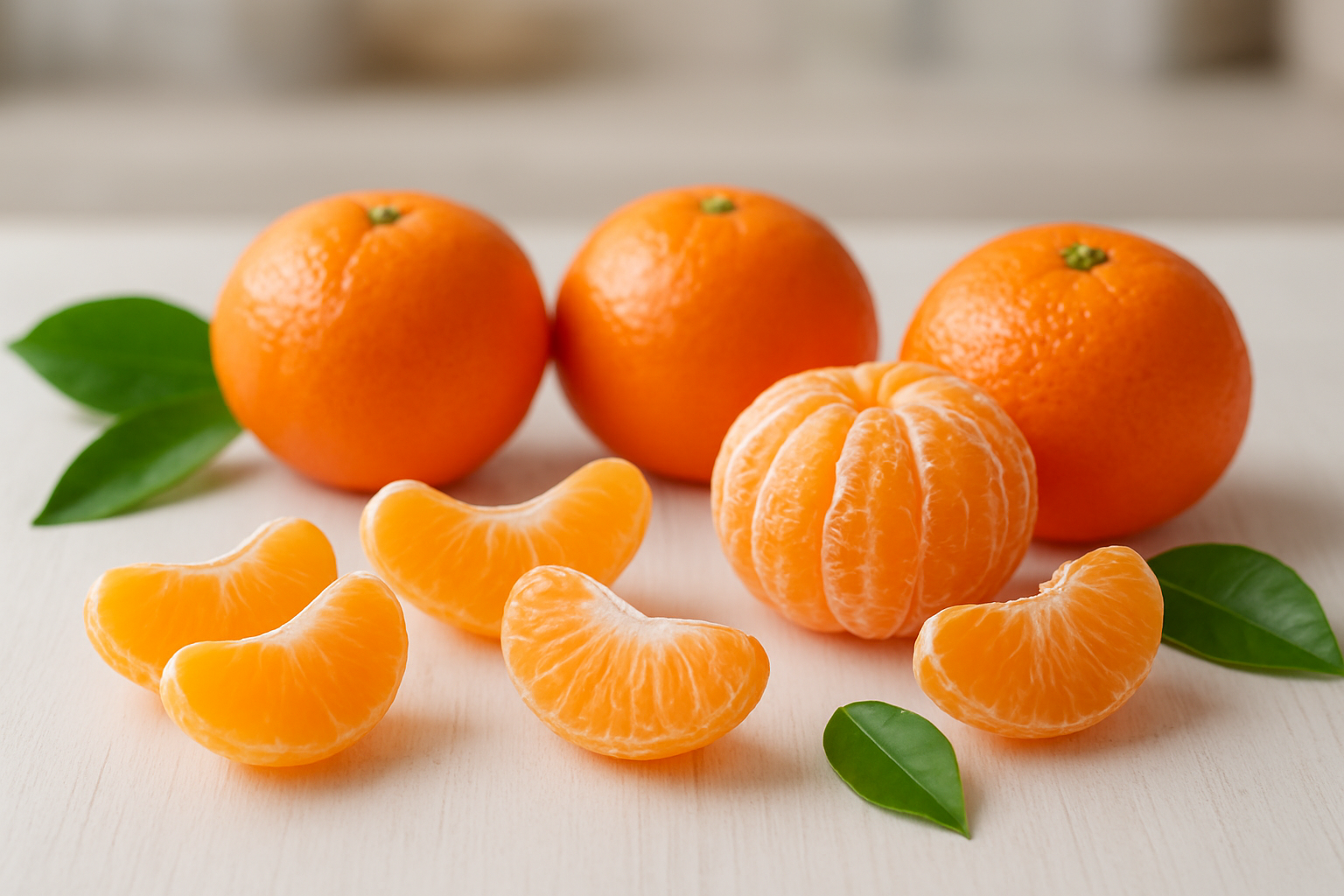
Clementines stand out in the citrus world for their remarkably sweet flavor and incredibly easy-to-peel skin. Unlike many citrus fruits that can be tart or require wrestling with thick peels, clementine fruit offers a delightfully different experience. These small, bright orange gems are seedless or nearly seedless, making them perfect for quick snacking without the annoyance of spitting out seeds.
The thin, glossy skin practically falls off in your hands, often peeling away in just a few pieces. This convenience factor has made clementines wildly popular among parents packing school lunches and anyone wanting a mess-free citrus fix. Their balanced sweetness means they rarely need added sugar, unlike some of their more acidic citrus cousins.
The Origin Story Behind This Popular Mandarin Variety
The clementine's history traces back to early 20th-century Algeria, where French missionary Father Clément Rodier discovered this exceptional fruit. What is a clementine becomes clearer when you understand it's actually a hybrid - a cross between a mandarin orange and a sweet orange, though some botanists debate whether it's a mandarin and bitter orange combination.
Father Clément found these fruits growing in the garden of his orphanage around 1902, and the variety was named in his honor. From Algeria, clementines spread throughout the Mediterranean region, particularly thriving in Spain, Morocco, and southern France. The fruit made its way to North America in the 1980s, where California growers embraced this sweet citrus variety.
Today, Spain leads global clementine production, followed by Morocco and Turkey. The fruit's popularity has exploded worldwide, with many countries now cultivating their own varieties adapted to local growing conditions.
Key Physical Characteristics That Define Clementines
Clementines are small, typically measuring 2-3 inches in diameter and weighing about 2-4 ounces each. Their vibrant orange skin has a distinctive glossy appearance that's smoother than most mandarins. The skin thickness varies but generally remains thin enough to peel easily by hand without tools.
Inside, clementines contain 8-12 segments that separate cleanly from each other. The flesh is tender, juicy, and ranges from light to deep orange. True clementines are seedless, though some varieties may contain a few small seeds if cross-pollinated with other citrus trees.
Key identifying features include:
-
Perfectly round to slightly flattened shape
-
Bright, glossy orange peel
-
Easy-peeling skin that comes off in large pieces
-
Sweet, non-acidic flesh
-
Minimal to no seeds
-
Strong, pleasant citrus aroma
How Clementines Differ From Oranges and Tangerines
The clementine vs orange comparison reveals several distinct differences that go beyond size. While navel oranges are large with thick, dimpled skin that requires a knife to peel properly, clementines are small with thin skin that peels effortlessly. Orange flesh tends to be more acidic and less sweet than clementines, making oranges better for juice while clementines excel as eating fruit.
Tangerines and clementines often get confused, but key differences exist. Tangerines are generally larger than clementines and have a more pronounced acidic tang. Their skin, while peelable, is usually thicker and more textured than a clementine's smooth surface. Tangerines also commonly contain seeds, while true clementines remain seedless.
| Feature | Clementines | Oranges | Tangerines |
|---|---|---|---|
| Size | Small (2-3 inches) | Large (3-4 inches) | Medium (2.5-3.5 inches) |
| Skin Thickness | Very thin | Thick | Medium |
| Peeling Ease | Very easy | Difficult | Easy |
| Seeds | Seedless | Many seeds | Some seeds |
| Taste | Very sweet | Sweet-tart | Sweet-tangy |
| Best Use | Fresh eating | Juice/eating | Fresh eating |
Mandarins represent the broader family that includes both clementines and tangerines, but clementines remain the sweetest and most user-friendly variety for fresh consumption.
Nutritional Powerhouse: Health Benefits You'll Love
Essential Vitamins and Minerals Packed in Every Segment
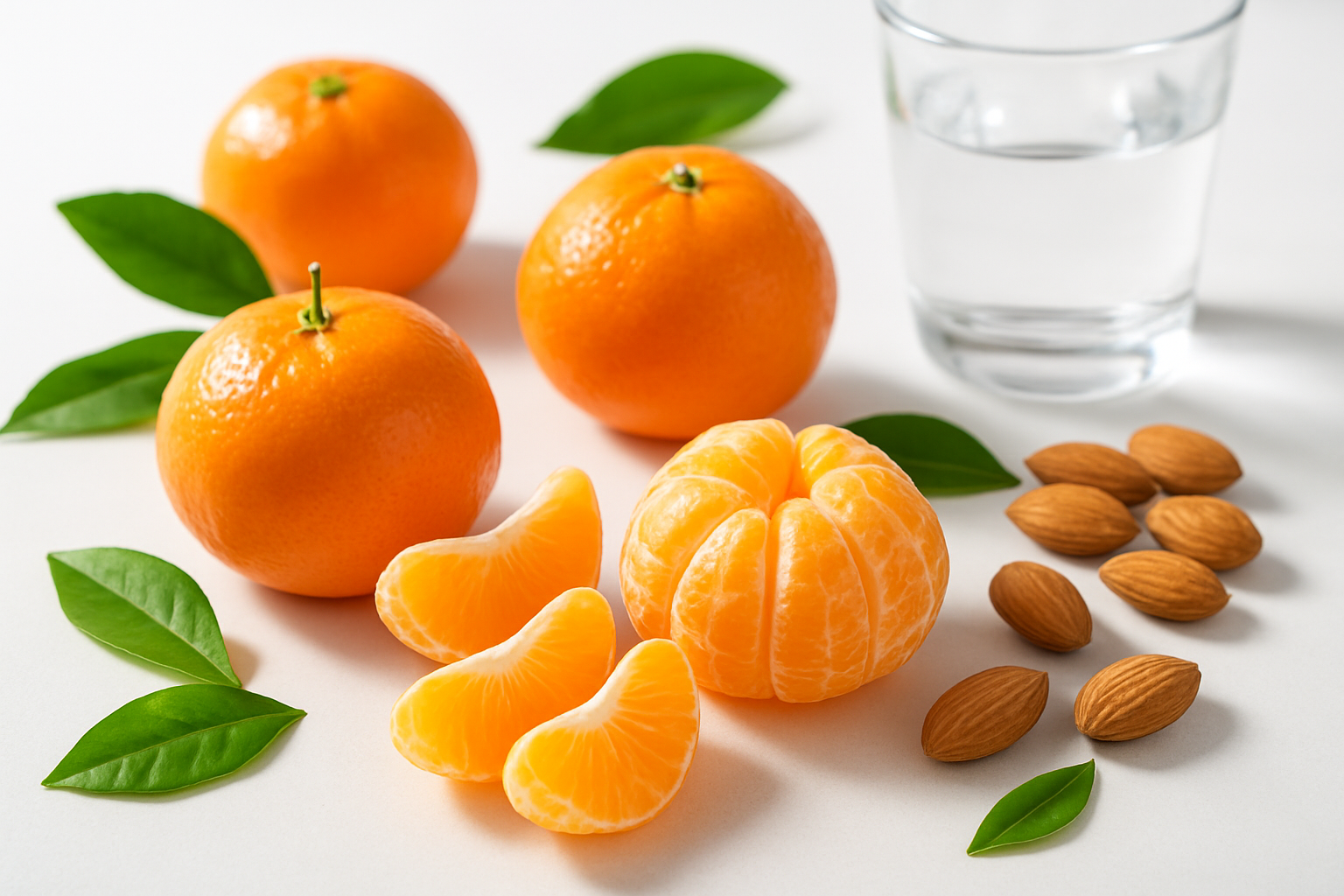
Clementine nutrition facts reveal these tiny citrus gems are incredibly nutrient-dense despite their small size. A single clementine contains about 60% of your daily vitamin C needs, making it a convenient way to boost your intake of this crucial antioxidant. The vitamin C in clementines supports collagen production, helps your body absorb iron more effectively, and acts as a powerful free radical fighter.
Beyond vitamin C, clementines deliver a solid dose of folate, which plays a key role in DNA synthesis and red blood cell formation. Pregnant women particularly benefit from this B vitamin, as it supports healthy fetal development. You'll also find potassium in every juicy segment, helping regulate blood pressure and supporting proper muscle and nerve function.
The mineral content doesn't stop there. Clementines provide calcium for bone health, magnesium for energy metabolism, and small amounts of phosphorus and iron. These minerals work together to support various bodily functions, from maintaining strong teeth and bones to ensuring proper cellular energy production.
| Nutrient | Amount per Clementine | % Daily Value |
|---|---|---|
| Vitamin C | 36mg | 60% |
| Folate | 17mcg | 4% |
| Potassium | 131mg | 3% |
| Calcium | 30mg | 2% |
Immune System Boosting Properties for Better Wellness
The clementine health benefits extend far beyond basic nutrition, particularly when it comes to immune system support. The high vitamin C content serves as your body's first line of defense against infections and illnesses. This water-soluble vitamin stimulates white blood cell production and enhances their ability to fight off harmful pathogens.
Clementines contain powerful flavonoids, including hesperidin and naringenin, which provide additional immune-boosting properties. These plant compounds work alongside vitamin C to reduce inflammation throughout your body and support overall immune function. Research shows that citrus flavonoids can help reduce the duration and severity of cold symptoms.
The antioxidant properties in clementines help neutralize oxidative stress, which can weaken your immune system over time. Regular consumption of these citrus fruits may help your body maintain its natural defense mechanisms more effectively. The combination of vitamin C, flavonoids, and other antioxidants creates a synergistic effect that's more powerful than any single nutrient alone.
Eating clementines during cold and flu season provides natural immune support without the need for synthetic supplements. The bioavailable nutrients are easily absorbed and utilized by your body, making them an excellent choice for maintaining year-round wellness.
Fiber Content That Supports Digestive Health
Each clementine provides approximately 1.3 grams of dietary fiber, contributing to your daily fiber goals in a delicious way. This soluble and insoluble fiber combination promotes healthy digestion by adding bulk to stool and supporting regular bowel movements. The pectin found in clementine segments acts as a prebiotic, feeding beneficial gut bacteria and promoting a healthy microbiome.
The fiber in clementines helps slow down sugar absorption, preventing rapid spikes in blood glucose levels. This makes them an excellent snack choice for people managing their blood sugar or those looking to maintain steady energy levels throughout the day. The natural sugars in clementines are balanced by fiber content, creating a more gradual release of energy.
Digestive benefits extend to appetite regulation as well. The fiber and water content in clementines help you feel satisfied with fewer calories, making them perfect for weight management goals. The pectin specifically helps you feel full longer by slowing gastric emptying and promoting satiety signals.
Regular consumption of fiber-rich foods like clementines supports long-term digestive health by:
-
Promoting regular bowel movements
-
Reducing risk of constipation
-
Supporting healthy gut bacteria growth
-
Helping maintain healthy cholesterol levels
-
Assisting with weight management efforts
The combination of fiber, water content, and natural enzymes makes clementines gentle on the digestive system while providing meaningful nutritional benefits.
Growing and Harvesting: From Tree to Table
Ideal Climate Conditions for Clementine Cultivation
Clementine trees absolutely love warm, Mediterranean-style climates. These citrus beauties need plenty of sunshine - we're talking about 8-10 hours of direct sunlight daily - and temperatures that stay between 55°F and 85°F year-round. While they can handle brief temperature dips to around 28°F, anything colder will damage the fruit and potentially kill the tree.
The secret to growing perfect clementines lies in finding that sweet spot of warmth without extreme heat. Hot summer days above 100°F stress the trees and can cause fruit drop. Winter temperatures below 20°F spell disaster for both the tree and any developing fruit.
Humidity levels matter too - clementine trees prefer moderate humidity around 50-60%. Too much moisture creates perfect conditions for fungal diseases, while extremely dry conditions stress the trees and reduce fruit quality. Wind protection is crucial since strong winds can damage branches and knock fruit from trees before they're ready.
Soil requirements are equally important for successful clementine cultivation. Well-draining, slightly acidic soil with a pH between 6.0 and 7.0 works best. Heavy clay soils that retain too much water will cause root rot, while sandy soils that drain too quickly won't hold enough nutrients.
Peak Season Timing for Maximum Freshness and Flavor
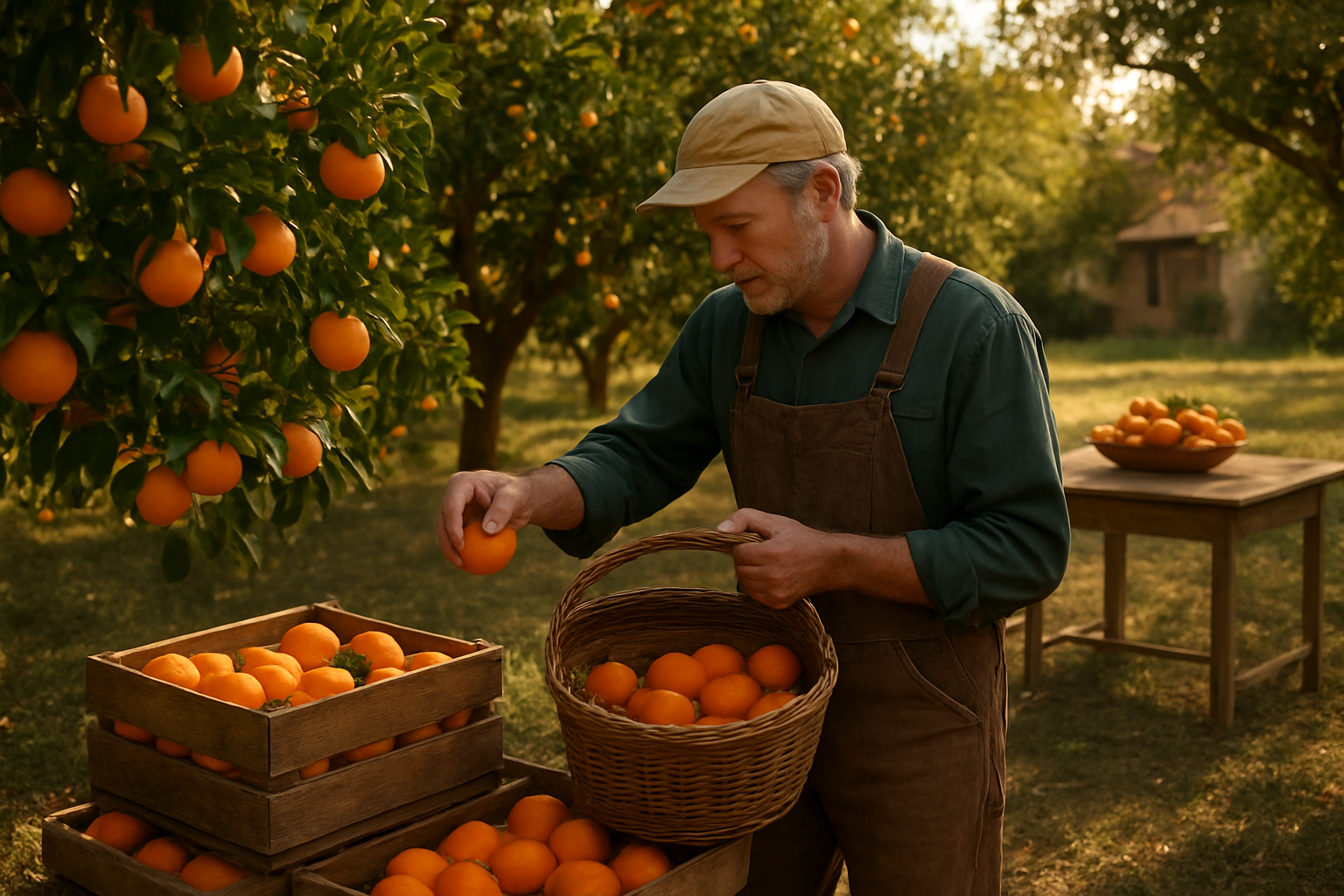
Understanding clementine harvest season timing is key to enjoying these fruits at their absolute best. Clementines typically reach peak ripeness from late October through February, with the exact timing varying by growing region and specific variety.
The fruit's readiness isn't just about calendar dates - it's about sugar development and acidity balance. Early in the season, clementines might look ripe on the outside but still have higher acidity levels. As winter progresses, the natural sugars concentrate, creating that perfect sweet-tart balance people love.
Professional growers test fruit regularly during harvest season, measuring sugar content (Brix levels) and acid ratios to determine optimal picking times. Most clementines are harvested when they reach 10-12 Brix with appropriate acid levels, ensuring the best eating experience.
Storage after harvest also affects quality. Freshly picked clementines can last 1-2 months under proper cold storage conditions (32-36°F with 90-95% humidity), but flavor peaks within the first few weeks after harvest.
Global Growing Regions and Their Quality Differences
Spain dominates global clementine production, particularly in the Valencia region, producing some of the world's finest fruit. Spanish clementines are prized for their intense sweetness, thin skins, and minimal seeds. The Mediterranean climate creates ideal conditions for developing complex flavors and vibrant color.
California's Central Valley produces the majority of American-grown clementines, with harvest running from November through January. California clementines tend to be slightly larger than their Spanish counterparts and have excellent storage characteristics, making them perfect for the North American market.
Morocco has emerged as a major player in clementine production, with their fruit hitting markets during Europe's off-season. Moroccan clementines often have thicker skins but exceptional juice content and sweetness levels.
| Region | Harvest Season | Key Characteristics | Market Advantages |
|---|---|---|---|
| Spain (Valencia) | October-February | Intense sweetness, thin skin | Premium quality, traditional varieties |
| California | November-January | Large size, good storage | Consistent supply, minimal transport |
| Morocco | November-April | High juice content | Extended season, competitive pricing |
| Turkey | October-March | Balanced flavor | Growing export market |
Each region's unique climate conditions, soil types, and growing practices create distinct flavor profiles that citrus enthusiasts can actually taste.
Organic vs Conventional Growing Methods
Organic clementine production focuses on building healthy soil ecosystems without synthetic pesticides or fertilizers. Organic growers rely on beneficial insects, companion planting, and natural pest management techniques. This approach often results in fruit with more complex flavors and higher antioxidant levels, though yields may be lower than conventional methods.
Conventional clementine farming uses synthetic fertilizers and approved pesticides to maximize production and ensure consistent fruit quality. These methods typically produce larger yields and more uniform-looking fruit, making them economically attractive for large-scale operations.
The choice between organic and conventional often comes down to consumer priorities. Organic clementines cost more due to higher production costs and lower yields, but many people prefer them for environmental and health reasons. Conventional clementines offer reliable supply and lower prices while still maintaining excellent nutritional value.
Both methods require skilled growers who understand clementine tree care, proper pruning techniques, and optimal irrigation scheduling. Whether organic or conventional, successful clementine cultivation demands attention to detail and deep understanding of how these trees respond to different growing conditions throughout the year.
Selecting and Storing: Maximize Your Clementine Experience
Visual and Touch Cues for Choosing Perfect Clementines
The best clementine fruit starts with knowing what to look for at the store. When you're shopping, pick up each clementine and give it a gentle squeeze. Fresh clementines should feel firm but yield slightly to pressure, like a perfectly ripe peach. Avoid any that feel mushy or have soft spots, as these indicate the fruit is past its prime.
Color tells a great story too. Look for clementines with bright, vibrant orange skin that has a slight glossy sheen. The peel should appear smooth and tight against the fruit, not wrinkled or loose. While some natural variations in color are normal, steer clear of any with dull, faded orange hues or greenish patches, which suggest the fruit was picked too early.
Weight matters more than you might think. A good clementine should feel heavy for its size, indicating it's full of juice. Pick up several and compare - the heavier ones usually contain more juice and better flavor. The skin should also give off that distinctive citrus aroma when you bring it close to your nose. If there's no scent or it smells fermented or off, skip that batch.
Check the stem end carefully. It should look clean and dry, not moldy or wet. Any signs of mold, dark spots, or unusual discoloration around the stem area mean the fruit is already starting to spoil.
Proper Storage Techniques to Extend Shelf Life
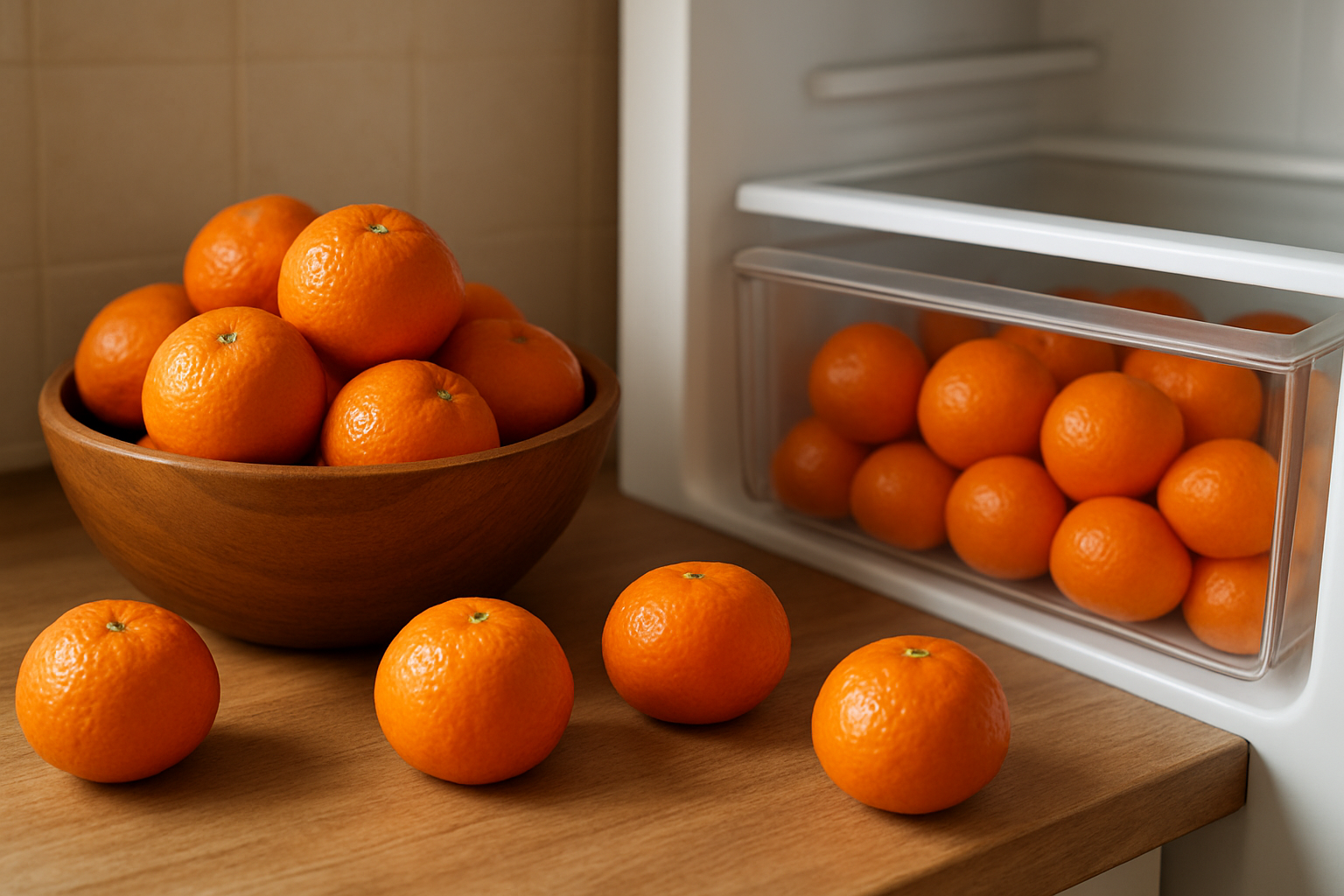
Smart clementine storage tips can keep your fruit fresh for weeks longer than leaving them sitting on the counter. Room temperature works fine if you plan to eat them within a few days, but refrigeration is your best bet for extending their lifespan.
Store clementines in the refrigerator's crisper drawer, where humidity levels stay optimal for citrus fruits. Keep them loose in a mesh bag or perforated plastic bag rather than sealed containers - they need air circulation to stay fresh. Properly stored refrigerated clementines can last 2-3 weeks, sometimes even longer.
If you must keep them at room temperature, place them in a cool, dry spot away from direct sunlight and heat sources. A pantry or cool countertop works well, but expect them to last only 5-7 days this way. Keep them separated from other fruits like bananas or apples, which release ethylene gas that speeds up ripening and can cause your clementines to spoil faster.
For longer-term storage, you can freeze peeled clementine segments. Separate them, lay flat on a baking sheet to freeze individually, then transfer to freezer bags. They'll keep for up to 6 months and work great in smoothies or baking recipes.
Signs of Freshness vs When to Avoid Purchase
Fresh clementines practically announce their quality through several clear indicators. The skin should spring back immediately when gently pressed, and the fruit should feel dense and full of juice. Fresh clementines also peel easily - the skin separates cleanly from the fruit without tearing into small pieces or leaving excessive white pith stuck to the segments.
Red flags include soft spots, wrinkled skin, or a spongy texture when squeezed. These signs mean the fruit is losing moisture and moving toward spoilage. Dark spots, mold, or any fuzzy growth on the surface should immediately disqualify any clementine from your shopping cart.
Pay attention to the overall appearance of the display too. If many clementines in a batch show signs of age or damage, the whole shipment might be past its peak. Fresh batches typically have consistent color and firmness across most of the fruit.
Trust your nose as well. Fresh clementines smell sweet and citrusy, while older fruit might have a fermented or slightly alcoholic smell. Any unpleasant or sour odors indicate the fruit has started to ferment and should be avoided. When the segments inside start to dry out or develop a translucent appearance, the clementine has lost its prime eating quality, though it might still work for cooking or juicing applications.
Culinary Uses: Beyond Snacking Possibilities

Creative Recipe Ideas for Sweet and Savory Dishes
Clementine recipes extend far beyond eating them straight from the peel. These bright citrus gems work beautifully in both sweet and savory applications, bringing natural sweetness and vibrant color to your cooking.
For sweet dishes, try incorporating clementine segments into muffins, pancakes, or yogurt parfaits. A clementine upside-down cake showcases the fruit's natural beauty while delivering incredible flavor. Clementine sorbet makes a refreshing dessert, and you can create elegant fruit tarts by arranging peeled segments over pastry cream.
Savory clementine recipes offer surprising depth. The fruit pairs wonderfully with roasted chicken, adding brightness to heavy winter meals. Create a clementine glaze for pork tenderloin by reducing clementine juice with herbs and spices. Clementine segments add sweetness to grain salads with quinoa or wild rice, while their acidity balances rich ingredients like goat cheese and nuts.
Asian-inspired dishes benefit from clementine's sweet-tart profile. Use segments in stir-fries with snap peas and bell peppers, or create a clementine vinaigrette for winter salads. The fruit also works well in marinades for fish or chicken, tenderizing proteins while infusing them with citrus flavor.
Juice and Zest Applications in Cooking and Baking
Fresh clementine juice brings concentrated flavor to both sweet and savory preparations. Unlike orange juice, clementine juice offers a more delicate, honey-like sweetness that won't overpower other ingredients.
In baking, clementine juice creates moist cakes and tender quick breads. Substitute it for part of the liquid in muffin recipes, or use it to make glazes for pound cakes and scones. Clementine juice works particularly well in custards and puddings, where its gentle acidity helps proteins set properly.
The zest contains essential oils that pack incredible aromatic punch. Just a tablespoon of freshly grated clementine zest transforms ordinary cookies into something special. Add zest to buttercream frosting, cream cheese spreads, or whipped cream for desserts with bright citrus notes.
Savory applications include using clementine juice in salad dressings, where it provides natural sweetness without added sugar. The juice makes excellent reductions for meat glazes, and the zest brightens herb rubs for roasted vegetables. Try adding zest to compound butter for fish dishes or incorporating it into rice pilafs and grain salads.
For cocktails and beverages, fresh clementine juice creates refreshing mocktails and adds natural sweetness to smoothies. The zest makes beautiful garnishes and infuses simple syrups with aromatic oils.
Preservation Methods for Year-Round Enjoyment
Since clementines have a relatively short harvest season, preserving them lets you enjoy their flavor throughout the year. Several methods work well for extending their shelf life while maintaining quality.
Freezing clementine segments works best when you remove all white pith and freeze segments individually on baking sheets before transferring to freezer bags. Frozen segments work perfectly in smoothies, baked goods, and cooked dishes, though they lose their fresh texture.
Dehydrating creates chewy, concentrated treats. Slice clementines into rounds, leaving the peel on for attractive dried wheels that make great garnishes. Dehydrated clementine segments work well in trail mixes, granola, and tea blends.
Canning clementine segments in light syrup preserves their shape and sweetness. These canned segments work beautifully in fruit salads, desserts, and as toppings for pancakes or ice cream.
Making clementine marmalade captures the fruit's essence in a spreadable form. The natural pectin in clementine peels helps create proper gel, while the sweet-tart flavor makes excellent preserves for toast, scones, and cheese plates.
Clementine juice freezes well in ice cube trays for convenient portioning. These frozen cubes work perfectly for smoothies, cocktails, or whenever recipes call for fresh citrus juice. Zest also freezes well when stored in small containers, maintaining its aromatic oils for months.
Clementines really shine as one of nature's most perfect snacks. These little citrus gems pack serious nutritional value with their high vitamin C content, fiber, and antioxidants that support your immune system and overall health. Plus, they're incredibly versatile - you can enjoy them fresh, add them to salads, bake them into desserts, or even use their zest to brighten up savory dishes.
When you're shopping for clementines, remember to look for fruits that feel heavy for their size and have that bright, glossy skin. Store them properly at room temperature for a few days or in the fridge for longer freshness. Next time you're at the grocery store, grab a bag of these sweet, easy-to-peel treasures and discover just how much flavor and nutrition can fit into such a small package.


.png)
Comments
Post a Comment