Cloudberries - What are Cloudberries?
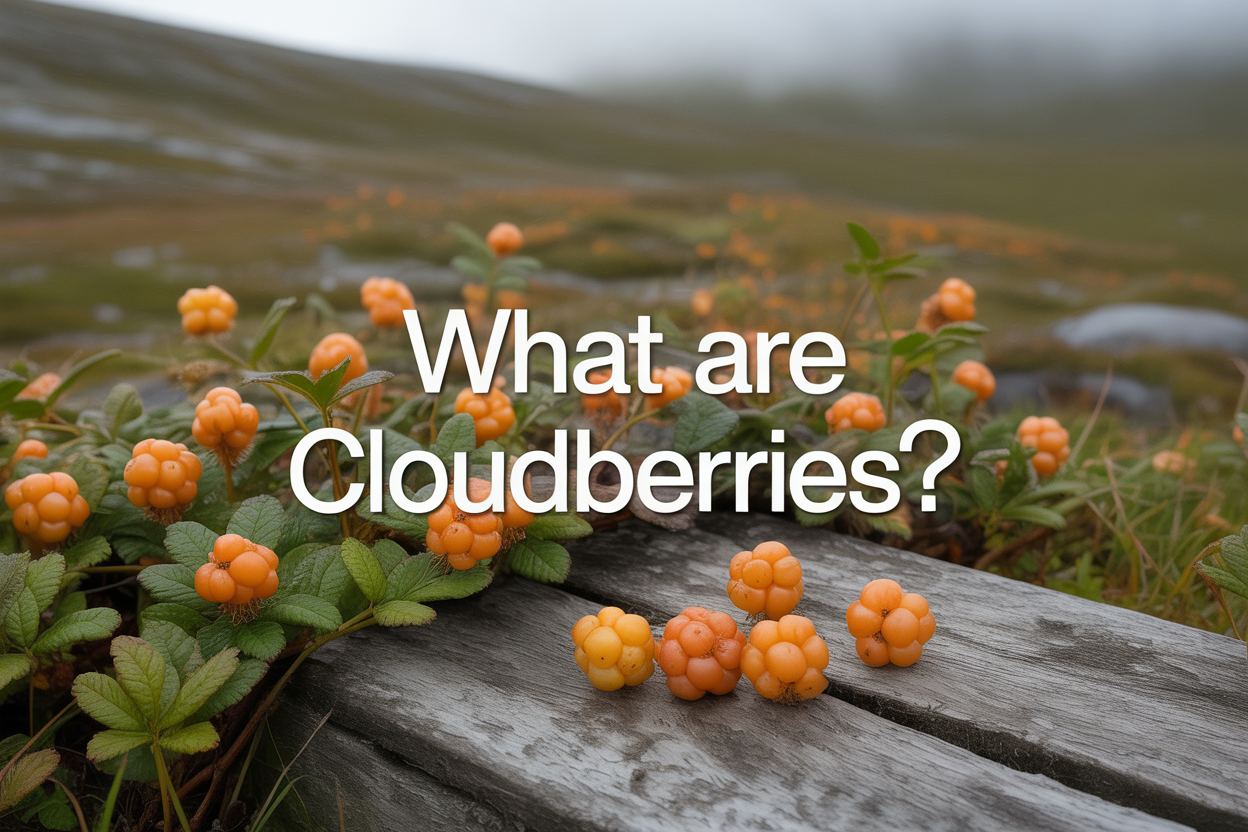
Cloudberries are golden-orange wild berries that grow in cold northern regions, prized for their unique tart-sweet flavor and impressive nutritional profile. Also known as bakeapples in some areas, these arctic berries (Rubus chamaemorus) have been a treasured food source for centuries among Nordic and Indigenous communities.
This guide is perfect for outdoor enthusiasts, foragers, health-conscious individuals, and anyone curious about these rare nordic berries. You'll discover where cloudberries grow naturally across the Arctic and subarctic regions, learn about their exceptional cloudberry nutrition and health benefits, and explore traditional cloudberry uses in cooking and medicine.
We'll also cover safe cloudberry foraging techniques and sustainable cloudberry harvesting practices to help you find and gather these special wild berries responsibly.
Understanding Cloudberries and Their Unique Identity
Discover the botanical classification and scientific name
Cloudberries belong to the rose family (Rosaceae) and carry the scientific name Rubus chamaemorus. This classification places them alongside other familiar berries like raspberries and blackberries, though cloudberries stand apart as truly unique members of the Rubus genus. The species name "chamaemorus" comes from Greek, meaning "ground mulberry," which perfectly captures their low-growing nature and berry-like appearance.
What makes cloudberries especially fascinating is their status as the only dioecious member of the Rubus family. This means individual plants are either male or female, requiring both sexes nearby for successful fruit production. This botanical quirk explains why cloudberry patches can be unpredictable - you might find plenty of plants but few berries if the gender balance isn't right.
Learn the distinctive physical characteristics and appearance
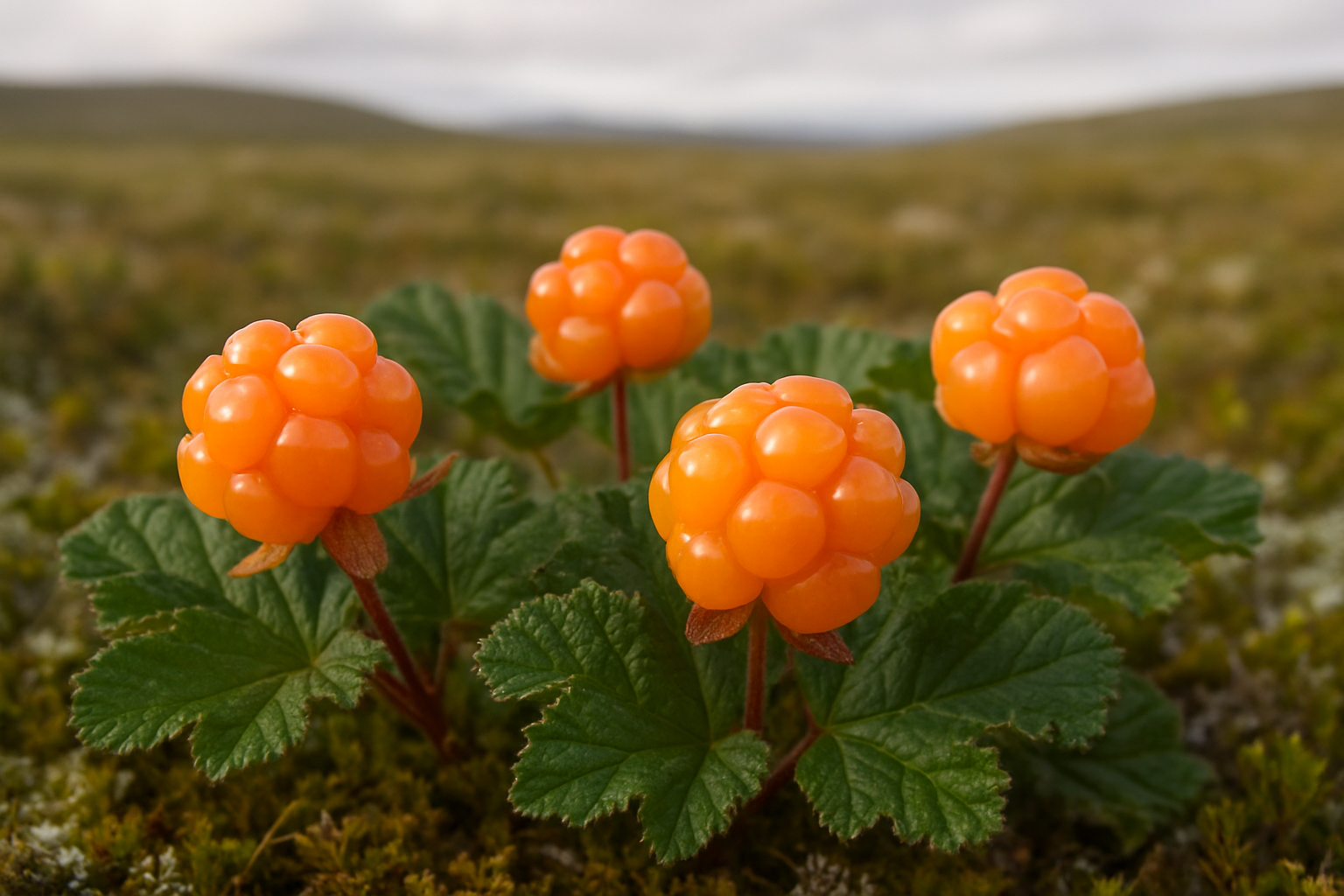
Cloudberries grow as small, herbaceous perennials that rarely exceed 10 inches in height. Each plant typically produces a single, distinctive palmately-lobed leaf with 5-7 rounded segments, creating an almost hand-like appearance. The leaves have serrated edges and a wrinkled texture, with a bright green color that turns beautiful shades of orange and red in autumn.
The flowers appear in early summer as solitary white blooms, about an inch across with five petals. Female flowers develop into the prized berries, while male flowers simply provide pollen. The berries themselves start as hard, red clusters resembling raspberries but transform into something magical as they ripen.
Mature cloudberries are amber to orange-yellow in color, soft and juicy with a unique appearance that's instantly recognizable. Each berry consists of multiple drupelets clustered together, similar to raspberries, but cloudberries have fewer, larger segments. The berries are typically 0.5 to 1 inch in diameter and have a translucent quality that makes them appear to glow when backlit by sunlight.
Explore why they're called "cloudberries" and other regional names
The name "cloudberry" comes from their high-altitude growing habits - these arctic berries thrive in mountainous regions where they literally grow among the clouds. Their ethereal, translucent appearance also evokes the wispy, delicate nature of clouds, making the name doubly appropriate.
Regional names for cloudberries tell fascinating stories about local cultures and languages. In Newfoundland and Labrador, they're called "bakeapples," possibly derived from the French "baie qu'appelle" (berry that calls) or referring to their apple-like taste when baked. Scandinavians know them as "molte" in Norwegian, "hjortron" in Swedish, and "lakka" in Finnish.
Other colorful regional names include:
-
Knotberry - referencing the knotted, complex structure of the berry
-
Salmonberry - for their orange-salmon coloration
-
Yellowberry - describing their golden-yellow hue when ripe
-
Mountain berry - indicating their high-altitude preference
-
Aqpik - the Inuktitut name used by Inuit peoples
Each name reflects how different cultures have encountered and valued these remarkable nordic berries throughout history, showing their importance across various Arctic and subarctic communities.
Where Cloudberries Thrive in Nature
Identify the Specific Climate Zones Where Cloudberries Grow
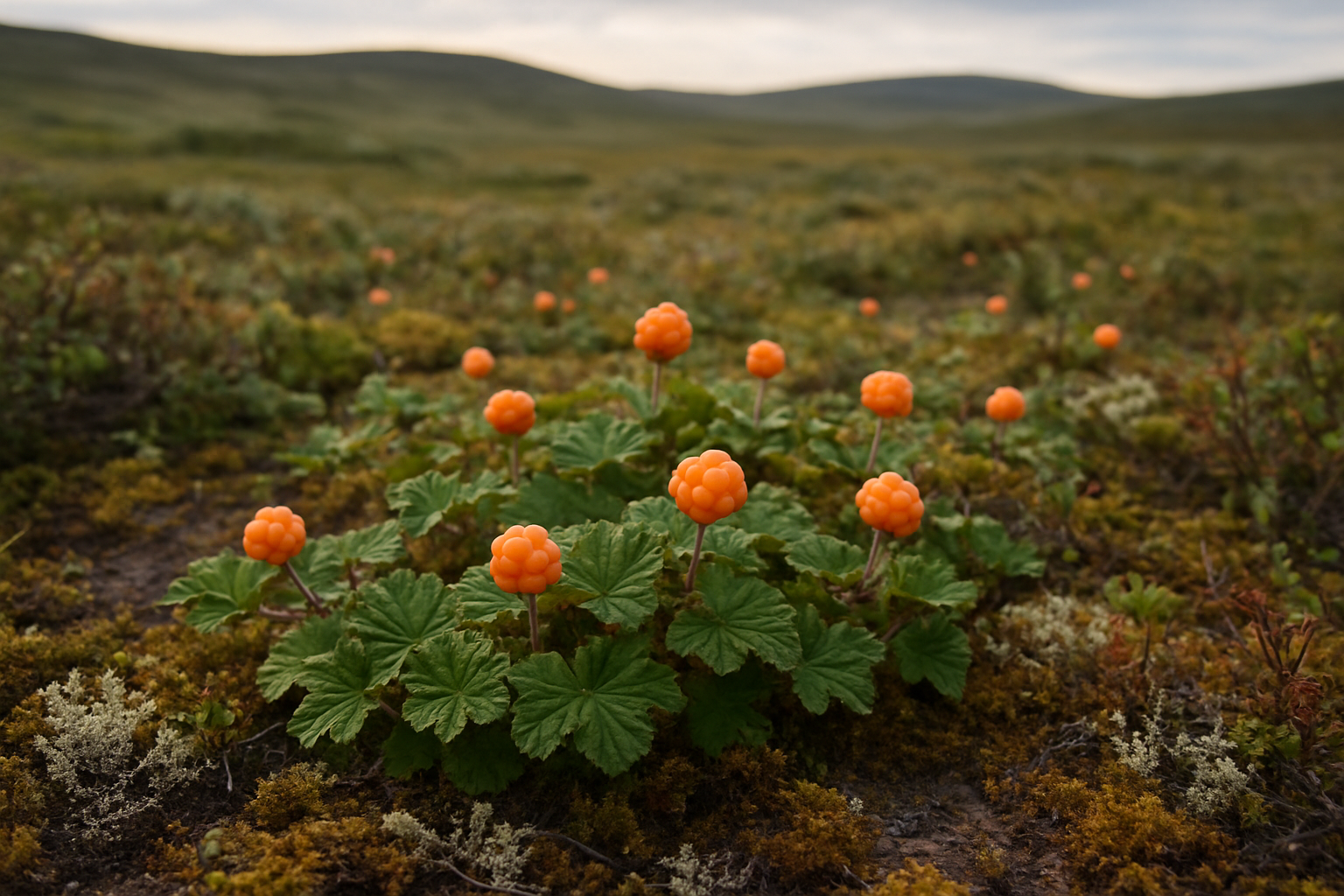
Cloudberries thrive exclusively in subarctic and arctic climates, making them one of nature's most geographically specific wild berries. These resilient plants flourish in regions with long, cold winters and short, cool summers. The ideal temperature range for cloudberry growth falls between -40°F to 60°F (-40°C to 15°C) annually, with summer temperatures rarely exceeding 65°F (18°C).
The plants require a continental climate with significant temperature fluctuations between seasons. Cloudberries need extended periods of freezing temperatures during winter dormancy, followed by a brief growing season with consistent moisture and moderate warmth. This explains why where do cloudberries grow is limited to the world's northernmost regions.
Understand the Soil and Environmental Conditions They Require
Rubus chamaemorus demands very specific soil conditions that mirror their native tundra environment. These nordic berries prefer acidic soil with a pH between 4.5 and 6.0, thriving in nutrient-poor, well-draining conditions.
The soil composition requirements include:
-
Peat moss or organic matter: 40-60% organic content
-
Sandy or rocky substrate: Ensures proper drainage
-
Low nitrogen levels: High nitrogen actually inhibits fruit production
-
Consistent moisture: Without waterlogging
-
Permafrost proximity: Many successful patches grow near permafrost layers
Cloudberries also require full sun exposure despite their cold climate preferences. The plants need at least 6-8 hours of direct sunlight during the growing season to produce their characteristic amber-colored fruits.
Locate the Geographic Regions Known for Cloudberry Harvests
Prime cloudberry harvesting regions span across the northern hemisphere's subarctic zones. The most productive areas include:
| Region | Countries | Peak Season |
|---|---|---|
| Scandinavia | Norway, Sweden, Finland | July-August |
| Arctic Canada | Nunavut, Northern Quebec, Labrador | August-September |
| Alaska | Interior and Arctic regions | Late July-August |
| Northern Russia | Siberia, Murmansk Oblast | July-August |
| Greenland | Southern coastal areas | August |
Newfoundland stands out as particularly famous for cloudberry production, where locals call them "bakeapple." The province's boggy terrain and maritime subarctic climate create perfect conditions for abundant wild berries identification opportunities.
Recognize the Seasonal Timing for Cloudberry Fruiting
Cloudberry foraging requires precise timing since the fruiting window is remarkably short. The plants typically flower in late May or early June, producing small white blooms that last only 7-10 days. The berries develop over 6-8 weeks, transitioning from hard green spheres to soft, translucent amber jewels.
Peak ripeness occurs during a narrow 2-3 week window, usually mid-July through early August, depending on latitude and local weather conditions. The berries ripen quickly once they begin changing color, making timing critical for successful harvesting. Missing this window means waiting an entire year for the next opportunity.
Nutritional Benefits and Health Properties

Explore the vitamin and mineral content profile
Cloudberries pack an impressive nutritional punch that puts many common fruits to shame. These arctic gems contain four times more vitamin C than oranges, delivering approximately 158 mg per 100 grams. This vitamin C boost supports immune function and collagen production, making cloudberry nutrition particularly valuable during harsh northern winters when fresh produce was historically scarce.
The mineral profile of cloudberries reads like a comprehensive supplement label. They're loaded with potassium, which helps regulate blood pressure and supports heart health. Magnesium content aids muscle function and bone health, while iron contributes to healthy blood cell formation. Calcium and phosphorus work together to strengthen bones and teeth.
B-vitamins feature prominently in cloudberry benefits, with notable amounts of folate, riboflavin, and niacin. These vitamins support energy metabolism and nervous system function. The berry also contains vitamin A precursors that promote eye health and skin integrity.
| Nutrient | Amount per 100g | % Daily Value |
|---|---|---|
| Vitamin C | 158 mg | 176% |
| Potassium | 180 mg | 5% |
| Magnesium | 12 mg | 3% |
| Iron | 0.9 mg | 5% |
| Calcium | 18 mg | 2% |
Understand the antioxidant properties and their health impacts
The antioxidant powerhouse within cloudberries comes from their rich concentration of polyphenols, anthocyanins, and flavonoids. These compounds give the berries their distinctive orange color while providing serious health protection. The anthocyanins specifically help combat inflammation throughout the body, potentially reducing the risk of chronic diseases.
Research shows that cloudberry antioxidants demonstrate remarkable protective effects against oxidative stress. This cellular damage contributes to aging and various health conditions, making these arctic berries a natural defense system. The polyphenols work at the molecular level to neutralize free radicals before they can damage healthy cells.
The anti-inflammatory properties of cloudberries extend beyond basic antioxidant activity. Studies indicate these compounds may help reduce markers of inflammation in the blood, potentially benefiting cardiovascular health. The berries' unique antioxidant profile also supports skin health by protecting against UV damage and promoting cellular repair.
Cloudberry extracts have shown promise in laboratory studies for their potential anti-cancer properties, though more research is needed. The combination of vitamin C and polyphenols creates a synergistic effect that amplifies their individual benefits.
Learn about the omega fatty acids and their benefits
Cloudberries contain an exceptional balance of omega-3 and omega-6 fatty acids, primarily found in their seeds. This makes them stand out among berries, as most fruits contain minimal amounts of these essential fats. The seeds provide alpha-linolenic acid (ALA), the plant-based omega-3 that supports brain health and reduces inflammation.
The omega fatty acid content in cloudberries contributes to cardiovascular health by helping maintain healthy cholesterol levels and supporting proper blood vessel function. These healthy fats also play a role in brain development and cognitive function, making cloudberry health benefits extend to mental wellness.
Cloudberry seed oil, extracted from the tiny seeds within each berry, contains up to 20% omega-3 fatty acids. This concentration rivals many fish oils while providing plant-based nutrition. The oil also contains omega-6 fatty acids in appropriate ratios, supporting skin health and hormone production.
The essential fatty acids in cloudberries help the body absorb fat-soluble vitamins (A, D, E, and K) more effectively. This enhances the overall nutritional value of meals containing these nordic berries. Regular consumption may support joint health, as omega-3 fatty acids help reduce inflammation in connective tissues.
Culinary Uses and Traditional Applications
Discover traditional Scandinavian and Nordic recipes
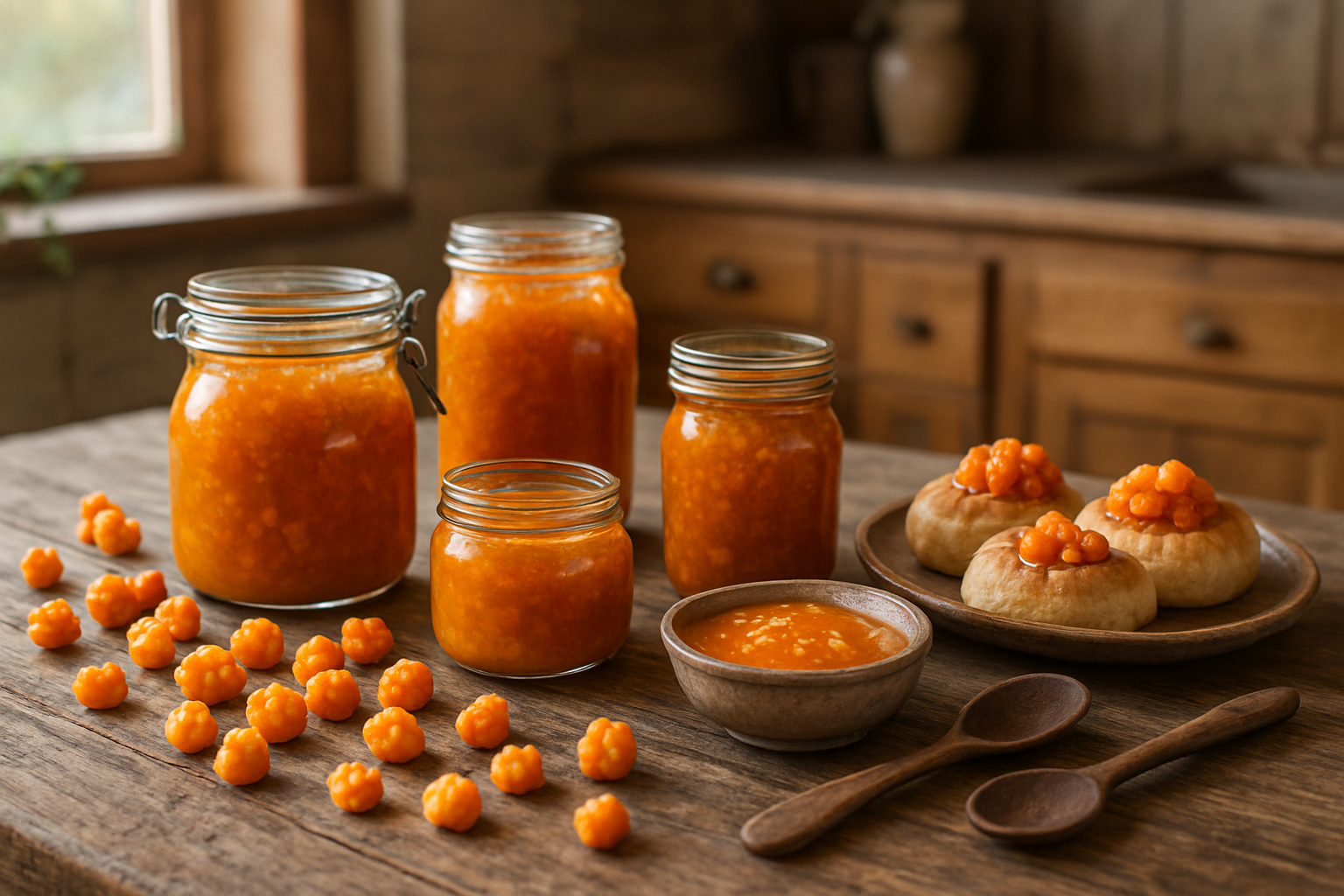
Nordic cuisine treasures cloudberries as a crown jewel ingredient, weaving these golden arctic berries into countless traditional recipes passed down through generations. In Finland, cloudberry jam serves as the ultimate accompaniment to fresh cheese or leipäjuusto, creating a perfect balance of tart and creamy flavors. Norwegian families prepare cloudberry cream by folding the berries into whipped cream and sugar, often serving it alongside krumkake during special celebrations.
Swedish traditions include cloudberry parfait, where the berries blend with custard and cream to create an elegant dessert that graces midsummer tables. The Sami people, indigenous to northern Scandinavia, have long incorporated cloudberries into their diet, mixing them with reindeer milk or preserving them in traditional wooden containers for winter sustenance.
Danish bakers create cloudberry tarts using buttery pastry shells filled with cloudberry compote, while Icelandic cooks prepare skyr mixed with cloudberries for a protein-rich breakfast treat. These traditional cloudberry recipes reflect the deep cultural connection between Nordic peoples and their harsh yet bountiful landscape.
Learn modern cooking techniques and preparation methods
Contemporary chefs have revolutionized cloudberry uses, transforming these wild berries into sophisticated culinary creations. Modern preparation methods include flash-freezing fresh cloudberries immediately after harvesting to preserve their delicate texture and intense flavor profile. This technique allows year-round access to premium-quality berries for restaurant applications.
Molecular gastronomy has embraced cloudberries, with chefs creating cloudberry spherification, foams, and gels that intensify the berry's natural tartness. Sous-vide cooking techniques gently extract cloudberry essences for sauces and reductions that pair beautifully with game meats and seafood.
Modern cloudberry recipes include:
-
Cloudberry vinaigrettes for Arctic char
-
Cloudberry-infused cocktails and mocktails
-
Cloudberry cheesecakes with graham cracker crusts
-
Cloudberry macarons with white chocolate ganache
-
Cloudberry glazes for roasted duck or venison
Professional kitchens now use immersion blenders to create smooth cloudberry purees while preserving the seeds' subtle crunch. Dehydration techniques concentrate cloudberry flavors for powders and crisps that add textural elements to plated desserts.
Understand preservation methods for year-round enjoyment
Preserving cloudberries ensures these precious arctic berries remain available long after their brief summer harvest season ends. Traditional preservation methods include simple jam-making, where cloudberries cook with sugar at a 1:1 ratio until reaching the proper gel consistency. The high pectin content in cloudberries makes them excellent candidates for natural jam production without artificial thickeners.
Freezing represents the most popular modern preservation technique. Whole cloudberries freeze beautifully when spread on baking sheets before transferring to airtight containers, preventing clumping and maintaining individual berry integrity. Properly frozen cloudberries maintain their nutritional value and flavor for up to 12 months.
Other effective preservation methods include:
| Method | Shelf Life | Best Use |
|---|---|---|
| Dehydration | 2-3 years | Snacking, baking |
| Alcohol preservation | 1-2 years | Liqueurs, extracts |
| Vacuum sealing | 18 months | Cooking, sauces |
| Canning | 2-3 years | Jams, compotes |
Cloudberry juice extraction followed by pasteurization creates shelf-stable beverages that capture the berry's essence. Some families still practice traditional root cellar storage, keeping cloudberries in their own juices within sealed glass jars.
Explore commercial products featuring cloudberries
The global market has embraced cloudberries, creating diverse commercial products that bring these nordic berries to international consumers. Premium cloudberry jam commands high prices in specialty food stores, often marketed as a luxury Scandinavian delicacy. Finnish companies like Polar produce authentic cloudberry preserves that maintain traditional preparation methods while meeting modern food safety standards.
Cloudberry nutrition has driven the development of health-focused products including dietary supplements, antioxidant drinks, and superfood powder blends. These products capitalize on cloudberries' impressive vitamin C content and unique omega fatty acid profile.
Popular commercial cloudberry products include:
-
Cloudberry liqueurs and spirits
-
Cloudberry-flavored yogurts and ice creams
-
Cloudberry tea blends and herbal infusions
-
Cloudberry skincare products and cosmetics
-
Cloudberry chocolate truffles and confections
-
Cloudberry honey and artisanal syrups
Artisanal producers create small-batch cloudberry vinegars, mustards, and chutneys that showcase the berry's versatility. Online retailers now ship frozen cloudberries worldwide, making these once-regional treasures accessible to home cooks everywhere. The growing popularity of Nordic cuisine has sparked increased demand for authentic cloudberry products, supporting sustainable harvesting practices in traditional growing regions.
Harvesting and Foraging Cloudberries Sustainably
Master the timing and techniques for optimal harvesting
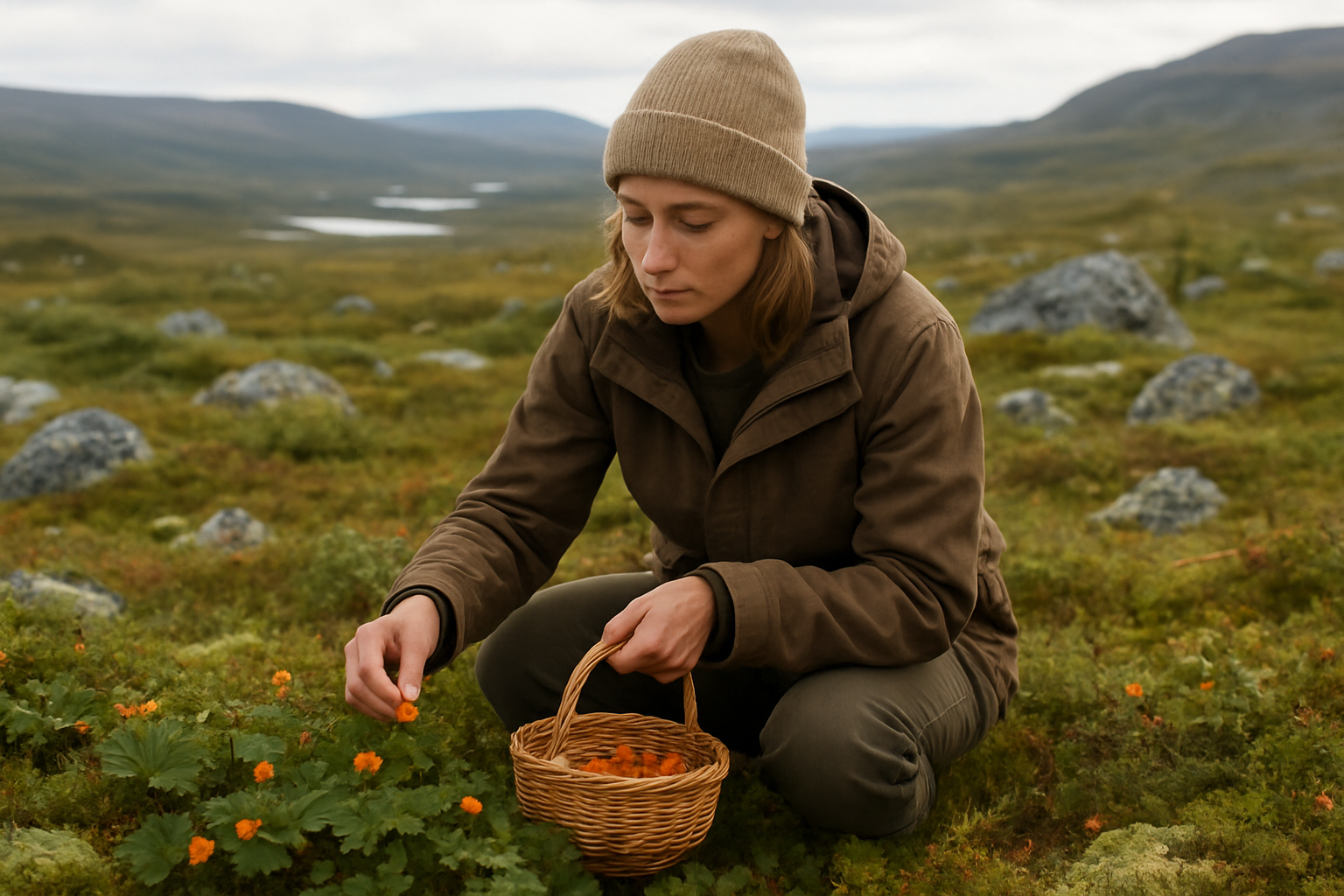
Cloudberry foraging requires perfect timing since these precious arctic berries have an incredibly short harvest window. The berries ripen between mid-July and early August in most northern regions, turning from red to a distinctive amber-orange color. Unlike other berries that ripen gradually over weeks, cloudberries reach peak ripeness within just 7-10 days, making timing absolutely critical.
The best harvesting technique involves gently rolling the berry between your thumb and forefinger. Ripe cloudberries will detach easily from the plant without resistance. If you need to tug or pull, the berry isn't ready yet. Each plant typically produces only one berry per stem, so patience pays off when waiting for that perfect golden color.
Early morning harvesting works best, right after the dew evaporates but before the heat of the day. The berries stay firmer and handle better during cooler temperatures. Bring shallow containers rather than deep baskets to prevent crushing the delicate fruits.
Learn sustainable picking practices to preserve wild populations
Sustainable cloudberry harvesting means thinking beyond your immediate harvest. These nordic berries grow slowly and can take 5-7 years to establish productive colonies. Take only what you need and leave plenty for wildlife and natural regeneration.
Follow the "one-third rule" - harvest no more than one-third of ripe berries from any patch. This practice ensures enough seeds remain for natural dispersal and provides food for local wildlife like birds and small mammals who depend on cloudberries.
Avoid damaging the low-growing plants and their shallow root systems. Step carefully around patches and never pull or break stems. The plants' rhizome network spreads underground, and damage to one area can affect the entire colony's health.
Respect traditional harvesting areas used by indigenous communities. Many northern regions have generations-old picking spots that hold cultural significance beyond their berry production.
Understand legal considerations and land access permissions
Cloudberry foraging legality varies significantly between countries and regions. In Scandinavia, "right to roam" laws generally allow foraging on public lands, but always check local regulations first. Some protected areas or nature reserves may have specific restrictions during sensitive wildlife breeding seasons.
Private land requires explicit permission from landowners. Many areas in Alaska, northern Canada, and Scandinavia have traditional harvesting rights that must be respected. When in doubt, contact local forestry departments or indigenous community leaders for guidance.
Some regions require permits or have daily harvest limits, especially in popular tourist areas. Research regulations well before your foraging trip, as fines for illegal harvesting can be substantial.
| Region | Legal Status | Permit Required | Key Restrictions |
|---|---|---|---|
| Norway | Generally allowed on public land | No | Avoid protected areas |
| Finland | Right to roam applies | No | Respect private property |
| Alaska | Varies by land ownership | Sometimes | Check with land managers |
| Northern Canada | Traditional use areas vary | Depends | Indigenous rights priority |
Recognize quality indicators for the best cloudberries
Premium cloudberries display specific visual and tactile qualities that separate exceptional fruit from mediocre ones. The color provides your first clue - look for deep amber to orange hues with slight translucency. Avoid berries with red patches, which indicate under-ripeness, or dark spots suggesting over-ripeness.
Size matters less than many people think. While larger berries might seem more appealing, medium-sized cloudberries often have better flavor concentration and fewer seeds. The berry should feel plump but not mushy when gently squeezed.
Fresh cloudberries have a distinct, complex aroma - sweet with hints of honey and subtle tartness. This fragrance intensifies when the berry reaches peak ripeness. If the berries smell fermented or overly sweet, they're past their prime.
Check for insect damage by examining each berry carefully. Small holes or dark spots usually indicate internal insect activity. While not harmful, damaged berries spoil faster and affect overall quality.
Discover proper storage methods after harvesting
Fresh cloudberries are extremely perishable and require immediate attention after harvesting. Sort through your harvest right away, removing any damaged, under-ripe, or overripe berries. Even one spoiled berry can affect an entire container's quality within hours.
For short-term storage, refrigerate cloudberries in shallow, breathable containers lined with paper towels. Avoid washing until ready to use, as moisture accelerates spoilage. Properly stored fresh cloudberries last 3-5 days maximum.
Freezing preserves cloudberries exceptionally well for up to one year. Spread clean berries in a single layer on baking sheets and freeze solid before transferring to airtight containers. This method prevents berries from clumping together.
Traditional preservation methods include making cloudberry jam, which concentrates flavors beautifully. The berries' natural pectin content makes jam-making straightforward without additional thickening agents. Properly canned cloudberry preserves can last several years while maintaining their distinctive cloudberry benefits and nutritional value.
Dehydrating offers another preservation option, though it changes the texture significantly. Dried cloudberries work well in trail mixes, baked goods, or rehydrated for sauces and compotes.
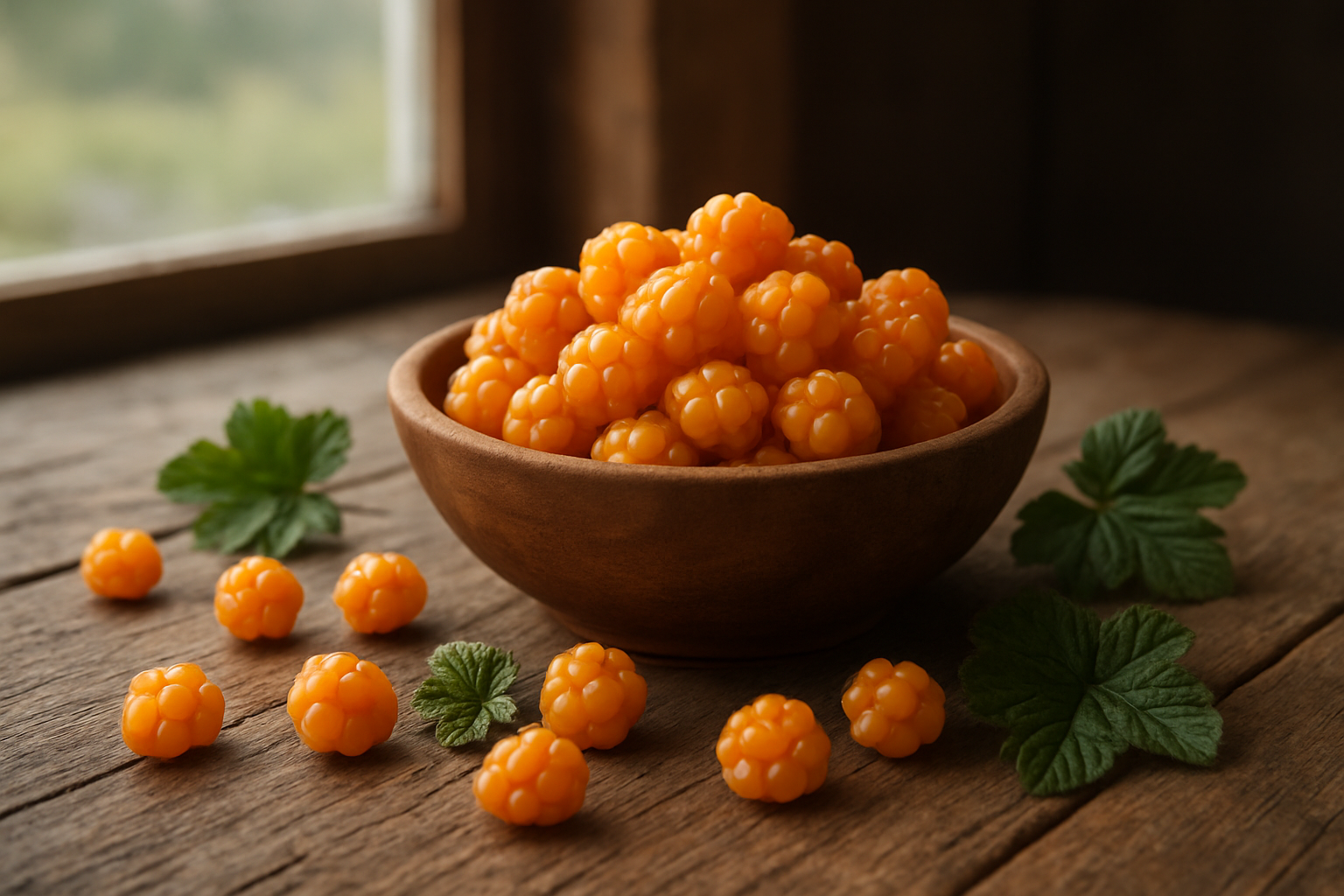
Cloudberries stand out as one of nature's most fascinating and nutritious wild fruits. These golden gems pack impressive health benefits while offering unique flavors that have sustained northern communities for generations. From their specialized arctic growing conditions to their rich vitamin content and versatile culinary applications, cloudberries represent a perfect blend of natural wonder and practical value.
The next time you venture into northern wilderness areas during late summer, keep an eye out for these remarkable berries. Learning to identify and sustainably harvest cloudberries can connect you to traditional foraging practices while adding a special ingredient to your kitchen. Just remember to respect their delicate growing environments and harvest responsibly, ensuring these treasured berries continue thriving for future generations to discover and enjoy.


.png)
Comments
Post a Comment