Cranberries - What are Cranberries?
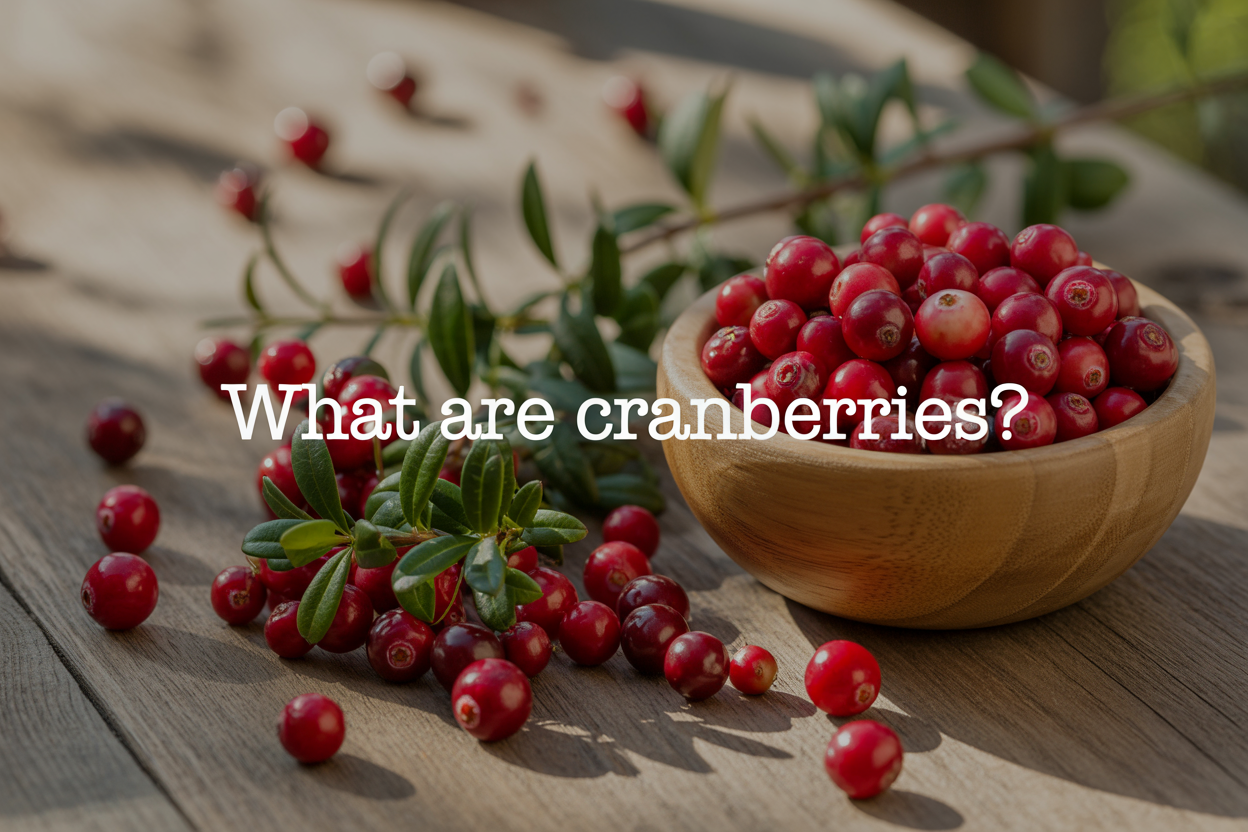
Cranberries are small, tart red berries that pack a serious nutritional punch and have been prized for centuries for their unique flavor and health benefits. These ruby-colored gems grow on low, creeping shrubs in acidic bogs and are harvested in a fascinating way that creates those iconic images of farmers standing waist-deep in flooded cranberry fields.
This guide is perfect for home cooks, health-conscious eaters, and anyone curious about where their food comes from. We'll explore the cranberry plant itself and dive into the impressive nutritional profile that makes these berries such a superfood. You'll also discover the different cranberry varieties available and learn about the unique growing and harvesting process that brings these antioxidant-rich berries from bog to table.
Understanding the Cranberry Plant and Its Origins
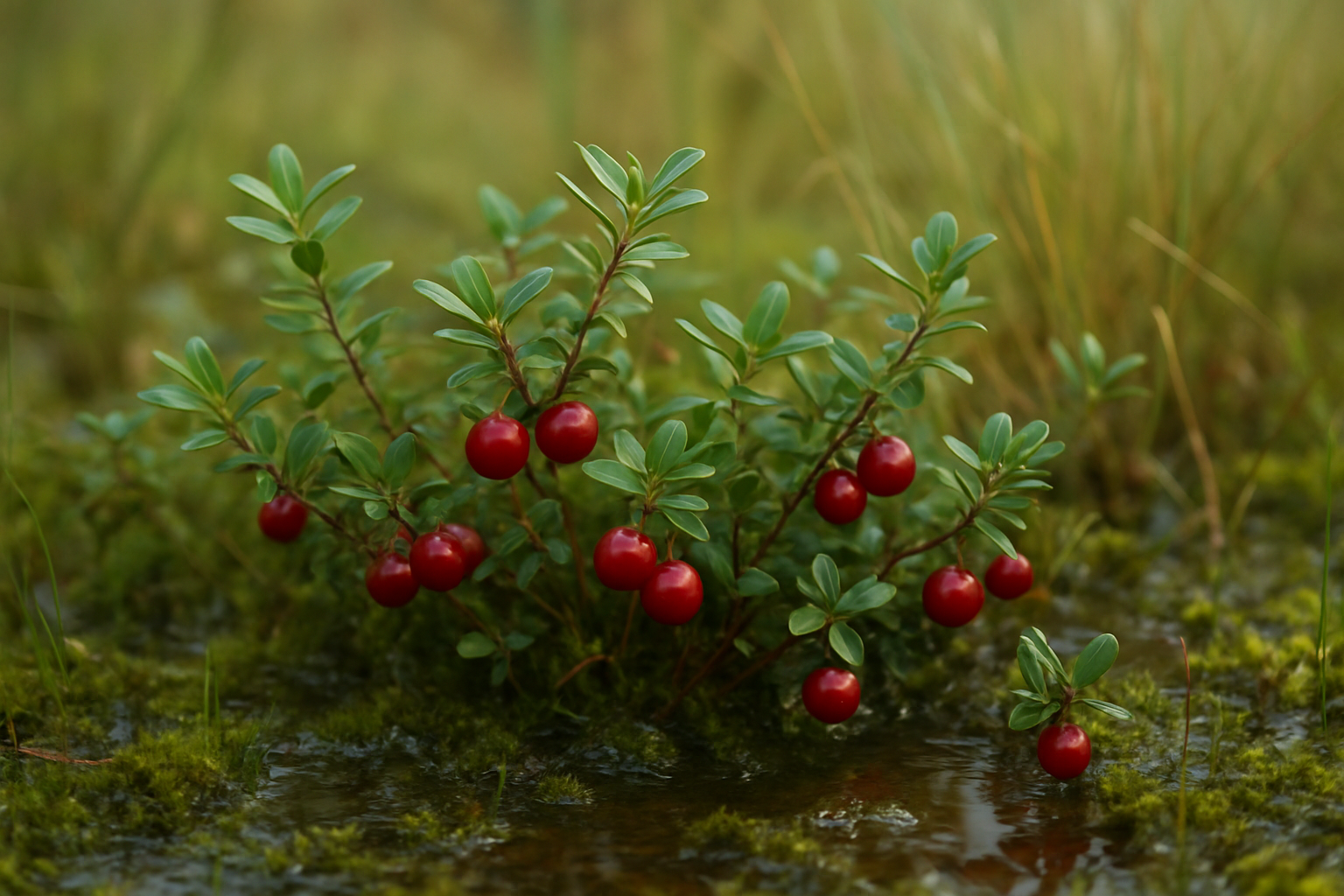
Botanical Classification and Family Relationships
Cranberries belong to the genus Vaccinium within the heath family (Ericaceae), making them close relatives of blueberries, huckleberries, and rhododendrons. The cranberry plant shares this botanical lineage with over 450 species in the Vaccinium genus, though only a few produce the tart, red berries we know as cranberries.
The most commercially important species is the American cranberry (Vaccinium macrocarpon), which dominates North American production. European cranberries (Vaccinium oxycoccos) represent a smaller, more delicate variety found across northern Europe and parts of Asia. Small cranberries (Vaccinium microcarpum) also exist but remain primarily wild and uncommercialized.
This heath family connection explains many cranberry characteristics, including their preference for acidic soils and their ability to thrive in wetland environments where other plants struggle.
Native Habitats and Geographic Distribution
Wild cranberries naturally occur across the cooler regions of the Northern Hemisphere, with concentrated populations in North America, northern Europe, and parts of Asia. The cranberry plant originally evolved in boggy, acidic wetlands where few other plants could survive.
In North America, cranberries stretch from Newfoundland down to the Carolinas and west to Minnesota. These native cranberry bogs created perfect growing conditions: acidic water, organic soil layers, and protection from harsh winds. Early European settlers discovered Native American tribes already harvesting and using cranberries for food, medicine, and dye.
European cranberry populations spread across Scandinavia, northern Russia, and parts of the British Isles. These wild cranberries adapted to similar bog environments, though they typically produce smaller berries than their American cousins.
Physical Characteristics of Cranberry Plants
Cranberry plants are low-growing, evergreen shrubs that rarely exceed 8 inches in height. Their woody stems create dense mats that can spread several feet wide, with individual plants living for decades when properly maintained.
The leaves are small, oval-shaped, and leathery with a waxy coating that helps retain moisture. During winter months, these leaves often develop reddish hues as a protective response to cold temperatures. The plant's root system stays relatively shallow but spreads extensively, allowing it to access nutrients from the organic matter in bog soils.
Cranberry flowers appear in late spring as small, pink or white bell-shaped blooms that hang downward from slender stems. Each flower contains both male and female parts, though cross-pollination typically produces better fruit yields. The distinctive cranberry berry develops over several months, starting green and gradually turning deep red as it matures.
Growth Patterns and Seasonal Development
Cranberry plants follow a predictable annual cycle that begins with new growth in early spring. As soil temperatures warm, dormant buds break and new shoots emerge, typically growing 2-6 inches during the growing season.
Flowering occurs from late May through July, depending on the regional climate. Bees and other pollinators visit the small flowers, leading to fruit set by midsummer. The developing berries require approximately 60-90 days to reach full maturity, changing from green to red as they accumulate sugars and develop their characteristic tart flavor.
During fall harvest season, cranberry plants enter a gradual dormancy period. The leaves may turn bronze or red, and growth slows significantly. Winter dormancy protects the plants from freezing temperatures, allowing them to survive harsh northern climates. This perennial growth pattern means established cranberry beds can produce fruit for many decades with proper care and management.
Nutritional Profile and Health Benefits of Cranberries
Essential Vitamins and Minerals Content
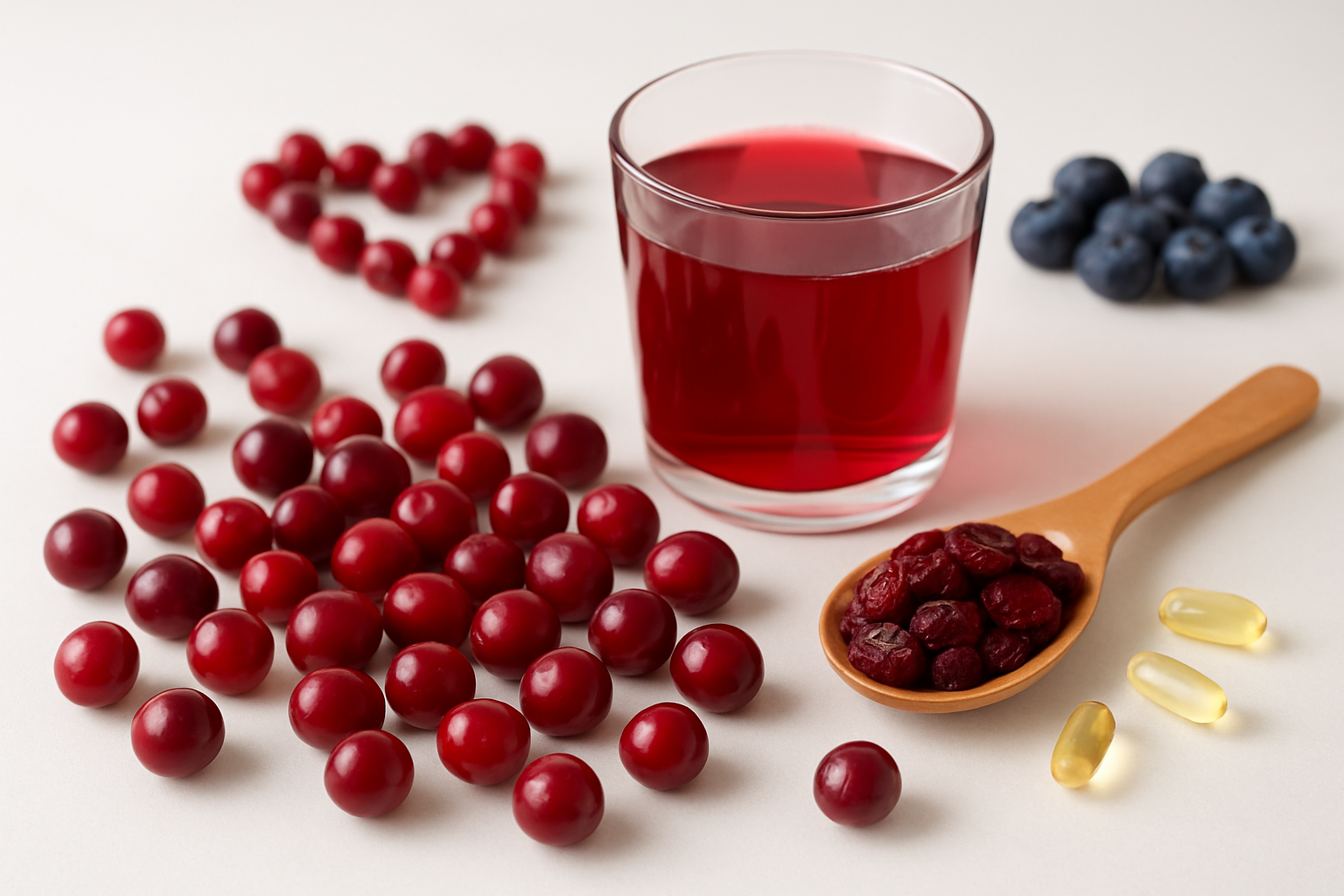
Cranberries pack an impressive nutritional punch in their small, tart package. These ruby-red berries contain substantial amounts of vitamin C, delivering about 22% of your daily needs in just one cup of fresh cranberries. This vitamin C content supports immune function and helps your body absorb iron more effectively.
The cranberry nutrition profile also includes meaningful amounts of vitamin E, vitamin K, and several B vitamins, particularly folate. Mineral-wise, cranberries provide manganese, which plays a crucial role in bone formation and wound healing. You'll also find smaller amounts of copper, potassium, and iron in these berries.
What makes cranberries particularly special is their fiber content - about 4.6 grams per cup - which supports digestive health and helps maintain steady blood sugar levels. The berries are naturally low in calories, containing only about 46 calories per cup of fresh fruit.
Antioxidant Properties and Disease Prevention
Cranberries stand out as antioxidant powerhouses, containing unique compounds called proanthocyanidins (PACs) that give them their distinctive health properties. These PACs, along with anthocyanins responsible for the berries' deep red color, help neutralize harmful free radicals in your body.
Research shows that cranberry health benefits extend to reducing oxidative stress, which can contribute to chronic diseases. The antioxidants in cranberries may help protect against certain types of cancer, particularly those affecting the digestive system. Studies suggest regular cranberry consumption might reduce the risk of stomach cancer by preventing the growth of H. pylori bacteria.
The flavonoids in cranberries also support brain health by improving memory and cognitive function. Some research indicates that these compounds may help slow age-related mental decline and reduce the risk of neurodegenerative diseases.
Urinary Tract Health Support
Cranberries have earned their reputation as a natural remedy for urinary tract health, and science backs up this traditional use. The proanthocyanidins in cranberries prevent harmful bacteria, particularly E. coli, from adhering to the walls of the urinary tract. This anti-adhesion property makes it harder for bacteria to establish infections.
Clinical studies demonstrate that regular cranberry consumption can reduce the frequency of urinary tract infections, especially in women who experience recurring UTIs. The effective compounds remain active in your urine for several hours after consumption, providing ongoing protection.
While cranberry juice is popular for UTI prevention, whole cranberries or supplements often provide higher concentrations of the beneficial compounds. The key is consistency - occasional consumption won't provide the same protective benefits as regular intake.
Heart Health and Inflammation Reduction Benefits
The cardiovascular benefits of cranberries come from their unique combination of antioxidants and anti-inflammatory compounds. Regular cranberry consumption may help improve several markers of heart health, including blood pressure and cholesterol levels.
Studies show that cranberries can help increase HDL (good) cholesterol while potentially reducing LDL (bad) cholesterol oxidation. The berries' anti-inflammatory properties may also help reduce C-reactive protein levels, a marker associated with heart disease risk.
The polyphenols in cranberries support healthy blood vessel function by improving endothelial function - the ability of blood vessels to dilate and contract properly. This can lead to better circulation and reduced blood pressure over time. Some research suggests that drinking cranberry juice regularly may reduce the risk of heart disease by up to 40% in people with existing risk factors.
Different Varieties and Types of Cranberries
American Cranberry Characteristics
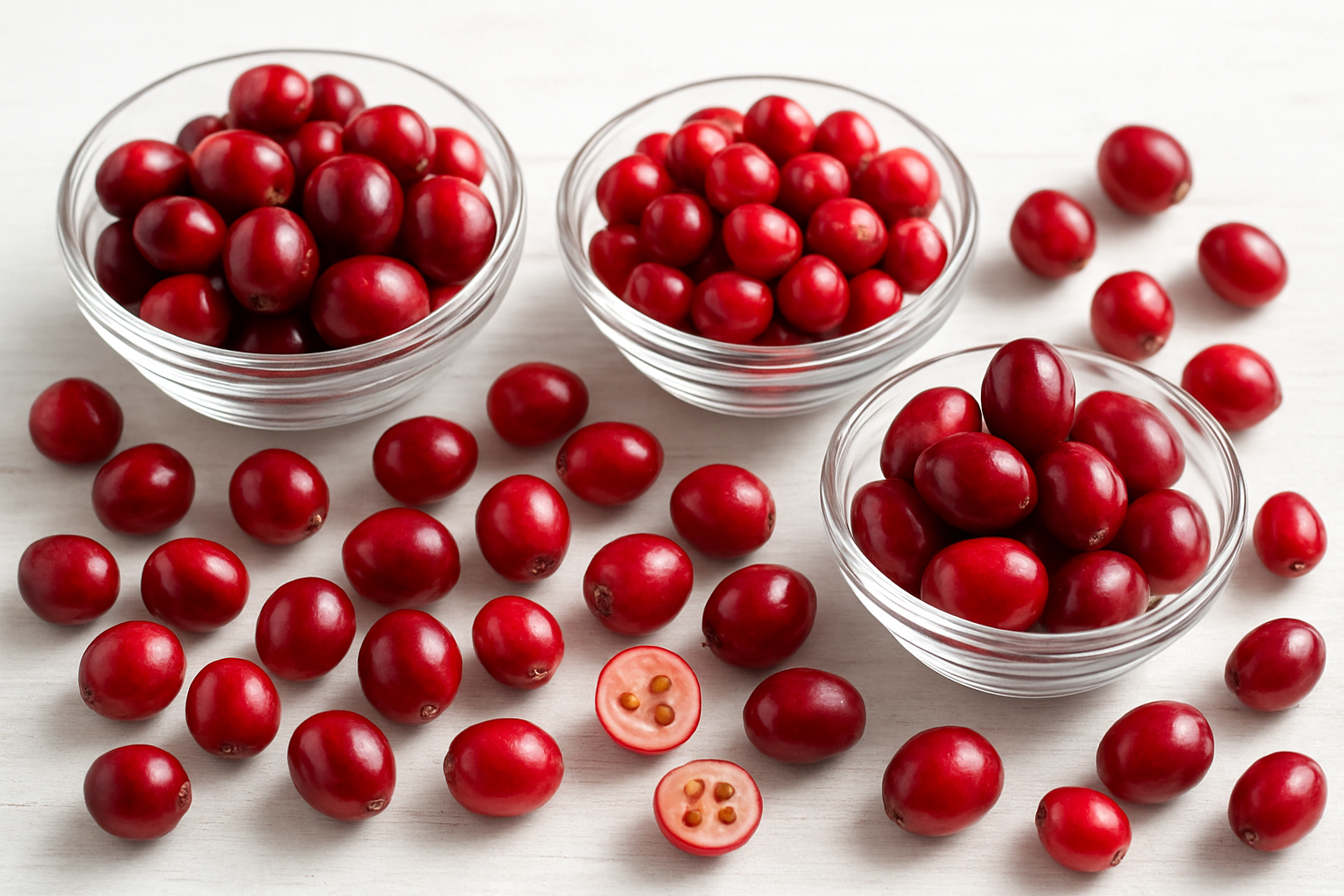
The American cranberry (Vaccinium macrocarpon) stands as the most commercially significant cranberry variety worldwide. These robust berries grow on low-lying vines in acidic bogs and wetlands across North America, particularly thriving in Wisconsin, Massachusetts, New Jersey, and parts of Canada. American cranberries are notably larger than their European cousins, typically measuring 9-14 millimeters in diameter with a distinctive deep red color when fully ripe.
What sets American cranberries apart is their exceptional keeping quality and tartness. The thick, waxy skin protects the fruit during storage and transportation, making them ideal for commercial production. These cranberries contain higher levels of anthocyanins and proanthocyanidins, giving them their characteristic astringent flavor and impressive antioxidant properties. The flesh remains firm even after processing, which explains why they work so well in dried products, juices, and baked goods.
Popular cultivars include 'Stevens,' known for its large size and excellent storage capabilities, 'Ben Lear,' prized for early ripening, and 'Pilgrim,' which offers consistent yields and disease resistance. Each variety brings unique characteristics to cranberry farming, allowing growers to select plants based on their specific climate conditions and market needs.
European Cranberry Distinctions
European cranberries (Vaccinium oxycoccos) represent the original wild cranberry species that grows naturally across northern Europe, Scandinavia, and parts of Asia. These berries are significantly smaller than American varieties, usually measuring only 5-10 millimeters in diameter, but they pack intense flavor into their compact size.
The European cranberry plant grows differently too - it produces delicate pink flowers that look almost like tiny dancing cranes, which actually inspired the name "cranberry" from the original "crane berry." The vines are more delicate and spread across sphagnum moss in natural bogs rather than the managed flooding systems used for American cranberry cultivation.
| Feature | American Cranberry | European Cranberry |
|---|---|---|
| Size | 9-14mm diameter | 5-10mm diameter |
| Color | Deep red | Bright red to pink |
| Taste | Tart, astringent | Intensely tart, more acidic |
| Growing habit | Upright vines | Trailing, delicate vines |
| Commercial use | High | Limited |
European cranberries offer a more intense, concentrated flavor profile but present challenges for large-scale farming. They're often foraged wild or grown in small specialty operations, making them a gourmet ingredient rather than a mass-market product.
Hybrid Varieties and Cultivation Improvements
Modern cranberry breeding has created exciting new varieties that combine the best traits of different cranberry types. Plant scientists have developed hybrids that offer improved disease resistance, better cold tolerance, and enhanced nutritional profiles while maintaining the beloved cranberry taste.
Recent breeding programs focus on creating cranberries with higher sugar content to reduce the need for added sweeteners in processing. Varieties like 'Crimson Queen' and 'Demoranville' showcase these improvements, offering naturally sweeter berries without sacrificing the health benefits that make cranberries special.
Climate-adaptive varieties have become increasingly important as growing conditions change. Some new hybrids can tolerate warmer temperatures or require less water, helping cranberry farmers adapt to environmental challenges. Others resist common diseases like false blossom and fruit rot, reducing the need for chemical treatments.
Cultivation improvements extend beyond genetics to growing techniques. Modern cranberry farms use precision agriculture tools to monitor soil conditions, optimize water management, and time harvests perfectly. These advances help maximize both yield and quality while maintaining sustainable farming practices that protect the delicate bog ecosystems where cranberries thrive.
How Cranberries Are Grown and Harvested
Bog Cultivation Methods and Requirements
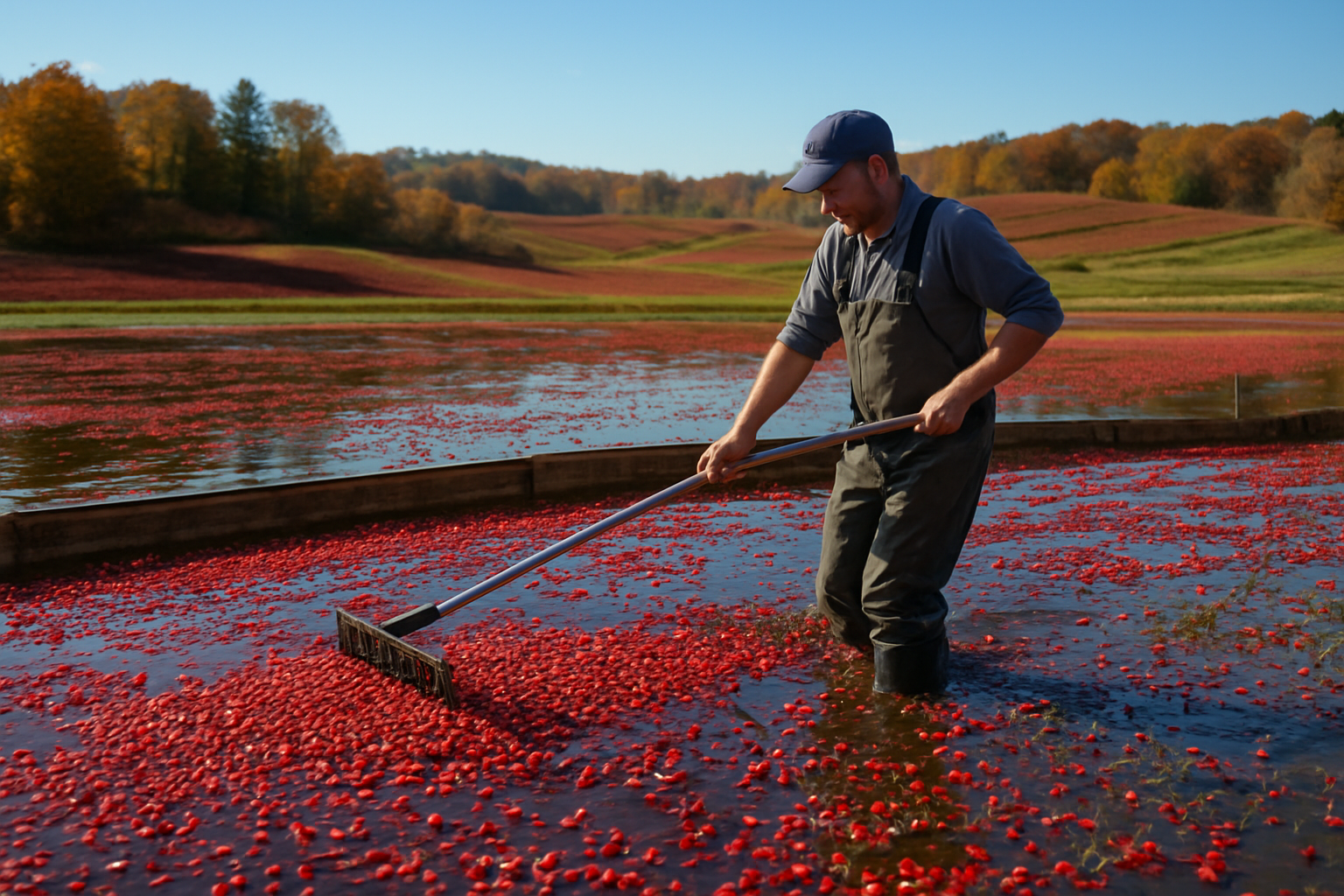
Cranberry cultivation happens in specialized wetland environments called bogs, which are carefully engineered ecosystems designed to meet the cranberry plant's unique needs. These bogs feature a layered foundation starting with sand at the bottom, followed by peat, clay, and finally a top layer of sand where the cranberry vines actually grow. This specific composition allows for proper drainage while maintaining the moisture levels cranberries crave.
The ideal bog maintains a slightly acidic soil pH between 4.0 and 5.5, which cranberries absolutely love. Farmers create elaborate water management systems with dikes, ditches, and pumps to control water levels throughout the growing season. During normal growing periods, bogs are kept relatively dry to allow the vines to spread and develop their shallow root systems.
Temperature control plays a huge role in successful cranberry cultivation. The bogs need protection from late spring frosts that could damage delicate blossoms, so farmers often flood the beds with a thin layer of water during vulnerable periods. This water acts like a natural blanket, preventing temperature fluctuations that could harm the developing fruit.
Water Flooding Techniques for Harvesting
The iconic image of cranberries floating on water comes from the wet harvesting method, which accounts for about 95% of the cranberry harvest. When cranberries ripen, farmers flood their bogs with 12 to 18 inches of water. The berries naturally contain tiny air pockets that make them buoyant, causing ripe cranberries to float to the surface.
Special harvesting machines called water reels move through the flooded bogs, churning the water and loosening the berries from their vines. These machines look like giant eggbeaters and create a swirling action that separates the fruit without damaging the perennial vines underneath. The floating cranberries form colorful red carpets on the water's surface.
Workers then use booms - long inflatable tubes - to corral the floating berries toward collection areas. From there, the cranberries get pumped into trucks or loaded onto conveyors for processing. This wet harvesting method works perfectly for cranberries destined for juice, sauce, or dried products.
Dry harvesting, used for fresh market cranberries, involves specialized machines that comb through the vines on dry ground, similar to how blueberries are picked commercially.
Seasonal Timing and Optimal Picking Conditions
Cranberry harvest timing depends heavily on geographical location and intended use. In North America's major cranberry-growing regions - Wisconsin, Massachusetts, New Jersey, Oregon, and parts of Canada - harvest typically runs from mid-September through early November.
The berries don't all ripen simultaneously, so farmers test for optimal harvest conditions using several indicators. Color development is crucial - cranberries should show deep red coloration, though some varieties maintain lighter hues even when fully ripe. Farmers also test berry firmness and measure sugar content (Brix levels) to ensure peak flavor development.
Weather conditions during harvest can make or break the season. Farmers prefer dry, crisp days for preparation and flooding activities. Heavy rains can complicate water level management, while early freezes might damage unharvested berries. Many growers monitor weather forecasts closely and adjust their harvest schedules accordingly.
The harvest window for each bog typically spans 7 to 10 days once flooding begins. Delaying too long can result in overripe berries that lose their keeping quality, while harvesting too early yields fruit with poor color and flavor development.
Commercial Farming Practices and Equipment
Modern cranberry operations rely on sophisticated equipment and technology to maximize efficiency and fruit quality. GPS-guided tractors ensure precise application of fertilizers and pest management products, while automated irrigation systems monitor soil moisture levels continuously.
Commercial cranberry farms use specialized machinery designed specifically for bog conditions. Sand spreaders apply thin layers of fresh sand every few years to encourage new vine growth and prevent pest buildup. Pruning equipment trims the vines to maintain optimal plant density and air circulation.
Water management systems represent the most critical infrastructure on cranberry farms. These include pumps capable of moving thousands of gallons per minute, elaborate dike systems to contain flood waters, and drainage networks that can quickly remove water when needed. Many farms use recycled water systems to reduce environmental impact and operational costs.
Quality control starts in the field with optical sorting equipment that can detect color variations and remove damaged fruit. Post-harvest processing facilities use air separation, flotation tanks, and mechanical sorting to ensure only premium berries reach market.
Sustainable farming practices have become increasingly important in commercial operations, with many growers implementing integrated pest management, wetland conservation programs, and energy-efficient processing equipment.
Culinary Uses and Popular Cranberry Products
Fresh cranberry cooking applications
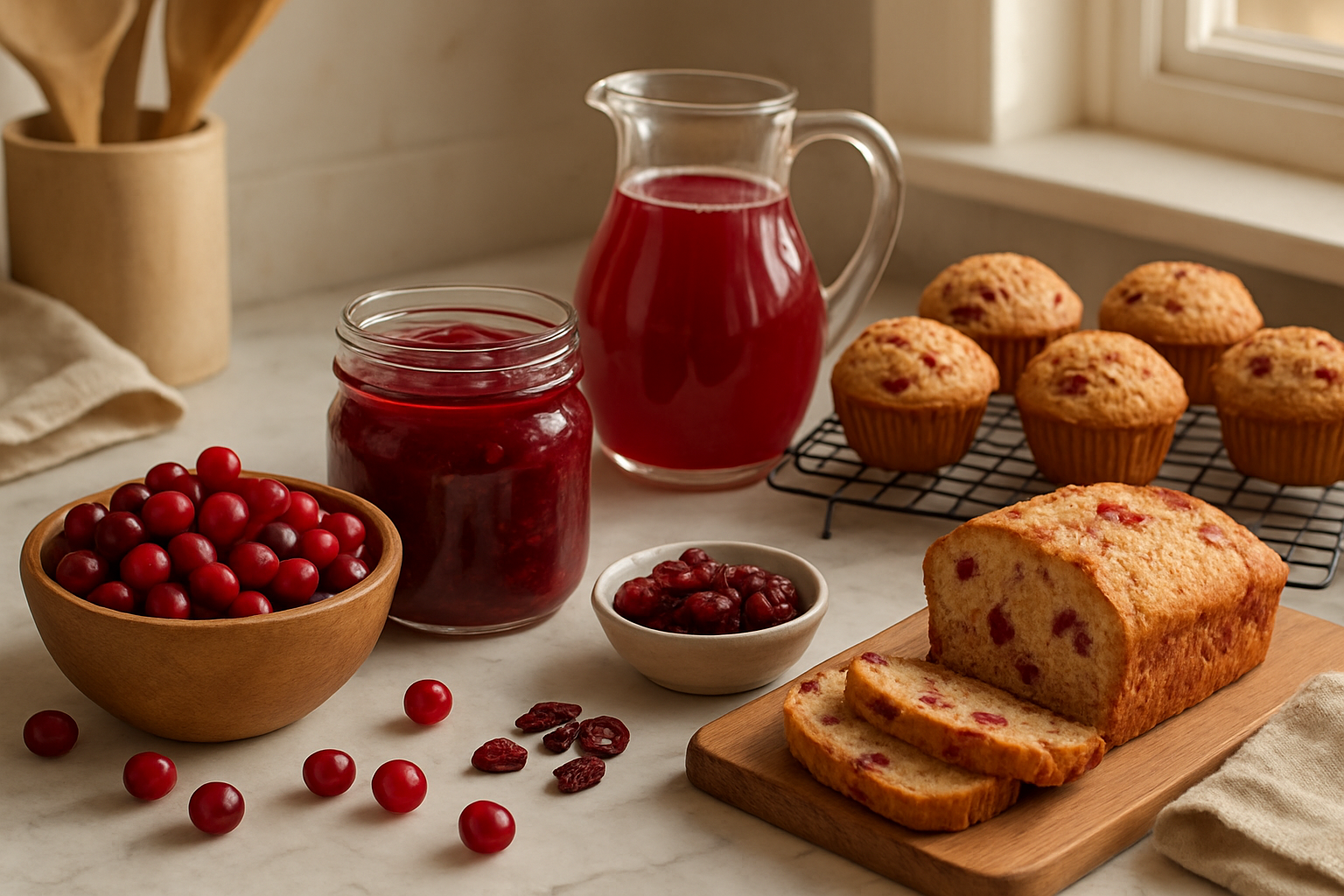
Fresh cranberries bring a bright, tart flavor to countless recipes and work beautifully in both sweet and savory dishes. Their natural acidity cuts through rich foods, making them perfect companions for fatty meats like duck, pork, and turkey. When cooking with fresh cranberries, you'll notice they pop open during heating, releasing their tangy juices and creating a natural sauce consistency.
Baking enthusiasts love incorporating whole fresh cranberries into muffins, scones, and quick breads where they burst with flavor in every bite. For savory applications, cranberries pair wonderfully in grain salads, stuffing recipes, and meat marinades. Their pectin content helps thicken sauces naturally without added ingredients.
When selecting fresh cranberries for cooking, look for firm, plump berries with deep red color. They should bounce when dropped - a traditional test for freshness. Fresh cranberries freeze exceptionally well, so you can stock up during harvest season and use them year-round in your favorite recipes.
Dried cranberry snack and baking uses
Dried cranberries have revolutionized healthy snacking and baking since their introduction to mainstream markets. These chewy, sweet-tart morsels pack concentrated flavor and nutrition into a convenient, shelf-stable form. Unlike fresh cranberries, dried varieties offer a milder tartness that appeals to a broader range of palates.
Trail mixes wouldn't be complete without dried cranberries, which balance perfectly with nuts, seeds, and dark chocolate. They add natural sweetness and vibrant color to granola bars, energy bites, and homemade cereals. Bakers appreciate how dried cranberries hold their shape during cooking, making them ideal for cookies, cakes, and artisan breads.
Salad enthusiasts often reach for dried cranberries to add sweetness and texture to green salads, grain bowls, and coleslaw. They rehydrate slightly when mixed with dressing, creating bursts of flavor throughout the dish. For the best quality, choose dried cranberries with minimal added sugar and no artificial preservatives.
Cranberry juice and beverage options
Cranberry juice stands as one of the most popular fruit beverages worldwide, prized for both its distinctive taste and potential health benefits. Pure cranberry juice delivers an intensely tart flavor that many people dilute with water or mix with sweeter fruit juices like apple or grape. This versatility makes cranberries a staple ingredient in juice blends and cocktail mixers.
The beverage industry offers numerous cranberry drink options, from 100% pure juice to sweetened cocktails with varying cranberry concentrations. Sparkling cranberry beverages have gained popularity as refreshing, lower-calorie alternatives to traditional sodas. Many health-conscious consumers choose unsweetened cranberry juice for its authentic flavor and higher concentration of beneficial compounds.
Cranberry juice serves as a base for both alcoholic and non-alcoholic beverages. Classic cocktails like the Cape Codder and Cosmopolitan rely on cranberry juice for their signature color and taste profile. Mocktails featuring cranberry juice offer similar appeal for non-drinkers.
Sauces, preserves, and condiment preparations
Traditional cranberry sauce remains the most iconic cranberry preparation, gracing holiday tables across America and beyond. This versatile condiment ranges from smooth, jellied versions to chunky, whole-berry styles that showcase the fruit's natural texture. Homemade cranberry sauce allows for creative additions like orange zest, ginger, or warm spices that complement the berries' natural tartness.
Cranberry preserves and jams offer concentrated cranberry flavor perfect for spreading on toast, pairing with cheese, or using as a glaze for meats. The natural pectin in cranberries helps these preserves set without requiring additional thickening agents. Artisanal producers often combine cranberries with complementary fruits like pears or apples to create unique flavor profiles.
Specialty cranberry condiments include chutneys that blend cranberries with onions, vinegar, and spices for complex flavor combinations. These work exceptionally well with grilled meats and aged cheeses. Cranberry mustards and barbecue sauces incorporate the berries' acidity to create tangy condiments that brighten rich, heavy foods.
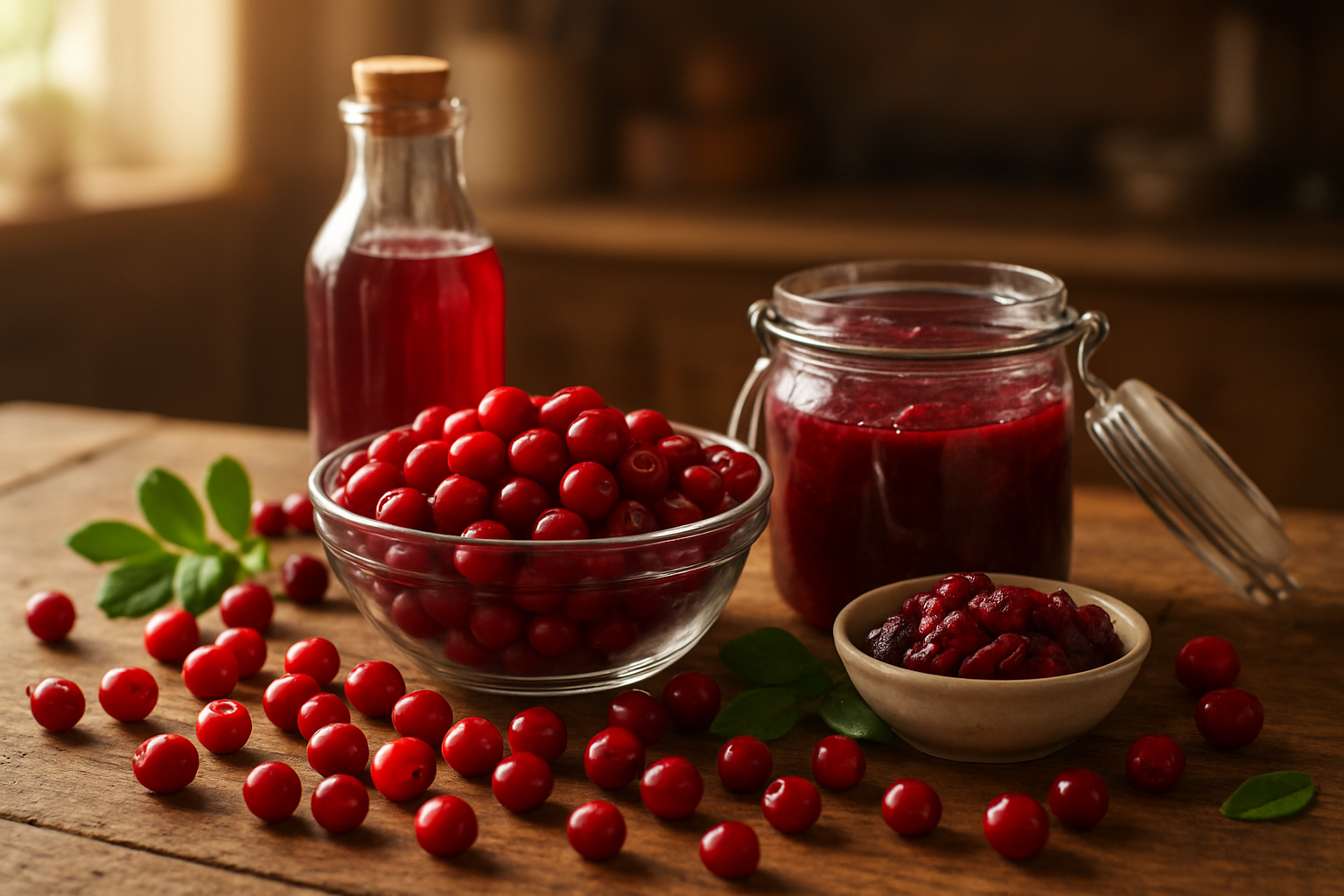
Cranberries pack an impressive nutritional punch in their small, tart package. From their origins as wild bog plants to today's carefully cultivated varieties, these ruby-red berries offer antioxidants, vitamin C, and compounds that support urinary tract health. Their unique growing requirements in flooded fields make them one of nature's most interesting crops to harvest.
The versatility of cranberries shines through in countless ways – from fresh berries and dried snacks to juices, sauces, and baked goods. Next time you reach for cranberry sauce at dinner or grab a handful of dried cranberries for your trail mix, you'll know you're enjoying a superfood with centuries of history. Try incorporating fresh cranberries into your cooking this season and discover new ways to enjoy these nutritional powerhouses.


.png)
Comments
Post a Comment