Currants - What are Currants?
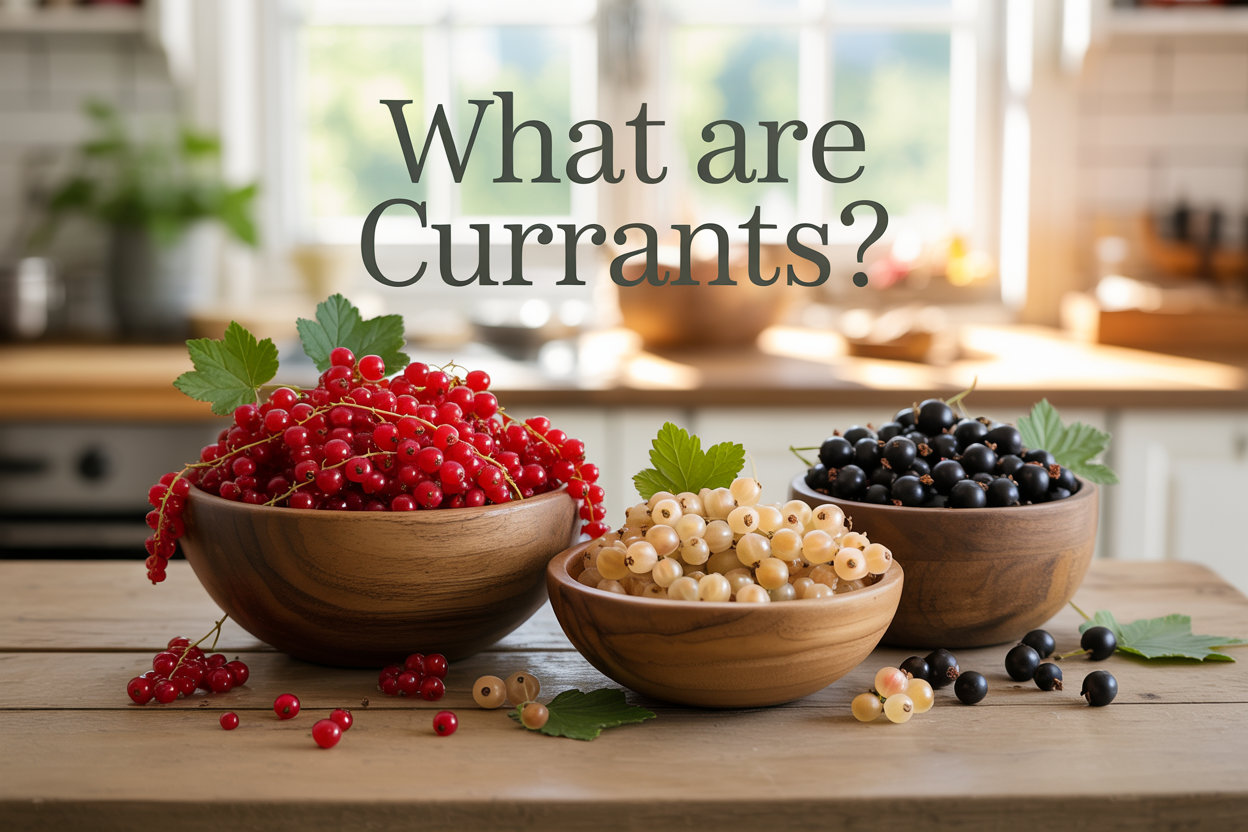
Currants are small, tart berries that often get confused with raisins, but they're actually entirely different fruits with unique flavors and impressive health benefits. This guide is perfect for home cooks, gardeners, and health-conscious food lovers who want to understand what currants really are and how to make the most of these nutritious little powerhouses.
We'll explore the main types of currants you'll find - from tangy black currants to milder red currants and sweet white currants - so you know exactly what you're buying at the market. You'll also discover the impressive nutritional benefits these berries pack and get practical tips for cooking with currants, whether you're using fresh currants vs dried currants in your favorite recipes. Plus, we'll cover everything you need to know about growing your own currant bushes and finding quality currants year-round.
Understanding What Currants Really Are
Defining the botanical classification of currants
Currants belong to the genus Ribes within the Grossulariaceae family, making them close relatives of gooseberries. These small, round berries grow in clusters on deciduous shrubs that typically reach 3-6 feet in height. The botanical classification distinguishes true currants from what many people call "currants" in the grocery store - those dried grapes used in baking are actually Zante currants or raisins, not real currants at all.
The Ribes genus encompasses over 150 species worldwide, though only a handful produce the edible berries we know as currants. These plants thrive in cooler climates and prefer partial shade with well-drained, slightly acidic soil. The shrubs produce small, inconspicuous flowers in early spring that develop into the characteristic berry clusters by mid to late summer.
Distinguishing between fresh currants and dried currants
Fresh currants and dried currants represent two completely different fruits, despite sharing the same name. Fresh currants are genuine Ribes berries - small, tart, and bursting with juice when ripe. They come in red, black, and white varieties, each offering distinct flavors ranging from sharp and tangy to sweet and mild.
Dried currants found in most supermarkets are actually dried Zante grapes, also called Corinth raisins. These tiny, dark, wrinkled fruits originated from a specific grape variety grown primarily in Greece. The confusion stems from their similar size to dried true currants and historical naming conventions.
| Feature | Fresh Currants | Dried "Currants" |
|---|---|---|
| Origin | Ribes shrubs | Zante grape vines |
| Size when fresh | 4-8mm diameter | 10-15mm diameter |
| Flavor | Tart, bright | Sweet, concentrated |
| Common uses | Jams, sauces, fresh eating | Baking, trail mixes |
| Availability | Summer, specialty stores | Year-round, most stores |
Identifying the different species within the currant family
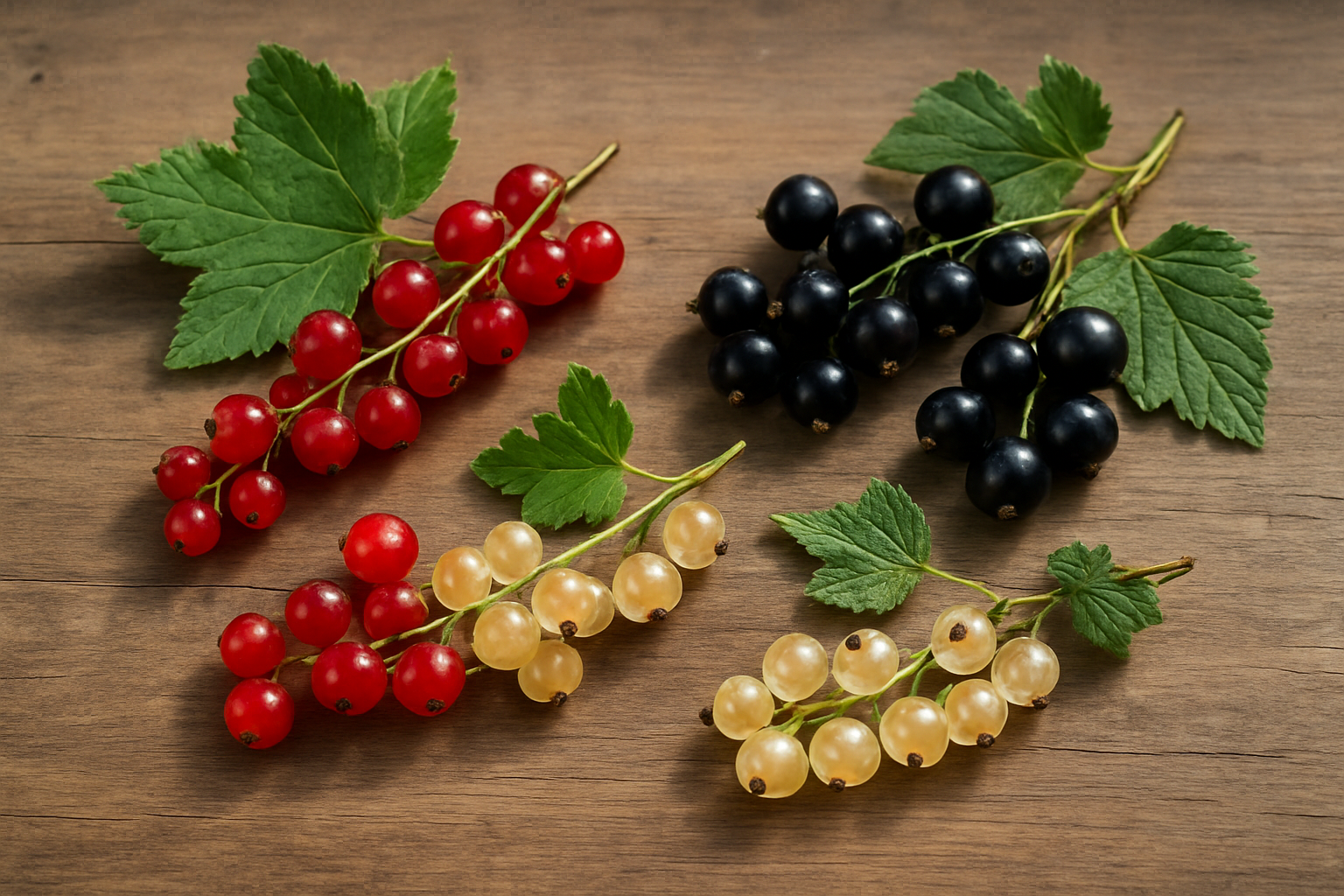
The currant family includes several distinct species, each with unique characteristics. Black currants (Ribes nigrum) pack the most intense flavor and highest nutritional density, particularly vitamin C and anthocyanins. These dark purple berries taste bold and musky, making them perfect for jams, liqueurs, and health supplements.
Red currants (Ribes rubrum) offer bright acidity and beautiful translucent red color. Their sharp, clean taste makes them excellent for jellies, sauces, and garnishes. White currants (Ribes rubrum var. album) are actually a color variant of red currants, producing pale, almost translucent berries with milder, sweeter flavors.
Pink currants represent another color variation, while some specialty varieties like Ribes sanguineum (flowering currant) are grown primarily for ornamental purposes rather than fruit production. Wild species like Ribes americanum (American black currant) and Ribes triste (swamp red currant) grow naturally across North America, though they're less commonly cultivated than European varieties.
Exploring the Main Types of Currants
Red currants and their distinctive characteristics
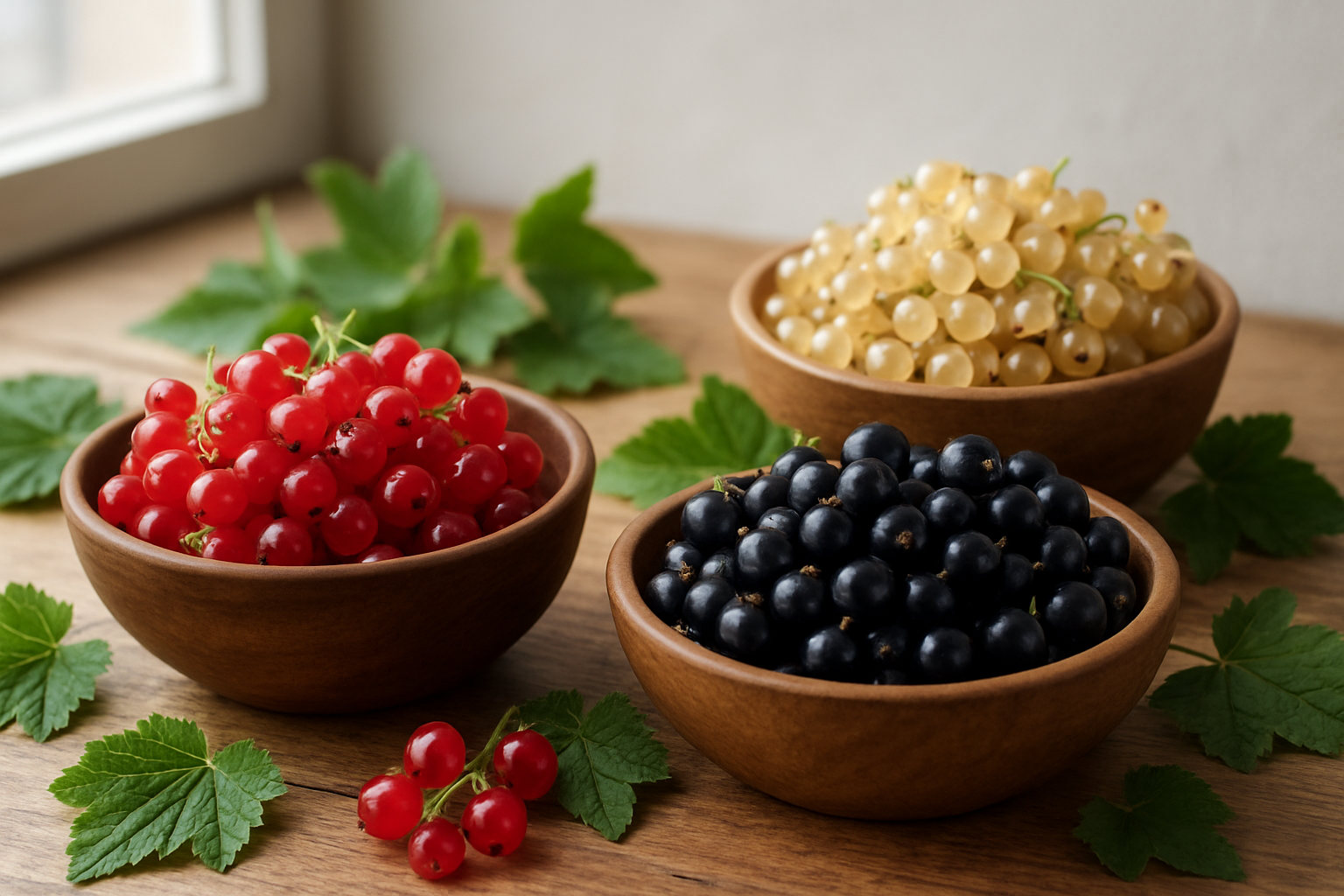
Red currants are the most recognizable members of the currant family, sporting vibrant ruby-red berries that hang in delicate clusters called racemes. These translucent gems pack a bright, tart flavor that delivers a perfect balance of sweetness and acidity. The berries typically measure about 8-10mm in diameter and contain tiny, edible seeds that add a subtle crunch.
Red currant bushes are remarkably hardy and can thrive in cooler climates, making them popular in Northern European countries and Canada. The berries ripen in mid-summer, transforming from green to their signature crimson color. Popular varieties include 'Red Lake,' known for its large berry size, and 'Rovada,' prized for its extended harvest period.
The flavor profile of red currants makes them incredibly versatile in the kitchen. Their natural tartness works beautifully in jams, jellies, and sauces, while their pectin content helps create perfect gel-like textures without additional thickeners. Fresh red currants also shine in summer desserts, adding both visual appeal and a refreshing zing to tarts, puddings, and fruit salads.
Black currants and their unique flavor profile
Black currants stand apart from their red cousins with their deep purple-black color and intensely aromatic character. These berries deliver a complex flavor that's simultaneously tart, sweet, and musky, with distinctive earthy undertones that some describe as having hints of blackberry and grape.
The flavor intensity of black currants is significantly stronger than red or white varieties, making them particularly valuable for cooking applications where you want bold fruit flavors. European cuisines have long embraced black currants, especially in countries like France and Britain, where they're transformed into liqueurs like cassis and traditional British cordials.
Black currants are nutritional powerhouses, containing exceptionally high levels of vitamin C – often three to four times more than oranges. They're also rich in anthocyanins, the compounds responsible for their dark color and many of their health benefits. These antioxidants give black currants their reputation as a superfood.
The growing season for black currants typically begins slightly later than red varieties, with harvest occurring in late summer. Popular cultivars include 'Ben Sarek,' a compact variety perfect for smaller gardens, and 'Consort,' which offers excellent disease resistance.
White currants and their subtle differences
White currants are essentially albino versions of red currants, lacking the pigments that create the red coloration. These pale, translucent berries offer the mildest flavor among all currant types, with a gentle sweetness that's less acidic than their colored relatives.
The delicate flavor of white currants makes them perfect for fresh eating and elegant dessert presentations. Their subtle taste won't overpower other ingredients, making them ideal for garnishing delicate pastries, mixing into fruit salads, or creating light, refreshing beverages.
White currants are less common in commercial production, often grown primarily by home gardeners and specialty fruit growers. The variety 'White Imperial' is particularly sought after for its large berry size and excellent sweet flavor. These berries tend to be slightly more perishable than red or black varieties, requiring careful handling and prompt consumption or processing.
Gooseberries as close relatives in the same family
Gooseberries belong to the same Ribes genus as currants, making them botanical cousins rather than distinct fruit types. While they share similar growing requirements and seasonal patterns, gooseberries develop as individual berries rather than in clusters, and they're typically larger and more oval-shaped than currants.
The relationship between gooseberries and currants is so close that they can sometimes cross-pollinate, creating interesting hybrid varieties. Both fruits thrive in similar growing conditions, preferring cooler climates and well-drained, slightly acidic soil.
Gooseberries come in various colors, from green and yellow to red and purple, each offering different flavor profiles ranging from tart and tangy when unripe to sweet and complex when fully mature. Like their currant relatives, gooseberries are excellent sources of vitamin C and contain beneficial antioxidants, making them valuable additions to a healthy diet.
Discovering the Nutritional Power of Currants
Essential vitamins packed in every serving
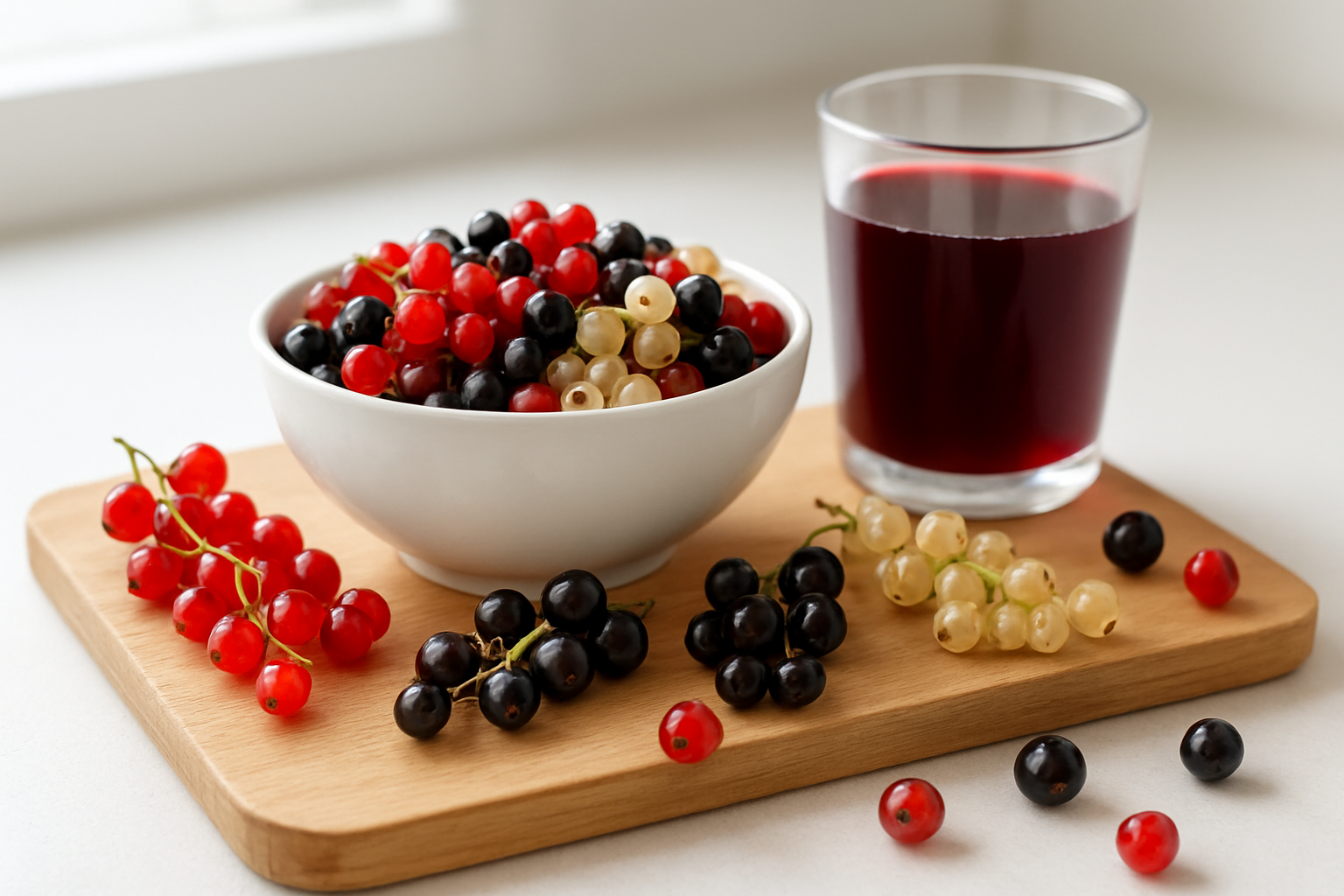
Currants deliver an impressive vitamin profile that makes them nutritional powerhouses in small packages. Black currants lead the charge with extraordinary vitamin C content, containing up to four times more than oranges. A single serving provides over 300% of your daily vitamin C needs, supporting immune function and collagen production.
Red and white currants also pack substantial vitamin C, though slightly less than their darker cousins. These colorful berries contain meaningful amounts of vitamin K, which plays a crucial role in blood clotting and bone health. You'll also find vitamin A in currants, supporting eye health and immune function.
B vitamins round out the vitamin profile, with notable amounts of folate, vitamin B6, and thiamine. Folate supports cellular function and tissue growth, making currants particularly beneficial for pregnant women. The B vitamins work together to support energy metabolism and nervous system function.
Antioxidant properties that boost health
The deep pigments in currants signal their exceptional antioxidant capacity. Black currants contain some of the highest levels of anthocyanins found in any fruit, giving them their rich purple-black color and powerful health benefits. These compounds fight inflammation and may help protect against heart disease and certain cancers.
Red currants provide different but equally valuable antioxidants, including quercetin and rutin. These flavonoids support cardiovascular health and may help reduce blood pressure. White currants, while milder in antioxidant content, still contribute beneficial compounds that support overall wellness.
Research shows that regular consumption of currant antioxidants may help protect against age-related cognitive decline and support brain health. The combination of vitamin C and anthocyanins creates a synergistic effect that enhances the body's ability to fight oxidative stress.
Mineral content supporting daily nutrition
Currants provide essential minerals that many people struggle to get enough of in their daily diets. Potassium stands out as a key mineral, supporting heart health and helping regulate blood pressure. A serving of fresh currants contributes meaningfully to your daily potassium needs.
Iron content in currants, particularly black currants, helps prevent anemia and supports energy levels. The vitamin C present in currants actually enhances iron absorption, making this fruit an excellent choice for those looking to boost their iron intake naturally.
Manganese, copper, and magnesium complete the mineral profile. Manganese supports bone development and wound healing, while copper aids in iron absorption and connective tissue formation. Magnesium contributes to muscle and nerve function, making currants a well-rounded choice for overall health support.
Learning How to Use Currants in Your Kitchen
Fresh currant applications in cooking and baking
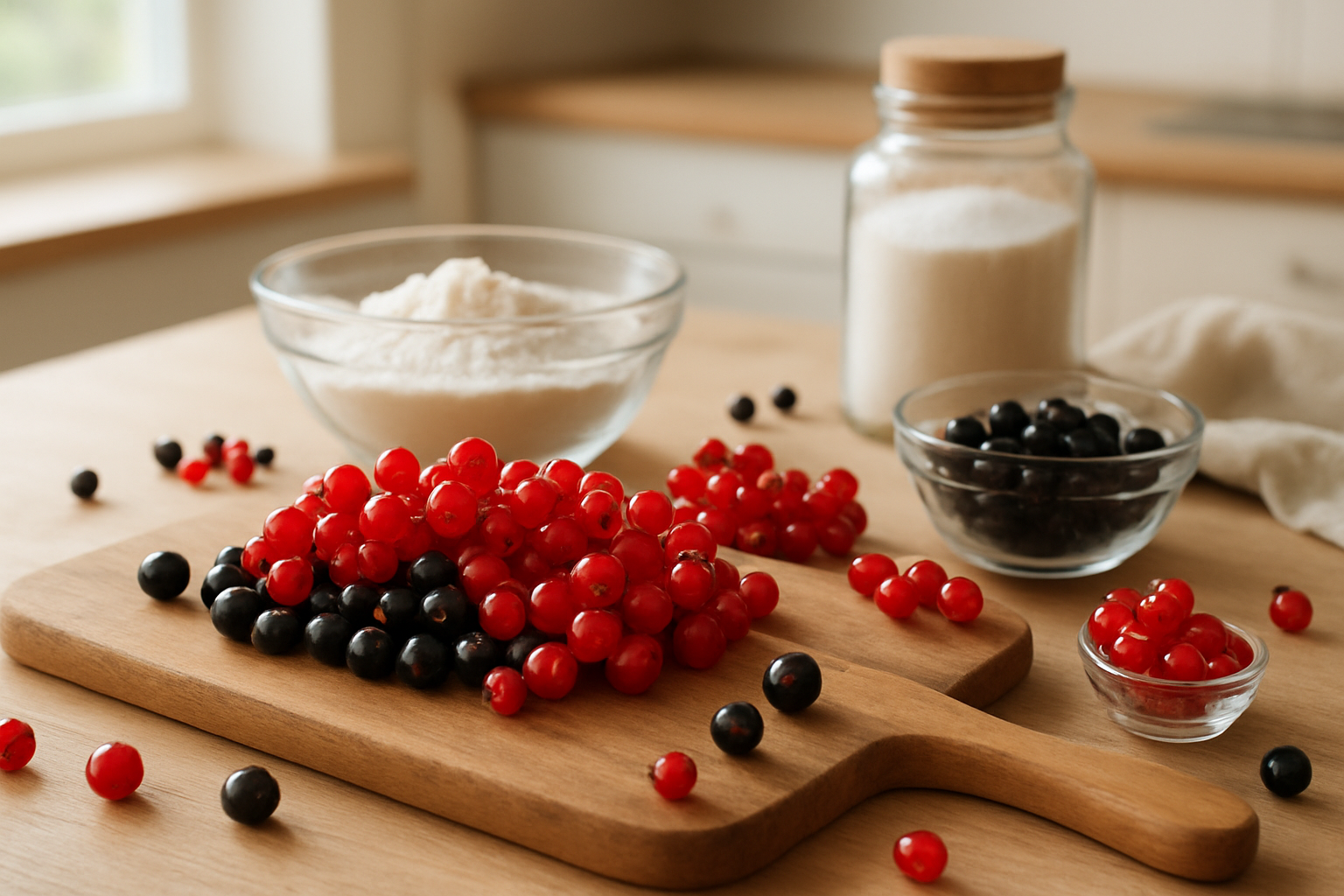
Fresh currants bring a burst of tartness that transforms ordinary recipes into something special. Red currants work beautifully in summer fruit tarts, where their jewel-like appearance creates stunning visual appeal. Simply rinse the clusters and remove stems before folding them into muffin batters or scone dough. Black currants pack more intensity, making them perfect for cheesecakes and chocolate desserts where their bold flavor can shine through rich ingredients.
When baking with fresh currants, toss them lightly in flour before adding to batters - this prevents them from sinking to the bottom. Their natural pectin content means they'll help thicken fruit fillings without additional ingredients. Try folding red currants into vanilla pound cake or creating a rustic galette with mixed currant varieties.
Preserving currants through jams and jellies
Currants are jam-making superstars thanks to their high pectin levels. You'll get perfect gel consistency without commercial pectin additives. Black currant jam develops deep, wine-like flavors that pair wonderfully with cheese boards, while red currant jelly creates an elegant, clear preserve that's practically restaurant-quality.
The basic ratio is simple: equal parts currants and sugar, plus a splash of lemon juice. Cook over medium heat until the mixture reaches 220°F or passes the plate test. White currants make delicate jellies perfect for glazing pastries or serving alongside roasted poultry.
Quick tip: strain red currant mixture through fine mesh for smooth jelly, or leave unstrained for chunky jam texture. These preserves keep for months when properly canned, giving you year-round access to that bright, tangy flavor.
Incorporating currants into savory dishes
Don't limit currants to sweet applications - they're incredible in savory cooking. Black currants complement game meats beautifully, creating sophisticated sauces for venison or duck. Their acidity cuts through rich, fatty proteins while adding complexity.
Try this: sauté shallots, add fresh red currants, a splash of red wine, and reduce until jammy. This sauce elevates grilled lamb chops or pork tenderloin instantly. Currants also work in grain salads - mix them with quinoa, herbs, and nuts for bright, textural contrast.
White currants add elegance to fish dishes. Pan-seared salmon with a white currant gastrique creates restaurant-worthy presentations at home. The fruit's natural tartness balances without overpowering delicate seafood flavors.
Creating beverages and cocktails with currants
Fresh currants make exceptional beverages with minimal effort. Muddle black currants for rich, dark cocktails that rival expensive blackcurrant liqueurs. Mix with gin and simple syrup for a sophisticated twist on classic cocktails.
Red currants shine in sparkling drinks - their tartness balances sweetness perfectly. Create currant simple syrup by simmering equal parts water, sugar, and currants, then strain. This syrup keeps refrigerated for weeks and transforms ordinary club soda into something special.
For non-alcoholic options, blend fresh currants with water and honey for natural fruit drinks. The antioxidant-rich currant berry benefits make these beverages both delicious and nutritious. Try freezing whole currant clusters in ice cubes for beautiful, flavor-infusing additions to summer drinks.
Pairing currants with complementary flavors
Currants play well with both sweet and savory flavor profiles. Black currants love chocolate, vanilla, and warm spices like cinnamon and cardamom. Their intensity stands up to strong flavors without getting lost.
Red currants pair beautifully with:
-
Goat cheese and fresh herbs
-
Orange zest and almonds
-
Rosemary and thyme
-
Cream cheese and honey
White currants complement delicate flavors like elderflower, mint, and white chocolate. Their subtle sweetness works in applications where stronger currant varieties might overwhelm.
Classic combinations include currants with orange (the citrus brightens their earthiness), nuts (especially almonds and hazelnuts), and fresh herbs like basil or mint. When cooking with currants, consider the balance - their natural tartness means you can reduce other acidic ingredients in recipes.
Growing and Sourcing Quality Currants
Optimal Growing Conditions for Currant Bushes
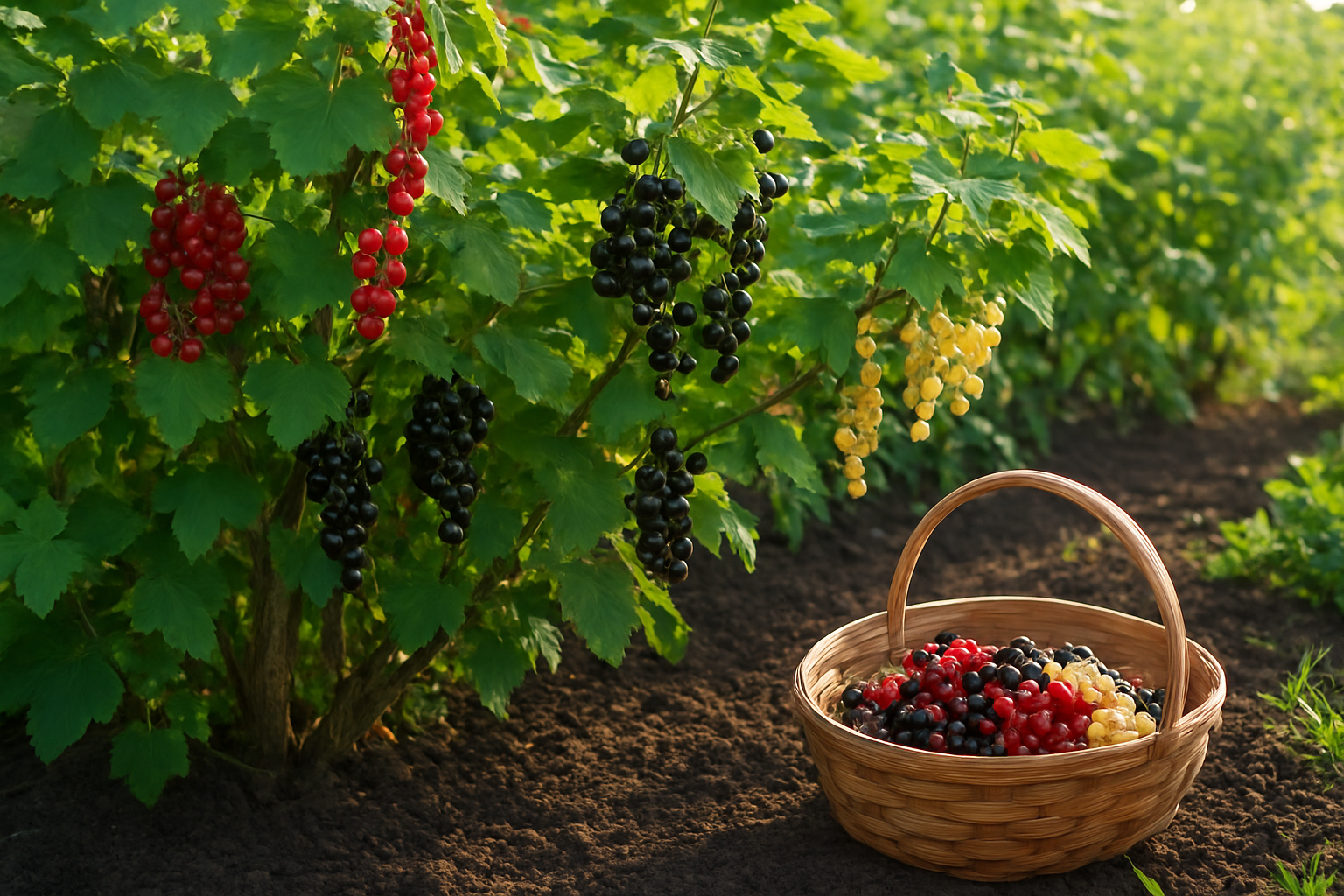
Growing currants requires specific environmental conditions to produce healthy, flavorful berries. These hardy shrubs thrive in cool, temperate climates with mild summers and cold winters. Black currants, red currants, and white currants all prefer well-drained, slightly acidic soil with a pH between 6.0 and 6.5.
Currant bushes need partial shade to full sun, though they perform best with morning sunlight and afternoon shade in warmer regions. They require consistent moisture but cannot tolerate waterlogged conditions. Plant them in locations protected from strong winds, as the branches can be brittle when loaded with fruit.
Space currant bushes about 4-5 feet apart to ensure proper air circulation, which helps prevent fungal diseases. These plants are self-fertile, but cross-pollination between different varieties often increases yield and berry size.
| Growing Factor | Requirement |
|---|---|
| Soil pH | 6.0-6.5 |
| Sunlight | Partial shade to full sun |
| Spacing | 4-5 feet apart |
| Water | Consistent moisture, well-drained |
| Climate | Cool temperate zones |
Seasonal Availability and Harvesting Tips
Fresh currants have a relatively short growing season, typically ripening from mid-June through August, depending on the variety and location. Red and white currants usually ripen first, followed by black currants about two weeks later.
Harvest currants when they're fully colored but still firm. Red and white currants should be bright and glossy, while black currants develop their deepest purple-black color when ready. Pick entire clusters rather than individual berries to save time and reduce damage.
The best harvesting time is early morning when temperatures are cool and berries retain maximum moisture. Avoid picking after rain or while dew is present, as wet berries spoil faster. Fresh currants can be stored in the refrigerator for up to one week when kept in shallow containers to prevent crushing.
For the longest storage life, freeze currants immediately after harvesting. They freeze exceptionally well and maintain their nutritional value for up to one year when properly stored.
Finding Fresh Currants at Markets and Stores
Fresh currants can be challenging to find in regular grocery stores due to their short shelf life and limited commercial cultivation in many regions. Your best bet for finding quality fresh currants is at farmers markets, specialty food stores, or u-pick farms during peak season.
Many farmers markets feature local growers who specialize in unusual berries, including various types of currants. These vendors often offer the freshest product and can provide valuable information about specific varieties and their uses.
Health food stores and gourmet markets sometimes carry fresh currants, particularly black currants, due to their reputation for high antioxidant content. European or specialty international markets may stock fresh currants more regularly, especially during summer months.
Online retailers and specialty berry farms offer fresh currants shipped directly to consumers, though this option works best for those planning to use or preserve the berries immediately upon arrival.
Selecting the Best Quality Currants for Consumption
Quality fresh currants should appear plump, glossy, and deeply colored. Avoid berries that look shriveled, dull, or have broken skins, as these indicate age or poor handling. The stems should be green and fresh-looking rather than brown or dried out.
When examining currant clusters, look for uniform ripeness throughout the bunch. Mixed ripe and unripe berries on the same cluster suggest premature harvesting. Fresh currants should feel firm to the touch and have a pleasant, slightly tart aroma.
Check for signs of mold or decay, particularly where berries touch each other in the cluster. Small white or gray spots indicate the beginning of spoilage. Quality currants should be relatively free of debris, though some small leaves or stem pieces are normal for freshly picked fruit.
Store-bought currants in plastic containers should show no signs of moisture buildup or condensation, which accelerates spoilage. Choose packages with the latest harvest or pack dates when available, and inspect the bottom of containers for crushed or leaking berries.
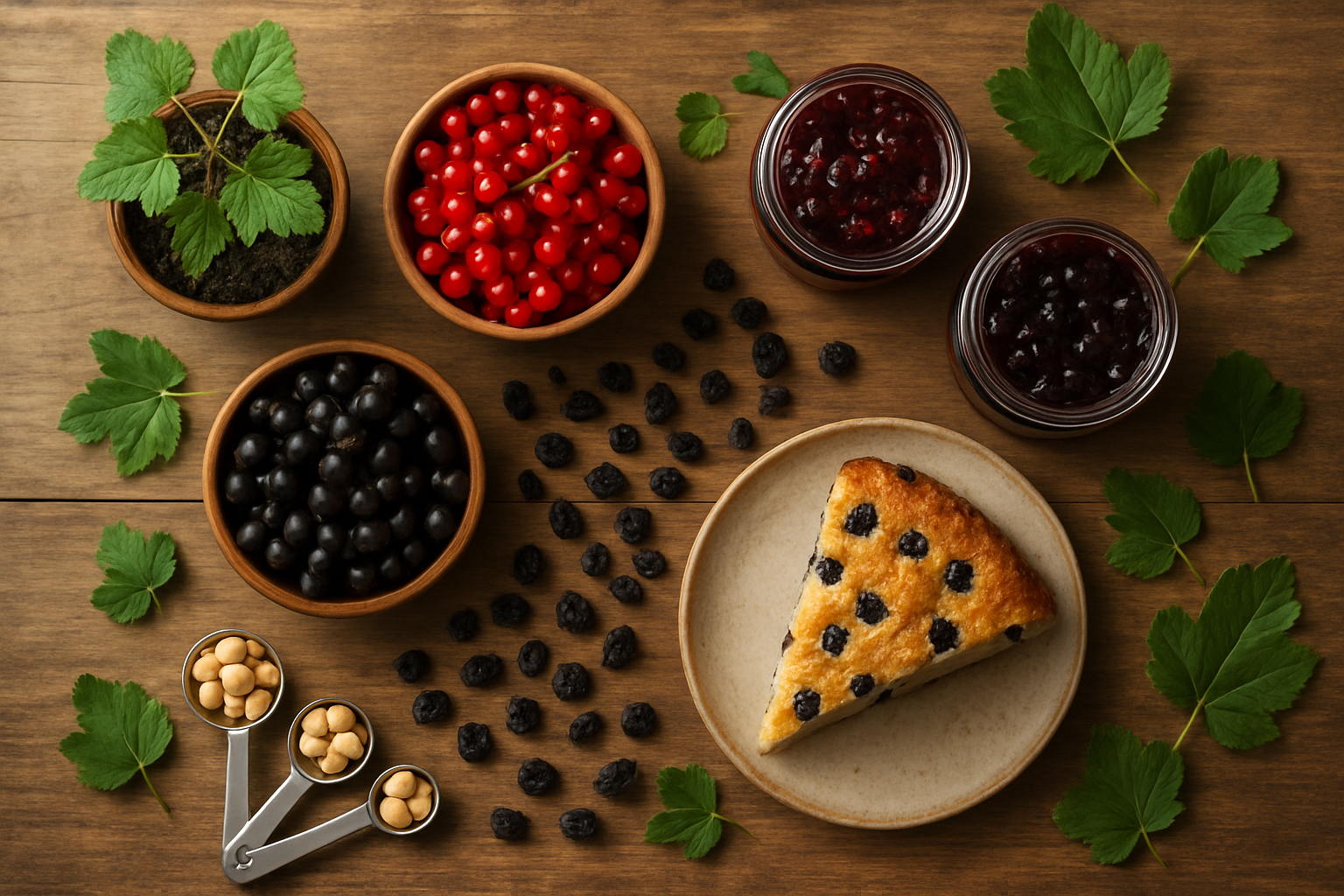
Currants pack an impressive nutritional punch while adding vibrant flavor to countless dishes. These tiny powerhouses deliver antioxidants, vitamins, and minerals that support your health, whether you choose fresh black currants, dried Zante currants, or red varieties. From baking scones to making jams or adding them to savory dishes, currants bring both taste and nutrition to your table.
Ready to explore the world of currants? Start small by picking up some dried currants at your local grocery store and try them in your next batch of muffins or oatmeal. If you're feeling adventurous, consider planting a currant bush in your garden for fresh berries next season. Your taste buds and your body will thank you for discovering these remarkable little fruits.


Comments
Post a Comment