Custard Apple - What's Custard (Sugar) Apple?
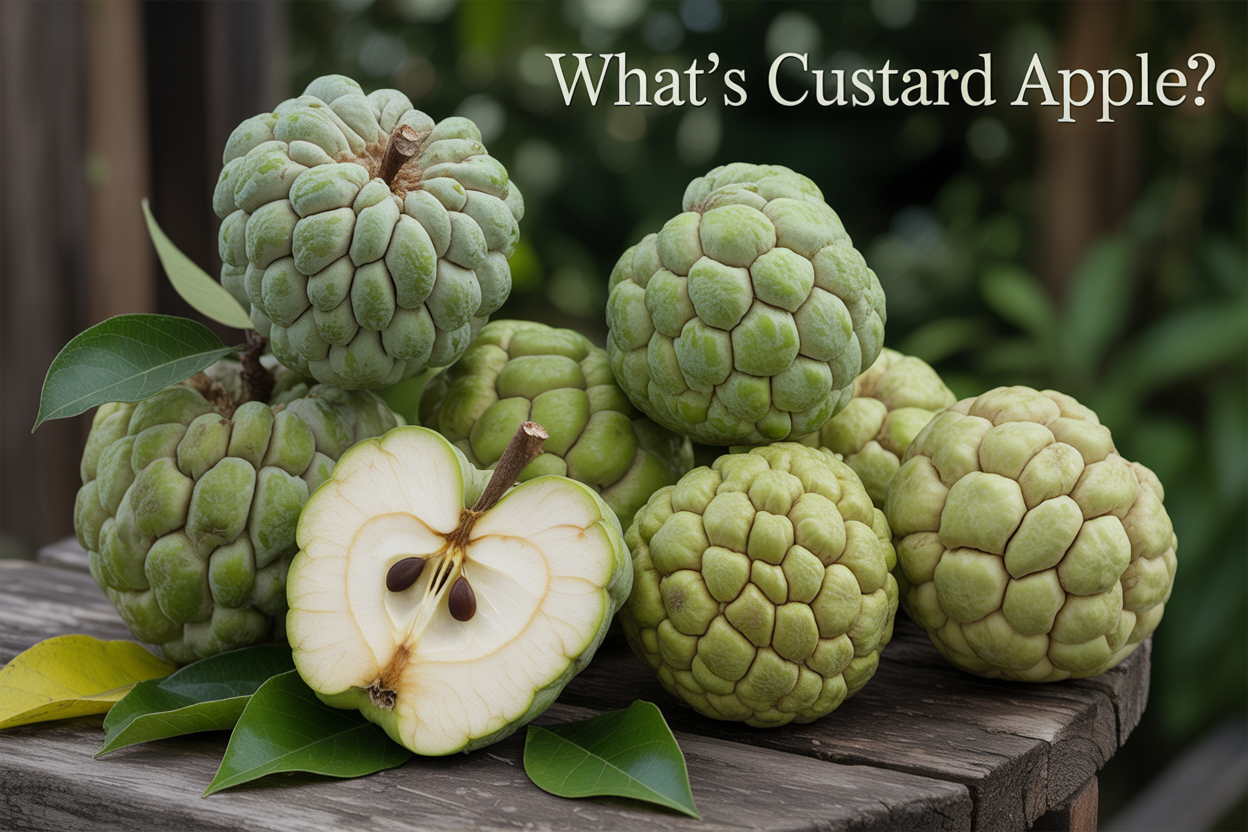
Custard apple might sound like a dessert, but this tropical fruit packs way more punch than its sweet name suggests. If you're curious about exotic fruits, health-conscious about your diet, or thinking about growing something unique in your garden, you've come to the right place.
This bumpy, heart-shaped sugar apple delivers creamy flesh that tastes like a blend of banana, pineapple, and vanilla. We'll explore what makes custard apple nutrition so impressive for your health, dive into the different custard apple varieties you can find around the world, and share practical tips for growing your own custard apple tree at home.
Understanding Custard Apple Basics
Scientific Name and Plant Family Origins
The custard apple belongs to the Annonaceae family, scientifically known as Annona squamosa. This tropical fruit tree traces its roots back to the Americas, where indigenous peoples first cultivated it thousands of years ago. The Annonaceae family includes over 2,000 species of flowering plants, many of which produce aromatic fruits with similar creamy textures.
Botanists believe the custard apple tree originated in the tropical highlands of Central America and southern Mexico. Spanish and Portuguese explorers later introduced this remarkable fruit to Asia, Africa, and other tropical regions during the 16th and 17th centuries. Today, you'll find custard apple trees thriving in warm climates across the globe, from India and Thailand to Australia and the Caribbean islands.
Physical Appearance and Distinctive Features
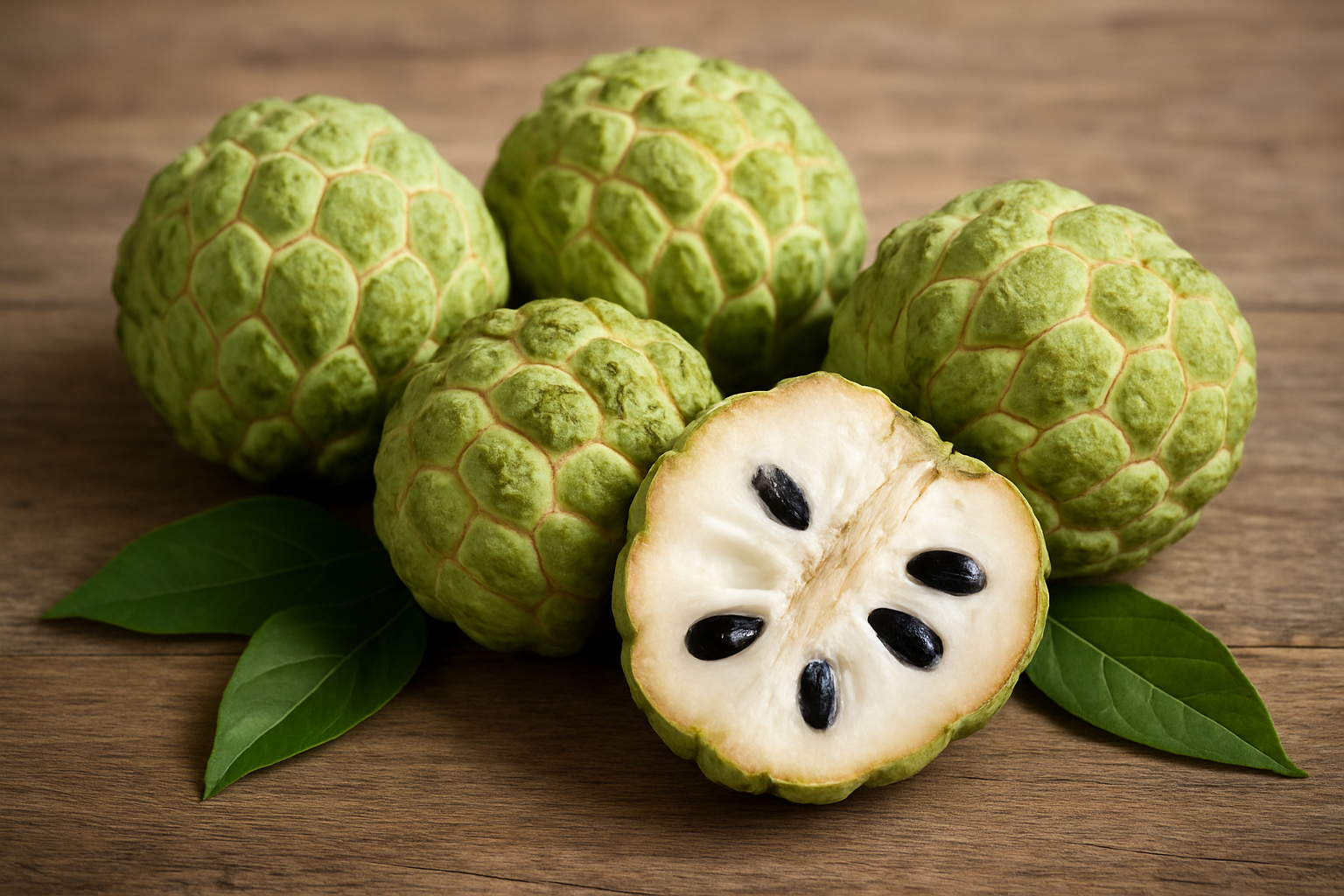
The custard apple fruit displays a unique heart-shaped or oval appearance that makes it instantly recognizable. Its thick, bumpy skin features a distinctive segmented pattern that resembles scales or knobby protrusions. The exterior color ranges from pale green to grayish-green, sometimes developing a slight yellowish tint when fully ripe.
Inside, the fruit reveals creamy white flesh with a custard-like consistency that gives this fruit its common name. Black, glossy seeds are embedded throughout the pulp, typically numbering between 20 to 40 per fruit. The flesh offers a sweet, aromatic flavor often described as a blend of banana, pineapple, and vanilla.
Custard apple trees themselves are small to medium-sized deciduous trees, usually reaching heights of 10 to 20 feet. They feature broad, oval leaves that are dark green on top and lighter underneath. The tree produces small, fragrant flowers that can be either perfect (containing both male and female parts) or functionally male or female.
Common Names Around the World
Different cultures have given the custard apple various names that reflect local languages and traditions. The most widely recognized name is sugar apple, used throughout the English-speaking Caribbean and parts of the United States. In Spanish-speaking countries, people call it "anón" or "riñón," while Portuguese speakers refer to it as "pinha" or "ata."
Indian communities know this fruit as "sitaphal" or "shareefa," names that have become deeply embedded in regional cuisine and traditional medicine practices. Thai people call it "noi-na," Filipinos say "atis," and in Australia, it's simply known as custard apple or sometimes "bullock's heart."
Other regional names include "corossol" in some French-speaking areas, "chirimoya china" in parts of South America, and "sweetsop" in Jamaica and other Caribbean islands. These diverse names highlight how widely this fruit has spread and been adopted into different cultures worldwide.
Natural Growing Regions and Climate Requirements
Custard apple trees thrive in tropical and subtropical climates with specific environmental conditions. They perform best in areas with temperatures ranging from 68°F to 95°F (20°C to 35°C) and require a distinct dry season to promote flowering and fruit development.
These trees prefer well-draining soils with a pH between 6.0 and 7.5, though they can tolerate slightly alkaline conditions. Sandy loam or clay loam soils enriched with organic matter provide ideal growing conditions. The trees need protection from strong winds and frost, which can damage both flowers and developing fruits.
Major commercial growing regions include India (particularly Uttar Pradesh, Bihar, and West Bengal), Thailand, the Philippines, Australia, Israel, and various Caribbean islands. In the United States, custard apples grow successfully in southern Florida, Hawaii, and parts of California where microclimates provide suitable conditions.
The trees require moderate rainfall during the growing season but need dry conditions during flowering and fruit maturation. Most successful cultivation occurs in areas receiving 600 to 1,200 mm of annual rainfall, with irrigation supplementing natural precipitation when necessary.
Nutritional Benefits That Boost Your Health
Essential Vitamins and Mineral Content
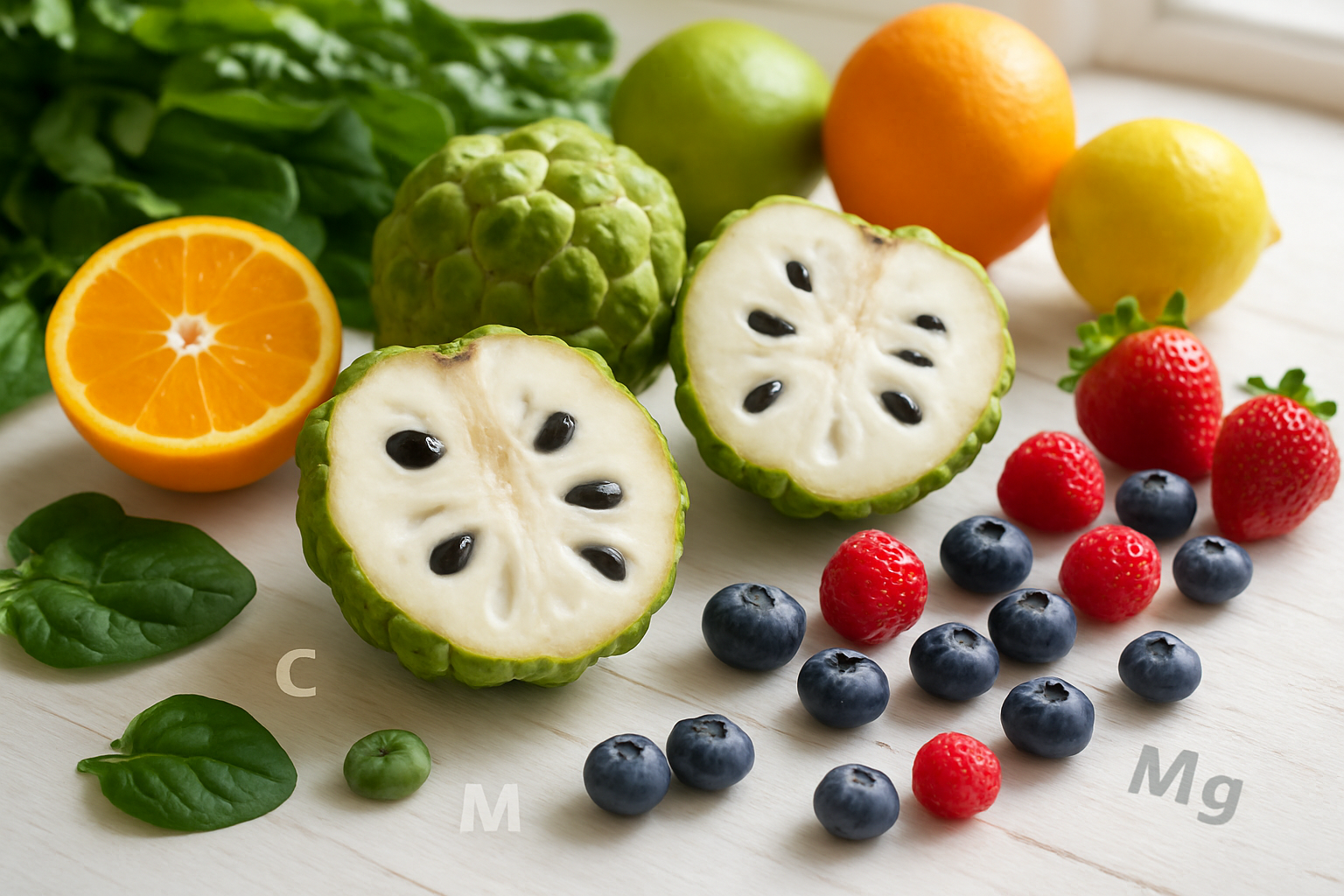
Custard apple nutrition is truly impressive when you look at the numbers. This tropical fruit packs a serious punch of vitamin C – just one medium custard apple delivers about 60% of your daily vitamin C needs. That's more than most citrus fruits can offer. The vitamin C content helps your immune system stay strong and keeps your skin looking healthy.
The B-vitamin profile is equally noteworthy. Custard apples contain significant amounts of vitamin B6, which your body uses for brain function and making neurotransmitters. You'll also find folate, riboflavin, and niacin in decent amounts. These B vitamins work together to convert food into energy and support your nervous system.
When it comes to minerals, potassium takes the spotlight. One custard apple provides around 380mg of potassium, which helps regulate blood pressure and supports heart function. The magnesium content (about 30mg per fruit) contributes to bone health and muscle function. You'll also get iron, phosphorus, and calcium, though in smaller amounts.
| Nutrient | Amount per 100g | % Daily Value |
|---|---|---|
| Vitamin C | 36mg | 40% |
| Potassium | 382mg | 11% |
| Magnesium | 18mg | 4% |
| Vitamin B6 | 0.2mg | 10% |
| Folate | 14mcg | 4% |
Antioxidant Properties for Disease Prevention
The custard apple benefits extend far beyond basic nutrition thanks to its rich antioxidant profile. These compounds act like tiny bodyguards, protecting your cells from damage caused by free radicals. Free radicals are unstable molecules that can cause oxidative stress, leading to chronic diseases and premature aging.
Custard apples contain several powerful antioxidants, including vitamin C, flavonoids, and phenolic compounds. The flavonoids, particularly quercetin and kaempferol, have been studied for their anti-inflammatory properties. These compounds may help reduce the risk of heart disease by preventing the oxidation of LDL cholesterol, which can clog arteries.
The phenolic compounds found in custard apple fruit have shown promise in laboratory studies for their potential anti-cancer properties. While more human research is needed, early studies suggest these antioxidants might help protect against certain types of cancer by neutralizing harmful free radicals before they can damage DNA.
Research has also indicated that regular consumption of antioxidant-rich fruits like custard apples may support brain health. The antioxidants cross the blood-brain barrier and help protect neurons from oxidative damage, potentially reducing the risk of neurodegenerative diseases as you age.
Digestive Health and Fiber Benefits
Your digestive system will thank you for adding custard apples to your diet. One medium fruit provides about 5 grams of dietary fiber, which is roughly 20% of your daily fiber needs. This fiber content makes custard apples excellent for maintaining healthy digestion and preventing constipation.
The fiber in custard apples is mostly soluble fiber, which dissolves in water to form a gel-like substance in your digestive tract. This type of fiber helps slow down digestion, making you feel full longer and helping stabilize blood sugar levels. This is particularly beneficial for people managing diabetes or trying to maintain steady energy levels throughout the day.
Soluble fiber also acts as food for beneficial gut bacteria. These good bacteria ferment the fiber, producing short-chain fatty acids that nourish the cells lining your colon and support overall gut health. A healthy gut microbiome is linked to better immunity, mood regulation, and even weight management.
The natural enzymes present in custard apples can also aid in breaking down proteins and improving overall digestion. Many people find that eating custard apples helps with bloating and digestive discomfort. The fruit's soft texture makes it easy to digest, making it a good choice for people with sensitive stomachs or digestive issues.
Beyond digestive benefits, the fiber content helps lower cholesterol levels by binding to cholesterol particles in the digestive system and removing them from the body before they can enter the bloodstream.
Varieties and Types Worth Discovering
Sugar Apple vs Cherimoya Differences
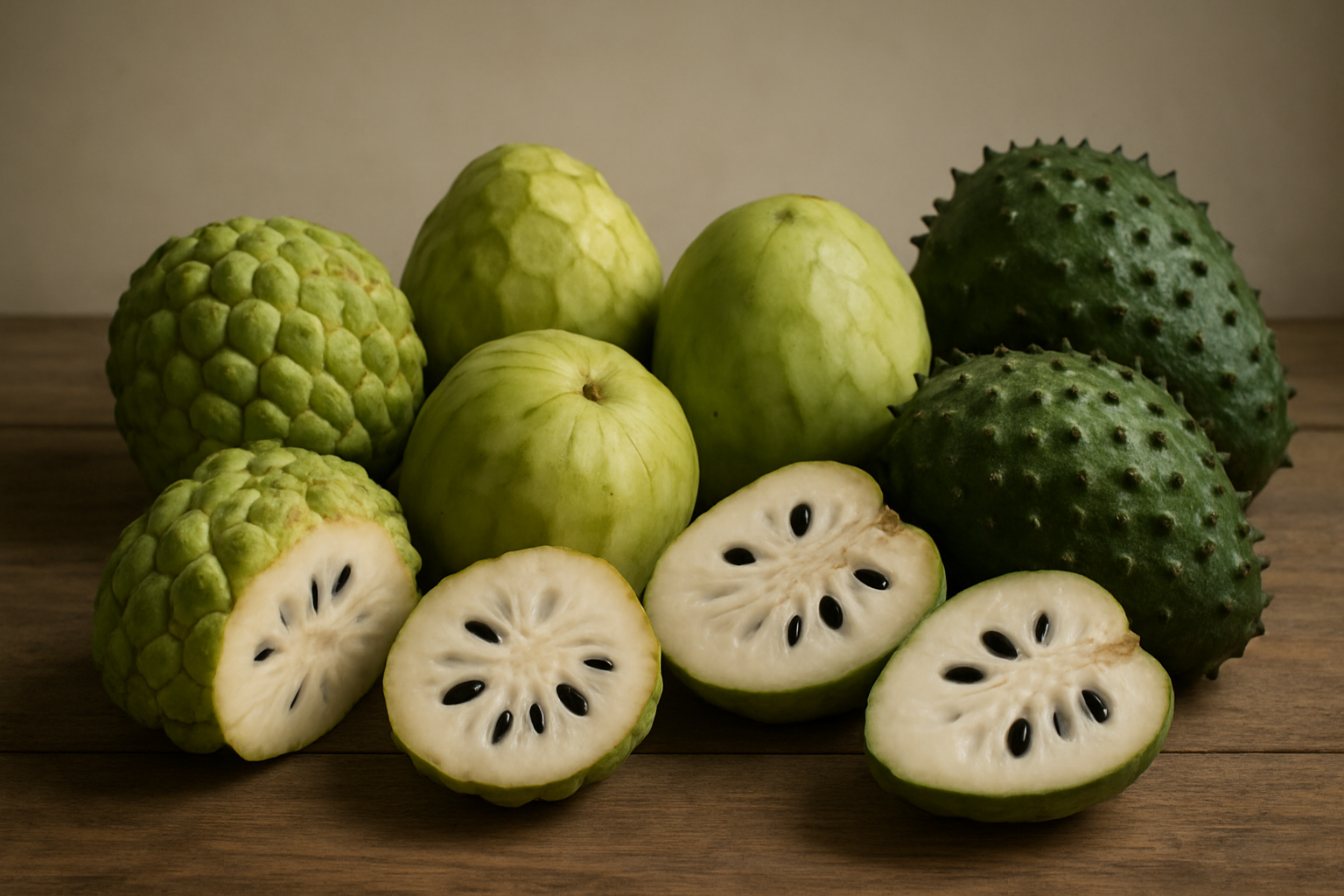
Sugar apples and cherimoyas often get mixed up since they're both custard apple varieties, but they have some clear differences. Sugar apples are smaller, typically weighing 2-4 ounces, with a bumpy, knobby skin that looks like it's covered in scales. The flesh inside is grainy and sweet, almost like eating sugar crystals mixed with cream. Cherimoyas, on the other hand, grow much larger - sometimes reaching over a pound - with smoother, heart-shaped fruits that have a more uniform green skin.
The taste difference is pretty noticeable too. Sugar apples pack an intense sweetness that can be almost overwhelming, while cherimoyas offer a more balanced flavor profile with hints of banana, pineapple, and vanilla. Cherimoyas also have a smoother, more custard-like texture that melts in your mouth, which is why many people consider them the premium choice among custard apple fruit varieties.
Soursop and Sweetsop Characteristics
Soursop stands out as the giant of the custard apple family, often weighing 2-10 pounds with its distinctive dark green, spiky exterior. Don't let the intimidating appearance fool you - inside, you'll find white, fibrous flesh with a tangy-sweet flavor that tastes like a tropical punch of strawberry, pineapple, and citrus. The flesh has more fiber than other custard apple varieties, giving it a unique texture that some describe as cotton candy-like.
Sweetsop, which is actually another name for sugar apple, brings that characteristic super-sweet taste with a softer, more delicate texture. The seeds are larger and more prominent compared to other varieties, so you'll need to do some careful eating or scooping when enjoying this fruit.
Key Characteristics Comparison:
| Variety | Weight | Skin Texture | Flavor Profile | Flesh Texture |
|---|---|---|---|---|
| Soursop | 2-10 lbs | Spiky, dark green | Tangy-sweet, tropical | Fibrous, cotton-like |
| Sweetsop | 2-4 oz | Bumpy, light green | Intensely sweet | Grainy, soft |
Regional Varieties and Their Unique Traits
Different regions have developed their own special custard apple varieties adapted to local conditions. In India, the Sitaphal variety dominates with its perfectly round shape and incredibly sweet flesh. Australian varieties like the Pink's Mammoth grow exceptionally large and have been bred for commercial production with fewer seeds and better shelf life.
Central American varieties tend to be more cold-tolerant, making them perfect for areas with mild winters. The Ecuadorian varieties often have a more complex flavor profile, mixing sweet and tart notes that create a more sophisticated eating experience.
Caribbean islands have developed varieties that handle high humidity better, with thicker skins that protect the delicate flesh inside. These regional adaptations show how versatile the custard apple tree can be when it comes to different growing conditions.
Best Varieties for Different Climates
Choosing the right custard apple variety for your climate makes all the difference in successful growing. For tropical areas with year-round warmth, soursop and traditional sugar apples thrive beautifully, producing multiple harvests per year.
If you live in subtropical regions with occasional frost, cherimoya varieties work best since they can handle temperatures down to about 25°F for short periods. The Fino de Jete and Concha Lisa varieties from Spain are particularly cold-hardy options that still produce excellent fruit.
For areas with hot, dry summers, look for varieties bred in Australia or California, as they've been selected for drought tolerance. The Atemoya, which is a hybrid between sugar apple and cherimoya, combines the best traits of both parents and adapts well to various climate conditions.
Climate Recommendations:
-
Tropical (75-85°F year-round): Soursop, traditional sugar apple
-
Subtropical (occasional frost): Cherimoya varieties, Atemoya
-
Mediterranean (hot, dry summers): Australian varieties, California-bred types
-
Humid subtropical: Caribbean varieties with thicker skins
Growing Your Own Custard Apple Trees
Soil Requirements and Planting Conditions
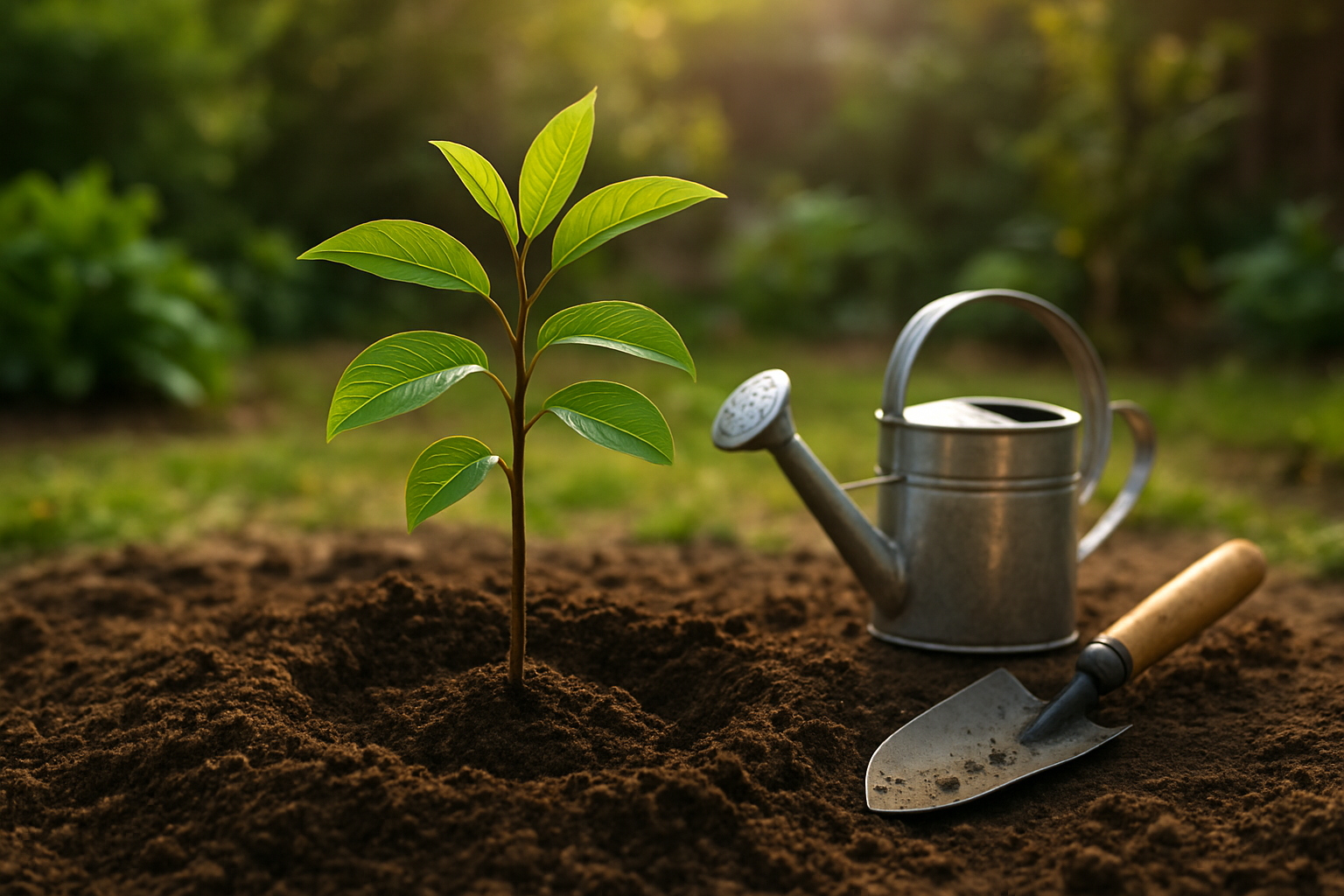
Custard apple trees thrive in well-draining, sandy loam soils with a pH between 6.0 and 7.5. Heavy clay soils spell trouble for these tropical beauties because waterlogged roots lead to fungal problems and stunted growth. Before planting your custard apple tree, work in plenty of organic compost to improve soil structure and drainage.
Choose a sunny location with at least 6-8 hours of direct sunlight daily. These trees love warmth and won't tolerate frost, so if you're in a cooler climate, consider container growing to move them indoors during winter. Space trees 15-20 feet apart to allow proper air circulation and room for mature canopy spread.
The best planting time is late spring after the last frost threat passes. Dig a hole twice as wide as the root ball but only as deep – planting too deep kills more trees than drought. Mix native soil with compost at a 1:1 ratio for backfill.
Watering and Fertilization Schedule
Young custard apple trees need consistent moisture during their first two years while establishing root systems. Water deeply once or twice weekly, providing 1-2 inches total. Mature trees become more drought-tolerant but still need regular watering during fruit development.
Create a watering schedule based on seasons:
| Season | Frequency | Amount | Notes |
|---|---|---|---|
| Spring | 2x weekly | 1-2 inches | Critical for new growth |
| Summer | 2-3x weekly | 2 inches | Peak water needs |
| Fall | 1x weekly | 1 inch | Reduce as growth slows |
| Winter | As needed | Minimal | Only if soil is dry |
Feed your trees with balanced fertilizer (10-10-10) three times yearly: early spring, mid-summer, and early fall. Apply 2-3 pounds around mature trees, keeping fertilizer 3 feet from the trunk. Supplement with organic compost annually and add calcium during fruit set to prevent fruit cracking.
Pruning Techniques for Maximum Yield
Smart pruning transforms scraggly custard apple trees into productive powerhouses. Start shaping young trees by selecting 3-4 strong scaffold branches evenly spaced around the trunk. Remove competing leaders and branches growing toward the center.
Annual pruning happens during dormancy (late winter/early spring):
-
Remove dead, diseased, or damaged wood first
-
Cut water sprouts growing straight up from branches
-
Thin overcrowded areas to improve air circulation
-
Head back long branches to encourage lateral fruiting wood
-
Maintain open center for sunlight penetration
Never remove more than 25% of the canopy in one year. Custard apple fruit develops on current season's growth, so light annual pruning beats heavy cuts every few years. Use clean, sharp tools and seal large cuts with pruning compound in humid climates.
Common Pests and Disease Prevention
Scale insects top the pest list for custard apple trees, appearing as small, waxy bumps on stems and leaves. Horticultural oil sprays during dormancy control most scale populations. Mealybugs cluster in leaf joints and fruit crevices – blast them off with water or apply insecticidal soap.
Custard apple susceptibility to anthracnose fungus increases in humid conditions. This disease creates dark, sunken spots on fruit and leaves. Prevention beats treatment:
-
Plant in areas with good air circulation
-
Avoid overhead watering late in the day
-
Remove fallen fruit and debris promptly
-
Apply copper fungicide before rainy seasons
Root rot strikes trees in poorly-draining soils. Yellow leaves and branch dieback signal trouble below ground. There's no cure once established, making proper planting location crucial from day one.
Regular monitoring catches problems early. Check trees weekly during growing season, looking under leaves and around fruit clusters. Healthy trees resist most issues naturally, so focus on creating optimal growing conditions rather than reactive treatments.
Selecting and Preparing Custard Apples
Signs of Perfect Ripeness
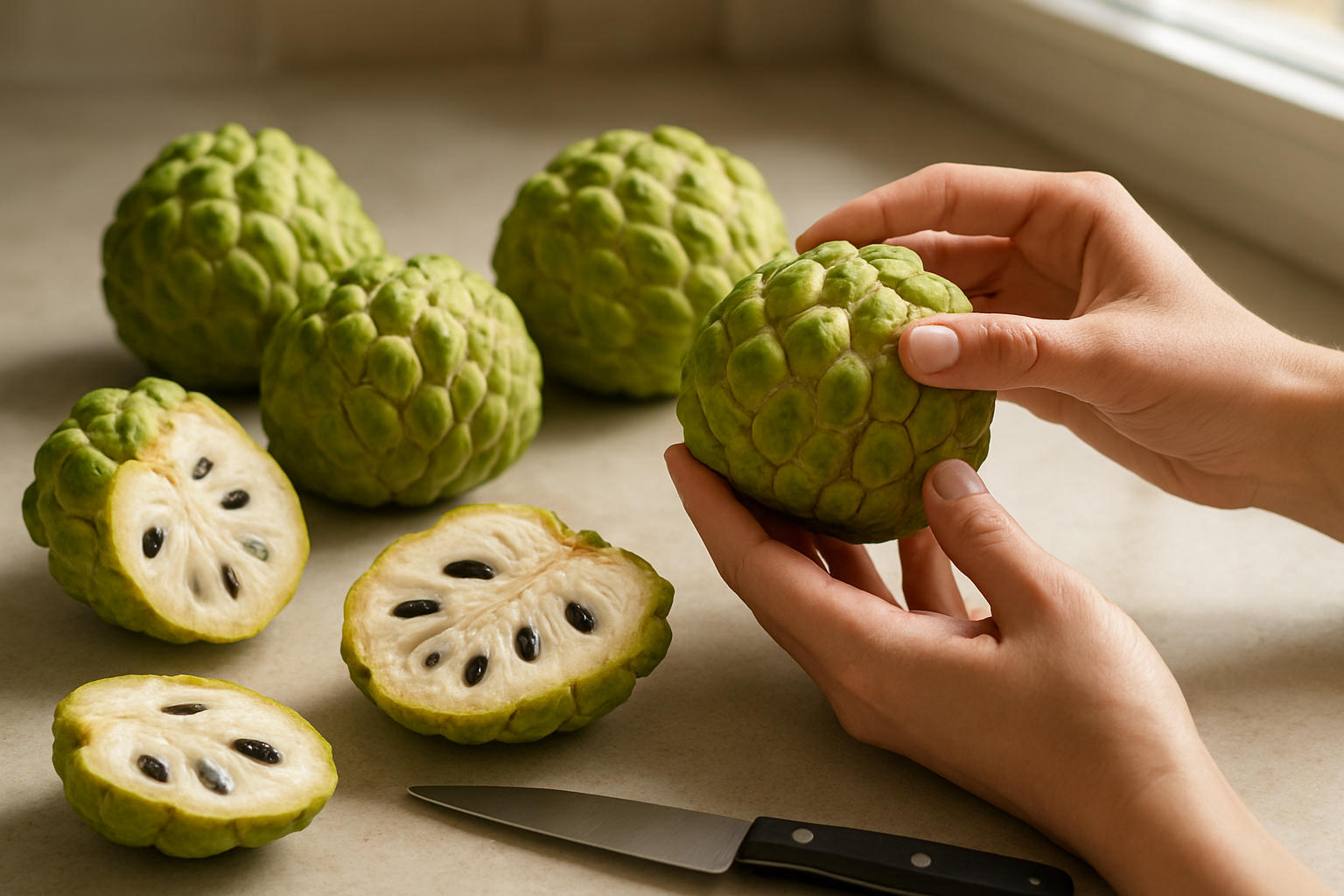
Picking the right custard apple makes all the difference between a delightful eating experience and a disappointing one. Ripe custard apple fruit yields gently to pressure, similar to how a perfectly ripe avocado feels. The skin should have a slight give when you press it with your thumb, but avoid fruits that feel mushy or have dark, sunken spots.
Color changes tell an important story. Most varieties transition from bright green to a duller, yellowish-green as they ripen. Some types develop a slight bronze or brownish tinge between the segments, which is perfectly normal. The segments themselves may appear slightly separated, creating visible lines across the fruit's surface.
Your nose knows best too. A ripe custard apple releases a sweet, tropical fragrance that's noticeable when you hold it close. If there's no scent at all, the fruit needs more time. Any sour or fermented smell means you've waited too long.
Size matters less than feel and smell, but most custard apples reach their full size before ripening. If you buy them slightly underripe, leave them at room temperature for 2-4 days. They'll continue ripening naturally, developing that perfect creamy texture inside.
Proper Storage Methods to Extend Freshness
Unripe custard apples do best at room temperature, away from direct sunlight. Place them in a fruit bowl or on your counter where air can circulate around them. Putting them in a paper bag with a banana or apple speeds up ripening thanks to ethylene gas production.
Once your custard apple reaches perfect ripeness, the refrigerator becomes your friend. Store ripe fruits in the crisper drawer for 2-3 days maximum. Wrap them individually in paper towels to absorb excess moisture, then place in perforated plastic bags. This prevents the fruit from becoming too soft while maintaining proper humidity.
Never store custard apples in sealed containers or regular plastic bags without holes. These tropical fruits need some air circulation to prevent rapid deterioration. The flesh turns brown quickly when exposed to air after cutting, so consume immediately or squeeze some lemon juice over exposed areas.
Freezing works for custard apple pulp but changes the texture completely. Scoop out the flesh, remove seeds, and freeze in ice cube trays. Use frozen custard apple for smoothies or desserts rather than eating fresh.
Safe Eating Techniques and Seed Removal
Eating custard apple safely requires knowing about those big, dark seeds scattered throughout the flesh. These seeds contain compounds that can be harmful if consumed in large quantities, so removing them completely is essential. Never bite into a custard apple like you would an ordinary apple.
The easiest method starts with cutting the fruit in half lengthwise using a sharp knife. The creamy white flesh inside reveals itself, dotted with shiny black seeds. Use a spoon to scoop out portions of flesh, checking carefully for seeds as you go. The texture should feel soft and custard-like, hence the name.
Some people prefer the segment method. Gently pull apart the natural segments with your hands, then extract the flesh from each section individually. This approach gives you better control over seed removal but takes more time.
Always wash your hands after handling custard apple seeds. While accidentally swallowing one or two seeds won't cause serious harm, crushing them releases more of the potentially irritating compounds. Keep seeds away from children and pets.
For the smoothest eating experience, use a fine-mesh strainer to press the flesh through, leaving seeds behind. This works especially well when making custard apple smoothies or incorporating the fruit into desserts. The resulting smooth pulp captures all the sweet, tropical flavor without any safety concerns.
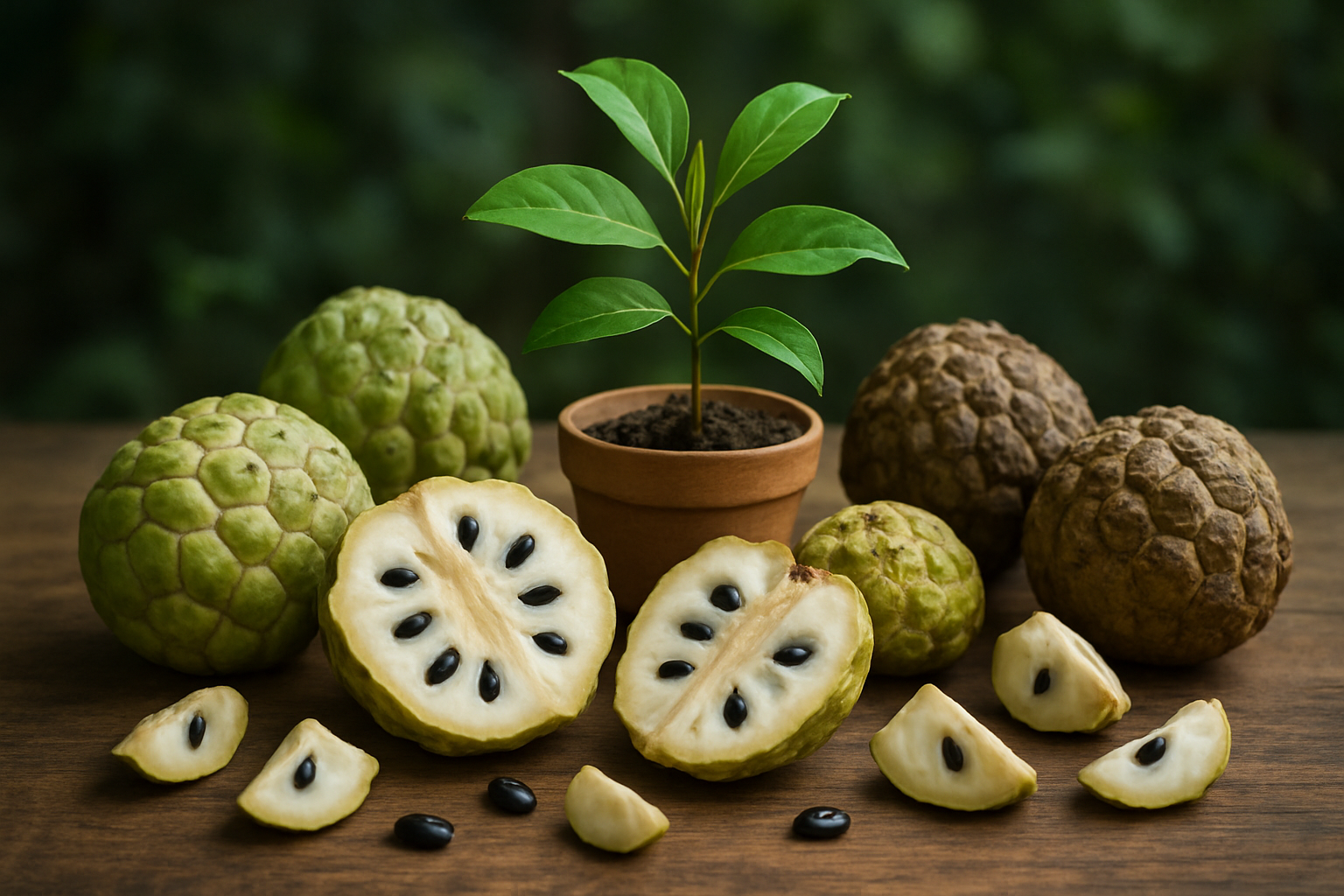
Custard apples offer a unique blend of sweet flavor and impressive health benefits that make them worth adding to your diet. From their high vitamin C content and fiber to their natural antioxidants, these tropical fruits pack a nutritional punch that supports your immune system and digestive health. The different varieties each bring their own special characteristics, and with proper selection techniques, you can enjoy them at peak ripeness.
Growing custard apple trees at home is definitely doable if you have the right climate and patience. The key is understanding their basic needs and giving them proper care during the growing season. Whether you decide to grow your own or pick them up from a local market, knowing how to properly select and prepare these fruits will help you get the most out of their creamy, custard-like texture and tropical taste. Give custard apples a try – your taste buds and your body will thank you.


.png)
Comments
Post a Comment