Elderberries - What are Elderberries?
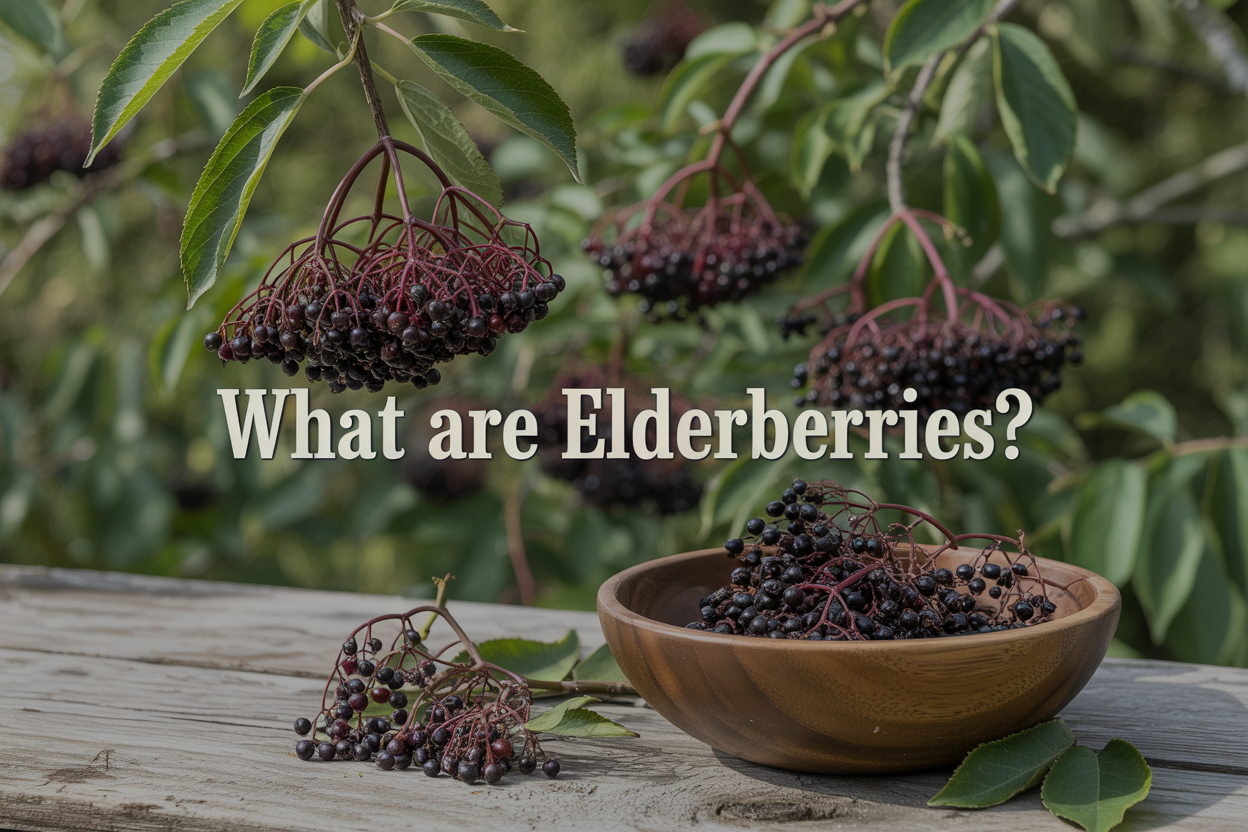
What Are Elderberries? Your Complete Guide to Nature's Purple Powerhouse
Elderberries are small, dark purple berries that grow on elderberry plants found across North America and Europe. These tiny fruits have gained serious attention for their impressive health benefits and versatile uses in everything from immune-boosting supplements to homemade jams.
This guide is perfect for health-conscious individuals, home gardeners, and anyone curious about adding elderberries to their wellness routine or kitchen repertoire.
We'll explore the elderberry plant's natural growing conditions and where you can find these nutritional gems in the wild. You'll also discover the science-backed elderberry health benefits that make these berries so popular, plus practical elderberry recipes and tips for growing your own elderberry plants at home.
Understanding Elderberry Basics
Physical characteristics and appearance of elderberries
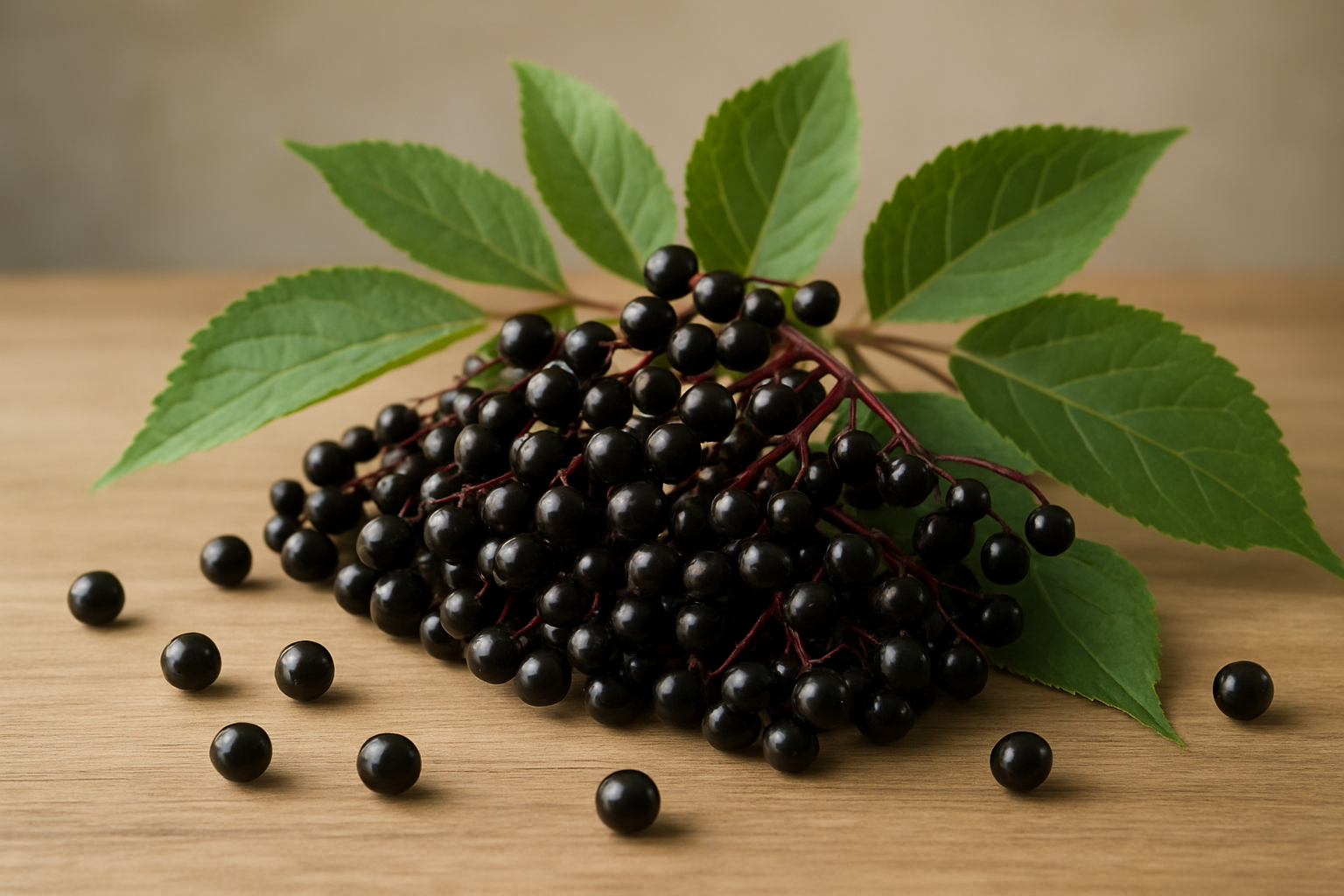
Elderberries grow on deciduous shrubs or small trees that can reach heights of 10 to 30 feet, depending on the variety. The elderberry plant features compound leaves with serrated edges, typically arranged in pairs along the stem with a single leaflet at the tip. During late spring and early summer, elderberry plants produce large, flat-topped clusters of tiny, cream-colored or white flowers called umbels. These fragrant flower clusters can span 4 to 10 inches across and contain hundreds of individual blossoms.
The elderberry fruit itself is small, round, and typically dark purple to black when fully ripe, though some varieties produce red berries. Each berry measures about 1/8 to 1/4 inch in diameter and grows in drooping clusters that can contain dozens of individual fruits. The berries have a glossy appearance and contain small, hard seeds. Raw elderberries taste quite tart and astringent, with an earthy, slightly bitter flavor that transforms into something much more pleasant when cooked.
The bark of mature elderberry plants appears grayish-brown with distinctive warty bumps and shallow furrows. Young branches have a characteristic hollow pith center, which has historically been used to make flutes and other instruments.
Scientific classification and botanical family
Elderberries belong to the scientific genus Sambucus, which is part of the Adoxaceae family, formerly classified under Caprifoliaceae. This botanical classification places elderberries alongside other flowering plants like viburnums and honeysuckles. The genus Sambucus includes approximately 25 to 30 species worldwide, though botanists continue to debate the exact number due to ongoing taxonomic research.
The most commonly referenced species include Sambucus canadensis (American elderberry) and Sambucus racemosa (red elderberry). Recent genetic studies have led to some reclassification, with European black elderberry now often referred to as Sambucus nigra subspecies, while North American varieties may be designated as Sambucus canadensis.
Understanding the scientific classification helps distinguish elderberries from potentially toxic look-alikes, as true elderberry species share specific botanical characteristics that separate them from similar-appearing plants in different families.
Common varieties and species found worldwide
Several elderberry species thrive across different continents, each adapted to specific climatic conditions and geographic regions. Sambucus nigra, commonly known as European or black elderberry, represents the most widely cultivated variety globally. This species produces dark purple-black berries and grows naturally throughout Europe, western Asia, and northern Africa.
North American varieties include Sambucus canadensis, which produces similar dark berries and grows throughout the eastern United States and southeastern Canada. The American elderberry tends to be more cold-hardy than its European cousin and often forms larger colonies through underground root systems.
Sambucus racemosa, known as red elderberry or European red elder, produces bright red berries and grows at higher elevations across North America, Europe, and Asia. These red berries require cooking before consumption and are less commonly used than black varieties.
Other notable species include Sambucus australasica from Australia and Sambucus peruviana from South America. Each variety has adapted to local growing conditions while maintaining the characteristic elderberry plant structure and growth habits.
Seasonal growth patterns and harvesting times
Elderberry plants follow a predictable seasonal cycle that varies slightly based on geographic location and local climate conditions. In temperate regions, new growth begins in early spring as temperatures consistently reach above freezing. The distinctive compound leaves emerge first, followed by rapid stem elongation during late spring.
Flowering typically occurs from May through July in most regions, with the impressive white flower clusters appearing for 2 to 3 weeks. These flowers attract numerous pollinators and can be harvested for culinary use, though removing too many flowers reduces berry production.
Berry development begins immediately after successful pollination, with green clusters gradually darkening over 6 to 8 weeks. Harvest time for elderberries usually falls between late July and early September, depending on the variety and local growing conditions. Berries reach peak ripeness when they turn deep purple-black and easily separate from their stems when gently shaken.
The harvesting window typically lasts 2 to 4 weeks, as berries on the same plant don't ripen simultaneously. Professional growers and home gardeners often make multiple harvests during this period to capture berries at their optimal flavor and nutritional content. After harvest, elderberry plants begin preparing for winter dormancy, with leaves changing color and dropping by late fall.
Natural Habitat and Geographic Distribution
Native regions where elderberries grow wild
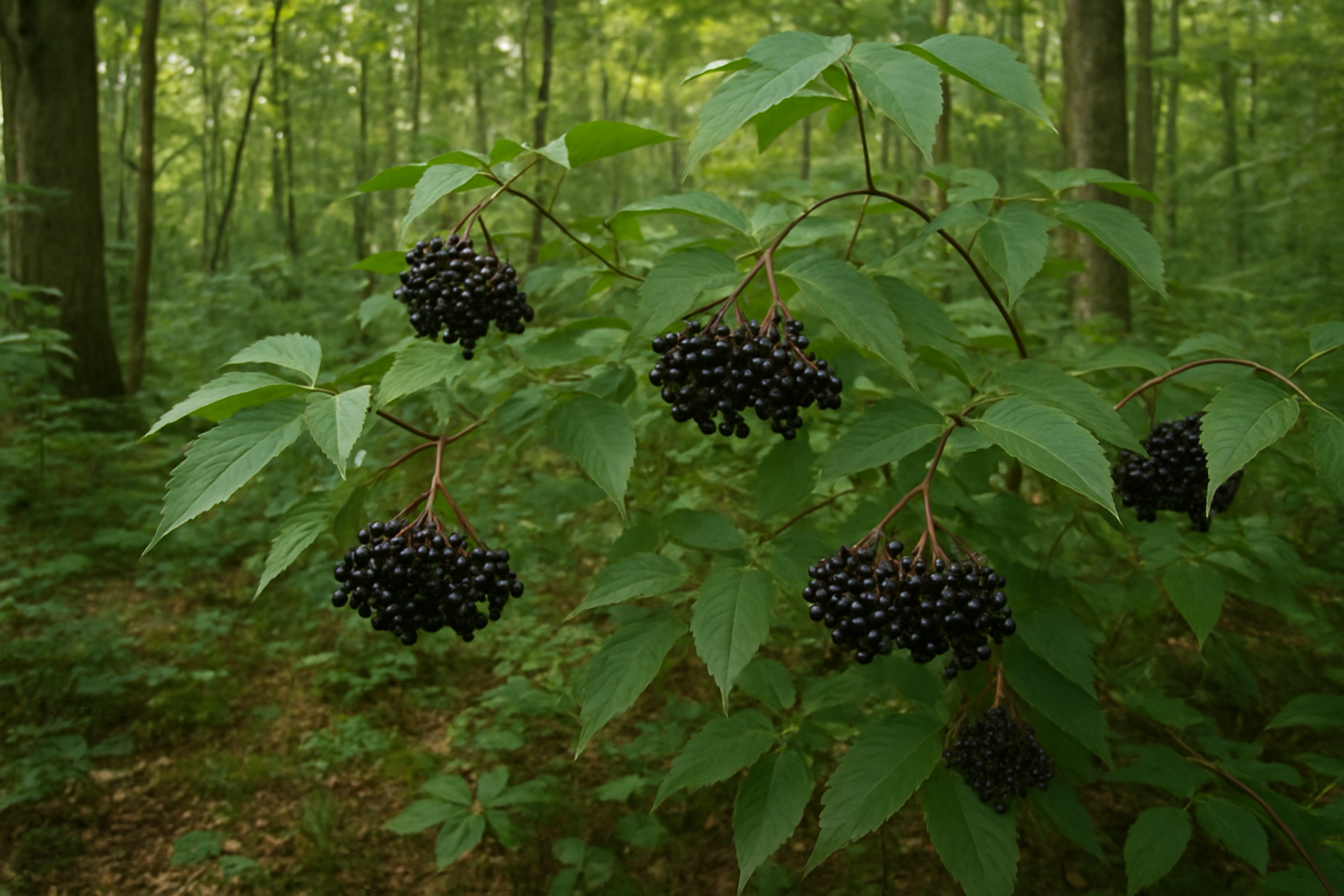
Elderberries have been growing wild across multiple continents for thousands of years. The elderberry plant naturally thrives throughout Europe, where it's deeply woven into folk medicine traditions and culinary practices. You'll find these hardy shrubs scattered across the British Isles, Scandinavia, and extending south through the Mediterranean regions.
North America hosts its own native elderberry varieties, with the American elderberry (Sambucus canadensis) flourishing from Canada down to Florida and extending west to the Rocky Mountains. These wild elderberry populations have adapted beautifully to diverse landscapes, from river valleys to woodland edges and even roadside ditches.
Asian regions also support wild elderberry growth, particularly in temperate zones of China, Japan, and Korea. The plant has shown remarkable adaptability, establishing itself in both mountainous terrain and lowland areas across these regions.
Wild elderberries often colonize disturbed areas, making them pioneer species that help restore degraded landscapes. They commonly appear along stream banks, forest clearings, and abandoned agricultural land, where their robust root systems help prevent soil erosion.
Climate conditions that support elderberry growth
Elderberries demonstrate impressive climate tolerance, though they perform best in temperate regions with distinct seasonal changes. These plants prefer areas with moderate to high rainfall, typically requiring 30-40 inches of precipitation annually for optimal growth.
The ideal temperature range for elderberries falls between 60-75°F during the growing season. While they can tolerate winter temperatures as low as -30°F once established, young plants need protection from harsh freezes. The plant benefits from cool, moist winters followed by warm summers with adequate moisture.
Elderberries require a chilling period of 800-1000 hours below 45°F to break dormancy and produce flowers properly. This makes them unsuitable for tropical or subtropical climates without significant elevation. However, they handle humidity well and can thrive in areas with high moisture levels.
Wind protection enhances elderberry growth, though the plants can withstand moderate exposure. They prefer locations with good air circulation to prevent fungal diseases while avoiding extremely windy sites that might damage their somewhat brittle branches.
Soil requirements for optimal plant development
Elderberries adapt to various soil types but show clear preferences for specific conditions. Rich, organic matter-laden soil produces the healthiest plants and highest fruit yields. These shrubs particularly love soil that stays consistently moist but never waterlogged.
The optimal soil pH ranges from 5.5 to 6.5, placing elderberries in the slightly acidic category. While they can tolerate neutral soil, acidic conditions help them absorb nutrients more effectively and resist certain diseases.
Drainage plays a critical role in elderberry health. The plants need soil that retains moisture during dry periods but allows excess water to move away from the root zone. Heavy clay soils often cause root rot, while extremely sandy soils dry out too quickly for optimal growth.
| Soil Factor | Optimal Range | Acceptable Range |
|---|---|---|
| pH Level | 5.5-6.5 | 5.0-7.0 |
| Drainage | Moist but well-drained | Moderate drainage |
| Organic Matter | High (3-5%) | Moderate (2-4%) |
| Soil Depth | 2-3 feet | 18+ inches |
Elderberries benefit from soil rich in nitrogen and phosphorus, making them excellent candidates for areas where compost or aged manure has been incorporated. They can grow in poor soils but produce significantly more fruit and develop stronger root systems in nutrient-rich environments.
Nutritional Profile and Health Benefits
Essential Vitamins and Minerals Found in Elderberries
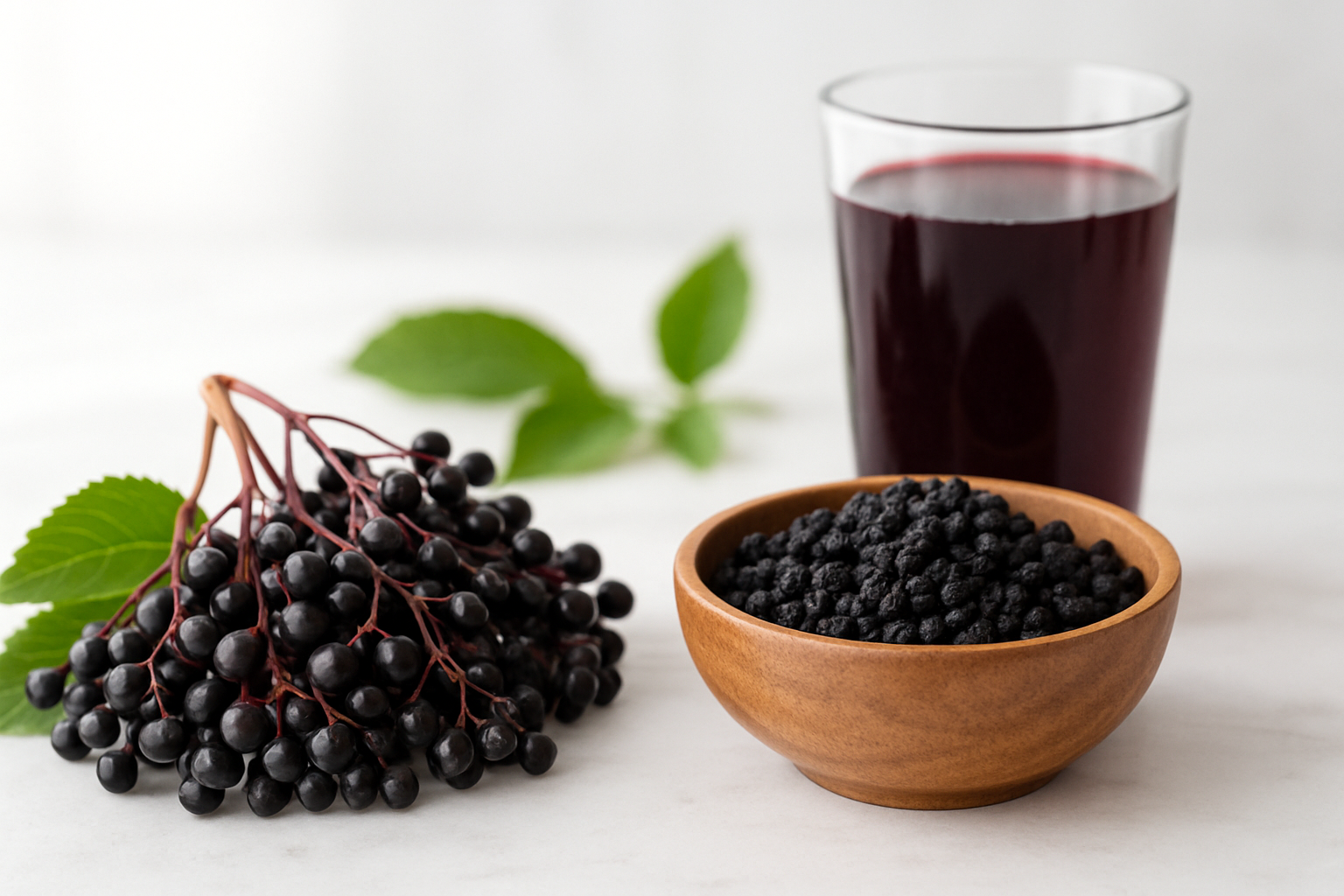
Elderberry nutrition facts reveal these small dark berries pack an impressive nutritional punch. A single cup of fresh elderberries delivers nearly 60% of your daily vitamin C needs, making them one of the top natural sources of this immune-boosting vitamin. They also contain significant amounts of vitamin A, which supports eye health and immune function.
The mineral profile is equally impressive. Elderberries provide potassium for heart health, iron for oxygen transport, and calcium for bone strength. They're also rich in dietary fiber, supporting digestive health and helping maintain stable blood sugar levels.
| Nutrient | Amount per 100g | % Daily Value |
|---|---|---|
| Vitamin C | 36mg | 40% |
| Vitamin A | 600 IU | 12% |
| Potassium | 280mg | 8% |
| Iron | 1.6mg | 9% |
| Fiber | 7g | 28% |
Antioxidant Properties and Immune System Support
The deep purple color of elderberry fruit comes from powerful antioxidants called anthocyanins. These compounds fight free radicals in your body, potentially reducing inflammation and supporting overall cellular health. Research shows elderberries contain higher antioxidant levels than blueberries, cranberries, and blackberries.
Elderberry health benefits for immune support have gained significant attention. The berries contain flavonoids that may help your body respond more effectively to viral infections. Many people turn to elderberry supplements during cold and flu season, believing in their traditional reputation for supporting immune function.
Traditional Medicinal Uses Throughout History
What are elderberries in the context of traditional medicine? They've been called "nature's medicine chest" for good reason. Ancient Egyptians used elderberries to treat burns and improve skin complexion. European folk medicine praised them for treating respiratory ailments, while Native Americans used different parts of the elderberry plant for various health concerns.
Traditional elderberry uses included:
-
Treating colds and flu symptoms
-
Reducing inflammation
-
Supporting digestive health
-
Addressing skin conditions
-
Relieving joint pain
Elderberry syrup became a household remedy in many cultures, passed down through generations as a natural way to support family health during illness.
Scientific Research on Health Effects
Modern science has started catching up with traditional wisdom regarding elderberry benefits. Several clinical studies have examined elderberry's effects on respiratory health. Some research suggests that elderberry extract may reduce the duration and severity of cold and flu symptoms when taken at the first sign of illness.
A notable study found that air travelers who took elderberry supplements experienced fewer sick days and less severe symptoms compared to those taking a placebo. Another study showed elderberry extract might help reduce inflammation markers in the body.
However, most studies have been small-scale, and researchers call for larger, longer-term studies to fully understand elderberry's therapeutic potential.
Potential Side Effects and Safety Considerations
While elderberries offer many potential benefits, safety considerations are important. Raw elderberries, bark, seeds, and leaves contain compounds that can cause digestive upset. Always cook elderberries before eating them, or choose properly prepared commercial products.
Some people may experience allergic reactions, especially those sensitive to other berries. Pregnant and nursing women should consult healthcare providers before using elderberry supplements. The berries may also interact with certain medications, particularly those affecting the immune system or blood sugar levels.
Stick to recommended dosages when using elderberry products, as excessive consumption may cause stomach upset or diarrhea.
Culinary Applications and Food Uses
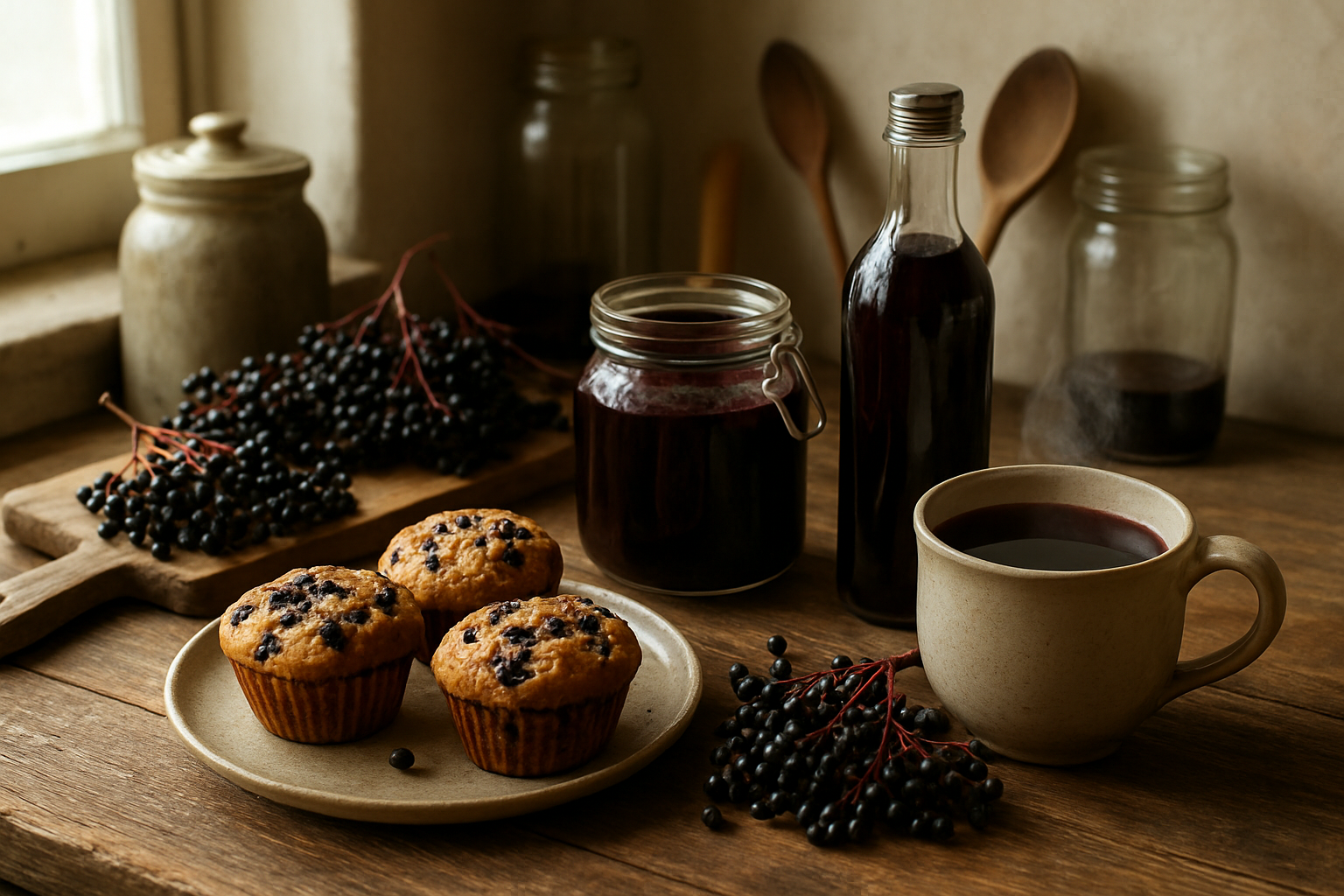
Popular elderberry recipes and cooking methods
Elderberries shine in countless kitchen creations, transforming from humble purple clusters into show-stopping culinary delights. These versatile berries work beautifully in both sweet and savory dishes, making them a favorite among home cooks and professional chefs alike.
Elderberry syrup remains the most beloved preparation method. Simply simmer fresh or dried elderberries with water, strain out the solids, then add honey or sugar to create a concentrated liquid gold that doubles as both medicine and flavor enhancer. Many people drizzle this syrup over pancakes, mix it into sparkling water, or use it as a base for cocktails.
Elderberry pie captures the essence of late summer in every bite. The berries pair wonderfully with apples or blackberries, creating complex flavor layers that balance tart and sweet notes perfectly. Some bakers prefer making elderberry muffins or scones, where the berries add beautiful color and subtle wine-like undertones.
Elderberry wine and cordials represent traditional preservation methods that date back centuries. The natural sugars in elderberries ferment beautifully, producing drinks with deep purple hues and sophisticated flavor profiles. Many recipes combine elderberries with other fruits like grapes or plums to create unique blends.
Savory applications include elderberry sauces for game meats, particularly venison and duck. The berries' natural acidity and slight bitterness complement rich, fatty meats exceptionally well. European cuisines often feature elderberries in chutneys and relishes served alongside cheese boards.
Processing techniques for syrups and jams
Creating perfect elderberry syrups and jams requires specific techniques that maximize flavor while ensuring food safety. The key lies in understanding how elderberries behave during cooking and which methods preserve their beneficial compounds.
Cold processing offers the best way to maintain elderberries' delicate nutrients. For raw elderberry syrup, blend fresh berries with a small amount of water, strain through fine mesh, then mix the resulting juice with honey. This method preserves heat-sensitive vitamins but requires refrigeration and has a shorter shelf life.
Traditional hot processing involves simmering elderberries with water for 15-20 minutes before straining. This technique breaks down cell walls, releasing more juice and creating deeper flavors. Add your sweetener after straining to prevent crystallization during cooking. The ratio typically runs 1 cup berries to 1 cup water for optimal extraction.
Jam making follows standard pectin rules, but elderberries naturally contain lower pectin levels than many fruits. Combine elderberries with high-pectin fruits like apples or add commercial pectin for proper gel formation. Cook elderberry jam at rolling boils for exactly the time specified in your recipe to avoid overcooking, which can make the final product too thick or bitter.
Pressure cooking speeds up the extraction process significantly. Use your pressure cooker's steam setting for 5 minutes, then natural release. This method works particularly well for large batches and produces consistent results every time.
Proper straining makes all the difference in final product quality. Double-strain through fine mesh, then filter through cheesecloth for crystal-clear syrups. Many processors prefer using food mills, which separate seeds and skins while allowing maximum juice extraction.
Flavor profile and taste characteristics
Elderberries deliver a complex flavor experience that surprises first-time tasters with its sophisticated profile. These small purple gems pack intense flavors that range from tart and astringent when raw to rich and wine-like when properly prepared.
Raw elderberries taste quite different from their cooked counterparts. Fresh berries carry strong astringent qualities with pronounced tartness and subtle bitter notes. Most people find raw elderberries too intense for direct consumption, though some enjoy them mixed with sweeter fruits in smoothies or fruit salads.
Cooked elderberries transform dramatically during heat processing. Cooking mellows the sharp edges while developing deeper, more complex flavors reminiscent of red wine or blackcurrant. The natural sugars concentrate during cooking, creating rich, jammy notes balanced by pleasant acidity.
Sweetness levels remain naturally low in elderberries compared to common fruits like strawberries or grapes. This characteristic makes them perfect for savory applications and allows their unique flavor compounds to shine through without overwhelming sweetness. When making elderberry recipes, expect to add more sweetener than you might for other berries.
Aroma profiles include floral undertones inherited from elderflower, the same plant's blooms. These subtle perfume notes add elegance to elderberry preparations and explain why they pair so beautifully with herbs like lavender or thyme.
Texture considerations matter significantly in elderberry uses. The berries contain small seeds that some people prefer to strain out, while others enjoy the added texture. Properly cooked elderberries break down easily, creating smooth purees perfect for sauces and syrups.
The flavor intensity varies considerably between elderberry varieties and growing conditions. European elderberries typically offer more concentrated flavors than their American cousins, while berries grown in cooler climates often develop more complex taste profiles than those from warmer regions.
Growing and Harvesting Elderberries
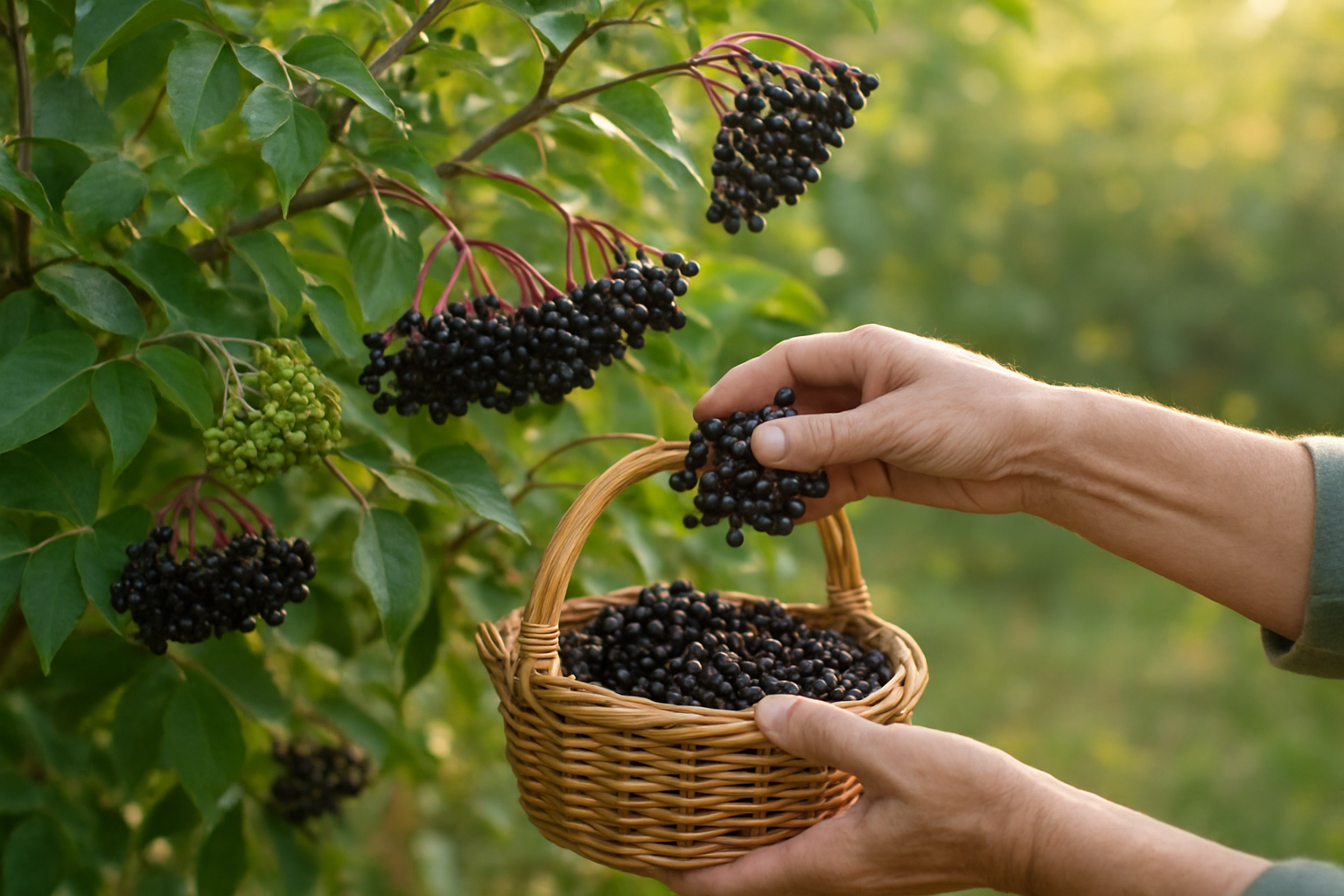
Home gardening tips for elderberry cultivation
Growing elderberries at home is surprisingly straightforward once you understand their basic needs. These hardy plants thrive in rich, moist soil with good drainage and prefer partial to full sun exposure. The elderberry plant adapts well to various soil types but performs best in slightly acidic to neutral pH levels between 5.5 and 6.5.
Space your elderberry bushes 6-10 feet apart, as they can grow quite large - typically reaching 8-12 feet in height and width. Plant them in early spring or fall when the weather is mild. Young plants need consistent watering for the first year, but mature elderberries are surprisingly drought-tolerant.
Choose varieties suited to your climate zone. American elderberry (Sambucus canadensis) works well in zones 3-9, while European elderberry (Sambucus nigra) prefers zones 5-7. Cross-pollination improves fruit production, so plant at least two different cultivars if space allows.
Regular pruning keeps your plants healthy and productive. Remove dead, damaged, or crossing branches during dormancy. After the third year, you can remove older canes to encourage new growth and maintain fruit production.
Proper harvesting techniques and timing
Timing is everything when harvesting elderberry fruit. The berries are ready when entire clusters turn deep purple-black and feel slightly soft to the touch. This typically occurs in late summer to early fall, depending on your location and variety.
Look for these signs of ripeness:
-
Deep purple-black color throughout the cluster
-
Berries that give slightly when pressed
-
Sweet, wine-like aroma
-
Easy separation from stems when gently pulled
Harvest entire clusters rather than individual berries. Use clean garden shears to cut the stem about 6 inches below the cluster. Early morning harvest often yields the best flavor, as the berries contain more moisture and haven't been stressed by afternoon heat.
Avoid picking clusters that show any red or green berries, as unripe elderberries can cause digestive upset. Never harvest elderberries growing along busy roads, as they may contain harmful pollutants.
Storage methods to preserve freshness
Fresh elderberries have a short shelf life, typically lasting only 2-3 days at room temperature. Proper storage methods can extend their usability and preserve their nutritional value.
For short-term storage, place unwashed berry clusters in shallow containers lined with paper towels. Store them in the refrigerator where they'll keep for up to one week. Remove any damaged or moldy berries before storage to prevent spoilage from spreading.
Long-term preservation options include:
| Method | Storage Time | Best Uses |
|---|---|---|
| Freezing | 12-18 months | Jams, syrups, smoothies |
| Dehydrating | 2-3 years | Teas, supplements |
| Juicing/Concentrating | 12 months frozen | Beverages, cooking |
To freeze elderberries, remove them from stems first, then spread on baking sheets for flash freezing before transferring to freezer bags. This prevents clumping and makes it easier to use portions as needed.
Processing raw elderberries safely
Raw elderberry processing requires careful attention to safety, as certain parts of the elderberry plant contain compounds that can cause digestive issues. Always remove berries from their stems, as stems, bark, and leaves contain cyanogenic glycosides.
Start by gently washing the berry clusters in cool water. Use a fork to strip berries from stems by running the tines along the cluster. This method separates ripe berries while leaving unripe ones attached to stems.
Never eat raw elderberries in large quantities. While small amounts are generally safe for most people, cooking elderberries breaks down potentially problematic compounds and improves digestibility. Heat treatment also enhances the bioavailability of beneficial compounds.
For elderberry recipes, always cook the berries before consumption. Simmer them with a small amount of water until they burst and release their juices. Strain the mixture to remove seeds and any remaining stem pieces. This cooked elderberry base can be used for syrups, jams, wines, or other preparations.
Store processed elderberry products in sterilized containers and follow proper canning guidelines if preserving for extended periods. Fresh elderberry juice should be refrigerated and used within a few days or frozen for longer storage.
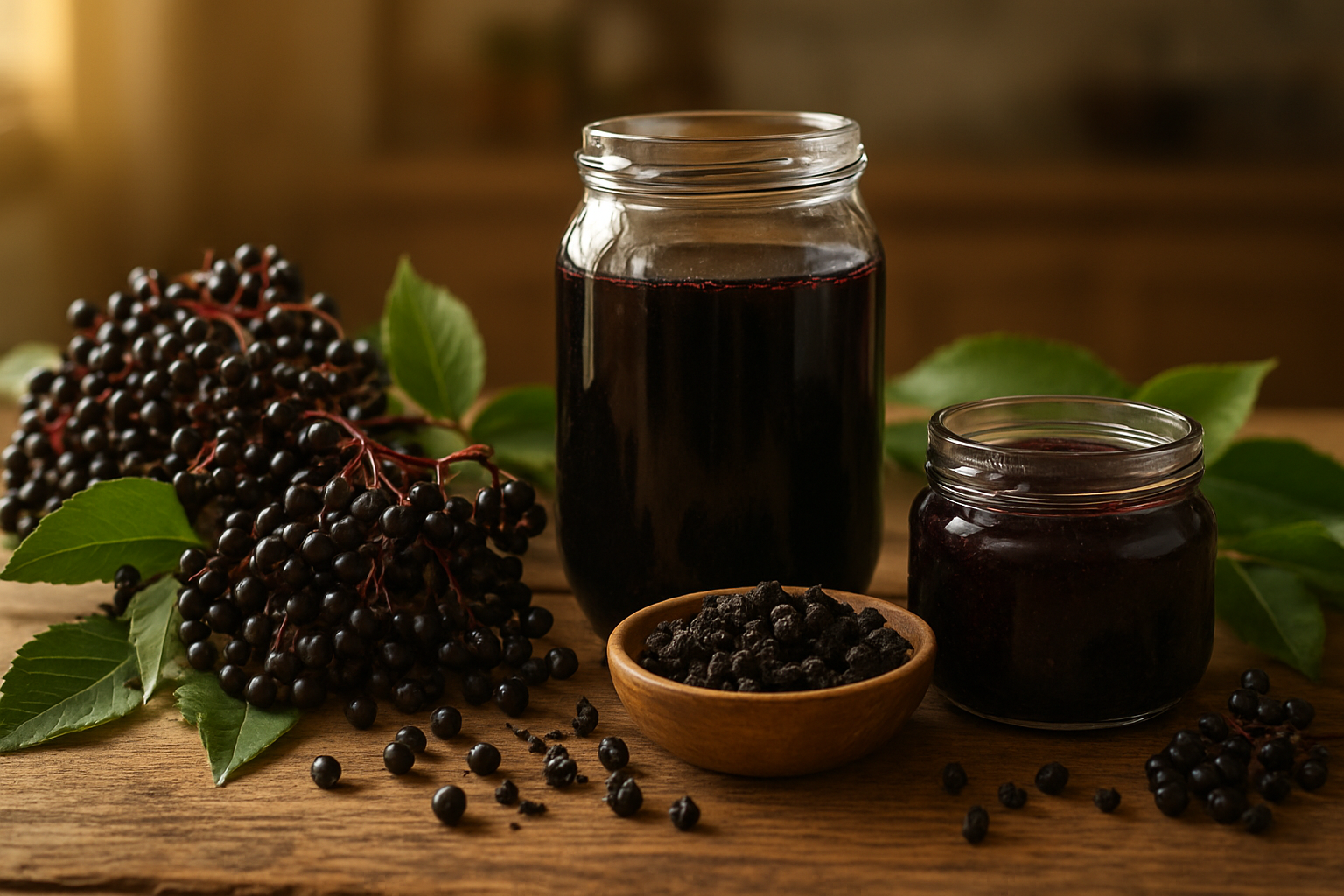
Elderberries pack a serious nutritional punch while offering incredible versatility in the kitchen and garden. These dark purple gems are loaded with antioxidants, vitamin C, and immune-boosting properties that have made them a go-to remedy for centuries. You can find them growing wild across many regions, but they're also surprisingly easy to cultivate in your own backyard with the right conditions.
From homemade syrups and jams to wine and baked goods, elderberries add a unique tart-sweet flavor that transforms ordinary recipes into something special. If you're curious about adding more natural, nutrient-dense foods to your diet, elderberries deserve a spot on your list. Start small by trying elderberry syrup from a local health store, or if you're feeling adventurous, consider planting an elderberry bush and discovering firsthand why these berries have been treasured for generations.


.png)
Comments
Post a Comment