Gooseberries - What are Gooseberries?
Gooseberries - What are Gooseberries?
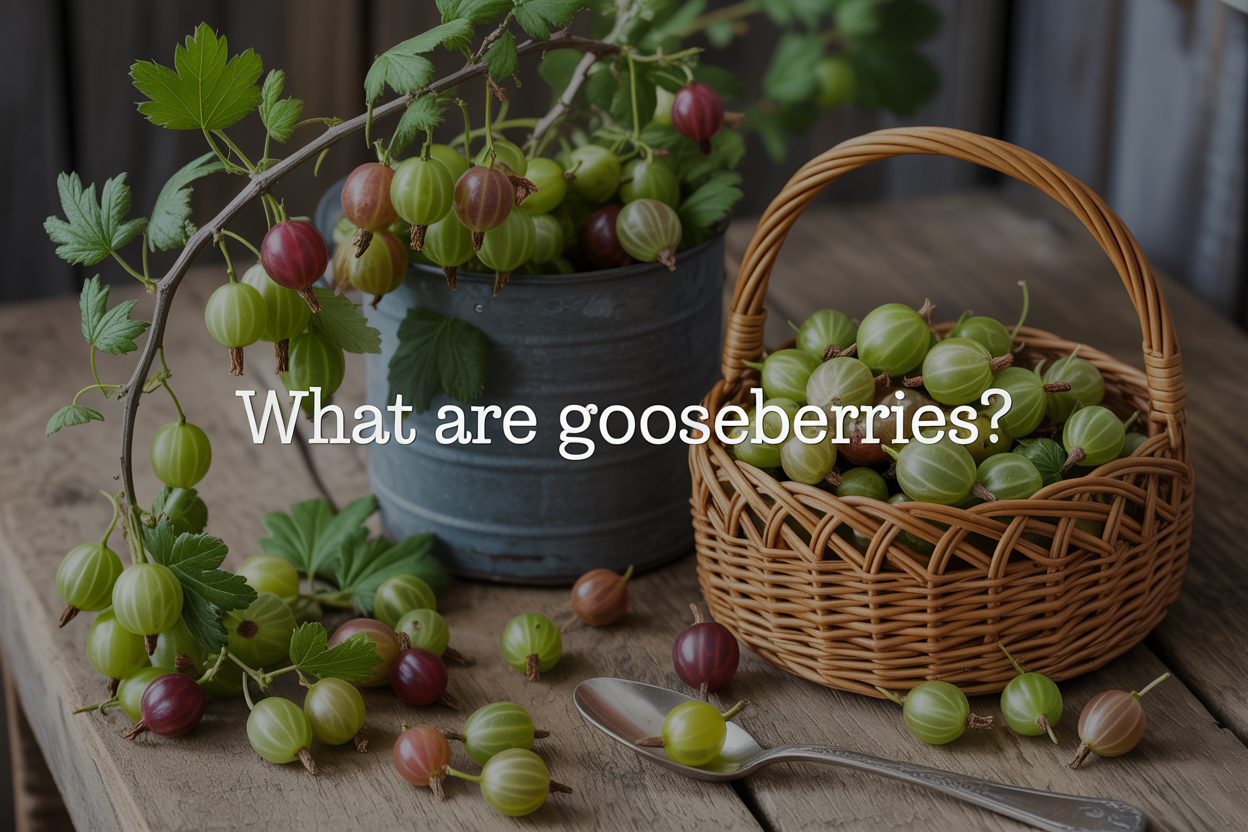
Gooseberries are small, round fruits that pack a surprising punch of flavor and nutrition. This guide is perfect for home gardeners curious about adding new fruits to their yard, health-conscious eaters exploring nutrient-dense options, and cooking enthusiasts ready to experiment with unique ingredients.
These tart-to-sweet berries come in green, red, and purple varieties, each offering distinct flavors and uses. We'll explore the different types of gooseberries you can find and grow, dive into their impressive nutritional benefits and health properties, and share practical tips for growing your own gooseberry bushes. You'll also discover creative gooseberry recipes and cooking methods that transform these versatile fruits into delicious jams, desserts, and savory dishes.
Understanding Gooseberries as a Fruit
Botanical Classification and Plant Family
Gooseberries belong to the genus Ribes within the Grossulariaceae family, which also includes currants. These perennial shrubs are native to Europe, northwestern Africa, and southwestern and central Asia, with several species also found in North America. The plant typically grows as a thorny, deciduous bush that can reach heights of 3-5 feet when mature.
The gooseberry plant features distinctive three to five-lobed leaves with serrated edges and produces small, bell-shaped flowers in early spring. What makes gooseberries particularly recognizable are the sharp spines that line their branches, which serve as natural protection against wildlife seeking the fruit. These thorns can range from small prickles to substantial spikes depending on the variety.
Physical Appearance and Characteristics
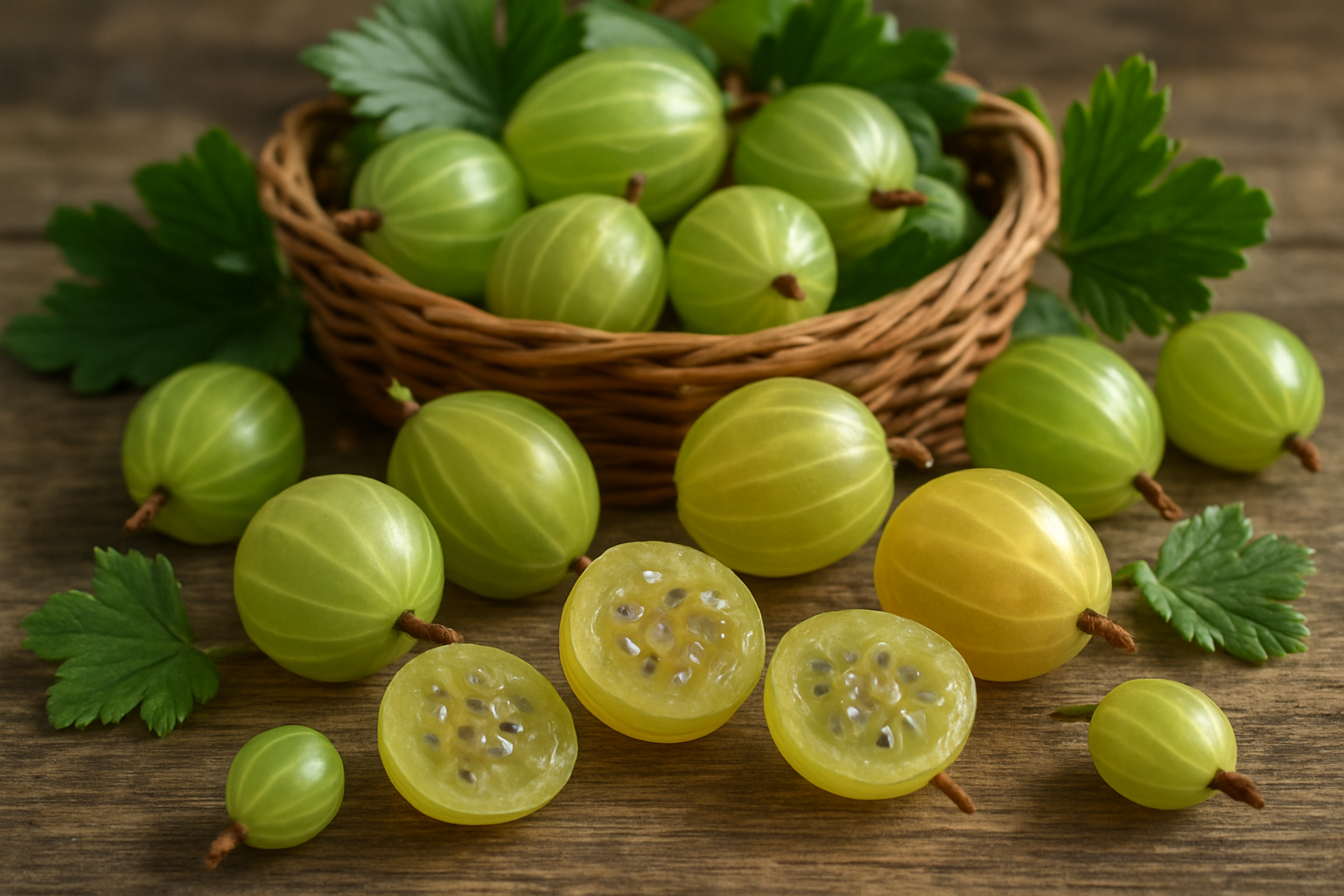
Gooseberry fruit develops as individual berries that hang from the branches, unlike their currant cousins that grow in clusters. Each berry displays prominent longitudinal stripes or veins running from the stem end to the blossom end, creating a distinctive ribbed appearance that's instantly recognizable.
The berries have a translucent to opaque skin that can be smooth or slightly fuzzy, depending on the variety. At the top of each fruit, you'll find the remnants of the flower, which appears as a small, dried crown-like structure. The skin thickness varies among different types, with some varieties having delicate, thin skins while others boast more robust, thicker exteriors.
Size and Color Variations
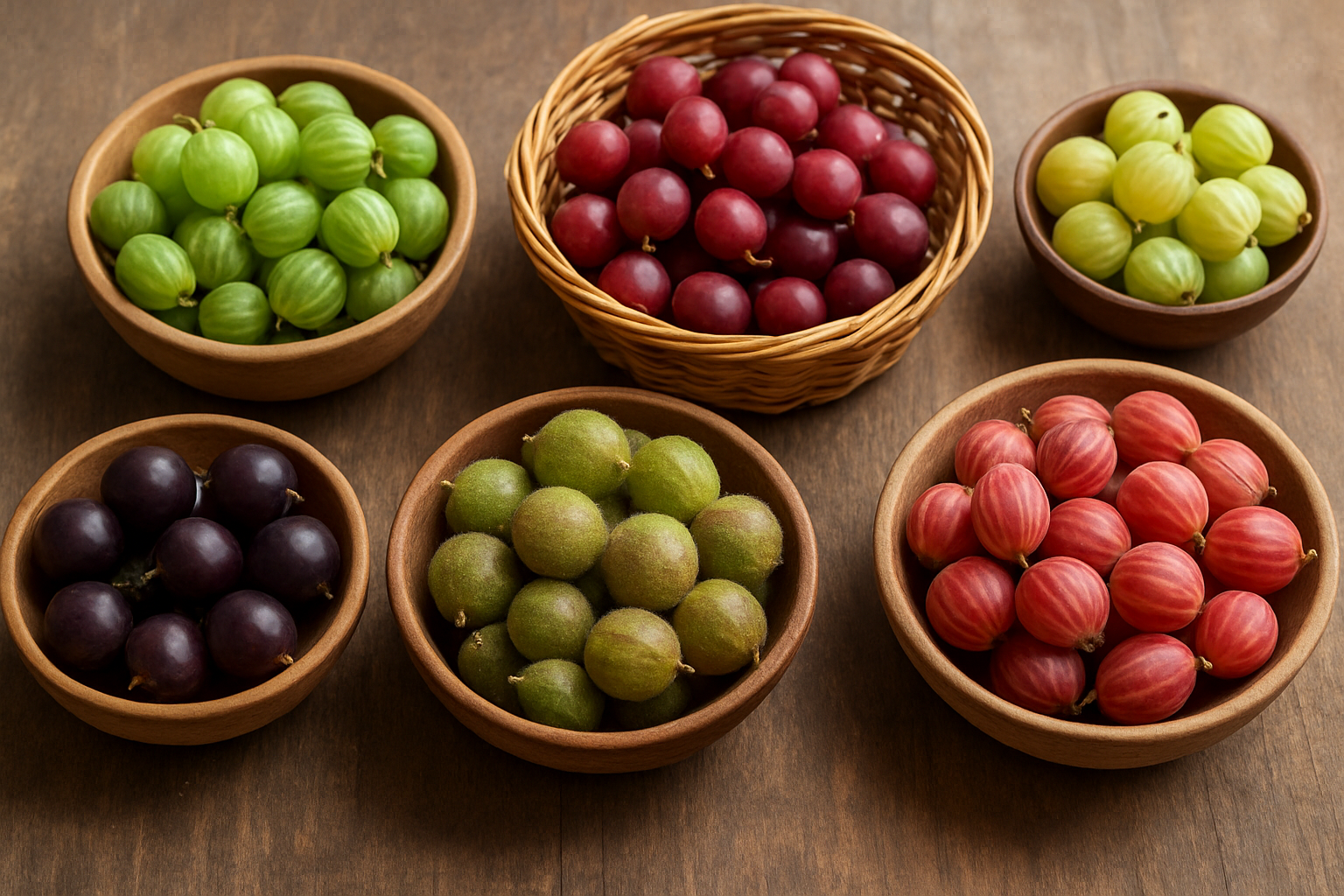
Gooseberries showcase remarkable diversity in both size and color. The fruit can range from small marble-sized berries (about 1/2 inch) to larger varieties that approach the size of a small grape (up to 1 1/4 inches in diameter). Weight typically varies from 2 to 15 grams per berry.
Color variations are equally impressive, spanning a spectrum that includes:
-
Green varieties: From pale, almost white-green to deep emerald
-
Red varieties: Light pink blush to deep burgundy
-
Purple varieties: Lavender hues to rich, dark purple
-
Yellow varieties: Pale yellow to golden amber
-
White varieties: Creamy white to pale yellow-white
Some varieties even display color combinations, such as green berries with red striping or purple fruits with lighter undertones.
Taste Profile and Texture
The flavor of gooseberries creates a unique taste experience that balances tartness with subtle sweetness. Unripe gooseberries tend to be quite sour and astringent, while fully ripe fruit develops a more complex flavor profile with increased sweetness that can range from mildly tart to pleasantly sweet-tart.
Different varieties offer distinct taste characteristics. Green gooseberries often provide the most acidic experience with grassy, almost wine-like notes. Red varieties typically offer a more balanced sweet-tart flavor with berry undertones, while yellow and white varieties tend to be the sweetest with floral hints.
The texture varies significantly based on ripeness and variety. Firm, unripe berries provide a crisp, almost crunchy bite, while fully ripe gooseberries become softer and more yielding. The interior contains small, edible seeds surrounded by juicy pulp that can range from firm and gel-like to soft and succulent. Some varieties maintain their firmness even when fully ripe, making them excellent for fresh eating, while others become quite soft and are better suited for cooking applications.
Types and Varieties of Gooseberries
European Gooseberries and Their Features
European gooseberries (Ribes uva-crispa) are the classic gooseberry varieties that most people think of when they hear the word "gooseberry." These gooseberry varieties originated in Europe and have been cultivated for centuries across the continent. European gooseberries typically produce larger, more flavorful fruits compared to their American cousins, with berries ranging from deep red and purple to pale green and yellow.
The most distinctive feature of European gooseberries is their smooth or lightly fuzzy skin, which makes them much more pleasant to eat fresh compared to the heavily spined American varieties. These gooseberry fruit varieties also tend to have a more complex flavor profile, balancing sweetness with tartness in ways that make them perfect for both eating fresh and cooking.
European gooseberry varieties are generally more susceptible to powdery mildew, which has historically limited their cultivation in humid climates. However, modern breeding programs have developed more disease-resistant cultivars that maintain the superior fruit quality European gooseberries are known for.
American Gooseberries and Regional Differences
American gooseberries (Ribes hirtellum) evolved differently from their European relatives, developing characteristics that help them thrive in North America's diverse climate conditions. These native gooseberry varieties typically produce smaller fruits with more pronounced spines covering the berry surface, earning them the nickname "prickly gooseberries."
The main advantage of American gooseberry varieties lies in their exceptional disease resistance, particularly against powdery mildew, which can devastate European varieties in humid conditions. This resistance makes American gooseberries much easier to grow organically and in regions with challenging growing conditions.
Regional differences play a significant role in American gooseberry cultivation. Northern varieties have adapted to harsh winters and short growing seasons, while southern varieties can handle heat and humidity better. Midwest varieties often show excellent drought tolerance, making them perfect for areas with unpredictable rainfall patterns.
Popular Cultivars for Home Gardening
When choosing gooseberry varieties for home gardens, several cultivars stand out for their combination of flavor, productivity, and ease of cultivation. 'Pixwell' remains one of the most popular American varieties, producing medium-sized pink berries with fewer spines than typical American gooseberries, making harvesting much more pleasant.
For those wanting European-style fruit quality with better disease resistance, 'Invicta' offers an excellent compromise. This variety produces large, pale green gooseberries with exceptional flavor while showing good resistance to powdery mildew.
'Hinnomaki Red' and 'Hinnomaki Yellow' are Finnish varieties that combine the best of both worlds - European fruit quality with cold hardiness that rivals American varieties. These gooseberry varieties produce beautiful, flavorful berries that work wonderfully for fresh eating and preserves.
'Oregon Champion' is perfect for Pacific Northwest gardens, offering good disease resistance and productive yields of green gooseberries. 'Poorman' is another excellent choice for colder climates, producing reliable crops of red berries even in challenging growing conditions.
| Variety | Origin | Fruit Color | Disease Resistance | Best Climate |
|---|---|---|---|---|
| Pixwell | American | Pink | High | Cool to moderate |
| Invicta | European hybrid | Green | Moderate | Temperate |
| Hinnomaki Red | European | Red | High | Cold hardy |
| Oregon Champion | American | Green | High | Pacific Northwest |
| Poorman | American | Red | High | Northern regions |
Nutritional Benefits and Health Properties

Essential Vitamins and Minerals Content
Gooseberries pack an impressive nutritional punch, delivering essential vitamins and minerals that support your body's daily functions. Vitamin C stands out as the star nutrient, with just one cup of fresh gooseberries providing approximately 42mg – nearly half your daily requirement. This vitamin C content makes gooseberries exceptional for collagen production and immune system support.
The mineral profile of gooseberry fruit includes potassium, which helps regulate blood pressure and supports heart health. Manganese plays a crucial role in bone development and wound healing, while copper assists with iron absorption and nervous system function. These berries also contain folate, essential for DNA synthesis and red blood cell formation.
| Nutrient | Amount per 100g | % Daily Value |
|---|---|---|
| Vitamin C | 27.7mg | 31% |
| Potassium | 198mg | 6% |
| Manganese | 0.14mg | 6% |
| Folate | 6mcg | 2% |
Antioxidant Properties and Immune Support
The health benefits of gooseberries shine brightest through their remarkable antioxidant capacity. These small fruits contain powerful compounds like anthocyanins, quercetin, and ellagic acid that combat free radicals throughout your body. These antioxidants work together to reduce oxidative stress and inflammation.
Gooseberry nutrition includes unique phytonutrients that strengthen your immune system's response to pathogens. The combination of vitamin C and antioxidants creates a defensive barrier against common illnesses. Regular consumption may help reduce the duration and severity of colds and flu.
The anthocyanins responsible for the deep purple color in some gooseberry varieties offer particularly strong protective effects. These compounds support cardiovascular health by improving blood vessel function and reducing inflammation markers.
Digestive Health Benefits
Your digestive system benefits significantly from including gooseberries in your diet. The high fiber content promotes healthy bowel movements and feeds beneficial gut bacteria. One cup provides about 6 grams of dietary fiber, supporting digestive regularity and overall gut health.
The natural acids in gooseberries stimulate digestive enzyme production, improving your body's ability to break down and absorb nutrients from other foods. This makes them an excellent addition to meals, particularly those rich in proteins or complex carbohydrates.
Gooseberries contain pectin, a soluble fiber that helps maintain stable blood sugar levels by slowing glucose absorption. This property makes them valuable for people managing diabetes or those looking to avoid energy crashes after meals.
Low Calorie Content for Weight Management
Weight-conscious individuals will appreciate that gooseberries deliver substantial nutrition without excess calories. One cup contains only about 66 calories, making them an ideal snack for those monitoring their caloric intake.
The fiber content creates a feeling of fullness that can help control appetite and reduce overall food consumption. The natural sweetness satisfies sugar cravings without the empty calories found in processed snacks.
The low glycemic index of gooseberries means they won't cause rapid spikes in blood sugar, helping maintain steady energy levels throughout the day. This stability supports healthy metabolism and reduces cravings for high-calorie foods.
Skin Health and Anti-Aging Properties
The vitamin C content in gooseberries directly supports skin health by promoting collagen synthesis. Collagen maintains skin elasticity and firmness, helping reduce the appearance of fine lines and wrinkles. Regular consumption may contribute to a more youthful complexion.
Antioxidants in these berries protect skin cells from damage caused by UV radiation and environmental pollutants. This protection helps prevent premature aging and may reduce the risk of skin-related health issues.
The anti-inflammatory properties of gooseberries can help calm skin irritation and support the healing of minor wounds or blemishes. Some people apply gooseberry juice topically, though eating them provides systemic benefits for overall skin health.
Growing and Harvesting Gooseberries
Optimal Growing Conditions and Climate Requirements
Gooseberries thrive in cooler climates with cold winters and mild summers. These hardy shrubs prefer temperatures between 60-75°F during the growing season and need about 1,000 chilling hours below 45°F during winter dormancy. They perform best in USDA zones 3-7, making them perfect for northern gardeners who struggle with heat-sensitive fruits.
The ideal location offers morning sun with afternoon shade, especially in warmer regions. Gooseberry plants need protection from harsh winds and excellent drainage to prevent root rot. They prefer slightly acidic to neutral soil with a pH between 6.0-7.0. Heavy clay soils work well if amended with organic matter, while sandy soils need extra compost to retain moisture.
These plants appreciate consistent moisture but hate waterlogged conditions. A spot that receives 1-1.5 inches of water weekly, whether from rainfall or irrigation, keeps them happy. Avoid low-lying areas where cold air settles, as late spring frosts can damage new growth and reduce fruit production.
Planting and Care Instructions
Plant bare-root gooseberry bushes in early spring or fall when they're dormant. Space plants 4-6 feet apart to allow for air circulation and easy harvesting. Dig holes twice as wide as the root system and plant at the same depth they grew in the nursery.
Mulching around plants with 3-4 inches of organic material like straw or wood chips helps retain moisture and suppress weeds. Keep mulch 6 inches away from the stem to prevent pest and disease issues. Feed plants in early spring with compost or balanced fertilizer, avoiding high-nitrogen options that promote excessive leaf growth at the expense of fruit.
Pruning shapes the plant and improves air circulation. Remove dead, damaged, or crossing branches in late winter. Thin out older canes after their third year, keeping 8-12 healthy shoots per mature bush. European gooseberry varieties need annual pruning to maintain their goblet shape, while American types require less intensive care.
Regular watering during dry spells prevents stress and bitter fruit. Deep, infrequent watering encourages strong root development. Watch for common pests like aphids and gooseberry sawfly larvae, which can quickly defoliate plants.
Harvesting Timeline and Ripeness Indicators
Gooseberry harvesting spans several weeks, typically beginning in late June through August depending on variety and location. Early varieties ripen first, followed by mid-season and late-season types, allowing for extended harvest periods.
Unripe gooseberries work perfectly for cooking and preserves when they're still firm and tart, usually ready 3-4 weeks before full ripeness. At this stage, they're green or pale colored with a firm texture that holds up well in pies and jams.
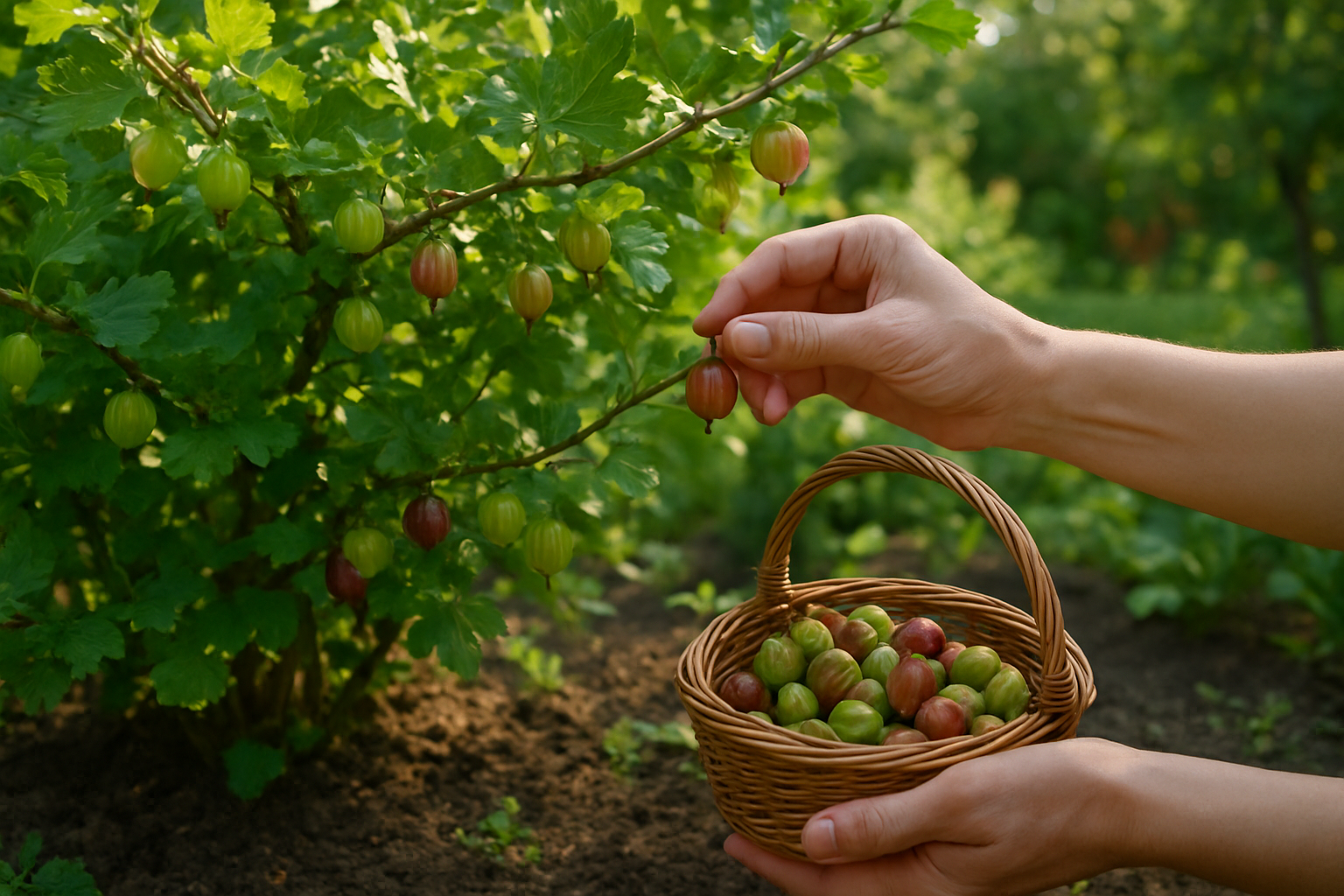
For fresh eating, wait until gooseberries reach full size and develop their characteristic color - whether that's deep purple, red, yellow, or green depending on the variety. Ripe fruits yield slightly to gentle pressure and pull easily from the stem. Taste-testing helps determine peak sweetness, as color alone doesn't always indicate ripeness.
Pick gooseberries in dry conditions to prevent mold and extend storage life. Handle gently since ripe fruits bruise easily. Fresh gooseberries keep in the refrigerator for up to two weeks, while slightly underripe ones can be stored for cooking purposes for several weeks.
Culinary Uses and Recipe Applications
Fresh eating and snacking options
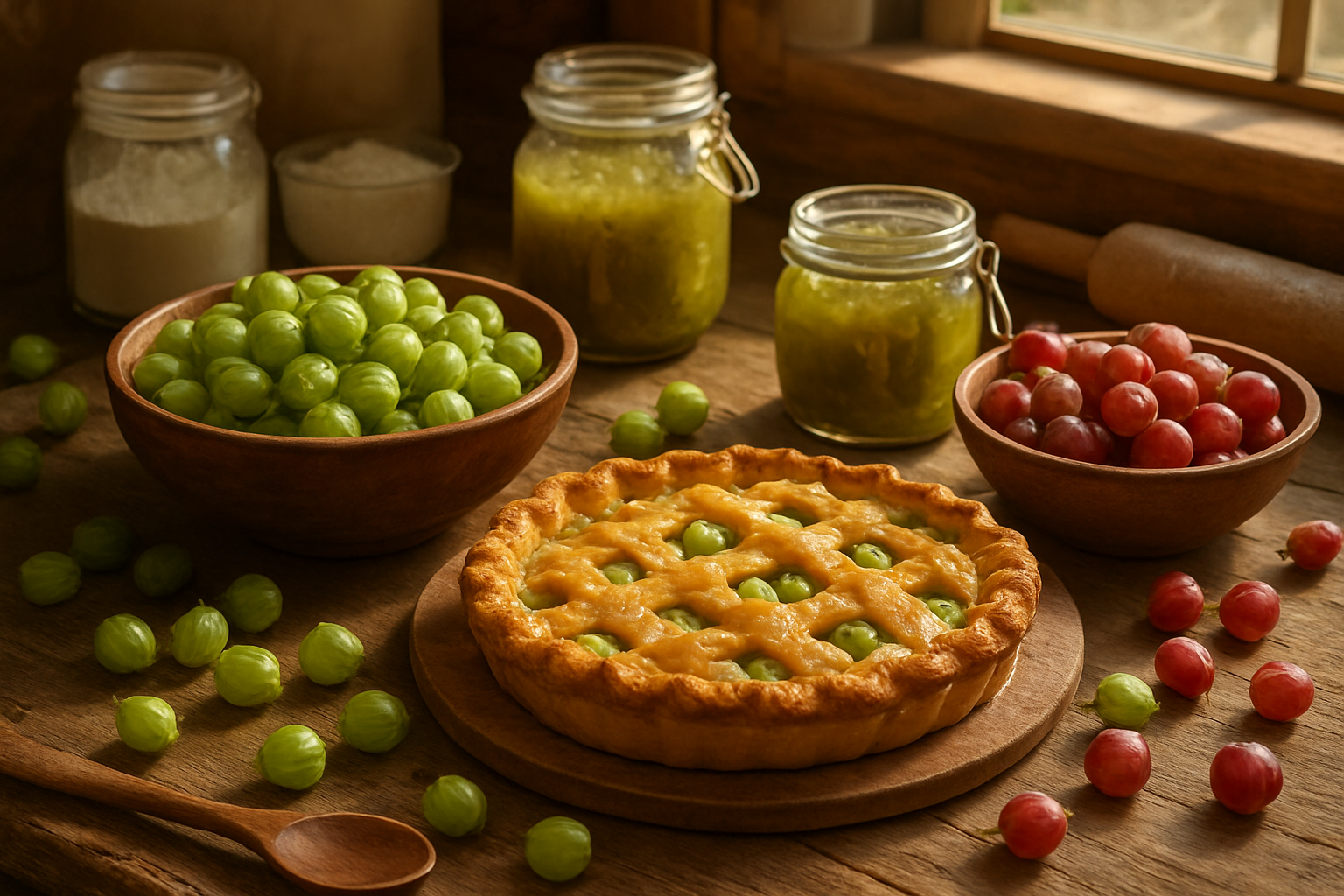
Gooseberries make fantastic fresh snacks when they're perfectly ripe. The sweet varieties like Hinnomaki Red or Pixwell can be eaten straight from the bush, offering a delightful balance of tartness and sweetness. When selecting gooseberries for fresh eating, look for fruits that give slightly to gentle pressure and have developed their full color - whether that's translucent green, golden yellow, or deep red depending on the variety.
Raw gooseberries add incredible texture and flavor to fruit salads, yogurt parfaits, and smoothie bowls. Their natural tartness pairs beautifully with sweeter fruits like strawberries and peaches. You can also create simple fresh preparations by macerating sliced gooseberries with a touch of honey or maple syrup, letting their natural juices create a light syrup that's perfect for spooning over ice cream or pancakes.
Traditional jams and preserves
Gooseberry jam represents one of the most beloved traditional uses for this versatile fruit. The high pectin content in gooseberries makes them ideal for jam-making, as they naturally set well without requiring additional thickening agents. Classic gooseberry jam recipes typically use a 1:1 ratio of fruit to sugar, though modern versions often reduce the sugar content while adding lemon juice to maintain the proper acidity for safe preservation.
Elderflower and gooseberry preserves create an especially popular combination, with the floral notes of elderflower perfectly complementing the tart gooseberry base. Many home preservers also experiment with adding fresh ginger, vanilla, or even a splash of gin to create unique flavor profiles. The key to successful gooseberry preserves lies in choosing fruit that's slightly underripe, as this ensures maximum pectin content for proper setting.
Baking applications in pies and desserts
Gooseberries shine in baked desserts, where their tartness balances sweet pastries and custards beautifully. Traditional gooseberry fool - layers of sweetened gooseberry compote and whipped cream - remains a British dessert staple. The fruit's ability to hold its shape during cooking makes it perfect for pies, tarts, and crumbles.
When baking with gooseberries, you'll want to adjust sugar levels based on the variety's natural sweetness. Tart varieties like Invicta may need additional sweetening, while sweeter types like Captivator require less. Gooseberry crumble represents perhaps the most popular baked application, where the fruit's natural juices create a perfect sauce beneath a crispy oat and butter topping. The berries also work wonderfully in upside-down cakes, muffins, and as a filling for Danish pastries.
Savory dishes and sauce preparations
Gooseberries aren't limited to sweet applications - they create exceptional savory sauces and accompaniments. Gooseberry chutney pairs magnificently with grilled meats, particularly lamb and pork, where the fruit's acidity cuts through rich, fatty flavors. Traditional British cuisine features gooseberry sauce as a classic accompaniment to mackerel, where the tartness complements the fish's oily richness.
These versatile berries can be incorporated into marinades for poultry, where their natural acids help tenderize the meat while adding complex flavor. Gooseberry gastrique - a sweet and sour sauce made by caramelizing sugar then deglazing with gooseberry puree and vinegar - elevates duck breast or pork tenderloin to restaurant-quality status. The fruit also works well in fresh salsas, combined with red onion, cilantro, and jalapeño for a unique accompaniment to grilled fish or chicken.
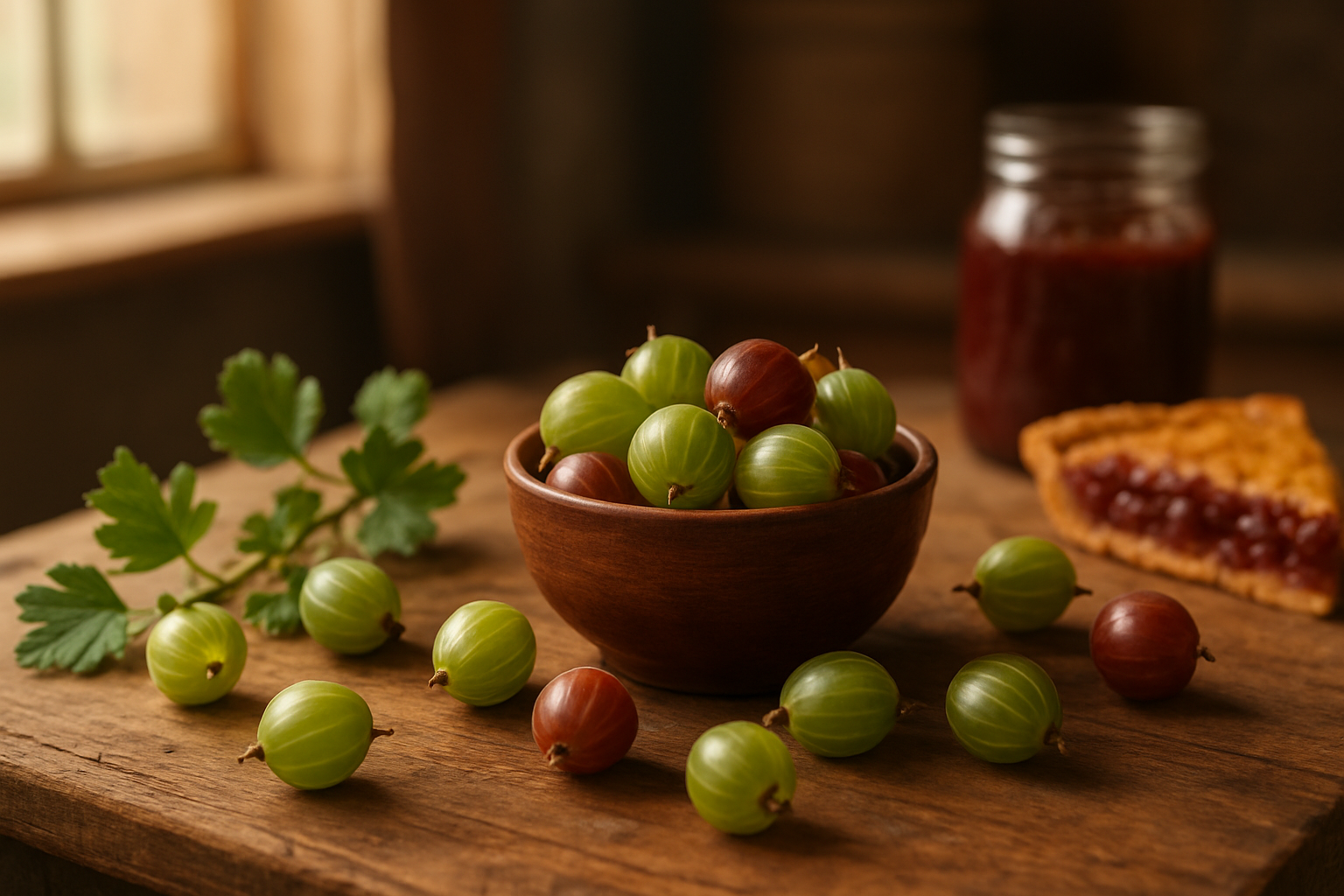
Gooseberries offer so much more than their humble appearance suggests. These small, tart fruits pack serious nutritional punch with their high vitamin C content and antioxidants, while their versatility in the kitchen makes them perfect for everything from jams and pies to savory sauces. Whether you choose the traditional European varieties or the hardier American types, you'll find these berries surprisingly easy to grow in your own backyard.
Ready to give gooseberries a try? Start small by picking up some fresh berries at your local farmer's market or specialty grocery store. Experiment with a simple gooseberry fool or add them to your next batch of muffins. Once you taste their unique sweet-tart flavor, you might just find yourself planning your own gooseberry patch for next season.


.png)
Comments
Post a Comment